
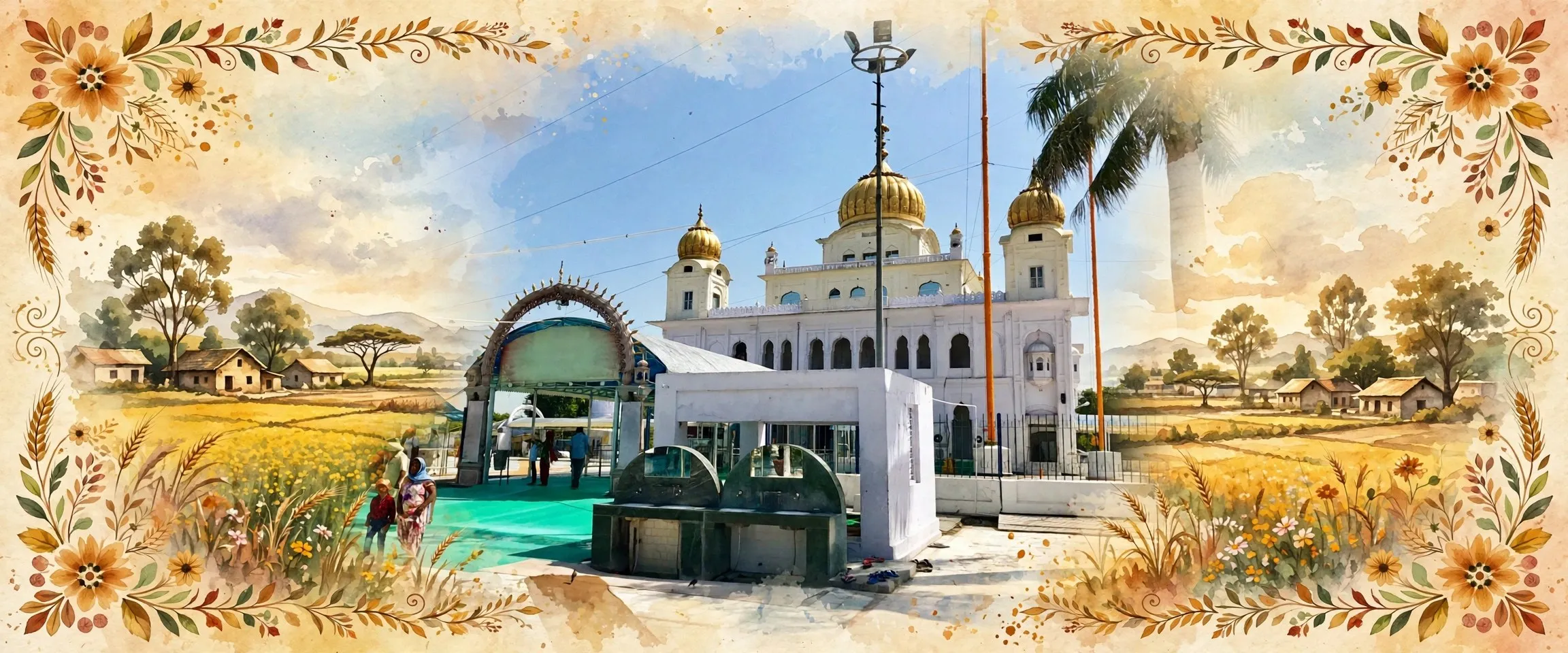
Fatehgarh Sahib is a district in the Malwa region of Punjab, India, formed on 13 April 1992 and named for Sahibzada Fateh Singh. Centred on Sirhind, it is known for the martyrdom of Guru Gobind Singh's younger sons Zorawar Singh and Fateh Singh in December 1704, for Gurdwara Fatehgarh Sahib, and for the steel town of Mandi Gobindgarh.
- Punjabi name
- ਫਤਿਹਗੜ੍ਹ ਸਾਹਿਬ
- Type
- District
- Headquarters
- Fatehgarh Sahib
- Region
- Malwa
- State
- Punjab
- Area
- 1,180 sq km
All 15 facts
- Population (2011)
- 600,163 (Census 2011)
- Density
- 509 per sq km (Census 2011)
- Literacy
- 79.35% (Census 2011)
- Sex ratio
- 871 females per 1,000 males (Census 2011)
- Tehsils
- 4: Amloh, Bassi Pathana, Fatehgarh Sahib, Khamanon
- Blocks
- 5: Amloh, Bassi Pathana, Khamanon, Sirhind, Khera
- Villages
- 457
- Known for
- Gurdwara Fatehgarh Sahib, Sirhind, Mandi Gobindgarh steel
- District formed
- 13 April 1992
Fatehgarh Sahib is a small district in the Malwa region of Punjab, India, centred on the historic town of Sirhind and its twin settlement Fatehgarh Sahib. It is known across Punjab for the martyrdom of Guru Gobind Singh's younger sons, for Gurdwara Fatehgarh Sahib, and for the steel town of Mandi Gobindgarh.
Where is Fatehgarh Sahib district?
Fatehgarh Sahib district is in south eastern Punjab, about 50 kilometres west of Chandigarh, the state capital. The district headquarters is the town of Fatehgarh Sahib, with the municipal council at Sirhind nearby. Ludhiana and Rupnagar lie to the north, Patiala to the south, and Ludhiana and Sangrur to the west, according to the district administration.
The district covers 1,180 square kilometres and counted 600,163 people in the Census of 2011, making it one of the least populous districts of Punjab. It is administered through four tehsils, Amloh, Bassi Pathana, Fatehgarh Sahib and Khamanon, and five development blocks, Amloh, Bassi Pathana, Khamanon, Sirhind and Khera, with 457 villages in all. Most residents live in the countryside: the 2011 count recorded 414,681 rural residents against 185,482 in towns. The district in its present form was created on 13 April 1992, on Baisakhi Day.
Sirhind and the making of a historic town
Sirhind is far older than the district that now carries a different name. The district history notes early references to the place, describes it as a settlement of the Sairindhas, and traces its growth as a border town on the routes across the plains. A fort was built here in the time of Balban's family, and after the first battle of Panipat in 1526 the town came under Mughal rule.
Under the Mughals, Sirhind became an important provincial town on the road between Delhi and Lahore. Governors ruled from its fort and royal travellers rested in its gardens. That standing changed in the early eighteenth century. After the events of December 1704, described below, Sikh forces under Banda Singh Bahadur captured Sirhind in 1710 and Wazir Khan was killed. Control changed hands again until the Khalsa defeated the Durrani appointee Zain Khan in 1764.
In the British period the area lay mainly within the princely states of Patiala and Nabha. After independence it formed a district in the Patiala and East Punjab States Union, was merged into Patiala district in 1953, and regained separate district status in 1992. The archaeological village of Sanghol, in Khamanon side of the district, points to a much longer past: the District Census Handbook records finds there from the late Harappan period to the sixth century, now kept in the Sanghol Museum.
The martyrdom of the younger Sahibzadas
The district takes its name from Sahibzada Fateh Singh, the youngest son of Guru Gobind Singh. The Census handbook and district history record that he and his elder brother Sahibzada Zorawar Singh were martyred at Sirhind in December 1704. Fateh Singh was seven years old and Zorawar Singh nine, ages given in accounts of Gurdwara Fatehgarh Sahib.
According to the district account, after the Guru's family crossed the flooded Sirsa river, Mata Gujri and the two younger Sahibzadas were separated from the rest of the party. They were accompanied by the family's cook Gangu, who handed them over to the authorities at Sirhind. Wazir Khan, the Mughal faujdar or governor of Sirhind, held them in the Thanda Burj, the cold tower, and pressed them to embrace Islam. Both boys refused.
On Wazir Khan's orders the two Sahibzadas were bricked alive in a wall. When Mata Gujri heard of their martyrdom, she died in the tower. Diwan Todar Mal, a merchant of Sirhind, is remembered for purchasing the land for their cremation by paying in gold coins. The place of cremation is now marked by Gurdwara Jyoti Sarup. A second explanation of the name, recorded in the Census handbook, links Fatehgarh to the later Sikh victory over the fort of Sirhind. Both accounts are part of how the name is explained locally, and the story is told with care in the district to this day.
Gurdwaras, Rauza Sharif and Aam Khas Bagh
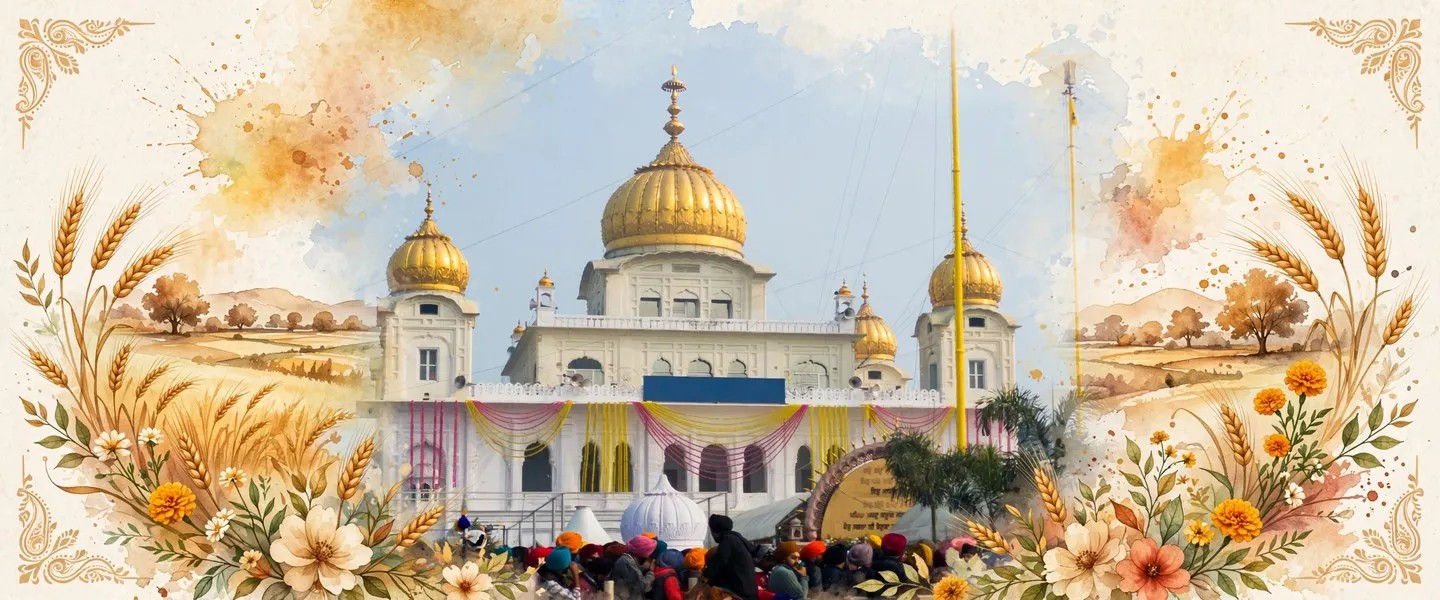
Gurdwara Fatehgarh Sahib stands at the site associated with the martyrdom. Within the complex, Gurdwara Bhora Sahib preserves the historic wall in its basement sanctum, Gurdwara Burj Mata Gujri marks the Thanda Burj where the family was confined, and Gurdwara Shahid Ganj remembers Sikhs killed in the fighting under Banda Singh Bahadur. A large hall behind the main gurdwara is named for Diwan Todar Mal. The main structure was first built in its historic form in 1844, during the reign of Maharaja Karam Singh of Patiala, and has been rebuilt and extended since. Gurdwara Jyoti Sarup, about 1.5 kilometres to the south east on the Sirhind to Chandigarh road, marks the cremation site of Mata Gujri and the two Sahibzadas.
A short distance north of the gurdwara, on the Sirhind to Bassi Pathana road, stands Rauza Sharif, the tomb complex of Sheikh Ahmad Faruqi Sirhindi, known as Mujaddid Alf Sani. A Naqshbandi Sufi scholar who lived in the times of Akbar and Jahangir, from 1563 to 1624 in the district account, he is held in high esteem by Sunni Muslims, and the district site describes the mausoleum as regarded as a second Mecca. Pilgrims come from many countries for the annual Urs celebrations, whose date moves each year. Other tombs of his family stand within the compound.
The Aam Khas Bagh, whose name means the garden of the common and the special, is the most visible survival of Mughal Sirhind. Laid out in the time of Akbar by Hafiz Sultan Muhammad Rakhna, the revenue collector of Sirhind, it was kept up and remodelled by later emperors. Jahangir took a close interest in it in 1617, and Shah Jahan visited repeatedly and once celebrated Nauroz there. Its three enclosures hold domed bastions, an artificial lake, a long water channel with carved fountains and a hammam, or bathhouse. During the Shaheedi Jor Mela, a light and sound programme on the history of Sirhind is shown here at night.
Towns, steel and farm economy
The district administration describes the economy as resting mainly on agriculture, industry and allied work. Its main towns each play a different part. Sirhind and Fatehgarh Sahib form the administrative and pilgrim centre, where the district offices stand close to the main gurdwara. Bassi Pathana, Amloh and Khamanon are quieter market and tehsil towns serving the villages around them, handling farm produce, shops and local services.
Mandi Gobindgarh is the exception, and the district's industrial name. The district site calls it the Steel Town of India for its many steel rolling mills. Accounts of the town trace steel working to the early twentieth century, to a free trade zone for steel in 1928 and to land given to local blacksmiths at low rates in the early 1940s along the Grand Trunk Road. The town is reported to have nearly 200 steel rolling mills, with induction furnaces, forging and foundry units around them, and its traders sell steel across India. The district also lists units making sewing machine parts, pumps, bus and truck bodies and mining machinery. That mix of furnaces and farm fields is the district's everyday character.
Shaheedi Jor Mela and getting there
Every December the district holds the Shaheedi Jor Mela at Gurdwara Fatehgarh Sahib, in memory of Zorawar Singh and Fateh Singh. The three day gathering begins with an Akhand Path, the continuous reading of the Guru Granth Sahib, at Gurdwara Jyoti Sarup, and closes with a nagar kirtan, a religious procession, from Gurdwara Fatehgarh Sahib to Gurdwara Jyoti Sarup. Large numbers of devotees attend each year, and villages along the approach roads set up langars, community kitchens serving free food and tea to travellers, in cold winter weather.
Getting there is straightforward. By road, Fatehgarh Sahib is about 250 kilometres from Delhi and about 50 kilometres from Chandigarh, and the National Highway listed by the district as NH 1, the Sher Shah Suri Marg, passes through Sirhind and Mandi Gobindgarh, with buses on the Delhi to Amritsar route halting at both. Regular buses also run from Chandigarh, Patiala and Ropar. By rail, Sirhind Junction stands on the Delhi to Amritsar section and links towards Ropar and Nangal Dam, while Fatehgarh Sahib station lies on the Sirhind to Nangal line. The nearest airport is the international airport at Mohali and Chandigarh, about 50 kilometres away.
Today Fatehgarh Sahib remains a small, largely rural district with a literacy rate of 79.35 percent and a sex ratio of 871 females for every 1,000 males in 2011. Its Sikh majority, about 71 percent in 2011, lives alongside Hindu and Muslim neighbours, and its two best known places of memory, a Sikh gurdwara and a Sufi rauza, stand within walking distance of each other. For residents it is home: farm villages, market towns, a steel economy, and a December gathering that still defines the year.
ਫਤਿਹਗੜ੍ਹ ਸਾਹਿਬ ਪੰਜਾਬ ਦੇ ਮਾਲਵਾ ਖੇਤਰ ਦਾ ਇੱਕ ਛੋਟਾ ਜ਼ਿਲ੍ਹਾ ਹੈ, ਜਿਸ ਦਾ ਕੇਂਦਰ ਇਤਿਹਾਸਕ ਸ਼ਹਿਰ ਸਰਹਿੰਦ ਅਤੇ ਉਸ ਨਾਲ ਜੁੜਿਆ ਫਤਿਹਗੜ੍ਹ ਸਾਹਿਬ ਹੈ। ਇਹ ਜ਼ਿਲ੍ਹਾ ਗੁਰੂ ਗੋਬਿੰਦ ਸਿੰਘ ਜੀ ਦੇ ਛੋਟੇ ਸਾਹਿਬਜ਼ਾਦਿਆਂ ਦੀ ਸ਼ਹਾਦਤ, ਗੁਰਦੁਆਰਾ ਫਤਿਹਗੜ੍ਹ ਸਾਹਿਬ ਅਤੇ ਮੰਡੀ ਗੋਬਿੰਦਗੜ੍ਹ ਦੇ ਸਟੀਲ ਉਦਯੋਗ ਕਰਕੇ ਸਾਰੇ ਪੰਜਾਬ ਵਿੱਚ ਜਾਣਿਆ ਜਾਂਦਾ ਹੈ।
ਫਤਿਹਗੜ੍ਹ ਸਾਹਿਬ ਜ਼ਿਲ੍ਹਾ ਕਿੱਥੇ ਹੈ?
ਫਤਿਹਗੜ੍ਹ ਸਾਹਿਬ ਜ਼ਿਲ੍ਹਾ ਦੱਖਣ ਪੂਰਬੀ ਪੰਜਾਬ ਵਿੱਚ ਹੈ, ਸੂਬੇ ਦੀ ਰਾਜਧਾਨੀ ਚੰਡੀਗੜ੍ਹ ਤੋਂ ਲਗਭਗ 50 ਕਿਲੋਮੀਟਰ ਪੱਛਮ ਵੱਲ। ਜ਼ਿਲ੍ਹੇ ਦਾ ਸਦਰ ਮੁਕਾਮ ਫਤਿਹਗੜ੍ਹ ਸਾਹਿਬ ਕਸਬਾ ਹੈ ਅਤੇ ਨੇੜੇ ਹੀ ਸਰਹਿੰਦ ਵਿੱਚ ਨਗਰ ਕੌਂਸਲ ਹੈ। ਜ਼ਿਲ੍ਹਾ ਪ੍ਰਸ਼ਾਸਨ ਅਨੁਸਾਰ ਉੱਤਰ ਵੱਲ ਲੁਧਿਆਣਾ ਅਤੇ ਰੂਪਨਗਰ, ਦੱਖਣ ਵੱਲ ਪਟਿਆਲਾ ਅਤੇ ਪੱਛਮ ਵੱਲ ਲੁਧਿਆਣਾ ਅਤੇ ਸੰਗਰੂਰ ਹਨ।
ਜ਼ਿਲ੍ਹੇ ਦਾ ਰਕਬਾ 1,180 ਵਰਗ ਕਿਲੋਮੀਟਰ ਹੈ ਅਤੇ 2011 ਦੀ ਮਰਦਮਸ਼ੁਮਾਰੀ ਵਿੱਚ ਇੱਥੇ 600,163 ਲੋਕ ਗਿਣੇ ਗਏ, ਜਿਸ ਨਾਲ ਇਹ ਪੰਜਾਬ ਦੇ ਸਭ ਤੋਂ ਘੱਟ ਆਬਾਦੀ ਵਾਲੇ ਜ਼ਿਲ੍ਹਿਆਂ ਵਿੱਚੋਂ ਇੱਕ ਹੈ। ਇੱਥੇ ਚਾਰ ਤਹਿਸੀਲਾਂ ਅਮਲੋਹ, ਬਸੀ ਪਠਾਣਾ, ਫਤਿਹਗੜ੍ਹ ਸਾਹਿਬ ਅਤੇ ਖਮਾਣੋਂ ਹਨ, ਪੰਜ ਵਿਕਾਸ ਬਲਾਕ ਅਮਲੋਹ, ਬਸੀ ਪਠਾਣਾ, ਖਮਾਣੋਂ, ਸਰਹਿੰਦ ਅਤੇ ਖੇੜਾ ਹਨ, ਅਤੇ ਕੁੱਲ 457 ਪਿੰਡ ਹਨ। ਬਹੁਤੇ ਲੋਕ ਪਿੰਡਾਂ ਵਿੱਚ ਰਹਿੰਦੇ ਹਨ: 2011 ਵਿੱਚ 414,681 ਲੋਕ ਪੇਂਡੂ ਅਤੇ 185,482 ਲੋਕ ਸ਼ਹਿਰੀ ਗਿਣੇ ਗਏ। ਜ਼ਿਲ੍ਹਾ ਆਪਣੇ ਮੌਜੂਦਾ ਰੂਪ ਵਿੱਚ 13 ਅਪ੍ਰੈਲ 1992 ਨੂੰ, ਵਿਸਾਖੀ ਵਾਲੇ ਦਿਨ, ਬਣਿਆ।
ਸਰਹਿੰਦ ਅਤੇ ਇੱਕ ਇਤਿਹਾਸਕ ਸ਼ਹਿਰ ਦਾ ਬਣਨਾ
ਸਰਹਿੰਦ ਜ਼ਿਲ੍ਹੇ ਨਾਲੋਂ ਕਿਤੇ ਪੁਰਾਣਾ ਹੈ। ਜ਼ਿਲ੍ਹਾ ਇਤਿਹਾਸ ਵਿੱਚ ਇਸ ਥਾਂ ਦੇ ਮੁੱਢਲੇ ਹਵਾਲੇ ਮਿਲਦੇ ਹਨ, ਇਸ ਨੂੰ ਸੈਰਿੰਧਾਂ ਦੀ ਵਸੋਂ ਦੱਸਿਆ ਗਿਆ ਹੈ ਅਤੇ ਮੈਦਾਨੀ ਰਾਹਾਂ ਉੱਤੇ ਇੱਕ ਸਰਹੱਦੀ ਕਸਬੇ ਵਜੋਂ ਇਸ ਦਾ ਵਾਧਾ ਦਰਜ ਹੈ। ਬਲਬਨ ਦੇ ਪਰਿਵਾਰ ਦੇ ਸਮੇਂ ਇੱਥੇ ਕਿਲ੍ਹਾ ਬਣਿਆ ਅਤੇ 1526 ਵਿੱਚ ਪਾਣੀਪਤ ਦੀ ਪਹਿਲੀ ਲੜਾਈ ਤੋਂ ਬਾਅਦ ਇਹ ਸ਼ਹਿਰ ਮੁਗ਼ਲ ਰਾਜ ਅਧੀਨ ਆ ਗਿਆ।
ਮੁਗ਼ਲਾਂ ਅਧੀਨ ਸਰਹਿੰਦ ਦਿੱਲੀ ਅਤੇ ਲਾਹੌਰ ਵਿਚਕਾਰ ਸੜਕ ਉੱਤੇ ਇੱਕ ਅਹਿਮ ਸੂਬਾਈ ਸ਼ਹਿਰ ਬਣ ਗਿਆ। ਇਸ ਦੇ ਕਿਲ੍ਹੇ ਤੋਂ ਹਾਕਮ ਰਾਜ ਕਰਦੇ ਸਨ, ਸ਼ਾਹੀ ਮੁਸਾਫ਼ਰ ਇਸ ਦੇ ਬਾਗ਼ਾਂ ਵਿੱਚ ਠਹਿਰਦੇ ਸਨ ਅਤੇ ਇਸ ਦੀਆਂ ਮੰਡੀਆਂ ਆਸ ਪਾਸ ਦੇ ਖੇਤਾਂ ਦੀ ਸੇਵਾ ਕਰਦੀਆਂ ਸਨ। ਅਠਾਰਵੀਂ ਸਦੀ ਦੇ ਸ਼ੁਰੂ ਵਿੱਚ ਇਹ ਸਥਿਤੀ ਬਦਲ ਗਈ। ਦਸੰਬਰ 1704 ਦੀਆਂ ਘਟਨਾਵਾਂ ਤੋਂ ਬਾਅਦ, ਜਿਨ੍ਹਾਂ ਦਾ ਜ਼ਿਕਰ ਅੱਗੇ ਹੈ, ਬੰਦਾ ਸਿੰਘ ਬਹਾਦਰ ਦੀ ਅਗਵਾਈ ਵਿੱਚ ਸਿੱਖ ਫ਼ੌਜਾਂ ਨੇ 1710 ਵਿੱਚ ਸਰਹਿੰਦ ਜਿੱਤਿਆ ਅਤੇ ਵਜ਼ੀਰ ਖ਼ਾਨ ਮਾਰਿਆ ਗਿਆ। ਅਗਲੇ ਦਹਾਕਿਆਂ ਵਿੱਚ ਰਾਜ ਫਿਰ ਬਦਲਦਾ ਰਿਹਾ, ਜਦ ਤੱਕ 1764 ਵਿੱਚ ਖ਼ਾਲਸੇ ਨੇ ਦੁਰਾਨੀ ਦੇ ਨਿਯੁਕਤ ਜ਼ੈਨ ਖ਼ਾਨ ਨੂੰ ਹਰਾਇਆ।
ਅੰਗਰੇਜ਼ਾਂ ਦੇ ਸਮੇਂ ਇਹ ਇਲਾਕਾ ਵੱਡੇ ਪੱਧਰ ਉੱਤੇ ਪਟਿਆਲਾ ਅਤੇ ਨਾਭਾ ਰਿਆਸਤਾਂ ਵਿੱਚ ਸੀ। ਆਜ਼ਾਦੀ ਤੋਂ ਬਾਅਦ ਇਹ ਪਟਿਆਲਾ ਅਤੇ ਪੂਰਬੀ ਪੰਜਾਬ ਰਿਆਸਤਾਂ ਸੰਘ ਵਿੱਚ ਜ਼ਿਲ੍ਹਾ ਬਣਿਆ, 1953 ਵਿੱਚ ਪਟਿਆਲਾ ਜ਼ਿਲ੍ਹੇ ਵਿੱਚ ਮਿਲਾ ਦਿੱਤਾ ਗਿਆ ਅਤੇ 1992 ਵਿੱਚ ਫਿਰ ਵੱਖਰਾ ਜ਼ਿਲ੍ਹਾ ਬਣਿਆ। ਖਮਾਣੋਂ ਵਾਲੇ ਪਾਸੇ ਪਿੰਡ ਸੰਘੋਲ ਇਸ ਤੋਂ ਵੀ ਲੰਮੇ ਅਤੀਤ ਵੱਲ ਇਸ਼ਾਰਾ ਕਰਦਾ ਹੈ: ਜ਼ਿਲ੍ਹਾ ਮਰਦਮਸ਼ੁਮਾਰੀ ਪੁਸਤਕ ਅਨੁਸਾਰ ਉੱਥੋਂ ਮਰਹੂਮ ਹੜੱਪਾ ਕਾਲ ਤੋਂ ਛੇਵੀਂ ਸਦੀ ਤੱਕ ਦੀਆਂ ਵਸਤਾਂ ਮਿਲੀਆਂ ਹਨ, ਜੋ ਹੁਣ ਸੰਘੋਲ ਅਜਾਇਬ ਘਰ ਵਿੱਚ ਹਨ।
ਛੋਟੇ ਸਾਹਿਬਜ਼ਾਦਿਆਂ ਦੀ ਸ਼ਹਾਦਤ
ਜ਼ਿਲ੍ਹੇ ਦਾ ਨਾਂ ਗੁਰੂ ਗੋਬਿੰਦ ਸਿੰਘ ਜੀ ਦੇ ਸਭ ਤੋਂ ਛੋਟੇ ਪੁੱਤਰ ਸਾਹਿਬਜ਼ਾਦਾ ਫ਼ਤਹਿ ਸਿੰਘ ਦੇ ਨਾਂ ਉੱਤੇ ਹੈ। ਮਰਦਮਸ਼ੁਮਾਰੀ ਪੁਸਤਕ ਅਤੇ ਜ਼ਿਲ੍ਹਾ ਇਤਿਹਾਸ ਅਨੁਸਾਰ ਉਹ ਅਤੇ ਉਨ੍ਹਾਂ ਦੇ ਵੱਡੇ ਭਰਾ ਸਾਹਿਬਜ਼ਾਦਾ ਜ਼ੋਰਾਵਰ ਸਿੰਘ ਦਸੰਬਰ 1704 ਵਿੱਚ ਸਰਹਿੰਦ ਵਿੱਚ ਸ਼ਹੀਦ ਹੋਏ। ਗੁਰਦੁਆਰਾ ਫਤਿਹਗੜ੍ਹ ਸਾਹਿਬ ਦੇ ਵੇਰਵਿਆਂ ਅਨੁਸਾਰ ਫ਼ਤਹਿ ਸਿੰਘ ਸੱਤ ਸਾਲ ਅਤੇ ਜ਼ੋਰਾਵਰ ਸਿੰਘ ਨੌਂ ਸਾਲ ਦੇ ਸਨ।
ਜ਼ਿਲ੍ਹਾ ਵੇਰਵੇ ਅਨੁਸਾਰ, ਗੁਰੂ ਜੀ ਦਾ ਪਰਿਵਾਰ ਹੜ੍ਹ ਆਈ ਸਰਸਾ ਨਦੀ ਪਾਰ ਕਰਦਾ ਹੋਇਆ ਵਿਛੜ ਗਿਆ ਤਾਂ ਮਾਤਾ ਗੁਜਰੀ ਅਤੇ ਦੋਵੇਂ ਛੋਟੇ ਸਾਹਿਬਜ਼ਾਦੇ ਬਾਕੀ ਪਰਿਵਾਰ ਤੋਂ ਵੱਖ ਹੋ ਗਏ। ਉਨ੍ਹਾਂ ਨਾਲ ਪਰਿਵਾਰ ਦਾ ਰਸੋਈਆ ਗੰਗੂ ਸੀ, ਜਿਸ ਨੇ ਉਨ੍ਹਾਂ ਨੂੰ ਸਰਹਿੰਦ ਦੇ ਹਾਕਮਾਂ ਦੇ ਹਵਾਲੇ ਕਰ ਦਿੱਤਾ। ਸਰਹਿੰਦ ਦੇ ਮੁਗ਼ਲ ਫ਼ੌਜਦਾਰ ਵਜ਼ੀਰ ਖ਼ਾਨ ਨੇ ਉਨ੍ਹਾਂ ਨੂੰ ਠੰਢੇ ਬੁਰਜ ਵਿੱਚ ਰੱਖਿਆ ਅਤੇ ਇਸਲਾਮ ਕਬੂਲਣ ਲਈ ਦਬਾਅ ਪਾਇਆ। ਦੋਵਾਂ ਬੱਚਿਆਂ ਨੇ ਇਨਕਾਰ ਕਰ ਦਿੱਤਾ।
ਵਜ਼ੀਰ ਖ਼ਾਨ ਦੇ ਹੁਕਮ ਨਾਲ ਦੋਵੇਂ ਸਾਹਿਬਜ਼ਾਦੇ ਨੀਹਾਂ ਵਿੱਚ ਚਿਣ ਦਿੱਤੇ ਗਏ। ਉਨ੍ਹਾਂ ਦੀ ਸ਼ਹਾਦਤ ਦੀ ਖ਼ਬਰ ਸੁਣ ਕੇ ਮਾਤਾ ਗੁਜਰੀ ਬੁਰਜ ਵਿੱਚ ਹੀ ਅਕਾਲ ਚਲਾਣਾ ਕਰ ਗਏ। ਸਰਹਿੰਦ ਦੇ ਵਪਾਰੀ ਦੀਵਾਨ ਟੋਡਰ ਮੱਲ ਨੂੰ ਯਾਦ ਕੀਤਾ ਜਾਂਦਾ ਹੈ ਕਿ ਉਸ ਨੇ ਸੋਨੇ ਦੇ ਸਿੱਕੇ ਦੇ ਕੇ ਉਨ੍ਹਾਂ ਦੇ ਸਸਕਾਰ ਲਈ ਜ਼ਮੀਨ ਖ਼ਰੀਦੀ। ਸਸਕਾਰ ਵਾਲੀ ਥਾਂ ਉੱਤੇ ਹੁਣ ਗੁਰਦੁਆਰਾ ਜੋਤੀ ਸਰੂਪ ਹੈ। ਨਾਂ ਦੀ ਇੱਕ ਦੂਜੀ ਵਿਆਖਿਆ, ਜੋ ਮਰਦਮਸ਼ੁਮਾਰੀ ਪੁਸਤਕ ਵਿੱਚ ਦਰਜ ਹੈ, ਫਤਿਹਗੜ੍ਹ ਨੂੰ ਸਰਹਿੰਦ ਦੇ ਕਿਲ੍ਹੇ ਉੱਤੇ ਬਾਅਦ ਦੀ ਸਿੱਖ ਜਿੱਤ ਨਾਲ ਜੋੜਦੀ ਹੈ। ਦੋਵੇਂ ਵਿਆਖਿਆਵਾਂ ਸਥਾਨਕ ਤੌਰ ਉੱਤੇ ਨਾਂ ਸਮਝਾਉਣ ਦਾ ਹਿੱਸਾ ਹਨ ਅਤੇ ਇਹ ਸਾਖੀ ਅੱਜ ਵੀ ਜ਼ਿਲ੍ਹੇ ਵਿੱਚ ਸਤਿਕਾਰ ਨਾਲ ਸੁਣਾਈ ਜਾਂਦੀ ਹੈ।
ਗੁਰਦੁਆਰੇ, ਰੌਜ਼ਾ ਸ਼ਰੀਫ਼ ਅਤੇ ਆਮ ਖ਼ਾਸ ਬਾਗ਼
ਗੁਰਦੁਆਰਾ ਫਤਿਹਗੜ੍ਹ ਸਾਹਿਬ ਸ਼ਹਾਦਤ ਨਾਲ ਜੁੜੀ ਥਾਂ ਉੱਤੇ ਖੜ੍ਹਾ ਹੈ। ਇਸ ਪਰਿਸਰ ਵਿੱਚ ਗੁਰਦੁਆਰਾ ਭੋਰਾ ਸਾਹਿਬ ਆਪਣੇ ਹੇਠਲੇ ਅਸਥਾਨ ਵਿੱਚ ਇਤਿਹਾਸਕ ਦੀਵਾਰ ਨੂੰ ਸੰਭਾਲਦਾ ਹੈ, ਗੁਰਦੁਆਰਾ ਬੁਰਜ ਮਾਤਾ ਗੁਜਰੀ ਉਸ ਠੰਢੇ ਬੁਰਜ ਦੀ ਨਿਸ਼ਾਨਦੇਹੀ ਕਰਦਾ ਹੈ ਜਿੱਥੇ ਪਰਿਵਾਰ ਨੂੰ ਰੱਖਿਆ ਗਿਆ ਸੀ, ਅਤੇ ਗੁਰਦੁਆਰਾ ਸ਼ਹੀਦ ਗੰਜ ਬੰਦਾ ਸਿੰਘ ਬਹਾਦਰ ਦੀ ਅਗਵਾਈ ਵਿੱਚ ਲੜਦਿਆਂ ਮਾਰੇ ਗਏ ਸਿੱਖਾਂ ਦੀ ਯਾਦ ਦਿਵਾਉਂਦਾ ਹੈ। ਮੁੱਖ ਗੁਰਦੁਆਰੇ ਦੇ ਪਿੱਛੇ ਇੱਕ ਵੱਡਾ ਹਾਲ ਦੀਵਾਨ ਟੋਡਰ ਮੱਲ ਦੇ ਨਾਂ ਉੱਤੇ ਹੈ। ਮੁੱਖ ਇਮਾਰਤ ਆਪਣੇ ਇਤਿਹਾਸਕ ਰੂਪ ਵਿੱਚ ਪਹਿਲਾਂ 1844 ਵਿੱਚ ਪਟਿਆਲਾ ਦੇ ਮਹਾਰਾਜਾ ਕਰਮ ਸਿੰਘ ਦੇ ਰਾਜ ਵਿੱਚ ਬਣੀ ਅਤੇ ਬਾਅਦ ਵਿੱਚ ਇਸ ਦਾ ਵਿਸਥਾਰ ਹੁੰਦਾ ਰਿਹਾ। ਸਰਹਿੰਦ ਤੋਂ ਚੰਡੀਗੜ੍ਹ ਸੜਕ ਉੱਤੇ ਲਗਭਗ 1.5 ਕਿਲੋਮੀਟਰ ਦੱਖਣ ਪੂਰਬ ਵੱਲ ਗੁਰਦੁਆਰਾ ਜੋਤੀ ਸਰੂਪ ਮਾਤਾ ਗੁਜਰੀ ਅਤੇ ਦੋਵਾਂ ਸਾਹਿਬਜ਼ਾਦਿਆਂ ਦੇ ਸਸਕਾਰ ਵਾਲੀ ਥਾਂ ਦੀ ਨਿਸ਼ਾਨਦੇਹੀ ਕਰਦਾ ਹੈ।
ਗੁਰਦੁਆਰੇ ਤੋਂ ਥੋੜ੍ਹੀ ਦੂਰ ਉੱਤਰ ਵੱਲ, ਸਰਹਿੰਦ ਤੋਂ ਬਸੀ ਪਠਾਣਾ ਸੜਕ ਉੱਤੇ, ਰੌਜ਼ਾ ਸ਼ਰੀਫ਼ ਹੈ, ਜੋ ਸ਼ੇਖ਼ ਅਹਿਮਦ ਫ਼ਾਰੂਕੀ ਸਰਹਿੰਦੀ, ਮੁਜੱਦਿਦ ਅਲਫ਼ ਸਾਨੀ, ਦਾ ਮਕਬਰਾ ਪਰਿਸਰ ਹੈ। ਨਕਸ਼ਬੰਦੀ ਸੂਫ਼ੀ ਵਿਦਵਾਨ, ਜੋ ਜ਼ਿਲ੍ਹਾ ਵੇਰਵੇ ਅਨੁਸਾਰ 1563 ਤੋਂ 1624 ਤੱਕ ਅਕਬਰ ਅਤੇ ਜਹਾਂਗੀਰ ਦੇ ਸਮੇਂ ਵਿੱਚ ਰਹੇ, ਸੁੰਨੀ ਮੁਸਲਮਾਨਾਂ ਵਿੱਚ ਬਹੁਤ ਸਤਿਕਾਰੇ ਜਾਂਦੇ ਹਨ ਅਤੇ ਜ਼ਿਲ੍ਹਾ ਸਾਈਟ ਇਸ ਮਕਬਰੇ ਨੂੰ ਦੂਜਾ ਮੱਕਾ ਮੰਨੇ ਜਾਣ ਵਜੋਂ ਦਰਸਾਉਂਦੀ ਹੈ। ਹਰ ਸਾਲ ਕਈ ਦੇਸ਼ਾਂ ਤੋਂ ਸ਼ਰਧਾਲੂ ਉਰਸ ਦੇ ਜਸ਼ਨਾਂ ਲਈ ਆਉਂਦੇ ਹਨ, ਜਿਨ੍ਹਾਂ ਦੀ ਤਾਰੀਖ਼ ਹਰ ਸਾਲ ਬਦਲਦੀ ਹੈ। ਪਰਿਸਰ ਵਿੱਚ ਉਨ੍ਹਾਂ ਦੇ ਪਰਿਵਾਰ ਦੇ ਹੋਰ ਮਕਬਰੇ ਵੀ ਹਨ।
ਆਮ ਖ਼ਾਸ ਬਾਗ਼, ਜਿਸ ਦੇ ਨਾਂ ਦਾ ਅਰਥ ਹੈ ਆਮ ਅਤੇ ਖ਼ਾਸ ਦਾ ਬਾਗ਼, ਮੁਗ਼ਲ ਸਰਹਿੰਦ ਦੀ ਸਭ ਤੋਂ ਸਪੱਸ਼ਟ ਬਚੀ ਨਿਸ਼ਾਨੀ ਹੈ। ਇਹ ਅਕਬਰ ਦੇ ਸਮੇਂ ਵਿੱਚ ਸਰਹਿੰਦ ਦੇ ਮਾਲ ਅਫ਼ਸਰ ਹਾਫ਼ਿਜ਼ ਸੁਲਤਾਨ ਮੁਹੰਮਦ ਰਖਨਾ ਨੇ ਬਣਵਾਇਆ ਅਤੇ ਬਾਅਦ ਦੇ ਬਾਦਸ਼ਾਹਾਂ ਨੇ ਇਸ ਨੂੰ ਸੰਭਾਲਿਆ ਅਤੇ ਬਦਲਿਆ। ਜਹਾਂਗੀਰ ਨੇ 1617 ਵਿੱਚ ਇਸ ਵਿੱਚ ਖ਼ਾਸ ਦਿਲਚਸਪੀ ਲਈ ਅਤੇ ਸ਼ਾਹਜਹਾਂ ਨੇ ਕਈ ਵਾਰ ਇੱਥੇ ਆ ਕੇ ਇੱਕ ਵਾਰ ਨੌਰੋਜ਼ ਵੀ ਮਨਾਇਆ। ਇਸ ਦੇ ਤਿੰਨ ਘੇਰਿਆਂ ਵਿੱਚ ਗੁੰਬਦਦਾਰ ਬੁਰਜ, ਇੱਕ ਨਕਲੀ ਝੀਲ, ਨੱਕਾਸ਼ੀ ਵਾਲੇ ਫੁਆਰਿਆਂ ਵਾਲੀ ਲੰਮੀ ਪਾਣੀ ਨਹਿਰ ਅਤੇ ਇੱਕ ਹਮਾਮ ਹੈ। ਸ਼ਹੀਦੀ ਜੋੜ ਮੇਲੇ ਦੌਰਾਨ ਇੱਥੇ ਰਾਤ ਨੂੰ ਸਰਹਿੰਦ ਦੇ ਇਤਿਹਾਸ ਉੱਤੇ ਰੌਸ਼ਨੀ ਅਤੇ ਆਵਾਜ਼ ਵਾਲਾ ਪ੍ਰੋਗਰਾਮ ਵਿਖਾਇਆ ਜਾਂਦਾ ਹੈ।
ਕਸਬੇ, ਸਟੀਲ ਅਤੇ ਖੇਤੀ ਅਰਥਚਾਰਾ
ਜ਼ਿਲ੍ਹਾ ਪ੍ਰਸ਼ਾਸਨ ਅਰਥਚਾਰੇ ਨੂੰ ਮੁੱਖ ਤੌਰ ਉੱਤੇ ਖੇਤੀ, ਉਦਯੋਗ ਅਤੇ ਸਹਾਇਕ ਕੰਮਾਂ ਉੱਤੇ ਟਿਕਿਆ ਦੱਸਦਾ ਹੈ। ਇਸ ਦੇ ਮੁੱਖ ਕਸਬਿਆਂ ਦਾ ਕੰਮ ਵੱਖ ਵੱਖ ਹੈ। ਸਰਹਿੰਦ ਅਤੇ ਫਤਿਹਗੜ੍ਹ ਸਾਹਿਬ ਪ੍ਰਸ਼ਾਸਨ ਅਤੇ ਤੀਰਥ ਯਾਤਰਾ ਦਾ ਕੇਂਦਰ ਹਨ, ਜਿੱਥੇ ਜ਼ਿਲ੍ਹਾ ਦਫ਼ਤਰ ਮੁੱਖ ਗੁਰਦੁਆਰੇ ਦੇ ਨੇੜੇ ਹਨ। ਬਸੀ ਪਠਾਣਾ, ਅਮਲੋਹ ਅਤੇ ਖਮਾਣੋਂ ਸ਼ਾਂਤ ਮੰਡੀ ਅਤੇ ਤਹਿਸੀਲ ਕਸਬੇ ਹਨ, ਜੋ ਆਸ ਪਾਸ ਦੇ ਪਿੰਡਾਂ ਲਈ ਖੇਤੀ ਉਪਜ, ਦੁਕਾਨਾਂ ਅਤੇ ਸਥਾਨਕ ਸੇਵਾਵਾਂ ਦਾ ਕੇਂਦਰ ਹਨ।
ਮੰਡੀ ਗੋਬਿੰਦਗੜ੍ਹ ਇਸ ਤੋਂ ਵੱਖਰਾ ਹੈ ਅਤੇ ਜ਼ਿਲ੍ਹੇ ਦਾ ਉਦਯੋਗਿਕ ਨਾਂ ਹੈ। ਜ਼ਿਲ੍ਹਾ ਸਾਈਟ ਇਸ ਨੂੰ ਇਸ ਦੀਆਂ ਬਹੁਤ ਸਾਰੀਆਂ ਸਟੀਲ ਰੋਲਿੰਗ ਮਿੱਲਾਂ ਕਰਕੇ ਭਾਰਤ ਦਾ ਸਟੀਲ ਸ਼ਹਿਰ ਕਹਿੰਦੀ ਹੈ। ਕਸਬੇ ਦੇ ਵੇਰਵੇ ਸਟੀਲ ਦੇ ਕੰਮ ਨੂੰ ਵੀਹਵੀਂ ਸਦੀ ਦੇ ਸ਼ੁਰੂ, 1928 ਵਿੱਚ ਸਟੀਲ ਲਈ ਖੁੱਲ੍ਹੇ ਵਪਾਰ ਖੇਤਰ ਅਤੇ 1940 ਦੇ ਸ਼ੁਰੂ ਵਿੱਚ ਗਰੈਂਡ ਟਰੰਕ ਰੋਡ ਦੇ ਦੋਵੇਂ ਪਾਸੇ ਸਥਾਨਕ ਲੋਹਾਰਾਂ ਨੂੰ ਸਸਤੀ ਜ਼ਮੀਨ ਦੇਣ ਨਾਲ ਜੋੜਦੇ ਹਨ। ਕਸਬੇ ਵਿੱਚ ਲਗਭਗ 200 ਸਟੀਲ ਰੋਲਿੰਗ ਮਿੱਲਾਂ ਦੱਸੀਆਂ ਜਾਂਦੀਆਂ ਹਨ, ਜਿਨ੍ਹਾਂ ਦੇ ਆਸ ਪਾਸ ਇੰਡਕਸ਼ਨ ਭੱਠੀਆਂ, ਫੋਰਜਿੰਗ ਅਤੇ ਫਾਊਂਡਰੀ ਇਕਾਈਆਂ, ਕਬਾੜ ਕੱਟਣ ਅਤੇ ਆਕਸੀਜਨ ਪਲਾਂਟ ਹਨ, ਅਤੇ ਇਸ ਦੇ ਵਪਾਰੀ ਸਟੀਲ ਦਾ ਸਮਾਨ ਸਾਰੇ ਭਾਰਤ ਵਿੱਚ ਵੇਚਦੇ ਹਨ। ਜ਼ਿਲ੍ਹਾ ਸਿਲਾਈ ਮਸ਼ੀਨ ਦੇ ਪੁਰਜ਼ੇ, ਸੈਂਟਰੀਫਿਊਗਲ ਪੰਪ, ਬੱਸ ਅਤੇ ਟਰੱਕ ਬਾਡੀਆਂ ਅਤੇ ਖਾਣ ਮਸ਼ੀਨਰੀ ਬਣਾਉਣ ਵਾਲੀਆਂ ਇਕਾਈਆਂ ਵੀ ਦਰਜ ਕਰਦਾ ਹੈ। ਭੱਠੀਆਂ ਅਤੇ ਖੇਤਾਂ ਦਾ ਇਹ ਸੁਮੇਲ, ਅਕਸਰ ਕੁਝ ਕਿਲੋਮੀਟਰਾਂ ਦੇ ਅੰਦਰ, ਜ਼ਿਲ੍ਹੇ ਦਾ ਰੋਜ਼ਾਨਾ ਸੁਭਾਅ ਹੈ।
ਸ਼ਹੀਦੀ ਜੋੜ ਮੇਲਾ ਅਤੇ ਇੱਥੇ ਪਹੁੰਚਣਾ
ਹਰ ਦਸੰਬਰ ਜ਼ਿਲ੍ਹੇ ਵਿੱਚ ਗੁਰਦੁਆਰਾ ਫਤਿਹਗੜ੍ਹ ਸਾਹਿਬ ਵਿਖੇ ਜ਼ੋਰਾਵਰ ਸਿੰਘ ਅਤੇ ਫ਼ਤਹਿ ਸਿੰਘ ਦੀ ਯਾਦ ਵਿੱਚ ਸ਼ਹੀਦੀ ਜੋੜ ਮੇਲਾ ਲੱਗਦਾ ਹੈ। ਤਿੰਨ ਦਿਨਾਂ ਦਾ ਇਹ ਇਕੱਠ ਗੁਰਦੁਆਰਾ ਜੋਤੀ ਸਰੂਪ ਵਿਖੇ ਗੁਰੂ ਗ੍ਰੰਥ ਸਾਹਿਬ ਦੇ ਅਖੰਡ ਪਾਠ ਨਾਲ ਸ਼ੁਰੂ ਹੁੰਦਾ ਹੈ ਅਤੇ ਗੁਰਦੁਆਰਾ ਫਤਿਹਗੜ੍ਹ ਸਾਹਿਬ ਤੋਂ ਗੁਰਦੁਆਰਾ ਜੋਤੀ ਸਰੂਪ ਤੱਕ ਨਗਰ ਕੀਰਤਨ ਨਾਲ ਸਮਾਪਤ ਹੁੰਦਾ ਹੈ। ਹਰ ਸਾਲ ਵੱਡੀ ਗਿਣਤੀ ਵਿੱਚ ਸ਼ਰਧਾਲੂ ਆਉਂਦੇ ਹਨ ਅਤੇ ਪਹੁੰਚ ਸੜਕਾਂ ਉੱਤੇ ਪਿੰਡ ਸਰਦੀ ਦੇ ਮੌਸਮ ਵਿੱਚ ਯਾਤਰੀਆਂ ਲਈ ਲੰਗਰ ਲਾਉਂਦੇ ਹਨ, ਜਿੱਥੇ ਮੁਫ਼ਤ ਖਾਣਾ ਅਤੇ ਚਾਹ ਵਰਤਾਈ ਜਾਂਦੀ ਹੈ।
ਇੱਥੇ ਪਹੁੰਚਣਾ ਸੌਖਾ ਹੈ। ਸੜਕ ਰਾਹੀਂ ਫਤਿਹਗੜ੍ਹ ਸਾਹਿਬ ਦਿੱਲੀ ਤੋਂ ਲਗਭਗ 250 ਕਿਲੋਮੀਟਰ ਅਤੇ ਚੰਡੀਗੜ੍ਹ ਤੋਂ ਲਗਭਗ 50 ਕਿਲੋਮੀਟਰ ਹੈ, ਅਤੇ ਜ਼ਿਲ੍ਹੇ ਵੱਲੋਂ NH 1 ਦੱਸਿਆ ਗਿਆ ਰਾਸ਼ਟਰੀ ਰਾਜਮਾਰਗ, ਸ਼ੇਰ ਸ਼ਾਹ ਸੂਰੀ ਮਾਰਗ, ਸਰਹਿੰਦ ਅਤੇ ਮੰਡੀ ਗੋਬਿੰਦਗੜ੍ਹ ਵਿੱਚੋਂ ਲੰਘਦਾ ਹੈ, ਜਿੱਥੇ ਦਿੱਲੀ ਤੋਂ ਅੰਮ੍ਰਿਤਸਰ ਜਾਣ ਵਾਲੀਆਂ ਬੱਸਾਂ ਦੋਵਾਂ ਥਾਵਾਂ ਠਹਿਰਦੀਆਂ ਹਨ। ਚੰਡੀਗੜ੍ਹ, ਪਟਿਆਲਾ ਅਤੇ ਰੋਪੜ ਤੋਂ ਵੀ ਨਿਯਮਤ ਬੱਸਾਂ ਚੱਲਦੀਆਂ ਹਨ। ਰੇਲ ਰਾਹੀਂ ਸਰਹਿੰਦ ਜੰਕਸ਼ਨ ਦਿੱਲੀ ਤੋਂ ਅੰਮ੍ਰਿਤਸਰ ਹਿੱਸੇ ਉੱਤੇ ਹੈ ਅਤੇ ਰੋਪੜ ਅਤੇ ਨੰਗਲ ਡੈਮ ਵੱਲ ਜੋੜਦਾ ਹੈ, ਜਦਕਿ ਫਤਿਹਗੜ੍ਹ ਸਾਹਿਬ ਸਟੇਸ਼ਨ ਸਰਹਿੰਦ ਤੋਂ ਨੰਗਲ ਲਾਈਨ ਉੱਤੇ ਹੈ। ਸਭ ਤੋਂ ਨੇੜਲਾ ਹਵਾਈ ਅੱਡਾ ਮੋਹਾਲੀ ਅਤੇ ਚੰਡੀਗੜ੍ਹ ਦਾ ਅੰਤਰਰਾਸ਼ਟਰੀ ਹਵਾਈ ਅੱਡਾ ਹੈ, ਲਗਭਗ 50 ਕਿਲੋਮੀਟਰ ਦੂਰ।
ਅੱਜ ਫਤਿਹਗੜ੍ਹ ਸਾਹਿਬ ਇੱਕ ਛੋਟਾ, ਵੱਡੇ ਪੱਧਰ ਉੱਤੇ ਪੇਂਡੂ ਜ਼ਿਲ੍ਹਾ ਹੈ, ਜਿਸ ਦੀ ਸਾਖਰਤਾ ਦਰ 2011 ਵਿੱਚ 79.35 ਫੀਸਦੀ ਅਤੇ ਲਿੰਗ ਅਨੁਪਾਤ ਹਰ 1,000 ਮਰਦਾਂ ਪਿੱਛੇ 871 ਔਰਤਾਂ ਸੀ। 2011 ਵਿੱਚ ਲਗਭਗ 71 ਫੀਸਦੀ ਸਿੱਖ ਬਹੁਗਿਣਤੀ ਹਿੰਦੂ ਅਤੇ ਮੁਸਲਿਮ ਗੁਆਂਢੀਆਂ ਨਾਲ ਰਹਿੰਦੀ ਹੈ, ਅਤੇ ਇਸ ਦੀਆਂ ਦੋ ਸਭ ਤੋਂ ਜਾਣੀਆਂ ਯਾਦਗਾਰ ਥਾਵਾਂ, ਇੱਕ ਸਿੱਖ ਗੁਰਦੁਆਰਾ ਅਤੇ ਇੱਕ ਸੂਫ਼ੀ ਰੌਜ਼ਾ, ਇੱਕ ਦੂਜੇ ਤੋਂ ਪੈਦਲ ਦੂਰੀ ਉੱਤੇ ਹਨ। ਮਹਿਮਾਨਾਂ ਲਈ ਜ਼ਿਲ੍ਹਾ ਪੰਜਾਬ ਦੇ ਅਤੀਤ ਦਾ ਸੰਖੇਪ ਸਬਕ ਦਿੰਦਾ ਹੈ। ਇੱਥੋਂ ਦੇ ਲੋਕਾਂ ਲਈ ਇਹ ਘਰ ਹੈ: ਖੇਤੀ ਵਾਲੇ ਪਿੰਡ, ਮੰਡੀ ਕਸਬੇ, ਸਟੀਲ ਦਾ ਅਰਥਚਾਰਾ ਅਤੇ ਦਸੰਬਰ ਦਾ ਇਕੱਠ ਜੋ ਅੱਜ ਵੀ ਸਾਲ ਨੂੰ ਪਰਿਭਾਸ਼ਤ ਕਰਦਾ ਹੈ।
People from Fatehgarh Sahib District

Nearby


All places in Fatehgarh Sahib district
20 places in 4 tehsils · 20 villages
Tehsils of Fatehgarh Sahib
- Jago Chanarthalਜਗੋ ਚਨਾਰਥਲ
- Jaisinghwalaਜੈਸਿੰਘਵਾਲਾ
- Jakhwaliਜਾਖਵਾਲੀ
- Jalalpurਜਲਾਲਪੁਰ
- Jalbehraਜਲਬੇਹਰਾ
- Jalbehri Dhumiਜਲਬੇਹਰੀ ਧੁਮੀ
- Jalbehri Gehlanਜਲਬੇਹਰੀ ਗਹਿਲਾਂ
- Jallahਜੱਲਹ
- Jallowalਜੱਲੋਵਾਲ
- Jamiatgarhਜਮੀਅਤਗੜ੍ਹ
- Jandaliਜਂਡਲੀ
- Jasranਜਸਰਨ
- Jatana Niwanਜਟਨਾ ਨੀਵਾਂ
- Jatana Unchaਜਟਨਾ ਉੱਚਾ
- Jawandaਜਵਾਂਦਾ
- Jhambalaਝਂਬਲਾ
- Jhampurਝਾਮਪੁਰ
- Jhinjhranਝਿਂਝਰਨ
- Jiwanpuraਜੀਵਨਪੁਰਾ
- Jodhpurਜੋਧਪੁਰ
Sources (11)
- About the District, Fatehgarh Sahib district administration
- History, Fatehgarh Sahib district administration
- Sri Rauza Sharif and How to Reach, Fatehgarh Sahib district administration
- District Census Handbook Fatehgarh Sahib, Census of India 2011
- Fatehgarh Sahib District Population, Census 2011
- Fatehgarh Sahib district
- Gurdwara Fatehgarh Sahib
- Shaheedi Jor Mela, SikhiWiki
- Aam Khas Bagh
- Mandi Gobindgarh
- Fatehgarh Sahib District, tehsils and villages
Jugti is free and independent. Reader support keeps the Kosh growing.
Support