
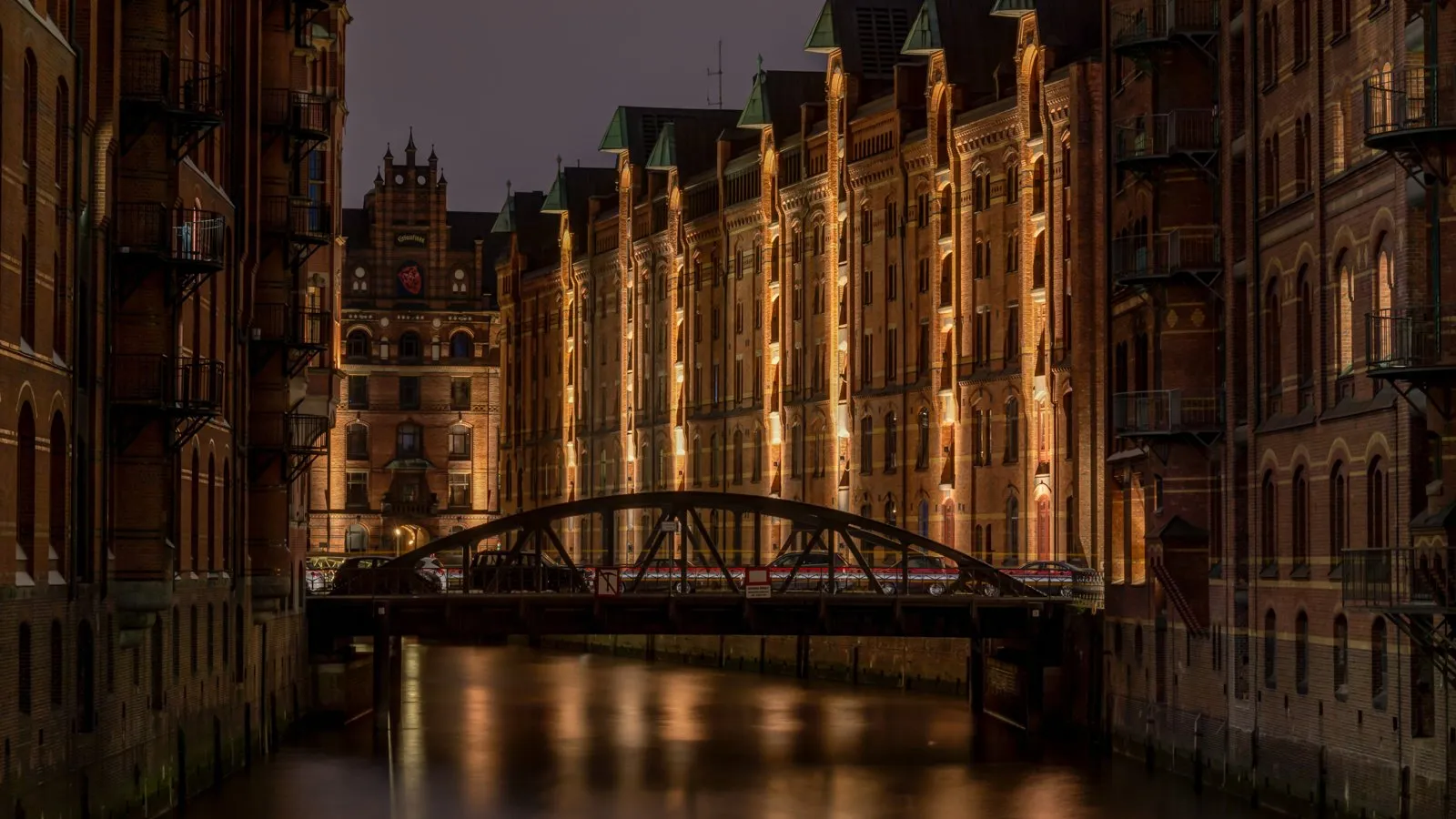
Hamburg is the Free and Hanseatic City of Hamburg, Germany's second largest city and a city-state on the river Elbe, home to 1,973,896 people and the largest port in Germany. It is one of the five cities where most of Germany's Sikhs are found, held 9,864 Indian citizens in December 2024, and has three gurdwaras on the national list, more than any other German city.
History at a glance
- 808Charlemagne orders the Hammaburg castle built between the Alster and the Elbe, the origin of Hamburg's name.
- 1189Hamburg receives Free Imperial City status with tax-free passage down the Lower Elbe.
- 1241Hamburg's alliance with Lubeck is regarded as the founding moment of the Hanseatic League.
- 1842The Great Fire destroys about a quarter of the inner city.
- 1943Allied firebombing in Operation Gomorrah devastates much of Hamburg and its harbour.
- 2015The Speicherstadt and Kontorhausviertel are declared UNESCO World Heritage Sites.
- Punjabi name
- ਹੈਮਬਰਗ
- Type
- City
- Country
- Germany
- Region
- City-state of Hamburg, northern Germany
- Population
- 1,973,896 in the city of Hamburg (31 December 2024); the metropolitan region holds 5,425,628 people
- Punjabi and Sikh population
- No census figure exists: Germany collects no religious or ethnic census data by city, so Sikh figures are estimates (REMID 25,000 nationally in 2020; the German Information Center for Sikh Religion estimated 18,000 in 2017). Hamburg held 9,864 Indian citizens in December 2024, and 12,353 people including German citizens of Indian origin in December 2023
All 8 facts
- Known gurdwaras
- Three in Hamburg on the national list: Gurdwara Singh Sabha, Singh Sabha Sikh Center and Gurdwara Sri Guru Nanak Darbar, among about 20 gurdwaras in Germany
- Known for
- The Port of Hamburg, Germany's largest port and Europe's third largest, the Speicherstadt UNESCO warehouse district, the Elbphilharmonie and about 2,500 bridges
Hamburg is Germany's second largest city and its great northern port, home to 1,973,896 people where the Elbe meets the Alster and the Bille. For Punjabis, Hamburg is one of the five cities where most of Germany's Sikhs are found: the national overview names it alongside Berlin, Cologne, Frankfurt and Munich, the city held 9,864 Indian citizens in December 2024, and three gurdwaras serve its sangat, more than any other German city on the national list.
Where is Hamburg, and why do Punjabis live there?
Hamburg stands at the base of the Jutland Peninsula, on the branching Elbe at the head of a 110 kilometre estuary to the North Sea, and it is a city-state in its own right, one of Germany's sixteen states as well as a city, ringed by Schleswig-Holstein to the north and Lower Saxony to the south. Its story starts with a castle Charlemagne ordered built in 808, the Hammaburg. It won Free Imperial City status in 1189, and its 1241 alliance with Lubeck is regarded as the founding moment of the Hanseatic League. The Port of Hamburg remains Germany's largest and Europe's third largest, after Rotterdam and Antwerp, and the city is crossed by about 2,500 bridges. The Speicherstadt warehouse district, built from 1885, became a UNESCO World Heritage Site in 2015.
Punjabis came to Hamburg the way Sikhs came to Germany generally. When Britain tightened its immigration rules, Sikhs began settling in northwestern continental Europe in the 1970s as single male labour migrants, entering countries first meant as transit points, and the political turmoil in Punjab after 1984 brought further waves of political migrants especially to Germany, many applying for asylum. A port city lives on exactly the work those first arrivals did: shipping, warehousing, transport and trade, and Hamburg added shipbuilding, Airbus aircraft production and a big media and logistics economy on top. Families followed, and a community planted in the port districts grew into the settled Hamburg sangat of today, one stop on this series' map of Punjabi places in Germany.
What do the numbers say?
Germany keeps no census of religion or ethnicity by city, so there is no official count of Sikhs or Punjabis in Hamburg, and this page invents none. Nationally, the religious studies service REMID estimated 25,000 Sikhs in Germany in 2020, while the German Information Center for Sikh Religion estimated 18,000 in 2017; most German Sikhs have roots in Punjab, India, and the rest are mainly from the Afghan Sikh community. What is counted exactly is citizenship. Hamburg held 9,864 Indian citizens in December 2024, the fourth largest city figure in Germany, and counting German citizens of Indian origin as well, the Hamburg total stood at 12,353 in December 2023. About 301,000 people of Indian descent lived in Germany in 2024. Within those totals the Punjabi share is not separated out.
Gurdwaras and community life
The national list records three gurdwaras in Hamburg, Gurdwara Singh Sabha, the Singh Sabha Sikh Center and Gurdwara Sri Guru Nanak Darbar, among about twenty gurdwaras in Germany. No other German city on the list has three. They hold the weekly diwans and the langar, and like gurdwaras across Europe they double as social and educational centres, running Punjabi classes for Sikh youth, because religious services are held in Punjabi and passing the language and the Gurmukhi script to the German born generation is the community's standing task. For a first generation that arrived as labour migrants and, after 1984, as asylum seekers, the gurdwara was also the first address for help with work, housing and paperwork in a foreign port city.
Port work, study and the newer Hamburg
Hamburg's Indian community today is wider than its Sikh community. The port and its logistics firms, the Airbus plant, shipyards and trading houses, the University of Hamburg and research institutes such as the DESY laboratory draw Indian engineers, seafarers and port professionals, IT staff, traders and students. That newer migration sits alongside the older Punjabi families rather than replacing them, and it is spread through ordinary city districts, from the port boroughs of the south bank to the northern suburbs, rather than gathered in a single Punjabi quarter. Hamburg has no Little Punjab; it has Punjabis threaded through a port city's working life.
Hamburg is the Hanseatic port that rebuilt itself after fire, bombing and flood, a city of warehouses, canals and bridges where half the story has always been arrivals. For Punjabis it is northern Germany's Sikh anchor: three gurdwaras, nearly ten thousand Indian citizens, and a community now raising its third generation. Compare it with the financial capital downstream: read about Frankfurt, or see the full map of Punjabi places in Germany.
ਹੈਮਬਰਗ ਜਰਮਨੀ ਦਾ ਦੂਜਾ ਸਭ ਤੋਂ ਵੱਡਾ ਸ਼ਹਿਰ ਅਤੇ ਇਸ ਦੀ ਮਹਾਨ ਉੱਤਰੀ ਬੰਦਰਗਾਹ ਹੈ, 1,973,896 ਲੋਕਾਂ ਦਾ ਘਰ ਜਿੱਥੇ ਐਲਬੇ ਅਲਸਟਰ ਅਤੇ ਬਿਲੇ ਨਾਲ ਮਿਲਦਾ ਹੈ। ਪੰਜਾਬੀਆਂ ਲਈ, ਹੈਮਬਰਗ ਉਨ੍ਹਾਂ ਪੰਜ ਸ਼ਹਿਰਾਂ ਵਿੱਚੋਂ ਇੱਕ ਹੈ ਜਿੱਥੇ ਜਰਮਨੀ ਦੇ ਜ਼ਿਆਦਾਤਰ ਸਿੱਖ ਮਿਲਦੇ ਹਨ: ਰਾਸ਼ਟਰੀ ਸੰਖੇਪ ਇਸ ਨੂੰ ਬਰਲਿਨ, ਕੋਲੋਨ, ਫਰੈਂਕਫਰਟ ਅਤੇ ਮਿਊਨਿਖ ਦੇ ਨਾਲ ਨਾਮਜ਼ਦ ਕਰਦਾ ਹੈ, ਸ਼ਹਿਰ ਵਿੱਚ ਦਸੰਬਰ 2024 ਵਿੱਚ 9,864 ਭਾਰਤੀ ਨਾਗਰਿਕ ਸਨ, ਅਤੇ ਤਿੰਨ ਗੁਰਦੁਆਰੇ ਇਸ ਦੀ ਸੰਗਤ ਦੀ ਸੇਵਾ ਕਰਦੇ ਹਨ, ਰਾਸ਼ਟਰੀ ਸੂਚੀ ਉੱਤੇ ਕਿਸੇ ਵੀ ਹੋਰ ਜਰਮਨ ਸ਼ਹਿਰ ਤੋਂ ਵੱਧ।
ਹੈਮਬਰਗ ਕਿੱਥੇ ਹੈ, ਅਤੇ ਪੰਜਾਬੀ ਉੱਥੇ ਕਿਉਂ ਰਹਿੰਦੇ ਹਨ?
ਹੈਮਬਰਗ ਜੁਟਲੈਂਡ ਪ੍ਰਾਇਦੀਪ ਦੇ ਅਧਾਰ ਉੱਤੇ, ਉੱਤਰੀ ਸਾਗਰ ਵੱਲ 110 ਕਿਲੋਮੀਟਰ ਲੰਬੇ ਮੁਹਾਨੇ ਦੇ ਸਿਰੇ ਉੱਤੇ ਸ਼ਾਖਾਵਾਂ ਵਾਲੇ ਐਲਬੇ ਉੱਤੇ ਖੜ੍ਹਾ ਹੈ, ਅਤੇ ਇਹ ਆਪਣੇ ਆਪ ਵਿੱਚ ਇੱਕ ਸ਼ਹਿਰ ਰਾਜ ਹੈ, ਜਰਮਨੀ ਦੇ ਸੋਲਾਂ ਰਾਜਾਂ ਵਿੱਚੋਂ ਇੱਕ ਅਤੇ ਇੱਕ ਸ਼ਹਿਰ ਵੀ, ਉੱਤਰ ਵੱਲ ਸ਼ਲੇਸਵਿਗ-ਹੋਲਸਟਾਈਨ ਅਤੇ ਦੱਖਣ ਵੱਲ ਲੋਅਰ ਸੈਕਸਨੀ ਨਾਲ ਘਿਰਿਆ। ਇਸ ਦੀ ਕਹਾਣੀ ਇੱਕ ਕਿਲ੍ਹੇ ਤੋਂ ਸ਼ੁਰੂ ਹੁੰਦੀ ਹੈ ਜਿਸ ਨੂੰ ਸ਼ਾਰਲਮੇਨ ਨੇ 808 ਵਿੱਚ ਬਣਾਉਣ ਦਾ ਹੁਕਮ ਦਿੱਤਾ, ਹਾਮਾਬੁਰਗ। ਇਸ ਨੇ 1189 ਵਿੱਚ ਸੁਤੰਤਰ ਸ਼ਾਹੀ ਸ਼ਹਿਰ ਦਾ ਦਰਜਾ ਜਿੱਤਿਆ, ਅਤੇ ਲੁਬੈਕ ਨਾਲ ਇਸ ਦੇ 1241 ਗੱਠਜੋੜ ਨੂੰ ਹਾਂਸਿਆਟਿਕ ਲੀਗ ਦਾ ਸੰਸਥਾਪਕ ਪਲ ਮੰਨਿਆ ਜਾਂਦਾ ਹੈ। ਹੈਮਬਰਗ ਬੰਦਰਗਾਹ ਜਰਮਨੀ ਦੀ ਸਭ ਤੋਂ ਵੱਡੀ ਅਤੇ ਰਾਟਰਡਮ ਅਤੇ ਐਂਟਵਰਪ ਤੋਂ ਬਾਅਦ ਯੂਰਪ ਦੀ ਤੀਜੀ ਸਭ ਤੋਂ ਵੱਡੀ ਹੈ, ਅਤੇ ਸ਼ਹਿਰ ਨੂੰ ਲਗਭਗ 2,500 ਪੁਲ ਪਾਰ ਕਰਦੇ ਹਨ। 1885 ਤੋਂ ਬਣਿਆ ਸਪਾਈਚਰਸ਼ਟਾਟ ਗੁਦਾਮ ਜ਼ਿਲ੍ਹਾ 2015 ਵਿੱਚ ਯੂਨੈਸਕੋ ਵਿਸ਼ਵ ਵਿਰਾਸਤ ਸਥਾਨ ਬਣਿਆ।
ਪੰਜਾਬੀ ਹੈਮਬਰਗ ਉਸੇ ਤਰ੍ਹਾਂ ਆਏ ਜਿਸ ਤਰ੍ਹਾਂ ਸਿੱਖ ਆਮ ਤੌਰ ਉੱਤੇ ਜਰਮਨੀ ਆਏ। ਜਦੋਂ ਬ੍ਰਿਟੇਨ ਨੇ ਆਪਣੇ ਪਰਵਾਸ ਨਿਯਮ ਸਖ਼ਤ ਕੀਤੇ, ਸਿੱਖਾਂ ਨੇ 1970ਵਿਆਂ ਵਿੱਚ ਉੱਤਰ ਪੱਛਮੀ ਮਹਾਂਦੀਪੀ ਯੂਰਪ ਵਿੱਚ ਇਕੱਲੇ ਮਰਦ ਕਾਮਿਆਂ ਵਜੋਂ ਵੱਸਣਾ ਸ਼ੁਰੂ ਕੀਤਾ, ਉਨ੍ਹਾਂ ਦੇਸ਼ਾਂ ਵਿੱਚ ਦਾਖਲ ਹੁੰਦੇ ਜੋ ਪਹਿਲਾਂ ਸਿਰਫ਼ ਲੰਘਣ ਦੇ ਥਾਂ ਸਨ, ਅਤੇ 1984 ਤੋਂ ਬਾਅਦ ਪੰਜਾਬ ਵਿੱਚ ਸਿਆਸੀ ਉਥਲ ਪੁਥਲ ਨੇ ਸਿਆਸੀ ਪਰਵਾਸੀਆਂ ਦੀਆਂ ਹੋਰ ਲਹਿਰਾਂ ਖਾਸ ਕਰਕੇ ਜਰਮਨੀ ਵੱਲ ਭੇਜੀਆਂ, ਜਿਨ੍ਹਾਂ ਵਿੱਚੋਂ ਕਈਆਂ ਨੇ ਸ਼ਰਣ ਮੰਗੀ। ਇੱਕ ਬੰਦਰਗਾਹ ਸ਼ਹਿਰ ਠੀਕ ਉਸੇ ਕੰਮ ਉੱਤੇ ਜਿਉਂਦਾ ਹੈ ਜੋ ਉਨ੍ਹਾਂ ਪਹਿਲੇ ਆਉਣ ਵਾਲਿਆਂ ਨੇ ਕੀਤਾ: ਜਹਾਜ਼ਰਾਨੀ, ਗੁਦਾਮ, ਆਵਾਜਾਈ ਅਤੇ ਵਪਾਰ, ਅਤੇ ਹੈਮਬਰਗ ਨੇ ਇਸ ਉੱਤੇ ਜਹਾਜ਼ ਨਿਰਮਾਣ, ਏਅਰਬੱਸ ਜਹਾਜ਼ ਉਤਪਾਦਨ ਅਤੇ ਇੱਕ ਵੱਡੀ ਮੀਡੀਆ ਅਤੇ ਲੌਜਿਸਟਿਕਸ ਅਰਥਵਿਵਸਥਾ ਜੋੜੀ। ਪਰਿਵਾਰ ਪਿੱਛੇ ਆਏ, ਅਤੇ ਬੰਦਰਗਾਹ ਜ਼ਿਲ੍ਹਿਆਂ ਵਿੱਚ ਲੱਗਿਆ ਇੱਕ ਭਾਈਚਾਰਾ ਅੱਜ ਦੀ ਵੱਸੀ ਹੈਮਬਰਗ ਸੰਗਤ ਵਿੱਚ ਵਧਿਆ, ਇਸ ਲੜੀ ਦੇ ਜਰਮਨੀ ਵਿੱਚ ਪੰਜਾਬੀ ਥਾਵਾਂ ਦੇ ਨਕਸ਼ੇ ਉੱਤੇ ਇੱਕ ਹੋਰ ਥਾਂ।
ਅੰਕੜੇ ਕੀ ਕਹਿੰਦੇ ਹਨ?
ਜਰਮਨੀ ਸ਼ਹਿਰ ਅਨੁਸਾਰ ਧਰਮ ਜਾਂ ਨਸਲ ਦੀ ਕੋਈ ਜਨਗਣਨਾ ਨਹੀਂ ਰੱਖਦਾ, ਇਸ ਲਈ ਹੈਮਬਰਗ ਵਿੱਚ ਸਿੱਖਾਂ ਜਾਂ ਪੰਜਾਬੀਆਂ ਦੀ ਕੋਈ ਅਧਿਕਾਰਤ ਗਿਣਤੀ ਨਹੀਂ ਹੈ, ਅਤੇ ਇਹ ਪੰਨਾ ਕੋਈ ਘੜਦਾ ਨਹੀਂ। ਰਾਸ਼ਟਰੀ ਪੱਧਰ ਉੱਤੇ, ਧਾਰਮਿਕ ਅਧਿਐਨ ਸੇਵਾ ਰੇਮਿਡ ਨੇ 2020 ਵਿੱਚ ਜਰਮਨੀ ਵਿੱਚ ਸਿੱਖਾਂ ਨੂੰ 25,000 ਦੱਸਿਆ, ਜਦੋਂ ਕਿ ਸਿੱਖ ਧਰਮ ਲਈ ਜਰਮਨ ਜਾਣਕਾਰੀ ਕੇਂਦਰ ਨੇ 2017 ਲਈ 18,000 ਦਾ ਅਨੁਮਾਨ ਲਗਾਇਆ ਸੀ; ਜ਼ਿਆਦਾਤਰ ਜਰਮਨ ਸਿੱਖਾਂ ਦੀਆਂ ਜੜ੍ਹਾਂ ਪੰਜਾਬ, ਭਾਰਤ ਵਿੱਚ ਹਨ, ਅਤੇ ਬਾਕੀ ਜ਼ਿਆਦਾਤਰ ਅਫ਼ਗਾਨ ਸਿੱਖ ਭਾਈਚਾਰੇ ਤੋਂ ਹਨ। ਜੋ ਸਹੀ ਗਿਣਿਆ ਜਾਂਦਾ ਹੈ ਉਹ ਨਾਗਰਿਕਤਾ ਹੈ। ਹੈਮਬਰਗ ਵਿੱਚ ਦਸੰਬਰ 2024 ਵਿੱਚ 9,864 ਭਾਰਤੀ ਨਾਗਰਿਕ ਸਨ, ਜਰਮਨੀ ਵਿੱਚ ਚੌਥਾ ਸਭ ਤੋਂ ਵੱਡਾ ਸ਼ਹਿਰੀ ਅੰਕੜਾ, ਅਤੇ ਭਾਰਤੀ ਮੂਲ ਦੇ ਜਰਮਨ ਨਾਗਰਿਕਾਂ ਨੂੰ ਵੀ ਗਿਣ ਕੇ, ਹੈਮਬਰਗ ਕੁੱਲ ਦਸੰਬਰ 2023 ਵਿੱਚ 12,353 ਸੀ। 2024 ਵਿੱਚ ਲਗਭਗ 301,000 ਭਾਰਤੀ ਮੂਲ ਦੇ ਲੋਕ ਜਰਮਨੀ ਵਿੱਚ ਰਹਿੰਦੇ ਸਨ। ਉਨ੍ਹਾਂ ਕੁੱਲਾਂ ਵਿੱਚ ਪੰਜਾਬੀ ਹਿੱਸਾ ਵੱਖਰਾ ਨਹੀਂ ਕੀਤਾ ਗਿਆ।
ਗੁਰਦੁਆਰੇ ਅਤੇ ਭਾਈਚਾਰਕ ਜੀਵਨ
ਰਾਸ਼ਟਰੀ ਸੂਚੀ ਹੈਮਬਰਗ ਵਿੱਚ ਤਿੰਨ ਗੁਰਦੁਆਰੇ ਦਰਜ ਕਰਦੀ ਹੈ, ਗੁਰਦੁਆਰਾ ਸਿੰਘ ਸਭਾ, ਸਿੰਘ ਸਭਾ ਸਿੱਖ ਸੈਂਟਰ ਅਤੇ ਗੁਰਦੁਆਰਾ ਸ੍ਰੀ ਗੁਰੂ ਨਾਨਕ ਦਰਬਾਰ, ਜਰਮਨੀ ਵਿੱਚ ਲਗਭਗ ਵੀਹ ਗੁਰਦੁਆਰਿਆਂ ਵਿੱਚੋਂ। ਸੂਚੀ ਉੱਤੇ ਕਿਸੇ ਹੋਰ ਜਰਮਨ ਸ਼ਹਿਰ ਵਿੱਚ ਤਿੰਨ ਨਹੀਂ ਹਨ। ਇਹ ਹਫ਼ਤਾਵਾਰੀ ਦੀਵਾਨ ਅਤੇ ਲੰਗਰ ਚੁੱਕਦੇ ਹਨ, ਅਤੇ ਪੂਰੇ ਯੂਰਪ ਦੇ ਗੁਰਦੁਆਰਿਆਂ ਵਾਂਗ ਇਹ ਸਮਾਜਿਕ ਅਤੇ ਵਿਦਿਅਕ ਕੇਂਦਰਾਂ ਵਜੋਂ ਵੀ ਕੰਮ ਕਰਦੇ ਹਨ, ਸਿੱਖ ਨੌਜਵਾਨਾਂ ਲਈ ਪੰਜਾਬੀ ਕਲਾਸਾਂ ਚਲਾਉਂਦੇ ਹਨ, ਕਿਉਂਕਿ ਧਾਰਮਿਕ ਸੇਵਾ ਪੰਜਾਬੀ ਵਿੱਚ ਹੁੰਦੀ ਹੈ ਅਤੇ ਜਰਮਨੀ ਵਿੱਚ ਜਨਮੀ ਪੀੜ੍ਹੀ ਨੂੰ ਭਾਸ਼ਾ ਅਤੇ ਗੁਰਮੁਖੀ ਲਿਪੀ ਸੌਂਪਣਾ ਭਾਈਚਾਰੇ ਦਾ ਸਥਾਈ ਕੰਮ ਹੈ। ਇੱਕ ਪਹਿਲੀ ਪੀੜ੍ਹੀ ਲਈ ਜੋ ਕਾਮਿਆਂ ਵਜੋਂ ਅਤੇ 1984 ਤੋਂ ਬਾਅਦ ਸ਼ਰਣ ਮੰਗਣ ਵਾਲਿਆਂ ਵਜੋਂ ਆਈ, ਗੁਰਦੁਆਰਾ ਇੱਕ ਵਿਦੇਸ਼ੀ ਬੰਦਰਗਾਹ ਸ਼ਹਿਰ ਵਿੱਚ ਕੰਮ, ਮਕਾਨ ਅਤੇ ਕਾਗਜ਼ੀ ਕੰਮ ਲਈ ਮਦਦ ਦਾ ਪਹਿਲਾ ਪਤਾ ਵੀ ਸੀ।
ਬੰਦਰਗਾਹ ਦਾ ਕੰਮ, ਪੜ੍ਹਾਈ ਅਤੇ ਨਵਾਂ ਹੈਮਬਰਗ
ਹੈਮਬਰਗ ਦਾ ਭਾਰਤੀ ਭਾਈਚਾਰਾ ਅੱਜ ਇਸ ਦੇ ਸਿੱਖ ਭਾਈਚਾਰੇ ਤੋਂ ਵੱਡਾ ਹੈ। ਬੰਦਰਗਾਹ ਅਤੇ ਇਸ ਦੀਆਂ ਲੌਜਿਸਟਿਕਸ ਫ਼ਰਮਾਂ, ਏਅਰਬੱਸ ਪਲਾਂਟ, ਜਹਾਜ਼ ਘਰ ਅਤੇ ਵਪਾਰ ਘਰ, ਹੈਮਬਰਗ ਯੂਨੀਵਰਸਿਟੀ ਅਤੇ ਡੇਸੀ ਪ੍ਰਯੋਗਸ਼ਾਲਾ ਵਰਗੇ ਖੋਜ ਸੰਸਥਾਨ ਭਾਰਤੀ ਇੰਜੀਨੀਅਰਾਂ, ਮਲਾਹਾਂ ਅਤੇ ਬੰਦਰਗਾਹ ਪੇਸ਼ੇਵਰਾਂ, ਆਈਟੀ ਅਮਲੇ, ਵਪਾਰੀਆਂ ਅਤੇ ਵਿਦਿਆਰਥੀਆਂ ਨੂੰ ਖਿੱਚਦੇ ਹਨ। ਉਹ ਨਵਾਂ ਪਰਵਾਸ ਪੁਰਾਣੇ ਪੰਜਾਬੀ ਪਰਿਵਾਰਾਂ ਦੇ ਨਾਲ ਬੈਠਦਾ ਹੈ, ਉਨ੍ਹਾਂ ਦੀ ਥਾਂ ਲਏ ਬਿਨਾਂ, ਅਤੇ ਇਹ ਕਿਸੇ ਇੱਕ ਪੰਜਾਬੀ ਇਲਾਕੇ ਵਿੱਚ ਇਕੱਠਾ ਹੋਣ ਦੀ ਥਾਂ ਆਮ ਸ਼ਹਿਰੀ ਜ਼ਿਲ੍ਹਿਆਂ ਵਿੱਚ ਫੈਲਿਆ ਹੈ, ਦੱਖਣੀ ਕੰਢੇ ਦੇ ਬੰਦਰਗਾਹ ਇਲਾਕਿਆਂ ਤੋਂ ਉੱਤਰੀ ਉਪਨਗਰਾਂ ਤੱਕ। ਹੈਮਬਰਗ ਵਿੱਚ ਕੋਈ ਛੋਟਾ ਪੰਜਾਬ ਨਹੀਂ ਹੈ; ਇੱਥੇ ਪੰਜਾਬੀ ਇੱਕ ਬੰਦਰਗਾਹ ਸ਼ਹਿਰ ਦੀ ਕੰਮਕਾਜੀ ਜ਼ਿੰਦਗੀ ਵਿੱਚ ਬੁਣੇ ਹੋਏ ਹਨ।
ਹੈਮਬਰਗ ਉਹ ਹਾਂਸਿਆਟਿਕ ਬੰਦਰਗਾਹ ਹੈ ਜਿਸ ਨੇ ਅੱਗ, ਬੰਬਾਰੀ ਅਤੇ ਹੜ੍ਹ ਤੋਂ ਬਾਅਦ ਆਪਣੇ ਆਪ ਨੂੰ ਮੁੜ ਬਣਾਇਆ, ਗੁਦਾਮਾਂ, ਨਹਿਰਾਂ ਅਤੇ ਪੁਲਾਂ ਦਾ ਸ਼ਹਿਰ ਜਿੱਥੇ ਅੱਧੀ ਕਹਾਣੀ ਹਮੇਸ਼ਾ ਆਉਣ ਵਾਲਿਆਂ ਦੀ ਰਹੀ ਹੈ। ਪੰਜਾਬੀਆਂ ਲਈ ਇਹ ਉੱਤਰੀ ਜਰਮਨੀ ਦਾ ਸਿੱਖ ਥੰਮ੍ਹ ਹੈ: ਤਿੰਨ ਗੁਰਦੁਆਰੇ, ਲਗਭਗ ਦਸ ਹਜ਼ਾਰ ਭਾਰਤੀ ਨਾਗਰਿਕ, ਅਤੇ ਇੱਕ ਭਾਈਚਾਰਾ ਜੋ ਹੁਣ ਆਪਣੀ ਤੀਜੀ ਪੀੜ੍ਹੀ ਪਾਲ ਰਿਹਾ ਹੈ। ਇਸ ਦੀ ਤੁਲਨਾ ਹੇਠਾਂ ਵੱਲ ਵਿੱਤੀ ਰਾਜਧਾਨੀ ਨਾਲ ਕਰੋ: ਫਰੈਂਕਫਰਟ ਬਾਰੇ ਪੜ੍ਹੋ, ਜਾਂ ਜਰਮਨੀ ਵਿੱਚ ਪੰਜਾਬੀ ਥਾਵਾਂ ਦਾ ਪੂਰਾ ਨਕਸ਼ਾ ਵੇਖੋ।
Nearby

Sources (4)
- Hamburg, Wikipedia (Free and Hanseatic City of Hamburg, second largest city in Germany after Berlin; population 1,973,896 at 31 December 2024 with a metropolitan population of 5,425,628; a city-state on the Elbe at the confluence of the Alster and Bille; the Port of Hamburg is Germany's largest and Europe's third largest; Hammaburg castle ordered by Charlemagne in 808; Free Imperial City status in 1189; the 1241 alliance with Lubeck regarded as the founding moment of the Hanseatic League; Great Fire 1842, bombing 1943 and flood 1962; Speicherstadt UNESCO World Heritage in 2015; about 2,500 bridges; coordinates 53.550 N, 10.000 E)
- Indians in Germany, Wikipedia (about 301,000 people of Indian descent in Germany in 2024; Hamburg held 9,864 Indian citizens as of December 2024; the state of Hamburg counted 12,353 Indians and Germans of Indian origin as of December 2023)
- Sikhism in Germany, Wikipedia (Sikhs estimated at 25,000 by REMID for 2020, with the German Information Center for Sikh Religion estimating 18,000 for 2017; the majority of German Sikhs have roots in Punjab, India, the rest mainly from the Afghan Sikh community; most Sikhs are found in Berlin, Cologne, Hamburg, Frankfurt or Munich; Hamburg gurdwaras listed as Gurdwara Singh Sabha, Singh Sabha Sikh Center and Gurdwara Sri Guru Nanak Darbar)
- Sikh communities and organizations, Atlas of Religious Minority Rights (Sikhs began settling in northwestern continental Europe in the 1970s as a side effect of tightened British immigration policies, entering as single male labour migrants; the political turmoil in Punjab after 1984 brought increasing waves of political migrants especially to Germany, many applying for political asylum; Germany has about 20 gurdwaras, which serve as social and educational centres and run Punjabi classes for Sikh youth)
Jugti is free and independent. Reader support keeps the Kosh growing.
Support