
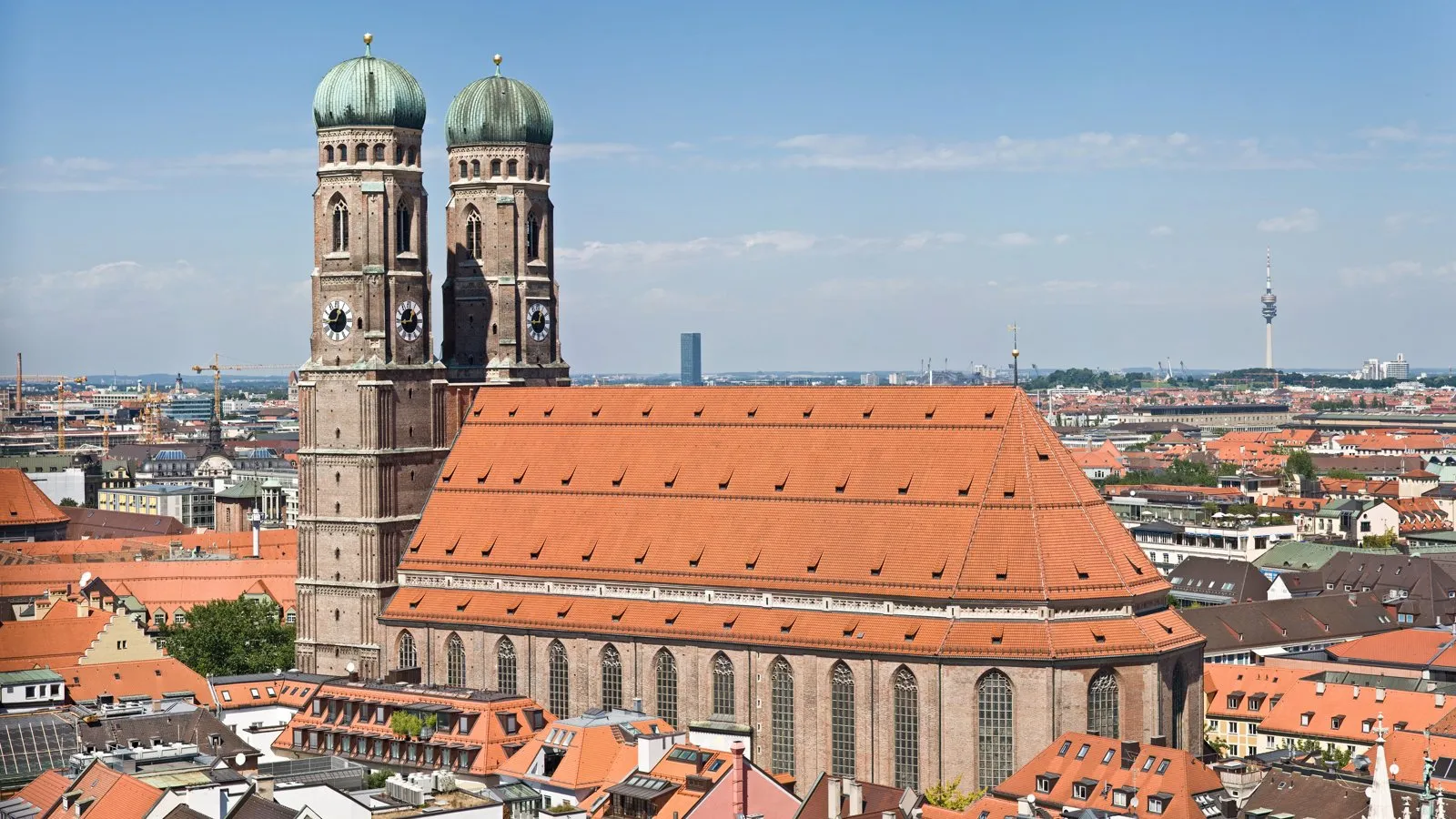
Munich is the capital and most populous city of Bavaria, Germany, home to 1,604,384 people on the river Isar north of the Alps, and the country's technology and headquarters capital. It holds the second largest Indian community of any German city, 17,549 Indian citizens in April 2025, is one of the five cities where most German Sikhs are found, and has one gurdwara, Gurdwara Sri Guru Nanak Sabha.
History at a glance
- 1158Henry the Lion founds Munich by the Isar crossing to control the salt trade; 14 June 1158 is kept as the founding day.
- 1255Munich becomes the ducal residence of Upper Bavaria.
- 1506Munich becomes the capital of a reunited Bavaria.
- 1806Munich becomes the capital of the new Kingdom of Bavaria.
- 1810A royal wedding celebration on the meadows outside Munich grows into the annual Oktoberfest.
- 1972Munich hosts the Summer Olympics.
- Punjabi name
- ਮਿਊਨਿਖ
- Type
- City
- Country
- Germany
- Region
- Bavaria, Upper Bavaria
- Population
- 1,604,384 in the city of Munich (30 November 2024); the broader Munich Metropolitan Region holds about 6.2 million people
- Punjabi and Sikh population
- No census figure exists: Germany collects no religious or ethnic census data by city, so Sikh figures are estimates (REMID 25,000 nationally in 2020; the German Information Center for Sikh Religion estimated 18,000 in 2017). Munich held 17,549 Indian citizens in April 2025, second among German cities after Berlin, and Bavaria held 58,435 Indian citizens in December 2024
All 8 facts
- Known gurdwaras
- One in Munich on the national list: Gurdwara Sri Guru Nanak Sabha, among about 20 gurdwaras in Germany
- Known for
- The capital of Bavaria: Oktoberfest, the Frauenkirche, BMW, Siemens, Allianz and Munich Re headquarters, and the 1972 Summer Olympics
Munich is the capital of Bavaria and Germany's third largest city, home to 1,604,384 people on the river Isar north of the Alps. For Punjabis and Indians generally, Munich holds Germany's second largest Indian community after Berlin: 17,549 Indian citizens in April 2025, a city business portal count of about 17,500 Indian nationals, and one gurdwara, Gurdwara Sri Guru Nanak Sabha, serving a Sikh community the national overview names among the five main Sikh cities of Germany.
Where is Munich, and why do Punjabis live there?
Munich stands on a gravel plain where the Isar runs down from the Alps, in the south of Germany. Henry the Lion founded the town in 1158 to control the salt trade, building a toll bridge where the river could be crossed, and 14 June 1158 is still kept as the city's founding day. It became the ducal residence of Upper Bavaria in 1255, capital of a reunited Bavaria in 1506 and capital of the Kingdom of Bavaria in 1806, ruled by the Wittelsbach family until 1918. The first Oktoberfest grew out of a royal wedding celebration in October 1810, and the rebuilt city hosted the 1972 Summer Olympics. Munich is Germany's most densely populated big city, and in 2023 foreigners made up 30.1 per cent of its residents.
Punjabis live in Munich for two layered reasons. The older layer is the German Sikh story itself: labour migrants who settled in northwestern Europe from the 1970s, then political migrants after the turmoil in Punjab in 1984, many of whom claimed asylum in Germany, planted Sikh communities in the big cities, and Munich is one of the five cities where most German Sikhs are still found. The newer and larger layer is work in a high technology capital. Munich's own business portal calls its Indian community one of the fastest growing and most visible international groups in Germany, working in IT and software, the automotive industry, research and higher education, consulting and engineering, and life sciences, around employers such as BMW, Siemens, Allianz and Munich Re. Munich continues this series' map of Punjabi places in Germany.
What do the numbers say?
Germany keeps no census of religion or ethnicity by city, so there is no official Punjabi or Sikh total for Munich, and this page invents none. Nationally, Sikhs in Germany were estimated at 25,000 by REMID in 2020 and at 18,000 by the German Information Center for Sikh Religion in 2017, most of them with roots in Punjab, India. What is counted is citizenship, and on that measure Munich is a giant: 17,549 Indian citizens in April 2025, second only to Berlin among German cities, in a state, Bavaria, that held 58,435 Indian citizens in December 2024, the largest state total in the country. The city's business portal puts Indian nationals in Munich at about 17,500 in 2025 and notes more than 80 Indian companies with branches in Bavaria. Within those Indian totals the Punjabi share is not separated out.
Gurdwaras and community life
The national gurdwara list records one temple in Munich, Gurdwara Sri Guru Nanak Sabha, among about twenty gurdwaras in Germany. It carries the city's Sikh rhythm: Sunday diwans, langar open to everyone, Punjabi teaching for children, and a meeting point for families whose working week is spent in technology parks, hospitals, universities and workshops across the city. Around it sits a broader Indian Munich the business portal describes: Diwali, Holi and Navratri celebrated every year, about 100 Indian restaurants from north and south Indian kitchens to street food, and cricket strong enough to sustain an annual Independence Day Cup, one of the best known German Indian sporting events in the city.
Work, study and the Bavarian draw
Munich's economy explains its Indian growth better than any single programme. It is a headquarters city, BMW, Siemens, Allianz and Munich Re, with two research universities and a deep bench of institutes, and it is routinely ranked among the most liveable cities in the world. Indian students come for the technical universities, professionals for the engineering and software clusters, and families follow both. Bavaria's roughly 1,500 business relationships with India and some 300 Bavarian Indian joint ventures, counted by the city's business portal, keep the corridor busy in both directions. Punjabis in Munich are part of that flow and of the older Sikh settlement at once, which is why the community reads as professional and settled rather than newly arrived.
Munich is the monks' town turned technology capital, a wealthy, dense, festival loving city at the foot of the Alps. For Punjabis it pairs the second largest Indian community in Germany with a Sikh presence old enough to have its own gurdwara and young enough to keep growing with the tech economy. Compare it with the port city in the north: read about Hamburg, or see the full map of Punjabi places in Germany.
ਮਿਊਨਿਖ ਬਾਵੇਰੀਆ ਦੀ ਰਾਜਧਾਨੀ ਅਤੇ ਜਰਮਨੀ ਦਾ ਤੀਜਾ ਸਭ ਤੋਂ ਵੱਡਾ ਸ਼ਹਿਰ ਹੈ, ਐਲਪਸ ਦੇ ਉੱਤਰ ਵੱਲ ਇਸਾਰ ਦਰਿਆ ਉੱਤੇ 1,604,384 ਲੋਕਾਂ ਦਾ ਘਰ। ਪੰਜਾਬੀਆਂ ਅਤੇ ਆਮ ਤੌਰ ਉੱਤੇ ਭਾਰਤੀਆਂ ਲਈ, ਮਿਊਨਿਖ ਬਰਲਿਨ ਤੋਂ ਬਾਅਦ ਜਰਮਨੀ ਦਾ ਦੂਜਾ ਸਭ ਤੋਂ ਵੱਡਾ ਭਾਰਤੀ ਭਾਈਚਾਰਾ ਰੱਖਦਾ ਹੈ: ਅਪ੍ਰੈਲ 2025 ਵਿੱਚ 17,549 ਭਾਰਤੀ ਨਾਗਰਿਕ, ਸ਼ਹਿਰ ਦੇ ਵਪਾਰ ਪੋਰਟਲ ਦੀ ਗਿਣਤੀ ਅਨੁਸਾਰ ਲਗਭਗ 17,500 ਭਾਰਤੀ ਨਾਗਰਿਕ, ਅਤੇ ਇੱਕ ਗੁਰਦੁਆਰਾ, ਗੁਰਦੁਆਰਾ ਸ੍ਰੀ ਗੁਰੂ ਨਾਨਕ ਸਭਾ, ਇੱਕ ਸਿੱਖ ਭਾਈਚਾਰੇ ਦੀ ਸੇਵਾ ਕਰਦਾ ਜਿਸ ਨੂੰ ਰਾਸ਼ਟਰੀ ਸੰਖੇਪ ਜਰਮਨੀ ਦੇ ਪੰਜ ਮੁੱਖ ਸਿੱਖ ਸ਼ਹਿਰਾਂ ਵਿੱਚ ਨਾਮਜ਼ਦ ਕਰਦਾ ਹੈ।
ਮਿਊਨਿਖ ਕਿੱਥੇ ਹੈ, ਅਤੇ ਪੰਜਾਬੀ ਉੱਥੇ ਕਿਉਂ ਰਹਿੰਦੇ ਹਨ?
ਮਿਊਨਿਖ ਇੱਕ ਬੱਜਰੀ ਮੈਦਾਨ ਉੱਤੇ ਖੜ੍ਹਾ ਹੈ ਜਿੱਥੇ ਇਸਾਰ ਐਲਪਸ ਤੋਂ ਹੇਠਾਂ ਵਗਦਾ ਹੈ, ਜਰਮਨੀ ਦੇ ਦੱਖਣ ਵਿੱਚ। ਹੈਨਰੀ ਦ ਲਾਇਨ ਨੇ 1158 ਵਿੱਚ ਲੂਣ ਵਪਾਰ ਨੂੰ ਕਾਬੂ ਕਰਨ ਲਈ ਸ਼ਹਿਰ ਦੀ ਸਥਾਪਨਾ ਕੀਤੀ, ਜਿੱਥੇ ਦਰਿਆ ਪਾਰ ਕੀਤਾ ਜਾ ਸਕਦਾ ਸੀ ਉੱਥੇ ਇੱਕ ਟੋਲ ਪੁਲ ਬਣਾਇਆ, ਅਤੇ 14 ਜੂਨ 1158 ਨੂੰ ਅੱਜ ਵੀ ਸ਼ਹਿਰ ਦਾ ਸੰਸਥਾਪਨਾ ਦਿਵਸ ਮੰਨਿਆ ਜਾਂਦਾ ਹੈ। ਇਹ 1255 ਵਿੱਚ ਅੱਪਰ ਬਾਵੇਰੀਆ ਦੀ ਡਿਊਕ ਰਿਹਾਇਸ਼ ਬਣਿਆ, 1506 ਵਿੱਚ ਮੁੜ ਇਕੱਠੇ ਹੋਏ ਬਾਵੇਰੀਆ ਦੀ ਰਾਜਧਾਨੀ ਅਤੇ 1806 ਵਿੱਚ ਬਾਵੇਰੀਆ ਰਾਜ ਦੀ ਰਾਜਧਾਨੀ, 1918 ਤੱਕ ਵਿਟਲਸਬਾਖ ਪਰਿਵਾਰ ਦੇ ਰਾਜ ਹੇਠ। ਪਹਿਲਾ ਓਕਟੋਬਰਫੈਸਟ ਅਕਤੂਬਰ 1810 ਵਿੱਚ ਇੱਕ ਸ਼ਾਹੀ ਵਿਆਹ ਦੇ ਜਸ਼ਨ ਤੋਂ ਵਧਿਆ, ਅਤੇ ਮੁੜ ਬਣੇ ਸ਼ਹਿਰ ਨੇ 1972 ਦੀਆਂ ਗਰਮੀਆਂ ਦੀਆਂ ਓਲੰਪਿਕ ਖੇਡਾਂ ਦੀ ਮੇਜ਼ਬਾਨੀ ਕੀਤੀ। ਮਿਊਨਿਖ ਜਰਮਨੀ ਦਾ ਸਭ ਤੋਂ ਸੰਘਣੀ ਆਬਾਦੀ ਵਾਲਾ ਵੱਡਾ ਸ਼ਹਿਰ ਹੈ, ਅਤੇ 2023 ਵਿੱਚ ਵਿਦੇਸ਼ੀ ਇਸ ਦੇ ਵਸਨੀਕਾਂ ਦਾ 30.1 ਫ਼ੀਸਦੀ ਸਨ।
ਪੰਜਾਬੀ ਮਿਊਨਿਖ ਵਿੱਚ ਦੋ ਪਰਤਾਂ ਵਾਲੇ ਕਾਰਨਾਂ ਕਰਕੇ ਰਹਿੰਦੇ ਹਨ। ਪੁਰਾਣੀ ਪਰਤ ਖੁਦ ਜਰਮਨ ਸਿੱਖ ਕਹਾਣੀ ਹੈ: ਕਾਮੇ ਪਰਵਾਸੀ ਜੋ 1970ਵਿਆਂ ਤੋਂ ਉੱਤਰ ਪੱਛਮੀ ਯੂਰਪ ਵਿੱਚ ਵੱਸੇ, ਫਿਰ 1984 ਵਿੱਚ ਪੰਜਾਬ ਦੀ ਉਥਲ ਪੁਥਲ ਤੋਂ ਬਾਅਦ ਸਿਆਸੀ ਪਰਵਾਸੀ, ਜਿਨ੍ਹਾਂ ਵਿੱਚੋਂ ਕਈਆਂ ਨੇ ਜਰਮਨੀ ਵਿੱਚ ਸ਼ਰਣ ਮੰਗੀ, ਨੇ ਵੱਡੇ ਸ਼ਹਿਰਾਂ ਵਿੱਚ ਸਿੱਖ ਭਾਈਚਾਰੇ ਲਗਾਏ, ਅਤੇ ਮਿਊਨਿਖ ਉਨ੍ਹਾਂ ਪੰਜ ਸ਼ਹਿਰਾਂ ਵਿੱਚੋਂ ਇੱਕ ਹੈ ਜਿੱਥੇ ਜ਼ਿਆਦਾਤਰ ਜਰਮਨ ਸਿੱਖ ਅੱਜ ਵੀ ਮਿਲਦੇ ਹਨ। ਨਵੀਂ ਅਤੇ ਵੱਡੀ ਪਰਤ ਇੱਕ ਉੱਚ ਤਕਨਾਲੋਜੀ ਰਾਜਧਾਨੀ ਵਿੱਚ ਕੰਮ ਹੈ। ਮਿਊਨਿਖ ਦਾ ਆਪਣਾ ਵਪਾਰ ਪੋਰਟਲ ਇਸ ਦੇ ਭਾਰਤੀ ਭਾਈਚਾਰੇ ਨੂੰ ਜਰਮਨੀ ਦੇ ਸਭ ਤੋਂ ਤੇਜ਼ੀ ਨਾਲ ਵਧਦੇ ਅਤੇ ਸਭ ਤੋਂ ਵੱਧ ਦਿਖਦੇ ਅੰਤਰਰਾਸ਼ਟਰੀ ਸਮੂਹਾਂ ਵਿੱਚੋਂ ਇੱਕ ਕਹਿੰਦਾ ਹੈ, ਆਈਟੀ ਅਤੇ ਸਾਫ਼ਟਵੇਅਰ, ਆਟੋਮੋਟਿਵ ਉਦਯੋਗ, ਖੋਜ ਅਤੇ ਉੱਚ ਸਿੱਖਿਆ, ਸਲਾਹ ਅਤੇ ਇੰਜੀਨੀਅਰਿੰਗ, ਅਤੇ ਜੀਵਨ ਵਿਗਿਆਨ ਵਿੱਚ ਕੰਮ ਕਰਦਾ, ਬੀਐਮਡਬਲਿਊ, ਸੀਮੈਂਸ, ਆਲਿਆਂਜ਼ ਅਤੇ ਮਿਊਨਿਖ ਰੇ ਵਰਗੇ ਰੁਜ਼ਗਾਰਦਾਤਾਵਾਂ ਦੇ ਆਲੇ ਦੁਆਲੇ। ਮਿਊਨਿਖ ਇਸ ਲੜੀ ਦੇ ਜਰਮਨੀ ਵਿੱਚ ਪੰਜਾਬੀ ਥਾਵਾਂ ਦੇ ਨਕਸ਼ੇ ਨੂੰ ਅੱਗੇ ਵਧਾਉਂਦਾ ਹੈ।
ਅੰਕੜੇ ਕੀ ਕਹਿੰਦੇ ਹਨ?
ਜਰਮਨੀ ਸ਼ਹਿਰ ਅਨੁਸਾਰ ਧਰਮ ਜਾਂ ਨਸਲ ਦੀ ਕੋਈ ਜਨਗਣਨਾ ਨਹੀਂ ਰੱਖਦਾ, ਇਸ ਲਈ ਮਿਊਨਿਖ ਲਈ ਕੋਈ ਅਧਿਕਾਰਤ ਪੰਜਾਬੀ ਜਾਂ ਸਿੱਖ ਕੁੱਲ ਨਹੀਂ ਹੈ, ਅਤੇ ਇਹ ਪੰਨਾ ਕੋਈ ਘੜਦਾ ਨਹੀਂ। ਰਾਸ਼ਟਰੀ ਪੱਧਰ ਉੱਤੇ, ਜਰਮਨੀ ਵਿੱਚ ਸਿੱਖਾਂ ਦਾ ਅਨੁਮਾਨ ਰੇਮਿਡ ਨੇ 2020 ਵਿੱਚ 25,000 ਅਤੇ ਸਿੱਖ ਧਰਮ ਲਈ ਜਰਮਨ ਜਾਣਕਾਰੀ ਕੇਂਦਰ ਨੇ 2017 ਵਿੱਚ 18,000 ਲਗਾਇਆ ਸੀ, ਜਿਨ੍ਹਾਂ ਵਿੱਚੋਂ ਜ਼ਿਆਦਾਤਰ ਦੀਆਂ ਜੜ੍ਹਾਂ ਪੰਜਾਬ, ਭਾਰਤ ਵਿੱਚ ਹਨ। ਜੋ ਗਿਣਿਆ ਜਾਂਦਾ ਹੈ ਉਹ ਨਾਗਰਿਕਤਾ ਹੈ, ਅਤੇ ਉਸ ਮਾਪ ਉੱਤੇ ਮਿਊਨਿਖ ਇੱਕ ਵੱਡਾ ਨਾਂ ਹੈ: ਅਪ੍ਰੈਲ 2025 ਵਿੱਚ 17,549 ਭਾਰਤੀ ਨਾਗਰਿਕ, ਜਰਮਨ ਸ਼ਹਿਰਾਂ ਵਿੱਚ ਬਰਲਿਨ ਤੋਂ ਬਾਅਦ ਦੂਜੇ ਸਥਾਨ ਉੱਤੇ, ਇੱਕ ਰਾਜ, ਬਾਵੇਰੀਆ ਵਿੱਚ ਜਿਸ ਵਿੱਚ ਦਸੰਬਰ 2024 ਵਿੱਚ 58,435 ਭਾਰਤੀ ਨਾਗਰਿਕ ਸਨ, ਦੇਸ਼ ਦਾ ਸਭ ਤੋਂ ਵੱਡਾ ਰਾਜ ਕੁੱਲ। ਸ਼ਹਿਰ ਦਾ ਵਪਾਰ ਪੋਰਟਲ 2025 ਵਿੱਚ ਮਿਊਨਿਖ ਵਿੱਚ ਭਾਰਤੀ ਨਾਗਰਿਕਾਂ ਨੂੰ ਲਗਭਗ 17,500 ਦੱਸਦਾ ਹੈ ਅਤੇ ਨੋਟ ਕਰਦਾ ਹੈ ਕਿ ਬਾਵੇਰੀਆ ਵਿੱਚ 80 ਤੋਂ ਵੱਧ ਭਾਰਤੀ ਕੰਪਨੀਆਂ ਦੀਆਂ ਸ਼ਾਖਾਵਾਂ ਹਨ। ਉਨ੍ਹਾਂ ਭਾਰਤੀ ਕੁੱਲਾਂ ਵਿੱਚ ਪੰਜਾਬੀ ਹਿੱਸਾ ਵੱਖਰਾ ਨਹੀਂ ਕੀਤਾ ਗਿਆ।
ਗੁਰਦੁਆਰੇ ਅਤੇ ਭਾਈਚਾਰਕ ਜੀਵਨ
ਰਾਸ਼ਟਰੀ ਗੁਰਦੁਆਰਾ ਸੂਚੀ ਮਿਊਨਿਖ ਵਿੱਚ ਇੱਕ ਮੰਦਰ ਦਰਜ ਕਰਦੀ ਹੈ, ਗੁਰਦੁਆਰਾ ਸ੍ਰੀ ਗੁਰੂ ਨਾਨਕ ਸਭਾ, ਜਰਮਨੀ ਵਿੱਚ ਲਗਭਗ ਵੀਹ ਗੁਰਦੁਆਰਿਆਂ ਵਿੱਚੋਂ। ਇਹ ਸ਼ਹਿਰ ਦੀ ਸਿੱਖ ਤਾਲ ਚੁੱਕਦਾ ਹੈ: ਐਤਵਾਰ ਦੀਵਾਨ, ਹਰ ਕਿਸੇ ਲਈ ਖੁੱਲ੍ਹਾ ਲੰਗਰ, ਬੱਚਿਆਂ ਲਈ ਪੰਜਾਬੀ ਪੜ੍ਹਾਈ, ਅਤੇ ਉਨ੍ਹਾਂ ਪਰਿਵਾਰਾਂ ਲਈ ਮਿਲਣ ਦਾ ਥਾਂ ਜਿਨ੍ਹਾਂ ਦਾ ਕੰਮਕਾਜੀ ਹਫ਼ਤਾ ਸ਼ਹਿਰ ਭਰ ਦੇ ਤਕਨਾਲੋਜੀ ਪਾਰਕਾਂ, ਹਸਪਤਾਲਾਂ, ਯੂਨੀਵਰਸਿਟੀਆਂ ਅਤੇ ਵਰਕਸ਼ਾਪਾਂ ਵਿੱਚ ਬੀਤਦਾ ਹੈ। ਇਸ ਦੇ ਆਲੇ ਦੁਆਲੇ ਇੱਕ ਵੱਡਾ ਭਾਰਤੀ ਮਿਊਨਿਖ ਬੈਠਦਾ ਹੈ ਜਿਸ ਦਾ ਵਪਾਰ ਪੋਰਟਲ ਵਰਣਨ ਕਰਦਾ ਹੈ: ਹਰ ਸਾਲ ਮਨਾਏ ਜਾਂਦੇ ਦੀਵਾਲੀ, ਹੋਲੀ ਅਤੇ ਨਵਰਾਤਰੀ, ਉੱਤਰੀ ਅਤੇ ਦੱਖਣੀ ਭਾਰਤੀ ਰਸੋਈਆਂ ਤੋਂ ਸਟਰੀਟ ਫੂਡ ਤੱਕ ਲਗਭਗ 100 ਭਾਰਤੀ ਰੈਸਟੋਰੈਂਟ, ਅਤੇ ਕ੍ਰਿਕਟ ਇੰਨੀ ਮਜ਼ਬੂਤ ਕਿ ਸਾਲਾਨਾ ਆਜ਼ਾਦੀ ਦਿਵਸ ਕੱਪ ਚੱਲਦਾ ਹੈ, ਸ਼ਹਿਰ ਦੇ ਸਭ ਤੋਂ ਜਾਣੇ ਜਰਮਨ ਭਾਰਤੀ ਖੇਡ ਸਮਾਗਮਾਂ ਵਿੱਚੋਂ ਇੱਕ।
ਕੰਮ, ਪੜ੍ਹਾਈ ਅਤੇ ਬਾਵੇਰੀਆ ਦੀ ਖਿੱਚ
ਮਿਊਨਿਖ ਦੀ ਅਰਥਵਿਵਸਥਾ ਇਸ ਦੇ ਭਾਰਤੀ ਵਾਧੇ ਨੂੰ ਕਿਸੇ ਇੱਕ ਪ੍ਰੋਗਰਾਮ ਤੋਂ ਬਿਹਤਰ ਸਮਝਾਉਂਦੀ ਹੈ। ਇਹ ਇੱਕ ਮੁੱਖ ਦਫ਼ਤਰ ਸ਼ਹਿਰ ਹੈ, ਬੀਐਮਡਬਲਿਊ, ਸੀਮੈਂਸ, ਆਲਿਆਂਜ਼ ਅਤੇ ਮਿਊਨਿਖ ਰੇ, ਦੋ ਖੋਜ ਯੂਨੀਵਰਸਿਟੀਆਂ ਅਤੇ ਸੰਸਥਾਨਾਂ ਦੀ ਡੂੰਘੀ ਕਤਾਰ ਨਾਲ, ਅਤੇ ਇਸ ਨੂੰ ਨਿਯਮਿਤ ਤੌਰ ਉੱਤੇ ਦੁਨੀਆ ਦੇ ਸਭ ਤੋਂ ਰਹਿਣਯੋਗ ਸ਼ਹਿਰਾਂ ਵਿੱਚ ਗਿਣਿਆ ਜਾਂਦਾ ਹੈ। ਭਾਰਤੀ ਵਿਦਿਆਰਥੀ ਤਕਨੀਕੀ ਯੂਨੀਵਰਸਿਟੀਆਂ ਲਈ ਆਉਂਦੇ ਹਨ, ਪੇਸ਼ੇਵਰ ਇੰਜੀਨੀਅਰਿੰਗ ਅਤੇ ਸਾਫ਼ਟਵੇਅਰ ਸਮੂਹਾਂ ਲਈ, ਅਤੇ ਪਰਿਵਾਰ ਦੋਹਾਂ ਦੇ ਪਿੱਛੇ ਆਉਂਦੇ ਹਨ। ਬਾਵੇਰੀਆ ਦੇ ਭਾਰਤ ਨਾਲ ਲਗਭਗ 1,500 ਵਪਾਰਕ ਸੰਬੰਧ ਅਤੇ ਲਗਭਗ 300 ਬਾਵੇਰੀਆ ਭਾਰਤੀ ਸਾਂਝੇ ਉੱਦਮ, ਜੋ ਸ਼ਹਿਰ ਦੇ ਵਪਾਰ ਪੋਰਟਲ ਨੇ ਗਿਣੇ ਹਨ, ਰਸਤੇ ਨੂੰ ਦੋਹੀਂ ਪਾਸੀਂ ਵਿਅਸਤ ਰੱਖਦੇ ਹਨ। ਮਿਊਨਿਖ ਵਿੱਚ ਪੰਜਾਬੀ ਉਸ ਵਹਾਅ ਦਾ ਅਤੇ ਪੁਰਾਣੇ ਸਿੱਖ ਵਸੇਬੇ ਦਾ ਇੱਕੋ ਵੇਲੇ ਹਿੱਸਾ ਹਨ, ਇਸੇ ਲਈ ਭਾਈਚਾਰਾ ਨਵੇਂ ਆਏ ਦੀ ਥਾਂ ਪੇਸ਼ੇਵਰ ਅਤੇ ਵੱਸਿਆ ਪੜ੍ਹਿਆ ਜਾਂਦਾ ਹੈ।
ਮਿਊਨਿਖ ਭਿਕਸ਼ੂਆਂ ਦਾ ਸ਼ਹਿਰ ਹੈ ਜੋ ਤਕਨਾਲੋਜੀ ਰਾਜਧਾਨੀ ਬਣ ਗਿਆ, ਐਲਪਸ ਦੇ ਪੈਰਾਂ ਵਿੱਚ ਇੱਕ ਅਮੀਰ, ਸੰਘਣਾ, ਤਿਉਹਾਰ ਪਸੰਦ ਸ਼ਹਿਰ। ਪੰਜਾਬੀਆਂ ਲਈ ਇਹ ਜਰਮਨੀ ਦੇ ਦੂਜੇ ਸਭ ਤੋਂ ਵੱਡੇ ਭਾਰਤੀ ਭਾਈਚਾਰੇ ਨੂੰ ਇੱਕ ਅਜਿਹੀ ਸਿੱਖ ਹਾਜ਼ਰੀ ਨਾਲ ਜੋੜਦਾ ਹੈ ਜੋ ਆਪਣਾ ਗੁਰਦੁਆਰਾ ਰੱਖਣ ਜੋਗੀ ਪੁਰਾਣੀ ਹੈ ਅਤੇ ਤਕਨਾਲੋਜੀ ਅਰਥਵਿਵਸਥਾ ਨਾਲ ਵਧਦੀ ਰਹਿਣ ਜੋਗੀ ਜਵਾਨ। ਇਸ ਦੀ ਤੁਲਨਾ ਉੱਤਰ ਵੱਲ ਬੰਦਰਗਾਹ ਸ਼ਹਿਰ ਨਾਲ ਕਰੋ: ਹੈਮਬਰਗ ਬਾਰੇ ਪੜ੍ਹੋ, ਜਾਂ ਜਰਮਨੀ ਵਿੱਚ ਪੰਜਾਬੀ ਥਾਵਾਂ ਦਾ ਪੂਰਾ ਨਕਸ਼ਾ ਵੇਖੋ।
Nearby
Sources (5)
- Munich, Wikipedia (capital and most populous city of Bavaria; population 1,604,384 as of 30 November 2024, the third largest city in Germany; on the river Isar north of the Alps; first record and founding by Henry the Lion in 1158 for the salt trade; ducal residence 1255, capital of reunited Bavaria 1506 and of the Kingdom of Bavaria 1806; Wittelsbach rule to 1918; Oktoberfest from the October 1810 royal wedding; host of the 1972 Summer Olympics; BMW, Siemens, Allianz and Munich Re headquartered there; foreigners 30.1% of residents in 2023; coordinates 48.13750 N, 11.57500 E)
- Indians in Germany, Wikipedia (about 301,000 people of Indian descent in Germany in 2024; Munich held 17,549 Indian citizens as of April 2025, second among German cities after Berlin; Bavaria held 58,435 Indian citizens as of December 2024, only Indian citizens)
- Sikhism in Germany, Wikipedia (Sikhs estimated at 25,000 by REMID for 2020, with the German Information Center for Sikh Religion estimating 18,000 for 2017; the majority of German Sikhs have roots in Punjab, India; most Sikhs are found in Berlin, Cologne, Hamburg, Frankfurt or Munich; the Munich gurdwara listed is Gurdwara Sri Guru Nanak Sabha)
- The Indian community and businesses in Munich, Munich city business portal (the Indian community is one of the fastest growing international groups in Munich, with approximately 17,500 Indian nationals in the city as of 2025; members work in IT, automotive, research, consulting and life sciences; over 80 Indian companies have branches in Bavaria, with about 1,500 Bavarian business relationships with India and about 300 joint ventures; Diwali, Holi and Navratri are celebrated, there are about 100 Indian restaurants, and cricket's annual Independence Day Cup is a leading German Indian sporting event)
- Sikh communities and organizations, Atlas of Religious Minority Rights (Sikhs began settling in northwestern continental Europe in the 1970s as a side effect of tightened British immigration policies, entering as single male labour migrants; the political turmoil in Punjab after 1984 brought increasing waves of political migrants especially to Germany, many applying for political asylum; Germany has about 20 gurdwaras)
Jugti is free and independent. Reader support keeps the Kosh growing.
Support