
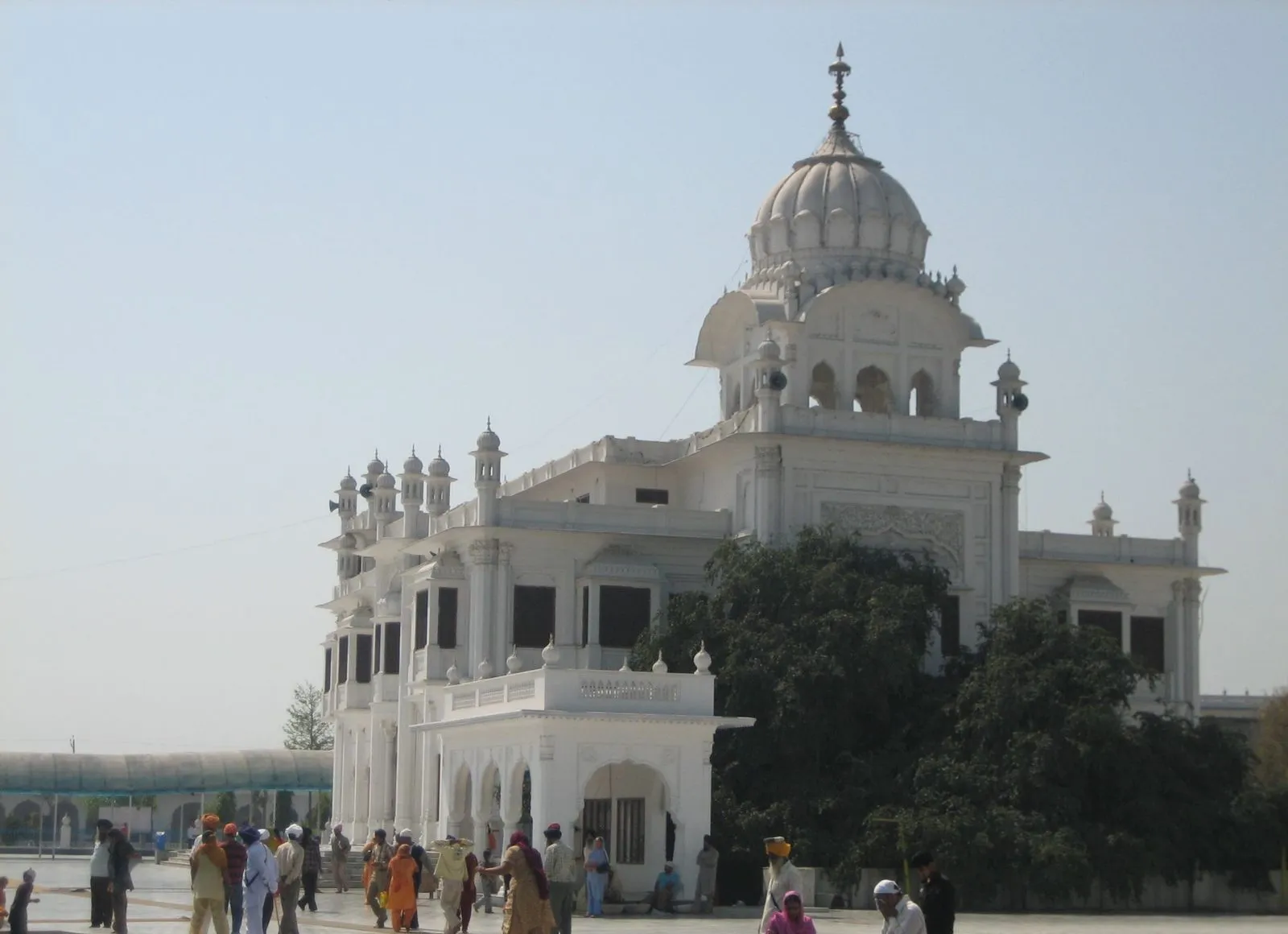
Sultanpur Lodhi is one of Punjab's oldest cities, founded in 1103 AD by Sultan Khan Lodhi, a general of Mahmud of Ghazni. It is best known as the city where Guru Nanak spent about fourteen years as a storekeeper, bathed in the Kali Bein rivulet, and emerged enlightened. The town had a population of about 16,900 in 2011.
- Facts
- Type
- City
- District
- Kapurthala
- Region
- Doaba, Punjab (India)
- Founded
- 1103 AD, by Sultan Khan Lodhi
- Population
- 16,877 (2011 census)
- Known for
- Guru Nanak's fourteen years; Gurdwara Ber Sahib; Kali Bein
History
Sultanpur Lodhi is among the oldest continuously inhabited cities in Punjab. It was founded in 1103 AD by Sultan Khan Lodhi, a general in the army of Mahmud of Ghazni, and is named after him. The Ain-e-Akbari, the Mughal emperor Akbar's administrative record, mentions the town, confirming its standing as an important centre through the medieval period. Local tradition and archaeological finds suggest the site was settled far earlier — in the early centuries AD it was known as Sarwmanpur, a noted seat of Buddhist learning.
Through the Delhi Sultanate and Mughal centuries the town prospered on trade and administration. Its fortunes collapsed in the eighteenth century: Nader Shah sacked it in 1739 on his march to Delhi, and Ahmad Shah Abdali ravaged it again soon after. The city was rebuilt from ruins by Sardar Jassa Singh Ahluwalia, the Sikh misl chief, who took its historic shrines under his protection. It never fully regained its old glory, partly because the Amritsar–Jalandhar Grand Trunk Road bypassed it as the main route to Delhi. After independence it became a sub-division and tehsil of Kapurthala district.
Geography & people
Sultanpur Lodhi stands on the south bank of the Kali Bein, a seasonal rivulet that flows about ten kilometres north of the Beas–Sutlej confluence. The town lies roughly midway between Kapurthala and Jalandhar, connected by road and by a railway station on the Ferozepur division of Northern Railway.
The municipal council counted 16,877 residents in the 2011 census, with Hindus forming the largest community followed by Sikhs. Punjabi is the everyday language. Farming in the surrounding villages and the town's role as a tehsil administrative centre shape local life, while Sikh pilgrimage brings a steady stream of visitors through the year.
Places of interest
The town's identity is inseparable from Guru Nanak. Gurdwara Ber Sahib stands on the bank of the Kali Bein where the Guru bathed each morning; its name comes from the ber (jujube) tree under which he is said to have sat. Nearby Gurdwara Hatt Sahib marks the modi khana, the grain store where he worked as an accountant, and Gurdwara Sant Ghat marks the spot where he emerged from the rivulet after three days in 1499. Gurdwara Guru ka Bagh and Gurdwara Sehra Sahib complete the circuit of shrines linked to his fourteen-year stay.
The Kali Bein itself has been revived in recent decades as an environmental success story, cleaned through a community effort led by Sant Balbir Singh Seechewal. The town also carries the architecture of its Kapurthala-state past in old havelis and its municipal buildings.
Notable people
Guru Nanak is Sultanpur Lodhi's defining figure — he lived here from about 1487 to 1501, married Bibi Sulakhni, raised his sons Sri Chand and Lakhmi Das, and experienced the enlightenment that launched his mission. His companion Bhai Mardana was with him through these years.
In the princely era, Dewan Ramjas of Sultanpur Lodhi served Maharaja Jagatjit Singh of Kapurthala, and his family — including Dewan Jarmani Dass, who wrote the memoir 'Maharaja and Maharani' in 1970 — remained close to the Kapurthala court for generations.
ਇਤਿਹਾਸ
ਸੁਲਤਾਨਪੁਰ ਲੋਧੀ ਪੰਜਾਬ ਦੇ ਸਭ ਤੋਂ ਪੁਰਾਣੇ ਸ਼ਹਿਰਾਂ ਵਿੱਚੋਂ ਇੱਕ ਹੈ। ਇਸ ਦੀ ਨੀਂਹ 1103 ਈਸਵੀ ਵਿੱਚ ਮਹਿਮੂਦ ਗਜ਼ਨਵੀ ਦੇ ਸੈਨਾਪਤੀ ਸੁਲਤਾਨ ਖ਼ਾਨ ਲੋਧੀ ਨੇ ਰੱਖੀ, ਅਤੇ ਸ਼ਹਿਰ ਦਾ ਨਾਂ ਉਸੇ ਦੇ ਨਾਂ 'ਤੇ ਪਿਆ। ਅਕਬਰ ਦੇ 'ਆਈਨ-ਏ-ਅਕਬਰੀ' ਵਿੱਚ ਇਸ ਦਾ ਜ਼ਿਕਰ ਹੈ, ਜੋ ਮੱਧਕਾਲ ਵਿੱਚ ਇਸ ਦੇ ਮਹੱਤਵ ਦੀ ਗਵਾਹੀ ਦਿੰਦਾ ਹੈ। ਪੁਰਾਤੱਤਵ ਖੋਜਾਂ ਦੱਸਦੀਆਂ ਹਨ ਕਿ ਇੱਥੇ ਪਹਿਲੀ ਸਦੀ ਈਸਵੀ ਵਿੱਚ 'ਸਰਵਮਨਪੁਰ' ਨਾਂ ਦਾ ਬੋਧੀ ਸਿੱਖਿਆ ਕੇਂਦਰ ਸੀ।
ਦਿੱਲੀ ਸਲਤਨਤ ਅਤੇ ਮੁਗਲ ਕਾਲ ਵਿੱਚ ਇਹ ਵਪਾਰ ਅਤੇ ਪ੍ਰਸ਼ਾਸਨ ਦਾ ਕੇਂਦਰ ਰਿਹਾ। ਅਠਾਰਵੀਂ ਸਦੀ ਵਿੱਚ ਇਸ 'ਤੇ ਮੁਸੀਬਤਾਂ ਆਈਆਂ — 1739 ਵਿੱਚ ਨਾਦਰ ਸ਼ਾਹ ਨੇ ਦਿੱਲੀ ਜਾਂਦੇ ਹੋਏ ਇਸ ਨੂੰ ਲੁੱਟਿਆ ਅਤੇ ਅਹਿਮਦ ਸ਼ਾਹ ਅਬਦਾਲੀ ਨੇ ਫਿਰ ਤਬਾਹ ਕੀਤਾ। ਸਰਦਾਰ ਜੱਸਾ ਸਿੰਘ ਆਹਲੂਵਾਲੀਆ ਨੇ ਇਸ ਨੂੰ ਮੁੜ ਵਸਾਇਆ ਅਤੇ ਇਤਿਹਾਸਕ ਗੁਰਦੁਆਰਿਆਂ ਨੂੰ ਆਪਣੀ ਸਰਪ੍ਰਸਤੀ ਹੇਠ ਲਿਆ। ਆਜ਼ਾਦੀ ਤੋਂ ਬਾਅਦ ਇਹ ਕਪੂਰਥਲਾ ਜ਼ਿਲ੍ਹੇ ਦਾ ਸਬ-ਡਿਵੀਜ਼ਨ ਅਤੇ ਤਹਿਸੀਲ ਬਣਿਆ।
ਭੂਗੋਲ ਅਤੇ ਲੋਕ
ਸੁਲਤਾਨਪੁਰ ਲੋਧੀ ਕਾਲੀ ਬੇਈਂ ਦੇ ਦੱਖਣੀ ਕੰਢੇ 'ਤੇ ਵਸਿਆ ਹੈ, ਜੋ ਬਿਆਸ-ਸਤਲੁਜ ਸੰਗਮ ਤੋਂ ਲਗਭਗ ਦਸ ਕਿਲੋਮੀਟਰ ਉੱਤਰ ਵਿੱਚ ਵਗਦੀ ਹੈ। ਇਹ ਕਪੂਰਥਲਾ ਅਤੇ ਜਲੰਧਰ ਦੇ ਵਿਚਕਾਰ ਸਥਿਤ ਹੈ ਅਤੇ ਸੜਕ ਤੇ ਰੇਲ ਦੋਵਾਂ ਨਾਲ ਜੁੜਿਆ ਹੈ।
2011 ਦੀ ਮਰਦਮਸ਼ੁਮਾਰੀ ਅਨੁਸਾਰ ਨਗਰ ਕੌਂਸਲ ਦੀ ਆਬਾਦੀ 16,877 ਸੀ। ਪੰਜਾਬੀ ਰੋਜ਼ਾਨਾ ਦੀ ਭਾਸ਼ਾ ਹੈ। ਖੇਤੀ ਅਤੇ ਤਹਿਸੀਲ ਪ੍ਰਸ਼ਾਸਨ ਸਥਾਨਕ ਜੀਵਨ ਦੀ ਰੀੜ੍ਹ ਹਨ, ਅਤੇ ਗੁਰੂ ਨਾਨਕ ਨਾਲ ਜੁੜੇ ਹੋਣ ਕਰਕੇ ਸਾਲ ਭਰ ਸੰਗਤਾਂ ਆਉਂਦੀਆਂ ਹਨ।
ਵੇਖਣਯੋਗ ਥਾਵਾਂ
ਗੁਰਦੁਆਰਾ ਬੇਰ ਸਾਹਿਬ ਕਾਲੀ ਬੇਈਂ ਦੇ ਕੰਢੇ ਉਸ ਥਾਂ 'ਤੇ ਹੈ ਜਿੱਥੇ ਗੁਰੂ ਨਾਨਕ ਰੋਜ਼ ਇਸ਼ਨਾਨ ਕਰਦੇ ਸਨ; ਇਸ ਦਾ ਨਾਂ ਉਸ ਬੇਰ ਦੇ ਰੁੱਖ ਤੋਂ ਪਿਆ ਜਿਸ ਹੇਠ ਉਹ ਬੈਠਦੇ ਸਨ। ਗੁਰਦੁਆਰਾ ਹੱਟ ਸਾਹਿਬ ਉਸ ਮੋਦੀ ਖ਼ਾਨੇ ਦੀ ਯਾਦ ਵਿੱਚ ਹੈ ਜਿੱਥੇ ਉਹ ਮੁਨੀਮ ਦਾ ਕੰਮ ਕਰਦੇ ਸਨ, ਅਤੇ ਗੁਰਦੁਆਰਾ ਸੰਤ ਘਾਟ ਉਸ ਥਾਂ 'ਤੇ ਹੈ ਜਿੱਥੇ ਉਹ 1499 ਵਿੱਚ ਤਿੰਨ ਦਿਨ ਬੇਈਂ ਵਿੱਚ ਰਹਿ ਕੇ ਬਾਹਰ ਆਏ।
ਕਾਲੀ ਬੇਈਂ ਦੀ ਸਫਾਈ ਸੰਤ ਬਲਬੀਰ ਸਿੰਘ ਸੀਚੇਵਾਲ ਦੀ ਅਗਵਾਈ ਹੇਠ ਵਾਤਾਵਰਣ ਦੀ ਮਿਸਾਲੀ ਸਫਲਤਾ ਬਣੀ ਹੈ।
ਪ੍ਰਸਿੱਧ ਹਸਤੀਆਂ
ਗੁਰੂ ਨਾਨਕ ਦੇਵ ਜੀ ਨੇ ਇੱਥੇ ਲਗਭਗ 1487 ਤੋਂ 1501 ਤੱਕ ਚੌਦਾਂ ਸਾਲ ਬਿਤਾਏ — ਇੱਥੇ ਉਨ੍ਹਾਂ ਦਾ ਵਿਆਹ ਹੋਇਆ, ਪੁੱਤਰ ਜੰਮੇ, ਅਤੇ ਇੱਥੋਂ ਹੀ ਉਨ੍ਹਾਂ ਦੀ ਜੋਤਿ ਜਾਗੀ। ਭਾਈ ਮਰਦਾਨਾ ਇਨ੍ਹਾਂ ਸਾਲਾਂ ਵਿੱਚ ਉਨ੍ਹਾਂ ਦੇ ਨਾਲ ਸਨ।
ਰਿਆਸਤੀ ਕਾਲ ਵਿੱਚ ਦੀਵਾਨ ਰਾਮਜਸ ਅਤੇ ਉਨ੍ਹਾਂ ਦੇ ਪਰਿਵਾਰ ਨੇ ਕਪੂਰਥਲਾ ਦਰਬਾਰ ਦੀ ਸੇਵਾ ਕੀਤੀ; ਦੀਵਾਨ ਜਰਮਨੀ ਦਾਸ ਨੇ 1970 ਵਿੱਚ 'ਮਹਾਰਾਜਾ ਐਂਡ ਮਹਾਰਾਣੀ' ਪੁਸਤਕ ਲਿਖੀ।
Timeline
- 1103Sultan Khan Lodhi, a general of Mahmud of Ghazni, founds the city.
- 1487Guru Nanak arrives in Sultanpur and takes work at the modi khana.
- 1499Guru Nanak bathes in the Kali Bein and emerges enlightened, uttering 'Na koi Hindu, na Musalman'.
- 1739Nader Shah's invasion devastates the city on his way to Delhi.
- 1759Sardar Jassa Singh Ahluwalia restores the city and takes its historic shrines under his protection.
- 2019Guru Nanak's 550th birth anniversary is celebrated with a grand Nagar Kirtan and the town's gurdwaras renovated.
Sultanpur Lodhi in the news
No stories link to this entry yet.