
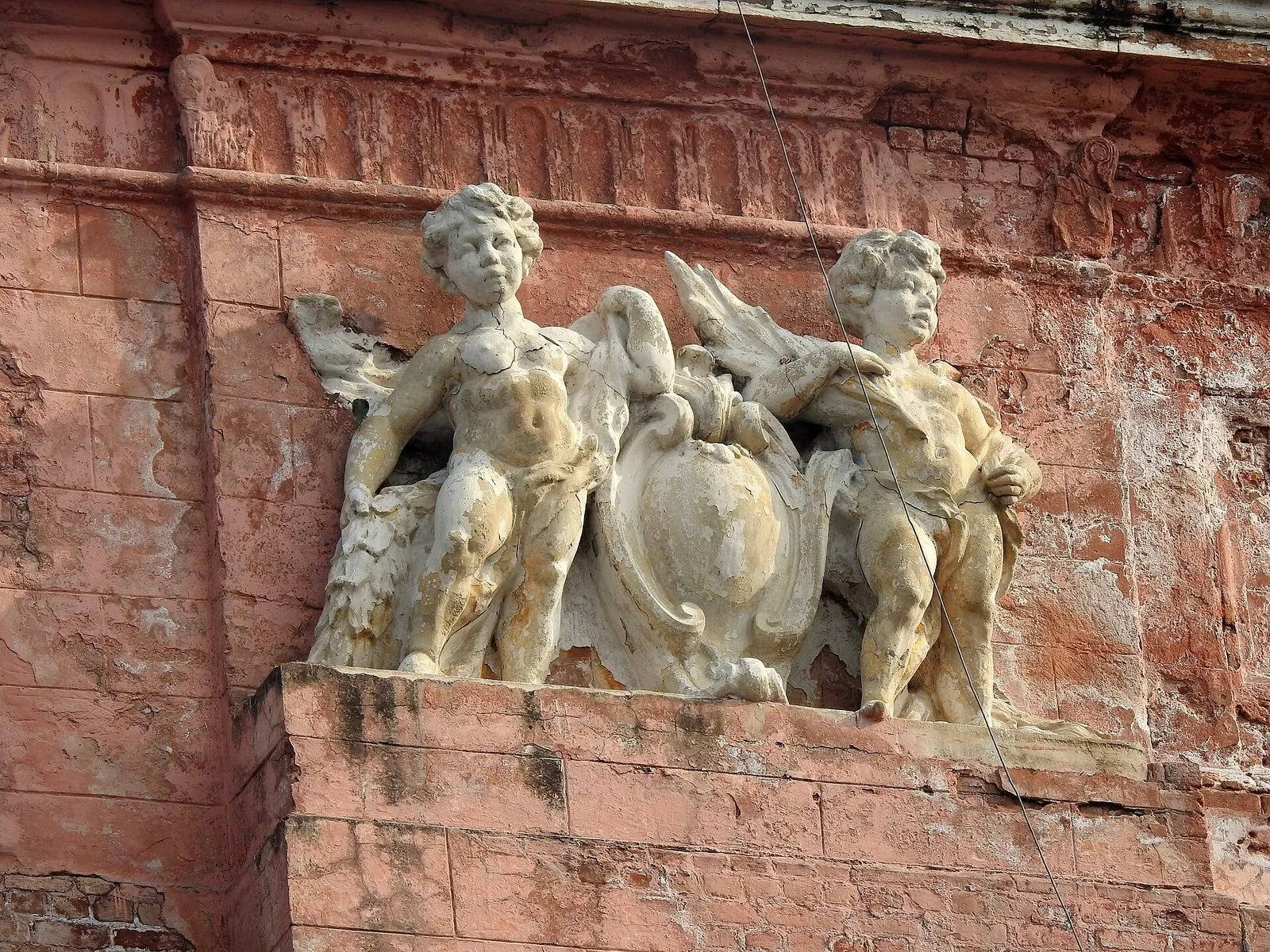
Kapurthala was the capital of the princely state of the Ahluwalia dynasty, founded by Jassa Singh Ahluwalia in the eighteenth century. Under Maharaja Jagatjit Singh it acquired French-inspired palaces — the Jagatjit Palace (now Sainik School) and the Moorish Mosque — earning it the nickname 'Paris of Punjab'. Today it is a district headquarters of about a lakh people, and the Rail Coach Factory at Hussainpur is one of India's great railway workshops.
- Facts
- Type
- City
- District
- Kapurthala (district headquarters)
- Region
- Doaba, Punjab (India)
- Nickname
- Paris of Punjab
- Princely state
- Ahluwalia dynasty; capital from c. 1772; acceded 1948
- Landmarks
- Jagatjit Palace (now Sainik School); Moorish Mosque
- Industry
- Rail Coach Factory, Hussainpur (production since 1988)
History
Tradition credits the founding of Kapurthala to Rana Kapur, a Bhatti Rajput, in the early eleventh century. The town's modern importance begins with the Ahluwalia misl: Jassa Singh Ahluwalia, one of the great Sikh chiefs of the eighteenth century, established his capital here around 1772, and Kapurthala remained the seat of his dynasty through the nineteenth century. The state survived the British annexations as a princely state and acceded to India in 1948, joining PEPSU.
The state's most famous ruler was Maharaja Jagatjit Singh, who reigned from 1877 to 1947 and travelled widely in Europe. He remade his capital in a French idiom — the Jagatjit Palace, modelled on Versailles, and the Moorish Mosque, inspired by the Koutoubia of Marrakesh — which is why Kapurthala is still called the Paris of Punjab. The palace now houses the Sainik School, and the mosque remains one of the finest Moorish-revival buildings in Asia.
Geography & people
Kapurthala stands in the heart of the Doaba plain at about 225 metres above sea level, on the Jalandhar–Amritsar railway line. The district headquarters city holds about a lakh people. Punjabi dominates; the old city's mohallas still carry the names of the princely era. The surrounding countryside is classic Doaba farmland — wheat, paddy and sugarcane — and the Beas flows not far to the north.
The Rail Coach Factory at Hussainpur, on the city's edge, has built passenger coaches for Indian Railways since production began in 1988, and its township is a town within the town.
Places of interest
Kapurthala's sights are its princely buildings: the Jagatjit Palace (viewable from outside as the Sainik School campus), the Moorish Mosque, the Elysee Palace, and the Shalimar Gardens. The Pushpa Gujral Science City on the Jalandhar road is one of north India's best science museums. Sultanpur Lodhi, where Guru Nanak spent fourteen formative years, lies in the same district.
Notable people
Kapurthala's history is the story of its rulers: Jassa Singh Ahluwalia (1718–1783), the misl chief who made it a capital, and Maharaja Jagatjit Singh (1872–1949), the francophile builder of its palaces and mosque, whose travels and patronage put the small state on the world map. The state's prime ministers and courtiers — and later, the engineers of the Rail Coach Factory — carried its name into modern India.
ਇਤਿਹਾਸ
ਪਰੰਪਰਾ ਅਨੁਸਾਰ ਕਪੂਰਥਲੇ ਦੀ ਨੀਂਹ ਗਿਆਰ੍ਹਵੀਂ ਸਦੀ ਦੇ ਸ਼ੁਰੂ ਵਿੱਚ ਭੱਟੀ ਰਾਜਪੂਤ ਰਾਣਾ ਕਪੂਰ ਨੇ ਰੱਖੀ। ਆਧੁਨਿਕ ਮਹੱਤਵ ਆਹਲੂਵਾਲੀਆ ਮਿਸਲ ਨਾਲ ਸ਼ੁਰੂ ਹੁੰਦਾ ਹੈ: ਜੱਸਾ ਸਿੰਘ ਆਹਲੂਵਾਲੀਆ ਨੇ ਲਗਭਗ 1772 ਵਿੱਚ ਇੱਥੇ ਆਪਣੀ ਰਾਜਧਾਨੀ ਬਣਾਈ। ਰਿਆਸਤ 1948 ਵਿੱਚ ਭਾਰਤ ਵਿੱਚ ਸ਼ਾਮਲ ਹੋਈ।
ਸਭ ਤੋਂ ਮਸ਼ਹੂਰ ਸ਼ਾਸਕ ਮਹਾਰਾਜਾ ਜਗਤਜੀਤ ਸਿੰਘ ਸਨ (1877–1947), ਜਿਨ੍ਹਾਂ ਨੇ ਫ਼ਰਾਂਸੀਸੀ ਸ਼ੈਲੀ ਵਿੱਚ ਜਗਤਜੀਤ ਪੈਲੇਸ ਅਤੇ ਮੂਰਿਸ਼ ਮਸਜਿਦ ਬਣਵਾਈ — ਇਸੇ ਲਈ ਕਪੂਰਥਲਾ 'ਪੰਜਾਬ ਦਾ ਪੈਰਿਸ' ਕਹਾਉਂਦਾ ਹੈ।
ਭੂਗੋਲ ਅਤੇ ਲੋਕ
ਕਪੂਰਥਲਾ ਦੋਆਬੇ ਦੇ ਮੈਦਾਨ ਦੇ ਵਿਚਕਾਰ, ਸਮੁੰਦਰ ਤਲ ਤੋਂ ਲਗਭਗ 225 ਮੀਟਰ ਦੀ ਉਚਾਈ ਉੱਤੇ ਸਥਿਤ ਹੈ। ਆਬਾਦੀ ਲਗਭਗ ਇੱਕ ਲੱਖ ਹੈ। ਹੁਸੈਨਪੁਰ ਦੀ ਰੇਲ ਕੋਚ ਫੈਕਟਰੀ 1988 ਤੋਂ ਡੱਬੇ ਬਣਾ ਰਹੀ ਹੈ।
ਦੇਖਣਯੋਗ ਥਾਵਾਂ
ਕਪੂਰਥਲੇ ਦੀਆਂ ਸ਼ਾਨਾਂ ਰਿਆਸਤੀ ਇਮਾਰਤਾਂ ਹਨ: ਜਗਤਜੀਤ ਪੈਲੇਸ, ਮੂਰਿਸ਼ ਮਸਜਿਦ, ਏਲੀਸੀ ਪੈਲੇਸ ਅਤੇ ਸ਼ਾਲੀਮਾਰ ਬਾਗ਼। ਜਲੰਧਰ ਸੜਕ ਉੱਤੇ ਪੁਸ਼ਪਾ ਗੁਜਰਾਲ ਸਾਇੰਸ ਸਿਟੀ ਹੈ।
ਪ੍ਰਸਿੱਧ ਲੋਕ
ਕਪੂਰਥਲੇ ਦਾ ਇਤਿਹਾਸ ਇਸ ਦੇ ਸ਼ਾਸਕਾਂ ਦੀ ਕਹਾਣੀ ਹੈ: ਜੱਸਾ ਸਿੰਘ ਆਹਲੂਵਾਲੀਆ (1718–1783) ਅਤੇ ਮਹਾਰਾਜਾ ਜਗਤਜੀਤ ਸਿੰਘ (1872–1949)।
Timeline
- 1772Jassa Singh Ahluwalia establishes his capital at Kapurthala.
- 1948The princely state accedes to India and joins PEPSU.
- 1988The Rail Coach Factory begins building coaches at Hussainpur.
Kapurthala in the news
No stories link to this entry yet.