
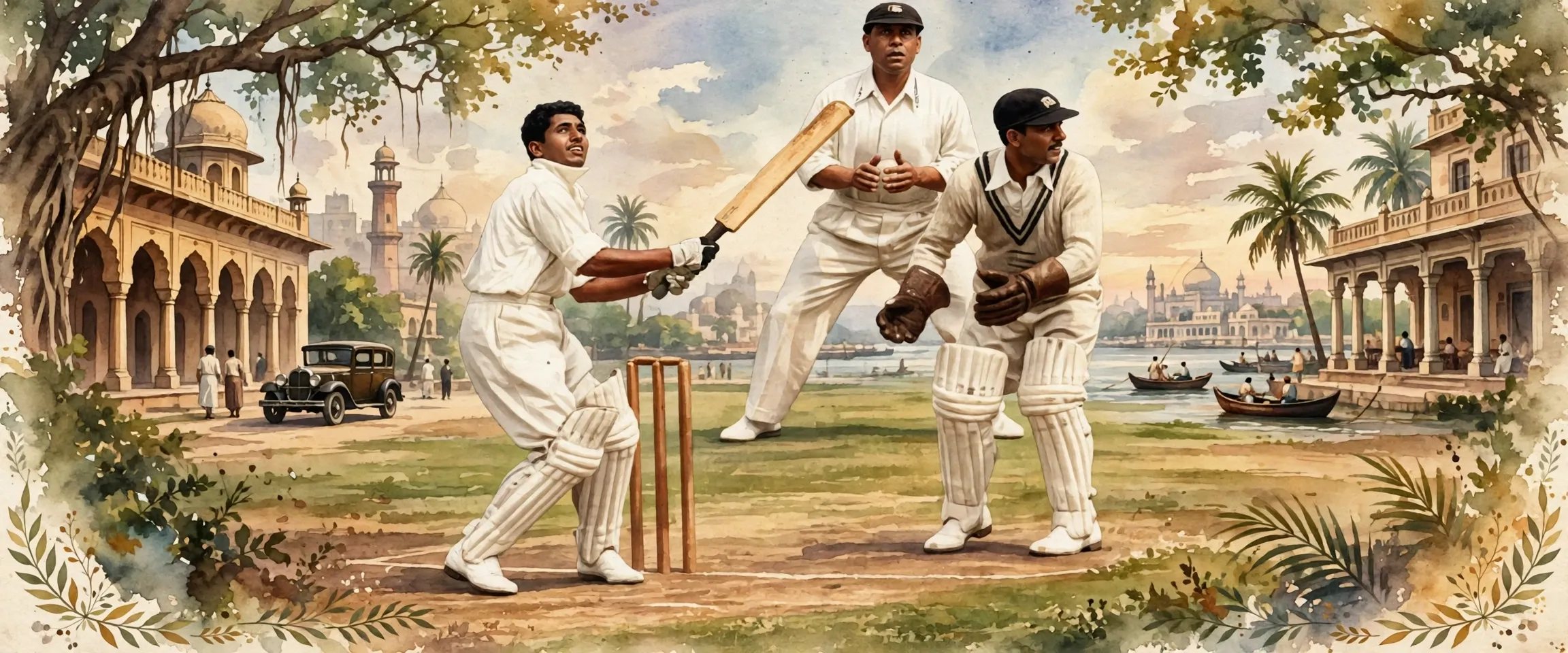
Lala Amarnath (11 September 1911 to 5 August 2000) was an Indian cricketer born in Kapurthala and raised in Lahore who scored India first Test century, 118 on debut against England at Bombay in 1933. He became independent India first Test captain and led India to their first Test series win, against Pakistan in 1952.
- Punjabi name
- ਲਾਲਾ ਅਮਰਨਾਥ
- Born
- 11 September 1911, Kapurthala, Punjab, British India
- Raised in
- Lahore, Punjab
- Home place
- Lahore
- District
- Lahore
- Region
- Majha
All 13 facts
- Died
- 5 August 2000, New Delhi
- Style
- Right-hand bat, right-arm medium pace
- Test debut
- 15 December 1933 against England, Bombay
- India career
- 1933 to 1952, 24 Tests, 878 runs, 45 wickets
- Captaincy
- Independent India first Test captain; 15 Tests as captain
- Family
- Father of Surinder Amarnath and Mohinder Amarnath, both India Test players
- Honours
- Padma Bhushan (1991); inaugural C. K. Nayudu Lifetime Achievement Award
Lala Amarnath was an Indian cricketer from Punjab who scored the first Test century for India, on his debut against England at Bombay in 1933, and later became independent India first Test captain. He led India to their first Test series win, against Pakistan in 1952.
Born in Kapurthala, raised in Lahore
Lala Amarnath Bhardwaj was born on 11 September 1911 in Kapurthala, Punjab, in British India. Wikipedia describes his family as an impoverished Punjabi speaking Brahmin family from Kapurthala. His talent was recognised in Lahore, in a match against a Muslim club side, and that recognition gave him his chance to play in Bombay. Lahore was the city where he grew up and made his name in Punjab cricket, while Kapurthala was his birthplace. The distinction matters, because many short profiles shorten the story to one city and lose the other.
He was educated at Aligarh Muslim University, according to the account of his life. Before Test cricket took hold in India, he also played for the Hindus in the Bombay Quadrangular, one of the main tournaments of the time. By the early 1930s he was already known as a bold, attacking player who could bat, bowl medium pace and, when needed, keep wicket.
How did Lala Amarnath score India first Test century?
Amarnath made his Test debut against England at the Bombay Gymkhana ground in December 1933. It was India second Test match and their first Test at home. Batting at number three, he scored 38 in the first innings and then 118 in the second innings, in 185 minutes with 21 fours, according to SportsAdda. That 118 was the first century ever scored for India in Test cricket, and he made it on debut.
England, led by Douglas Jardine, still won the match by nine wickets. The result did not diminish what the innings meant. In a country playing only its second Test, an Indian batsman had reached a hundred against England, quickly and with attacking strokes. It remained his only Test century in a career of 24 Tests, in which he scored 878 runs at an average of 24.38, with one century and four half centuries, and took 45 wickets at 32.91, with best figures of 5 for 96.
His first class record tells a fuller story of his ability. In 186 first class matches he scored 10,426 runs at an average of 41.37, with 31 centuries and 39 half centuries and a top score of 262, and took 463 wickets. He played only three Tests before the Second World War, while India played no official Tests during the war, and then played another 21 Tests after it.
Sent home in 1936 and the lost years
His career was interrupted by one of the most famous disputes in early Indian cricket. On the 1936 tour of England he was sent back home by the captain, the Maharajkumar of Vizianagram, known as Vizzy, for what was called indiscipline. Amarnath and others alleged that the decision was due to politics. Senior players had been critical of Vizzy captaincy, and the squad was divided. SportsAdda notes that he did not play another Test for 12 years, between January 1934 and June 1946. Those lost years help explain why his Test numbers look modest beside his first class record and his reputation among contemporaries.
Partition, Patiala and Delhi
When Partition took place in August 1947, Amarnath and his family had to flee Lahore to escape a mob. He lived in Patiala, in Indian Punjab, until 1957, and then moved to Delhi. The move cut him off from the Lahore where he had been raised and recognised as a young cricketer. After Partition he is widely respected for reaching out to bridge the divide between players and fans of India and Pakistan, a theme that returned in his captaincy against Pakistan and in his later work as team manager.
Independent India first captain and the Pakistan series win
Amarnath was independent India first cricket captain. He captained the Indian team that toured Australia in 1947 and 1948, and in all he captained India in 15 Tests, winning two, losing six and drawing seven. In Australia he also became the only bowler to dismiss Donald Bradman hit wicket. NewKerala records that it happened during a Test in November 1947, when Bradman had already made 185 runs.
The highlight of his captaincy came at home against Pakistan. Under his leadership India won their first ever Test against Pakistan, in Delhi in 1952, and went on to win the series 2 to 1. It was India first Test series victory. His last Test was against Pakistan on 12 December 1952. He also managed the Indian team when it toured Pakistan in 1954 and 1955, after his playing career had ended.
Selector, commentator and a cricket family
After retirement he stayed in the centre of Indian cricket. He became chairman of the Senior Selection Committee of the Board of Control for Cricket in India, and worked as a commentator and expert, known for forthright views. His proteges included Chandu Borde, M. L. Jaisimha and Jasu Patel, who all played for India.
Cricket ran through his family. His sons Surinder Amarnath and Mohinder Amarnath both became Test players for India, another son Rajinder played first class cricket, and his grandson Digvijay is also described as a first class player. Mohinder, known as Jimmy, later played the central all round role in India 1983 World Cup win, taking the player of the match awards in both the semi final and the final. For Punjabi readers the family line is the clearest link forward: the father who made India first Test hundred became the father of the man of the 1983 final.
Honours and legacy
The Government of India awarded him the Padma Bhushan in 1991. He also received the inaugural C. K. Nayudu Lifetime Achievement Award, which NewKerala dates to 1994. He died on 5 August 2000 in New Delhi, aged 88.
He is often described as a father figure of Indian cricket. That phrase rests on concrete firsts rather than sentiment alone: the first Indian Test century, the first captain of independent India, and the captain of India first Test series win. His Test average does not capture his standing, because war, the 1936 dispute and the politics of the early game took years from his international career, while his first class record and the respect of opponents such as Bradman point to the larger player underneath.
ਲਾਲਾ ਅਮਰਨਾਥ ਪੰਜਾਬ ਤੋਂ ਭਾਰਤੀ ਕ੍ਰਿਕਟਰ ਸਨ, ਜਿਨ੍ਹਾਂ ਨੇ 1933 ਵਿੱਚ ਬੰਬਈ ਵਿਖੇ ਇੰਗਲੈਂਡ ਖ਼ਿਲਾਫ਼ ਆਪਣੇ ਪਹਿਲੇ ਮੈਚ ਵਿੱਚ ਭਾਰਤ ਲਈ ਪਹਿਲਾ ਟੈਸਟ ਸੈਂਕੜਾ ਬਣਾਇਆ, ਅਤੇ ਬਾਅਦ ਵਿੱਚ ਆਜ਼ਾਦ ਭਾਰਤ ਦੇ ਪਹਿਲੇ ਟੈਸਟ ਕਪਤਾਨ ਬਣੇ। ਸੱਜੇ ਹੱਥ ਦੇ ਬੱਲੇਬਾਜ਼ ਅਤੇ ਸੱਜੇ ਹੱਥ ਦੇ ਮੱਧਮ ਰਫ਼ਤਾਰ ਗੇਂਦਬਾਜ਼ ਵਜੋਂ, ਉਨ੍ਹਾਂ ਨੇ ਭਾਰਤ ਨੂੰ ਉਸ ਦੀ ਪਹਿਲੀ ਟੈਸਟ ਲੜੀ ਜਿੱਤ ਤੱਕ ਲੈ ਕੇ ਗਏ, 1952 ਵਿੱਚ ਪਾਕਿਸਤਾਨ ਖ਼ਿਲਾਫ਼, ਅਤੇ ਉਨ੍ਹਾਂ ਦੇ ਪੁੱਤਰ ਵੀ ਟੈਸਟ ਕ੍ਰਿਕਟ ਵਿੱਚ ਉਨ੍ਹਾਂ ਦੇ ਪਿੱਛੇ ਆਏ।
ਕਪੂਰਥਲਾ ਵਿੱਚ ਜਨਮ, ਲਾਹੌਰ ਵਿੱਚ ਪਾਲਣ ਪੋਸ਼ਣ
ਲਾਲਾ ਅਮਰਨਾਥ ਭਾਰਦਵਾਜ ਦਾ ਜਨਮ 11 ਸਤੰਬਰ 1911 ਨੂੰ ਬ੍ਰਿਟਿਸ਼ ਭਾਰਤ ਦੇ ਪੰਜਾਬ ਵਿੱਚ ਕਪੂਰਥਲਾ ਵਿਖੇ ਹੋਇਆ। ਵਿਕੀਪੀਡੀਆ ਉਨ੍ਹਾਂ ਦੇ ਪਰਿਵਾਰ ਨੂੰ ਕਪੂਰਥਲਾ ਤੋਂ ਇੱਕ ਗਰੀਬ ਪੰਜਾਬੀ ਬੋਲਣ ਵਾਲਾ ਬ੍ਰਾਹਮਣ ਪਰਿਵਾਰ ਦੱਸਦਾ ਹੈ। ਉਨ੍ਹਾਂ ਦੀ ਪ੍ਰਤਿਭਾ ਲਾਹੌਰ ਵਿੱਚ ਪਛਾਣੀ ਗਈ, ਇੱਕ ਮੁਸਲਿਮ ਕਲੱਬ ਟੀਮ ਖ਼ਿਲਾਫ਼ ਮੈਚ ਵਿੱਚ, ਅਤੇ ਉਸ ਪਛਾਣ ਨੇ ਉਨ੍ਹਾਂ ਨੂੰ ਬੰਬਈ ਵਿੱਚ ਖੇਡਣ ਦਾ ਮੌਕਾ ਦਿੱਤਾ। ਲਾਹੌਰ ਉਹ ਸ਼ਹਿਰ ਸੀ ਜਿੱਥੇ ਉਹ ਵੱਡੇ ਹੋਏ ਅਤੇ ਪੰਜਾਬ ਕ੍ਰਿਕਟ ਵਿੱਚ ਆਪਣਾ ਨਾਂ ਬਣਾਇਆ, ਜਦੋਂ ਕਿ ਕਪੂਰਥਲਾ ਉਨ੍ਹਾਂ ਦਾ ਜਨਮ ਸਥਾਨ ਸੀ। ਇਹ ਫ਼ਰਕ ਮਹੱਤਵਪੂਰਨ ਹੈ, ਕਿਉਂਕਿ ਬਹੁਤ ਸਾਰੇ ਛੋਟੇ ਵੇਰਵੇ ਕਹਾਣੀ ਨੂੰ ਇੱਕ ਸ਼ਹਿਰ ਤੱਕ ਛੋਟਾ ਕਰ ਦਿੰਦੇ ਹਨ ਅਤੇ ਦੂਜਾ ਗੁਆ ਦਿੰਦੇ ਹਨ।
ਉਨ੍ਹਾਂ ਦੇ ਜੀਵਨ ਦੇ ਵੇਰਵੇ ਅਨੁਸਾਰ, ਉਨ੍ਹਾਂ ਨੇ ਅਲੀਗੜ੍ਹ ਮੁਸਲਿਮ ਯੂਨੀਵਰਸਿਟੀ ਤੋਂ ਪੜ੍ਹਾਈ ਕੀਤੀ। ਭਾਰਤ ਵਿੱਚ ਟੈਸਟ ਕ੍ਰਿਕਟ ਦੇ ਪੱਕੇ ਹੋਣ ਤੋਂ ਪਹਿਲਾਂ, ਉਨ੍ਹਾਂ ਨੇ ਬੰਬਈ ਕੁਆਡਰੈਂਗੁਲਰ ਵਿੱਚ ਹਿੰਦੂ ਟੀਮ ਲਈ ਵੀ ਖੇਡਿਆ, ਜੋ ਉਸ ਸਮੇਂ ਦੇ ਮੁੱਖ ਟੂਰਨਾਮੈਂਟਾਂ ਵਿੱਚੋਂ ਇੱਕ ਸੀ। 1930 ਦੇ ਦਹਾਕੇ ਦੇ ਸ਼ੁਰੂ ਤੱਕ ਉਹ ਇੱਕ ਦਲੇਰ, ਹਮਲਾਵਰ ਖਿਡਾਰੀ ਵਜੋਂ ਜਾਣੇ ਜਾਂਦੇ ਸਨ, ਜੋ ਬੱਲੇਬਾਜ਼ੀ ਕਰ ਸਕਦੇ ਸਨ, ਮੱਧਮ ਰਫ਼ਤਾਰ ਗੇਂਦਬਾਜ਼ੀ ਕਰ ਸਕਦੇ ਸਨ ਅਤੇ ਲੋੜ ਪੈਣ ਉੱਤੇ ਵਿਕਟਕੀਪਿੰਗ ਵੀ ਕਰ ਸਕਦੇ ਸਨ।
ਲਾਲਾ ਅਮਰਨਾਥ ਨੇ ਭਾਰਤ ਦਾ ਪਹਿਲਾ ਟੈਸਟ ਸੈਂਕੜਾ ਕਿਵੇਂ ਬਣਾਇਆ?
ਅਮਰਨਾਥ ਨੇ ਦਸੰਬਰ 1933 ਵਿੱਚ ਬੰਬਈ ਜਿਮਖਾਨਾ ਮੈਦਾਨ ਵਿਖੇ ਇੰਗਲੈਂਡ ਖ਼ਿਲਾਫ਼ ਆਪਣਾ ਟੈਸਟ ਡੈਬਿਊ ਕੀਤਾ। ਇਹ ਭਾਰਤ ਦਾ ਦੂਜਾ ਟੈਸਟ ਮੈਚ ਸੀ ਅਤੇ ਘਰ ਵਿੱਚ ਉਨ੍ਹਾਂ ਦਾ ਪਹਿਲਾ ਟੈਸਟ ਸੀ। ਤੀਜੇ ਨੰਬਰ ਉੱਤੇ ਬੱਲੇਬਾਜ਼ੀ ਕਰਦੇ ਹੋਏ, ਉਨ੍ਹਾਂ ਨੇ ਪਹਿਲੀ ਪਾਰੀ ਵਿੱਚ 38 ਦੌੜਾਂ ਬਣਾਈਆਂ ਅਤੇ ਫਿਰ ਦੂਜੀ ਪਾਰੀ ਵਿੱਚ 118 ਦੌੜਾਂ ਬਣਾਈਆਂ, ਸਪੋਰਟਸਅੱਡਾ ਅਨੁਸਾਰ 185 ਮਿੰਟਾਂ ਵਿੱਚ 21 ਚੌਕਿਆਂ ਨਾਲ। ਉਹ 118 ਟੈਸਟ ਕ੍ਰਿਕਟ ਵਿੱਚ ਭਾਰਤ ਲਈ ਬਣਿਆ ਪਹਿਲਾ ਸੈਂਕੜਾ ਸੀ, ਅਤੇ ਉਨ੍ਹਾਂ ਨੇ ਇਹ ਆਪਣੇ ਪਹਿਲੇ ਮੈਚ ਵਿੱਚ ਬਣਾਇਆ।
ਡਗਲਸ ਜਾਰਡਾਈਨ ਦੀ ਅਗਵਾਈ ਵਾਲੀ ਇੰਗਲੈਂਡ ਟੀਮ ਨੇ ਫਿਰ ਵੀ ਮੈਚ ਨੌਂ ਵਿਕਟਾਂ ਨਾਲ ਜਿੱਤ ਲਿਆ। ਨਤੀਜੇ ਨੇ ਉਸ ਪਾਰੀ ਦੇ ਅਰਥ ਨੂੰ ਘੱਟ ਨਹੀਂ ਕੀਤਾ। ਸਿਰਫ਼ ਆਪਣਾ ਦੂਜਾ ਟੈਸਟ ਖੇਡ ਰਹੇ ਦੇਸ਼ ਵਿੱਚ, ਇੱਕ ਭਾਰਤੀ ਬੱਲੇਬਾਜ਼ ਨੇ ਇੰਗਲੈਂਡ ਖ਼ਿਲਾਫ਼ ਸੈਂਕੜਾ ਬਣਾਇਆ ਸੀ, ਤੇਜ਼ੀ ਨਾਲ ਅਤੇ ਹਮਲਾਵਰ ਸਟ੍ਰੋਕਾਂ ਨਾਲ। ਇਹ ਉਨ੍ਹਾਂ ਦੇ 24 ਟੈਸਟਾਂ ਦੇ ਕੈਰੀਅਰ ਵਿੱਚ ਉਨ੍ਹਾਂ ਦਾ ਇੱਕੋ ਇੱਕ ਟੈਸਟ ਸੈਂਕੜਾ ਰਿਹਾ, ਜਿਸ ਵਿੱਚ ਉਨ੍ਹਾਂ ਨੇ 24.38 ਦੀ ਔਸਤ ਨਾਲ 878 ਦੌੜਾਂ ਬਣਾਈਆਂ, ਇੱਕ ਸੈਂਕੜਾ ਅਤੇ ਚਾਰ ਅਰਧ ਸੈਂਕੜੇ, ਅਤੇ 32.91 ਦੀ ਔਸਤ ਨਾਲ 45 ਵਿਕਟਾਂ ਲਈਆਂ, ਸਭ ਤੋਂ ਵਧੀਆ ਅੰਕੜੇ 96 ਦੌੜਾਂ ਉੱਤੇ 5 ਵਿਕਟਾਂ।
ਉਨ੍ਹਾਂ ਦਾ ਪਹਿਲੇ ਦਰਜੇ ਦਾ ਰਿਕਾਰਡ ਉਨ੍ਹਾਂ ਦੀ ਯੋਗਤਾ ਦੀ ਪੂਰੀ ਕਹਾਣੀ ਦੱਸਦਾ ਹੈ। 186 ਪਹਿਲੇ ਦਰਜੇ ਦੇ ਮੈਚਾਂ ਵਿੱਚ ਉਨ੍ਹਾਂ ਨੇ 41.37 ਦੀ ਔਸਤ ਨਾਲ 10,426 ਦੌੜਾਂ ਬਣਾਈਆਂ, 31 ਸੈਂਕੜੇ ਅਤੇ 39 ਅਰਧ ਸੈਂਕੜੇ ਅਤੇ ਸਭ ਤੋਂ ਵੱਧ ਸਕੋਰ 262, ਅਤੇ 463 ਵਿਕਟਾਂ ਲਈਆਂ। ਉਨ੍ਹਾਂ ਨੇ ਦੂਜੇ ਵਿਸ਼ਵ ਯੁੱਧ ਤੋਂ ਪਹਿਲਾਂ ਸਿਰਫ਼ ਤਿੰਨ ਟੈਸਟ ਖੇਡੇ, ਜਦੋਂ ਕਿ ਯੁੱਧ ਦੌਰਾਨ ਭਾਰਤ ਨੇ ਕੋਈ ਅਧਿਕਾਰਤ ਟੈਸਟ ਨਹੀਂ ਖੇਡਿਆ, ਅਤੇ ਫਿਰ ਇਸ ਤੋਂ ਬਾਅਦ ਹੋਰ 21 ਟੈਸਟ ਖੇਡੇ।
1936 ਵਿੱਚ ਘਰ ਵਾਪਸ ਭੇਜਿਆ ਜਾਣਾ ਅਤੇ ਗੁਆਚੇ ਸਾਲ
ਉਨ੍ਹਾਂ ਦਾ ਕੈਰੀਅਰ ਮੁੱਢਲੀ ਭਾਰਤੀ ਕ੍ਰਿਕਟ ਦੇ ਸਭ ਤੋਂ ਮਸ਼ਹੂਰ ਵਿਵਾਦਾਂ ਵਿੱਚੋਂ ਇੱਕ ਕਾਰਨ ਰੁਕਿਆ। 1936 ਦੇ ਇੰਗਲੈਂਡ ਦੌਰੇ ਉੱਤੇ ਉਨ੍ਹਾਂ ਨੂੰ ਕਪਤਾਨ, ਵਿਜ਼ੀਆਨਗਰਮ ਦੇ ਮਹਾਰਾਜਕੁਮਾਰ, ਜਿਨ੍ਹਾਂ ਨੂੰ ਵਿਜ਼ੀ ਕਿਹਾ ਜਾਂਦਾ ਸੀ, ਵੱਲੋਂ ਅਨੁਸ਼ਾਸਨਹੀਣਤਾ ਕਹਿ ਕੇ ਘਰ ਵਾਪਸ ਭੇਜ ਦਿੱਤਾ ਗਿਆ। ਅਮਰਨਾਥ ਅਤੇ ਹੋਰਾਂ ਨੇ ਦੋਸ਼ ਲਾਇਆ ਕਿ ਇਹ ਫ਼ੈਸਲਾ ਰਾਜਨੀਤੀ ਕਾਰਨ ਸੀ। ਸੀਨੀਅਰ ਖਿਡਾਰੀ ਵਿਜ਼ੀ ਦੀ ਕਪਤਾਨੀ ਦੇ ਆਲੋਚਕ ਸਨ, ਅਤੇ ਟੀਮ ਵੰਡੀ ਹੋਈ ਸੀ। ਸਪੋਰਟਸਅੱਡਾ ਲਿਖਦਾ ਹੈ ਕਿ ਉਨ੍ਹਾਂ ਨੇ ਜਨਵਰੀ 1934 ਅਤੇ ਜੂਨ 1946 ਦੇ ਵਿਚਕਾਰ 12 ਸਾਲ ਹੋਰ ਕੋਈ ਟੈਸਟ ਨਹੀਂ ਖੇਡਿਆ। ਉਹ ਗੁਆਚੇ ਸਾਲ ਇਹ ਸਮਝਾਉਣ ਵਿੱਚ ਮਦਦ ਕਰਦੇ ਹਨ ਕਿ ਉਨ੍ਹਾਂ ਦੇ ਟੈਸਟ ਅੰਕੜੇ ਉਨ੍ਹਾਂ ਦੇ ਪਹਿਲੇ ਦਰਜੇ ਦੇ ਰਿਕਾਰਡ ਅਤੇ ਸਮਕਾਲੀਆਂ ਵਿੱਚ ਉਨ੍ਹਾਂ ਦੀ ਸਾਖ ਦੇ ਮੁਕਾਬਲੇ ਸਾਧਾਰਨ ਕਿਉਂ ਲੱਗਦੇ ਹਨ।
ਵੰਡ, ਪਟਿਆਲਾ ਅਤੇ ਦਿੱਲੀ
ਜਦੋਂ ਅਗਸਤ 1947 ਵਿੱਚ ਵੰਡ ਹੋਈ, ਤਾਂ ਅਮਰਨਾਥ ਅਤੇ ਉਨ੍ਹਾਂ ਦੇ ਪਰਿਵਾਰ ਨੂੰ ਇੱਕ ਭੀੜ ਤੋਂ ਬਚਣ ਲਈ ਲਾਹੌਰ ਤੋਂ ਭੱਜਣਾ ਪਿਆ। ਉਹ 1957 ਤੱਕ ਭਾਰਤੀ ਪੰਜਾਬ ਵਿੱਚ ਪਟਿਆਲਾ ਵਿੱਚ ਰਹੇ, ਅਤੇ ਫਿਰ ਦਿੱਲੀ ਚਲੇ ਗਏ। ਇਸ ਤਬਦੀਲੀ ਨੇ ਉਨ੍ਹਾਂ ਨੂੰ ਉਸ ਲਾਹੌਰ ਤੋਂ ਕੱਟ ਦਿੱਤਾ ਜਿੱਥੇ ਉਹ ਵੱਡੇ ਹੋਏ ਸਨ ਅਤੇ ਇੱਕ ਨੌਜਵਾਨ ਕ੍ਰਿਕਟਰ ਵਜੋਂ ਪਛਾਣੇ ਗਏ ਸਨ। ਵੰਡ ਤੋਂ ਬਾਅਦ ਉਨ੍ਹਾਂ ਨੂੰ ਭਾਰਤ ਅਤੇ ਪਾਕਿਸਤਾਨ ਦੇ ਖਿਡਾਰੀਆਂ ਅਤੇ ਪ੍ਰਸ਼ੰਸਕਾਂ ਵਿਚਕਾਰ ਪਾੜਾ ਪੂਰਨ ਲਈ ਪਹੁੰਚ ਕਰਨ ਲਈ ਵਿਆਪਕ ਸਤਿਕਾਰ ਮਿਲਦਾ ਹੈ, ਇੱਕ ਵਿਸ਼ਾ ਜੋ ਪਾਕਿਸਤਾਨ ਖ਼ਿਲਾਫ਼ ਉਨ੍ਹਾਂ ਦੀ ਕਪਤਾਨੀ ਵਿੱਚ ਅਤੇ ਬਾਅਦ ਵਿੱਚ ਟੀਮ ਮੈਨੇਜਰ ਵਜੋਂ ਉਨ੍ਹਾਂ ਦੇ ਕੰਮ ਵਿੱਚ ਵਾਪਸ ਆਇਆ।
ਆਜ਼ਾਦ ਭਾਰਤ ਦੇ ਪਹਿਲੇ ਕਪਤਾਨ ਅਤੇ ਪਾਕਿਸਤਾਨ ਲੜੀ ਦੀ ਜਿੱਤ
ਅਮਰਨਾਥ ਆਜ਼ਾਦ ਭਾਰਤ ਦੇ ਪਹਿਲੇ ਕ੍ਰਿਕਟ ਕਪਤਾਨ ਸਨ। ਉਨ੍ਹਾਂ ਨੇ 1947 ਅਤੇ 1948 ਵਿੱਚ ਆਸਟ੍ਰੇਲੀਆ ਦਾ ਦੌਰਾ ਕਰਨ ਵਾਲੀ ਭਾਰਤੀ ਟੀਮ ਦੀ ਕਪਤਾਨੀ ਕੀਤੀ, ਅਤੇ ਕੁੱਲ ਮਿਲਾ ਕੇ ਉਨ੍ਹਾਂ ਨੇ 15 ਟੈਸਟਾਂ ਵਿੱਚ ਭਾਰਤ ਦੀ ਕਪਤਾਨੀ ਕੀਤੀ, ਦੋ ਜਿੱਤੇ, ਛੇ ਹਾਰੇ ਅਤੇ ਸੱਤ ਡਰਾਅ ਰਹੇ। ਆਸਟ੍ਰੇਲੀਆ ਵਿੱਚ ਉਹ ਡੌਨ ਬ੍ਰੈਡਮੈਨ ਨੂੰ ਹਿੱਟ ਵਿਕਟ ਆਊਟ ਕਰਨ ਵਾਲੇ ਇੱਕੋ ਇੱਕ ਗੇਂਦਬਾਜ਼ ਵੀ ਬਣੇ। ਨਿਊਕੇਰਲਾ ਦਰਜ ਕਰਦਾ ਹੈ ਕਿ ਇਹ ਨਵੰਬਰ 1947 ਵਿੱਚ ਇੱਕ ਟੈਸਟ ਦੌਰਾਨ ਹੋਇਆ, ਜਦੋਂ ਬ੍ਰੈਡਮੈਨ ਪਹਿਲਾਂ ਹੀ 185 ਦੌੜਾਂ ਬਣਾ ਚੁੱਕੇ ਸਨ।
ਉਨ੍ਹਾਂ ਦੀ ਕਪਤਾਨੀ ਦੀ ਸਭ ਤੋਂ ਵੱਡੀ ਘੜੀ ਘਰ ਵਿੱਚ ਪਾਕਿਸਤਾਨ ਖ਼ਿਲਾਫ਼ ਆਈ। ਉਨ੍ਹਾਂ ਦੀ ਅਗਵਾਈ ਹੇਠ ਭਾਰਤ ਨੇ 1952 ਵਿੱਚ ਦਿੱਲੀ ਵਿੱਚ ਪਾਕਿਸਤਾਨ ਖ਼ਿਲਾਫ਼ ਆਪਣਾ ਪਹਿਲਾ ਟੈਸਟ ਜਿੱਤਿਆ, ਅਤੇ ਲੜੀ 2-1 ਨਾਲ ਜਿੱਤੀ। ਇਹ ਭਾਰਤ ਦੀ ਪਹਿਲੀ ਟੈਸਟ ਲੜੀ ਜਿੱਤ ਸੀ। ਉਨ੍ਹਾਂ ਦਾ ਆਖਰੀ ਟੈਸਟ 12 ਦਸੰਬਰ 1952 ਨੂੰ ਪਾਕਿਸਤਾਨ ਖ਼ਿਲਾਫ਼ ਸੀ। ਉਨ੍ਹਾਂ ਨੇ 1954 ਅਤੇ 1955 ਵਿੱਚ ਪਾਕਿਸਤਾਨ ਦਾ ਦੌਰਾ ਕਰਨ ਵਾਲੀ ਭਾਰਤੀ ਟੀਮ ਦਾ ਪ੍ਰਬੰਧਨ ਵੀ ਕੀਤਾ, ਉਨ੍ਹਾਂ ਦੇ ਖੇਡ ਕੈਰੀਅਰ ਦੇ ਖਤਮ ਹੋਣ ਤੋਂ ਬਾਅਦ।
ਚੋਣਕਾਰ, ਟਿੱਪਣੀਕਾਰ ਅਤੇ ਇੱਕ ਕ੍ਰਿਕਟ ਪਰਿਵਾਰ
ਸੇਵਾਮੁਕਤੀ ਤੋਂ ਬਾਅਦ ਉਹ ਭਾਰਤੀ ਕ੍ਰਿਕਟ ਦੇ ਕੇਂਦਰ ਵਿੱਚ ਰਹੇ। ਉਹ ਭਾਰਤੀ ਕ੍ਰਿਕਟ ਕੰਟਰੋਲ ਬੋਰਡ ਦੀ ਸੀਨੀਅਰ ਚੋਣ ਕਮੇਟੀ ਦੇ ਚੇਅਰਮੈਨ ਬਣੇ, ਅਤੇ ਇੱਕ ਟਿੱਪਣੀਕਾਰ ਅਤੇ ਮਾਹਰ ਵਜੋਂ ਕੰਮ ਕੀਤਾ, ਜੋ ਸਪੱਸ਼ਟ ਵਿਚਾਰਾਂ ਲਈ ਜਾਣੇ ਜਾਂਦੇ ਸਨ। ਉਨ੍ਹਾਂ ਦੇ ਸ਼ਾਗਿਰਦਾਂ ਵਿੱਚ ਚੰਦੂ ਬੋਰਡੇ, ਐੱਮ. ਐੱਲ. ਜੈਸਿਮਹਾ ਅਤੇ ਜਾਸੂ ਪਟੇਲ ਸ਼ਾਮਲ ਸਨ, ਜੋ ਸਾਰੇ ਭਾਰਤ ਲਈ ਖੇਡੇ।
ਕ੍ਰਿਕਟ ਉਨ੍ਹਾਂ ਦੇ ਪਰਿਵਾਰ ਵਿੱਚ ਚੱਲਦੀ ਸੀ। ਉਨ੍ਹਾਂ ਦੇ ਪੁੱਤਰ ਸੁਰਿੰਦਰ ਅਮਰਨਾਥ ਅਤੇ ਮੋਹਿੰਦਰ ਅਮਰਨਾਥ ਦੋਵੇਂ ਭਾਰਤ ਲਈ ਟੈਸਟ ਖਿਡਾਰੀ ਬਣੇ, ਇੱਕ ਹੋਰ ਪੁੱਤਰ ਰਾਜਿੰਦਰ ਨੇ ਪਹਿਲੇ ਦਰਜੇ ਦੀ ਕ੍ਰਿਕਟ ਖੇਡੀ, ਅਤੇ ਉਨ੍ਹਾਂ ਦੇ ਪੋਤੇ ਦਿਗਵਿਜੇ ਨੂੰ ਵੀ ਪਹਿਲੇ ਦਰਜੇ ਦਾ ਖਿਡਾਰੀ ਦੱਸਿਆ ਜਾਂਦਾ ਹੈ। ਮੋਹਿੰਦਰ, ਜਿਨ੍ਹਾਂ ਨੂੰ ਜਿੰਮੀ ਕਿਹਾ ਜਾਂਦਾ ਸੀ, ਨੇ ਬਾਅਦ ਵਿੱਚ ਭਾਰਤ ਦੀ 1983 ਵਿਸ਼ਵ ਕੱਪ ਜਿੱਤ ਵਿੱਚ ਕੇਂਦਰੀ ਆਲਰਾਊਂਡਰ ਦੀ ਭੂਮਿਕਾ ਨਿਭਾਈ, ਸੈਮੀਫਾਈਨਲ ਅਤੇ ਫਾਈਨਲ ਦੋਹਾਂ ਵਿੱਚ ਮੈਚ ਦੇ ਸਰਵੋਤਮ ਖਿਡਾਰੀ ਦੇ ਇਨਾਮ ਲਏ। ਪੰਜਾਬੀ ਪਾਠਕਾਂ ਲਈ ਪਰਿਵਾਰਕ ਲੜੀ ਸਭ ਤੋਂ ਸਪੱਸ਼ਟ ਅਗਲੀ ਕੜੀ ਹੈ: ਜਿਸ ਪਿਤਾ ਨੇ ਭਾਰਤ ਦਾ ਪਹਿਲਾ ਟੈਸਟ ਸੈਂਕੜਾ ਬਣਾਇਆ, ਉਹ 1983 ਦੇ ਫਾਈਨਲ ਦੇ ਸਰਵੋਤਮ ਖਿਡਾਰੀ ਦੇ ਪਿਤਾ ਬਣੇ।
ਸਨਮਾਨ ਅਤੇ ਵਿਰਾਸਤ
ਭਾਰਤ ਸਰਕਾਰ ਨੇ 1991 ਵਿੱਚ ਉਨ੍ਹਾਂ ਨੂੰ ਪਦਮ ਭੂਸ਼ਣ ਨਾਲ ਸਨਮਾਨਿਤ ਕੀਤਾ। ਉਨ੍ਹਾਂ ਨੂੰ ਪਹਿਲਾ ਸੀ. ਕੇ. ਨਾਇਡੂ ਲਾਈਫਟਾਈਮ ਅਚੀਵਮੈਂਟ ਇਨਾਮ ਵੀ ਮਿਲਿਆ, ਜਿਸ ਨੂੰ ਨਿਊਕੇਰਲਾ 1994 ਵਿੱਚ ਦੱਸਦਾ ਹੈ। ਉਨ੍ਹਾਂ ਦੀ ਮੌਤ 5 ਅਗਸਤ 2000 ਨੂੰ ਨਵੀਂ ਦਿੱਲੀ ਵਿੱਚ 88 ਸਾਲ ਦੀ ਉਮਰ ਵਿੱਚ ਹੋਈ।
ਉਨ੍ਹਾਂ ਨੂੰ ਅਕਸਰ ਭਾਰਤੀ ਕ੍ਰਿਕਟ ਦੀ ਪਿਤਾ ਸ਼ਖਸੀਅਤ ਦੱਸਿਆ ਜਾਂਦਾ ਹੈ। ਇਹ ਵਾਕੰਸ਼ ਕੇਵਲ ਭਾਵਨਾ ਦੀ ਬਜਾਏ ਠੋਸ ਪਹਿਲੀਆਂ ਗੱਲਾਂ ਉੱਤੇ ਟਿਕਿਆ ਹੈ: ਪਹਿਲਾ ਭਾਰਤੀ ਟੈਸਟ ਸੈਂਕੜਾ, ਆਜ਼ਾਦ ਭਾਰਤ ਦੇ ਪਹਿਲੇ ਕਪਤਾਨ, ਅਤੇ ਭਾਰਤ ਦੀ ਪਹਿਲੀ ਟੈਸਟ ਲੜੀ ਜਿੱਤ ਦੇ ਕਪਤਾਨ। ਉਨ੍ਹਾਂ ਦੀ ਟੈਸਟ ਔਸਤ ਉਨ੍ਹਾਂ ਦੀ ਸਥਿਤੀ ਨੂੰ ਨਹੀਂ ਦਰਸਾਉਂਦੀ, ਕਿਉਂਕਿ ਯੁੱਧ, 1936 ਦਾ ਵਿਵਾਦ ਅਤੇ ਮੁੱਢਲੀ ਖੇਡ ਦੀ ਰਾਜਨੀਤੀ ਨੇ ਉਨ੍ਹਾਂ ਦੇ ਅੰਤਰਰਾਸ਼ਟਰੀ ਕੈਰੀਅਰ ਤੋਂ ਸਾਲ ਲੈ ਲਏ, ਜਦੋਂ ਕਿ ਉਨ੍ਹਾਂ ਦਾ ਪਹਿਲੇ ਦਰਜੇ ਦਾ ਰਿਕਾਰਡ ਅਤੇ ਬ੍ਰੈਡਮੈਨ ਵਰਗੇ ਵਿਰੋਧੀਆਂ ਦਾ ਸਤਿਕਾਰ ਉਸ ਵੱਡੇ ਖਿਡਾਰੀ ਵੱਲ ਇਸ਼ਾਰਾ ਕਰਦਾ ਹੈ ਜੋ ਇਸ ਦੇ ਹੇਠਾਂ ਸੀ।
People



Places

More sports
See all


Sources (3)
Jugti is free and independent. Reader support keeps the Kosh growing.
Support