
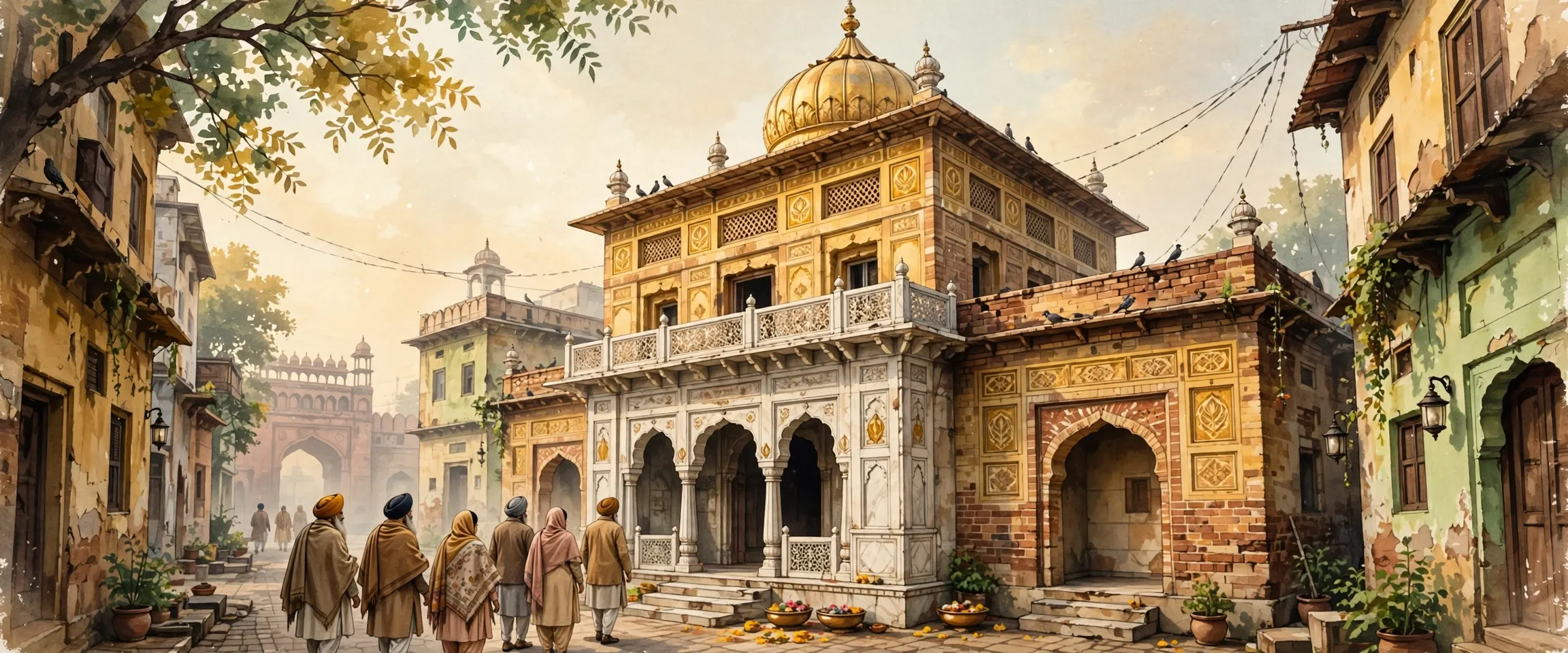
Gurdwara Mata Sundri is a historic Sikh shrine on Mata Sundri Road in central Delhi, built on the site of the haveli where Mata Sundri Ji, wife of Guru Gobind Singh Ji, lived from 1727 until her death in 1747. After the Guru passed away in 1708 she guided the Khalsa for four decades, issuing hukamnamas under her own seal, and the Delhi Sikh Gurdwara Management Committee now maintains the shrine in her memory.
- Punjabi name
- ਗੁਰਦੁਆਰਾ ਮਾਤਾ ਸੁੰਦਰੀ
- Type
- Historic gurdwara
- Country
- India
- City
- New Delhi
- State
- Delhi
- Location
- Mata Sundri Road, behind Lok Nayak Jai Prakash Hospital, near Turkman Gate, New Delhi
All 11 facts
- Associated with
- Mata Sundri Ji; Guru Gobind Singh Ji
- Marks
- The haveli where Mata Sundri Ji lived from 1727 and guided the Khalsa until her death in 1747
- Cremation
- Mata Sundri Ji was cremated at the ground of Gurdwara Bala Sahib, where her samadhi stands
- Managed by
- Delhi Sikh Gurdwara Management Committee (DSGMC)
- One of
- The nine historic gurdwaras of Delhi
Gurdwara Mata Sundri is one of the nine historic gurdwaras of Delhi, standing on Mata Sundri Road behind Lok Nayak Jai Prakash Hospital, near Turkman Gate in the heart of the old city. It marks the haveli where Mata Sundri Ji, wife of Guru Gobind Singh Ji, lived for much of the last forty years of her life and guided the Khalsa after the Guru passed away in 1708, until her own death on this ground in 1747.
What is Gurdwara Mata Sundri?
Gurdwara Mata Sundri is the Delhi shrine raised on the site of Mata Sundri Ji's haveli, the house she occupied from 1727 onwards. The Delhi Sikh Gurdwara Management Committee administers the shrine and built the present imposing building where the haveli stood. Sangat tradition also remembers the shrine as one the public raised in loving memory of Mata Ji, on the spot where she had lived for half of her life.
Who was Mata Sundri Ji?
Mata Sundri Ji was the daughter of Bhai Ram Saran, a Kumarav Khatri of Bijwara, in the present day Hoshiarpur district of Punjab. She is also remembered by the name Mata Jito Ji. Accounts differ on whether Jito and Sundri were the same person, but the Delhi tradition and this shrine remember her as one. She married Guru Gobind Singh Ji at Anandpur on 4 April 1684, and on 26 January 1687, at Paonta, she gave birth to Sahibzada Ajit Singh, the Guru's eldest son, who later met a martyr's death at Chamkaur.
After the evacuation of Anandpur Sahib in 1705, Mata Sundri Ji and Mata Sahib Kaur Ji came to Delhi and stayed for some time at the haveli of Bhai Jawahar Singh near Turkman Gate. Mata Sundri Ji later rejoined Guru Gobind Singh Ji at Talwandi Sabo and returned to Delhi after his departure for the Deccan. From 1727 she lived in a newly built house on this site, known then as Mata Sundri's Haveli and now as her gurdwara.
How did Mata Sundri Ji guide the Khalsa?
When Guru Gobind Singh Ji passed away at Nanded in October 1708, the Khalsa looked to Mata Sundri Ji for guidance, and she nurtured and guided the community for forty years. The clearest evidence is the series of hukamnamas, written orders issued with her seal and authority between 1717 and 1730, which the sangats received and obeyed. From this haveli she appointed Bhai Mani Singh Ji as head granthi of Sri Darbar Sahib at Amritsar. She also raised the young Jassa Singh Ahluwalia in her household and later sent him to Punjab to serve under Nawab Kapur Singh, the leader of the Dal Khalsa.
Mata Sundri Ji adopted a son, a goldsmith's child from Delhi, because he strikingly resembled her martyred son Sahibzada Ajit Singh, and she named him Ajit Singh after him. Mata Sundri Ji passed away at this haveli in 1747, and her last rites were performed on the ground where Gurdwara Bala Sahib now stands, where her samadhi also lies. Some of the weapons Guru Gobind Singh Ji gave to the two Mata Jis are preserved and displayed at Gurdwara Mata Sundri today.
The shrine and its architecture
The gurdwara is built in brick and lime mortar, in the traditional Sikh manner. At the far end of the hall is a marble paved gallery, and the carved wooden beam of the gallery carries an inscription in Gurmukhi script in bold letters. A marble slab in the centre of the hall is surrounded by the inscribed sacred emblem of the Sikhs. The square domed sanctum, arched copings and traditional entrance give the building its settled, dignified character.
How do you reach Gurdwara Mata Sundri?
The shrine stands on Mata Sundri Road in central Delhi, behind Lok Nayak Jai Prakash Hospital and adjoining the Ghalib Urdu Academy, on the Turkman Gate and Ajmeri Gate side of the old city. Most visitors combine it with Gurdwara Bala Sahib, where Mata Ji was cremated, and with the other historic shrines in the Delhi guide.
Why does this gurdwara matter?
Among Delhi's historic gurdwaras, this is the one centred on a woman's leadership. For forty years, through the most dangerous decades of the eighteenth century, the Khalsa's steadiest authority sat in this lane in Delhi, and the shrine keeps that memory alive. Delhi's Sikhs observe the martyrdom days of Guru Gobind Singh Ji's sons here every year with great devotion, and the gurdwara serves the whole neighbourhood, without distinction, as a place of learning and of moral and spiritual teaching.
ਗੁਰਦੁਆਰਾ ਮਾਤਾ ਸੁੰਦਰੀ ਦਿੱਲੀ ਦੇ ਨੌਂ ਇਤਿਹਾਸਕ ਗੁਰਦੁਆਰਿਆਂ ਵਿੱਚੋਂ ਇੱਕ ਹੈ। ਇਹ ਮਾਤਾ ਸੁੰਦਰੀ ਰੋਡ ਉੱਤੇ, ਲੋਕ ਨਾਇਕ ਜੈ ਪ੍ਰਕਾਸ਼ ਹਸਪਤਾਲ ਦੇ ਪਿੱਛੇ, ਤੁਰਕਮਾਨ ਗੇਟ ਨੇੜੇ ਖੜ੍ਹਾ ਹੈ। ਇਹ ਉਸ ਹਵੇਲੀ ਦੀ ਥਾਂ ਹੈ ਜਿੱਥੇ ਗੁਰੂ ਗੋਬਿੰਦ ਸਿੰਘ ਜੀ ਦੀ ਸੁਪਤਨੀ ਮਾਤਾ ਸੁੰਦਰੀ ਜੀ ਆਪਣੇ ਜੀਵਨ ਦੇ ਆਖਰੀ ਚਾਲੀ ਸਾਲਾਂ ਦਾ ਵੱਡਾ ਹਿੱਸਾ ਰਹੇ ਅਤੇ 1708 ਵਿੱਚ ਗੁਰੂ ਜੀ ਦੇ ਜੋਤੀ ਜੋਤਿ ਸਮਾਉਣ ਤੋਂ ਬਾਅਦ ਖਾਲਸੇ ਦੀ ਅਗਵਾਈ ਕਰਦੇ ਰਹੇ। ਮਾਤਾ ਜੀ 1747 ਵਿੱਚ ਇਸੇ ਥਾਂ ਜੋਤੀ ਜੋਤਿ ਸਮਾਏ।
ਗੁਰਦੁਆਰਾ ਮਾਤਾ ਸੁੰਦਰੀ ਕੀ ਹੈ?
ਗੁਰਦੁਆਰਾ ਮਾਤਾ ਸੁੰਦਰੀ ਉਹ ਦਿੱਲੀ ਅਸਥਾਨ ਹੈ ਜੋ ਮਾਤਾ ਸੁੰਦਰੀ ਜੀ ਦੀ ਹਵੇਲੀ ਵਾਲੀ ਥਾਂ ਉੱਤੇ ਬਣਿਆ ਹੈ, ਜਿੱਥੇ ਮਾਤਾ ਜੀ 1727 ਤੋਂ ਰਹੇ। ਦਿੱਲੀ ਸਿੱਖ ਗੁਰਦੁਆਰਾ ਪ੍ਰਬੰਧਕ ਕਮੇਟੀ ਇਸ ਅਸਥਾਨ ਦਾ ਪ੍ਰਬੰਧ ਕਰਦੀ ਹੈ ਅਤੇ ਹਵੇਲੀ ਵਾਲੀ ਥਾਂ ਉੱਤੇ ਹੀ ਮੌਜੂਦਾ ਸ਼ਾਨਦਾਰ ਇਮਾਰਤ ਉਸਾਰੀ ਗਈ ਹੈ। ਸੰਗਤ ਦੀ ਪਰੰਪਰਾ ਵਿੱਚ ਇਹ ਵੀ ਯਾਦ ਹੈ ਕਿ ਇਹ ਅਸਥਾਨ ਲੋਕਾਂ ਨੇ ਮਾਤਾ ਜੀ ਦੀ ਮਿੱਠੀ ਯਾਦ ਵਿੱਚ ਉਸੇ ਥਾਂ ਖੜ੍ਹਾ ਕੀਤਾ ਜਿੱਥੇ ਉਨ੍ਹਾਂ ਨੇ ਆਪਣੇ ਜੀਵਨ ਦਾ ਅੱਧਾ ਹਿੱਸਾ ਬਿਤਾਇਆ ਸੀ।
ਮਾਤਾ ਸੁੰਦਰੀ ਜੀ ਕੌਣ ਸਨ?
ਮਾਤਾ ਸੁੰਦਰੀ ਜੀ ਭਾਈ ਰਾਮ ਸਰਨ ਦੀ ਸਪੁੱਤਰੀ ਸਨ, ਜੋ ਅੱਜ ਦੇ ਹੁਸ਼ਿਆਰਪੁਰ ਜ਼ਿਲ੍ਹੇ ਦੇ ਬਿਜਵਾੜਾ ਪਿੰਡ ਦੇ ਕੁਮਾਰਵ ਖੱਤਰੀ ਸਨ। ਉਨ੍ਹਾਂ ਨੂੰ ਮਾਤਾ ਜੀਤੋ ਜੀ ਵਜੋਂ ਵੀ ਯਾਦ ਕੀਤਾ ਜਾਂਦਾ ਹੈ। ਕੁਝ ਲਿਖਤਾਂ ਵਿੱਚ ਜੀਤੋ ਅਤੇ ਸੁੰਦਰੀ ਨੂੰ ਵੱਖ ਵੱਖ ਮੰਨਿਆ ਗਿਆ ਹੈ, ਪਰ ਦਿੱਲੀ ਦੀ ਪਰੰਪਰਾ ਅਤੇ ਇਸ ਅਸਥਾਨ ਦੀ ਯਾਦ ਵਿੱਚ ਉਹ ਇੱਕੋ ਹਨ। ਉਨ੍ਹਾਂ ਦਾ ਵਿਆਹ 4 ਅਪ੍ਰੈਲ 1684 ਨੂੰ ਅਨੰਦਪੁਰ ਵਿਖੇ ਗੁਰੂ ਗੋਬਿੰਦ ਸਿੰਘ ਜੀ ਨਾਲ ਹੋਇਆ। 26 ਜਨਵਰੀ 1687 ਨੂੰ ਪਾਉਂਟਾ ਵਿਖੇ ਉਨ੍ਹਾਂ ਦੇ ਘਰ ਸਾਹਿਬਜ਼ਾਦਾ ਅਜੀਤ ਸਿੰਘ ਦਾ ਜਨਮ ਹੋਇਆ, ਜੋ ਬਾਅਦ ਵਿੱਚ ਚਮਕੌਰ ਵਿਖੇ ਸ਼ਹੀਦ ਹੋਏ।
1705 ਵਿੱਚ ਅਨੰਦਪੁਰ ਸਾਹਿਬ ਛੱਡਣ ਤੋਂ ਬਾਅਦ ਮਾਤਾ ਸੁੰਦਰੀ ਜੀ ਅਤੇ ਮਾਤਾ ਸਾਹਿਬ ਕੌਰ ਜੀ ਦਿੱਲੀ ਆਏ ਅਤੇ ਕੁਝ ਸਮਾਂ ਤੁਰਕਮਾਨ ਗੇਟ ਨੇੜੇ ਭਾਈ ਜਵਾਹਰ ਸਿੰਘ ਦੀ ਹਵੇਲੀ ਵਿੱਚ ਰਹੇ। ਬਾਅਦ ਵਿੱਚ ਮਾਤਾ ਸੁੰਦਰੀ ਜੀ ਤਲਵੰਡੀ ਸਾਬੋ ਵਿਖੇ ਗੁਰੂ ਗੋਬਿੰਦ ਸਿੰਘ ਜੀ ਨੂੰ ਮਿਲੇ ਅਤੇ ਗੁਰੂ ਜੀ ਦੇ ਦੱਖਣ ਵੱਲ ਜਾਣ ਤੋਂ ਬਾਅਦ ਮੁੜ ਦਿੱਲੀ ਆ ਗਏ। 1727 ਤੋਂ ਉਹ ਇਸੇ ਥਾਂ ਬਣੀ ਨਵੀਂ ਹਵੇਲੀ ਵਿੱਚ ਰਹਿਣ ਲੱਗੇ, ਜਿਸ ਨੂੰ ਉਦੋਂ ਮਾਤਾ ਸੁੰਦਰੀ ਦੀ ਹਵੇਲੀ ਕਿਹਾ ਜਾਂਦਾ ਸੀ ਅਤੇ ਅੱਜ ਇਹ ਉਨ੍ਹਾਂ ਦਾ ਗੁਰਦੁਆਰਾ ਹੈ।
ਮਾਤਾ ਸੁੰਦਰੀ ਜੀ ਨੇ ਖਾਲਸੇ ਦੀ ਅਗਵਾਈ ਕਿਵੇਂ ਕੀਤੀ?
ਜਦੋਂ ਅਕਤੂਬਰ 1708 ਵਿੱਚ ਨਾਂਦੇੜ ਵਿਖੇ ਗੁਰੂ ਗੋਬਿੰਦ ਸਿੰਘ ਜੀ ਜੋਤੀ ਜੋਤਿ ਸਮਾਏ, ਤਾਂ ਖਾਲਸੇ ਨੇ ਅਗਵਾਈ ਲਈ ਮਾਤਾ ਸੁੰਦਰੀ ਜੀ ਵੱਲ ਵੇਖਿਆ ਅਤੇ ਮਾਤਾ ਜੀ ਨੇ ਚਾਲੀ ਸਾਲ ਸਮਾਜ ਦੀ ਪਰਵਰਿਸ਼ ਅਤੇ ਰਹਿਨੁਮਾਈ ਕੀਤੀ। ਇਸ ਦਾ ਸਭ ਤੋਂ ਸਪੱਸ਼ਟ ਸਬੂਤ 1717 ਤੋਂ 1730 ਦੇ ਵਿਚਕਾਰ ਉਨ੍ਹਾਂ ਦੀ ਮੋਹਰ ਅਤੇ ਅਧਿਕਾਰ ਨਾਲ ਜਾਰੀ ਹੋਏ ਹੁਕਮਨਾਮੇ ਹਨ, ਜਿਨ੍ਹਾਂ ਨੂੰ ਸੰਗਤਾਂ ਨੇ ਸਵੀਕਾਰਿਆ ਅਤੇ ਮੰਨਿਆ। ਇਸੇ ਹਵੇਲੀ ਤੋਂ ਮਾਤਾ ਜੀ ਨੇ ਭਾਈ ਮਨੀ ਸਿੰਘ ਜੀ ਨੂੰ ਅੰਮ੍ਰਿਤਸਰ ਵਿਖੇ ਸ੍ਰੀ ਦਰਬਾਰ ਸਾਹਿਬ ਦਾ ਮੁੱਖ ਗ੍ਰੰਥੀ ਨਿਯੁਕਤ ਕੀਤਾ। ਉਨ੍ਹਾਂ ਨੇ ਨੌਜਵਾਨ ਜੱਸਾ ਸਿੰਘ ਆਹਲੂਵਾਲੀਆ ਦੀ ਪਰਵਰਿਸ਼ ਆਪਣੇ ਘਰ ਕੀਤੀ ਅਤੇ ਬਾਅਦ ਵਿੱਚ ਉਸ ਨੂੰ ਦਲ ਖਾਲਸੇ ਦੇ ਆਗੂ ਨਵਾਬ ਕਪੂਰ ਸਿੰਘ ਦੀ ਸੇਵਾ ਵਿੱਚ ਪੰਜਾਬ ਭੇਜਿਆ।
ਮਾਤਾ ਸੁੰਦਰੀ ਜੀ ਨੇ ਦਿੱਲੀ ਦੇ ਇੱਕ ਸੁਨਿਆਰੇ ਦੇ ਮੁੰਡੇ ਨੂੰ ਗੋਦ ਲਿਆ, ਕਿਉਂਕਿ ਉਸ ਦੀ ਸ਼ਕਲ ਉਨ੍ਹਾਂ ਦੇ ਸ਼ਹੀਦ ਪੁੱਤਰ ਸਾਹਿਬਜ਼ਾਦਾ ਅਜੀਤ ਸਿੰਘ ਨਾਲ ਬਹੁਤ ਮਿਲਦੀ ਸੀ, ਅਤੇ ਉਸ ਦਾ ਨਾਮ ਵੀ ਅਜੀਤ ਸਿੰਘ ਰੱਖਿਆ। ਮਾਤਾ ਸੁੰਦਰੀ ਜੀ 1747 ਵਿੱਚ ਇਸੇ ਹਵੇਲੀ ਵਿੱਚ ਜੋਤੀ ਜੋਤਿ ਸਮਾਏ ਅਤੇ ਉਨ੍ਹਾਂ ਦਾ ਸਸਕਾਰ ਉਸ ਥਾਂ ਹੋਇਆ ਜਿੱਥੇ ਅੱਜ ਗੁਰਦੁਆਰਾ ਬਾਲਾ ਸਾਹਿਬ ਹੈ, ਜਿੱਥੇ ਉਨ੍ਹਾਂ ਦੀ ਸਮਾਧ ਵੀ ਹੈ। ਗੁਰੂ ਗੋਬਿੰਦ ਸਿੰਘ ਜੀ ਵੱਲੋਂ ਦੋਹਾਂ ਮਾਤਾ ਜੀਆਂ ਨੂੰ ਦਿੱਤੇ ਕੁਝ ਸ਼ਸਤਰ ਅੱਜ ਗੁਰਦੁਆਰਾ ਮਾਤਾ ਸੁੰਦਰੀ ਵਿੱਚ ਸੰਭਾਲ ਕੇ ਰੱਖੇ ਹੋਏ ਹਨ ਅਤੇ ਸੰਗਤ ਉਨ੍ਹਾਂ ਦੇ ਦਰਸ਼ਨ ਕਰ ਸਕਦੀ ਹੈ।
ਗੁਰਦੁਆਰਾ ਅਤੇ ਇਸ ਦੀ ਇਮਾਰਤ
ਗੁਰਦੁਆਰਾ ਇੱਟ ਅਤੇ ਚੂਨੇ ਦੇ ਮਸਾਲੇ ਨਾਲ ਪਰੰਪਰਕ ਸਿੱਖ ਢੰਗ ਵਿੱਚ ਬਣਿਆ ਹੈ। ਦਰਬਾਰ ਹਾਲ ਦੇ ਦੂਜੇ ਸਿਰੇ ਉੱਤੇ ਸੰਗਮਰਮਰ ਦੀ ਗੈਲਰੀ ਹੈ ਅਤੇ ਗੈਲਰੀ ਦੀ ਉੱਕਰੀ ਲੱਕੜ ਦੀ ਸ਼ਤੀਰੀ ਉੱਤੇ ਗੁਰਮੁਖੀ ਵਿੱਚ ਮੋਟੇ ਅੱਖਰਾਂ ਵਿੱਚ ਸ਼ਿਲਾਲੇਖ ਹੈ। ਹਾਲ ਦੇ ਵਿਚਕਾਰ ਇੱਕ ਸੰਗਮਰਮਰ ਦੀ ਸਿਲ ਹੈ, ਜਿਸ ਦੇ ਆਲੇ ਦੁਆਲੇ ਸਿੱਖਾਂ ਦਾ ਪਵਿੱਤਰ ਚਿੰਨ੍ਹ ਉੱਕਰਿਆ ਹੈ। ਚਾਰ ਕੋਨਿਆਂ ਵਾਲਾ ਗੁੰਬਦਦਾਰ ਦਰਬਾਰ, ਮਿਹਰਾਬਦਾਰ ਛੱਤਰੀਆਂ ਅਤੇ ਪਰੰਪਰਕ ਦਰਵਾਜ਼ਾ ਇਸ ਇਮਾਰਤ ਨੂੰ ਸ਼ਾਂਤ ਅਤੇ ਸ਼ਾਨਦਾਰ ਰੂਪ ਦਿੰਦੇ ਹਨ।
ਗੁਰਦੁਆਰਾ ਮਾਤਾ ਸੁੰਦਰੀ ਕਿਵੇਂ ਪਹੁੰਚੀਏ?
ਇਹ ਅਸਥਾਨ ਮੱਧ ਦਿੱਲੀ ਵਿੱਚ ਮਾਤਾ ਸੁੰਦਰੀ ਰੋਡ ਉੱਤੇ ਹੈ, ਲੋਕ ਨਾਇਕ ਜੈ ਪ੍ਰਕਾਸ਼ ਹਸਪਤਾਲ ਦੇ ਪਿੱਛੇ ਅਤੇ ਗ਼ਾਲਿਬ ਉਰਦੂ ਅਕਾਦਮੀ ਦੇ ਨਾਲ, ਪੁਰਾਣੇ ਸ਼ਹਿਰ ਦੇ ਤੁਰਕਮਾਨ ਗੇਟ ਅਤੇ ਅਜਮੇਰੀ ਗੇਟ ਵਾਲੇ ਪਾਸੇ। ਬਹੁਤੇ ਸ਼ਰਧਾਲੂ ਇਸ ਨੂੰ ਗੁਰਦੁਆਰਾ ਬਾਲਾ ਸਾਹਿਬ ਨਾਲ ਜੋੜ ਕੇ ਜਾਂਦੇ ਹਨ, ਜਿੱਥੇ ਮਾਤਾ ਜੀ ਦਾ ਸਸਕਾਰ ਹੋਇਆ ਸੀ, ਅਤੇ ਦਿੱਲੀ ਗਾਈਡ ਵਿੱਚ ਦਿੱਤੇ ਬਾਕੀ ਇਤਿਹਾਸਕ ਅਸਥਾਨਾਂ ਨਾਲ ਵੀ।
ਇਹ ਗੁਰਦੁਆਰਾ ਮਹੱਤਵਪੂਰਨ ਕਿਉਂ ਹੈ?
ਦਿੱਲੀ ਦੇ ਇਤਿਹਾਸਕ ਗੁਰਦੁਆਰਿਆਂ ਵਿੱਚ ਇਹ ਉਹ ਅਸਥਾਨ ਹੈ ਜੋ ਇੱਕ ਮਹਿਲਾ ਦੀ ਅਗਵਾਈ ਦੇ ਦੁਆਲੇ ਕੇਂਦਰਿਤ ਹੈ। ਚਾਲੀ ਸਾਲ, ਅਠਾਰਵੀਂ ਸਦੀ ਦੇ ਸਭ ਤੋਂ ਖਤਰਨਾਕ ਦਹਾਕਿਆਂ ਵਿੱਚ, ਖਾਲਸੇ ਦਾ ਸਭ ਤੋਂ ਸਥਿਰ ਅਧਿਕਾਰ ਦਿੱਲੀ ਦੀ ਇਸ ਗਲੀ ਵਿੱਚ ਬੈਠਾ ਰਿਹਾ ਅਤੇ ਇਹ ਅਸਥਾਨ ਉਸ ਯਾਦ ਨੂੰ ਜਿਉਂਦਾ ਰੱਖਦਾ ਹੈ। ਦਿੱਲੀ ਦੇ ਸਿੱਖ ਹਰ ਸਾਲ ਇੱਥੇ ਗੁਰੂ ਗੋਬਿੰਦ ਸਿੰਘ ਜੀ ਦੇ ਸਾਹਿਬਜ਼ਾਦਿਆਂ ਦੇ ਸ਼ਹੀਦੀ ਦਿਹਾੜੇ ਬੜੀ ਸ਼ਰਧਾ ਨਾਲ ਮਨਾਉਂਦੇ ਹਨ ਅਤੇ ਇਹ ਗੁਰਦੁਆਰਾ ਬਿਨਾਂ ਕਿਸੇ ਭੇਦਭਾਵ ਦੇ ਸਾਰੇ ਇਲਾਕੇ ਦੀ ਸੇਵਾ ਕਰਦਾ ਹੈ।
More religion entries to explore
Jugti is free and independent. Reader support keeps the Kosh growing.
Support