
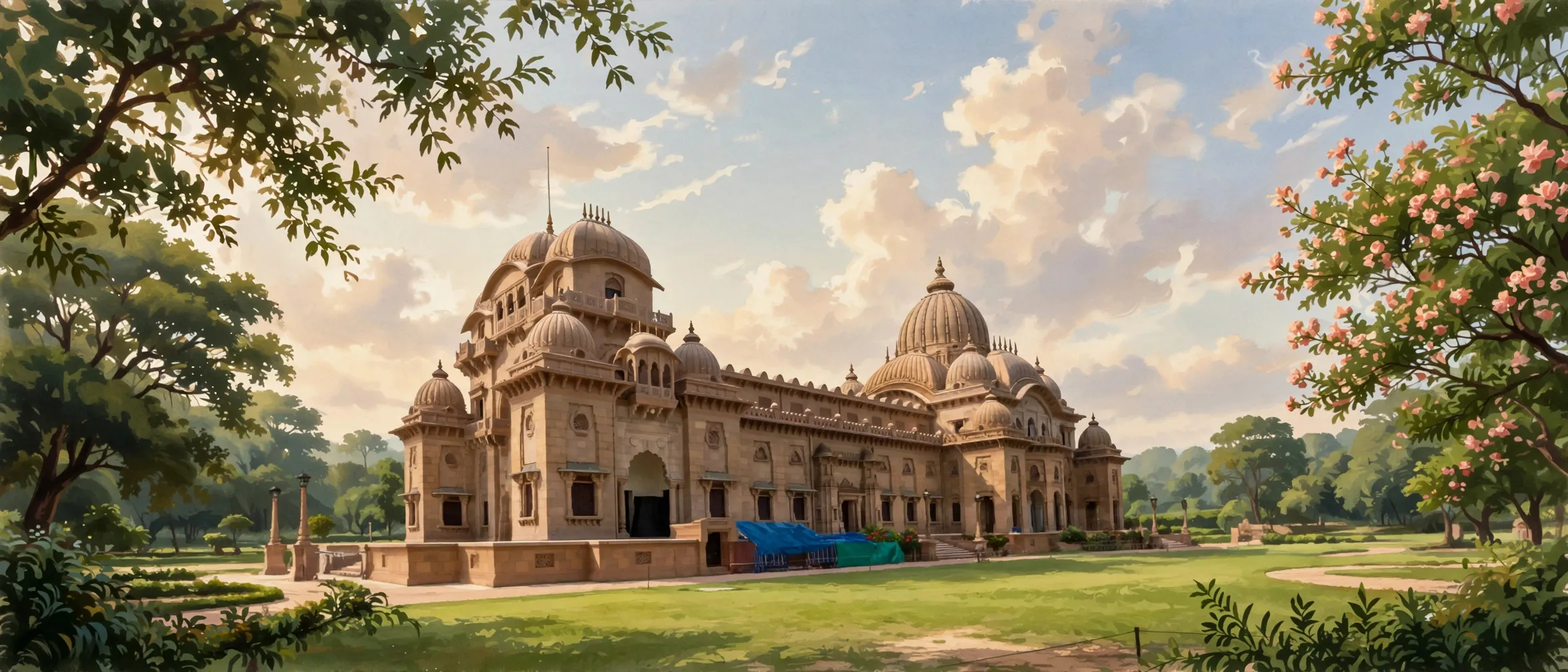
Belur Math in Belur, Howrah district, West Bengal, is the worldwide headquarters of the Ramakrishna Math and the Ramakrishna Mission, the movement founded by Swami Vivekananda in 1899 in the name of his master Sri Ramakrishna. Its Sri Ramakrishna Temple, consecrated in 1938, deliberately fuses Hindu, Buddhist, Christian and Islamic architecture as a symbol of the unity of all religions. Note: it is a monastic headquarters and temple complex, not a classical ancient mandir.
- Punjabi name
- ਬੇਲੂੜ ਮੱਠ
- Country
- India
- State
- West Bengal
- District
- Howrah
- Place
- Belur, west bank of the Hooghly
- Founded
- 1899 (land bought 4 March 1897; relics placed 9 Dec 1898)
All 9 facts
- Headquarters of
- Ramakrishna Math and Ramakrishna Mission
- Temple consecrated
- 14 January 1938 (Makar Sankranti)
- Architectural style
- Fusion of Hindu, Buddhist, Christian and Islamic motifs
Belur Math is a monastic headquarters, not a classical ancient mandir. On the west bank of the Hooghly at Belur, in Howrah district of West Bengal, this 40-acre campus is the worldwide headquarters of the Ramakrishna Math and the Ramakrishna Mission, the movement founded by Swami Vivekananda in the name of his master Sri Ramakrishna. Its great temple, consecrated in 1938, deliberately fuses the architecture of the world's religions into what the Mission calls a symphony in architecture.
1899: the monastery finds its permanent home
Sri Ramakrishna was born in 1836 in a pious Brahmin family of Kamarpukur, a village in Hooghly district. During twelve years of strenuous sadhana at Dakshineswar, on the northern side of Kolkata, he practised the branches of the Vedic religion, then Islam and Christianity, and taught that every religion is true and all creeds aim at the same goal. Shortly after his passing in August 1886, his sannyasin disciples, headed by Swami Vivekananda, organised a monastic order bearing his name, with a monastery at Baranagar, a northern suburb of Kolkata. The order set itself a twofold ideal: to train a band of sannyasin teachers of Vedanta as propounded by Sri Ramakrishna, and, with the lay disciples, to carry on missionary and philanthropic work, looking upon all, irrespective of caste, creed or colour, as manifestations of the Divine. The Ramakrishna Mission Association was started by Vivekananda in May 1897, shortly after his return from the West. In 1899 he shifted the Math to its present site at Belur, across the river Ganga about six kilometres north of Howrah station. The land had been purchased on 4 March 1897, and Vivekananda established Belur Math by placing the holy relics of Sri Ramakrishna there on 9 December 1898. The Ramakrishna Math was registered as a trust in 1901, and the Ramakrishna Mission as a society in 1909 under Act XXI of 1860. The two are independent, but their central administration is vested in the same Governing Body, headquartered at Belur Math.
Why does the temple look like a church, a mosque and a temple at once?
The Sri Ramakrishna Temple at Belur Math is designed to celebrate the diversity of Indian religions: seen from different positions it resembles a temple, a mosque and a church. The fusion of Hindu, Buddhist and Christian art and motifs is a deliberate symbol of the unity of all religions, the universal faith in which the movement believes. The vision grew out of Vivekananda's own travels. As a wandering monk he had studied the Taj Mahal, the Fatehpur Sikri palaces, the palaces of Rajasthan and the ancient temples of Maharashtra, Gujarat, Karnataka and Tamil Nadu; in America and Europe he had seen buildings of Modern, Medieval, Gothic and Renaissance styles, and he folded these ideas into the design. The architect was Swami Vijnanananda, a direct monastic disciple of Ramakrishna who had been a civil engineer in his pre-monastic life. Swami Shivananda, the then President of Belur Math, laid the foundation stone on 13 March 1929, the massive construction was handled by Martin Burn and Co., and the temple was consecrated on 14 January 1938, Makar Sankranti day.
What the fusion architecture actually shows
The main entrance has a facade influenced by Buddhist styles, the Buddhist stupa at Sanchi and the main entrance of the Ajanta caves, while the structure rising over the entrance is modelled on the lofty towers of the Hindu temples of South India. The windows and balconies draw on the Rajput style of north India, the central dome is derived from the Renaissance architecture of the Duomo of the Florence Cathedral, and the ground plan is in the shape of a Christian cross. The natmandira, the spacious congregational hall attached to the sanctum, resembles a church; its pillars on both sides are in the Doric or Greek style, and the beam above is held by decorative brackets similar to the Meenakshi Temple at Madurai in Tamil Nadu. The elaborate designs on the pillars recall the Orissa style, the hanging balconies and windows show Mughal work as at Fatehpur Sikri, and the broad parikrama path for circumambulation is built like Buddhist chaityas and Christian churches. Lattice-work Navagraha figures are etched on the semi-circular top outside the temple, a golden kalasha crowned by a full-bloomed lotus sits at the very top, and the three umbrella-like domes in Rajput-Mughal style recall the thatched roofs of Kamarpukur village. The temple stands 34.3 metres tall and covers 3,060 square metres, built mainly of chunar stone. Inside, a full-size statue of Sri Ramakrishna sits on a hundred-petalled lotus over a damaru-shaped marble pedestal in which his sacred relics are preserved; the swans on the front represent the Paramatman. The statue was made by the sculptor Gopeswar Pal of Kolkata, the decorations were conceived by the artist Nandalal Bose, and the canopy, doors and windows are of selected teakwood imported from Myanmar.
The campus: four temples and a museum
The 16-hectare campus on the banks of the Hooghly holds temples dedicated to Ramakrishna, Sarada Devi and Swami Vivekananda, in which their relics are enshrined, along with the main monastery of the Ramakrishna Order. The Swami Vivekananda Temple stands on the spot where his mortal remains were cremated in 1902; consecrated on 28 January 1924, it keeps an alabaster OM in its upper storey, and beside it stands the bel tree under which he used to sit. Vivekananda died at Belur Math on 4 July 1902, aged 39. The Holy Mother's temple, dedicated to Sarada Devi, the spiritual consort of Ramakrishna, stands at the entrance of the Math and was consecrated on 21 July 1920. The Swami Brahmananda temple honours the first president of the Ramakrishna Math and Mission and was dedicated on 7 February 1924. The two-storey Ramakrishna Sangraha Mandir is a museum of the movement's history: the long coat Vivekananda wore in the West, Sister Nivedita's table, a recreation of the Panchavati grove of Dakshineswar, the black stone bowl from which Ramakrishna took payasam in his final days, and his footwear and clothes. The old shrine, where daily prayers were offered until the new temple's consecration, still stands, and the entrance gate of the Math carries the symbols of all religions.
Service as worship: the Ramakrishna Mission idea
Belur Math is not only a place of prayer. It conducts medical service, education, work for women, rural uplift, work among the labouring and backward classes, relief work, and spiritual and cultural activities. The centre runs schools, colleges, libraries, students' homes, hospitals, clinics, dispensaries and old-age homes, and the movement's branch centres stretch across India and abroad. The annual birthdays of Ramakrishna, Vivekananda, Sarada Devi and the other monastic disciples are celebrated here; the tradition of Kumari Puja was started by Vivekananda in 1901, and the annual Durga Puja is one of the main attractions. The former president A. P. J. Abdul Kalam regarded Belur Math as a place of heritage and national importance.
Visiting Belur Math today
The Math sits on the west bank of the Hooghly, about an hour's drive from Kolkata, and can be reached by direct EMU train services from Howrah, by ferry and by road; the Belur Math railway station, part of the Kolkata Suburban Railway, was inaugurated in 2003. Across the river stands the Dakshineswar Kali Temple, where Ramakrishna did his sadhana. Among the mandirs of India, Belur Math is the most unusual of them all: a temple that is a monastery, and a monastery that is a temple, and a counterpoint to grand modern complexes like Akshardham Delhi.
ਬੇਲੂੜ ਮੱਠ ਕੋਈ ਪ੍ਰਾਚੀਨ ਮੰਦਰ ਨਹੀਂ, ਸਗੋਂ ਇੱਕ ਮੱਠ ਦਾ ਮੁੱਖ ਦਫ਼ਤਰ ਹੈ ਪੱਛਮੀ ਬੰਗਾਲ ਦੇ ਹਾਵੜਾ ਜ਼ਿਲ੍ਹੇ ਵਿੱਚ ਹੁਗਲੀ ਨਦੀ ਦੇ ਪੱਛਮੀ ਕੰਢੇ ਉੱਤੇ ਇਹ ਚਾਲੀ ਏਕੜ ਦਾ ਪਰਿਸਰ ਰਾਮਕ੍ਰਿਸ਼ਨ ਮੱਠ ਅਤੇ ਰਾਮਕ੍ਰਿਸ਼ਨ ਮਿਸ਼ਨ ਦਾ ਵਿਸ਼ਵ ਮੁੱਖ ਦਫ਼ਤਰ ਹੈ, ਉਹ ਅੰਦੋਲਨ ਜੋ ਸਵਾਮੀ ਵਿਵੇਕਾਨੰਦ ਨੇ ਆਪਣੇ ਗੁਰੂ ਸ਼੍ਰੀ ਰਾਮਕ੍ਰਿਸ਼ਨ ਦੇ ਨਾਂ ਉੱਤੇ ਸ਼ੁਰੂ ਕੀਤਾ ਇਸਦਾ ਮਹਾਨ ਮੰਦਰ, ਜੋ 1938 ਵਿੱਚ ਪ੍ਰਤਿਸ਼ਠਿਤ ਹੋਇਆ, ਸੰਸਾਰ ਦੇ ਧਰਮਾਂ ਦੀ ਭਵਨ ਨਿਰਮਾਣ ਕਲਾ ਨੂੰ ਜਾਣਬੁੱਝ ਕੇ ਇੱਕ ਰੂਪ ਵਿੱਚ ਜੋੜਦਾ ਹੈ, ਜਿਸਨੂੰ ਮਿਸ਼ਨ 'ਭਵਨ ਨਿਰਮਾਣ ਕਲਾ ਵਿੱਚ ਸਿੰਫਨੀ' ਕਹਿੰਦਾ ਹੈ
1899: ਮੱਠ ਨੂੰ ਮਿਲਿਆ ਸਥਾਈ ਘਰ
ਸ਼੍ਰੀ ਰਾਮਕ੍ਰਿਸ਼ਨ (1836-1886) ਪੱਛਮੀ ਬੰਗਾਲ ਦੇ ਹੁਗਲੀ ਜ਼ਿਲ੍ਹੇ ਦੇ ਪਿੰਡ ਕਾਮਾਰਪੁਕੁਰ ਵਿੱਚ ਇੱਕ ਧਾਰਮਿਕ ਬ੍ਰਾਹਮਣ ਪਰਿਵਾਰ ਵਿੱਚ ਜਨਮੇ ਕੋਲਕਾਤਾ ਦੇ ਉੱਤਰ ਵਿੱਚ ਦੱਖਣੇਸ਼ਵਰ ਵਿਖੇ ਬਾਰਾਂ ਸਾਲਾਂ ਦੀ ਕਠੋਰ ਸਾਧਨਾ ਦੌਰਾਨ ਉਹਨਾਂ ਨੇ ਵੈਦਿਕ ਧਰਮ ਦੀਆਂ ਸ਼ਾਖਾਵਾਂ, ਫਿਰ ਇਸਲਾਮ ਅਤੇ ਈਸਾਈ ਧਰਮ ਦਾ ਅਭਿਆਸ ਕੀਤਾ, ਅਤੇ ਸਿਖਾਇਆ ਕਿ ਹਰ ਧਰਮ ਸੱਚਾ ਹੈ ਅਤੇ ਸਾਰੇ ਮਤ ਇੱਕੋ ਟੀਚੇ ਵੱਲ ਜਾਂਦੇ ਹਨ ਅਗਸਤ 1886 ਵਿੱਚ ਉਹਨਾਂ ਦੇ ਦੇਹਾਂਤ ਤੋਂ ਥੋੜ੍ਹੀ ਦੇਰ ਬਾਅਦ ਸਵਾਮੀ ਵਿਵੇਕਾਨੰਦ ਦੀ ਅਗਵਾਈ ਹੇਠ ਉਹਨਾਂ ਦੇ ਸੰਨਿਆਸੀ ਸ਼ਿਸ਼ਿਆਂ ਨੇ ਉਹਨਾਂ ਦੀਆਂ ਹਦਾਇਤਾਂ ਅਨੁਸਾਰ ਉਹਨਾਂ ਦੇ ਨਾਂ ਦਾ ਇੱਕ ਮੱਠੀ ਕ੍ਰਮ ਬਣਾਇਆ, ਜਿਸਦਾ ਮੱਠ ਕੋਲਕਾਤਾ ਦੇ ਉੱਤਰੀ ਉਪਨਗਰ ਬਾਰਾਨਗਰ ਵਿੱਚ ਸੀ ਇਸਦਾ ਦੋਹਰਾ ਆਦਰਸ਼ ਸੀ: ਸ਼੍ਰੀ ਰਾਮਕ੍ਰਿਸ਼ਨ ਵੱਲੋਂ ਪ੍ਰਤੀਪਾਦਿਤ ਵੇਦਾਂਤ ਦੇ ਸੰਨਿਆਸੀ ਅਧਿਆਪਕਾਂ ਦਾ ਇੱਕ ਜੱਥਾ ਤਿਆਰ ਕਰਨਾ, ਅਤੇ ਗ੍ਰਹਿਸਥ ਸ਼ਿਸ਼ਿਆਂ ਨਾਲ ਮਿਲ ਕੇ ਮਿਸ਼ਨਰੀ ਅਤੇ ਲੋਕ ਭਲਾਈ ਦਾ ਕੰਮ ਕਰਨਾ, ਹਰ ਇੱਕ ਨੂੰ ਜਾਤ, ਮਤ ਜਾਂ ਰੰਗ ਦੇ ਭੇਦ ਤੋਂ ਬਿਨਾਂ ਦਿਵਿਆ ਦਾ ਹੀ ਰੂਪ ਮੰਨਦੇ ਹੋਏ ਪੱਛਮ ਤੋਂ ਵਾਪਸੀ ਤੋਂ ਥੋੜ੍ਹੀ ਦੇਰ ਬਾਅਦ ਮਈ 1897 ਵਿੱਚ ਵਿਵੇਕਾਨੰਦ ਨੇ ਰਾਮਕ੍ਰਿਸ਼ਨ ਮਿਸ਼ਨ ਐਸੋਸੀਏਸ਼ਨ ਸ਼ੁਰੂ ਕੀਤੀ 1899 ਵਿੱਚ ਉਹਨਾਂ ਨੇ ਮੱਠ ਨੂੰ ਬੇਲੂੜ ਵਿਖੇ ਇਸਦੀ ਮੌਜੂਦਾ ਥਾਂ ਉੱਤੇ ਤਬਦੀਲ ਕਰ ਦਿੱਤਾ, ਗੰਗਾ ਪਾਰ, ਹਾਵੜਾ ਸਟੇਸ਼ਨ ਤੋਂ ਲਗਭਗ ਛੇ ਕਿਲੋਮੀਟਰ ਉੱਤਰ; ਮੱਠ ਦੀ ਜ਼ਮੀਨ 4 ਮਾਰਚ 1897 ਨੂੰ ਖਰੀਦੀ ਗਈ ਸੀ, ਅਤੇ 9 ਦਸੰਬਰ 1898 ਨੂੰ ਵਿਵੇਕਾਨੰਦ ਨੇ ਸ਼੍ਰੀ ਰਾਮਕ੍ਰਿਸ਼ਨ ਦੇ ਪਵਿੱਤਰ ਅਵਸ਼ੇਸ਼ ਉੱਥੇ ਸਥਾਪਿਤ ਕੀਤੇ ਰਾਮਕ੍ਰਿਸ਼ਨ ਮੱਠ 1901 ਵਿੱਚ ਟਰੱਸਟ ਵਜੋਂ ਰਜਿਸਟਰ ਹੋਇਆ, ਅਤੇ ਮਿਸ਼ਨ ਐਸੋਸੀਏਸ਼ਨ ਨੂੰ ਕਾਨੂੰਨੀ ਦਰਜਾ ਦੇਣ ਲਈ ਰਾਮਕ੍ਰਿਸ਼ਨ ਮਿਸ਼ਨ ਨਾਂ ਦੀ ਸੁਸਾਇਟੀ 1909 ਵਿੱਚ ਐਕਟ XXI ਆਫ਼ 1860 ਹੇਠ ਰਜਿਸਟਰ ਹੋਈ ਦੋਵੇਂ ਸੁਤੰਤਰ ਹਨ, ਪਰ ਕੇਂਦਰੀ ਪ੍ਰਬੰਧ ਇੱਕੋ ਗਵਰਨਿੰਗ ਬਾਡੀ ਕੋਲ ਹੈ, ਜਿਸਦਾ ਮੁੱਖ ਦਫ਼ਤਰ ਬੇਲੂੜ ਮੱਠ ਹੈ
ਮੰਦਰ ਇੱਕੋ ਸਮੇਂ ਗਿਰਜਾ, ਮਸਜਿਦ ਅਤੇ ਮੰਦਰ ਵਰਗਾ ਕਿਉਂ ਲੱਗਦਾ ਹੈ?
ਬੇਲੂੜ ਮੱਠ ਦਾ ਸ਼੍ਰੀ ਰਾਮਕ੍ਰਿਸ਼ਨ ਮੰਦਰ ਭਾਰਤੀ ਧਰਮਾਂ ਦੀ ਵਿਭਿੰਨਤਾ ਦਾ ਜਸ਼ਨ ਮਨਾਉਣ ਲਈ ਤਿਆਰ ਕੀਤਾ ਗਿਆ ਹੈ; ਵੱਖ ਵੱਖ ਪਾਸਿਆਂ ਤੋਂ ਦੇਖਣ ਉੱਤੇ ਇਹ ਮੰਦਰ, ਮਸਜਿਦ ਅਤੇ ਗਿਰਜਾ ਵਰਗਾ ਲੱਗਦਾ ਹੈ ਹਿੰਦੂ, ਬੋਧੀ ਅਤੇ ਈਸਾਈ ਕਲਾ ਅਤੇ ਨਮੂਨਿਆਂ ਦਾ ਮੇਲ ਸਾਰੇ ਧਰਮਾਂ ਦੀ ਏਕਤਾ ਦਾ ਪ੍ਰਤੀਕ ਹੈ, ਉਹ 'ਸਰਬ ਧਰਮ ਵਿਸ਼ਵਾਸ' ਜਿਸ ਵਿੱਚ ਇਹ ਅੰਦੋਲਨ ਵਿਸ਼ਵਾਸ ਰੱਖਦਾ ਹੈ ਇਹ ਵਿਚਾਰ ਵਿਵੇਕਾਨੰਦ ਦੇ ਸਫ਼ਰਾਂ ਵਿੱਚੋਂ ਨਿਕਲਿਆ ਘੁੰਮਦੇ ਸਾਧੂ ਵਜੋਂ ਉਹਨਾਂ ਨੇ ਤਾਜ ਮਹਿਲ, ਫਤਿਹਪੁਰ ਸੀਕਰੀ ਦੇ ਮਹਿਲ, ਰਾਜਸਥਾਨ ਦੇ ਮਹਿਲ ਅਤੇ ਮਹਾਰਾਸ਼ਟਰ, ਗੁਜਰਾਤ, ਕਰਨਾਟਕ ਤੇ ਤਾਮਿਲਨਾਡੂ ਦੇ ਪ੍ਰਾਚੀਨ ਮੰਦਰ ਦੇਖੇ ਸਨ; ਅਮਰੀਕਾ ਅਤੇ ਯੂਰਪ ਵਿੱਚ ਉਹਨਾਂ ਨੇ ਆਧੁਨਿਕ, ਮੱਧਕਾਲੀ, ਗੋਥਿਕ ਅਤੇ ਪੁਨਰਜਾਗਰਣ ਸ਼ੈਲੀਆਂ ਦੀਆਂ ਇਮਾਰਤਾਂ ਦੇਖੀਆਂ ਸਨ, ਅਤੇ ਇਹਨਾਂ ਵਿਚਾਰਾਂ ਨੂੰ ਡਿਜ਼ਾਈਨ ਵਿੱਚ ਸ਼ਾਮਲ ਕੀਤਾ ਮੰਦਰ ਦਾ ਡਿਜ਼ਾਈਨ ਸਵਾਮੀ ਵਿਜ്ഞਾਨਾਨੰਦ ਨੇ ਤਿਆਰ ਕੀਤਾ, ਜੋ ਸੰਨਿਆਸ ਤੋਂ ਪਹਿਲਾਂ ਸਿਵਲ ਇੰਜੀਨੀਅਰ ਸਨ ਅਤੇ ਰਾਮਕ੍ਰਿਸ਼ਨ ਦੇ ਸਿੱਧੇ ਸ਼ਿਸ਼ਿਆਂ ਵਿੱਚੋਂ ਇੱਕ ਸਨ; ਨੀਂਹ ਪੱਥਰ 13 ਮਾਰਚ 1929 ਨੂੰ ਤਤਕਾਲੀ ਪ੍ਰਧਾਨ ਸਵਾਮੀ ਸ਼ਿਵਾਨੰਦ ਨੇ ਰੱਖਿਆ; ਵਿਸ਼ਾਲ ਉਸਾਰੀ ਮਾਰਟਿਨ ਬਰਨ ਐਂਡ ਕੰਪਨੀ ਨੇ ਸੰਭਾਲੀ; ਅਤੇ ਮੰਦਰ 14 ਜਨਵਰੀ 1938 ਨੂੰ ਮਕਰ ਸੰਕ੍ਰਾਂਤੀ ਵਾਲੇ ਦਿਨ ਪ੍ਰਤਿਸ਼ਠਿਤ ਹੋਇਆ
ਮਿਲੀ ਜੁਲੀ ਭਵਨ ਨਿਰਮਾਣ ਕਲਾ ਅਸਲ ਵਿੱਚ ਕੀ ਦਰਸਾਉਂਦੀ ਹੈ
ਮੁੱਖ ਪ੍ਰਵੇਸ਼ ਦੁਆਰ ਦਾ ਅਗਲਾ ਹਿੱਸਾ ਬੋਧੀ ਸ਼ੈਲੀ ਤੋਂ ਪ੍ਰਭਾਵਿਤ ਹੈ, ਸਾਂਚੀ ਦੇ ਬੋਧੀ ਸਤੂਪ ਅਤੇ ਅਜੰਤਾ ਦੀਆਂ ਗੁਫ਼ਾਵਾਂ ਦੇ ਮੁੱਖ ਪ੍ਰਵੇਸ਼ ਵਾਂਗ, ਜਦੋਂ ਕਿ ਪ੍ਰਵੇਸ਼ ਉੱਤੇ ਉੱਠਦੀ ਬਣਤਰ ਦੱਖਣੀ ਭਾਰਤ ਦੇ ਮੰਦਰਾਂ ਦੇ ਉੱਚੇ ਸ਼ਿਖਰਾਂ ਵਰਗੀ ਹੈ ਅੰਦਰ ਖਿੜਕੀਆਂ ਅਤੇ ਛੱਜੇ ਉੱਤਰੀ ਭਾਰਤ ਦੀ ਰਾਜਪੂਤ ਸ਼ੈਲੀ ਦੇ ਹਨ; ਕੇਂਦਰੀ ਗੁੰਬਦ ਫਲੋਰੈਂਸ ਕੈਥੀਡ੍ਰਲ ਦੇ ਡੂਓਮੋ ਦੀ ਪੁਨਰਜਾਗਰਣ ਭਵਨ ਨਿਰਮਾਣ ਕਲਾ ਤੋਂ ਲਿਆ ਗਿਆ ਹੈ; ਅਤੇ ਭੂਮੀ ਯੋਜਨਾ ਈਸਾਈ ਕਰਾਸ ਦੇ ਆਕਾਰ ਵਿੱਚ ਹੈ ਗਰਭਗ੍ਰਹਿ ਨਾਲ ਜੁੜਿਆ ਵਿਸ਼ਾਲ ਇਕੱਠ ਹਾਲ, ਨਾਟਮੰਦਿਰ, ਗਿਰਜੇ ਵਰਗਾ ਲੱਗਦਾ ਹੈ; ਇਸਦੇ ਦੋਵੇਂ ਪਾਸੇ ਡੋਰਿਕ ਜਾਂ ਯੂਨਾਨੀ ਸ਼ੈਲੀ ਦੇ ਥੰਮ੍ਹ ਹਨ, ਅਤੇ ਉੱਪਰਲੀ ਸ਼ਤੀਰ ਨੂੰ ਸਜਾਵਟੀ ਬਰੈਕਟਾਂ ਨੇ ਸੰਭਾਲਿਆ ਹੈ ਜੋ ਤਾਮਿਲਨਾਡੂ ਦੇ ਮਦੁਰੈ ਦੇ ਮੀਨਾਕਸ਼ੀ ਮੰਦਰ ਵਰਗੀਆਂ ਹਨ ਥੰਮ੍ਹਾਂ ਉੱਤੇ ਬਾਰੀਕ ਡਿਜ਼ਾਈਨ ਉੜੀਸਾ ਸ਼ੈਲੀ ਦੇ ਹਨ; ਨਾਟਮੰਦਿਰ ਦੇ ਉੱਪਰ ਲਟਕਦੇ ਛੱਜੇ ਅਤੇ ਖਿੜਕੀਆਂ ਫਤਿਹਪੁਰ ਸੀਕਰੀ ਵਿੱਚ ਵਰਤੀ ਮੁਗਲ ਭਵਨ ਨਿਰਮਾਣ ਕਲਾ ਦਾ ਪ੍ਰਭਾਵ ਦਰਸਾਉਂਦੇ ਹਨ; ਅਤੇ ਗਰਭਗ੍ਰਹਿ ਦੇ ਆਲੇ ਦੁਆਲੇ ਪ੍ਰਦਕਸ਼ਿਣਾ ਦਾ ਚੌੜਾ ਰਸਤਾ ਬੋਧੀ ਚੈਤਿਆਂ ਅਤੇ ਈਸਾਈ ਗਿਰਜਿਆਂ ਵਰਗਾ ਬਣਿਆ ਹੈ ਨਵਗ੍ਰਹਿ ਦੀਆਂ ਜਾਲੀਦਾਰ ਮੂਰਤੀਆਂ ਮੰਦਰ ਦੇ ਬਾਹਰ ਅਰਧਗੋਲਾਕਾਰ ਸਿਖਰ ਉੱਤੇ ਉੱਕਰੀਆਂ ਹਨ; ਸੋਨੇ ਦਾ ਕਲਸ਼ ਮੰਦਰ ਦੇ ਸਿਖਰ ਉੱਤੇ ਹੈ ਅਤੇ ਹੇਠਾਂ ਪੂਰਾ ਖਿੜਿਆ ਕਮਲ ਹੈ; ਅਤੇ ਰਾਜਪੂਤ ਮੁਗਲ ਸ਼ੈਲੀ ਦੇ ਤਿੰਨ ਛਤਰੀ ਵਰਗੇ ਗੁੰਬਦ ਕਾਮਾਰਪੁਕੁਰ ਪਿੰਡ ਦੀਆਂ ਛੱਪਰ ਵਾਲੀਆਂ ਛੱਤਾਂ ਦੀ ਯਾਦ ਦਿਵਾਉਂਦੇ ਹਨ ਮੰਦਰ 34.3 ਮੀਟਰ ਉੱਚਾ ਹੈ ਅਤੇ 3,060 ਵਰਗ ਮੀਟਰ ਵਿੱਚ ਫੈਲਿਆ ਹੈ, ਮੁੱਖ ਤੌਰ ਉੱਤੇ ਚੁਨਾਰ ਪੱਥਰ ਦਾ ਬਣਿਆ ਹੈ ਅੰਦਰ ਸ਼੍ਰੀ ਰਾਮਕ੍ਰਿਸ਼ਨ ਦੀ ਪੂਰੇ ਆਕਾਰ ਦੀ ਮੂਰਤੀ ਸੌ ਪੰਖੜੀਆਂ ਵਾਲੇ ਕਮਲ ਉੱਤੇ ਡਮਰੂ ਦੇ ਆਕਾਰ ਦੇ ਸੰਗਮਰਮਰ ਦੇ ਆਧਾਰ ਉੱਤੇ ਬੈਠੀ ਹੈ, ਜਿਸ ਵਿੱਚ ਉਹਨਾਂ ਦੇ ਪਵਿੱਤਰ ਅਵਸ਼ੇਸ਼ ਸੁਰੱਖਿਅਤ ਹਨ; ਸਾਹਮਣੇ ਹੰਸ ਪਰਮਾਤਮਾ ਦੇ ਪ੍ਰਤੀਕ ਹਨ ਮੂਰਤੀ ਕੋਲਕਾਤਾ ਦੇ ਮਸ਼ਹੂਰ ਮੂਰਤੀਕਾਰ ਗੋਪੇਸ਼ਵਰ ਪਾਲ ਨੇ ਬਣਾਈ ਅਤੇ ਮੰਦਰ ਦੀ ਸਜਾਵਟ ਕਲਾਕਾਰ ਨੰਦਲਾਲ ਬੋਸ ਨੇ ਸੋਚੀ; ਦੇਵਤੇ ਉੱਤੇ ਛਤਰੀ ਅਤੇ ਸਾਰੇ ਦਰਵਾਜ਼ੇ ਖਿੜਕੀਆਂ ਮਿਆਂਮਾਰ ਤੋਂ ਆਯਾਤ ਕੀਤੀ ਚੁਣੀ ਹੋਈ ਸਾਗਵਾਨ ਲੱਕੜ ਦੇ ਹਨ
ਪਰਿਸਰ: ਚਾਰ ਮੰਦਰ ਅਤੇ ਇੱਕ ਅਜਾਇਬ ਘਰ
ਹੁਗਲੀ ਦੇ ਕੰਢੇ ਸੋਲਾਂ ਹੈਕਟੇਅਰ (ਚਾਲੀ ਏਕੜ) ਦਾ ਪਰਿਸਰ ਹੈ, ਜਿਸ ਵਿੱਚ ਰਾਮਕ੍ਰਿਸ਼ਨ, ਸ਼ਾਰਦਾ ਦੇਵੀ ਅਤੇ ਸਵਾਮੀ ਵਿਵੇਕਾਨੰਦ ਨੂੰ ਸਮਰਪਿਤ ਮੰਦਰ ਹਨ, ਜਿਨ੍ਹਾਂ ਵਿੱਚ ਉਹਨਾਂ ਦੇ ਅਵਸ਼ੇਸ਼ ਸਥਾਪਿਤ ਹਨ, ਅਤੇ ਰਾਮਕ੍ਰਿਸ਼ਨ ਕ੍ਰਮ ਦਾ ਮੁੱਖ ਮੱਠ ਹੈ ਸਵਾਮੀ ਵਿਵੇਕਾਨੰਦ ਮੰਦਰ ਉਸ ਥਾਂ ਉੱਤੇ ਖੜ੍ਹਾ ਹੈ ਜਿੱਥੇ 1902 ਵਿੱਚ ਸਵਾਮੀ ਵਿਵੇਕਾਨੰਦ ਦੇ ਪਾਰਥਿਵ ਅਵਸ਼ੇਸ਼ਾਂ ਦਾ ਸਸਕਾਰ ਹੋਇਆ ਸੀ; ਇਹ 28 ਜਨਵਰੀ 1924 ਨੂੰ ਪ੍ਰਤਿਸ਼ਠਿਤ ਹੋਇਆ; ਇਸਦੇ ਉੱਪਰਲੇ ਮੰਜ਼ਲ ਵਿੱਚ ਅਲਾਬਾਸਟਰ ਦਾ ਓਮ ਹੈ, ਅਤੇ ਕੋਲ ਹੀ ਬੇਲ (ਬਿਲਵ) ਦਾ ਰੁੱਖ ਹੈ ਜਿਸ ਹੇਠ ਉਹ ਬੈਠਦੇ ਸਨ 4 ਜੁਲਾਈ 1902 ਨੂੰ ਬੇਲੂੜ ਮੱਠ ਵਿੱਚ ਹੀ ਉਹਨਾਂ ਦਾ ਦੇਹਾਂਤ ਹੋਇਆ, ਉਹ 39 ਸਾਲ ਦੇ ਸਨ ਪਵਿੱਤਰ ਮਾਤਾ ਦਾ ਮੰਦਰ ਰਾਮਕ੍ਰਿਸ਼ਨ ਦੀ ਆਤਮਿਕ ਪਤਨੀ ਸ਼ਾਰਦਾ ਦੇਵੀ ਨੂੰ ਸਮਰਪਿਤ ਹੈ, ਬੇਲੂੜ ਮੱਠ ਦੇ ਪ੍ਰਵੇਸ਼ ਉੱਤੇ ਹੀ ਹੈ, ਅਤੇ 21 ਜੁਲਾਈ 1920 ਨੂੰ ਪ੍ਰਤਿਸ਼ਠਿਤ ਹੋਇਆ ਸਵਾਮੀ ਬ੍ਰਹਮਾਨੰਦ ਮੰਦਰ ਰਾਮਕ੍ਰਿਸ਼ਨ ਦੇ ਸਿੱਧੇ ਸ਼ਿਸ਼ਯ ਅਤੇ ਰਾਮਕ੍ਰਿਸ਼ਨ ਮੱਠ ਤੇ ਮਿਸ਼ਨ ਦੇ ਪਹਿਲੇ ਪ੍ਰਧਾਨ ਨੂੰ ਸਮਰਪਿਤ ਹੈ, ਅਤੇ 7 ਫਰਵਰੀ 1924 ਨੂੰ ਸਮਰਪਿਤ ਹੋਇਆ ਦੋ ਮੰਜ਼ਲਾ ਰਾਮਕ੍ਰਿਸ਼ਨ ਸੰਗ੍ਰਹਿ ਮੰਦਰ ਅੰਦੋਲਨ ਦੇ ਇਤਿਹਾਸ ਦਾ ਅਜਾਇਬ ਘਰ ਹੈ: ਪੱਛਮ ਵਿੱਚ ਵਿਵੇਕਾਨੰਦ ਦਾ ਪਹਿਨਿਆ ਲੰਬਾ ਕੋਟ, ਸਿਸਟਰ ਨਿਵੇਦਿਤਾ ਦੀ ਮੇਜ਼, ਦੱਖਣੇਸ਼ਵਰ ਦੇ ਪੰਚਵਟੀ ਬਾਗ ਦੀ ਜਿਉਂਦੀ ਨਕਲ, ਉਹ ਕਾਲੇ ਪੱਥਰ ਦਾ ਕਟੋਰਾ ਜਿਸ ਵਿੱਚੋਂ ਰਾਮਕ੍ਰਿਸ਼ਨ ਨੇ ਆਖਰੀ ਦਿਨਾਂ ਵਿੱਚ ਪਾਯਸਮ ਲਿਆ ਸੀ, ਅਤੇ ਉਹਨਾਂ ਦੇ ਕੱਪੜੇ ਤੇ ਜੁੱਤੀਆਂ ਪੁਰਾਣਾ ਧਾਮ ਵੀ ਹੈ, ਜਿੱਥੇ ਨਵੇਂ ਮੰਦਰ ਦੇ ਪ੍ਰਤਿਸ਼ਠਿਤ ਹੋਣ ਤੱਕ ਰੋਜ਼ ਪ੍ਰਾਰਥਨਾ ਹੁੰਦੀ ਸੀ, ਅਤੇ ਬੇਲੂੜ ਮੱਠ ਦੇ ਪ੍ਰਵੇਸ਼ ਦੁਆਰ ਉੱਤੇ ਸਾਰੇ ਧਰਮਾਂ ਦੇ ਪ੍ਰਤੀਕ ਹਨ
ਸੇਵਾ ਹੀ ਪੂਜਾ: ਰਾਮਕ੍ਰਿਸ਼ਨ ਮਿਸ਼ਨ ਦਾ ਵਿਚਾਰ
ਬੇਲੂੜ ਮੱਠ ਸਿਰਫ਼ ਪ੍ਰਾਰਥਨਾ ਦੀ ਥਾਂ ਨਹੀਂ ਇਹ ਡਾਕਟਰੀ ਸੇਵਾ, ਸਿੱਖਿਆ, ਔਰਤਾਂ ਲਈ ਕੰਮ, ਪੇਂਡੂ ਉਥਾਨ, ਮਜ਼ਦੂਰ ਅਤੇ ਪੱਛੜੇ ਵਰਗਾਂ ਵਿੱਚ ਕੰਮ, ਰਾਹਤ, ਅਤੇ ਆਤਮਿਕ ਤੇ ਸੱਭਿਆਚਾਰਕ ਗਤੀਵਿਧੀਆਂ ਚਲਾਉਂਦਾ ਹੈ ਕੇਂਦਰ ਸਕੂਲ, ਕਾਲਜ, ਲਾਇਬ੍ਰੇਰੀਆਂ, ਵਿਦਿਆਰਥੀ ਨਿਵਾਸ, ਹਸਪਤਾਲ, ਡਿਸਪੈਂਸਰੀਆਂ ਅਤੇ ਬਜ਼ੁਰਗ ਆਸ਼ਰਮ ਵੀ ਚਲਾਉਂਦਾ ਹੈ, ਅਤੇ ਅੰਦੋਲਨ ਦੀਆਂ ਸ਼ਾਖਾਵਾਂ ਭਾਰਤ ਤੇ ਵਿਦੇਸ਼ ਵਿੱਚ ਫੈਲੀਆਂ ਹਨ ਰਾਮਕ੍ਰਿਸ਼ਨ, ਵਿਵੇਕਾਨੰਦ, ਸ਼ਾਰਦਾ ਦੇਵੀ ਅਤੇ ਰਾਮਕ੍ਰਿਸ਼ਨ ਦੇ ਹੋਰ ਮੱਠੀ ਸ਼ਿਸ਼ਿਆਂ ਦੇ ਜਨਮ ਦਿਨ ਹਰ ਸਾਲ ਇੱਥੇ ਮਨਾਏ ਜਾਂਦੇ ਹਨ; ਕੁਮਾਰੀ ਪੂਜਾ ਦੀ ਪਰੰਪਰਾ ਵਿਵੇਕਾਨੰਦ ਨੇ 1901 ਵਿੱਚ ਸ਼ੁਰੂ ਕੀਤੀ ਸੀ, ਅਤੇ ਸਾਲਾਨਾ ਦੁਰਗਾ ਪੂਜਾ ਮੁੱਖ ਆਕਰਸ਼ਣਾਂ ਵਿੱਚੋਂ ਇੱਕ ਹੈ ਸਾਬਕਾ ਰਾਸ਼ਟਰਪਤੀ ਏਪੀਜੇ ਅਬਦੁਲ ਕਲਾਮ ਬੇਲੂੜ ਮੱਠ ਨੂੰ 'ਵਿਰਾਸਤ ਅਤੇ ਰਾਸ਼ਟਰੀ ਮਹੱਤਵ ਦੀ ਥਾਂ' ਮੰਨਦੇ ਸਨ
ਅੱਜ ਬੇਲੂੜ ਮੱਠ ਜਾਣਾ
ਮੱਠ ਹੁਗਲੀ ਨਦੀ ਦੇ ਪੱਛਮੀ ਕੰਢੇ ਉੱਤੇ ਹੈ, ਕੋਲਕਾਤਾ ਤੋਂ ਲਗਭਗ ਇੱਕ ਘੰਟੇ ਦੀ ਦੂਰੀ ਉੱਤੇ, ਅਤੇ ਹਾਵੜਾ ਤੋਂ ਸਿੱਧੀਆਂ ਈਐਮਯੂ ਰੇਲ ਸੇਵਾਵਾਂ, ਫੈਰੀ ਅਤੇ ਸੜਕ ਰਾਹੀਂ ਪਹੁੰਚਿਆ ਜਾ ਸਕਦਾ ਹੈ; ਬੇਲੂੜ ਮੱਠ ਰੇਲਵੇ ਸਟੇਸ਼ਨ 2003 ਵਿੱਚ ਖੋਲ੍ਹਿਆ ਗਿਆ ਸੀ ਅਤੇ ਕੋਲਕਾਤਾ ਉਪਨਗਰੀ ਰੇਲਵੇ ਦਾ ਹਿੱਸਾ ਹੈ ਨਦੀ ਦੇ ਦੂਜੇ ਕੰਢੇ ਉੱਤੇ ਦੱਖਣੇਸ਼ਵਰ ਕਾਲੀ ਮੰਦਰ ਹੈ, ਜਿੱਥੇ ਰਾਮਕ੍ਰਿਸ਼ਨ ਨੇ ਸਾਧਨਾ ਕੀਤੀ ਸੀ ਭਾਰਤ ਦੇ ਮੰਦਰਾਂ ਵਿੱਚ ਬੇਲੂੜ ਮੱਠ ਸਭ ਤੋਂ ਅਨੂਠਾ ਹੈ: ਇੱਕ ਅਜਿਹਾ ਮੰਦਰ ਜੋ ਮੱਠ ਹੈ, ਅਤੇ ਇੱਕ ਅਜਿਹਾ ਮੱਠ ਜੋ ਮੰਦਰ ਹੈ