
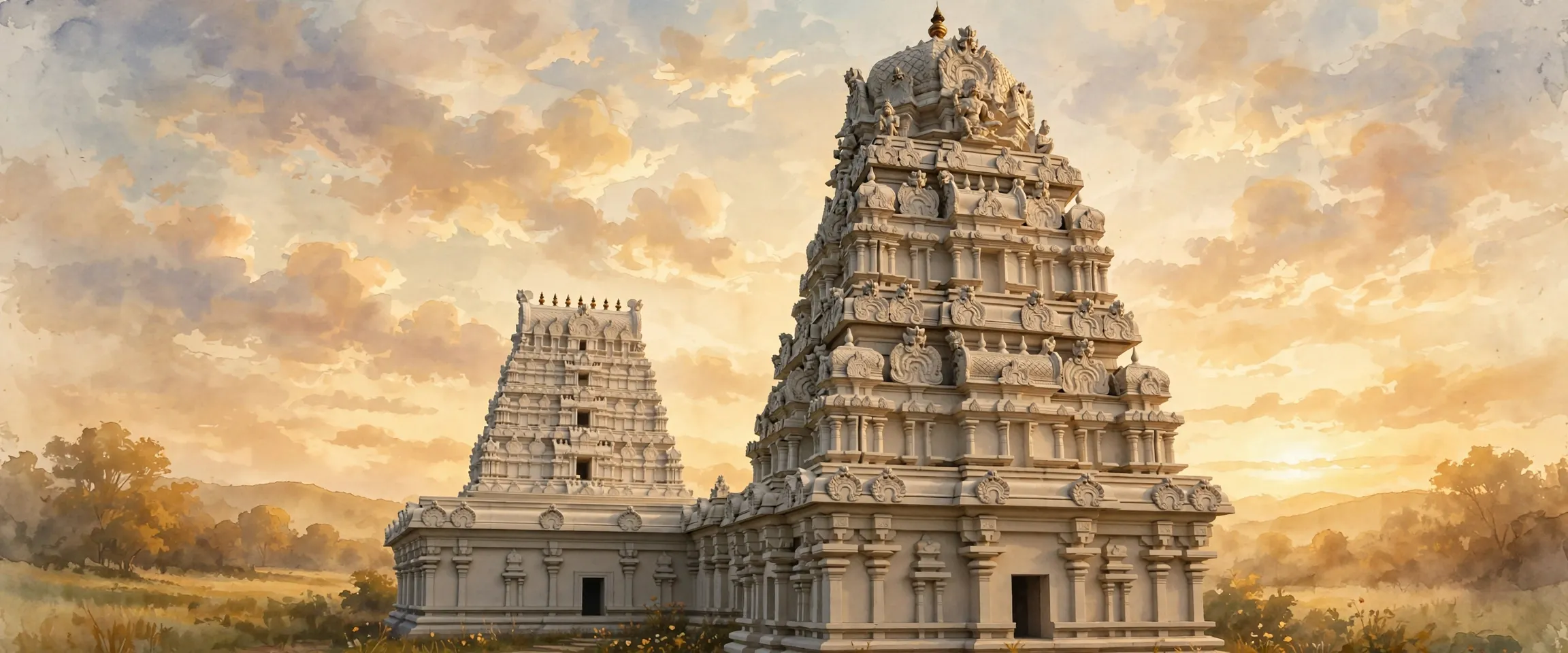
The Hindu Temple of Greater Chicago is a Hindu temple complex at 10915 Lemont Road in Lemont, Illinois, USA, inaugurated on 4 July 1986. Its campus holds a Rama temple built in the South Indian Chola style and a Ganesha Shiva Durga temple built in the East Indian Kalinga style, joined by a community centre and the Swami Vivekananda Spiritual Center.
- Punjabi name
- ਗ੍ਰੇਟਰ ਸ਼ਿਕਾਗੋ ਦਾ ਹਿੰਦੂ ਮੰਦਰ, ਲੇਮੋਂਟ
- Country
- United States
- City
- Lemont, Illinois, 10915 Lemont Road, IL 60439, about 25 miles southwest of Chicago
- Deity
- Rama (Rama temple); Ganesha, Shiva and Durga (Ganesha Shiva Durga temple), with many further shrines
- Founded
- Organisation formed 1977; Rama temple foundation stone June 1984; inaugurated 4 July 1986; Ganesha Shiva Durga temple consecrated summer 1994
- Architectural style
- Rama temple in Chola (South Indian) style with an 80 foot gopuram; Ganesha Shiva Durga temple in Kalinga (East Indian) style; built by artisans from India
All 8 facts
- Site
- 18 acres of bluff land above the Des Plaines River valley; four buildings including community centre and Swami Vivekananda Spiritual Center
- Visiting
- Open daily 9:00 AM to 9:00 PM per the temple's official site; last archana 8:30 PM
On a wooded bluff above the Des Plaines River valley in Lemont, Illinois, two white temple towers rise over a suburban road about 25 miles southwest of downtown Chicago. The Hindu Temple of Greater Chicago, opened with a kumbhabhishekham consecration on 4 July 1986, is one of the oldest traditional Hindu temple complexes in the American Midwest. Its campus holds not one temple but two, built in two different classical styles of India: a Rama temple in the Chola style of the South, and a Ganesha Shiva Durga temple in the Kalinga style of the East, joined by a community centre and a spiritual centre named for Swami Vivekananda. For the Hindu families of Chicagoland it has been a place of daily worship, festivals, classes and weddings for nearly four decades.
What is the Hindu Temple of Greater Chicago?
The Hindu Temple of Greater Chicago (HTGC) is a Hindu temple complex at 10915 Lemont Road, Lemont, Illinois, United States. The Rama temple houses images of Rama, Sita and Lakshmana together with Ganesha, Hanuman, Venkateswara, Mahalakshmi, Krishna and Radha. The Ganesha Shiva Durga temple, across the connecting community centre, houses Shiva, Ganesha, Durga, Subrahmanya, Parvathi, Nataraja, Ayyappa and the Navagraha, the nine planetary deities. A fourth building, the Swami Vivekananda Spiritual Center, hosts yoga, meditation and spiritual lectures. The temple is a not for profit organisation, founded in 1977, and its stated purpose is to promote Hindu dharma, religion and traditions, and culture. It serves devotees from across the Chicago metropolitan area and the wider Midwest.
How did a community in rented halls build this temple?
The temple began in 1977, when a group of South Indian community leaders in the Chicago area formed the Hindu Temple of Greater Chicago organisation. They chose Rama as the main deity of the future temple because of his wide appeal among Hindu immigrants in the United States. After looking at around thirty sites across the metropolitan area, the organisation bought eighteen acres of undeveloped bluff land near Lemont, judging it on accessibility, seclusion and cost. Fundraising and loans paid for the work. Through 1982 and 1983 the growing congregation still had no building of its own, holding rituals and gatherings in a home and in rented halls in Downers Grove and Romeoville. The road was not smooth: in 1983 and 1984 a group of Telugu professionals, frustrated by slow progress, left to build their own Venkateswara temple in Aurora, a split that scholars of American religion have used to show how hard it was for a young immigrant community to unite the regions and traditions of India behind one project. Those who stayed laid the Rama temple's foundation stone in June 1984, and two years later, on 4 July 1986, the temple was inaugurated and opened to the public.
Two temples, two styles: Chola and Kalinga
The campus is a small lesson in Indian architecture. The Rama temple was built by master artisans and sculptors brought from India, working to the authentic style of the Chola dynasty, with an 80 foot gopuram, the carved gateway tower of South Indian temples described in Jugti's guide to Dravida temple architecture. The second temple took shape in 1994, when the original building on the site was converted into the Ganesha Shiva Durga temple and consecrated with its own kumbhabhishekham that summer. It is built in the architectural style of the Kalinga dynasty of eastern India, so a visitor can walk in a few minutes from a South Indian tower to an eastern Indian shrine, a pairing that reflects the temple's founding aim of serving Hindus of every region under one roof. Read alongside the other early American temples on Jugti, the Sri Venkateswara Temple in Pittsburgh and the Malibu Hindu Temple in California, Lemont shows how the first generation of temple builders in the United States each solved the same question, how to build India faithfully in a new land, in a different regional language of stone.
Why is there a statue of Swami Vivekananda at Lemont?
On a hillock in the temple grounds, overlooking the main entrance, stands a 10 foot bronze statue of Swami Vivekananda. It was installed on 12 July 1998 and unveiled by J. C. Sharma, then Consul General of India in Chicago, at a ceremony led by Swami Atmasthanandaji of the Ramakrishna Math and Mission before more than 2,000 devotees and admirers. The standing figure is modelled on a photograph of Vivekananda taken in Chicago after his celebrated appearance at the World's Parliament of Religions in 1893, the visit that first introduced Hindu thought to a wide American audience. The Commons record describes it as the first statue of Vivekananda installed in a public place in the United States. The temple's Vivekananda Spiritual Center, beside the statue, carries that link into daily life with lectures, yoga and meditation, tying a suburban Illinois temple back to the city where Vivekananda spoke more than a century earlier.
A working temple, not a monument
Lemont is a living religious and cultural centre rather than a showpiece. The temple's own calendar runs daily poojas and archanas alongside the full festival year, from Navaratri and Diwali to Skanda Shashti, with Ram Katha discourses, children's Saraswathi pooja, cultural programmes, dance and music, and fireworks for Dussehra and Diwali. Around worship sit education and community life: Sunday school, Gita lessons, language and music classes, youth activities, seniors' programmes, meditation workshops, health screening and humanitarian projects. A canteen serves South Indian food, and the auditorium and dining hall host the lectures and celebrations of the wider Indian community of the southwest suburbs. Tens of thousands of devotees and visitors pass through in a year, many of them families for whom the bluff at Lemont is the nearest thing to the temple town they left behind.
Visiting the Hindu Temple of Greater Chicago
The temple stands at 10915 Lemont Road, Lemont, Illinois 60439, southwest of Chicago and reached by car from Interstate 55. The temple's own site lists opening hours of 9 in the morning to 9 in the evening daily, with the last archana at 8:30 in the evening. Entry is free, and visitors are welcome as guests at a working temple: dress modestly, remove footwear where asked, and follow the priests' and volunteers' directions during rituals. Festival days bring the crowds, the music and the food; a quiet weekday morning best shows the two white towers against the woods of the Des Plaines valley. Combine a visit with Jugti's other American mandir entries, from Pittsburgh in the east to Malibu in the west, to trace how Hindu temple building took root across the United States.
ਇਲੀਨੋਇਸ ਦੇ ਲੇਮੋਂਟ ਵਿੱਚ ਡੇਸ ਪਲੇਨਜ਼ ਨਦੀ ਵਾਦੀ ਉੱਤੇ ਇੱਕ ਜੰਗਲੀ ਚੋਟੀ ਉੱਤੇ, ਸ਼ਿਕਾਗੋ ਦੇ ਡਾਊਨਟਾਊਨ ਤੋਂ ਲਗਭਗ 25 ਮੀਲ ਦੱਖਣ ਪੱਛਮ ਵਿੱਚ ਇੱਕ ਉਪਨਗਰੀ ਸੜਕ ਉੱਤੇ ਦੋ ਚਿੱਟੇ ਮੰਦਰ ਗੋਪੁਰਮ ਉੱਠਦੇ ਹਨ 4 ਜੁਲਾਈ 1986 ਨੂੰ ਕੁੰਭਅਭਿਸ਼ੇਕਮ ਨਾਲ ਖੁੱਲ੍ਹਿਆ ਗ੍ਰੇਟਰ ਸ਼ਿਕਾਗੋ ਦਾ ਹਿੰਦੂ ਮੰਦਰ ਅਮਰੀਕੀ ਮੱਧ ਪੱਛਮ ਦੇ ਸਭ ਤੋਂ ਪੁਰਾਣੇ ਰਵਾਇਤੀ ਹਿੰਦੂ ਮੰਦਰ ਪਰਿਸਰਾਂ ਵਿੱਚੋਂ ਇੱਕ ਹੈ ਇਸਦੇ ਪਰਿਸਰ ਵਿੱਚ ਇੱਕ ਨਹੀਂ, ਦੋ ਮੰਦਰ ਹਨ, ਭਾਰਤ ਦੀਆਂ ਦੋ ਵੱਖਰੀਆਂ ਕਲਾਸਿਕ ਸ਼ੈਲੀਆਂ ਵਿੱਚ ਬਣੇ: ਦੱਖਣ ਦੀ ਚੋਲ ਸ਼ੈਲੀ ਵਿੱਚ ਇੱਕ ਰਾਮ ਮੰਦਰ, ਅਤੇ ਪੂਰਬ ਦੀ ਕਲਿੰਗ ਸ਼ੈਲੀ ਵਿੱਚ ਇੱਕ ਗਣੇਸ਼ ਸ਼ਿਵ ਦੁਰਗਾ ਮੰਦਰ, ਇੱਕ ਭਾਈਚਾਰਾ ਕੇਂਦਰ ਅਤੇ ਸੁਆਮੀ ਵਿਵੇਕਾਨੰਦ ਦੇ ਨਾਂ ਉੱਤੇ ਇੱਕ ਅਧਿਆਤਮਿਕ ਕੇਂਦਰ ਨਾਲ ਜੁੜੇ ਸ਼ਿਕਾਗੋ ਖੇਤਰ ਦੇ ਹਿੰਦੂ ਪਰਿਵਾਰਾਂ ਲਈ ਇਹ ਲਗਭਗ ਚਾਰ ਦਹਾਕਿਆਂ ਤੋਂ ਰੋਜ਼ਾਨਾ ਪੂਜਾ, ਤਿਉਹਾਰਾਂ, ਕਲਾਸਾਂ ਅਤੇ ਵਿਆਹਾਂ ਦੀ ਥਾਂ ਹੈ
ਗ੍ਰੇਟਰ ਸ਼ਿਕਾਗੋ ਦਾ ਹਿੰਦੂ ਮੰਦਰ ਕੀ ਹੈ?
ਗ੍ਰੇਟਰ ਸ਼ਿਕਾਗੋ ਦਾ ਹਿੰਦੂ ਮੰਦਰ (HTGC) ਸੰਯੁਕਤ ਰਾਜ ਅਮਰੀਕਾ ਵਿੱਚ 10915 ਲੇਮੋਂਟ ਰੋਡ, ਲੇਮੋਂਟ, ਇਲੀਨੋਇਸ ਉੱਤੇ ਇੱਕ ਹਿੰਦੂ ਮੰਦਰ ਪਰਿਸਰ ਹੈ ਰਾਮ ਮੰਦਰ ਵਿੱਚ ਰਾਮ, ਸੀਤਾ ਅਤੇ ਲਕਸ਼ਮਣ ਦੀਆਂ ਮੂਰਤੀਆਂ ਗਣੇਸ਼, ਹਨੂੰਮਾਨ, ਵੈਂਕਟੇਸ਼ਵਰ, ਮਹਾਲਕਸ਼ਮੀ, ਕ੍ਰਿਸ਼ਨ ਅਤੇ ਰਾਧਾ ਨਾਲ ਹਨ ਜੋੜਦੇ ਭਾਈਚਾਰਾ ਕੇਂਦਰ ਦੇ ਪਾਰ ਗਣੇਸ਼ ਸ਼ਿਵ ਦੁਰਗਾ ਮੰਦਰ ਵਿੱਚ ਸ਼ਿਵ, ਗਣੇਸ਼, ਦੁਰਗਾ, ਸੁਬਰਹਮਣਿਆ, ਪਾਰਵਤੀ, ਨਟਰਾਜ, ਅੱਯੱਪਾ ਅਤੇ ਨਵਗ੍ਰਹਿ, ਨੌਂ ਗ੍ਰਹਿ ਦੇਵਤੇ, ਹਨ ਚੌਥੀ ਇਮਾਰਤ, ਸੁਆਮੀ ਵਿਵੇਕਾਨੰਦ ਅਧਿਆਤਮਿਕ ਕੇਂਦਰ, ਯੋਗਾ, ਧਿਆਨ ਅਤੇ ਅਧਿਆਤਮਿਕ ਭਾਸ਼ਣਾਂ ਦੀ ਮੇਜ਼ਬਾਨੀ ਕਰਦਾ ਹੈ ਮੰਦਰ ਇੱਕ ਗੈਰ ਮੁਨਾਫ਼ਾ ਸੰਗਠਨ ਹੈ, 1977 ਵਿੱਚ ਸਥਾਪਤ, ਅਤੇ ਇਸਦਾ ਐਲਾਨਿਆ ਮਕਸਦ ਹਿੰਦੂ ਧਰਮ, ਪਰੰਪਰਾਵਾਂ ਅਤੇ ਸੱਭਿਆਚਾਰ ਨੂੰ ਉਤਸ਼ਾਹਿਤ ਕਰਨਾ ਹੈ ਇਹ ਸ਼ਿਕਾਗੋ ਮੈਟਰੋ ਖੇਤਰ ਅਤੇ ਵਿਸ਼ਾਲ ਮੱਧ ਪੱਛਮ ਦੇ ਸ਼ਰਧਾਲੂਆਂ ਦੀ ਸੇਵਾ ਕਰਦਾ ਹੈ
ਕਿਰਾਏ ਦੇ ਹਾਲਾਂ ਵਾਲੇ ਭਾਈਚਾਰੇ ਨੇ ਇਹ ਮੰਦਰ ਕਿਵੇਂ ਬਣਾਇਆ?
ਮੰਦਰ 1977 ਵਿੱਚ ਸ਼ੁਰੂ ਹੋਇਆ, ਜਦੋਂ ਸ਼ਿਕਾਗੋ ਖੇਤਰ ਦੇ ਦੱਖਣੀ ਭਾਰਤੀ ਭਾਈਚਾਰਾ ਆਗੂਆਂ ਦੇ ਇੱਕ ਸਮੂਹ ਨੇ ਗ੍ਰੇਟਰ ਸ਼ਿਕਾਗੋ ਹਿੰਦੂ ਮੰਦਰ ਸੰਗਠਨ ਬਣਾਇਆ ਉਨ੍ਹਾਂ ਨੇ ਭਵਿੱਖ ਦੇ ਮੰਦਰ ਦੇ ਮੁੱਖ ਦੇਵਤੇ ਵਜੋਂ ਰਾਮ ਨੂੰ ਚੁਣਿਆ, ਸੰਯੁਕਤ ਰਾਜ ਵਿੱਚ ਹਿੰਦੂ ਪ੍ਰਵਾਸੀਆਂ ਵਿੱਚ ਉਸਦੀ ਵਿਸ਼ਾਲ ਪਹੁੰਚ ਕਰਕੇ ਮੈਟਰੋ ਖੇਤਰ ਭਰ ਵਿੱਚ ਲਗਭਗ ਤੀਹ ਥਾਵਾਂ ਵੇਖਣ ਤੋਂ ਬਾਅਦ, ਸੰਗਠਨ ਨੇ ਲੇਮੋਂਟ ਕੋਲ ਅਠਾਰਾਂ ਏਕੜ ਅਣਵਿਕਸਤ ਚੋਟੀ ਵਾਲੀ ਜ਼ਮੀਨ ਖਰੀਦੀ, ਪਹੁੰਚ, ਇਕਾਂਤ ਅਤੇ ਲਾਗਤ ਉੱਤੇ ਪਰਖ ਕੇ ਫੰਡਰੇਜ਼ਿੰਗ ਅਤੇ ਕਰਜ਼ਿਆਂ ਨੇ ਕੰਮ ਦਾ ਖਰਚਾ ਦਿੱਤਾ 1982 ਅਤੇ 1983 ਦੌਰਾਨ ਵਧਦੀ ਸੰਗਤ ਕੋਲ ਅਜੇ ਆਪਣੀ ਕੋਈ ਇਮਾਰਤ ਨਹੀਂ ਸੀ, ਡਾਊਨਰਜ਼ ਗਰੋਵ ਅਤੇ ਰੋਮਿਓਵਿਲ ਵਿੱਚ ਇੱਕ ਘਰ ਅਤੇ ਕਿਰਾਏ ਦੇ ਹਾਲਾਂ ਵਿੱਚ ਰਸਮਾਂ ਅਤੇ ਇਕੱਠ ਕਰਦੀ ਰਸਤਾ ਸੌਖਾ ਨਹੀਂ ਸੀ: 1983 ਅਤੇ 1984 ਵਿੱਚ ਤੇਲਗੂ ਪੇਸ਼ੇਵਰਾਂ ਦਾ ਇੱਕ ਸਮੂਹ, ਹੌਲੀ ਤਰੱਕੀ ਤੋਂ ਨਿਰਾਸ਼, ਅਰੋੜਾ ਵਿੱਚ ਆਪਣਾ ਵੈਂਕਟੇਸ਼ਵਰ ਮੰਦਰ ਬਣਾਉਣ ਲਈ ਵੱਖ ਹੋ ਗਿਆ, ਇੱਕ ਵੰਡ ਜਿਸਨੂੰ ਅਮਰੀਕੀ ਧਰਮ ਦੇ ਵਿਦਵਾਨਾਂ ਨੇ ਇਹ ਦਿਖਾਉਣ ਲਈ ਵਰਤਿਆ ਹੈ ਕਿ ਇੱਕ ਨੌਜਵਾਨ ਪ੍ਰਵਾਸੀ ਭਾਈਚਾਰੇ ਲਈ ਭਾਰਤ ਦੇ ਖੇਤਰਾਂ ਅਤੇ ਪਰੰਪਰਾਵਾਂ ਨੂੰ ਇੱਕ ਪ੍ਰੋਜੈਕਟ ਪਿੱਛੇ ਇਕੱਠਾ ਕਰਨਾ ਕਿੰਨਾ ਔਖਾ ਸੀ ਜੋ ਰਹੇ, ਉਨ੍ਹਾਂ ਨੇ ਜੂਨ 1984 ਵਿੱਚ ਰਾਮ ਮੰਦਰ ਦੀ ਨੀਂਹ ਰੱਖੀ, ਅਤੇ ਦੋ ਸਾਲ ਬਾਅਦ, 4 ਜੁਲਾਈ 1986 ਨੂੰ, ਮੰਦਰ ਦਾ ਉਦਘਾਟਨ ਹੋਇਆ ਅਤੇ ਇਹ ਜਨਤਾ ਲਈ ਖੁੱਲ੍ਹਿਆ
ਦੋ ਮੰਦਰ, ਦੋ ਸ਼ੈਲੀਆਂ: ਚੋਲ ਅਤੇ ਕਲਿੰਗ
ਪਰਿਸਰ ਭਾਰਤੀ ਆਰਕੀਟੈਕਚਰ ਦਾ ਇੱਕ ਛੋਟਾ ਪਾਠ ਹੈ ਰਾਮ ਮੰਦਰ ਭਾਰਤ ਤੋਂ ਲਿਆਂਦੇ ਮਾਹਰ ਕਾਰੀਗਰਾਂ ਅਤੇ ਮੂਰਤੀਕਾਰਾਂ ਵੱਲੋਂ ਬਣਾਇਆ ਗਿਆ, ਚੋਲ ਰਾਜਵੰਸ਼ ਦੀ ਪ੍ਰਮਾਣਿਕ ਸ਼ੈਲੀ ਅਨੁਸਾਰ ਕੰਮ ਕਰਦਿਆਂ, 80 ਫੁੱਟ ਗੋਪੁਰਮ ਨਾਲ, ਦੱਖਣੀ ਭਾਰਤੀ ਮੰਦਰਾਂ ਦਾ ਉੱਕਰਿਆ ਪ੍ਰਵੇਸ਼ ਗੋਪੁਰਮ ਜੋ ਜਗਤੀ ਦੀ ਦ੍ਰਾਵਿੜ ਮੰਦਰ ਆਰਕੀਟੈਕਚਰ ਗਾਈਡ ਵਿੱਚ ਦੱਸਿਆ ਗਿਆ ਹੈ ਦੂਜਾ ਮੰਦਰ 1994 ਵਿੱਚ ਆਕਾਰ ਲੈਂਦਾ ਹੈ, ਜਦੋਂ ਸਥਾਨ ਉੱਤੇ ਅਸਲ ਇਮਾਰਤ ਗਣੇਸ਼ ਸ਼ਿਵ ਦੁਰਗਾ ਮੰਦਰ ਵਿੱਚ ਬਦਲੀ ਗਈ ਅਤੇ ਉਸ ਗਰਮੀਆਂ ਵਿੱਚ ਆਪਣੇ ਕੁੰਭਅਭਿਸ਼ੇਕਮ ਨਾਲ ਪਵਿੱਤਰ ਹੋਈ ਇਹ ਪੂਰਬੀ ਭਾਰਤ ਦੇ ਕਲਿੰਗ ਰਾਜਵੰਸ਼ ਦੀ ਆਰਕੀਟੈਕਚਰ ਸ਼ੈਲੀ ਵਿੱਚ ਬਣਿਆ ਹੈ, ਸੋ ਇੱਕ ਸੈਲਾਨੀ ਕੁਝ ਮਿੰਟਾਂ ਵਿੱਚ ਦੱਖਣੀ ਭਾਰਤੀ ਗੋਪੁਰਮ ਤੋਂ ਪੂਰਬੀ ਭਾਰਤੀ ਧਾਮ ਤੱਕ ਤੁਰ ਸਕਦਾ ਹੈ, ਇੱਕ ਜੋੜੀ ਜੋ ਮੰਦਰ ਦੇ ਸੰਸਥਾਪਕ ਮਕਸਦ ਨੂੰ ਦਰਸਾਉਂਦੀ ਹੈ, ਹਰ ਖੇਤਰ ਦੇ ਹਿੰਦੂਆਂ ਦੀ ਇੱਕੋ ਛੱਤ ਹੇਠ ਸੇਵਾ ਜਗਤੀ ਉੱਤੇ ਹੋਰ ਸ਼ੁਰੂਆਤੀ ਅਮਰੀਕੀ ਮੰਦਰਾਂ ਨਾਲ ਪੜ੍ਹਿਆ, ਪਿਟਸਬਰਗ ਵਿੱਚ ਸ੍ਰੀ ਵੈਂਕਟੇਸ਼ਵਰ ਮੰਦਰ ਅਤੇ ਕੈਲੀਫੋਰਨੀਆ ਵਿੱਚ ਮਾਲੀਬੂ ਹਿੰਦੂ ਮੰਦਰ, ਲੇਮੋਂਟ ਦਿਖਾਉਂਦਾ ਹੈ ਕਿ ਸੰਯੁਕਤ ਰਾਜ ਵਿੱਚ ਮੰਦਰ ਨਿਰਮਾਤਾਵਾਂ ਦੀ ਪਹਿਲੀ ਪੀੜ੍ਹੀ ਨੇ ਇੱਕੋ ਸਵਾਲ, ਨਵੀਂ ਧਰਤੀ ਵਿੱਚ ਭਾਰਤ ਨੂੰ ਵਫ਼ਾਦਾਰੀ ਨਾਲ ਕਿਵੇਂ ਬਣਾਇਆ ਜਾਵੇ, ਦਾ ਹੱਲ ਹਰ ਇੱਕ ਨੇ ਪੱਥਰ ਦੀ ਵੱਖਰੀ ਖੇਤਰੀ ਭਾਸ਼ਾ ਵਿੱਚ ਕੱਢਿਆ
ਲੇਮੋਂਟ ਵਿਖੇ ਸੁਆਮੀ ਵਿਵੇਕਾਨੰਦ ਦੀ ਮੂਰਤੀ ਕਿਉਂ ਹੈ?
ਮੰਦਰ ਦੇ ਮੈਦਾਨ ਵਿੱਚ ਇੱਕ ਪਹਾੜੀ ਉੱਤੇ, ਮੁੱਖ ਪ੍ਰਵੇਸ਼ ਵੱਲ ਵੇਖਦੀ, ਸੁਆਮੀ ਵਿਵੇਕਾਨੰਦ ਦੀ 10 ਫੁੱਟ ਕਾਂਸੀ ਦੀ ਮੂਰਤੀ ਖੜ੍ਹੀ ਹੈ ਇਹ 12 ਜੁਲਾਈ 1998 ਨੂੰ ਸਥਾਪਤ ਹੋਈ ਅਤੇ ਸ਼ਿਕਾਗੋ ਵਿੱਚ ਭਾਰਤ ਦੇ ਉਸ ਸਮੇਂ ਦੇ ਕੌਂਸਲ ਜਨਰਲ ਜੇ. ਸੀ. ਸ਼ਰਮਾ ਵੱਲੋਂ ਪਰਦਾਫਾਸ਼ ਕੀਤੀ ਗਈ, ਰਾਮਕ੍ਰਿਸ਼ਨ ਮਠ ਅਤੇ ਮਿਸ਼ਨ ਦੇ ਸੁਆਮੀ ਆਤਮਸਥਾਨੰਦਾਜੀ ਦੀ ਅਗਵਾਈ ਵਿੱਚ ਇੱਕ ਸਮਾਰੋਹ ਵਿੱਚ 2,000 ਤੋਂ ਵੱਧ ਸ਼ਰਧਾਲੂਆਂ ਅਤੇ ਪ੍ਰਸ਼ੰਸਕਾਂ ਸਾਹਮਣੇ ਖੜ੍ਹੀ ਮੂਰਤੀ ਵਿਵੇਕਾਨੰਦ ਦੀ ਉਸ ਤਸਵੀਰ ਦੇ ਨਮੂਨੇ ਉੱਤੇ ਹੈ ਜੋ ਸ਼ਿਕਾਗੋ ਵਿੱਚ 1893 ਵਿੱਚ ਵਿਸ਼ਵ ਧਰਮ ਸੰਸਦ ਵਿੱਚ ਉਸਦੀ ਮਸ਼ਹੂਰ ਪੇਸ਼ਕਾਰੀ ਤੋਂ ਬਾਅਦ ਲਈ ਗਈ ਸੀ, ਉਹ ਯਾਤਰਾ ਜਿਸਨੇ ਪਹਿਲਾਂ ਹਿੰਦੂ ਵਿਚਾਰ ਨੂੰ ਵਿਸ਼ਾਲ ਅਮਰੀਕੀ ਦਰਸ਼ਕਾਂ ਨਾਲ ਜਾਣੂ ਕਰਵਾਇਆ ਕਾਮਨਜ਼ ਰਿਕਾਰਡ ਇਸਨੂੰ ਸੰਯੁਕਤ ਰਾਜ ਵਿੱਚ ਕਿਸੇ ਜਨਤਕ ਥਾਂ ਉੱਤੇ ਸਥਾਪਤ ਵਿਵੇਕਾਨੰਦ ਦੀ ਪਹਿਲੀ ਮੂਰਤੀ ਦੱਸਦਾ ਹੈ ਮੂਰਤੀ ਦੇ ਕੋਲ ਮੰਦਰ ਦਾ ਵਿਵੇਕਾਨੰਦ ਅਧਿਆਤਮਿਕ ਕੇਂਦਰ ਉਸ ਸੰਬੰਧ ਨੂੰ ਭਾਸ਼ਣਾਂ, ਯੋਗਾ ਅਤੇ ਧਿਆਨ ਨਾਲ ਰੋਜ਼ਾਨਾ ਜੀਵਨ ਵਿੱਚ ਲਿਆਉਂਦਾ ਹੈ, ਇੱਕ ਉਪਨਗਰੀ ਇਲੀਨੋਇਸ ਮੰਦਰ ਨੂੰ ਉਸ ਸ਼ਹਿਰ ਨਾਲ ਮੁੜ ਜੋੜਦਾ ਜਿੱਥੇ ਵਿਵੇਕਾਨੰਦ ਨੇ ਇੱਕ ਸਦੀ ਤੋਂ ਵੱਧ ਪਹਿਲਾਂ ਭਾਸ਼ਣ ਦਿੱਤਾ
ਇੱਕ ਕਾਰਜਸ਼ੀਲ ਮੰਦਰ, ਯਾਦਗਾਰ ਨਹੀਂ
ਲੇਮੋਂਟ ਇੱਕ ਪ੍ਰਦਰਸ਼ਨੀ ਦੀ ਬਜਾਏ ਇੱਕ ਜੀਵੰਤ ਧਾਰਮਿਕ ਅਤੇ ਸੱਭਿਆਚਾਰਕ ਕੇਂਦਰ ਹੈ ਮੰਦਰ ਦਾ ਆਪਣਾ ਕੈਲੰਡਰ ਰੋਜ਼ਾਨਾ ਪੂਜਾਵਾਂ ਅਤੇ ਅਰਚਨਾਵਾਂ ਨੂੰ ਪੂਰੇ ਤਿਉਹਾਰ ਸਾਲ ਨਾਲ ਚਲਾਉਂਦਾ ਹੈ, ਨਵਰਾਤਰੀ ਅਤੇ ਦੀਵਾਲੀ ਤੋਂ ਸਕੰਦ ਸ਼ਸ਼ਟੀ ਤੱਕ, ਰਾਮ ਕਥਾ ਪ੍ਰਵਚਨਾਂ, ਬੱਚਿਆਂ ਦੀ ਸਰਸਵਤੀ ਪੂਜਾ, ਸੱਭਿਆਚਾਰਕ ਪ੍ਰੋਗਰਾਮਾਂ, ਨਾਚ ਅਤੇ ਸੰਗੀਤ, ਅਤੇ ਦੁਸਹਿਰਾ ਅਤੇ ਦੀਵਾਲੀ ਲਈ ਆਤਿਸ਼ਬਾਜ਼ੀ ਨਾਲ ਪੂਜਾ ਦੇ ਆਲੇ ਦੁਆਲੇ ਸਿੱਖਿਆ ਅਤੇ ਭਾਈਚਾਰਾ ਜੀਵਨ ਹੈ: ਐਤਵਾਰ ਸਕੂਲ, ਗੀਤਾ ਪਾਠ, ਭਾਸ਼ਾ ਅਤੇ ਸੰਗੀਤ ਕਲਾਸਾਂ, ਨੌਜਵਾਨ ਗਤੀਵਿਧੀਆਂ, ਬਜ਼ੁਰਗਾਂ ਦੇ ਪ੍ਰੋਗਰਾਮ, ਧਿਆਨ ਵਰਕਸ਼ਾਪਾਂ, ਸਿਹਤ ਜਾਂਚ ਅਤੇ ਮਾਨਵਤਾਵਾਦੀ ਪ੍ਰੋਜੈਕਟ ਇੱਕ ਕੰਟੀਨ ਦੱਖਣੀ ਭਾਰਤੀ ਖਾਣਾ ਦਿੰਦੀ ਹੈ, ਅਤੇ ਆਡੀਟੋਰੀਅਮ ਅਤੇ ਡਾਇਨਿੰਗ ਹਾਲ ਦੱਖਣ ਪੱਛਮੀ ਉਪਨਗਰਾਂ ਦੇ ਵਿਸ਼ਾਲ ਭਾਰਤੀ ਭਾਈਚਾਰੇ ਦੇ ਭਾਸ਼ਣਾਂ ਅਤੇ ਜਸ਼ਨਾਂ ਦੀ ਮੇਜ਼ਬਾਨੀ ਕਰਦੇ ਹਨ ਇੱਕ ਸਾਲ ਵਿੱਚ ਹਜ਼ਾਰਾਂ ਸ਼ਰਧਾਲੂ ਅਤੇ ਸੈਲਾਨੀ ਲੰਘਦੇ ਹਨ, ਉਨ੍ਹਾਂ ਵਿੱਚੋਂ ਕਈ ਪਰਿਵਾਰ ਜਿਨ੍ਹਾਂ ਲਈ ਲੇਮੋਂਟ ਦੀ ਚੋਟੀ ਉਸ ਮੰਦਰ ਕਸਬੇ ਦੇ ਸਭ ਤੋਂ ਨੇੜੇ ਦੀ ਚੀਜ਼ ਹੈ ਜੋ ਉਹ ਪਿੱਛੇ ਛੱਡ ਆਏ
ਗ੍ਰੇਟਰ ਸ਼ਿਕਾਗੋ ਦੇ ਹਿੰਦੂ ਮੰਦਰ ਦੀ ਯਾਤਰਾ
ਮੰਦਰ 10915 ਲੇਮੋਂਟ ਰੋਡ, ਲੇਮੋਂਟ, ਇਲੀਨੋਇਸ 60439 ਉੱਤੇ ਹੈ, ਸ਼ਿਕਾਗੋ ਦੇ ਦੱਖਣ ਪੱਛਮ ਵਿੱਚ ਅਤੇ ਇੰਟਰਸਟੇਟ 55 ਤੋਂ ਕਾਰ ਰਾਹੀਂ ਪਹੁੰਚਿਆ ਜਾਂਦਾ ਮੰਦਰ ਦੀ ਆਪਣੀ ਸਾਈਟ ਖੁੱਲ੍ਹਣ ਦਾ ਸਮਾਂ ਰੋਜ਼ਾਨਾ ਸਵੇਰੇ 9 ਤੋਂ ਰਾਤ 9 ਤੱਕ ਦਰਜ ਕਰਦੀ ਹੈ, ਆਖਰੀ ਅਰਚਨਾ ਸ਼ਾਮ 8:30 ਉੱਤੇ ਦਾਖਲਾ ਮੁਫਤ ਹੈ, ਅਤੇ ਸੈਲਾਨੀ ਇੱਕ ਕਾਰਜਸ਼ੀਲ ਮੰਦਰ ਵਿੱਚ ਮਹਿਮਾਨਾਂ ਵਜੋਂ ਸਵੀਕਾਰ ਕੀਤੇ ਜਾਂਦੇ ਹਨ: ਸਾਦਾ ਪਹਿਰਾਵਾ ਪਾਓ, ਜਿੱਥੇ ਕਿਹਾ ਜਾਵੇ ਜੁੱਤੇ ਉਤਾਰੋ, ਅਤੇ ਰਸਮਾਂ ਦੌਰਾਨ ਪੁਜਾਰੀਆਂ ਅਤੇ ਵਲੰਟੀਅਰਾਂ ਦੇ ਨਿਰਦੇਸ਼ਾਂ ਦੀ ਪਾਲਣਾ ਕਰੋ ਤਿਉਹਾਰ ਵਾਲੇ ਦਿਨ ਭੀੜ, ਸੰਗੀਤ ਅਤੇ ਖਾਣਾ ਲਿਆਉਂਦੇ ਹਨ; ਇੱਕ ਸ਼ਾਂਤ ਹਫ਼ਤੇ ਵਾਲੇ ਦਿਨ ਦੀ ਸਵੇਰ ਡੇਸ ਪਲੇਨਜ਼ ਵਾਦੀ ਦੇ ਜੰਗਲਾਂ ਦੇ ਸਾਹਮਣੇ ਦੋ ਚਿੱਟੇ ਗੋਪੁਰਮ ਸਭ ਤੋਂ ਵਧੀਆ ਦਿਖਾਉਂਦੀ ਹੈ ਯਾਤਰਾ ਨੂੰ ਜਗਤੀ ਦੀਆਂ ਹੋਰ ਅਮਰੀਕੀ ਮੰਦਰ ਐਂਟਰੀਆਂ ਨਾਲ ਜੋੜੋ, ਪੂਰਬ ਵਿੱਚ ਪਿਟਸਬਰਗ ਤੋਂ ਪੱਛਮ ਵਿੱਚ ਮਾਲੀਬੂ ਤੱਕ, ਇਹ ਵੇਖਣ ਲਈ ਕਿ ਹਿੰਦੂ ਮੰਦਰ ਨਿਰਮਾਣ ਨੇ ਸੰਯੁਕਤ ਰਾਜ ਭਰ ਵਿੱਚ ਜੜ੍ਹਾਂ ਕਿਵੇਂ ਫੜੀਆਂ
More religion entries to explore
Sources
- Wikipedia: Hindu Temple of Greater Chicago
- Hindu Temple of Greater Chicago, official site (address and temple hours), htgc.org
- Wikimedia Commons: Statues of Swami Vivekananda (Lemont statue, installed 12 July 1998)
- HinduPad: Hindu Temple of Greater Chicago celebrating 25th Anniversary, HTGC Rajatotsavam 2011 (Chola and Kalinga styles, 80 foot gopuram)
- Wikimedia Commons: Hindu Temple of Greater Chicago, panoramio photograph by hakkun (CC BY-SA 3.0)