
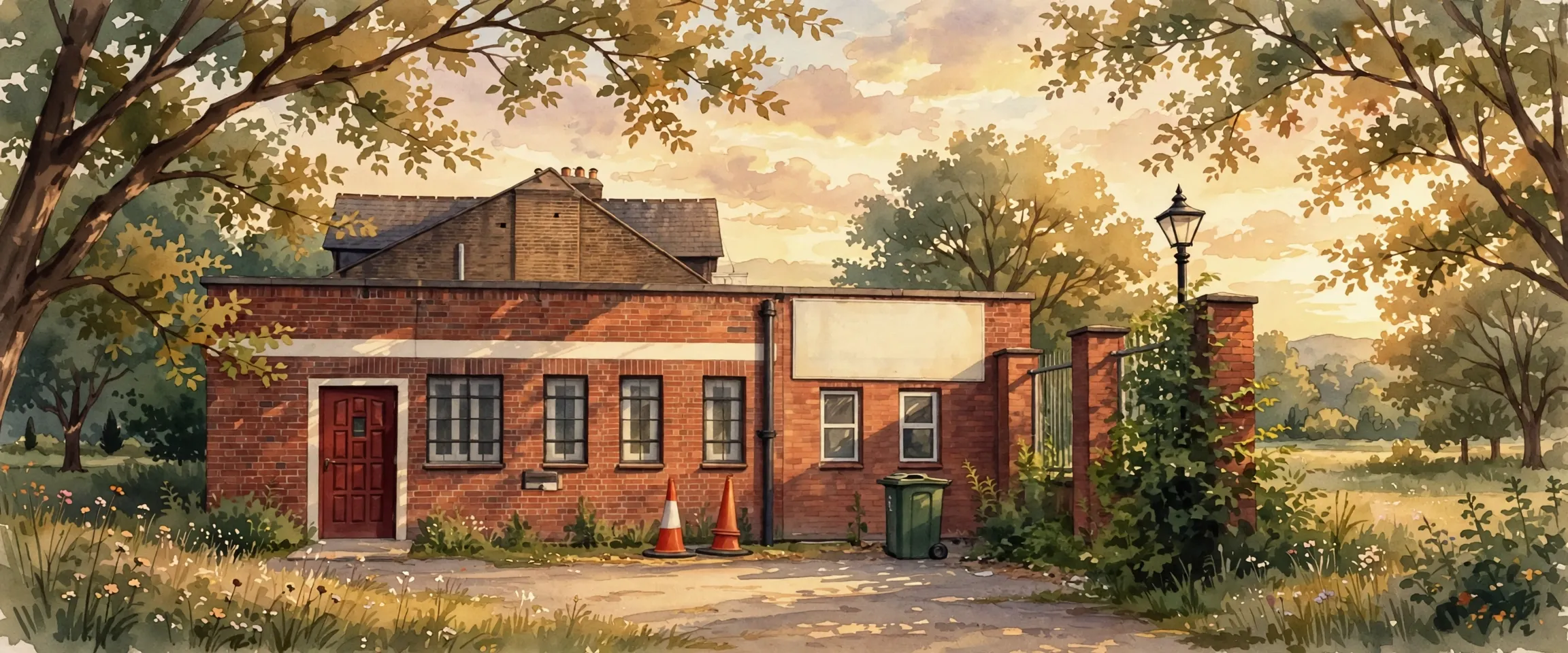
Shri Nathji Mandir at 159 to 161 Whipps Cross Road, Leytonstone, is a Sanatan Hindu temple in east London run by the charity Shri Vallabh Nidhi UK. Inaugurated in June 1980, a year after the charity was formed, it is one of London's oldest Hindu temples, with shrines to Shri Ram, Shrinathji, the Shiv Parivaar, Amba Mataji, Jalaram Bapa and Hanumanji.
- Punjabi name
- ਸ਼੍ਰੀ ਨਾਥਜੀ ਮੰਦਰ, ਲੇਟਨਸਟੋਨ (ਸ਼੍ਰੀ ਨਾਥਜੀ ਸਨਾਤਨ ਹਿੰਦੂ ਮੰਦਰ)
- Country
- United Kingdom
- City
- Leytonstone, London Borough of Waltham Forest, 159-161 Whipps Cross Road, London E11 1NP
- Deities
- Shri Ram, Shrinathji, Shiv Parivaar, Amba Mataji, Jalaram Bapa and Hanumanji
- Run by
- Shri Vallabh Nidhi UK, registered charity 277833, formed June 1979
- Inaugurated
- June 1980, with a Bhagwat Katha; Ram Mandir pran pratishtha June 1982
- Tradition
- Sanatan Dharma; founded by Vaishnav followers of Vallabhacharya (Pushtimarg), open to all traditions
On Whipps Cross Road in Leytonstone, east London, stands a plain red brick building that carries an outsized place in British Hindu history. The Shri Nathji Mandir, formally the Shri Nathji Sanatan Hindu Mandir, was inaugurated in June 1980 and is the original temple of the charity Shri Vallabh Nidhi UK. Three decades later the same charity opened its famous limestone temple at Wembley, the Shree Sanatan Hindu Mandir, Wembley, but Leytonstone came first, and it is still in daily use. This entry tells its story. See also the hub: Mandirs in the United Kingdom.
What is Shri Nathji Mandir?
Shri Nathji Mandir is a Hindu temple at 159 to 161 Whipps Cross Road, Leytonstone, in the London Borough of Waltham Forest. It is run by Shri Vallabh Nidhi UK, a registered charity formed in June 1979. The charity was founded by Vaishnav Hindus, and its stated aim follows the teaching of Vallabhacharya, the founder of the Pushtimarg tradition, but the temple itself is deliberately open to all: it follows Sanatan Dharma and welcomes every Hindu tradition under one roof. Its shrines hold Shri Ram, Shrinathji, the Shiv Parivaar, Amba Mataji, Jalaram Bapa and Hanumanji, a spread that reflects that open door policy, from the Pushtimarg devotion to Shrinathji at its heart to the widely loved Jalaram Bapa and Hanumanji.
How did the Leytonstone temple begin?
The charity behind the temple took shape in June 1979, founded by Balmukund P. Parikh and Ramanbhai Patel, of the six gham patidar community, with the blessings of Krishna Shankar Shastriji, known to devotees as Dadaji. A year later, in June 1980, the Leytonstone temple was inaugurated with a Bhagwat Katha, a week of storytelling from the Bhagavata tradition. The temple's own history, retold by the MyAdhyatm temple guide, remembers who was there: Dadaji himself, Acharya Kanubhai Dave, and Indira Betiji with her sister Nikunjlata Betiji. For Indira Betiji, a much loved Pushtimarg teacher, it was her first katha in the United Kingdom.
The same month, June 1980, the foundation stone of a Ram Mandir at the site was laid by the katha teller Moraribapu, and its pran pratishtha, the ceremony that installs the deities, followed in June 1982, presided over by Dadaji, with katha by Chote Moraribapu. The money tells its own story of a young community stretching itself: the institution had about 130,000 pounds in hand and set itself the challenge of raising the same again to complete the work. What grew on Whipps Cross Road was not one shrine but a small temple quarter, with the Ram and Shrinathji temples joined by shrines to the other deities the congregation brought with them from Gujarat and East Africa.
Why does a small brick temple matter so much?
Leytonstone matters because of when it opened. In 1980 London's Hindus still worshipped mostly in converted halls, houses and former churches, and purpose held temples were rare. A permanent mandir of its own, bought and paid for by the community, gave east London's Hindus a fixed home for weddings, funerals, festivals and daily worship, and a base from which the charity could later attempt something far bigger. When the Wembley temple opened in the summer of 2010, built entirely of imported Indian limestone with no steel supports, it drew national attention. Leytonstone is the quieter first chapter of that same story: the proof, thirty years earlier, that the community could organise, raise money and keep a temple running.
Leytonstone and Wembley: one charity, two temples
Shri Vallabh Nidhi UK runs both temples, and the pair show two generations of British Hindu building. Wembley is monumental: carved in India, assembled in London, and filled with dozens of shrines. Leytonstone is domestic in scale, a brick hall temple on a main road, closer in spirit to the prayer halls the first generation knew, but with proper shrines and a full festival calendar. Devotees often treat them as one family: the Leytonstone temple keeps the charity's original congregation in the east of the city, while Wembley serves the larger Gujarati community of the north west. Both follow the same Sanatan Dharma principles the charity sets out, centred on God, prayer, rebirth, right action and compassion for all living things.
Visiting Shri Nathji Mandir
The temple stands at 159 to 161 Whipps Cross Road, Leytonstone, London E11 1NP, near Whipps Cross Hospital and the edge of Epping Forest. The charity lists the temple phone as 020 8989 7539. As at most Sanatan mandirs, visitors of all backgrounds are welcome for darshan during opening hours, shoes are removed before the shrine area, and modest dress is appreciated. Festival days, above all Janmashtami, Navratri, Diwali and Jalaram Jayanti, are the busiest times, when the small temple fills with the families whose parents and grandparents built it. Anyone travelling specially should check the charity's website, svnuk.org, for the day's timings before setting out.
ਪੂਰਬੀ ਲੰਡਨ ਦੇ ਲੇਟਨਸਟੋਨ ਵਿੱਚ ਵ੍ਹਿਪਸ ਕਰੌਸ ਰੋਡ ਉੱਤੇ ਇੱਕ ਸਾਦੀ ਲਾਲ ਇੱਟਾਂ ਵਾਲੀ ਇਮਾਰਤ ਖੜ੍ਹੀ ਹੈ, ਜਿਸਦਾ ਬਰਤਾਨਵੀ ਹਿੰਦੂ ਇਤਿਹਾਸ ਵਿੱਚ ਵੱਡਾ ਸਥਾਨ ਹੈ ਸ਼੍ਰੀ ਨਾਥਜੀ ਮੰਦਰ, ਜਿਸਦਾ ਪੂਰਾ ਨਾਮ ਸ਼੍ਰੀ ਨਾਥਜੀ ਸਨਾਤਨ ਹਿੰਦੂ ਮੰਦਰ ਹੈ, ਜੂਨ 1980 ਵਿੱਚ ਖੋਲ੍ਹਿਆ ਗਿਆ ਸੀ ਅਤੇ ਇਹ ਸ਼੍ਰੀ ਵੱਲਭ ਨਿਧੀ ਯੂਕੇ ਨਾਮੀ ਸੰਸਥਾ ਦਾ ਪਹਿਲਾ ਮੰਦਰ ਹੈ ਤਿੰਨ ਦਹਾਕੇ ਬਾਅਦ ਇਸੇ ਸੰਸਥਾ ਨੇ ਵੈਂਬਲੀ ਵਿੱਚ ਆਪਣਾ ਮਸ਼ਹੂਰ ਚੂਨਾ ਪੱਥਰ ਮੰਦਰ ਖੋਲ੍ਹਿਆ, ਪਰ ਲੇਟਨਸਟੋਨ ਪਹਿਲਾਂ ਆਇਆ, ਅਤੇ ਇਹ ਅੱਜ ਵੀ ਰੋਜ਼ ਵਰਤੋਂ ਵਿੱਚ ਹੈ
ਸ਼੍ਰੀ ਨਾਥਜੀ ਮੰਦਰ ਕੀ ਹੈ?
ਸ਼੍ਰੀ ਨਾਥਜੀ ਮੰਦਰ ਲੰਡਨ ਬਰੋ ਆਫ਼ ਵਾਲਥਮ ਫੌਰੈਸਟ ਦੇ ਲੇਟਨਸਟੋਨ ਵਿੱਚ 159 ਤੋਂ 161 ਵ੍ਹਿਪਸ ਕਰੌਸ ਰੋਡ ਉੱਤੇ ਇੱਕ ਹਿੰਦੂ ਮੰਦਰ ਹੈ ਇਸਨੂੰ ਸ਼੍ਰੀ ਵੱਲਭ ਨਿਧੀ ਯੂਕੇ ਚਲਾਉਂਦੀ ਹੈ, ਜੋ ਜੂਨ 1979 ਵਿੱਚ ਬਣੀ ਇੱਕ ਰਜਿਸਟਰਡ ਚੈਰਿਟੀ ਹੈ ਇਹ ਸੰਸਥਾ ਵੈਸ਼ਨਵ ਹਿੰਦੂਆਂ ਨੇ ਬਣਾਈ ਸੀ ਅਤੇ ਇਸਦਾ ਮਕਸਦ ਪੁਸ਼ਟੀਮਾਰਗ ਪਰੰਪਰਾ ਦੇ ਸੰਸਥਾਪਕ ਵੱਲਭਾਚਾਰਯ ਦੀ ਸਿੱਖਿਆ ਅਨੁਸਾਰ ਹੈ, ਪਰ ਮੰਦਰ ਆਪ ਸਭ ਲਈ ਖੁੱਲ੍ਹਾ ਹੈ: ਇਹ ਸਨਾਤਨ ਧਰਮ ਨੂੰ ਮੰਨਦਾ ਹੈ ਅਤੇ ਹਰ ਹਿੰਦੂ ਪਰੰਪਰਾ ਦਾ ਇੱਕੋ ਛੱਤ ਹੇਠ ਸਵਾਗਤ ਕਰਦਾ ਹੈ ਇਸਦੇ ਗਰਭਗ੍ਰਹਿਆਂ ਵਿੱਚ ਸ਼੍ਰੀ ਰਾਮ, ਸ਼੍ਰੀਨਾਥਜੀ, ਸ਼ਿਵ ਪਰਿਵਾਰ, ਅੰਬਾ ਮਾਤਾਜੀ, ਜਲਾਰਾਮ ਬਾਪਾ ਅਤੇ ਹਨੂੰਮਾਨਜੀ ਹਨ
ਲੇਟਨਸਟੋਨ ਮੰਦਰ ਦੀ ਸ਼ੁਰੂਆਤ ਕਿਵੇਂ ਹੋਈ?
ਮੰਦਰ ਦੇ ਪਿੱਛੇ ਵਾਲੀ ਸੰਸਥਾ ਜੂਨ 1979 ਵਿੱਚ ਬਣੀ, ਜਿਸਨੂੰ ਛੇ ਘਾਮ ਪਾਟੀਦਾਰ ਸਮਾਜ ਦੇ ਬਾਲਮੁਕੁੰਦ ਪੀ. ਪਾਰਿਖ ਅਤੇ ਰਮਨਭਾਈ ਪਟੇਲ ਨੇ ਕ੍ਰਿਸ਼ਨਾ ਸ਼ੰਕਰ ਸ਼ਾਸਤਰੀਜੀ, ਜਿਨ੍ਹਾਂ ਨੂੰ ਸ਼ਰਧਾਲੂ ਦਾਦਾਜੀ ਕਹਿੰਦੇ ਹਨ, ਦੇ ਅਸ਼ੀਰਵਾਦ ਨਾਲ ਬਣਾਇਆ ਇੱਕ ਸਾਲ ਬਾਅਦ, ਜੂਨ 1980 ਵਿੱਚ, ਲੇਟਨਸਟੋਨ ਮੰਦਰ ਦਾ ਉਦਘਾਟਨ ਭਾਗਵਤ ਕਥਾ ਨਾਲ ਹੋਇਆ ਮੰਦਰ ਦਾ ਆਪਣਾ ਇਤਿਹਾਸ, ਜੋ ਮਾਈਅਧਿਆਤਮ ਗਾਈਡ ਵਿੱਚ ਦਰਜ ਹੈ, ਯਾਦ ਕਰਦਾ ਹੈ ਕਿ ਉੱਥੇ ਕੌਣ ਕੌਣ ਸੀ: ਖੁਦ ਦਾਦਾਜੀ, ਆਚਾਰਯ ਕਨੁਭਾਈ ਦਵੇ, ਅਤੇ ਇੰਦਰਾ ਬੇਟੀਜੀ ਆਪਣੀ ਭੈਣ ਨਿਕੁੰਜਲਤਾ ਬੇਟੀਜੀ ਨਾਲ ਇੰਦਰਾ ਬੇਟੀਜੀ ਲਈ ਇਹ ਯੂਨਾਈਟਿਡ ਕਿੰਗਡਮ ਵਿੱਚ ਉਨ੍ਹਾਂ ਦੀ ਪਹਿਲੀ ਕਥਾ ਸੀ
ਉਸੇ ਮਹੀਨੇ, ਜੂਨ 1980 ਵਿੱਚ, ਕਥਾ ਵਾਚਕ ਮੋਰਾਰੀਬਾਪੂ ਨੇ ਇਸ ਥਾਂ ਉੱਤੇ ਰਾਮ ਮੰਦਰ ਦੀ ਨੀਂਹ ਰੱਖੀ, ਅਤੇ ਇਸਦੀ ਪ੍ਰਾਣ ਪ੍ਰਤਿਸ਼ਠਾ ਜੂਨ 1982 ਵਿੱਚ ਦਾਦਾਜੀ ਦੀ ਅਗਵਾਈ ਵਿੱਚ ਹੋਈ, ਜਿਸ ਵਿੱਚ ਛੋਟੇ ਮੋਰਾਰੀਬਾਪੂ ਨੇ ਕਥਾ ਕੀਤੀ ਪੈਸੇ ਦੀ ਗੱਲ ਇੱਕ ਨੌਜਵਾਨ ਸਮਾਜ ਦੀ ਹਿੰਮਤ ਦੱਸਦੀ ਹੈ: ਸੰਸਥਾ ਕੋਲ ਲਗਭਗ 130,000 ਪੌਂਡ ਸਨ ਅਤੇ ਉਸਨੇ ਕੰਮ ਪੂਰਾ ਕਰਨ ਲਈ ਓਨੇ ਹੀ ਹੋਰ ਜੁਟਾਉਣ ਦੀ ਚੁਣੌਤੀ ਲਈ ਵ੍ਹਿਪਸ ਕਰੌਸ ਰੋਡ ਉੱਤੇ ਇੱਕ ਗਰਭਗ੍ਰਹਿ ਨਹੀਂ, ਸਗੋਂ ਛੋਟਾ ਜਿਹਾ ਮੰਦਰ ਸਮੂਹ ਬਣਿਆ
ਇੱਕ ਛੋਟਾ ਇੱਟਾਂ ਵਾਲਾ ਮੰਦਰ ਇੰਨਾ ਮਹੱਤਵਪੂਰਨ ਕਿਉਂ ਹੈ?
ਲੇਟਨਸਟੋਨ ਇਸ ਲਈ ਮਹੱਤਵਪੂਰਨ ਹੈ ਕਿ ਇਹ ਕਦੋਂ ਖੁੱਲ੍ਹਿਆ 1980 ਵਿੱਚ ਲੰਡਨ ਦੇ ਹਿੰਦੂ ਅਜੇ ਵੀ ਜ਼ਿਆਦਾਤਰ ਬਦਲੇ ਹੋਏ ਹਾਲਾਂ, ਘਰਾਂ ਅਤੇ ਪੁਰਾਣੇ ਗਿਰਜਿਆਂ ਵਿੱਚ ਪੂਜਾ ਕਰਦੇ ਸਨ, ਅਤੇ ਆਪਣੇ ਪੱਕੇ ਮੰਦਰ ਬਹੁਤ ਘੱਟ ਸਨ ਸਮਾਜ ਵੱਲੋਂ ਖਰੀਦਿਆ ਅਤੇ ਬਣਾਇਆ ਆਪਣਾ ਪੱਕਾ ਮੰਦਰ ਪੂਰਬੀ ਲੰਡਨ ਦੇ ਹਿੰਦੂਆਂ ਨੂੰ ਵਿਆਹਾਂ, ਸੰਸਕਾਰਾਂ, ਤਿਉਹਾਰਾਂ ਅਤੇ ਰੋਜ਼ਾਨਾ ਪੂਜਾ ਲਈ ਪੱਕਾ ਘਰ ਦੇ ਗਿਆ, ਅਤੇ ਉਹੀ ਅੱਡਾ ਬਣਿਆ ਜਿੱਥੋਂ ਸੰਸਥਾ ਬਾਅਦ ਵਿੱਚ ਕੁਝ ਬਹੁਤ ਵੱਡਾ ਕਰਨ ਦੀ ਹਿੰਮਤ ਕਰ ਸਕੀ ਜਦੋਂ ਵੈਂਬਲੀ ਮੰਦਰ 2010 ਦੀਆਂ ਗਰਮੀਆਂ ਵਿੱਚ ਖੁੱਲ੍ਹਿਆ, ਜੋ ਪੂਰੀ ਤਰ੍ਹਾਂ ਭਾਰਤ ਤੋਂ ਆਏ ਚੂਨਾ ਪੱਥਰ ਦਾ ਅਤੇ ਬਿਨਾਂ ਸਟੀਲ ਸਹਾਰਿਆਂ ਦੇ ਬਣਿਆ ਸੀ, ਤਾਂ ਇਸਦੀ ਦੇਸ਼ ਭਰ ਵਿੱਚ ਚਰਚਾ ਹੋਈ ਲੇਟਨਸਟੋਨ ਉਸੇ ਕਹਾਣੀ ਦਾ ਸ਼ਾਂਤ ਪਹਿਲਾ ਅਧਿਆਏ ਹੈ
ਲੇਟਨਸਟੋਨ ਅਤੇ ਵੈਂਬਲੀ: ਇੱਕ ਸੰਸਥਾ, ਦੋ ਮੰਦਰ
ਸ਼੍ਰੀ ਵੱਲਭ ਨਿਧੀ ਯੂਕੇ ਦੋਵੇਂ ਮੰਦਰ ਚਲਾਉਂਦੀ ਹੈ, ਅਤੇ ਇਹ ਜੋੜੀ ਬਰਤਾਨਵੀ ਹਿੰਦੂ ਉਸਾਰੀ ਦੀਆਂ ਦੋ ਪੀੜ੍ਹੀਆਂ ਵਿਖਾਉਂਦੀ ਹੈ ਵੈਂਬਲੀ ਵਿਸ਼ਾਲ ਹੈ: ਭਾਰਤ ਵਿੱਚ ਤਰਾਸ਼ਿਆ, ਲੰਡਨ ਵਿੱਚ ਜੋੜਿਆ, ਅਤੇ ਦਰਜਨਾਂ ਗਰਭਗ੍ਰਹਿਆਂ ਨਾਲ ਭਰਿਆ ਲੇਟਨਸਟੋਨ ਘਰ ਵਰਗੇ ਪੈਮਾਨੇ ਦਾ ਹੈ, ਇੱਕ ਮੁੱਖ ਸੜਕ ਉੱਤੇ ਇੱਟਾਂ ਵਾਲਾ ਹਾਲ ਮੰਦਰ, ਪਰ ਪੂਰੇ ਗਰਭਗ੍ਰਹਿਆਂ ਅਤੇ ਭਰਪੂਰ ਤਿਉਹਾਰ ਕੈਲੰਡਰ ਸਮੇਤ ਸ਼ਰਧਾਲੂ ਅਕਸਰ ਇਨ੍ਹਾਂ ਨੂੰ ਇੱਕੋ ਪਰਿਵਾਰ ਮੰਨਦੇ ਹਨ: ਲੇਟਨਸਟੋਨ ਸੰਸਥਾ ਦੀ ਮੂਲ ਸੰਗਤ ਨੂੰ ਸ਼ਹਿਰ ਦੇ ਪੂਰਬ ਵਿੱਚ ਸੰਭਾਲਦਾ ਹੈ, ਅਤੇ ਵੈਂਬਲੀ ਉੱਤਰ ਪੱਛਮ ਦੀ ਵੱਡੀ ਗੁਜਰਾਤੀ ਸੰਗਤ ਦੀ ਸੇਵਾ ਕਰਦਾ ਹੈ ਦੋਵੇਂ ਸੰਸਥਾ ਦੇ ਉਹੀ ਸਨਾਤਨ ਧਰਮ ਸਿਧਾਂਤ ਮੰਨਦੇ ਹਨ, ਜਿਨ੍ਹਾਂ ਦੇ ਕੇਂਦਰ ਵਿੱਚ ਪਰਮੇਸ਼ਵਰ, ਪ੍ਰਾਰਥਨਾ, ਪੁਨਰਜਨਮ, ਕਰਮ ਅਤੇ ਸਭ ਜੀਵਾਂ ਲਈ ਦਇਆ ਹੈ
ਸ਼੍ਰੀ ਨਾਥਜੀ ਮੰਦਰ ਦੇ ਦਰਸ਼ਨ
ਮੰਦਰ 159 ਤੋਂ 161 ਵ੍ਹਿਪਸ ਕਰੌਸ ਰੋਡ, ਲੇਟਨਸਟੋਨ, ਲੰਡਨ E11 1NP ਵਿਖੇ ਹੈ, ਵ੍ਹਿਪਸ ਕਰੌਸ ਹਸਪਤਾਲ ਅਤੇ ਐਪਿੰਗ ਜੰਗਲ ਦੇ ਕਿਨਾਰੇ ਦੇ ਨੇੜੇ ਸੰਸਥਾ ਮੰਦਰ ਦਾ ਫੋਨ 020 8989 7539 ਦਿੰਦੀ ਹੈ ਜ਼ਿਆਦਾਤਰ ਸਨਾਤਨ ਮੰਦਰਾਂ ਵਾਂਗ ਹਰ ਪਿਛੋਕੜ ਦੇ ਆਉਣ ਵਾਲਿਆਂ ਦਾ ਖੁੱਲ੍ਹਣ ਦੇ ਸਮੇਂ ਦਰਸ਼ਨਾਂ ਲਈ ਸਵਾਗਤ ਹੈ, ਗਰਭਗ੍ਰਹਿ ਖੇਤਰ ਤੋਂ ਪਹਿਲਾਂ ਜੁੱਤੇ ਉਤਾਰੇ ਜਾਂਦੇ ਹਨ, ਅਤੇ ਸਾਦੇ ਕੱਪੜਿਆਂ ਦੀ ਕਦਰ ਕੀਤੀ ਜਾਂਦੀ ਹੈ ਤਿਉਹਾਰਾਂ ਦੇ ਦਿਨ, ਖਾਸ ਕਰ ਜਨਮ ਅਸ਼ਟਮੀ, ਨਵਰਾਤਰੀ, ਦੀਵਾਲੀ ਅਤੇ ਜਲਾਰਾਮ ਜਯੰਤੀ, ਸਭ ਤੋਂ ਵੱਧ ਰੌਣਕ ਹੁੰਦੀ ਹੈ ਦੂਰੋਂ ਆਉਣ ਵਾਲੇ ਉਸ ਦਿਨ ਦੇ ਸਮੇਂ ਲਈ ਪਹਿਲਾਂ ਸੰਸਥਾ ਦੀ ਵੈੱਬਸਾਈਟ svnuk.org ਵੇਖ ਲੈਣ
More religion entries to explore
Sources
- Shree Sanatan Hindu Mandir, Wikipedia (Leytonstone temple inaugurated June 1980, deities, charity founders)
- Shri Vallabh Nidhi UK, official site (charity formed June 1979, charity 277833, Sanatan Dharma principles, both temples)
- Shri Nathji Sanatan Hindu Mandir, MyAdhyatm (address, June 1980 inauguration and katha, 1982 pran pratishtha, fundraising)