
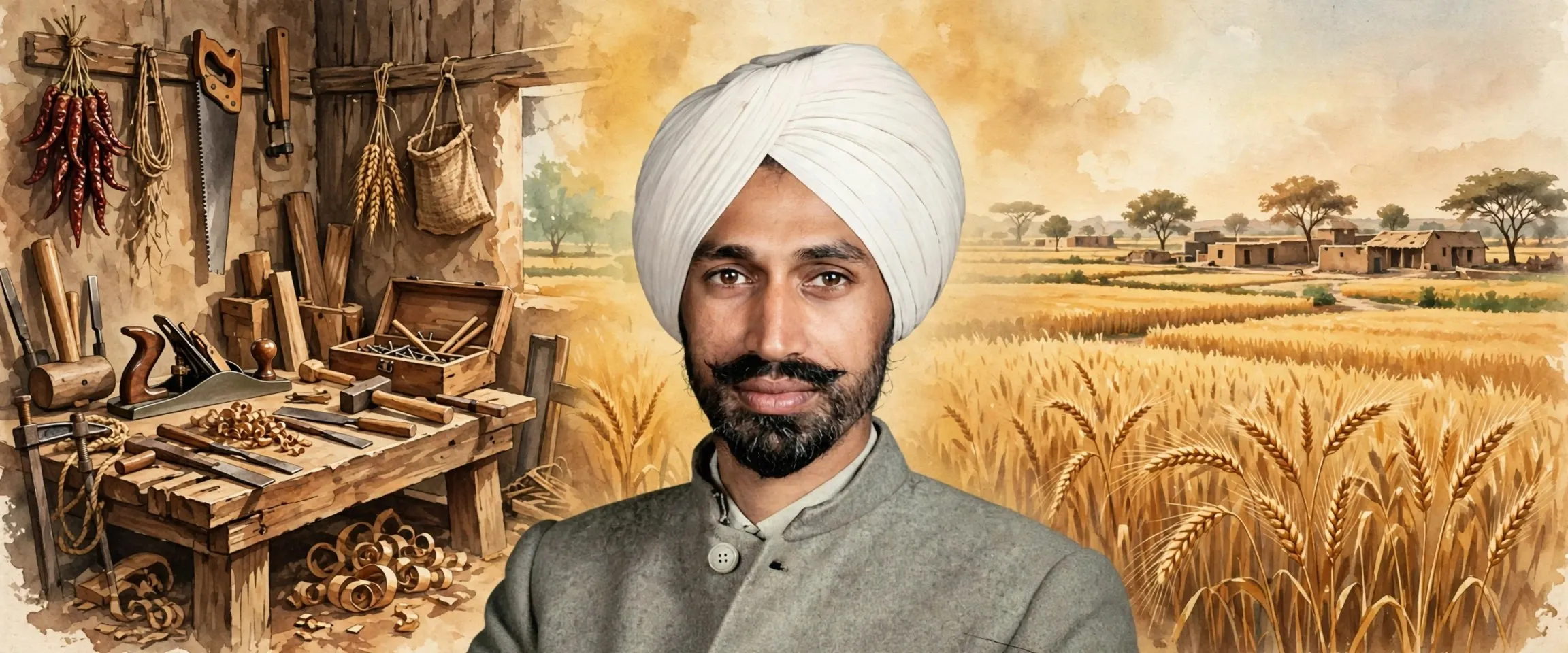
ਅਨਹੋਏ (1966) ਗੁਰਦਿਆਲ ਸਿੰਘ ਦਾ ਦੂਜਾ ਪੰਜਾਬੀ ਨਾਵਲ ਹੈ, ਇੱਕ ਹੁਨਰਮੰਦ ਮਲਵਈ ਤਰਖਾਣ ਦੀ ਕਹਾਣੀ ਜੋ ਆਪਣੀਆਂ ਕਦਰਾਂ-ਕੀਮਤਾਂ ਦੀ ਕੀਮਤ ਉੱਤੇ ਬਦਲਦੀ ਦੁਨੀਆ ਨਾਲ ਸਮਝੌਤਾ ਨਹੀਂ ਕਰ ਸਕਦਾ। ਇੱਕ ਤਰਖਾਣ ਦੇ ਪੁੱਤਰ ਵੱਲੋਂ ਮਲਵਈ ਬੋਲੀ ਵਿੱਚ ਲਿਖਿਆ ਇਹ ਨਾਵਲ ਮੜ੍ਹੀ ਦਾ ਦੀਵਾ (1964) ਤੋਂ ਬਾਅਦ ਆਇਆ ਅਤੇ ਬਾਅਦ ਵਿੱਚ ਡੀ.ਡੀ. ਪੰਜਾਬੀ ਦੇ ਟੈਲੀਵਿਜ਼ਨ ਸੀਰੀਅਲ ਅਨਹੋਈ ਵਜੋਂ ਢਾਲਿਆ ਗਿਆ।
ਪੰਜਾਬੀ, ਗੁਰਮੁਖੀ- ਪੰਜਾਬੀ ਨਾਂ
- ਅਨਹੋਏ
- ਲੇਖਕ
- ਗੁਰਦਿਆਲ ਸਿੰਘ (1933 ਤੋਂ 2016)
- ਪ੍ਰਕਾਸ਼ਿਤ
- 1966
- ਭਾਸ਼ਾ
- ਪੰਜਾਬੀ, ਗੁਰਮੁਖੀ (ਮਲਵਈ ਬੋਲੀ)
- ਰੂਪ
- ਨਾਵਲ
- ਨਾਂ ਦਾ ਮਤਲਬ
- ਦ ਨਾਨ-ਲਿਵਿੰਗ; ਅਨਹੋਏ, ਦ ਸਰਵਾਈਵਰਜ਼ ਵਜੋਂ ਵੀ ਪੜ੍ਹਿਆ ਜਾਂਦਾ ਹੈ
All 8 facts
- ਇਸ ਤੋਂ ਪਹਿਲਾਂ
- ਮੜ੍ਹੀ ਦਾ ਦੀਵਾ (1964), ਲੇਖਕ ਦਾ ਪਹਿਲਾ ਨਾਵਲ
- ਟੈਲੀਵਿਜ਼ਨ
- ਡੀ.ਡੀ. ਪੰਜਾਬੀ ਵੱਲੋਂ ਅਨਹੋਈ ਸੀਰੀਅਲ ਵਜੋਂ ਢਾਲਿਆ ਗਿਆ
About the book
Anhoe is a Punjabi novel by Gurdial Singh, published in 1966, two years after Marhi Da Deeva made his name. Where the first novel followed a farm servant bound to a landowning family, Anhoe turns to another figure the changing village was leaving behind: the skilled carpenter, the craftsman whose hands made the carts, ploughs and door frames a Malwa village ran on. It is the second novel of the writer who would become the most celebrated Punjabi novelist of his generation, and it sets down the pattern of his life's work: the socio-economic struggle of Punjab's poor, told with sympathy, in the Malwai dialect of his own region.
The title is usually glossed in English as The Non-Living, and the book is also read in scholarship as Unhoye, The Survivors. Both renderings point to the same question: what happens to people whose way of life the new order treats as already finished, and what do the survivors of the old world carry with them into the new one? Singh asks it not about kings or landlords but about a working man with a trade.
What is Anhoe about?
Anhoe depicts the life of a carpenter, a skilled artisan who cannot adjust himself to the changing conditions around him at the cost of his values. The trade that once gave him a settled place in the village, serving its farmers season after season, is losing its ground, and the easier paths open to him all ask him to become someone he is not. He holds on. In that holding on, the novel finds what one history of Punjabi literature calls the heroic strength and high dignity of a common man rooted in his soil, which it names a major theme of all of Gurdial Singh's fiction.
The carpenter at the centre
Singh did not research this world from outside. He was a carpenter's son. His father Jagat Singh was a carpenter in Bhaini Fateh village near Jaitu, and the young Gurdial began working beside him at the age of twelve, in days he later remembered as sixteen hours long, making wheels for bullock carts and shaping metal sheets for water tanks, the two of them together earning about twenty rupees a day. When Anhoe writes about a craftsman's pride in his skill and his fear of a world that no longer prices that skill honestly, it writes from inside the workshop.
Themes: craft, change and dignity
Across Gurdial Singh's novels the ground is always Malwa, and the people at the centre are the poor and the downtrodden, whose economic and social struggle he presents, in the words of the Sikh Encyclopedia, with sentiment and understanding. Anhoe adds a theme the farm novels could not carry in the same way: the dignity of skilled handwork. Its carpenter is not poor in the manner of a landless labourer; he owns a craft, a reputation and a code. The novel asks what a man is worth when the market stops valuing the thing he does best, and refuses to answer that his worth falls with the price.
ਲੇਖਕ
Gurdial Singh was born on 10 January 1933 in Bhaini Fateh village near Jaitu. A school headmaster, Madan Mohan Sharma, persuaded his father to let the boy study; he passed his matriculation while working day jobs, became a school teacher in 1962 on sixty rupees a month, and took his M.A. in 1967. His first story, Bhaganwale, appeared in the magazine Panj Darya in 1957. Marhi Da Deeva, rewritten four times before he published it in 1964, established him as a novelist. He went on to write ten novels, among them Adh Chanani Raat, which won the Sahitya Akademi Award in 1975, Anhe Ghore Da Daan and Parsa. He received the Padma Shri in 1998 and the Jnanpith Award in 1999, shared with the Hindi writer Nirmal Verma. He died at Bathinda on 16 August 2016.
From page to screen
Anhoe reached a second audience on television: it was adapted as the serial Anhoyee by DD Punjabi, the Punjabi service of India's public broadcaster Doordarshan. The adaptation sits in a line of screen versions of Singh's work, from the 1989 film of Marhi Da Deeva to Gurvinder Singh's 2011 film Anhe Ghore Da Daan, which took the later novel to international festivals.
Why does Anhoe still matter?
Because it is the novel where Gurdial Singh's great subject first widens: not only the landless poor of Marhi Da Deeva, but every working person whose skill a changing economy quietly declares worthless. Students of Punjabi literature meet it as the second panel of the sequence that redefined the Punjabi novel, written by a carpenter's son about a carpenter, in the dialect of the villages it describes. Its question has not aged: what does a person owe their craft when the world stops paying for it?
ਕਿਤਾਬ ਬਾਰੇ
ਅਨਹੋਏ ਗੁਰਦਿਆਲ ਸਿੰਘ ਦਾ ਪੰਜਾਬੀ ਨਾਵਲ ਹੈ, ਜੋ 1966 ਵਿੱਚ ਛਪਿਆ, ਮੜ੍ਹੀ ਦਾ ਦੀਵਾ ਦੇ ਉਨ੍ਹਾਂ ਦਾ ਨਾਂ ਬਣਾਉਣ ਤੋਂ ਦੋ ਸਾਲ ਬਾਅਦ। ਜਿਥੇ ਪਹਿਲਾ ਨਾਵਲ ਇੱਕ ਜ਼ਿਮੀਂਦਾਰ ਪਰਿਵਾਰ ਨਾਲ ਬੱਝੇ ਖੇਤ ਮਜ਼ਦੂਰ ਦੀ ਕਹਾਣੀ ਸੀ, ਉਥੇ ਅਨਹੋਏ ਇੱਕ ਹੋਰ ਸ਼ਖਸ ਵੱਲ ਮੁੜਦਾ ਹੈ ਜਿਸ ਨੂੰ ਬਦਲਦਾ ਪਿੰਡ ਪਿੱਛੇ ਛੱਡ ਰਿਹਾ ਸੀ: ਹੁਨਰਮੰਦ ਤਰਖਾਣ, ਉਹ ਕਾਰੀਗਰ ਜਿਸ ਦੇ ਹੱਥਾਂ ਨੇ ਗੱਡਿਆਂ, ਹਲਾਂ ਅਤੇ ਦਰਵਾਜ਼ਿਆਂ ਦੇ ਚੌਖਟੇ ਬਣਾਏ ਜਿਨ੍ਹਾਂ ਉੱਤੇ ਮਾਲਵੇ ਦਾ ਪਿੰਡ ਚਲਦਾ ਸੀ। ਇਹ ਉਸ ਲੇਖਕ ਦਾ ਦੂਜਾ ਨਾਵਲ ਹੈ ਜੋ ਆਪਣੀ ਪੀੜ੍ਹੀ ਦਾ ਸਭ ਤੋਂ ਸਤਿਕਾਰਤ ਪੰਜਾਬੀ ਨਾਵਲਕਾਰ ਬਣਿਆ, ਅਤੇ ਇਹ ਉਸ ਦੇ ਜੀਵਨ ਭਰ ਦੇ ਕੰਮ ਦੀ ਰੂਪ-ਰੇਖਾ ਤੈਅ ਕਰਦਾ ਹੈ: ਪੰਜਾਬ ਦੇ ਗਰੀਬਾਂ ਦਾ ਸਮਾਜਿਕ ਅਤੇ ਆਰਥਿਕ ਸੰਘਰਸ਼, ਹਮਦਰਦੀ ਨਾਲ, ਉਸ ਦੇ ਆਪਣੇ ਇਲਾਕੇ ਦੀ ਮਲਵਈ ਬੋਲੀ ਵਿੱਚ।
ਸਿਰਲੇਖ ਦਾ ਅੰਗਰੇਜ਼ੀ ਵਿੱਚ ਆਮ ਅਨੁਵਾਦ ਦ ਨਾਨ-ਲਿਵਿੰਗ ਕੀਤਾ ਜਾਂਦਾ ਹੈ, ਅਤੇ ਕਿਤਾਬ ਨੂੰ ਵਿਦਵਾਨ ਅਨਹੋਏ, ਦ ਸਰਵਾਈਵਰਜ਼ ਵਜੋਂ ਵੀ ਪੜ੍ਹਦੇ ਹਨ। ਦੋਵੇਂ ਅਰਥ ਇੱਕੋ ਸਵਾਲ ਵੱਲ ਇਸ਼ਾਰਾ ਕਰਦੇ ਹਨ: ਉਨ੍ਹਾਂ ਲੋਕਾਂ ਦਾ ਕੀ ਬਣਦਾ ਹੈ ਜਿਨ੍ਹਾਂ ਦੇ ਜੀਣ ਦੇ ਢੰਗ ਨੂੰ ਨਵਾਂ ਪ੍ਰਬੰਧ ਪਹਿਲਾਂ ਹੀ ਖਤਮ ਹੋਇਆ ਮੰਨ ਲੈਂਦਾ ਹੈ, ਅਤੇ ਪੁਰਾਣੀ ਦੁਨੀਆ ਦੇ ਬਚੇ ਹੋਏ ਲੋਕ ਨਵੀਂ ਦੁਨੀਆ ਵਿੱਚ ਆਪਣੇ ਨਾਲ ਕੀ ਲੈ ਕੇ ਜਾਂਦੇ ਹਨ? ਸਿੰਘ ਇਹ ਸਵਾਲ ਰਾਜਿਆਂ ਜਾਂ ਜ਼ਿਮੀਂਦਾਰਾਂ ਬਾਰੇ ਨਹੀਂ, ਇੱਕ ਹੁਨਰ ਵਾਲੇ ਮਜ਼ਦੂਰ ਬਾਰੇ ਪੁੱਛਦਾ ਹੈ।
ਅਨਹੋਏ ਕਿਸ ਬਾਰੇ ਹੈ?
ਅਨਹੋਏ ਇੱਕ ਤਰਖਾਣ ਦੀ ਜ਼ਿੰਦਗੀ ਦਰਸਾਉਂਦਾ ਹੈ, ਇੱਕ ਹੁਨਰਮੰਦ ਕਾਰੀਗਰ ਜੋ ਆਪਣੀਆਂ ਕਦਰਾਂ-ਕੀਮਤਾਂ ਦੀ ਕੀਮਤ ਉੱਤੇ ਆਪਣੇ ਆਲੇ-ਦੁਆਲੇ ਬਦਲਦੀਆਂ ਹਾਲਤਾਂ ਨਾਲ ਸਮਝੌਤਾ ਨਹੀਂ ਕਰ ਸਕਦਾ। ਜੋ ਧੰਦਾ ਇੱਕ ਵੇਲੇ ਉਸ ਨੂੰ ਪਿੰਡ ਵਿੱਚ ਪੱਕੀ ਥਾਂ ਦਿੰਦਾ ਸੀ, ਹਰ ਰੁੱਤ ਇਸ ਦੇ ਕਿਸਾਨਾਂ ਦੀ ਸੇਵਾ ਕਰਦਾ, ਉਹ ਆਪਣੀ ਜ਼ਮੀਨ ਗੁਆ ਰਿਹਾ ਹੈ, ਅਤੇ ਉਸ ਅੱਗੇ ਖੁੱਲ੍ਹਦੇ ਅਸਾਨ ਰਾਹ ਸਭ ਉਸ ਤੋਂ ਉਹ ਬਣਨ ਦੀ ਮੰਗ ਕਰਦੇ ਹਨ ਜੋ ਉਹ ਨਹੀਂ ਹੈ। ਉਹ ਟਿਕਿਆ ਰਹਿੰਦਾ ਹੈ। ਇਸੇ ਟਿਕੇ ਰਹਿਣ ਵਿੱਚ ਨਾਵਲ ਉਹ ਲੱਭਦਾ ਹੈ ਜਿਸ ਨੂੰ ਪੰਜਾਬੀ ਸਾਹਿਤ ਦਾ ਇੱਕ ਇਤਿਹਾਸ ਆਪਣੀ ਮਿੱਟੀ ਨਾਲ ਜੁੜੇ ਆਮ ਆਦਮੀ ਦੀ ਬਹਾਦਰੀ ਭਰੀ ਤਾਕਤ ਅਤੇ ਉੱਚੀ ਸ਼ਾਨ ਕਹਿੰਦਾ ਹੈ, ਅਤੇ ਜਿਸ ਨੂੰ ਉਹ ਗੁਰਦਿਆਲ ਸਿੰਘ ਦੇ ਸਾਰੇ ਗਲਪ ਦਾ ਮੁੱਖ ਵਿਸ਼ਾ ਮੰਨਦਾ ਹੈ।
ਕੇਂਦਰ ਵਿੱਚ ਤਰਖਾਣ
ਸਿੰਘ ਨੇ ਇਹ ਦੁਨੀਆ ਬਾਹਰੋਂ ਖੋਜ ਕੇ ਨਹੀਂ ਲਿਖੀ। ਉਹ ਇੱਕ ਤਰਖਾਣ ਦਾ ਪੁੱਤਰ ਸੀ। ਉਸ ਦੇ ਪਿਤਾ ਜਗਤ ਸਿੰਘ ਜੈਤੋ ਲਾਗੇ ਪਿੰਡ ਭੈਣੀ ਫਤਿਹ ਵਿੱਚ ਤਰਖਾਣ ਸਨ, ਅਤੇ ਨੌਜਵਾਨ ਗੁਰਦਿਆਲ ਨੇ ਬਾਰਾਂ ਸਾਲ ਦੀ ਉਮਰ ਵਿੱਚ ਉਨ੍ਹਾਂ ਨਾਲ ਕੰਮ ਸ਼ੁਰੂ ਕੀਤਾ, ਉਨ੍ਹਾਂ ਦਿਨਾਂ ਵਿੱਚ ਜਿਨ੍ਹਾਂ ਨੂੰ ਉਸ ਨੇ ਬਾਅਦ ਵਿੱਚ ਸੋਲਾਂ ਘੰਟੇ ਲੰਮੇ ਦੱਸਿਆ, ਬਲਦ ਗੱਡਿਆਂ ਦੇ ਪਹੀਏ ਬਣਾਉਂਦੇ ਅਤੇ ਪਾਣੀ ਦੀਆਂ ਟੈਂਕੀਆਂ ਲਈ ਧਾਤ ਦੀਆਂ ਚਾਦਰਾਂ ਨੂੰ ਆਕਾਰ ਦਿੰਦੇ, ਦੋਵੇਂ ਮਿਲ ਕੇ ਦਿਨ ਦੇ ਲਗਭਗ ਵੀਹ ਰੁਪਏ ਕਮਾਉਂਦੇ ਸਨ। ਜਦੋਂ ਅਨਹੋਏ ਇੱਕ ਕਾਰੀਗਰ ਦੇ ਆਪਣੇ ਹੁਨਰ ਉੱਤੇ ਮਾਣ ਅਤੇ ਉਸ ਦੁਨੀਆ ਤੋਂ ਡਰ ਬਾਰੇ ਲਿਖਦਾ ਹੈ ਜੋ ਉਸ ਹੁਨਰ ਦੀ ਇਮਾਨਦਾਰ ਕੀਮਤ ਨਹੀਂ ਦਿੰਦੀ, ਤਾਂ ਇਹ ਕਾਰਖਾਨੇ ਦੇ ਅੰਦਰੋਂ ਲਿਖਦਾ ਹੈ।
ਵਿਸ਼ੇ: ਹੁਨਰ, ਬਦਲਾਅ ਅਤੇ ਸ਼ਾਨ
ਗੁਰਦਿਆਲ ਸਿੰਘ ਦੇ ਨਾਵਲਾਂ ਵਿੱਚ ਜ਼ਮੀਨ ਹਮੇਸ਼ਾ ਮਾਲਵਾ ਹੈ, ਅਤੇ ਕੇਂਦਰ ਵਿੱਚ ਲੋਕ ਗਰੀਬ ਅਤੇ ਦੱਬੇ-ਕੁਚਲੇ ਹਨ, ਜਿਨ੍ਹਾਂ ਦਾ ਆਰਥਿਕ ਅਤੇ ਸਮਾਜਿਕ ਸੰਘਰਸ਼ ਉਹ, ਸਿੱਖ ਵਿਸ਼ਵਕੋਸ਼ ਦੇ ਸ਼ਬਦਾਂ ਵਿੱਚ, ਭਾਵਨਾ ਅਤੇ ਸਮਝ ਨਾਲ ਪੇਸ਼ ਕਰਦਾ ਹੈ। ਅਨਹੋਏ ਇਸ ਵਿੱਚ ਇੱਕ ਵਿਸ਼ਾ ਜੋੜਦਾ ਹੈ ਜੋ ਖੇਤਾਂ ਵਾਲੇ ਨਾਵਲ ਇਸੇ ਤਰ੍ਹਾਂ ਨਹੀਂ ਚੁੱਕ ਸਕਦੇ ਸਨ: ਹੁਨਰਮੰਦ ਹੱਥ ਦੇ ਕੰਮ ਦੀ ਸ਼ਾਨ। ਇਸ ਦਾ ਤਰਖਾਣ ਭੂਮੀਹੀਣ ਮਜ਼ਦੂਰ ਵਾਂਗ ਗਰੀਬ ਨਹੀਂ ਹੈ; ਉਸ ਕੋਲ ਹੁਨਰ ਹੈ, ਸਾਖ ਹੈ ਅਤੇ ਇੱਕ ਅਸੂਲ ਹੈ। ਨਾਵਲ ਪੁੱਛਦਾ ਹੈ ਕਿ ਜਦੋਂ ਬਾਜ਼ਾਰ ਉਸ ਚੀਜ਼ ਦੀ ਕਦਰ ਕਰਨੀ ਬੰਦ ਕਰ ਦੇਵੇ ਜੋ ਕੋਈ ਸਭ ਤੋਂ ਵਧੀਆ ਕਰਦਾ ਹੈ, ਤਾਂ ਉਸ ਬੰਦੇ ਦੀ ਕੀਮਤ ਕੀ ਰਹਿ ਜਾਂਦੀ ਹੈ, ਅਤੇ ਇਹ ਮੰਨਣ ਤੋਂ ਇਨਕਾਰ ਕਰਦਾ ਹੈ ਕਿ ਉਸ ਦੀ ਕੀਮਤ ਕੀਮਤ ਨਾਲ ਡਿੱਗਦੀ ਹੈ।
ਲੇਖਕ
ਗੁਰਦਿਆਲ ਸਿੰਘ ਦਾ ਜਨਮ 10 ਜਨਵਰੀ 1933 ਨੂੰ ਜੈਤੋ ਲਾਗੇ ਪਿੰਡ ਭੈਣੀ ਫਤਿਹ ਵਿੱਚ ਹੋਇਆ। ਇੱਕ ਸਕੂਲ ਮੁਖੀ, ਮਦਨ ਮੋਹਨ ਸ਼ਰਮਾ, ਨੇ ਉਸ ਦੇ ਪਿਤਾ ਨੂੰ ਮਨਾਇਆ ਕਿ ਮੁੰਡੇ ਨੂੰ ਪੜ੍ਹਨ ਦਿੱਤਾ ਜਾਵੇ; ਉਸ ਨੇ ਦਿਨ ਵੇਲੇ ਕੰਮ ਕਰਦੇ ਹੋਏ ਮੈਟ੍ਰਿਕ ਪਾਸ ਕੀਤੀ, 1962 ਵਿੱਚ ਸੱਠ ਰੁਪਏ ਮਹੀਨੇ ਉੱਤੇ ਸਕੂਲ ਅਧਿਆਪਕ ਬਣਿਆ, ਅਤੇ 1967 ਵਿੱਚ ਐਮ.ਏ. ਕੀਤੀ। ਉਸ ਦੀ ਪਹਿਲੀ ਕਹਾਣੀ, ਭਾਗਾਂਵਾਲੇ, 1957 ਵਿੱਚ ਰਸਾਲੇ ਪੰਜ ਦਰਿਆ ਵਿੱਚ ਛਪੀ। ਮੜ੍ਹੀ ਦਾ ਦੀਵਾ, ਜਿਸ ਨੂੰ ਉਸ ਨੇ 1964 ਵਿੱਚ ਛਾਪਣ ਤੋਂ ਪਹਿਲਾਂ ਚਾਰ ਵਾਰ ਮੁੜ ਲਿਖਿਆ, ਨੇ ਉਸ ਨੂੰ ਨਾਵਲਕਾਰ ਵਜੋਂ ਸਥਾਪਿਤ ਕੀਤਾ। ਅੱਗੇ ਜਾ ਕੇ ਉਸ ਨੇ ਦਸ ਨਾਵਲ ਲਿਖੇ, ਜਿਨ੍ਹਾਂ ਵਿੱਚ ਅੱਧ ਚਾਨਣੀ ਰਾਤ, ਜਿਸ ਨੇ 1975 ਵਿੱਚ ਸਾਹਿਤ ਅਕਾਦਮੀ ਇਨਾਮ ਜਿੱਤਿਆ, ਅੰਨ੍ਹੇ ਘੋੜੇ ਦਾ ਦਾਨ ਅਤੇ ਪਾਰਸਾ ਸ਼ਾਮਲ ਹਨ। ਉਸ ਨੂੰ 1998 ਵਿੱਚ ਪਦਮ ਸ਼੍ਰੀ ਅਤੇ 1999 ਵਿੱਚ ਗਿਆਨਪੀਠ ਇਨਾਮ ਮਿਲਿਆ, ਜੋ ਹਿੰਦੀ ਲੇਖਕ ਨਿਰਮਲ ਵਰਮਾ ਨਾਲ ਸਾਂਝਾ ਸੀ। ਉਸ ਦਾ ਦੇਹਾਂਤ 16 ਅਗਸਤ 2016 ਨੂੰ ਬਠਿੰਡੇ ਹੋਇਆ।
ਪੰਨੇ ਤੋਂ ਪਰਦੇ ਤੱਕ
ਅਨਹੋਏ ਟੈਲੀਵਿਜ਼ਨ ਰਾਹੀਂ ਦੂਜੇ ਦਰਸ਼ਕਾਂ ਤੱਕ ਪਹੁੰਚਿਆ: ਇਸ ਨੂੰ ਡੀ.ਡੀ. ਪੰਜਾਬੀ, ਭਾਰਤ ਦੇ ਲੋਕ ਪ੍ਰਸਾਰਕ ਦੂਰਦਰਸ਼ਨ ਦੀ ਪੰਜਾਬੀ ਸੇਵਾ, ਨੇ ਅਨਹੋਈ ਨਾਂ ਦੇ ਸੀਰੀਅਲ ਵਜੋਂ ਢਾਲਿਆ। ਇਹ ਰੂਪਾਂਤਰ ਸਿੰਘ ਦੇ ਕੰਮ ਦੇ ਪਰਦੇ ਵਾਲੇ ਸੰਸਕਰਣਾਂ ਦੀ ਲੜੀ ਵਿੱਚ ਖੜ੍ਹਾ ਹੈ, ਮੜ੍ਹੀ ਦਾ ਦੀਵਾ ਦੀ 1989 ਦੀ ਫ਼ਿਲਮ ਤੋਂ ਲੈ ਕੇ ਗੁਰਵਿੰਦਰ ਸਿੰਘ ਦੀ 2011 ਦੀ ਫ਼ਿਲਮ ਅੰਨ੍ਹੇ ਘੋੜੇ ਦਾ ਦਾਨ ਤੱਕ, ਜੋ ਬਾਅਦ ਵਾਲੇ ਨਾਵਲ ਨੂੰ ਅੰਤਰਰਾਸ਼ਟਰੀ ਉਤਸਵਾਂ ਤੱਕ ਲੈ ਗਈ।
ਅਨਹੋਏ ਅੱਜ ਵੀ ਮਹੱਤਵਪੂਰਨ ਕਿਉਂ ਹੈ?
ਕਿਉਂਕਿ ਇਹ ਉਹ ਨਾਵਲ ਹੈ ਜਿਥੇ ਗੁਰਦਿਆਲ ਸਿੰਘ ਦਾ ਮਹਾਨ ਵਿਸ਼ਾ ਪਹਿਲੀ ਵਾਰ ਫੈਲਦਾ ਹੈ: ਸਿਰਫ਼ ਮੜ੍ਹੀ ਦਾ ਦੀਵਾ ਦੇ ਭੂਮੀਹੀਣ ਗਰੀਬ ਹੀ ਨਹੀਂ, ਸਗੋਂ ਹਰ ਕੰਮ ਕਰਨ ਵਾਲਾ ਬੰਦਾ ਜਿਸ ਦੇ ਹੁਨਰ ਨੂੰ ਬਦਲਦੀ ਆਰਥਿਕਤਾ ਚੁੱਪ ਕਰਕੇ ਬੇਕਾਰ ਐਲਾਨ ਦਿੰਦੀ ਹੈ। ਪੰਜਾਬੀ ਸਾਹਿਤ ਦੇ ਵਿਦਿਆਰਥੀ ਇਸ ਨੂੰ ਉਸ ਲੜੀ ਦੇ ਦੂਜੇ ਪੰਨੇ ਵਜੋਂ ਪੜ੍ਹਦੇ ਹਨ ਜਿਸ ਨੇ ਪੰਜਾਬੀ ਨਾਵਲ ਨੂੰ ਨਵੀਂ ਪਰਿਭਾਸ਼ਾ ਦਿੱਤੀ, ਇੱਕ ਤਰਖਾਣ ਦੇ ਪੁੱਤਰ ਵੱਲੋਂ ਇੱਕ ਤਰਖਾਣ ਬਾਰੇ, ਉਨ੍ਹਾਂ ਪਿੰਡਾਂ ਦੀ ਬੋਲੀ ਵਿੱਚ ਜਿਨ੍ਹਾਂ ਦਾ ਇਹ ਵਰਣਨ ਕਰਦਾ ਹੈ। ਇਸ ਦਾ ਸਵਾਲ ਪੁਰਾਣਾ ਨਹੀਂ ਹੋਇਆ: ਜਦੋਂ ਦੁਨੀਆ ਕਿਸੇ ਦੇ ਹੁਨਰ ਦੀ ਕੀਮਤ ਦੇਣੀ ਬੰਦ ਕਰ ਦੇਵੇ, ਤਾਂ ਉਹ ਆਪਣੇ ਹੁਨਰ ਦਾ ਕੀ ਰਿਣੀ ਰਹਿ ਜਾਂਦਾ ਹੈ?
ਐਡੀਸ਼ਨ ਅਤੇ ਅਨੁਵਾਦ
- ਅਨਹੋਏਪੰਜਾਬੀ · ਗੁਰਮੁਖੀ · ਮੂਲ, 1966ਮੂਲ
ਲੇਖਕ

ਜੁੜੇ ਹੋਏ
ਹੋਰ ਪੜ੍ਹੋ
ਸਰੋਤ (3)
ਜੁਗਤੀ ਮੁਫ਼ਤ ਅਤੇ ਸੁਤੰਤਰ ਹੈ। ਪਾਠਕਾਂ ਦਾ ਸਹਿਯੋਗ ਕੋਸ਼ ਨੂੰ ਵਧਾਉਂਦਾ ਹੈ।
ਸਹਿਯੋਗ