
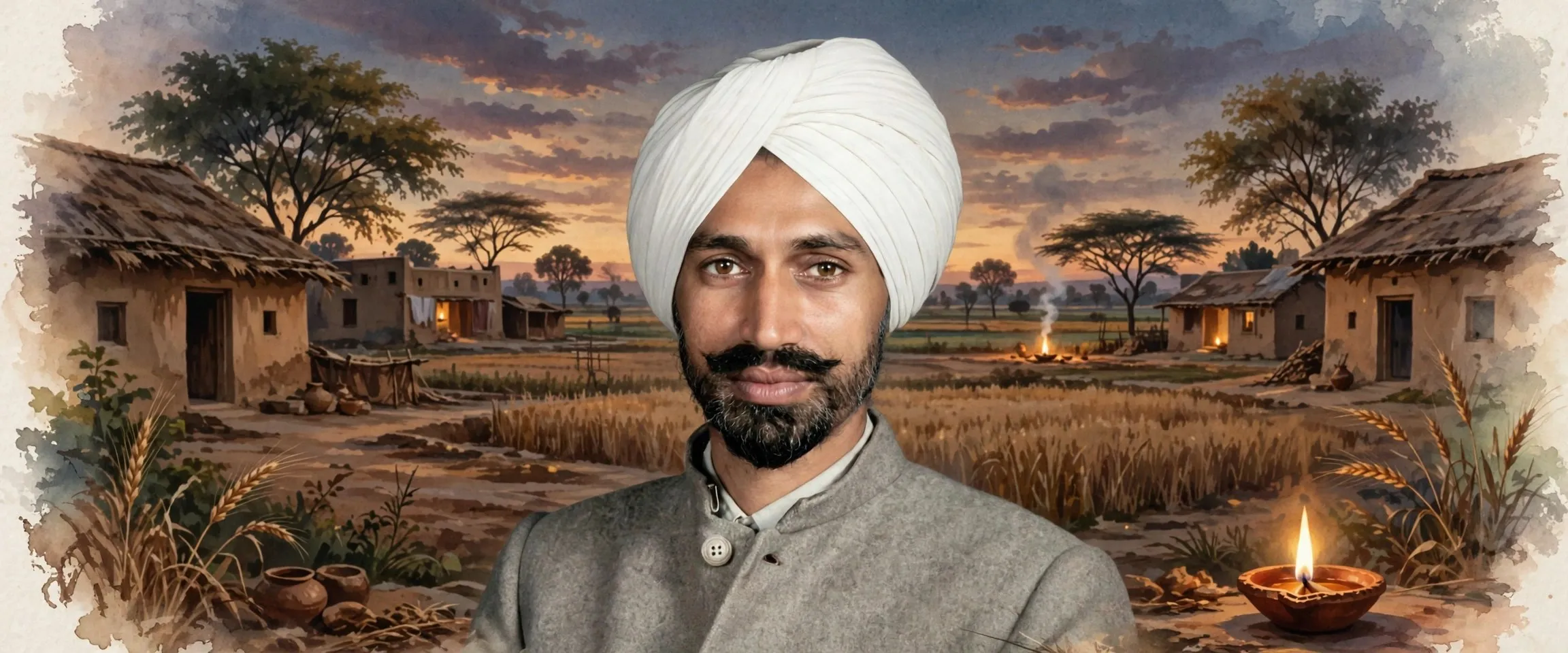
ਮੜ੍ਹੀ ਦਾ ਦੀਵਾ ਗੁਰਦਿਆਲ ਸਿੰਘ (1933 ਤੋਂ 2016) ਦਾ 1964 ਵਿੱਚ ਛਪਿਆ ਪੰਜਾਬੀ ਨਾਵਲ ਹੈ, ਜਿਸ ਨੂੰ ਆਧੁਨਿਕ ਪੰਜਾਬੀ ਸਾਹਿਤ ਦੀ ਮਸ਼ਹੂਰ ਰਚਨਾ ਮੰਨਿਆ ਜਾਂਦਾ ਹੈ। ਇਹ ਮਾਲਵੇ ਦੇ ਇੱਕ ਪਿੰਡ ਦੇ ਬੇਜ਼ਮੀਨੇ ਦਲਿਤ ਮਜ਼ਦੂਰ ਜਗਸੀਰ ਦੀ ਕਹਾਣੀ ਹੈ, ਜਿਸ ਦੀ ਤੋਹਫ਼ੇ ਵਿੱਚ ਮਿਲੀ ਛੋਟੀ ਜਿਹੀ ਜ਼ਮੀਨ ਜ਼ਿਮੀਂਦਾਰ ਦੇ ਪੁੱਤਰ ਭੰਤਾ ਨੇ ਖੋਹ ਲਈ, ਜਿਸ ਦੀ ਮਾਂ ਨੰਦੀ ਸਦਮੇ ਨਾਲ ਮਰ ਗਈ ਅਤੇ ਜਿਸ ਦਾ ਆਪਣੇ ਦੋਸਤ ਨਿੱਕੇ ਦੀ ਪਤਨੀ ਭਾਨੀ ਨਾਲ ਪਿਆਰ ਕਦੇ ਬੋਲਿਆ ਨਾ ਜਾ ਸਕਿਆ। ਨਾਵਲ ਦੇ ਅੰਤ ਵਿੱਚ ਭਾਨੀ ਜਗਸੀਰ ਦੀ ਮੜ੍ਹੀ ਉੱਤੇ ਦੀਵਾ ਜਗਾਉਂਦੀ ਹੈ, ਜੋ ਪੰਜਾਬ ਦੇ ਦੱਬੇ-ਕੁਚਲੇ ਲੋਕਾਂ ਲਈ ਉਮੀਦ ਦੀ ਇੱਕ ਛੋਟੀ ਜਿਹੀ ਲੋਅ ਹੈ।
ਪੰਜਾਬੀ, ਗੁਰਮੁਖੀ, ਅੰਗਰੇਜ਼ੀ ਅਨੁਵਾਦ ਸਮੇਤ- ਪੰਜਾਬੀ ਨਾਂ
- ਮੜ੍ਹੀ ਦਾ ਦੀਵਾ
- ਲੇਖਕ
- ਗੁਰਦਿਆਲ ਸਿੰਘ (1933 ਤੋਂ 2016)
- ਪਹਿਲੀ ਵਾਰ ਛਪੀ
- 1964
- ਭਾਸ਼ਾ
- ਪੰਜਾਬੀ (ਗੁਰਮੁਖੀ)
- ਰੂਪ
- ਨਾਵਲ
- ਪਿਛੋਕੜ
- ਮਾਲਵੇ ਦਾ ਇੱਕ ਖੇਤੀ-ਬਾੜੀ ਵਾਲਾ ਪਿੰਡ, ਪੰਜਾਬ
All 9 facts
- ਮੁੱਖ ਪਾਤਰ
- ਜਗਸੀਰ, ਇੱਕ ਬੇਜ਼ਮੀਨਾ ਦਲਿਤ ਮਜ਼ਦੂਰ
- ਅੰਗਰੇਜ਼ੀ ਅਨੁਵਾਦ
- The Last Flicker, ਅਨੁਵਾਦ ਅਜਮੇਰ ਰੋਡੇ (ਸਾਹਿਤ ਅਕਾਦਮੀ, 1991; ਸੋਧਿਆ ਸੰਸਕਰਣ, ਨੈਸ਼ਨਲ ਬੁੱਕ ਟਰੱਸਟ, 2010)
- ਫ਼ਿਲਮ
- ਮੜ੍ਹੀ ਦਾ ਦੀਵਾ (1989), ਨਿਰਦੇਸ਼ਕ ਸੁਰਿੰਦਰ ਸਿੰਘ
ਪਾਤਰ
Marhi Da Diva, in English The Lamp on the Memorial, is a Punjabi novel by Gurdial Singh (1933 to 2016), published in 1964. It tells the story of Jagseer, a landless Dalit labourer in a village in the Malwa region of Punjab, and the small plot of land, the love and the dignity that are all taken from him. It is widely regarded as a modern classic of Punjabi fiction, the first major Punjabi novel to put a Dalit labourer at its centre, and it was translated into English as The Last Flicker.
What is Marhi Da Diva about?
The novel is set in a farming village in Malwa, where life runs on land, caste and old debts of gratitude. Dharam Singh is a farmer of standing. Years earlier, his father had brought Thola, a landless labourer, to the village, treated him as a brother and gifted him four bighas of land. After Thola dies, Dharam Singh looks after Thola's son Jagseer and his mother Nandi as his own family.
Then Dharam Singh grows old and his position in his own family weakens. His son Bhanta has always resented his father's affection for Jagseer. Bhanta takes back the land his grandfather had gifted to Thola and razes to the ground the marhi, the small memorial mound, that Jagseer built in his father's memory. The shock kills the ageing Nandi. Jagseer, who has lost land, mother and standing in one stroke, is left with nothing.
The other wound in Jagseer's life is love. He loves Bhani, the wife of his friend Nikka, the village barber. It is a quiet, unspoken love that can never become a marriage, and it eats away at him. Lonely and broken, Jagseer turns to opium, and the drug hastens his death. The novel follows this slow unravelling with patience, never rushing Jagseer toward tragedy, and never looking away from it either.
A love that could not be spoken
Bhani is one of the most quietly drawn characters in Punjabi fiction. She is married to Nikka, and her life with him is hard. She cares for Jagseer, and the feeling between them is real, but the village, caste and marriage leave it no room. Gurdial Singh does not make their love a rebellion. He shows it as it is: tender, hopeless and entirely human, and that restraint is what makes it linger.
Around them stand the other villagers: Dhanno, Dharam Singh's wife, and Raunki, the waterman, whose wife left him without warning and who takes refuge in opium. Each of them is struggling to make ends meet and to find meaning in a life that offers little of either. The novel's power comes from this chorus of small, thwarted lives, not from any single villain.
Why the lamp matters
Marhi means a memorial mound raised over a grave, and diva means a lamp. The title holds the whole novel. At the end, after Jagseer's death, Bhani lights a lamp on his marhi. It is a small act, done in the open, by a woman who could never speak her love while he lived.
The lamp is the novel's answer to everything that came before it. It says that a life the village counted as worthless still deserves light, and that the poor and the downtrodden are not forgotten when someone remembers them. Readers and critics have read the ending as a note of hope: the light on the grave stands for better times waiting to reward hard-working people, and for the dignity that no landlord can seize.
A new kind of hero for Punjabi fiction
Before Marhi Da Diva, the heroes of Punjabi novels were usually men of standing: landowners, soldiers, men with names that carried weight. Gurdial Singh broke with that tradition and put a landless Dalit labourer at the centre of a novel. Jagseer owns almost nothing, marries no one and wins no battle, yet the whole book turns on him. The novel introduced Punjabi literature's first Dalit hero, and it opened the door for a generation of writing about people who had been left out of fiction.
The book is written in the Malwai dialect of the Malwa region, and it was praised as one of the best novels written in a regional dialect. Its characters were drawn from real people Gurdial Singh had known, woven into a story he invented. He worked on the novel for four years and wrote four different versions before he was satisfied with the fourth, which was published in 1964. The book won a literary award from the Language Department in Patiala.
ਲੇਖਕ
Gurdial Singh was born on 10 January 1933 in Bhaini Fateh, a village near Jaitu in what is now Faridkot district. His father was a carpenter, and the young Gurdial worked alongside him from the age of twelve, making wheels for bullock carts and shaping metal sheets for water tanks. A school headmaster persuaded his father to let him study, and he went on to become a schoolteacher while he educated himself, taking a BA and then an MA in 1967.
He began writing in 1957 with the short story Bhaganwale, and Marhi Da Diva, his first novel, made his name. He went on to write novels including Anhoe (1966), Adh Chanani Raat (1972), which won the Sahitya Akademi Award in 1975, Anhe Ghore Da Daan (1976) and Parsa (1991), along with short stories, plays, children's books and a two-part autobiography. He received the Padma Shri in 1998 and the Jnanpith Award, India's highest literary honour, in 1999. He died on 16 August 2016 in Bathinda, aged 83.
Reception and legacy
Marhi Da Diva was translated into English by Ajmer Rode as The Last Flicker, first published by the Sahitya Akademi in 1991, with a revised edition from the National Book Trust in 2010. The novel was also made into a Punjabi film, Marhi Da Deeva, in 1989, directed by Surinder Singh. Gurdial Singh's later novel Anhe Ghore Da Daan was filmed in 2011 by Gurvinder Singh.
More than sixty years after it appeared, Marhi Da Diva is still read as the book that changed what a Punjabi novel could be about. It showed that the life of a landless labourer, told in the language of his own region, could carry a whole novel, and that a lamp lit on a forgotten grave could be an ending worth remembering. For readers coming to Punjabi fiction for the first time, it remains one of the best places to start.
ਮੜ੍ਹੀ ਦਾ ਦੀਵਾ ਗੁਰਦਿਆਲ ਸਿੰਘ (1933 ਤੋਂ 2016) ਦਾ ਪੰਜਾਬੀ ਨਾਵਲ ਹੈ, ਜੋ 1964 ਵਿੱਚ ਛਪਿਆ। ਇਹ ਮਾਲਵੇ ਦੇ ਇੱਕ ਪਿੰਡ ਦੇ ਬੇਜ਼ਮੀਨੇ ਦਲਿਤ ਮਜ਼ਦੂਰ ਜਗਸੀਰ ਦੀ ਕਹਾਣੀ ਹੈ, ਜਿਸ ਤੋਂ ਜ਼ਮੀਨ, ਪਿਆਰ ਅਤੇ ਇੱਜ਼ਤ ਸਭ ਕੁਝ ਖੋਹ ਲਿਆ ਜਾਂਦਾ ਹੈ। ਇਸ ਨੂੰ ਆਧੁਨਿਕ ਪੰਜਾਬੀ ਗਲਪ ਦੀ ਮਸ਼ਹੂਰ ਰਚਨਾ ਮੰਨਿਆ ਜਾਂਦਾ ਹੈ, ਜੋ ਕਿਸੇ ਦਲਿਤ ਮਜ਼ਦੂਰ ਨੂੰ ਕੇਂਦਰ ਵਿੱਚ ਰੱਖਣ ਵਾਲਾ ਪਹਿਲਾ ਵੱਡਾ ਪੰਜਾਬੀ ਨਾਵਲ ਹੈ, ਅਤੇ ਇਸ ਦਾ ਅੰਗਰੇਜ਼ੀ ਅਨੁਵਾਦ The Last Flicker ਵਜੋਂ ਛਪਿਆ।
ਮੜ੍ਹੀ ਦਾ ਦੀਵਾ ਕਿਸ ਬਾਰੇ ਹੈ?
ਨਾਵਲ ਮਾਲਵੇ ਦੇ ਇੱਕ ਖੇਤੀ-ਬਾੜੀ ਵਾਲੇ ਪਿੰਡ ਵਿੱਚ ਵਾਪਰਦਾ ਹੈ, ਜਿੱਥੇ ਜ਼ਿੰਦਗੀ ਜ਼ਮੀਨ, ਜ਼ਾਤ ਅਤੇ ਪੁਰਾਣੇ ਅਹਿਸਾਨਾਂ ਉੱਤੇ ਚੱਲਦੀ ਹੈ। ਧਰਮ ਸਿੰਘ ਪਿੰਡ ਦਾ ਇੱਕ ਇੱਜ਼ਤਦਾਰ ਕਿਸਾਨ ਹੈ। ਕਈ ਸਾਲ ਪਹਿਲਾਂ ਉਸ ਦੇ ਪਿਤਾ ਨੇ ਥੋਲੇ ਨੂੰ, ਇੱਕ ਬੇਜ਼ਮੀਨੇ ਮਜ਼ਦੂਰ ਨੂੰ, ਆਪਣੇ ਪਿੰਡ ਲਿਆਂਦਾ ਸੀ, ਉਸ ਨੂੰ ਆਪਣਾ ਭਰਾ ਮੰਨਿਆ ਸੀ ਅਤੇ ਚਾਰ ਬਿੱਘੇ ਜ਼ਮੀਨ ਤੋਹਫ਼ੇ ਵਿੱਚ ਦਿੱਤੀ ਸੀ। ਥੋਲੇ ਦੀ ਮੌਤ ਤੋਂ ਬਾਅਦ ਧਰਮ ਸਿੰਘ ਨੇ ਉਸ ਦੇ ਪੁੱਤਰ ਜਗਸੀਰ ਅਤੇ ਉਸ ਦੀ ਮਾਂ ਨੰਦੀ ਦੀ ਆਪਣੇ ਪਰਿਵਾਰ ਵਾਂਗ ਦੇਖਭਾਲ ਕੀਤੀ।
ਫਿਰ ਧਰਮ ਸਿੰਘ ਬੁੱਢਾ ਹੋ ਜਾਂਦਾ ਹੈ ਅਤੇ ਆਪਣੇ ਹੀ ਪਰਿਵਾਰ ਵਿੱਚ ਉਸ ਦੀ ਸਥਿਤੀ ਕਮਜ਼ੋਰ ਪੈ ਜਾਂਦੀ ਹੈ। ਉਸ ਦਾ ਪੁੱਤਰ ਭੰਤਾ ਹਮੇਸ਼ਾ ਤੋਂ ਆਪਣੇ ਪਿਤਾ ਦੇ ਜਗਸੀਰ ਨਾਲ ਪਿਆਰ ਤੋਂ ਨਾਰਾਜ਼ ਰਿਹਾ ਹੈ। ਭੰਤਾ ਉਹ ਜ਼ਮੀਨ ਵਾਪਸ ਖੋਹ ਲੈਂਦਾ ਹੈ, ਜੋ ਉਸ ਦੇ ਦਾਦੇ ਨੇ ਥੋਲੇ ਨੂੰ ਤੋਹਫ਼ੇ ਵਿੱਚ ਦਿੱਤੀ ਸੀ, ਅਤੇ ਉਹ ਮੜ੍ਹੀ ਵੀ ਢਾਹ ਦਿੰਦਾ ਹੈ, ਜੋ ਜਗਸੀਰ ਨੇ ਆਪਣੇ ਪਿਤਾ ਦੀ ਯਾਦ ਵਿੱਚ ਬਣਾਈ ਸੀ। ਇਸ ਸਦਮੇ ਨਾਲ ਬੁੱਢੀ ਨੰਦੀ ਦੀ ਮੌਤ ਹੋ ਜਾਂਦੀ ਹੈ। ਜਗਸੀਰ ਇੱਕੋ ਝਟਕੇ ਵਿੱਚ ਜ਼ਮੀਨ, ਮਾਂ ਅਤੇ ਇੱਜ਼ਤ ਸਭ ਕੁਝ ਗੁਆ ਬੈਠਦਾ ਹੈ।
ਜਗਸੀਰ ਦੀ ਜ਼ਿੰਦਗੀ ਦਾ ਦੂਜਾ ਜ਼ਖ਼ਮ ਪਿਆਰ ਹੈ। ਉਹ ਭਾਨੀ ਨੂੰ ਪਿਆਰ ਕਰਦਾ ਹੈ, ਜੋ ਉਸ ਦੇ ਦੋਸਤ ਨਿੱਕੇ, ਪਿੰਡ ਦੇ ਨਾਈ, ਦੀ ਪਤਨੀ ਹੈ। ਇਹ ਇੱਕ ਚੁੱਪ-ਚਾਪ, ਅਣਕਿਹਾ ਪਿਆਰ ਹੈ, ਜੋ ਕਦੇ ਵਿਆਹ ਨਹੀਂ ਬਣ ਸਕਦਾ, ਅਤੇ ਇਹ ਉਸ ਨੂੰ ਅੰਦਰੋਂ ਖਾਈ ਜਾਂਦਾ ਹੈ। ਇਕੱਲਾ ਅਤੇ ਟੁੱਟਿਆ ਹੋਇਆ ਜਗਸੀਰ ਅਫ਼ੀਮ ਵੱਲ ਮੁੜਦਾ ਹੈ, ਅਤੇ ਨਸ਼ਾ ਉਸ ਦੀ ਮੌਤ ਨੂੰ ਨੇੜੇ ਲੈ ਆਉਂਦਾ ਹੈ। ਨਾਵਲ ਇਸ ਹੌਲੀ-ਹੌਲੀ ਬਰਬਾਦੀ ਨੂੰ ਧੀਰਜ ਨਾਲ ਦਿਖਾਉਂਦਾ ਹੈ, ਨਾ ਜਗਸੀਰ ਨੂੰ ਜਲਦੀ ਦੁੱਖ ਵੱਲ ਧੱਕਦਾ ਹੈ ਅਤੇ ਨਾ ਹੀ ਉਸ ਤੋਂ ਮੂੰਹ ਮੋੜਦਾ ਹੈ।
ਉਹ ਪਿਆਰ ਜੋ ਕਦੇ ਬੋਲਿਆ ਨਾ ਜਾ ਸਕਿਆ
ਭਾਨੀ ਪੰਜਾਬੀ ਗਲਪ ਦੇ ਸਭ ਤੋਂ ਚੁੱਪ-ਚਾਪ ਉਲੀਕੇ ਗਏ ਪਾਤਰਾਂ ਵਿੱਚੋਂ ਇੱਕ ਹੈ। ਉਹ ਨਿੱਕੇ ਨਾਲ ਵਿਆਹੀ ਹੋਈ ਹੈ, ਅਤੇ ਉਸ ਦਾ ਜੀਵਨ ਔਖਾ ਹੈ। ਉਹ ਜਗਸੀਰ ਦੀ ਪਰਵਾਹ ਕਰਦੀ ਹੈ, ਅਤੇ ਦੋਵਾਂ ਵਿਚਕਾਰ ਭਾਵਨਾ ਸੱਚੀ ਹੈ, ਪਰ ਪਿੰਡ, ਜ਼ਾਤ ਅਤੇ ਵਿਆਹ ਉਸ ਨੂੰ ਕੋਈ ਥਾਂ ਨਹੀਂ ਦਿੰਦੇ। ਗੁਰਦਿਆਲ ਸਿੰਘ ਉਨ੍ਹਾਂ ਦੇ ਪਿਆਰ ਨੂੰ ਬਗ਼ਾਵਤ ਨਹੀਂ ਬਣਾਉਂਦਾ। ਉਹ ਇਸ ਨੂੰ ਜਿਵੇਂ ਹੈ, ਉਵੇਂ ਦਿਖਾਉਂਦਾ ਹੈ: ਕੋਮਲ, ਨਿਰਾਸ਼ ਅਤੇ ਪੂਰੀ ਤਰ੍ਹਾਂ ਮਨੁੱਖੀ, ਅਤੇ ਇਹੀ ਸੰਜਮ ਇਸ ਨੂੰ ਯਾਦਗਾਰ ਬਣਾਉਂਦਾ ਹੈ।
ਉਨ੍ਹਾਂ ਦੇ ਆਲੇ-ਦੁਆਲੇ ਪਿੰਡ ਦੇ ਹੋਰ ਲੋਕ ਹਨ: ਧੰਨੋ, ਧਰਮ ਸਿੰਘ ਦੀ ਪਤਨੀ, ਅਤੇ ਰੌਂਕੀ, ਪਾਣੀ ਭਰਨ ਵਾਲਾ, ਜਿਸ ਦੀ ਪਤਨੀ ਬਿਨਾਂ ਦੱਸਿਆਂ ਉਸ ਨੂੰ ਛੱਡ ਗਈ ਸੀ ਅਤੇ ਜੋ ਅਫ਼ੀਮ ਵਿੱਚ ਸਹਾਰਾ ਲੱਭਦਾ ਹੈ। ਹਰ ਕੋਈ ਰੋਜ਼ੀ-ਰੋਟੀ ਅਤੇ ਜੀਵਨ ਦਾ ਅਰਥ ਲੱਭਣ ਲਈ ਜੂਝ ਰਿਹਾ ਹੈ। ਨਾਵਲ ਦੀ ਤਾਕਤ ਇਨ੍ਹਾਂ ਛੋਟੀਆਂ, ਹਾਰੀਆਂ ਹੋਈਆਂ ਜ਼ਿੰਦਗੀਆਂ ਦੇ ਸਮੂਹ ਵਿੱਚ ਹੈ, ਕਿਸੇ ਇੱਕ ਖਲਨਾਇਕ ਵਿੱਚ ਨਹੀਂ।
ਦੀਵਾ ਕਿਉਂ ਮਹੱਤਵ ਰੱਖਦਾ ਹੈ
ਮੜ੍ਹੀ ਦਾ ਅਰਥ ਹੈ ਕਬਰ ਉੱਤੇ ਬਣਾਈ ਗਈ ਯਾਦਗਾਰੀ ਢੇਰੀ, ਅਤੇ ਦੀਵਾ ਦਾ ਅਰਥ ਹੈ ਚਿਰਾਗ। ਸਿਰਲੇਖ ਵਿੱਚ ਹੀ ਪੂਰਾ ਨਾਵਲ ਸਮਾਇਆ ਹੋਇਆ ਹੈ। ਅੰਤ ਵਿੱਚ, ਜਗਸੀਰ ਦੀ ਮੌਤ ਤੋਂ ਬਾਅਦ, ਭਾਨੀ ਉਸ ਦੀ ਮੜ੍ਹੀ ਉੱਤੇ ਦੀਵਾ ਜਗਾਉਂਦੀ ਹੈ। ਇਹ ਇੱਕ ਛੋਟਾ ਜਿਹਾ ਕੰਮ ਹੈ, ਖੁੱਲ੍ਹੇਆਮ ਕੀਤਾ ਗਿਆ, ਇੱਕ ਔਰਤ ਵੱਲੋਂ, ਜੋ ਉਸ ਦੇ ਜਿਉਂਦੇ-ਜੀਅ ਆਪਣਾ ਪਿਆਰ ਕਦੇ ਬੋਲ ਨਾ ਸਕੀ।
ਦੀਵਾ ਨਾਵਲ ਦਾ ਜਵਾਬ ਹੈ, ਉਸ ਸਭ ਕੁਝ ਦਾ, ਜੋ ਪਹਿਲਾਂ ਵਾਪਰਿਆ। ਇਹ ਕਹਿੰਦਾ ਹੈ ਕਿ ਇੱਕ ਜੀਵਨ, ਜਿਸ ਨੂੰ ਪਿੰਡ ਨੇ ਬੇਕਾਰ ਸਮਝਿਆ, ਫਿਰ ਵੀ ਰੌਸ਼ਨੀ ਦਾ ਹੱਕਦਾਰ ਹੈ, ਅਤੇ ਗਰੀਬ ਤੇ ਦੱਬੇ ਹੋਏ ਲੋਕ ਭੁਲਾਏ ਨਹੀਂ ਜਾਂਦੇ, ਜਦੋਂ ਕੋਈ ਉਨ੍ਹਾਂ ਨੂੰ ਯਾਦ ਰੱਖਦਾ ਹੈ। ਪਾਠਕਾਂ ਅਤੇ ਆਲੋਚਕਾਂ ਨੇ ਇਸ ਅੰਤ ਨੂੰ ਉਮੀਦ ਦੀ ਕਿਰਨ ਵਜੋਂ ਪੜ੍ਹਿਆ ਹੈ: ਕਬਰ ਉੱਤੇ ਰੌਸ਼ਨੀ ਮਿਹਨਤੀ ਲੋਕਾਂ ਲਈ ਚੰਗੇ ਸਮੇਂ ਦੀ ਉਮੀਦ ਹੈ, ਅਤੇ ਉਸ ਇੱਜ਼ਤ ਦੀ ਨਿਸ਼ਾਨੀ ਹੈ, ਜਿਸ ਨੂੰ ਕੋਈ ਜ਼ਿਮੀਂਦਾਰ ਖੋਹ ਨਹੀਂ ਸਕਦਾ।
ਪੰਜਾਬੀ ਗਲਪ ਲਈ ਇੱਕ ਨਵਾਂ ਹੀਰੋ
ਮੜ੍ਹੀ ਦਾ ਦੀਵਾ ਤੋਂ ਪਹਿਲਾਂ ਪੰਜਾਬੀ ਨਾਵਲਾਂ ਦੇ ਹੀਰੋ ਆਮ ਤੌਰ ਉੱਤੇ ਇੱਜ਼ਤਦਾਰ ਆਦਮੀ ਹੁੰਦੇ ਸਨ: ਜ਼ਿਮੀਂਦਾਰ, ਸਿਪਾਹੀ, ਉਹ ਆਦਮੀ ਜਿਨ੍ਹਾਂ ਦੇ ਨਾਂ ਭਾਰ ਰੱਖਦੇ ਸਨ। ਗੁਰਦਿਆਲ ਸਿੰਘ ਨੇ ਇਸ ਪਰੰਪਰਾ ਨੂੰ ਤੋੜਿਆ ਅਤੇ ਇੱਕ ਬੇਜ਼ਮੀਨੇ ਦਲਿਤ ਮਜ਼ਦੂਰ ਨੂੰ ਨਾਵਲ ਦੇ ਕੇਂਦਰ ਵਿੱਚ ਰੱਖ ਦਿੱਤਾ। ਜਗਸੀਰ ਕੋਲ਼ ਲਗਭਗ ਕੁਝ ਵੀ ਨਹੀਂ, ਉਸ ਦਾ ਵਿਆਹ ਕਿਸੇ ਨਾਲ ਨਹੀਂ ਹੁੰਦਾ ਅਤੇ ਉਹ ਕੋਈ ਜੰਗ ਨਹੀਂ ਜਿੱਤਦਾ, ਫਿਰ ਵੀ ਪੂਰਾ ਨਾਵਲ ਉਸ ਦੇ ਦੁਆਲੇ ਘੁੰਮਦਾ ਹੈ। ਇਸ ਨਾਵਲ ਨੇ ਪੰਜਾਬੀ ਸਾਹਿਤ ਨੂੰ ਪਹਿਲਾ ਦਲਿਤ ਹੀਰੋ ਦਿੱਤਾ ਅਤੇ ਉਨ੍ਹਾਂ ਲੋਕਾਂ ਬਾਰੇ ਲਿਖਣ ਦਾ ਰਾਹ ਖੋਲ੍ਹਿਆ, ਜਿਨ੍ਹਾਂ ਨੂੰ ਗਲਪ ਵਿੱਚੋਂ ਬਾਹਰ ਰੱਖਿਆ ਗਿਆ ਸੀ।
ਇਹ ਕਿਤਾਬ ਮਾਲਵੇ ਦੀ ਮਲਵਈ ਬੋਲੀ ਵਿੱਚ ਲਿਖੀ ਗਈ ਹੈ ਅਤੇ ਇਸ ਨੂੰ ਖੇਤਰੀ ਬੋਲੀ ਵਿੱਚ ਲਿਖੇ ਸਭ ਤੋਂ ਵਧੀਆ ਨਾਵਲਾਂ ਵਿੱਚੋਂ ਇੱਕ ਮੰਨਿਆ ਗਿਆ। ਇਸ ਦੇ ਪਾਤਰ ਉਨ੍ਹਾਂ ਅਸਲੀ ਲੋਕਾਂ ਤੋਂ ਲਏ ਗਏ ਹਨ, ਜਿਨ੍ਹਾਂ ਨੂੰ ਗੁਰਦਿਆਲ ਸਿੰਘ ਜਾਣਦਾ ਸੀ, ਅਤੇ ਉਨ੍ਹਾਂ ਨੂੰ ਇੱਕ ਮਨਘੜਤ ਕਹਾਣੀ ਵਿੱਚ ਪਰੋਇਆ ਗਿਆ ਹੈ। ਉਸ ਨੇ ਚਾਰ ਸਾਲ ਇਸ ਨਾਵਲ ਉੱਤੇ ਕੰਮ ਕੀਤਾ ਅਤੇ ਚਾਰ ਵੱਖ-ਵੱਖ ਖਰੜੇ ਲਿਖੇ, ਜਦੋਂ ਤੱਕ ਚੌਥਾ ਖਰੜਾ ਉਸ ਨੂੰ ਪਸੰਦ ਨਾ ਆਇਆ, ਜੋ 1964 ਵਿੱਚ ਛਪਿਆ। ਇਸ ਕਿਤਾਬ ਨੂੰ ਪਟਿਆਲਾ ਦੇ ਭਾਸ਼ਾ ਵਿਭਾਗ ਵੱਲੋਂ ਸਾਹਿਤਕ ਇਨਾਮ ਮਿਲਿਆ।
ਲੇਖਕ
ਗੁਰਦਿਆਲ ਸਿੰਘ ਦਾ ਜਨਮ 10 ਜਨਵਰੀ 1933 ਨੂੰ ਜੈਤੋ ਨੇੜੇ ਇੱਕ ਪਿੰਡ ਵਿੱਚ ਹੋਇਆ। ਉਸ ਦਾ ਪਿਤਾ ਤਰਖਾਣ ਸੀ, ਅਤੇ ਛੋਟਾ ਗੁਰਦਿਆਲ ਬਾਰਾਂ ਸਾਲ ਦੀ ਉਮਰ ਤੋਂ ਉਸ ਨਾਲ ਕੰਮ ਕਰਦਾ ਸੀ, ਬਲਦ-ਗੱਡੀਆਂ ਦੇ ਪਹੀਏ ਬਣਾਉਂਦਾ ਸੀ ਅਤੇ ਪਾਣੀ ਦੀਆਂ ਟੈਂਕੀਆਂ ਲਈ ਲੋਹੇ ਦੀਆਂ ਚਾਦਰਾਂ ਨੂੰ ਆਕਾਰ ਦਿੰਦਾ ਸੀ। ਇੱਕ ਸਕੂਲ ਦੇ ਹੈੱਡਮਾਸਟਰ ਨੇ ਉਸ ਦੇ ਪਿਤਾ ਨੂੰ ਮਨਾਇਆ ਕਿ ਉਸ ਨੂੰ ਪੜ੍ਹਨ ਦਿੱਤਾ ਜਾਵੇ, ਅਤੇ ਉਹ ਸਕੂਲ ਅਧਿਆਪਕ ਬਣ ਗਿਆ, ਜਦੋਂ ਕਿ ਆਪਣੀ ਪੜ੍ਹਾਈ ਜਾਰੀ ਰੱਖੀ, ਬੀ.ਏ. ਕੀਤੀ ਅਤੇ ਫਿਰ 1967 ਵਿੱਚ ਐਮ.ਏ. ਕੀਤੀ।
ਉਸ ਨੇ 1957 ਵਿੱਚ ਕਹਾਣੀ ਭਾਗਾਂਵਾਲੇ ਨਾਲ ਲਿਖਣਾ ਸ਼ੁਰੂ ਕੀਤਾ, ਅਤੇ ਮੜ੍ਹੀ ਦਾ ਦੀਵਾ, ਉਸ ਦਾ ਪਹਿਲਾ ਨਾਵਲ, ਨੇ ਉਸ ਨੂੰ ਮਸ਼ਹੂਰ ਕਰ ਦਿੱਤਾ। ਫਿਰ ਉਸ ਨੇ ਅਣਹੋਏ (1966), ਅੱਧ ਚਾਨਣੀ ਰਾਤ (1972), ਜਿਸ ਨੂੰ 1975 ਵਿੱਚ ਸਾਹਿਤ ਅਕਾਦਮੀ ਪੁਰਸਕਾਰ ਮਿਲਿਆ, ਅੰਨ੍ਹੇ ਘੋੜੇ ਦਾ ਦਾਨ (1976) ਅਤੇ ਪਰਸਾ (1991) ਸਮੇਤ ਹੋਰ ਨਾਵਲ ਲਿਖੇ, ਨਾਲ ਹੀ ਕਹਾਣੀਆਂ, ਨਾਟਕ, ਬਾਲ ਸਾਹਿਤ ਅਤੇ ਦੋ ਭਾਗਾਂ ਵਿੱਚ ਆਤਮਕਥਾ ਵੀ ਲਿਖੀ। ਉਸ ਨੂੰ 1998 ਵਿੱਚ ਪਦਮ ਸ਼੍ਰੀ ਅਤੇ 1999 ਵਿੱਚ ਗਿਆਨਪੀਠ ਪੁਰਸਕਾਰ, ਭਾਰਤ ਦਾ ਸਭ ਤੋਂ ਵੱਡਾ ਸਾਹਿਤਕ ਸਨਮਾਨ, ਮਿਲਿਆ। ਉਸ ਦੀ ਮੌਤ 16 ਅਗਸਤ 2016 ਨੂੰ ਬਠਿੰਡਾ ਵਿੱਚ ਹੋਈ, ਜਦੋਂ ਉਹ 83 ਸਾਲ ਦਾ ਸੀ।
ਸਵਾਗਤ ਅਤੇ ਵਿਰਾਸਤ
ਮੜ੍ਹੀ ਦਾ ਦੀਵਾ ਦਾ ਅੰਗਰੇਜ਼ੀ ਅਨੁਵਾਦ ਅਜਮੇਰ ਰੋਡੇ ਨੇ The Last Flicker ਵਜੋਂ ਕੀਤਾ, ਜੋ ਪਹਿਲੀ ਵਾਰ 1991 ਵਿੱਚ ਸਾਹਿਤ ਅਕਾਦਮੀ ਵੱਲੋਂ ਛਪਿਆ, ਅਤੇ ਸੋਧਿਆ ਹੋਇਆ ਸੰਸਕਰਣ 2010 ਵਿੱਚ ਨੈਸ਼ਨਲ ਬੁੱਕ ਟਰੱਸਟ ਵੱਲੋਂ ਛਪਿਆ। ਇਸ ਨਾਵਲ ਉੱਤੇ 1989 ਵਿੱਚ ਪੰਜਾਬੀ ਫ਼ਿਲਮ ਮੜ੍ਹੀ ਦਾ ਦੀਵਾ ਵੀ ਬਣੀ, ਜਿਸ ਦਾ ਨਿਰਦੇਸ਼ਨ ਸੁਰਿੰਦਰ ਸਿੰਘ ਨੇ ਕੀਤਾ। ਗੁਰਦਿਆਲ ਸਿੰਘ ਦੇ ਬਾਅਦ ਵਾਲੇ ਨਾਵਲ ਅੰਨ੍ਹੇ ਘੋੜੇ ਦਾ ਦਾਨ ਉੱਤੇ 2011 ਵਿੱਚ ਗੁਰਵਿੰਦਰ ਸਿੰਘ ਨੇ ਫ਼ਿਲਮ ਬਣਾਈ।
ਛਪਣ ਤੋਂ ਸੱਠ ਸਾਲ ਤੋਂ ਵੱਧ ਬਾਅਦ ਵੀ ਮੜ੍ਹੀ ਦਾ ਦੀਵਾ ਉਸ ਕਿਤਾਬ ਵਜੋਂ ਪੜ੍ਹਿਆ ਜਾਂਦਾ ਹੈ, ਜਿਸ ਨੇ ਬਦਲ ਦਿੱਤਾ ਕਿ ਪੰਜਾਬੀ ਨਾਵਲ ਕਿਸ ਬਾਰੇ ਹੋ ਸਕਦਾ ਹੈ। ਇਸ ਨੇ ਦਿਖਾਇਆ ਕਿ ਇੱਕ ਬੇਜ਼ਮੀਨੇ ਮਜ਼ਦੂਰ ਦੀ ਜ਼ਿੰਦਗੀ, ਉਸ ਦੀ ਆਪਣੀ ਬੋਲੀ ਵਿੱਚ ਦੱਸੀ ਗਈ, ਇੱਕ ਪੂਰਾ ਨਾਵਲ ਚੁੱਕ ਸਕਦੀ ਹੈ, ਅਤੇ ਇੱਕ ਭੁੱਲੀ ਹੋਈ ਕਬਰ ਉੱਤੇ ਜਗਿਆ ਦੀਵਾ ਇੱਕ ਯਾਦਗਾਰ ਅੰਤ ਹੋ ਸਕਦਾ ਹੈ। ਪੰਜਾਬੀ ਗਲਪ ਵਿੱਚ ਪਹਿਲੀ ਵਾਰ ਆਉਣ ਵਾਲੇ ਪਾਠਕਾਂ ਲਈ ਇਹ ਅੱਜ ਵੀ ਸਭ ਤੋਂ ਵਧੀਆ ਸ਼ੁਰੂਆਤਾਂ ਵਿੱਚੋਂ ਇੱਕ ਹੈ।
ਐਡੀਸ਼ਨ ਅਤੇ ਅਨੁਵਾਦ
- ਮੜ੍ਹੀ ਦਾ ਦੀਵਾPunjabi · Gurmukhi · original · 1964 · Gurmukhi title: ਮੜ੍ਹੀ ਦਾ ਦੀਵਾਮੂਲ
- The Last FlickerEnglish translation by Ajmer Rode · Sahitya Akademi, 1991; revised edition, National Book Trust, 2010ਅਨੁਵਾਦ
ਲੇਖਕ

ਜੁੜੇ ਹੋਏ
ਹੋਰ ਪੜ੍ਹੋ
ਸਰੋਤ (4)
ਜੁਗਤੀ ਮੁਫ਼ਤ ਅਤੇ ਸੁਤੰਤਰ ਹੈ। ਪਾਠਕਾਂ ਦਾ ਸਹਿਯੋਗ ਕੋਸ਼ ਨੂੰ ਵਧਾਉਂਦਾ ਹੈ।
ਸਹਿਯੋਗ