
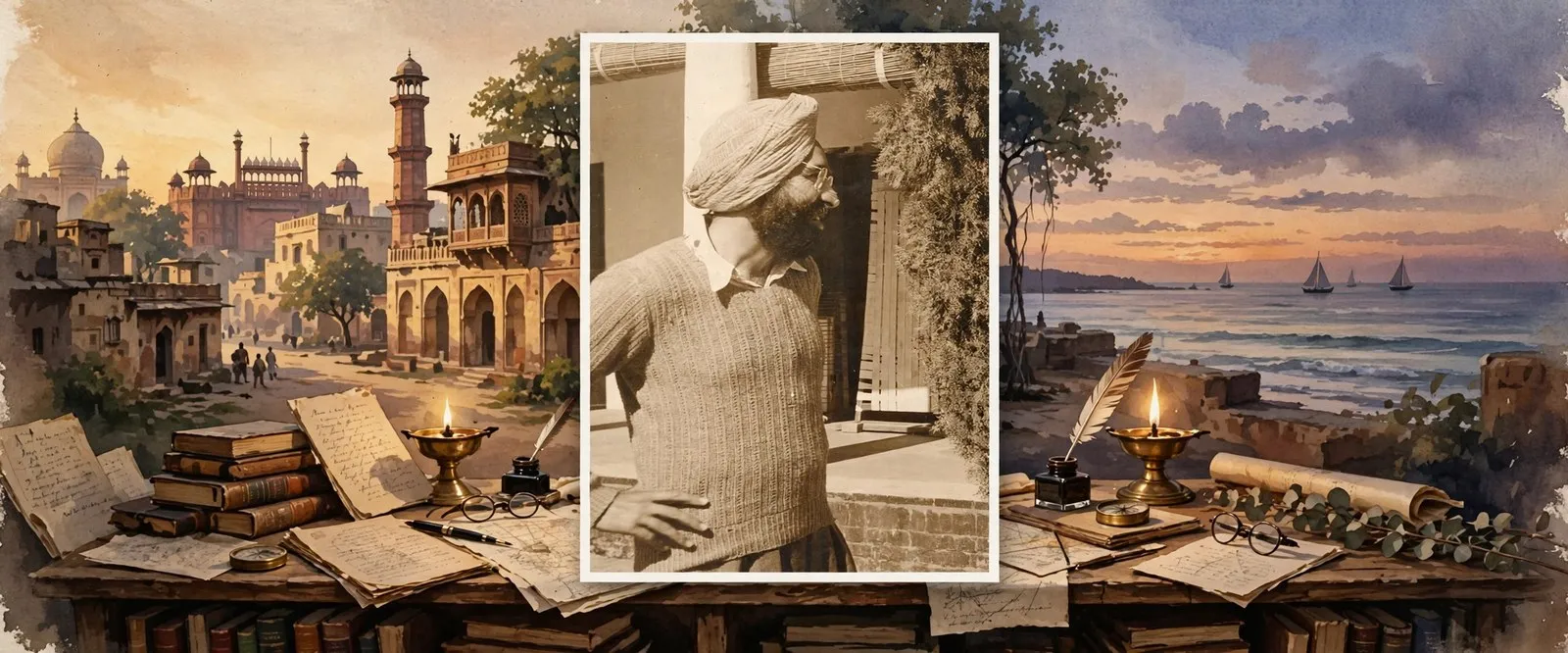
ਬਰੀਅਲ ਐਟ ਸੀ (2004) ਖੁਸ਼ਵੰਤ ਸਿੰਘ ਦਾ ਪੰਜਵਾਂ ਨਾਵਲ ਹੈ। ਇਹ ਵਿਕਟਰ ਜੈ ਭਗਵਾਨ ਦੀ ਜ਼ਿੰਦਗੀ ਦੱਸਦਾ ਹੈ, ਇੱਕ ਹੋਣਹਾਰ ਨੌਜਵਾਨ ਭਾਰਤੀ ਜੋ ਨਹਿਰੂ ਤੋਂ ਬਾਅਦ ਮਹਾਤਮਾ ਗਾਂਧੀ ਦਾ ਸਭ ਤੋਂ ਪਿਆਰਾ ਬਣ ਜਾਂਦਾ ਹੈ, ਇੰਗਲੈਂਡ ਤੋਂ ਪਰਤ ਕੇ ਭਾਰਤ ਨੂੰ ਉਦਯੋਗਾਂ ਨਾਲ ਮਜ਼ਬੂਤ ਕਰਨ ਦਾ ਫ਼ੈਸਲਾ ਕਰਦਾ ਹੈ, ਅਤੇ ਦੇਸ਼ ਦਾ ਸਭ ਤੋਂ ਵੱਡਾ ਉਦਯੋਗਪਤੀ ਬਣ ਜਾਂਦਾ ਹੈ, ਪਰ ਇੱਕ ਤਾਂਤਰਿਕ ਔਰਤ ਨਾਲ ਪ੍ਰੇਮ ਉਸ ਦਾ ਪਤਨ ਕਰ ਦਿੰਦਾ ਹੈ। ਉਹ ਹਿੰਸਾ ਨਾਲ ਮਾਰਿਆ ਜਾਂਦਾ ਹੈ, ਅਤੇ ਆਪਣੀ ਵਸੀਅਤ ਮੁਤਾਬਕ ਉਸ ਨੂੰ ਉਸ ਦੀ ਯਾਟ ਜਲ ਭਾਰਤੀ ਤੋਂ ਸਮੁੰਦਰ ਵਿੱਚ ਦਫ਼ਨਾਇਆ ਜਾਂਦਾ ਹੈ। ਆਲੋਚਕਾਂ ਨੇ ਵਿਕਟਰ ਨੂੰ ਜਵਾਹਰ ਲਾਲ ਨਹਿਰੂ ਦਾ ਚਿਤਰ ਮੰਨਿਆ ਹੈ।
ਅੰਗਰੇਜ਼ੀ- ਲੇਖਕ
- ਖੁਸ਼ਵੰਤ ਸਿੰਘ (1915 ਤੋਂ 2014)
- ਪ੍ਰਕਾਸ਼ਿਤ
- 2004 (ਪਹਿਲੀ ਵਾਰ; ਪੇਪਰਬੈਕ 2010)
- ਪ੍ਰਕਾਸ਼ਕ
- ਪੈਂਗੁਇਨ ਬੁਕਸ ਇੰਡੀਆ
- ਭਾਸ਼ਾ
- ਅੰਗਰੇਜ਼ੀ
- ਰੂਪ
- ਨਾਵਲ
- ਪੇਪਰਬੈਕ
- 156 ਸਫ਼ੇ (2010 ਸੰਸਕਰਨ)
All 8 facts
- ਆਈਐਸਬੀਐਨ
- 9780143415145 (2010 ਪੇਪਰਬੈਕ)
- ਮੁੱਖ ਪਾਤਰ
- ਵਿਕਟਰ ਜੈ ਭਗਵਾਨ
ਪਾਤਰ
About the book
Burial at Sea is Khushwant Singh's fifth novel, first published by Penguin Books India in 2004. It is a short novel, written when Singh was in his late eighties, and it returns to the territories he knew best: twentieth-century Indian history, bogus religion and sexuality. It opens with a death and ends with a burial at sea, and between the two it tells the whole life of one man, Victor Jai Bhagwan. The publisher calls it comic, tender and erotic by turns, and vintage Khushwant Singh.
The novel is a work of fiction, and Singh himself warned readers not to take it as fact. He wrote that no claim to being authentic could be made for it, and that at best it makes for interesting reading. The warning matters, because the book plays openly with the lives of famous Indians, and readers have spent years arguing about who Victor really is.
Who is Victor Jai Bhagwan?
Victor Jai Bhagwan is the son of Krishan Lal Mattoo, a middle-class Indian of the early twentieth century. As a boy he is introduced by his father to Mahatma Gandhi, and he becomes one of Gandhi's brilliant young followers. He is educated in England, at Eton and Oxford, and as a child he is given the name Victor by his English governess, Valerie Bottomley. He returns to India determined to do something no other freedom fighter is doing: to make the country strong by building its industry.
Critics have long read Victor as a portrait of Jawaharlal Nehru, with his daughter Bharati standing in for Indira Gandhi. The parallel is easy to see: the brilliant young man close to Gandhi, and the daughter who inherits his empire and his will. Singh never confirmed it, and the book works just as well if Victor is nobody but himself. The point of the character is not who he stands for but what he believes: that India should become modern by adopting Western industry and technology, not by looking back to its own traditions.
Gandhi, industry and independence
Victor adores Gandhi and respects him, but he disagrees with the Mahatma about the future of India, and the disagreement runs through the whole book. Where Gandhi preaches village life and self-reliance, Victor wants factories, machines and modern industry. When he comes home from England he sets up a textile mill on the banks of the Yamuna, and within a few years of independence he has built many more industries and become the country's biggest tycoon. In the novel's own terms he is a different kind of freedom fighter, one who fought for India with money and industry rather than with marches and jail.
ਕਿਤਾਬ ਬਾਰੇ
ਬਰੀਅਲ ਐਟ ਸੀ ਖੁਸ਼ਵੰਤ ਸਿੰਘ ਦਾ ਪੰਜਵਾਂ ਨਾਵਲ ਹੈ, ਜੋ ਪੈਂਗੁਇਨ ਬੁਕਸ ਇੰਡੀਆ ਨੇ 2004 ਵਿੱਚ ਪਹਿਲੀ ਵਾਰ ਛਾਪਿਆ ਸੀ। ਇਹ ਇੱਕ ਛੋਟਾ ਨਾਵਲ ਹੈ, ਜੋ ਉਸ ਨੇ ਆਪਣੀ ਅੱਸੀ ਦੇ ਦਹਾਕੇ ਦੇ ਅਖ਼ੀਰ ਵਿੱਚ ਲਿਖਿਆ ਸੀ, ਅਤੇ ਇਹ ਉਨ੍ਹਾਂ ਵਿਸ਼ਿਆਂ ਵੱਲ ਪਰਤਦਾ ਹੈ ਜਿਨ੍ਹਾਂ ਨੂੰ ਉਹ ਸਭ ਤੋਂ ਚੰਗੀ ਤਰ੍ਹਾਂ ਜਾਣਦਾ ਸੀ: ਵੀਹਵੀਂ ਸਦੀ ਦੇ ਭਾਰਤ ਦਾ ਇਤਿਹਾਸ, ਢੌਂਗੀ ਧਰਮ ਅਤੇ ਕਾਮੁਕਤਾ। ਇਹ ਇੱਕ ਮੌਤ ਨਾਲ ਸ਼ੁਰੂ ਹੁੰਦਾ ਹੈ ਅਤੇ ਸਮੁੰਦਰ ਵਿੱਚ ਦਫ਼ਨ ਨਾਲ ਖ਼ਤਮ ਹੁੰਦਾ ਹੈ, ਅਤੇ ਇਨ੍ਹਾਂ ਦੋਵਾਂ ਦੇ ਵਿਚਕਾਰ ਇਹ ਇੱਕ ਆਦਮੀ, ਵਿਕਟਰ ਜੈ ਭਗਵਾਨ ਦੀ ਪੂਰੀ ਜ਼ਿੰਦਗੀ ਦੱਸਦਾ ਹੈ। ਪ੍ਰਕਾਸ਼ਕ ਇਸ ਨੂੰ ਕਦੇ ਹਾਸਰਸ, ਕਦੇ ਕੋਮਲ ਅਤੇ ਕਦੇ ਕਾਮੁਕ ਕਹਿੰਦਾ ਹੈ, ਅਤੇ ਸੱਚਾ ਖੁਸ਼ਵੰਤ ਸਿੰਘ ਕਹਿੰਦਾ ਹੈ।
ਇਹ ਨਾਵਲ ਗਲਪ ਹੈ, ਅਤੇ ਸਿੰਘ ਨੇ ਖ਼ੁਦ ਪਾਠਕਾਂ ਨੂੰ ਚਿਤਾਵਨੀ ਦਿੱਤੀ ਸੀ ਕਿ ਇਸ ਨੂੰ ਸੱਚ ਨਾ ਸਮਝਿਆ ਜਾਵੇ। ਉਸ ਨੇ ਲਿਖਿਆ ਸੀ ਕਿ ਇਸ ਦੇ ਪ੍ਰਮਾਣਿਕ ਹੋਣ ਦਾ ਦਾਅਵਾ ਨਹੀਂ ਕੀਤਾ ਜਾ ਸਕਦਾ, ਅਤੇ ਵੱਧ ਤੋਂ ਵੱਧ ਇਹ ਪੜ੍ਹਨ ਵਿੱਚ ਦਿਲਚਸਪ ਹੈ। ਇਹ ਚਿਤਾਵਨੀ ਜ਼ਰੂਰੀ ਹੈ, ਕਿਉਂਕਿ ਕਿਤਾਬ ਮਸ਼ਹੂਰ ਭਾਰਤੀਆਂ ਦੀਆਂ ਜ਼ਿੰਦਗੀਆਂ ਨਾਲ ਖੁੱਲ੍ਹ ਕੇ ਖੇਡਦੀ ਹੈ, ਅਤੇ ਪਾਠਕ ਸਾਲਾਂ ਤੋਂ ਇਸ ਬਾਰੇ ਬਹਿਸ ਕਰਦੇ ਆ ਰਹੇ ਹਨ ਕਿ ਵਿਕਟਰ ਅਸਲ ਵਿੱਚ ਕੌਣ ਹੈ।
ਵਿਕਟਰ ਜੈ ਭਗਵਾਨ ਕੌਣ ਹੈ?
ਵਿਕਟਰ ਜੈ ਭਗਵਾਨ ਵੀਹਵੀਂ ਸਦੀ ਦੇ ਸ਼ੁਰੂ ਵਿੱਚ ਇੱਕ ਮੱਧ-ਵਰਗੀ ਭਾਰਤੀ ਪਰਿਵਾਰ ਵਿੱਚ ਜੰਮਿਆ ਕ੍ਰਿਸ਼ਨ ਲਾਲ ਮੱਤੂ ਦਾ ਪੁੱਤਰ ਹੈ। ਬਚਪਨ ਵਿੱਚ ਉਸ ਦੇ ਪਿਤਾ ਨੇ ਉਸ ਦੀ ਮੁਲਾਕਾਤ ਮਹਾਤਮਾ ਗਾਂਧੀ ਨਾਲ ਕਰਵਾਈ, ਅਤੇ ਉਹ ਗਾਂਧੀ ਦੇ ਹੋਣਹਾਰ ਨੌਜਵਾਨ ਚੇਲਿਆਂ ਵਿੱਚੋਂ ਇੱਕ ਬਣ ਗਿਆ। ਉਸ ਨੇ ਇੰਗਲੈਂਡ ਵਿੱਚ, ਈਟਨ ਅਤੇ ਆਕਸਫ਼ੋਰਡ ਵਿੱਚ ਪੜ੍ਹਾਈ ਕੀਤੀ, ਅਤੇ ਬਚਪਨ ਵਿੱਚ ਉਸ ਦੀ ਅੰਗਰੇਜ਼ ਗਵਰਨੈਸ ਵੈਲੇਰੀ ਬਾਟਮਲੀ ਨੇ ਉਸ ਦਾ ਨਾਂ ਵਿਕਟਰ ਰੱਖਿਆ ਸੀ। ਉਹ ਭਾਰਤ ਪਰਤਿਆ ਤਾਂ ਉਸ ਦਾ ਇਰਾਦਾ ਉਹ ਕਰਨ ਦਾ ਸੀ ਜੋ ਹੋਰ ਕੋਈ ਸੁਤੰਤਰਤਾ ਸੰਗਰਾਮੀ ਨਹੀਂ ਕਰ ਰਿਹਾ ਸੀ: ਦੇਸ਼ ਨੂੰ ਉਦਯੋਗ ਬਣਾ ਕੇ ਮਜ਼ਬੂਤ ਕਰਨਾ।
ਆਲੋਚਕਾਂ ਨੇ ਲੰਮੇ ਸਮੇਂ ਤੋਂ ਵਿਕਟਰ ਨੂੰ ਜਵਾਹਰ ਲਾਲ ਨਹਿਰੂ ਦਾ ਚਿਤਰ ਮੰਨਿਆ ਹੈ, ਅਤੇ ਉਸ ਦੀ ਧੀ ਭਾਰਤੀ ਨੂੰ ਇੰਦਰਾ ਗਾਂਧੀ ਦਾ ਚਿਤਰ ਮੰਨਿਆ ਹੈ। ਇਹ ਤੁਲਨਾ ਆਸਾਨੀ ਨਾਲ ਸਮਝ ਆਉਂਦੀ ਹੈ: ਗਾਂਧੀ ਦੇ ਨੇੜੇ ਇੱਕ ਹੋਣਹਾਰ ਨੌਜਵਾਨ, ਅਤੇ ਉਹ ਧੀ ਜਿਸ ਨੂੰ ਉਸ ਦਾ ਸਾਮਰਾਜ ਅਤੇ ਉਸ ਦੀ ਇੱਛਾ ਵਿਰਾਸਤ ਵਿੱਚ ਮਿਲਦੀ ਹੈ। ਸਿੰਘ ਨੇ ਕਦੇ ਇਸ ਦੀ ਪੁਸ਼ਟੀ ਨਹੀਂ ਕੀਤੀ, ਅਤੇ ਕਿਤਾਬ ਉਦੋਂ ਵੀ ਉਨੀ ਹੀ ਚੰਗੀ ਤਰ੍ਹਾਂ ਕੰਮ ਕਰਦੀ ਹੈ ਜੇ ਵਿਕਟਰ ਸਿਰਫ਼ ਆਪ ਹੀ ਹੋਵੇ। ਕਿਰਦਾਰ ਦਾ ਮਕਸਦ ਇਹ ਨਹੀਂ ਕਿ ਉਹ ਕਿਸ ਦੀ ਨੁਮਾਇੰਦਗੀ ਕਰਦਾ ਹੈ, ਸਗੋਂ ਇਹ ਕਿ ਉਹ ਕੀ ਮੰਨਦਾ ਹੈ: ਕਿ ਭਾਰਤ ਨੂੰ ਪੱਛਮੀ ਉਦਯੋਗ ਅਤੇ ਤਕਨਾਲੋਜੀ ਅਪਣਾ ਕੇ ਆਧੁਨਿਕ ਬਣਨਾ ਚਾਹੀਦਾ ਹੈ, ਨਾ ਕਿ ਆਪਣੀਆਂ ਪੁਰਾਣੀਆਂ ਪਰੰਪਰਾਵਾਂ ਵੱਲ ਮੁੜ ਕੇ।
ਗਾਂਧੀ, ਉਦਯੋਗ ਅਤੇ ਅਜ਼ਾਦੀ
ਵਿਕਟਰ ਗਾਂਧੀ ਨੂੰ ਪਿਆਰ ਕਰਦਾ ਹੈ ਅਤੇ ਉਸ ਦਾ ਸਤਕਾਰ ਕਰਦਾ ਹੈ, ਪਰ ਭਾਰਤ ਦੇ ਭਵਿੱਖ ਬਾਰੇ ਉਹ ਗਾਂਧੀ ਨਾਲ ਸਹਿਮਤ ਨਹੀਂ ਹੈ, ਅਤੇ ਇਹ ਅਸਹਿਮਤੀ ਪੂਰੀ ਕਿਤਾਬ ਵਿੱਚ ਚੱਲਦੀ ਹੈ। ਜਿੱਥੇ ਗਾਂਧੀ ਪਿੰਡਾਂ ਦੀ ਜ਼ਿੰਦਗੀ ਅਤੇ ਸਵੈ-ਨਿਰਭਰਤਾ ਦਾ ਪ੍ਰਚਾਰ ਕਰਦੇ ਹਨ, ਉੱਥੇ ਵਿਕਟਰ ਫ਼ੈਕਟਰੀਆਂ, ਮਸ਼ੀਨਾਂ ਅਤੇ ਆਧੁਨਿਕ ਉਦਯੋਗ ਚਾਹੁੰਦਾ ਹੈ। ਇੰਗਲੈਂਡ ਤੋਂ ਪਰਤ ਕੇ ਉਸ ਨੇ ਯਮੁਨਾ ਕੰਢੇ ਇੱਕ ਕੱਪੜੇ ਦੀ ਮਿੱਲ ਲਗਾਈ, ਅਤੇ ਅਜ਼ਾਦੀ ਤੋਂ ਕੁਝ ਸਾਲਾਂ ਵਿੱਚ ਹੀ ਉਸ ਨੇ ਹੋਰ ਬਹੁਤ ਸਾਰੇ ਉਦਯੋਗ ਖੜ੍ਹੇ ਕਰ ਲਏ ਅਤੇ ਦੇਸ਼ ਦਾ ਸਭ ਤੋਂ ਵੱਡਾ ਉਦਯੋਗਪਤੀ ਬਣ ਗਿਆ। ਕਿਤਾਬ ਦੇ ਆਪਣੇ ਸ਼ਬਦਾਂ ਵਿੱਚ ਉਹ ਇੱਕ ਵੱਖਰੀ ਕਿਸਮ ਦਾ ਸੁਤੰਤਰਤਾ ਸੰਗਰਾਮੀ ਹੈ, ਜਿਸ ਨੇ ਭਾਰਤ ਲਈ ਮਾਰਚਾਂ ਅਤੇ ਜੇਲ੍ਹਾਂ ਨਾਲ ਨਹੀਂ, ਸਗੋਂ ਪੈਸੇ ਅਤੇ ਉਦਯੋਗ ਨਾਲ ਲੜਾਈ ਲੜੀ।
His private life is less successful than his business. At his parents' wish he marries Jaishree, a simple girl chosen by his mother, and treats her badly. She dies giving birth to their daughter, Bharati, and Victor never marries again. He dotes on Bharati and buys a yacht, the Jal Bharati, named after her, where he spends much of his time. Bharati grows up strong-willed and sharp-tongued, and as a young woman she drifts away from him, first to a lover abroad and then to a yoga teacher arranged by the woman who will destroy him.
Maa Durgeshwari and the fall
On holiday in Hrishikesh, Victor meets Maa Durgeshwari, a mysterious tantric god-woman who keeps a tiger as a pet and has a past nobody can quite explain. He falls passionately in love with her, and the affair becomes the reason for his downfall. His friends turn against him, his workers go on strike, and when he slaps a union leader the man swears revenge. Bharati, meanwhile, falls for the yoga teacher Durgeshwari has placed in her path.
The end comes quickly. Durgeshwari tells Victor she is pregnant, and he tries to break off the relationship. Within days he is shot dead. His will leaves everything to Bharati, and it asks for no religious rites: his ashes are to be scattered at sea from his yacht, the Jal Bharati. The novel begins with his embalmed body lying in state for two days in the Darbar Hall of the Governor's residence, overlooking the Arabian Sea, and it closes with that last wish carried out.
How was the book received?
Reviewers were not kind to Burial at Sea. One called it a hastily written novella and an ordinary book, with no special theme or purpose, and said the first half was interesting but the book lost its way once the tantric woman appeared. The book has low ratings from readers, and even its admirers call it a minor, late work. But the same readers often add that Singh's prose is compulsively readable, and that the book is hard to put down. It is a novel written by a man near the end of a long career, writing for his own enjoyment, and it shows.
The book has stayed in print in Penguin paperback, and it is still read as an introduction to Singh's late style: short, direct, funny about sex and religion, and unsentimental about India's great men. Readers who come to it from Train to Pakistan or Delhi will find a smaller book, but the same voice.
ਲੇਖਕ
Khushwant Singh (1915 to 2014) was India's best-known writer and columnist. He founded and edited Yojana, and edited the Illustrated Weekly of India, the National Herald and the Hindustan Times. His novels include Train to Pakistan, I Shall Not Hear the Nightingale and Delhi, and his two-volume A History of the Sikhs is a classic of non-fiction. He was a member of Parliament from 1980 to 1986, received the Padma Bhushan in 1974 and returned it in 1984 in protest against the storming of the Golden Temple, and was awarded the Padma Vibhushan in 2007. His full life and career are covered in his Kosh entry.
ਉਸ ਦੀ ਨਿੱਜੀ ਜ਼ਿੰਦਗੀ ਉਸ ਦੇ ਕਾਰੋਬਾਰ ਜਿੰਨੀ ਸਫ਼ਲ ਨਹੀਂ ਹੈ। ਆਪਣੇ ਮਾਪਿਆਂ ਦੀ ਇੱਛਾ ਨਾਲ ਉਸ ਦਾ ਵਿਆਹ ਜੈਸ਼੍ਰੀ ਨਾਲ ਹੋਇਆ, ਜੋ ਉਸ ਦੀ ਮਾਂ ਨੇ ਚੁਣੀ ਹੋਈ ਇੱਕ ਸਾਦੀ ਕੁੜੀ ਸੀ, ਅਤੇ ਉਸ ਨੇ ਉਸ ਨਾਲ ਚੰਗਾ ਸਲੂਕ ਨਹੀਂ ਕੀਤਾ। ਜੈਸ਼੍ਰੀ ਆਪਣੀ ਧੀ ਭਾਰਤੀ ਨੂੰ ਜਨਮ ਦਿੰਦਿਆਂ ਮਰ ਗਈ, ਅਤੇ ਵਿਕਟਰ ਨੇ ਫ਼ਿਰ ਕਦੇ ਵਿਆਹ ਨਹੀਂ ਕੀਤਾ। ਉਹ ਭਾਰਤੀ ਨੂੰ ਬਹੁਤ ਪਿਆਰ ਕਰਦਾ ਸੀ ਅਤੇ ਉਸ ਦੇ ਨਾਂ ਉੱਤੇ ਇੱਕ ਯਾਟ, ਜਲ ਭਾਰਤੀ ਖ਼ਰੀਦੀ, ਜਿੱਥੇ ਉਹ ਆਪਣਾ ਬਹੁਤਾ ਸਮਾਂ ਬਿਤਾਉਂਦਾ ਸੀ। ਭਾਰਤੀ ਜ਼ਿੱਦੀ ਅਤੇ ਤਿੱਖੀ ਜ਼ੁਬਾਨ ਵਾਲੀ ਵੱਡੀ ਹੋਈ, ਅਤੇ ਜਵਾਨ ਹੋ ਕੇ ਉਹ ਉਸ ਤੋਂ ਦੂਰ ਹੁੰਦੀ ਗਈ, ਪਹਿਲਾਂ ਵਿਦੇਸ਼ ਵਿੱਚ ਇੱਕ ਪ੍ਰੇਮੀ ਵੱਲ ਅਤੇ ਫ਼ਿਰ ਇੱਕ ਯੋਗ ਅਧਿਆਪਕ ਵੱਲ, ਜਿਸ ਨੂੰ ਉਸ ਔਰਤ ਨੇ ਉਸ ਦੇ ਰਾਹ ਵਿੱਚ ਖੜ੍ਹਾ ਕੀਤਾ ਸੀ ਜੋ ਉਸ ਦਾ ਨਾਸ਼ ਕਰੇਗੀ।
ਮਾਂ ਦੁਰਗੇਸ਼ਵਰੀ ਅਤੇ ਪਤਨ
ਰਿਸ਼ੀਕੇਸ਼ ਵਿੱਚ ਛੁੱਟੀਆਂ ਦੌਰਾਨ ਵਿਕਟਰ ਦੀ ਮੁਲਾਕਾਤ ਮਾਂ ਦੁਰਗੇਸ਼ਵਰੀ ਨਾਲ ਹੋਈ, ਇੱਕ ਰਹੱਸਮਈ ਤਾਂਤਰਿਕ ਔਰਤ ਜਿਸ ਕੋਲ ਇੱਕ ਬਾਘ ਪਾਲਤੂ ਸੀ ਅਤੇ ਜਿਸ ਦੇ ਅਤੀਤ ਬਾਰੇ ਕੋਈ ਠੀਕ ਤਰ੍ਹਾਂ ਨਹੀਂ ਜਾਣਦਾ ਸੀ। ਉਹ ਉਸ ਨਾਲ ਡੂੰਘਾ ਪ੍ਰੇਮ ਕਰਨ ਲੱਗਾ, ਅਤੇ ਇਹ ਪ੍ਰੇਮ ਉਸ ਦੇ ਪਤਨ ਦਾ ਕਾਰਨ ਬਣ ਗਿਆ। ਉਸ ਦੇ ਦੋਸਤ ਉਸ ਤੋਂ ਮੂੰਹ ਮੋੜ ਗਏ, ਉਸ ਦੇ ਮਜ਼ਦੂਰਾਂ ਨੇ ਹੜਤਾਲ ਕਰ ਦਿੱਤੀ, ਅਤੇ ਜਦੋਂ ਉਸ ਨੇ ਇੱਕ ਯੂਨੀਅਨ ਆਗੂ ਨੂੰ ਥੱਪੜ ਮਾਰਿਆ ਤਾਂ ਉਸ ਆਦਮੀ ਨੇ ਬਦਲਾ ਲੈਣ ਦੀ ਸਹੁੰ ਖਾ ਲਈ। ਇਸ ਦੌਰਾਨ ਭਾਰਤੀ ਉਸ ਯੋਗ ਅਧਿਆਪਕ ਦੇ ਪ੍ਰੇਮ ਵਿੱਚ ਪੈ ਗਈ ਜਿਸ ਨੂੰ ਦੁਰਗੇਸ਼ਵਰੀ ਨੇ ਉਸ ਦੇ ਰਾਹ ਵਿੱਚ ਖੜ੍ਹਾ ਕੀਤਾ ਸੀ।
ਅੰਤ ਬਹੁਤ ਜਲਦੀ ਆਇਆ। ਦੁਰਗੇਸ਼ਵਰੀ ਨੇ ਵਿਕਟਰ ਨੂੰ ਦੱਸਿਆ ਕਿ ਉਹ ਗਰਭਵਤੀ ਹੈ, ਅਤੇ ਉਸ ਨੇ ਰਿਸ਼ਤਾ ਤੋੜਨ ਦੀ ਕੋਸ਼ਿਸ਼ ਕੀਤੀ। ਕੁਝ ਦਿਨਾਂ ਵਿੱਚ ਹੀ ਉਸ ਨੂੰ ਗੋਲੀ ਮਾਰ ਕੇ ਕਤਲ ਕਰ ਦਿੱਤਾ ਗਿਆ। ਉਸ ਦੀ ਵਸੀਅਤ ਵਿੱਚ ਸਭ ਕੁਝ ਭਾਰਤੀ ਨੂੰ ਮਿਲਿਆ, ਅਤੇ ਇਸ ਵਿੱਚ ਕਿਹਾ ਗਿਆ ਸੀ ਕਿ ਕੋਈ ਧਾਰਮਿਕ ਰਸਮ ਨਾ ਕੀਤੀ ਜਾਵੇ: ਉਸ ਦੀਆਂ ਅਸਥੀਆਂ ਉਸ ਦੀ ਯਾਟ, ਜਲ ਭਾਰਤੀ ਤੋਂ ਸਮੁੰਦਰ ਵਿੱਚ ਖਿਲਾਰੀਆਂ ਜਾਣ। ਨਾਵਲ ਇਸ ਨਾਲ ਸ਼ੁਰੂ ਹੁੰਦਾ ਹੈ ਕਿ ਉਸ ਦੀ ਮ੍ਰਿਤਕ ਦੇਹ ਦੋ ਦਿਨਾਂ ਤੱਕ ਅਰਬ ਸਾਗਰ ਵੱਲ ਵੇਖਦੀ ਗਵਰਨਰ ਦੀ ਰਿਹਾਇਸ਼ ਦੇ ਦਰਬਾਰ ਹਾਲ ਵਿੱਚ ਪਈ ਰਹੀ, ਅਤੇ ਇਹ ਉਸ ਦੀ ਆਖ਼ਰੀ ਇੱਛਾ ਪੂਰੀ ਹੋਣ ਨਾਲ ਖ਼ਤਮ ਹੁੰਦਾ ਹੈ।
ਕਿਤਾਬ ਨੂੰ ਕਿਵੇਂ ਲਿਆ ਗਿਆ?
ਆਲੋਚਕ ਬਰੀਅਲ ਐਟ ਸੀ ਨਾਲ ਦਿਆਲੂ ਨਹੀਂ ਸਨ। ਇੱਕ ਨੇ ਇਸ ਨੂੰ ਜਲਦੀ ਵਿੱਚ ਲਿਖਿਆ ਹੋਇਆ ਨਾਵਲ ਅਤੇ ਇੱਕ ਆਮ ਕਿਤਾਬ ਕਿਹਾ, ਜਿਸ ਦਾ ਕੋਈ ਖ਼ਾਸ ਵਿਸ਼ਾ ਜਾਂ ਮਕਸਦ ਨਹੀਂ ਹੈ, ਅਤੇ ਕਿਹਾ ਕਿ ਪਹਿਲਾ ਅੱਧ ਦਿਲਚਸਪ ਹੈ ਪਰ ਜਦੋਂ ਤਾਂਤਰਿਕ ਔਰਤ ਆਉਂਦੀ ਹੈ ਤਾਂ ਕਿਤਾਬ ਭਟਕ ਜਾਂਦੀ ਹੈ। ਪਾਠਕਾਂ ਵੱਲੋਂ ਇਸ ਨੂੰ ਘੱਟ ਦਰਜਾ ਮਿਲਿਆ ਹੈ, ਅਤੇ ਇਸ ਦੇ ਪ੍ਰਸ਼ੰਸਕ ਵੀ ਇਸ ਨੂੰ ਇੱਕ ਛੋਟੀ, ਦੇਰ ਨਾਲ ਲਿਖੀ ਹੋਈ ਰਚਨਾ ਕਹਿੰਦੇ ਹਨ। ਪਰ ਉਹੀ ਪਾਠਕ ਅਕਸਰ ਇਹ ਵੀ ਕਹਿੰਦੇ ਹਨ ਕਿ ਸਿੰਘ ਦੀ ਲਿਖਤ ਬਹੁਤ ਪੜ੍ਹਨਯੋਗ ਹੈ, ਅਤੇ ਕਿਤਾਬ ਹੱਥੋਂ ਛੱਡਣੀ ਔਖੀ ਹੈ। ਇਹ ਇੱਕ ਅਜਿਹੇ ਆਦਮੀ ਦਾ ਨਾਵਲ ਹੈ ਜੋ ਲੰਮੇ ਕਰੀਅਰ ਦੇ ਅੰਤ ਨੇੜੇ ਸੀ ਅਤੇ ਆਪਣੀ ਖ਼ੁਸ਼ੀ ਲਈ ਲਿਖ ਰਿਹਾ ਸੀ, ਅਤੇ ਇਹ ਗੱਲ ਸਾਫ਼ ਦਿਸਦੀ ਹੈ।
ਇਹ ਕਿਤਾਬ ਪੈਂਗੁਇਨ ਪੇਪਰਬੈਕ ਵਿੱਚ ਅਜੇ ਵੀ ਛਪ ਰਹੀ ਹੈ, ਅਤੇ ਇਹ ਸਿੰਘ ਦੀ ਦੇਰ ਵਾਲੀ ਸ਼ੈਲੀ ਦੀ ਜਾਣ-ਪਛਾਣ ਵਜੋਂ ਪੜ੍ਹੀ ਜਾਂਦੀ ਹੈ: ਛੋਟੀ, ਸਿੱਧੀ, ਸੈਕਸ ਅਤੇ ਧਰਮ ਬਾਰੇ ਹਾਸਰਸ, ਅਤੇ ਭਾਰਤ ਦੇ ਮਹਾਨ ਆਦਮੀਆਂ ਬਾਰੇ ਬਿਨਾਂ ਭਾਵੁਕਤਾ ਦੇ। ਜਿਹੜੇ ਪਾਠਕ ਇਸ ਕੋਲ ਟਰੇਨ ਟੂ ਪਾਕਿਸਤਾਨ ਜਾਂ ਦਿੱਲੀ ਤੋਂ ਆਉਂਦੇ ਹਨ, ਉਨ੍ਹਾਂ ਨੂੰ ਇੱਕ ਛੋਟੀ ਕਿਤਾਬ ਮਿਲੇਗੀ, ਪਰ ਉਹੀ ਅਵਾਜ਼ ਮਿਲੇਗੀ।
ਲੇਖਕ
ਖੁਸ਼ਵੰਤ ਸਿੰਘ (1915 ਤੋਂ 2014) ਭਾਰਤ ਦਾ ਸਭ ਤੋਂ ਮਸ਼ਹੂਰ ਲੇਖਕ ਅਤੇ ਕਾਲਮਨਵੀਸ ਸੀ। ਉਸ ਨੇ ਯੋਜਨਾ ਦੀ ਸਥਾਪਨਾ ਕੀਤੀ ਅਤੇ ਇਸ ਦਾ ਸੰਪਾਦਨ ਕੀਤਾ, ਅਤੇ ਇਲਸਟ੍ਰੇਟਿਡ ਵੀਕਲੀ ਆਫ਼ ਇੰਡੀਆ, ਨੈਸ਼ਨਲ ਹੈਰਾਲਡ ਅਤੇ ਹਿੰਦੁਸਤਾਨ ਟਾਈਮਜ਼ ਦਾ ਸੰਪਾਦਕ ਰਿਹਾ। ਉਸ ਦੇ ਨਾਵਲਾਂ ਵਿੱਚ ਟਰੇਨ ਟੂ ਪਾਕਿਸਤਾਨ, ਆਈ ਸ਼ੈਲ ਨਾਟ ਹੀਅਰ ਦ ਨਾਈਟਿੰਗੇਲ ਅਤੇ ਦਿੱਲੀ ਸ਼ਾਮਲ ਹਨ, ਅਤੇ ਉਸ ਦੀ ਦੋ ਜਿਲਦਾਂ ਵਾਲੀ ਅ ਹਿਸਟਰੀ ਆਫ਼ ਦ ਸਿੱਖਸ ਗ਼ੈਰ-ਗਲਪ ਦੀ ਕਲਾਸਿਕ ਰਚਨਾ ਹੈ। ਉਹ 1980 ਤੋਂ 1986 ਤੱਕ ਸੰਸਦ ਮੈਂਬਰ ਰਿਹਾ, ਉਸ ਨੂੰ 1974 ਵਿੱਚ ਪਦਮ ਭੂਸ਼ਣ ਮਿਲਿਆ ਜੋ ਉਸ ਨੇ 1984 ਵਿੱਚ ਅੰਮ੍ਰਿਤਸਰ ਦੇ ਸ੍ਰੀ ਹਰਿਮੰਦਰ ਸਾਹਿਬ ਉੱਤੇ ਭਾਰਤੀ ਫ਼ੌਜ ਦੀ ਕਾਰਵਾਈ ਦੇ ਵਿਰੋਧ ਵਿੱਚ ਵਾਪਸ ਕਰ ਦਿੱਤਾ, ਅਤੇ 2007 ਵਿੱਚ ਉਸ ਨੂੰ ਪਦਮ ਵਿਭੂਸ਼ਣ ਮਿਲਿਆ। ਉਸ ਦੀ ਪੂਰੀ ਜ਼ਿੰਦਗੀ ਅਤੇ ਕਰੀਅਰ ਉਸ ਦੀ ਕੋਸ਼ ਐਂਟਰੀ ਵਿੱਚ ਦਰਜ ਹੈ।
ਐਡੀਸ਼ਨ ਅਤੇ ਅਨੁਵਾਦ
- Burial at SeaEnglish, original, Penguin, 2004ਮੂਲ
- Burial at SeaEnglish, Penguin paperback, 2010, 156 pagesEdition
ਲੇਖਕ

ਜੁੜੇ ਹੋਏ
ਹੋਰ ਪੜ੍ਹੋ
ਸਰੋਤ (4)
ਜੁਗਤੀ ਮੁਫ਼ਤ ਅਤੇ ਸੁਤੰਤਰ ਹੈ। ਪਾਠਕਾਂ ਦਾ ਸਹਿਯੋਗ ਕੋਸ਼ ਨੂੰ ਵਧਾਉਂਦਾ ਹੈ।
ਸਹਿਯੋਗ