
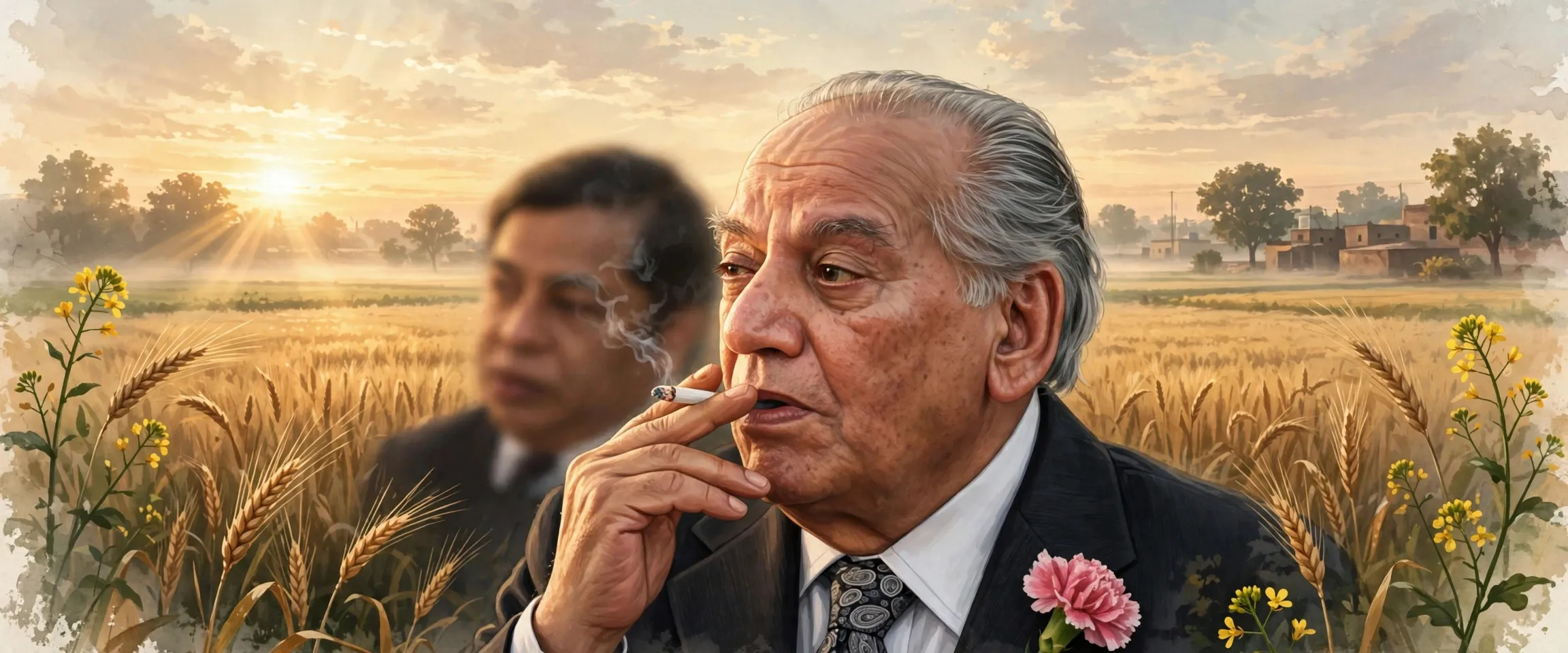
ਦਸਤ-ਏ-ਸਬਾ (1953) ਫ਼ੈਜ਼ ਅਹਿਮਦ ਫ਼ੈਜ਼ ਦਾ ਦੂਜਾ ਸ਼ਾਇਰੀ ਸੰਗ੍ਰਹਿ ਹੈ, ਜੋ ਪਾਕਿਸਤਾਨ ਵਿੱਚ ਜੇਲ੍ਹ ਵਿੱਚ ਰਹਿੰਦੇ ਹੋਏ ਲਿਖਿਆ ਗਿਆ, 1951 ਵਿੱਚ ਰਾਵਲਪਿੰਡੀ ਸਾਜ਼ਿਸ਼ ਕੇਸ ਵਿੱਚ ਉਸ ਦੀ ਗ੍ਰਿਫ਼ਤਾਰੀ ਤੋਂ ਬਾਅਦ। ਇਸ ਦੇ ਨਾਂ ਦਾ ਮਤਲਬ ਹੈ ਹਵਾ ਦਾ ਹੱਥ। ਕਵਿਤਾਵਾਂ ਜੇਲ੍ਹ ਦੀ ਕੋਠੜੀ ਨੂੰ ਮੁਹੱਬਤ, ਸਬਰ ਅਤੇ ਆਸ ਦੀ ਥਾਂ ਬਣਾਉਂਦੀਆਂ ਹਨ, ਅਤੇ ਇਸ ਕਿਤਾਬ ਨੇ ਫ਼ੈਜ਼ ਨੂੰ ਉਸ ਦੀ ਪੀੜ੍ਹੀ ਦੀ ਆਵਾਜ਼ ਬਣਾਇਆ।
with an English translation- ਪੰਜਾਬੀ ਨਾਂ
- دست صبا
- ਲੇਖਕ
- ਫ਼ੈਜ਼ ਅਹਿਮਦ ਫ਼ੈਜ਼
- ਪ੍ਰਕਾਸ਼ਿਤ
- 1953, ਜਦੋਂ ਸ਼ਾਇਰ ਜੇਲ੍ਹ ਵਿੱਚ ਸੀ
- ਨੋਟ
- ਕੁਝ ਹਵਾਲੇ ਸਾਲ 1952 ਦੱਸਦੇ ਹਨ
- ਭਾਸ਼ਾ
- ਉਰਦੂ
- ਰੂਪ
- ਸ਼ਾਇਰੀ (ਗ਼ਜ਼ਲਾਂ ਅਤੇ ਨਜ਼ਮਾਂ)
All 10 facts
- ਨਾਂ ਦਾ ਮਤਲਬ
- ਹਵਾ ਦਾ ਹੱਥ
- ਕਿੱਥੇ ਲਿਖੀ
- ਪਾਕਿਸਤਾਨ ਵਿੱਚ ਜੇਲ੍ਹ, 1951 ਵਿੱਚ ਰਾਵਲਪਿੰਡੀ ਸਾਜ਼ਿਸ਼ ਕੇਸ ਦੀ ਗ੍ਰਿਫ਼ਤਾਰੀ ਤੋਂ ਬਾਅਦ
- ਸਭ ਤੋਂ ਮਸ਼ਹੂਰ ਕਵਿਤਾ
- ਮਤਾਅ-ਏ-ਲੌਹ-ਓ-ਕਲਮ (ਤਖ਼ਤੀ ਅਤੇ ਕਲਮ)
- ਉਸ ਦੇ ਕੰਮ ਵਿੱਚ ਥਾਂ
- ਦੂਜਾ ਸੰਗ੍ਰਹਿ, ਨਕਸ਼-ਏ-ਫਰਿਆਦੀ (1941) ਤੋਂ ਬਾਅਦ
About the book
Dast-e-Saba is the second poetry collection of Faiz Ahmad Faiz, published in 1953 while the poet was still in prison in Pakistan. Some references date it to 1952, the year most of its poems were written. It followed Naqsh-e-Faryadi (1941), the book that made Faiz's name, and it came before Zindan Nama (1956), the second of his two prison collections. Rekhta, the Urdu library that keeps the book in its e-book collection, describes Dast-e-Saba as the collection that commemorates Faiz's confinement in Hyderabad jail.
The book is small, but its place in Urdu poetry is large. Faiz wrote it after his arrest on 9 March 1951 in the Rawalpindi Conspiracy Case, when he was editor of the Pakistan Times in Lahore. The poems reached readers while their author was still behind bars, and they were on people's lips across Pakistan and India within weeks. For many readers, Dast-e-Saba is where the romantic poet of the early ghazals becomes the poet of love and resistance in one voice.
What does Dast-e-Saba mean?
Dast-e-Saba means Hand of the Breeze. In Urdu, dast is a hand and saba is the morning breeze, the soft wind that in classical poetry carries news between separated lovers. The title fits the book: inside a cell, the breeze is one of the few things that still comes and goes freely, and Faiz makes it a messenger between the prisoner and the world outside.
The image returns in the poems themselves. Night falls over the prison yard, trees stand like exiles with bowed heads, and moonlight does the work that lamps are not allowed to do. The breeze, the moon and the evening star become the prisoner's companions, and each one carries a promise that the night will end.
Written behind bars
Faiz was arrested in the early hours of 9 March 1951 under the Safety Act. The government of Prime Minister Liaquat Ali Khan alleged that a group of army officers and civilians, among them Faiz, had planned to overthrow it. Faiz had attended meetings at the house of Major General Akbar Khan, though how far he was part of any plan remains uncertain. He was sentenced to four years in prison and spent most of that time in Hyderabad jail in Sindh. He was released in 1955.
ਕਿਤਾਬ ਬਾਰੇ
ਦਸਤ-ਏ-ਸਬਾ ਫ਼ੈਜ਼ ਅਹਿਮਦ ਫ਼ੈਜ਼ ਦਾ ਦੂਜਾ ਸ਼ਾਇਰੀ ਸੰਗ੍ਰਹਿ ਹੈ, ਜੋ 1953 ਵਿੱਚ ਉਸ ਵੇਲੇ ਛਪਿਆ ਜਦੋਂ ਸ਼ਾਇਰ ਪਾਕਿਸਤਾਨ ਵਿੱਚ ਅਜੇ ਜੇਲ੍ਹ ਵਿੱਚ ਸੀ। ਕੁਝ ਹਵਾਲੇ ਇਸ ਦਾ ਸਾਲ 1952 ਦੱਸਦੇ ਹਨ, ਉਹ ਸਾਲ ਜਿਸ ਵਿੱਚ ਇਸ ਦੀਆਂ ਜ਼ਿਆਦਾਤਰ ਕਵਿਤਾਵਾਂ ਲਿਖੀਆਂ ਗਈਆਂ। ਇਹ ਨਕਸ਼-ਏ-ਫਰਿਆਦੀ (1941) ਤੋਂ ਬਾਅਦ ਆਇਆ, ਉਹ ਕਿਤਾਬ ਜਿਸ ਨੇ ਫ਼ੈਜ਼ ਦਾ ਨਾਂ ਬਣਾਇਆ, ਅਤੇ ਜ਼ਿੰਦਾਨ ਨਾਮਾ (1956) ਤੋਂ ਪਹਿਲਾਂ, ਜੋ ਉਸ ਦੇ ਦੋ ਜੇਲ੍ਹ ਸੰਗ੍ਰਹਿਆਂ ਵਿੱਚੋਂ ਦੂਜਾ ਹੈ। ਰੇਖ਼ਤਾ, ਉਰਦੂ ਲਾਇਬ੍ਰੇਰੀ ਜੋ ਇਸ ਕਿਤਾਬ ਨੂੰ ਆਪਣੇ ਈ-ਬੁੱਕ ਸੰਗ੍ਰਹਿ ਵਿੱਚ ਰੱਖਦੀ ਹੈ, ਦਸਤ-ਏ-ਸਬਾ ਨੂੰ ਉਹ ਸੰਗ੍ਰਹਿ ਦੱਸਦੀ ਹੈ ਜੋ ਫ਼ੈਜ਼ ਦੀ ਹੈਦਰਾਬਾਦ ਜੇਲ੍ਹ ਦੀ ਕੈਦ ਦੀ ਯਾਦ ਹੈ।
ਕਿਤਾਬ ਛੋਟੀ ਹੈ, ਪਰ ਉਰਦੂ ਸ਼ਾਇਰੀ ਵਿੱਚ ਇਸ ਦੀ ਥਾਂ ਵੱਡੀ ਹੈ। ਫ਼ੈਜ਼ ਨੇ ਇਹ 9 ਮਾਰਚ 1951 ਨੂੰ ਰਾਵਲਪਿੰਡੀ ਸਾਜ਼ਿਸ਼ ਕੇਸ ਵਿੱਚ ਗ੍ਰਿਫ਼ਤਾਰੀ ਤੋਂ ਬਾਅਦ ਲਿਖੀ, ਜਦੋਂ ਉਹ ਲਾਹੌਰ ਵਿੱਚ ਪਾਕਿਸਤਾਨ ਟਾਈਮਜ਼ ਦਾ ਸੰਪਾਦਕ ਸੀ। ਕਵਿਤਾਵਾਂ ਪਾਠਕਾਂ ਤੱਕ ਉਦੋਂ ਪਹੁੰਚੀਆਂ ਜਦੋਂ ਉਨ੍ਹਾਂ ਦਾ ਲੇਖਕ ਅਜੇ ਸਲਾਖਾਂ ਪਿੱਛੇ ਸੀ, ਅਤੇ ਕੁਝ ਹਫ਼ਤਿਆਂ ਵਿੱਚ ਹੀ ਪਾਕਿਸਤਾਨ ਅਤੇ ਭਾਰਤ ਭਰ ਵਿੱਚ ਲੋਕਾਂ ਦੀਆਂ ਜ਼ੁਬਾਨਾਂ ’ਤੇ ਸਨ। ਬਹੁਤ ਸਾਰੇ ਪਾਠਕਾਂ ਲਈ ਦਸਤ-ਏ-ਸਬਾ ਉਹ ਥਾਂ ਹੈ ਜਿੱਥੇ ਸ਼ੁਰੂਆਤੀ ਗ਼ਜ਼ਲਾਂ ਦਾ ਰੋਮਾਂਟਿਕ ਸ਼ਾਇਰ ਮੁਹੱਬਤ ਅਤੇ ਵਿਰੋਧ ਦਾ ਸ਼ਾਇਰ ਇੱਕੋ ਆਵਾਜ਼ ਵਿੱਚ ਬਣਦਾ ਹੈ।
ਦਸਤ-ਏ-ਸਬਾ ਦਾ ਮਤਲਬ ਕੀ ਹੈ?
ਦਸਤ-ਏ-ਸਬਾ ਦਾ ਮਤਲਬ ਹੈ ਹਵਾ ਦਾ ਹੱਥ। ਉਰਦੂ ਵਿੱਚ ਦਸਤ ਹੱਥ ਨੂੰ ਕਹਿੰਦੇ ਹਨ ਅਤੇ ਸਬਾ ਸਵੇਰ ਦੀ ਹਵਾ ਹੈ, ਉਹ ਨਰਮ ਹਵਾ ਜੋ ਕਲਾਸੀਕਲ ਸ਼ਾਇਰੀ ਵਿੱਚ ਵਿਛੜੇ ਪ੍ਰੇਮੀਆਂ ਵਿਚਕਾਰ ਖ਼ਬਰ ਲੈ ਜਾਂਦੀ ਹੈ। ਨਾਂ ਕਿਤਾਬ ਨੂੰ ਜਚਦਾ ਹੈ: ਕੋਠੜੀ ਅੰਦਰ ਹਵਾ ਉਨ੍ਹਾਂ ਕੁਝ ਚੀਜ਼ਾਂ ਵਿੱਚੋਂ ਇੱਕ ਹੈ ਜੋ ਅਜੇ ਵੀ ਆਜ਼ਾਦੀ ਨਾਲ ਆਉਂਦੀ-ਜਾਂਦੀ ਹੈ, ਅਤੇ ਫ਼ੈਜ਼ ਇਸ ਨੂੰ ਕੈਦੀ ਅਤੇ ਬਾਹਰ ਦੀ ਦੁਨੀਆ ਵਿਚਕਾਰ ਸੁਨੇਹਾ ਲਿਜਾਣ ਵਾਲੀ ਬਣਾਉਂਦਾ ਹੈ।
ਇਹੀ ਤਸਵੀਰ ਕਵਿਤਾਵਾਂ ਵਿੱਚ ਮੁੜ ਆਉਂਦੀ ਹੈ। ਜੇਲ੍ਹ ਦੇ ਵਿਹੜੇ ’ਤੇ ਰਾਤ ਉਤਰਦੀ ਹੈ, ਰੁੱਖ ਜਲਾਵਤਨਾਂ ਵਾਂਗ ਸਿਰ ਝੁਕਾਈ ਖੜ੍ਹੇ ਹਨ, ਅਤੇ ਚੰਨ ਦੀ ਰੌਸ਼ਨੀ ਉਹ ਕੰਮ ਕਰਦੀ ਹੈ ਜੋ ਦੀਵਿਆਂ ਨੂੰ ਕਰਨ ਦੀ ਇਜਾਜ਼ਤ ਨਹੀਂ। ਹਵਾ, ਚੰਨ ਅਤੇ ਸ਼ਾਮ ਦਾ ਤਾਰਾ ਕੈਦੀ ਦੇ ਸਾਥੀ ਬਣ ਜਾਂਦੇ ਹਨ, ਅਤੇ ਹਰ ਇੱਕ ਇਹ ਵਾਅਦਾ ਲੈ ਕੇ ਆਉਂਦਾ ਹੈ ਕਿ ਰਾਤ ਮੁੱਕੇਗੀ।
ਸਲਾਖਾਂ ਪਿੱਛੇ ਲਿਖੀ ਕਿਤਾਬ
ਫ਼ੈਜ਼ ਨੂੰ 9 ਮਾਰਚ 1951 ਦੀ ਸਵੇਰੇ ਸੁਰੱਖਿਆ ਕਾਨੂੰਨ ਹੇਠ ਗ੍ਰਿਫ਼ਤਾਰ ਕੀਤਾ ਗਿਆ। ਪ੍ਰਧਾਨ ਮੰਤਰੀ ਲਿਆਕਤ ਅਲੀ ਖ਼ਾਨ ਦੀ ਸਰਕਾਰ ਨੇ ਦੋਸ਼ ਲਾਇਆ ਕਿ ਫ਼ੌਜੀ ਅਫ਼ਸਰਾਂ ਅਤੇ ਨਾਗਰਿਕਾਂ ਦੇ ਇੱਕ ਸਮੂਹ ਨੇ, ਜਿਨ੍ਹਾਂ ਵਿੱਚ ਫ਼ੈਜ਼ ਵੀ ਸੀ, ਸਰਕਾਰ ਨੂੰ ਉਲਟਾਉਣ ਦੀ ਯੋਜਨਾ ਬਣਾਈ ਸੀ। ਫ਼ੈਜ਼ ਮੇਜਰ ਜਨਰਲ ਅਕਬਰ ਖ਼ਾਨ ਦੇ ਘਰ ਮੀਟਿੰਗਾਂ ਵਿੱਚ ਗਿਆ ਸੀ, ਪਰ ਉਹ ਕਿਸੇ ਯੋਜਨਾ ਦਾ ਕਿੰਨਾ ਹਿੱਸਾ ਸੀ, ਇਹ ਅਜੇ ਵੀ ਅਸਪੱਸ਼ਟ ਹੈ। ਉਸ ਨੂੰ ਚਾਰ ਸਾਲ ਦੀ ਕੈਦ ਹੋਈ ਅਤੇ ਉਸ ਨੇ ਜ਼ਿਆਦਾਤਰ ਸਮਾਂ ਸਿੰਧ ਦੀ ਹੈਦਰਾਬਾਦ ਜੇਲ੍ਹ ਵਿੱਚ ਬਿਤਾਇਆ। ਉਹ 1955 ਵਿੱਚ ਰਿਹਾਅ ਹੋਇਆ।
Prison, strangely, gave Faiz time to write. His translator Victor Kiernan called the term a well disguised blessing for the poet: away from the editor's desk, Faiz wrote far more poetry than he had in the years before. The jail authorities let him write, and let him read his poems to other prisoners twice a month. His wife Alys was allowed to carry poems out on a visit, stamped approved by the censors. Fellow prisoner Sajjad Zaheer later wrote that historians would count the publication of this small book among the important events of 1952.
Poems and themes
The best known poem in Dast-e-Saba is the one that begins with the tablet and pen being taken away. In Ted Genoways' translation, Faiz asks why he should mourn if his tablet and pen are forbidden, when he has dipped his fingers in his own blood. The poem answers its own question: if his lips are sealed, he has hidden a tongue in every link of his chain. It became a signature of the prison years, quoted whenever a writer is silenced.
In A Prison Evening, Faiz watches the light fail over the jail and finds consolation in the thought that tyrants may order lamps to be smashed in rooms where lovers meet, but they cannot snuff out the moon. Scholar Ted Genoways took the title of his study of the book from that line. In Solitary Confinement, the prisoner raises a toast to friends everywhere, to human beauty and the loveliness of earth. Again and again, the beloved of the classical ghazal stands for more than a person: a muse, a country, and the hope of a fairer world. Critics note that Faiz's poems often begin in dire circumstances and end in encouragement, and nowhere is that pattern clearer than here.
The poet
Faiz Ahmad Faiz (1911 to 1984) was born in Kala Qader, near Sialkot in Punjab, and his first language was Punjabi. He became famous in Urdu, the language of his ghazals and nazms. He taught in Amritsar and Lahore, served as an officer in the Second World War, and after Partition edited the Pakistan Times and the Urdu daily Imroz. He was a leading figure in the Progressive Writers' Movement.
After his release from prison in 1955, Faiz spent years in Moscow and London, received the Lenin Peace Prize in 1962, and later lived in exile in Beirut before returning to Pakistan. He died in Lahore on 20 November 1984. His complete poetry was gathered in Nuskha Ha-e-Wafa, and the Faiz Foundation Trust in Lahore keeps his library and papers at Faiz Ghar.
Reception and legacy
Dast-e-Saba and Zindan Nama together are counted among the most famous prison poems in Urdu. Victor Kiernan's Poems by Faiz (first published in 1958 and revised in 1971) carried selections in English with the Urdu text, and Agha Shahid Ali's The Rebel's Silhouette (1991, revised 1995) brought the prison poems to a new generation of English readers. Faiz's ghazals are sung by leading singers in Pakistan and India, and the International Faiz Festival, launched in Lahore in 2015, keeps the poems on stage every year.
For Punjabi readers, the book has a special place. Faiz wrote in Urdu, but he was a son of Sialkot who thought in Punjabi, and his prison poems speak in images every Punjabi knows: the morning breeze, the moon over the courtyard, and patience through a long night. Dast-e-Saba remains the book to read first for the years that made him.
ਜੇਲ੍ਹ ਨੇ ਅਜੀਬ ਤਰੀਕੇ ਨਾਲ ਫ਼ੈਜ਼ ਨੂੰ ਲਿਖਣ ਦਾ ਸਮਾਂ ਦਿੱਤਾ। ਉਸ ਦੇ ਅਨੁਵਾਦਕ ਵਿਕਟਰ ਕੀਰਨਨ ਨੇ ਇਸ ਸਮੇਂ ਨੂੰ ਸ਼ਾਇਰ ਲਈ ਚੰਗੀ ਤਰ੍ਹਾਂ ਛੁਪਿਆ ਅਸ਼ੀਰਵਾਦ ਕਿਹਾ: ਸੰਪਾਦਕ ਦੀ ਮੇਜ਼ ਤੋਂ ਦੂਰ, ਫ਼ੈਜ਼ ਨੇ ਪਿਛਲੇ ਸਾਲਾਂ ਨਾਲੋਂ ਕਿਤੇ ਵੱਧ ਸ਼ਾਇਰੀ ਲਿਖੀ। ਜੇਲ੍ਹ ਅਧਿਕਾਰੀਆਂ ਨੇ ਉਸ ਨੂੰ ਲਿਖਣ ਦਿੱਤਾ, ਅਤੇ ਮਹੀਨੇ ਵਿੱਚ ਦੋ ਵਾਰ ਦੂਜੇ ਕੈਦੀਆਂ ਨੂੰ ਆਪਣੀਆਂ ਕਵਿਤਾਵਾਂ ਸੁਣਾਉਣ ਦਿੱਤੀਆਂ। ਉਸ ਦੀ ਪਤਨੀ ਐਲਿਸ ਨੂੰ ਇੱਕ ਮੁਲਾਕਾਤ ਵਿੱਚ ਕਵਿਤਾਵਾਂ ਬਾਹਰ ਲਿਜਾਣ ਦੀ ਇਜਾਜ਼ਤ ਮਿਲੀ, ਸੈਂਸਰਾਂ ਦੀ ਮਨਜ਼ੂਰੀ ਦੀ ਮੋਹਰ ਨਾਲ। ਸਾਥੀ ਕੈਦੀ ਸੱਜਾਦ ਜ਼ਹੀਰ ਨੇ ਬਾਅਦ ਵਿੱਚ ਲਿਖਿਆ ਕਿ ਇਤਿਹਾਸਕਾਰ ਇਸ ਛੋਟੀ ਜਿਹੀ ਕਿਤਾਬ ਦੀ ਪ੍ਰਕਾਸ਼ਨਾ ਨੂੰ 1952 ਦੀਆਂ ਮਹੱਤਵਪੂਰਨ ਘਟਨਾਵਾਂ ਵਿੱਚ ਗਿਣਨਗੇ।
ਕਵਿਤਾਵਾਂ ਅਤੇ ਵਿਸ਼ੇ
ਦਸਤ-ਏ-ਸਬਾ ਦੀ ਸਭ ਤੋਂ ਮਸ਼ਹੂਰ ਕਵਿਤਾ ਉਹ ਹੈ ਜੋ ਤਖ਼ਤੀ ਅਤੇ ਕਲਮ ਖੋਹੇ ਜਾਣ ਤੋਂ ਸ਼ੁਰੂ ਹੁੰਦੀ ਹੈ। ਟੈੱਡ ਜੇਨੋਵੇਜ਼ ਦੇ ਅਨੁਵਾਦ ਵਿੱਚ ਫ਼ੈਜ਼ ਪੁੱਛਦਾ ਹੈ ਕਿ ਜੇ ਉਸ ਦੀ ਤਖ਼ਤੀ ਅਤੇ ਕਲਮ ’ਤੇ ਪਾਬੰਦੀ ਹੈ ਤਾਂ ਉਹ ਸੋਗ ਕਿਉਂ ਕਰੇ, ਜਦੋਂ ਉਸ ਨੇ ਆਪਣੀਆਂ ਉਂਗਲਾਂ ਆਪਣੇ ਖ਼ੂਨ ਵਿੱਚ ਡੁਬੋ ਲਈਆਂ ਹਨ। ਕਵਿਤਾ ਆਪਣੇ ਸਵਾਲ ਦਾ ਜਵਾਬ ਆਪ ਦਿੰਦੀ ਹੈ: ਜੇ ਉਸ ਦੇ ਬੁੱਲ੍ਹਾਂ ’ਤੇ ਮੋਹਰ ਹੈ, ਤਾਂ ਉਸ ਨੇ ਆਪਣੀ ਜ਼ੰਜੀਰ ਦੀ ਹਰ ਕੜੀ ਵਿੱਚ ਜ਼ੁਬਾਨ ਲੁਕਾ ਲਈ ਹੈ। ਇਹ ਜੇਲ੍ਹ ਦੇ ਸਾਲਾਂ ਦੀ ਪਛਾਣ ਬਣ ਗਈ, ਜਦੋਂ ਵੀ ਕਿਸੇ ਲੇਖਕ ਨੂੰ ਚੁੱਪ ਕਰਾਇਆ ਜਾਂਦਾ ਹੈ ਤਾਂ ਇਹੀ ਕਵਿਤਾ ਯਾਦ ਆਉਂਦੀ ਹੈ।
ਜੇਲ੍ਹ ਦੀ ਇੱਕ ਸ਼ਾਮ ਵਿੱਚ ਫ਼ੈਜ਼ ਜੇਲ੍ਹ ’ਤੇ ਰੌਸ਼ਨੀ ਘਟਦੀ ਵੇਖਦਾ ਹੈ ਅਤੇ ਇਸ ਖ਼ਿਆਲ ਵਿੱਚ ਤਸੱਲੀ ਪਾਉਂਦਾ ਹੈ ਕਿ ਜ਼ਾਲਮ ਉਨ੍ਹਾਂ ਕਮਰਿਆਂ ਵਿੱਚ ਦੀਵੇ ਬੁਝਾਉਣ ਦਾ ਹੁਕਮ ਦੇ ਸਕਦੇ ਹਨ ਜਿੱਥੇ ਪ੍ਰੇਮੀ ਮਿਲਦੇ ਹਨ, ਪਰ ਉਹ ਚੰਨ ਨੂੰ ਨਹੀਂ ਬੁਝਾ ਸਕਦੇ। ਵਿਦਵਾਨ ਟੈੱਡ ਜੇਨੋਵੇਜ਼ ਨੇ ਕਿਤਾਬ ’ਤੇ ਆਪਣੇ ਅਧਿਐਨ ਦਾ ਸਿਰਲੇਖ ਇਸੇ ਸਤਰ ਤੋਂ ਲਿਆ। ਇਕੱਲੀ ਕੈਦ ਵਿੱਚ ਕੈਦੀ ਹਰ ਥਾਂ ਦੇ ਦੋਸਤਾਂ, ਮਨੁੱਖੀ ਸੁੰਦਰਤਾ ਅਤੇ ਧਰਤੀ ਦੀ ਸੋਹਣਪ ਲਈ ਜਾਮ ਉਠਾਉਂਦਾ ਹੈ। ਵਾਰ-ਵਾਰ, ਕਲਾਸੀਕਲ ਗ਼ਜ਼ਲ ਦੀ ਮਹਿਬੂਬਾ ਇੱਕ ਵਿਅਕਤੀ ਤੋਂ ਵੱਧ ਬਣਦੀ ਹੈ: ਇੱਕ ਪ੍ਰੇਰਨਾ, ਇੱਕ ਦੇਸ਼, ਅਤੇ ਨਿਆਂ ਵਾਲੀ ਦੁਨੀਆ ਦੀ ਆਸ। ਆਲੋਚਕ ਕਹਿੰਦੇ ਹਨ ਕਿ ਫ਼ੈਜ਼ ਦੀਆਂ ਕਵਿਤਾਵਾਂ ਅਕਸਰ ਮੁਸ਼ਕਲ ਹਾਲਾਤ ਤੋਂ ਸ਼ੁਰੂ ਹੋ ਕੇ ਹੌਸਲੇ ’ਤੇ ਮੁੱਕਦੀਆਂ ਹਨ, ਅਤੇ ਇਹ ਨਮੂਨਾ ਇੱਥੇ ਸਭ ਤੋਂ ਸਾਫ਼ ਦਿਸਦਾ ਹੈ।
ਸ਼ਾਇਰ
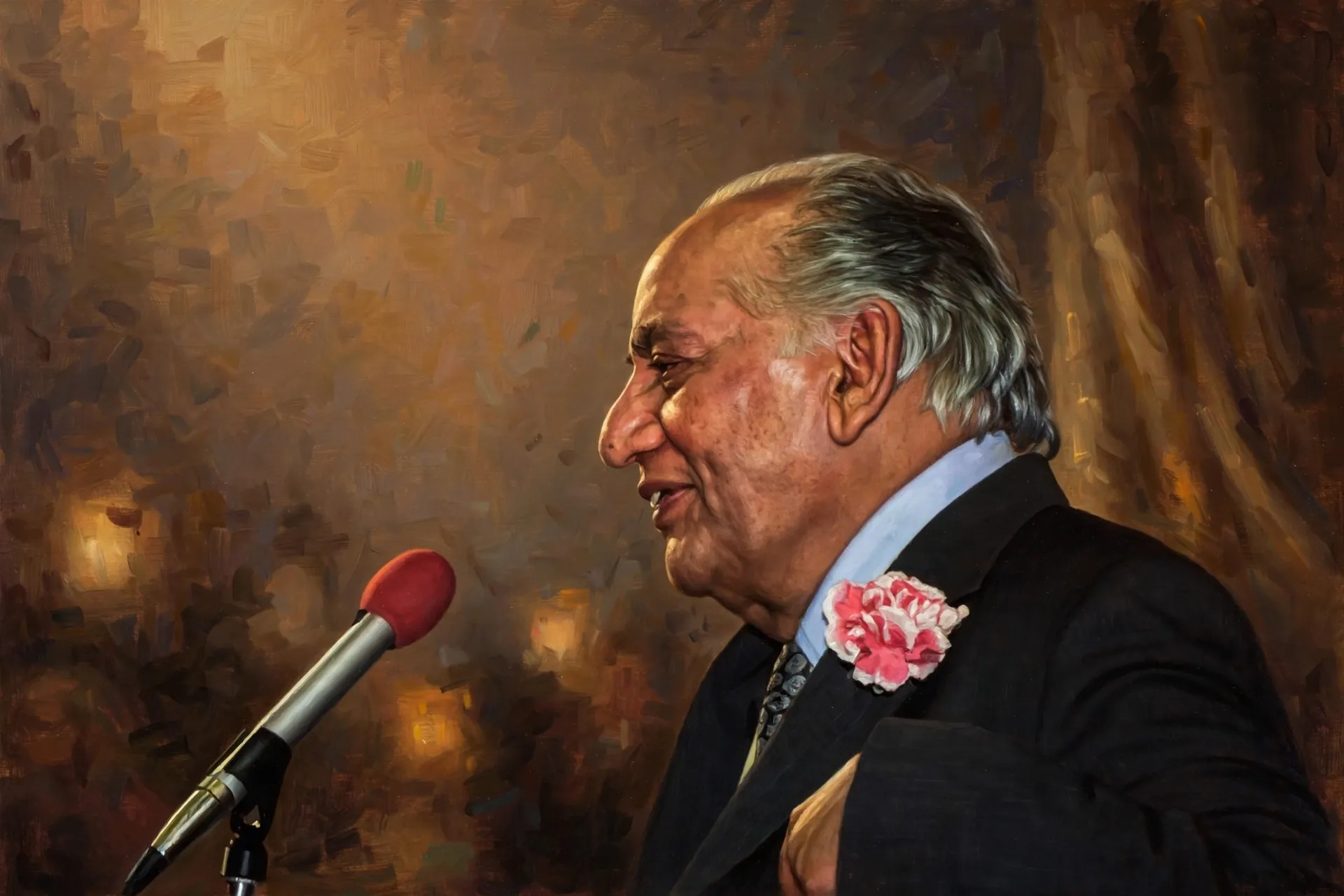
ਫ਼ੈਜ਼ ਅਹਿਮਦ ਫ਼ੈਜ਼ (1911 ਤੋਂ 1984) ਪੰਜਾਬ ਵਿੱਚ ਸਿਆਲਕੋਟ ਨੇੜੇ ਕਾਲਾ ਕਾਦਰ ਵਿੱਚ ਜੰਮਿਆ, ਅਤੇ ਉਸ ਦੀ ਪਹਿਲੀ ਭਾਸ਼ਾ ਪੰਜਾਬੀ ਸੀ। ਉਹ ਉਰਦੂ ਵਿੱਚ ਮਸ਼ਹੂਰ ਹੋਇਆ, ਉਸ ਦੀਆਂ ਗ਼ਜ਼ਲਾਂ ਅਤੇ ਨਜ਼ਮਾਂ ਦੀ ਭਾਸ਼ਾ। ਉਸ ਨੇ ਅੰਮ੍ਰਿਤਸਰ ਅਤੇ ਲਾਹੌਰ ਵਿੱਚ ਪੜ੍ਹਾਇਆ, ਦੂਜੀ ਸੰਸਾਰ ਜੰਗ ਵਿੱਚ ਅਫ਼ਸਰ ਵਜੋਂ ਸੇਵਾ ਕੀਤੀ, ਅਤੇ ਵੰਡ ਤੋਂ ਬਾਅਦ ਪਾਕਿਸਤਾਨ ਟਾਈਮਜ਼ ਅਤੇ ਉਰਦੂ ਰੋਜ਼ਾਨਾ ਇਮਰੋਜ਼ ਦਾ ਸੰਪਾਦਨ ਕੀਤਾ। ਉਹ ਪ੍ਰਗਤੀਸ਼ੀਲ ਲੇਖਕ ਸੰਘ ਦੀ ਮੋਹਰੀ ਸ਼ਖ਼ਸੀਅਤ ਸੀ।
1955 ਵਿੱਚ ਜੇਲ੍ਹ ਤੋਂ ਰਿਹਾਈ ਤੋਂ ਬਾਅਦ ਫ਼ੈਜ਼ ਨੇ ਮਾਸਕੋ ਅਤੇ ਲੰਡਨ ਵਿੱਚ ਸਾਲ ਬਿਤਾਏ, 1962 ਵਿੱਚ ਲੈਨਿਨ ਸ਼ਾਂਤੀ ਇਨਾਮ ਮਿਲਿਆ, ਅਤੇ ਬਾਅਦ ਵਿੱਚ ਪਾਕਿਸਤਾਨ ਵਾਪਸ ਆਉਣ ਤੋਂ ਪਹਿਲਾਂ ਬੈਰੂਤ ਵਿੱਚ ਜਲਾਵਤਨੀ ਵਿੱਚ ਰਿਹਾ। ਉਸ ਦੀ ਮੌਤ 20 ਨਵੰਬਰ 1984 ਨੂੰ ਲਾਹੌਰ ਵਿੱਚ ਹੋਈ। ਉਸ ਦੀ ਸਾਰੀ ਸ਼ਾਇਰੀ ਨੁਸਖ਼ਾ ਹਾਏ ਵਫ਼ਾ ਵਿੱਚ ਇਕੱਠੀ ਕੀਤੀ ਗਈ, ਅਤੇ ਲਾਹੌਰ ਵਿੱਚ ਫ਼ੈਜ਼ ਫਾਊਂਡੇਸ਼ਨ ਟਰੱਸਟ ਫ਼ੈਜ਼ ਘਰ ਵਿੱਚ ਉਸ ਦੀ ਲਾਇਬ੍ਰੇਰੀ ਅਤੇ ਕਾਗਜ਼ ਰੱਖਦਾ ਹੈ।
ਸਵਾਗਤ ਅਤੇ ਵਿਰਾਸਤ
ਦਸਤ-ਏ-ਸਬਾ ਅਤੇ ਜ਼ਿੰਦਾਨ ਨਾਮਾ ਦੋਵਾਂ ਨੂੰ ਮਿਲਾ ਕੇ ਉਰਦੂ ਦੀਆਂ ਸਭ ਤੋਂ ਮਸ਼ਹੂਰ ਜੇਲ੍ਹ ਕਵਿਤਾਵਾਂ ਵਿੱਚ ਗਿਣਿਆ ਜਾਂਦਾ ਹੈ। ਵਿਕਟਰ ਕੀਰਨਨ ਦੀ ਪੋਇਮਜ਼ ਬਾਈ ਫ਼ੈਜ਼ (ਪਹਿਲੀ ਵਾਰ 1958 ਵਿੱਚ ਛਪੀ ਅਤੇ 1971 ਵਿੱਚ ਸੋਧੀ ਗਈ) ਨੇ ਉਰਦੂ ਮੂਲ ਨਾਲ ਅੰਗਰੇਜ਼ੀ ਵਿੱਚ ਚੋਣਵੀਆਂ ਕਵਿਤਾਵਾਂ ਪਹੁੰਚਾਈਆਂ, ਅਤੇ ਆਗ਼ਾ ਸ਼ਾਹਿਦ ਅਲੀ ਦੀ ਦ ਰੈਬਲਜ਼ ਸਿਲੂਏਟ (1991, ਸੋਧੀ 1995) ਨੇ ਜੇਲ੍ਹ ਕਵਿਤਾਵਾਂ ਅੰਗਰੇਜ਼ੀ ਪਾਠਕਾਂ ਦੀ ਨਵੀਂ ਪੀੜ੍ਹੀ ਤੱਕ ਪਹੁੰਚਾਈਆਂ। ਫ਼ੈਜ਼ ਦੀਆਂ ਗ਼ਜ਼ਲਾਂ ਪਾਕਿਸਤਾਨ ਅਤੇ ਭਾਰਤ ਦੇ ਮੋਹਰੀ ਗਾਇਕ ਗਾਉਂਦੇ ਹਨ, ਅਤੇ 2015 ਵਿੱਚ ਲਾਹੌਰ ਵਿੱਚ ਸ਼ੁਰੂ ਹੋਇਆ ਅੰਤਰਰਾਸ਼ਟਰੀ ਫ਼ੈਜ਼ ਮੇਲਾ ਹਰ ਸਾਲ ਕਵਿਤਾਵਾਂ ਨੂੰ ਸਟੇਜ ’ਤੇ ਰੱਖਦਾ ਹੈ।
ਪੰਜਾਬੀ ਪਾਠਕਾਂ ਲਈ ਇਸ ਕਿਤਾਬ ਦੀ ਖ਼ਾਸ ਥਾਂ ਹੈ। ਫ਼ੈਜ਼ ਨੇ ਉਰਦੂ ਵਿੱਚ ਲਿਖਿਆ, ਪਰ ਉਹ ਸਿਆਲਕੋਟ ਦਾ ਪੁੱਤਰ ਸੀ ਜੋ ਪੰਜਾਬੀ ਵਿੱਚ ਸੋਚਦਾ ਸੀ, ਅਤੇ ਉਸ ਦੀਆਂ ਜੇਲ੍ਹ ਕਵਿਤਾਵਾਂ ਉਨ੍ਹਾਂ ਤਸਵੀਰਾਂ ਵਿੱਚ ਬੋਲਦੀਆਂ ਹਨ ਜੋ ਹਰ ਪੰਜਾਬੀ ਜਾਣਦਾ ਹੈ: ਸਵੇਰ ਦੀ ਹਵਾ, ਵਿਹੜੇ ’ਤੇ ਚੰਨ, ਅਤੇ ਲੰਮੀ ਰਾਤ ਵਿੱਚ ਸਬਰ। ਦਸਤ-ਏ-ਸਬਾ ਉਨ੍ਹਾਂ ਸਾਲਾਂ ਲਈ ਪਹਿਲਾਂ ਪੜ੍ਹਨ ਵਾਲੀ ਕਿਤਾਬ ਹੈ ਜਿਨ੍ਹਾਂ ਨੇ ਉਸ ਨੂੰ ਬਣਾਇਆ।
ਐਡੀਸ਼ਨ ਅਤੇ ਅਨੁਵਾਦ
- Dast-e-SabaUrdu · first published 1953 (some references give 1952), while Faiz was in prison · Urdu title: دست صباEdition
- Dast-e-SabaIncluded in Nuskha Ha-e-Wafa, Faiz's complete poetry, 1984Edition
- Dast-e-SabaPoems in English in Poems by Faiz, translated by V. G. Kiernan, 1958, revised 1971 (selection)ਅਨੁਵਾਦ
ਲੇਖਕ
ਜੁੜੇ ਹੋਏ
ਹੋਰ ਪੜ੍ਹੋ
ਸਰੋਤ (5)
ਜੁਗਤੀ ਮੁਫ਼ਤ ਅਤੇ ਸੁਤੰਤਰ ਹੈ। ਪਾਠਕਾਂ ਦਾ ਸਹਿਯੋਗ ਕੋਸ਼ ਨੂੰ ਵਧਾਉਂਦਾ ਹੈ।
ਸਹਿਯੋਗ