

ਨੁਸਖ਼ਾ ਹਾਏ ਵਫ਼ਾ (1984) ਫ਼ੈਜ਼ ਅਹਿਮਦ ਫ਼ੈਜ਼ ਦੀ ਸਮੁੱਚੀ ਸ਼ਾਇਰੀ ਹੈ, ਜਿਸ ਵਿੱਚ ਉਸ ਦੇ ਸੱਤ ਸੰਗ੍ਰਹਿ, ਨਕ਼ਸ਼-ਏ-ਫ਼ਰਿਆਦੀ (1941) ਤੋਂ ਮੇਰੇ ਦਿਲ ਮੇਰੇ ਮੁਸਾਫ਼ਰ (1981) ਤੱਕ, ਇੱਕੋ ਜਿਲਦ ਵਿੱਚ ਇਕੱਠੇ ਹਨ। ਇਸ ਵਿੱਚ ਉਹ ਨਜ਼ਮਾਂ ਹਨ ਜਿਨ੍ਹਾਂ ਨੇ ਫ਼ੈਜ਼ ਨੂੰ ਵੀਹਵੀਂ ਸਦੀ ਦਾ ਸਭ ਤੋਂ ਪਿਆਰਾ ਉਰਦੂ ਸ਼ਾਇਰ ਬਣਾਇਆ, ਸ਼ੁਰੂਆਤੀ ਮੁਹੱਬਤ ਦੀਆਂ ਨਜ਼ਮਾਂ ਤੋਂ ਲੈ ਕੇ ਕੈਦ ਦੀਆਂ ਨਜ਼ਮਾਂ ਅਤੇ ਵਿਰੋਧ ਦੇ ਗੀਤ 'ਹਮ ਦੇਖੇਂਗੇ' ਤੱਕ। ਜ਼ਿਆਦਾਤਰ ਪਾਠਕਾਂ ਲਈ ਇਹੀ ਇੱਕ ਫ਼ੈਜ਼ ਵਾਲੀ ਕਿਤਾਬ ਹੈ ਜੋ ਹੋਣੀ ਚਾਹੀਦੀ ਹੈ।
- ਪੰਜਾਬੀ ਨਾਂ
- نسخہ ہائے وفا
- ਲੇਖਕ
- ਫ਼ੈਜ਼ ਅਹਿਮਦ ਫ਼ੈਜ਼
- ਪ੍ਰਕਾਸ਼ਿਤ
- 1984
- ਭਾਸ਼ਾ
- ਉਰਦੂ
- ਰੂਪ
- ਕਵਿਤਾ
- ਸੰਗ੍ਰਹਿ
- 7
All 8 facts
- ਪੰਨੇ
- 704 (ਜਿਲਦ ਐਡੀਸ਼ਨ)
- ਸ਼ਾਇਰ ਦੇ ਸਨਮਾਨ
- ਲੈਨਿਨ ਅਮਨ ਪੁਰਸਕਾਰ, 1962
About the book
Nuskha Haye Wafa, published in 1984, is the complete poetry of Faiz Ahmad Faiz. The title means, roughly, prescriptions of fidelity: a nuskha is a prescription or recipe, and wafa is faithfulness. It is a kulliyat, a collected volume, gathering the seven collections Faiz published in his lifetime into a single book. It appeared in the year Faiz died, and it has been the standard Faiz volume ever since: the book readers buy when they want all of him, and the book singers, students and translators reach for first. It runs to more than seven hundred pages in the usual hardcover edition, and it holds the whole arc of his work, from the romantic lyrics of a young man in Lahore to the prison poems and the poems of exile.
What is inside Nuskha Haye Wafa?
The volume gathers seven collections, in the order Faiz published them. Naqsh-e-Faryadi (1941) is the first, the book that made his name, full of love poems in the classical ghazal form. Dast-e-Saba (1952) and Zindan Nama (1956) are the prison books, written during and after the four years Faiz spent in jail following the Rawalpindi Conspiracy Case. Dast-e-Tah-e-Sang (1965) and Sar-e-Wadi-e-Sina (1971) carry the poems of the middle years, when Faiz was working as a journalist and editor and travelling for the cause of peace. Sham-e-Shahar-e-Yaran (1978) and Mere Dil Mere Musafir (1981) are the late collections, written after the fall of Zulfikar Ali Bhutto's government and Faiz's self-exile in Beirut. Read in order, the seven books tell the story of a life: love first, then prison, then the long work of resistance.
The poems readers know
A few poems in the volume are known far beyond the people who read poetry. Mujh Se Pehli Si Mohabbat Mere Mehboob Na Maang, from the first collection, is the love poem every Urdu speaker knows, in which the lover admits that the sorrows of the world have crowded into the space where love used to be. Subh-e-Azadi, written in August 1947, is Faiz's unsparing answer to Independence: a dawn that arrived stained, not the morning the country had been promised. Nisaar Main Teri Galiyon Pe is the lover's offering laid at the beloved's streets. And Hum Dekhenge, written in 1979, has become a protest anthem across South Asia, sung at marches and on campuses whenever people gather against power. These poems are why the volume matters: it is not only a library of one poet's work, it is the book that holds the words crowds still shout.
The poet
Faiz Ahmad Faiz was born on 13 February 1911 in Kala Qadir, a village in what is now Narowal district of Punjab. His father was a barrister who had studied law at Cambridge. Faiz studied at Government College and Oriental College in Lahore, taught English at colleges in Amritsar and Lahore, and joined the British Indian Army in 1942, rising to lieutenant-colonel. After Partition he became editor of the Pakistan Times and the Urdu daily Imroze. In 1951 he was arrested for his part in the Rawalpindi conspiracy and spent four years in prison. He was a leading figure of the Progressive Writers' Movement, and in 1962 he became the first Asian poet to receive the Lenin Peace Prize. He was nominated for the Nobel Prize in Literature, and he died in Lahore on 20 November 1984, the year Nuskha Haye Wafa appeared.
Love and resistance in one voice
What makes Faiz unlike any other Urdu poet is that he never chose between love and politics. In his early poems the beloved and the country are the same figure, and the pain of separation is both personal and political. In the prison poems the cell becomes a place to see the world clearly, and the poems written there are among his calmest and most exact. The ghazal, the classical form of the love lyric, becomes in his hands a way of talking about tyranny, and the nazm, the free poem, becomes a way of talking about hope. That is why his work travels so well: a reader who knows nothing of Pakistan's history can still feel the poems, and a reader who knows the history hears a second meaning in every line.
Reception and legacy
Nuskha Haye Wafa has been reprinted many times since 1984, and it remains the best-selling collection of modern Urdu poetry in both India and Pakistan. Faiz's ghazals have been sung by almost every major singer of the subcontinent, from Noor Jehan and Mehdi Hassan to Iqbal Bano, whose singing of Hum Dekhenge in Lahore in the 1980s, in defiance of a ban, made the poem famous across the world. His poems have been translated into many languages, including English, and Victor Kiernan's translations brought him to readers in Britain and America. In Pakistan he was given the Nishan-e-Imtiaz, the country's highest civil honour, after his death. For a new reader, Nuskha Haye Wafa is the place to start: one volume, the whole poet, and the poems that still get sung whenever people need words for love or for resistance.
ਕਿਤਾਬ ਬਾਰੇ
ਨੁਸਖ਼ਾ ਹਾਏ ਵਫ਼ਾ 1984 ਵਿੱਚ ਛਪੀ ਫ਼ੈਜ਼ ਅਹਿਮਦ ਫ਼ੈਜ਼ ਦੀ ਸਮੁੱਚੀ ਸ਼ਾਇਰੀ ਹੈ। ਨੁਸਖ਼ਾ ਦਾ ਮਤਲਬ ਹੈ ਦਵਾਈ ਦਾ ਨੁਸਖ਼ਾ ਜਾਂ ਤਜਵੀਜ਼, ਅਤੇ ਵਫ਼ਾ ਦਾ ਮਤਲਬ ਹੈ ਵਫ਼ਾਦਾਰੀ। ਇਹ ਇੱਕ ਕੁੱਲੀਅਤ ਹੈ, ਇੱਕ ਜਿਲਦ ਵਿੱਚ ਸੰਗ੍ਰਹਿਤ ਕਿਤਾਬ, ਜਿਸ ਵਿੱਚ ਫ਼ੈਜ਼ ਦੇ ਜੀਵਨ ਵਿੱਚ ਛਪੇ ਸੱਤ ਸੰਗ੍ਰਹਿ ਇਕੱਠੇ ਕੀਤੇ ਗਏ ਹਨ। ਇਹ ਉਸੇ ਸਾਲ ਛਪੀ ਜਿਸ ਸਾਲ ਫ਼ੈਜ਼ ਚਲਾਣਾ ਕਰ ਗਿਆ, ਅਤੇ ਉਦੋਂ ਤੋਂ ਇਹੀ ਮਿਆਰੀ ਫ਼ੈਜ਼ ਵਾਲੀ ਕਿਤਾਬ ਹੈ: ਜਦੋਂ ਪਾਠਕ ਫ਼ੈਜ਼ ਨੂੰ ਪੂਰਾ ਪੜ੍ਹਨਾ ਚਾਹੁੰਦੇ ਹਨ ਤਾਂ ਇਹੀ ਕਿਤਾਬ ਖਰੀਦਦੇ ਹਨ, ਅਤੇ ਗਾਇਕ, ਵਿਦਿਆਰਥੀ ਤੇ ਅਨੁਵਾਦਕ ਸਭ ਤੋਂ ਪਹਿਲਾਂ ਇਸੇ ਨੂੰ ਚੁੱਕਦੇ ਹਨ। ਆਮ ਜਿਲਦ ਵਿੱਚ ਇਹ ਸੱਤ ਸੌ ਸਫ਼ਿਆਂ ਤੋਂ ਵੱਧ ਦੀ ਹੈ, ਅਤੇ ਇਸ ਵਿੱਚ ਉਸ ਦੀ ਸਾਰੀ ਸ਼ਾਇਰੀ ਦਾ ਸਫ਼ਰ ਹੈ, ਲਾਹੌਰ ਦੇ ਇੱਕ ਨੌਜਵਾਨ ਦੀਆਂ ਮੁਹੱਬਤ ਵਾਲੀਆਂ ਨਜ਼ਮਾਂ ਤੋਂ ਲੈ ਕੇ ਕੈਦ ਦੀਆਂ ਨਜ਼ਮਾਂ ਅਤੇ ਪਰਵਾਸ ਦੀਆਂ ਨਜ਼ਮਾਂ ਤੱਕ।
ਨੁਸਖ਼ਾ ਹਾਏ ਵਫ਼ਾ ਵਿੱਚ ਕੀ ਹੈ?
ਇਸ ਜਿਲਦ ਵਿੱਚ ਸੱਤ ਸੰਗ੍ਰਹਿ ਹਨ, ਉਸੇ ਤਰਤੀਬ ਵਿੱਚ ਜਿਸ ਤਰਤੀਬ ਵਿੱਚ ਫ਼ੈਜ਼ ਨੇ ਉਨ੍ਹਾਂ ਨੂੰ ਛਪਵਾਇਆ ਸੀ। ਨਕ਼ਸ਼-ਏ-ਫ਼ਰਿਆਦੀ (1941) ਪਹਿਲਾ ਸੰਗ੍ਰਹਿ ਹੈ, ਜਿਸ ਕਿਤਾਬ ਨੇ ਉਸ ਦਾ ਨਾਂ ਬਣਾਇਆ, ਇਹ ਕਲਾਸਿਕ ਗ਼ਜ਼ਲ ਵਾਲੀਆਂ ਮੁਹੱਬਤ ਦੀਆਂ ਨਜ਼ਮਾਂ ਨਾਲ ਭਰੀ ਹੋਈ ਹੈ। ਦਸਤ-ਏ-ਸਬਾ (1952) ਅਤੇ ਜ਼ਿੰਦਾਂ ਨਾਮਾ (1956) ਕੈਦ ਦੀਆਂ ਕਿਤਾਬਾਂ ਹਨ, ਜੋ ਰਾਵਲਪਿੰਡੀ ਸਾਜ਼ਿਸ਼ ਮਾਮਲੇ ਤੋਂ ਬਾਅਦ ਫ਼ੈਜ਼ ਦੇ ਚਾਰ ਸਾਲ ਕੈਦ ਵਿੱਚ ਰਹਿਣ ਦੌਰਾਨ ਅਤੇ ਉਸ ਤੋਂ ਬਾਅਦ ਲਿਖੀਆਂ ਗਈਆਂ। ਦਸਤ-ਏ-ਤਹਿ-ਏ-ਸੰਗ (1965) ਅਤੇ ਸਰ-ਏ-ਵਾਦੀ-ਏ-ਸੀਨਾ (1971) ਵਿਚਕਾਰਲੇ ਸਾਲਾਂ ਦੀਆਂ ਨਜ਼ਮਾਂ ਹਨ, ਜਦੋਂ ਫ਼ੈਜ਼ ਪੱਤਰਕਾਰ ਤੇ ਸੰਪਾਦਕ ਵਜੋਂ ਕੰਮ ਕਰ ਰਿਹਾ ਸੀ ਅਤੇ ਅਮਨ ਦੇ ਕਾਰਜ ਲਈ ਸਫ਼ਰ ਕਰ ਰਿਹਾ ਸੀ। ਸ਼ਾਮ-ਏ-ਸ਼ਹਿਰ-ਏ-ਯਾਰਾਂ (1978) ਅਤੇ ਮੇਰੇ ਦਿਲ ਮੇਰੇ ਮੁਸਾਫ਼ਰ (1981) ਆਖ਼ਰੀ ਸੰਗ੍ਰਹਿ ਹਨ, ਜੋ ਜ਼ੁਲਫ਼ਿਕਾਰ ਅਲੀ ਭੁੱਟੋ ਦੀ ਸਰਕਾਰ ਦੇ ਖ਼ਾਤਮੇ ਅਤੇ ਫ਼ੈਜ਼ ਦੇ ਬੇਰੂਤ ਵਿੱਚ ਸਵੈ-ਪਰਵਾਸ ਤੋਂ ਬਾਅਦ ਲਿਖੇ ਗਏ। ਤਰਤੀਬ ਵਿੱਚ ਪੜ੍ਹਿਆਂ ਇਹ ਸੱਤ ਕਿਤਾਬਾਂ ਇੱਕ ਜ਼ਿੰਦਗੀ ਦੀ ਕਹਾਣੀ ਦੱਸਦੀਆਂ ਹਨ: ਪਹਿਲਾਂ ਮੁਹੱਬਤ, ਫਿਰ ਕੈਦ, ਫਿਰ ਵਿਰੋਧ ਦਾ ਲੰਮਾ ਕੰਮ।
ਉਹ ਨਜ਼ਮਾਂ ਜਿਨ੍ਹਾਂ ਨੂੰ ਪਾਠਕ ਜਾਣਦੇ ਹਨ
ਇਸ ਜਿਲਦ ਦੀਆਂ ਕੁਝ ਨਜ਼ਮਾਂ ਸ਼ਾਇਰੀ ਪੜ੍ਹਨ ਵਾਲਿਆਂ ਤੋਂ ਕਿਤੇ ਵੱਧ ਲੋਕਾਂ ਨੂੰ ਜਾਣੀਆਂ ਹਨ। 'ਮੁਝ ਸੇ ਪਹਿਲੀ ਸੀ ਮੁਹੱਬਤ ਮੇਰੇ ਮਹਿਬੂਬ ਨਾ ਮਾਂਗ', ਪਹਿਲੇ ਸੰਗ੍ਰਹਿ ਦੀ ਨਜ਼ਮ, ਉਹ ਮੁਹੱਬਤ ਵਾਲੀ ਨਜ਼ਮ ਹੈ ਜੋ ਹਰ ਉਰਦੂ ਬੋਲਣ ਵਾਲਾ ਜਾਣਦਾ ਹੈ, ਜਿਸ ਵਿੱਚ ਆਸ਼ਿਕ ਮੰਨਦਾ ਹੈ ਕਿ ਦੁਨੀਆ ਦੇ ਦੁੱਖਾਂ ਨੇ ਉਸ ਥਾਂ 'ਤੇ ਕਬਜ਼ਾ ਕਰ ਲਿਆ ਹੈ ਜਿੱਥੇ ਪਹਿਲਾਂ ਮੁਹੱਬਤ ਸੀ। 'ਸੁਬਹ-ਏ-ਆਜ਼ਾਦੀ', ਜੋ ਅਗਸਤ 1947 ਵਿੱਚ ਲਿਖੀ ਗਈ ਸੀ, ਆਜ਼ਾਦੀ 'ਤੇ ਫ਼ੈਜ਼ ਦਾ ਬੇਬਾਕ ਜਵਾਬ ਹੈ: ਇੱਕ ਸਵੇਰ ਜੋ ਦਾਗ਼ਦਾਰ ਆਈ, ਉਹ ਸਵੇਰ ਨਹੀਂ ਜਿਸ ਦਾ ਦੇਸ਼ ਨੂੰ ਵਾਅਦਾ ਸੀ। 'ਨਿਸਾਰ ਮੈਂ ਤੇਰੀ ਗਲਿਯੋਂ ਪੇ' ਆਸ਼ਿਕ ਦੀ ਭੇਟ ਹੈ ਜੋ ਮਹਿਬੂਬ ਦੀਆਂ ਗਲੀਆਂ ਵਿੱਚ ਰੱਖੀ ਗਈ ਹੈ। ਅਤੇ 'ਹਮ ਦੇਖੇਂਗੇ', ਜੋ 1979 ਵਿੱਚ ਲਿਖੀ ਗਈ ਸੀ, ਦੱਖਣੀ ਏਸ਼ੀਆ ਭਰ ਵਿੱਚ ਵਿਰੋਧ ਦਾ ਗੀਤ ਬਣ ਗਈ ਹੈ, ਜੋ ਮਾਰਚਾਂ ਅਤੇ ਕਾਲਜਾਂ ਵਿੱਚ ਗਾਈ ਜਾਂਦੀ ਹੈ ਜਦੋਂ ਵੀ ਲੋਕ ਤਾਕਤ ਦੇ ਖ਼ਿਲਾਫ਼ ਇਕੱਠੇ ਹੁੰਦੇ ਹਨ। ਇਹ ਨਜ਼ਮਾਂ ਹੀ ਇਸ ਜਿਲਦ ਦੀ ਮਹੱਤਤਾ ਹਨ: ਇਹ ਸਿਰਫ਼ ਇੱਕ ਸ਼ਾਇਰ ਦੇ ਕੰਮ ਦੀ ਲਾਇਬ੍ਰੇਰੀ ਨਹੀਂ, ਇਹ ਉਹ ਕਿਤਾਬ ਹੈ ਜਿਸ ਵਿੱਚ ਉਹ ਸ਼ਬਦ ਹਨ ਜੋ ਭੀੜ ਅੱਜ ਵੀ ਬੁਲੰਦ ਕਰਦੀ ਹੈ।
ਸ਼ਾਇਰ ਬਾਰੇ
ਫ਼ੈਜ਼ ਅਹਿਮਦ ਫ਼ੈਜ਼ ਦਾ ਜਨਮ 13 ਫਰਵਰੀ 1911 ਨੂੰ ਕਾਲਾ ਕਾਦਰ ਵਿੱਚ ਹੋਇਆ ਸੀ, ਜੋ ਹੁਣ ਪੰਜਾਬ ਦੇ ਨਾਰੋਵਾਲ ਜ਼ਿਲ੍ਹੇ ਵਿੱਚ ਹੈ। ਉਸ ਦੇ ਪਿਤਾ ਇੱਕ ਵਕੀਲ ਸਨ ਜਿਨ੍ਹਾਂ ਨੇ ਕੈਂਬਰਿਜ ਤੋਂ ਕਾਨੂੰਨ ਪੜ੍ਹਿਆ ਸੀ। ਫ਼ੈਜ਼ ਨੇ ਲਾਹੌਰ ਦੇ ਗੌਰਮਿੰਟ ਕਾਲਜ ਅਤੇ ਓਰੀਐਂਟਲ ਕਾਲਜ ਵਿੱਚ ਪੜ੍ਹਾਈ ਕੀਤੀ, ਅੰਮ੍ਰਿਤਸਰ ਅਤੇ ਲਾਹੌਰ ਦੇ ਕਾਲਜਾਂ ਵਿੱਚ ਅੰਗਰੇਜ਼ੀ ਪੜ੍ਹਾਈ, ਅਤੇ 1942 ਵਿੱਚ ਬ੍ਰਿਟਿਸ਼ ਭਾਰਤੀ ਫ਼ੌਜ ਵਿੱਚ ਸ਼ਾਮਲ ਹੋ ਗਿਆ, ਜਿੱਥੇ ਉਹ ਲੈਫ਼ਟੀਨੈਂਟ ਕਰਨਲ ਬਣਿਆ। ਵੰਡ ਤੋਂ ਬਾਅਦ ਉਹ ਪਾਕਿਸਤਾਨ ਟਾਈਮਜ਼ ਅਤੇ ਉਰਦੂ ਰੋਜ਼ਾਨਾ ਇਮਰੋਜ਼ ਦਾ ਸੰਪਾਦਕ ਬਣਿਆ। 1951 ਵਿੱਚ ਉਸ ਨੂੰ ਰਾਵਲਪਿੰਡੀ ਸਾਜ਼ਿਸ਼ ਵਿੱਚ ਹਿੱਸਾ ਲੈਣ ਦੇ ਦੋਸ਼ ਵਿੱਚ ਗ੍ਰਿਫ਼ਤਾਰ ਕੀਤਾ ਗਿਆ ਅਤੇ ਉਹ ਚਾਰ ਸਾਲ ਕੈਦ ਵਿੱਚ ਰਿਹਾ। ਉਹ ਤਰੱਕੀਪਸੰਦ ਲੇਖਕ ਲਹਿਰ ਦਾ ਮੋਹਰੀ ਆਗੂ ਸੀ, ਅਤੇ 1962 ਵਿੱਚ ਉਹ ਲੈਨਿਨ ਅਮਨ ਪੁਰਸਕਾਰ ਪਾਉਣ ਵਾਲਾ ਪਹਿਲਾ ਏਸ਼ੀਆਈ ਸ਼ਾਇਰ ਬਣਿਆ। ਉਸ ਦਾ ਨਾਂ ਨੋਬਲ ਪੁਰਸਕਾਰ ਲਈ ਵੀ ਪੇਸ਼ ਕੀਤਾ ਗਿਆ ਸੀ, ਅਤੇ 20 ਨਵੰਬਰ 1984 ਨੂੰ ਉਹ ਲਾਹੌਰ ਵਿੱਚ ਚਲਾਣਾ ਕਰ ਗਿਆ, ਉਸੇ ਸਾਲ ਜਿਸ ਸਾਲ ਨੁਸਖ਼ਾ ਹਾਏ ਵਫ਼ਾ ਛਪੀ।
ਮੁਹੱਬਤ ਅਤੇ ਵਿਰੋਧ ਇੱਕੋ ਆਵਾਜ਼ ਵਿੱਚ
ਫ਼ੈਜ਼ ਨੂੰ ਕਿਸੇ ਵੀ ਹੋਰ ਉਰਦੂ ਸ਼ਾਇਰ ਤੋਂ ਵੱਖਰਾ ਬਣਾਉਣ ਵਾਲੀ ਗੱਲ ਇਹ ਹੈ ਕਿ ਉਸ ਨੇ ਮੁਹੱਬਤ ਅਤੇ ਸਿਆਸਤ ਵਿੱਚੋਂ ਕਿਸੇ ਇੱਕ ਨੂੰ ਨਹੀਂ ਚੁਣਿਆ। ਉਸ ਦੀਆਂ ਸ਼ੁਰੂਆਤੀ ਨਜ਼ਮਾਂ ਵਿੱਚ ਮਹਿਬੂਬ ਅਤੇ ਦੇਸ਼ ਇੱਕੋ ਹਸਤੀ ਹਨ, ਅਤੇ ਵਿਛੋੜੇ ਦਾ ਦਰਦ ਨਿੱਜੀ ਵੀ ਹੈ ਅਤੇ ਸਿਆਸੀ ਵੀ। ਕੈਦ ਦੀਆਂ ਨਜ਼ਮਾਂ ਵਿੱਚ ਕੋਠੜੀ ਦੁਨੀਆ ਨੂੰ ਸਾਫ਼ ਵੇਖਣ ਦੀ ਥਾਂ ਬਣ ਜਾਂਦੀ ਹੈ, ਅਤੇ ਉੱਥੇ ਲਿਖੀਆਂ ਨਜ਼ਮਾਂ ਉਸ ਦੀਆਂ ਸਭ ਤੋਂ ਸ਼ਾਂਤ ਤੇ ਸਟੀਕ ਨਜ਼ਮਾਂ ਵਿੱਚੋਂ ਹਨ। ਗ਼ਜ਼ਲ, ਮੁਹੱਬਤ ਦੀ ਕਲਾਸਿਕ ਵਿਧਾ, ਉਸ ਦੇ ਹੱਥਾਂ ਵਿੱਚ ਜ਼ੁਲਮ ਬਾਰੇ ਗੱਲ ਕਰਨ ਦਾ ਤਰੀਕਾ ਬਣ ਜਾਂਦੀ ਹੈ, ਅਤੇ ਨਜ਼ਮ, ਆਜ਼ਾਦ ਕਵਿਤਾ, ਉਮੀਦ ਬਾਰੇ ਗੱਲ ਕਰਨ ਦਾ ਤਰੀਕਾ ਬਣ ਜਾਂਦੀ ਹੈ। ਇਸੇ ਕਰਕੇ ਉਸ ਦਾ ਕੰਮ ਇੰਨਾ ਦੂਰ ਤੱਕ ਪਹੁੰਚਦਾ ਹੈ: ਜੋ ਪਾਠਕ ਪਾਕਿਸਤਾਨ ਦੇ ਇਤਿਹਾਸ ਬਾਰੇ ਕੁਝ ਨਹੀਂ ਜਾਣਦਾ, ਉਹ ਵੀ ਨਜ਼ਮਾਂ ਨੂੰ ਮਹਿਸੂਸ ਕਰ ਸਕਦਾ ਹੈ, ਅਤੇ ਜੋ ਇਤਿਹਾਸ ਜਾਣਦਾ ਹੈ, ਉਹ ਹਰ ਸਤਰ ਵਿੱਚ ਦੂਜਾ ਮਤਲਬ ਸੁਣਦਾ ਹੈ।
ਮਕਬੂਲੀਅਤ ਅਤੇ ਵਿਰਾਸਤ
ਨੁਸਖ਼ਾ ਹਾਏ ਵਫ਼ਾ 1984 ਤੋਂ ਬਾਅਦ ਕਈ ਵਾਰ ਮੁੜ ਛਪੀ ਹੈ, ਅਤੇ ਇਹ ਭਾਰਤ ਤੇ ਪਾਕਿਸਤਾਨ ਦੋਵਾਂ ਵਿੱਚ ਆਧੁਨਿਕ ਉਰਦੂ ਸ਼ਾਇਰੀ ਦੀ ਸਭ ਤੋਂ ਵੱਧ ਵਿਕਣ ਵਾਲੀ ਕਿਤਾਬ ਬਣੀ ਹੋਈ ਹੈ। ਫ਼ੈਜ਼ ਦੀਆਂ ਗ਼ਜ਼ਲਾਂ ਉਪ-ਮਹਾਂਦੀਪ ਦੇ ਲਗਭਗ ਹਰ ਵੱਡੇ ਗਾਇਕ ਨੇ ਗਾਈਆਂ ਹਨ, ਨੂਰ ਜਹਾਂ ਅਤੇ ਮਹਿਦੀ ਹਸਨ ਤੋਂ ਲੈ ਕੇ ਇਕਬਾਲ ਬਾਨੋ ਤੱਕ, ਜਿਨ੍ਹਾਂ ਨੇ 1980 ਦੇ ਦਹਾਕੇ ਵਿੱਚ ਲਾਹੌਰ ਵਿੱਚ ਪਾਬੰਦੀ ਦੇ ਬਾਵਜੂਦ 'ਹਮ ਦੇਖੇਂਗੇ' ਗਾ ਕੇ ਇਸ ਨਜ਼ਮ ਨੂੰ ਦੁਨੀਆ ਭਰ ਵਿੱਚ ਮਸ਼ਹੂਰ ਕਰ ਦਿੱਤਾ। ਉਸ ਦੀਆਂ ਨਜ਼ਮਾਂ ਦਾ ਕਈ ਭਾਸ਼ਾਵਾਂ ਵਿੱਚ ਅਨੁਵਾਦ ਹੋਇਆ ਹੈ, ਅਤੇ ਵਿਕਟਰ ਕੀਰਨਨ ਦੇ ਅੰਗਰੇਜ਼ੀ ਅਨੁਵਾਦਾਂ ਨੇ ਉਸ ਨੂੰ ਬਰਤਾਨੀਆ ਤੇ ਅਮਰੀਕਾ ਦੇ ਪਾਠਕਾਂ ਤੱਕ ਪਹੁੰਚਾਇਆ। ਪਾਕਿਸਤਾਨ ਨੇ ਉਸ ਦੀ ਮੌਤ ਤੋਂ ਬਾਅਦ ਉਸ ਨੂੰ ਦੇਸ਼ ਦਾ ਸਭ ਤੋਂ ਵੱਡਾ ਨਾਗਰਿਕ ਸਨਮਾਨ, ਨਿਸ਼ਾਨ-ਏ-ਇਮਤਿਆਜ਼, ਦਿੱਤਾ। ਨਵੇਂ ਪਾਠਕ ਲਈ ਨੁਸਖ਼ਾ ਹਾਏ ਵਫ਼ਾ ਸ਼ੁਰੂਆਤ ਦੀ ਥਾਂ ਹੈ: ਇੱਕ ਜਿਲਦ, ਪੂਰਾ ਸ਼ਾਇਰ, ਅਤੇ ਉਹ ਨਜ਼ਮਾਂ ਜੋ ਅੱਜ ਵੀ ਗਾਈਆਂ ਜਾਂਦੀਆਂ ਹਨ ਜਦੋਂ ਲੋਕਾਂ ਨੂੰ ਮੁਹੱਬਤ ਜਾਂ ਵਿਰੋਧ ਲਈ ਸ਼ਬਦ ਚਾਹੀਦੇ ਹਨ।
ਐਡੀਸ਼ਨ ਅਤੇ ਅਨੁਵਾਦ
- Nuskha Haye WafaUrdu · first published 1984 · Urdu title: نسخہ ہائے وفاEdition
ਲੇਖਕ
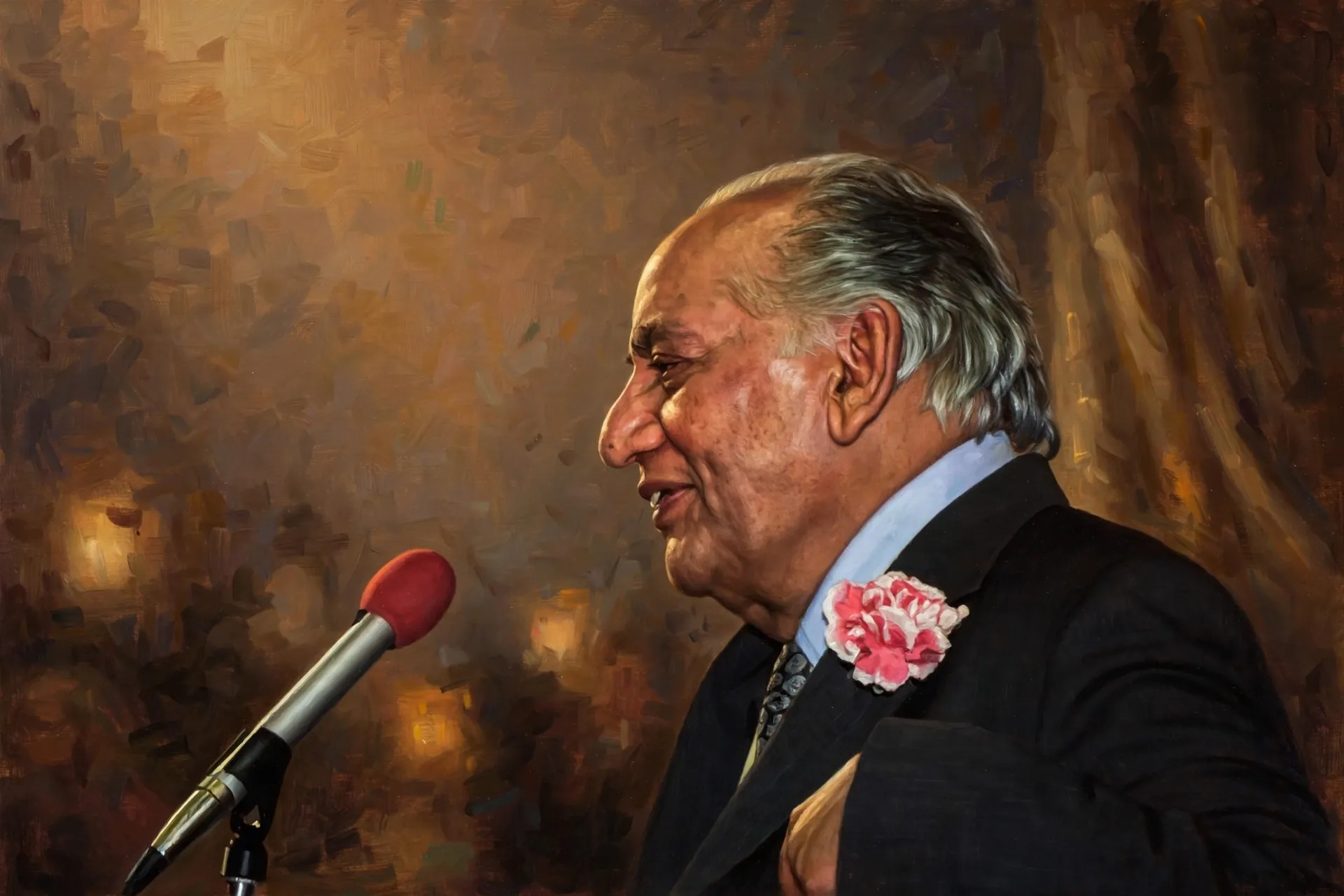
ਜੁੜੇ ਹੋਏ
ਹੋਰ ਪੜ੍ਹੋ
ਜੁਗਤੀ ਮੁਫ਼ਤ ਅਤੇ ਸੁਤੰਤਰ ਹੈ। ਪਾਠਕਾਂ ਦਾ ਸਹਿਯੋਗ ਕੋਸ਼ ਨੂੰ ਵਧਾਉਂਦਾ ਹੈ।
ਸਹਿਯੋਗ