

ਸੁਰਜ਼ਮੀਨ, ਜਿਸ ਦਾ ਅਰਥ ਹੈ ਸੰਗੀਤ ਦੀ ਧਰਤੀ, ਸੁਰਜੀਤ ਪਾਤਰ ਦਾ ਇੱਕ ਕਾਵਿ-ਸੰਗ੍ਰਹਿ ਹੈ, ਜੋ ਆਪਣੀ ਪੀੜ੍ਹੀ ਦੇ ਸਭ ਤੋਂ ਪਿਆਰੇ ਪੰਜਾਬੀ ਸ਼ਾਇਰਾਂ ਵਿੱਚੋਂ ਇੱਕ ਸੀ। ਸਿਰਲੇਖ ਵਿੱਚ ਸੁਰ, ਧੁਨ, ਅਤੇ ਜ਼ਮੀਨ, ਧਰਤੀ, ਜੁੜੇ ਹਨ, ਅਤੇ ਇਸ ਕਿਤਾਬ ਦੀਆਂ ਕਵਿਤਾਵਾਂ ਵਿੱਚ ਸੰਗੀਤ, ਯਾਦ ਅਤੇ ਪੰਜਾਬੀ ਪੇਂਡੂ ਜੀਵਨ ਮਿਲਦੇ ਹਨ। ਇਹ ਉਨ੍ਹਾਂ ਮੁੱਖ ਸੰਗ੍ਰਹਿਆਂ ਵਿੱਚੋਂ ਇੱਕ ਹੈ ਜਿਨ੍ਹਾਂ ਉੱਤੇ ਪਾਤਰ ਦੀ ਪ੍ਰਸਿੱਧੀ ਟਿਕੀ ਹੈ।
ਪੰਜਾਬੀ, ਗੁਰਮੁਖੀ- ਪੰਜਾਬੀ ਨਾਂ
- ਸੁਰਜ਼ਮੀਨ
- ਲੇਖਕ
- ਸੁਰਜੀਤ ਪਾਤਰ
- ਭਾਸ਼ਾ
- ਪੰਜਾਬੀ (ਗੁਰਮੁਖੀ)
- ਰੂਪ
- ਕਾਵਿ-ਸੰਗ੍ਰਹਿ
- ਸਿਰਲੇਖ ਦਾ ਅਰਥ
- “ਸੰਗੀਤ ਦੀ ਧਰਤੀ”
- ਕਵੀ ਦਾ ਜੀਵਨ ਕਾਲ
- 1945–2024
- ਮੁੱਖ ਸਨਮਾਨ
- ਸਾਹਿਤ ਅਕਾਦਮੀ ਪੁਰਸਕਾਰ (1993), ਸਰਸਵਤੀ ਸਨਮਾਨ (2009), ਪਦਮ ਸ਼੍ਰੀ (2012)
About the book
Surzameen (Music Land) is a poetry collection by Surjit Patar (1945-2024), the Punjabi poet whose work became a household presence across Punjab and the diaspora. The book belongs to the later part of his writing life, listed among his major collections alongside Hawa Vich Likhe Harf (1979), Birkh Arz Kare, Hanere Vich Sulagdi Varnmala (1992), Lafzan Di Dargah (1999) and Patjhar Di Pazeb. Where the early books announced a new lyric voice, Surzameen gathers the mature Patar: a poet at ease with his craft, writing about the land he came from and the music that runs through it.
The collection is written in Punjabi in the Gurmukhi script, in the free verse and ghazal forms Patar made his own. As with his other books, the poems move between the intimate and the public: a remembered village lane, a song half heard, the ache of migration, the Punjab he watched change across six decades of writing. No single event frames the book; its unity comes from its subject, the ground where music lives, and from a voice readers recognise at once, lyrical, plain spoken and quietly melancholic.
What does Surzameen mean?
The title is made of two words. Sur means melody, tune or musical note, and zameen means land or earth, so Surzameen reads as Music Land, or the land of melody. It is a fitting name for a book by a poet who nearly became a singer. Patar began as a young man who wanted to sing, and it was his singing of his own ghazals and songs at kavi darbars, poetry gatherings, that first made him a public figure. The title says what the book is about: a country, Punjab, heard as music, and music understood as a place where a people live.
The name also fits the way Patar thought about poetry itself. For him a poem was not an ornament but a dwelling, a place where memory, language and feeling could live together. Surzameen names that dwelling: the ground of sound on which Punjabi life stands, from folk song and village gathering to the classical raag tradition that gives the book its atmosphere.
Themes and craft
Music is the collection's first theme, and it runs through the poems as both subject and method. Patar's lines have always been written to be heard, shaped by the ghazal's music and the cadence of spoken Punjabi, and Surzameen leans into that inheritance more openly than any of his earlier books. Song is not decoration here; it is how memory survives, how a village keeps its dead, how a migrant carries home in his head.
Running beside the music is the land itself. Patar's Punjab is the Malwa countryside of his childhood, its fields, seasons and evening light, but also a Punjab transformed by migration, by the departure of sons and daughters, and by the long aftermath of the violent decades. The poems hold both Punjabs at once, the one remembered and the one changed, and the tension between them gives the collection its quiet ache.
The craft is the late Patar at his most assured: plain diction that carries deep feeling, images drawn from everyday life, and a refusal to raise his voice. Where younger poets declaim, Patar whispers, and the whisper carries further. His gift for the exact image, a line that stays in the ear for years, is fully present here, as is the folk grounding of his PhD work on folklore in Guru Nanak's verse.
ਲੇਖਕ
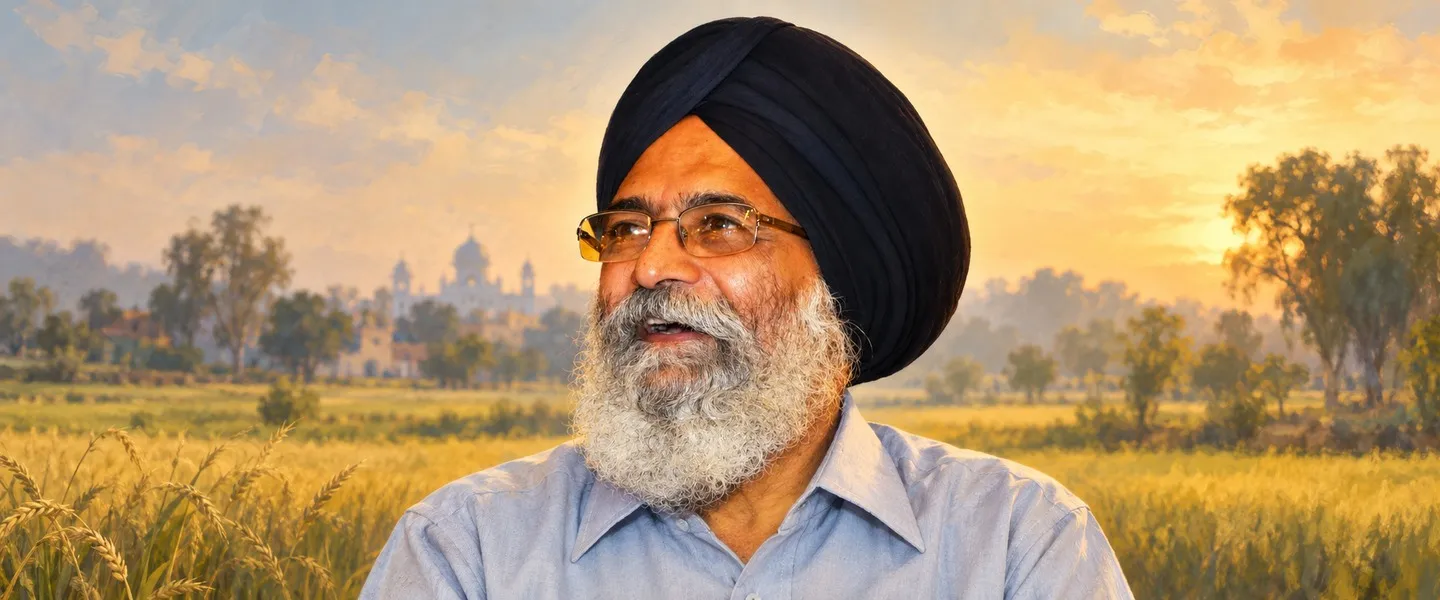
Surjit Patar (1945-2024) was, by common consent, the most loved Punjabi poet of his generation. Born Surjit Singh on 14 January 1945 in the village of Patar Kalan in Jalandhar district, from which he took his pen name, he graduated from Randhir College, Kapurthala, took a master's degree from Punjabi University, Patiala, and a PhD on the transformation of folklore in Guru Nanak's verse from Guru Nanak Dev University, Amritsar. He taught Punjabi at Punjab Agricultural University, Ludhiana, from 1972 until his retirement as professor in 2005.
He began writing in the mid-1960s, and across six decades he built one of the most honoured bodies of work in modern Punjabi literature. His honours include the Sahitya Akademi Award (1993, for Hanere Vich Sulagdi Varnmala), the Saraswati Samman (2009, for Lafzan Di Dargah) and the Padma Shri (2012). He was president of the Punjab Arts Council and of the Punjabi Sahit Akademi, and a noted translator, rendering Lorca's tragedies, Karnad's Nagmandala and poems by Brecht and Neruda into Punjabi. He died at his Ludhiana home on 11 May 2024, aged 79, and was cremated with full state honours.
Reception and legacy
Surzameen is counted among the core collections on which Patar's reputation rests, named in every account of his work beside Hawa Vich Likhe Harf, Birkh Arz Kare, Hanere Vich Sulagdi Varnmala, Lafzan Di Dargah and Patjhar Di Pazeb. Readers and critics return to it as the book where the musical side of Patar's poetry, the singer he might have been, comes most fully into the open.
The collection's afterlife is part of Patar's wider legacy. His poems became songs in the mouths of singers, lines quoted in speeches and at gatherings, and a shared language for Punjabis at home and abroad. In his later years his poems about the farmers' protest became rallying songs, and he returned his Padma Shri in protest during the agitation, a moral stand that summed up the conscience his poetry had carried since the beginning. Surzameen, the land of melody, remains one of the clearest expressions of that lifelong project: to make Punjabi sing its own life back to itself.
Read it if
Read it if you love Patar already and want the book where his musical ear is most audible. Read it if you are new to him and want a way in through song rather than statement, or if you have ever felt that a place can be heard as much as seen. It is also the right companion to his earlier collections: the debut for the beginning of the voice, Surzameen for its fullest music.
ਕਿਤਾਬ ਬਾਰੇ
ਸੁਰਜ਼ਮੀਨ (ਸੰਗੀਤ ਦੀ ਧਰਤੀ) ਸੁਰਜੀਤ ਪਾਤਰ (1945–2024) ਦਾ ਇੱਕ ਕਾਵਿ-ਸੰਗ੍ਰਹਿ ਹੈ, ਉਸ ਸ਼ਾਇਰ ਦਾ ਜਿਸ ਦੀ ਕਵਿਤਾ ਪੰਜਾਬ ਅਤੇ ਪ੍ਰਵਾਸੀ ਪੰਜਾਬੀਆਂ ਦੇ ਘਰ-ਘਰ ਪਹੁੰਚੀ। ਇਹ ਕਿਤਾਬ ਉਸ ਦੇ ਲੇਖਣੀ ਜੀਵਨ ਦੇ ਬਾਅਦ ਵਾਲੇ ਹਿੱਸੇ ਦੀ ਹੈ ਅਤੇ ਉਸ ਦੇ ਮੁੱਖ ਸੰਗ੍ਰਹਿਆਂ ਵਿੱਚ ਗਿਣੀ ਜਾਂਦੀ ਹੈ, ਹਵਾ ਵਿੱਚ ਲਿਖੇ ਹਰਫ਼ (1979), ਬਿਰਖ ਅਰਜ਼ ਕਰੇ, ਹਨੇਰੇ ਵਿੱਚ ਸੁਲਗਦੀ ਵਰਨਮਾਲਾ (1992), ਲਫ਼ਜ਼ਾਂ ਦੀ ਦਰਗਾਹ (1999) ਅਤੇ ਪਤਝੜ ਦੀ ਪਾਜ਼ੇਬ ਦੇ ਨਾਲ। ਜਿੱਥੇ ਮੁੱਢਲੀਆਂ ਕਿਤਾਬਾਂ ਨੇ ਇੱਕ ਨਵੀਂ ਗੀਤਕਾਰੀ ਆਵਾਜ਼ ਦਾ ਐਲਾਨ ਕੀਤਾ ਸੀ, ਸੁਰਜ਼ਮੀਨ ਵਿੱਚ ਪਰਿਪੱਕ ਪਾਤਰ ਮਿਲਦਾ ਹੈ, ਇੱਕ ਸ਼ਾਇਰ ਜੋ ਆਪਣੀ ਕਲਾ ਵਿੱਚ ਸਹਿਜ ਹੈ ਅਤੇ ਉਸ ਧਰਤੀ ਤੇ ਉਸ ਸੰਗੀਤ ਬਾਰੇ ਲਿਖਦਾ ਹੈ ਜਿਸ ਤੋਂ ਉਹ ਆਇਆ।
ਇਹ ਸੰਗ੍ਰਹਿ ਗੁਰਮੁਖੀ ਵਿੱਚ ਪੰਜਾਬੀ ਕਵਿਤਾ ਹੈ, ਪਾਤਰ ਦੀ ਆਪਣੀ ਬਣਾਈ ਮੁਕਤ ਕਵਿਤਾ ਅਤੇ ਗ਼ਜ਼ਲ ਦੀ ਸ਼ੈਲੀ ਵਿੱਚ। ਹੋਰ ਕਿਤਾਬਾਂ ਵਾਂਗ ਇੱਥੇ ਵੀ ਕਵਿਤਾਵਾਂ ਨਿੱਜੀ ਤੇ ਜਨਤਕ ਦੇ ਵਿਚਕਾਰ ਘੁੰਮਦੀਆਂ ਹਨ, ਯਾਦ ਆਇਆ ਪਿੰਡ ਦੀ ਗਲੀ, ਅੱਧਾ ਸੁਣਿਆ ਗੀਤ, ਪ੍ਰਵਾਸ ਦਾ ਦਰਦ, ਅਤੇ ਉਹ ਪੰਜਾਬ ਜਿਸ ਨੂੰ ਉਸ ਨੇ ਛੇ ਦਹਾਕਿਆਂ ਤੱਕ ਬਦਲਦਾ ਵੇਖਿਆ। ਕਿਤਾਬ ਨੂੰ ਕੋਈ ਇੱਕ ਘਟਨਾ ਨਹੀਂ ਬੰਨ੍ਹਦੀ, ਇਸ ਦੀ ਏਕਤਾ ਇਸ ਦੇ ਵਿਸ਼ੇ ਤੋਂ ਆਉਂਦੀ ਹੈ, ਉਹ ਧਰਤੀ ਜਿੱਥੇ ਸੰਗੀਤ ਵੱਸਦਾ ਹੈ, ਅਤੇ ਉਸ ਆਵਾਜ਼ ਤੋਂ ਜਿਸ ਨੂੰ ਪਾਠਕ ਤੁਰੰਤ ਪਛਾਣਦੇ ਹਨ, ਗੀਤਮਈ, ਸਾਦੀ ਅਤੇ ਧੀਮੀ ਉਦਾਸੀ ਵਾਲੀ।
ਸੁਰਜ਼ਮੀਨ ਦਾ ਕੀ ਅਰਥ ਹੈ?
ਸਿਰਲੇਖ ਦੋ ਸ਼ਬਦਾਂ ਦਾ ਬਣਿਆ ਹੈ। ਸੁਰ ਦਾ ਅਰਥ ਹੈ ਧੁਨ ਜਾਂ ਸੰਗੀਤ ਦਾ ਸੁਰ, ਅਤੇ ਜ਼ਮੀਨ ਦਾ ਅਰਥ ਹੈ ਧਰਤੀ, ਇਸ ਲਈ ਸੁਰਜ਼ਮੀਨ ਦਾ ਅਰਥ ਬਣਦਾ ਹੈ ਸੰਗੀਤ ਦੀ ਧਰਤੀ। ਇਹ ਨਾਮ ਇੱਕ ਅਜਿਹੇ ਸ਼ਾਇਰ ਲਈ ਬਹੁਤ ਢੁੱਕਵਾਂ ਹੈ ਜੋ ਲਗਭਗ ਗਾਇਕ ਬਣ ਗਿਆ ਸੀ। ਪਾਤਰ ਨੌਜਵਾਨੀ ਵਿੱਚ ਗਾਉਣਾ ਚਾਹੁੰਦਾ ਸੀ, ਅਤੇ ਕਵੀ ਦਰਬਾਰਾਂ ਵਿੱਚ ਆਪਣੀਆਂ ਗ਼ਜ਼ਲਾਂ ਅਤੇ ਗੀਤ ਗਾ ਕੇ ਹੀ ਉਹ ਪਹਿਲਾਂ ਲੋਕਾਂ ਵਿੱਚ ਮਸ਼ਹੂਰ ਹੋਇਆ। ਸਿਰਲੇਖ ਇਹੀ ਦੱਸਦਾ ਹੈ ਕਿ ਕਿਤਾਬ ਕਿਸ ਬਾਰੇ ਹੈ, ਪੰਜਾਬ, ਜੋ ਸੰਗੀਤ ਵਾਂਗ ਸੁਣਿਆ ਜਾਂਦਾ ਹੈ, ਅਤੇ ਸੰਗੀਤ, ਜੋ ਉਹ ਥਾਂ ਹੈ ਜਿੱਥੇ ਲੋਕ ਰਹਿੰਦੇ ਹਨ।
ਇਹ ਨਾਮ ਪਾਤਰ ਦੇ ਕਵਿਤਾ ਬਾਰੇ ਸੋਚ ਨਾਲ ਵੀ ਮੇਲ ਖਾਂਦਾ ਹੈ। ਉਸ ਲਈ ਕਵਿਤਾ ਸਜਾਵਟ ਨਹੀਂ, ਇੱਕ ਘਰ ਸੀ, ਉਹ ਥਾਂ ਜਿੱਥੇ ਯਾਦ, ਭਾਸ਼ਾ ਅਤੇ ਭਾਵਨਾ ਇਕੱਠੀਆਂ ਰਹਿ ਸਕਦੀਆਂ ਹਨ। ਸੁਰਜ਼ਮੀਨ ਉਸ ਘਰ ਦਾ ਨਾਮ ਹੈ, ਧੁਨ ਦੀ ਉਹ ਧਰਤੀ ਜਿਸ ਉੱਤੇ ਪੰਜਾਬੀ ਜੀਵਨ ਖੜ੍ਹਾ ਹੈ, ਲੋਕ ਗੀਤ ਅਤੇ ਪਿੰਡ ਦੀ ਮਹਿਫ਼ਲ ਤੋਂ ਲੈ ਕੇ ਰਾਗ ਦੀ ਪਰੰਪਰਾ ਤੱਕ ਜੋ ਇਸ ਕਿਤਾਬ ਦਾ ਮਾਹੌਲ ਬਣਾਉਂਦੀ ਹੈ।
ਵਿਸ਼ੇ ਅਤੇ ਸ਼ਿਲਪ
ਸੰਗੀਤ ਇਸ ਸੰਗ੍ਰਹਿ ਦਾ ਪਹਿਲਾ ਵਿਸ਼ਾ ਹੈ ਅਤੇ ਇਹ ਕਵਿਤਾਵਾਂ ਵਿੱਚ ਵਿਸ਼ਾ ਵੀ ਹੈ ਅਤੇ ਤਰੀਕਾ ਵੀ। ਪਾਤਰ ਦੀਆਂ ਸਤਰਾਂ ਸੁਣਨ ਲਈ ਲਿਖੀਆਂ ਜਾਂਦੀਆਂ ਰਹੀਆਂ ਹਨ, ਗ਼ਜ਼ਲ ਦੇ ਸੰਗੀਤ ਅਤੇ ਬੋਲ-ਚਾਲ ਵਾਲੀ ਪੰਜਾਬੀ ਦੀ ਲੈਅ ਨਾਲ ਬਣੀਆਂ, ਅਤੇ ਸੁਰਜ਼ਮੀਨ ਇਸ ਵਿਰਸੇ ਵੱਲ ਆਪਣੀਆਂ ਪਹਿਲੀਆਂ ਕਿਤਾਬਾਂ ਨਾਲੋਂ ਵਧੇਰੇ ਖੁੱਲ੍ਹ ਕੇ ਜਾਂਦਾ ਹੈ। ਇੱਥੇ ਗੀਤ ਸਜਾਵਟ ਨਹੀਂ, ਯਾਦ ਦੇ ਜਿਊਂਦੇ ਰਹਿਣ ਦਾ ਤਰੀਕਾ ਹੈ, ਪਿੰਡ ਆਪਣੇ ਮਰੇ ਹੋਏ ਲੋਕਾਂ ਨੂੰ ਕਿਵੇਂ ਯਾਦ ਰੱਖਦਾ ਹੈ, ਅਤੇ ਪ੍ਰਵਾਸੀ ਆਪਣੇ ਮਨ ਵਿੱਚ ਘਰ ਨੂੰ ਕਿਵੇਂ ਨਾਲ ਲੈ ਜਾਂਦਾ ਹੈ।
ਸੰਗੀਤ ਦੇ ਨਾਲ-ਨਾਲ ਧਰਤੀ ਵੀ ਹੈ। ਪਾਤਰ ਦਾ ਪੰਜਾਬ ਉਸ ਦੇ ਬਚਪਨ ਦਾ ਮਾਲਵਾ ਹੈ, ਖੇਤ, ਰੁੱਤਾਂ, ਸ਼ਾਮ ਦਾ ਚਾਨਣ, ਪਰ ਉਹ ਪੰਜਾਬ ਵੀ ਹੈ ਜੋ ਪ੍ਰਵਾਸ ਅਤੇ ਹਿੰਸਕ ਦਹਾਕਿਆਂ ਦੇ ਬਾਅਦ ਬਦਲ ਗਿਆ। ਕਵਿਤਾਵਾਂ ਦੋਵਾਂ ਪੰਜਾਬਾਂ ਨੂੰ ਇਕੱਠਾ ਫੜਦੀਆਂ ਹਨ, ਯਾਦ ਵਾਲਾ ਅਤੇ ਬਦਲਿਆ ਹੋਇਆ, ਅਤੇ ਇਨ੍ਹਾਂ ਵਿਚਕਾਰਲਾ ਤਣਾਅ ਹੀ ਸੰਗ੍ਰਹਿ ਦੀ ਧੀਮੀ ਪੀੜ ਹੈ।
ਸ਼ਿਲਪ ਪੱਖੋਂ ਇਹ ਪਰਿਪੱਕ ਪਾਤਰ ਹੈ, ਸਭ ਤੋਂ ਸਹਿਜ ਅਤੇ ਸਾਫ਼। ਸਾਦੇ ਸ਼ਬਦ ਡੂੰਘੀ ਭਾਵਨਾ ਚੁੱਕਦੇ ਹਨ, ਬਿੰਬ ਰੋਜ਼ ਦੀ ਜ਼ਿੰਦਗੀ ਤੋਂ ਲਏ ਗਏ ਹਨ, ਅਤੇ ਆਵਾਜ਼ ਉੱਚੀ ਕਰਨ ਤੋਂ ਇਨਕਾਰ ਹੈ। ਜਿੱਥੇ ਨੌਜਵਾਨ ਸ਼ਾਇਰ ਐਲਾਨ ਕਰਦੇ ਹਨ, ਪਾਤਰ ਫੁਸਫੁਸਾਉਂਦਾ ਹੈ, ਅਤੇ ਉਸ ਦੀ ਫੁਸਫੁਸਾਹਟ ਦੂਰ ਤੱਕ ਜਾਂਦੀ ਹੈ। ਉਸ ਦਾ ਸਹੀ ਬਿੰਬ ਚੁਣਨ ਦਾ ਹੁਨਰ, ਉਹ ਸਤਰ ਜੋ ਸਾਲਾਂ ਤੱਕ ਕੰਨ ਵਿੱਚ ਰਹਿੰਦੀ ਹੈ, ਇੱਥੇ ਪੂਰਾ ਮੌਜੂਦ ਹੈ, ਅਤੇ ਗੁਰੂ ਨਾਨਕ ਬਾਣੀ ਵਿੱਚ ਲੋਕਧਾਰਾ ਉੱਤੇ ਉਸ ਦੇ ਪੀਐੱਚਡੀ ਕੰਮ ਦੀ ਲੋਕ-ਜੜ੍ਹ ਵੀ।
ਲੇਖਕ ਬਾਰੇ
ਸੁਰਜੀਤ ਪਾਤਰ (1945–2024) ਆਪਣੀ ਪੀੜ੍ਹੀ ਦਾ ਸਭ ਤੋਂ ਪਿਆਰਾ ਪੰਜਾਬੀ ਸ਼ਾਇਰ ਸੀ। 14 ਜਨਵਰੀ 1945 ਨੂੰ ਜਲੰਧਰ ਜ਼ਿਲ੍ਹੇ ਦੇ ਪਿੰਡ ਪਾਤਰ ਕਲਾਂ ਵਿੱਚ ਜਨਮੇ ਸੁਰਜੀਤ ਸਿੰਘ ਨੇ ਪਿੰਡ ਤੋਂ ਹੀ 'ਪਾਤਰ' ਤਖ਼ੱਲੁਸ ਲਿਆ। ਉਸ ਨੇ ਰਣਧੀਰ ਕਾਲਜ ਕਪੂਰਥਲਾ ਤੋਂ ਗ੍ਰੈਜੂਏਸ਼ਨ, ਪੰਜਾਬੀ ਯੂਨੀਵਰਸਿਟੀ ਪਟਿਆਲਾ ਤੋਂ ਐੱਮ.ਏ. ਅਤੇ ਗੁਰੂ ਨਾਨਕ ਦੇਵ ਯੂਨੀਵਰਸਿਟੀ ਅੰਮ੍ਰਿਤਸਰ ਤੋਂ 'ਗੁਰੂ ਨਾਨਕ ਬਾਣੀ ਵਿੱਚ ਲੋਕਧਾਰਾ ਦਾ ਰੂਪਾਂਤਰਣ' ਵਿਸ਼ੇ ਉੱਤੇ ਪੀਐੱਚਡੀ ਕੀਤੀ। ਉਹ 1972 ਤੋਂ ਪੰਜਾਬ ਖੇਤੀਬਾੜੀ ਯੂਨੀਵਰਸਿਟੀ ਲੁਧਿਆਣਾ ਵਿੱਚ ਪੰਜਾਬੀ ਪੜ੍ਹਾਉਂਦਾ ਰਿਹਾ ਅਤੇ 2005 ਵਿੱਚ ਪ੍ਰੋਫ਼ੈਸਰ ਵਜੋਂ ਸੇਵਾਮੁਕਤ ਹੋਇਆ।
ਉਸ ਨੇ 1960 ਦੇ ਦਹਾਕੇ ਦੇ ਅੱਧ ਵਿੱਚ ਲਿਖਣਾ ਸ਼ੁਰੂ ਕੀਤਾ ਅਤੇ ਛੇ ਦਹਾਕਿਆਂ ਵਿੱਚ ਆਧੁਨਿਕ ਪੰਜਾਬੀ ਸਾਹਿਤ ਦਾ ਸਭ ਤੋਂ ਸਨਮਾਨਿਤ ਕਾਰਜ-ਖੇਤਰ ਬਣਾਇਆ। ਉਸ ਦੇ ਸਨਮਾਨਾਂ ਵਿੱਚ ਸਾਹਿਤ ਅਕਾਦਮੀ ਪੁਰਸਕਾਰ (1993, ਹਨੇਰੇ ਵਿੱਚ ਸੁਲਗਦੀ ਵਰਨਮਾਲਾ ਲਈ), ਸਰਸਵਤੀ ਸਨਮਾਨ (2009, ਲਫ਼ਜ਼ਾਂ ਦੀ ਦਰਗਾਹ ਲਈ) ਅਤੇ ਪਦਮ ਸ਼੍ਰੀ (2012) ਹਨ। ਉਹ ਪੰਜਾਬ ਆਰਟਸ ਕੌਂਸਲ ਅਤੇ ਪੰਜਾਬੀ ਸਾਹਿਤ ਅਕਾਦਮੀ ਦਾ ਪ੍ਰਧਾਨ ਰਿਹਾ ਅਤੇ ਵੱਡਾ ਅਨੁਵਾਦਕ ਵੀ ਸੀ, ਲੋਰਕਾ ਦੇ ਦੁਖਾਂਤ, ਕਰਨਾਡ ਦਾ ਨਾਗਮੰਡਲ ਅਤੇ ਬ੍ਰੈਖ਼ਤ ਤੇ ਨੇਰੂਦਾ ਦੀਆਂ ਕਵਿਤਾਵਾਂ ਪੰਜਾਬੀ ਵਿੱਚ। 11 ਮਈ 2024 ਨੂੰ ਲੁਧਿਆਣਾ ਵਿੱਚ 79 ਸਾਲ ਦੀ ਉਮਰ ਵਿੱਚ ਦੇਹਾਂਤ ਹੋਇਆ ਅਤੇ ਪੂਰੇ ਰਾਜਕੀ ਸਨਮਾਨਾਂ ਨਾਲ ਸਸਕਾਰ ਹੋਇਆ।
ਹੁੰਗਾਰਾ ਅਤੇ ਵਿਰਾਸਤ
ਸੁਰਜ਼ਮੀਨ ਉਨ੍ਹਾਂ ਮੁੱਖ ਸੰਗ੍ਰਹਿਆਂ ਵਿੱਚ ਗਿਣੀ ਜਾਂਦੀ ਹੈ ਜਿਨ੍ਹਾਂ ਉੱਤੇ ਪਾਤਰ ਦੀ ਪ੍ਰਸਿੱਧੀ ਟਿਕੀ ਹੈ, ਹਵਾ ਵਿੱਚ ਲਿਖੇ ਹਰਫ਼, ਬਿਰਖ ਅਰਜ਼ ਕਰੇ, ਹਨੇਰੇ ਵਿੱਚ ਸੁਲਗਦੀ ਵਰਨਮਾਲਾ, ਲਫ਼ਜ਼ਾਂ ਦੀ ਦਰਗਾਹ ਅਤੇ ਪਤਝੜ ਦੀ ਪਾਜ਼ੇਬ ਦੇ ਨਾਲ। ਪਾਠਕ ਅਤੇ ਆਲੋਚਕ ਇਸ ਵੱਲ ਉਸ ਕਿਤਾਬ ਵਜੋਂ ਮੁੜਦੇ ਹਨ ਜਿੱਥੇ ਪਾਤਰ ਦੀ ਕਵਿਤਾ ਦਾ ਸੰਗੀਤਕ ਪੱਖ, ਉਹ ਗਾਇਕ ਜੋ ਉਹ ਬਣ ਸਕਦਾ ਸੀ, ਸਭ ਤੋਂ ਖੁੱਲ੍ਹ ਕੇ ਸਾਹਮਣੇ ਆਉਂਦਾ ਹੈ।
ਇਸ ਸੰਗ੍ਰਹਿ ਦੀ ਛਾਪ ਪਾਤਰ ਦੀ ਵੱਡੀ ਵਿਰਾਸਤ ਦਾ ਹਿੱਸਾ ਹੈ। ਉਸ ਦੀਆਂ ਕਵਿਤਾਵਾਂ ਗਾਇਕਾਂ ਦੇ ਮੂੰਹੋਂ ਗੀਤ ਬਣ ਗਈਆਂ, ਸਤਰਾਂ ਭਾਸ਼ਣਾਂ ਅਤੇ ਮਹਿਫ਼ਲਾਂ ਵਿੱਚ ਦੁਹਰਾਈਆਂ ਜਾਣ ਲੱਗੀਆਂ, ਅਤੇ ਘਰ ਅਤੇ ਪ੍ਰਵਾਸ ਵਿੱਚ ਪੰਜਾਬੀਆਂ ਦੀ ਸਾਂਝੀ ਭਾਸ਼ਾ ਬਣ ਗਈਆਂ। ਉਸ ਦੇ ਬਾਅਦ ਵਾਲੇ ਸਾਲਾਂ ਵਿੱਚ ਕਿਸਾਨ ਅੰਦੋਲਨ ਬਾਰੇ ਉਸ ਦੀਆਂ ਕਵਿਤਾਵਾਂ ਸੰਘਰਸ਼ ਦੇ ਗੀਤ ਬਣ ਗਈਆਂ, ਅਤੇ ਉਸ ਨੇ ਵਿਰੋਧ ਵਜੋਂ ਆਪਣਾ ਪਦਮ ਸ਼੍ਰੀ ਵਾਪਸ ਕਰ ਦਿੱਤਾ, ਉਹ ਨੈਤਿਕ ਪੱਖ ਜੋ ਉਸ ਦੀ ਕਵਿਤਾ ਵਿੱਚ ਸ਼ੁਰੂ ਤੋਂ ਸੀ। ਸੁਰਜ਼ਮੀਨ, ਸੰਗੀਤ ਦੀ ਧਰਤੀ, ਉਸ ਜੀਵਨ ਭਰ ਦੇ ਕੰਮ ਦੀ ਸਭ ਤੋਂ ਸਾਫ਼ ਅਭਿਵਿਅਕਤੀ ਹੈ, ਪੰਜਾਬੀ ਨੂੰ ਆਪਣੀ ਜ਼ਿੰਦਗੀ ਦਾ ਗੀਤ ਗਾਉਣਾ।
ਪੜ੍ਹੋ ਜੇ
ਪੜ੍ਹੋ ਜੇ ਤੁਸੀਂ ਪਾਤਰ ਨੂੰ ਪਹਿਲਾਂ ਤੋਂ ਪਿਆਰ ਕਰਦੇ ਹੋ ਅਤੇ ਉਹ ਕਿਤਾਬ ਚਾਹੁੰਦੇ ਹੋ ਜਿੱਥੇ ਉਸ ਦੀ ਸੰਗੀਤਕ ਸੂਝ ਸਭ ਤੋਂ ਵਧੇਰੇ ਸੁਣਾਈ ਦਿੰਦੀ ਹੈ। ਪੜ੍ਹੋ ਜੇ ਤੁਸੀਂ ਉਸ ਨੂੰ ਨਵੇਂ ਮਿਲ ਰਹੇ ਹੋ ਅਤੇ ਬਿਆਨ ਦੀ ਥਾਂ ਗੀਤ ਰਾਹੀਂ ਅੰਦਰ ਜਾਣਾ ਚਾਹੁੰਦੇ ਹੋ, ਜਾਂ ਜੇ ਤੁਹਾਨੂੰ ਕਦੇ ਲੱਗਿਆ ਹੈ ਕਿ ਥਾਂ ਨੂੰ ਵੇਖਿਆ ਹੀ ਨਹੀਂ, ਸੁਣਿਆ ਵੀ ਜਾ ਸਕਦਾ ਹੈ। ਇਹ ਉਸ ਦੀਆਂ ਪਹਿਲੀਆਂ ਕਿਤਾਬਾਂ ਦੀ ਸਹੀ ਸਾਥੀ ਵੀ ਹੈ, ਆਵਾਜ਼ ਦੀ ਸ਼ੁਰੂਆਤ ਲਈ ਪਹਿਲੀ ਕਿਤਾਬ, ਅਤੇ ਉਸ ਦੇ ਪੂਰੇ ਸੰਗੀਤ ਲਈ ਸੁਰਜ਼ਮੀਨ।
ਐਡੀਸ਼ਨ ਅਤੇ ਅਨੁਵਾਦ
- ਸੁਰਜ਼ਮੀਨPunjabi · Gurmukhi · original · Gurmukhi title: ਸੁਰਜ਼ਮੀਨਮੂਲ
ਲੇਖਕ
ਜੁੜੇ ਹੋਏ
ਹੋਰ ਪੜ੍ਹੋ
ਸਰੋਤ (3)
ਜੁਗਤੀ ਮੁਫ਼ਤ ਅਤੇ ਸੁਤੰਤਰ ਹੈ। ਪਾਠਕਾਂ ਦਾ ਸਹਿਯੋਗ ਕੋਸ਼ ਨੂੰ ਵਧਾਉਂਦਾ ਹੈ।
ਸਹਿਯੋਗ