
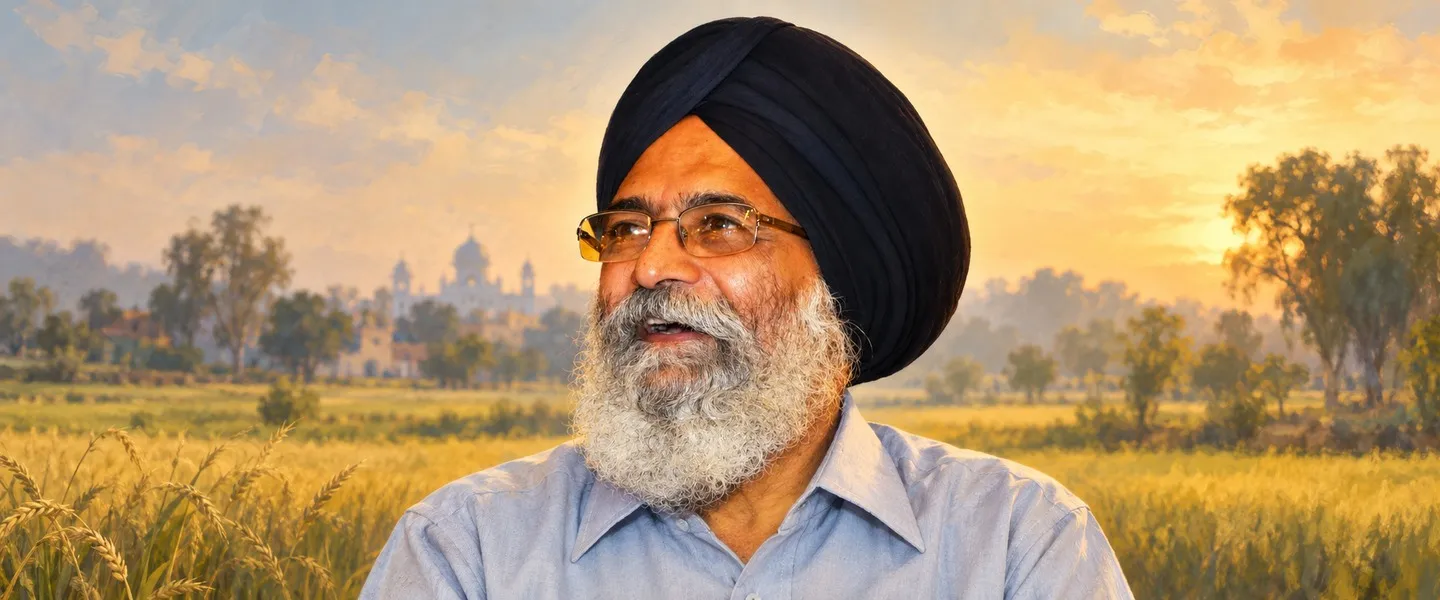
Surjit Patar (1945 to 2024) was a Punjabi poet, translator and professor from Pattar Kalan in Jalandhar district, who retired from Punjab Agricultural University, Ludhiana. Author of Hawa Vich Likhe Harf, he won the Sahitya Akademi Award in 1993, the Saraswati Samman in 2009 and the Padma Shri in 2012.
- ਪੰਜਾਬੀ ਨਾਂ
- ਸੁਰਜੀਤ ਪਾਤਰ
- ਜਨਮ
- 14 January 1945, Pattar Kalan, Jalandhar district, Punjab
- ਜ਼ਿਲ੍ਹਾ
- ਜਲੰਧਰ
- Tehsil
- Jalandhar West
- Birth name
- Surjit Hunjan
- ਦੇਹਾਂਤ
- 11 May 2024, Ludhiana, aged 79
All 11 facts
- ਸਿੱਖਿਆ
- Randhir College, Kapurthala; MA, Punjabi University, Patiala; PhD, Guru Nanak Dev University, Amritsar, on folklore in Guru Nanak Vani
- Occupation
- Professor of Punjabi, Punjab Agricultural University, Ludhiana (retired)
- Major collections
- Hawa Vich Likhe Harf; Birkh Arz Kare; Hanere Vich Sulagdi Varnmala; Lafzaan Di Dargah; Patjhar Di Pazeb; Surzameen
- ਸਨਮਾਨ
- Sahitya Akademi Award (1993); Saraswati Samman (2009); Padma Shri for literature and education (2012); Kusumagraj Literary Award (2014)
- Roles
- President, Punjab Arts Council, Chandigarh; earlier president, Punjabi Sahit Akademi, Ludhiana
ਜੀਵਨ ਇੱਕ ਨਜ਼ਰ ਵਿੱਚ
Surjit Patar (1945 to 2024) was a Punjabi poet, translator and professor from Pattar Kalan village in Jalandhar district. Author of Hawa Vich Likhe Harf and Hanere Vich Sulagdi Varnmala, he won the Sahitya Akademi Award, the Saraswati Samman and the Padma Shri, and became one of the most widely read Punjabi poets of his generation.
ਮੁੱਢਲਾ ਜੀਵਨ
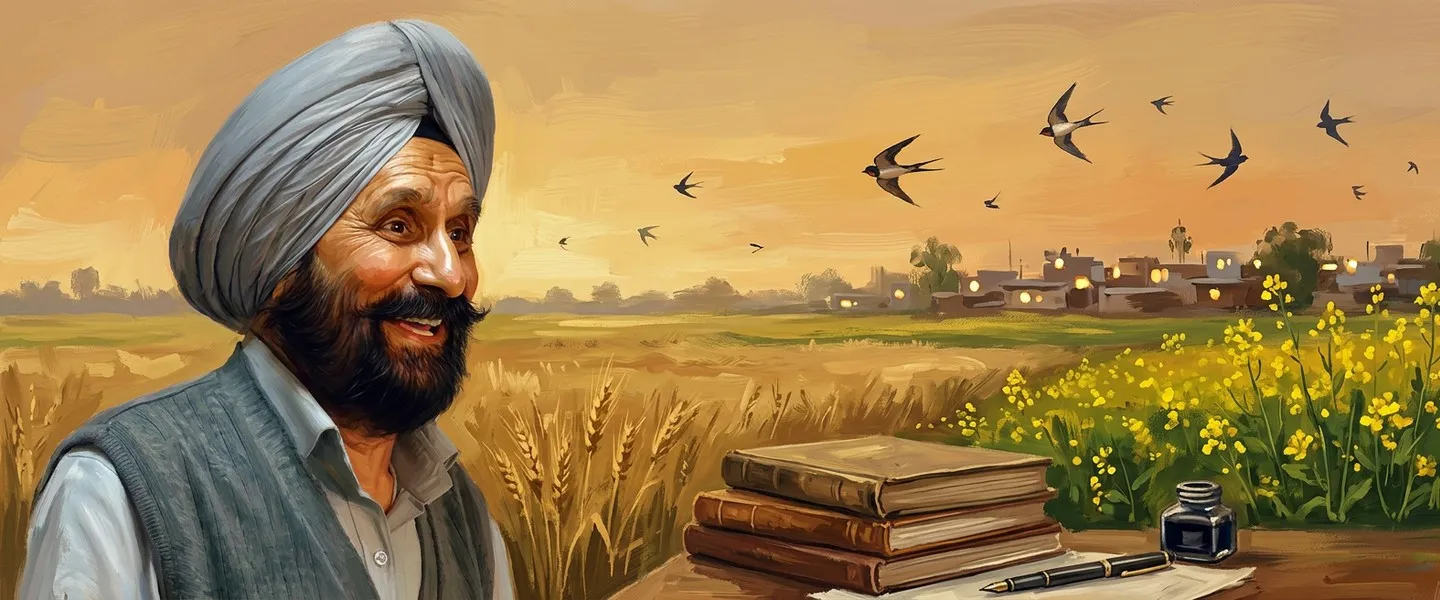
Surjit Patar was born Surjit Hunjan on 14 January 1945 in Pattar Kalan, a village in Jalandhar district in Punjab's Doaba region. The village gave him the pen name Patar, by which the whole Punjabi world came to know him. His father was Harbhajan Singh and his mother Harbhajan Kaur, and he had four older sisters. His father had migrated to Kenya for work and returned home only for short spells after years away, so the boy grew up largely with his mother and sisters, in a home where separation was a familiar feeling.
He went to a nearby village school for his matriculation, then entered a college in Kapurthala as a science student. Within a year he had switched to the arts, a change that settled the direction of his life. He graduated from Randhir College, Kapurthala, took a master's degree from Punjabi University, Patiala, and completed a PhD at Guru Nanak Dev University, Amritsar, on the transformation of folklore in Guru Nanak's bani. The subject joined his two lasting interests: the Punjabi language and its folk roots.
The professor-poet
Patar joined teaching and retired as Professor of Punjabi at Punjab Agricultural University, Ludhiana. He began writing poetry in the mid-1960s and kept the double life of professor and poet for decades, writing on a university campus in Ludhiana rather than inside the literary circles of a larger city. That distance suited a writer whose work grew out of village memory, trees, seasons and ordinary speech.
His poetry is known for short, musical lines and images taken from rural life, and it travels easily: verses are quoted in speeches, printed in books, taught in classrooms and remembered by readers who may own no other book of poems. Beneath the simplicity there is a steady melancholy. Even his best known titles hold light and darkness together, as in Hanere Vich Sulagdi Varnmala, words smouldering in the dark. Critics praised the work highly, and the general public made it its own, a combination few poets in any language achieve.
What are Surjit Patar's most famous poems and books?
Surjit Patar's most famous poetry collections are Hawa Vich Likhe Harf (Words Written in the Air), Birkh Arz Kare (Thus Spake the Tree), Hanere Vich Sulagdi Varnmala (Words Smouldering in the Dark), Lafzaan Di Dargah (Shrine of Words), Patjhar Di Pazeb (Anklet of Autumn) and Surzameen (Music Land). Together they form the core of the reputation on which his major awards rest.
His wider work includes the poems and collections listed in his bibliography as Candles, Aiya Nand Kishore, Hanera Jarega Kiven, Fasla and Koi Daalia Cho Langeya Hawa Bann Ke. Individual poems from these books are the ones most often recited at literary gatherings and quoted in public life in Punjab, which is why his name reaches many people first through a single remembered line rather than through a full book.
Translator and man of letters
Patar was also a major translator into Punjabi. He translated the three tragedies of Federico Garcia Lorca and Girish Karnad's play Nagmandala, translated poems by Bertolt Brecht and Pablo Neruda, and adapted plays by Jean Giraudoux, Euripides and Racine for Punjabi readers and the stage. Translation, for him, was a way of putting world literature into the language of his own village readers without flattening either side.
He wrote television scripts on Punjabi poets from Sheikh Farid to Shiv Kumar Batalvi, and dialogue for the Punjabi films Shaheed Uddham Singh and Videsh, the Punjabi version of Deepa Mehta's Heaven on Earth. He also led the institutions of Punjabi letters, serving as president of the Punjab Arts Council in Chandigarh and, earlier, as president of the Punjabi Sahit Akademi in Ludhiana.
Honours and later life
His honours came across five decades. They include the Punjab Sahitya Akademi Award in 1979, the national Sahitya Akademi Award in 1993 for Hanere Vich Sulagdi Varnmala, the Panchnad Puruskar in 1999, the Saraswati Samman and the Gangadhar National Award for Poetry in 2009, the Padma Shri for literature and education in 2012, and the Kusumagraj Literary Award in 2014. The Padma Shri is India's fourth highest civilian award.
In retirement he lived in Ludhiana, on Barewal Road, and remained a reference point for younger Punjabi writers. The university professor who had come from a small Doaba village was, by then, the poet political leaders quoted and students read, and his public readings continued to draw the large, attentive audiences that Punjabi poetry at its best can still command.
Death and legacy
Patar died of cardiac arrest at his home on Barewal Road in Ludhiana on 11 May 2024, aged 79. His family said he did not wake up that morning and was declared dead after reaching hospital. He was cremated with full state honours at Model Town in Ludhiana, his sons Ankur Singh Patar and Manraj Singh Patar lit the pyre, and Chief Minister Bhagwant Mann shouldered the bier. At the funeral Mann announced a new Patar award, of one lakh rupees, to be given each year to emerging poets, open to students from Class 8 to graduation.
His legacy is the place his language holds in daily life. Sukhbir Singh Badal, paying tribute, called him the most popular and beloved Punjabi poet after Shiv Kumar Batalvi, and Mann described his death as a significant loss for the Punjabi literary world. For readers, the measure is simpler: Patar showed that poems in the mother tongue, written plainly and well, could carry private grief, public memory and the life of a whole region, and still be loved by people who never call themselves readers of poetry.
ਸੁਰਜੀਤ ਪਾਤਰ (1945 ਤੋਂ 2024) ਜਲੰਧਰ ਜ਼ਿਲ੍ਹੇ ਦੇ ਪਿੰਡ ਪੱਤੜ ਕਲਾਂ ਦੇ ਪੰਜਾਬੀ ਕਵੀ, ਅਨੁਵਾਦਕ ਅਤੇ ਪ੍ਰੋਫ਼ੈਸਰ ਸਨ। 'ਹਵਾ ਵਿਚ ਲਿਖੇ ਹਰਫ਼' ਅਤੇ 'ਹਨੇਰੇ ਵਿਚ ਸੁਲਗਦੀ ਵਰਨਮਾਲਾ' ਦੇ ਲੇਖਕ ਪਾਤਰ ਨੂੰ ਸਾਹਿਤ ਅਕਾਦਮੀ ਪੁਰਸਕਾਰ, ਸਰਸਵਤੀ ਸਨਮਾਨ ਅਤੇ ਪਦਮ ਸ਼੍ਰੀ ਮਿਲਿਆ, ਅਤੇ ਉਹ ਆਪਣੀ ਪੀੜ੍ਹੀ ਦੇ ਸਭ ਤੋਂ ਵੱਧ ਪੜ੍ਹੇ ਜਾਂਦੇ ਪੰਜਾਬੀ ਕਵੀਆਂ ਵਿੱਚੋਂ ਇੱਕ ਬਣ ਗਏ।
ਮੁੱਢਲਾ ਜੀਵਨ
ਸੁਰਜੀਤ ਪਾਤਰ ਦਾ ਜਨਮ ਸੁਰਜੀਤ ਹੁੰਜਣ ਵਜੋਂ 14 ਜਨਵਰੀ 1945 ਨੂੰ ਪੰਜਾਬ ਦੇ ਦੁਆਬਾ ਖੇਤਰ ਦੇ ਜਲੰਧਰ ਜ਼ਿਲ੍ਹੇ ਦੇ ਪਿੰਡ ਪੱਤੜ ਕਲਾਂ ਵਿੱਚ ਹੋਇਆ। ਇਸੇ ਪਿੰਡ ਨੇ ਉਨ੍ਹਾਂ ਨੂੰ ਕਲਮੀ ਨਾਮ 'ਪਾਤਰ' ਦਿੱਤਾ, ਜਿਸ ਨਾਲ ਸਾਰਾ ਪੰਜਾਬੀ ਸੰਸਾਰ ਉਨ੍ਹਾਂ ਨੂੰ ਜਾਣਨ ਲੱਗਾ। ਉਨ੍ਹਾਂ ਦੇ ਪਿਤਾ ਹਰਭਜਨ ਸਿੰਘ ਅਤੇ ਮਾਤਾ ਹਰਭਜਨ ਕੌਰ ਸਨ, ਅਤੇ ਉਨ੍ਹਾਂ ਦੀਆਂ ਚਾਰ ਵੱਡੀਆਂ ਭੈਣਾਂ ਸਨ। ਉਨ੍ਹਾਂ ਦੇ ਪਿਤਾ ਕੰਮ ਲਈ ਕੀਨੀਆ ਚਲੇ ਗਏ ਸਨ ਅਤੇ ਸਾਲਾਂ ਬਾਅਦ ਥੋੜ੍ਹੇ ਸਮੇਂ ਲਈ ਹੀ ਘਰ ਆਉਂਦੇ ਸਨ, ਇਸ ਲਈ ਮੁੰਡਾ ਜ਼ਿਆਦਾਤਰ ਆਪਣੀ ਮਾਂ ਅਤੇ ਭੈਣਾਂ ਨਾਲ ਵੱਡਾ ਹੋਇਆ, ਅਜਿਹੇ ਘਰ ਵਿੱਚ ਜਿੱਥੇ ਵਿਛੋੜਾ ਰੋਜ਼ ਦਾ ਅਹਿਸਾਸ ਸੀ।
ਉਨ੍ਹਾਂ ਨੇ ਨੇੜਲੇ ਪਿੰਡ ਦੇ ਸਕੂਲ ਤੋਂ ਮੈਟ੍ਰਿਕ ਕੀਤੀ, ਫਿਰ ਕਪੂਰਥਲਾ ਦੇ ਇੱਕ ਕਾਲਜ ਵਿੱਚ ਵਿਗਿਆਨ ਦੇ ਵਿਦਿਆਰਥੀ ਵਜੋਂ ਦਾਖ਼ਲਾ ਲਿਆ। ਇੱਕ ਸਾਲ ਦੇ ਅੰਦਰ ਹੀ ਉਹ ਕਲਾ ਵੱਲ ਮੁੜ ਗਏ, ਅਤੇ ਇਸ ਬਦਲਾਅ ਨੇ ਉਨ੍ਹਾਂ ਦੇ ਜੀਵਨ ਦੀ ਦਿਸ਼ਾ ਤੈਅ ਕਰ ਦਿੱਤੀ। ਉਨ੍ਹਾਂ ਨੇ ਰਣਧੀਰ ਕਾਲਜ, ਕਪੂਰਥਲਾ ਤੋਂ ਗ੍ਰੈਜੂਏਸ਼ਨ ਕੀਤੀ, ਪੰਜਾਬੀ ਯੂਨੀਵਰਸਿਟੀ, ਪਟਿਆਲਾ ਤੋਂ ਮਾਸਟਰ ਡਿਗਰੀ ਲਈ, ਅਤੇ ਗੁਰੂ ਨਾਨਕ ਦੇਵ ਯੂਨੀਵਰਸਿਟੀ, ਅੰਮ੍ਰਿਤਸਰ ਤੋਂ ਗੁਰੂ ਨਾਨਕ ਬਾਣੀ ਵਿੱਚ ਲੋਕਧਾਰਾ ਦੇ ਰੂਪਾਂਤਰਨ 'ਤੇ ਪੀ.ਐੱਚ.ਡੀ. ਕੀਤੀ। ਇਸ ਵਿਸ਼ੇ ਨੇ ਉਨ੍ਹਾਂ ਦੀਆਂ ਦੋ ਸਦੀਵੀ ਦਿਲਚਸਪੀਆਂ ਨੂੰ ਜੋੜਿਆ: ਪੰਜਾਬੀ ਭਾਸ਼ਾ ਅਤੇ ਇਸ ਦੀਆਂ ਲੋਕ ਜੜ੍ਹਾਂ।
ਪ੍ਰੋਫ਼ੈਸਰ ਕਵੀ
ਪਾਤਰ ਅਧਿਆਪਨ ਵਿੱਚ ਆਏ ਅਤੇ ਪੰਜਾਬ ਖੇਤੀਬਾੜੀ ਯੂਨੀਵਰਸਿਟੀ, ਲੁਧਿਆਣਾ ਵਿੱਚ ਪੰਜਾਬੀ ਦੇ ਪ੍ਰੋਫ਼ੈਸਰ ਵਜੋਂ ਸੇਵਾਮੁਕਤ ਹੋਏ। ਉਨ੍ਹਾਂ ਨੇ 1960ਵਿਆਂ ਦੇ ਮੱਧ ਵਿੱਚ ਕਵਿਤਾ ਲਿਖਣੀ ਸ਼ੁਰੂ ਕੀਤੀ ਅਤੇ ਦਹਾਕਿਆਂ ਤੱਕ ਪ੍ਰੋਫ਼ੈਸਰ ਅਤੇ ਕਵੀ ਦਾ ਦੋਹਰਾ ਜੀਵਨ ਜੀਵਿਆ, ਕਿਸੇ ਵੱਡੇ ਸ਼ਹਿਰ ਦੇ ਸਾਹਿਤਕ ਘੇਰਿਆਂ ਦੀ ਬਜਾਏ ਲੁਧਿਆਣਾ ਦੇ ਯੂਨੀਵਰਸਿਟੀ ਕੈਂਪਸ ਵਿੱਚ ਰਹਿ ਕੇ ਲਿਖਿਆ। ਇਹ ਦੂਰੀ ਅਜਿਹੇ ਲੇਖਕ ਨੂੰ ਰਾਸ ਆਈ ਜਿਸ ਦੀ ਰਚਨਾ ਪਿੰਡ ਦੀ ਯਾਦ, ਦਰੱਖ਼ਤਾਂ, ਰੁੱਤਾਂ ਅਤੇ ਆਮ ਬੋਲਚਾਲ ਵਿੱਚੋਂ ਉਪਜੀ।
ਉਨ੍ਹਾਂ ਦੀ ਕਵਿਤਾ ਛੋਟੀਆਂ, ਸੰਗੀਤਮਈ ਸਤਰਾਂ ਅਤੇ ਪੇਂਡੂ ਜੀਵਨ ਤੋਂ ਲਏ ਬਿੰਬਾਂ ਲਈ ਜਾਣੀ ਜਾਂਦੀ ਹੈ, ਅਤੇ ਇਹ ਆਸਾਨੀ ਨਾਲ ਲੋਕਾਂ ਤੱਕ ਪਹੁੰਚਦੀ ਹੈ: ਉਨ੍ਹਾਂ ਦੀਆਂ ਸਤਰਾਂ ਭਾਸ਼ਣਾਂ ਵਿੱਚ ਬੋਲੀਆਂ ਜਾਂਦੀਆਂ ਹਨ, ਕਿਤਾਬਾਂ ਵਿੱਚ ਛਪਦੀਆਂ ਹਨ, ਕਲਾਸਾਂ ਵਿੱਚ ਪੜ੍ਹਾਈਆਂ ਜਾਂਦੀਆਂ ਹਨ ਅਤੇ ਉਨ੍ਹਾਂ ਪਾਠਕਾਂ ਨੂੰ ਵੀ ਯਾਦ ਰਹਿੰਦੀਆਂ ਹਨ ਜਿਨ੍ਹਾਂ ਕੋਲ ਕਵਿਤਾ ਦੀ ਹੋਰ ਕੋਈ ਕਿਤਾਬ ਨਾ ਹੋਵੇ। ਇਸ ਸਾਦਗੀ ਦੇ ਹੇਠਾਂ ਇੱਕ ਸਥਿਰ ਉਦਾਸੀ ਹੈ। ਉਨ੍ਹਾਂ ਦੇ ਸਭ ਤੋਂ ਜਾਣੇ ਸਿਰਲੇਖਾਂ ਵਿੱਚ ਵੀ ਰੌਸ਼ਨੀ ਅਤੇ ਹਨੇਰਾ ਇਕੱਠੇ ਹਨ, ਜਿਵੇਂ 'ਹਨੇਰੇ ਵਿਚ ਸੁਲਗਦੀ ਵਰਨਮਾਲਾ' ਵਿੱਚ। ਆਲੋਚਕਾਂ ਨੇ ਇਸ ਰਚਨਾ ਦੀ ਬਹੁਤ ਪ੍ਰਸ਼ੰਸਾ ਕੀਤੀ ਅਤੇ ਆਮ ਲੋਕਾਂ ਨੇ ਇਸ ਨੂੰ ਆਪਣਾ ਬਣਾ ਲਿਆ, ਅਜਿਹਾ ਸੁਮੇਲ ਜੋ ਕਿਸੇ ਵੀ ਭਾਸ਼ਾ ਦੇ ਬਹੁਤ ਘੱਟ ਕਵੀਆਂ ਨੂੰ ਨਸੀਬ ਹੁੰਦਾ ਹੈ।
ਸੁਰਜੀਤ ਪਾਤਰ ਦੀਆਂ ਸਭ ਤੋਂ ਮਸ਼ਹੂਰ ਕਵਿਤਾਵਾਂ ਅਤੇ ਕਿਤਾਬਾਂ ਕਿਹੜੀਆਂ ਹਨ?
ਸੁਰਜੀਤ ਪਾਤਰ ਦੇ ਸਭ ਤੋਂ ਮਸ਼ਹੂਰ ਕਾਵਿ ਸੰਗ੍ਰਹਿ ਹਨ 'ਹਵਾ ਵਿਚ ਲਿਖੇ ਹਰਫ਼', 'ਬਿਰਖ ਅਰਜ਼ ਕਰੇ', 'ਹਨੇਰੇ ਵਿਚ ਸੁਲਗਦੀ ਵਰਨਮਾਲਾ', 'ਲਫ਼ਜ਼ਾਂ ਦੀ ਦਰਗਾਹ', 'ਪਤਝੜ ਦੀ ਪਾਜ਼ੇਬ' ਅਤੇ 'ਸੁਰਜ਼ਮੀਨ'। ਇਕੱਠੇ ਮਿਲ ਕੇ ਇਹ ਉਸ ਪਛਾਣ ਦਾ ਕੇਂਦਰ ਹਨ ਜਿਸ 'ਤੇ ਉਨ੍ਹਾਂ ਦੇ ਵੱਡੇ ਪੁਰਸਕਾਰ ਟਿਕੇ ਹਨ।
ਉਨ੍ਹਾਂ ਦੀ ਵਿਆਪਕ ਰਚਨਾ ਵਿੱਚ ਉਨ੍ਹਾਂ ਦੀ ਗ੍ਰੰਥ ਸੂਚੀ ਵਿੱਚ ਦਰਜ 'ਕੈਂਡਲਜ਼', 'ਆਇਆ ਨੰਦ ਕਿਸ਼ੋਰ', 'ਹਨੇਰਾ ਜਰੇਗਾ ਕਿਵੇਂ', 'ਫ਼ਾਸਲਾ' ਅਤੇ 'ਕੋਈ ਡਾਲੀਆ ਚੋਂ ਲੰਘਿਆ ਹਵਾ ਬਣ ਕੇ' ਵੀ ਸ਼ਾਮਲ ਹਨ। ਇਨ੍ਹਾਂ ਕਿਤਾਬਾਂ ਦੀਆਂ ਹੀ ਕਵਿਤਾਵਾਂ ਸਾਹਿਤਕ ਇਕੱਠਾਂ ਵਿੱਚ ਸਭ ਤੋਂ ਵੱਧ ਸੁਣਾਈਆਂ ਜਾਂਦੀਆਂ ਹਨ ਅਤੇ ਪੰਜਾਬ ਦੇ ਜਨਤਕ ਜੀਵਨ ਵਿੱਚ ਹਵਾਲੇ ਵਜੋਂ ਵਰਤੀਆਂ ਜਾਂਦੀਆਂ ਹਨ, ਇਸੇ ਲਈ ਬਹੁਤ ਸਾਰੇ ਲੋਕਾਂ ਤੱਕ ਉਨ੍ਹਾਂ ਦਾ ਨਾਮ ਪੂਰੀ ਕਿਤਾਬ ਦੀ ਬਜਾਏ ਕਿਸੇ ਇੱਕ ਯਾਦ ਰਹਿ ਗਈ ਸਤਰ ਰਾਹੀਂ ਪਹਿਲਾਂ ਪਹੁੰਚਦਾ ਹੈ।
ਅਨੁਵਾਦਕ ਅਤੇ ਸਾਹਿਤਕਾਰ
ਪਾਤਰ ਪੰਜਾਬੀ ਵਿੱਚ ਵੱਡੇ ਅਨੁਵਾਦਕ ਵੀ ਸਨ। ਉਨ੍ਹਾਂ ਨੇ ਫੈਡਰਿਕੋ ਗਾਰਸੀਆ ਲੋਰਕਾ ਦੀਆਂ ਤਿੰਨ ਦੁਖਾਂਤਕੀਆਂ ਅਤੇ ਗਿਰੀਸ਼ ਕਰਨਾਡ ਦੇ ਨਾਟਕ 'ਨਾਗਮੰਡਲ' ਦਾ ਅਨੁਵਾਦ ਕੀਤਾ, ਬਰਤੋਲਤ ਬ੍ਰੈਖ਼ਤ ਅਤੇ ਪਾਬਲੋ ਨੇਰੂਦਾ ਦੀਆਂ ਕਵਿਤਾਵਾਂ ਦਾ ਅਨੁਵਾਦ ਕੀਤਾ, ਅਤੇ ਜੀਨ ਜਿਰੋਦੂ, ਯੂਰੀਪਿਡੀਜ਼ ਅਤੇ ਰਾਸੀਨ ਦੇ ਨਾਟਕਾਂ ਨੂੰ ਪੰਜਾਬੀ ਪਾਠਕਾਂ ਅਤੇ ਮੰਚ ਲਈ ਢਾਲਿਆ। ਉਨ੍ਹਾਂ ਲਈ ਅਨੁਵਾਦ ਆਪਣੇ ਪਿੰਡ ਦੇ ਪਾਠਕਾਂ ਦੀ ਭਾਸ਼ਾ ਵਿੱਚ ਸੰਸਾਰ ਸਾਹਿਤ ਪਹੁੰਚਾਉਣ ਦਾ ਤਰੀਕਾ ਸੀ, ਬਿਨਾਂ ਕਿਸੇ ਪਾਸੇ ਨੂੰ ਸਪਾਟ ਕੀਤੇ।
ਉਨ੍ਹਾਂ ਨੇ ਸ਼ੇਖ਼ ਫ਼ਰੀਦ ਤੋਂ ਸ਼ਿਵ ਕੁਮਾਰ ਬਟਾਲਵੀ ਤੱਕ ਪੰਜਾਬੀ ਕਵੀਆਂ 'ਤੇ ਟੈਲੀਵਿਜ਼ਨ ਸਕ੍ਰਿਪਟਾਂ ਲਿਖੀਆਂ, ਅਤੇ ਪੰਜਾਬੀ ਫ਼ਿਲਮਾਂ 'ਸ਼ਹੀਦ ਊਧਮ ਸਿੰਘ' ਅਤੇ 'ਵਿਦੇਸ਼', ਜੋ ਦੀਪਾ ਮਹਿਤਾ ਦੀ 'ਹੈਵਨ ਆਨ ਅਰਥ' ਦਾ ਪੰਜਾਬੀ ਰੂਪ ਸੀ, ਦੇ ਸੰਵਾਦ ਲਿਖੇ। ਉਨ੍ਹਾਂ ਨੇ ਪੰਜਾਬੀ ਸਾਹਿਤ ਦੀਆਂ ਸੰਸਥਾਵਾਂ ਦੀ ਅਗਵਾਈ ਵੀ ਕੀਤੀ, ਚੰਡੀਗੜ੍ਹ ਵਿੱਚ ਪੰਜਾਬ ਕਲਾ ਪ੍ਰੀਸ਼ਦ ਦੇ ਪ੍ਰਧਾਨ ਅਤੇ ਇਸ ਤੋਂ ਪਹਿਲਾਂ ਲੁਧਿਆਣਾ ਵਿੱਚ ਪੰਜਾਬੀ ਸਾਹਿਤ ਅਕਾਦਮੀ ਦੇ ਪ੍ਰਧਾਨ ਵਜੋਂ।
ਸਨਮਾਨ ਅਤੇ ਬਾਅਦ ਦਾ ਜੀਵਨ
ਉਨ੍ਹਾਂ ਦੇ ਸਨਮਾਨ ਪੰਜ ਦਹਾਕਿਆਂ ਵਿੱਚ ਫੈਲੇ ਹਨ। ਇਨ੍ਹਾਂ ਵਿੱਚ 1979 ਵਿੱਚ ਪੰਜਾਬ ਸਾਹਿਤ ਅਕਾਦਮੀ ਪੁਰਸਕਾਰ, 1993 ਵਿੱਚ 'ਹਨੇਰੇ ਵਿਚ ਸੁਲਗਦੀ ਵਰਨਮਾਲਾ' ਲਈ ਕੌਮੀ ਸਾਹਿਤ ਅਕਾਦਮੀ ਪੁਰਸਕਾਰ, 1999 ਵਿੱਚ ਪੰਚਨਦ ਪੁਰਸਕਾਰ, 2009 ਵਿੱਚ ਸਰਸਵਤੀ ਸਨਮਾਨ ਅਤੇ ਗੰਗਾਧਰ ਕੌਮੀ ਕਵਿਤਾ ਪੁਰਸਕਾਰ, 2012 ਵਿੱਚ ਸਾਹਿਤ ਅਤੇ ਸਿੱਖਿਆ ਲਈ ਪਦਮ ਸ਼੍ਰੀ, ਅਤੇ 2014 ਵਿੱਚ ਕੁਸੁਮਾਗਰਜ ਸਾਹਿਤਕ ਪੁਰਸਕਾਰ ਸ਼ਾਮਲ ਹਨ। ਪਦਮ ਸ਼੍ਰੀ ਭਾਰਤ ਦਾ ਚੌਥਾ ਸਭ ਤੋਂ ਵੱਡਾ ਨਾਗਰਿਕ ਸਨਮਾਨ ਹੈ।
ਸੇਵਾਮੁਕਤੀ ਤੋਂ ਬਾਅਦ ਉਹ ਲੁਧਿਆਣਾ ਵਿੱਚ ਬਰੇਵਾਲ ਰੋਡ 'ਤੇ ਰਹੇ ਅਤੇ ਨੌਜਵਾਨ ਪੰਜਾਬੀ ਲੇਖਕਾਂ ਲਈ ਹਵਾਲਾ ਬਿੰਦੂ ਬਣੇ ਰਹੇ। ਦੁਆਬੇ ਦੇ ਛੋਟੇ ਜਿਹੇ ਪਿੰਡ ਤੋਂ ਆਇਆ ਯੂਨੀਵਰਸਿਟੀ ਪ੍ਰੋਫ਼ੈਸਰ ਉਦੋਂ ਤੱਕ ਉਹ ਕਵੀ ਬਣ ਚੁੱਕਾ ਸੀ ਜਿਸ ਨੂੰ ਸਿਆਸੀ ਆਗੂ ਹਵਾਲੇ ਵਜੋਂ ਬੋਲਦੇ ਸਨ ਅਤੇ ਵਿਦਿਆਰਥੀ ਪੜ੍ਹਦੇ ਸਨ, ਅਤੇ ਉਨ੍ਹਾਂ ਦੇ ਜਨਤਕ ਪਾਠ ਵੱਡੀ, ਧਿਆਨ ਨਾਲ ਸੁਣਨ ਵਾਲੀ ਭੀੜ ਖਿੱਚਦੇ ਰਹੇ, ਜੋ ਪੰਜਾਬੀ ਕਵਿਤਾ ਆਪਣੇ ਸਭ ਤੋਂ ਚੰਗੇ ਰੂਪ ਵਿੱਚ ਅਜੇ ਵੀ ਖਿੱਚ ਸਕਦੀ ਹੈ।
ਮੌਤ ਅਤੇ ਵਿਰਾਸਤ
ਪਾਤਰ ਦੀ ਮੌਤ 11 ਮਈ 2024 ਨੂੰ ਲੁਧਿਆਣਾ ਵਿੱਚ ਬਰੇਵਾਲ ਰੋਡ 'ਤੇ ਆਪਣੇ ਘਰ ਵਿੱਚ ਦਿਲ ਦਾ ਦੌਰਾ ਪੈਣ ਨਾਲ ਹੋਈ, ਉਹ 79 ਸਾਲ ਦੇ ਸਨ। ਉਨ੍ਹਾਂ ਦੇ ਪਰਿਵਾਰ ਨੇ ਦੱਸਿਆ ਕਿ ਉਹ ਉਸ ਸਵੇਰ ਉੱਠੇ ਨਹੀਂ ਅਤੇ ਹਸਪਤਾਲ ਪਹੁੰਚਣ 'ਤੇ ਉਨ੍ਹਾਂ ਨੂੰ ਮ੍ਰਿਤਕ ਐਲਾਨਿਆ ਗਿਆ। ਲੁਧਿਆਣਾ ਦੇ ਮਾਡਲ ਟਾਊਨ ਵਿੱਚ ਪੂਰੇ ਰਾਜਕੀ ਸਨਮਾਨਾਂ ਨਾਲ ਉਨ੍ਹਾਂ ਦਾ ਸਸਕਾਰ ਕੀਤਾ ਗਿਆ, ਉਨ੍ਹਾਂ ਦੇ ਪੁੱਤਰਾਂ ਅੰਕੁਰ ਸਿੰਘ ਪਾਤਰ ਅਤੇ ਮਨਰਾਜ ਸਿੰਘ ਪਾਤਰ ਨੇ ਚਿਖਾ ਨੂੰ ਅੱਗ ਵਿਖਾਈ, ਅਤੇ ਮੁੱਖ ਮੰਤਰੀ ਭਗਵੰਤ ਮਾਨ ਨੇ ਅਰਥੀ ਨੂੰ ਮੋਢਾ ਦਿੱਤਾ। ਸਸਕਾਰ ਸਮੇਂ ਮਾਨ ਨੇ ਇੱਕ ਲੱਖ ਰੁਪਏ ਦੇ ਨਵੇਂ ਪਾਤਰ ਪੁਰਸਕਾਰ ਦਾ ਐਲਾਨ ਕੀਤਾ, ਜੋ ਹਰ ਸਾਲ ਉਭਰਦੇ ਕਵੀਆਂ ਨੂੰ ਦਿੱਤਾ ਜਾਵੇਗਾ ਅਤੇ ਅੱਠਵੀਂ ਜਮਾਤ ਤੋਂ ਗ੍ਰੈਜੂਏਸ਼ਨ ਤੱਕ ਦੇ ਵਿਦਿਆਰਥੀਆਂ ਲਈ ਖੁੱਲ੍ਹਾ ਹੋਵੇਗਾ।
ਉਨ੍ਹਾਂ ਦੀ ਵਿਰਾਸਤ ਉਹ ਥਾਂ ਹੈ ਜੋ ਉਨ੍ਹਾਂ ਦੀ ਭਾਸ਼ਾ ਰੋਜ਼ਾਨਾ ਜੀਵਨ ਵਿੱਚ ਰੱਖਦੀ ਹੈ। ਸੁਖਬੀਰ ਸਿੰਘ ਬਾਦਲ ਨੇ ਸ਼ਰਧਾਂਜਲੀ ਦਿੰਦਿਆਂ ਉਨ੍ਹਾਂ ਨੂੰ ਸ਼ਿਵ ਕੁਮਾਰ ਬਟਾਲਵੀ ਤੋਂ ਬਾਅਦ ਸਭ ਤੋਂ ਲੋਕਪ੍ਰਿਯ ਅਤੇ ਪਿਆਰਾ ਪੰਜਾਬੀ ਕਵੀ ਕਿਹਾ, ਅਤੇ ਮਾਨ ਨੇ ਉਨ੍ਹਾਂ ਦੀ ਮੌਤ ਨੂੰ ਪੰਜਾਬੀ ਸਾਹਿਤਕ ਸੰਸਾਰ ਲਈ ਵੱਡਾ ਘਾਟਾ ਦੱਸਿਆ। ਪਾਠਕਾਂ ਲਈ ਮਾਪ ਸੌਖਾ ਹੈ: ਪਾਤਰ ਨੇ ਵਿਖਾਇਆ ਕਿ ਮਾਂ ਬੋਲੀ ਵਿੱਚ ਸਾਦਗੀ ਨਾਲ ਅਤੇ ਚੰਗੀ ਤਰ੍ਹਾਂ ਲਿਖੀਆਂ ਕਵਿਤਾਵਾਂ ਨਿੱਜੀ ਦੁੱਖ, ਜਨਤਕ ਯਾਦ ਅਤੇ ਇੱਕ ਪੂਰੇ ਖੇਤਰ ਦੇ ਜੀਵਨ ਨੂੰ ਚੁੱਕ ਸਕਦੀਆਂ ਹਨ, ਅਤੇ ਫਿਰ ਵੀ ਉਨ੍ਹਾਂ ਲੋਕਾਂ ਨੂੰ ਪਿਆਰੀਆਂ ਲੱਗ ਸਕਦੀਆਂ ਹਨ ਜੋ ਆਪਣੇ ਆਪ ਨੂੰ ਕਵਿਤਾ ਦੇ ਪਾਠਕ ਕਦੇ ਨਹੀਂ ਕਹਿੰਦੇ।
ਰਚਨਾਵਾਂ
ਲੋਕ


ਥਾਵਾਂ
ਹੋਰ ਲੇਖਕ ਅਤੇ ਕਵੀ
ਸਾਰੇ ਵੇਖੋ


ਸਰੋਤ (2)
ਜੁਗਤੀ ਮੁਫ਼ਤ ਅਤੇ ਸੁਤੰਤਰ ਹੈ। ਪਾਠਕਾਂ ਦਾ ਸਹਿਯੋਗ ਕੋਸ਼ ਨੂੰ ਵਧਾਉਂਦਾ ਹੈ।
ਸਹਿਯੋਗ