
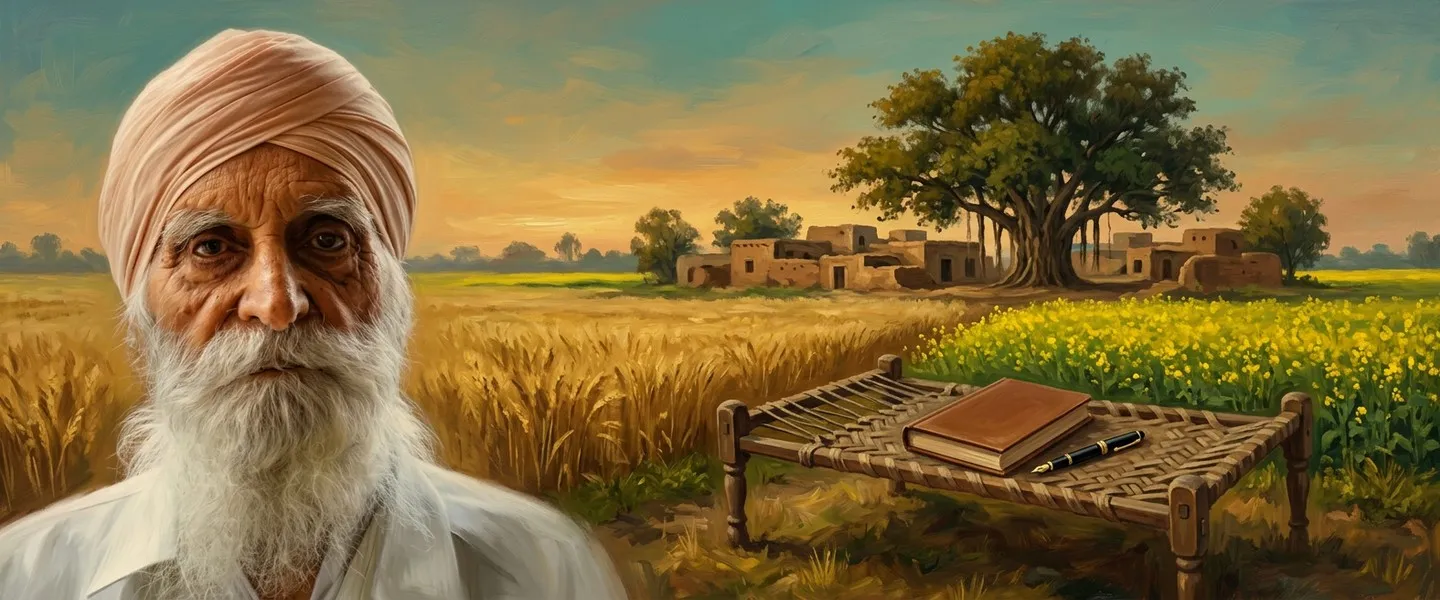
ਜਸਵੰਤ ਸਿੰਘ ਕੰਵਲ (1919-2020) ਮੋਗਾ ਜ਼ਿਲ੍ਹੇ ਦੇ ਪਿੰਡ ਢੁੱਡੀਕੇ ਦੇ ਪੰਜਾਬੀ ਨਾਵਲਕਾਰ ਸਨ। ਉਨ੍ਹਾਂ ਦਾ ਨਕਸਲੀ ਦੌਰ ਦਾ ਨਾਵਲ 'ਲਹੂ ਦੀ ਲੋਅ' ਐਮਰਜੈਂਸੀ ਵੇਲੇ ਵਿਦੇਸ਼ ਵਿੱਚ ਛਾਪਣਾ ਪਿਆ, ਅਤੇ ਉਨ੍ਹਾਂ ਨੇ 'ਤੌਸ਼ਾਲੀ ਦੀ ਹੰਸੋ' ਲਈ ਸਾਹਿਤ ਅਕਾਦਮੀ ਪੁਰਸਕਾਰ ਜਿੱਤਿਆ। ਉਨ੍ਹਾਂ ਦਾ ਦੇਹਾਂਤ 1 ਫ਼ਰਵਰੀ 2020 ਨੂੰ ਢੁੱਡੀਕੇ ਵਿੱਚ ਘਰ ਹੀ ਹੋਇਆ, ਉਸ ਵੇਲੇ ਉਮਰ 100 ਸਾਲ ਸੀ।
ਜੀਵਨ ਇੱਕ ਨਜ਼ਰ ਵਿੱਚ
- 1919ਜਨਮ Dhudike, Moga district, Punjab
- 2007Other honour Punjab government
- 2008Other honour Guru Nanak Dev University
- 2020ਦੇਹਾਂਤ Dhudike (aged 100; PTI said 101)
- ਪੰਜਾਬੀ ਨਾਂ
- ਜਸਵੰਤ ਸਿੰਘ ਕੰਵਲ
- ਜਨਮ
- 27 ਜੂਨ 1919, ਢੁੱਡੀਕੇ, ਮੋਗਾ ਜ਼ਿਲ੍ਹਾ, ਪੰਜਾਬ
- ਜ਼ਿਲ੍ਹਾ
- ਮੋਗਾ
- ਜ਼ਿਲ੍ਹਾ
- ਧੂਦਿਕੇ
- ਤਹਿਸੀਲ
- ਮੋਗਾ
- ਦੇਹਾਂਤ
- 1 ਫ਼ਰਵਰੀ 2020, ਢੁੱਡੀਕੇ (ਉਮਰ 100 ਸਾਲ; ਪੀਟੀਆਈ ਨੇ 101 ਦੱਸੀ)
All 12 facts
- ਪਹਿਲਾ ਨਾਵਲ
- ਸੱਚ ਨੂੰ ਫਾਂਸੀ, 1944
- ਸਭ ਤੋਂ ਜਾਣਿਆ ਕੰਮ
- ਲਹੂ ਦੀ ਲੋਅ (1975 ਵਿੱਚ ਲਿਖਿਆ, ਐਮਰਜੈਂਸੀ ਦੌਰ)
- ਸਾਹਿਤ ਅਕਾਦਮੀ ਪੁਰਸਕਾਰ
- ਤੌਸ਼ਾਲੀ ਦੀ ਹੰਸੋ (ਟ੍ਰਿਬਿਊਨ/ਪੀਟੀਆਈ/ਹਿੰਦੁਸਤਾਨ ਟਾਈਮਜ਼ ਮੁਤਾਬਕ 1998; ਇੰਡੀਅਨ ਐਕਸਪ੍ਰੈੱਸ ਮੁਤਾਬਕ 1997)
- ਪੱਖੀ ਸਨਮਾਨ
- ਕਹਾਣੀ ਸੰਗ੍ਰਹਿ 'ਪੱਖੀ' ਲਈ ਸਾਹਿਤ ਅਕਾਦਮੀ ਫੈਲੋਸ਼ਿਪ ਸਨਮਾਨ ਦੱਸਿਆ ਗਿਆ, 1996 (ਪੀਟੀਆਈ)
- ਹੋਰ ਸਨਮਾਨ
- ਸਾਹਿਤ ਸ਼ਿਰੋਮਣੀ ਪੁਰਸਕਾਰ, ਪੰਜਾਬ ਸਰਕਾਰ (2007); ਡੀ.ਲਿਟ (ਆਨਰੇਰੀ), ਗੁਰੂ ਨਾਨਕ ਦੇਵ ਯੂਨੀਵਰਸਿਟੀ (2008)
- ਰਚਨਾਵਾਂ
- ਰਿਪੋਰਟਾਂ 50 ਤੋਂ 102 ਕਿਤਾਬਾਂ ਤੱਕ ਦੱਸਦੀਆਂ ਹਨ
Jaswant Singh Kanwal (27 June 1919 – 1 February 2020) was one of the best-loved Punjabi novelists of the twentieth century. Born and rooted in Dhudike village in Moga district, he wrote the Naxalite-era novel Lahu Di Lo and won the Sahitya Akademi Award for Taushali Di Hanso. Indian Express and The Tribune credit him with around a hundred books.
ਮੁੱਢਲਾ ਜੀਵਨ
Kanwal was born in Dhudike into a landowning family, as Hindustan Times describes it. He left school before finishing matriculation and in 1935 travelled to Malaya, where, according to The Indian Express, he worked for two years as a guard. Away from home, he started reading, and he came back in 1937 to the village where he would spend the rest of his life.
He made regular trips to Lahore to buy books and took formal lessons in Vedant Shastra, which is where the title Gyani, used with his name, is said to have come from. He drafted his first book, Jeevan Kaniyan, in 1940; his first novel, Sach Nu Phansi, appeared in 1944.
Career
Over the next seven decades he wrote novels, stories, essays and political commentary rooted in village life. The Indian Express lists the agrarian crisis, caste barriers, women's rights and youth among his themes, and quotes his grandson saying each work has a strong woman character. Among his better-known titles are Haani, Raat Baaki Hai, Pali, Mittar Pyare Nu, Barf Di Agg, Roopmati and Gawachi Pag. His novel Puranmashi is praised for its prose; its character Gyani was based on him, and its village on Dhudike.
His most famous and most controversial book is Lahu Di Lo, written around the Naxalite movement in Punjab in 1975, during the Emergency. No publisher in India would take it. It was printed abroad (Singapore per The Tribune and Hindustan Times, Malaysia per The Indian Express and Times of India) and copies were smuggled into Punjab to be read.
Taushali Di Hanso retells the people's resistance in the Battle of Kalinga through the courtesan dancer Hanso, after Kanwal visited the site to research it. It won him the Sahitya Akademi Award; The Tribune, PTI and Hindustan Times give the year as 1998, The Indian Express as 1997. He received the Punjab government's Sahit Shiromani Award in 2007 and an honorary Doctor of Literature from Guru Nanak Dev University, Amritsar, in 2008. His last book on the Indian Express list, Dhur Dargah (2017), is a set of essays on present-day Punjab.
Kanwal's politics were never settled. Hindustan Times describes him as swinging from the extreme Left to the Right, and The Tribune notes that he drew criticism in political and literary circles for sympathising with the Khalistan movement. Times of India adds that a case was filed against him under the Rajiv Gandhi government over one of his writings.
Writing and themes
Kanwal wrote from inside the life he described. The Sikh Encyclopedia notes that after returning from Malaya he took up his family's work of farming at Dhudike, and his fiction is rooted in that experience. His novels depict rural Malwa in its own speech, with generous use of the Malwai dialect, and they return again and again to the village economy: land, debt, caste and the standing of women. The same reference work calls him, in many respects, the successor of Nanak Singh, the founder of the modern Punjabi novel.
His standpoint was progressive. The Sikh Encyclopedia describes a committed writer who satirised the misdeeds of the wealthy and urged the downtrodden to rise together, while Wikipedia summarises his themes as challenges to settled social customs and a championship of social and gender equality. That is why IANS called him the 'writer of movements' when he died: his books were tied to the struggles of their time, from the agrarian questions of Malwa to the Naxalite years behind Lahu Di Lo.
Legacy
He was close to the actor Balraj Sahni and the poet Baba Balwant, and after both died he started prose and poetry awards in their names. In June 2019 his hundredth year was celebrated with a literary festival named Puranmashi. Poet Surjit Patar told The Indian Express that after Nanak Singh, Kanwal was the only writer who ruled the hearts of Punjabis, and that while others moved to cities, he lived his whole life in his village.
His honours went beyond the Sahitya Akademi Award for Taushali Di Hanso. PTI reported a Sahitya Akademi Fellowship honour linked to his 1996 short-story collection Pakhi (Hand Fan), and Wikipedia lists further recognition late in life, including the Tagore Literature Award in 2009 and a Lifetime Achievement Award from the Punjab Kala Parishad in 2018. Chief Minister Amarinder Singh, condoling his death, described a versatile writer of nearly 80 books whose writings gave a voice to the common man grappling with socio-economic hardship.
Kanwal died at home in Dhudike on 1 February 2020, aged 100 (PTI reported 101). He was cremated in the village the same day, wrapped in a cloth that read Shah Ranjha, a nod to his love for Waris Shah's Heer.
Where is Jaswant Singh Kanwal from?
He was born in 1919 in Dhudike village in Moga district, Punjab, and lived there for nearly all his life after returning from Malaya in 1937.
What is Jaswant Singh Kanwal's best-known book?
Lahu Di Lo, his Emergency-era novel about the Naxalite movement, which had to be printed abroad and smuggled into Punjab. His Sahitya Akademi Award came for Taushali Di Hanso.
How many books did Jaswant Singh Kanwal write?
Outlets disagree: roughly 50 to 102, with The Tribune and The Indian Express saying 102 novels and other works.
ਜਸਵੰਤ ਸਿੰਘ ਕੰਵਲ (27 ਜੂਨ 1919 – 1 ਫ਼ਰਵਰੀ 2020) ਵੀਹਵੀਂ ਸਦੀ ਦੇ ਸਭ ਤੋਂ ਹਰਮਨ ਪਿਆਰੇ ਪੰਜਾਬੀ ਨਾਵਲਕਾਰਾਂ ਵਿੱਚੋਂ ਸਨ। ਮੋਗਾ ਜ਼ਿਲ੍ਹੇ ਦੇ ਪਿੰਡ ਢੁੱਡੀਕੇ ਵਿੱਚ ਜੰਮੇ-ਪਲੇ ਕੰਵਲ ਨੇ ਨਕਸਲੀ ਦੌਰ ਦਾ ਨਾਵਲ 'ਲਹੂ ਦੀ ਲੋਅ' ਲਿਖਿਆ ਅਤੇ 'ਤੌਸ਼ਾਲੀ ਦੀ ਹੰਸੋ' ਲਈ ਸਾਹਿਤ ਅਕਾਦਮੀ ਪੁਰਸਕਾਰ ਜਿੱਤਿਆ। ਇੰਡੀਅਨ ਐਕਸਪ੍ਰੈੱਸ ਅਤੇ ਦ ਟ੍ਰਿਬਿਊਨ ਉਨ੍ਹਾਂ ਦੀਆਂ ਲਗਭਗ ਸੌ ਕਿਤਾਬਾਂ ਦੱਸਦੇ ਹਨ।
ਮੁੱਢਲਾ ਜੀਵਨ
ਹਿੰਦੁਸਤਾਨ ਟਾਈਮਜ਼ ਮੁਤਾਬਕ ਕੰਵਲ ਦਾ ਜਨਮ ਢੁੱਡੀਕੇ ਦੇ ਇੱਕ ਜ਼ਮੀਨਦਾਰ ਪਰਿਵਾਰ ਵਿੱਚ ਹੋਇਆ। ਉਨ੍ਹਾਂ ਨੇ ਮੈਟ੍ਰਿਕ ਪੂਰੀ ਕਰਨ ਤੋਂ ਪਹਿਲਾਂ ਹੀ ਸਕੂਲ ਛੱਡ ਦਿੱਤਾ ਅਤੇ 1935 ਵਿੱਚ ਮਲਾਇਆ ਚਲੇ ਗਏ, ਜਿੱਥੇ ਇੰਡੀਅਨ ਐਕਸਪ੍ਰੈੱਸ ਅਨੁਸਾਰ ਉਨ੍ਹਾਂ ਨੇ ਦੋ ਸਾਲ ਚੌਕੀਦਾਰ ਵਜੋਂ ਕੰਮ ਕੀਤਾ। ਘਰੋਂ ਦੂਰ ਉਨ੍ਹਾਂ ਨੇ ਪੜ੍ਹਨਾ ਸ਼ੁਰੂ ਕੀਤਾ ਅਤੇ 1937 ਵਿੱਚ ਉਸ ਪਿੰਡ ਮੁੜ ਆਏ ਜਿੱਥੇ ਉਨ੍ਹਾਂ ਨੇ ਬਾਕੀ ਉਮਰ ਗੁਜ਼ਾਰੀ।
ਉਹ ਕਿਤਾਬਾਂ ਲੈਣ ਲਈ ਅਕਸਰ ਲਾਹੌਰ ਜਾਂਦੇ ਅਤੇ ਵੇਦਾਂਤ ਸ਼ਾਸਤਰ ਦੀ ਰਸਮੀ ਪੜ੍ਹਾਈ ਵੀ ਕੀਤੀ, ਜਿੱਥੋਂ ਉਨ੍ਹਾਂ ਦੇ ਨਾਂ ਨਾਲ 'ਗਿਆਨੀ' ਜੁੜਨ ਦੀ ਗੱਲ ਕਹੀ ਜਾਂਦੀ ਹੈ। ਉਨ੍ਹਾਂ ਨੇ ਆਪਣੀ ਪਹਿਲੀ ਕਿਤਾਬ 'ਜੀਵਨ ਕਣੀਆਂ' 1940 ਵਿੱਚ ਲਿਖੀ; ਪਹਿਲਾ ਨਾਵਲ 'ਸੱਚ ਨੂੰ ਫਾਂਸੀ' 1944 ਵਿੱਚ ਛਪਿਆ।
ਕਰੀਅਰ
ਅਗਲੇ ਸੱਤ ਦਹਾਕਿਆਂ ਵਿੱਚ ਕੰਵਲ ਨੇ ਪਿੰਡਾਂ ਦੇ ਜੀਵਨ ਵਿੱਚ ਜੜ੍ਹਾਂ ਵਾਲੇ ਨਾਵਲ, ਕਹਾਣੀਆਂ, ਲੇਖ ਅਤੇ ਸਿਆਸੀ ਟਿੱਪਣੀਆਂ ਲਿਖੀਆਂ। ਇੰਡੀਅਨ ਐਕਸਪ੍ਰੈੱਸ ਖੇਤੀ ਸੰਕਟ, ਜਾਤੀ ਦੀਆਂ ਕੰਧਾਂ, ਔਰਤਾਂ ਦੇ ਹੱਕਾਂ ਅਤੇ ਨੌਜਵਾਨਾਂ ਨੂੰ ਉਨ੍ਹਾਂ ਦੇ ਵਿਸ਼ਿਆਂ ਵਜੋਂ ਗਿਣਦਾ ਹੈ ਅਤੇ ਉਨ੍ਹਾਂ ਦੇ ਦੋਹਤੇ ਦੇ ਹਵਾਲੇ ਨਾਲ ਦੱਸਦਾ ਹੈ ਕਿ ਹਰ ਰਚਨਾ ਵਿੱਚ ਇੱਕ ਮਜ਼ਬੂਤ ਔਰਤ ਪਾਤਰ ਹੁੰਦਾ ਹੈ। ਉਨ੍ਹਾਂ ਦੇ ਜਾਣੇ-ਪਛਾਣੇ ਨਾਵਾਂ ਵਿੱਚ 'ਹਾਣੀ', 'ਰਾਤ ਬਾਕੀ ਹੈ', 'ਪਾਲੀ', 'ਮਿੱਤਰ ਪਿਆਰੇ ਨੂੰ', 'ਬਰਫ਼ ਦੀ ਅੱਗ', 'ਰੂਪਮਤੀ' ਅਤੇ 'ਗਵਾਚੀ ਪੱਗ' ਸ਼ਾਮਲ ਹਨ। ਨਾਵਲ 'ਪੂਰਨਮਾਸ਼ੀ' ਆਪਣੀ ਵਾਰਤਕ ਲਈ ਸਲਾਹਿਆ ਜਾਂਦਾ ਹੈ; ਇਸ ਦਾ ਪਾਤਰ ਗਿਆਨੀ ਉਨ੍ਹਾਂ ਉੱਤੇ ਅਤੇ ਪਿੰਡ ਢੁੱਡੀਕੇ ਉੱਤੇ ਆਧਾਰਿਤ ਸੀ।
ਉਨ੍ਹਾਂ ਦੀ ਸਭ ਤੋਂ ਮਸ਼ਹੂਰ ਅਤੇ ਸਭ ਤੋਂ ਵਿਵਾਦਤ ਕਿਤਾਬ 'ਲਹੂ ਦੀ ਲੋਅ' ਹੈ, ਜੋ 1975 ਵਿੱਚ ਐਮਰਜੈਂਸੀ ਦੌਰਾਨ ਪੰਜਾਬ ਦੀ ਨਕਸਲੀ ਲਹਿਰ ਬਾਰੇ ਲਿਖੀ ਗਈ। ਭਾਰਤ ਦਾ ਕੋਈ ਪ੍ਰਕਾਸ਼ਕ ਇਸ ਨੂੰ ਛਾਪਣ ਲਈ ਤਿਆਰ ਨਹੀਂ ਸੀ। ਇਹ ਵਿਦੇਸ਼ ਵਿੱਚ ਛਪੀ (ਦ ਟ੍ਰਿਬਿਊਨ ਅਤੇ ਹਿੰਦੁਸਤਾਨ ਟਾਈਮਜ਼ ਅਨੁਸਾਰ ਸਿੰਗਾਪੁਰ ਵਿੱਚ, ਇੰਡੀਅਨ ਐਕਸਪ੍ਰੈੱਸ ਅਤੇ ਟਾਈਮਜ਼ ਆਫ਼ ਇੰਡੀਆ ਅਨੁਸਾਰ ਮਲੇਸ਼ੀਆ ਵਿੱਚ) ਅਤੇ ਇਸ ਦੀਆਂ ਕਾਪੀਆਂ ਚੋਰੀ-ਛਿਪੇ ਪੰਜਾਬ ਲਿਆਂਦੀਆਂ ਗਈਆਂ ਤਾਂ ਜੋ ਲੋਕ ਇਸ ਨੂੰ ਪੜ੍ਹ ਸਕਣ।
'ਤੌਸ਼ਾਲੀ ਦੀ ਹੰਸੋ' ਕਲਿੰਗ ਦੀ ਲੜਾਈ ਵਿੱਚ ਆਮ ਲੋਕਾਂ ਦੇ ਟਾਕਰੇ ਨੂੰ ਨਚਾਰ ਹੰਸੋ ਦੇ ਸਹਾਰੇ ਬਿਆਨ ਕਰਦਾ ਹੈ; ਇਸ ਲਈ ਕੰਵਲ ਨੇ ਉਸ ਥਾਂ ਜਾ ਕੇ ਖੋਜ ਕੀਤੀ ਸੀ। ਇਸੇ ਨਾਵਲ ਲਈ ਉਨ੍ਹਾਂ ਨੂੰ ਸਾਹਿਤ ਅਕਾਦਮੀ ਪੁਰਸਕਾਰ ਮਿਲਿਆ; ਦ ਟ੍ਰਿਬਿਊਨ, ਪੀਟੀਆਈ ਅਤੇ ਹਿੰਦੁਸਤਾਨ ਟਾਈਮਜ਼ ਇਸ ਦਾ ਸਾਲ 1998 ਦੱਸਦੇ ਹਨ, ਇੰਡੀਅਨ ਐਕਸਪ੍ਰੈੱਸ 1997। ਉਨ੍ਹਾਂ ਨੂੰ 2007 ਵਿੱਚ ਪੰਜਾਬ ਸਰਕਾਰ ਦਾ ਸਾਹਿਤ ਸ਼ਿਰੋਮਣੀ ਪੁਰਸਕਾਰ ਅਤੇ 2008 ਵਿੱਚ ਗੁਰੂ ਨਾਨਕ ਦੇਵ ਯੂਨੀਵਰਸਿਟੀ, ਅੰਮ੍ਰਿਤਸਰ ਵੱਲੋਂ ਡਾਕਟਰ ਆਫ਼ ਲਿਟਰੇਚਰ ਦੀ ਆਨਰੇਰੀ ਡਿਗਰੀ ਮਿਲੀ। ਇੰਡੀਅਨ ਐਕਸਪ੍ਰੈੱਸ ਦੀ ਸੂਚੀ ਵਿੱਚ ਉਨ੍ਹਾਂ ਦੀ ਆਖ਼ਰੀ ਕਿਤਾਬ 'ਧੁਰ ਦਰਗਾਹ' (2017) ਅੱਜ ਦੇ ਪੰਜਾਬ ਬਾਰੇ ਲੇਖਾਂ ਦਾ ਸੰਗ੍ਰਹਿ ਹੈ।
ਕੰਵਲ ਦੀ ਸਿਆਸਤ ਕਦੇ ਇੱਕ ਥਾਂ ਟਿਕੀ ਨਹੀਂ। ਹਿੰਦੁਸਤਾਨ ਟਾਈਮਜ਼ ਉਨ੍ਹਾਂ ਨੂੰ ਅਤਿ ਖੱਬੇ ਪੱਖ ਤੋਂ ਸੱਜੇ ਪੱਖ ਵੱਲ ਝੂਲਦਾ ਦੱਸਦਾ ਹੈ, ਅਤੇ ਦ ਟ੍ਰਿਬਿਊਨ ਮੁਤਾਬਕ ਖ਼ਾਲਿਸਤਾਨ ਲਹਿਰ ਪ੍ਰਤੀ ਹਮਦਰਦੀ ਕਰਕੇ ਸਿਆਸੀ ਤੇ ਸਾਹਿਤਕ ਹਲਕਿਆਂ ਵਿੱਚ ਉਨ੍ਹਾਂ ਦੀ ਆਲੋਚਨਾ ਹੋਈ। ਟਾਈਮਜ਼ ਆਫ਼ ਇੰਡੀਆ ਅਨੁਸਾਰ ਰਾਜੀਵ ਗਾਂਧੀ ਦੀ ਸਰਕਾਰ ਵੇਲੇ ਉਨ੍ਹਾਂ ਦੀ ਇੱਕ ਲਿਖਤ ਕਰਕੇ ਉਨ੍ਹਾਂ ਉੱਤੇ ਮਾਮਲਾ ਦਰਜ ਹੋਇਆ।
ਲਿਖਣ ਸ਼ੈਲੀ ਅਤੇ ਵਿਸ਼ੇ
ਕੰਵਲ ਨੇ ਜੋ ਜੀਵਨ ਜੀਵਿਆ, ਉਸੇ ਵਿੱਚੋਂ ਲਿਖਿਆ। ਦ ਸਿੱਖ ਐਨਸਾਈਕਲੋਪੀਡੀਆ ਮੁਤਾਬਕ ਮਲਾਇਆ ਤੋਂ ਮੁੜ ਕੇ ਉਨ੍ਹਾਂ ਨੇ ਢੁੱਡੀਕੇ ਵਿੱਚ ਆਪਣੇ ਪਰਿਵਾਰ ਦਾ ਖੇਤੀ ਵਾਲਾ ਕਿੱਤਾ ਅਪਣਾਇਆ, ਅਤੇ ਉਨ੍ਹਾਂ ਦੀ ਗਲਪ ਉਸੇ ਤਜਰਬੇ ਵਿੱਚ ਜੜ੍ਹੀ ਹੈ। ਉਨ੍ਹਾਂ ਦੇ ਨਾਵਲ ਪੇਂਡੂ ਮਾਲਵੇ ਨੂੰ ਉਸ ਦੀ ਆਪਣੀ ਬੋਲੀ ਵਿੱਚ ਬਿਆਨ ਕਰਦੇ ਹਨ, ਜਿਸ ਵਿੱਚ ਮਾਲਵਈ ਉਪਭਾਸ਼ਾ ਦੀ ਭਰਪੂਰ ਵਰਤੋਂ ਹੈ, ਅਤੇ ਉਹ ਵਾਰ ਵਾਰ ਪਿੰਡ ਦੀ ਆਰਥਿਕਤਾ ਵੱਲ ਮੁੜਦੇ ਹਨ: ਜ਼ਮੀਨ, ਕਰਜ਼ਾ, ਜਾਤ ਅਤੇ ਔਰਤਾਂ ਦੀ ਥਾਂ। ਉਹੀ ਹਵਾਲਾ ਉਨ੍ਹਾਂ ਨੂੰ ਕਈ ਪੱਖਾਂ ਤੋਂ ਆਧੁਨਿਕ ਪੰਜਾਬੀ ਨਾਵਲ ਦੇ ਬਾਨੀ ਨਾਨਕ ਸਿੰਘ ਦਾ ਵਾਰਸ ਕਹਿੰਦਾ ਹੈ।
ਉਨ੍ਹਾਂ ਦਾ ਨਜ਼ਰੀਆ ਤਰੱਕੀ ਪਸੰਦ ਸੀ। ਦ ਸਿੱਖ ਐਨਸਾਈਕਲੋਪੀਡੀਆ ਉਨ੍ਹਾਂ ਨੂੰ ਇੱਕ ਪ੍ਰਤਿਬੱਧ ਲੇਖਕ ਦੱਸਦਾ ਹੈ ਜੋ ਅਮੀਰਾਂ ਦੇ ਮਾੜੇ ਕੰਮਾਂ ਉੱਤੇ ਵਿਅੰਗ ਕਰਦਾ ਅਤੇ ਦੱਬੇ ਕੁਚਲਿਆਂ ਨੂੰ ਜੁੱਟਣ ਲਈ ਪ੍ਰੇਰਦਾ ਸੀ, ਜਦਕਿ ਵਿਕੀਪੀਡੀਆ ਉਨ੍ਹਾਂ ਦੇ ਵਿਸ਼ਿਆਂ ਨੂੰ ਪੱਕੀਆਂ ਸਮਾਜਿਕ ਰੀਤਾਂ ਨੂੰ ਚੁਣੌਤੀ ਅਤੇ ਸਮਾਜਿਕ ਤੇ ਲਿੰਗ ਬਰਾਬਰੀ ਦੀ ਵਕਾਲਤ ਵਜੋਂ ਸਾਰ ਦਿੰਦਾ ਹੈ। ਇਸੇ ਲਈ ਆਈਏਐਨਐਸ ਨੇ ਉਨ੍ਹਾਂ ਦੀ ਮੌਤ ਵੇਲੇ ਉਨ੍ਹਾਂ ਨੂੰ 'ਲਹਿਰਾਂ ਦਾ ਲੇਖਕ' ਕਿਹਾ: ਉਨ੍ਹਾਂ ਦੀਆਂ ਕਿਤਾਬਾਂ ਆਪਣੇ ਸਮੇਂ ਦੇ ਸੰਘਰਸ਼ਾਂ ਨਾਲ ਜੁੜੀਆਂ ਸਨ, ਮਾਲਵੇ ਦੇ ਖੇਤੀ ਸਵਾਲਾਂ ਤੋਂ ਲੈ ਕੇ 'ਲਹੂ ਦੀ ਲੋਅ' ਪਿੱਛੇ ਵਾਲੇ ਨਕਸਲੀ ਵਰ੍ਹਿਆਂ ਤੱਕ।
ਵਿਰਾਸਤ
ਉਹ ਅਦਾਕਾਰ ਬਲਰਾਜ ਸਾਹਨੀ ਅਤੇ ਕਵੀ ਬਾਬਾ ਬਲਵੰਤ ਦੇ ਨੇੜਲੇ ਮਿੱਤਰ ਸਨ, ਅਤੇ ਦੋਵਾਂ ਦੇ ਜਾਣ ਮਗਰੋਂ ਉਨ੍ਹਾਂ ਨੇ ਉਨ੍ਹਾਂ ਦੇ ਨਾਂ ਉੱਤੇ ਵਾਰਤਕ ਅਤੇ ਕਵਿਤਾ ਦੇ ਪੁਰਸਕਾਰ ਸ਼ੁਰੂ ਕੀਤੇ। ਜੂਨ 2019 ਵਿੱਚ ਉਨ੍ਹਾਂ ਦੇ ਸੌਵੇਂ ਵਰ੍ਹੇ ਨੂੰ 'ਪੂਰਨਮਾਸ਼ੀ' ਨਾਂ ਦੇ ਸਾਹਿਤਕ ਮੇਲੇ ਨਾਲ ਮਨਾਇਆ ਗਿਆ। ਕਵੀ ਸੁਰਜੀਤ ਪਾਤਰ ਨੇ ਇੰਡੀਅਨ ਐਕਸਪ੍ਰੈੱਸ ਨੂੰ ਕਿਹਾ ਕਿ ਨਾਨਕ ਸਿੰਘ ਤੋਂ ਬਾਅਦ ਕੰਵਲ ਹੀ ਇੱਕੋ-ਇੱਕ ਲੇਖਕ ਸਨ ਜਿਨ੍ਹਾਂ ਨੇ ਪੰਜਾਬੀਆਂ ਦੇ ਦਿਲਾਂ ਉੱਤੇ ਰਾਜ ਕੀਤਾ, ਅਤੇ ਜਦੋਂ ਹੋਰ ਸ਼ਹਿਰਾਂ ਵੱਲ ਚਲੇ ਗਏ ਉਹ ਸਾਰੀ ਉਮਰ ਆਪਣੇ ਪਿੰਡ ਵਿੱਚ ਹੀ ਰਹੇ।
ਉਨ੍ਹਾਂ ਦੇ ਸਨਮਾਨ 'ਤੌਸ਼ਾਲੀ ਦੀ ਹੰਸੋ' ਲਈ ਮਿਲੇ ਸਾਹਿਤ ਅਕਾਦਮੀ ਪੁਰਸਕਾਰ ਤੋਂ ਅੱਗੇ ਵੀ ਗਏ। ਪੀਟੀਆਈ ਨੇ ਸਾਹਿਤ ਅਕਾਦਮੀ ਫੈਲੋਸ਼ਿਪ ਦਾ ਸਨਮਾਨ ਉਨ੍ਹਾਂ ਦੇ 1996 ਦੇ ਕਹਾਣੀ ਸੰਗ੍ਰਹਿ 'ਪੱਖੀ' ਨਾਲ ਜੋੜ ਕੇ ਦੱਸਿਆ, ਅਤੇ ਵਿਕੀਪੀਡੀਆ ਬਾਅਦ ਦੇ ਵਰ੍ਹਿਆਂ ਵਿੱਚ ਹੋਰ ਮਾਨਤਾ ਵੀ ਗਿਣਦਾ ਹੈ, ਜਿਸ ਵਿੱਚ 2009 ਦਾ ਟੈਗੋਰ ਸਾਹਿਤ ਪੁਰਸਕਾਰ ਅਤੇ 2018 ਵਿੱਚ ਪੰਜਾਬ ਕਲਾ ਪਰਿਸ਼ਦ ਦਾ ਲਾਈਫਟਾਈਮ ਅਚੀਵਮੈਂਟ ਪੁਰਸਕਾਰ ਸ਼ਾਮਲ ਹਨ। ਮੁੱਖ ਮੰਤਰੀ ਅਮਰਿੰਦਰ ਸਿੰਘ ਨੇ ਉਨ੍ਹਾਂ ਦੇ ਦੇਹਾਂਤ ਉੱਤੇ ਸੋਗ ਪ੍ਰਗਟ ਕਰਦਿਆਂ ਉਨ੍ਹਾਂ ਨੂੰ ਲਗਭਗ 80 ਕਿਤਾਬਾਂ ਦੇ ਬਹੁਪੱਖੀ ਲੇਖਕ ਕਿਹਾ, ਜਿਨ੍ਹਾਂ ਦੀਆਂ ਲਿਖਤਾਂ ਨੇ ਸਮਾਜਿਕ ਅਤੇ ਆਰਥਿਕ ਤੰਗੀਆਂ ਨਾਲ ਜੂਝਦੇ ਆਮ ਆਦਮੀ ਨੂੰ ਆਵਾਜ਼ ਦਿੱਤੀ।
ਕੰਵਲ ਦਾ ਦੇਹਾਂਤ 1 ਫ਼ਰਵਰੀ 2020 ਨੂੰ ਢੁੱਡੀਕੇ ਵਿੱਚ ਆਪਣੇ ਘਰ ਹੋਇਆ, ਉਮਰ 100 ਸਾਲ (ਪੀਟੀਆਈ ਨੇ 101 ਦੱਸੀ)। ਉਸੇ ਦਿਨ ਪਿੰਡ ਦੇ ਸ਼ਮਸ਼ਾਨ ਘਾਟ ਵਿੱਚ ਉਨ੍ਹਾਂ ਦਾ ਸਸਕਾਰ ਹੋਇਆ; ਉਨ੍ਹਾਂ ਉੱਤੇ 'ਸ਼ਾਹ ਰਾਂਝਾ' ਲਿਖਿਆ ਕੱਪੜਾ ਪਾਇਆ ਗਿਆ, ਜੋ ਵਾਰਿਸ ਸ਼ਾਹ ਦੀ ਹੀਰ ਲਈ ਉਨ੍ਹਾਂ ਦੇ ਪਿਆਰ ਨੂੰ ਸਲਾਮ ਸੀ।
ਜਸਵੰਤ ਸਿੰਘ ਕੰਵਲ ਕਿੱਥੋਂ ਦੇ ਸਨ?
ਉਨ੍ਹਾਂ ਦਾ ਜਨਮ 1919 ਵਿੱਚ ਪੰਜਾਬ ਦੇ ਮੋਗਾ ਜ਼ਿਲ੍ਹੇ ਦੇ ਪਿੰਡ ਢੁੱਡੀਕੇ ਵਿੱਚ ਹੋਇਆ, ਅਤੇ 1937 ਵਿੱਚ ਮਲਾਇਆ ਤੋਂ ਮੁੜਨ ਮਗਰੋਂ ਉਹ ਲਗਭਗ ਸਾਰੀ ਉਮਰ ਉੱਥੇ ਹੀ ਰਹੇ।
ਜਸਵੰਤ ਸਿੰਘ ਕੰਵਲ ਦੀ ਸਭ ਤੋਂ ਮਸ਼ਹੂਰ ਕਿਤਾਬ ਕਿਹੜੀ ਹੈ?
'ਲਹੂ ਦੀ ਲੋਅ', ਨਕਸਲੀ ਲਹਿਰ ਬਾਰੇ ਐਮਰਜੈਂਸੀ ਦੌਰ ਦਾ ਉਨ੍ਹਾਂ ਦਾ ਨਾਵਲ, ਜੋ ਵਿਦੇਸ਼ ਵਿੱਚ ਛਪਵਾ ਕੇ ਪੰਜਾਬ ਲਿਆਉਣਾ ਪਿਆ। ਉਨ੍ਹਾਂ ਦਾ ਸਾਹਿਤ ਅਕਾਦਮੀ ਪੁਰਸਕਾਰ 'ਤੌਸ਼ਾਲੀ ਦੀ ਹੰਸੋ' ਲਈ ਮਿਲਿਆ।
ਜਸਵੰਤ ਸਿੰਘ ਕੰਵਲ ਨੇ ਕਿੰਨੀਆਂ ਕਿਤਾਬਾਂ ਲਿਖੀਆਂ?
ਅਖ਼ਬਾਰਾਂ ਇੱਕ ਰਾਇ ਨਹੀਂ: ਲਗਭਗ 50 ਤੋਂ 102 ਤੱਕ, ਜਦਕਿ ਦ ਟ੍ਰਿਬਿਊਨ ਅਤੇ ਇੰਡੀਅਨ ਐਕਸਪ੍ਰੈੱਸ 102 ਨਾਵਲ ਤੇ ਹੋਰ ਰਚਨਾਵਾਂ ਦੱਸਦੇ ਹਨ।
ਲੋਕ

ਥਾਵਾਂ


ਹੋਰ ਲੇਖਕ ਅਤੇ ਕਵੀ
ਸਾਰੇ ਵੇਖੋ

ਸਰੋਤ (10)
- Wikipedia: Jaswant Singh Kanwal
- The Tribune: Grand old man of Punjabi literature Kanwal no more (2 Feb 2020)
- The Indian Express: Jaswant Singh Kanwal (1919-2020) bids adieu at 100 (2 Feb 2020)
- Hindustan Times: Jaswant Singh Kanwal, the proud patriarch of Punjabi letters (1 Feb 2020)
- Times of India: Eminent Punjabi writer, novelist Jaswant Singh Kanwal dies (2 Feb 2020)
- Business Standard / PTI: Punjabi writer Jaswant Singh dies (1 Feb 2020)
- Wikimedia Commons: Jaswant Singh Kanwal at his residence in Dhudike (cropped).jpg (Satdeep Gill, CC BY-SA 4.0)
- The Sikh Encyclopedia: Singh 'Kanwal', Jaswant (1919-2020)
- LatestLY / PTI: Punjabi writer Jaswant Singh Kanwal dies (1 Feb 2020)
- Indulge Express / IANS: Last rites held for Punjabi writer Jaswant Singh Kanwal (2 Feb 2020)
ਜੁਗਤੀ ਮੁਫ਼ਤ ਅਤੇ ਸੁਤੰਤਰ ਹੈ। ਪਾਠਕਾਂ ਦਾ ਸਹਿਯੋਗ ਕੋਸ਼ ਨੂੰ ਵਧਾਉਂਦਾ ਹੈ।
ਸਹਿਯੋਗ