

Ram Sarup Ankhi (1932-2010) was a Punjabi novelist, poet and short-story writer from the Malwa region of Punjab. His epic novel Kothe Kharak Singh (1985), the story of three generations in a Malwa village, won the Sahitya Akademi Award in 1987. His fiction, set across the villages of Mansa, Bathinda, Barnala and Sangrur, chronicled farmer debt, drug addiction and migration in post-Green Revolution Punjab.
ਜੀਵਨ ਇੱਕ ਨਜ਼ਰ ਵਿੱਚ
- 1932ਜਨਮ Dhaula, Barnala district
- 1985ਪ੍ਰਸਿੱਧੀ ਕੋਠੇ ਖੜਕ ਸਿੰਘ
- 1987ਸਨਮਾਨ ਸਾਹਿਤ ਅਕਾਦਮੀ ਪੁਰਸਕਾਰ
- 1992ਸਨਮਾਨ Kartar Singh Dhaliwal Award
- 1993ਪ੍ਰਸਿੱਧੀ Partapi
- 2009ਸਨਮਾਨ Sarb Shresht Sahitkaar
- 2010ਦੇਹਾਂਤ ਬਰਨਾਲਾ
- ਪੰਜਾਬੀ ਨਾਂ
- ਰਾਮ ਸਰੂਪ ਅਣਖੀ
- ਜਨਮ
- 28 August 1932, Dhaula, Barnala district
- ਜ਼ਿਲ੍ਹਾ
- ਬਰਨਾਲਾ
- ਤਹਿਸੀਲ
- ਤਪਾ
- ਦੇਹਾਂਤ
- 14 February 2010, Barnala
- ਸਿੱਖਿਆ
- Government Mohindra College, Patiala
All 10 facts
- Profession
- Farmer; English teacher in a government school (retired 1990)
- ਲਿਖਣ ਦੀ ਭਾਸ਼ਾ
- ਪੰਜਾਬੀ
- ਪ੍ਰਸਿੱਧੀ
- Kothe Kharak Singh (1985), Partapi (1993)
- ਸਨਮਾਨ
- Sahitya Akademi Award (1987), Sarb Shresht Sahitkaar (2009), Kartar Singh Dhaliwal Award (1992)
Ram Sarup Ankhi (28 August 1932 to 14 February 2010) was a Punjabi novelist, poet and short-story writer from the Malwa region of Punjab. He is best known for Kothe Kharak Singh (1985), an epic novel of three generations in a Malwa village, which won the Sahitya Akademi Award in 1987.
ਮੁੱਢਲਾ ਜੀਵਨ
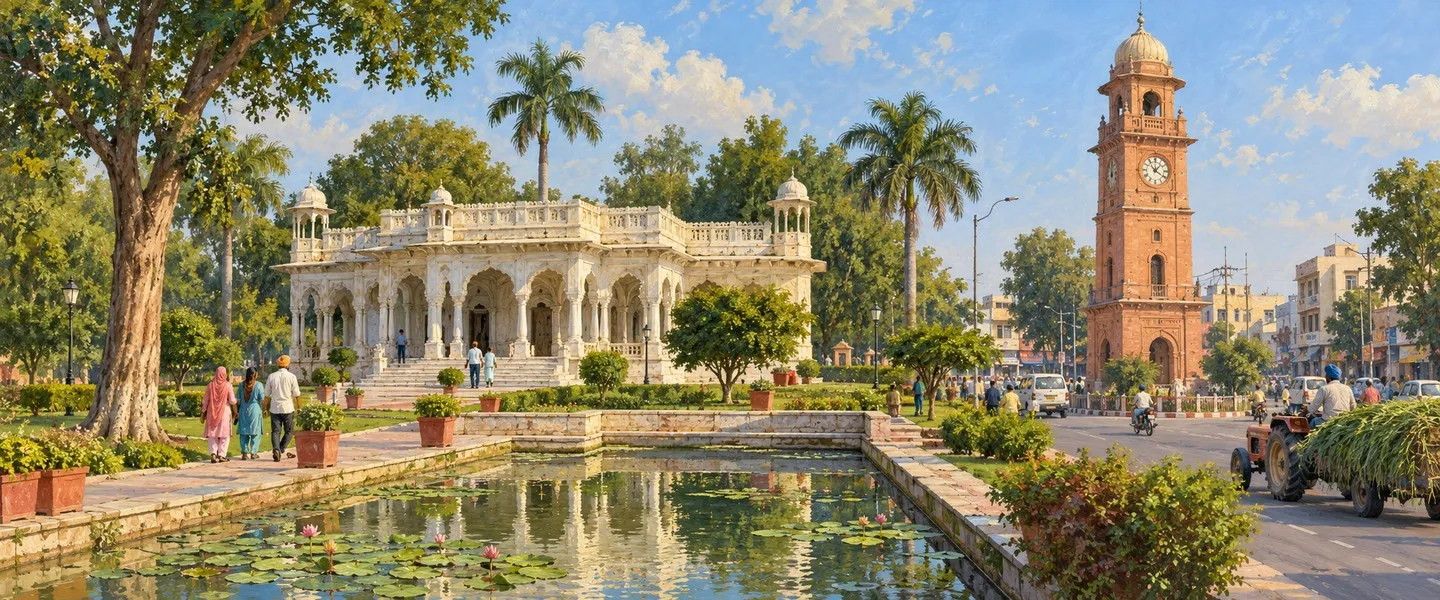
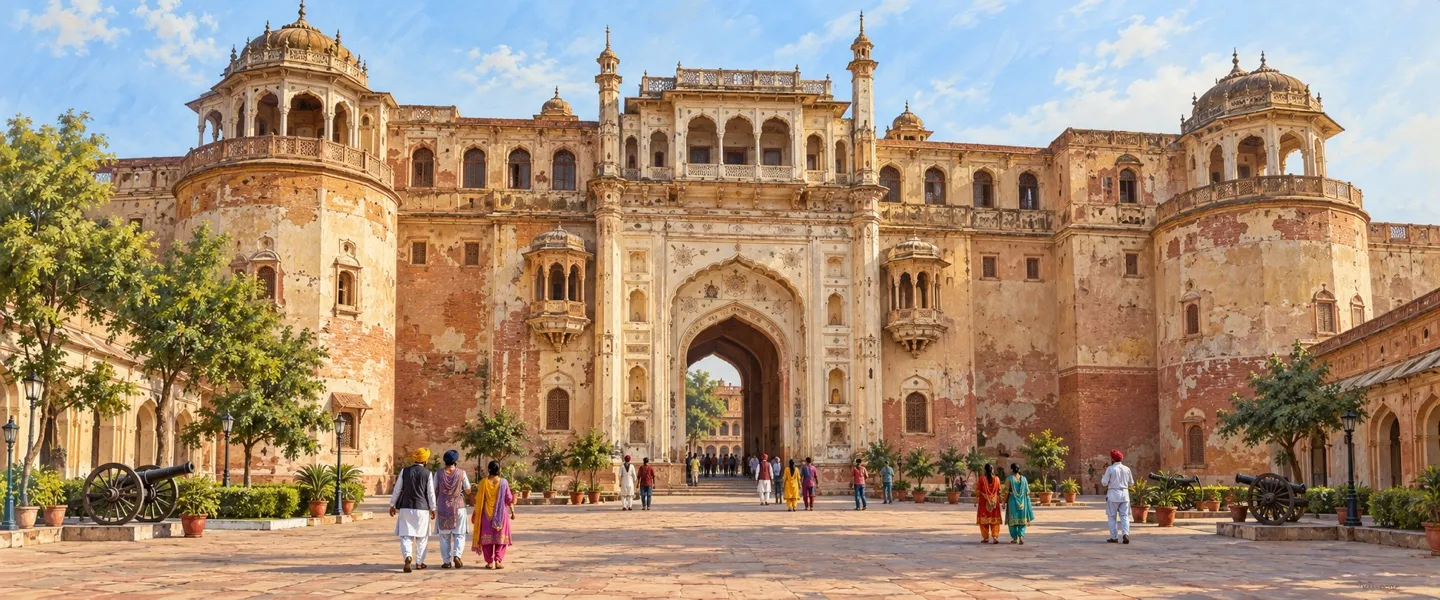
Ram Sarup Ankhi was born on 28 August 1932 in Dhaula, then a village of Sangrur district in British Punjab (it lies in today's Barnala district). He studied at Government Mohindra College in Patiala. After his studies he worked his ancestral land as a farmer, and then joined a government school as an English teacher, retiring in 1990. He wrote only in Punjabi. He spent his life in his native village and its surroundings, later settling in the town of Barnala.
Literary career
Ankhi began as a poet and ended as a fiction writer. Fifteen novels, eight story collections and five poetry collections stand to his credit. From 1993 he edited the Punjabi short-fiction quarterly Kahani Punjab, assisted by his son Krantipal. His subject was the village Punjab of the Malwa belt: a cluster of some fifty villages across Mansa, Bathinda, Barnala and Sangrur, the landscape he knew from the inside. Farmer indebtedness and suicide, drug addiction, the crisis that followed the Green Revolution, the influx of migrant labour and the disintegration of village communities run through his work. Several of his works reached the screen: his novel Gelo became a Punjabi feature film in 2016, directed by Manbhawan Singh.
What is Kothe Kharak Singh about?
It is his magnum opus, an epic of three generations in a fictional but entirely typical Malwa village. The story begins in 1940 to 1942 and moves through the Emergency, the Janata Party's rule after it, and on to Indira Gandhi's return to power in the early 1980s. The novel is divided into four parts, and follows characters like Ginder, Harnami, Arjan, Nand Kaur, Pushpinder and Hardit Singh through love, debt, betrayal and politics. Its themes run through the whole book: the crippling debt cycle of farm families, corruption in public life, the erosion of human values, and the politicization of religion. By its close, Pushpinder's rise as a professor stands as a mark of resilience amid the tragedy around him. The novel won Ankhi the Sahitya Akademi Award in 1987, and it has been widely translated, reportedly into ten languages.
Other major works
His other novels include Partapi (1993), Dulle Di Dhab (2003), Salphas (2006), named for the pesticide that debt-ridden farmers swallowed to kill themselves, Jaminan Wale (The Landed Gentry, 2004), Kanak da Qatlam (Slaughter of the Wheat, 2007) and Bhima (2009), about a Purbia migrant farm labourer. His two-volume autobiography Malhe Jharhian (Thorny Bushes with Berries, 1988) and Apni Mitti De Rukh (2004) trace his own journey from village schoolboy to celebrated novelist. His story collections began with Sutta Naag (1966) and include Kachcha Dhaga (1967), Manukh Di Maut (1968) and Gelo. His novel Zakhmee Ateet (The Wounded Past, 1981) was published in the Persian script in Lahore by the Institute of Punjabi Language and Culture. Some of his books were also translated into Gujarati, Hindi and English.
Honours and later life
In 1987 the Sahitya Akademi, India's National Academy of Letters, gave him its award for Kothe Kharak Singh. He received the Kartar Singh Dhaliwal award of the Panjabi Sahit Akademi, Ludhiana, in 1992, and the Sarb Shresht Sahitkaar award in 2009. He died on 14 February 2010 at Barnala, aged 77. His passing came in a month that claimed five noted writers and scholars of Punjabi literature.
Legacy
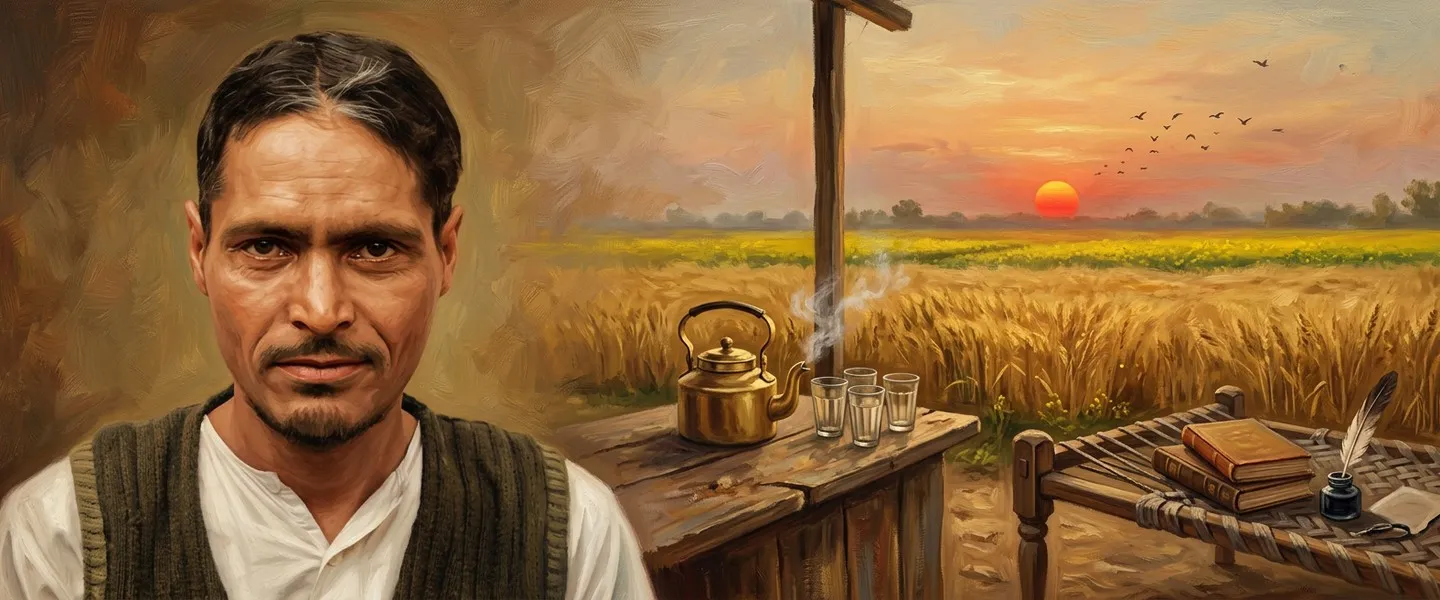
Ankhi is remembered as a mesmerising storyteller and the chronicler of rural Malwa in the latter half of the twentieth century. In his writing the Malwa landscape comes alive. He drew his themes, locales and characters from the region he knew best, peopling his novels with characters from many economic, social and religious backgrounds. His late novels brought the agrarian crisis, debt, drugs and migration, into Punjabi literature with rare directness, and he kept publishing new books well into his seventies. His body of work gave the farmers of Malwa a literature of their own.
ਰਾਮ ਸਰੂਪ ਅਣਖੀ (28 ਅਗਸਤ 1932 ਤੋਂ 14 ਫਰਵਰੀ 2010) ਪੰਜਾਬ ਦੇ ਮਾਲਵਾ ਖੇਤਰ ਦਾ ਪੰਜਾਬੀ ਨਾਵਲਕਾਰ, ਕਵੀ ਅਤੇ ਕਹਾਣੀਕਾਰ ਸੀ। ਉਹ ਆਪਣੇ ਮਹਾਂਕਾਵਿਕ ਨਾਵਲ 'ਕੋਠੇ ਖੜਕ ਸਿੰਘ' (1985) ਕਰਕੇ ਸਭ ਤੋਂ ਵੱਧ ਜਾਣਿਆ ਜਾਂਦਾ ਹੈ, ਜਿਸ 'ਤੇ ਉਸ ਨੂੰ 1987 ਵਿੱਚ ਸਾਹਿਤ ਅਕਾਦਮੀ ਪੁਰਸਕਾਰ ਮਿਲਿਆ।
ਮੁੱਢਲਾ ਜੀਵਨ
ਰਾਮ ਸਰੂਪ ਅਣਖੀ ਦਾ ਜਨਮ 28 ਅਗਸਤ 1932 ਨੂੰ ਉਸ ਸਮੇਂ ਦੇ ਬ੍ਰਿਟਿਸ਼ ਪੰਜਾਬ ਦੇ ਸੰਗਰੂਰ ਜ਼ਿਲ੍ਹੇ ਦੇ ਪਿੰਡ ਧੌਲਾ ਵਿੱਚ ਹੋਇਆ (ਅੱਜ ਇਹ ਪਿੰਡ ਬਰਨਾਲਾ ਜ਼ਿਲ੍ਹੇ ਵਿੱਚ ਹੈ)। ਉਸ ਨੇ ਪਟਿਆਲਾ ਦੇ ਸਰਕਾਰੀ ਮੋਹਿੰਦਰਾ ਕਾਲਜ ਤੋਂ ਪੜ੍ਹਾਈ ਕੀਤੀ। ਪੜ੍ਹਾਈ ਪੂਰੀ ਕਰਨ ਤੋਂ ਬਾਅਦ ਉਹ ਆਪਣੀ ਪੁਰਖੀ ਜ਼ਮੀਨ 'ਤੇ ਖੇਤੀ ਕਰਦਾ ਰਿਹਾ ਅਤੇ ਫਿਰ ਸਰਕਾਰੀ ਸਕੂਲ ਵਿੱਚ ਅੰਗਰੇਜ਼ੀ ਦਾ ਅਧਿਆਪਕ ਲੱਗ ਗਿਆ; ਉਹ 1990 ਵਿੱਚ ਸੇਵਾਮੁਕਤ ਹੋਇਆ। ਲਿਖਦਾ ਉਹ ਸਿਰਫ਼ ਪੰਜਾਬੀ ਵਿੱਚ ਸੀ। ਉਸ ਨੇ ਸਾਰੀ ਉਮਰ ਆਪਣੇ ਪਿੰਡ ਅਤੇ ਆਸ-ਪਾਸ ਦੇ ਇਲਾਕੇ ਵਿੱਚ ਗੁਜ਼ਾਰੀ ਅਤੇ ਬਾਅਦ ਵਿੱਚ ਬਰਨਾਲਾ ਸ਼ਹਿਰ ਵਿੱਚ ਰਹਿਣ ਲੱਗਾ।
ਸਾਹਿਤਕ ਸਫ਼ਰ
ਅਣਖੀ ਨੇ ਕਵੀ ਵਜੋਂ ਸ਼ੁਰੂਆਤ ਕੀਤੀ ਅਤੇ ਗਲਪਕਾਰ ਬਣ ਕੇ ਖ਼ਤਮ ਹੋਇਆ। ਉਸ ਦੇ ਖਾਤੇ ਵਿੱਚ ਪੰਦਰਾਂ ਨਾਵਲ, ਅੱਠ ਕਹਾਣੀ-ਸੰਗ੍ਰਹਿ ਅਤੇ ਪੰਜ ਕਾਵਿ-ਸੰਗ੍ਰਹਿ ਹਨ। 1993 ਤੋਂ ਉਹ ਪੰਜਾਬੀ ਕਹਾਣੀ ਦਾ ਤ੍ਰੈਮਾਸਿਕ ਪਰਚਾ 'ਕਹਾਣੀ ਪੰਜਾਬ' ਸੰਪਾਦਤ ਕਰਦਾ ਰਿਹਾ, ਜਿਸ ਵਿੱਚ ਉਸ ਦੇ ਪੁੱਤਰ ਕ੍ਰਾਂਤੀਪਾਲ ਨੇ ਸਹਾਇਤਾ ਕੀਤੀ। ਉਸ ਦਾ ਵਿਸ਼ਾ ਮਾਲਵੇ ਦੇ ਪਿੰਡ-ਪੰਜਾਬ ਸੀ: ਮਾਨਸਾ, ਬਠਿੰਡਾ, ਬਰਨਾਲਾ ਅਤੇ ਸੰਗਰੂਰ ਦੇ ਕਰੀਬ ਪੰਜਾਹ ਪਿੰਡਾਂ ਦਾ ਉਹ ਇਲਾਕਾ, ਜਿਸ ਨੂੰ ਉਹ ਅੰਦਰੋਂ ਜਾਣਦਾ ਸੀ। ਕਿਸਾਨਾਂ ਦਾ ਕਰਜ਼ਾ ਅਤੇ ਖ਼ੁਦਕੁਸ਼ੀਆਂ, ਨਸ਼ਾਖੋਰੀ, ਹਰੀ ਕ੍ਰਾਂਤੀ ਤੋਂ ਬਾਅਦ ਦਾ ਸੰਕਟ, ਪਰਵਾਸੀ ਮਜ਼ਦੂਰਾਂ ਦੀ ਆਮਦ ਅਤੇ ਪਿੰਡ-ਸਮਾਜ ਦਾ ਵਿਘਟਨ ਉਸ ਦੀਆਂ ਰਚਨਾਵਾਂ ਵਿੱਚ ਵਾਰ-ਵਾਰ ਆਉਂਦੇ ਹਨ। ਉਸ ਦੀਆਂ ਕਈ ਰਚਨਾਵਾਂ ਫ਼ਿਲਮੀ ਪਰਦੇ 'ਤੇ ਵੀ ਆਈਆਂ: ਉਸ ਦੇ ਨਾਵਲ 'ਗੇਲੋ' 'ਤੇ ਮਨਭਾਵਨ ਸਿੰਘ ਨੇ 2016 ਵਿੱਚ ਪੰਜਾਬੀ ਫ਼ਿਲਮ ਬਣਾਈ।
'ਕੋਠੇ ਖੜਕ ਸਿੰਘ' ਕਿਸ ਬਾਰੇ ਹੈ?
ਇਹ ਉਸ ਦੀ ਸਰਵੋਤਮ ਰਚਨਾ ਹੈ: ਮਾਲਵੇ ਦੇ ਇੱਕ ਕਾਲਪਨਿਕ ਪਰ ਬਿਲਕੁਲ ਜਾਣੇ-ਪਛਾਣੇ ਪਿੰਡ ਵਿੱਚ ਤਿੰਨ ਪੀੜ੍ਹੀਆਂ ਦੀ ਮਹਾਂਕਾਵਿਕ ਕਹਾਣੀ। ਕਹਾਣੀ 1940 ਤੋਂ 1942 ਦੇ ਦੌਰ ਤੋਂ ਸ਼ੁਰੂ ਹੁੰਦੀ ਹੈ ਅਤੇ ਐਮਰਜੈਂਸੀ, ਉਸ ਤੋਂ ਬਾਅਦ ਜਨਤਾ ਪਾਰਟੀ ਦੇ ਰਾਜ ਰਾਹੀਂ ਇੰਦਰਾ ਗਾਂਧੀ ਦੇ 1980 ਦੇ ਸ਼ੁਰੂ ਵਿੱਚ ਸੱਤਾ ਵਿੱਚ ਵਾਪਸੀ ਤੱਕ ਜਾਂਦੀ ਹੈ। ਨਾਵਲ ਚਾਰ ਭਾਗਾਂ ਵਿੱਚ ਵੰਡਿਆ ਹੈ ਅਤੇ ਗਿੰਦਰ, ਹਰਨਾਮੀ, ਅਰਜਨ, ਨੰਦ ਕੌਰ, ਪੁਸ਼ਪਿੰਦਰ ਅਤੇ ਹਰਦਿਤ ਸਿੰਘ ਵਰਗੇ ਪਾਤਰਾਂ ਨੂੰ ਪਿਆਰ, ਕਰਜ਼ੇ, ਧੋਖੇ ਅਤੇ ਰਾਜਨੀਤੀ ਦੇ ਵਿਚਕਾਰ ਦਿਖਾਉਂਦਾ ਹੈ। ਇਸ ਦੇ ਵਿਸ਼ੇ ਪੂਰੇ ਨਾਵਲ ਵਿੱਚ ਵਹਿੰਦੇ ਹਨ: ਕਿਸਾਨ ਪਰਿਵਾਰਾਂ ਦਾ ਤਬਾਹਕੁੰਨ ਕਰਜ਼ਾ, ਜਨਤਕ ਜੀਵਨ ਵਿੱਚ ਭ੍ਰਿਸ਼ਟਾਚਾਰ, ਮਨੁੱਖੀ ਕਦਰਾਂ-ਕੀਮਤਾਂ ਦਾ ਪਤਨ ਅਤੇ ਧਰਮ ਦਾ ਰਾਜਨੀਤੀਕਰਨ। ਅੰਤ ਵਿੱਚ ਪੁਸ਼ਪਿੰਦਰ ਦਾ ਪ੍ਰੋਫ਼ੈਸਰ ਬਣਨਾ ਆਸ-ਪਾਸ ਦੀ ਤ੍ਰਾਸਦੀ ਵਿੱਚਕਾਰ ਧੈਰਜ ਦੀ ਨਿਸ਼ਾਨੀ ਹੈ। ਇਸ ਨਾਵਲ 'ਤੇ ਅਣਖੀ ਨੂੰ 1987 ਵਿੱਚ ਸਾਹਿਤ ਅਕਾਦਮੀ ਪੁਰਸਕਾਰ ਮਿਲਿਆ ਅਤੇ ਇਸ ਦਾ ਅਨੇਕਾਂ ਭਾਸ਼ਾਵਾਂ ਵਿੱਚ ਅਨੁਵਾਦ ਹੋਇਆ ਹੈ।
ਹੋਰ ਮੁੱਖ ਰਚਨਾਵਾਂ
ਉਸ ਦੇ ਹੋਰ ਨਾਵਲਾਂ ਵਿੱਚ 'ਪਰਤਾਪੀ' (1993), 'ਡੁੱਲੇ ਦੀ ਢਾਬ' (2003), 'ਸਲਫ਼ਾਸ' (2006), ਜਿਸ ਦਾ ਨਾਂ ਕਰਜ਼ੇ ਵਿੱਚ ਡੁੱਬੇ ਕਿਸਾਨਾਂ ਦੇ ਖ਼ੁਦਕੁਸ਼ੀ ਲਈ ਵਰਤੇ ਜਾਣ ਵਾਲੇ ਕੀਟਨਾਸ਼ਕ ਤੋਂ ਆਇਆ ਹੈ, 'ਜ਼ਮੀਨਾਂ ਵਾਲੇ' (2004), 'ਕਣਕ ਦਾ ਕਤਲਾਮ' (2007) ਅਤੇ 'ਭੀਮਾ' (2009) ਸ਼ਾਮਲ ਹਨ, ਜੋ ਇੱਕ ਪੂਰਬੀਆ ਪਰਵਾਸੀ ਮਜ਼ਦੂਰ ਦੀ ਕਹਾਣੀ ਹੈ। ਉਸ ਦੀ ਦੋ-ਜਿਲਦੀ ਸਵੈ-ਜੀਵਨੀ 'ਮਲ੍ਹੇ ਝਾੜੀਆਂ' (1988) ਅਤੇ 'ਆਪਣੀ ਮਿੱਟੀ ਦੇ ਰੁੱਖ' (2004) ਪਿੰਡ ਦੇ ਸਕੂਲੀ ਮੁੰਡੇ ਤੋਂ ਮਸ਼ਹੂਰ ਨਾਵਲਕਾਰ ਬਣਨ ਤੱਕ ਦੇ ਉਸ ਦੇ ਸਫ਼ਰ ਨੂੰ ਦਰਸਾਉਂਦੀਆਂ ਹਨ। ਕਹਾਣੀ-ਸੰਗ੍ਰਹਿਆਂ ਦੀ ਸ਼ੁਰੂਆਤ 'ਸੁੱਤਾ ਨਾਗ' (1966) ਨਾਲ ਹੋਈ ਅਤੇ ਇਨ੍ਹਾਂ ਵਿੱਚ 'ਕੱਚਾ ਧਾਗਾ' (1967), 'ਮਨੁੱਖ ਦੀ ਮੌਤ' (1968) ਅਤੇ 'ਗੇਲੋ' ਸ਼ਾਮਲ ਹਨ। ਉਸ ਦਾ ਨਾਵਲ 'ਜ਼ਖ਼ਮੀ ਅਤੀਤ' (1981) ਲਾਹੌਰ ਵਿੱਚ ਫ਼ਾਰਸੀ ਲਿਪੀ ਵਿੱਚ ਪ੍ਰਕਾਸ਼ਿਤ ਹੋਇਆ। ਉਸ ਦੀਆਂ ਕਈ ਕਿਤਾਬਾਂ ਦਾ ਗੁਜਰਾਤੀ, ਹਿੰਦੀ ਅਤੇ ਅੰਗਰੇਜ਼ੀ ਵਿੱਚ ਅਨੁਵਾਦ ਵੀ ਹੋਇਆ।
ਸਨਮਾਨ ਅਤੇ ਆਖ਼ਰੀ ਸਾਲ
1987 ਵਿੱਚ ਸਾਹਿਤ ਅਕਾਦਮੀ ਨੇ ਉਸ ਨੂੰ 'ਕੋਠੇ ਖੜਕ ਸਿੰਘ' 'ਤੇ ਪੁਰਸਕਾਰ ਦਿੱਤਾ। 1992 ਵਿੱਚ ਪੰਜਾਬੀ ਸਾਹਿਤ ਅਕਾਦਮੀ, ਲੁਧਿਆਣਾ ਦਾ ਕਰਤਾਰ ਸਿੰਗ ਧਾਲੀਵਾਲ ਪੁਰਸਕਾਰ ਅਤੇ 2009 ਵਿੱਚ ਸਰਬ ਸ੍ਰੇਸ਼ਠ ਸਾਹਿਤਕਾਰ ਪੁਰਸਕਾਰ ਮਿਲਿਆ। 14 ਫਰਵਰੀ 2010 ਨੂੰ ਬਰਨਾਲਾ ਵਿੱਚ ਉਸ ਦਾ ਦੇਹਾਂਤ ਹੋ ਗਿਆ; ਉਹ 77 ਸਾਲਾਂ ਦਾ ਸੀ। ਉਸ ਦੇ ਦੇਹਾਂਤ ਵਾਲੇ ਮਹੀਨੇ ਵਿੱਚ ਪੰਜਾਬੀ ਸਾਹਿਤ ਦੇ ਪੰਜ ਮਸ਼ਹੂਰ ਲੇਖਕ ਅਤੇ ਵਿਦਵਾਨ ਚਲਾਣਾ ਕਰ ਗਏ।
ਵਿਰਾਸਤ
ਅਣਖੀ ਨੂੰ ਵੀਹਵੀਂ ਸਦੀ ਦੇ ਦੂਜੇ ਅੱਧ ਦੇ ਮਾਲਵੇ ਦੇ ਪੇਂਡੂ ਜੀਵਨ ਦਾ ਮਨਮੋਹਕ ਕਥਾਕਾਰ ਕਿਹਾ ਜਾਂਦਾ ਹੈ। ਉਸ ਦੀਆਂ ਰਚਨਾਵਾਂ ਵਿੱਚ ਮਾਲਵੇ ਦਾ ਰੂਪ ਜਿਉਂਦਾ ਹੋ ਜਾਂਦਾ ਹੈ। ਉਹ ਆਪਣੇ ਵਿਸ਼ੇ, ਥਾਵਾਂ ਅਤੇ ਪਾਤਰ ਉਸੇ ਇਲਾਕੇ ਵਿੱਚੋਂ ਲੈਂਦਾ ਸੀ ਜਿਸ ਨੂੰ ਉਹ ਸਭ ਤੋਂ ਵਧੀਆ ਜਾਣਦਾ ਸੀ, ਅਤੇ ਉਸ ਦੇ ਨਾਵਲ ਵੱਖ-ਵੱਖ ਆਰਥਿਕ, ਸਮਾਜਿਕ ਅਤੇ ਧਾਰਮਿਕ ਪਿਛੋਕੜ ਦੇ ਪਾਤਰਾਂ ਨਾਲ ਭਰੇ ਹੋਏ ਹਨ। ਉਸ ਦੀਆਂ ਦੇਰੀ ਦੀਆਂ ਰਚਨਾਵਾਂ ਨੇ ਕਰਜ਼ਾ, ਨਸ਼ਾ ਅਤੇ ਪਰਵਾਸ ਵਰਗੇ ਖੇਤੀ ਸੰਕਟ ਨੂੰ ਪੰਜਾਬੀ ਸਾਹਿਤ ਵਿੱਚ ਬੇਮਿਸਾਲ ਸਿੱਧਤਾ ਨਾਲ ਪੇਸ਼ ਕੀਤਾ ਅਤੇ ਉਹ ਸੱਤਰ ਦੀ ਉਮਰ ਪਾਰ ਕਰਕੇ ਵੀ ਨਵੀਆਂ ਕਿਤਾਬਾਂ ਲਿਖਦਾ ਰਿਹਾ। ਉਸ ਦੀਆਂ ਰਚਨਾਵਾਂ ਨੇ ਮਾਲਵੇ ਦੇ ਕਿਸਾਨਾਂ ਨੂੰ ਉਨ੍ਹਾਂ ਦਾ ਆਪਣਾ ਸਾਹਿਤ ਦਿੱਤਾ।
ਰਚਨਾਵਾਂ
ਥਾਵਾਂ


ਹੋਰ ਲੇਖਕ ਅਤੇ ਕਵੀ
ਸਾਰੇ ਵੇਖੋ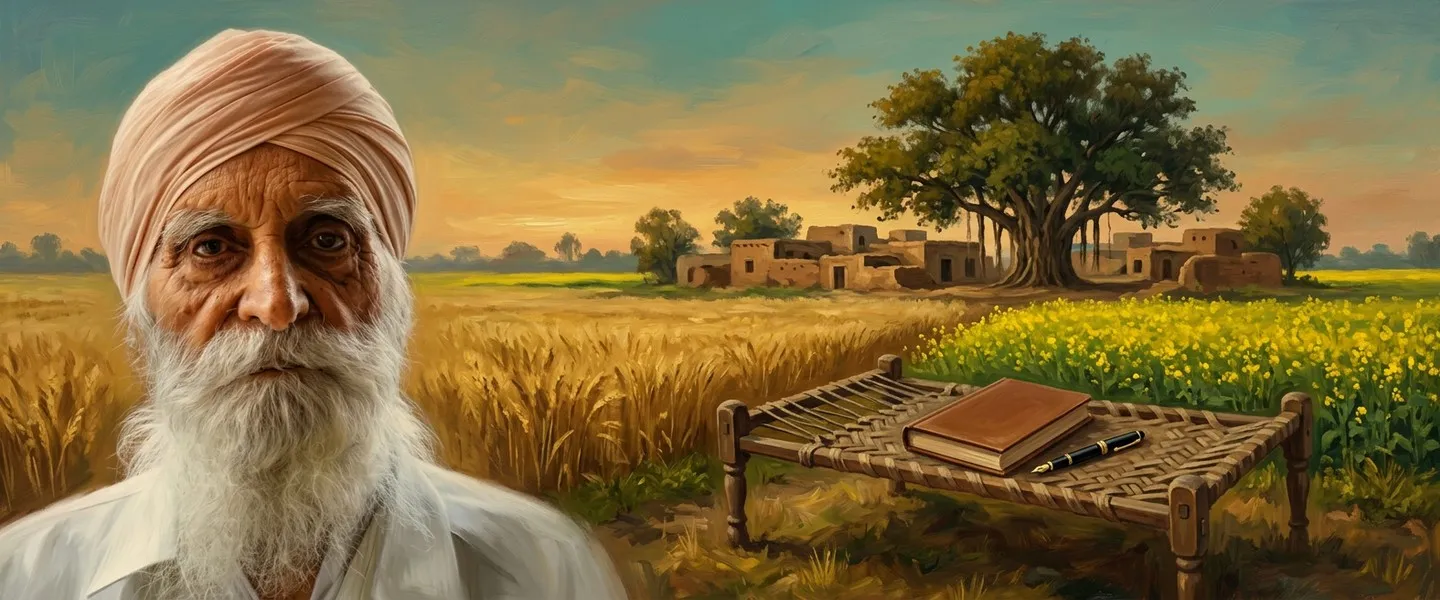



ਸਰੋਤ (4)
ਜੁਗਤੀ ਮੁਫ਼ਤ ਅਤੇ ਸੁਤੰਤਰ ਹੈ। ਪਾਠਕਾਂ ਦਾ ਸਹਿਯੋਗ ਕੋਸ਼ ਨੂੰ ਵਧਾਉਂਦਾ ਹੈ।
ਸਹਿਯੋਗ