
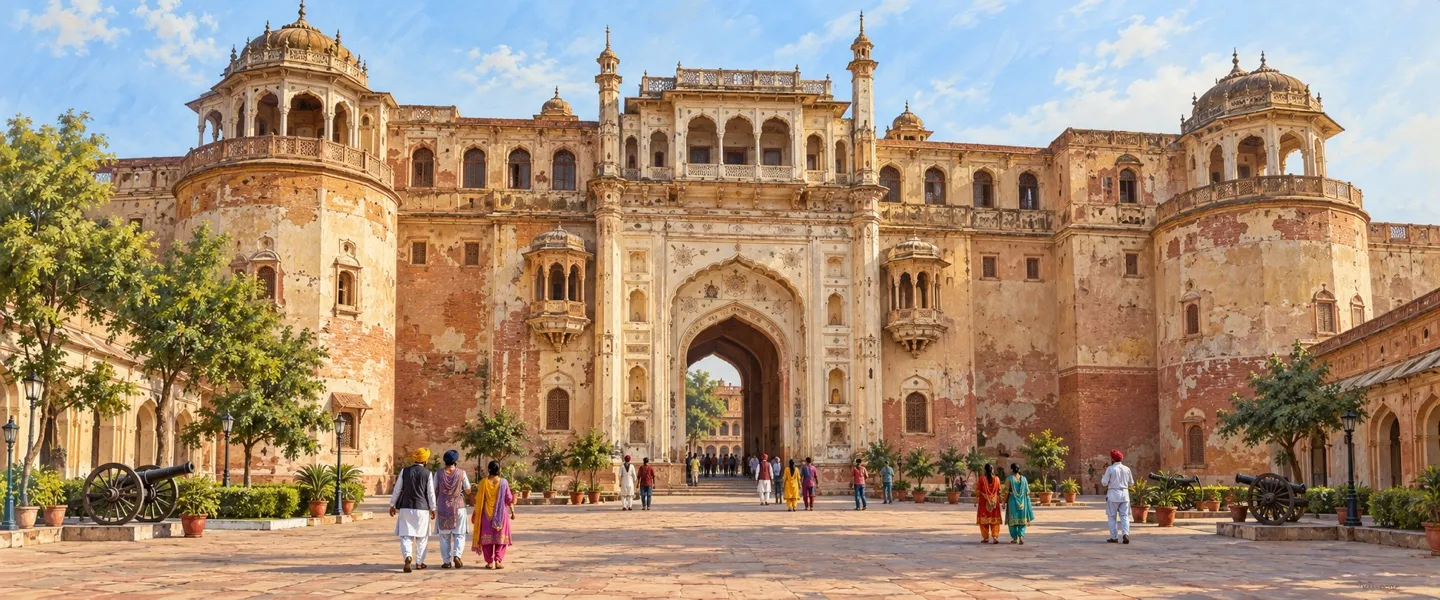
Patiala is a city in the Malwa region of Punjab, founded in 1763 by Baba Ala Singh, who built Qila Mubarak, the fort at its heart. The former capital of the Phulkian princely state and later of PEPSU, it is known as the Royal City for its palaces, gardens and courtly culture.
- ਪੰਜਾਬੀ ਨਾਂ
- ਪਟਿਆਲਾ
- ਕਿਸਮ
- City (Municipal Corporation)
- ਜ਼ਿਲ੍ਹਾ
- Patiala (district headquarters)
- Tehsil
- ਪਟਿਆਲਾ
- ਇਲਾਕਾ
- Malwa, Punjab (India)
- ਸਥਾਪਨਾ
- 1763, by Baba Ala Singh
All 11 facts
- ਆਬਾਦੀ
- 446,246 (city, 2011 census)
- Elevation
- About 250 metres
- ਭਾਸ਼ਾ
- Punjabi (Puadhi)
- Nearest city
- Rajpura, about 27 km; Nabha, about 25 km
- ਪ੍ਰਸਿੱਧੀ
- Qila Mubarak and Sheesh Mahal; NIS Patiala; Patiala gharana; Patiala salwar and peg
ਇਤਿਹਾਸ ਇੱਕ ਨਜ਼ਰ ਵਿੱਚ
Patiala is a city in the Malwa region of Punjab, India, founded in 1763 by Baba Ala Singh, who built the fort of Qila Mubarak around which the city grew. Capital of a princely state and later of PEPSU, it is called the Royal City for its palaces, gardens and courtly culture. The 2011 census counted 446,246 people.
Where is Patiala?
Patiala is in south eastern Punjab, in the Malwa region, at about 250 metres above sea level on the Indo Gangetic plain. Its district is ringed by Fatehgarh Sahib, Rupnagar and SAS Nagar to the north, Sangrur and Malerkotla to the west, and the Haryana districts of Ambala, Kurukshetra and Kaithal to the east and south, and the Ghaggar, a seasonal river that floods in heavy monsoon years, is the district's main natural watercourse. The towns of its own district are its closest neighbours: Nabha about 25 kilometres away, and Rajpura and Samana each about 27 kilometres. Chandigarh, the state capital, lies to the north and its airport is Patiala's nearest international airport. The city's PIN codes begin 147001.
History: Baba Ala Singh and the Phulkian state
Patiala is a young city by Punjabi standards, and it begins with one man. Ala Singh, a Sidhu Jat chieftain whose family, the Phulkians, take their name from their ancestor Chaudhary Phul, assumed leadership of his clan in 1714 and built a small principality out of some thirty villages, working from Barnala. In 1763, after the Sikh capture of Sirhind, he laid the foundation of a mud fort on the village of Lehal and named the settlement growing around it from his own name: the patti, or land, of Ala. The fort, Qila Mubarak, the fort of felicity, was later rebuilt in baked brick, and bazaars such as Adalat Bazar and Dharampura Bazar grew up under its walls as traders, beginning with Hindu merchants from Sirhind, settled outside its Darshani Gate.
Ala Singh died in 1765, and his grandson Amar Singh received the title Raja i Rajgan and the right to strike coins. The state survived the decades of struggle between Mughals, Afghans, Marathas and the Sikh Empire of Lahore, and in 1808 its raja chose the protection of the British against Maharaja Ranjit Singh, a relationship formalised in 1809. Patiala became a 17 gun salute state, the largest of the Phulkian states, and its rulers were left to govern, build and collect while the rest of Punjab was absorbed around them.
The maharajas and the road to PEPSU
The nineteenth century maharajas gave the city its face. Karam Singh built the outer works of Qila Mubarak and the Ranivas, Narinder Singh fortified the city with ramparts and ten gates, of which the Sheranwala, Sirhindi, Sunami and Topkhana gates are among the survivors, and built the Darbar Hall in 1859. Mahendra Singh's reign saw Mohindra College founded in 1875, described in a Government of India district profile as the first college in the Punjab of today. Bhupinder Singh, who ruled from 1900 to 1938, was the most celebrated of them: a builder of palaces, the founder in 1936 of the Kali Devi Temple opposite the Baradari Gardens, and a sportsman who captained the first all India cricket team to tour England in 1911, brought MCC teams to India, donated the Ranji Trophy and built the Cricket Club of India in Bombay. His son Yadavindra Singh, the last maharaja, captained India at cricket in 1934, signed the state's accession to India and became Rajpramukh of PEPSU, the union of princely states of which Patiala was the capital. Partition in 1947 brought upheaval to the city, as its Muslim residents fled to Pakistan and Hindu and Sikh refugees arrived in their place, with the maharaja organising relief camps for the displaced.
Geography and people
The 2011 census counted 446,246 people in the city, making Patiala the fourth largest city in Punjab. Hindus formed 57.22 per cent of the city in 2011 and Sikhs 39.96 per cent, with Muslims at 1.87 per cent and Christians at 0.41 per cent. Punjabi is the language of the city, spoken in its Puadhi form east of the Sutlej. The climate is humid subtropical: the India Meteorological Department's normals give the city about 876 millimetres of rain a year, most of it in the monsoon, with May the hottest month at a mean maximum of about 39 degrees and winters that are cold and dry. The municipal corporation runs the city through 60 wards, and the Punjab level offices and institutions headquartered here, among them the Public Service Commission and the Department of Languages, keep Patiala an administrative city and not just a royal relic.
Palaces, gardens and sacred places
Qila Mubarak stands on about ten acres in the heart of the old city. Inside are the Qila Androon, the inner palace with its thirteen royal chambers painted in the Patiala style, the Ran Baas guest house and the Darbar Hall, now a museum displaying historic arms. The World Monuments Fund listed the complex among the world's 100 most endangered sites in 2004, and much of it remains closed, though the restored Ran Baas reopened as a heritage hotel in 2025. Across the old city, the Old Moti Bagh Palace holds the Sheesh Mahal, the palace of mirrors, whose frescoes were painted under Maharaja Narinder Singh, and a museum built around Maharaja Bhupinder Singh's collection of medals. The Baradari Gardens, the gardens of twelve gates laid out under Maharaja Rajinder Singh outside the Sheranwala Gate, hold the Rajindra Kothi, now a heritage hotel, and remain the city's favourite green space.
Patiala's sacred geography crosses faiths. The Kali Devi Temple on the Mall Road, built by Maharaja Bhupinder Singh in 1936, faces the Baradari Gardens and draws devotees through the year. Gurdwara Dukh Nivaran Sahib marks the place at Lehal village where, by the tradition preserved at the gurdwara, Guru Tegh Bahadur sat under a banyan tree by a pond on 24 January 1672 and the village's sickness lifted; devotees hold faith in the healing waters of its sarovar. Six kilometres out on the Chandigarh road, Bahadurgarh Fort, first built by the Mughal nawab Saif Khan in 1658 and renovated by Maharaja Karam Singh in 1837, holds Gurdwara Sahib Patshahi Nauvin, recalling Guru Tegh Bahadur's stay of three months and nine days.
Sport, music and learning
Sport is the maharajas' most useful legacy. The Netaji Subhas National Institute of Sports, founded on 7 May 1961 and renamed in January 1973, is the academic wing of the Sports Authority of India and is described as Asia's largest sports institute. It occupies the Old Moti Bagh Palace across 268 acres, trains the coaches of Indian sport, and keeps a museum whose treasures include Major Dhyan Chand's gold medal from the 1928 Amsterdam Olympics, the Great Gama's 95 kilogram training disc and P. T. Usha's shoes from the 1986 Seoul Asiad. Music has its own lineage: the Patiala gharana of Hindustani music, carried to fame by Ustad Ali Bux and his sons Ustad Akhtar Hussain Khan and Ustad Bade Ghulam Ali Khan. Learning completes the trio: alongside Mohindra College stand Punjabi University, the Thapar Institute, the Rajiv Gandhi National University of Law and the Government Medical College, making Patiala one of Punjab's great student cities.
Getting there and Patiala today
Patiala railway station, about four kilometres from the city centre, has trains towards Delhi, Ambala, Bathinda and beyond, and National Highways 44 and 7 tie the city into the Delhi road network. The city's own small airport handles no regular commercial flights, so most travellers fly to Chandigarh. What they find on arrival is a city whose economy runs on government offices, universities, hospitals and the trade of a rich farming district, but whose imagination is still royal. The Patiala shahi turban, the paranda tassel, the pleated Patiala salwar, the embroidered jutti and the famously generous Patiala peg all carry the city's name across the Punjabi world, and the old city's bazaars still sell them within sight of the fort that started everything in 1763.
ਪਟਿਆਲਾ ਭਾਰਤ ਦੇ ਪੰਜਾਬ ਸੂਬੇ ਦੇ ਮਾਲਵਾ ਇਲਾਕੇ ਦਾ ਇੱਕ ਸ਼ਹਿਰ ਹੈ, ਜਿਸਦੀ ਨੀਂਹ 1763 ਵਿੱਚ ਬਾਬਾ ਆਲਾ ਸਿੰਘ ਨੇ ਰੱਖੀ, ਜਿਨ੍ਹਾਂ ਨੇ ਕਿਲ੍ਹਾ ਮੁਬਾਰਕ ਬਣਾਇਆ ਜਿਸਦੇ ਆਲੇ-ਦੁਆਲੇ ਸ਼ਹਿਰ ਵਧਿਆ। ਇੱਕ ਰਿਆਸਤ ਅਤੇ ਬਾਅਦ ਵਿੱਚ ਪੈਪਸੂ ਦੀ ਰਾਜਧਾਨੀ, ਇਸਨੂੰ ਇਸਦੇ ਮਹਿਲਾਂ, ਬਾਗਾਂ ਅਤੇ ਦਰਬਾਰੀ ਸੱਭਿਆਚਾਰ ਕਰ ਕੇ ਸ਼ਾਹੀ ਸ਼ਹਿਰ ਕਿਹਾ ਜਾਂਦਾ ਹੈ। 2011 ਦੀ ਜਨਗਣਨਾ ਨੇ ਇੱਥੇ 446,246 ਲੋਕ ਗਿਣੇ।
ਪਟਿਆਲਾ ਕਿੱਥੇ ਹੈ?
ਪਟਿਆਲਾ ਦੱਖਣ-ਪੂਰਬੀ ਪੰਜਾਬ ਵਿੱਚ ਹੈ, ਮਾਲਵਾ ਇਲਾਕੇ ਵਿੱਚ, ਗੰਗਾ-ਜਮੁਨਾ ਦੇ ਮੈਦਾਨ ਉੱਤੇ ਸਮੁੰਦਰ ਤਲ ਤੋਂ ਲਗਭਗ 250 ਮੀਟਰ ਉੱਚਾ। ਇਸਦਾ ਜ਼ਿਲ੍ਹਾ ਉੱਤਰ ਵਿੱਚ ਫ਼ਤਹਿਗੜ੍ਹ ਸਾਹਿਬ, ਰੂਪਨਗਰ ਅਤੇ ਐਸ.ਏ.ਐਸ. ਨਗਰ ਨਾਲ, ਪੱਛਮ ਵਿੱਚ ਸੰਗਰੂਰ ਅਤੇ ਮਲੇਰਕੋਟਲੇ ਨਾਲ, ਅਤੇ ਪੂਰਬ ਅਤੇ ਦੱਖਣ ਵਿੱਚ ਹਰਿਆਣਾ ਦੇ ਅੰਬਾਲਾ, ਕੁਰੂਕਸ਼ੇਤਰ ਅਤੇ ਕੈਥਲ ਜ਼ਿਲ੍ਹਿਆਂ ਨਾਲ ਘਿਰਿਆ ਹੈ, ਅਤੇ ਘੱਗਰ, ਇੱਕ ਮੌਸਮੀ ਦਰਿਆ ਜੋ ਭਾਰੀ ਮੌਨਸੂਨ ਵਿੱਚ ਹੜ੍ਹ ਆਉਂਦਾ ਹੈ, ਜ਼ਿਲ੍ਹੇ ਦਾ ਮੁੱਖ ਕੁਦਰਤੀ ਪਾਣੀ ਦਾ ਸਰੋਤ ਹੈ। ਆਪਣੇ ਜ਼ਿਲ੍ਹੇ ਦੇ ਕਸਬੇ ਇਸਦੇ ਸਭ ਤੋਂ ਨੇੜਲੇ ਗੁਆਂਢੀ ਹਨ: ਨਾਭਾ ਲਗਭਗ 25 ਕਿਲੋਮੀਟਰ ਦੂਰ, ਰਾਜਪੁਰਾ ਅਤੇ ਸਮਾਣਾ ਹਰ ਇੱਕ ਲਗਭਗ 27 ਕਿਲੋਮੀਟਰ। ਚੰਡੀਗੜ੍ਹ, ਸੂਬਾਈ ਰਾਜਧਾਨੀ, ਉੱਤਰ ਵੱਲ ਹੈ ਅਤੇ ਇਸਦਾ ਹਵਾਈ ਅੱਡਾ ਪਟਿਆਲਾ ਦਾ ਸਭ ਤੋਂ ਨੇੜਲਾ ਅੰਤਰਰਾਸ਼ਟਰੀ ਹਵਾਈ ਅੱਡਾ ਹੈ। ਸ਼ਹਿਰ ਦੇ ਪਿੰਨ ਕੋਡ 147001 ਤੋਂ ਸ਼ੁਰੂ ਹੁੰਦੇ ਹਨ।
ਇਤਿਹਾਸ: ਬਾਬਾ ਆਲਾ ਸਿੰਘ ਅਤੇ ਫੂਲਕੀਆਂ ਰਿਆਸਤ
ਪਟਿਆਲਾ ਪੰਜਾਬੀ ਮਾਪਦੰਡਾਂ ਅਨੁਸਾਰ ਇੱਕ ਨੌਜਵਾਨ ਸ਼ਹਿਰ ਹੈ, ਅਤੇ ਇਹ ਇੱਕ ਵਿਅਕਤੀ ਨਾਲ ਸ਼ੁਰੂ ਹੁੰਦਾ ਹੈ। ਆਲਾ ਸਿੰਘ, ਇੱਕ ਸਿੱਧੂ ਜੱਟ ਸਰਦਾਰ ਜਿਸਦਾ ਖ਼ਾਨਦਾਨ, ਫੂਲਕੀਆਂ, ਆਪਣੇ ਵਡੇਰੇ ਚੌਧਰੀ ਫੂਲ ਤੋਂ ਨਾਂ ਲੈਂਦਾ ਹੈ, ਨੇ 1714 ਵਿੱਚ ਆਪਣੇ ਕਬੀਲੇ ਦੀ ਅਗਵਾਈ ਸੰਭਾਲੀ ਅਤੇ ਬਰਨਾਲੇ ਤੋਂ ਕੰਮ ਕਰਦਿਆਂ ਲਗਭਗ ਤੀਹ ਪਿੰਡਾਂ ਦੀ ਇੱਕ ਛੋਟੀ ਰਿਆਸਤ ਬਣਾ ਲਈ। 1763 ਵਿੱਚ, ਸਰਹਿੰਦ ਦੀ ਸਿੱਖ ਜਿੱਤ ਤੋਂ ਬਾਅਦ, ਉਨ੍ਹਾਂ ਨੇ ਲਹਿਲ ਪਿੰਡ ਵਿੱਚ ਇੱਕ ਮਿੱਟੀ ਦੇ ਕਿਲ੍ਹੇ ਦੀ ਨੀਂਹ ਰੱਖੀ ਅਤੇ ਇਸਦੇ ਆਲੇ-ਦੁਆਲੇ ਵਧਦੀ ਬਸਤੀ ਦਾ ਨਾਂ ਆਪਣੇ ਨਾਂ ਉੱਤੇ ਰੱਖਿਆ: ਆਲਾ ਦੀ ਪੱਟੀ ਦੀ ਧਰਤੀ। ਕਿਲ੍ਹਾ ਮੁਬਾਰਕ, ਖ਼ੁਸ਼ਹਾਲੀ ਦਾ ਕਿਲ੍ਹਾ, ਬਾਅਦ ਵਿੱਚ ਪੱਕੀਆਂ ਇੱਟਾਂ ਵਿੱਚ ਮੁੜ ਬਣਾਇਆ ਗਿਆ, ਅਤੇ ਇਸਦੀਆਂ ਕੰਧਾਂ ਹੇਠ ਅਦਾਲਤ ਬਜ਼ਾਰ ਅਤੇ ਧਰਮਪੁਰਾ ਬਜ਼ਾਰ ਵਰਗੇ ਬਾਜ਼ਾਰ ਵਧੇ, ਕਿਉਂਕਿ ਵਪਾਰੀ, ਸ਼ੁਰੂ ਵਿੱਚ ਸਰਹਿੰਦ ਦੇ ਹਿੰਦੂ ਵਪਾਰੀ, ਇਸਦੇ ਦਰਸ਼ਨੀ ਦਰਵਾਜ਼ੇ ਦੇ ਬਾਹਰ ਵੱਸ ਗਏ।
ਆਲਾ ਸਿੰਘ 1765 ਵਿੱਚ ਚਲਾਣਾ ਕਰ ਗਏ, ਅਤੇ ਉਨ੍ਹਾਂ ਦੇ ਪੋਤਰੇ ਅਮਰ ਸਿੰਘ ਨੂੰ ਰਾਜਾ-ਏ-ਰਾਜਗਾਨ ਦਾ ਖ਼ਿਤਾਬ ਅਤੇ ਸਿੱਕੇ ਢਾਲਣ ਦਾ ਹੱਕ ਮਿਲਿਆ। ਰਿਆਸਤ ਮੁਗਲਾਂ, ਅਫ਼ਗਾਨਾਂ, ਮਰਾਠਿਆਂ ਅਤੇ ਲਾਹੌਰ ਦੇ ਸਿੱਖ ਸਾਮਰਾਜ ਵਿਚਕਾਰ ਦਹਾਕਿਆਂ ਦੇ ਸੰਘਰਸ਼ ਵਿੱਚ ਬਚੀ ਰਹੀ, ਅਤੇ 1808 ਵਿੱਚ ਇਸਦੇ ਰਾਜੇ ਨੇ ਮਹਾਰਾਜਾ ਰਣਜੀਤ ਸਿੰਘ ਦੇ ਖ਼ਿਲਾਫ਼ ਅੰਗਰੇਜ਼ਾਂ ਦੀ ਸੁਰੱਖਿਆ ਚੁਣੀ, ਇੱਕ ਸੰਬੰਧ ਜੋ 1809 ਵਿੱਚ ਰਸਮੀ ਹੋਇਆ। ਪਟਿਆਲਾ 17 ਤੋਪਾਂ ਦੀ ਸਲਾਮੀ ਵਾਲੀ ਰਿਆਸਤ ਬਣ ਗਿਆ, ਫੂਲਕੀਆਂ ਰਿਆਸਤਾਂ ਵਿੱਚ ਸਭ ਤੋਂ ਵੱਡਾ, ਅਤੇ ਇਸਦੇ ਰਾਜਿਆਂ ਨੂੰ ਰਾਜ ਕਰਨ, ਬਣਾਉਣ ਅਤੇ ਇਕੱਠਾ ਕਰਨ ਲਈ ਛੱਡ ਦਿੱਤਾ ਗਿਆ ਜਦੋਂ ਕਿ ਬਾਕੀ ਪੰਜਾਬ ਆਲੇ-ਦੁਆਲੇ ਹੜੱਪ ਹੋ ਗਿਆ।
ਮਹਾਰਾਜੇ ਅਤੇ ਪੈਪਸੂ ਦਾ ਰਾਹ
ਉਨ੍ਹੀਵੀਂ ਸਦੀ ਦੇ ਮਹਾਰਾਜਿਆਂ ਨੇ ਸ਼ਹਿਰ ਨੂੰ ਇਸਦਾ ਚਿਹਰਾ ਦਿੱਤਾ। ਕਰਮ ਸਿੰਘ ਨੇ ਕਿਲ੍ਹਾ ਮੁਬਾਰਕ ਦੇ ਬਾਹਰੀ ਹਿੱਸੇ ਅਤੇ ਰਣੀਵਾਸ ਬਣਾਏ, ਨਰਿੰਦਰ ਸਿੰਘ ਨੇ ਸ਼ਹਿਰ ਨੂੰ ਕੰਧਾਂ ਅਤੇ ਦਸ ਦਰਵਾਜ਼ਿਆਂ ਨਾਲ ਮਜ਼ਬੂਤ ਕੀਤਾ, ਜਿਨ੍ਹਾਂ ਵਿੱਚ ਸ਼ੇਰਾਂਵਾਲਾ, ਸਰਹਿੰਦੀ, ਸੁਨਾਮੀ ਅਤੇ ਤੋਪਖ਼ਾਨਾ ਦਰਵਾਜ਼ੇ ਬਚੇ ਹੋਏ ਹਨ, ਅਤੇ 1859 ਵਿੱਚ ਦਰਬਾਰ ਹਾਲ ਬਣਾਇਆ। ਮਹਿੰਦਰ ਸਿੰਘ ਦੇ ਰਾਜ ਵਿੱਚ 1875 ਵਿੱਚ ਮੋਹਿੰਦਰਾ ਕਾਲਜ ਦੀ ਸਥਾਪਨਾ ਹੋਈ, ਜਿਸਨੂੰ ਭਾਰਤ ਸਰਕਾਰ ਦੀ ਇੱਕ ਜ਼ਿਲ੍ਹਾ ਰੂਪ-ਰੇਖਾ ਅੱਜ ਦੇ ਪੰਜਾਬ ਦਾ ਪਹਿਲਾ ਕਾਲਜ ਦੱਸਦੀ ਹੈ। ਭੁਪਿੰਦਰ ਸਿੰਘ, ਜਿਨ੍ਹਾਂ ਨੇ 1900 ਤੋਂ 1938 ਤੱਕ ਰਾਜ ਕੀਤਾ, ਉਨ੍ਹਾਂ ਵਿੱਚ ਸਭ ਤੋਂ ਮਸ਼ਹੂਰ ਸਨ: ਮਹਿਲਾਂ ਦੇ ਨਿਰਮਾਤਾ, 1936 ਵਿੱਚ ਬਾਰਾਦਰੀ ਬਾਗਾਂ ਸਾਹਮਣੇ ਕਾਲੀ ਦੇਵੀ ਮੰਦਰ ਦੇ ਸੰਸਥਾਪਕ, ਅਤੇ ਇੱਕ ਖਿਡਾਰੀ ਜਿਨ੍ਹਾਂ ਨੇ 1911 ਵਿੱਚ ਇੰਗਲੈਂਡ ਗਈ ਪਹਿਲੀ ਭਾਰਤੀ ਕ੍ਰਿਕਟ ਟੀਮ ਦੀ ਕਪਤਾਨੀ ਕੀਤੀ, ਐਮ.ਸੀ.ਸੀ. ਟੀਮਾਂ ਨੂੰ ਭਾਰਤ ਲਿਆਂਦਾ, ਰਣਜੀ ਟਰਾਫ਼ੀ ਦਾਨ ਕੀਤੀ ਅਤੇ ਬੰਬਈ ਵਿੱਚ ਕ੍ਰਿਕਟ ਕਲੱਬ ਆਫ਼ ਇੰਡੀਆ ਬਣਾਇਆ। ਉਨ੍ਹਾਂ ਦੇ ਪੁੱਤਰ ਯਾਦਵਿੰਦਰ ਸਿੰਘ, ਆਖ਼ਰੀ ਮਹਾਰਾਜਾ, ਨੇ 1934 ਵਿੱਚ ਭਾਰਤੀ ਕ੍ਰਿਕਟ ਟੀਮ ਦੀ ਕਪਤਾਨੀ ਕੀਤੀ, ਭਾਰਤ ਨਾਲ ਰਿਆਸਤ ਦੇ ਰਲੇਵੇਂ ਉੱਤੇ ਦਸਤਖ਼ਤ ਕੀਤੇ ਅਤੇ ਪੈਪਸੂ ਦੇ ਰਾਜਪ੍ਰਮੁੱਖ ਬਣੇ, ਉਨ੍ਹਾਂ ਰਿਆਸਤੀ ਰਾਜਾਂ ਦੇ ਸੰਘ ਦੇ ਜਿਸਦੀ ਰਾਜਧਾਨੀ ਪਟਿਆਲਾ ਸੀ। 1947 ਦੀ ਵੰਡ ਸ਼ਹਿਰ ਵਿੱਚ ਹਲਚਲ ਲੈ ਕੇ ਆਈ, ਕਿਉਂਕਿ ਇਸਦੇ ਮੁਸਲਿਮ ਵਾਸੀ ਪਾਕਿਸਤਾਨ ਚਲੇ ਗਏ ਅਤੇ ਹਿੰਦੂ ਅਤੇ ਸਿੱਖ ਸ਼ਰਨਾਰਥੀ ਉਨ੍ਹਾਂ ਦੀ ਥਾਂ ਆ ਗਏ, ਅਤੇ ਮਹਾਰਾਜਾ ਨੇ ਵਿਸਥਾਪਿਤਾਂ ਲਈ ਰਾਹਤ ਕੈਂਪ ਲਗਾਏ।
ਭੂਗੋਲ ਅਤੇ ਲੋਕ
2011 ਦੀ ਜਨਗਣਨਾ ਨੇ ਸ਼ਹਿਰ ਵਿੱਚ 446,246 ਲੋਕ ਗਿਣੇ, ਜੋ ਪਟਿਆਲਾ ਨੂੰ ਪੰਜਾਬ ਦਾ ਚੌਥਾ ਸਭ ਤੋਂ ਵੱਡਾ ਸ਼ਹਿਰ ਬਣਾਉਂਦਾ ਹੈ। 2011 ਵਿੱਚ ਸ਼ਹਿਰ ਵਿੱਚ ਹਿੰਦੂ 57.22 ਫ਼ੀਸਦੀ ਅਤੇ ਸਿੱਖ 39.96 ਫ਼ੀਸਦੀ ਸਨ, ਨਾਲ ਮੁਸਲਿਮ 1.87 ਫ਼ੀਸਦੀ ਅਤੇ ਈਸਾਈ 0.41 ਫ਼ੀਸਦੀ। ਪੰਜਾਬੀ ਸ਼ਹਿਰ ਦੀ ਭਾਸ਼ਾ ਹੈ, ਸਤਲੁਜ ਤੋਂ ਪੂਰਬ ਆਪਣੇ ਪੁਆਧੀ ਰੂਪ ਵਿੱਚ। ਮੌਸਮ ਨਮੀ ਵਾਲਾ ਉੱਪ-ਉਸ਼ਣਕਟਿਬੰਧੀ ਹੈ: ਭਾਰਤੀ ਮੌਸਮ ਵਿਭਾਗ ਦੇ ਆਂਕੜੇ ਸ਼ਹਿਰ ਨੂੰ ਸਾਲ ਵਿੱਚ ਲਗਭਗ 876 ਮਿਲੀਮੀਟਰ ਮੀਂਹ ਦਿੰਦੇ ਹਨ, ਜ਼ਿਆਦਾਤਰ ਮੌਨਸੂਨ ਵਿੱਚ, ਅਤੇ ਮਈ ਸਭ ਤੋਂ ਗਰਮ ਮਹੀਨਾ ਹੈ ਜਿਸਦਾ ਔਸਤ ਵੱਧ ਤੋਂ ਵੱਧ ਤਾਪਮਾਨ ਲਗਭਗ 39 ਡਿਗਰੀ, ਅਤੇ ਸਰਦੀਆਂ ਠੰਢੀਆਂ ਅਤੇ ਸੁੱਕੀਆਂ। ਨਗਰ ਨਿਗਮ 60 ਵਾਰਡਾਂ ਰਾਹੀਂ ਸ਼ਹਿਰ ਚਲਾਉਂਦਾ ਹੈ, ਅਤੇ ਇੱਥੇ ਸਥਿਤ ਪੰਜਾਬ ਪੱਧਰੀ ਦਫ਼ਤਰਾਂ ਅਤੇ ਸੰਸਥਾਵਾਂ, ਜਿਨ੍ਹਾਂ ਵਿੱਚ ਲੋਕ ਸੇਵਾ ਕਮਿਸ਼ਨ ਅਤੇ ਭਾਸ਼ਾ ਵਿਭਾਗ ਹਨ, ਪਟਿਆਲਾ ਨੂੰ ਇੱਕ ਪ੍ਰਸ਼ਾਸਕੀ ਸ਼ਹਿਰ ਵੀ ਬਣਾਈ ਰੱਖਦੀਆਂ ਹਨ, ਨਾ ਕਿ ਸਿਰਫ਼ ਇੱਕ ਸ਼ਾਹੀ ਅਵਸ਼ੇਸ਼।
ਮਹਿਲ, ਬਾਗ ਅਤੇ ਪਵਿੱਤਰ ਥਾਵਾਂ
ਕਿਲ੍ਹਾ ਮੁਬਾਰਕ ਪੁਰਾਣੇ ਸ਼ਹਿਰ ਦੇ ਦਿਲ ਵਿੱਚ ਲਗਭਗ ਦਸ ਏਕੜ ਉੱਤੇ ਖੜ੍ਹਾ ਹੈ। ਅੰਦਰ ਕਿਲ੍ਹਾ ਅੰਦਰੂਨ ਹੈ, ਪਟਿਆਲਾ ਸ਼ੈਲੀ ਵਿੱਚ ਚਿਤਰੇ ਹੋਏ ਤੇਰਾਂ ਸ਼ਾਹੀ ਕਮਰਿਆਂ ਵਾਲਾ ਅੰਦਰੂਨੀ ਮਹਿਲ, ਰਣ ਬਾਸ ਮਹਿਮਾਨ ਖ਼ਾਨਾ ਅਤੇ ਦਰਬਾਰ ਹਾਲ, ਜੋ ਹੁਣ ਇਤਿਹਾਸਕ ਹਥਿਆਰਾਂ ਦਾ ਅਜਾਇਬਘਰ ਹੈ। ਵਿਸ਼ਵ ਸਮਾਰਕ ਫੰਡ ਨੇ ਇਸ ਇਮਾਰਤ ਸਮੂਹ ਨੂੰ 2004 ਵਿੱਚ ਦੁਨੀਆ ਦੀਆਂ 100 ਸਭ ਤੋਂ ਖ਼ਤਰੇ ਵਿੱਚ ਥਾਵਾਂ ਵਿੱਚ ਸ਼ਾਮਲ ਕੀਤਾ, ਅਤੇ ਇਸਦਾ ਜ਼ਿਆਦਾਤਰ ਹਿੱਸਾ ਬੰਦ ਰਹਿੰਦਾ ਹੈ, ਹਾਲਾਂਕਿ ਮੁੜ ਬਹਾਲ ਰਣ ਬਾਸ 2025 ਵਿੱਚ ਇੱਕ ਵਿਰਾਸਤੀ ਹੋਟਲ ਵਜੋਂ ਖੁੱਲ੍ਹਿਆ। ਪੁਰਾਣੇ ਸ਼ਹਿਰ ਵਿੱਚ, ਪੁਰਾਣੇ ਮੋਤੀ ਬਾਗ਼ ਮਹਿਲ ਵਿੱਚ ਸ਼ੀਸ਼ ਮਹਿਲ ਹੈ, ਸ਼ੀਸ਼ਿਆਂ ਦਾ ਮਹਿਲ, ਜਿਸਦੇ ਭਿੱਤੀ ਚਿੱਤਰ ਮਹਾਰਾਜਾ ਨਰਿੰਦਰ ਸਿੰਘ ਦੇ ਰਾਜ ਵਿੱਚ ਬਣੇ, ਅਤੇ ਇੱਕ ਅਜਾਇਬਘਰ ਜੋ ਮਹਾਰਾਜਾ ਭੁਪਿੰਦਰ ਸਿੰਘ ਦੇ ਤਮਗਿਆਂ ਦੇ ਸੰਗ੍ਰਹਿ ਦੇ ਆਲੇ-ਦੁਆਲੇ ਬਣਿਆ ਹੈ। ਬਾਰਾਦਰੀ ਬਾਗ, ਬਾਰਾਂ ਦਰਵਾਜ਼ਿਆਂ ਵਾਲੇ ਬਾਗ ਜੋ ਮਹਾਰਾਜਾ ਰਾਜਿੰਦਰ ਸਿੰਘ ਦੇ ਰਾਜ ਵਿੱਚ ਸ਼ੇਰਾਂਵਾਲਾ ਦਰਵਾਜ਼ੇ ਦੇ ਬਾਹਰ ਲਗਾਏ ਗਏ, ਵਿੱਚ ਰਾਜਿੰਦਰਾ ਕੋਠੀ ਹੈ, ਹੁਣ ਇੱਕ ਵਿਰਾਸਤੀ ਹੋਟਲ, ਅਤੇ ਇਹ ਸ਼ਹਿਰ ਦੀ ਸਭ ਤੋਂ ਪਿਆਰੀ ਹਰਿਆਲੀ ਥਾਂ ਬਣੇ ਹੋਏ ਹਨ।
ਪਟਿਆਲਾ ਦਾ ਪਵਿੱਤਰ ਭੂਗੋਲ ਧਰਮਾਂ ਨੂੰ ਪਾਰ ਕਰਦਾ ਹੈ। ਮਾਲ ਰੋਡ ਉੱਤੇ ਕਾਲੀ ਦੇਵੀ ਮੰਦਰ, ਜੋ ਮਹਾਰਾਜਾ ਭੁਪਿੰਦਰ ਸਿੰਘ ਨੇ 1936 ਵਿੱਚ ਬਣਵਾਇਆ, ਬਾਰਾਦਰੀ ਬਾਗਾਂ ਸਾਹਮਣੇ ਹੈ ਅਤੇ ਸਾਰਾ ਸਾਲ ਸ਼ਰਧਾਲੂ ਖਿੱਚਦਾ ਹੈ। ਗੁਰਦੁਆਰਾ ਦੁੱਖ ਨਿਵਾਰਨ ਸਾਹਿਬ ਲਹਿਲ ਪਿੰਡ ਦੀ ਉਸ ਥਾਂ ਨੂੰ ਦਰਸਾਉਂਦਾ ਹੈ ਜਿੱਥੇ, ਗੁਰਦੁਆਰੇ ਵਿੱਚ ਸੰਭਾਲੀ ਪਰੰਪਰਾ ਅਨੁਸਾਰ, ਗੁਰੂ ਤੇਗ ਬਹਾਦਰ ਜੀ 24 ਜਨਵਰੀ 1672 ਨੂੰ ਤਲਾਅ ਕੰਢੇ ਇੱਕ ਬੋਹੜ ਹੇਠ ਬੈਠੇ ਅਤੇ ਪਿੰਡ ਦੀ ਬਿਮਾਰੀ ਦੂਰ ਹੋ ਗਈ; ਸ਼ਰਧਾਲੂ ਇਸਦੇ ਸਰੋਵਰ ਦੇ ਪਾਣੀ ਦੀ ਰੋਗ-ਹਰਨ ਸ਼ਕਤੀ ਵਿੱਚ ਵਿਸ਼ਵਾਸ ਰੱਖਦੇ ਹਨ। ਚੰਡੀਗੜ੍ਹ ਵਾਲੀ ਸੜਕ ਉੱਤੇ ਛੇ ਕਿਲੋਮੀਟਰ ਦੂਰ, ਬਹਾਦੁਰਗੜ੍ਹ ਕਿਲ੍ਹਾ, ਜੋ ਪਹਿਲਾਂ 1658 ਵਿੱਚ ਮੁਗਲ ਨਵਾਬ ਸੈਫ਼ ਖ਼ਾਨ ਨੇ ਬਣਾਇਆ ਅਤੇ 1837 ਵਿੱਚ ਮਹਾਰਾਜਾ ਕਰਮ ਸਿੰਘ ਨੇ ਮੁੜ ਬਣਾਇਆ, ਵਿੱਚ ਗੁਰਦੁਆਰਾ ਸਾਹਿਬ ਪਾਤਸ਼ਾਹੀ ਨੌਵੀਂ ਹੈ, ਜੋ ਗੁਰੂ ਤੇਗ ਬਹਾਦਰ ਜੀ ਦੇ ਤਿੰਨ ਮਹੀਨੇ ਨੌਂ ਦਿਨ ਦੇ ਠਹਿਰਾਅ ਦੀ ਯਾਦ ਦਿਵਾਉਂਦਾ ਹੈ।
ਖੇਡ, ਸੰਗੀਤ ਅਤੇ ਸਿੱਖਿਆ
ਖੇਡ ਮਹਾਰਾਜਿਆਂ ਦੀ ਸਭ ਤੋਂ ਲਾਭਕਾਰੀ ਵਿਰਾਸਤ ਹੈ। ਨੇਤਾਜੀ ਸੁਭਾਸ਼ ਨੈਸ਼ਨਲ ਇੰਸਟੀਚਿਊਟ ਆਫ਼ ਸਪੋਰਟਸ, ਜਿਸਦੀ ਸਥਾਪਨਾ 7 ਮਈ 1961 ਨੂੰ ਹੋਈ ਅਤੇ ਜਨਵਰੀ 1973 ਵਿੱਚ ਜਿਸਦਾ ਨਾਂ ਬਦਲਿਆ ਗਿਆ, ਭਾਰਤੀ ਖੇਡ ਅਥਾਰਟੀ ਦਾ ਵਿਦਿਅਕ ਅੰਗ ਹੈ ਅਤੇ ਇਸਨੂੰ ਏਸ਼ੀਆ ਦਾ ਸਭ ਤੋਂ ਵੱਡਾ ਖੇਡ ਸੰਸਥਾਨ ਦੱਸਿਆ ਜਾਂਦਾ ਹੈ। ਇਹ 268 ਏਕੜ ਵਿੱਚ ਪੁਰਾਣੇ ਮੋਤੀ ਬਾਗ਼ ਮਹਿਲ ਵਿੱਚ ਹੈ, ਭਾਰਤੀ ਖੇਡ ਦੇ ਕੋਚਾਂ ਨੂੰ ਸਿਖਲਾਈ ਦਿੰਦਾ ਹੈ, ਅਤੇ ਇੱਕ ਅਜਾਇਬਘਰ ਰੱਖਦਾ ਹੈ ਜਿਸਦੇ ਖ਼ਜ਼ਾਨਿਆਂ ਵਿੱਚ 1928 ਦੇ ਐਮਸਟਰਡਮ ਓਲੰਪਿਕ ਤੋਂ ਮੇਜਰ ਧਿਆਨ ਚੰਦ ਦਾ ਸੋਨ ਤਮਗਾ, ਮਹਾਨ ਗਾਮਾ ਦਾ 95 ਕਿਲੋ ਦਾ ਕਸਰਤੀ ਹੱਸਾ ਅਤੇ 1986 ਦੇ ਸਿਓਲ ਏਸ਼ਿਆਡ ਤੋਂ ਪੀ.ਟੀ. ਊਸ਼ਾ ਦੇ ਜੁੱਤੇ ਹਨ। ਸੰਗੀਤ ਦੀ ਆਪਣੀ ਵਿਰਾਸਤ ਹੈ: ਹਿੰਦੁਸਤਾਨੀ ਸੰਗੀਤ ਦਾ ਪਟਿਆਲਾ ਘਰਾਣਾ, ਜਿਸਨੂੰ ਉਸਤਾਦ ਅਲੀ ਬਖ਼ਸ਼ ਅਤੇ ਉਨ੍ਹਾਂ ਦੇ ਪੁੱਤਰਾਂ ਉਸਤਾਦ ਅਖ਼ਤਰ ਹੁਸੈਨ ਖ਼ਾਨ ਅਤੇ ਉਸਤਾਦ ਬਡੇ ਗੁਲਾਮ ਅਲੀ ਖ਼ਾਨ ਨੇ ਮਸ਼ਹੂਰ ਕੀਤਾ। ਸਿੱਖਿਆ ਤੀਜੀ ਕੜੀ ਪੂਰੀ ਕਰਦੀ ਹੈ: ਮੋਹਿੰਦਰਾ ਕਾਲਜ ਦੇ ਨਾਲ ਪੰਜਾਬੀ ਯੂਨੀਵਰਸਿਟੀ, ਥਾਪਰ ਇੰਸਟੀਚਿਊਟ, ਰਾਜੀਵ ਗਾਂਧੀ ਨੈਸ਼ਨਲ ਯੂਨੀਵਰਸਿਟੀ ਆਫ਼ ਲਾਅ ਅਤੇ ਸਰਕਾਰੀ ਮੈਡੀਕਲ ਕਾਲਜ ਖੜ੍ਹੇ ਹਨ, ਜੋ ਪਟਿਆਲਾ ਨੂੰ ਪੰਜਾਬ ਦੇ ਵੱਡੇ ਵਿਦਿਆਰਥੀ ਸ਼ਹਿਰਾਂ ਵਿੱਚੋਂ ਇੱਕ ਬਣਾਉਂਦੇ ਹਨ।
ਪਹੁੰਚ ਅਤੇ ਅੱਜ ਦਾ ਪਟਿਆਲਾ
ਪਟਿਆਲਾ ਰੇਲਵੇ ਸਟੇਸ਼ਨ, ਸ਼ਹਿਰ ਦੇ ਕੇਂਦਰ ਤੋਂ ਲਗਭਗ ਚਾਰ ਕਿਲੋਮੀਟਰ ਦੂਰ, ਦਿੱਲੀ, ਅੰਬਾਲਾ, ਬਠਿੰਡਾ ਅਤੇ ਅੱਗੇ ਲਈ ਗੱਡੀਆਂ ਰੱਖਦਾ ਹੈ, ਅਤੇ ਕੌਮੀ ਰਾਜਮਾਰਗ 44 ਅਤੇ 7 ਸ਼ਹਿਰ ਨੂੰ ਦਿੱਲੀ ਦੇ ਸੜਕ ਜਾਲ ਵਿੱਚ ਜੋੜਦੇ ਹਨ। ਸ਼ਹਿਰ ਦਾ ਆਪਣਾ ਛੋਟਾ ਹਵਾਈ ਅੱਡਾ ਕੋਈ ਨਿਯਮਤ ਵਪਾਰਕ ਉਡਾਣਾਂ ਨਹੀਂ ਚਲਾਉਂਦਾ, ਇਸ ਲਈ ਜ਼ਿਆਦਾਤਰ ਯਾਤਰੀ ਚੰਡੀਗੜ੍ਹ ਉਤਰਦੇ ਹਨ। ਪਹੁੰਚਣ ਉੱਤੇ ਉਹ ਇੱਕ ਅਜਿਹਾ ਸ਼ਹਿਰ ਪਾਉਂਦੇ ਹਨ ਜਿਸਦੀ ਆਰਥਿਕਤਾ ਸਰਕਾਰੀ ਦਫ਼ਤਰਾਂ, ਯੂਨੀਵਰਸਿਟੀਆਂ, ਹਸਪਤਾਲਾਂ ਅਤੇ ਇੱਕ ਅਮੀਰ ਖੇਤੀ ਜ਼ਿਲ੍ਹੇ ਦੇ ਵਪਾਰ ਉੱਤੇ ਚਲਦੀ ਹੈ, ਪਰ ਜਿਸਦੀ ਕਲਪਨਾ ਅੱਜ ਵੀ ਸ਼ਾਹੀ ਹੈ। ਪਟਿਆਲਾ ਸ਼ਾਹੀ ਪੱਗ, ਪਰਾਂਦਾ ਗੁੰਦ, ਸਿਲਵਟਾਂ ਵਾਲੀ ਪਟਿਆਲਾ ਸਲਵਾਰ, ਕਢਾਈ ਵਾਲੀ ਜੁੱਤੀ ਅਤੇ ਮਸ਼ਹੂਰ ਉਦਾਰ ਪਟਿਆਲਾ ਪੈੱਗ ਸਾਰੇ ਪੰਜਾਬੀ ਸੰਸਾਰ ਵਿੱਚ ਸ਼ਹਿਰ ਦਾ ਨਾਂ ਲੈ ਜਾਂਦੇ ਹਨ, ਅਤੇ ਪੁਰਾਣੇ ਸ਼ਹਿਰ ਦੇ ਬਾਜ਼ਾਰ ਇਹ ਸਭ ਉਸ ਕਿਲ੍ਹੇ ਦੀ ਨਜ਼ਰ ਵਿੱਚ ਅੱਜ ਵੀ ਵੇਚਦੇ ਹਨ ਜਿਸਨੇ 1763 ਵਿੱਚ ਸਭ ਕੁਝ ਸ਼ੁਰੂ ਕੀਤਾ ਸੀ।
Landmarks


People from Patiala









Nearby
Villages in Patiala tehsil (266)


ਪਟਿਆਲਾ ਖ਼ਬਰਾਂ ਵਿੱਚ
ਸਾਰੀਆਂ ਖ਼ਬਰਾਂ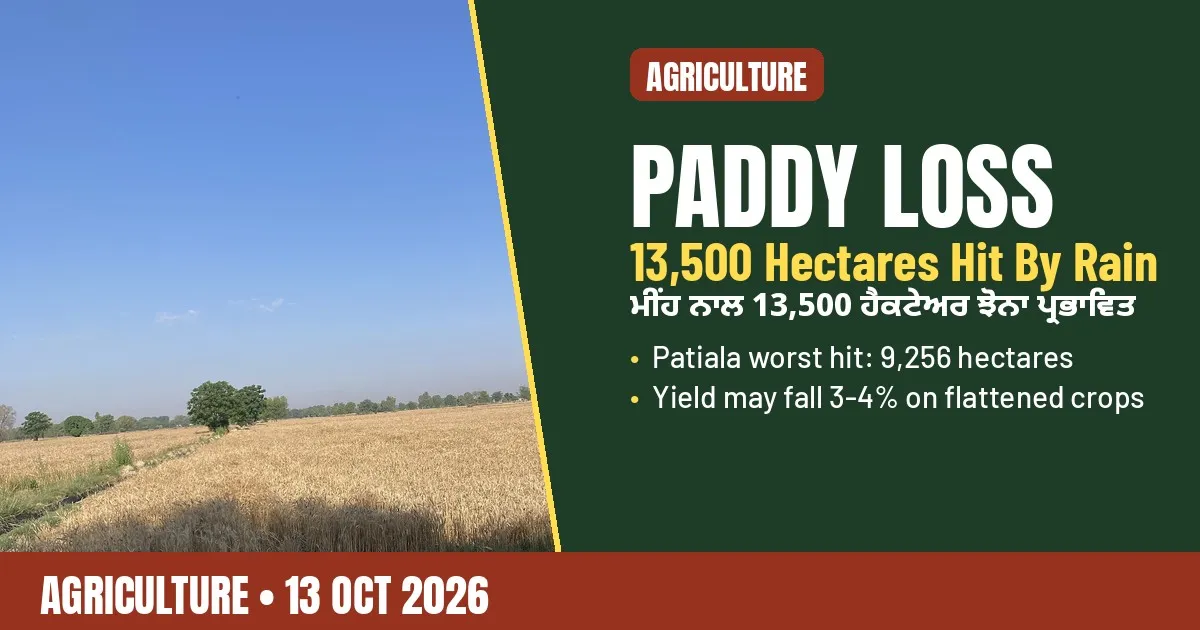 ਮੀਂਹ ਨਾਲ ਪੰਜਾਬ ਵਿੱਚ 13,500 ਹੈਕਟੇਅਰ ਝੋਨੇ ਨੂੰ ਨੁਕਸਾਨ, ਪਟਿਆਲਾ ਸਭ ਤੋਂ ਵੱਧ ਪ੍ਰਭਾਵਿਤਮੀਂਹ ਨਾਲ ਪੰਜਾਬ ਵਿੱਚ 13,500 ਹੈਕਟੇਅਰ ਝੋਨੇ ਨੂੰ ਨੁਕਸਾਨ, ਪਟਿਆਲਾ ਸਭ ਤੋਂ ਵੱਧ ਪ੍ਰਭਾਵਿਤ
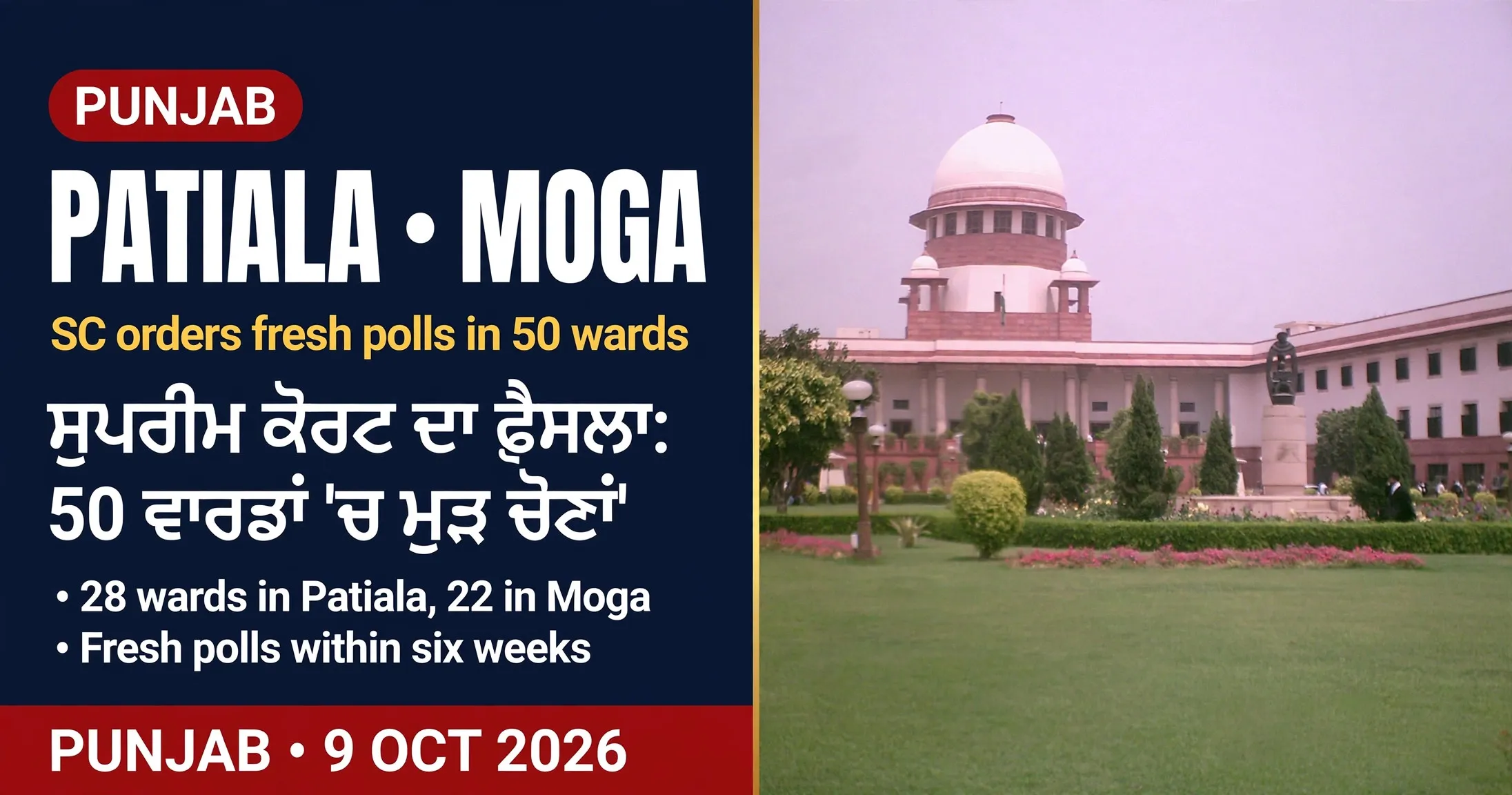 ਸੁਪਰੀਮ ਕੋਰਟ ਨੇ 50 ਵਾਰਡਾਂ ਦੀਆਂ ਚੋਣਾਂ ਰੱਦ ਕੀਤੀਆਂ, ਛੇ ਹਫ਼ਤਿਆਂ ਵਿੱਚ ਮੁੜ ਚੋਣਾਂ ਦਾ ਹੁਕਮਸੁਪਰੀਮ ਕੋਰਟ ਨੇ 50 ਵਾਰਡਾਂ ਦੀਆਂ ਚੋਣਾਂ ਰੱਦ ਕੀਤੀਆਂ, ਛੇ ਹਫ਼ਤਿਆਂ ਵਿੱਚ ਮੁੜ ਚੋਣਾਂ ਦਾ ਹੁਕਮ
 ਵਿਜੀਲੈਂਸ ਬਿਊਰੋ ਨੇ ਨਾਭਾ ਦਾ ਮਾਈਨਿੰਗ ਐੱਸਡੀਓ 50,000 ਰੁਪਏ ਰਿਸ਼ਵਤ ਲੈਂਦਿਆਂ ਫੜਿਆਵਿਜੀਲੈਂਸ ਬਿਊਰੋ ਨੇ ਨਾਭਾ ਦਾ ਮਾਈਨਿੰਗ ਐੱਸਡੀਓ 50,000 ਰੁਪਏ ਰਿਸ਼ਵਤ ਲੈਂਦਿਆਂ ਫੜਿਆ
ਸਰੋਤ (7)
- History | District Patiala, Government of Punjab
- About District | District Patiala, Government of Punjab
- Patiala city: history, demographics, places of interest, transport
- Qila Mubarak, Patiala: 1763 mud fort, complex, endangered listing 2004
- Netaji Subhas National Institute of Sports, Patiala: founded 1961, Moti Bagh, museum
- Patiala district profile (Govt of India, MSME): Mohindra College 1875, PEPSU 20 August 1948
- An Olympian Legacy: Bhupinder Singh, the 1911 tour and the Ranji Trophy (Outlook Business)
ਜੁਗਤੀ ਮੁਫ਼ਤ ਅਤੇ ਸੁਤੰਤਰ ਹੈ। ਪਾਠਕਾਂ ਦਾ ਸਹਿਯੋਗ ਕੋਸ਼ ਨੂੰ ਵਧਾਉਂਦਾ ਹੈ।
ਸਹਿਯੋਗ