

Sirhind is the historic twin city of Fatehgarh Sahib in Punjab, once the Mughals' 'frontier of Hind' and a provincial capital on the Lahore-Delhi highway. It is remembered above all for December 1704, when Guru Gobind Singh's two younger sons were martyred here on the orders of the Mughal governor Wazir Khan. The town holds the Gurdwara Fatehgarh Sahib complex, the Mughal sarai of Aam Khas Bagh and the Rauza Sharif shrine, and the twin towns counted about 60,852 people in the 2011 census.
- ਪੰਜਾਬੀ ਨਾਂ
- ਸਰਹਿੰਦ
- ਕਿਸਮ
- ਸ਼ਹਿਰ
- ਜ਼ਿਲ੍ਹਾ
- ਫ਼ਤਹਿਗੜ੍ਹ ਸਾਹਿਬ
- ਇਲਾਕਾ
- Malwa, Punjab (India)
- ਆਬਾਦੀ
- 60,852 (2011 census, Sirhind-Fatehgarh)
- Coordinates
- 30.617 N, 76.383 E
All 8 facts
- ਭਾਸ਼ਾ
- Punjabi (Puadhi dialect)
- ਪ੍ਰਸਿੱਧੀ
- Martyrdom of the Chhote Sahibzade (December 1704); Mughal monuments
ਇਤਿਹਾਸ ਇੱਕ ਨਜ਼ਰ ਵਿੱਚ
Sirhind is a historic town in Punjab's Fatehgarh Sahib district, the twin city of Fatehgarh Sahib on the Grand Trunk Road between Ludhiana and Ambala. Once the Mughals' 'frontier of Hind' and a provincial capital, it is remembered above all for December 1704, when Guru Gobind Singh's two younger sons were martyred here on Wazir Khan's orders.
Where is Sirhind?
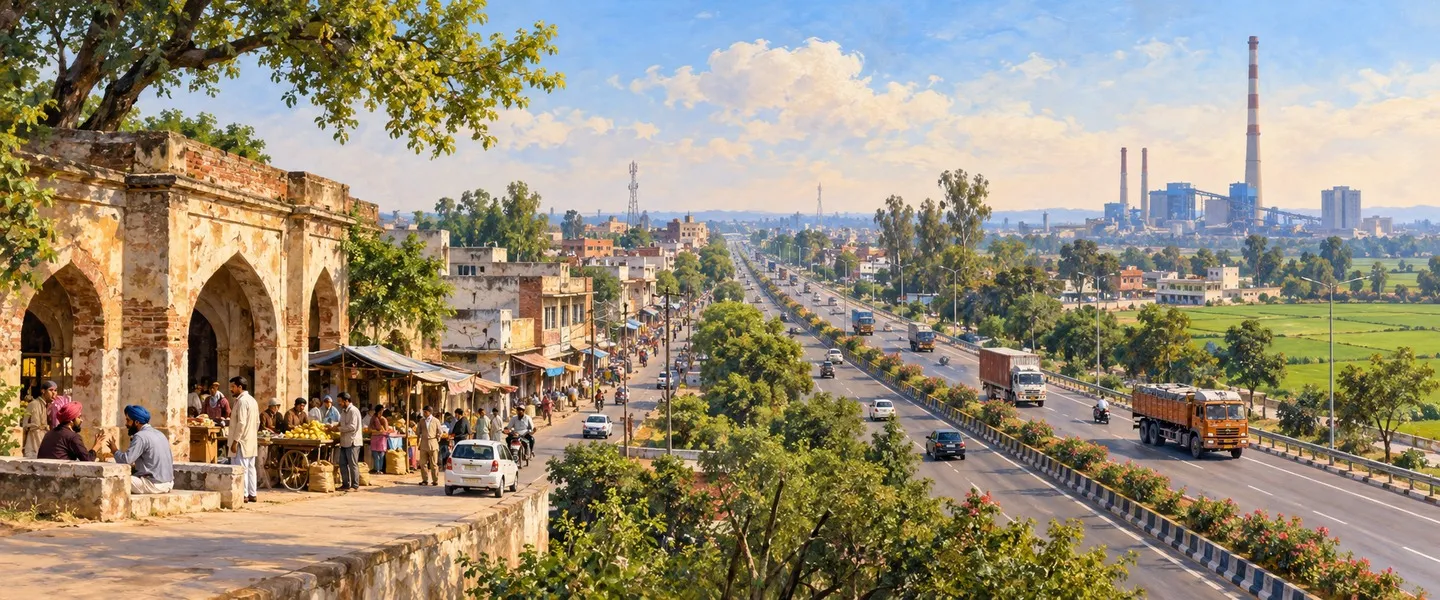
Sirhind stands on the Grand Trunk Road in eastern Punjab, between Ludhiana and Ambala, at 30.617 degrees north and 76.383 degrees east. It is the twin city of Fatehgarh Sahib, which lies about five kilometres to its north and serves as the district headquarters. The combined Sirhind-Fatehgarh urban area counted 60,852 people in the 2011 census. It is a municipal council town, and the local speech is Puadhi, the Punjabi of the region between the Sutlej and the Ghaggar.
From ancient frontier to Mughal capital
Sirhind's name is popularly traced to 'Sar-i Hind', the frontier of Hind, because the Mughals saw it as the gateway to Hindustan. The town is far older than the Mughals. The astronomer Varahamihira named it 'Satudar Desh' in his Sanskrit treatise, the Brihat Samhita, written between 505 and 587 CE. The Chinese traveller Hiuen Tsang, who crossed India in the seventh century, described it as the capital of the district of Shitotulo, the land of the Shatadru, the present Sutlej. Another account links the name to the Sairindhas, an Aryan tribe that once lived here.
In the twelfth century Sirhind passed to the Chauhan Rajputs of Delhi, and under Prithvi Raj Chauhan, who ruled from 1168 to 1192, it served as his military outpost. The city withstood a siege by Jasrat Khokhar in 1421, though Jasrat and the Lahore governor Sikander Tohfa took it a decade later.
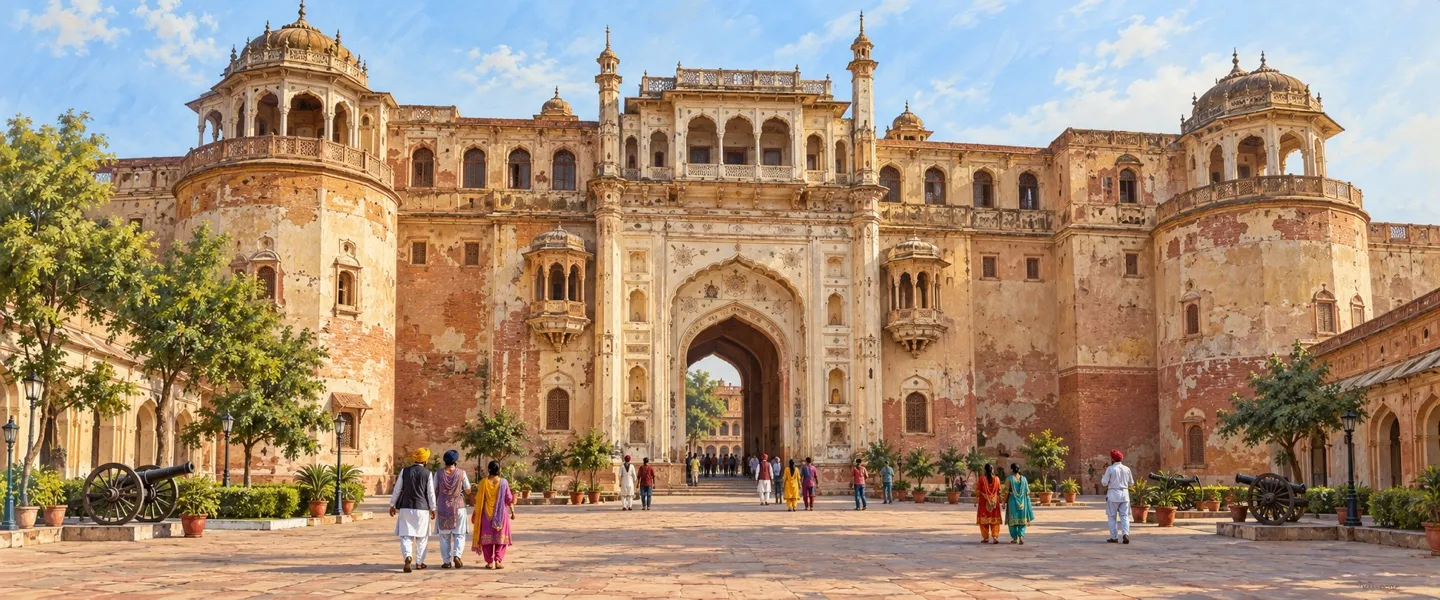
Sirhind reached its height under the Mughals, when it became a provincial capital controlling the Lahore-Delhi highway. In the Mughal era the name Sirhind stood for the whole of Malwa, of which it was the capital city, and it served as the headquarters of Mughal administration in eastern Punjab. European travellers of the period wrote of its splendour, and the city grew into a centre of culture and learning. In its heyday it is said to have held 360 mosques, gardens, tombs, caravanserais and wells, and dozens of saints, scholars, poets, historians, calligraphers and scribes lived here.
One of those figures still draws pilgrims: Shaikh Ahmad Sirhindi, who lived from 1564 to 1624, the Naqshbandi Sufi known as Imam-e-Rabbani, whose mausoleum, Rauza Sharif, stands on the Sirhind-Bassi Pathana road.
The town's reach once stretched far to the south-west. In Akbar's Ain-i-Akbari, the city of ਅਬੋਹਰ appears as a pargana of the Sarkar of Sirhind, a fiscal district of the Delhi Subah with defined boundaries and assessed land revenue.
Why is Sirhind remembered: December 1704
The name Sirhind is fixed in Sikh memory by the events of December 1704. After the evacuation of Anandpur Sahib on the night of 20-21 December and the battle on the banks of the Sarsa, Guru Gobind Singh's mother Mata Gujri and his two younger sons, Baba Zorawar Singh, aged nine, and Baba Fateh Singh, aged about five, took shelter with Gangu, a former servant of the Guru's household, at his village Saheri. Gangu betrayed them to the officials at Morinda, and the three were brought to Sirhind, the headquarters of Wazir Khan, the Mughal governor. They were locked in the Thanda Burj, the cold tower, a summer retreat that was bitter in the December cold.
On 24 December the two boys were brought before Wazir Khan's court, ringed by hundreds of armed soldiers. They were told that their father, their elder brothers and all the Sikhs were dead, and offered a comfortable life if they would accept Islam. They refused, reminding the court that their grandfather, Guru Tegh Bahadur, had also refused to convert and had been martyred for his faith. A courtier, Suchanand Khatri, mocked them. On 25 December they were brought again, and even Nawab Sher Muhammad Khan of Malerkotla, who had fought the Guru in battle, refused to take part in harming the children.
Wazir Khan, whose full name was Mirza Askari, had served as the Mughal faujdar, dewan and sarkar, the deputy governor, of the Sirhind region of the Delhi Subah. He ordered the boys to be bricked alive. As the wall rose around them they stood firm, and the soldiers pushed the wall down in fury. On 27 December 1704 the two princes were beheaded and their bodies discarded. Mata Gujri, who saw their bodies, could not bear it and died.
A banker of Sirhind, Todar Mal, bought a piece of land for their cremation by laying gold coins on the ground as payment. The spot where their bodies had lain is now Gurdwara Fatehgarh Sahib; the cremation ground is marked by Gurdwara Jyoti Sarup. Baba Moti Ram Mehra, who had served the prisoners milk and water, was crushed to death with his family in an oil press on Wazir Khan's orders. Every December, the Shaheedi Jor Mela gathers lakhs of pilgrims at Fatehgarh Sahib to remember the sacrifice, observed on 24 to 26 December.
1710 and after
The Sikhs did not let Sirhind stand. On 12 May 1710, at the Battle of Chappar Chiri, the Khalsa army of Banda Singh Bahadur defeated Wazir Khan, who was beheaded on the field by the warrior Fateh Singh. Sirhind was sacked and its Mughal administration broken. In 1764 the Dal Khalsa defeated the Mughal governor Zain Khan and occupied the city. The settlement that grew around the gurdwara took the name Fatehgarh Sahib, and it is the district headquarters today.
What to see in Sirhind
Gurdwara Fatehgarh Sahib stands on the Sirhind-Morinda route. Its complex includes Gurdwara Bhora Sahib, Burj Mata Gujri, Gurdwara Sahib Ganj, the Todar Mal Jain Hall and a sarovar, and the Shaheedi Jor Mela fills it every December. Gurdwara Jyoti Sarup marks the cremation site of Mata Gujri and the Sahibzadas.
Aam Khas Bagh is the Mughal highway sarai. Shah Jahan renovated it as a royal rest house on the road to Lahore. The Daulat Khana-i-Khas, also called the Sheesh Mahal, has domes, tanks, minarets and fountains, and the Sarad Khana was built as a cooled chamber. Around the Shaheedi Jor Mela a light-and-sound show, called Sirhind Di Deewar, retells the Sikh sacrifice.
Rauza Sharif is the shrine of Shaikh Ahmad Sirhindi, with the tombs of Ustad and Shagird and of Mir-i-Miran nearby; the Afghan king Shah Zaman and his wife are also buried close by. The Jahaji Haveli was the mansion of Diwan Todar Mal. About 18 kilometres away, Sanghol's archaeological museum holds Harappan finds and the remains of a Buddhist stupa.
Getting there and the town today
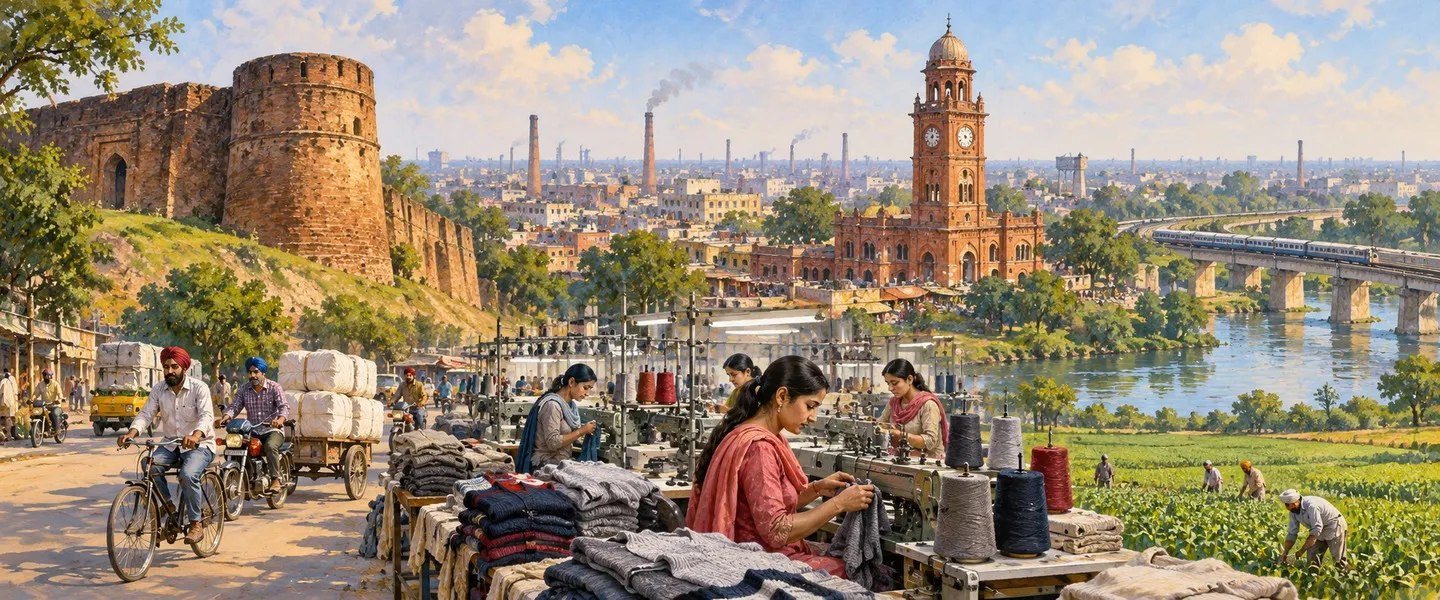
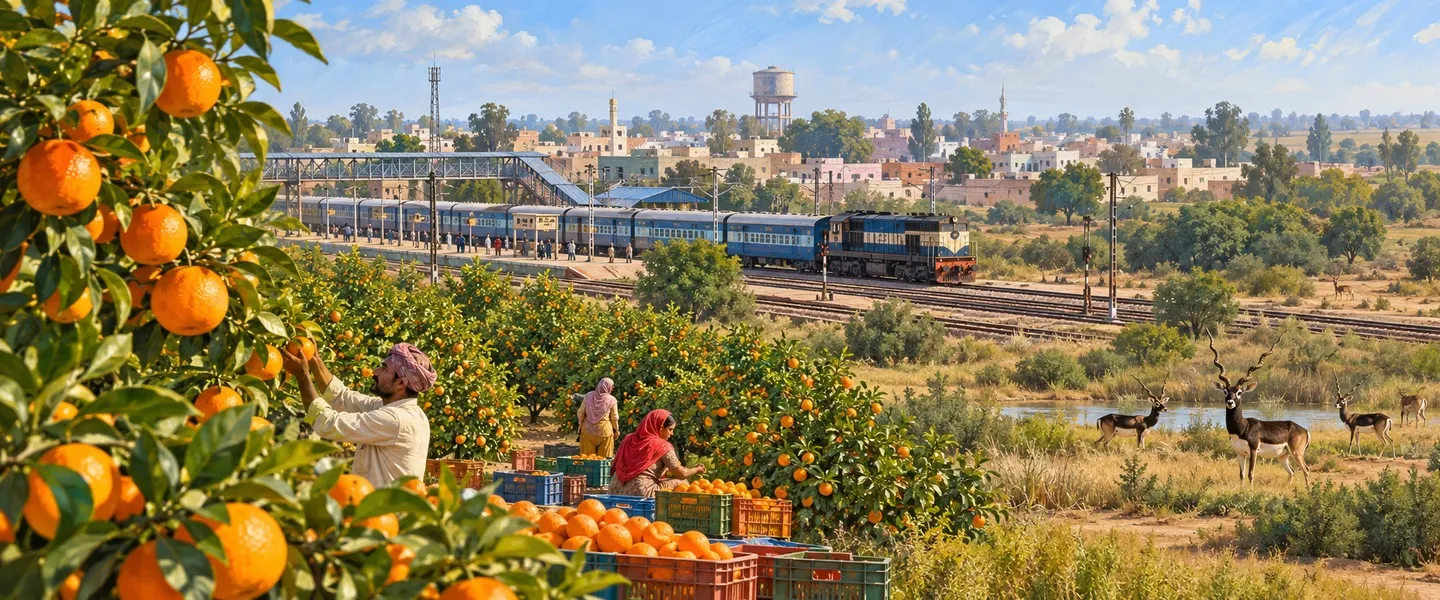
Sirhind is a railway junction on the Delhi-Amritsar line and sits on the Grand Trunk Road, so it is an easy stop between Ludhiana and Ambala. Pilgrims come through the year, with the great rush in December for the Shaheedi Jor Mela. The town is also an education centre: Sri Guru Granth Sahib World University and Mata Gujri College stand at Fatehgarh Sahib. Between the gurdwaras, the Mughal ruins and the university, Sirhind is a town where layers of Punjab's history sit side by side.
ਸਰਹਿੰਦ ਪੰਜਾਬ ਦੇ ਫ਼ਤਹਿਗੜ੍ਹ ਸਾਹਿਬ ਜ਼ਿਲ੍ਹੇ ਦਾ ਇੱਕ ਇਤਿਹਾਸਕ ਸ਼ਹਿਰ ਹੈ, ਜੋ ਲੁਧਿਆਣਾ ਅਤੇ ਅੰਬਾਲਾ ਦੇ ਵਿਚਕਾਰ ਗ੍ਰੈਂਡ ਟਰੰਕ ਰੋਡ 'ਤੇ ਫ਼ਤਹਿਗੜ੍ਹ ਸਾਹਿਬ ਦਾ ਜੁੜਵਾਂ ਸ਼ਹਿਰ ਹੈ। ਮੁਗ਼ਲਾਂ ਦੇ ਸਮੇਂ ਵਿੱਚ ਇਹ 'ਹਿੰਦ ਦੀ ਸਰਹੱਦ' ਅਤੇ ਇੱਕ ਸੂਬਾਈ ਰਾਜਧਾਨੀ ਸੀ, ਪਰ ਇਹ ਸਭ ਤੋਂ ਵੱਧ ਦਸੰਬਰ 1704 ਲਈ ਯਾਦ ਕੀਤਾ ਜਾਂਦਾ ਹੈ, ਜਦੋਂ ਗੁਰੂ ਗੋਬਿੰਦ ਸਿੰਘ ਜੀ ਦੇ ਦੋ ਛੋਟੇ ਸਾਹਿਬਜ਼ਾਦੇ ਇੱਥੇ ਵਜ਼ੀਰ ਖ਼ਾਨ ਦੇ ਹੁਕਮ 'ਤੇ ਸ਼ਹੀਦ ਹੋਏ ਸਨ।
ਸਰਹਿੰਦ ਕਿੱਥੇ ਹੈ?
ਸਰਹਿੰਦ ਪੂਰਬੀ ਪੰਜਾਬ ਵਿੱਚ ਗ੍ਰੈਂਡ ਟਰੰਕ ਰੋਡ 'ਤੇ, ਲੁਧਿਆਣਾ ਅਤੇ ਅੰਬਾਲਾ ਦੇ ਵਿਚਕਾਰ ਸਥਿਤ ਹੈ। ਇਹ ਫ਼ਤਹਿਗੜ੍ਹ ਸਾਹਿਬ ਦਾ ਜੁੜਵਾਂ ਸ਼ਹਿਰ ਹੈ, ਜੋ ਇਸ ਤੋਂ ਲਗਭਗ ਪੰਜ ਕਿਲੋਮੀਟਰ ਉੱਤਰ ਵੱਲ ਹੈ ਅਤੇ ਜ਼ਿਲ੍ਹੇ ਦਾ ਪ੍ਰਸ਼ਾਸਕੀ ਕੇਂਦਰ ਹੈ। 2011 ਦੀ ਮਰਦਮਸ਼ੁਮਾਰੀ ਵਿੱਚ ਸਰਹਿੰਦ-ਫ਼ਤਹਿਗੜ੍ਹ ਸ਼ਹਿਰੀ ਖੇਤਰ ਦੀ ਅਬਾਦੀ 60,852 ਗਿਣੀ ਗਈ ਸੀ। ਇਹ ਇੱਕ ਨਗਰ ਕੌਂਸਲ ਵਾਲਾ ਸ਼ਹਿਰ ਹੈ, ਅਤੇ ਇੱਥੋਂ ਦੀ ਬੋਲੀ ਪੁਆਧੀ ਹੈ, ਜੋ ਸਤਲੁਜ ਅਤੇ ਘੱਗਰ ਦੇ ਵਿਚਕਾਰਲੇ ਇਲਾਕੇ ਦੀ ਪੰਜਾਬੀ ਹੈ।
ਪ੍ਰਾਚੀਨ ਸਰਹੱਦ ਤੋਂ ਮੁਗ਼ਲ ਰਾਜਧਾਨੀ ਤੱਕ
ਸਰਹਿੰਦ ਦਾ ਨਾਂ ਆਮ ਤੌਰ 'ਤੇ 'ਸਰ-ਏ-ਹਿੰਦ' ਤੋਂ ਲਿਆ ਜਾਂਦਾ ਹੈ, ਭਾਵ ਹਿੰਦ ਦੀ ਸਰਹੱਦ, ਕਿਉਂਕਿ ਮੁਗ਼ਲ ਇਸ ਨੂੰ ਹਿੰਦੁਸਤਾਨ ਦਾ ਦਰਵਾਜ਼ਾ ਸਮਝਦੇ ਸਨ। ਪਰ ਇਹ ਸ਼ਹਿਰ ਮੁਗ਼ਲਾਂ ਤੋਂ ਕਿਤੇ ਪੁਰਾਣਾ ਹੈ। ਖਗੋਲ-ਵਿਗਿਆਨੀ ਵਰਾਹਮਿਹਿਰ ਨੇ ਆਪਣੇ ਸੰਸਕ੍ਰਿਤ ਗ੍ਰੰਥ ਬ੍ਰਿਹਤ ਸੰਹਿਤਾ ਵਿੱਚ, ਜੋ 505 ਤੋਂ 587 ਈਸਵੀ ਦਰਮਿਆਨ ਲਿਖਿਆ ਗਿਆ, ਇਸ ਨੂੰ 'ਸਤੁਦਰ ਦੇਸ਼' ਕਿਹਾ ਹੈ। ਸੱਤਵੀਂ ਸਦੀ ਵਿੱਚ ਭਾਰਤ ਆਏ ਚੀਨੀ ਯਾਤਰੀ ਹਿਊਨ ਸਾਂਗ ਨੇ ਇਸ ਨੂੰ ਸ਼ਿਤੋਤੁਲੋ ਜ਼ਿਲ੍ਹੇ ਦੀ ਰਾਜਧਾਨੀ ਦੱਸਿਆ ਹੈ, ਭਾਵ ਸ਼ਤਦਰੁ, ਅੱਜ ਦੇ ਸਤਲੁਜ ਦਾ ਇਲਾਕਾ। ਇੱਕ ਹੋਰ ਮੱਤ ਅਨੁਸਾਰ ਨਾਂ ਸੈਰਿੰਧਾਸ ਨਾਂ ਦੇ ਆਰੀਆ ਕਬੀਲੇ ਤੋਂ ਪਿਆ, ਜੋ ਕਦੇ ਇੱਥੇ ਰਹਿੰਦਾ ਸੀ।
ਬਾਰ੍ਹਵੀਂ ਸਦੀ ਵਿੱਚ ਸਰਹਿੰਦ ਦਿੱਲੀ ਦੇ ਚੌਹਾਨ ਰਾਜਪੂਤਾਂ ਦੇ ਹੱਥ ਆਇਆ, ਅਤੇ ਪਿਰਥਵੀ ਰਾਜ ਚੌਹਾਨ (1168-1192) ਦੇ ਸਮੇਂ ਇਹ ਉਸ ਦੀ ਫ਼ੌਜੀ ਚੌਕੀ ਸੀ। 1421 ਵਿੱਚ ਜਸਰਤ ਖੋਖਰ ਨੇ ਸ਼ਹਿਰ ਦਾ ਘੇਰਾਓ ਕੀਤਾ ਪਰ ਕਾਮਯਾਬ ਨਾ ਹੋ ਸਕਿਆ, ਹਾਲਾਂਕਿ ਇੱਕ ਦਹਾਕੇ ਬਾਅਦ ਉਸ ਨੇ ਲਾਹੌਰ ਦੇ ਸੂਬੇਦਾਰ ਸਿਕੰਦਰ ਤੋਹਫ਼ਾ ਨਾਲ ਮਿਲ ਕੇ ਇਸ 'ਤੇ ਕਬਜ਼ਾ ਕਰ ਲਿਆ।
ਸਰਹਿੰਦ ਨੇ ਆਪਣਾ ਸਿਖਰ ਮੁਗ਼ਲਾਂ ਦੇ ਸਮੇਂ ਦੇਖਿਆ, ਜਦੋਂ ਇਹ ਲਾਹੌਰ-ਦਿੱਲੀ ਸ਼ਾਹਰਾਹ 'ਤੇ ਕਾਬਜ਼ ਇੱਕ ਸੂਬਾਈ ਰਾਜਧਾਨੀ ਬਣਿਆ। ਮੁਗ਼ਲ ਦੌਰ ਵਿੱਚ 'ਸਰਹਿੰਦ' ਨਾਂ ਪੂਰੇ ਮਾਲਵੇ ਲਈ ਵਰਤਿਆ ਜਾਂਦਾ ਸੀ, ਜਿਸ ਦੀ ਇਹ ਰਾਜਧਾਨੀ ਸੀ, ਅਤੇ ਇਹ ਪੂਰਬੀ ਪੰਜਾਬ ਵਿੱਚ ਮੁਗ਼ਲ ਪ੍ਰਸ਼ਾਸਨ ਦਾ ਕੇਂਦਰ ਸੀ। ਉਸ ਦੌਰ ਦੇ ਯੂਰਪੀ ਯਾਤਰੀਆਂ ਨੇ ਇਸ ਦੀ ਸ਼ਾਨ ਦੇ ਵਰਣਨ ਲਿਖੇ ਹਨ, ਅਤੇ ਸ਼ਹਿਰ ਸੱਭਿਆਚਾਰ ਅਤੇ ਵਿਦਿਆ ਦਾ ਕੇਂਦਰ ਬਣ ਗਿਆ। ਕਿਹਾ ਜਾਂਦਾ ਹੈ ਕਿ ਆਪਣੇ ਜ਼ਮਾਨੇ ਵਿੱਚ ਇੱਥੇ 360 ਮਸਜਿਦਾਂ, ਬਾਗ਼, ਮਕਬਰੇ, ਸਰਾਵਾਂ ਅਤੇ ਖੂਹ ਸਨ, ਅਤੇ ਇੱਥੇ ਦਰਜਨਾਂ ਸੰਤ, ਵਿਦਵਾਨ, ਕਵੀ, ਇਤਿਹਾਸਕਾਰ, ਖ਼ਤਾਤ ਅਤੇ ਲਿਖਾਰੀ ਰਹਿੰਦੇ ਸਨ।
ਉਨ੍ਹਾਂ ਹਸਤੀਆਂ ਵਿੱਚੋਂ ਇੱਕ ਅੱਜ ਵੀ ਸ਼ਰਧਾਲੂਆਂ ਨੂੰ ਖਿੱਚਦੀ ਹੈ: ਸ਼ੇਖ਼ ਅਹਿਮਦ ਸਰਹਿੰਦੀ (1564-1624), ਨਕਸ਼ਬੰਦੀ ਸੂਫ਼ੀ ਜਿਨ੍ਹਾਂ ਨੂੰ ਇਮਾਮ-ਏ-ਰਬਾਨੀ ਕਿਹਾ ਜਾਂਦਾ ਹੈ, ਜਿਨ੍ਹਾਂ ਦਾ ਮਕਬਰਾ, ਰੌਜ਼ਾ ਸ਼ਰੀਫ਼, ਸਰਹਿੰਦ-ਬਸੀ ਪਠਾਣਾਂ ਰੋਡ 'ਤੇ ਹੈ।
ਇੱਕ ਸਮੇਂ ਇਸ ਸ਼ਹਿਰ ਦਾ ਦਬਦਬਾ ਦੱਖਣ-ਪੱਛਮ ਵੱਲ ਦੂਰ ਤੱਕ ਸੀ। ਅਕਬਰ ਦੀ ਆਈਨ-ਏ-ਅਕਬਰੀ ਵਿੱਚ ਅਬੋਹਰ ਸ਼ਹਿਰ ਸਰਹਿੰਦ ਦੀ ਸਰਕਾਰ ਦੇ ਇੱਕ ਪਰਗਣੇ ਵਜੋਂ ਦਰਜ ਹੈ, ਜੋ ਦਿੱਲੀ ਸੂਬੇ ਦਾ ਇੱਕ ਮਾਲ ਇਲਾਕਾ ਸੀ।
ਸਰਹਿੰਦ ਕਿਉਂ ਯਾਦ ਕੀਤਾ ਜਾਂਦਾ ਹੈ: ਦਸੰਬਰ 1704
ਸਿੱਖ ਯਾਦ ਵਿੱਚ ਸਰਹਿੰਦ ਦਾ ਨਾਂ ਦਸੰਬਰ 1704 ਦੀਆਂ ਘਟਨਾਵਾਂ ਨਾਲ ਜੁੜਿਆ ਹੋਇਆ ਹੈ। 20-21 ਦਸੰਬਰ ਦੀ ਰਾਤ ਨੂੰ ਅਨੰਦਪੁਰ ਸਾਹਿਬ ਖ਼ਾਲੀ ਕਰਨ ਅਤੇ ਸਰਸਾ ਨਦੀ ਦੇ ਕੰਢੇ ਲੜਾਈ ਤੋਂ ਬਾਅਦ, ਗੁਰੂ ਗੋਬਿੰਦ ਸਿੰਘ ਜੀ ਦੀ ਮਾਤਾ ਮਾਤਾ ਗੁਜਰੀ ਜੀ ਅਤੇ ਉਨ੍ਹਾਂ ਦੇ ਦੋ ਛੋਟੇ ਸਾਹਿਬਜ਼ਾਦੇ, ਨੌਂ ਸਾਲ ਦੇ ਬਾਬਾ ਜ਼ੋਰਾਵਰ ਸਿੰਘ ਅਤੇ ਲਗਭਗ ਪੰਜ ਸਾਲ ਦੇ ਬਾਬਾ ਫ਼ਤਹਿ ਸਿੰਘ, ਗੰਗੂ ਨਾਂ ਦੇ ਇੱਕ ਪੁਰਾਣੇ ਸੇਵਕ ਕੋਲ ਪਨਾਹ ਲਈ, ਜੋ ਉਸ ਦੇ ਪਿੰਡ ਸਹੇੜੀ ਵਿੱਚ ਰਹਿੰਦਾ ਸੀ। ਗੰਗੂ ਨੇ ਮੋਰਿੰਡਾ ਦੇ ਅਧਿਕਾਰੀਆਂ ਨੂੰ ਖ਼ਬਰ ਦੇ ਕੇ ਧੋਖਾ ਕੀਤਾ, ਅਤੇ ਤਿੰਨਾਂ ਨੂੰ ਸਰਹਿੰਦ ਲਿਆਂਦਾ ਗਿਆ, ਜੋ ਮੁਗ਼ਲ ਸੂਬੇਦਾਰ ਵਜ਼ੀਰ ਖ਼ਾਨ ਦਾ ਕੇਂਦਰ ਸੀ। ਉਨ੍ਹਾਂ ਨੂੰ ਠੰਢੇ ਬੁਰਜ ਵਿੱਚ ਬੰਦ ਕਰ ਦਿੱਤਾ ਗਿਆ, ਜੋ ਗਰਮੀਆਂ ਦਾ ਆਰਾਮ-ਘਰ ਸੀ ਪਰ ਦਸੰਬਰ ਦੀ ਠੰਢ ਵਿੱਚ ਬੇਹੱਦ ਤਕਲੀਫ਼ਦਾਇਕ ਸੀ।
24 ਦਸੰਬਰ ਨੂੰ ਦੋਵੇਂ ਬੱਚੇ ਵਜ਼ੀਰ ਖ਼ਾਨ ਦੇ ਦਰਬਾਰ ਵਿੱਚ ਪੇਸ਼ ਕੀਤੇ ਗਏ, ਜਿੱਥੇ ਸੈਂਕੜੇ ਹਥਿਆਰਬੰਦ ਸਿਪਾਹੀ ਖੜ੍ਹੇ ਸਨ। ਉਨ੍ਹਾਂ ਨੂੰ ਕਿਹਾ ਗਿਆ ਕਿ ਉਨ੍ਹਾਂ ਦੇ ਪਿਤਾ, ਵੱਡੇ ਭਰਾ ਅਤੇ ਸਾਰੇ ਸਿੱਖ ਮਾਰੇ ਜਾ ਚੁੱਕੇ ਹਨ, ਅਤੇ ਇਸਲਾਮ ਕਬੂਲ ਕਰਨ 'ਤੇ ਆਰਾਮ ਦੀ ਜ਼ਿੰਦਗੀ ਦਾ ਲਾਲਚ ਦਿੱਤਾ ਗਿਆ। ਉਨ੍ਹਾਂ ਨੇ ਇਨਕਾਰ ਕਰ ਦਿੱਤਾ ਅਤੇ ਦਰਬਾਰ ਨੂੰ ਯਾਦ ਕਰਵਾਇਆ ਕਿ ਉਨ੍ਹਾਂ ਦੇ ਦਾਦਾ ਗੁਰੂ ਤੇਗ਼ ਬਹਾਦਰ ਜੀ ਨੇ ਵੀ ਧਰਮ ਨਹੀਂ ਬਦਲਿਆ ਸੀ ਅਤੇ ਧਰਮ ਲਈ ਸ਼ਹੀਦ ਹੋਏ ਸਨ। ਦਰਬਾਰੀ ਸੁੱਚਾਨੰਦ ਖਤਰੀ ਨੇ ਉਨ੍ਹਾਂ ਦਾ ਮਜ਼ਾਕ ਉਡਾਇਆ। 25 ਦਸੰਬਰ ਨੂੰ ਉਨ੍ਹਾਂ ਨੂੰ ਫਿਰ ਪੇਸ਼ ਕੀਤਾ ਗਿਆ, ਅਤੇ ਮਲੇਰਕੋਟਲਾ ਦੇ ਨਵਾਬ ਸ਼ੇਰ ਮੁਹੰਮਦ ਖ਼ਾਨ, ਜੋ ਗੁਰੂ ਜੀ ਨਾਲ ਲੜ ਚੁੱਕਾ ਸੀ, ਨੇ ਵੀ ਬੱਚਿਆਂ ਨੂੰ ਨੁਕਸਾਨ ਪਹੁੰਚਾਉਣ ਵਿੱਚ ਹਿੱਸਾ ਲੈਣ ਤੋਂ ਇਨਕਾਰ ਕਰ ਦਿੱਤਾ।
ਵਜ਼ੀਰ ਖ਼ਾਨ, ਜਿਸ ਦਾ ਪੂਰਾ ਨਾਂ ਮਿਰਜ਼ਾ ਅਸਕਰੀ ਸੀ, ਦਿੱਲੀ ਸੂਬੇ ਦੇ ਸਰਹਿੰਦ ਇਲਾਕੇ ਦਾ ਮੁਗ਼ਲ ਫ਼ੌਜਦਾਰ, ਦੀਵਾਨ ਅਤੇ ਸਰਕਾਰ, ਭਾਵ ਨਾਇਬ ਸੂਬੇਦਾਰ ਸੀ। ਉਸ ਨੇ ਬੱਚਿਆਂ ਨੂੰ ਕੰਧ ਵਿੱਚ ਚਿਣਵਾਉਣ ਦਾ ਹੁਕਮ ਦਿੱਤਾ। ਜਿਵੇਂ-ਜਿਵੇਂ ਕੰਧ ਉੱਚੀ ਹੁੰਦੀ ਗਈ, ਉਹ ਡਟੇ ਰਹੇ, ਅਤੇ ਸਿਪਾਹੀਆਂ ਨੇ ਗੁੱਸੇ ਵਿੱਚ ਕੰਧ ਢਾਹ ਦਿੱਤੀ। 27 ਦਸੰਬਰ 1704 ਨੂੰ ਦੋਵੇਂ ਸਾਹਿਬਜ਼ਾਦਿਆਂ ਨੂੰ ਸ਼ਹੀਦ ਕਰ ਦਿੱਤਾ ਗਿਆ ਅਤੇ ਉਨ੍ਹਾਂ ਦੇ ਸਰੀਰ ਸੁੱਟ ਦਿੱਤੇ ਗਏ। ਮਾਤਾ ਗੁਜਰੀ ਜੀ ਉਨ੍ਹਾਂ ਦੇ ਸਰੀਰ ਦੇਖ ਕੇ ਸਹਿ ਨਾ ਸਕੀਆਂ ਅਤੇ ਅਕਾਲ ਚਲਾਣਾ ਕਰ ਗਈਆਂ।
ਸਰਹਿੰਦ ਦੇ ਇੱਕ ਸਰਾਫ਼, ਤੋਦਰ ਮੱਲ ਨੇ ਸਸਕਾਰ ਲਈ ਜ਼ਮੀਨ ਸੋਨੇ ਦੀਆਂ ਮੋਹਰਾਂ ਵਿਛਾ ਕੇ ਖ਼ਰੀਦੀ। ਜਿੱਥੇ ਉਨ੍ਹਾਂ ਦੇ ਸਰੀਰ ਪਏ ਸਨ, ਉੱਥੇ ਅੱਜ ਗੁਰਦੁਆਰਾ ਫ਼ਤਹਿਗੜ੍ਹ ਸਾਹਿਬ ਹੈ; ਸਸਕਾਰ ਵਾਲੀ ਥਾਂ 'ਤੇ ਗੁਰਦੁਆਰਾ ਜੋਤੀ ਸਰੂਪ ਹੈ। ਬਾਬਾ ਮੋਤੀ ਰਾਮ ਮਹਿਰਾ, ਜਿਸ ਨੇ ਕੈਦੀਆਂ ਨੂੰ ਦੁੱਧ-ਪਾਣੀ ਪਿਲਾਇਆ ਸੀ, ਨੂੰ ਵਜ਼ੀਰ ਖ਼ਾਨ ਦੇ ਹੁਕਮ 'ਤੇ ਪਰਿਵਾਰ ਸਮੇਤ ਕੋਹਲੂ ਵਿੱਚ ਪੀੜ ਕੇ ਸ਼ਹੀਦ ਕਰ ਦਿੱਤਾ ਗਿਆ। ਹਰ ਦਸੰਬਰ ਵਿੱਚ ਸ਼ਹੀਦੀ ਜੋੜ ਮੇਲਾ ਫ਼ਤਹਿਗੜ੍ਹ ਸਾਹਿਬ ਵਿੱਚ ਲੱਖਾਂ ਸ਼ਰਧਾਲੂਆਂ ਨੂੰ ਇਸ ਕੁਰਬਾਨੀ ਦੀ ਯਾਦ ਵਿੱਚ ਇਕੱਠਾ ਕਰਦਾ ਹੈ, ਜੋ 24 ਤੋਂ 26 ਦਸੰਬਰ ਨੂੰ ਮਨਾਇਆ ਜਾਂਦਾ ਹੈ।
1710 ਅਤੇ ਉਸ ਤੋਂ ਬਾਅਦ
ਸਿੱਖਾਂ ਨੇ ਸਰਹਿੰਦ ਨੂੰ ਐਵੇਂ ਨਹੀਂ ਰਹਿਣ ਦਿੱਤਾ। 12 ਮਈ 1710 ਨੂੰ ਚੱਪੜ ਚਿੜੀ ਦੀ ਲੜਾਈ ਵਿੱਚ ਬੰਦਾ ਸਿੰਘ ਬਹਾਦਰ ਦੀ ਖ਼ਾਲਸਾ ਫ਼ੌਜ ਨੇ ਵਜ਼ੀਰ ਖ਼ਾਨ ਨੂੰ ਹਰਾਇਆ, ਜੋ ਮੈਦਾਨ ਵਿੱਚ ਹੀ ਯੋਧਾ ਫ਼ਤਹਿ ਸਿੰਘ ਹੱਥੋਂ ਮਾਰਿਆ ਗਿਆ। ਸਰਹਿੰਦ ਲੁੱਟਿਆ ਗਿਆ ਅਤੇ ਉਸ ਦਾ ਮੁਗ਼ਲ ਪ੍ਰਸ਼ਾਸਨ ਟੁੱਟ ਗਿਆ। 1764 ਵਿੱਚ ਦਲ ਖ਼ਾਲਸਾ ਨੇ ਮੁਗ਼ਲ ਸੂਬੇਦਾਰ ਜ਼ੈਨ ਖ਼ਾਨ ਨੂੰ ਹਰਾ ਕੇ ਸ਼ਹਿਰ 'ਤੇ ਕਬਜ਼ਾ ਕਰ ਲਿਆ। ਗੁਰਦੁਆਰੇ ਦੇ ਆਲੇ-ਦੁਆਲੇ ਵੱਸੀ ਬਸਤੀ ਦਾ ਨਾਂ ਫ਼ਤਹਿਗੜ੍ਹ ਸਾਹਿਬ ਪਿਆ, ਜੋ ਅੱਜ ਜ਼ਿਲ੍ਹੇ ਦਾ ਪ੍ਰਸ਼ਾਸਕੀ ਕੇਂਦਰ ਹੈ।
ਸਰਹਿੰਦ ਵਿੱਚ ਕੀ ਦੇਖਣਾ ਹੈ
ਗੁਰਦੁਆਰਾ ਫ਼ਤਹਿਗੜ੍ਹ ਸਾਹਿਬ ਸਰਹਿੰਦ-ਮੋਰਿੰਡਾ ਰੋਡ 'ਤੇ ਹੈ; ਇਸ ਸਮੂਹ ਵਿੱਚ ਗੁਰਦੁਆਰਾ ਭੋਰਾ ਸਾਹਿਬ, ਬੁਰਜ ਮਾਤਾ ਗੁਜਰੀ, ਗੁਰਦੁਆਰਾ ਸਾਹਿਬ ਗੰਜ, ਤੋਦਰ ਮੱਲ ਜੈਨ ਹਾਲ ਅਤੇ ਸਰੋਵਰ ਸ਼ਾਮਲ ਹਨ। ਹਰ ਦਸੰਬਰ ਵਿੱਚ ਸ਼ਹੀਦੀ ਜੋੜ ਮੇਲਾ ਇਸ ਨੂੰ ਭਰ ਦਿੰਦਾ ਹੈ। ਗੁਰਦੁਆਰਾ ਜੋਤੀ ਸਰੂਪ ਮਾਤਾ ਗੁਜਰੀ ਜੀ ਅਤੇ ਸਾਹਿਬਜ਼ਾਦਿਆਂ ਦੇ ਸਸਕਾਰ ਵਾਲੀ ਥਾਂ ਦੀ ਨਿਸ਼ਾਨਦੇਹੀ ਕਰਦਾ ਹੈ।
ਆਮ ਖ਼ਾਸ ਬਾਗ਼ ਮੁਗ਼ਲਾਂ ਦੀ ਸ਼ਾਹਰਾਹ ਵਾਲੀ ਸਰਾਂ ਹੈ; ਸ਼ਾਹਜਹਾਂ ਨੇ ਲਾਹੌਰ ਜਾਂਦੇ ਸ਼ਾਹੀ ਕਾਫ਼ਲਿਆਂ ਲਈ ਇਸ ਨੂੰ ਸੰਵਾਰਿਆ ਸੀ। ਦੌਲਤ ਖ਼ਾਨਾ-ਏ-ਖ਼ਾਸ, ਜਿਸ ਨੂੰ ਸ਼ੀਸ਼ ਮਹਿਲ ਵੀ ਕਿਹਾ ਜਾਂਦਾ ਹੈ, ਵਿੱਚ ਗੁੰਬਦ, ਤਲਾਬ, ਮੀਨਾਰ ਅਤੇ ਫੁਹਾਰੇ ਹਨ; ਸਰਦ ਖ਼ਾਨਾ ਠੰਢਾ ਕਮਰਾ ਬਣਾਇਆ ਗਿਆ ਸੀ। ਸ਼ਹੀਦੀ ਜੋੜ ਮੇਲੇ ਦੇ ਆਸ-ਪਾਸ ਇੱਥੇ 'ਸਰਹਿੰਦ ਦੀ ਦੀਵਾਰ' ਨਾਂ ਦਾ ਲਾਈਟ-ਐਂਡ-ਸਾਊਂਡ ਸ਼ੋਅ ਹੁੰਦਾ ਹੈ, ਜੋ ਸਿੱਖ ਕੁਰਬਾਨੀ ਦੀ ਕਹਾਣੀ ਦੁਹਰਾਉਂਦਾ ਹੈ।
ਰੌਜ਼ਾ ਸ਼ਰੀਫ਼ ਸ਼ੇਖ਼ ਅਹਿਮਦ ਸਰਹਿੰਦੀ (1564-1624) ਦਾ ਦਰਬਾਰ ਹੈ, ਜਿੱਥੇ ਉਸਤਾਦ ਅਤੇ ਸ਼ਾਗਿਰਦ ਅਤੇ ਮੀਰ-ਏ-ਮੀਰਾਨ ਦੇ ਮਕਬਰੇ ਵੀ ਹਨ; ਅਫ਼ਗ਼ਾਨ ਬਾਦਸ਼ਾਹ ਸ਼ਾਹ ਜ਼ਮਾਨ ਅਤੇ ਉਸ ਦੀ ਬੇਗਮ ਵੀ ਨੇੜੇ ਹੀ ਦਫ਼ਨ ਹਨ। ਜਹਾਜ਼ੀ ਹਵੇਲੀ ਦੀਵਾਨ ਤੋਦਰ ਮੱਲ ਦੀ ਹਵੇਲੀ ਹੈ। ਸੰਘੋਲ ਲਗਭਗ 18 ਕਿਲੋਮੀਟਰ ਦੂਰ ਹੈ, ਜਿੱਥੇ ਪੁਰਾਤੱਤਵ ਅਜਾਇਬ-ਘਰ ਵਿੱਚ ਹੜੱਪਾ ਸੱਭਿਅਤਾ ਦੀਆਂ ਵਸਤਾਂ ਅਤੇ ਬੋਧੀ ਸਤੂਪ ਦੇ ਅਵਸ਼ੇਸ਼ ਹਨ।
ਇੱਥੇ ਕਿਵੇਂ ਪਹੁੰਚਣਾ ਹੈ ਅਤੇ ਅੱਜ ਦਾ ਸ਼ਹਿਰ
ਸਰਹਿੰਦ ਦਿੱਲੀ-ਅੰਮ੍ਰਿਤਸਰ ਰੇਲ ਲਾਈਨ 'ਤੇ ਇੱਕ ਰੇਲਵੇ ਜੰਕਸ਼ਨ ਹੈ ਅਤੇ ਗ੍ਰੈਂਡ ਟਰੰਕ ਰੋਡ 'ਤੇ ਸਥਿਤ ਹੈ, ਇਸ ਲਈ ਲੁਧਿਆਣਾ ਅਤੇ ਅੰਬਾਲਾ ਦੇ ਵਿਚਕਾਰ ਇੱਥੇ ਰੁਕਣਾ ਆਸਾਨ ਹੈ। ਸਾਲ ਭਰ ਸ਼ਰਧਾਲੂ ਆਉਂਦੇ ਹਨ, ਅਤੇ ਦਸੰਬਰ ਵਿੱਚ ਸ਼ਹੀਦੀ ਜੋੜ ਮੇਲੇ ਵੇਲੇ ਭਾਰੀ ਭੀੜ ਹੁੰਦੀ ਹੈ। ਇਹ ਸ਼ਹਿਰ ਵਿਦਿਆ ਦਾ ਕੇਂਦਰ ਵੀ ਹੈ: ਸ੍ਰੀ ਗੁਰੂ ਗ੍ਰੰਥ ਸਾਹਿਬ ਵਰਲਡ ਯੂਨੀਵਰਸਿਟੀ ਅਤੇ ਮਾਤਾ ਗੁਜਰੀ ਕਾਲਜ ਫ਼ਤਹਿਗੜ੍ਹ ਸਾਹਿਬ ਵਿੱਚ ਹਨ। ਗੁਰਦੁਆਰਿਆਂ, ਮੁਗ਼ਲ ਖੰਡਰਾਂ ਅਤੇ ਯੂਨੀਵਰਸਿਟੀ ਦੇ ਵਿਚਕਾਰ, ਸਰਹਿੰਦ ਇੱਕ ਅਜਿਹਾ ਸ਼ਹਿਰ ਹੈ ਜਿੱਥੇ ਪੰਜਾਬ ਦੇ ਇਤਿਹਾਸ ਦੀਆਂ ਪਰਤਾਂ ਨਾਲੋ-ਨਾਲ ਵਸਦੀਆਂ ਹਨ।
Landmarks

Nearby

ਸਰੋਤ (5)
ਜੁਗਤੀ ਮੁਫ਼ਤ ਅਤੇ ਸੁਤੰਤਰ ਹੈ। ਪਾਠਕਾਂ ਦਾ ਸਹਿਯੋਗ ਕੋਸ਼ ਨੂੰ ਵਧਾਉਂਦਾ ਹੈ।
ਸਹਿਯੋਗ