
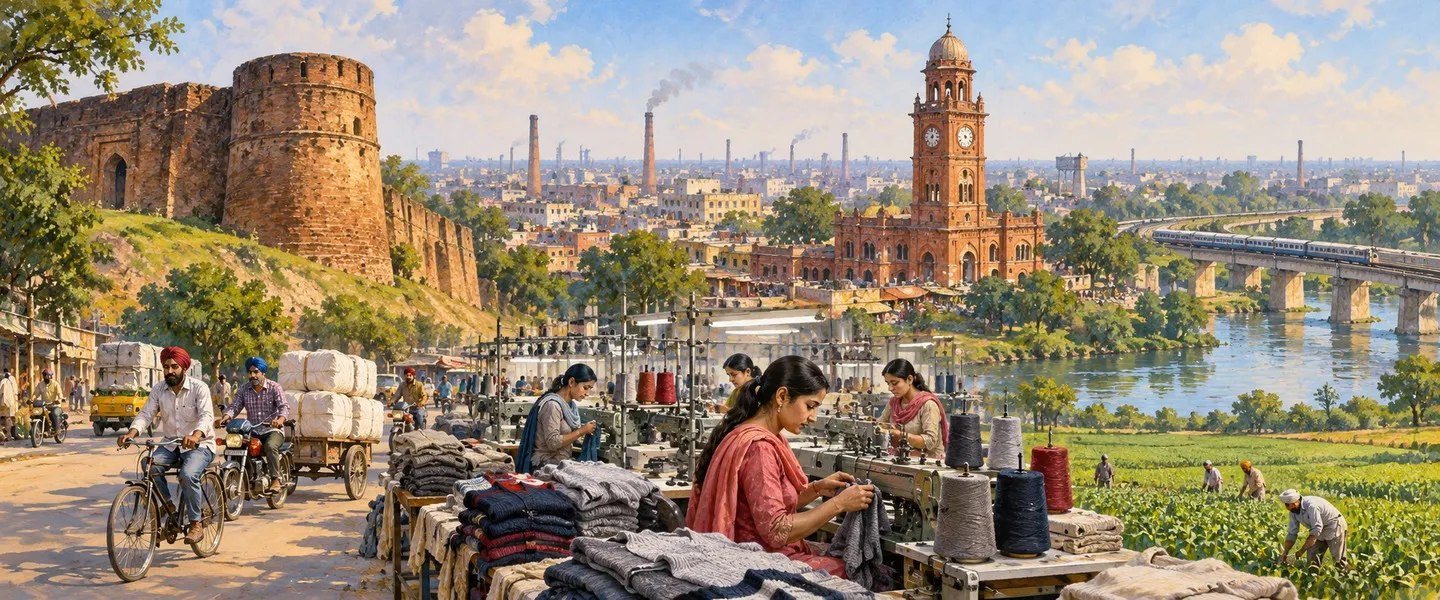
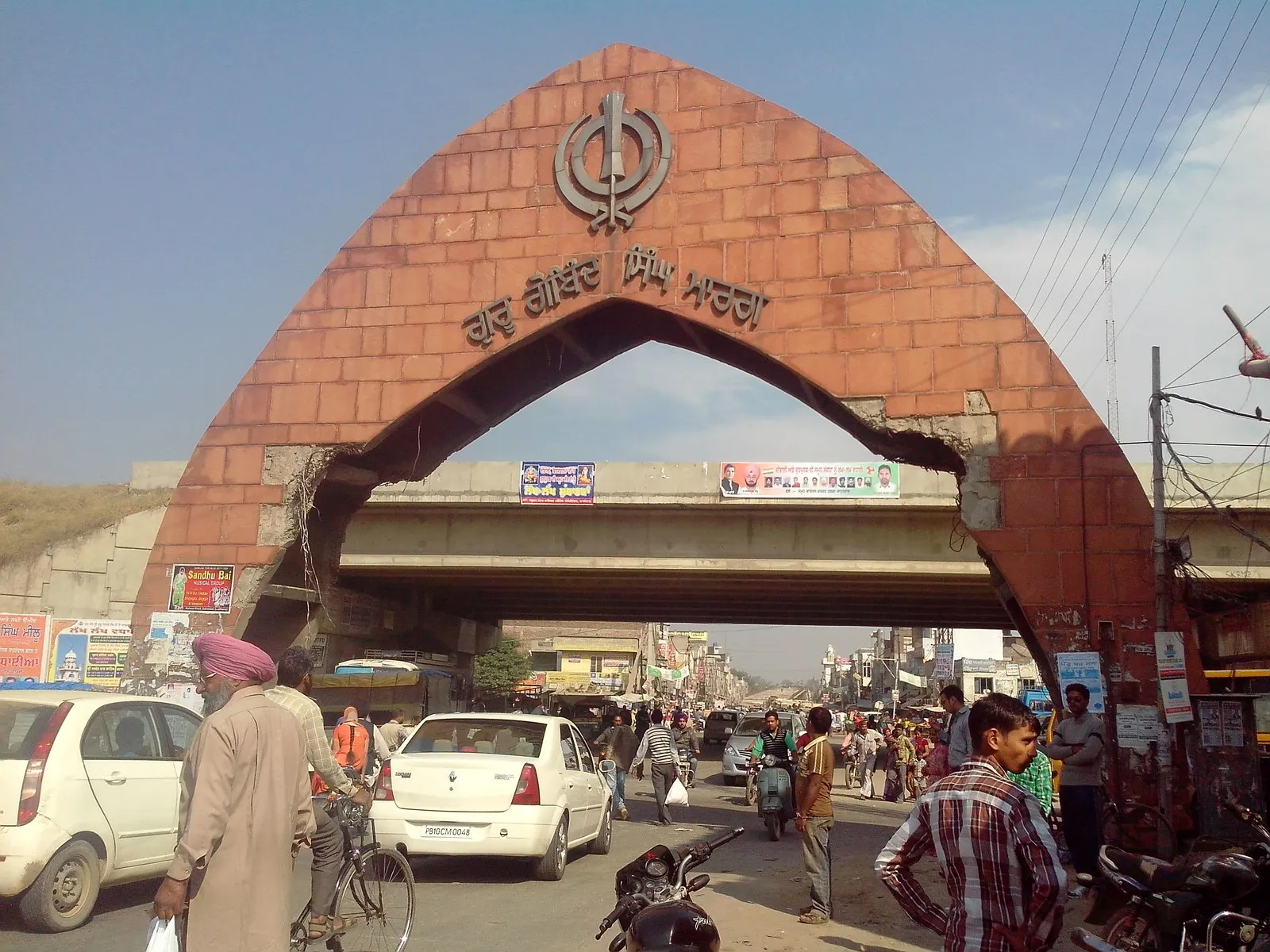
Ludhiana is Punjab's largest city, in the Malwa region on the old bank of the Sutlej, and the headquarters of Ludhiana district. The 2011 census counted 1,618,879 residents, the most of any Punjab city. Called the Manchester of India, it leads in hosiery, bicycles and auto parts, and hosts Punjab Agricultural University, founded in 1962.
- ਪੰਜਾਬੀ ਨਾਂ
- ਲੁਧਿਆਣਾ
- ਜ਼ਿਲ੍ਹਾ
- ਲੁਧਿਆਣਾ
- ਇਲਾਕਾ
- ਮਾਲਵਾ
- ਆਬਾਦੀ
- 1,618,879 (city, Census 2011)
- ਸਥਾਪਨਾ
- 1480, by Lodi chiefs Yusuf Khan and Nihad Khan
- Literacy
- 85.77% (Census 2011)
All 9 facts
- ਭਾਸ਼ਾ
- ਪੰਜਾਬੀ
- Nearest city
- ਖੱਨਾ
- ਪ੍ਰਸਿੱਧੀ
- Hosiery, bicycles and auto parts, Punjab Agricultural University
ਇਤਿਹਾਸ ਇੱਕ ਨਜ਼ਰ ਵਿੱਚ
Ludhiana is the largest city in Punjab, India, a major industrial centre in the Malwa region on the old bank of the Sutlej. The 2011 census counted 1,618,879 people in the city. It is called the Manchester of India for hosiery and bicycles, and is home to Punjab Agricultural University.
Where is Ludhiana?
Ludhiana is in the Malwa region of central Punjab, about 100 kilometres west of Chandigarh, and is the headquarters of Ludhiana district, the most populous district in the state with 3,498,739 people at the 2011 census. The city stands on the old southern bank of the Sutlej; the river has since shifted about 13 kilometres north of its former course.
The municipal city spreads over about 310 square kilometres, which made it the most densely populated urban centre in Punjab at the census. It divides naturally into the congested Old City around Chaura Bazar and the Clock Tower, and the New City that grew out of the British Civil Lines, with planned residential colonies and industrial estates spreading far beyond both.
ਇਤਿਹਾਸ
Ludhiana was founded in 1480, in the reign of Sikandar Lodi of Delhi. Tradition says the sultan sent two chiefs, Yusuf Khan and Nihad Khan, to restore Lodi authority in this part of Punjab. Yusuf Khan crossed the Sutlej and founded Sultanpur Lodhi, while Nihad Khan raised the new town on the site of the village of Mir Hota. Its first name, Lodi ana, the town of the Lodis, softened over the centuries into Ludhiana. The Lodhi Fort, popularly called the Purana Qila, is the only surviving building from the founding years: repaired under Maharaja Ranjit Singh and the British, it was declared a state protected monument in December 2013.
Under the Mughals the town lay in the Lahore province on the Delhi to Lahore road and traded in grain, cloth and craft goods. After the Treaty of Amritsar of 1809 it became an important British cantonment and political agency on the Sutlej frontier, facing Ranjit Singh's empire across the river. Annexation in 1849 brought railways, roads and canals, hosiery and textile workshops grew from the late nineteenth century, and a municipality was established in 1867.
The district was a stronghold of the Ghadar movement: Ludhiana emigrants in North America joined the Ghadar Party, and men who returned to raise revolt during the First World War were prosecuted in the Lahore Conspiracy Case. Its best known revolutionary is Kartar Singh Sarabha, from Sarabha village in the district, whose example later inspired Bhagat Singh. Partition in 1947 then remade the city. In 1941 its 111,639 residents were 62.9 percent Muslim; the Muslim population largely left for Pakistan, and Hindu and Sikh refugees from western Punjab arrived in their tens of thousands. Their workshops and trading skills seeded the industrial boom that followed.
Geography and people
The 2011 census counted 1,618,879 people in the municipal city: 874,908 men and 743,971 women, a sex ratio of 850 women per 1,000 men. Effective literacy was 85.77 percent, at 88.87 percent for men and 82.13 percent for women. The district around it is largely urban, with 2,069,708 of its people living in towns and cities.
Hindus were 65.96 percent of the city in 2011 and Sikhs 28.75 percent, with Muslim, Jain and Christian minorities. Punjabi was the first language of 67.00 percent of residents and Hindi of 29.24 percent, a balance shaped by decades of workers arriving from Uttar Pradesh, Bihar and other states for the factories; Bhojpuri was the first language of 1.35 percent.
The growth is recent and steep: 153,795 people in 1951, 607,052 in 1981, then 1,618,879 in 2011. Industry, not administration, drove it, and the inflow continues to make Ludhiana the most mixed city in Punjab by language and origin.
The Manchester of India
The BBC label for Ludhiana, India's Manchester, rests on hosiery. Its knitwear cluster produces India's largest share of winter clothing, woollen sweaters and cotton T shirts, and most of India's woollen clothing brands are based here, alongside a large trade in shawls and stoles for domestic and international brands.
Bicycles are the second pillar. Ludhiana is described as Asia's largest hub for bicycle manufacturing, producing more than 50 percent of India's bicycles each year, and about 60 percent of the country's tractor parts, plus a large share of auto and two wheeler parts, some produced exclusively for German car makers. Domestic sewing machines, hand tools and industrial equipment complete the cluster, and the World Bank ranked Ludhiana as the Indian city with the best business environment in 2009 and again in 2013.
The structure matters as much as the scale. Thousands of small and medium family firms, many founded by Partition refugee families, each specialise in a single process or part and supply one another across the industrial estates and the old city's lanes. What one lane casts, the next machines, and a third packs for dispatch across India.
Punjab Agricultural University and the Green Revolution
Ludhiana's second famous institution works on fields, not looms. Punjab Agricultural University traces its lineage to the Punjab Agriculture College and Research Institute founded at Lyallpur in 1906, re established after Partition at Amritsar, shifted to Ludhiana in 1949 and to its present campus in 1957, before university status in 1962. Prime Minister Jawaharlal Nehru formally inaugurated the university on 8 July 1963.
The university is known across India as a mother of the Green Revolution: its scientists' work on high yielding wheat and rice helped move the country from food scarcity towards sufficiency in the 1960s and 1970s. It was adjudged the best agricultural university in India in 1995. Its veterinary college became the separate Guru Angad Dev Veterinary and Animal Sciences University in 2006, and since 1967 its Kisan Melas, held each March and September, have drawn farmers from across northern India to the Ludhiana campus for seed, machinery and advice.
The wider education city around it includes Christian Medical College, founded in 1894 by Dame Edith Brown and described as the first medical school for women in Asia, Guru Nanak Dev Engineering College, with its research centre for bicycles and sewing machines, and hundreds of schools serving the industrial workforce.
Places of interest
The Lodhi Fort is the city's one surviving founding monument, and the Maharaja Ranjit Singh War Museum, on the Grand Trunk Road, displays weapons, armour and the history of historic battles. On the university campus, the PAU Museum presents Punjabi rural life, while the Nehru Rose Garden and Rakh Bagh give the industrial city its green lungs.
Guru Nanak Stadium has hosted two Kabaddi World Cup finals as well as national football, and at Kila Raipur, just outside the city, the annual rural sports festival, popularly called the Rural Olympics, draws crowds for kabaddi, gatka and traditional rural contests. In the wider district, Gurdwara Manji Sahib at Alamgir and the historic town of Machhiwara are among the best known Sikh sites, and the towns of Khanna, Jagraon and Raikot each carry their own histories.
Getting there and Ludhiana today
Ludhiana Junction is on the main Delhi to Amritsar railway and is a junction in its own right, with lines to Jalandhar, Ferozepur, Dhuri and Delhi and daily or weekly trains to most major Indian cities, from Mumbai and Kolkata to Patna and Jaipur. National Highways 44 and 5 cross the city. It has its own small airport, and Chandigarh is the nearest international airport.
Selected under the Smart Cities Mission, Ludhiana today is Punjab's commercial capital in the plainest sense: its wholesale markets price winter clothing for much of India, its factories employ a vast migrant workforce, and its university still shapes Punjab farming. The costs residents debate most are traffic, air pollution and the state of the Budha Dariya stream that runs through the city.
ਲੁਧਿਆਣਾ ਭਾਰਤ ਦੇ ਪੰਜਾਬ ਸੂਬੇ ਦਾ ਸਭ ਤੋਂ ਵੱਡਾ ਸ਼ਹਿਰ ਹੈ, ਸਤਲੁਜ ਦੇ ਪੁਰਾਣੇ ਕੰਢੇ ਉੱਤੇ ਮਾਲਵਾ ਇਲਾਕੇ ਦਾ ਵੱਡਾ ਉਦਯੋਗਿਕ ਕੇਂਦਰ। 2011 ਦੀ ਜਨਗਣਨਾ ਵਿੱਚ ਸ਼ਹਿਰ ਦੀ ਅਬਾਦੀ 1,618,879 ਗਿਣੀ ਗਈ। ਇਹ ਹੋਜ਼ਰੀ ਅਤੇ ਸਾਈਕਲਾਂ ਕਾਰਨ ਭਾਰਤ ਦਾ ਮੈਨਚੈਸਟਰ ਅਖਵਾਉਂਦਾ ਹੈ, ਅਤੇ ਪੰਜਾਬ ਖੇਤੀਬਾੜੀ ਯੂਨੀਵਰਸਿਟੀ ਦਾ ਘਰ ਹੈ।
ਲੁਧਿਆਣਾ ਕਿੱਥੇ ਹੈ?
ਲੁਧਿਆਣਾ ਮੱਧ ਪੰਜਾਬ ਦੇ ਮਾਲਵਾ ਇਲਾਕੇ ਵਿੱਚ ਹੈ, ਚੰਡੀਗੜ੍ਹ ਤੋਂ ਲਗਭਗ 100 ਕਿਲੋਮੀਟਰ ਪੱਛਮ ਵੱਲ, ਅਤੇ ਲੁਧਿਆਣਾ ਜ਼ਿਲ੍ਹੇ ਦਾ ਸਦਰ ਮੁਕਾਮ ਹੈ, ਜੋ 2011 ਦੀ ਜਨਗਣਨਾ ਵਿੱਚ 3,498,739 ਅਬਾਦੀ ਨਾਲ ਸੂਬੇ ਦਾ ਸਭ ਤੋਂ ਵੱਧ ਅਬਾਦੀ ਵਾਲਾ ਜ਼ਿਲ੍ਹਾ ਸੀ। ਸ਼ਹਿਰ ਸਤਲੁਜ ਦੇ ਪੁਰਾਣੇ ਦੱਖਣੀ ਕੰਢੇ ਉੱਤੇ ਵਸਿਆ ਹੈ; ਦਰਿਆ ਉਸ ਤੋਂ ਬਾਅਦ ਆਪਣੇ ਪੁਰਾਣੇ ਵਹਿਣ ਤੋਂ ਲਗਭਗ 13 ਕਿਲੋਮੀਟਰ ਉੱਤਰ ਵੱਲ ਹਟ ਗਿਆ ਹੈ।
ਨਗਰ ਨਿਗਮ ਸ਼ਹਿਰ ਲਗਭਗ 310 ਵਰਗ ਕਿਲੋਮੀਟਰ ਵਿੱਚ ਫੈਲਿਆ ਹੈ, ਜਿਸ ਨਾਲ ਇਹ ਜਨਗਣਨਾ ਵਿੱਚ ਪੰਜਾਬ ਦਾ ਸਭ ਤੋਂ ਸੰਘਣੀ ਅਬਾਦੀ ਵਾਲਾ ਸ਼ਹਿਰੀ ਕੇਂਦਰ ਸੀ। ਇਹ ਕੁਦਰਤੀ ਤੌਰ ਉੱਤੇ ਦੋ ਹਿੱਸਿਆਂ ਵਿੱਚ ਵੰਡਿਆ ਜਾਂਦਾ ਹੈ: ਚੌੜਾ ਬਾਜ਼ਾਰ ਅਤੇ ਘੰਟਾ ਘਰ ਦੇ ਆਲੇ ਦੁਆਲੇ ਭੀੜਾ ਪੁਰਾਣਾ ਸ਼ਹਿਰ, ਅਤੇ ਅੰਗਰੇਜ਼ਾਂ ਦੀ ਸਿਵਲ ਲਾਈਨਜ਼ ਤੋਂ ਵਧਿਆ ਨਵਾਂ ਸ਼ਹਿਰ, ਜਿਨ੍ਹਾਂ ਤੋਂ ਅੱਗੇ ਯੋਜਨਾਬੱਧ ਰਿਹਾਇਸ਼ੀ ਕਲੋਨੀਆਂ ਅਤੇ ਉਦਯੋਗਿਕ ਖੇਤਰ ਦੂਰ ਦੂਰ ਤੱਕ ਫੈਲੇ ਹਨ।
ਇਤਿਹਾਸ
ਲੁਧਿਆਣੇ ਦੀ ਨੀਂਹ 1480 ਵਿੱਚ, ਦਿੱਲੀ ਦੇ ਸਿਕੰਦਰ ਲੋਧੀ ਦੇ ਰਾਜ ਵਿੱਚ ਰੱਖੀ ਗਈ। ਰਵਾਇਤ ਹੈ ਕਿ ਸੁਲਤਾਨ ਨੇ ਦੋ ਸਰਦਾਰ, ਯੂਸਫ਼ ਖ਼ਾਨ ਅਤੇ ਨਿਹਾਦ ਖ਼ਾਨ, ਪੰਜਾਬ ਦੇ ਇਸ ਹਿੱਸੇ ਵਿੱਚ ਲੋਧੀ ਹਕੂਮਤ ਮੁੜ ਕਾਇਮ ਕਰਨ ਲਈ ਭੇਜੇ। ਯੂਸਫ਼ ਖ਼ਾਨ ਸਤਲੁਜ ਪਾਰ ਕਰ ਕੇ ਸੁਲਤਾਨਪੁਰ ਲੋਧੀ ਵਸਾ ਗਿਆ, ਜਦਕਿ ਨਿਹਾਦ ਖ਼ਾਨ ਨੇ ਮੀਰ ਹੋਟਾ ਪਿੰਡ ਦੀ ਥਾਂ ਉੱਤੇ ਨਵਾਂ ਕਸਬਾ ਵਸਾਇਆ। ਇਸ ਦਾ ਪਹਿਲਾ ਨਾਮ ਲੋਧੀ ਆਣਾ ਸੀ, ਲੋਧੀਆਂ ਦਾ ਕਸਬਾ, ਜੋ ਸਦੀਆਂ ਵਿੱਚ ਨਰਮ ਹੋ ਕੇ ਲੁਧਿਆਣਾ ਬਣ ਗਿਆ। ਲੋਧੀ ਕਿਲ੍ਹਾ, ਜਿਸ ਨੂੰ ਪੁਰਾਣਾ ਕਿਲ੍ਹਾ ਕਿਹਾ ਜਾਂਦਾ ਹੈ, ਨੀਂਹ ਦੇ ਸਾਲਾਂ ਦੀ ਇਕਲੌਤੀ ਬਚੀ ਇਮਾਰਤ ਹੈ: ਮਹਾਰਾਜਾ ਰਣਜੀਤ ਸਿੰਘ ਅਤੇ ਅੰਗਰੇਜ਼ਾਂ ਅਧੀਨ ਇਸ ਦੀ ਮੁਰੰਮਤ ਹੁੰਦੀ ਰਹੀ, ਅਤੇ ਦਸੰਬਰ 2013 ਵਿੱਚ ਇਸ ਨੂੰ ਸੂਬੇ ਵੱਲੋਂ ਸੁਰੱਖਿਅਤ ਯਾਦਗਾਰ ਐਲਾਨਿਆ ਗਿਆ।
ਮੁਗ਼ਲਾਂ ਅਧੀਨ ਇਹ ਕਸਬਾ ਲਾਹੌਰ ਸੂਬੇ ਵਿੱਚ ਦਿੱਲੀ ਤੋਂ ਲਾਹੌਰ ਵਾਲੀ ਸੜਕ ਉੱਤੇ ਸੀ ਅਤੇ ਅਨਾਜ, ਕੱਪੜੇ ਤੇ ਦਸਤਕਾਰੀ ਦਾ ਵਪਾਰ ਕਰਦਾ ਸੀ। 1809 ਦੀ ਅੰਮ੍ਰਿਤਸਰ ਸੰਧੀ ਤੋਂ ਬਾਅਦ ਇਹ ਸਤਲੁਜ ਸਰਹੱਦ ਉੱਤੇ ਅੰਗਰੇਜ਼ਾਂ ਦੀ ਵੱਡੀ ਛਾਉਣੀ ਅਤੇ ਸਿਆਸੀ ਏਜੰਸੀ ਬਣ ਗਿਆ, ਦਰਿਆ ਦੇ ਪਾਰ ਰਣਜੀਤ ਸਿੰਘ ਦੇ ਸਾਮਰਾਜ ਦੇ ਸਾਹਮਣੇ। 1849 ਵਿੱਚ ਮਿਲਾਏ ਜਾਣ ਨਾਲ ਰੇਲਵੇ, ਸੜਕਾਂ ਅਤੇ ਨਹਿਰਾਂ ਆਈਆਂ, ਉੱਨੀਵੀਂ ਸਦੀ ਦੇ ਪਿਛਲੇ ਹਿੱਸੇ ਤੋਂ ਹੋਜ਼ਰੀ ਤੇ ਕੱਪੜੇ ਦੀਆਂ ਵਰਕਸ਼ਾਪਾਂ ਵਧੀਆਂ, ਅਤੇ 1867 ਵਿੱਚ ਨਗਰ ਪਾਲਿਕਾ ਬਣੀ।
ਇਹ ਜ਼ਿਲ੍ਹਾ ਗ਼ਦਰ ਲਹਿਰ ਦਾ ਗੜ੍ਹ ਸੀ: ਉੱਤਰੀ ਅਮਰੀਕਾ ਵਿੱਚ ਗਏ ਲੁਧਿਆਣਵੀਆਂ ਨੇ ਗ਼ਦਰ ਪਾਰਟੀ ਵਿੱਚ ਹਿੱਸਾ ਲਿਆ, ਅਤੇ ਪਹਿਲੇ ਵਿਸ਼ਵ ਯੁੱਧ ਵਿੱਚ ਬਗ਼ਾਵਤ ਲਈ ਪਰਤੇ ਲੋਕਾਂ ਉੱਤੇ ਲਾਹੌਰ ਸਾਜ਼ਿਸ਼ ਕੇਸ ਚੱਲਿਆ। ਇਸ ਦਾ ਸਭ ਤੋਂ ਜਾਣਿਆ ਕ੍ਰਾਂਤੀਕਾਰੀ ਕਰਤਾਰ ਸਿੰਘ ਸਰਾਭਾ ਹੈ, ਜ਼ਿਲ੍ਹੇ ਦੇ ਸਰਾਭਾ ਪਿੰਡ ਤੋਂ, ਜਿਸ ਦੀ ਮਿਸਾਲ ਨੇ ਬਾਅਦ ਵਿੱਚ ਭਗਤ ਸਿੰਘ ਨੂੰ ਪ੍ਰੇਰਿਆ। ਫਿਰ 1947 ਦੀ ਵੰਡ ਨੇ ਸ਼ਹਿਰ ਨੂੰ ਮੁੜ ਬਣਾਇਆ। 1941 ਵਿੱਚ ਇਸ ਦੇ 111,639 ਵਸਨੀਕਾਂ ਵਿੱਚ 62.9 ਫ਼ੀਸਦੀ ਮੁਸਲਮਾਨ ਸਨ; ਮੁਸਲਿਮ ਅਬਾਦੀ ਵੱਡੇ ਪੱਧਰ ਉੱਤੇ ਪਾਕਿਸਤਾਨ ਚਲੀ ਗਈ, ਅਤੇ ਪੱਛਮੀ ਪੰਜਾਬ ਤੋਂ ਹਿੰਦੂ ਤੇ ਸਿੱਖ ਸ਼ਰਨਾਰਥੀ ਦਹਾਂ ਹਜ਼ਾਰਾਂ ਵਿੱਚ ਆਏ। ਉਨ੍ਹਾਂ ਦੀਆਂ ਵਰਕਸ਼ਾਪਾਂ ਅਤੇ ਵਪਾਰਕ ਹੁਨਰ ਨੇ ਅੱਗੇ ਆਉਣ ਵਾਲੇ ਉਦਯੋਗਿਕ ਉਭਾਰ ਦਾ ਬੀਜ ਬੋਇਆ।
ਭੂਗੋਲ ਅਤੇ ਲੋਕ
2011 ਦੀ ਜਨਗਣਨਾ ਵਿੱਚ ਨਗਰ ਨਿਗਮ ਸ਼ਹਿਰ ਦੀ ਅਬਾਦੀ 1,618,879 ਸੀ: 874,908 ਮਰਦ ਅਤੇ 743,971 ਔਰਤਾਂ, ਹਰ 1,000 ਮਰਦਾਂ ਪਿੱਛੇ 850 ਔਰਤਾਂ। ਅਸਲ ਸਾਖਰਤਾ ਦਰ 85.77 ਫ਼ੀਸਦੀ ਸੀ, ਮਰਦਾਂ ਵਿੱਚ 88.87 ਫ਼ੀਸਦੀ ਅਤੇ ਔਰਤਾਂ ਵਿੱਚ 82.13 ਫ਼ੀਸਦੀ। ਇਸ ਦੇ ਆਲੇ ਦੁਆਲੇ ਦਾ ਜ਼ਿਲ੍ਹਾ ਵੱਡੇ ਪੱਧਰ ਉੱਤੇ ਸ਼ਹਿਰੀ ਹੈ, ਜਿਸ ਦੇ 2,069,708 ਲੋਕ ਕਸਬਿਆਂ ਤੇ ਸ਼ਹਿਰਾਂ ਵਿੱਚ ਰਹਿੰਦੇ ਹਨ।
2011 ਵਿੱਚ ਹਿੰਦੂ ਸ਼ਹਿਰ ਦਾ 65.96 ਫ਼ੀਸਦੀ ਅਤੇ ਸਿੱਖ 28.75 ਫ਼ੀਸਦੀ ਸਨ, ਨਾਲ ਹੀ ਮੁਸਲਿਮ, ਜੈਨ ਅਤੇ ਈਸਾਈ ਘੱਟ ਗਿਣਤੀਆਂ ਹਨ। ਪੰਜਾਬੀ 67.00 ਫ਼ੀਸਦੀ ਵਸਨੀਕਾਂ ਦੀ ਪਹਿਲੀ ਭਾਸ਼ਾ ਸੀ ਅਤੇ ਹਿੰਦੀ 29.24 ਫ਼ੀਸਦੀ ਦੀ, ਇਹ ਸੰਤੁਲਨ ਦਹਾਕਿਆਂ ਤੋਂ ਫੈਕਟਰੀਆਂ ਲਈ ਉੱਤਰ ਪ੍ਰਦੇਸ਼, ਬਿਹਾਰ ਅਤੇ ਹੋਰ ਸੂਬਿਆਂ ਤੋਂ ਆਉਂਦੇ ਕਾਮਿਆਂ ਨਾਲ ਬਣਿਆ ਹੈ; ਭੋਜਪੁਰੀ 1.35 ਫ਼ੀਸਦੀ ਦੀ ਪਹਿਲੀ ਭਾਸ਼ਾ ਸੀ।
ਇਹ ਵਾਧਾ ਹਾਲ ਦਾ ਅਤੇ ਤੇਜ਼ ਹੈ: 1951 ਵਿੱਚ 153,795 ਲੋਕ, 1981 ਵਿੱਚ 607,052, ਫਿਰ 2011 ਵਿੱਚ 1,618,879। ਇਸ ਨੂੰ ਪ੍ਰਸ਼ਾਸਨ ਨੇ ਨਹੀਂ, ਉਦਯੋਗ ਨੇ ਵਧਾਇਆ, ਅਤੇ ਇਹ ਆਵਾਜਾਈ ਲੁਧਿਆਣੇ ਨੂੰ ਭਾਸ਼ਾ ਤੇ ਮੂਲ ਪੱਖੋਂ ਪੰਜਾਬ ਦਾ ਸਭ ਤੋਂ ਰਲਿਆ ਮਿਲਿਆ ਸ਼ਹਿਰ ਬਣਾਉਂਦੀ ਰਹਿੰਦੀ ਹੈ।
ਭਾਰਤ ਦਾ ਮੈਨਚੈਸਟਰ
ਲੁਧਿਆਣੇ ਦਾ ਬੀ.ਬੀ.ਸੀ. ਵੱਲੋਂ ਦਿੱਤਾ ਖ਼ਿਤਾਬ, ਭਾਰਤ ਦਾ ਮੈਨਚੈਸਟਰ, ਹੋਜ਼ਰੀ ਉੱਤੇ ਟਿਕਿਆ ਹੈ। ਇਸ ਦਾ ਬੁਣਤੀ ਸਮੂਹ ਭਾਰਤ ਦੇ ਸਰਦੀ ਦੇ ਕੱਪੜਿਆਂ ਦਾ ਸਭ ਤੋਂ ਵੱਡਾ ਹਿੱਸਾ ਬਣਾਉਂਦਾ ਹੈ, ਉੱਨੀ ਸਵੈਟਰ ਅਤੇ ਸੂਤੀ ਟੀ ਸ਼ਰਟਾਂ, ਅਤੇ ਭਾਰਤ ਦੇ ਜ਼ਿਆਦਾਤਰ ਉੱਨੀ ਕੱਪੜਿਆਂ ਦੇ ਬ੍ਰਾਂਡ ਇੱਥੇ ਹੀ ਹਨ, ਨਾਲ ਹੀ ਘਰੇਲੂ ਤੇ ਅੰਤਰਰਾਸ਼ਟਰੀ ਬ੍ਰਾਂਡਾਂ ਲਈ ਸ਼ਾਲਾਂ ਤੇ ਸਟੋਲਾਂ ਦਾ ਵੱਡਾ ਵਪਾਰ ਹੈ।
ਸਾਈਕਲ ਦੂਜਾ ਥੰਮ੍ਹ ਹਨ। ਲੁਧਿਆਣੇ ਨੂੰ ਏਸ਼ੀਆ ਦਾ ਸਾਈਕਲ ਬਣਾਉਣ ਦਾ ਸਭ ਤੋਂ ਵੱਡਾ ਕੇਂਦਰ ਦੱਸਿਆ ਜਾਂਦਾ ਹੈ, ਜੋ ਹਰ ਸਾਲ ਭਾਰਤ ਦੇ ਸਾਈਕਲਾਂ ਦਾ 50 ਫ਼ੀਸਦੀ ਤੋਂ ਵੱਧ ਹਿੱਸਾ ਬਣਾਉਂਦਾ ਹੈ, ਅਤੇ ਦੇਸ਼ ਦੇ ਟਰੈਕਟਰ ਪੁਰਜ਼ਿਆਂ ਦਾ ਲਗਭਗ 60 ਫ਼ੀਸਦੀ, ਨਾਲ ਹੀ ਆਟੋ ਤੇ ਦੋਪਹੀਆ ਪੁਰਜ਼ਿਆਂ ਦਾ ਵੱਡਾ ਹਿੱਸਾ, ਜਿਨ੍ਹਾਂ ਵਿੱਚੋਂ ਕੁਝ ਸਿਰਫ਼ ਜਰਮਨ ਕਾਰ ਕੰਪਨੀਆਂ ਲਈ ਬਣਦੇ ਹਨ। ਘਰੇਲੂ ਸਿਲਾਈ ਮਸ਼ੀਨਾਂ, ਹੱਥ ਔਜ਼ਾਰ ਅਤੇ ਉਦਯੋਗਿਕ ਸੰਦ ਇਸ ਸਮੂਹ ਨੂੰ ਪੂਰਾ ਕਰਦੇ ਹਨ, ਅਤੇ ਵਿਸ਼ਵ ਬੈਂਕ ਨੇ 2009 ਵਿੱਚ ਅਤੇ ਫਿਰ 2013 ਵਿੱਚ ਲੁਧਿਆਣੇ ਨੂੰ ਵਪਾਰ ਲਈ ਸਭ ਤੋਂ ਵਧੀਆ ਮਾਹੌਲ ਵਾਲਾ ਭਾਰਤੀ ਸ਼ਹਿਰ ਐਲਾਨਿਆ ਸੀ।
ਇਸ ਦਾ ਢਾਂਚਾ ਇਸ ਦੇ ਆਕਾਰ ਜਿੰਨਾ ਹੀ ਮਹੱਤਵਪੂਰਨ ਹੈ। ਹਜ਼ਾਰਾਂ ਛੋਟੀਆਂ ਤੇ ਦਰਮਿਆਨੀਆਂ ਪਰਿਵਾਰਕ ਫ਼ਰਮਾਂ, ਜਿਨ੍ਹਾਂ ਵਿੱਚੋਂ ਬਹੁਤੀਆਂ ਵੰਡ ਵੇਲੇ ਆਏ ਸ਼ਰਨਾਰਥੀ ਪਰਿਵਾਰਾਂ ਨੇ ਸ਼ੁਰੂ ਕੀਤੀਆਂ, ਹਰ ਇੱਕ ਇੱਕੋ ਕੰਮ ਜਾਂ ਇੱਕੋ ਪੁਰਜ਼ੇ ਵਿੱਚ ਮਾਹਰ ਹੈ ਅਤੇ ਉਦਯੋਗਿਕ ਖੇਤਰਾਂ ਤੇ ਪੁਰਾਣੇ ਸ਼ਹਿਰ ਦੀਆਂ ਗਲੀਆਂ ਵਿੱਚ ਇੱਕ ਦੂਜੀ ਨੂੰ ਸਮਾਨ ਦਿੰਦੀਆਂ ਹਨ। ਜੋ ਇੱਕ ਗਲੀ ਢਾਲਦੀ ਹੈ, ਅਗਲੀ ਉਸ ਨੂੰ ਮਸ਼ੀਨ ਕਰਦੀ ਹੈ, ਅਤੇ ਤੀਜੀ ਉਸ ਨੂੰ ਸਾਰੇ ਭਾਰਤ ਵਿੱਚ ਭੇਜਣ ਲਈ ਪੈਕ ਕਰਦੀ ਹੈ।
ਪੰਜਾਬ ਖੇਤੀਬਾੜੀ ਯੂਨੀਵਰਸਿਟੀ ਅਤੇ ਹਰੀ ਕ੍ਰਾਂਤੀ
ਲੁਧਿਆਣੇ ਦੀ ਦੂਜੀ ਮਸ਼ਹੂਰ ਸੰਸਥਾ ਕਰਘਿਆਂ ਉੱਤੇ ਨਹੀਂ, ਖੇਤਾਂ ਉੱਤੇ ਕੰਮ ਕਰਦੀ ਹੈ। ਪੰਜਾਬ ਖੇਤੀਬਾੜੀ ਯੂਨੀਵਰਸਿਟੀ ਦੀ ਵਿਰਾਸਤ 1906 ਵਿੱਚ ਲਾਇਲਪੁਰ ਵਿਖੇ ਬਣੇ ਪੰਜਾਬ ਖੇਤੀਬਾੜੀ ਕਾਲਜ ਤੇ ਖੋਜ ਸੰਸਥਾ ਤੱਕ ਜਾਂਦੀ ਹੈ, ਜੋ ਵੰਡ ਤੋਂ ਬਾਅਦ ਅੰਮ੍ਰਿਤਸਰ ਵਿਖੇ ਮੁੜ ਬਣੀ, 1949 ਵਿੱਚ ਲੁਧਿਆਣੇ ਆਈ ਅਤੇ 1957 ਵਿੱਚ ਮੌਜੂਦਾ ਕੈਂਪਸ ਵਿੱਚ ਚਲੀ ਗਈ, ਫਿਰ 1962 ਵਿੱਚ ਯੂਨੀਵਰਸਿਟੀ ਬਣੀ। ਪ੍ਰਧਾਨ ਮੰਤਰੀ ਜਵਾਹਰ ਲਾਲ ਨਹਿਰੂ ਨੇ 8 ਜੁਲਾਈ 1963 ਨੂੰ ਇਸ ਦਾ ਰਸਮੀ ਉਦਘਾਟਨ ਕੀਤਾ।
ਇਹ ਯੂਨੀਵਰਸਿਟੀ ਸਾਰੇ ਭਾਰਤ ਵਿੱਚ ਹਰੀ ਕ੍ਰਾਂਤੀ ਦੀ ਮਾਂ ਵਜੋਂ ਜਾਣੀ ਜਾਂਦੀ ਹੈ: ਇਸ ਦੇ ਵਿਗਿਆਨੀਆਂ ਦੇ ਉੱਚ ਝਾੜ ਵਾਲੀ ਕਣਕ ਤੇ ਝੋਨੇ ਉੱਤੇ ਕੰਮ ਨੇ 1960 ਤੇ 1970 ਦੇ ਦਹਾਕਿਆਂ ਵਿੱਚ ਦੇਸ਼ ਨੂੰ ਅਨਾਜ ਦੀ ਕਮੀ ਤੋਂ ਸਵੈ ਨਿਰਭਰਤਾ ਵੱਲ ਲੈ ਜਾਣ ਵਿੱਚ ਮਦਦ ਕੀਤੀ। 1995 ਵਿੱਚ ਇਸ ਨੂੰ ਭਾਰਤ ਦੀ ਸਭ ਤੋਂ ਵਧੀਆ ਖੇਤੀਬਾੜੀ ਯੂਨੀਵਰਸਿਟੀ ਐਲਾਨਿਆ ਗਿਆ। ਇਸ ਦਾ ਪਸ਼ੂ ਚਿਕਿਤਸਾ ਕਾਲਜ 2006 ਵਿੱਚ ਵੱਖਰੀ ਗੁਰੂ ਅੰਗਦ ਦੇਵ ਵੈਟਰਨਰੀ ਤੇ ਪਸ਼ੂ ਵਿਗਿਆਨ ਯੂਨੀਵਰਸਿਟੀ ਬਣ ਗਿਆ, ਅਤੇ 1967 ਤੋਂ ਇਸ ਦੇ ਕਿਸਾਨ ਮੇਲੇ, ਹਰ ਮਾਰਚ ਤੇ ਸਤੰਬਰ ਵਿੱਚ, ਉੱਤਰੀ ਭਾਰਤ ਭਰ ਤੋਂ ਕਿਸਾਨਾਂ ਨੂੰ ਬੀਜ, ਮਸ਼ੀਨਰੀ ਤੇ ਸਲਾਹ ਲਈ ਲੁਧਿਆਣਾ ਕੈਂਪਸ ਖਿੱਚਦੇ ਹਨ।
ਇਸ ਦੇ ਆਲੇ ਦੁਆਲੇ ਦੇ ਵੱਡੇ ਸਿੱਖਿਆ ਸ਼ਹਿਰ ਵਿੱਚ ਕ੍ਰਿਸਚਿਅਨ ਮੈਡੀਕਲ ਕਾਲਜ ਸ਼ਾਮਲ ਹੈ, ਜੋ 1894 ਵਿੱਚ ਡੇਮ ਐਡਿਥ ਬ੍ਰਾਊਨ ਨੇ ਬਣਾਇਆ ਅਤੇ ਜਿਸ ਨੂੰ ਏਸ਼ੀਆ ਵਿੱਚ ਔਰਤਾਂ ਲਈ ਪਹਿਲਾ ਮੈਡੀਕਲ ਸਕੂਲ ਦੱਸਿਆ ਜਾਂਦਾ ਹੈ, ਗੁਰੂ ਨਾਨਕ ਦੇਵ ਇੰਜੀਨੀਅਰਿੰਗ ਕਾਲਜ, ਜਿਸ ਦਾ ਸਾਈਕਲਾਂ ਤੇ ਸਿਲਾਈ ਮਸ਼ੀਨਾਂ ਲਈ ਖੋਜ ਕੇਂਦਰ ਹੈ, ਅਤੇ ਉਦਯੋਗਿਕ ਕਾਮਿਆਂ ਲਈ ਸੈਂਕੜੇ ਸਕੂਲ ਹਨ।
ਵੇਖਣ ਵਾਲੀਆਂ ਥਾਵਾਂ
ਲੋਧੀ ਕਿਲ੍ਹਾ ਸ਼ਹਿਰ ਦੀ ਨੀਂਹ ਵਾਲੇ ਸਮੇਂ ਦੀ ਇਕਲੌਤੀ ਬਚੀ ਯਾਦਗਾਰ ਹੈ, ਅਤੇ ਗ੍ਰੈਂਡ ਟਰੰਕ ਰੋਡ ਉੱਤੇ ਮਹਾਰਾਜਾ ਰਣਜੀਤ ਸਿੰਘ ਜੰਗ ਅਜਾਇਬ ਘਰ ਹਥਿਆਰ, ਜੰਗੀ ਸਾਜ਼ੋ ਸਮਾਨ ਅਤੇ ਇਤਿਹਾਸਕ ਲੜਾਈਆਂ ਦਾ ਇਤਿਹਾਸ ਦਰਸਾਉਂਦਾ ਹੈ। ਯੂਨੀਵਰਸਿਟੀ ਕੈਂਪਸ ਵਿੱਚ ਪੀ.ਏ.ਯੂ. ਅਜਾਇਬ ਘਰ ਪੰਜਾਬੀ ਪੇਂਡੂ ਜੀਵਨ ਪੇਸ਼ ਕਰਦਾ ਹੈ, ਜਦਕਿ ਨਹਿਰੂ ਰੋਜ਼ ਗਾਰਡਨ ਅਤੇ ਰੱਖ ਬਾਗ਼ ਉਦਯੋਗਿਕ ਸ਼ਹਿਰ ਨੂੰ ਇਸ ਦੇ ਹਰੇ ਫੇਫੜੇ ਦਿੰਦੇ ਹਨ।
ਗੁਰੂ ਨਾਨਕ ਸਟੇਡੀਅਮ ਵਿੱਚ ਕਬੱਡੀ ਵਿਸ਼ਵ ਕੱਪ ਦੇ ਦੋ ਫ਼ਾਈਨਲ ਅਤੇ ਰਾਸ਼ਟਰੀ ਫੁੱਟਬਾਲ ਹੋ ਚੁੱਕਾ ਹੈ, ਅਤੇ ਸ਼ਹਿਰ ਦੇ ਬਾਹਰ ਕਿਲਾ ਰਾਏਪੁਰ ਵਿਖੇ ਸਾਲਾਨਾ ਪੇਂਡੂ ਖੇਡ ਮੇਲਾ, ਜਿਸ ਨੂੰ ਲੋਕ ਪੇਂਡੂ ਓਲੰਪਿਕ ਕਹਿੰਦੇ ਹਨ, ਕਬੱਡੀ, ਗਤਕੇ ਅਤੇ ਰਵਾਇਤੀ ਪੇਂਡੂ ਮੁਕਾਬਲਿਆਂ ਲਈ ਭੀੜ ਖਿੱਚਦਾ ਹੈ। ਵੱਡੇ ਜ਼ਿਲ੍ਹੇ ਵਿੱਚ ਆਲਮਗੀਰ ਦਾ ਗੁਰਦੁਆਰਾ ਮੰਜੀ ਸਾਹਿਬ ਅਤੇ ਇਤਿਹਾਸਕ ਕਸਬਾ ਮਾਛੀਵਾੜਾ ਸਭ ਤੋਂ ਜਾਣੀਆਂ ਸਿੱਖ ਥਾਵਾਂ ਵਿੱਚੋਂ ਹਨ, ਅਤੇ ਖੰਨਾ, ਜਗਰਾਓਂ ਤੇ ਰਾਏਕੋਟ ਕਸਬਿਆਂ ਦਾ ਹਰ ਇੱਕ ਦਾ ਆਪਣਾ ਇਤਿਹਾਸ ਹੈ।
ਇੱਥੇ ਕਿਵੇਂ ਪਹੁੰਚੀਏ ਅਤੇ ਅੱਜ ਦਾ ਲੁਧਿਆਣਾ
ਲੁਧਿਆਣਾ ਜੰਕਸ਼ਨ ਦਿੱਲੀ ਤੋਂ ਅੰਮ੍ਰਿਤਸਰ ਮੁੱਖ ਰੇਲਵੇ ਉੱਤੇ ਹੈ ਅਤੇ ਆਪਣੇ ਆਪ ਵਿੱਚ ਜੰਕਸ਼ਨ ਹੈ, ਜਿੱਥੋਂ ਜਲੰਧਰ, ਫਿਰੋਜ਼ਪੁਰ, ਧੂਰੀ ਤੇ ਦਿੱਲੀ ਵੱਲ ਲਾਈਨਾਂ ਜਾਂਦੀਆਂ ਹਨ ਅਤੇ ਮੁੰਬਈ ਤੇ ਕੋਲਕਾਤਾ ਤੋਂ ਪਟਨਾ ਤੇ ਜੈਪੁਰ ਤੱਕ, ਜ਼ਿਆਦਾਤਰ ਵੱਡੇ ਭਾਰਤੀ ਸ਼ਹਿਰਾਂ ਲਈ ਰੋਜ਼ਾਨਾ ਜਾਂ ਹਫ਼ਤਾਵਾਰੀ ਗੱਡੀਆਂ ਮਿਲਦੀਆਂ ਹਨ। ਰਾਸ਼ਟਰੀ ਹਾਈਵੇ 44 ਤੇ 5 ਸ਼ਹਿਰ ਵਿੱਚੋਂ ਲੰਘਦੇ ਹਨ। ਇਸ ਦਾ ਆਪਣਾ ਛੋਟਾ ਹਵਾਈ ਅੱਡਾ ਹੈ, ਅਤੇ ਚੰਡੀਗੜ੍ਹ ਸਭ ਤੋਂ ਨੇੜਲਾ ਅੰਤਰਰਾਸ਼ਟਰੀ ਹਵਾਈ ਅੱਡਾ ਹੈ।
ਸਮਾਰਟ ਸਿਟੀਜ਼ ਮਿਸ਼ਨ ਅਧੀਨ ਚੁਣਿਆ ਗਿਆ ਲੁਧਿਆਣਾ ਅੱਜ ਸਭ ਤੋਂ ਸਾਦੇ ਅਰਥਾਂ ਵਿੱਚ ਪੰਜਾਬ ਦੀ ਵਪਾਰਕ ਰਾਜਧਾਨੀ ਹੈ: ਇਸ ਦੀਆਂ ਥੋਕ ਮੰਡੀਆਂ ਭਾਰਤ ਦੇ ਵੱਡੇ ਹਿੱਸੇ ਲਈ ਸਰਦੀ ਦੇ ਕੱਪੜਿਆਂ ਦੇ ਭਾਅ ਤੈਅ ਕਰਦੀਆਂ ਹਨ, ਇਸ ਦੀਆਂ ਫੈਕਟਰੀਆਂ ਵਿੱਚ ਪ੍ਰਵਾਸੀ ਕਾਮਿਆਂ ਦੀ ਵੱਡੀ ਫ਼ੌਜ ਕੰਮ ਕਰਦੀ ਹੈ, ਅਤੇ ਇਸ ਦੀ ਯੂਨੀਵਰਸਿਟੀ ਅੱਜ ਵੀ ਪੰਜਾਬ ਦੀ ਖੇਤੀ ਨੂੰ ਦਿਸ਼ਾ ਦਿੰਦੀ ਹੈ। ਜਿਨ੍ਹਾਂ ਖਰਚਿਆਂ ਉੱਤੇ ਵਸਨੀਕ ਸਭ ਤੋਂ ਵੱਧ ਬਹਿਸ ਕਰਦੇ ਹਨ ਉਹ ਹਨ ਆਵਾਜਾਈ, ਹਵਾ ਪ੍ਰਦੂਸ਼ਣ ਅਤੇ ਸ਼ਹਿਰ ਵਿੱਚੋਂ ਲੰਘਦੇ ਬੁੱਢਾ ਦਰਿਆ ਨਾਲੇ ਦੀ ਹਾਲਤ।
People from Ludhiana






See all 24












Nearby

Ludhiana ਖ਼ਬਰਾਂ ਵਿੱਚ
ਸਾਰੀਆਂ ਖ਼ਬਰਾਂ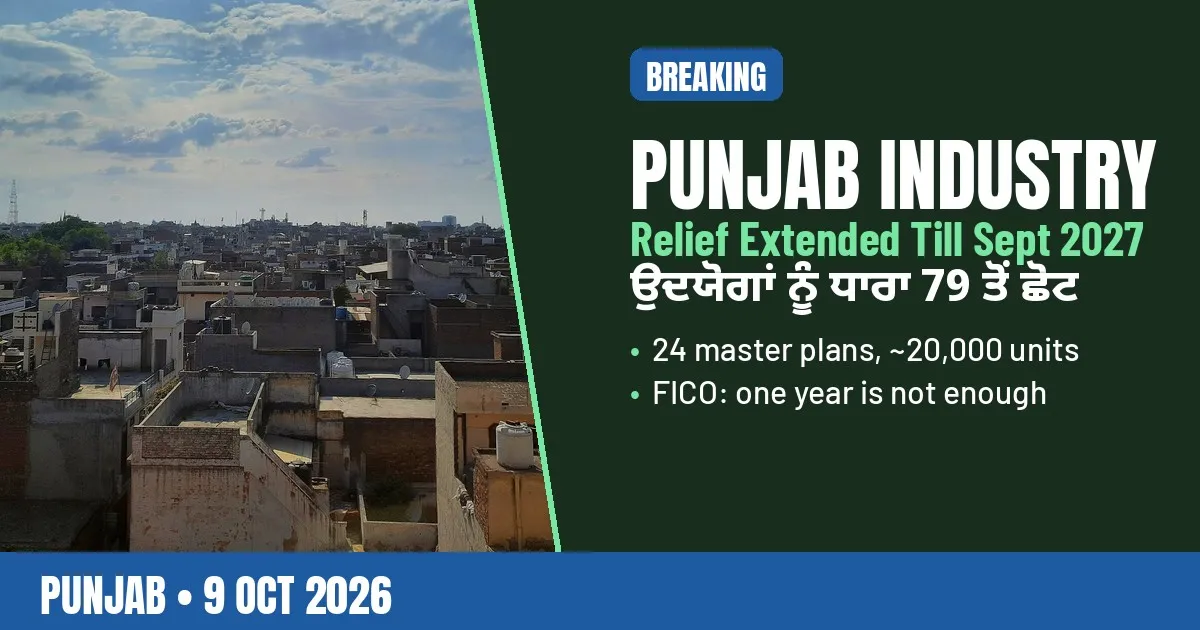 ਪੰਜਾਬ ਨੇ ਨਾਨ-ਕਨਫ਼ਾਰਮਿੰਗ ਜ਼ੋਨਾਂ ਦੇ ਉਦਯੋਗਾਂ ਨੂੰ ਸਤੰਬਰ 2027 ਤੱਕ ਰਾਹਤ ਦਿੱਤੀਪੰਜਾਬ ਨੇ ਨਾਨ-ਕਨਫ਼ਾਰਮਿੰਗ ਜ਼ੋਨਾਂ ਦੇ ਉਦਯੋਗਾਂ ਨੂੰ ਸਤੰਬਰ 2027 ਤੱਕ ਰਾਹਤ ਦਿੱਤੀ
 ਐੱਮਐੱਲਯੂ ਦੀ ਮਿਆਦ ਖ਼ਤਮਐੱਮਐੱਲਯੂ ਦੀ ਮਿਆਦ ਖ਼ਤਮ, ਲੁਧਿਆਣਾ ਦੇ ਉਦਯੋਗਪਤੀਆਂ ਦਾ ਡੀਆਈਸੀ ਅੱਗੇ ਧਰਨਾ
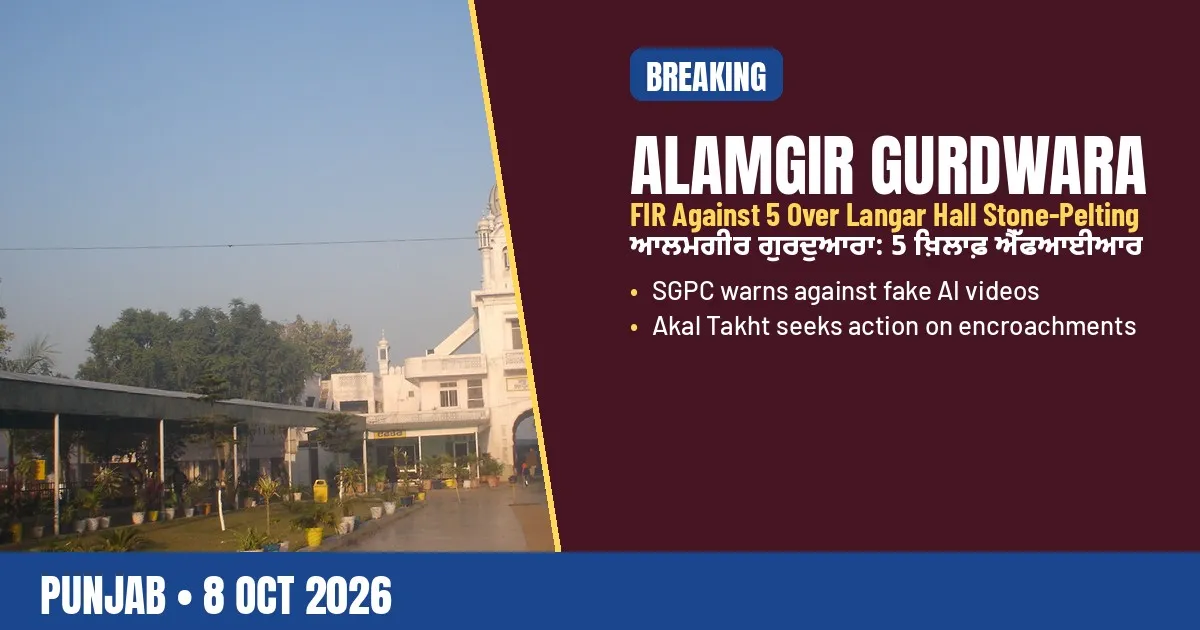 ਆਲਮਗੀਰ ਗੁਰਦੁਆਰਾ ਪੱਥਰਬਾਜ਼ੀ: 5 ਖ਼ਿਲਾਫ਼ ਐੱਫਆਈਆਰ; ਐੱਸਜੀਪੀਸੀ ਵੱਲੋਂ ਏਆਈ ਝੂਠ ਤੋਂ ਸੁਚੇਤ ਰਹਿਣ ਦੀ ਅਪੀਲਆਲਮਗੀਰ ਗੁਰਦੁਆਰਾ ਪੱਥਰਬਾਜ਼ੀ: 5 ਖ਼ਿਲਾਫ਼ ਐੱਫਆਈਆਰ; ਐੱਸਜੀਪੀਸੀ ਵੱਲੋਂ ਏਆਈ ਝੂਠ ਤੋਂ ਸੁਚੇਤ ਰਹਿਣ ਦੀ ਅਪੀਲ
ਸਰੋਤ (5)
ਜੁਗਤੀ ਮੁਫ਼ਤ ਅਤੇ ਸੁਤੰਤਰ ਹੈ। ਪਾਠਕਾਂ ਦਾ ਸਹਿਯੋਗ ਕੋਸ਼ ਨੂੰ ਵਧਾਉਂਦਾ ਹੈ।
ਸਹਿਯੋਗ