

ਕੁਲਦੀਪ ਮਾਣਕ (1951 ਤੋਂ 2011) ਜ਼ਿਲ੍ਹਾ ਬਠਿੰਡਾ ਦੇ ਜਲਾਲ ਤੋਂ ਇੱਕ ਪੰਜਾਬੀ ਲੋਕ ਗਾਇਕ ਸੀ, ਜੋ ਲੰਬੀ ਲੋਕ ਗਾਥਾ ਕਲੀ ਉੱਤੇ ਮੁਹਾਰਤ ਲਈ ਕਲੀਆਂ ਦਾ ਬਾਦਸ਼ਾਹ ਵਜੋਂ ਜਾਣਿਆ ਜਾਂਦਾ ਸੀ। ਉਸ ਦੀ ਉੱਚੀ, ਤਿੱਖੀ ਆਵਾਜ਼ ਅਤੇ ਤੇਰੇ ਟਿੱਲੇ ਤੋਂ ਵਰਗੇ ਗੀਤਾਂ ਨੇ ਉਸ ਨੂੰ ਪੰਜਾਬੀ ਲੋਕ ਸੰਗੀਤ ਦੀਆਂ ਪਰਿਭਾਸ਼ਕ ਆਵਾਜ਼ਾਂ ਵਿੱਚੋਂ ਇੱਕ ਬਣਾ ਦਿੱਤਾ।
- ਪੰਜਾਬੀ ਨਾਂ
- ਕੁਲਦੀਪ ਮਾਣਕ
- ਜਨਮ
- 15 ਨਵੰਬਰ 1951, ਜਲਾਲ, ਜ਼ਿਲ੍ਹਾ ਬਠਿੰਡਾ (ਕੁਝ ਸ਼ੋਕ ਸੰਦੇਸ਼ 1949 ਦਿੰਦੇ ਹਨ)
- ਜ਼ਿਲ੍ਹਾ
- ਬਠਿੰਡਾ
- ਤਹਿਸੀਲ
- ਰਾਮਪੁਰਾ ਫੂਲ
- ਜਨਮ ਨਾਂ
- ਲਤੀਫ਼ ਮੁਹੰਮਦ ਖ਼ਾਨ
- ਦੇਹਾਂਤ
- 30 ਨਵੰਬਰ 2011, ਲੁਧਿਆਣਾ
All 10 facts
- ਜਾਣੇ ਜਾਂਦੇ
- ਕਲੀਆਂ ਦਾ ਬਾਦਸ਼ਾਹ (ਕਲੀ ਦਾ ਬਾਦਸ਼ਾਹ)
- ਸਾਜ਼
- ਤੂੰਬੀ
- ਸਰਗਰਮ ਸਾਲ
- 1968 ਤੋਂ 2011
- ਲੇਬਲ
- ਹਿਜ਼ ਮਾਸਟਰਜ਼ ਵੌਇਸ, ਟੀ ਸੀਰੀਜ਼
Kuldeep Manak (15 November 1951 to 30 November 2011), born Latif Mohammed Khan in Jalal village, Bathinda district, was a Punjabi folk singer known as the Kaliyan da Badshah, the king of the kali. His high, piercing voice carried long folk ballads from Punjab's qissa tradition to record and stage, and songs such as Tere Tille Ton made him one of the most recognisable voices Punjabi music has produced.
Early life in Jalal
Manak was born in Jalal, in Bathinda district in the Malwa region, into a Mirasi family of hereditary musicians. His father, Nikka Khan, was a singer, and family accounts trace the line back to Hazoori Raagis who performed kirtan for Maharaja Hira Singh of Nabha. That inheritance matters: devotional singing was not a hobby in the family, it was its trade.
Most reference works give his birth date as 15 November 1951, though some obituaries gave 1949, a difference that also explains the two ages, 60 and 62, reported at his death. What is not disputed is the school story every biography retells. At a prize giving at Jalal Government High School, the then chief minister of Punjab, Partap Singh Kairon, heard the boy sing and was so struck that he gave him the name Kuldip Manak. The boy kept the name for life.
He completed his schooling at Jalal, where he was also a keen hockey player. Singing, though, was the stronger pull, and family and teachers who heard him treated the voice as something to be trained, not simply enjoyed.
Training and the first records
Manak learned under Ustad Khushi Muhammad Qawwal at Bhuttiwala in Muktsar district, and he was trained in the hazoori raagi manner of devotional singing. That grounding in raag and in sustained, high pitched delivery separated him from other folk singers of his generation: where many relied on volume and rhythm, he could hold a long narrative line and still land its emotion.
He left Bathinda for ਲੁਧਿਆਣਾ to build a singing career, and began performing with Harcharan Grewal and the singer Seema. In Delhi a record company official heard him, and in 1968, at seventeen, he recorded his first songs with Seema, including Jija Akhian Na Maar, written by Babu Singh Maan Mararawala. The record was a runaway success, and a seventeen year old from Jalal was suddenly a name on Punjabi record sleeves.
Lyric writers became central to what followed. Hardev Dilgir, known as Dev Tharikewala, heard Manak live and began writing folk ballads for him, while Debi Maksoospuri and Jandu Litranwala also wrote for his voice. It was a working partnership between a singer who could carry a story and writers who knew the old stories by heart.
What is a kali, and why was Manak its king?
A kali is a long Punjabi folk ballad sung at a high pitch, usually with spare accompaniment, telling a story of love, bravery, faith or tragedy from the qissa tradition. Its plural is kalian or kaliyan. The form makes unusual demands: the singer must hold pitch and breath across a long narrative, act the characters inside the song, and keep a live audience listening to a story many of them already know.
Manak was called the king of kaliyan because he made that demanding form popular on record without flattening it. His first extended play for His Master's Voice in 1973, Punjab Dian Lok Gathawan, set the pattern, with Jaimal Phatta, Heer Di Kali, Raja Rasalu and Dulla Bhatti, all written by Hardev Dilgir with music by Ram Saran Das. A second ballad collection followed in 1974. On stage he accompanied himself on the tumbi, and his voice, strong, high and instantly recognisable, did the rest.
Tere Tille Ton and the peak years
His first long playing record, Ik Tara, appeared in 1976, and its best known track became his signature. Tere Tille Ton, recorded in 1975, was composed by Kesar Singh Narula with lyrics by Hardev Dilgir. The HMV record manager delayed its release for a year, doubting it would sell, then issued it in limited copies at the insistence of singer and writer. It became a huge success and remains one of the best known Punjabi folk recordings.
The same record carried Chheti Kar Sarwan Bachcha and Garh Mughlane Dian Naaran, and a run of albums followed, including Sahiban Da Tarla in 1979 and Maa Hundi Eh Maa in 1980. Singing the tracks of Sahiban Da Tarla in different pitches and tones for different songs showed the range inside the trademark sound. Through the late 1970s and early 1980s he was widely described as the finest Punjabi singer of his time, and his repertoire kept returning to the great stories: Yusuf Zuleikha, Gadeya Millade Sohne Yaar and Dulleya Ve Tokra among them.
Films, the stage and a brief turn to politics
Manak sang for Punjabi films and sometimes appeared in them. He sang in Saidan Jogan in 1979 and Lambardaarni in 1980, was actor, singer and composer on Balbiro Bhabi in 1981, and sang Ajj Dhee Ik Raje Di in Sassi Punnu in 1983. Film work brought him to a wider audience, but contemporaries and later accounts agree the live stage, the akhara, was where his reputation was made, with long performances that depended on voice and stamina alone.
He also tested another public arena. In 1996 he contested the Bathinda parliamentary seat as an independent candidate and did not win. The episode is a footnote rather than a second career, but it shows the standing a folk singer could claim in Malwa public life at his peak.
Family, later years and death
Manak was married to Sarabjeet Kaur, and the couple had a son, Yudhvir Manak, and a daughter, Shakti Manak. Yudhvir followed his father into singing, keeping the family trade alive into another generation. Manak settled in Ludhiana, the city that had given him his start, and a statue of him was later erected there near his former residence.
His health failed in his final year. He was admitted to hospital in Ludhiana with pneumonia on 28 November 2011 and died on 30 November 2011 from complications, after a period of illness earlier that year. He was buried in his native village of Jalal on 2 December 2011. Reports of the funeral describe large crowds and official honours, a public farewell on the scale his stage career had earned.
Legacy: the voice that kept the ballads alive
Manak's legacy is first of all a form saved. The kali might have faded as Punjabi music industrialised around shorter pop songs. By recording ballads at full stretch and drawing huge live crowds, he proved the old stories could still command a modern audience, and he gave younger singers a standard to measure themselves against.
The tributes kept that debt visible. On 25 December 2012 a tribute single, The Folk King, produced by Aman Hayer, brought together artists performing his songs. It was first performed at the Britasia Music Awards, opening with the Vaar Banda Bahadur with which Manak used to open his own shows, and closing with Tere Tille Ton sung by ਜੈਜ਼ੀ ਬੀ, who regarded Manak as his ustad. The 2014 film Punjab 1984 also used his songs as a tribute, making its central character a devoted Manak listener.
Read beside contemporaries such as ਆਸਾ ਸਿੰਘ ਮਸਤਾਨਾ, Manak stands as the folk traditionalist of his era: less interested in changing Punjabi music than in carrying its oldest stories at the highest level of craft. That is why the title has stuck. Singers can be stars for a season. A badshah of kaliyan is a custodian, and Punjab has had only one.
ਕੁਲਦੀਪ ਮਾਣਕ (15 ਨਵੰਬਰ 1951 ਤੋਂ 30 ਨਵੰਬਰ 2011), ਜਿਨ੍ਹਾਂ ਦਾ ਜਨਮ ਲਤੀਫ਼ ਮੁਹੰਮਦ ਖ਼ਾਨ ਵਜੋਂ ਬਠਿੰਡਾ ਜ਼ਿਲ੍ਹੇ ਦੇ ਪਿੰਡ ਜਲਾਲ ਵਿੱਚ ਹੋਇਆ, ਪੰਜਾਬੀ ਲੋਕ ਗਾਇਕ ਸਨ, ਜਿਨ੍ਹਾਂ ਨੂੰ ਕਲੀਆਂ ਦਾ ਬਾਦਸ਼ਾਹ ਕਿਹਾ ਜਾਂਦਾ ਹੈ। ਉਨ੍ਹਾਂ ਦੀ ਉੱਚੀ ਅਤੇ ਤਿੱਖੀ ਆਵਾਜ਼ ਨੇ ਪੰਜਾਬ ਦੀ ਕਿੱਸਾ ਪਰੰਪਰਾ ਦੀਆਂ ਲੰਬੀਆਂ ਲੋਕ ਗਾਥਾਵਾਂ ਨੂੰ ਰਿਕਾਰਡ ਅਤੇ ਮੰਚ ਤਕ ਪਹੁੰਚਾਇਆ, ਅਤੇ 'ਤੇਰੇ ਟਿੱਲੇ ਤੋਂ' ਵਰਗੇ ਗੀਤਾਂ ਨੇ ਉਨ੍ਹਾਂ ਨੂੰ ਪੰਜਾਬੀ ਸੰਗੀਤ ਦੀਆਂ ਸਭ ਤੋਂ ਪਛਾਣੀਆਂ ਜਾਣ ਵਾਲੀਆਂ ਆਵਾਜ਼ਾਂ ਵਿੱਚੋਂ ਇੱਕ ਬਣਾ ਦਿੱਤਾ।
ਜਲਾਲ ਵਿੱਚ ਮੁੱਢਲਾ ਜੀਵਨ
ਮਾਣਕ ਦਾ ਜਨਮ ਬਠਿੰਡਾ ਜ਼ਿਲ੍ਹੇ ਦੇ ਜਲਾਲ ਵਿੱਚ, ਮਾਲਵੇ ਖੇਤਰ ਵਿੱਚ, ਸੰਗੀਤਕਾਰਾਂ ਦੇ ਮਿਰਾਸੀ ਪਰਿਵਾਰ ਵਿੱਚ ਹੋਇਆ। ਉਨ੍ਹਾਂ ਦੇ ਪਿਤਾ ਨਿੱਕਾ ਖ਼ਾਨ ਗਾਇਕ ਸਨ, ਅਤੇ ਪਰਿਵਾਰਕ ਵੇਰਵੇ ਇਸ ਵੰਸ਼ ਨੂੰ ਨਾਭਾ ਦੇ ਮਹਾਰਾਜਾ ਹੀਰਾ ਸਿੰਘ ਲਈ ਕੀਰਤਨ ਕਰਨ ਵਾਲੇ ਹਜ਼ੂਰੀ ਰਾਗੀਆਂ ਨਾਲ ਜੋੜਦੇ ਹਨ। ਇਹ ਵਿਰਾਸਤ ਮਹੱਤਵਪੂਰਨ ਹੈ: ਧਾਰਮਿਕ ਗਾਇਕੀ ਪਰਿਵਾਰ ਵਿੱਚ ਸ਼ੌਕ ਨਹੀਂ, ਉਸ ਦਾ ਕਿੱਤਾ ਸੀ।
ਜ਼ਿਆਦਾਤਰ ਹਵਾਲਾ ਕਿਤਾਬਾਂ ਉਨ੍ਹਾਂ ਦੀ ਜਨਮ ਤਾਰੀਖ਼ 15 ਨਵੰਬਰ 1951 ਦੱਸਦੀਆਂ ਹਨ, ਹਾਲਾਂਕਿ ਕੁਝ ਸ਼ੋਕ ਸੰਦੇਸ਼ਾਂ ਵਿੱਚ 1949 ਮਿਲਦਾ ਹੈ, ਇਹੀ ਫ਼ਰਕ ਉਨ੍ਹਾਂ ਦੀ ਮੌਤ ਤੇ ਦੱਸੀਆਂ ਗਈਆਂ ਦੋ ਉਮਰਾਂ, 60 ਅਤੇ 62, ਦੀ ਵਿਆਖਿਆ ਵੀ ਕਰਦਾ ਹੈ। ਜਿਸ ਗੱਲ ਤੇ ਕੋਈ ਵਿਵਾਦ ਨਹੀਂ, ਉਹ ਸਕੂਲ ਵਾਲੀ ਕਹਾਣੀ ਹੈ ਜੋ ਹਰ ਜੀਵਨੀ ਦੁਹਰਾਉਂਦੀ ਹੈ। ਜਲਾਲ ਸਰਕਾਰੀ ਹਾਈ ਸਕੂਲ ਵਿੱਚ ਇਨਾਮ ਵੰਡ ਸਮਾਰੋਹ ਤੇ ਪੰਜਾਬ ਦੇ ਉਸ ਸਮੇਂ ਦੇ ਮੁੱਖ ਮੰਤਰੀ ਪ੍ਰਤਾਪ ਸਿੰਘ ਕੈਰੋਂ ਨੇ ਮੁੰਡੇ ਨੂੰ ਗਾਉਂਦਿਆਂ ਸੁਣਿਆ ਅਤੇ ਇੰਨੇ ਪ੍ਰਭਾਵਿਤ ਹੋਏ ਕਿ ਉਨ੍ਹਾਂ ਨੇ ਉਸ ਨੂੰ ਕੁਲਦੀਪ ਮਾਣਕ ਨਾਂ ਦਿੱਤਾ। ਮੁੰਡੇ ਨੇ ਇਹ ਨਾਂ ਉਮਰ ਭਰ ਰੱਖਿਆ।
ਉਨ੍ਹਾਂ ਨੇ ਜਲਾਲ ਵਿੱਚ ਹੀ ਪੜ੍ਹਾਈ ਪੂਰੀ ਕੀਤੀ, ਜਿੱਥੇ ਉਹ ਹਾਕੀ ਦੇ ਸ਼ੌਕੀਨ ਖਿਡਾਰੀ ਵੀ ਸਨ। ਪਰ ਗਾਇਕੀ ਦੀ ਖਿੱਚ ਵੱਧ ਤਾਕਤਵਰ ਸੀ, ਅਤੇ ਉਨ੍ਹਾਂ ਨੂੰ ਸੁਣਨ ਵਾਲੇ ਪਰਿਵਾਰ ਅਤੇ ਅਧਿਆਪਕ ਆਵਾਜ਼ ਨੂੰ ਸਿਰਫ਼ ਸੁਣਨ ਦੀ ਚੀਜ਼ ਨਹੀਂ, ਸਿਖਲਾਈ ਦੇਣ ਵਾਲੀ ਚੀਜ਼ ਸਮਝਦੇ ਸਨ।
ਸਿਖਲਾਈ ਅਤੇ ਪਹਿਲੇ ਰਿਕਾਰਡ
ਮਾਣਕ ਨੇ ਮੁਕਤਸਰ ਜ਼ਿਲ੍ਹੇ ਦੇ ਭੁੱਟੀਵਾਲਾ ਵਿੱਚ ਉਸਤਾਦ ਖ਼ੁਸ਼ੀ ਮੁਹੰਮਦ ਕੱਵਾਲ ਕੋਲੋਂ ਸਿੱਖਿਆ, ਅਤੇ ਉਨ੍ਹਾਂ ਨੂੰ ਹਜ਼ੂਰੀ ਰਾਗੀ ਧਾਰਮਿਕ ਗਾਇਕੀ ਦੀ ਸਿਖਲਾਈ ਮਿਲੀ। ਰਾਗ ਅਤੇ ਲੰਬੀ ਉੱਚੀ ਸੁਰ ਦੀ ਇਸ ਨੀਂਹ ਨੇ ਉਨ੍ਹਾਂ ਨੂੰ ਆਪਣੀ ਪੀੜ੍ਹੀ ਦੇ ਹੋਰ ਲੋਕ ਗਾਇਕਾਂ ਤੋਂ ਵੱਖਰਾ ਕੀਤਾ: ਜਿੱਥੇ ਕਈ ਗਾਇਕ ਆਵਾਜ਼ ਅਤੇ ਤਾਲ ਤੇ ਟਿਕਦੇ ਸਨ, ਉਹ ਲੰਬੀ ਕਥਾ ਵਾਲੀ ਸਤਰ ਨੂੰ ਫੜ ਕੇ ਉਸ ਦਾ ਭਾਵ ਵੀ ਪਹੁੰਚਾ ਸਕਦੇ ਸਨ।
ਉਹ ਗਾਇਕੀ ਦਾ ਕਰੀਅਰ ਬਣਾਉਣ ਲਈ ਬਠਿੰਡਾ ਤੋਂ ਲੁਧਿਆਣਾ ਆ ਗਏ, ਅਤੇ ਹਰਚਰਨ ਗਰੇਵਾਲ ਅਤੇ ਗਾਇਕਾ ਸੀਮਾ ਨਾਲ ਗਾਉਣ ਲੱਗੇ। ਦਿੱਲੀ ਵਿੱਚ ਇੱਕ ਰਿਕਾਰਡ ਕੰਪਨੀ ਦੇ ਅਧਿਕਾਰੀ ਨੇ ਉਨ੍ਹਾਂ ਨੂੰ ਸੁਣਿਆ, ਅਤੇ 1968 ਵਿੱਚ, ਸਤਾਰਾਂ ਸਾਲ ਦੀ ਉਮਰ ਵਿੱਚ, ਉਨ੍ਹਾਂ ਨੇ ਸੀਮਾ ਨਾਲ ਆਪਣੇ ਪਹਿਲੇ ਗੀਤ ਰਿਕਾਰਡ ਕੀਤੇ, ਜਿਨ੍ਹਾਂ ਵਿੱਚ ਬਾਬੂ ਸਿੰਘ ਮਾਨ ਮਰਾੜਾਂਵਾਲਾ ਦਾ ਲਿਖਿਆ 'ਜੀਜਾ ਅੱਖੀਆਂ ਨਾ ਮਾਰ' ਸ਼ਾਮਲ ਸੀ। ਰਿਕਾਰਡ ਬਹੁਤ ਸਫ਼ਲ ਹੋਇਆ, ਅਤੇ ਜਲਾਲ ਦਾ ਸਤਾਰਾਂ ਸਾਲ ਦਾ ਮੁੰਡਾ ਅਚਾਨਕ ਪੰਜਾਬੀ ਰਿਕਾਰਡਾਂ ਤੇ ਛਪਣ ਵਾਲਾ ਨਾਂ ਬਣ ਗਿਆ।
ਇਸ ਤੋਂ ਬਾਅਦ ਜੋ ਹੋਇਆ, ਉਸ ਵਿੱਚ ਗੀਤਕਾਰ ਕੇਂਦਰੀ ਬਣੇ। ਹਰਦੇਵ ਦਿਲਗੀਰ, ਜਿਨ੍ਹਾਂ ਨੂੰ ਦੇਵ ਥਰੀਕੇਵਾਲਾ ਕਿਹਾ ਜਾਂਦਾ ਹੈ, ਨੇ ਮਾਣਕ ਨੂੰ ਲਾਈਵ ਸੁਣਿਆ ਅਤੇ ਉਨ੍ਹਾਂ ਲਈ ਲੋਕ ਗਾਥਾਵਾਂ ਲਿਖਣੀਆਂ ਸ਼ੁਰੂ ਕੀਤੀਆਂ, ਜਦਕਿ ਦੇਬੀ ਮਖਸੂਸਪੁਰੀ ਅਤੇ ਜੰਡੂ ਲਿਟਰਾਂਵਾਲਾ ਨੇ ਵੀ ਉਨ੍ਹਾਂ ਦੀ ਆਵਾਜ਼ ਲਈ ਲਿਖਿਆ। ਇਹ ਕਹਾਣੀ ਚੁੱਕ ਸਕਣ ਵਾਲੇ ਗਾਇਕ ਅਤੇ ਪੁਰਾਣੀਆਂ ਕਹਾਣੀਆਂ ਨੂੰ ਦਿਲੋਂ ਜਾਣਨ ਵਾਲੇ ਲੇਖਕਾਂ ਵਿਚਕਾਰ ਕੰਮ ਕਰਦੀ ਸਾਂਝ ਸੀ।
ਕਲੀ ਕੀ ਹੈ, ਅਤੇ ਮਾਣਕ ਇਸ ਦੇ ਬਾਦਸ਼ਾਹ ਕਿਉਂ ਸਨ?
ਕਲੀ ਇੱਕ ਲੰਬੀ ਪੰਜਾਬੀ ਲੋਕ ਗਾਥਾ ਹੈ ਜੋ ਉੱਚੀ ਸੁਰ ਵਿੱਚ, ਆਮ ਤੌਰ ਤੇ ਘੱਟ ਸਾਜ਼ਾਂ ਨਾਲ ਗਾਈ ਜਾਂਦੀ ਹੈ, ਅਤੇ ਕਿੱਸਾ ਪਰੰਪਰਾ ਤੋਂ ਪਿਆਰ, ਬਹਾਦਰੀ, ਸ਼ਰਧਾ ਜਾਂ ਦੁਖਾਂਤ ਦੀ ਕਹਾਣੀ ਸੁਣਾਉਂਦੀ ਹੈ। ਇਸ ਦਾ ਬਹੁਵਚਨ ਕਲੀਆਂ ਹੈ। ਇਹ ਰੂਪ ਅਸਾਧਾਰਨ ਮੰਗਾਂ ਕਰਦਾ ਹੈ: ਗਾਇਕ ਨੂੰ ਲੰਬੀ ਕਹਾਣੀ ਦੌਰਾਨ ਸੁਰ ਅਤੇ ਸਾਹ ਫੜਨਾ ਪੈਂਦਾ ਹੈ, ਗੀਤ ਦੇ ਅੰਦਰਲੇ ਪਾਤਰਾਂ ਨੂੰ ਨਿਭਾਉਣਾ ਪੈਂਦਾ ਹੈ, ਅਤੇ ਉਨ੍ਹਾਂ ਸਰੋਤਿਆਂ ਨੂੰ ਸੁਣਾਈ ਰੱਖਣਾ ਪੈਂਦਾ ਹੈ ਜਿਨ੍ਹਾਂ ਵਿੱਚੋਂ ਕਈ ਕਹਾਣੀ ਪਹਿਲਾਂ ਹੀ ਜਾਣਦੇ ਹਨ।
ਮਾਣਕ ਨੂੰ ਕਲੀਆਂ ਦਾ ਬਾਦਸ਼ਾਹ ਇਸ ਲਈ ਕਿਹਾ ਗਿਆ ਕਿਉਂਕਿ ਉਨ੍ਹਾਂ ਨੇ ਇਸ ਮੰਗਵੇਂ ਰੂਪ ਨੂੰ ਚਪਟਾ ਕੀਤੇ ਬਿਨਾਂ ਰਿਕਾਰਡ ਤੇ ਲੋਕਪ੍ਰਿਯ ਬਣਾਇਆ। 1973 ਵਿੱਚ ਹਿਜ਼ ਮਾਸਟਰਜ਼ ਵਾਇਸ ਲਈ ਉਨ੍ਹਾਂ ਦਾ ਪਹਿਲਾ ਵਿਸਤ੍ਰਿਤ ਰਿਕਾਰਡ, 'ਪੰਜਾਬ ਦੀਆਂ ਲੋਕ ਗਾਥਾਵਾਂ', ਨੇ ਇਹ ਢਾਂਚਾ ਤੈਅ ਕੀਤਾ, ਜਿਸ ਵਿੱਚ ਜੈਮਲ ਫੱਟਾ, ਹੀਰ ਦੀ ਕਲੀ, ਰਾਜਾ ਰਸਾਲੂ ਅਤੇ ਦੁੱਲਾ ਭੱਟੀ ਸ਼ਾਮਲ ਸਨ, ਸਾਰੇ ਹਰਦੇਵ ਦਿਲਗੀਰ ਦੇ ਲਿਖੇ ਅਤੇ ਰਾਮ ਸਰਨ ਦਾਸ ਦੇ ਸੰਗੀਤ ਨਾਲ। 1974 ਵਿੱਚ ਗਾਥਾਵਾਂ ਦਾ ਦੂਜਾ ਸੰਗ੍ਰਹਿ ਆਇਆ। ਮੰਚ ਤੇ ਉਹ ਆਪ ਤੁੰਬੀ ਵਜਾਉਂਦੇ ਸਨ, ਅਤੇ ਉਨ੍ਹਾਂ ਦੀ ਮਜ਼ਬੂਤ, ਉੱਚੀ ਅਤੇ ਝੱਟ ਪਛਾਣੀ ਜਾਣ ਵਾਲੀ ਆਵਾਜ਼ ਬਾਕੀ ਕੰਮ ਕਰ ਦਿੰਦੀ ਸੀ।
'ਤੇਰੇ ਟਿੱਲੇ ਤੋਂ' ਅਤੇ ਸਿਖਰ ਦੇ ਸਾਲ
ਉਨ੍ਹਾਂ ਦਾ ਪਹਿਲਾ ਲੰਬਾ ਰਿਕਾਰਡ, 'ਇੱਕ ਤਾਰਾ', 1976 ਵਿੱਚ ਆਇਆ, ਅਤੇ ਇਸ ਦਾ ਸਭ ਤੋਂ ਜਾਣਿਆ ਗੀਤ ਉਨ੍ਹਾਂ ਦੀ ਪਛਾਣ ਬਣ ਗਿਆ। 'ਤੇਰੇ ਟਿੱਲੇ ਤੋਂ', ਜੋ 1975 ਵਿੱਚ ਰਿਕਾਰਡ ਹੋਇਆ, ਕੇਸਰ ਸਿੰਘ ਨਰੂਲਾ ਨੇ ਸੰਗੀਤਬੱਧ ਕੀਤਾ ਅਤੇ ਬੋਲ ਹਰਦੇਵ ਦਿਲਗੀਰ ਦੇ ਸਨ। ਐੱਚ.ਐੱਮ.ਵੀ. ਦੇ ਰਿਕਾਰਡ ਮੈਨੇਜਰ ਨੇ ਇਸ ਦੀ ਰਿਲੀਜ਼ ਇੱਕ ਸਾਲ ਰੋਕੀ, ਇਹ ਸ਼ੱਕ ਕਰਦਿਆਂ ਕਿ ਇਹ ਨਹੀਂ ਵਿਕੇਗਾ, ਫਿਰ ਗਾਇਕ ਅਤੇ ਲੇਖਕ ਦੇ ਜ਼ੋਰ ਤੇ ਇਸ ਨੂੰ ਸੀਮਿਤ ਗਿਣਤੀ ਵਿੱਚ ਜਾਰੀ ਕੀਤਾ। ਇਹ ਬਹੁਤ ਸਫ਼ਲ ਹੋਇਆ ਅਤੇ ਅੱਜ ਵੀ ਸਭ ਤੋਂ ਜਾਣੇ ਪੰਜਾਬੀ ਲੋਕ ਰਿਕਾਰਡਾਂ ਵਿੱਚੋਂ ਇੱਕ ਹੈ।
ਉਸੇ ਰਿਕਾਰਡ ਵਿੱਚ 'ਛੇਤੀ ਕਰ ਸਰਵਣ ਬੱਚਾ' ਅਤੇ 'ਗੜ੍ਹ ਮੁਘਲਾਣੇ ਦੀਆਂ ਨਾਰਾਂ' ਸਨ, ਅਤੇ ਇਸ ਤੋਂ ਬਾਅਦ ਐਲਬਮਾਂ ਦੀ ਲੜੀ ਆਈ, ਜਿਨ੍ਹਾਂ ਵਿੱਚ 1979 ਵਿੱਚ 'ਸਾਹਿਬਾਂ ਦਾ ਤਰਲਾ' ਅਤੇ 1980 ਵਿੱਚ 'ਮਾਂ ਹੁੰਦੀ ਏ ਮਾਂ' ਸ਼ਾਮਲ ਹਨ। 'ਸਾਹਿਬਾਂ ਦਾ ਤਰਲਾ' ਦੇ ਗੀਤਾਂ ਨੂੰ ਵੱਖ ਵੱਖ ਸੁਰਾਂ ਅਤੇ ਰੰਗਾਂ ਵਿੱਚ ਗਾਉਣਾ ਉਸ ਪਛਾਣ ਵਾਲੀ ਆਵਾਜ਼ ਦੇ ਅੰਦਰਲੀ ਪਹੁੰਚ ਨੂੰ ਦਿਖਾਉਂਦਾ ਸੀ। 1970ਵਿਆਂ ਦੇ ਅੰਤ ਅਤੇ 1980ਵਿਆਂ ਦੇ ਸ਼ੁਰੂ ਵਿੱਚ ਉਨ੍ਹਾਂ ਨੂੰ ਵਿਆਪਕ ਤੌਰ ਤੇ ਆਪਣੇ ਸਮੇਂ ਦਾ ਸਭ ਤੋਂ ਵਧੀਆ ਪੰਜਾਬੀ ਗਾਇਕ ਦੱਸਿਆ ਜਾਂਦਾ ਸੀ, ਅਤੇ ਉਨ੍ਹਾਂ ਦਾ ਭੰਡਾਰ ਵੱਡੀਆਂ ਕਹਾਣੀਆਂ ਵੱਲ ਮੁੜਦਾ ਰਹਿੰਦਾ ਸੀ: ਯੂਸੁਫ਼ ਜ਼ੁਲੈਖਾ, 'ਗੱਡਿਆਂ ਮਿਲਾ ਦੇ ਸੋਹਣੇ ਯਾਰ' ਅਤੇ 'ਦੁੱਲਿਆ ਵੇ ਟੋਕਰਾ' ਉਨ੍ਹਾਂ ਵਿੱਚੋਂ ਹਨ।
ਫ਼ਿਲਮਾਂ, ਮੰਚ ਅਤੇ ਸਿਆਸਤ ਵੱਲ ਛੋਟਾ ਮੋੜ
ਮਾਣਕ ਨੇ ਪੰਜਾਬੀ ਫ਼ਿਲਮਾਂ ਲਈ ਗਾਇਆ ਅਤੇ ਕਦੇ ਕਦੇ ਉਨ੍ਹਾਂ ਵਿੱਚ ਨਜ਼ਰ ਵੀ ਆਏ। ਉਨ੍ਹਾਂ ਨੇ 1979 ਵਿੱਚ 'ਸੈਦਾਂ ਜੋਗਨ' ਅਤੇ 1980 ਵਿੱਚ 'ਲੰਬੜਦਾਰਨੀ' ਵਿੱਚ ਗਾਇਆ, 1981 ਵਿੱਚ 'ਬਲਬੀਰੋ ਭਾਬੀ' ਵਿੱਚ ਅਦਾਕਾਰ, ਗਾਇਕ ਅਤੇ ਸੰਗੀਤਕਾਰ ਰਹੇ, ਅਤੇ 1983 ਵਿੱਚ 'ਸੱਸੀ ਪੁੰਨੂੰ' ਵਿੱਚ 'ਅੱਜ ਧੀ ਇੱਕ ਰਾਜੇ ਦੀ' ਗਾਇਆ। ਫ਼ਿਲਮੀ ਕੰਮ ਨੇ ਉਨ੍ਹਾਂ ਨੂੰ ਵੱਡੇ ਦਰਸ਼ਕਾਂ ਤਕ ਪਹੁੰਚਾਇਆ, ਪਰ ਸਮਕਾਲੀ ਅਤੇ ਬਾਅਦ ਦੇ ਵੇਰਵੇ ਸਹਿਮਤ ਹਨ ਕਿ ਲਾਈਵ ਮੰਚ, ਅਖਾੜਾ, ਉਹ ਥਾਂ ਸੀ ਜਿੱਥੇ ਉਨ੍ਹਾਂ ਦੀ ਸਾਖ ਬਣੀ, ਲੰਬੀਆਂ ਪੇਸ਼ਕਾਰੀਆਂ ਨਾਲ ਜੋ ਸਿਰਫ਼ ਆਵਾਜ਼ ਅਤੇ ਦਮ ਤੇ ਟਿਕੀਆਂ ਸਨ।
ਉਨ੍ਹਾਂ ਨੇ ਇੱਕ ਹੋਰ ਜਨਤਕ ਮੈਦਾਨ ਵੀ ਅਜ਼ਮਾਇਆ। 1996 ਵਿੱਚ ਉਨ੍ਹਾਂ ਨੇ ਬਠਿੰਡਾ ਸੰਸਦੀ ਸੀਟ ਤੇ ਆਜ਼ਾਦ ਉਮੀਦਵਾਰ ਵਜੋਂ ਚੋਣ ਲੜੀ ਅਤੇ ਜਿੱਤ ਨਾ ਸਕੇ। ਇਹ ਘਟਨਾ ਦੂਜਾ ਕਰੀਅਰ ਨਹੀਂ, ਇੱਕ ਛੋਟਾ ਨੋਟ ਹੈ, ਪਰ ਇਹ ਦਿਖਾਉਂਦੀ ਹੈ ਕਿ ਆਪਣੇ ਸਿਖਰ ਤੇ ਇੱਕ ਲੋਕ ਗਾਇਕ ਮਾਲਵੇ ਦੇ ਜਨਤਕ ਜੀਵਨ ਵਿੱਚ ਕਿੰਨਾ ਸਥਾਨ ਦਾਅਵਾ ਕਰ ਸਕਦਾ ਸੀ।
ਪਰਿਵਾਰ, ਆਖ਼ਰੀ ਸਾਲ ਅਤੇ ਮੌਤ
ਮਾਣਕ ਦਾ ਵਿਆਹ ਸਰਬਜੀਤ ਕੌਰ ਨਾਲ ਹੋਇਆ, ਅਤੇ ਉਨ੍ਹਾਂ ਦੇ ਇੱਕ ਪੁੱਤਰ, ਯੁੱਧਵੀਰ ਮਾਣਕ, ਅਤੇ ਇੱਕ ਧੀ, ਸ਼ਕਤੀ ਮਾਣਕ, ਹੋਏ। ਯੁੱਧਵੀਰ ਨੇ ਪਿਤਾ ਤੋਂ ਬਾਅਦ ਗਾਇਕੀ ਅਪਣਾਈ, ਪਰਿਵਾਰਕ ਕਿੱਤੇ ਨੂੰ ਇੱਕ ਹੋਰ ਪੀੜ੍ਹੀ ਵਿੱਚ ਜਿਉਂਦਾ ਰੱਖਦਿਆਂ। ਮਾਣਕ ਲੁਧਿਆਣਾ ਵਿੱਚ ਵੱਸ ਗਏ, ਉਸ ਸ਼ਹਿਰ ਵਿੱਚ ਜਿੱਥੋਂ ਉਨ੍ਹਾਂ ਦੀ ਸ਼ੁਰੂਆਤ ਹੋਈ ਸੀ, ਅਤੇ ਬਾਅਦ ਵਿੱਚ ਉੱਥੇ ਉਨ੍ਹਾਂ ਦੇ ਪੁਰਾਣੇ ਘਰ ਨੇੜੇ ਉਨ੍ਹਾਂ ਦੀ ਮੂਰਤੀ ਲਗਾਈ ਗਈ।
ਆਖ਼ਰੀ ਸਾਲ ਵਿੱਚ ਉਨ੍ਹਾਂ ਦੀ ਸਿਹਤ ਡਿੱਗ ਗਈ। ਉਨ੍ਹਾਂ ਨੂੰ 28 ਨਵੰਬਰ 2011 ਨੂੰ ਨਮੂਨੀਏ ਨਾਲ ਲੁਧਿਆਣਾ ਦੇ ਹਸਪਤਾਲ ਵਿੱਚ ਦਾਖ਼ਲ ਕੀਤਾ ਗਿਆ ਅਤੇ ਉਸ ਸਾਲ ਪਹਿਲਾਂ ਦੀ ਬਿਮਾਰੀ ਤੋਂ ਬਾਅਦ, 30 ਨਵੰਬਰ 2011 ਨੂੰ ਪੇਚੀਦਗੀਆਂ ਕਾਰਨ ਉਨ੍ਹਾਂ ਦੀ ਮੌਤ ਹੋ ਗਈ। 2 ਦਸੰਬਰ 2011 ਨੂੰ ਉਨ੍ਹਾਂ ਨੂੰ ਉਨ੍ਹਾਂ ਦੇ ਜੱਦੀ ਪਿੰਡ ਜਲਾਲ ਵਿੱਚ ਦਫ਼ਨਾਇਆ ਗਿਆ। ਅੰਤਿਮ ਸੰਸਕਾਰ ਦੀਆਂ ਰਿਪੋਰਟਾਂ ਵੱਡੀ ਭੀੜ ਅਤੇ ਸਰਕਾਰੀ ਸਨਮਾਨਾਂ ਦਾ ਵਰਣਨ ਕਰਦੀਆਂ ਹਨ, ਉਸ ਪੱਧਰ ਦੀ ਜਨਤਕ ਵਿਦਾਈ ਜੋ ਉਨ੍ਹਾਂ ਦੇ ਮੰਚ ਕਰੀਅਰ ਨੇ ਕਮਾਈ ਸੀ।
ਵਿਰਾਸਤ: ਉਹ ਆਵਾਜ਼ ਜਿਸ ਨੇ ਗਾਥਾਵਾਂ ਨੂੰ ਜਿਉਂਦਾ ਰੱਖਿਆ
ਮਾਣਕ ਦੀ ਵਿਰਾਸਤ ਸਭ ਤੋਂ ਪਹਿਲਾਂ ਇੱਕ ਬਚਾਇਆ ਗਿਆ ਰੂਪ ਹੈ। ਜਦੋਂ ਪੰਜਾਬੀ ਸੰਗੀਤ ਛੋਟੇ ਪੌਪ ਗੀਤਾਂ ਦੇ ਆਲੇ ਦੁਆਲੇ ਉਦਯੋਗ ਬਣ ਰਿਹਾ ਸੀ, ਤਾਂ ਕਲੀ ਫਿੱਕੀ ਪੈ ਸਕਦੀ ਸੀ। ਗਾਥਾਵਾਂ ਨੂੰ ਪੂਰੀ ਲੰਬਾਈ ਵਿੱਚ ਰਿਕਾਰਡ ਕਰਕੇ ਅਤੇ ਵੱਡੀਆਂ ਲਾਈਵ ਭੀੜਾਂ ਖਿੱਚ ਕੇ, ਉਨ੍ਹਾਂ ਨੇ ਸਾਬਤ ਕੀਤਾ ਕਿ ਪੁਰਾਣੀਆਂ ਕਹਾਣੀਆਂ ਅਜੇ ਵੀ ਆਧੁਨਿਕ ਦਰਸ਼ਕਾਂ ਨੂੰ ਫੜ ਸਕਦੀਆਂ ਹਨ, ਅਤੇ ਉਨ੍ਹਾਂ ਨੇ ਛੋਟੇ ਗਾਇਕਾਂ ਨੂੰ ਆਪਣੇ ਆਪ ਨੂੰ ਮਾਪਣ ਲਈ ਇੱਕ ਮਾਪਦੰਡ ਦਿੱਤਾ।
ਸ਼ਰਧਾਂਜਲੀਆਂ ਨੇ ਉਹ ਕਰਜ਼ ਦਿਖਾਈ ਦਿੰਦਾ ਰੱਖਿਆ। 25 ਦਸੰਬਰ 2012 ਨੂੰ ਅਮਨ ਹੇਅਰ ਦੇ ਬਣਾਏ ਸ਼ਰਧਾਂਜਲੀ ਗੀਤ 'ਦ ਫੋਕ ਕਿੰਗ' ਨੇ ਕਲਾਕਾਰਾਂ ਨੂੰ ਉਨ੍ਹਾਂ ਦੇ ਗੀਤ ਗਾਉਂਦਿਆਂ ਇਕੱਠਾ ਕੀਤਾ। ਇਹ ਪਹਿਲਾਂ ਬ੍ਰਿਟੇਸ਼ੀਆ ਸੰਗੀਤ ਇਨਾਮਾਂ ਵਿੱਚ ਪੇਸ਼ ਹੋਇਆ, ਉਸੇ ਵਾਰ ਬੰਦਾ ਬਹਾਦਰ ਨਾਲ ਸ਼ੁਰੂ ਹੋ ਕੇ ਜਿਸ ਨਾਲ ਮਾਣਕ ਆਪਣੇ ਸ਼ੋਅ ਸ਼ੁਰੂ ਕਰਦੇ ਸਨ, ਅਤੇ ਜੈਜ਼ੀ ਬੀ ਦੇ ਗਾਏ 'ਤੇਰੇ ਟਿੱਲੇ ਤੋਂ' ਨਾਲ ਸਮਾਪਤ ਹੋਇਆ, ਜੋ ਮਾਣਕ ਨੂੰ ਆਪਣਾ ਉਸਤਾਦ ਮੰਨਦੇ ਹਨ। 2014 ਦੀ ਫ਼ਿਲਮ 'ਪੰਜਾਬ 1984' ਨੇ ਵੀ ਉਨ੍ਹਾਂ ਦੇ ਗੀਤਾਂ ਨੂੰ ਸ਼ਰਧਾਂਜਲੀ ਵਜੋਂ ਵਰਤਿਆ, ਆਪਣੇ ਕੇਂਦਰੀ ਪਾਤਰ ਨੂੰ ਮਾਣਕ ਦਾ ਸ਼ਰਧਾਲੂ ਸੁਣਨ ਵਾਲਾ ਬਣਾ ਕੇ।
ਆਸਾ ਸਿੰਘ ਮਸਤਾਨਾ ਵਰਗੇ ਸਮਕਾਲੀਆਂ ਦੇ ਨਾਲ ਪੜ੍ਹਿਆਂ, ਮਾਣਕ ਆਪਣੇ ਯੁੱਗ ਦੇ ਲੋਕ ਪਰੰਪਰਾਵਾਦੀ ਵਜੋਂ ਖੜ੍ਹੇ ਹਨ: ਪੰਜਾਬੀ ਸੰਗੀਤ ਨੂੰ ਬਦਲਣ ਵਿੱਚ ਘੱਟ ਦਿਲਚਸਪੀ, ਅਤੇ ਉਸ ਦੀਆਂ ਸਭ ਤੋਂ ਪੁਰਾਣੀਆਂ ਕਹਾਣੀਆਂ ਨੂੰ ਹੁਨਰ ਦੇ ਸਭ ਤੋਂ ਉੱਚੇ ਪੱਧਰ ਤੇ ਚੁੱਕਣ ਵਿੱਚ ਵੱਧ। ਇਸੇ ਲਈ ਇਹ ਖ਼ਿਤਾਬ ਟਿਕਿਆ ਹੈ। ਗਾਇਕ ਇੱਕ ਸੀਜ਼ਨ ਲਈ ਸਿਤਾਰੇ ਹੋ ਸਕਦੇ ਹਨ। ਕਲੀਆਂ ਦਾ ਬਾਦਸ਼ਾਹ ਇੱਕ ਰਾਖਾ ਹੁੰਦਾ ਹੈ, ਅਤੇ ਪੰਜਾਬ ਕੋਲ ਸਿਰਫ਼ ਇੱਕ ਹੀ ਰਿਹਾ ਹੈ।
ਲੋਕ




ਥਾਵਾਂ
More music
ਸਾਰੇ ਵੇਖੋ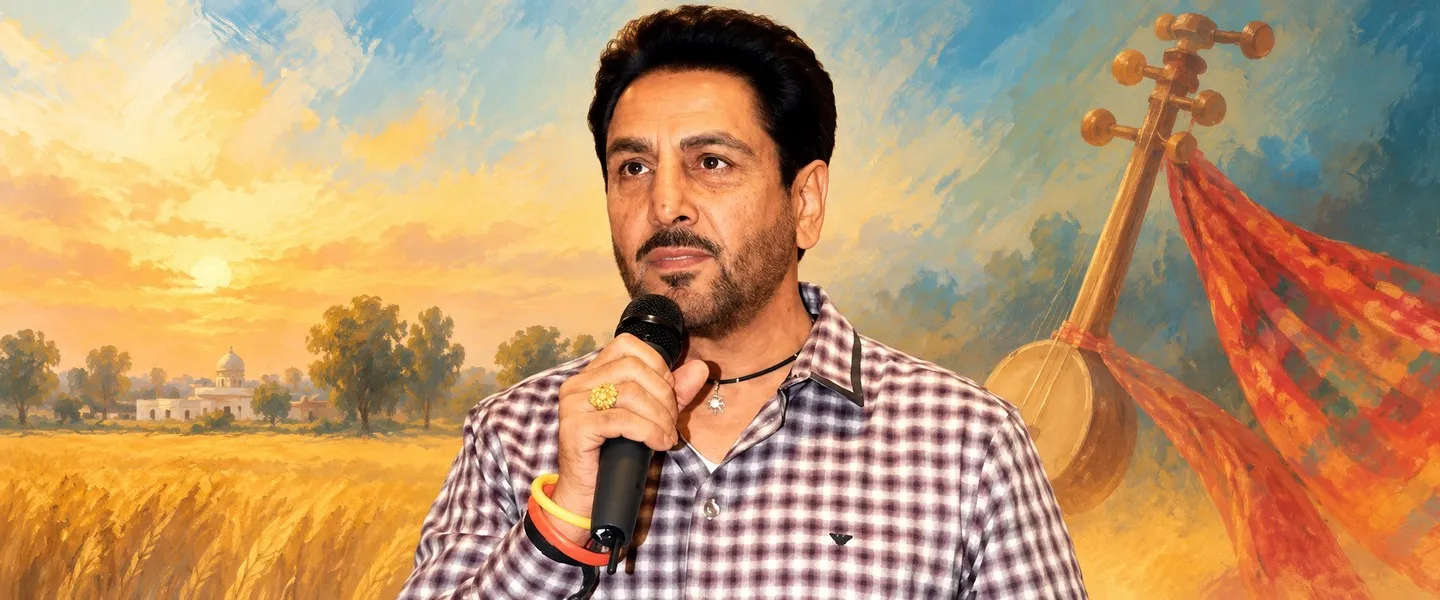



ਜੁਗਤੀ ਮੁਫ਼ਤ ਅਤੇ ਸੁਤੰਤਰ ਹੈ। ਪਾਠਕਾਂ ਦਾ ਸਹਿਯੋਗ ਕੋਸ਼ ਨੂੰ ਵਧਾਉਂਦਾ ਹੈ।
ਸਹਿਯੋਗ