

Mohan Singh (1905 to 1978) was a Punjabi poet, academic, editor and publisher widely called the father of modern Punjabi poetry. His collection Sawe Pattar made him famous in the 1930s, and Wadda Vela won the Sahitya Akademi Award in 1959. He taught at Amritsar, Lahore, Patiala and Ludhiana, and founded the literary monthly Panj Darya and Hind Publishers.
- ਪੰਜਾਬੀ ਨਾਂ
- ਮੋਹਨ ਸਿੰਘ
- Years
- 1905 to 1978
- Birthplace
- 1905; Lyallpur or Mardan (sources differ)
- Ancestral village
- Dhamial, Rawalpindi district
- ਸਿੱਖਿਆ
- M.A. Persian, Oriental College, Lahore
- Taught at
- Khalsa College, Amritsar; Khalsa College, Patiala; Punjab Agricultural University, Ludhiana
All 9 facts
- ਸਥਾਪਨਾ
- Panj Darya monthly (1939); Hind Publishers
- Award
- Sahitya Akademi Award, 1959, for Wadda Vela
- ਦੇਹਾਂਤ
- 1978, Ludhiana
Mohan Singh (1905 to 1978), usually known as Professor Mohan Singh, was a Punjabi poet, academic, editor and publisher who is widely called the father of modern Punjabi poetry. His first collection, Sawe Pattar, made him famous in the 1930s, and Wadda Vela won the Sahitya Akademi Award in 1959. Across ten books of verse and a long epic poem, he joined romantic feeling to progressive politics in a way no Punjabi poet before him had done.
Early life in Pothohar and a loss that turned him romantic
Mohan Singh was born in 1905, and reference works differ on the town: the Sikh Encyclopedia gives Mardan, while other biographies give Lyallpur. Both traditions agree on the roots that mattered to him: his family came from Dhamial, a village near Rawalpindi in the Pothohar region, and his father worked as a doctor in a civil hospital. His best known early poem, Kuri Pothohar Di, looks back at that countryside and its people.
He passed his matriculation in 1923 and married the same year. Four years later his wife, Basant, died, and the loss changed his writing. The Sikh Encyclopedia records that his early verses had been religious and social in tone; grief turned him towards romantic poetry, towards love, beauty and longing as serious subjects. He married again, to Surjit Kaur, in 1929, while working as a schoolteacher of Urdu and Persian, and in 1930 he left teaching to take a master's degree in Persian at Oriental College, Lahore.
The Amritsar years: Khalsa College and a famous circle
From 1933 he taught Persian, Urdu and Punjabi at Khalsa College, ਅੰਮ੍ਰਿਤਸਰ, staying until 1939. Amritsar was then one of the capitals of Punjabi letters, and his colleagues and friends there included Teja Singh, ਸੰਤ ਸਿੰਘ ਸੇਖੋਂ and Gurbachan Singh Talib, men who between them shaped modern Punjabi criticism, drama and scholarship. Their arguments about what Punjabi literature should become formed the air he breathed.
His reading was unusually wide for a Punjabi poet of his time. Alongside Persian and Urdu classics he read the English romantics closely: Blake, Keats, Shelley, Wordsworth and Browning, and the ballads of the Oxford Book of English Ballads, an influence that later led him to write ballads in Punjabi. A survey of Punjabi literature by the Central Institute of Indian Languages credits Mohan Singh and ਅੰਮ੍ਰਿਤਾ ਪ੍ਰੀਤਮ with opening a truly modern age in Punjabi poetry, freeing it from the mystical tone that had dominated the era of Bhai Vir Singh and Puran Singh.
Why is Mohan Singh called the father of modern Punjabi poetry?
He is called that because he gave Punjabi poetry a new subject and a new language at the same time. The new subject was the individual inner life: personal love, desire, doubt and social anger, spoken plainly. The new language was a fresh store of metaphors drawn from village life, Persian imagery and modern politics together. The Sikh Encyclopedia's judgement is that in the twenty five years after 1935 he influenced a whole generation of Punjabi poets and set new norms for the art.
His movement is usually called romantic-progressive. He began as a romantic lyricist, singing of love and beauty, and under the impact of the Progressive writers' movement and the national struggle his verse took on social consciousness: liberty, equality and fraternity became its public themes. Few poets manage both registers. His readers could find a love song and a call to change society in the same book, and often in the same poem.
The collections: from Sawe Pattar to Buhe
His first collection, ਸਾਵੇ ਪੱਤਰ (Green Leaves), appeared in the mid 1930s and made his reputation; the Central Institute of Indian Languages survey notes that some of its poems became household songs. The books followed across four decades: Kasumbhra, Adhvate, Kach Sach, Awazan, Wadda Vela, Jandre, Jai Mir, the long poem Nanakayan on the life of Guru Nanak, published by Punjabi University, Patiala, and finally Buhe (Doors) near the end of his life. In all he published ten books of verse and one long epic.
Read in sequence, the collections trace his arc. The survey describes Kasumbhra as showing the influence of Marxist thought and of Freud, and singles out his poem on the Taj Mahal, which refuses to admire a monument built on the labour of poorly paid workers. His love poems return to one theme: that love cannot be fulfilled in a society built on hierarchy and the suppression of desire. Awazan welcomes the voices of protest rising around the world, and Trishul calls on the worker, the peasant and the intellectual to join pen, hammer and sickle into one weapon.
He also worked as a translator, bringing Edwin Arnold's Light of Asia, the Greek tragedy King Oedipus and novels including Godan and Nirmala into Punjabi, and he wrote a study of poetic grammar and craft. Translation mattered to him for the same reason publishing did: Punjabi readers deserved the world's books in their own language.
Publisher and editor: Panj Darya and Hind Publishers
In 1939 Mohan Singh founded Panj Darya, a monthly literary magazine that became one of the most respected Punjabi journals of its era and a platform for a generation of writers. In 1940 he moved to Lahore as a lecturer at Sikh National College, but he soon gave up the post to found Hind Publishers, a firm whose stated aim was to raise the literary standard of Punjabi books.
Partition broke the business, as it broke so much else. In 1947 he shifted the firm first to Amritsar and then to Jalandhar, struggled against a difficult market, and in the end closed it and sold Panj Darya. The episode is worth remembering alongside the poetry: for a decade he had tried to build the publishing house and the journal that modern Punjabi literature needed, at his own financial risk.
Honours and the Ludhiana years
His standing was confirmed nationally when Wadda Vela received the Sahitya Akademi Award in 1959, one of the earliest of the Akademi's Punjabi awards, in the company of winners such as Amrita Pritam before him and ਸ਼ਿਵ ਕੁਮਾਰ ਬਟਾਲਵੀ after. After the publishing years he returned to teaching at Khalsa College, Patiala.
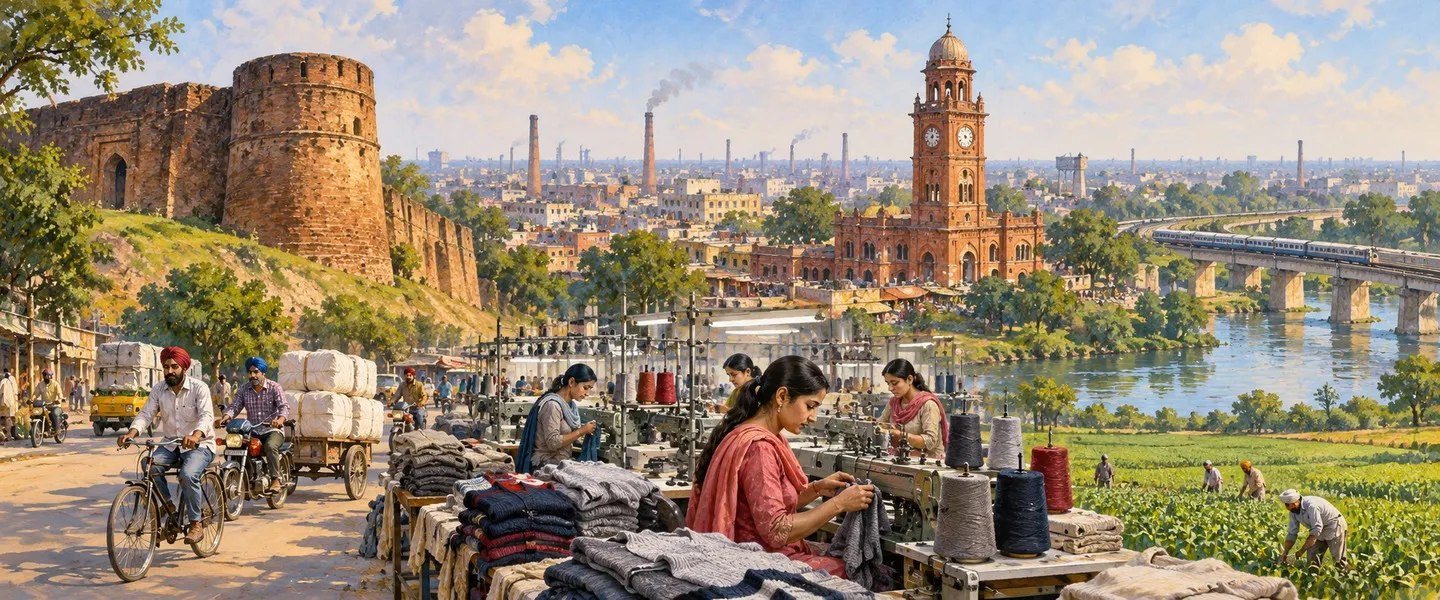
From 1970 to 1974 he served as Professor Emeritus at Punjab Agricultural University in ਲੁਧਿਆਣਾ, and he made the industrial city his home. He died there in 1978, aged seventy two or seventy three, still the presiding figure of the modern movement he had opened forty years earlier.
Legacy
Mohan Singh's legacy works at three levels. His poems themselves remain in the language: lines from Sawe Pattar passed into everyday singing, and performers still return to his words, as when the singer Hadiqa Kiani performs his verses in live versions of Buhe Bariyan. His example shaped the poets who followed, from Amrita Pritam's generation to Shiv Kumar Batalvi's, all of whom wrote a modern, personal Punjabi poetry that his work had made possible.
His institutions also outlived him. The Prof. Mohan Singh Memorial Foundation holds an international cultural mela in his name, reported by The Tribune as early as 2003 and continued since, bringing poets, scholars and musicians together in Ludhiana and beyond. For a poet who spent his life building platforms for other writers, a yearly mela where new voices are heard is a fitting memorial.
ਮੋਹਨ ਸਿੰਘ (1905 ਤੋਂ 1978), ਜੋ ਆਮ ਤੌਰ ਤੇ ਪ੍ਰੋਫੈਸਰ ਮੋਹਨ ਸਿੰਘ ਵਜੋਂ ਜਾਣੇ ਜਾਂਦੇ ਹਨ, ਪੰਜਾਬੀ ਕਵੀ, ਅਧਿਆਪਕ, ਸੰਪਾਦਕ ਅਤੇ ਪ੍ਰਕਾਸ਼ਕ ਸਨ, ਜਿਨ੍ਹਾਂ ਨੂੰ ਵਿਆਪਕ ਤੌਰ ਤੇ ਆਧੁਨਿਕ ਪੰਜਾਬੀ ਕਵਿਤਾ ਦਾ ਪਿਤਾਮਾ ਕਿਹਾ ਜਾਂਦਾ ਹੈ। ਉਨ੍ਹਾਂ ਦੇ ਪਹਿਲੇ ਸੰਗ੍ਰਹਿ 'ਸਾਵੇ ਪੱਤਰ' ਨੇ 1930ਵਿਆਂ ਵਿੱਚ ਉਨ੍ਹਾਂ ਨੂੰ ਮਸ਼ਹੂਰ ਕੀਤਾ, ਅਤੇ 'ਵੱਡਾ ਵੇਲਾ' ਨੂੰ 1959 ਵਿੱਚ ਸਾਹਿਤ ਅਕਾਦਮੀ ਇਨਾਮ ਮਿਲਿਆ। ਕਵਿਤਾ ਦੀਆਂ ਦਸ ਕਿਤਾਬਾਂ ਅਤੇ ਇੱਕ ਲੰਬੇ ਮਹਾਂਕਾਵਿ ਵਿੱਚ ਉਨ੍ਹਾਂ ਨੇ ਰੋਮਾਂਟਿਕ ਭਾਵਨਾ ਨੂੰ ਪ੍ਰਗਤੀਵਾਦੀ ਸਿਆਸਤ ਨਾਲ ਇਸ ਤਰ੍ਹਾਂ ਜੋੜਿਆ ਜਿਵੇਂ ਉਨ੍ਹਾਂ ਤੋਂ ਪਹਿਲਾਂ ਕਿਸੇ ਪੰਜਾਬੀ ਕਵੀ ਨੇ ਨਹੀਂ ਕੀਤਾ ਸੀ।
ਪੋਠੋਹਾਰ ਵਿੱਚ ਮੁੱਢਲਾ ਜੀਵਨ ਅਤੇ ਉਹ ਨੁਕਸਾਨ ਜਿਸ ਨੇ ਉਨ੍ਹਾਂ ਨੂੰ ਰੋਮਾਂਟਿਕ ਬਣਾਇਆ
ਮੋਹਨ ਸਿੰਘ ਦਾ ਜਨਮ 1905 ਵਿੱਚ ਹੋਇਆ, ਅਤੇ ਹਵਾਲਾ ਕਿਤਾਬਾਂ ਸ਼ਹਿਰ ਬਾਰੇ ਵੱਖਰਾ ਦੱਸਦੀਆਂ ਹਨ: ਸਿੱਖ ਵਿਸ਼ਵਕੋਸ਼ ਮਰਦਾਨ ਦੱਸਦਾ ਹੈ, ਜਦਕਿ ਹੋਰ ਜੀਵਨੀਆਂ ਲਾਇਲਪੁਰ ਦੱਸਦੀਆਂ ਹਨ। ਦੋਵੇਂ ਪਰੰਪਰਾਵਾਂ ਉਨ੍ਹਾਂ ਜੜ੍ਹਾਂ ਤੇ ਸਹਿਮਤ ਹਨ ਜੋ ਉਨ੍ਹਾਂ ਲਈ ਮਹੱਤਵਪੂਰਨ ਸਨ: ਉਨ੍ਹਾਂ ਦਾ ਪਰਿਵਾਰ ਪੋਠੋਹਾਰ ਖੇਤਰ ਵਿੱਚ ਰਾਵਲਪਿੰਡੀ ਨੇੜਲੇ ਪਿੰਡ ਧਮਿਆਲ ਤੋਂ ਸੀ, ਅਤੇ ਉਨ੍ਹਾਂ ਦੇ ਪਿਤਾ ਸਿਵਲ ਹਸਪਤਾਲ ਵਿੱਚ ਡਾਕਟਰ ਸਨ। ਉਨ੍ਹਾਂ ਦੀ ਸਭ ਤੋਂ ਜਾਣੀ ਮੁੱਢਲੀ ਕਵਿਤਾ 'ਕੁੜੀ ਪੋਠੋਹਾਰ ਦੀ' ਉਸੇ ਇਲਾਕੇ ਅਤੇ ਉਸ ਦੇ ਲੋਕਾਂ ਵੱਲ ਮੁੜ ਕੇ ਵੇਖਦੀ ਹੈ।
ਉਨ੍ਹਾਂ ਨੇ 1923 ਵਿੱਚ ਮੈਟ੍ਰਿਕ ਪਾਸ ਕੀਤੀ ਅਤੇ ਉਸੇ ਸਾਲ ਵਿਆਹ ਹੋਇਆ। ਚਾਰ ਸਾਲ ਬਾਅਦ ਉਨ੍ਹਾਂ ਦੀ ਪਤਨੀ ਬਸੰਤ ਦੀ ਮੌਤ ਹੋ ਗਈ, ਅਤੇ ਇਸ ਨੁਕਸਾਨ ਨੇ ਉਨ੍ਹਾਂ ਦੀ ਲਿਖਤ ਬਦਲ ਦਿੱਤੀ। ਸਿੱਖ ਵਿਸ਼ਵਕੋਸ਼ ਦਰਜ ਕਰਦਾ ਹੈ ਕਿ ਉਨ੍ਹਾਂ ਦੀਆਂ ਮੁੱਢਲੀਆਂ ਕਵਿਤਾਵਾਂ ਦਾ ਰੰਗ ਧਾਰਮਿਕ ਅਤੇ ਸਮਾਜਕ ਸੀ; ਦੁੱਖ ਨੇ ਉਨ੍ਹਾਂ ਨੂੰ ਰੋਮਾਂਟਿਕ ਕਵਿਤਾ ਵੱਲ ਮੋੜਿਆ, ਪਿਆਰ, ਸੁੰਦਰਤਾ ਅਤੇ ਤਾਂਘ ਨੂੰ ਗੰਭੀਰ ਵਿਸ਼ੇ ਬਣਾਉਣ ਵੱਲ। 1929 ਵਿੱਚ ਉਨ੍ਹਾਂ ਦਾ ਦੂਜਾ ਵਿਆਹ ਸੁਰਜੀਤ ਕੌਰ ਨਾਲ ਹੋਇਆ, ਉਸ ਸਮੇਂ ਉਹ ਸਕੂਲ ਵਿੱਚ ਉਰਦੂ ਅਤੇ ਫ਼ਾਰਸੀ ਦੇ ਅਧਿਆਪਕ ਸਨ, ਅਤੇ 1930 ਵਿੱਚ ਉਨ੍ਹਾਂ ਨੇ ਅਧਿਆਪਨ ਛੱਡ ਕੇ ਲਾਹੌਰ ਦੇ ਓਰੀਐਂਟਲ ਕਾਲਜ ਤੋਂ ਫ਼ਾਰਸੀ ਵਿੱਚ ਮਾਸਟਰ ਡਿਗਰੀ ਕੀਤੀ।
ਅੰਮ੍ਰਿਤਸਰ ਦੇ ਸਾਲ: ਖਾਲਸਾ ਕਾਲਜ ਅਤੇ ਮਸ਼ਹੂਰ ਸੱਥ
1933 ਤੋਂ ਉਨ੍ਹਾਂ ਨੇ ਅੰਮ੍ਰਿਤਸਰ ਦੇ ਖਾਲਸਾ ਕਾਲਜ ਵਿੱਚ ਫ਼ਾਰਸੀ, ਉਰਦੂ ਅਤੇ ਪੰਜਾਬੀ ਪੜ੍ਹਾਈ, ਅਤੇ 1939 ਤਕ ਉੱਥੇ ਰਹੇ। ਅੰਮ੍ਰਿਤਸਰ ਉਸ ਸਮੇਂ ਪੰਜਾਬੀ ਸਾਹਿਤ ਦੀਆਂ ਰਾਜਧਾਨੀਆਂ ਵਿੱਚੋਂ ਇੱਕ ਸੀ, ਅਤੇ ਉੱਥੇ ਉਨ੍ਹਾਂ ਦੇ ਸਾਥੀਆਂ ਅਤੇ ਦੋਸਤਾਂ ਵਿੱਚ ਤੇਜਾ ਸਿੰਘ, ਸੰਤ ਸਿੰਘ ਸੇਖੋਂ ਅਤੇ ਗੁਰਬਚਨ ਸਿੰਘ ਤਾਲਿਬ ਸ਼ਾਮਲ ਸਨ, ਜਿਨ੍ਹਾਂ ਨੇ ਮਿਲ ਕੇ ਆਧੁਨਿਕ ਪੰਜਾਬੀ ਆਲੋਚਨਾ, ਨਾਟਕ ਅਤੇ ਵਿਦਵਤਾ ਨੂੰ ਆਕਾਰ ਦਿੱਤਾ। ਪੰਜਾਬੀ ਸਾਹਿਤ ਨੂੰ ਕੀ ਬਣਨਾ ਚਾਹੀਦਾ ਹੈ, ਇਸ ਬਾਰੇ ਉਨ੍ਹਾਂ ਦੀਆਂ ਬਹਿਸਾਂ ਹੀ ਉਹ ਹਵਾ ਸੀ ਜਿਸ ਵਿੱਚ ਉਹ ਸਾਹ ਲੈਂਦੇ ਸਨ।
ਉਨ੍ਹਾਂ ਦੀ ਪੜ੍ਹਾਈ ਆਪਣੇ ਸਮੇਂ ਦੇ ਪੰਜਾਬੀ ਕਵੀ ਲਈ ਅਸਾਧਾਰਨ ਤੌਰ ਤੇ ਵਿਸ਼ਾਲ ਸੀ। ਫ਼ਾਰਸੀ ਅਤੇ ਉਰਦੂ ਕਲਾਸਿਕਾਂ ਨਾਲ ਨਾਲ ਉਨ੍ਹਾਂ ਨੇ ਅੰਗਰੇਜ਼ੀ ਰੋਮਾਂਟਿਕ ਕਵੀਆਂ ਨੂੰ ਨੇੜਿਓਂ ਪੜ੍ਹਿਆ: ਬਲੇਕ, ਕੀਟਸ, ਸ਼ੈਲੀ, ਵਰਡਜ਼ਵਰਥ ਅਤੇ ਬਰਾਊਨਿੰਗ, ਅਤੇ 'ਆਕਸਫੋਰਡ ਬੁੱਕ ਆਫ਼ ਇੰਗਲਿਸ਼ ਬੈਲਡਜ਼' ਦੇ ਬੈਲਡ, ਜਿਸ ਪ੍ਰਭਾਵ ਨੇ ਬਾਅਦ ਵਿੱਚ ਉਨ੍ਹਾਂ ਨੂੰ ਪੰਜਾਬੀ ਵਿੱਚ ਬੈਲਡ ਲਿਖਣ ਵੱਲ ਲਿਆਂਦਾ। ਭਾਰਤੀ ਭਾਸ਼ਾਵਾਂ ਦੇ ਕੇਂਦਰੀ ਸੰਸਥਾਨ ਦਾ ਪੰਜਾਬੀ ਸਾਹਿਤ ਦਾ ਸਰਵੇਖਣ ਮੋਹਨ ਸਿੰਘ ਅਤੇ ਅੰਮ੍ਰਿਤਾ ਪ੍ਰੀਤਮ ਨੂੰ ਪੰਜਾਬੀ ਕਵਿਤਾ ਵਿੱਚ ਸੱਚਮੁੱਚ ਆਧੁਨਿਕ ਯੁਗ ਖੋਲ੍ਹਣ ਦਾ ਸਿਹਰਾ ਦਿੰਦਾ ਹੈ, ਜਿਸ ਨੇ ਇਸ ਨੂੰ ਭਾਈ ਵੀਰ ਸਿੰਘ ਅਤੇ ਪੂਰਨ ਸਿੰਘ ਦੇ ਯੁਗ ਤੇ ਹਾਵੀ ਰਹੱਸਵਾਦੀ ਰੰਗ ਤੋਂ ਮੁਕਤ ਕੀਤਾ।
ਮੋਹਨ ਸਿੰਘ ਨੂੰ ਆਧੁਨਿਕ ਪੰਜਾਬੀ ਕਵਿਤਾ ਦਾ ਪਿਤਾਮਾ ਕਿਉਂ ਕਿਹਾ ਜਾਂਦਾ ਹੈ?
ਉਨ੍ਹਾਂ ਨੂੰ ਇਸ ਲਈ ਕਿਹਾ ਜਾਂਦਾ ਹੈ ਕਿਉਂਕਿ ਉਨ੍ਹਾਂ ਨੇ ਪੰਜਾਬੀ ਕਵਿਤਾ ਨੂੰ ਉਸੇ ਸਮੇਂ ਨਵਾਂ ਵਿਸ਼ਾ ਅਤੇ ਨਵੀਂ ਭਾਸ਼ਾ ਦੋਵੇਂ ਦਿੱਤੇ। ਨਵਾਂ ਵਿਸ਼ਾ ਵਿਅਕਤੀ ਦੀ ਅੰਦਰਲੀ ਜ਼ਿੰਦਗੀ ਸੀ: ਨਿੱਜੀ ਪਿਆਰ, ਇੱਛਾ, ਸ਼ੱਕ ਅਤੇ ਸਮਾਜਕ ਗੁੱਸਾ, ਸਾਦਾ ਬੋਲਿਆ ਗਿਆ। ਨਵੀਂ ਭਾਸ਼ਾ ਪਿੰਡ ਦੀ ਜ਼ਿੰਦਗੀ, ਫ਼ਾਰਸੀ ਬਿੰਬਾਂ ਅਤੇ ਆਧੁਨਿਕ ਸਿਆਸਤ ਤੋਂ ਮਿਲ ਕੇ ਬਣੇ ਰੂਪਕਾਂ ਦਾ ਤਾਜ਼ਾ ਭੰਡਾਰ ਸੀ। ਸਿੱਖ ਵਿਸ਼ਵਕੋਸ਼ ਦਾ ਫ਼ੈਸਲਾ ਹੈ ਕਿ 1935 ਤੋਂ ਬਾਅਦ ਦੇ ਪੰਝੀ ਸਾਲਾਂ ਵਿੱਚ ਉਨ੍ਹਾਂ ਨੇ ਪੰਜਾਬੀ ਕਵੀਆਂ ਦੀ ਪੂਰੀ ਪੀੜ੍ਹੀ ਨੂੰ ਪ੍ਰਭਾਵਿਤ ਕੀਤਾ ਅਤੇ ਕਲਾ ਲਈ ਨਵੇਂ ਮਿਆਰ ਬਣਾਏ।
ਉਨ੍ਹਾਂ ਦੇ ਅੰਦੋਲਨ ਨੂੰ ਆਮ ਤੌਰ ਤੇ ਰੋਮਾਂਟਿਕ ਪ੍ਰਗਤੀਵਾਦੀ ਕਿਹਾ ਜਾਂਦਾ ਹੈ। ਉਹ ਰੋਮਾਂਟਿਕ ਗੀਤਕਾਰ ਵਜੋਂ ਸ਼ੁਰੂ ਹੋਏ, ਪਿਆਰ ਅਤੇ ਸੁੰਦਰਤਾ ਦੇ ਗੀਤ ਗਾਉਂਦੇ, ਅਤੇ ਪ੍ਰਗਤੀਵਾਦੀ ਲੇਖਕ ਅੰਦੋਲਨ ਅਤੇ ਕੌਮੀ ਸੰਘਰਸ਼ ਦੇ ਪ੍ਰਭਾਵ ਹੇਠ ਉਨ੍ਹਾਂ ਦੀ ਕਵਿਤਾ ਵਿੱਚ ਸਮਾਜਕ ਚੇਤਨਾ ਆਈ: ਆਜ਼ਾਦੀ, ਬਰਾਬਰੀ ਅਤੇ ਭਾਈਚਾਰਾ ਇਸ ਦੇ ਜਨਤਕ ਵਿਸ਼ੇ ਬਣੇ। ਘੱਟ ਕਵੀ ਦੋਵੇਂ ਰਜਿਸਟਰ ਸੰਭਾਲ ਪਾਉਂਦੇ ਹਨ। ਉਨ੍ਹਾਂ ਦੇ ਪਾਠਕ ਇੱਕੋ ਕਿਤਾਬ ਵਿੱਚ, ਅਤੇ ਅਕਸਰ ਇੱਕੋ ਕਵਿਤਾ ਵਿੱਚ, ਪਿਆਰ ਦਾ ਗੀਤ ਅਤੇ ਸਮਾਜ ਬਦਲਣ ਦੀ ਸੱਦ ਦੋਵੇਂ ਲੱਭ ਸਕਦੇ ਸਨ।
ਸੰਗ੍ਰਹਿ: 'ਸਾਵੇ ਪੱਤਰ' ਤੋਂ 'ਬੂਹੇ' ਤਕ
ਉਨ੍ਹਾਂ ਦਾ ਪਹਿਲਾ ਸੰਗ੍ਰਹਿ 'ਸਾਵੇ ਪੱਤਰ' 1930ਵਿਆਂ ਦੇ ਮੱਧ ਵਿੱਚ ਆਇਆ ਅਤੇ ਉਨ੍ਹਾਂ ਦੀ ਪਛਾਣ ਬਣਾਈ; ਭਾਰਤੀ ਭਾਸ਼ਾਵਾਂ ਦੇ ਕੇਂਦਰੀ ਸੰਸਥਾਨ ਦਾ ਸਰਵੇਖਣ ਦੱਸਦਾ ਹੈ ਕਿ ਇਸ ਦੀਆਂ ਕੁਝ ਕਵਿਤਾਵਾਂ ਘਰ ਘਰ ਗਾਈਆਂ ਜਾਣ ਵਾਲੇ ਗੀਤ ਬਣ ਗਈਆਂ। ਕਿਤਾਬਾਂ ਚਾਰ ਦਹਾਕਿਆਂ ਵਿੱਚ ਆਉਂਦੀਆਂ ਰਹੀਆਂ: 'ਕਸੁੰਭੜਾ', 'ਅੱਧਵਾਟੇ', 'ਕੱਚ ਸੱਚ', 'ਆਵਾਜ਼ਾਂ', 'ਵੱਡਾ ਵੇਲਾ', 'ਜੰਦਰੇ', 'ਜੈ ਮੀਰ', ਗੁਰੂ ਨਾਨਕ ਦੇ ਜੀਵਨ ਤੇ ਲੰਬੀ ਕਵਿਤਾ 'ਨਾਨਕਾਇਣ', ਜੋ ਪੰਜਾਬੀ ਯੂਨੀਵਰਸਿਟੀ, ਪਟਿਆਲਾ ਤੋਂ ਛਪੀ, ਅਤੇ ਅੰਤ ਵਿੱਚ ਜੀਵਨ ਦੇ ਆਖ਼ਰੀ ਸਾਲਾਂ ਨੇੜੇ 'ਬੂਹੇ'। ਕੁੱਲ ਮਿਲਾ ਕੇ ਉਨ੍ਹਾਂ ਨੇ ਕਵਿਤਾ ਦੀਆਂ ਦਸ ਕਿਤਾਬਾਂ ਅਤੇ ਇੱਕ ਲੰਬਾ ਮਹਾਂਕਾਵਿ ਛਪਵਾਇਆ।
ਲੜੀ ਵਿੱਚ ਪੜ੍ਹਿਆਂ, ਸੰਗ੍ਰਹਿ ਉਨ੍ਹਾਂ ਦਾ ਸਫ਼ਰ ਦਿਖਾਉਂਦੇ ਹਨ। ਸਰਵੇਖਣ 'ਕਸੁੰਭੜਾ' ਨੂੰ ਮਾਰਕਸਵਾਦੀ ਵਿਚਾਰ ਅਤੇ ਫਰਾਇਡ ਦੇ ਪ੍ਰਭਾਵ ਵਾਲਾ ਦੱਸਦਾ ਹੈ, ਅਤੇ ਉਨ੍ਹਾਂ ਦੀ ਤਾਜ ਮਹਿਲ ਤੇ ਕਵਿਤਾ ਨੂੰ ਖ਼ਾਸ ਤੌਰ ਤੇ ਚੁਣਦਾ ਹੈ, ਜੋ ਘੱਟ ਮਜ਼ਦੂਰੀ ਵਾਲੇ ਮਜ਼ਦੂਰਾਂ ਦੀ ਮਿਹਨਤ ਤੇ ਬਣੀ ਇਮਾਰਤ ਦੀ ਪ੍ਰਸ਼ੰਸਾ ਕਰਨ ਤੋਂ ਇਨਕਾਰ ਕਰਦੀ ਹੈ। ਉਨ੍ਹਾਂ ਦੀਆਂ ਪਿਆਰ ਕਵਿਤਾਵਾਂ ਇੱਕੋ ਵਿਸ਼ੇ ਵੱਲ ਮੁੜਦੀਆਂ ਹਨ: ਕਿ ਪਿਆਰ ਉਸ ਸਮਾਜ ਵਿੱਚ ਪੂਰਾ ਨਹੀਂ ਹੋ ਸਕਦਾ ਜੋ ਜਾਤ ਪਾਤ ਅਤੇ ਇੱਛਾ ਦੇ ਦਮਨ ਤੇ ਖੜ੍ਹਾ ਹੈ। 'ਆਵਾਜ਼ਾਂ' ਦੁਨੀਆ ਭਰ ਵਿੱਚ ਉੱਠਦੀਆਂ ਵਿਰੋਧ ਦੀਆਂ ਆਵਾਜ਼ਾਂ ਦਾ ਸਵਾਗਤ ਕਰਦੀ ਹੈ, ਅਤੇ 'ਤ੍ਰਿਸ਼ੂਲ' ਮਜ਼ਦੂਰ, ਕਿਸਾਨ ਅਤੇ ਬੁੱਧੀਜੀਵੀ ਨੂੰ ਕਲਮ, ਹਥੌੜਾ ਅਤੇ ਦਾਤੀ ਨੂੰ ਇੱਕ ਹਥਿਆਰ ਵਿੱਚ ਜੋੜਨ ਦੀ ਸੱਦ ਦਿੰਦੀ ਹੈ।
ਉਨ੍ਹਾਂ ਨੇ ਅਨੁਵਾਦਕ ਵਜੋਂ ਵੀ ਕੰਮ ਕੀਤਾ, ਐਡਵਿਨ ਆਰਨਲਡ ਦੀ 'ਲਾਈਟ ਆਫ਼ ਏਸ਼ੀਆ', ਯੂਨਾਨੀ ਦੁਖਾਂਤ 'ਕਿੰਗ ਈਡੀਪਸ' ਅਤੇ 'ਗੋਦਾਨ' ਤੇ 'ਨਿਰਮਲਾ' ਸਮੇਤ ਨਾਵਲ ਪੰਜਾਬੀ ਵਿੱਚ ਲਿਆਂਦੇ, ਅਤੇ ਕਾਵਿ ਵਿਆਕਰਨ ਅਤੇ ਸ਼ਿਲਪ ਤੇ ਇੱਕ ਅਧਿਐਨ ਵੀ ਲਿਖਿਆ। ਅਨੁਵਾਦ ਉਨ੍ਹਾਂ ਲਈ ਉਸੇ ਕਾਰਨ ਮਹੱਤਵਪੂਰਨ ਸੀ ਜਿਸ ਕਾਰਨ ਪ੍ਰਕਾਸ਼ਨ ਸੀ: ਪੰਜਾਬੀ ਪਾਠਕਾਂ ਨੂੰ ਦੁਨੀਆ ਦੀਆਂ ਕਿਤਾਬਾਂ ਆਪਣੀ ਭਾਸ਼ਾ ਵਿੱਚ ਮਿਲਣੀਆਂ ਚਾਹੀਦੀਆਂ ਹਨ।
ਪ੍ਰਕਾਸ਼ਕ ਅਤੇ ਸੰਪਾਦਕ: 'ਪੰਜ ਦਰਿਆ' ਅਤੇ ਹਿੰਦ ਪਬਲਿਸ਼ਰਜ਼
1939 ਵਿੱਚ ਮੋਹਨ ਸਿੰਘ ਨੇ 'ਪੰਜ ਦਰਿਆ' ਸ਼ੁਰੂ ਕੀਤਾ, ਜੋ ਮਾਸਿਕ ਸਾਹਿਤਕ ਰਸਾਲਾ ਸੀ ਅਤੇ ਆਪਣੇ ਯੁਗ ਦੇ ਸਭ ਤੋਂ ਸਤਕਾਰੇ ਜਾਣ ਵਾਲੇ ਪੰਜਾਬੀ ਰਸਾਲਿਆਂ ਵਿੱਚੋਂ ਇੱਕ ਬਣਿਆ, ਅਤੇ ਲੇਖਕਾਂ ਦੀ ਪੀੜ੍ਹੀ ਲਈ ਮੰਚ ਬਣਿਆ। 1940 ਵਿੱਚ ਉਹ ਲਾਹੌਰ ਦੇ ਸਿੱਖ ਨੈਸ਼ਨਲ ਕਾਲਜ ਵਿੱਚ ਲੈਕਚਰਾਰ ਵਜੋਂ ਗਏ, ਪਰ ਜਲਦੀ ਹੀ ਉਹ ਅਹੁਦਾ ਛੱਡ ਕੇ ਹਿੰਦ ਪਬਲਿਸ਼ਰਜ਼ ਸਥਾਪਿਤ ਕੀਤੀ, ਜਿਸ ਦਾ ਐਲਾਨਿਆ ਉਦੇਸ਼ ਪੰਜਾਬੀ ਕਿਤਾਬਾਂ ਦਾ ਸਾਹਿਤਕ ਮਿਆਰ ਉੱਚਾ ਕਰਨਾ ਸੀ।
ਵੰਡ ਨੇ ਕਾਰੋਬਾਰ ਤੋੜ ਦਿੱਤਾ, ਜਿਵੇਂ ਇਸ ਨੇ ਹੋਰ ਬਹੁਤ ਕੁਝ ਤੋੜਿਆ। 1947 ਵਿੱਚ ਉਨ੍ਹਾਂ ਨੇ ਫਰਮ ਪਹਿਲਾਂ ਅੰਮ੍ਰਿਤਸਰ ਅਤੇ ਫਿਰ ਜਲੰਧਰ ਲਿਜਾਈ, ਔਖੇ ਬਾਜ਼ਾਰ ਨਾਲ ਜੂਝੇ, ਅਤੇ ਅੰਤ ਵਿੱਚ ਇਸ ਨੂੰ ਬੰਦ ਕਰਕੇ 'ਪੰਜ ਦਰਿਆ' ਵੇਚ ਦਿੱਤਾ। ਇਹ ਘਟਨਾ ਕਵਿਤਾ ਦੇ ਨਾਲ ਯਾਦ ਰੱਖਣ ਵਾਲੀ ਹੈ: ਇੱਕ ਦਹਾਕੇ ਤਕ ਉਨ੍ਹਾਂ ਨੇ ਆਪਣੇ ਵਿੱਤੀ ਜੋਖਮ ਤੇ ਉਹ ਪ੍ਰਕਾਸ਼ਨ ਘਰ ਅਤੇ ਰਸਾਲਾ ਬਣਾਉਣ ਦੀ ਕੋਸ਼ਿਸ਼ ਕੀਤੀ ਜਿਸ ਦੀ ਆਧੁਨਿਕ ਪੰਜਾਬੀ ਸਾਹਿਤ ਨੂੰ ਲੋੜ ਸੀ।
ਸਨਮਾਨ ਅਤੇ ਲੁਧਿਆਣਾ ਦੇ ਸਾਲ
ਉਨ੍ਹਾਂ ਦਾ ਸਥਾਨ ਕੌਮੀ ਪੱਧਰ ਤੇ ਉਦੋਂ ਪੱਕਾ ਹੋਇਆ ਜਦੋਂ 'ਵੱਡਾ ਵੇਲਾ' ਨੂੰ 1959 ਵਿੱਚ ਸਾਹਿਤ ਅਕਾਦਮੀ ਇਨਾਮ ਮਿਲਿਆ, ਜੋ ਅਕਾਦਮੀ ਦੇ ਮੁੱਢਲੇ ਪੰਜਾਬੀ ਇਨਾਮਾਂ ਵਿੱਚੋਂ ਇੱਕ ਸੀ, ਉਨ੍ਹਾਂ ਤੋਂ ਪਹਿਲਾਂ ਅੰਮ੍ਰਿਤਾ ਪ੍ਰੀਤਮ ਅਤੇ ਬਾਅਦ ਵਿੱਚ ਸ਼ਿਵ ਕੁਮਾਰ ਬਟਾਲਵੀ ਵਰਗੇ ਜੇਤੂਆਂ ਦੀ ਸੰਗਤ ਵਿੱਚ। ਪ੍ਰਕਾਸ਼ਨ ਦੇ ਸਾਲਾਂ ਤੋਂ ਬਾਅਦ ਉਹ ਖਾਲਸਾ ਕਾਲਜ, ਪਟਿਆਲਾ ਵਿੱਚ ਪੜ੍ਹਾਉਣ ਵੱਲ ਮੁੜ ਆਏ।
1970 ਤੋਂ 1974 ਤਕ ਉਨ੍ਹਾਂ ਨੇ ਲੁਧਿਆਣਾ ਦੀ ਪੰਜਾਬ ਖੇਤੀਬਾੜੀ ਯੂਨੀਵਰਸਿਟੀ ਵਿੱਚ ਪ੍ਰੋਫੈਸਰ ਐਮੇਰੀਟਸ ਵਜੋਂ ਸੇਵਾ ਕੀਤੀ, ਅਤੇ ਉਸ ਉਦਯੋਗਿਕ ਸ਼ਹਿਰ ਨੂੰ ਆਪਣਾ ਘਰ ਬਣਾਇਆ। 1978 ਵਿੱਚ ਉੱਥੇ ਹੀ, ਬਹੱਤਰ ਜਾਂ ਤਿਹੱਤਰ ਸਾਲ ਦੀ ਉਮਰ ਵਿੱਚ, ਉਨ੍ਹਾਂ ਦੀ ਮੌਤ ਹੋ ਗਈ, ਉਸ ਵੇਲੇ ਵੀ ਉਹ ਉਸ ਆਧੁਨਿਕ ਅੰਦੋਲਨ ਦੀ ਅਗਵਾਈ ਵਾਲੀ ਹਸਤੀ ਸਨ ਜੋ ਉਨ੍ਹਾਂ ਨੇ ਚਾਲੀ ਸਾਲ ਪਹਿਲਾਂ ਖੋਲ੍ਹਿਆ ਸੀ।
ਵਿਰਾਸਤ
ਮੋਹਨ ਸਿੰਘ ਦੀ ਵਿਰਾਸਤ ਤਿੰਨ ਪੱਧਰਾਂ ਤੇ ਕੰਮ ਕਰਦੀ ਹੈ। ਉਨ੍ਹਾਂ ਦੀਆਂ ਕਵਿਤਾਵਾਂ ਖ਼ੁਦ ਭਾਸ਼ਾ ਵਿੱਚ ਜਿਉਂਦੀਆਂ ਹਨ: 'ਸਾਵੇ ਪੱਤਰ' ਦੀਆਂ ਸਤਰਾਂ ਰੋਜ਼ ਦੇ ਗਾਣੇ ਵਿੱਚ ਆ ਗਈਆਂ, ਅਤੇ ਕਲਾਕਾਰ ਅੱਜ ਵੀ ਉਨ੍ਹਾਂ ਦੇ ਬੋਲਾਂ ਵੱਲ ਮੁੜਦੇ ਹਨ, ਜਿਵੇਂ ਗਾਇਕਾ ਹਦੀਕਾ ਕਿਆਨੀ 'ਬੂਹੇ ਬਾਰੀਆਂ' ਦੀਆਂ ਲਾਈਵ ਪੇਸ਼ਕਾਰੀਆਂ ਵਿੱਚ ਉਨ੍ਹਾਂ ਦੀਆਂ ਕਵਿਤਾਵਾਂ ਪੜ੍ਹਦੀ ਹੈ। ਉਨ੍ਹਾਂ ਦੀ ਮਿਸਾਲ ਨੇ ਅਗਲੇ ਕਵੀਆਂ ਨੂੰ ਆਕਾਰ ਦਿੱਤਾ, ਅੰਮ੍ਰਿਤਾ ਪ੍ਰੀਤਮ ਦੀ ਪੀੜ੍ਹੀ ਤੋਂ ਸ਼ਿਵ ਕੁਮਾਰ ਬਟਾਲਵੀ ਤਕ, ਜਿਨ੍ਹਾਂ ਸਭ ਨੇ ਉਹ ਆਧੁਨਿਕ, ਨਿੱਜੀ ਪੰਜਾਬੀ ਕਵਿਤਾ ਲਿਖੀ ਜੋ ਉਨ੍ਹਾਂ ਦੇ ਕੰਮ ਨੇ ਸੰਭਵ ਬਣਾਈ ਸੀ।
ਉਨ੍ਹਾਂ ਦੀਆਂ ਸੰਸਥਾਵਾਂ ਵੀ ਉਨ੍ਹਾਂ ਤੋਂ ਬਾਅਦ ਜਿਉਂਦੀਆਂ ਰਹੀਆਂ। ਪ੍ਰੋਫੈਸਰ ਮੋਹਨ ਸਿੰਘ ਮੈਮੋਰੀਅਲ ਫਾਊਂਡੇਸ਼ਨ ਉਨ੍ਹਾਂ ਦੇ ਨਾਂ ਤੇ ਕੌਮਾਂਤਰੀ ਸੱਭਿਆਚਾਰਕ ਮੇਲਾ ਕਰਦੀ ਹੈ, ਜਿਸ ਦੀ ਰਿਪੋਰਟ ਟ੍ਰਿਬਿਊਨ ਵਿੱਚ 2003 ਜਿੰਨੀ ਪਹਿਲਾਂ ਮਿਲਦੀ ਹੈ ਅਤੇ ਜੋ ਉਦੋਂ ਤੋਂ ਜਾਰੀ ਹੈ, ਜੋ ਲੁਧਿਆਣਾ ਅਤੇ ਇਸ ਤੋਂ ਬਾਹਰ ਕਵੀਆਂ, ਵਿਦਵਾਨਾਂ ਅਤੇ ਸੰਗੀਤਕਾਰਾਂ ਨੂੰ ਇੱਕਠਾ ਕਰਦਾ ਹੈ। ਉਸ ਕਵੀ ਲਈ ਜਿਸ ਨੇ ਆਪਣੀ ਜ਼ਿੰਦਗੀ ਦੂਜੇ ਲੇਖਕਾਂ ਲਈ ਮੰਚ ਬਣਾਉਂਦਿਆਂ ਬਿਤਾਈ, ਹਰ ਸਾਲ ਹੋਣ ਵਾਲਾ ਮੇਲਾ ਜਿੱਥੇ ਨਵੀਆਂ ਆਵਾਜ਼ਾਂ ਸੁਣੀਆਂ ਜਾਂਦੀਆਂ ਹਨ, ਢੁੱਕਵੀਂ ਯਾਦਗਾਰ ਹੈ।
ਰਚਨਾਵਾਂ
ਲੋਕ


ਥਾਵਾਂ
ਹੋਰ ਲੇਖਕ ਅਤੇ ਕਵੀ
ਸਾਰੇ ਵੇਖੋ


ਸਰੋਤ (3)
ਜੁਗਤੀ ਮੁਫ਼ਤ ਅਤੇ ਸੁਤੰਤਰ ਹੈ। ਪਾਠਕਾਂ ਦਾ ਸਹਿਯੋਗ ਕੋਸ਼ ਨੂੰ ਵਧਾਉਂਦਾ ਹੈ।
ਸਹਿਯੋਗ