

ਅੰਮ੍ਰਿਤਾ ਪ੍ਰੀਤਮ ਪੰਜਾਬੀ ਕਵੀ ਅਤੇ ਨਾਵਲਕਾਰ ਸਨ, ਅਤੇ 1956 ਵਿੱਚ ਸਾਹਿਤ ਅਕਾਦਮੀ ਪੁਰਸਕਾਰ ਜਿੱਤਣ ਵਾਲੀ ਪਹਿਲੀ ਔਰਤ ਸਨ। ਵੰਡ ਤੋਂ ਬਾਅਦ ਲਿਖੀ ਉਨ੍ਹਾਂ ਦੀ ਕਵਿਤਾ ‘ਅੱਜ ਆਖਾਂ ਵਾਰਿਸ ਸ਼ਾਹ ਨੂੰ’ ਪੰਜਾਬੀ ਦੀਆਂ ਸਭ ਤੋਂ ਵੱਧ ਉਧਰਿਤ ਕਵਿਤਾਵਾਂ ਵਿੱਚੋਂ ਇੱਕ ਹੈ।
- ਪੰਜਾਬੀ ਨਾਂ
- ਅੰਮ੍ਰਿਤਾ ਪ੍ਰੀਤਮ
- ਜਨਮ
- 1919 ਅਗਸਤ 1919, ਗੁਜਰਾਂਵਾਲਾ (ਹੁਣ ਪਾਕਿਸਤਾਨ)
- ਘਰ ਦਾ ਸ਼ਹਿਰ
- ਗੁਜਰਾਂਵਾਲਾ
- ਜ਼ਿਲ੍ਹਾ
- ਗੁਜਰਾਂਵਾਲਾ
- ਦੇਹਾਂਤ
- 2005 ਅਕਤੂਬਰ 2005, ਨਵੀਂ ਦਿੱਲੀ
- ਲਿਖਣ ਦੀ ਭਾਸ਼ਾ
- ਪੰਜਾਬੀ, ਹਿੰਦੀ
All 11 facts
- ਪ੍ਰਸਿੱਧੀ
- ਪਿੰਜਰ (1950), ਅੱਜ ਆਖਾਂ ਵਾਰਿਸ ਸ਼ਾਹ ਨੂੰ
- ਕਿਤਾਬਾਂ
- ਕਵਿਤਾ, ਗਲਪ, ਲੇਖ ਅਤੇ ਸਵੈ-ਜੀਵਨੀ ਦੀਆਂ ਸੌ ਤੋਂ ਵੱਧ ਕਿਤਾਬਾਂ
- ਸੰਪਾਦਨ
- ਨਾਗਮਣੀ, ਪੰਜਾਬੀ ਸਾਹਿਤਕ ਮਾਸਿਕ, ਇਮਰੋਜ਼ ਨਾਲ
- ਰਾਜ ਸਭਾ
- ਨਾਮਜ਼ਦ ਮੈਂਬਰ, 1986 ਤੋਂ 1992
- ਸਨਮਾਨ
- ਸਾਹਿਤ ਅਕਾਦਮੀ ਪੁਰਸਕਾਰ (2004), ਗਿਆਨਪੀਠ ਪੁਰਸਕਾਰ (2004), ਪਦਮ ਵਿਭੂਸ਼ਣ (2004)
ਜੀਵਨ ਇੱਕ ਨਜ਼ਰ ਵਿੱਚ
Amrita Pritam (1919 to 2005) was a Punjabi poet, novelist and essayist born in Gujranwala, in what is now Pakistan, and the first woman to win the Sahitya Akademi Award. She wrote in Punjabi and Hindi for almost seventy years and published more than a hundred books. Her Partition poem 'Ajj Aakhaan Waris Shah Nu' and her novel Pinjar made her the best known woman's voice in modern Punjabi literature, loved on both sides of the India and Pakistan border.
Early life in Gujranwala and Lahore
She was born Amrit Kaur on 31 August 1919 in Gujranwala, a city in undivided Punjab that now lies in Pakistan. She was the only child of Raj Bibi, a school teacher, and Kartar Singh Hitkari, a poet and a scholar of Braj Bhasha who edited a literary journal and preached the Sikh faith. Books, verse and argument were part of daily life in her childhood home, and she grew up listening to the language of poetry before she ever wrote a line of her own.
Her mother died when Amrita was eleven. The loss left her lonely and carrying adult responsibilities early, and she and her father moved to Lahore, the literary capital of undivided Punjab. She began writing as a schoolgirl, and her first collection of poems, Amrit Lehran (Immortal Waves), appeared in 1936, when she was sixteen. She had been engaged in childhood to Pritam Singh, an editor from a hosiery merchant family of Lahore's Anarkali Bazaar, and married him in her teens, taking the name Amrita Pritam, the name the world would know her by. Half a dozen poetry collections followed between 1936 and 1943, written first in a romantic vein.
From romance to the Progressive Writers
The romantic poet did not stay romantic for long. Amrita Pritam became part of the Progressive Writers' Movement, and its mark shows clearly in Lok Peed (The People's Anguish, 1944), a collection that openly criticised the war-torn economy after the Bengal famine of 1943. Before Partition she also worked for a time at the Lahore radio station. After Independence she threw herself into social work in Delhi, helping the activist Guru Radha Kishan set up the first Janta Library, a study centre inaugurated by Balraj Sahni and Aruna Asaf Ali that still runs at the Clock Tower in old Delhi.
Partition and 'Ajj Aakhaan Waris Shah Nu'
Partition in 1947 cut her life in two. She left Lahore for India as a refugee at the age of twenty-eight, one of millions displaced by the division of Punjab. On that journey, travelling from Dehradun to Delhi while pregnant with her son, she wrote down the anguish around her as a poem: 'Ajj Aakhaan Waris Shah Nu', Today I call on Waris Shah. It is addressed to Waris Shah, the eighteenth-century poet of Heer Ranjha who came from her own home region, and it asks him to rise from his grave, see a Punjab strewn with corpses and a Chenab running with blood, and add a new page to his book of love.
The poem travelled faster than any book could. It was read aloud, sung and printed on both sides of the new border, and it became the best known Punjabi lament for Partition. The Guardian's obituary later noted that her verses were sung and recited in cities and villages by many who could not read, and that she had given a voice to the anguish of the Punjabi people as a whole. Partition made her a refugee; the poem made her Punjab's public conscience, and she remained as popular in Pakistan as in India for the rest of her life.
Major works: Pinjar and a hundred books
Her novel Pinjar (The Skeleton, 1950) is the cornerstone of her fiction. It follows Puro, a young Hindu woman abducted in the violence around Partition, and traces what abduction, forced marriage and rejection by her own family do to a woman's identity. Written with a starkness unusual for its time, it is still one of the defining works on what Partition cost women. Chandra Prakash Dwivedi turned it into an award-winning Hindi film, Pinjar, in 2003. Hers was not the first of her books on screen: Dharti Sagar te Sippiyan had been filmed earlier as Kadambari in 1975.
Across a career of more than six decades she published over a hundred books: by one count, 28 novels, 18 anthologies of prose, five collections of short stories and 16 other prose volumes, besides her poetry. Her autobiographies are among her most read books, candid about love, marriage and defiance of convention: Kala Gulab (Black Rose, 1968), Rasidi Ticket (Revenue Stamp, 1976), which tells among other things of her unrequited love for the poet Sahir Ludhianvi, and Aksharon ke Saayee (Shadows of Words, 2004). After her marriage ended in 1960, her writing turned more openly feminist, and many of her stories and poems drew on that unhappy experience. Her work has been translated into English, French, Danish, Japanese, Mandarin and many Indian languages.
Delhi was her base for this long career. She worked in the Punjabi service of All India Radio in Delhi until 1961, and for more than three decades she edited Nagmani, a Punjabi literary monthly, together with the artist and writer Imroz, who designed most of her book covers and made her the subject of many paintings. In later years she also wrote on spiritual themes and dreams, in works such as Kaal Chetna (Time Consciousness) and Agyat Ka Nimantran (Call of the Unknown), and wrote introductions to several books of Osho, including Ek Onkar Satnam.
What is Amrita Pritam's most famous work?
Amrita Pritam's most famous work depends on the form: as a poem, 'Ajj Aakhaan Waris Shah Nu', her 1947 lament addressed to Waris Shah, is the single most quoted poem in Punjabi. As fiction, the novel Pinjar (1950) is her best known book, read across India and Pakistan and filmed in 2003. Poets would add a third name, the long poem Sunehade (Messages), which won her the Sahitya Akademi Award in 1956 and made literary history for a woman writing in Punjabi.
Honours and later life
Recognition came early and kept coming for fifty years. In 1956 she became the first woman to receive the Sahitya Akademi Award, for Sunehade. The Padma Shri followed in 1969, and the Bharatiya Jnanpith, India's highest literary honour, came for Kagaz te Canvas (Paper and Canvas). She was the first recipient of the Punjab Rattan Award. Abroad, Bulgaria gave her the Vaptsarov Award in 1979 and the French government named her an Officer of the Ordre des Arts et des Lettres in 1987. She served as a nominated member of the Rajya Sabha from 1986 to 1992, received honorary doctorates from universities including Delhi, Jabalpur and Visva Bharati, and in 2004 she received both the Padma Vibhushan, India's second highest civilian honour, and the Sahitya Akademi Fellowship, the academy's highest award for a lifetime of writing.
Honour also came from the land she had left. Towards the end of her life Pakistan's Punjabi Academy honoured her, and Punjabi poets of Pakistan sent her a chaddar from the tombs of Waris Shah, Bulleh Shah and Sultan Bahu. She spent the last forty years of her life in Delhi with Imroz, her companion after she left her husband in 1960. She died in her sleep in New Delhi on 31 October 2005, aged eighty-six, after a long illness, and her death was mourned on both sides of the border she had crossed as a young refugee.
Legacy
Amrita Pritam broke the mould of what a woman writer in Punjabi could be: romantic without apology, political without slogans, and honest about her own life in an age that punished women for honesty. Her books are taught in India and Pakistan alike, her Partition poem is still the lines Punjabis reach for when the events of 1947 are remembered, and Puro of Pinjar remains a touchstone for writing about women and violence. In 2007 the lyricist Gulzar released an album reciting her poems, and on 31 August 2019 Google marked her hundredth birth anniversary with a Doodle, calling her one of history's foremost female Punjabi writers who dared to live the life she imagined.
ਅੰਮ੍ਰਿਤਾ ਪ੍ਰੀਤਮ (1919 ਤੋਂ 2005) ਪੰਜਾਬੀ ਕਵੀ, ਨਾਵਲਕਾਰ ਅਤੇ ਲੇਖਕ ਸਨ, ਜਿਨ੍ਹਾਂ ਦਾ ਜਨਮ ਗੁਜਰਾਂਵਾਲਾ ਵਿੱਚ ਹੋਇਆ, ਜੋ ਹੁਣ ਪਾਕਿਸਤਾਨ ਵਿੱਚ ਹੈ, ਅਤੇ ਉਹ ਸਾਹਿਤ ਅਕਾਦਮੀ ਪੁਰਸਕਾਰ ਜਿੱਤਣ ਵਾਲੀ ਪਹਿਲੀ ਔਰਤ ਸਨ। ਉਨ੍ਹਾਂ ਨੇ ਲਗਭਗ ਸੱਤਰ ਸਾਲ ਪੰਜਾਬੀ ਅਤੇ ਹਿੰਦੀ ਵਿੱਚ ਲਿਖਿਆ ਅਤੇ ਸੌ ਤੋਂ ਵੱਧ ਕਿਤਾਬਾਂ ਛਪਵਾਈਆਂ। ਵੰਡ ਬਾਰੇ ਉਨ੍ਹਾਂ ਦੀ ਕਵਿਤਾ 'ਅੱਜ ਆਖਾਂ ਵਾਰਿਸ ਸ਼ਾਹ ਨੂੰ' ਅਤੇ ਨਾਵਲ 'ਪਿੰਜਰ' ਨੇ ਉਨ੍ਹਾਂ ਨੂੰ ਆਧੁਨਿਕ ਪੰਜਾਬੀ ਸਾਹਿਤ ਵਿੱਚ ਔਰਤ ਦੀ ਸਭ ਤੋਂ ਜਾਣੀ-ਪਛਾਣੀ ਆਵਾਜ਼ ਬਣਾ ਦਿੱਤਾ, ਅਤੇ ਉਹ ਸਰਹੱਦ ਦੇ ਦੋਵੇਂ ਪਾਸੇ ਇੱਕੋ ਜਿਹੇ ਪਿਆਰ ਨਾਲ ਪੜ੍ਹੇ ਜਾਂਦੇ ਰਹੇ।
ਮੁੱਢਲਾ ਜੀਵਨ: ਗੁਜਰਾਂਵਾਲਾ ਅਤੇ ਲਾਹੌਰ
ਉਨ੍ਹਾਂ ਦਾ ਜਨਮ 31 ਅਗਸਤ 1919 ਨੂੰ ਅਣਵੰਡੇ ਪੰਜਾਬ ਦੇ ਸ਼ਹਿਰ ਗੁਜਰਾਂਵਾਲਾ ਵਿੱਚ ਅੰਮ੍ਰਿਤ ਕੌਰ ਵਜੋਂ ਹੋਇਆ, ਜੋ ਹੁਣ ਪਾਕਿਸਤਾਨ ਵਿੱਚ ਹੈ। ਉਹ ਸਕੂਲ ਅਧਿਆਪਕਾ ਰਾਜ ਬੀਬੀ ਅਤੇ ਕਰਤਾਰ ਸਿੰਘ ਹਿਤਕਾਰੀ ਦੀ ਇਕਲੌਤੀ ਔਲਾਦ ਸਨ। ਪਿਤਾ ਕਵੀ ਸਨ, ਬ੍ਰਜ ਭਾਸ਼ਾ ਦੇ ਵਿਦਵਾਨ ਸਨ, ਇੱਕ ਸਾਹਿਤਕ ਰਸਾਲੇ ਦੇ ਸੰਪਾਦਕ ਸਨ ਅਤੇ ਸਿੱਖ ਧਰਮ ਦੇ ਪ੍ਰਚਾਰਕ ਸਨ। ਘਰ ਵਿੱਚ ਕਿਤਾਬਾਂ, ਕਵਿਤਾ ਅਤੇ ਬਹਿਸ ਰੋਜ਼ ਦਾ ਹਿੱਸਾ ਸਨ, ਇਸ ਲਈ ਉਹ ਆਪਣੀ ਪਹਿਲੀ ਸਤਰ ਲਿਖਣ ਤੋਂ ਬਹੁਤ ਪਹਿਲਾਂ ਕਵਿਤਾ ਦੀ ਭਾਸ਼ਾ ਸੁਣ ਸੁਣ ਕੇ ਵੱਡੇ ਹੋਏ।
ਜਦੋਂ ਅੰਮ੍ਰਿਤਾ ਗਿਆਰਾਂ ਸਾਲ ਦੀ ਸੀ ਤਾਂ ਮਾਂ ਚੱਲ ਵਸੀ। ਇਸ ਘਾਟ ਨੇ ਉਨ੍ਹਾਂ ਨੂੰ ਇਕੱਲਾ ਕਰ ਦਿੱਤਾ ਅਤੇ ਛੋਟੀ ਉਮਰ ਵਿੱਚ ਹੀ ਵੱਡਿਆਂ ਵਾਲੀਆਂ ਜ਼ਿੰਮੇਵਾਰੀਆਂ ਸਿਰ ਪੈ ਗਈਆਂ, ਅਤੇ ਉਹ ਪਿਤਾ ਨਾਲ ਲਾਹੌਰ ਆ ਗਏ, ਜੋ ਅਣਵੰਡੇ ਪੰਜਾਬ ਦੀ ਸਾਹਿਤਕ ਰਾਜਧਾਨੀ ਸੀ। ਉਨ੍ਹਾਂ ਨੇ ਸਕੂਲ ਵਿੱਚ ਪੜ੍ਹਦਿਆਂ ਹੀ ਲਿਖਣਾ ਸ਼ੁਰੂ ਕਰ ਦਿੱਤਾ, ਅਤੇ ਪਹਿਲਾ ਕਾਵਿ-ਸੰਗ੍ਰਹਿ 'ਅੰਮ੍ਰਿਤ ਲਹਿਰਾਂ' 1936 ਵਿੱਚ ਛਪਿਆ, ਜਦੋਂ ਉਹ ਸੋਲ੍ਹਾਂ ਸਾਲ ਦੀ ਸੀ। ਬਚਪਨ ਵਿੱਚ ਹੀ ਉਨ੍ਹਾਂ ਦੀ ਮੰਗਣੀ ਲਾਹੌਰ ਦੇ ਅਨਾਰਕਲੀ ਬਾਜ਼ਾਰ ਦੇ ਇੱਕ ਹੋਜ਼ਰੀ ਵਪਾਰੀ ਦੇ ਪੁੱਤਰ, ਸੰਪਾਦਕ ਪ੍ਰੀਤਮ ਸਿੰਘ ਨਾਲ ਹੋ ਗਈ ਸੀ, ਅਤੇ ਕਿਸ਼ੋਰ ਉਮਰ ਵਿੱਚ ਉਨ੍ਹਾਂ ਦਾ ਵਿਆਹ ਹੋ ਗਿਆ। ਉਨ੍ਹਾਂ ਨੇ ਪ੍ਰੀਤਮ ਨਾਂ ਅਪਣਾਇਆ, ਅਤੇ ਦੁਨੀਆ ਨੇ ਉਨ੍ਹਾਂ ਨੂੰ ਅੰਮ੍ਰਿਤਾ ਪ੍ਰੀਤਮ ਵਜੋਂ ਹੀ ਜਾਣਿਆ। 1936 ਤੋਂ 1943 ਦਰਮਿਆਨ ਉਨ੍ਹਾਂ ਦੇ ਅੱਧੀ ਦਰਜਨ ਕਾਵਿ-ਸੰਗ੍ਰਹਿ ਛਪੇ, ਜਿਨ੍ਹਾਂ ਦੀ ਸ਼ੁਰੂਆਤ ਰੋਮਾਨੀ ਰੰਗ ਨਾਲ ਹੋਈ।
ਰੋਮਾਨਸ ਤੋਂ ਪ੍ਰਗਤੀਸ਼ੀਲ ਲੇਖਕਾਂ ਵੱਲ
ਪਰ ਰੋਮਾਨੀ ਕਵੀ ਬਹੁਤੀ ਦੇਰ ਰੋਮਾਨੀ ਨਾ ਰਹੀ। ਅੰਮ੍ਰਿਤਾ ਪ੍ਰੀਤਮ ਪ੍ਰਗਤੀਸ਼ੀਲ ਲੇਖਕ ਲਹਿਰ ਨਾਲ ਜੁੜ ਗਏ, ਅਤੇ ਇਸ ਦੀ ਝਲਕ 'ਲੋਕ ਪੀੜ' (1944) ਵਿੱਚ ਸਾਫ਼ ਦਿਖਦੀ ਹੈ, ਜਿਸ ਸੰਗ੍ਰਹਿ ਨੇ 1943 ਦੇ ਬੰਗਾਲ ਦੇ ਕਾਲ ਤੋਂ ਬਾਅਦ ਦੀ ਜੰਗ ਨਾਲ ਤਬਾਹ ਹੋਈ ਆਰਥਿਕਤਾ ਦੀ ਖੁੱਲ੍ਹ ਕੇ ਆਲੋਚਨਾ ਕੀਤੀ। ਵੰਡ ਤੋਂ ਪਹਿਲਾਂ ਉਨ੍ਹਾਂ ਨੇ ਕੁਝ ਸਮਾਂ ਲਾਹੌਰ ਰੇਡੀਓ ਸਟੇਸ਼ਨ ਵਿੱਚ ਵੀ ਕੰਮ ਕੀਤਾ। ਆਜ਼ਾਦੀ ਤੋਂ ਬਾਅਦ ਉਨ੍ਹਾਂ ਨੇ ਦਿੱਲੀ ਵਿੱਚ ਸਮਾਜ ਸੇਵਾ ਵਿੱਚ ਹਿੱਸਾ ਲਿਆ ਅਤੇ ਕਾਰਕੁਨ ਗੁਰੂ ਰਾਧਾ ਕਿਸ਼ਨ ਨਾਲ ਮਿਲ ਕੇ ਪਹਿਲੀ ਜਨਤਾ ਲਾਇਬ੍ਰੇਰੀ ਖੜ੍ਹੀ ਕਰਨ ਵਿੱਚ ਮਦਦ ਕੀਤੀ, ਜਿਸ ਦਾ ਉਦਘਾਟਨ ਬਲਰਾਜ ਸਾਹਨੀ ਅਤੇ ਅਰੁਣਾ ਆਸਫ਼ ਅਲੀ ਨੇ ਕੀਤਾ ਅਤੇ ਜੋ ਅੱਜ ਵੀ ਪੁਰਾਣੀ ਦਿੱਲੀ ਦੇ ਘੰਟਾ ਘਰ ਕੋਲ ਚੱਲਦੀ ਹੈ।
ਵੰਡ ਅਤੇ 'ਅੱਜ ਆਖਾਂ ਵਾਰਿਸ ਸ਼ਾਹ ਨੂੰ'
1947 ਦੀ ਵੰਡ ਨੇ ਉਨ੍ਹਾਂ ਦੀ ਜ਼ਿੰਦਗੀ ਦੋ ਹਿੱਸਿਆਂ ਵਿੱਚ ਵੰਡ ਦਿੱਤੀ। ਉਹ ਅਠਾਈ ਸਾਲ ਦੀ ਉਮਰ ਵਿੱਚ ਸ਼ਰਨਾਰਥੀ ਬਣ ਕੇ ਲਾਹੌਰ ਤੋਂ ਭਾਰਤ ਆਏ, ਪੰਜਾਬ ਦੀ ਵੰਡ ਨਾਲ ਉੱਜੜੇ ਲੱਖਾਂ ਲੋਕਾਂ ਵਿੱਚੋਂ ਇੱਕ। ਉਸੇ ਸਫ਼ਰ ਦੌਰਾਨ, ਪੁੱਤਰ ਨਾਲ ਗਰਭਵਤੀ ਹਾਲਤ ਵਿੱਚ ਦੇਹਰਾਦੂਨ ਤੋਂ ਦਿੱਲੀ ਜਾਂਦਿਆਂ, ਉਨ੍ਹਾਂ ਨੇ ਆਲੇ-ਦੁਆਲੇ ਦਾ ਦਰਦ ਇੱਕ ਕਵਿਤਾ ਵਜੋਂ ਲਿਖ ਦਿੱਤਾ: 'ਅੱਜ ਆਖਾਂ ਵਾਰਿਸ ਸ਼ਾਹ ਨੂੰ'। ਇਹ ਕਵਿਤਾ ਵਾਰਿਸ ਸ਼ਾਹ ਨੂੰ ਸੰਬੋਧਿਤ ਹੈ, ਹੀਰ ਰਾਂਝੇ ਦੇ ਅਠਾਰਵੀਂ ਸਦੀ ਦੇ ਉਸ ਕਵੀ ਨੂੰ ਜੋ ਉਨ੍ਹਾਂ ਦੇ ਆਪਣੇ ਇਲਾਕੇ ਦਾ ਸੀ, ਅਤੇ ਉਸ ਨੂੰ ਕਬਰ ਵਿੱਚੋਂ ਉੱਠ ਕੇ ਲਾਸ਼ਾਂ ਨਾਲ ਭਰਿਆ ਪੰਜਾਬ ਅਤੇ ਲਹੂ ਨਾਲ ਵਗਦਾ ਝਨਾਬ ਵੇਖਣ ਅਤੇ ਆਪਣੀ ਮੁਹੱਬਤ ਦੀ ਕਿਤਾਬ ਵਿੱਚ ਇੱਕ ਨਵਾਂ ਵਰਕਾ ਜੋੜਨ ਲਈ ਕਹਿੰਦੀ ਹੈ।
ਇਹ ਕਵਿਤਾ ਕਿਸੇ ਵੀ ਕਿਤਾਬ ਨਾਲੋਂ ਤੇਜ਼ ਫੈਲੀ। ਇਹ ਨਵੀਂ ਸਰਹੱਦ ਦੇ ਦੋਵੇਂ ਪਾਸੇ ਪੜ੍ਹੀ, ਗਾਈ ਅਤੇ ਛਾਪੀ ਗਈ, ਅਤੇ ਵੰਡ ਦਾ ਸਭ ਤੋਂ ਮਸ਼ਹੂਰ ਪੰਜਾਬੀ ਵੈਣ ਬਣ ਗਈ। ਗਾਰਡੀਅਨ ਨੇ ਆਪਣੀ ਸ਼ਰਧਾਂਜਲੀ ਵਿੱਚ ਲਿਖਿਆ ਕਿ ਉਨ੍ਹਾਂ ਦੀਆਂ ਕਵਿਤਾਵਾਂ ਸ਼ਹਿਰਾਂ ਅਤੇ ਪਿੰਡਾਂ ਵਿੱਚ ਉਹ ਲੋਕ ਵੀ ਗਾਉਂਦੇ ਅਤੇ ਪੜ੍ਹਦੇ ਸਨ ਜੋ ਪੜ੍ਹ ਨਹੀਂ ਸਕਦੇ ਸਨ, ਅਤੇ ਉਨ੍ਹਾਂ ਨੇ ਸਾਰੇ ਪੰਜਾਬੀਆਂ ਦੇ ਦਰਦ ਨੂੰ ਆਵਾਜ਼ ਦਿੱਤੀ ਸੀ। ਵੰਡ ਨੇ ਉਨ੍ਹਾਂ ਨੂੰ ਸ਼ਰਨਾਰਥੀ ਬਣਾਇਆ, ਅਤੇ ਇਸ ਕਵਿਤਾ ਨੇ ਉਨ੍ਹਾਂ ਨੂੰ ਪੰਜਾਬ ਦੀ ਜਨਤਕ ਜ਼ਮੀਰ ਬਣਾ ਦਿੱਤਾ, ਅਤੇ ਉਹ ਸਾਰੀ ਉਮਰ ਪਾਕਿਸਤਾਨ ਵਿੱਚ ਵੀ ਓਨੇ ਹੀ ਮਸ਼ਹੂਰ ਰਹੇ ਜਿੰਨੇ ਭਾਰਤ ਵਿੱਚ।
ਪ੍ਰਮੁੱਖ ਰਚਨਾਵਾਂ: ਪਿੰਜਰ ਅਤੇ ਸੌ ਤੋਂ ਵੱਧ ਕਿਤਾਬਾਂ
ਉਨ੍ਹਾਂ ਦਾ ਨਾਵਲ 'ਪਿੰਜਰ' (1950) ਉਨ੍ਹਾਂ ਦੀ ਗਲਪ ਦੀ ਨੀਂਹ ਹੈ। ਇਹ ਪੂਰੋ ਦੀ ਕਹਾਣੀ ਹੈ, ਇੱਕ ਹਿੰਦੂ ਮੁਟਿਆਰ ਜੋ ਵੰਡ ਦੇ ਆਲੇ-ਦੁਆਲੇ ਦੀ ਹਿੰਸਾ ਵਿੱਚ ਅਗਵਾ ਹੋ ਜਾਂਦੀ ਹੈ, ਅਤੇ ਇਹ ਦੱਸਦਾ ਹੈ ਕਿ ਅਗਵਾ, ਜ਼ਬਰਦਸਤੀ ਵਿਆਹ ਅਤੇ ਆਪਣੇ ਹੀ ਪਰਿਵਾਰ ਵੱਲੋਂ ਠੁਕਰਾਇਆ ਜਾਣਾ ਇੱਕ ਔਰਤ ਦੀ ਪਛਾਣ ਨਾਲ ਕੀ ਕਰਦਾ ਹੈ। ਆਪਣੇ ਸਮੇਂ ਲਈ ਅਸਾਧਾਰਨ ਸਪੱਸ਼ਟਤਾ ਨਾਲ ਲਿਖਿਆ ਇਹ ਨਾਵਲ ਅੱਜ ਵੀ ਉਨ੍ਹਾਂ ਰਚਨਾਵਾਂ ਵਿੱਚੋਂ ਹੈ ਜੋ ਵੰਡ ਦੀ ਔਰਤਾਂ ਉੱਤੇ ਮਾਰ ਨੂੰ ਸਭ ਤੋਂ ਵਧੀਆ ਸਮਝਾਉਂਦੀਆਂ ਹਨ। ਚੰਦਰ ਪ੍ਰਕਾਸ਼ ਦਵਿਵੇਦੀ ਨੇ 2003 ਵਿੱਚ ਇਸ ਉੱਤੇ ਸਨਮਾਨਿਤ ਹਿੰਦੀ ਫ਼ਿਲਮ 'ਪਿੰਜਰ' ਬਣਾਈ। ਇਹ ਉਨ੍ਹਾਂ ਦੀ ਪਹਿਲੀ ਕਿਤਾਬ ਨਹੀਂ ਸੀ ਜੋ ਪਰਦੇ ਉੱਤੇ ਆਈ: 'ਧਰਤੀ ਸਾਗਰ ਤੇ ਸਿੱਪੀਆਂ' ਉੱਤੇ 1975 ਵਿੱਚ 'ਕਦੰਬਰੀ' ਫ਼ਿਲਮ ਬਣ ਚੁੱਕੀ ਸੀ।
ਛੇ ਦਹਾਕਿਆਂ ਤੋਂ ਵੱਧ ਦੇ ਕਰੀਅਰ ਵਿੱਚ ਉਨ੍ਹਾਂ ਨੇ ਸੌ ਤੋਂ ਵੱਧ ਕਿਤਾਬਾਂ ਛਪਵਾਈਆਂ: ਇੱਕ ਗਿਣਤੀ ਮੁਤਾਬਕ 28 ਨਾਵਲ, ਗਦ ਦੇ 18 ਸੰਗ੍ਰਹਿ, ਕਹਾਣੀਆਂ ਦੇ ਪੰਜ ਸੰਗ੍ਰਹਿ ਅਤੇ ਗਦ ਦੀਆਂ 16 ਹੋਰ ਕਿਤਾਬਾਂ, ਕਵਿਤਾ ਤੋਂ ਇਲਾਵਾ। ਉਨ੍ਹਾਂ ਦੀਆਂ ਸਵੈ-ਜੀਵਨੀਆਂ ਉਨ੍ਹਾਂ ਦੀਆਂ ਸਭ ਤੋਂ ਵੱਧ ਪੜ੍ਹੀਆਂ ਜਾਂਦੀਆਂ ਕਿਤਾਬਾਂ ਵਿੱਚੋਂ ਹਨ, ਜੋ ਮੁਹੱਬਤ, ਵਿਆਹ ਅਤੇ ਰਿਵਾਜਾਂ ਦੀ ਉਲੰਘਣਾ ਬਾਰੇ ਖੁੱਲ੍ਹ ਕੇ ਬੋਲਦੀਆਂ ਹਨ: 'ਕਾਲਾ ਗੁਲਾਬ' (1968), 'ਰਸੀਦੀ ਟਿਕਟ' (1976), ਜਿਸ ਵਿੱਚ ਹੋਰ ਗੱਲਾਂ ਨਾਲ ਕਵੀ ਸਾਹਿਰ ਲੁਧਿਆਣਵੀ ਲਈ ਉਨ੍ਹਾਂ ਦੇ ਇੱਕਪਾਸੜ ਪਿਆਰ ਦੀ ਗੱਲ ਵੀ ਹੈ, ਅਤੇ 'ਅਕਸ਼ਰਾਂ ਦੇ ਸਾਏ' (2004)। 1960 ਵਿੱਚ ਵਿਆਹ ਟੁੱਟਣ ਤੋਂ ਬਾਅਦ ਉਨ੍ਹਾਂ ਦੀ ਲਿਖਤ ਹੋਰ ਖੁੱਲ੍ਹ ਕੇ ਨਾਰੀਵਾਦੀ ਹੋ ਗਈ, ਅਤੇ ਉਨ੍ਹਾਂ ਦੀਆਂ ਕਈ ਕਹਾਣੀਆਂ ਅਤੇ ਕਵਿਤਾਵਾਂ ਉਸੇ ਦੁਖਦਾਈ ਤਜਰਬੇ ਵਿੱਚੋਂ ਨਿਕਲੀਆਂ। ਉਨ੍ਹਾਂ ਦੀਆਂ ਰਚਨਾਵਾਂ ਅੰਗਰੇਜ਼ੀ, ਫ਼ਰਾਂਸੀਸੀ, ਡੈਨਿਸ਼, ਜਾਪਾਨੀ, ਮੰਦਾਰਿਨ ਅਤੇ ਕਈ ਭਾਰਤੀ ਭਾਸ਼ਾਵਾਂ ਵਿੱਚ ਅਨੁਵਾਦ ਹੋਈਆਂ ਹਨ।
ਇਸ ਲੰਮੇ ਕਰੀਅਰ ਦਾ ਕੇਂਦਰ ਦਿੱਲੀ ਰਿਹਾ। ਉਨ੍ਹਾਂ ਨੇ 1961 ਤੱਕ ਆਲ ਇੰਡੀਆ ਰੇਡੀਓ, ਦਿੱਲੀ ਦੀ ਪੰਜਾਬੀ ਸੇਵਾ ਵਿੱਚ ਕੰਮ ਕੀਤਾ, ਅਤੇ ਤਿੰਨ ਦਹਾਕਿਆਂ ਤੋਂ ਵੱਧ ਸਮਾਂ ਚਿੱਤਰਕਾਰ ਅਤੇ ਲੇਖਕ ਇਮਰੋਜ਼ ਨਾਲ ਮਿਲ ਕੇ ਪੰਜਾਬੀ ਸਾਹਿਤਕ ਮਾਸਿਕ 'ਨਾਗਮਣੀ' ਦਾ ਸੰਪਾਦਨ ਕੀਤਾ। ਇਮਰੋਜ਼ ਨੇ ਉਨ੍ਹਾਂ ਦੀਆਂ ਜ਼ਿਆਦਾਤਰ ਕਿਤਾਬਾਂ ਦੇ ਕਵਰ ਬਣਾਏ ਅਤੇ ਉਨ੍ਹਾਂ ਨੂੰ ਆਪਣੀਆਂ ਕਈ ਪੇਂਟਿੰਗਾਂ ਦਾ ਵਿਸ਼ਾ ਬਣਾਇਆ। ਬਾਅਦ ਦੇ ਸਾਲਾਂ ਵਿੱਚ ਉਨ੍ਹਾਂ ਨੇ ਅਧਿਆਤਮ ਅਤੇ ਸੁਪਨਿਆਂ ਬਾਰੇ ਵੀ ਲਿਖਿਆ, ਜਿਵੇਂ 'ਕਾਲ ਚੇਤਨਾ' ਅਤੇ 'ਅਗਿਆਤ ਕਾ ਨਿਮੰਤਰਨ', ਅਤੇ ਓਸ਼ੋ ਦੀਆਂ ਕਈ ਕਿਤਾਬਾਂ ਦੀਆਂ ਭੂਮਿਕਾਵਾਂ ਲਿਖੀਆਂ, ਜਿਨ੍ਹਾਂ ਵਿੱਚ 'ਏਕ ਓਂਕਾਰ ਸਤਿਨਾਮ' ਵੀ ਸ਼ਾਮਲ ਹੈ।
ਅੰਮ੍ਰਿਤਾ ਪ੍ਰੀਤਮ ਦੀ ਸਭ ਤੋਂ ਮਸ਼ਹੂਰ ਰਚਨਾ ਕਿਹੜੀ ਹੈ?
ਅੰਮ੍ਰਿਤਾ ਪ੍ਰੀਤਮ ਦੀ ਸਭ ਤੋਂ ਮਸ਼ਹੂਰ ਰਚਨਾ ਵਿਧਾ ਉੱਤੇ ਨਿਰਭਰ ਕਰਦੀ ਹੈ: ਕਵਿਤਾ ਵਿੱਚ 'ਅੱਜ ਆਖਾਂ ਵਾਰਿਸ ਸ਼ਾਹ ਨੂੰ', 1947 ਵਿੱਚ ਵਾਰਿਸ ਸ਼ਾਹ ਨੂੰ ਸੰਬੋਧਿਤ ਉਨ੍ਹਾਂ ਦਾ ਵੈਣ, ਪੰਜਾਬੀ ਦੀ ਸਭ ਤੋਂ ਵੱਧ ਉਧਰਿਤ ਕਵਿਤਾ ਹੈ। ਗਲਪ ਵਿੱਚ ਨਾਵਲ 'ਪਿੰਜਰ' (1950) ਉਨ੍ਹਾਂ ਦੀ ਸਭ ਤੋਂ ਜਾਣੀ-ਪਛਾਣੀ ਕਿਤਾਬ ਹੈ, ਜੋ ਭਾਰਤ ਅਤੇ ਪਾਕਿਸਤਾਨ ਦੋਵਾਂ ਵਿੱਚ ਪੜ੍ਹੀ ਜਾਂਦੀ ਹੈ ਅਤੇ ਜਿਸ ਉੱਤੇ 2003 ਵਿੱਚ ਫ਼ਿਲਮ ਬਣੀ। ਕਵੀ ਇੱਕ ਤੀਜਾ ਨਾਂ ਵੀ ਜੋੜਨਗੇ, ਲੰਮੀ ਕਵਿਤਾ 'ਸੁਨੇਹੜੇ', ਜਿਸ ਨੇ 1956 ਵਿੱਚ ਉਨ੍ਹਾਂ ਨੂੰ ਸਾਹਿਤ ਅਕਾਦਮੀ ਪੁਰਸਕਾਰ ਦਿਵਾਇਆ ਅਤੇ ਪੰਜਾਬੀ ਵਿੱਚ ਲਿਖਣ ਵਾਲੀ ਇੱਕ ਔਰਤ ਲਈ ਸਾਹਿਤਕ ਇਤਿਹਾਸ ਬਣਾ ਦਿੱਤਾ।
ਸਨਮਾਨ ਅਤੇ ਆਖ਼ਰੀ ਸਾਲ
ਸਨਮਾਨ ਛੇਤੀ ਆਉਣੇ ਸ਼ੁਰੂ ਹੋਏ ਅਤੇ ਪੰਜਾਹ ਸਾਲ ਆਉਂਦੇ ਰਹੇ। 1956 ਵਿੱਚ ਉਹ 'ਸੁਨੇਹੜੇ' ਲਈ ਸਾਹਿਤ ਅਕਾਦਮੀ ਪੁਰਸਕਾਰ ਪ੍ਰਾਪਤ ਕਰਨ ਵਾਲੀ ਪਹਿਲੀ ਔਰਤ ਬਣੇ। 1969 ਵਿੱਚ ਪਦਮ ਸ਼੍ਰੀ ਮਿਲਿਆ, ਅਤੇ ਭਾਰਤ ਦਾ ਸਭ ਤੋਂ ਵੱਡਾ ਸਾਹਿਤਕ ਸਨਮਾਨ, ਭਾਰਤੀ ਗਿਆਨਪੀਠ, 'ਕਾਗ਼ਜ਼ ਤੇ ਕੈਨਵਸ' ਲਈ ਮਿਲਿਆ। ਉਹ ਪੰਜਾਬ ਰਤਨ ਪੁਰਸਕਾਰ ਦੇ ਪਹਿਲੇ ਪ੍ਰਾਪਤਕਰਤਾ ਸਨ। ਵਿਦੇਸ਼ਾਂ ਵਿੱਚ ਬੁਲਗਾਰੀਆ ਨੇ 1979 ਵਿੱਚ ਉਨ੍ਹਾਂ ਨੂੰ ਵਪਤਸਾਰੋਵ ਪੁਰਸਕਾਰ ਦਿੱਤਾ ਅਤੇ ਫ਼ਰਾਂਸ ਸਰਕਾਰ ਨੇ 1987 ਵਿੱਚ ਉਨ੍ਹਾਂ ਨੂੰ ਓਰਦਰ ਦੇ ਆਰਟਸ ਏ ਲੈਤਰ ਦਾ ਅਫ਼ਸਰ ਬਣਾਇਆ। ਉਹ 1986 ਤੋਂ 1992 ਤੱਕ ਰਾਜ ਸਭਾ ਦੇ ਨਾਮਜ਼ਦ ਮੈਂਬਰ ਰਹੇ, ਦਿੱਲੀ, ਜਬਲਪੁਰ ਅਤੇ ਵਿਸ਼ਵ ਭਾਰਤੀ ਸਮੇਤ ਯੂਨੀਵਰਸਿਟੀਆਂ ਤੋਂ ਮਾਣਯੋਗ ਡਾਕਟਰੇਟ ਮਿਲੀਆਂ, ਅਤੇ 2004 ਵਿੱਚ ਉਨ੍ਹਾਂ ਨੂੰ ਪਦਮ ਵਿਭੂਸ਼ਣ, ਭਾਰਤ ਦਾ ਦੂਜਾ ਸਭ ਤੋਂ ਵੱਡਾ ਨਾਗਰਿਕ ਸਨਮਾਨ, ਅਤੇ ਸਾਹਿਤ ਅਕਾਦਮੀ ਫ਼ੈਲੋਸ਼ਿਪ, ਜੀਵਨ ਭਰ ਦੀ ਲਿਖਤ ਲਈ ਅਕਾਦਮੀ ਦਾ ਸਭ ਤੋਂ ਵੱਡਾ ਪੁਰਸਕਾਰ, ਦੋਵੇਂ ਮਿਲੇ।
ਸਨਮਾਨ ਉਸ ਧਰਤੀ ਤੋਂ ਵੀ ਆਇਆ ਜੋ ਉਹ ਛੱਡ ਆਏ ਸਨ। ਜੀਵਨ ਦੇ ਆਖ਼ਰੀ ਸਾਲਾਂ ਵਿੱਚ ਪਾਕਿਸਤਾਨ ਦੀ ਪੰਜਾਬੀ ਅਕਾਦਮੀ ਨੇ ਉਨ੍ਹਾਂ ਨੂੰ ਸਨਮਾਨਿਤ ਕੀਤਾ, ਅਤੇ ਪਾਕਿਸਤਾਨ ਦੇ ਪੰਜਾਬੀ ਕਵੀਆਂ ਨੇ ਵਾਰਿਸ ਸ਼ਾਹ, ਬੁੱਲ੍ਹੇ ਸ਼ਾਹ ਅਤੇ ਸੁਲਤਾਨ ਬਾਹੂ ਦੀਆਂ ਮਜ਼ਾਰਾਂ ਤੋਂ ਇੱਕ ਚਾਦਰ ਭੇਜੀ। 1960 ਵਿੱਚ ਪਤੀ ਨੂੰ ਛੱਡਣ ਤੋਂ ਬਾਅਦ ਉਹ ਆਪਣੀ ਜ਼ਿੰਦਗੀ ਦੇ ਆਖ਼ਰੀ ਚਾਲੀ ਸਾਲ ਦਿੱਲੀ ਵਿੱਚ ਇਮਰੋਜ਼ ਨਾਲ ਰਹੇ। 31 ਅਕਤੂਬਰ 2005 ਨੂੰ ਨਵੀਂ ਦਿੱਲੀ ਵਿੱਚ ਲੰਮੀ ਬਿਮਾਰੀ ਤੋਂ ਬਾਅਦ ਸੁੱਤਿਆਂ ਹੀ ਉਨ੍ਹਾਂ ਦਾ ਦੇਹਾਂਤ ਹੋ ਗਿਆ, ਉਮਰ ਛਿਆਸੀ ਸਾਲ ਸੀ, ਅਤੇ ਉਨ੍ਹਾਂ ਦੀ ਮੌਤ ਦਾ ਸੋਗ ਉਸ ਸਰਹੱਦ ਦੇ ਦੋਵੇਂ ਪਾਸੇ ਮਨਾਇਆ ਗਿਆ ਜੋ ਉਨ੍ਹਾਂ ਨੇ ਜਵਾਨ ਸ਼ਰਨਾਰਥੀ ਵਜੋਂ ਪਾਰ ਕੀਤੀ ਸੀ।
ਵਿਰਾਸਤ
ਅੰਮ੍ਰਿਤਾ ਪ੍ਰੀਤਮ ਨੇ ਪੰਜਾਬੀ ਵਿੱਚ ਔਰਤ ਲੇਖਕ ਹੋਣ ਦਾ ਸਾਂਚਾ ਹੀ ਤੋੜ ਦਿੱਤਾ: ਬਿਨਾਂ ਮੁਆਫ਼ੀ ਮੰਗੇ ਰੋਮਾਨੀ, ਨਾਅਰਿਆਂ ਤੋਂ ਬਿਨਾਂ ਸਿਆਸੀ, ਅਤੇ ਇੱਕ ਅਜਿਹੇ ਸਮੇਂ ਵਿੱਚ ਆਪਣੀ ਜ਼ਿੰਦਗੀ ਬਾਰੇ ਸੱਚੀ ਜਦੋਂ ਸੱਚ ਬੋਲਣ ਵਾਲੀਆਂ ਔਰਤਾਂ ਨੂੰ ਸਜ਼ਾ ਮਿਲਦੀ ਸੀ। ਉਨ੍ਹਾਂ ਦੀਆਂ ਕਿਤਾਬਾਂ ਭਾਰਤ ਅਤੇ ਪਾਕਿਸਤਾਨ ਦੋਵਾਂ ਵਿੱਚ ਪੜ੍ਹਾਈਆਂ ਜਾਂਦੀਆਂ ਹਨ, ਉਨ੍ਹਾਂ ਦੀ ਵੰਡ ਵਾਲੀ ਕਵਿਤਾ ਅੱਜ ਵੀ ਉਹ ਸਤਰਾਂ ਹਨ ਜੋ 1947 ਨੂੰ ਯਾਦ ਕਰਦਿਆਂ ਪੰਜਾਬੀ ਸਭ ਤੋਂ ਪਹਿਲਾਂ ਬੋਲਦੇ ਹਨ, ਅਤੇ 'ਪਿੰਜਰ' ਦੀ ਪੂਰੋ ਔਰਤਾਂ ਅਤੇ ਹਿੰਸਾ ਬਾਰੇ ਲਿਖਤ ਲਈ ਇੱਕ ਮਾਪ ਬਣੀ ਹੋਈ ਹੈ। 2007 ਵਿੱਚ ਗੀਤਕਾਰ ਗੁਲਜ਼ਾਰ ਨੇ ਉਨ੍ਹਾਂ ਦੀਆਂ ਕਵਿਤਾਵਾਂ ਪੜ੍ਹ ਕੇ ਇੱਕ ਐਲਬਮ ਜਾਰੀ ਕੀਤੀ, ਅਤੇ 31 ਅਗਸਤ 2019 ਨੂੰ ਗੂਗਲ ਨੇ ਉਨ੍ਹਾਂ ਦੀ ਸੌਵੀਂ ਜਨਮ ਵਰ੍ਹੇਗੰਢ ਉੱਤੇ ਡੂਡਲ ਬਣਾ ਕੇ ਉਨ੍ਹਾਂ ਨੂੰ ਇਤਿਹਾਸ ਦੀਆਂ ਸਭ ਤੋਂ ਵੱਡੀਆਂ ਪੰਜਾਬੀ ਔਰਤ ਲੇਖਕਾਂ ਵਿੱਚੋਂ ਇੱਕ ਕਿਹਾ, ਜਿਨ੍ਹਾਂ ਨੇ ਉਹ ਜ਼ਿੰਦਗੀ ਜੀਣ ਦੀ ਹਿੰਮਤ ਕੀਤੀ ਜਿਸ ਦੀ ਉਨ੍ਹਾਂ ਨੇ ਕਲਪਨਾ ਕੀਤੀ ਸੀ।
ਰਚਨਾਵਾਂ
ਲੋਕ


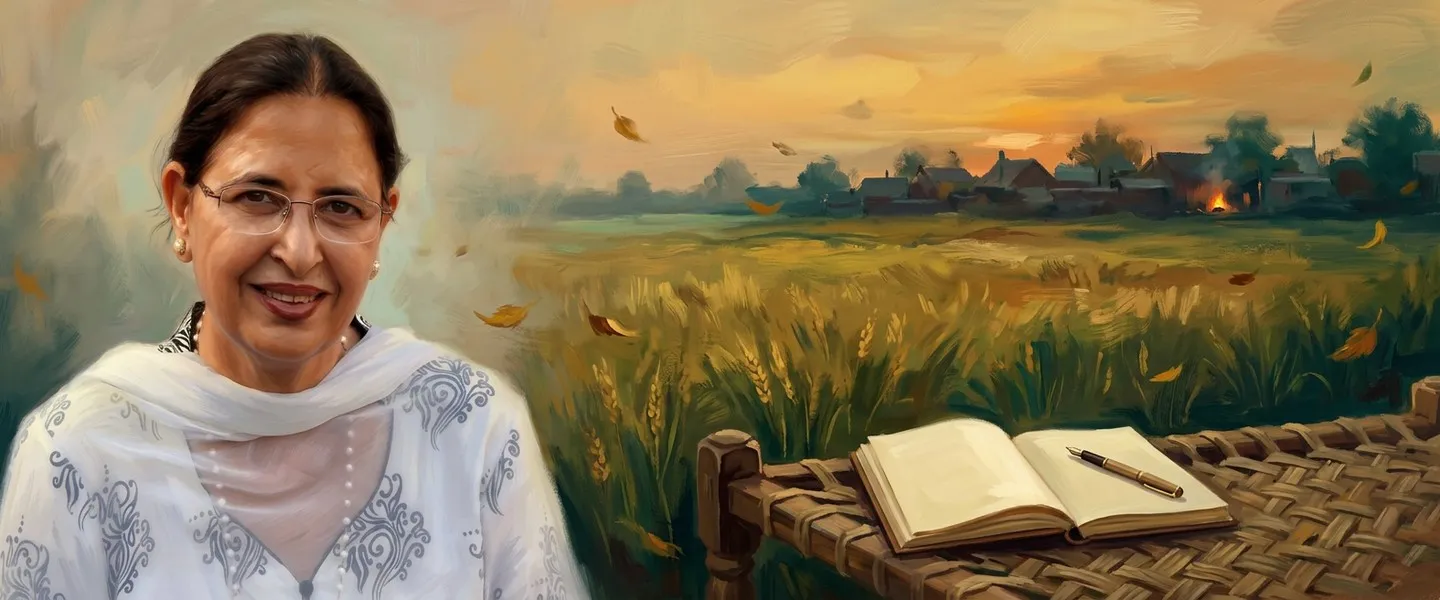


ਥਾਵਾਂ


ਹੋਰ ਲੇਖਕ ਅਤੇ ਕਵੀ
ਸਾਰੇ ਵੇਖੋ


ਸਰੋਤ (4)
ਜੁਗਤੀ ਮੁਫ਼ਤ ਅਤੇ ਸੁਤੰਤਰ ਹੈ। ਪਾਠਕਾਂ ਦਾ ਸਹਿਯੋਗ ਕੋਸ਼ ਨੂੰ ਵਧਾਉਂਦਾ ਹੈ।
ਸਹਿਯੋਗ