

Waris Shah (1722 to 1798) was a Punjabi Sufi poet of the Chishti order from Jandiala Sher Khan in Sheikhupura district. His Heer, completed at Malka Hans in 1766, is the classic retelling of Heer Ranjha and the defining text of the Punjabi qissa tradition.
- ਪੰਜਾਬੀ ਨਾਂ
- ਵਾਰਿਸ ਸ਼ਾਹ
- ਜਨਮ
- 1722, Jandiala Sher Khan, Sheikhupura district
- ਦੇਹਾਂਤ
- 1798
- Teacher
- Hafiz Ghulam Murtaza of Kasur
- Lived later
- Malka Hans, near Pakpattan, in a hujra beside the mosque now called Masjid Waris Shah
- ਪ੍ਰਸਿੱਧੀ
- Heer, completed 1766
All 8 facts
- Tradition
- Chishti Sufi poet, Punjabi qissa
- Tomb
- Jandiala Sher Khan, annual urs held there
Waris Shah (1722 to 1798) was a Punjabi Sufi poet of the Chishti order from Jandiala Sher Khan in Sheikhupura district, West Punjab. He is best known for Heer, his 1766 retelling of the tragic romance of Heer and Ranjha, the version that became the classic text of the Punjabi qissa tradition and is still sung and recited today.
Early life and education in Kasur
Waris Shah was born in 1722 at Jandiala Sher Khan, in Sheikhupura district, into a Sayyid family. His full name is given as Syed Mohammad Waris Shah, his father was Gulsher Shah and his mother Kamal Banu, and reference accounts say both parents died while he was young, leaving relatives to raise him.
As a boy he was sent to ਕਸੂਰ to study under Hafiz Ghulam Murtaza, the teacher he himself acknowledged as his ustad. In the poem he describes himself, in the closing stanzas, as a resident of Jandiala and a disciple of the teacher of Kasur. At Kasur he received a thorough grounding in Persian, Arabic and Islamic learning, the education that sits behind the ease with which his Punjabi moves between learned and village registers.
Tradition also links his teacher to an earlier generation of Punjabi poetry: the same Kasur teacher is said to have taught Bulleh Shah. Whether or not every detail of that lineage can be proved, it places Waris Shah inside a living Kasur tradition of Sufi letters rather than apart from it.
The Punjab he lived in
The Punjab of Waris Shah's youth was being pulled apart. The Mughal empire was in decline, Afghan forces under Ahmad Shah Abdali were invading, and Sikh armed groups were rising inside the province. Reference accounts note that Waris Shah was an eyewitness to Abdali's first invasion and to the Battle of Lahore in January 1748, after which Lahore came under Afghan control, and that he condemned the conduct of the Mughal commander Shah Nawaz during that battle.
The poem itself registers that disorder. In stanzas near its close, Waris Shah comments on a land where new rulers and armed bands had unsettled ordinary life. That setting matters for reading Heer: a love story that defies family, clan and clergy was written by a man watching every established authority around him weaken or turn predatory.
How was Heer written at Malka Hans?
It was written at Malka Hans, a town about twelve kilometres north of Pakpattan, where Waris Shah settled after completing his education. He lived there in a small room, a hujra, beside a historic mosque that is now called Masjid Waris Shah, and worked as a village prayer leader.
In the poem's own closing stanzas he gives the essentials himself: his friends asked him to make the love of Heer new again, he composed the poem at Malka Hans for them, and he dates its completion to 1766, given in the Hijri year 1180. That self record is why 1766 is treated as the poem's firm date, even though so much else about his life rests on tradition.
No manuscript in Waris Shah's own hand has ever been found. What survives are later copies, and that gap between the 1766 original and the surviving texts shapes everything scholars have had to do since, as the section below explains.
A story far older than Waris Shah
Waris Shah did not invent Heer and Ranjha. The tale, traditionally dated to the fifteenth century, is one of the four popular tragic romances of Punjab, alongside Mirza Sahiban, Sohni Mahiwal and Sassi Punnun. Shah Hussain and Bhai Gurdas had already alluded to it in the sixteenth century, and the earliest known Punjabi version was composed by Damodar Gulati in the early 1600s, in the reign of Akbar.
By Waris Shah's time there were already versions in Persian as well as Punjabi, and more than fifty Punjabi renditions besides his and Damodar's are known. His achievement was not the story but the telling. He stated that the romance carried a deeper meaning, the soul's unrelenting quest for God, and that Sufi reading is one reason the poem has been kept as devotion as well as entertainment, traditionally recited in raga bhairavi.
The plot he inherited runs from Takht Hazara, Ranjha's home village on the Chenab, to Heer's village in Jhang country. Ranjha, the youngest of four brothers, quarrels over land, leaves home, herds Heer's father's cattle, and loves Heer in secret for years. Her uncle Kaido exposes them, her family marries her to Saida Khera, and Ranjha becomes a jogi at Tilla Jogian before the lovers are reunited too late: Kaido poisons Heer's wedding food, and Ranjha eats the same poisoned food and dies beside her.
Craft, voice, and a text later hands kept adding to
What sets this ਹੀਰ apart is its voice. The poet repeatedly steps into his own narrative to comment, joke, mourn and address his own soul, so the poem works at once as a love story, a portrait of eighteenth century Punjabi rural life, and a spiritual allegory. Its descriptions of weddings, festivals, crafts, fields and rivers are a large part of why later readers have called it an encyclopedia of Punjab.
Keeping the poem's text clean proved harder than writing it. Later poets and publishers added verses of their own, and one scholarly estimate counts more than eleven thousand added verses in commonly available versions. The Academy of the Punjab in North America column on the poem's 250 years notes that scholars believe Waris Shah's own stanzas number roughly 625 to 635, while an early print edition of 1865 already carried 749.
Editors have spent lifetimes closing that gap. Sheikh Abdul Aziz worked for over thirty years, consulting twenty one handwritten manuscripts, for his 1960 edition. Sharif Sabir, working with the Waris Shah Memorial Committee, published an edited Heer in 1985 with meanings of difficult words and notes on the people and places in the poem. One of the oldest and most accurate copies, published by Kripa Ram in 1916, is held at the Punjab Public Library in Lahore.
Tomb, urs and legacy
Waris Shah died in 1798. His tomb stands at Jandiala Sher Khan, his birthplace town, and an urs, his death anniversary gathering, is held there every year, where singers perform his Heer. His life at Malka Hans is likewise remembered at the mosque that carries his name.
His standing needs no embellishment: he is routinely called the greatest of the classical Punjabi poets, and often the Shakespeare of the Punjabi language. The clearest measure of that standing came in 1947, when ਅੰਮ੍ਰਿਤਾ ਪ੍ਰੀਤਮ answered the violence of Partition by calling on Waris Shah to rise and speak, in her poem Ajj Aakhaan Waris Shah Nu. She chose him because, for Punjabis on both sides of the new border, his was the voice of the land's conscience.
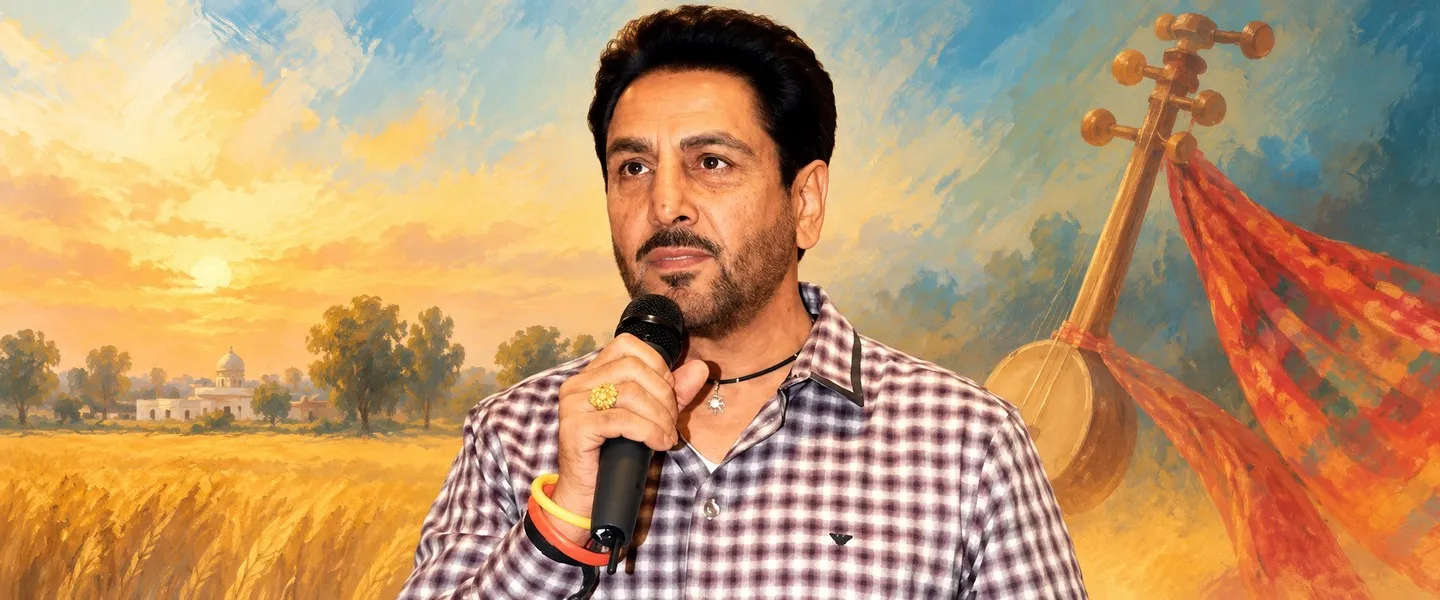
His life has also reached the screen repeatedly: a Pakistani film titled Waris Shah in 1964, the Indian film Sayyed Waris Shah in 1980, and Waris Shah: Ishq Daa Waaris in 2006, in which ਗੁਰਦਾਸ ਮਾਨ played the poet during the creation of Heer. Two and a half centuries after 1766, the poem is still printed, sung, filmed and staged, and no later version has displaced his.
ਵਾਰਿਸ ਸ਼ਾਹ (1722 ਤੋਂ 1798) ਸ਼ੇਖ਼ੂਪੁਰਾ ਜ਼ਿਲ੍ਹੇ ਦੇ ਜੰਡਿਆਲਾ ਸ਼ੇਰ ਖ਼ਾਨ ਤੋਂ ਚਿਸ਼ਤੀ ਸਿਲਸਿਲੇ ਦੇ ਪੰਜਾਬੀ ਸੂਫ਼ੀ ਕਵੀ ਸਨ। ਉਹ 'ਹੀਰ' ਲਈ ਸਭ ਤੋਂ ਵੱਧ ਜਾਣੇ ਜਾਂਦੇ ਹਨ, ਜੋ ਹੀਰ ਰਾਂਝੇ ਦੇ ਦੁਖਾਂਤਕ ਇਸ਼ਕ ਦੀ ਉਨ੍ਹਾਂ ਦੀ 1766 ਦੀ ਪੇਸ਼ਕਾਰੀ ਹੈ, ਉਹ ਰੂਪ ਜੋ ਪੰਜਾਬੀ ਕਿੱਸਾ ਪਰੰਪਰਾ ਦੀ ਸ਼ਾਸਤਰੀ ਲਿਖਤ ਬਣਿਆ ਅਤੇ ਅੱਜ ਵੀ ਗਾਇਆ ਤੇ ਪੜ੍ਹਿਆ ਜਾਂਦਾ ਹੈ।
ਮੁੱਢਲਾ ਜੀਵਨ ਅਤੇ ਕਸੂਰ ਵਿੱਚ ਪੜ੍ਹਾਈ
ਵਾਰਿਸ ਸ਼ਾਹ ਦਾ ਜਨਮ 1722 ਵਿੱਚ ਸ਼ੇਖ਼ੂਪੁਰਾ ਜ਼ਿਲ੍ਹੇ ਦੇ ਜੰਡਿਆਲਾ ਸ਼ੇਰ ਖ਼ਾਨ ਵਿੱਚ ਇੱਕ ਸੱਯਦ ਪਰਿਵਾਰ ਵਿੱਚ ਹੋਇਆ। ਉਨ੍ਹਾਂ ਦਾ ਪੂਰਾ ਨਾਂ ਸੱਯਦ ਮੁਹੰਮਦ ਵਾਰਿਸ ਸ਼ਾਹ ਦੱਸਿਆ ਜਾਂਦਾ ਹੈ, ਪਿਤਾ ਗੁਲਸ਼ੇਰ ਸ਼ਾਹ ਅਤੇ ਮਾਤਾ ਕਮਲ ਬਾਨੂ ਸਨ, ਅਤੇ ਹਵਾਲੇ ਦੱਸਦੇ ਹਨ ਕਿ ਦੋਵੇਂ ਮਾਪੇ ਉਨ੍ਹਾਂ ਦੇ ਬਚਪਨ ਵਿੱਚ ਹੀ ਗੁਜ਼ਰ ਗਏ, ਅਤੇ ਰਿਸ਼ਤੇਦਾਰਾਂ ਨੇ ਉਨ੍ਹਾਂ ਨੂੰ ਪਾਲਿਆ।
ਮੁੰਡੇ ਵਜੋਂ ਉਨ੍ਹਾਂ ਨੂੰ ਕਸੂਰ ਭੇਜਿਆ ਗਿਆ, ਹਾਫਿਜ਼ ਗ਼ੁਲਾਮ ਮੁਰਤਜ਼ਾ ਕੋਲ ਪੜ੍ਹਨ ਲਈ, ਜਿਨ੍ਹਾਂ ਨੂੰ ਉਹ ਖ਼ੁਦ ਆਪਣਾ ਉਸਤਾਦ ਮੰਨਦੇ ਸਨ। ਕਵਿਤਾ ਵਿੱਚ, ਇਸ ਦੇ ਅੰਤਲੇ ਬੰਦਾਂ ਵਿੱਚ, ਉਹ ਖ਼ੁਦ ਨੂੰ ਜੰਡਿਆਲੇ ਦਾ ਵਸਨੀਕ ਅਤੇ ਕਸੂਰ ਦੇ ਅਧਿਆਪਕ ਦਾ ਸ਼ਾਗਿਰਦ ਦੱਸਦੇ ਹਨ। ਕਸੂਰ ਵਿੱਚ ਉਨ੍ਹਾਂ ਨੇ ਫ਼ਾਰਸੀ, ਅਰਬੀ ਅਤੇ ਇਸਲਾਮੀ ਵਿਦਿਆ ਦੀ ਪੂਰੀ ਸਿੱਖਿਆ ਲਈ, ਉਹ ਪੜ੍ਹਾਈ ਜਿਸ ਦੇ ਪਿੱਛੇ ਉਨ੍ਹਾਂ ਦੀ ਪੰਜਾਬੀ ਵਿਦਵਤਾ ਅਤੇ ਪਿੰਡ ਦੀ ਬੋਲੀ ਵਿਚਕਾਰ ਸਹਿਜਤਾ ਨਾਲ ਘੁੰਮਦੀ ਹੈ।
ਪਰੰਪਰਾ ਉਨ੍ਹਾਂ ਦੇ ਅਧਿਆਪਕ ਨੂੰ ਪੰਜਾਬੀ ਕਵਿਤਾ ਦੀ ਪਹਿਲੀ ਪੀੜ੍ਹੀ ਨਾਲ ਵੀ ਜੋੜਦੀ ਹੈ: ਕਿਹਾ ਜਾਂਦਾ ਹੈ ਕਿ ਇਸੇ ਕਸੂਰ ਅਧਿਆਪਕ ਨੇ ਬੁੱਲ੍ਹੇ ਸ਼ਾਹ ਨੂੰ ਵੀ ਪੜ੍ਹਾਇਆ ਸੀ। ਇਸ ਵੰਸ਼ ਦਾ ਹਰ ਵੇਰਵਾ ਸਾਬਤ ਹੋਵੇ ਜਾਂ ਨਾ, ਇਹ ਵਾਰਿਸ ਸ਼ਾਹ ਨੂੰ ਕਸੂਰ ਦੀ ਜੀਵੰਤ ਸੂਫ਼ੀ ਸਾਹਿਤ ਪਰੰਪਰਾ ਦੇ ਅੰਦਰ ਰੱਖਦਾ ਹੈ, ਉਸ ਤੋਂ ਬਾਹਰ ਨਹੀਂ।
ਉਹ ਪੰਜਾਬ ਜਿਸ ਵਿੱਚ ਉਹ ਰਹੇ
ਵਾਰਿਸ ਸ਼ਾਹ ਦੀ ਜਵਾਨੀ ਦਾ ਪੰਜਾਬ ਟੁੱਟ ਰਿਹਾ ਸੀ। ਮੁਗ਼ਲ ਸਾਮਰਾਜ ਢਹਿ ਰਿਹਾ ਸੀ, ਅਹਿਮਦ ਸ਼ਾਹ ਅਬਦਾਲੀ ਹੇਠ ਅਫ਼ਗ਼ਾਨ ਫ਼ੌਜਾਂ ਹਮਲੇ ਕਰ ਰਹੀਆਂ ਸਨ, ਅਤੇ ਸੂਬੇ ਦੇ ਅੰਦਰ ਸਿੱਖ ਹਥਿਆਰਬੰਦ ਜਥੇ ਉੱਠ ਰਹੇ ਸਨ। ਹਵਾਲੇ ਦੱਸਦੇ ਹਨ ਕਿ ਵਾਰਿਸ ਸ਼ਾਹ ਅਬਦਾਲੀ ਦੇ ਪਹਿਲੇ ਹਮਲੇ ਅਤੇ ਜਨਵਰੀ 1748 ਵਿੱਚ ਲਾਹੌਰ ਦੀ ਲੜਾਈ ਦੇ ਚਸ਼ਮਦੀਦ ਸਨ, ਜਿਸ ਤੋਂ ਬਾਅਦ ਲਾਹੌਰ ਅਫ਼ਗ਼ਾਨ ਕਬਜ਼ੇ ਹੇਠ ਆ ਗਿਆ, ਅਤੇ ਉਨ੍ਹਾਂ ਨੇ ਉਸ ਲੜਾਈ ਦੌਰਾਨ ਮੁਗ਼ਲ ਸਰਦਾਰ ਸ਼ਾਹ ਨਵਾਜ਼ ਦੇ ਵਤੀਰੇ ਦੀ ਨਿੰਦਾ ਕੀਤੀ ਸੀ।
ਕਵਿਤਾ ਖ਼ੁਦ ਉਸ ਬੇਚੈਨੀ ਨੂੰ ਦਰਜ ਕਰਦੀ ਹੈ। ਇਸ ਦੇ ਅੰਤ ਕੋਲ ਬੰਦਾਂ ਵਿੱਚ ਵਾਰਿਸ ਸ਼ਾਹ ਉਸ ਧਰਤੀ ਤੇ ਟਿੱਪਣੀ ਕਰਦੇ ਹਨ ਜਿੱਥੇ ਨਵੇਂ ਹਾਕਮਾਂ ਅਤੇ ਹਥਿਆਰਬੰਦ ਜਥਿਆਂ ਨੇ ਆਮ ਜੀਵਨ ਨੂੰ ਅਸਥਿਰ ਕਰ ਦਿੱਤਾ ਸੀ। 'ਹੀਰ' ਨੂੰ ਪੜ੍ਹਨ ਲਈ ਇਹ ਪਿਛੋਕੜ ਮਹੱਤਵਪੂਰਨ ਹੈ: ਪਰਿਵਾਰ, ਬਰਾਦਰੀ ਅਤੇ ਮੁੱਲਾਂ ਨੂੰ ਚੁਣੌਤੀ ਦਿੰਦੀ ਪ੍ਰੇਮ ਕਹਾਣੀ ਉਸ ਆਦਮੀ ਨੇ ਲਿਖੀ ਜੋ ਆਪਣੇ ਦੁਆਲੇ ਹਰ ਕਾਇਮ ਅਥਾਰਟੀ ਨੂੰ ਕਮਜ਼ੋਰ ਹੁੰਦੇ ਜਾਂ ਸ਼ਿਕਾਰੀ ਬਣਦੇ ਵੇਖ ਰਿਹਾ ਸੀ।
'ਹੀਰ' ਮਲਕਾ ਹਾਂਸ ਵਿੱਚ ਕਿਵੇਂ ਲਿਖੀ ਗਈ?
ਇਹ ਮਲਕਾ ਹਾਂਸ ਵਿੱਚ ਲਿਖੀ ਗਈ, ਜੋ ਪਾਕਪਟਨ ਤੋਂ ਲਗਭਗ ਬਾਰਾਂ ਕਿਲੋਮੀਟਰ ਉੱਤਰ ਵੱਲ ਕਸਬਾ ਹੈ, ਜਿੱਥੇ ਵਾਰਿਸ ਸ਼ਾਹ ਆਪਣੀ ਪੜ੍ਹਾਈ ਪੂਰੀ ਕਰਕੇ ਜਾ ਵੱਸੇ। ਉੱਥੇ ਉਹ ਇੱਕ ਇਤਿਹਾਸਕ ਮਸਜਿਦ, ਜਿਸ ਨੂੰ ਹੁਣ ਮਸਜਿਦ ਵਾਰਿਸ ਸ਼ਾਹ ਕਿਹਾ ਜਾਂਦਾ ਹੈ, ਦੇ ਨਾਲ ਲੱਗਦੇ ਛੋਟੇ ਕਮਰੇ, ਹੁਜਰੇ, ਵਿੱਚ ਰਹੇ, ਅਤੇ ਪਿੰਡ ਦੇ ਨਮਾਜ਼ ਆਗੂ ਵਜੋਂ ਕੰਮ ਕੀਤਾ।
ਕਵਿਤਾ ਦੇ ਆਪਣੇ ਅੰਤਲੇ ਬੰਦਾਂ ਵਿੱਚ ਉਹ ਜ਼ਰੂਰੀ ਗੱਲਾਂ ਖ਼ੁਦ ਦਿੰਦੇ ਹਨ: ਉਨ੍ਹਾਂ ਦੇ ਦੋਸਤਾਂ ਨੇ ਉਨ੍ਹਾਂ ਨੂੰ ਕਿਹਾ ਕਿ ਹੀਰ ਦੇ ਇਸ਼ਕ ਨੂੰ ਨਵਾਂ ਬਣਾਓ, ਉਨ੍ਹਾਂ ਨੇ ਕਵਿਤਾ ਮਲਕਾ ਹਾਂਸ ਵਿੱਚ ਉਨ੍ਹਾਂ ਲਈ ਰਚੀ, ਅਤੇ ਉਹ ਇਸ ਦੇ ਪੂਰਾ ਹੋਣ ਦੀ ਤਾਰੀਖ਼ 1766 ਦਿੰਦੇ ਹਨ, ਹਿਜਰੀ ਸਾਲ 1180 ਵਿੱਚ। ਇਸ ਖ਼ੁਦ ਦਰਜ ਰਿਕਾਰਡ ਕਰਕੇ ਹੀ 1766 ਨੂੰ ਕਵਿਤਾ ਦੀ ਪੱਕੀ ਤਾਰੀਖ਼ ਮੰਨਿਆ ਜਾਂਦਾ ਹੈ, ਭਾਵੇਂ ਉਨ੍ਹਾਂ ਦੀ ਜ਼ਿੰਦਗੀ ਬਾਰੇ ਬਾਕੀ ਬਹੁਤ ਕੁਝ ਪਰੰਪਰਾ ਤੇ ਟਿਕਿਆ ਹੈ।
ਵਾਰਿਸ ਸ਼ਾਹ ਦੇ ਆਪਣੇ ਹੱਥ ਦੀ ਲਿਖੀ ਕੋਈ ਹੱਥ ਲਿਖਤ ਕਦੇ ਨਹੀਂ ਮਿਲੀ। ਜੋ ਬਚਿਆ ਹੈ ਉਹ ਬਾਅਦ ਦੀਆਂ ਨਕਲਾਂ ਹਨ, ਅਤੇ 1766 ਦੀ ਮੂਲ ਲਿਖਤ ਅਤੇ ਬਚੀਆਂ ਲਿਖਤਾਂ ਵਿਚਕਾਰਲਾ ਇਹ ਫ਼ਾਸਲਾ ਉਸ ਸਭ ਕੁਝ ਨੂੰ ਘੜਦਾ ਹੈ ਜੋ ਵਿਦਵਾਨਾਂ ਨੂੰ ਉਸ ਤੋਂ ਬਾਅਦ ਕਰਨਾ ਪਿਆ, ਜਿਵੇਂ ਅਗਲਾ ਭਾਗ ਦੱਸਦਾ ਹੈ।
ਵਾਰਿਸ ਸ਼ਾਹ ਤੋਂ ਕਿਤੇ ਪੁਰਾਣੀ ਕਹਾਣੀ
ਵਾਰਿਸ ਸ਼ਾਹ ਨੇ ਹੀਰ ਅਤੇ ਰਾਂਝੇ ਨੂੰ ਕੱਢਿਆ ਨਹੀਂ ਸੀ। ਇਹ ਕਥਾ, ਜੋ ਪਰੰਪਰਾ ਅਨੁਸਾਰ ਪੰਦਰਵੀਂ ਸਦੀ ਦੀ ਹੈ, ਪੰਜਾਬ ਦੇ ਚਾਰ ਮਸ਼ਹੂਰ ਦੁਖਾਂਤਕ ਰੁਮਾਂਸਾਂ ਵਿੱਚੋਂ ਇੱਕ ਹੈ, ਮਿਰਜ਼ਾ ਸਾਹਿਬਾਂ, ਸੋਹਣੀ ਮਾਹੀਵਾਲ ਅਤੇ ਸੱਸੀ ਪੁੰਨੂੰ ਦੇ ਨਾਲ। ਸ਼ਾਹ ਹੁਸੈਨ ਅਤੇ ਭਾਈ ਗੁਰਦਾਸ ਸੋਲਵੀਂ ਸਦੀ ਵਿੱਚ ਇਸ ਵੱਲ ਇਸ਼ਾਰਾ ਕਰ ਚੁੱਕੇ ਸਨ, ਅਤੇ ਸਭ ਤੋਂ ਪੁਰਾਣਾ ਜਾਣਿਆ ਪੰਜਾਬੀ ਰੂਪ ਦਮੋਦਰ ਗੁਲਾਟੀ ਨੇ 1600ਵਿਆਂ ਦੇ ਸ਼ੁਰੂ ਵਿੱਚ, ਅਕਬਰ ਦੇ ਰਾਜ ਵਿੱਚ, ਰਚਿਆ ਸੀ।
ਵਾਰਿਸ ਸ਼ਾਹ ਦੇ ਸਮੇਂ ਤਕ ਇਸ ਦੇ ਰੂਪ ਫ਼ਾਰਸੀ ਵਿੱਚ ਵੀ ਸਨ ਅਤੇ ਪੰਜਾਬੀ ਵਿੱਚ ਵੀ, ਅਤੇ ਉਨ੍ਹਾਂ ਦੇ ਅਤੇ ਦਮੋਦਰ ਦੇ ਤੋਂ ਇਲਾਵਾ ਪੰਜਾਬੀ ਵਿੱਚ ਪੰਜਾਹ ਤੋਂ ਵੱਧ ਪੇਸ਼ਕਾਰੀਆਂ ਜਾਣੀਆਂ ਜਾਂਦੀਆਂ ਹਨ। ਉਨ੍ਹਾਂ ਦੀ ਪ੍ਰਾਪਤੀ ਕਹਾਣੀ ਨਹੀਂ, ਕਹਿਣ ਦਾ ਢੰਗ ਸੀ। ਉਨ੍ਹਾਂ ਨੇ ਕਿਹਾ ਕਿ ਇਸ ਰੁਮਾਂਸ ਦਾ ਡੂੰਘਾ ਅਰਥ ਹੈ, ਰੱਬ ਵੱਲ ਆਤਮਾ ਦੀ ਅਣਥੱਕ ਖੋਜ, ਅਤੇ ਇਹ ਸੂਫ਼ੀ ਪਾਠ ਹੀ ਇੱਕ ਕਾਰਨ ਹੈ ਕਿ ਕਵਿਤਾ ਨੂੰ ਮਨੋਰੰਜਨ ਦੇ ਨਾਲ ਨਾਲ ਭਗਤੀ ਵਜੋਂ ਵੀ ਰੱਖਿਆ ਗਿਆ, ਪਰੰਪਰਾ ਅਨੁਸਾਰ ਰਾਗ ਭੈਰਵੀ ਵਿੱਚ ਗਾਈ ਜਾਂਦੀ।
ਉਨ੍ਹਾਂ ਨੂੰ ਵਿਰਸੇ ਵਿੱਚ ਮਿਲੀ ਕਹਾਣੀ ਚਨਾਬ ਕੰਢੇ ਰਾਂਝੇ ਦੇ ਘਰ ਪਿੰਡ ਟਖ਼ਤ ਹਜ਼ਾਰਾ ਤੋਂ ਝੰਗ ਇਲਾਕੇ ਵਿੱਚ ਹੀਰ ਦੇ ਪਿੰਡ ਤਕ ਜਾਂਦੀ ਹੈ। ਚਾਰ ਭਰਾਵਾਂ ਵਿੱਚੋਂ ਸਭ ਤੋਂ ਛੋਟਾ ਰਾਂਝਾ ਜ਼ਮੀਨ ਤੇ ਝਗੜਦਾ ਹੈ, ਘਰ ਛੱਡਦਾ ਹੈ, ਹੀਰ ਦੇ ਪਿਤਾ ਦੇ ਡੰਗਰ ਚਾਰਦਾ ਹੈ, ਅਤੇ ਸਾਲਾਂ ਤਕ ਹੀਰ ਨੂੰ ਲੁਕ ਛਿਪ ਕੇ ਪਿਆਰ ਕਰਦਾ ਹੈ। ਉਸ ਦਾ ਚਾਚਾ ਕੈਦੋ ਉਨ੍ਹਾਂ ਨੂੰ ਫੜਦਾ ਹੈ, ਪਰਿਵਾਰ ਉਸ ਦਾ ਵਿਆਹ ਸੈਦਾ ਖੇੜੇ ਨਾਲ ਕਰਦਾ ਹੈ, ਅਤੇ ਰਾਂਝਾ ਟਿੱਲਾ ਜੋਗੀਆਂ ਵਿੱਚ ਜੋਗੀ ਬਣ ਜਾਂਦਾ ਹੈ, ਫਿਰ ਪ੍ਰੇਮੀ ਬਹੁਤ ਦੇਰ ਹੋਣ ਤੇ ਮਿਲਦੇ ਹਨ: ਕੈਦੋ ਹੀਰ ਦੇ ਵਿਆਹ ਦੇ ਖਾਣੇ ਵਿੱਚ ਜ਼ਹਿਰ ਮਿਲਾਉਂਦਾ ਹੈ, ਅਤੇ ਰਾਂਝਾ ਉਹੀ ਜ਼ਹਿਰੀਲਾ ਖਾਣਾ ਖਾ ਕੇ ਉਸ ਦੇ ਨਾਲ ਹੀ ਮਰ ਜਾਂਦਾ ਹੈ।
ਸ਼ਿਲਪ, ਆਵਾਜ਼, ਅਤੇ ਉਹ ਲਿਖਤ ਜਿਸ ਵਿੱਚ ਬਾਅਦ ਦੇ ਹੱਥ ਜੋੜਦੇ ਰਹੇ
ਇਸ 'ਹੀਰ' ਨੂੰ ਵੱਖਰਾ ਕਰਨ ਵਾਲੀ ਇਸ ਦੀ ਆਵਾਜ਼ ਹੈ। ਕਵੀ ਵਾਰ ਵਾਰ ਆਪਣੀ ਕਹਾਣੀ ਵਿੱਚ ਦਾਖ਼ਲ ਹੁੰਦਾ ਹੈ, ਟਿੱਪਣੀ ਕਰਦਾ, ਮਜ਼ਾਕ ਕਰਦਾ, ਸੋਗ ਮਨਾਉਂਦਾ ਅਤੇ ਆਪਣੀ ਆਤਮਾ ਨੂੰ ਸੰਬੋਧਨ ਕਰਦਾ ਹੈ, ਇਸ ਲਈ ਕਵਿਤਾ ਇੱਕੋ ਸਮੇਂ ਪ੍ਰੇਮ ਕਹਾਣੀ, ਅਠਾਰਵੀਂ ਸਦੀ ਦੇ ਪੰਜਾਬੀ ਪੇਂਡੂ ਜੀਵਨ ਦੀ ਤਸਵੀਰ, ਅਤੇ ਅਧਿਆਤਮਕ ਰੂਪਕ ਵਜੋਂ ਕੰਮ ਕਰਦੀ ਹੈ। ਇਸ ਦੇ ਵਿਆਹਾਂ, ਤਿਉਹਾਰਾਂ, ਦਸਤਕਾਰੀਆਂ, ਖੇਤਾਂ ਅਤੇ ਦਰਿਆਵਾਂ ਦੇ ਵਰਣਨ ਵੱਡਾ ਕਾਰਨ ਹਨ ਕਿ ਬਾਅਦ ਦੇ ਪਾਠਕਾਂ ਨੇ ਇਸ ਨੂੰ ਪੰਜਾਬ ਦਾ ਵਿਸ਼ਵਕੋਸ਼ ਕਿਹਾ।
ਕਵਿਤਾ ਦੀ ਲਿਖਤ ਨੂੰ ਸਾਫ਼ ਰੱਖਣਾ ਇਸ ਨੂੰ ਲਿਖਣ ਨਾਲੋਂ ਔਖਾ ਸਾਬਤ ਹੋਇਆ। ਬਾਅਦ ਦੇ ਕਵੀਆਂ ਅਤੇ ਛਾਪਕਾਂ ਨੇ ਆਪਣੇ ਬੰਦ ਜੋੜੇ, ਅਤੇ ਇੱਕ ਵਿਦਵਤਾ ਅੰਦਾਜ਼ਾ ਆਮ ਮਿਲਦੇ ਰੂਪਾਂ ਵਿੱਚ ਗਿਆਰਾਂ ਹਜ਼ਾਰ ਤੋਂ ਵੱਧ ਜੋੜੇ ਬੰਦ ਗਿਣਦਾ ਹੈ। ਕਵਿਤਾ ਦੇ 250 ਸਾਲਾਂ ਤੇ ਅਕੈਡਮੀ ਆਫ਼ ਦ ਪੰਜਾਬ ਇਨ ਨੌਰਥ ਅਮਰੀਕਾ ਦਾ ਲੇਖ ਦੱਸਦਾ ਹੈ ਕਿ ਵਿਦਵਾਨ ਮੰਨਦੇ ਹਨ ਵਾਰਿਸ ਸ਼ਾਹ ਦੇ ਆਪਣੇ ਬੰਦ ਲਗਭਗ 625 ਤੋਂ 635 ਹਨ, ਜਦਕਿ 1865 ਦੇ ਮੁੱਢਲੇ ਛਪੇ ਰੂਪ ਵਿੱਚ ਹੀ 749 ਸਨ।
ਸੰਪਾਦਕਾਂ ਨੇ ਉਹ ਫ਼ਾਸਲਾ ਭਰਨ ਵਿੱਚ ਉਮਰਾਂ ਲਾਈਆਂ। ਸ਼ੇਖ਼ ਅਬਦੁਲ ਅਜ਼ੀਜ਼ ਨੇ ਆਪਣੇ 1960 ਦੇ ਸੰਸਕਰਨ ਲਈ ਤੀਹ ਸਾਲਾਂ ਤੋਂ ਵੱਧ ਕੰਮ ਕੀਤਾ, ਇੱਕੀ ਹੱਥ ਲਿਖਤਾਂ ਵੇਖੀਆਂ। ਸ਼ਰੀਫ਼ ਸਾਬਿਰ ਨੇ, ਵਾਰਿਸ ਸ਼ਾਹ ਯਾਦਗਾਰੀ ਕਮੇਟੀ ਨਾਲ ਕੰਮ ਕਰਦੇ ਹੋਏ, 1985 ਵਿੱਚ ਸੰਪਾਦਿਤ 'ਹੀਰ' ਛਾਪੀ, ਔਖੇ ਸ਼ਬਦਾਂ ਦੇ ਅਰਥਾਂ ਅਤੇ ਕਵਿਤਾ ਵਿੱਚ ਆਉਂਦੇ ਲੋਕਾਂ ਤੇ ਥਾਵਾਂ ਤੇ ਨੋਟਾਂ ਨਾਲ। ਸਭ ਤੋਂ ਪੁਰਾਣੀਆਂ ਅਤੇ ਸਭ ਤੋਂ ਸਹੀ ਨਕਲਾਂ ਵਿੱਚੋਂ ਇੱਕ, ਜੋ ਕ੍ਰਿਪਾ ਰਾਮ ਨੇ 1916 ਵਿੱਚ ਛਾਪੀ, ਪੰਜਾਬ ਪਬਲਿਕ ਲਾਇਬ੍ਰੇਰੀ, ਲਾਹੌਰ ਵਿੱਚ ਰੱਖੀ ਹੈ।
ਮਜ਼ਾਰ, ਉਰਸ ਅਤੇ ਵਿਰਾਸਤ
ਵਾਰਿਸ ਸ਼ਾਹ ਦੀ ਮੌਤ 1798 ਵਿੱਚ ਹੋਈ। ਉਨ੍ਹਾਂ ਦਾ ਮਜ਼ਾਰ ਉਨ੍ਹਾਂ ਦੇ ਜਨਮ ਕਸਬੇ ਜੰਡਿਆਲਾ ਸ਼ੇਰ ਖ਼ਾਨ ਵਿੱਚ ਹੈ, ਅਤੇ ਉੱਥੇ ਹਰ ਸਾਲ ਉਨ੍ਹਾਂ ਦਾ ਉਰਸ, ਬਰਸੀ ਦਾ ਮੇਲਾ, ਮਨਾਇਆ ਜਾਂਦਾ ਹੈ, ਜਿੱਥੇ ਗਾਇਕ ਉਨ੍ਹਾਂ ਦੀ 'ਹੀਰ' ਗਾਉਂਦੇ ਹਨ। ਮਲਕਾ ਹਾਂਸ ਵਿੱਚ ਉਨ੍ਹਾਂ ਦੇ ਜੀਵਨ ਨੂੰ ਉਸ ਮਸਜਿਦ ਵਿੱਚ ਵੀ ਯਾਦ ਕੀਤਾ ਜਾਂਦਾ ਹੈ ਜੋ ਉਨ੍ਹਾਂ ਦਾ ਨਾਂ ਰੱਖਦੀ ਹੈ।
ਉਨ੍ਹਾਂ ਦੀ ਥਾਂ ਨੂੰ ਕਿਸੇ ਵਧਾ ਚੜ੍ਹਾ ਦੀ ਲੋੜ ਨਹੀਂ: ਉਨ੍ਹਾਂ ਨੂੰ ਆਮ ਤੌਰ ਤੇ ਸ਼ਾਸਤਰੀ ਪੰਜਾਬੀ ਕਵੀਆਂ ਵਿੱਚੋਂ ਸਭ ਤੋਂ ਮਹਾਨ ਕਿਹਾ ਜਾਂਦਾ ਹੈ, ਅਤੇ ਅਕਸਰ ਪੰਜਾਬੀ ਭਾਸ਼ਾ ਦਾ ਸ਼ੇਕਸਪੀਅਰ। ਉਸ ਥਾਂ ਦਾ ਸਭ ਤੋਂ ਸਪੱਸ਼ਟ ਮਾਪ 1947 ਵਿੱਚ ਆਇਆ, ਜਦੋਂ ਅੰਮ੍ਰਿਤਾ ਪ੍ਰੀਤਮ ਨੇ ਵੰਡ ਦੀ ਹਿੰਸਾ ਦਾ ਜਵਾਬ ਵਾਰਿਸ ਸ਼ਾਹ ਨੂੰ ਉੱਠ ਕੇ ਬੋਲਣ ਲਈ ਆਖ ਕੇ ਦਿੱਤਾ, ਆਪਣੀ ਕਵਿਤਾ 'ਅੱਜ ਆਖਾਂ ਵਾਰਿਸ ਸ਼ਾਹ ਨੂੰ' ਵਿੱਚ। ਉਨ੍ਹਾਂ ਨੇ ਉਨ੍ਹਾਂ ਨੂੰ ਇਸ ਲਈ ਚੁਣਿਆ ਕਿਉਂਕਿ, ਨਵੀਂ ਸਰਹੱਦ ਦੇ ਦੋਵੇਂ ਪਾਸੇ ਪੰਜਾਬੀਆਂ ਲਈ, ਉਨ੍ਹਾਂ ਦੀ ਆਵਾਜ਼ ਧਰਤੀ ਦੀ ਜ਼ਮੀਰ ਦੀ ਆਵਾਜ਼ ਸੀ।
ਉਨ੍ਹਾਂ ਦਾ ਜੀਵਨ ਪਰਦੇ ਤੇ ਵੀ ਵਾਰ ਵਾਰ ਆਇਆ ਹੈ: 1964 ਵਿੱਚ ਪਾਕਿਸਤਾਨੀ ਫ਼ਿਲਮ 'ਵਾਰਿਸ ਸ਼ਾਹ', 1980 ਵਿੱਚ ਭਾਰਤੀ ਫ਼ਿਲਮ 'ਸੱਯਦ ਵਾਰਿਸ ਸ਼ਾਹ', ਅਤੇ 2006 ਵਿੱਚ 'ਵਾਰਿਸ ਸ਼ਾਹ: ਇਸ਼ਕ ਦਾ ਵਾਰਿਸ', ਜਿਸ ਵਿੱਚ ਗੁਰਦਾਸ ਮਾਨ ਨੇ 'ਹੀਰ' ਦੀ ਰਚਨਾ ਦੇ ਸਮੇਂ ਦੇ ਕਵੀ ਦਾ ਕਿਰਦਾਰ ਨਿਭਾਇਆ। 1766 ਤੋਂ ਢਾਈ ਸਦੀ ਬਾਅਦ, ਕਵਿਤਾ ਅੱਜ ਵੀ ਛਪਦੀ, ਗਾਈ ਜਾਂਦੀ, ਫ਼ਿਲਮਾਈ ਜਾਂਦੀ ਅਤੇ ਮੰਚ ਤੇ ਪੇਸ਼ ਹੁੰਦੀ ਹੈ, ਅਤੇ ਕੋਈ ਬਾਅਦ ਦਾ ਰੂਪ ਉਨ੍ਹਾਂ ਦੇ ਰੂਪ ਨੂੰ ਹਟਾ ਨਹੀਂ ਸਕਿਆ।
ਰਚਨਾਵਾਂ
ਲੋਕ




ਥਾਵਾਂ


ਹੋਰ ਲੇਖਕ ਅਤੇ ਕਵੀ
ਸਾਰੇ ਵੇਖੋ


ਸਰੋਤ (3)
ਜੁਗਤੀ ਮੁਫ਼ਤ ਅਤੇ ਸੁਤੰਤਰ ਹੈ। ਪਾਠਕਾਂ ਦਾ ਸਹਿਯੋਗ ਕੋਸ਼ ਨੂੰ ਵਧਾਉਂਦਾ ਹੈ।
ਸਹਿਯੋਗ