

Sant Singh Sekhon (1908 to 1997) was a Punjabi playwright, novelist and critic from Dakha near Ludhiana, widely called the father of modern Punjabi literary criticism. His novel Lahu Mitti and his Sahitya Akademi Award winning play Mittarpiara remain central works of twentieth century Punjabi literature.
ਜੀਵਨ ਇੱਕ ਨਜ਼ਰ ਵਿੱਚ
- 1908ਜਨਮ Lyallpur, British Punjab
- 1948ਪ੍ਰਸਿੱਧੀ ਲਹੂ ਮਿੱਟੀ
- 1965ਸਨਮਾਨ Shiromani Sahitkar
- 1971ਪ੍ਰਸਿੱਧੀ Mittarpiara
- 1972ਸਨਮਾਨ ਸਾਹਿਤ ਅਕਾਦਮੀ ਪੁਰਸਕਾਰ
- 1987ਸਨਮਾਨ Padma Shri
- 1997ਦੇਹਾਂਤ
- ਪੰਜਾਬੀ ਨਾਂ
- ਸੰਤ ਸਿੰਘ ਸੇਖੋਂ
- ਜਨਮ
- 1908, Lyallpur, British Punjab (now Pakistan)
- ਦੇਹਾਂਤ
- 1997
- Raised in
- Dakha village, near Ludhiana
- ਸਿੱਖਿਆ
- MA Economics, MA English
- ਲਿਖਣ ਦੀ ਭਾਸ਼ਾ
- Punjabi (also English, early in his career)
All 11 facts
- Drama
- Ten full-length plays and four one-act collections
- ਪ੍ਰਸਿੱਧੀ
- Lahu Mitti (1948), Mittarpiara (1971), Sahityarth
- ਸਨਮਾਨ
- Sahitya Akademi Award (1972), Padma Shri (1987), Shiromani Sahitkar (1965)
- Profession
- Lecturer and professor; Professor of Eminence, Punjabi University Patiala
- ਜ਼ਿਲ੍ਹਾ
- ਫ਼ੈਸਲਾਬਾਦ
ਮੁੱਢਲਾ ਜੀਵਨ
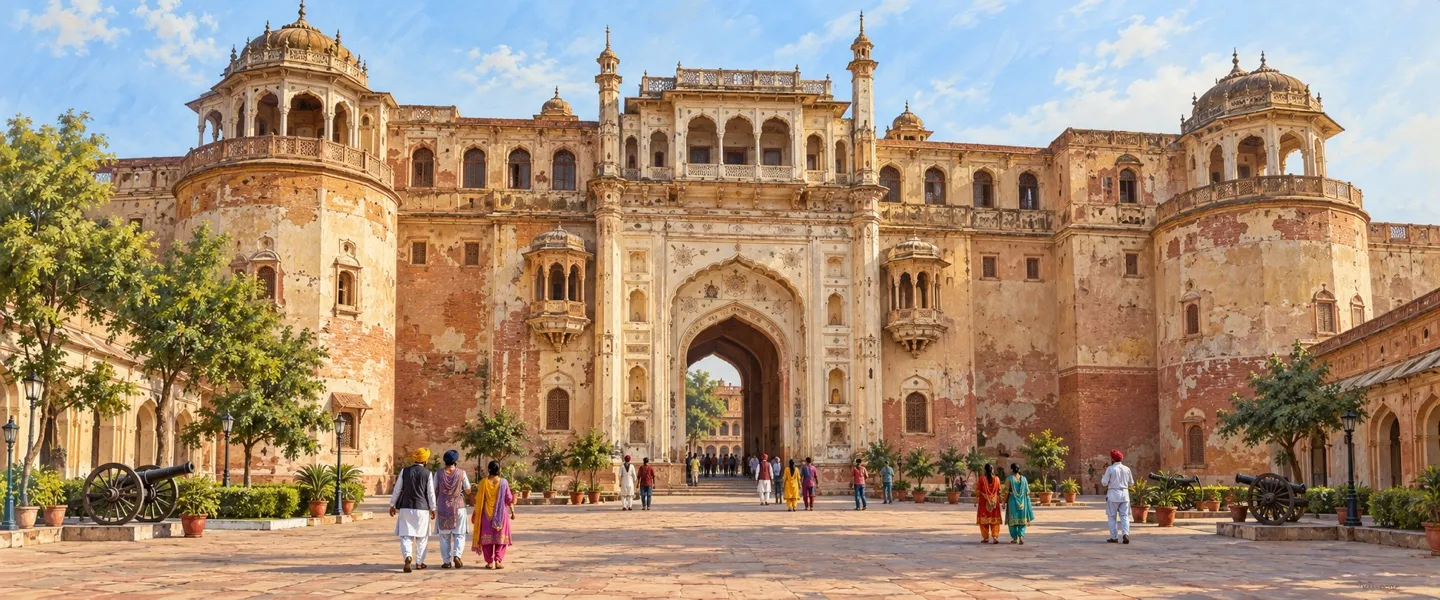
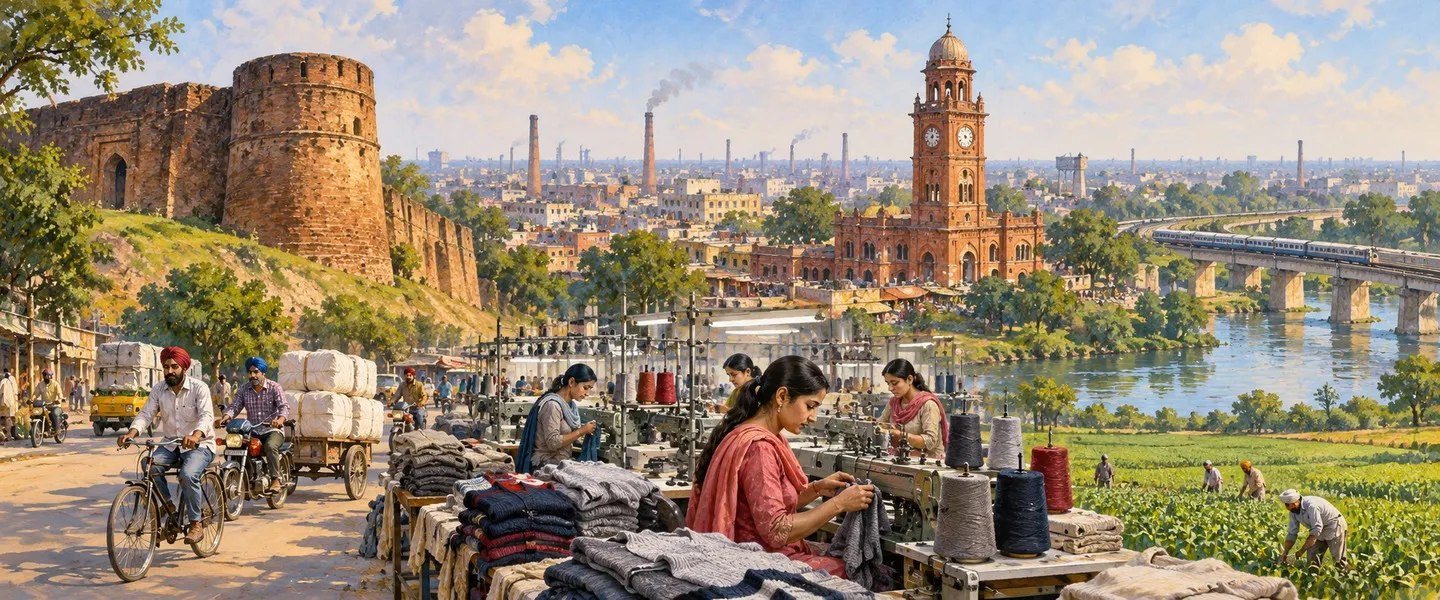
Sant Singh Sekhon was born in 1908 in Lyallpur, in the Punjab of British India, a city that today lies in Pakistan. He was raised mainly in Dakha, his father's village near Ludhiana in the Malwa belt, and the village world of fields, landlords and tenant farmers stayed with him for life: it became the ground on which nearly all his fiction stands. His father was a quiet idealist who kept his thoughts to himself. His mother was the practical one of the household, a devout Sikh shaped by the Singh Sabha reform movement. The friction between the two of them, remembered from childhood, returns again and again in his stories as a study of marriages under strain.
Sekhon studied to a high level at a time when few village boys did. He completed master's degrees in both Economics and English, and in 1931 he joined Khalsa College, Amritsar, as a lecturer. Teaching remained his profession for decades, with posts that included Gurusar Sudhar, Fatehgarh Sahib and Jandiala, and the classroom gave his writing its habits: clear argument, close reading, and a belief that literature should be judged by evidence rather than by reverence.
Why did Sant Singh Sekhon switch from English to Punjabi?
He began, in the 1930s, as an English-language poet, and some of his early poems appeared in shared publications alongside W. H. Auden and Stephen Spender. Like several South Asian writers of his generation, he taught English for a living. But the readers he most wanted to reach, the Punjabi-speaking farmers, teachers and students of his own countryside, could not read him in English. So he changed languages, and Punjabi gained the writer who would rebuild its criticism. His first Punjabi successes came in drama, and the switch also fixed his subjects: village life, marriage, faith and power, treated without sentimentality.
Plays: from Chhe Ghar to Mittarpiara
His first collection of one-act plays, Chhe Ghar (Six Homes, 1941), was a critical success. Its best known piece, Bhavi, builds a tragedy out of a tangled cross-relationship between a king and his son. More one-act collections followed: Tapia Kyon Khapia (1950), Natsunehe (1954) and Sundrepad (1956), along with the verse plays Wiaholi and Baba Bohar. In all, his drama runs to ten full-length plays and four collections of one-act plays, a body of work that helped move Punjabi theatre from verse romance toward modern prose drama.
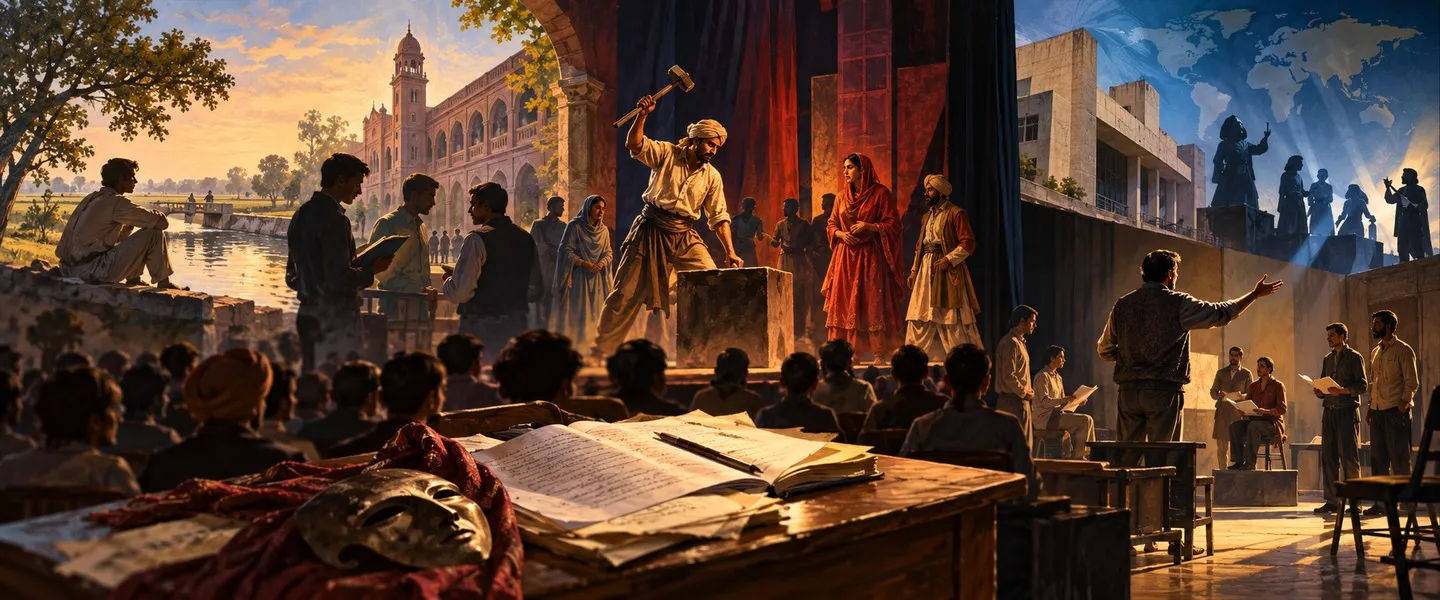
Among the full-length plays, Kalakar (Artist, 1945) and Nal-Damayanti (1960) take up the relationship between men and women, while Narki (Denizens of Hell, 1953) began life in English as Eve at Bay. A second group re-reads Sikh history: Moian Sar Na Kai and Bera Bandh Na Sakio, both from 1954, Waris (1955), which weaves a love story around the poet Waris Shah as Sikh power rises, Banda Bahadur (1985) and Vada Ghalughara (1986). Mittarpiara (Beloved Friend, 1971) is the most discussed of them all: it imagines Indian and Sikh patriots forming an ideological friendship with Lenin in a bid to free India from British rule, and it won him the Sahitya Akademi Award in 1972. Critics have noted that his plays, rich in ideas, often worked better on the page than on the stage, where their philosophical debates could slow the action.
Novels and short stories
Sekhon published two novels, a quarter century apart. Lahu Mitti (Blood and Soil, 1948) follows a poor peasant family in early twentieth-century Punjab and reads, in part, like a social survey of the village economy: debt, land hunger and dependence press on the characters from every side. Scholars of Punjabi literature have praised its realism while noting that its people sometimes serve the argument more than the story. Baba Asman (Grandfather Sky, 1973) turns to the Ghadar movement, following a poor peasant who migrates to America, meets racial discrimination there, and is drawn into the Ghadar Party's armed challenge to British rule. It is counted among the most important Punjabi novels on the Ghadar theme.
His five short story collections include the widely praised Tija Pahar. The stories return to the world he knew best: rural households, strained marriages, small ambitions and quiet defeats, observed with a sociologist's eye and a reformer's impatience. Many of the stories have been translated into other languages, which carried his version of the Punjabi village far beyond its own readership.
Criticism and the history of the Punjabi language
It is as a critic, above all, that Sekhon changed Punjabi letters. Before him, appreciation in Punjabi was largely a matter of praise and biography. In five books of criticism he argued for method: a work should be read against its society, its economics and its moment in history. Sahityarth sets out his theory of literature, while Punjabi Boli da Itihas, his history of the Punjabi language, was a pioneering attempt to trace how the language itself developed. He also wrote two volumes evaluating the history of Punjabi literature, and he translated poetry between Punjabi and English, including Sufi and Kissa verse, with long commentaries on romances such as Heer Ranjha and Mirza Sahiban. For this founding role he is called the father of modern Punjabi literary criticism, and in academic circles he is fondly known as Baba Bohar, the old oak tree.
Politics, honours and later life
Sekhon belonged to the generation formed by the Progressive Writers' Movement, and his Marxism was a matter of practice as well as print. He joined the Communist Party of India, though he later let his membership lapse, and he tested his politics at the ballot box four times, three times for the Punjab legislature and once for Parliament, without ever winning a seat. His convictions also cost him a job: in 1951 he left Khalsa College, Amritsar, after sharp ideological differences.
Honours came steadily in his later years. He was named Shiromani Sahitkar in 1965, won the Sahitya Akademi Award in 1972 for Mittarpiara, and received the Padma Shri in 1987. Punjabi University, Patiala, appointed him a Professor of Eminence, and after his death in 1997 the university established a chair in his name, so that the study of the literature he helped to modernise continues under his name.
Legacy
Sekhon's generation carried Punjabi writing across Partition and into independent India, and few of them left so complete a record: plays, novels, stories, poetry, criticism, literary history and translation. His limitation and his strength were the same habit of mind: he wanted every story to explain its society. When the explanation works, as in the best of the stories and in Mittarpiara, Punjabi literature gains a kind of writing it had not had before, fiction and drama that argue. Students still meet him first as a name in the history of criticism, but the plays and the two novels, rooted in Dakha's soil, are where his Punjab survives most vividly.
ਮੁੱਢਲਾ ਜੀਵਨ
ਸੰਤ ਸਿੰਘ ਸੇਖੋਂ ਦਾ ਜਨਮ 1908 ਵਿੱਚ ਬਰਤਾਨਵੀ ਪੰਜਾਬ ਦੇ ਸ਼ਹਿਰ ਲਾਇਲਪੁਰ ਵਿੱਚ ਹੋਇਆ, ਜੋ ਅੱਜ ਪਾਕਿਸਤਾਨ ਵਿੱਚ ਹੈ। ਉਹ ਮੁੱਖ ਤੌਰ ਉੱਤੇ ਲੁਧਿਆਣੇ ਨੇੜੇ ਮਾਲਵੇ ਦੇ ਪਿੰਡ ਦਾਖਾ ਵਿੱਚ ਵੱਡਾ ਹੋਇਆ, ਜੋ ਉਸ ਦੇ ਪਿਤਾ ਦਾ ਪਿੰਡ ਸੀ, ਅਤੇ ਖੇਤਾਂ, ਜ਼ਿਮੀਦਾਰਾਂ ਅਤੇ ਮੁਜ਼ਾਰਿਆਂ ਦੀ ਉਹ ਪੇਂਡੂ ਦੁਨੀਆ ਉਮਰ ਭਰ ਉਸ ਦੇ ਨਾਲ ਰਹੀ। ਉਸ ਦੀਆਂ ਲਗਭਗ ਸਾਰੀਆਂ ਕਹਾਣੀਆਂ ਅਤੇ ਨਾਵਲ ਇਸੇ ਮਿੱਟੀ ਵਿੱਚੋਂ ਉੱਗੇ ਹਨ। ਉਸ ਦਾ ਪਿਤਾ ਸ਼ਾਂਤ ਸੁਭਾਅ ਦਾ ਆਦਰਸ਼ਵਾਦੀ ਸੀ, ਜਦਕਿ ਮਾਂ ਵਿਹਾਰਕ ਅਤੇ ਸਿੰਘ ਸਭਾ ਲਹਿਰ ਤੋਂ ਪ੍ਰਭਾਵਿਤ ਧਾਰਮਿਕ ਔਰਤ ਸੀ। ਦੋਹਾਂ ਵਿਚਾਲੇ ਰਹਿੰਦੀ ਖਟਪਟ ਉਸ ਦੀਆਂ ਕਈ ਕਹਾਣੀਆਂ ਵਿੱਚ ਵਿਆਹੁਤਾ ਤਣਾਅ ਦੇ ਰੂਪ ਵਿੱਚ ਵਾਰ ਵਾਰ ਆਉਂਦੀ ਹੈ।
ਸੇਖੋਂ ਨੇ ਉੱਚੀ ਪੜ੍ਹਾਈ ਕੀਤੀ, ਜੋ ਉਸ ਸਮੇਂ ਪਿੰਡਾਂ ਦੇ ਮੁੰਡਿਆਂ ਲਈ ਆਮ ਗੱਲ ਨਹੀਂ ਸੀ। ਉਸ ਨੇ ਅਰਥ ਸ਼ਾਸਤਰ ਅਤੇ ਅੰਗਰੇਜ਼ੀ, ਦੋਹਾਂ ਵਿਸ਼ਿਆਂ ਵਿੱਚ ਐਮ.ਏ. ਕੀਤੀ ਅਤੇ 1931 ਵਿੱਚ ਖ਼ਾਲਸਾ ਕਾਲਜ, ਅੰਮ੍ਰਿਤਸਰ ਵਿੱਚ ਲੈਕਚਰਾਰ ਲੱਗ ਗਿਆ। ਅਧਿਆਪਨ ਉਸ ਦਾ ਪੇਸ਼ਾ ਦਹਾਕਿਆਂ ਤੱਕ ਰਿਹਾ, ਜਿਸ ਵਿੱਚ ਗੁਰੂਸਰ ਸੁਧਾਰ, ਫ਼ਤਹਿਗੜ੍ਹ ਸਾਹਿਬ ਅਤੇ ਜੰਡਿਆਲਾ ਦੀਆਂ ਨੌਕਰੀਆਂ ਵੀ ਸ਼ਾਮਲ ਸਨ। ਕਲਾਸਰੂਮ ਨੇ ਉਸ ਦੀ ਲੇਖਣੀ ਨੂੰ ਸਪਸ਼ਟ ਦਲੀਲ, ਬਰੀਕ ਪੜ੍ਹਤ ਅਤੇ ਇਹ ਵਿਸ਼ਵਾਸ ਦਿੱਤਾ ਕਿ ਸਾਹਿਤ ਨੂੰ ਸ਼ਰਧਾ ਨਾਲ ਨਹੀਂ, ਸਬੂਤ ਨਾਲ ਪਰਖਣਾ ਚਾਹੀਦਾ ਹੈ।
ਸੰਤ ਸਿੰਘ ਸੇਖੋਂ ਅੰਗਰੇਜ਼ੀ ਛੱਡ ਕੇ ਪੰਜਾਬੀ ਵਿੱਚ ਕਿਉਂ ਲਿਖਣ ਲੱਗਿਆ?
1930 ਦੇ ਦਹਾਕੇ ਵਿੱਚ ਉਸ ਨੇ ਅੰਗਰੇਜ਼ੀ ਕਵੀ ਵਜੋਂ ਸ਼ੁਰੂਆਤ ਕੀਤੀ, ਅਤੇ ਉਸ ਦੀਆਂ ਕੁਝ ਸ਼ੁਰੂਆਤੀ ਕਵਿਤਾਵਾਂ ਡਬਲਿਊ. ਐੱਚ. ਆਡਨ ਅਤੇ ਸਟੀਫ਼ਨ ਸਪੈਂਡਰ ਨਾਲ ਸਾਂਝੇ ਸੰਗ੍ਰਹਿਆਂ ਵਿੱਚ ਵੀ ਛਪੀਆਂ। ਆਪਣੀ ਪੀੜ੍ਹੀ ਦੇ ਕਈ ਦੱਖਣੀ ਏਸ਼ੀਆਈ ਲੇਖਕਾਂ ਵਾਂਗ ਉਹ ਰੋਜ਼ੀ ਰੋਟੀ ਲਈ ਅੰਗਰੇਜ਼ੀ ਪੜ੍ਹਾਉਂਦਾ ਸੀ। ਪਰ ਜਿਨ੍ਹਾਂ ਪਾਠਕਾਂ ਤੱਕ ਉਹ ਸਭ ਤੋਂ ਵੱਧ ਪਹੁੰਚਣਾ ਚਾਹੁੰਦਾ ਸੀ, ਆਪਣੇ ਇਲਾਕੇ ਦੇ ਪੰਜਾਬੀ ਬੋਲਦੇ ਕਿਸਾਨ, ਅਧਿਆਪਕ ਅਤੇ ਵਿਦਿਆਰਥੀ, ਉਹ ਉਸ ਨੂੰ ਅੰਗਰੇਜ਼ੀ ਵਿੱਚ ਨਹੀਂ ਪੜ੍ਹ ਸਕਦੇ ਸਨ। ਇਸ ਲਈ ਉਸ ਨੇ ਭਾਸ਼ਾ ਬਦਲ ਲਈ, ਅਤੇ ਪੰਜਾਬੀ ਨੂੰ ਉਹ ਲੇਖਕ ਮਿਲ ਗਿਆ ਜਿਸ ਨੇ ਇਸ ਦੀ ਆਲੋਚਨਾ ਨੂੰ ਨਵੀਂ ਨੀਂਹ ਦਿੱਤੀ। ਪੰਜਾਬੀ ਵਿੱਚ ਉਸ ਦੀ ਪਹਿਲੀ ਵੱਡੀ ਸਫ਼ਲਤਾ ਨਾਟਕ ਵਿੱਚ ਮਿਲੀ, ਅਤੇ ਉਸ ਦੇ ਵਿਸ਼ੇ ਵੀ ਤੈਅ ਹੋ ਗਏ: ਪੇਂਡੂ ਜੀਵਨ, ਵਿਆਹ, ਧਰਮ ਅਤੇ ਸੱਤਾ, ਬਿਨਾਂ ਕਿਸੇ ਭਾਵੁਕਤਾ ਦੇ।
ਨਾਟਕ: ਛੇ ਘਰ ਤੋਂ ਮਿੱਤਰਪਿਆਰਾ ਤੱਕ
ਇਕਾਂਗੀ ਨਾਟਕਾਂ ਦਾ ਉਸ ਦਾ ਪਹਿਲਾ ਸੰਗ੍ਰਹਿ ਛੇ ਘਰ (1941) ਆਲੋਚਕਾਂ ਨੂੰ ਬਹੁਤ ਪਸੰਦ ਆਇਆ। ਇਸ ਦਾ ਸਭ ਤੋਂ ਜਾਣਿਆ ਟੁਕੜਾ ਭਵੀ ਹੈ, ਜੋ ਰਾਜੇ ਅਤੇ ਉਸ ਦੇ ਪੁੱਤਰ ਦੇ ਉਲਝੇ ਹੋਏ ਰਿਸ਼ਤੇ ਉੱਤੇ ਬਣੀ ਦੁਖਾਂਤਕ ਰਚਨਾ ਹੈ। ਹੋਰ ਇਕਾਂਗੀ ਸੰਗ੍ਰਹਿ ਆਏ: ਤਪੀਆ ਕਿਉਂ ਖਪਿਆ (1950), ਨਾਟਸੁਨੇਹੇ (1954) ਅਤੇ ਸੁੰਦਰੇਪਦ (1956), ਨਾਲ ਹੀ ਕਾਵਿ ਨਾਟਕ ਵਿਆਹੋਲੀ ਅਤੇ ਬਾਬਾ ਬੋਹੜ। ਕੁੱਲ ਮਿਲਾ ਕੇ ਉਸ ਦੇ ਨਾਟਕਾਂ ਵਿੱਚ ਦਸ ਪੂਰੇ ਨਾਟਕ ਅਤੇ ਚਾਰ ਇਕਾਂਗੀ ਸੰਗ੍ਰਹਿ ਹਨ, ਜਿਨ੍ਹਾਂ ਨੇ ਪੰਜਾਬੀ ਰੰਗਮੰਚ ਨੂੰ ਕਾਵਿ ਰੋਮਾਂਸ ਤੋਂ ਆਧੁਨਿਕ ਗੱਦ ਨਾਟਕ ਵੱਲ ਲਿਜਾਣ ਵਿੱਚ ਮਦਦ ਕੀਤੀ।
ਪੂਰੇ ਨਾਟਕਾਂ ਵਿੱਚ ਕਲਾਕਾਰ (1945) ਅਤੇ ਨਲ ਦਮਯੰਤੀ (1960) ਔਰਤ ਮਰਦ ਦੇ ਰਿਸ਼ਤੇ ਨੂੰ ਲੈਂਦੇ ਹਨ, ਜਦਕਿ ਨਰਕੀ (1953) ਪਹਿਲਾਂ ਅੰਗਰੇਜ਼ੀ ਵਿੱਚ ਈਵ ਐਟ ਬੇ ਨਾਂ ਨਾਲ ਲਿਖਿਆ ਗਿਆ ਸੀ। ਦੂਜਾ ਸਮੂਹ ਸਿੱਖ ਇਤਿਹਾਸ ਨੂੰ ਨਵੇਂ ਸਿਰਿਓਂ ਪੜ੍ਹਦਾ ਹੈ: ਮੋਇਆਂ ਸਾਰ ਨਾ ਕਾਈ ਅਤੇ ਬੇੜਾ ਬੰਧ ਨਾ ਸਕਿਓ (ਦੋਵੇਂ 1954), ਵਾਰਿਸ (1955) ਜੋ ਸਿੱਖ ਸੱਤਾ ਦੇ ਉਭਾਰ ਦੇ ਪਿਛੋਕੜ ਵਿੱਚ ਕਵੀ ਵਾਰਿਸ ਸ਼ਾਹ ਦੁਆਲੇ ਪ੍ਰੇਮ ਕਹਾਣੀ ਬੁਣਦਾ ਹੈ, ਬੰਦਾ ਬਹਾਦਰ (1985) ਅਤੇ ਵੱਡਾ ਘੱਲੂਘਾਰਾ (1986)। ਮਿੱਤਰਪਿਆਰਾ (1971) ਸਭ ਤੋਂ ਵੱਧ ਚਰਚਿਤ ਨਾਟਕ ਹੈ: ਇਸ ਵਿੱਚ ਭਾਰਤੀ ਅਤੇ ਸਿੱਖ ਦੇਸ਼ਭਗਤ ਲੈਨਿਨ ਨਾਲ ਵਿਚਾਰਧਾਰਕ ਸਾਂਝ ਬਣਾ ਕੇ ਭਾਰਤ ਨੂੰ ਅੰਗਰੇਜ਼ਾਂ ਤੋਂ ਅਜ਼ਾਦ ਕਰਾਉਣ ਦੀ ਕਲਪਨਾ ਕੀਤੀ ਗਈ ਹੈ, ਅਤੇ ਇਸੇ ਨਾਟਕ ਲਈ ਉਸ ਨੂੰ 1972 ਵਿੱਚ ਸਾਹਿਤ ਅਕਾਦਮੀ ਪੁਰਸਕਾਰ ਮਿਲਿਆ। ਆਲੋਚਕ ਮੰਨਦੇ ਹਨ ਕਿ ਵਿਚਾਰਾਂ ਨਾਲ ਭਰੇ ਉਸ ਦੇ ਨਾਟਕ ਮੰਚ ਨਾਲੋਂ ਕਾਗਜ਼ ਉੱਤੇ ਵੱਧ ਸਫ਼ਲ ਰਹੇ।
ਨਾਵਲ ਅਤੇ ਕਹਾਣੀਆਂ
ਸੇਖੋਂ ਦੇ ਦੋ ਨਾਵਲ ਛਪੇ, ਪੱਚੀ ਸਾਲ ਦੇ ਫ਼ਾਸਲੇ ਨਾਲ। ਲਹੂ ਮਿੱਟੀ (1948) ਵੀਹਵੀਂ ਸਦੀ ਦੇ ਸ਼ੁਰੂ ਦੇ ਪੰਜਾਬ ਵਿੱਚ ਇੱਕ ਗਰੀਬ ਕਿਸਾਨ ਪਰਿਵਾਰ ਦੀ ਕਹਾਣੀ ਹੈ ਅਤੇ ਕਈ ਥਾਵਾਂ ਉੱਤੇ ਪੇਂਡੂ ਅਰਥ ਵਿਵਸਥਾ ਦਾ ਸਮਾਜਿਕ ਸਰਵੇਖਣ ਲੱਗਦਾ ਹੈ: ਕਰਜ਼ਾ, ਭੁੱਖ ਅਤੇ ਨਿਰਭਰਤਾ ਹਰ ਪਾਸਿਓਂ ਪਾਤਰਾਂ ਨੂੰ ਦਬਾਉਂਦੇ ਹਨ। ਵਿਦਵਾਨਾਂ ਨੇ ਇਸ ਦੇ ਯਥਾਰਥਵਾਦ ਦੀ ਸ਼ਲਾਘਾ ਕੀਤੀ ਹੈ, ਨਾਲ ਇਹ ਵੀ ਕਿਹਾ ਹੈ ਕਿ ਕਈ ਵਾਰ ਪਾਤਰ ਕਹਾਣੀ ਨਾਲੋਂ ਦਲੀਲ ਦੀ ਸੇਵਾ ਵੱਧ ਕਰਦੇ ਹਨ। ਬਾਬਾ ਆਸਮਾਨ (1973) ਗ਼ਦਰ ਲਹਿਰ ਵੱਲ ਮੁੜਦਾ ਹੈ: ਇੱਕ ਗਰੀਬ ਕਿਸਾਨ ਅਮਰੀਕਾ ਜਾਂਦਾ ਹੈ, ਉੱਥੇ ਨਸਲੀ ਵਿਤਕਰੇ ਦਾ ਸਾਹਮਣਾ ਕਰਦਾ ਹੈ ਅਤੇ ਗ਼ਦਰ ਪਾਰਟੀ ਨਾਲ ਜੁੜ ਜਾਂਦਾ ਹੈ। ਇਹ ਗ਼ਦਰ ਵਿਸ਼ੇ ਉੱਤੇ ਸਭ ਤੋਂ ਮਹੱਤਵਪੂਰਨ ਪੰਜਾਬੀ ਨਾਵਲਾਂ ਵਿੱਚ ਗਿਣਿਆ ਜਾਂਦਾ ਹੈ।
ਉਸ ਦੇ ਪੰਜ ਕਹਾਣੀ ਸੰਗ੍ਰਹਿ ਹਨ, ਜਿਨ੍ਹਾਂ ਵਿੱਚ ਤੀਜਾ ਪਹਰ ਬਹੁਤ ਸਲਾਹਿਆ ਗਿਆ। ਕਹਾਣੀਆਂ ਉਸੇ ਦੁਨੀਆ ਵਿੱਚ ਘੁੰਮਦੀਆਂ ਹਨ ਜਿਸ ਨੂੰ ਉਹ ਸਭ ਤੋਂ ਚੰਗੀ ਤਰ੍ਹਾਂ ਜਾਣਦਾ ਸੀ: ਪੇਂਡੂ ਘਰ, ਤਣਾਅ ਭਰੇ ਵਿਆਹ, ਛੋਟੀਆਂ ਖ਼ਾਹਿਸ਼ਾਂ ਅਤੇ ਖ਼ਾਮੋਸ਼ ਹਾਰਾਂ। ਕਈ ਕਹਾਣੀਆਂ ਹੋਰ ਭਾਸ਼ਾਵਾਂ ਵਿੱਚ ਅਨੁਵਾਦ ਹੋਈਆਂ, ਜਿਸ ਨਾਲ ਉਸ ਦਾ ਪੰਜਾਬੀ ਪਿੰਡ ਆਪਣੇ ਪਾਠਕਾਂ ਤੋਂ ਕਿਤੇ ਅੱਗੇ ਪਹੁੰਚਿਆ।
ਆਲੋਚਨਾ ਅਤੇ ਪੰਜਾਬੀ ਭਾਸ਼ਾ ਦਾ ਇਤਿਹਾਸ
ਆਲੋਚਕ ਵਜੋਂ ਸੇਖੋਂ ਨੇ ਪੰਜਾਬੀ ਸਾਹਿਤ ਨੂੰ ਸਭ ਤੋਂ ਵੱਧ ਬਦਲਿਆ। ਉਸ ਤੋਂ ਪਹਿਲਾਂ ਪੰਜਾਬੀ ਵਿੱਚ ਸਾਹਿਤਕ ਪਰਖ ਜ਼ਿਆਦਾਤਰ ਸਿਫ਼ਤ ਅਤੇ ਜੀਵਨੀ ਤੱਕ ਸੀਮਤ ਸੀ। ਆਲੋਚਨਾ ਦੀਆਂ ਪੰਜ ਕਿਤਾਬਾਂ ਵਿੱਚ ਉਸ ਨੇ ਤਰੀਕੇ ਦੀ ਦਲੀਲ ਦਿੱਤੀ: ਰਚਨਾ ਨੂੰ ਉਸ ਦੇ ਸਮਾਜ, ਉਸ ਦੀ ਅਰਥ ਵਿਵਸਥਾ ਅਤੇ ਉਸ ਦੇ ਸਮੇਂ ਦੇ ਪਿਛੋਕੜ ਵਿੱਚ ਪੜ੍ਹਿਆ ਜਾਵੇ। ਸਾਹਿਤਅਰਥ ਵਿੱਚ ਉਸ ਦਾ ਸਾਹਿਤ ਸਿਧਾਂਤ ਹੈ, ਜਦਕਿ ਪੰਜਾਬੀ ਬੋਲੀ ਦਾ ਇਤਿਹਾਸ ਭਾਸ਼ਾ ਦੇ ਵਿਕਾਸ ਨੂੰ ਖੋਜਣ ਦੀ ਪਹਿਲੀ ਵੱਡੀ ਕੋਸ਼ਿਸ਼ ਸੀ। ਉਸ ਨੇ ਪੰਜਾਬੀ ਸਾਹਿਤ ਦੇ ਇਤਿਹਾਸ ਉੱਤੇ ਦੋ ਜਿਲਦਾਂ ਵੀ ਲਿਖੀਆਂ ਅਤੇ ਸੂਫ਼ੀ ਤੇ ਕਿੱਸਾ ਕਾਵਿ ਸਮੇਤ ਪੰਜਾਬੀ ਤੋਂ ਅੰਗਰੇਜ਼ੀ ਅਤੇ ਅੰਗਰੇਜ਼ੀ ਤੋਂ ਪੰਜਾਬੀ ਅਨੁਵਾਦ ਕੀਤੇ। ਇਸੇ ਮੁੱਢਲੀ ਭੂਮਿਕਾ ਕਰਕੇ ਉਸ ਨੂੰ ਆਧੁਨਿਕ ਪੰਜਾਬੀ ਆਲੋਚਨਾ ਦਾ ਪਿਤਾ ਕਿਹਾ ਜਾਂਦਾ ਹੈ, ਅਤੇ ਵਿਦਵਾਨ ਜਗਤ ਵਿੱਚ ਉਹ ਬਾਬਾ ਬੋਹੜ ਨਾਂ ਨਾਲ ਜਾਣਿਆ ਜਾਂਦਾ ਹੈ।
ਸਿਆਸਤ, ਸਨਮਾਨ ਅਤੇ ਮਗਰਲਾ ਜੀਵਨ
ਸੇਖੋਂ ਪ੍ਰਗਤੀਵਾਦੀ ਲੇਖਕ ਲਹਿਰ ਤੋਂ ਬਣੀ ਪੀੜ੍ਹੀ ਨਾਲ ਸਬੰਧਤ ਸੀ, ਅਤੇ ਉਸ ਦਾ ਮਾਰਕਸਵਾਦ ਕਿਤਾਬਾਂ ਤੱਕ ਸੀਮਤ ਨਹੀਂ ਸੀ। ਉਹ ਭਾਰਤੀ ਕਮਿਊਨਿਸਟ ਪਾਰਟੀ ਵਿੱਚ ਸ਼ਾਮਲ ਹੋਇਆ, ਹਾਲਾਂਕਿ ਮਗਰੋਂ ਉਸ ਦੀ ਮੈਂਬਰੀ ਖ਼ਤਮ ਹੋ ਗਈ, ਅਤੇ ਉਸ ਨੇ ਚਾਰ ਵਾਰ ਚੋਣਾਂ ਲੜੀਆਂ, ਤਿੰਨ ਵਾਰ ਪੰਜਾਬ ਵਿਧਾਨ ਸਭਾ ਲਈ ਅਤੇ ਇੱਕ ਵਾਰ ਸੰਸਦ ਲਈ, ਪਰ ਕਦੇ ਜਿੱਤ ਨਾ ਸਕਿਆ। ਵਿਚਾਰਾਂ ਦੀ ਕੀਮਤ ਉਸ ਨੂੰ ਨੌਕਰੀ ਨਾਲ ਵੀ ਚੁਕਾਉਣੀ ਪਈ: 1951 ਵਿੱਚ ਤਿੱਖੇ ਵਿਚਾਰਧਾਰਕ ਮਤਭੇਦਾਂ ਕਰਕੇ ਉਸ ਨੇ ਖ਼ਾਲਸਾ ਕਾਲਜ, ਅੰਮ੍ਰਿਤਸਰ ਛੱਡ ਦਿੱਤਾ।
ਮਗਰਲੇ ਸਾਲਾਂ ਵਿੱਚ ਸਨਮਾਨ ਲਗਾਤਾਰ ਮਿਲੇ। 1965 ਵਿੱਚ ਉਸ ਨੂੰ ਸ਼੍ਰੋਮਣੀ ਸਾਹਿਤਕਾਰ ਘੋਸ਼ਿਤ ਕੀਤਾ ਗਿਆ, 1972 ਵਿੱਚ ਮਿੱਤਰਪਿਆਰਾ ਲਈ ਸਾਹਿਤ ਅਕਾਦਮੀ ਪੁਰਸਕਾਰ ਮਿਲਿਆ ਅਤੇ 1987 ਵਿੱਚ ਪਦਮ ਸ਼੍ਰੀ। ਪੰਜਾਬੀ ਯੂਨੀਵਰਸਿਟੀ, ਪਟਿਆਲਾ ਨੇ ਉਸ ਨੂੰ ਪ੍ਰੋਫੈਸਰ ਆਫ਼ ਐਮੀਨੈਂਸ ਬਣਾਇਆ, ਅਤੇ 1997 ਵਿੱਚ ਉਸ ਦੀ ਮੌਤ ਤੋਂ ਬਾਅਦ ਯੂਨੀਵਰਸਿਟੀ ਨੇ ਉਸ ਦੇ ਨਾਂ ਉੱਤੇ ਇੱਕ ਚੇਅਰ ਸਥਾਪਿਤ ਕੀਤੀ।
ਵਿਰਸਾ
ਸੇਖੋਂ ਦੀ ਪੀੜ੍ਹੀ ਨੇ ਪੰਜਾਬੀ ਸਾਹਿਤ ਨੂੰ ਵੰਡ ਦੇ ਉਸ ਪਾਰੋਂ ਅਜ਼ਾਦ ਭਾਰਤ ਵਿੱਚ ਲਿਆਂਦਾ, ਅਤੇ ਉਨ੍ਹਾਂ ਵਿੱਚੋਂ ਕੁਝ ਕੁ ਨੇ ਹੀ ਇੰਨਾ ਮੁਕੰਮਲ ਖ਼ਜ਼ਾਨਾ ਛੱਡਿਆ: ਨਾਟਕ, ਨਾਵਲ, ਕਹਾਣੀਆਂ, ਕਵਿਤਾ, ਆਲੋਚਨਾ, ਸਾਹਿਤਕ ਇਤਿਹਾਸ ਅਤੇ ਅਨੁਵਾਦ। ਉਸ ਦੀ ਸੀਮਾ ਅਤੇ ਤਾਕਤ ਇੱਕੋ ਆਦਤ ਸੀ: ਉਹ ਚਾਹੁੰਦਾ ਸੀ ਕਿ ਹਰ ਕਹਾਣੀ ਆਪਣੇ ਸਮਾਜ ਦੀ ਵਿਆਖਿਆ ਕਰੇ। ਜਿੱਥੇ ਇਹ ਵਿਆਖਿਆ ਸਫ਼ਲ ਹੁੰਦੀ ਹੈ, ਉੱਥੇ ਪੰਜਾਬੀ ਸਾਹਿਤ ਨੂੰ ਉਹ ਲਿਖਤ ਮਿਲਦੀ ਹੈ ਜੋ ਪਹਿਲਾਂ ਨਹੀਂ ਸੀ: ਦਲੀਲ ਕਰਦਾ ਗਲਪ ਅਤੇ ਨਾਟਕ। ਵਿਦਿਆਰਥੀ ਉਸ ਨੂੰ ਪਹਿਲਾਂ ਆਲੋਚਨਾ ਦੇ ਇਤਿਹਾਸ ਵਿੱਚ ਮਿਲਦੇ ਹਨ, ਪਰ ਦਾਖਾ ਦੀ ਮਿੱਟੀ ਵਿੱਚ ਜੜ੍ਹਾਂ ਰੱਖਦੇ ਉਸ ਦੇ ਨਾਟਕ ਅਤੇ ਦੋਵੇਂ ਨਾਵਲ ਹੀ ਉਹ ਥਾਂ ਹਨ ਜਿੱਥੇ ਉਸ ਦਾ ਪੰਜਾਬ ਸਭ ਤੋਂ ਜਿਉਂਦਾ ਮਿਲਦਾ ਹੈ।
ਰਚਨਾਵਾਂ
ਲੋਕ


ਥਾਵਾਂ

ਹੋਰ ਲੇਖਕ ਅਤੇ ਕਵੀ
ਸਾਰੇ ਵੇਖੋ


ਸਰੋਤ (3)
ਜੁਗਤੀ ਮੁਫ਼ਤ ਅਤੇ ਸੁਤੰਤਰ ਹੈ। ਪਾਠਕਾਂ ਦਾ ਸਹਿਯੋਗ ਕੋਸ਼ ਨੂੰ ਵਧਾਉਂਦਾ ਹੈ।
ਸਹਿਯੋਗ