

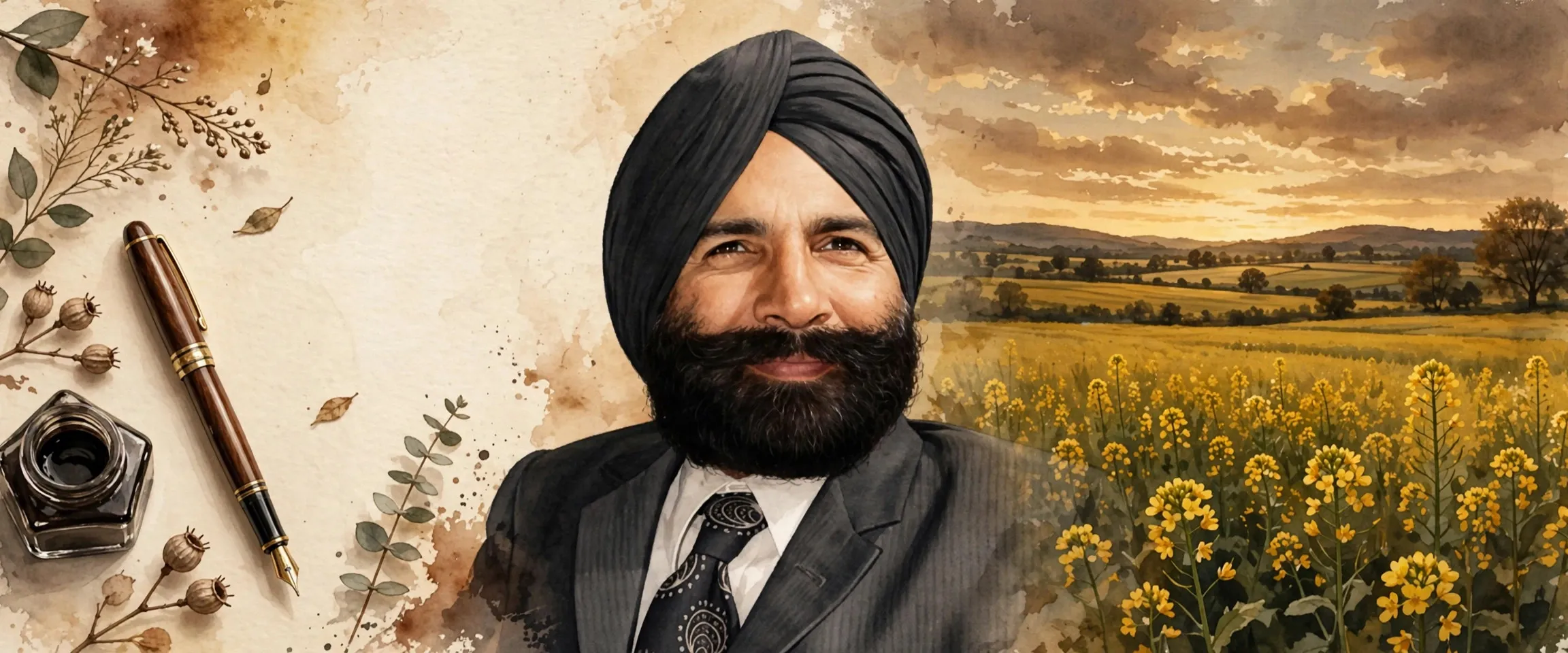
Ajeet Cour (born 1934) is a Punjabi writer whose autobiography Khana Badosh won the Sahitya Akademi Award and who received the Padma Shri in 2006. Her social realist fiction and memoirs centre on women's lives, and she founded the Academy of Fine Arts and Literature in New Delhi.
ਜੀਵਨ ਇੱਕ ਨਜ਼ਰ ਵਿੱਚ
- 1934ਜਨਮ ਲਾਹੌਰ
- 1966ਪਹਿਲੀ ਕਿਤਾਬ ਬੁੱਤ-ਸ਼ਿਕਨ
- 2006ਸਨਮਾਨ ਪਦਮ ਸ਼੍ਰੀ
- 2019ਸਨਮਾਨ Kuvempu Rashtriya Puraskar
- 2024ਸਨਮਾਨ Sahitya Akademi Fellowship
- ਪੰਜਾਬੀ ਨਾਂ
- ਅਜੀਤ ਕੌਰ
- ਜਨਮ
- 16 November 1934, Lahore
- ਜ਼ਿਲ੍ਹਾ
- ਲਾਹੌਰ
- ਜਨਮ ਸਥਾਨ
- Lahore (now in Pakistan)
- ਸਿੱਖਿਆ
- M.A. Economics, Delhi University
- ਲਿਖਣ ਦੀ ਭਾਸ਼ਾ
- ਪੰਜਾਬੀ
All 9 facts
- ਪ੍ਰਸਿੱਧੀ
- Khana Badosh (autobiography), Gulbano, Dhup Wala Shehar, Gauri
- ਸਨਮਾਨ
- Sahitya Akademi Award, Padma Shri (2006), Kuvempu Rashtriya Puraskar (2019), Sahitya Akademi Fellowship (2024)
- Institutions
- Founder, Academy of Fine Arts and Literature, New Delhi; founder president, FOSWAL
Who is Ajeet Cour?
Ajeet Cour is a Punjabi writer born in Lahore in 1934, best known for Khana Badosh, the autobiography that brought her the Sahitya Akademi Award. She received the Padma Shri in 2006 and the Sahitya Akademi Fellowship in 2024, and she built two lasting institutions in Delhi: the Academy of Fine Arts and Literature and the Foundation of SAARC Writers and Literature, known as FOSWAL.
Early life in Lahore, then Partition
Ajeet Cour was born on 16 November 1934 in Lahore, the daughter of Sardar Makhan Singh, a well known doctor in the city. She had her early education in Lahore. As a child she also learned Gurmukhi from Kartar Singh Hitkari, the scholar who was the father of the poet Amrita Pritam. Cour knew the young Amrita through those family visits, and that childhood connection later became one of the threads in her memoir writing.
Partition in 1947 changed the direction of her life. Her family left Lahore for Delhi, where she completed an M.A. in Economics at Delhi University. In 1952 she married Rajinder Singh. The marriage ended in divorce, and she raised her two daughters, among them the artist Arpana Caur, largely as a single mother. She supported the household through teaching, journalism and writing, work she combined for years with bringing up her children.
Writing career and major works
Cour writes in Punjabi, and her fiction is rooted in social realism. Again and again she returns to the inner lives of women, to marriages under strain, and to the gap between what society says and what it quietly allows. Reviewers have noticed that anger. The Tribune described her as a writer who portrayed angry, rebellious women around us, and a Hindu review of her collection The Other Woman pointed to the way her stories expose the double standards of everyday life.
Her best known books include the short story collections Gulbano, Mehak di Maut and Butt Shikan, and the longer prose works Dhup Wala Shehar, Post Mortem and Gauri. A 2025 profile in Indulge Express counted 31 collections of short stories, novelettes and novels across her career, along with nine translations and more than 35 edited books. Several of her stories have also reached the screen, and in August 2026 Rehmat, a drama film directed by Gurvinder Singh and based on her short stories, screened in the main competition at the Locarno Film Festival.
What is Khana Badosh about?
Khana Badosh, which can be read as The Nomad, is her autobiography, published in two volumes with a sequel, Koora Kabara. Its English version appeared as Pebbles in a Tin Drum in 1995. Instead of telling her life as a straight line of dates, Cour moves between loss, Partition, a failed marriage and the long work of surviving as a single mother in Delhi. A later autobiographical book, Weaving Water, published in English in 2018, looks back honestly at surviving domestic violence, and writing itself becomes part of how she endured.
Her most recent widely discussed book is The Blue Potter, a memoir of other people rather than of herself. It profiles 17 figures from Punjab's literary and art world whom she knew personally, among them Amrita Pritam, Shiv Kumar Batalvi, Khushwant Singh, Jagjit Singh and Krishna Sobti. The book took her four to five years to complete. It was first published in Punjabi, then appeared in Hindi, Bengali and English, in an English translation by Sushmindar Jeet Kaur, with a Malayalam edition also planned.
Building institutions: the Academy and FOSWAL
Cour did not only write books. With her daughter Arpana Caur she founded the Academy of Fine Arts and Literature in New Delhi in 1975, a non profit centre for art and literature. Google Arts and Culture describes it as a principal centre of literary and cultural activity in Delhi, with a free library and reading hall of more than 10,000 books, an exhibition gallery and free museums. The Academy has held monthly meets of poets in many languages since 1976 and SAARC writers conferences since 1987, and it runs free vocational training for girls from low income families.
Through FOSWAL, the Foundation of SAARC Writers and Literature, she pushed that work across borders. Her official site records that FOSWAL was launched in 1986 with a first conference of Indian and Pakistani writers in New Delhi, and that it later gained recognition as a SAARC body. In 2003 she was part of the first delegation of Indian writers to visit Pakistan. For Cour, literature was also a form of public diplomacy between neighbours who shared languages and histories.
Honours and later life
Her honours track a very long career. Reference works list her Sahitya Akademi Award under 1985, while her own official site lists it under 1986, for Khana Badosh. She received the Padma Shri, India's fourth highest civilian honour, in 2006, and the Kuvempu Rashtriya Puraskar in 2019. In 2024 she received the Sahitya Akademi Fellowship, the Akademi's highest honour. She was also among the 1000 PeaceWomen Across the Globe who were collectively nominated for the 2005 Nobel Peace Prize.
She has remained publicly active into her nineties. She turned 91 in 2025, the year The Blue Potter reached English readers. In October and November 2025 the India International Centre in Delhi hosted Weaving Water: Feminine Countercultures in Paint and Print, an exhibition in which 15 women artists responded to her writing. Cour herself helped inaugurate it. Her life's work now sits in two places at once: on the page, in Punjabi prose that refuses to look away from women's lives, and in the institutions she built so that other writers and artists would have a room of their own.
ਅਜੀਤ ਕੌਰ ਕੌਣ ਹੈ?
ਅਜੀਤ ਕੌਰ 1934 ਵਿੱਚ ਲਾਹੌਰ ਵਿੱਚ ਜਨਮੀ ਪੰਜਾਬੀ ਲੇਖਕਾ ਹੈ, ਜੋ ਸਭ ਤੋਂ ਵੱਧ ਆਪਣੀ ਆਤਮਕਥਾ ਖ਼ਾਨਾ ਬਦੋਸ਼ ਲਈ ਜਾਣੀ ਜਾਂਦੀ ਹੈ, ਜਿਸ ਲਈ ਉਸ ਨੂੰ ਸਾਹਿਤ ਅਕਾਦਮੀ ਪੁਰਸਕਾਰ ਮਿਲਿਆ। ਉਸ ਨੂੰ 2006 ਵਿੱਚ ਪਦਮ ਸ਼੍ਰੀ ਅਤੇ 2024 ਵਿੱਚ ਸਾਹਿਤ ਅਕਾਦਮੀ ਫੈਲੋਸ਼ਿਪ ਮਿਲੀ, ਅਤੇ ਉਸ ਨੇ ਦਿੱਲੀ ਵਿੱਚ ਦੋ ਸਥਾਈ ਸੰਸਥਾਵਾਂ ਉਸਾਰੀਆਂ: ਅਕਾਦਮੀ ਆਫ਼ ਫਾਈਨ ਆਰਟਸ ਐਂਡ ਲਿਟਰੇਚਰ ਅਤੇ ਫਾਊਂਡੇਸ਼ਨ ਆਫ਼ ਸਾਰਕ ਰਾਈਟਰਜ਼ ਐਂਡ ਲਿਟਰੇਚਰ, ਜਿਸ ਨੂੰ ਫੋਸਵਾਲ ਕਿਹਾ ਜਾਂਦਾ ਹੈ।
ਲਾਹੌਰ ਵਿੱਚ ਮੁੱਢਲਾ ਜੀਵਨ ਅਤੇ ਫਿਰ ਵੰਡ
ਅਜੀਤ ਕੌਰ ਦਾ ਜਨਮ 16 ਨਵੰਬਰ 1934 ਨੂੰ ਲਾਹੌਰ ਵਿੱਚ ਹੋਇਆ। ਉਸ ਦੇ ਪਿਤਾ ਸਰਦਾਰ ਮੱਖਣ ਸਿੰਘ ਸ਼ਹਿਰ ਦੇ ਜਾਣੇ ਪਛਾਣੇ ਡਾਕਟਰ ਸਨ। ਉਸ ਦੀ ਮੁੱਢਲੀ ਪੜ੍ਹਾਈ ਲਾਹੌਰ ਵਿੱਚ ਹੀ ਹੋਈ। ਬਚਪਨ ਵਿੱਚ ਉਸ ਨੇ ਕਰਤਾਰ ਸਿੰਘ ਹਿਤਕਾਰੀ ਤੋਂ ਗੁਰਮੁਖੀ ਵੀ ਸਿੱਖੀ, ਜੋ ਕਵੀ ਅੰਮ੍ਰਿਤਾ ਪ੍ਰੀਤਮ ਦੇ ਪਿਤਾ ਸਨ। ਪਰਿਵਾਰਕ ਮੇਲ ਜੋਲ ਰਾਹੀਂ ਉਹ ਨੌਜਵਾਨ ਅੰਮ੍ਰਿਤਾ ਨੂੰ ਜਾਣਦੀ ਸੀ, ਅਤੇ ਇਹ ਬਚਪਨ ਦਾ ਸੰਬੰਧ ਬਾਅਦ ਵਿੱਚ ਉਸ ਦੀਆਂ ਯਾਦਾਂ ਵਾਲੀਆਂ ਲਿਖਤਾਂ ਦਾ ਇੱਕ ਧਾਗਾ ਬਣਿਆ।
1947 ਦੀ ਵੰਡ ਨੇ ਉਸ ਦੇ ਜੀਵਨ ਦੀ ਦਿਸ਼ਾ ਬਦਲ ਦਿੱਤੀ। ਉਸ ਦਾ ਪਰਿਵਾਰ ਲਾਹੌਰ ਛੱਡ ਕੇ ਦਿੱਲੀ ਆ ਗਿਆ, ਜਿੱਥੇ ਉਸ ਨੇ ਦਿੱਲੀ ਯੂਨੀਵਰਸਿਟੀ ਤੋਂ ਅਰਥ ਸ਼ਾਸਤਰ ਵਿੱਚ ਐਮ.ਏ. ਕੀਤੀ। 1952 ਵਿੱਚ ਉਸ ਦਾ ਵਿਆਹ ਰਾਜਿੰਦਰ ਸਿੰਘ ਨਾਲ ਹੋਇਆ। ਵਿਆਹ ਤਲਾਕ 'ਤੇ ਖ਼ਤਮ ਹੋਇਆ, ਅਤੇ ਉਸ ਨੇ ਆਪਣੀਆਂ ਦੋ ਧੀਆਂ, ਜਿਨ੍ਹਾਂ ਵਿੱਚ ਕਲਾਕਾਰ ਅਰਪਣਾ ਕੌਰ ਵੀ ਹੈ, ਨੂੰ ਬਹੁਤਾ ਕਰਕੇ ਇਕੱਲੀ ਮਾਂ ਵਜੋਂ ਪਾਲਿਆ। ਉਸ ਨੇ ਅਧਿਆਪਨ, ਪੱਤਰਕਾਰੀ ਅਤੇ ਲੇਖਣ ਰਾਹੀਂ ਘਰ ਚਲਾਇਆ, ਅਤੇ ਸਾਲਾਂ ਤੱਕ ਇਹ ਕੰਮ ਬੱਚਿਆਂ ਦੀ ਪਰਵਰਿਸ਼ ਨਾਲ ਨਾਲ ਚਲਦਾ ਰਿਹਾ।
ਲੇਖਣ ਕੈਰੀਅਰ ਅਤੇ ਮੁੱਖ ਰਚਨਾਵਾਂ
ਅਜੀਤ ਕੌਰ ਪੰਜਾਬੀ ਵਿੱਚ ਲਿਖਦੀ ਹੈ, ਅਤੇ ਉਸ ਦਾ ਗਲਪ ਸਮਾਜਿਕ ਯਥਾਰਥਵਾਦ ਵਿੱਚ ਜੜ੍ਹ ਰੱਖਦਾ ਹੈ। ਉਹ ਵਾਰ ਵਾਰ ਔਰਤਾਂ ਦੇ ਅੰਦਰੂਨੀ ਜੀਵਨ ਵੱਲ, ਤਣਾਅ ਹੇਠਲੇ ਵਿਆਹਾਂ ਵੱਲ, ਅਤੇ ਸਮਾਜ ਜੋ ਕਹਿੰਦਾ ਹੈ ਅਤੇ ਜੋ ਚੁੱਪ ਚਾਪ ਸਹਿ ਲੈਂਦਾ ਹੈ, ਉਸ ਵਿਚਲੇ ਫ਼ਰਕ ਵੱਲ ਪਰਤਦੀ ਹੈ। ਆਲੋਚਕਾਂ ਨੇ ਇਹ ਗੁੱਸਾ ਵੇਖਿਆ ਹੈ। ਟ੍ਰਿਬਿਊਨ ਨੇ ਉਸ ਨੂੰ ਸਾਡੇ ਆਲੇ ਦੁਆਲੇ ਦੀਆਂ ਗੁੱਸੇ ਭਰੀਆਂ ਬਾਗ਼ੀ ਔਰਤਾਂ ਨੂੰ ਚਿਤਰਣ ਵਾਲੀ ਲੇਖਕਾ ਕਿਹਾ, ਅਤੇ ਉਸ ਦੇ ਸੰਗ੍ਰਹਿ ਦਿ ਅਦਰ ਵੂਮੈਨ ਦੀ ਹਿੰਦੂ ਵਿੱਚ ਸਮੀਖਿਆ ਨੇ ਦੱਸਿਆ ਕਿ ਉਸ ਦੀਆਂ ਕਹਾਣੀਆਂ ਰੋਜ਼ਾਨਾ ਜੀਵਨ ਦੇ ਦੋਹਰੇ ਮਾਪਦੰਡਾਂ ਨੂੰ ਕਿਵੇਂ ਉਜਾਗਰ ਕਰਦੀਆਂ ਹਨ।
ਉਸ ਦੀਆਂ ਸਭ ਤੋਂ ਜਾਣੀਆਂ ਪੁਸਤਕਾਂ ਵਿੱਚ ਕਹਾਣੀ ਸੰਗ੍ਰਹਿ ਗੁਲਬਾਨੋ, ਮਹਿਕ ਦੀ ਮੌਤ ਅਤੇ ਬੁੱਤ ਸ਼ਿਕਨ, ਅਤੇ ਲੰਮੀਆਂ ਗੱਦ ਰਚਨਾਵਾਂ ਧੁੱਪ ਵਾਲਾ ਸ਼ਹਿਰ, ਪੋਸਟ ਮਾਰਟਮ ਅਤੇ ਗੌਰੀ ਸ਼ਾਮਲ ਹਨ। ਇੰਡਲਜ ਐਕਸਪ੍ਰੈਸ ਵਿੱਚ 2025 ਦੇ ਇੱਕ ਪ੍ਰੋਫ਼ਾਈਲ ਨੇ ਉਸ ਦੇ ਕੈਰੀਅਰ ਵਿੱਚ ਕਹਾਣੀਆਂ, ਨਾਵਲਟਾਂ ਅਤੇ ਨਾਵਲਾਂ ਦੇ 31 ਸੰਗ੍ਰਹਿ, ਨੌਂ ਅਨੁਵਾਦ ਅਤੇ 35 ਤੋਂ ਵੱਧ ਸੰਪਾਦਤ ਪੁਸਤਕਾਂ ਗਿਣੀਆਂ। ਉਸ ਦੀਆਂ ਕਈ ਕਹਾਣੀਆਂ ਪਰਦੇ 'ਤੇ ਵੀ ਆਈਆਂ ਹਨ, ਅਤੇ ਅਗਸਤ 2026 ਵਿੱਚ ਗੁਰਵਿੰਦਰ ਸਿੰਘ ਵੱਲੋਂ ਨਿਰਦੇਸ਼ਤ ਡਰਾਮਾ ਫ਼ਿਲਮ ਰਹਿਮਤ, ਜੋ ਉਸ ਦੀਆਂ ਕਹਾਣੀਆਂ 'ਤੇ ਅਧਾਰਤ ਹੈ, ਲੋਕਾਰਨੋ ਫ਼ਿਲਮ ਫੈਸਟੀਵਲ ਦੇ ਮੁੱਖ ਮੁਕਾਬਲੇ ਵਿੱਚ ਵਿਖਾਈ ਗਈ।
ਖ਼ਾਨਾ ਬਦੋਸ਼ ਕਿਸ ਬਾਰੇ ਹੈ?
ਖ਼ਾਨਾ ਬਦੋਸ਼ ਉਸ ਦੀ ਆਤਮਕਥਾ ਹੈ, ਜੋ ਦੋ ਖੰਡਾਂ ਵਿੱਚ ਛਪੀ ਅਤੇ ਜਿਸ ਦਾ ਅਗਲਾ ਭਾਗ ਕੂੜਾ ਕਬਾੜਾ ਹੈ। ਇਸ ਦਾ ਅੰਗਰੇਜ਼ੀ ਰੂਪ ਪੈਬਲਜ਼ ਇਨ ਏ ਟਿਨ ਡਰਮ ਨਾਂ ਨਾਲ 1995 ਵਿੱਚ ਆਇਆ। ਆਪਣਾ ਜੀਵਨ ਸਿੱਧੀ ਤਾਰੀਖ਼ਾਂ ਦੀ ਕਤਾਰ ਵਜੋਂ ਦੱਸਣ ਦੀ ਥਾਂ ਅਜੀਤ ਕੌਰ ਨੁਕਸਾਨ, ਵੰਡ, ਅਸਫਲ ਵਿਆਹ ਅਤੇ ਦਿੱਲੀ ਵਿੱਚ ਇਕੱਲੀ ਮਾਂ ਵਜੋਂ ਟਿਕੇ ਰਹਿਣ ਦੇ ਲੰਮੇ ਕੰਮ ਵਿਚਕਾਰ ਘੁੰਮਦੀ ਹੈ। ਬਾਅਦ ਦੀ ਆਤਮਕਥਾ ਵਾਲੀ ਪੁਸਤਕ ਵੀਵਿੰਗ ਵਾਟਰ, ਜੋ ਅੰਗਰੇਜ਼ੀ ਵਿੱਚ 2018 ਵਿੱਚ ਛਪੀ, ਘਰੇਲੂ ਹਿੰਸਾ ਵਿੱਚੋਂ ਬਚਣ ਵੱਲ ਇਮਾਨਦਾਰੀ ਨਾਲ ਵੇਖਦੀ ਹੈ, ਅਤੇ ਲਿਖਣਾ ਆਪ ਉਸ ਦੇ ਸਹਿਣ ਦਾ ਹਿੱਸਾ ਬਣ ਜਾਂਦਾ ਹੈ।
ਉਸ ਦੀ ਹਾਲੀਆ ਸਭ ਤੋਂ ਵੱਧ ਚਰਚਿਤ ਪੁਸਤਕ ਦਿ ਬਲੂ ਪੌਟਰ ਹੈ, ਜੋ ਆਪਣੇ ਬਾਰੇ ਨਹੀਂ, ਦੂਜਿਆਂ ਬਾਰੇ ਯਾਦਾਂ ਦੀ ਪੁਸਤਕ ਹੈ। ਇਸ ਵਿੱਚ ਪੰਜਾਬ ਦੇ ਸਾਹਿਤ ਅਤੇ ਕਲਾ ਜਗਤ ਦੀਆਂ 17 ਸ਼ਖ਼ਸੀਅਤਾਂ ਦੇ ਚਿੱਤਰ ਹਨ, ਜਿਨ੍ਹਾਂ ਨੂੰ ਉਹ ਨਿੱਜੀ ਤੌਰ 'ਤੇ ਜਾਣਦੀ ਸੀ, ਜਿਨ੍ਹਾਂ ਵਿੱਚ ਅੰਮ੍ਰਿਤਾ ਪ੍ਰੀਤਮ, ਸ਼ਿਵ ਕੁਮਾਰ ਬਟਾਲਵੀ, ਖੁਸ਼ਵੰਤ ਸਿੰਘ, ਜਗਜੀਤ ਸਿੰਘ ਅਤੇ ਕ੍ਰਿਸ਼ਨਾ ਸੋਬਤੀ ਸ਼ਾਮਲ ਹਨ। ਪੁਸਤਕ ਨੂੰ ਪੂਰਾ ਕਰਨ ਵਿੱਚ ਉਸ ਨੂੰ ਚਾਰ ਤੋਂ ਪੰਜ ਸਾਲ ਲੱਗੇ। ਇਹ ਪਹਿਲਾਂ ਪੰਜਾਬੀ ਵਿੱਚ ਛਪੀ, ਫਿਰ ਹਿੰਦੀ, ਬੰਗਾਲੀ ਅਤੇ ਅੰਗਰੇਜ਼ੀ ਵਿੱਚ ਆਈ, ਅੰਗਰੇਜ਼ੀ ਅਨੁਵਾਦ ਸੁਸ਼ਮਿੰਦਰ ਜੀਤ ਕੌਰ ਨੇ ਕੀਤਾ, ਅਤੇ ਮਲਿਆਲਮ ਅਡੀਸ਼ਨ ਦੀ ਵੀ ਯੋਜਨਾ ਹੈ।
ਸੰਸਥਾਵਾਂ ਉਸਾਰਨਾ: ਅਕਾਦਮੀ ਅਤੇ ਫੋਸਵਾਲ
ਅਜੀਤ ਕੌਰ ਨੇ ਸਿਰਫ਼ ਪੁਸਤਕਾਂ ਨਹੀਂ ਲਿਖੀਆਂ। ਆਪਣੀ ਧੀ ਅਰਪਣਾ ਕੌਰ ਨਾਲ ਮਿਲ ਕੇ ਉਸ ਨੇ 1975 ਵਿੱਚ ਨਵੀਂ ਦਿੱਲੀ ਵਿੱਚ ਅਕਾਦਮੀ ਆਫ਼ ਫਾਈਨ ਆਰਟਸ ਐਂਡ ਲਿਟਰੇਚਰ ਦੀ ਸਥਾਪਨਾ ਕੀਤੀ, ਜੋ ਕਲਾ ਅਤੇ ਸਾਹਿਤ ਦਾ ਗੈਰ ਲਾਭਕਾਰੀ ਕੇਂਦਰ ਹੈ। ਗੂਗਲ ਆਰਟਸ ਐਂਡ ਕਲਚਰ ਇਸ ਨੂੰ ਦਿੱਲੀ ਵਿੱਚ ਸਾਹਿਤਕ ਅਤੇ ਸੱਭਿਆਚਾਰਕ ਸਰਗਰਮੀ ਦਾ ਪ੍ਰਮੁੱਖ ਕੇਂਦਰ ਦੱਸਦਾ ਹੈ, ਜਿੱਥੇ 10,000 ਤੋਂ ਵੱਧ ਪੁਸਤਕਾਂ ਵਾਲੀ ਮੁਫ਼ਤ ਲਾਇਬ੍ਰੇਰੀ ਅਤੇ ਪੜ੍ਹਨ ਹਾਲ, ਪ੍ਰਦਰਸ਼ਨੀ ਗੈਲਰੀ ਅਤੇ ਮੁਫ਼ਤ ਅਜਾਇਬ ਘਰ ਹਨ। ਅਕਾਦਮੀ 1976 ਤੋਂ ਕਈ ਭਾਸ਼ਾਵਾਂ ਦੇ ਕਵੀਆਂ ਦੀਆਂ ਮਾਸਿਕ ਮਹਿਫ਼ਲਾਂ ਅਤੇ 1987 ਤੋਂ ਸਾਰਕ ਲੇਖਕ ਕਾਨਫ਼ਰੰਸਾਂ ਕਰਦੀ ਆਈ ਹੈ, ਅਤੇ ਘੱਟ ਆਮਦਨ ਵਾਲੇ ਪਰਿਵਾਰਾਂ ਦੀਆਂ ਕੁੜੀਆਂ ਲਈ ਮੁਫ਼ਤ ਕਿੱਤਾ ਸਿਖਲਾਈ ਵੀ ਚਲਾਉਂਦੀ ਹੈ।
ਫੋਸਵਾਲ, ਫਾਊਂਡੇਸ਼ਨ ਆਫ਼ ਸਾਰਕ ਰਾਈਟਰਜ਼ ਐਂਡ ਲਿਟਰੇਚਰ, ਰਾਹੀਂ ਉਸ ਨੇ ਇਹ ਕੰਮ ਸਰਹੱਦਾਂ ਪਾਰ ਲਿਜਾਇਆ। ਉਸ ਦੀ ਅਧਿਕਾਰਤ ਸਾਈਟ ਦੱਸਦੀ ਹੈ ਕਿ ਫੋਸਵਾਲ 1986 ਵਿੱਚ ਨਵੀਂ ਦਿੱਲੀ ਵਿੱਚ ਭਾਰਤੀ ਅਤੇ ਪਾਕਿਸਤਾਨੀ ਲੇਖਕਾਂ ਦੀ ਪਹਿਲੀ ਕਾਨਫ਼ਰੰਸ ਨਾਲ ਸ਼ੁਰੂ ਹੋਇਆ, ਅਤੇ ਬਾਅਦ ਵਿੱਚ ਇਸ ਨੂੰ ਸਾਰਕ ਸੰਸਥਾ ਵਜੋਂ ਮਾਨਤਾ ਮਿਲੀ। 2003 ਵਿੱਚ ਉਹ ਪਾਕਿਸਤਾਨ ਗਏ ਭਾਰਤੀ ਲੇਖਕਾਂ ਦੇ ਪਹਿਲੇ ਵਫ਼ਦ ਵਿੱਚ ਸ਼ਾਮਲ ਸੀ। ਅਜੀਤ ਕੌਰ ਲਈ ਸਾਹਿਤ ਉਨ੍ਹਾਂ ਗੁਆਂਢੀਆਂ ਵਿਚਕਾਰ ਜਨਤਕ ਸੰਪਰਕ ਦਾ ਇੱਕ ਰੂਪ ਵੀ ਸੀ ਜੋ ਭਾਸ਼ਾਵਾਂ ਅਤੇ ਇਤਿਹਾਸ ਸਾਂਝੇ ਰੱਖਦੇ ਹਨ।
ਸਨਮਾਨ ਅਤੇ ਬਾਅਦ ਦਾ ਜੀਵਨ
ਉਸ ਦੇ ਸਨਮਾਨ ਬਹੁਤ ਲੰਮੇ ਕੈਰੀਅਰ ਦਾ ਪਤਾ ਦਿੰਦੇ ਹਨ। ਸੰਦਰਭ ਪੁਸਤਕਾਂ ਉਸ ਦਾ ਸਾਹਿਤ ਅਕਾਦਮੀ ਪੁਰਸਕਾਰ 1985 ਹੇਠ ਦਰਜ ਕਰਦੀਆਂ ਹਨ, ਜਦੋਂ ਕਿ ਉਸ ਦੀ ਆਪਣੀ ਅਧਿਕਾਰਤ ਸਾਈਟ ਇਸ ਨੂੰ ਖ਼ਾਨਾ ਬਦੋਸ਼ ਲਈ 1986 ਹੇਠ ਦਰਜ ਕਰਦੀ ਹੈ। ਉਸ ਨੂੰ 2006 ਵਿੱਚ ਪਦਮ ਸ਼੍ਰੀ, ਭਾਰਤ ਦਾ ਚੌਥਾ ਸਭ ਤੋਂ ਵੱਡਾ ਨਾਗਰਿਕ ਸਨਮਾਨ, ਅਤੇ 2019 ਵਿੱਚ ਕੁਵੇਮਪੁ ਰਾਸ਼ਟਰੀਯ ਪੁਰਸਕਾਰ ਮਿਲਿਆ। 2024 ਵਿੱਚ ਉਸ ਨੂੰ ਸਾਹਿਤ ਅਕਾਦਮੀ ਫੈਲੋਸ਼ਿਪ ਮਿਲੀ, ਜੋ ਅਕਾਦਮੀ ਦਾ ਸਭ ਤੋਂ ਉੱਚਾ ਸਨਮਾਨ ਹੈ। ਉਹ 1000 ਪੀਸਵੂਮੈਨ ਅਕਰਾਸ ਦਿ ਗਲੋਬ ਵਿੱਚ ਵੀ ਸ਼ਾਮਲ ਸੀ, ਜਿਨ੍ਹਾਂ ਨੂੰ ਸਮੂਹਿਕ ਤੌਰ 'ਤੇ 2005 ਦੇ ਨੋਬਲ ਸ਼ਾਂਤੀ ਪੁਰਸਕਾਰ ਲਈ ਨਾਮਜ਼ਦ ਕੀਤਾ ਗਿਆ ਸੀ।
ਉਹ ਨੱਬੇ ਸਾਲਾਂ ਦੀ ਉਮਰ ਵਿੱਚ ਵੀ ਜਨਤਕ ਤੌਰ 'ਤੇ ਸਰਗਰਮ ਰਹੀ ਹੈ। 2025 ਵਿੱਚ ਉਹ 91 ਸਾਲ ਦੀ ਹੋਈ, ਉਸੇ ਸਾਲ ਦਿ ਬਲੂ ਪੌਟਰ ਅੰਗਰੇਜ਼ੀ ਪਾਠਕਾਂ ਤੱਕ ਪਹੁੰਚੀ। ਅਕਤੂਬਰ ਅਤੇ ਨਵੰਬਰ 2025 ਵਿੱਚ ਦਿੱਲੀ ਦੇ ਇੰਡੀਆ ਇੰਟਰਨੈਸ਼ਨਲ ਸੈਂਟਰ ਵਿੱਚ ਵੀਵਿੰਗ ਵਾਟਰ ਨਾਂ ਦੀ ਪ੍ਰਦਰਸ਼ਨੀ ਲੱਗੀ, ਜਿਸ ਵਿੱਚ 15 ਔਰਤ ਕਲਾਕਾਰਾਂ ਨੇ ਉਸ ਦੀ ਲਿਖਤ ਦਾ ਜਵਾਬ ਆਪਣੀਆਂ ਰਚਨਾਵਾਂ ਨਾਲ ਦਿੱਤਾ। ਅਜੀਤ ਕੌਰ ਨੇ ਆਪ ਇਸ ਦਾ ਉਦਘਾਟਨ ਕਰਨ ਵਿੱਚ ਹਿੱਸਾ ਲਿਆ। ਉਸ ਦਾ ਜੀਵਨ ਭਰ ਦਾ ਕੰਮ ਹੁਣ ਦੋ ਥਾਵਾਂ 'ਤੇ ਇੱਕੋ ਸਮੇਂ ਖੜ੍ਹਾ ਹੈ: ਪੰਨੇ 'ਤੇ, ਪੰਜਾਬੀ ਗੱਦ ਵਿੱਚ ਜੋ ਔਰਤਾਂ ਦੇ ਜੀਵਨ ਤੋਂ ਨਜ਼ਰ ਨਹੀਂ ਹਟਾਉਂਦੀ, ਅਤੇ ਉਨ੍ਹਾਂ ਸੰਸਥਾਵਾਂ ਵਿੱਚ ਜੋ ਉਸ ਨੇ ਇਸ ਲਈ ਉਸਾਰੀਆਂ ਤਾਂ ਜੋ ਹੋਰ ਲੇਖਕਾਂ ਅਤੇ ਕਲਾਕਾਰਾਂ ਨੂੰ ਆਪਣੀ ਥਾਂ ਮਿਲ ਸਕੇ।
ਰਚਨਾਵਾਂ
ਲੋਕ


ਥਾਵਾਂ

ਹੋਰ ਲੇਖਕ ਅਤੇ ਕਵੀ
ਸਾਰੇ ਵੇਖੋ


ਸਰੋਤ (5)
- Ajeet Cour - Wikipedia
- Ajeet Cour official site (ajeetcour.com)
- Ajeet Cour writes about untold lives of Punjab's legends - Indulge Express, Nov 2025
- Academy of Fine Arts and Literature - Google Arts and Culture
- Weaving Water exhibition opens at India International Centre - India Education Diary, Oct 2025
ਜੁਗਤੀ ਮੁਫ਼ਤ ਅਤੇ ਸੁਤੰਤਰ ਹੈ। ਪਾਠਕਾਂ ਦਾ ਸਹਿਯੋਗ ਕੋਸ਼ ਨੂੰ ਵਧਾਉਂਦਾ ਹੈ।
ਸਹਿਯੋਗ