
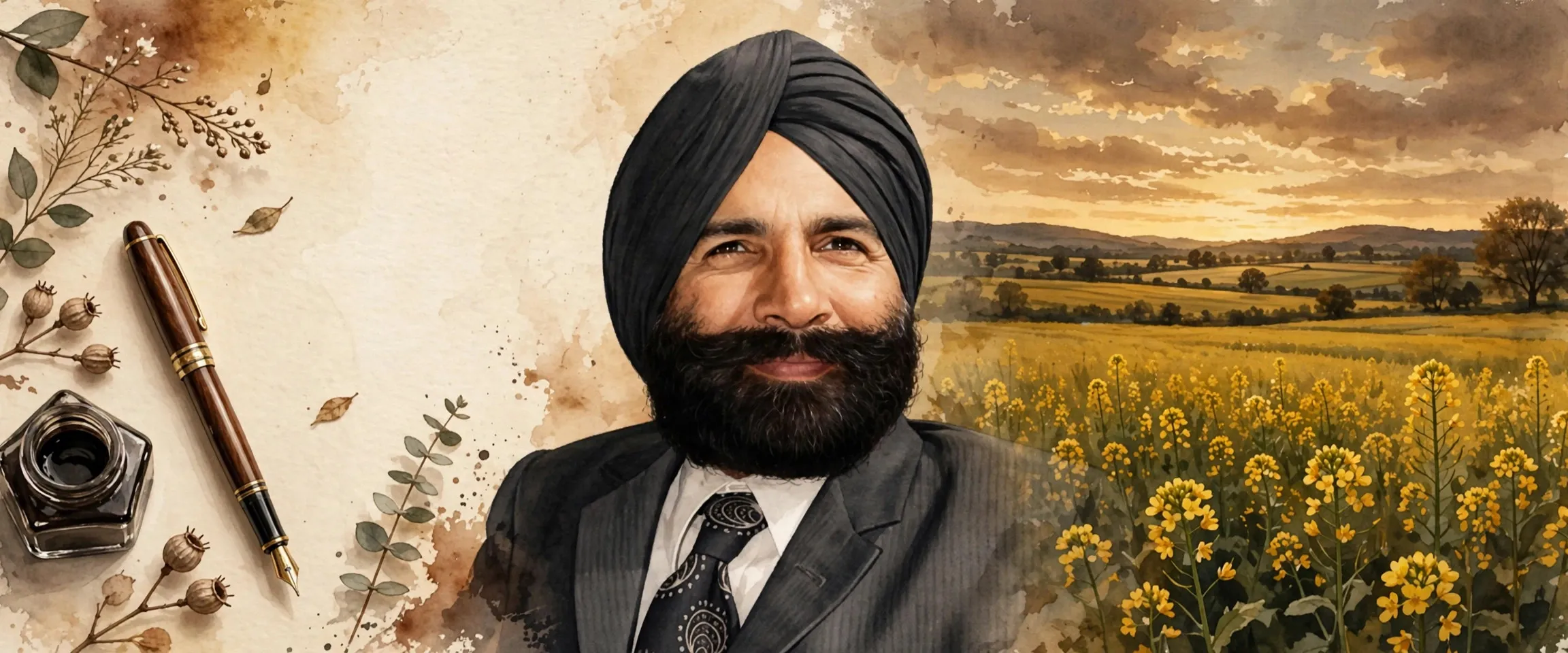
Kulwant Singh Virk (1921–1987) was a Punjabi short-story writer counted among the masters of the Punjabi kahani. His collection Nave Lok won the Sahitya Akademi Award in 1968, and his stories were translated into Russian, Japanese and other languages.
ਜੀਵਨ ਇੱਕ ਨਜ਼ਰ ਵਿੱਚ
- 1921ਜਨਮ Phularwan, Sheikhupura district
- 1959ਸਨਮਾਨ Language Department Punjab
- 1967ਪ੍ਰਸਿੱਧੀ Nave Lok
- 1968ਸਨਮਾਨ ਸਾਹਿਤ ਅਕਾਦਮੀ ਪੁਰਸਕਾਰ
- 1981ਸਨਮਾਨ Punjab Arts Council
- 1985ਸਨਮਾਨ Shiromani Sahityakar
- 1987ਦੇਹਾਂਤ Toronto, Canada
- ਪੰਜਾਬੀ ਨਾਂ
- ਕੁਲਵੰਤ ਸਿੰਘ ਵਿਰਕ
- ਜਨਮ
- 20 May 1921, Phularwan, Sheikhupura district (now Pakistan)
- ਦੇਹਾਂਤ
- 24 December 1987, Toronto, Canada
- ਲਿਖਣ ਦੀ ਭਾਸ਼ਾ
- Punjabi, English
- ਪ੍ਰਸਿੱਧੀ
- Nave Lok (1967); Khabbal
- ਸਨਮਾਨ
- Sahitya Akademi Award (1968); Language Department Punjab (1959); Punjab Arts Council (1981); Shiromani Sahityakar (1985)
- Translations
- Stories translated into Russian and Japanese; translated Hemingway's A Farewell to Arms into Punjabi
ਮੁੱਢਲਾ ਜੀਵਨ
Kulwant Singh Virk was born on 20 May 1921 in Phularwan, a village in Sheikhupura district in the Punjab of British India, in the part of Punjab that is now in Pakistan. His father, Asa Singh, was a landlord, and his mother, Ishar Kaur, ran the home. He grew up in the farming countryside of central Punjab, among the fields, cattle and village gatherings that would later supply his fiction with its people and its speech.
Virk was a strong student. He took a master's degree in English from Khalsa College, Amritsar, and then studied law at Lahore, although he never practised as a lawyer. The training mattered in another way: English literature gave him a second literary home, and he went on to write extensively in English as well as Punjabi, and to translate into Punjabi, including Ernest Hemingway's A Farewell to Arms.
Soldier, editor and civil servant
In 1942 Virk joined the army and served as a commissioned officer during the Second World War. Partition changed the direction of his service. As a liaison officer in the years when Punjab was being divided, he worked on the ground amid displacement and loss, an experience that stayed with him and later entered stories such as Khabbal, where the human cost of 1947 is told through one woman's fate.
In 1949 he joined the Punjab civil services as a public relations officer, beginning a long second career in government communication. He edited two official journals, Advance in English and Jagriti in Punjabi, later worked with the federal information and broadcasting service, and served as press secretary to the chief minister of Punjab. Around that posting, before and after it, he was joint director of the communication centre at Punjab Agricultural University in Ludhiana. In 1949 he also married a daughter of the prominent orthopaedic surgeon Dr Karam Singh Grewal. Through all these postings he kept writing fiction, usually about the world just outside the office window.
What is Kulwant Singh Virk known for?
Kulwant Singh Virk is known as one of the masters of the Punjabi short story, the writer who brought psychological realism and a modern, trimmed style to the Punjabi kahani. Critics place him alongside Sujan Singh and Kartar Singh Duggal in the front rank of the form. His 1967 collection Nave Lok, meaning New People, won the Sahitya Akademi Award in 1968, and individual stories such as Khabbal are still read as landmarks of Partition writing.
His method was distinctive. He would take a common incident from daily life and, with a few subtle touches, open up the inner conflict of the people caught in it. The Sikh Encyclopedia describes his stories as fast moving, well trimmed and modern, with a gripping hold on the rural society of central Punjab and on townspeople and service families as well. He rarely rounded a tale off neatly. Endings were often left open, so the reader had to sit with the same uncertainty his characters lived with.
The collections, from Chhah Vela to Nave Lok
The collections came steadily across four decades: Chhah Vela in 1950, Dharti te Akash in 1951, Toorhi di Pand in the early 1950s, Ekas ke Hum Baarik in 1955, Dudh da Chhappar in 1958, Gola in 1961, Virk diyan Kahaniya in 1966 and Nave Lok in 1967, with later volumes including Astbaazi in 1984 and Meria Saria Kahanian, a gathering of his stories, in 1986. Taken together they trace a Punjab changing under education, new money and migration: peasants, soldiers, clerks and displaced families, all rendered with sympathy rather than judgement, their drawbacks and defeats included.
Nave Lok, the award winning collection, turns on that change. Its title points to a new kind of person appearing in post Partition Punjab, as economic shifts and movement to the towns unsettled old village relations. Reviewers have noted its open ended narratives and its psychological and rational lens on rural and urban life alike. It is the book that fixed Virk's name nationally, and the one new readers are still advised to start with.
Khabbal and the wounds of Partition
Khabbal, often translated as Grass, may be his most discussed single story. Drawing on the recovery work Virk had seen as a liaison officer, it follows an abducted woman caught in the official effort to return women across the new border. Instead of asking to be sent back, she asks the narrator to reunite her with her sister in law in Pakistan, so that she might have someone to call her own. Scholars writing on women's Partition histories cite the story because it refuses the easy language of honour and rescue, and shows a woman making the one choice left to her.
Stories such as Dudh da Chhappar and Khabbal were later dramatised for television, and his work travelled in translation, into Russian, including a Russian volume titled Dharti Henthla Balad, and into Japanese. His stories were translated into Russian by Natasha Tolstoy, a granddaughter of Leo Tolstoy, and into Japanese by Dr Tomio Mizokami of Osaka University, details that show how far a village rooted Punjabi story could travel in the twentieth century.
Honours and later life
Recognition began early. Dudh da Chhappar brought his first award in 1958, and the Language Department of Punjab honoured him as an eminent writer in 1959. The Sahitya Akademi Award for Nave Lok followed in 1968 and was presented by the President of India, Dr Zakir Hussain. Later honours included the Punjab Arts Council award in 1981, recognition from the Literary Forum of Canada in 1984, the title of Shiromani Sahityakar in 1985 and acclaim from the Punjab Sahitya Academy in 1986.
After retirement Virk moved to Canada for a time, then returned to Punjab after a few months. In 1987 he suffered a severe stroke and travelled back to Canada for medical care. He died in Toronto on 24 December 1987, aged 66.
Legacy
Virk's place has been held in print by other writers. Ajeet Cour wrote the Sahitya Akademi's full length study Kulwant Singh Virk, published in 2003, and critical books on his story world appeared by Waryam Singh Sandhu, Dr Randhir Singh and T. R. Vinod, among others. A memorial function in Chandigarh on 4 November 2007 launched a website in his name to make his contribution easier to reach. Above all, the stories themselves remain: compact, unsentimental and quietly funny at times, they are still the place where many readers first meet modern Punjab thinking about itself.
ਮੁੱਢਲਾ ਜੀਵਨ
ਕੁਲਵੰਤ ਸਿੰਘ ਵਿਰਕ ਦਾ ਜਨਮ 20 ਮਈ 1921 ਨੂੰ ਬਰਤਾਨਵੀ ਭਾਰਤ ਦੇ ਪੰਜਾਬ ਦੇ ਸ਼ੇਖੂਪੁਰਾ ਜ਼ਿਲ੍ਹੇ ਦੇ ਪਿੰਡ ਫੁਲਰਵਾਨ ਵਿੱਚ ਹੋਇਆ। ਇਹ ਇਲਾਕਾ ਹੁਣ ਪਾਕਿਸਤਾਨ ਵਿੱਚ ਹੈ। ਉਸ ਦੇ ਪਿਤਾ ਆਸਾ ਸਿੰਘ ਜ਼ਿਮੀਂਦਾਰ ਸਨ ਅਤੇ ਮਾਤਾ ਈਸ਼ਰ ਕੌਰ ਘਰ ਸੰਭਾਲਦੇ ਸਨ। ਉਹ ਵਿਚਕਾਰਲੇ ਪੰਜਾਬ ਦੇ ਖੇਤੀ ਪ੍ਰਧਾਨ ਪੇਂਡੂ ਮਾਹੌਲ ਵਿੱਚ ਵੱਡਾ ਹੋਇਆ, ਜਿਨ੍ਹਾਂ ਖੇਤਾਂ, ਪਸ਼ੂਆਂ ਅਤੇ ਪਿੰਡ ਦੀਆਂ ਸੱਥਾਂ ਨੇ ਬਾਅਦ ਵਿੱਚ ਉਸ ਦੀਆਂ ਕਹਾਣੀਆਂ ਨੂੰ ਉਨ੍ਹਾਂ ਦੇ ਪਾਤਰ ਅਤੇ ਉਨ੍ਹਾਂ ਦੀ ਬੋਲੀ ਦਿੱਤੀ।
ਵਿਰਕ ਹੋਣਹਾਰ ਵਿਦਿਆਰਥੀ ਸੀ। ਉਸ ਨੇ ਅੰਮ੍ਰਿਤਸਰ ਦੇ ਖ਼ਾਲਸਾ ਕਾਲਜ ਤੋਂ ਅੰਗਰੇਜ਼ੀ ਵਿੱਚ ਐਮ.ਏ. ਕੀਤੀ ਅਤੇ ਫਿਰ ਲਾਹੌਰ ਵਿੱਚ ਕਾਨੂੰਨ ਦੀ ਪੜ੍ਹਾਈ ਕੀਤੀ, ਪਰ ਵਕਾਲਤ ਕਦੇ ਨਹੀਂ ਕੀਤੀ। ਇਸ ਪੜ੍ਹਾਈ ਦਾ ਫ਼ਾਇਦਾ ਹੋਰ ਤਰ੍ਹਾਂ ਹੋਇਆ। ਅੰਗਰੇਜ਼ੀ ਸਾਹਿਤ ਉਸ ਦਾ ਦੂਜਾ ਸਾਹਿਤਕ ਘਰ ਬਣ ਗਿਆ। ਉਸ ਨੇ ਪੰਜਾਬੀ ਦੇ ਨਾਲ ਨਾਲ ਅੰਗਰੇਜ਼ੀ ਵਿੱਚ ਵੀ ਖ਼ੂਬ ਲਿਖਿਆ ਅਤੇ ਅਨੁਵਾਦ ਵੀ ਕੀਤੇ, ਜਿਨ੍ਹਾਂ ਵਿੱਚ ਅਰਨੈਸਟ ਹੈਮਿੰਗਵੇ ਦਾ ਨਾਵਲ ਅ ਫੇਅਰਵੈਲ ਟੂ ਆਰਮਜ਼ ਵੀ ਸ਼ਾਮਲ ਹੈ।
ਫ਼ੌਜੀ, ਸੰਪਾਦਕ ਅਤੇ ਸਰਕਾਰੀ ਅਧਿਕਾਰੀ
1942 ਵਿੱਚ ਵਿਰਕ ਫ਼ੌਜ ਵਿੱਚ ਭਰਤੀ ਹੋਇਆ ਅਤੇ ਦੂਜੇ ਵਿਸ਼ਵ ਯੁੱਧ ਦੌਰਾਨ ਕਮਿਸ਼ਨਡ ਅਫ਼ਸਰ ਵਜੋਂ ਸੇਵਾ ਨਿਭਾਈ। ਵੰਡ ਨੇ ਉਸ ਦੀ ਸੇਵਾ ਦੀ ਦਿਸ਼ਾ ਬਦਲ ਦਿੱਤੀ। ਜਿਨ੍ਹਾਂ ਸਾਲਾਂ ਵਿੱਚ ਪੰਜਾਬ ਵੰਡਿਆ ਜਾ ਰਿਹਾ ਸੀ, ਉਹ ਲਾਇਜ਼ਨ ਅਫ਼ਸਰ ਵਜੋਂ ਜ਼ਮੀਨ ਉੱਤੇ ਕੰਮ ਕਰਦਾ ਰਿਹਾ, ਉਜਾੜੇ ਅਤੇ ਨੁਕਸਾਨ ਦੇ ਵਿਚਕਾਰ। ਇਹ ਤਜਰਬਾ ਉਸ ਦੇ ਨਾਲ ਰਿਹਾ ਅਤੇ ਬਾਅਦ ਵਿੱਚ ਖੱਬਲ ਵਰਗੀਆਂ ਕਹਾਣੀਆਂ ਵਿੱਚ ਆਇਆ, ਜਿੱਥੇ 1947 ਦੀ ਕੀਮਤ ਇੱਕ ਔਰਤ ਦੀ ਕਿਸਮਤ ਰਾਹੀਂ ਦੱਸੀ ਗਈ ਹੈ।
1949 ਵਿੱਚ ਉਹ ਪੰਜਾਬ ਸਿਵਲ ਸੇਵਾਵਾਂ ਵਿੱਚ ਜਨ ਸੰਪਰਕ ਅਧਿਕਾਰੀ ਵਜੋਂ ਭਰਤੀ ਹੋਇਆ। ਇਥੋਂ ਸਰਕਾਰੀ ਸੰਚਾਰ ਵਿੱਚ ਉਸ ਦਾ ਲੰਮਾ ਦੂਜਾ ਕੈਰੀਅਰ ਸ਼ੁਰੂ ਹੋਇਆ। ਉਸ ਨੇ ਦੋ ਸਰਕਾਰੀ ਰਸਾਲੇ ਸੰਪਾਦਿਤ ਕੀਤੇ, ਅੰਗਰੇਜ਼ੀ ਵਿੱਚ ਐਡਵਾਂਸ ਅਤੇ ਪੰਜਾਬੀ ਵਿੱਚ ਜਾਗ੍ਰਿਤੀ। ਬਾਅਦ ਵਿੱਚ ਉਹ ਕੇਂਦਰੀ ਸੂਚਨਾ ਅਤੇ ਪ੍ਰਸਾਰਣ ਸੇਵਾ ਨਾਲ ਜੁੜਿਆ ਅਤੇ ਪੰਜਾਬ ਦੇ ਮੁੱਖ ਮੰਤਰੀ ਦਾ ਪ੍ਰੈਸ ਸਕੱਤਰ ਰਿਹਾ। ਉਸ ਅਹੁਦੇ ਤੋਂ ਪਹਿਲਾਂ ਅਤੇ ਬਾਅਦ ਵਿੱਚ ਉਹ ਲੁਧਿਆਣਾ ਦੀ ਪੰਜਾਬ ਖੇਤੀਬਾੜੀ ਯੂਨੀਵਰਸਿਟੀ ਦੇ ਸੰਚਾਰ ਕੇਂਦਰ ਦਾ ਸੰਯੁਕਤ ਨਿਰਦੇਸ਼ਕ ਰਿਹਾ। 1949 ਵਿੱਚ ਹੀ ਉਸ ਦਾ ਵਿਆਹ ਨਾਮਵਰ ਹੱਡੀਆਂ ਦੇ ਸਰਜਨ ਡਾ. ਕਰਮ ਸਿੰਘ ਗਰੇਵਾਲ ਦੀ ਧੀ ਨਾਲ ਹੋਇਆ। ਇਨ੍ਹਾਂ ਸਾਰੇ ਅਹੁਦਿਆਂ ਦੇ ਨਾਲ ਨਾਲ ਉਹ ਕਹਾਣੀਆਂ ਲਿਖਦਾ ਰਿਹਾ, ਆਮ ਕਰਕੇ ਉਸੇ ਸੰਸਾਰ ਬਾਰੇ ਜੋ ਦਫ਼ਤਰ ਦੀ ਖਿੜਕੀ ਤੋਂ ਬਾਹਰ ਦਿਸਦਾ ਸੀ।
ਕੁਲਵੰਤ ਸਿੰਘ ਵਿਰਕ ਕਿਸ ਲਈ ਜਾਣਿਆ ਜਾਂਦਾ ਹੈ?
ਕੁਲਵੰਤ ਸਿੰਘ ਵਿਰਕ ਪੰਜਾਬੀ ਦੀ ਛੋਟੀ ਕਹਾਣੀ ਦੇ ਉਸਤਾਦਾਂ ਵਿੱਚੋਂ ਇੱਕ ਵਜੋਂ ਜਾਣਿਆ ਜਾਂਦਾ ਹੈ, ਉਹ ਲੇਖਕ ਜਿਸ ਨੇ ਪੰਜਾਬੀ ਕਹਾਣੀ ਵਿੱਚ ਮਨੋਵਿਗਿਆਨਕ ਯਥਾਰਥਵਾਦ ਅਤੇ ਆਧੁਨਿਕ, ਸੰਜਮੀ ਸ਼ੈਲੀ ਲਿਆਂਦੀ। ਆਲੋਚਕ ਉਸ ਨੂੰ ਇਸ ਰੂਪ ਦੀ ਪਹਿਲੀ ਕਤਾਰ ਵਿੱਚ ਸੁਜਾਨ ਸਿੰਘ ਅਤੇ ਕਰਤਾਰ ਸਿੰਘ ਦੁੱਗਲ ਦੇ ਨਾਲ ਰੱਖਦੇ ਹਨ। ਉਸ ਦੇ 1967 ਦੇ ਸੰਗ੍ਰਹਿ ਨਵੇਂ ਲੋਕ ਨੂੰ 1968 ਵਿੱਚ ਸਾਹਿਤ ਅਕਾਦਮੀ ਪੁਰਸਕਾਰ ਮਿਲਿਆ, ਅਤੇ ਖੱਬਲ ਵਰਗੀਆਂ ਕਹਾਣੀਆਂ ਅੱਜ ਵੀ ਵੰਡ ਦੇ ਸਾਹਿਤ ਦੇ ਮੀਲ ਪੱਥਰ ਵਜੋਂ ਪੜ੍ਹੀਆਂ ਜਾਂਦੀਆਂ ਹਨ।
ਉਸ ਦਾ ਤਰੀਕਾ ਵੱਖਰਾ ਸੀ। ਉਹ ਰੋਜ਼ ਦੀ ਜ਼ਿੰਦਗੀ ਦੀ ਕੋਈ ਆਮ ਘਟਨਾ ਲੈਂਦਾ ਅਤੇ ਕੁਝ ਸੂਖਮ ਛੋਹਾਂ ਨਾਲ ਉਸ ਵਿੱਚ ਫਸੇ ਲੋਕਾਂ ਦੇ ਅੰਦਰਲੇ ਸੰਘਰਸ਼ ਨੂੰ ਖੋਲ੍ਹ ਦਿੰਦਾ। ਸਿੱਖ ਐਨਸਾਈਕਲੋਪੀਡੀਆ ਉਸ ਦੀਆਂ ਕਹਾਣੀਆਂ ਨੂੰ ਤੇਜ਼ ਰਫ਼ਤਾਰ, ਸੰਜਮੀਆਂ ਅਤੇ ਆਧੁਨਿਕ ਦੱਸਦਾ ਹੈ, ਜਿਨ੍ਹਾਂ ਦੀ ਪਕੜ ਵਿਚਕਾਰਲੇ ਪੰਜਾਬ ਦੇ ਪੇਂਡੂ ਸਮਾਜ ਉੱਤੇ ਵੀ ਹੈ ਅਤੇ ਕਸਬਿਆਂ ਦੇ ਲੋਕਾਂ ਅਤੇ ਨੌਕਰੀ ਪੇਸ਼ਾ ਪਰਿਵਾਰਾਂ ਉੱਤੇ ਵੀ। ਉਹ ਕਹਾਣੀ ਨੂੰ ਸਾਫ਼ ਸੁਥਰਾ ਮੁਕਾਉਣ ਦੀ ਕੋਸ਼ਿਸ਼ ਘੱਟ ਹੀ ਕਰਦਾ ਸੀ। ਅੰਤ ਅਕਸਰ ਖੁੱਲ੍ਹਾ ਰਹਿ ਜਾਂਦਾ, ਤਾਂ ਜੋ ਪਾਠਕ ਨੂੰ ਉਸੇ ਅਨਿਸ਼ਚਿਤਤਾ ਨਾਲ ਬੈਠਣਾ ਪਵੇ ਜਿਸ ਵਿੱਚ ਉਸ ਦੇ ਪਾਤਰ ਜੀਉਂਦੇ ਸਨ।
ਸੰਗ੍ਰਹਿ, ਛਾਹ ਵੇਲਾ ਤੋਂ ਨਵੇਂ ਲੋਕ ਤੱਕ
ਸੰਗ੍ਰਹਿ ਚਾਰ ਦਹਾਕਿਆਂ ਤੱਕ ਲਗਾਤਾਰ ਆਉਂਦੇ ਰਹੇ। ਛਾਹ ਵੇਲਾ 1950 ਵਿੱਚ, ਧਰਤੀ ਤੇ ਆਕਾਸ਼ 1951 ਵਿੱਚ, ਤੂੜੀ ਦੀ ਪੰਡ 1950 ਵਿਆਂ ਦੇ ਸ਼ੁਰੂ ਵਿੱਚ, ਏਕਸ ਕੇ ਹਮ ਬਾਰਿਕ 1955 ਵਿੱਚ, ਦੁੱਧ ਦਾ ਛੱਪੜ 1958 ਵਿੱਚ, ਗੋਲਾ 1961 ਵਿੱਚ, ਵਿਰਕ ਦੀਆਂ ਕਹਾਣੀਆਂ 1966 ਵਿੱਚ ਅਤੇ ਨਵੇਂ ਲੋਕ 1967 ਵਿੱਚ, ਅਤੇ ਬਾਅਦ ਦੇ ਸੰਗ੍ਰਹਿਆਂ ਵਿੱਚ ਅਸਤਬਾਜ਼ੀ 1984 ਵਿੱਚ ਅਤੇ ਉਸ ਦੀਆਂ ਕਹਾਣੀਆਂ ਦਾ ਸੰਗ੍ਰਹਿ ਮੇਰੀਆਂ ਸਾਰੀਆਂ ਕਹਾਣੀਆਂ 1986 ਵਿੱਚ। ਇਕੱਠੇ ਵੇਖਿਆਂ ਇਹ ਇੱਕ ਅਜਿਹੇ ਪੰਜਾਬ ਦਾ ਨਕਸ਼ਾ ਬਣਾਉਂਦੇ ਹਨ ਜੋ ਸਿੱਖਿਆ, ਨਵੀਂ ਦੌਲਤ ਅਤੇ ਪਰਵਾਸ ਹੇਠ ਬਦਲ ਰਿਹਾ ਸੀ। ਕਿਸਾਨ, ਸਿਪਾਹੀ, ਕਲਰਕ ਅਤੇ ਉਜੜੇ ਪਰਿਵਾਰ, ਸਭ ਹਮਦਰਦੀ ਨਾਲ ਚਿਤਰੇ ਗਏ ਹਨ, ਨਿਰਣਾ ਸੁਣਾਏ ਬਿਨਾਂ, ਉਨ੍ਹਾਂ ਦੀਆਂ ਕਮਜ਼ੋਰੀਆਂ ਅਤੇ ਹਾਰਾਂ ਸਮੇਤ।
ਪੁਰਸਕਾਰ ਜਿੱਤਣ ਵਾਲਾ ਸੰਗ੍ਰਹਿ ਨਵੇਂ ਲੋਕ ਉਸੇ ਬਦਲਾਅ ਉੱਤੇ ਟਿਕਿਆ ਹੈ। ਇਸ ਦਾ ਨਾਂ ਵੰਡ ਤੋਂ ਬਾਅਦ ਦੇ ਪੰਜਾਬ ਵਿੱਚ ਉਭਰ ਰਹੇ ਇੱਕ ਨਵੇਂ ਕਿਸਮ ਦੇ ਇਨਸਾਨ ਵੱਲ ਇਸ਼ਾਰਾ ਕਰਦਾ ਹੈ, ਜਦੋਂ ਆਰਥਿਕ ਤਬਦੀਲੀਆਂ ਅਤੇ ਕਸਬਿਆਂ ਵੱਲ ਪਰਵਾਸ ਨੇ ਪਿੰਡ ਦੇ ਪੁਰਾਣੇ ਰਿਸ਼ਤਿਆਂ ਨੂੰ ਹਿਲਾ ਦਿੱਤਾ ਸੀ। ਸਮੀਖਿਅਕਾਂ ਨੇ ਇਸ ਦੇ ਖੁੱਲ੍ਹੇ ਅੰਤਾਂ ਅਤੇ ਪੇਂਡੂ ਅਤੇ ਸ਼ਹਿਰੀ ਜੀਵਨ ਦੋਵਾਂ ਉੱਤੇ ਇਸ ਦੇ ਮਨੋਵਿਗਿਆਨਕ ਅਤੇ ਤਰਕਸ਼ੀਲ ਨਜ਼ਰੀਏ ਦਾ ਜ਼ਿਕਰ ਕੀਤਾ ਹੈ। ਇਹੀ ਉਹ ਕਿਤਾਬ ਹੈ ਜਿਸ ਨੇ ਵਿਰਕ ਦਾ ਨਾਂ ਕੌਮੀ ਪੱਧਰ ਉੱਤੇ ਪੱਕਾ ਕੀਤਾ, ਅਤੇ ਨਵੇਂ ਪਾਠਕਾਂ ਨੂੰ ਅੱਜ ਵੀ ਇਸੇ ਤੋਂ ਸ਼ੁਰੂ ਕਰਨ ਦੀ ਸਲਾਹ ਦਿੱਤੀ ਜਾਂਦੀ ਹੈ।
ਖੱਬਲ ਅਤੇ ਵੰਡ ਦੇ ਜ਼ਖ਼ਮ
ਖੱਬਲ, ਜਿਸ ਦਾ ਅਨੁਵਾਦ ਅਕਸਰ ਘਾਹ ਵਜੋਂ ਕੀਤਾ ਜਾਂਦਾ ਹੈ, ਸ਼ਾਇਦ ਉਸ ਦੀ ਸਭ ਤੋਂ ਵੱਧ ਚਰਚਿਤ ਇੱਕਲੀ ਕਹਾਣੀ ਹੈ। ਲਾਇਜ਼ਨ ਅਫ਼ਸਰ ਵਜੋਂ ਵੇਖੇ ਮੁੜ ਵਸੇਬੇ ਦੇ ਕੰਮ ਤੋਂ ਲੈ ਕੇ ਇਹ ਕਹਾਣੀ ਇੱਕ ਅਗਵਾ ਕੀਤੀ ਔਰਤ ਦੀ ਹੈ ਜੋ ਨਵੀਂ ਸਰਹੱਦ ਦੇ ਪਾਰ ਔਰਤਾਂ ਨੂੰ ਵਾਪਸ ਭੇਜਣ ਦੀ ਸਰਕਾਰੀ ਕੋਸ਼ਿਸ਼ ਵਿੱਚ ਫਸੀ ਹੈ। ਵਾਪਸ ਭੇਜੇ ਜਾਣ ਦੀ ਮੰਗ ਕਰਨ ਦੀ ਬਜਾਏ ਉਹ ਬਿਰਤਾਂਤਕਾਰ ਨੂੰ ਕਹਿੰਦੀ ਹੈ ਕਿ ਉਸ ਨੂੰ ਪਾਕਿਸਤਾਨ ਵਿੱਚ ਉਸ ਦੀ ਜੇਠਾਣੀ ਨਾਲ ਮਿਲਾ ਦਿੱਤਾ ਜਾਵੇ, ਤਾਂ ਜੋ ਉਸ ਕੋਲ ਕੋਈ ਤਾਂ ਹੋਵੇ ਜਿਸ ਨੂੰ ਉਹ ਆਪਣਾ ਕਹਿ ਸਕੇ। ਔਰਤਾਂ ਦੇ ਵੰਡ ਇਤਿਹਾਸ ਉੱਤੇ ਲਿਖਣ ਵਾਲੇ ਵਿਦਵਾਨ ਇਸ ਕਹਾਣੀ ਦਾ ਹਵਾਲਾ ਦਿੰਦੇ ਹਨ, ਕਿਉਂਕਿ ਇਹ ਇੱਜ਼ਤ ਅਤੇ ਬਚਾਅ ਦੀ ਸੌਖੀ ਭਾਸ਼ਾ ਤੋਂ ਇਨਕਾਰ ਕਰਦੀ ਹੈ ਅਤੇ ਇੱਕ ਔਰਤ ਨੂੰ ਉਸ ਕੋਲ ਬਚੀ ਇੱਕੋ ਚੋਣ ਕਰਦਿਆਂ ਵਿਖਾਉਂਦੀ ਹੈ।
ਦੁੱਧ ਦਾ ਛੱਪੜ ਅਤੇ ਖੱਬਲ ਵਰਗੀਆਂ ਕਹਾਣੀਆਂ ਬਾਅਦ ਵਿੱਚ ਟੈਲੀਵਿਜ਼ਨ ਲਈ ਨਾਟਕੀ ਰੂਪ ਵਿੱਚ ਢਾਲੀਆਂ ਗਈਆਂ, ਅਤੇ ਉਸ ਦਾ ਕੰਮ ਅਨੁਵਾਦਾਂ ਵਿੱਚ ਸਫ਼ਰ ਕਰਦਾ ਰਿਹਾ, ਰੂਸੀ ਵਿੱਚ, ਜਿਸ ਵਿੱਚ ਧਰਤੀ ਹੇਠਲਾ ਬੌਲਦ ਨਾਂ ਦੀ ਰੂਸੀ ਕਿਤਾਬ ਵੀ ਸ਼ਾਮਲ ਹੈ, ਅਤੇ ਜਪਾਨੀ ਵਿੱਚ। ਉਸ ਦੀ ਰੂਸੀ ਅਨੁਵਾਦਕ ਨਤਾਸ਼ਾ ਟਾਲਸਟਾਏ ਸੀ, ਜੋ ਲਿਓ ਟਾਲਸਟਾਏ ਦੀ ਪੋਤਰੀ ਸੀ, ਅਤੇ ਜਪਾਨੀ ਅਨੁਵਾਦਕ ਓਸਾਕਾ ਯੂਨੀਵਰਸਿਟੀ ਦੇ ਡਾ. ਟੋਮਿਓ ਮਿਜ਼ੋਕਾਮੀ ਸਨ। ਇਹ ਵੇਰਵੇ ਦੱਸਦੇ ਹਨ ਕਿ ਪਿੰਡ ਵਿੱਚ ਜੜ੍ਹਾਂ ਵਾਲੀ ਪੰਜਾਬੀ ਕਹਾਣੀ ਵੀਹਵੀਂ ਸਦੀ ਵਿੱਚ ਕਿੰਨੀ ਦੂਰ ਤੱਕ ਜਾ ਸਕਦੀ ਸੀ।
ਸਨਮਾਨ ਅਤੇ ਬਾਅਦ ਦਾ ਜੀਵਨ
ਮਾਨ ਸਨਮਾਨ ਛੇਤੀ ਸ਼ੁਰੂ ਹੋ ਗਿਆ। ਦੁੱਧ ਦਾ ਛੱਪੜ ਨੂੰ 1958 ਵਿੱਚ ਉਸ ਦਾ ਪਹਿਲਾ ਪੁਰਸਕਾਰ ਮਿਲਿਆ, ਅਤੇ ਪੰਜਾਬ ਦੇ ਭਾਸ਼ਾ ਵਿਭਾਗ ਨੇ 1959 ਵਿੱਚ ਉਸ ਨੂੰ ਨਾਮਵਰ ਲੇਖਕ ਵਜੋਂ ਸਨਮਾਨਿਆ। ਨਵੇਂ ਲੋਕ ਲਈ ਸਾਹਿਤ ਅਕਾਦਮੀ ਪੁਰਸਕਾਰ 1968 ਵਿੱਚ ਮਿਲਿਆ ਅਤੇ ਇਹ ਭਾਰਤ ਦੇ ਰਾਸ਼ਟਰਪਤੀ ਡਾ. ਜ਼ਾਕਿਰ ਹੁਸੈਨ ਨੇ ਦਿੱਤਾ। ਬਾਅਦ ਦੇ ਸਨਮਾਨਾਂ ਵਿੱਚ 1981 ਵਿੱਚ ਪੰਜਾਬ ਆਰਟਸ ਕੌਂਸਲ ਪੁਰਸਕਾਰ, 1984 ਵਿੱਚ ਕੈਨੇਡਾ ਦੇ ਲਿਟਰੇਰੀ ਫੋਰਮ ਦੀ ਮਾਨਤਾ, 1985 ਵਿੱਚ ਸ਼੍ਰੋਮਣੀ ਸਾਹਿਤਕਾਰ ਦਾ ਖ਼ਿਤਾਬ ਅਤੇ 1986 ਵਿੱਚ ਪੰਜਾਬ ਸਾਹਿਤ ਅਕਾਦਮੀ ਦੀ ਪ੍ਰਸ਼ੰਸਾ ਸ਼ਾਮਲ ਹੈ।
ਸੇਵਾ ਮੁਕਤੀ ਤੋਂ ਬਾਅਦ ਵਿਰਕ ਕੁਝ ਸਮਾਂ ਕੈਨੇਡਾ ਰਿਹਾ, ਫਿਰ ਕੁਝ ਮਹੀਨਿਆਂ ਬਾਅਦ ਪੰਜਾਬ ਵਾਪਸ ਆ ਗਿਆ। 1987 ਵਿੱਚ ਉਸ ਨੂੰ ਗੰਭੀਰ ਦੌਰਾ ਪਿਆ ਅਤੇ ਉਹ ਇਲਾਜ ਲਈ ਫਿਰ ਕੈਨੇਡਾ ਗਿਆ। ਉਸ ਦੀ ਮੌਤ 24 ਦਸੰਬਰ 1987 ਨੂੰ ਟੋਰਾਂਟੋ ਵਿੱਚ ਹੋਈ, 66 ਸਾਲ ਦੀ ਉਮਰ ਵਿੱਚ।
ਵਿਰਸਾ
ਵਿਰਕ ਦੀ ਥਾਂ ਹੋਰ ਲੇਖਕਾਂ ਨੇ ਛਪਾਈ ਵਿੱਚ ਕਾਇਮ ਰੱਖੀ। ਅਜੀਤ ਕੌਰ ਨੇ ਸਾਹਿਤ ਅਕਾਦਮੀ ਦਾ ਪੂਰਾ ਅਧਿਐਨ ਕੁਲਵੰਤ ਸਿੰਘ ਵਿਰਕ ਲਿਖਿਆ, ਜੋ 2003 ਵਿੱਚ ਛਪਿਆ, ਅਤੇ ਉਸ ਦੇ ਕਹਾਣੀ ਸੰਸਾਰ ਉੱਤੇ ਵਰਿਆਮ ਸਿੰਘ ਸੰਧੂ, ਡਾ. ਰਣਧੀਰ ਸਿੰਘ ਅਤੇ ਟੀ. ਆਰ. ਵਿਨੋਦ ਸਮੇਤ ਕਈਆਂ ਦੀਆਂ ਆਲੋਚਨਾਤਮਕ ਕਿਤਾਬਾਂ ਆਈਆਂ। 4 ਨਵੰਬਰ 2007 ਨੂੰ ਚੰਡੀਗੜ੍ਹ ਵਿੱਚ ਇੱਕ ਯਾਦਗਾਰੀ ਸਮਾਗਮ ਵਿੱਚ ਉਸ ਦੇ ਨਾਂ ਦੀ ਵੈਬਸਾਈਟ ਸ਼ੁਰੂ ਕੀਤੀ ਗਈ, ਤਾਂ ਜੋ ਉਸ ਦੇ ਯੋਗਦਾਨ ਤੱਕ ਪਹੁੰਚ ਸੌਖੀ ਹੋਵੇ। ਸਭ ਤੋਂ ਵੱਧ, ਕਹਾਣੀਆਂ ਆਪ ਜਿਉਂਦੀਆਂ ਹਨ। ਸੰਖੇਪ, ਬਿਨਾਂ ਭਾਵੁਕਤਾ ਦੇ ਅਤੇ ਕਈ ਵਾਰ ਚੁੱਪਚਾਪ ਹਾਸੇ ਵਾਲੀਆਂ, ਇਹ ਅੱਜ ਵੀ ਉਹ ਥਾਂ ਹਨ ਜਿੱਥੇ ਬਹੁਤੇ ਪਾਠਕ ਪਹਿਲੀ ਵਾਰ ਆਧੁਨਿਕ ਪੰਜਾਬ ਨੂੰ ਆਪਣੇ ਬਾਰੇ ਸੋਚਦਿਆਂ ਮਿਲਦੇ ਹਨ।
ਲੋਕ

ਥਾਵਾਂ


ਹੋਰ ਲੇਖਕ ਅਤੇ ਕਵੀ
ਸਾਰੇ ਵੇਖੋ


ਸਰੋਤ (5)
ਜੁਗਤੀ ਮੁਫ਼ਤ ਅਤੇ ਸੁਤੰਤਰ ਹੈ। ਪਾਠਕਾਂ ਦਾ ਸਹਿਯੋਗ ਕੋਸ਼ ਨੂੰ ਵਧਾਉਂਦਾ ਹੈ।
ਸਹਿਯੋਗ