
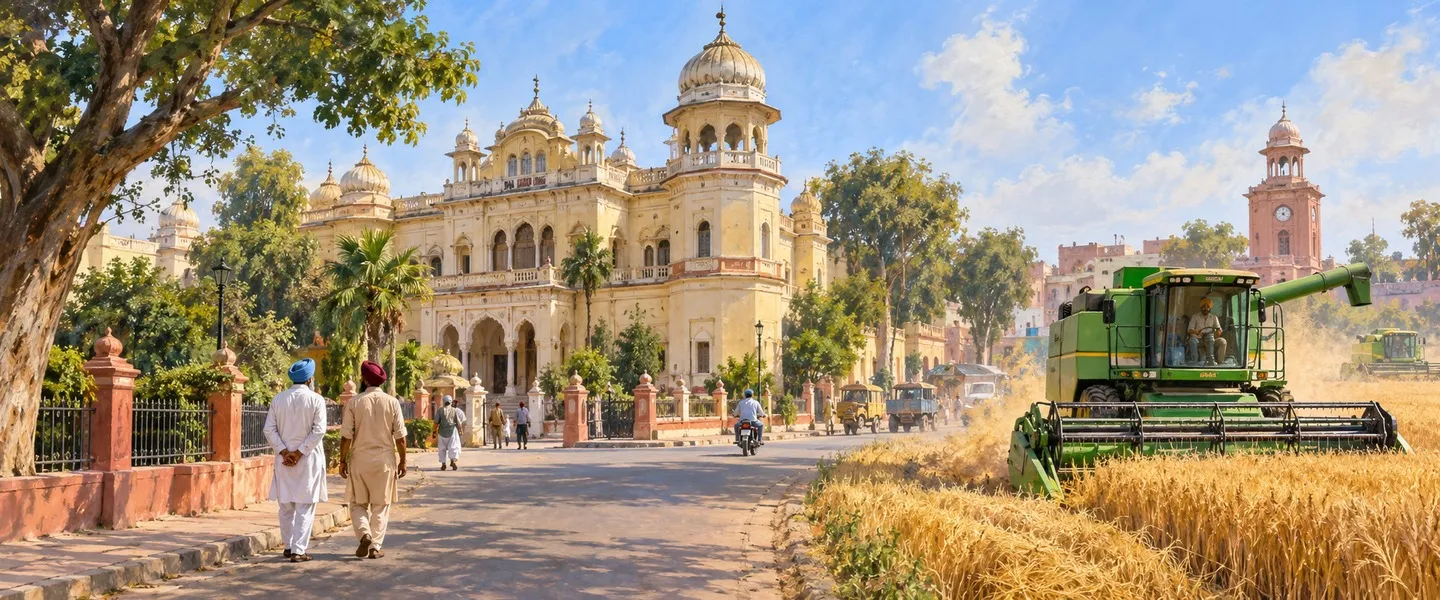
Nabha is a city in Patiala district, Punjab, founded in 1755 by Hamir Singh and long the capital of the Phulkian princely state of Nabha. The Hira Mahal recalls its royal past, and its workshops build combine harvesters used across India.
ਇਤਿਹਾਸ ਇੱਕ ਨਜ਼ਰ ਵਿੱਚ
- 1755Hamir Singh of the Phulkian family founds the town of Nabha.
- 1763Nabha State is established with Nabha as its capital.
- 1846After the First Anglo-Sikh War, a quarter of the state's territory is confiscated and Raja Davinder Singh is deposed.
- 1911Maharaja Hira Singh takes the title of Maharaja at the end of his long reign.
- 1923Maharaja Ripudaman Singh is forced to abdicate; his removal feeds into the Jaito Morcha.
- 1948Nabha State merges into PEPSU; in 1956 PEPSU joins Punjab and Nabha becomes part of Patiala district.
- ਪੰਜਾਬੀ ਨਾਂ
- ਨਾਭਾ
- ਕਿਸਮ
- ਸ਼ਹਿਰ
- ਜ਼ਿਲ੍ਹਾ
- ਪਟਿਆਲਾ
- ਇਲਾਕਾ
- Malwa, Punjab (India)
- ਸਥਾਪਨਾ
- Town founded 1755 by Hamir Singh; Nabha State from 1763
- ਆਬਾਦੀ
- 67,972 (2011 census)
All 10 facts
- ਭਾਸ਼ਾ
- Patiala, about 25 km
- ਭਾਸ਼ਾ
- Punjabi (Puadhi)
- ਪ੍ਰਸਿੱਧੀ
- Former Phulkian capital; Hira Mahal; combine harvesters
- ਤਹਿਸੀਲ
- ਨਾਭਾ
Nabha is a historic city in Patiala district of Punjab, India, founded in 1755 by Hamir Singh of the Phulkian dynasty and long the capital of Nabha State. The 2011 census counted 67,972 residents. Its Hira Mahal palace recalls the princely era, and its workshops build combine harvesters for farms across India.
Where is Nabha?
Nabha is in the south west of Patiala district, about 25 kilometres west of Patiala city, at 30.37 degrees north and 76.15 degrees east, on the flat plain where Malwa meets the Puadhi speaking country east of the Sutlej. It is a subdivision and tehsil headquarters of the district, governed by a municipal council, with the PIN code 147201. Roads run from Nabha to Patiala, Sangrur, Malerkotla and Bhadson, and the town serves a wide farming hinterland in the fertile Pawadh tract.
History: the founding of a Phulkian capital
The ruling house of Nabha belonged to the Phulkian family, the Sidhu line that traces itself to Phul and his son Tiloka, and that also produced the ruling houses of Patiala and Jind. Hamir Singh, a descendant of Tiloka through Gurditta, founded the town of Nabha in 1755. In 1763, after joining the Sikh chiefs who defeated the Mughal governor at Sirhind, he was confirmed in the territories he had taken, and Nabha State came into being with its capital in the new town. The state was never one compact block: it began as twelve scattered tracts lying among the lands of its Phulkian cousins.
The rajas built their capital to match the claim. The fort, the palaces, the royal cenotaphs of the Shahi Samadhan and the planned streets of the old city belong to this princely building age. By 1901 the state covered 966 square miles, with four towns and 492 villages, administered in three nizamats: Amloh, Phul and Bawal, the last a southern tract near today's Haryana border, gained after 1857.
British protection, deposition and reform
In 1807 and 1808 the ruler of Nabha obtained British protection against the expanding power of Maharaja Ranjit Singh across the Sutlej. The arrangement was tested in the First Anglo-Sikh War of 1845 and 1846, when Raja Davinder Singh was judged sympathetic to the Sikh Empire: a quarter of the state's territory, including the Amloh estates, was confiscated, and the raja was deposed in favour of his seven year old son Bharpur Singh. Bharpur Singh stayed loyal in 1857, forwarded the British a loan of two and a half lakh rupees, and was rewarded with the Bawal territory. At the Ambala Darbar of 1860, Nabha, Patiala and Jind were promised exemption from the doctrine of lapse.
The long reign of Maharaja Hira Singh, from 1871 to 1911, is remembered as the state's building age, and in 1911 he took the title of Maharaja. His son Ripudaman Singh, who had sat on the Imperial Legislative Council as heir apparent and moved in nationalist circles, brought social and judicial reforms and set up a Legislative Council for the state. His involvement in nationalist and Sikh politics brought him into conflict with the British, and on 8 July 1923 he was forced to abdicate. His removal became one of the grievances behind the Jaito Morcha of the Akali movement. Nabha State acceded to India in 1947, joined PEPSU in 1948, and in 1956 PEPSU itself merged into Punjab, leaving Nabha a subdivision town of Patiala district.
Geography and people
The 2011 census counted 67,972 people in the Nabha municipal council, up from 62,000 in 2001 and 54,421 in 1991: 36,528 men and 31,444 women, a sex ratio of 861 women for every 1,000 men. The town covers about 20 square kilometres, a density of about 3,399 people per square kilometre. Scheduled Castes numbered 10,316 residents. Of residents aged seven and above, 52,478 were literate, an effective literacy rate of about 86 per cent, and about 23,900 residents were recorded as workers. Punjabi is the language of the town, spoken in its Puadhi form, and the surrounding villages grow the wheat, paddy and fodder that feed Nabha's grain market and its workshops.
Places of interest
The Hira Mahal, the palace associated with Maharaja Hira Singh, is Nabha's best known building, standing in its grounds close to the old city; a photograph of it was already being published as a face of the state in the Mahan Kosh of 1930. The town's fort, recorded by the National Mission on Monuments and Antiquities as an 18th to 19th century structure about a kilometre from the bus stand, anchors the old royal core, and the Shahi Samadhan holds the cenotaphs of the ruling family. Gurdwara Siropa Sahib was known in the princely period as a keeping place of historical Sikh relics and artefacts. Around these stand the gates, bazaars and planned streets of the old capital, and beyond them the combine harvester factories that are the modern signature of the town.
Notable people
Hamir Singh, the founder, remains the first name in Nabha's story. Maharaja Hira Singh gave the state its palace age, and Maharaja Ripudaman Singh gave Punjab one of the causes of the Akali movement. The town's greatest gift to Punjabi letters is Bhai Kahn Singh Nabha (1861 to 1938), born at Sabaz Banera village, who served Nabha State for years, among other posts as tutor to the young Ripudaman Singh, and who died at Nabha. His Gur Shabad Ratnakar Mahan Kosh, published in 1930 after some fourteen years of work, was the first encyclopaedia of Sikh literature and is still the reference work scholars reach for. He carried the town's name as his own, and the name has carried the town across the Punjabi world ever since.
Getting there and Nabha today
Nabha has its own railway station on the Rajpura to Bathinda line of Northern Railway, and buses link it through the day with Patiala, Sangrur and Malerkotla. Today Nabha works as a subdivision headquarters, a grain market and an industrial town in one. Its workshops were among the pioneers of combine harvester building in India, and makers based here, among them firms founded in 1988 and 1995, still send self propelled and tractor driven combines, straw reapers and other farm machines to buyers across India and abroad. The princely buildings now share the skyline with factory sheds, but the order of the old capital still shows in its streets.
ਨਾਭਾ ਭਾਰਤ ਦੇ ਪੰਜਾਬ ਸੂਬੇ ਦੇ ਪਟਿਆਲਾ ਜ਼ਿਲ੍ਹੇ ਦਾ ਇਤਿਹਾਸਕ ਸ਼ਹਿਰ ਹੈ, ਜੋ 1755 ਵਿੱਚ ਫੂਲਕੀਆਂ ਵੰਸ਼ ਦੇ ਹਮੀਰ ਸਿੰਘ ਨੇ ਵਸਾਇਆ ਅਤੇ ਲੰਮਾ ਸਮਾਂ ਨਾਭਾ ਰਿਆਸਤ ਦੀ ਰਾਜਧਾਨੀ ਰਿਹਾ। 2011 ਦੀ ਜਨਗਣਨਾ ਨੇ 67,972 ਵਾਸੀ ਗਿਣੇ। ਇਸ ਦਾ ਹੀਰਾ ਮਹਿਲ ਰਿਆਸਤੀ ਯੁੱਗ ਦੀ ਯਾਦ ਦਿਵਾਉਂਦਾ ਹੈ, ਅਤੇ ਇਸ ਦੀਆਂ ਵਰਕਸ਼ਾਪਾਂ ਸਾਰੇ ਭਾਰਤ ਦੇ ਖੇਤਾਂ ਲਈ ਕੰਬਾਈਨ ਹਾਰਵੈਸਟਰ ਬਣਾਉਂਦੀਆਂ ਹਨ।
ਨਾਭਾ ਕਿੱਥੇ ਹੈ?
ਨਾਭਾ ਪਟਿਆਲਾ ਜ਼ਿਲ੍ਹੇ ਦੇ ਦੱਖਣ-ਪੱਛਮ ਵਿੱਚ ਹੈ, ਪਟਿਆਲਾ ਸ਼ਹਿਰ ਤੋਂ ਲਗਭਗ 25 ਕਿਲੋਮੀਟਰ ਪੱਛਮ ਵਿੱਚ, 30.37 ਡਿਗਰੀ ਉੱਤਰ ਅਤੇ 76.15 ਡਿਗਰੀ ਪੂਰਬ ਉੱਤੇ, ਉਸ ਪੱਧਰੇ ਮੈਦਾਨ ਵਿੱਚ ਜਿੱਥੇ ਮਾਲਵਾ ਸਤਲੁਜ ਤੋਂ ਪੂਰਬਲੇ ਪੁਆਧੀ ਬੋਲਣ ਵਾਲੇ ਇਲਾਕੇ ਨੂੰ ਮਿਲਦਾ ਹੈ। ਇਹ ਜ਼ਿਲ੍ਹੇ ਦਾ ਸਬ-ਡਵੀਜ਼ਨ ਅਤੇ ਤਹਿਸੀਲ ਮੁੱਖ ਦਫ਼ਤਰ ਹੈ, ਨਗਰ ਕੌਂਸਲ ਵੱਲੋਂ ਚਲਾਇਆ ਜਾਂਦਾ ਹੈ, ਅਤੇ ਇਸ ਦਾ ਪਿੰਨ ਕੋਡ 147201 ਹੈ। ਨਾਭਾ ਤੋਂ ਪਟਿਆਲਾ, ਸੰਗਰੂਰ, ਮਲੇਰਕੋਟਲਾ ਅਤੇ ਭਾਦਸੋਂ ਵੱਲ ਸੜਕਾਂ ਜਾਂਦੀਆਂ ਹਨ, ਅਤੇ ਇਹ ਸ਼ਹਿਰ ਉਪਜਾਊ ਪਵਾਧ ਇਲਾਕੇ ਦੇ ਵੱਡੇ ਖੇਤੀ ਪਿਛੋਕੜ ਦੀ ਸੇਵਾ ਕਰਦਾ ਹੈ।
ਇਤਿਹਾਸ: ਫੂਲਕੀਆਂ ਰਾਜਧਾਨੀ ਦੀ ਸਥਾਪਨਾ
ਨਾਭਾ ਦਾ ਸ਼ਾਹੀ ਘਰਾਣਾ ਫੂਲਕੀਆਂ ਪਰਿਵਾਰ ਨਾਲ ਜੁੜਿਆ ਸੀ, ਉਹ ਸਿੱਧੂ ਵੰਸ਼ ਜੋ ਆਪਣੀ ਜੜ੍ਹ ਫੂਲ ਅਤੇ ਉਸ ਦੇ ਪੁੱਤਰ ਤਿਲੋਕਾ ਤੱਕ ਲੈ ਜਾਂਦਾ ਹੈ, ਅਤੇ ਜਿਸ ਨੇ ਪਟਿਆਲਾ ਅਤੇ ਜੀਂਦ ਦੇ ਸ਼ਾਹੀ ਘਰਾਣੇ ਵੀ ਦਿੱਤੇ। ਗੁਰਦਿੱਤਾ ਰਾਹੀਂ ਤਿਲੋਕਾ ਦੇ ਵੰਸ਼ਜ ਹਮੀਰ ਸਿੰਘ ਨੇ 1755 ਵਿੱਚ ਨਾਭਾ ਸ਼ਹਿਰ ਵਸਾਇਆ। 1763 ਵਿੱਚ, ਸਰਹਿੰਦ ਦੇ ਮੁਗਲ ਸੂਬੇਦਾਰ ਨੂੰ ਹਰਾਉਣ ਵਾਲੇ ਸਿੱਖ ਸਰਦਾਰਾਂ ਨਾਲ ਰਲ ਕੇ, ਉਸ ਦੀਆਂ ਜਿੱਤੀਆਂ ਜ਼ਮੀਨਾਂ ਦੀ ਪੁਸ਼ਟੀ ਹੋ ਗਈ, ਅਤੇ ਨਵੇਂ ਸ਼ਹਿਰ ਨੂੰ ਰਾਜਧਾਨੀ ਬਣਾ ਕੇ ਨਾਭਾ ਰਿਆਸਤ ਹੋਂਦ ਵਿੱਚ ਆਈ। ਰਿਆਸਤ ਕਦੇ ਇੱਕ ਲਗਾਤਾਰ ਟੁਕੜਾ ਨਹੀਂ ਸੀ: ਇਹ ਬਾਰਾਂ ਖਿੰਡੇ ਇਲਾਕਿਆਂ ਨਾਲ ਸ਼ੁਰੂ ਹੋਈ, ਜੋ ਫੂਲਕੀਆਂ ਸੰਬੰਧੀਆਂ ਦੀਆਂ ਜ਼ਮੀਨਾਂ ਵਿਚਕਾਰ ਪਏ ਸਨ।
ਰਾਜਿਆਂ ਨੇ ਆਪਣੀ ਰਾਜਧਾਨੀ ਉਸ ਦਾਅਵੇ ਦੇ ਮੁਤਾਬਕ ਉਸਾਰੀ। ਕਿਲ੍ਹਾ, ਮਹਿਲ, ਸ਼ਾਹੀ ਸਮਾਧਾਂ ਅਤੇ ਪੁਰਾਣੇ ਸ਼ਹਿਰ ਦੀਆਂ ਯੋਜਨਾਬੱਧ ਗਲੀਆਂ ਇਸੇ ਰਿਆਸਤੀ ਉਸਾਰੀ ਯੁੱਗ ਦੀਆਂ ਹਨ। 1901 ਤੱਕ ਰਿਆਸਤ 966 ਵਰਗ ਮੀਲ ਵਿੱਚ ਫੈਲੀ ਸੀ, ਜਿਸ ਵਿੱਚ ਚਾਰ ਸ਼ਹਿਰ ਅਤੇ 492 ਪਿੰਡ ਸਨ, ਅਤੇ ਇਹ ਤਿੰਨ ਨਿਜ਼ਾਮਤਾਂ ਵਿੱਚ ਵੰਡੀ ਸੀ: ਅਮਲੋਹ, ਫੂਲ ਅਤੇ ਬਾਵਲ, ਜਿਨ੍ਹਾਂ ਵਿੱਚੋਂ ਆਖ਼ਰੀ ਅੱਜ ਦੇ ਹਰਿਆਣਾ ਸਰਹੱਦ ਨੇੜੇ ਦੱਖਣੀ ਇਲਾਕਾ ਸੀ, ਜੋ 1857 ਤੋਂ ਬਾਅਦ ਮਿਲਿਆ।
ਅੰਗਰੇਜ਼ੀ ਸੁਰੱਖਿਆ, ਤਖ਼ਤ ਤੋਂ ਉਤਾਰਨਾ ਅਤੇ ਸੁਧਾਰ
1807 ਅਤੇ 1808 ਵਿੱਚ ਨਾਭਾ ਦੇ ਹਾਕਮ ਨੇ ਸਤਲੁਜ ਪਾਰ ਮਹਾਰਾਜਾ ਰਣਜੀਤ ਸਿੰਘ ਦੀ ਵਧਦੀ ਤਾਕਤ ਵਿਰੁੱਧ ਅੰਗਰੇਜ਼ੀ ਸੁਰੱਖਿਆ ਹਾਸਲ ਕੀਤੀ। ਇਹ ਪ੍ਰਬੰਧ 1845 ਅਤੇ 1846 ਦੀ ਪਹਿਲੀ ਐਂਗਲੋ-ਸਿੱਖ ਜੰਗ ਵਿੱਚ ਪਰਖਿਆ ਗਿਆ, ਜਦੋਂ ਰਾਜਾ ਦਵਿੰਦਰ ਸਿੰਘ ਨੂੰ ਸਿੱਖ ਸਾਮਰਾਜ ਦਾ ਹਮਦਰਦ ਮੰਨਿਆ ਗਿਆ: ਰਿਆਸਤ ਦਾ ਚੌਥਾ ਹਿੱਸਾ ਇਲਾਕਾ, ਜਿਸ ਵਿੱਚ ਅਮਲੋਹ ਦੀਆਂ ਜਾਇਦਾਦਾਂ ਵੀ ਸਨ, ਜ਼ਬਤ ਕਰ ਲਿਆ ਗਿਆ, ਅਤੇ ਰਾਜੇ ਨੂੰ ਉਸ ਦੇ ਸੱਤ ਸਾਲ ਦੇ ਪੁੱਤਰ ਭਰਪੂਰ ਸਿੰਘ ਦੇ ਹੱਕ ਵਿੱਚ ਤਖ਼ਤ ਤੋਂ ਉਤਾਰ ਦਿੱਤਾ ਗਿਆ। ਭਰਪੂਰ ਸਿੰਘ 1857 ਵਿੱਚ ਵਫ਼ਾਦਾਰ ਰਹੇ, ਅੰਗਰੇਜ਼ਾਂ ਨੂੰ ਢਾਈ ਲੱਖ ਰੁਪਏ ਦਾ ਕਰਜ਼ਾ ਭੇਜਿਆ, ਅਤੇ ਇਨਾਮ ਵਿੱਚ ਬਾਵਲ ਦਾ ਇਲਾਕਾ ਪਾਇਆ। 1860 ਦੇ ਅੰਬਾਲਾ ਦਰਬਾਰ ਵਿੱਚ ਨਾਭਾ, ਪਟਿਆਲਾ ਅਤੇ ਜੀਂਦ ਨੂੰ ਲੈਪਸ ਦੇ ਸਿਧਾਂਤ ਤੋਂ ਛੋਟ ਦਾ ਵਾਅਦਾ ਮਿਲਿਆ।
ਮਹਾਰਾਜਾ ਹੀਰਾ ਸਿੰਘ ਦਾ ਲੰਮਾ ਰਾਜ, 1871 ਤੋਂ 1911 ਤੱਕ, ਰਿਆਸਤ ਦਾ ਉਸਾਰੀ ਯੁੱਗ ਮੰਨਿਆ ਜਾਂਦਾ ਹੈ, ਅਤੇ 1911 ਵਿੱਚ ਉਨ੍ਹਾਂ ਨੇ ਮਹਾਰਾਜਾ ਦਾ ਖਿਤਾਬ ਲਿਆ। ਉਨ੍ਹਾਂ ਦੇ ਪੁੱਤਰ ਰਿਪੁਦਮਨ ਸਿੰਘ, ਜੋ ਵਾਰਸ ਵਜੋਂ ਸ਼ਾਹੀ ਵਿਧਾਨਕ ਕੌਂਸਲ ਵਿੱਚ ਬੈਠੇ ਸਨ ਅਤੇ ਰਾਸ਼ਟਰਵਾਦੀ ਚੱਕਰਾਂ ਵਿੱਚ ਰਹਿੰਦੇ ਸਨ, ਸਮਾਜਿਕ ਅਤੇ ਨਿਆਂਇਕ ਸੁਧਾਰ ਲਿਆਏ ਅਤੇ ਰਿਆਸਤ ਲਈ ਵਿਧਾਨਕ ਕੌਂਸਲ ਬਣਾਈ। ਰਾਸ਼ਟਰਵਾਦੀ ਅਤੇ ਸਿੱਖ ਰਾਜਨੀਤੀ ਵਿੱਚ ਉਨ੍ਹਾਂ ਦੀ ਸ਼ਮੂਲੀਅਤ ਨੇ ਉਨ੍ਹਾਂ ਨੂੰ ਅੰਗਰੇਜ਼ਾਂ ਨਾਲ ਟਕਰਾਅ ਵਿੱਚ ਲਿਆਂਦਾ, ਅਤੇ 8 ਜੁਲਾਈ 1923 ਨੂੰ ਉਨ੍ਹਾਂ ਨੂੰ ਤਖ਼ਤ ਛੱਡਣ ਲਈ ਮਜਬੂਰ ਕੀਤਾ ਗਿਆ। ਉਨ੍ਹਾਂ ਨੂੰ ਹਟਾਉਣਾ ਅਕਾਲੀ ਲਹਿਰ ਦੇ ਜੈਤੋ ਮੋਰਚੇ ਪਿੱਛੇ ਸ਼ਿਕਾਇਤਾਂ ਵਿੱਚੋਂ ਇੱਕ ਬਣਿਆ। ਨਾਭਾ ਰਿਆਸਤ 1947 ਵਿੱਚ ਭਾਰਤ ਵਿੱਚ ਮਿਲੀ, 1948 ਵਿੱਚ ਪੈਪਸੂ ਵਿੱਚ ਸ਼ਾਮਲ ਹੋਈ, ਅਤੇ 1956 ਵਿੱਚ ਪੈਪਸੂ ਵੀ ਪੰਜਾਬ ਵਿੱਚ ਮਿਲ ਗਿਆ, ਜਿਸ ਨਾਲ ਨਾਭਾ ਪਟਿਆਲਾ ਜ਼ਿਲ੍ਹੇ ਦਾ ਸਬ-ਡਵੀਜ਼ਨ ਸ਼ਹਿਰ ਰਹਿ ਗਿਆ।
ਭੂਗੋਲ ਅਤੇ ਲੋਕ
2011 ਦੀ ਜਨਗਣਨਾ ਨੇ ਨਾਭਾ ਨਗਰ ਕੌਂਸਲ ਵਿੱਚ 67,972 ਲੋਕ ਗਿਣੇ, ਜੋ 2001 ਦੇ 62,000 ਅਤੇ 1991 ਦੇ 54,421 ਤੋਂ ਵੱਧ ਹਨ: 36,528 ਮਰਦ ਅਤੇ 31,444 ਔਰਤਾਂ, ਔਰਤਾਂ ਦਾ ਅਨੁਪਾਤ ਹਰ 1,000 ਮਰਦਾਂ ਪਿੱਛੇ 861। ਸ਼ਹਿਰ ਲਗਭਗ 20 ਵਰਗ ਕਿਲੋਮੀਟਰ ਵਿੱਚ ਹੈ, ਘਣਤਾ ਲਗਭਗ 3,399 ਲੋਕ ਪ੍ਰਤੀ ਵਰਗ ਕਿਲੋਮੀਟਰ। ਅਨੁਸੂਚਿਤ ਜਾਤੀਆਂ ਦੇ ਵਾਸੀ 10,316 ਸਨ। ਸੱਤ ਸਾਲ ਤੋਂ ਵੱਧ ਉਮਰ ਵਾਲਿਆਂ ਵਿੱਚ 52,478 ਪੜ੍ਹੇ-ਲਿਖੇ ਸਨ, ਪ੍ਰਭਾਵੀ ਸਾਖਰਤਾ ਦਰ ਲਗਭਗ 86 ਫ਼ੀਸਦੀ, ਅਤੇ ਲਗਭਗ 23,900 ਵਾਸੀ ਕਾਮੇ ਦਰਜ ਹੋਏ। ਪੰਜਾਬੀ ਸ਼ਹਿਰ ਦੀ ਭਾਸ਼ਾ ਹੈ, ਆਪਣੇ ਪੁਆਧੀ ਰੂਪ ਵਿੱਚ, ਅਤੇ ਆਲੇ-ਦੁਆਲੇ ਦੇ ਪਿੰਡ ਕਣਕ, ਝੋਨਾ ਅਤੇ ਚਾਰਾ ਉਗਾਉਂਦੇ ਹਨ, ਜੋ ਨਾਭਾ ਦੀ ਅਨਾਜ ਮੰਡੀ ਅਤੇ ਵਰਕਸ਼ਾਪਾਂ ਨੂੰ ਚਲਾਉਂਦੇ ਹਨ।
ਵੇਖਣਯੋਗ ਥਾਵਾਂ
ਹੀਰਾ ਮਹਿਲ, ਮਹਾਰਾਜਾ ਹੀਰਾ ਸਿੰਘ ਨਾਲ ਜੁੜਿਆ ਮਹਿਲ, ਨਾਭਾ ਦੀ ਸਭ ਤੋਂ ਜਾਣੀ-ਪਛਾਣੀ ਇਮਾਰਤ ਹੈ, ਜੋ ਪੁਰਾਣੇ ਸ਼ਹਿਰ ਨੇੜੇ ਆਪਣੇ ਮੈਦਾਨ ਵਿੱਚ ਖੜ੍ਹੀ ਹੈ; ਇਸ ਦੀ ਤਸਵੀਰ 1930 ਦੇ ਮਹਾਨ ਕੋਸ਼ ਵਿੱਚ ਹੀ ਰਿਆਸਤ ਦੇ ਚਿਹਰੇ ਵਜੋਂ ਛਪ ਰਹੀ ਸੀ। ਸ਼ਹਿਰ ਦਾ ਕਿਲ੍ਹਾ, ਜਿਸ ਨੂੰ ਰਾਸ਼ਟਰੀ ਸਮਾਰਕ ਅਤੇ ਪੁਰਾਤਨਤਾ ਮਿਸ਼ਨ ਨੇ 18ਵੀਂ ਤੋਂ 19ਵੀਂ ਸਦੀ ਦੀ ਇਮਾਰਤ ਵਜੋਂ ਦਰਜ ਕੀਤਾ ਹੈ ਅਤੇ ਜੋ ਬੱਸ ਅੱਡੇ ਤੋਂ ਲਗਭਗ ਇੱਕ ਕਿਲੋਮੀਟਰ ਹੈ, ਪੁਰਾਣੇ ਸ਼ਾਹੀ ਕੇਂਦਰ ਦੀ ਨੀਂਹ ਹੈ, ਅਤੇ ਸ਼ਾਹੀ ਸਮਾਧਾਂ ਵਿੱਚ ਸ਼ਾਹੀ ਪਰਿਵਾਰ ਦੀਆਂ ਸਮਾਧਾਂ ਹਨ। ਗੁਰਦੁਆਰਾ ਸੀਰੋਪਾ ਸਾਹਿਬ ਰਿਆਸਤੀ ਕਾਲ ਵਿੱਚ ਇਤਿਹਾਸਕ ਸਿੱਖ ਨਿਸ਼ਾਨੀਆਂ ਅਤੇ ਵਸਤਾਂ ਦੀ ਸਾਂਭ ਵਾਲੀ ਥਾਂ ਵਜੋਂ ਜਾਣਿਆ ਜਾਂਦਾ ਸੀ। ਇਨ੍ਹਾਂ ਆਲੇ-ਦੁਆਲੇ ਪੁਰਾਣੀ ਰਾਜਧਾਨੀ ਦੇ ਦਰਵਾਜ਼ੇ, ਬਾਜ਼ਾਰ ਅਤੇ ਯੋਜਨਾਬੱਧ ਗਲੀਆਂ ਹਨ, ਅਤੇ ਉਨ੍ਹਾਂ ਤੋਂ ਪਰੇ ਕੰਬਾਈਨ ਹਾਰਵੈਸਟਰ ਦੀਆਂ ਫੈਕਟਰੀਆਂ, ਜੋ ਸ਼ਹਿਰ ਦੀ ਆਧੁਨਿਕ ਪਛਾਣ ਹਨ।
ਪ੍ਰਸਿੱਧ ਹਸਤੀਆਂ
ਬਾਨੀ ਹਮੀਰ ਸਿੰਘ ਨਾਭਾ ਦੀ ਕਹਾਣੀ ਦਾ ਪਹਿਲਾ ਨਾਂ ਬਣੇ ਰਹਿੰਦੇ ਹਨ। ਮਹਾਰਾਜਾ ਹੀਰਾ ਸਿੰਘ ਨੇ ਰਿਆਸਤ ਨੂੰ ਇਸ ਦਾ ਮਹਿਲ ਯੁੱਗ ਦਿੱਤਾ, ਅਤੇ ਮਹਾਰਾਜਾ ਰਿਪੁਦਮਨ ਸਿੰਘ ਨੇ ਪੰਜਾਬ ਨੂੰ ਅਕਾਲੀ ਲਹਿਰ ਦੇ ਕਾਰਨਾਂ ਵਿੱਚੋਂ ਇੱਕ ਦਿੱਤਾ। ਪੰਜਾਬੀ ਸਾਹਿਤ ਨੂੰ ਸ਼ਹਿਰ ਦੀ ਸਭ ਤੋਂ ਵੱਡੀ ਦੇਣ ਭਾਈ ਕਾਹਨ ਸਿੰਘ ਨਾਭਾ (1861 ਤੋਂ 1938) ਹਨ, ਜੋ ਸਬਾਜ਼ ਬਨੇੜਾ ਪਿੰਡ ਵਿੱਚ ਜਨਮੇ, ਕਈ ਸਾਲ ਨਾਭਾ ਰਿਆਸਤ ਦੀ ਸੇਵਾ ਕੀਤੀ, ਹੋਰ ਅਹੁਦਿਆਂ ਨਾਲ ਨੌਜਵਾਨ ਰਿਪੁਦਮਨ ਸਿੰਘ ਦੇ ਉਸਤਾਦ ਵੀ ਰਹੇ, ਅਤੇ ਨਾਭਾ ਵਿੱਚ ਹੀ ਚਲਾਣਾ ਕਰ ਗਏ। ਉਨ੍ਹਾਂ ਦਾ ਗੁਰ ਸ਼ਬਦ ਰਤਨਾਕਰ ਮਹਾਨ ਕੋਸ਼, ਜੋ ਲਗਭਗ ਚੌਦਾਂ ਸਾਲ ਦੀ ਮਿਹਨਤ ਤੋਂ ਬਾਅਦ 1930 ਵਿੱਚ ਛਪਿਆ, ਸਿੱਖ ਸਾਹਿਤ ਦਾ ਪਹਿਲਾ ਵਿਸ਼ਵਕੋਸ਼ ਸੀ ਅਤੇ ਅੱਜ ਵੀ ਵਿਦਵਾਨਾਂ ਦਾ ਮੁੱਖ ਹਵਾਲਾ ਹੈ। ਉਨ੍ਹਾਂ ਨੇ ਸ਼ਹਿਰ ਦਾ ਨਾਂ ਆਪਣਾ ਬਣਾਇਆ, ਅਤੇ ਉਸ ਨਾਂ ਨੇ ਸ਼ਹਿਰ ਨੂੰ ਪੰਜਾਬੀ ਜਗਤ ਵਿੱਚ ਹਮੇਸ਼ਾ ਲਈ ਪਹੁੰਚਾ ਦਿੱਤਾ।
ਪਹੁੰਚ ਅਤੇ ਅੱਜ ਦਾ ਨਾਭਾ
ਨਾਭਾ ਦਾ ਆਪਣਾ ਰੇਲਵੇ ਸਟੇਸ਼ਨ ਉੱਤਰੀ ਰੇਲਵੇ ਦੀ ਰਾਜਪੁਰਾ ਤੋਂ ਬਠਿੰਡਾ ਵਾਲੀ ਲਾਈਨ ਉੱਤੇ ਹੈ, ਅਤੇ ਬੱਸਾਂ ਇਸ ਨੂੰ ਸਾਰਾ ਦਿਨ ਪਟਿਆਲਾ, ਸੰਗਰੂਰ ਅਤੇ ਮਲੇਰਕੋਟਲਾ ਨਾਲ ਜੋੜਦੀਆਂ ਹਨ। ਅੱਜ ਨਾਭਾ ਇੱਕੋ ਸਮੇਂ ਸਬ-ਡਵੀਜ਼ਨ ਮੁੱਖ ਦਫ਼ਤਰ, ਅਨਾਜ ਮੰਡੀ ਅਤੇ ਸਨਅਤੀ ਸ਼ਹਿਰ ਹੈ। ਇਸ ਦੀਆਂ ਵਰਕਸ਼ਾਪਾਂ ਭਾਰਤ ਵਿੱਚ ਕੰਬਾਈਨ ਹਾਰਵੈਸਟਰ ਬਣਾਉਣ ਦੀਆਂ ਮੋਢੀ ਕੋਸ਼ਿਸ਼ਾਂ ਵਿੱਚੋਂ ਸਨ, ਅਤੇ ਇੱਥੇ ਦੀਆਂ ਕੰਪਨੀਆਂ, ਜਿਨ੍ਹਾਂ ਵਿੱਚ 1988 ਅਤੇ 1995 ਵਿੱਚ ਸਥਾਪਿਤ ਫਰਮਾਂ ਵੀ ਹਨ, ਅੱਜ ਵੀ ਸਾਰੇ ਭਾਰਤ ਅਤੇ ਵਿਦੇਸ਼ਾਂ ਦੇ ਖਰੀਦਦਾਰਾਂ ਨੂੰ ਕੰਬਾਈਨ, ਸਟਰਾਅ ਰੀਪਰ ਅਤੇ ਹੋਰ ਖੇਤੀ ਮਸ਼ੀਨਾਂ ਭੇਜਦੀਆਂ ਹਨ। ਰਿਆਸਤੀ ਇਮਾਰਤਾਂ ਹੁਣ ਫੈਕਟਰੀ ਸ਼ੈੱਡਾਂ ਨਾਲ ਅਸਮਾਨ ਸਾਂਝਾ ਕਰਦੀਆਂ ਹਨ, ਪਰ ਪੁਰਾਣੀ ਰਾਜਧਾਨੀ ਦੀ ਵਿਵਸਥਾ ਇਸ ਦੀਆਂ ਗਲੀਆਂ ਵਿੱਚ ਅੱਜ ਵੀ ਦਿਸਦੀ ਹੈ।
People from Nabha



Nearby
Villages in Nabha tehsil (169)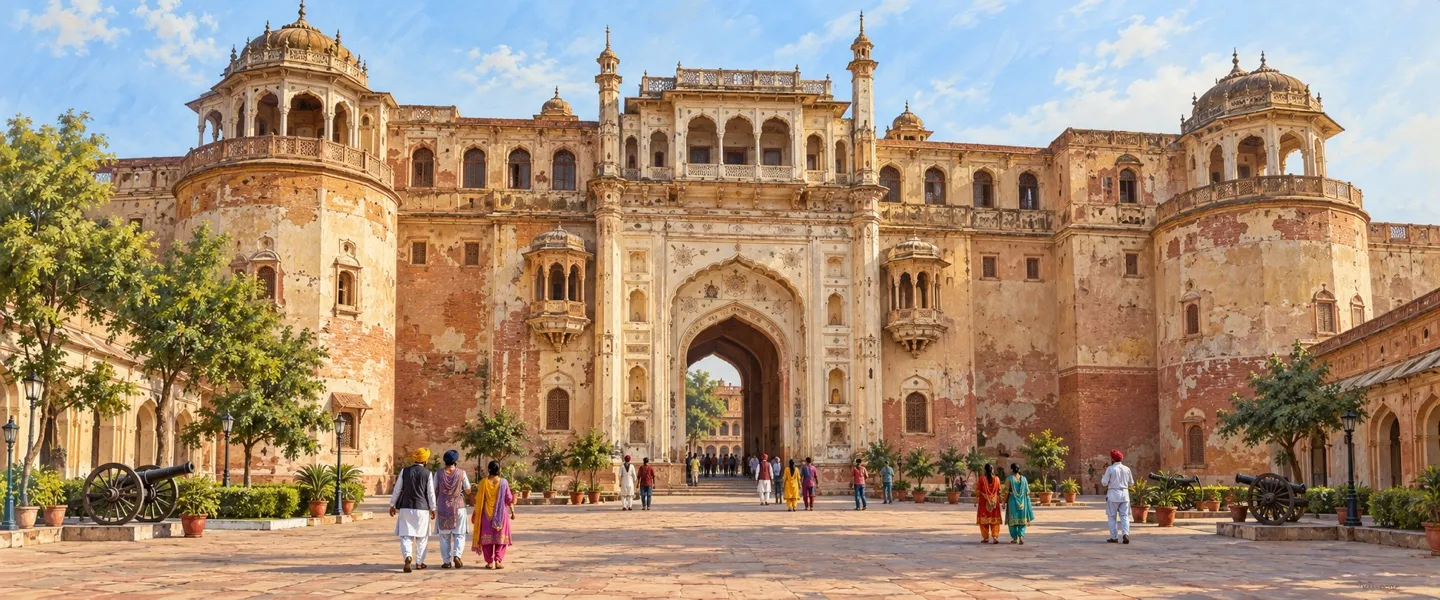

Nabha ਖ਼ਬਰਾਂ ਵਿੱਚ
ਸਾਰੀਆਂ ਖ਼ਬਰਾਂ ਵਿਸ਼ਵ ਜੂਨੀਅਰ ਬੈਡਮਿੰਟਨ ਕਾਂਸੀ ਜੇਤੂ ਨਾਭਾ ਦੇ ਜਗਸ਼ੇਰ ਖੰਗੂੜਾ ਦਾ ਮੋਹਾਲੀ ਵਿੱਚ ਸ਼ਾਨਦਾਰ ਸਵਾਗਤਵਿਸ਼ਵ ਜੂਨੀਅਰ ਬੈਡਮਿੰਟਨ ਕਾਂਸੀ ਜੇਤੂ ਨਾਭਾ ਦੇ ਜਗਸ਼ੇਰ ਖੰਗੂੜਾ ਦਾ ਮੋਹਾਲੀ ਵਿੱਚ ਸ਼ਾਨਦਾਰ ਸਵਾਗਤ
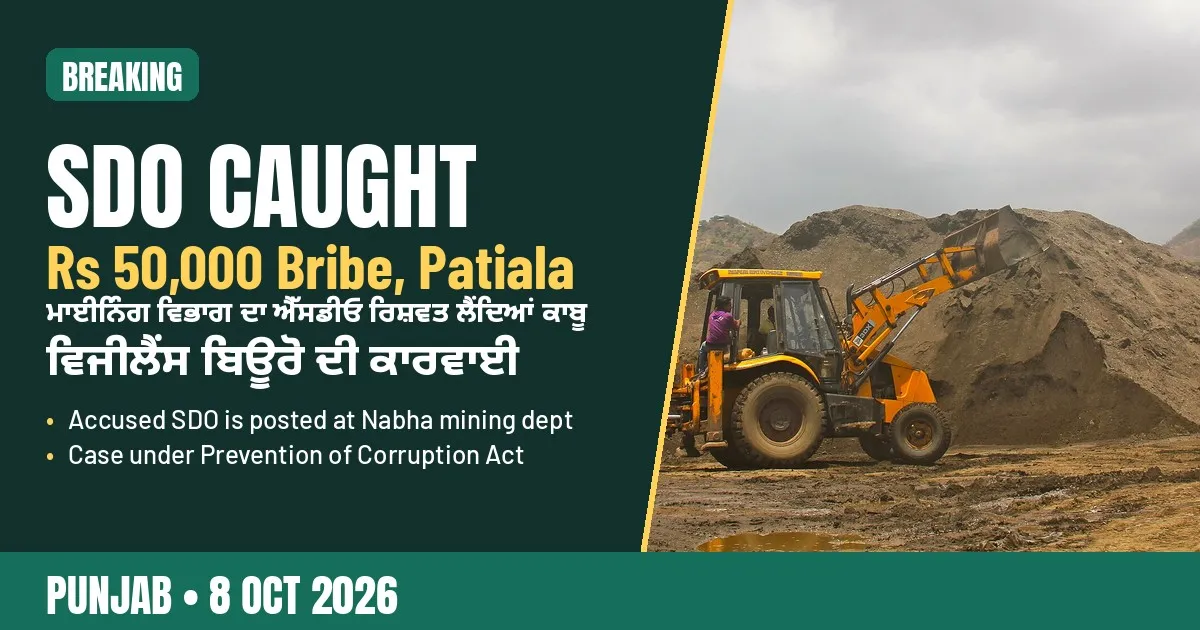 ਵਿਜੀਲੈਂਸ ਬਿਊਰੋ ਨੇ ਨਾਭਾ ਦਾ ਮਾਈਨਿੰਗ ਐੱਸਡੀਓ 50,000 ਰੁਪਏ ਰਿਸ਼ਵਤ ਲੈਂਦਿਆਂ ਫੜਿਆਵਿਜੀਲੈਂਸ ਬਿਊਰੋ ਨੇ ਨਾਭਾ ਦਾ ਮਾਈਨਿੰਗ ਐੱਸਡੀਓ 50,000 ਰੁਪਏ ਰਿਸ਼ਵਤ ਲੈਂਦਿਆਂ ਫੜਿਆ
ਸਰੋਤ (6)
ਜੁਗਤੀ ਮੁਫ਼ਤ ਅਤੇ ਸੁਤੰਤਰ ਹੈ। ਪਾਠਕਾਂ ਦਾ ਸਹਿਯੋਗ ਕੋਸ਼ ਨੂੰ ਵਧਾਉਂਦਾ ਹੈ।
ਸਹਿਯੋਗ