
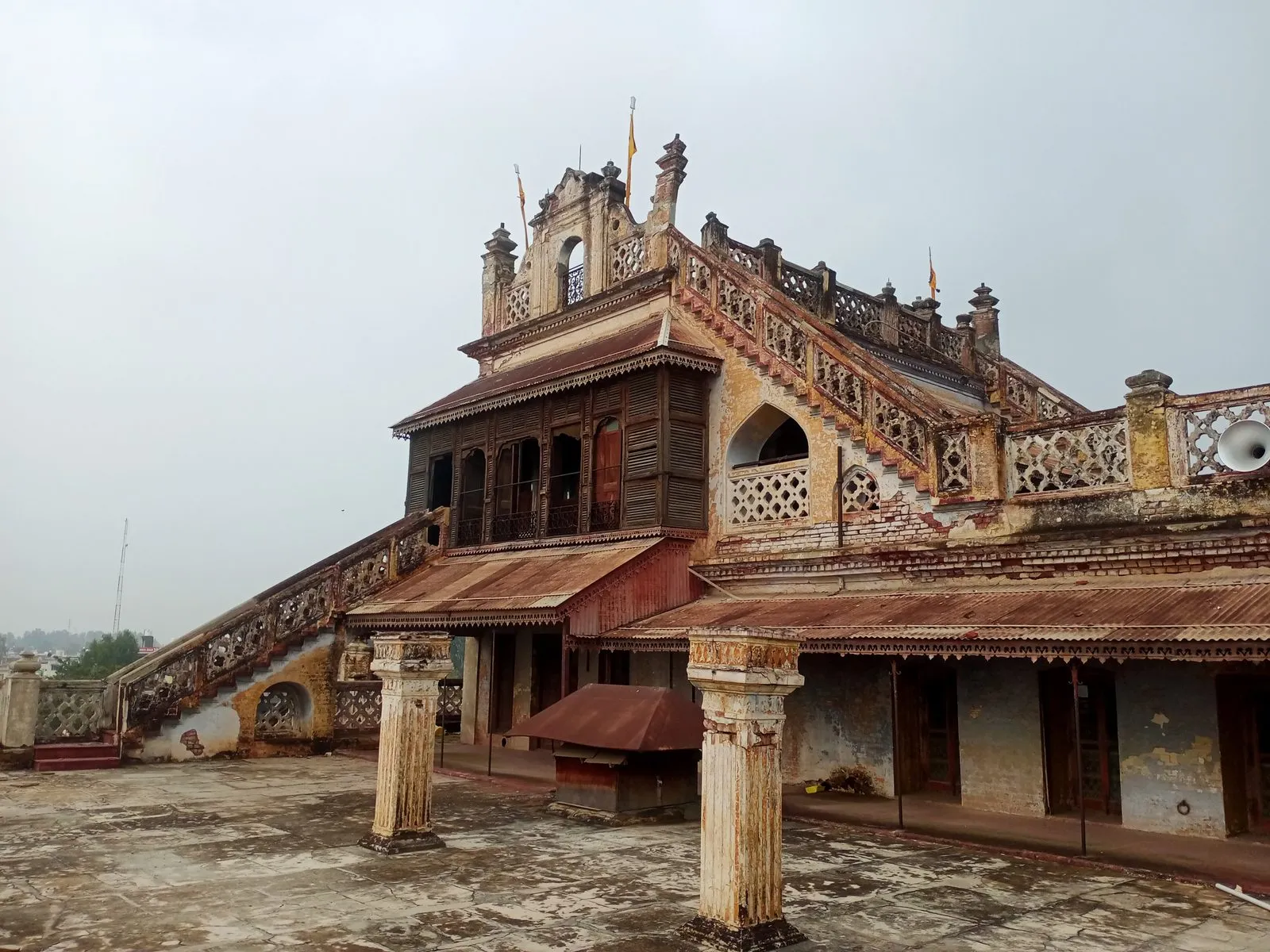
Nabha was the capital of the former Nabha State, one of the three Phulkian kingdoms, founded by Hamir Singh in 1763. The Hira Mahal and the old royal core still speak of its princely past, while its modern fame is industrial — combine harvesters made here work fields across India. The municipal council counted about 68,000 residents in 2011.
- Facts
- Type
- City
- District
- Patiala
- Region
- Malwa, Punjab (India)
- Founded
- 1763, by Hamir Singh as capital of Nabha State
- Population
- 67,972 (2011 census)
- Known for
- Former Phulkian capital; Hira Mahal; combine harvesters
History
Nabha is a princely capital. In 1763 Hamir Singh — of the Phulkian line that also founded Patiala and Jind — established Nabha as the capital of his new state, one of the three great Phulkian kingdoms of Malwa. The Nabha rulers built their capital deliberately: the Hira Mahal, the royal residences, the administrative offices and the planned streets of the old city all date to the century and a half of princely rule. The state survived the British settlement of the cis-Sutlej, the 1857 uprising (in which Nabha sided with the British), and the twentieth century's politics — its rulers, including the reform-minded Ripudaman Singh, played roles in the wider Sikh world.
In 1948 Nabha State acceded to India and merged into PEPSU, and the capital became a district town of the new Punjab. But the princely imprint — the palaces, the wide streets, the institutional buildings — never left. The town's colleges and its district-level offices still occupy the buildings the rajas built, and the old city's grid remains one of the best-preserved princely town plans in Malwa.
Geography & people
Nabha lies in Patiala district, about 25 kilometres west of Patiala city, on the roads linking Patiala, Sangrur and Malerkotla. The 2011 census counted 67,972 residents in the municipal council. Punjabi is the everyday language. The economy is famously industrial for a town its size: Nabha's workshops were among the first in India to build combine harvesters, and the machines made here still work the wheat fields of the whole northwest. The grain market serves the surrounding farmland.
Places of interest
The Hira Mahal — the 'Diamond Palace' — is Nabha's landmark, set in its grounds on the town's edge. The old royal core, with its palaces, administrative buildings and planned streets, preserves the princely capital's character. The town's gurdwaras and temples serve its population, and the industrial estates on its outskirts — where the combine harvesters are built — are a working attraction for the agriculturally curious. At harvest time the roads out of Nabha carry new machines to the wheat belt, a modern echo of the princely capital's old commercial life.
Notable people
Hamir Singh, who founded Nabha State and its capital in 1763, is the town's founding figure. Raja Bharpur Singh and the later Nabha rulers shaped its nineteenth and twentieth centuries. Bhai Kahn Singh Nabha — the scholar whose Mahan Kosh (1930) remains the great dictionary of Sikh literature — took his name from this town, and his work is Nabha's gift to Punjabi letters.
ਇਤਿਹਾਸ
ਨਾਭਾ ਇੱਕ ਰਿਆਸਤੀ ਰਾਜਧਾਨੀ ਹੈ। 1763 ਵਿੱਚ ਹਮੀਰ ਸਿੰਘ — ਉਸ ਫੂਲਕੀਆਂ ਵੰਸ਼ ਤੋਂ ਜਿਸ ਨੇ ਪਟਿਆਲਾ ਅਤੇ ਜੀਂਦ ਵੀ ਸਥਾਪਿਤ ਕੀਤੇ — ਨੇ ਨਾਭਾ ਨੂੰ ਆਪਣੀ ਨਵੀਂ ਰਿਆਸਤ ਦੀ ਰਾਜਧਾਨੀ ਬਣਾਇਆ। ਨਾਭਾ ਦੇ ਰਾਜਿਆਂ ਨੇ ਰਾਜਧਾਨੀ ਸੋਚ-ਸਮਝ ਕੇ ਉਸਾਰੀ: ਹੀਰਾ ਮਹਿਲ, ਸ਼ਾਹੀ ਨਿਵਾਸ, ਪ੍ਰਸ਼ਾਸਨਿਕ ਦਫ਼ਤਰ ਅਤੇ ਪੁਰਾਣੇ ਸ਼ਹਿਰ ਦੀਆਂ ਯੋਜਨਾਬੱਧ ਗਲੀਆਂ ਸਭ ਡੇਢ ਸਦੀ ਦੇ ਰਿਆਸਤੀ ਰਾਜ ਦੀਆਂ ਹਨ।
1948 ਵਿੱਚ ਨਾਭਾ ਰਿਆਸਤ ਭਾਰਤ ਵਿੱਚ ਮਿਲੀ ਅਤੇ ਪੈਪਸੂ ਵਿੱਚ ਸ਼ਾਮਲ ਹੋਈ; ਰਾਜਧਾਨੀ ਨਵੇਂ ਪੰਜਾਬ ਦਾ ਜ਼ਿਲ੍ਹਾ ਨਗਰ ਬਣ ਗਈ। ਪਰ ਰਿਆਸਤੀ ਛਾਪ — ਮਹਿਲ, ਚੌੜੀਆਂ ਸੜਕਾਂ, ਸੰਸਥਾਗਤ ਇਮਾਰਤਾਂ — ਕਦੇ ਨਹੀਂ ਗਈ।
ਭੂਗੋਲ ਅਤੇ ਲੋਕ
ਨਾਭਾ ਪਟਿਆਲਾ ਜ਼ਿਲ੍ਹੇ ਵਿੱਚ ਪਟਿਆਲਾ ਸ਼ਹਿਰ ਤੋਂ ਲਗਭਗ 25 ਕਿਲੋਮੀਟਰ ਪੱਛਮ ਵਿੱਚ ਹੈ। 2011 ਵਿੱਚ ਨਗਰ ਕੌਂਸਲ ਦੀ ਆਬਾਦੀ 67,972 ਸੀ। ਆਪਣੇ ਆਕਾਰ ਦੇ ਹਿਸਾਬ ਨਾਲ ਇਹ ਪ੍ਰਸਿੱਧ ਸਨਅਤੀ ਨਗਰ ਹੈ — ਨਾਭਾ ਦੀਆਂ ਵਰਕਸ਼ਾਪਾਂ ਭਾਰਤ ਵਿੱਚ ਕੰਬਾਈਨ ਹਾਰਵੈਸਟਰ ਬਣਾਉਣ ਵਾਲੀਆਂ ਪਹਿਲੀਆਂ ਵਿੱਚੋਂ ਸਨ।
ਵੇਖਣਯੋਗ ਥਾਵਾਂ
ਹੀਰਾ ਮਹਿਲ ਨਾਭਾ ਦੀ ਨਿਸ਼ਾਨੀ ਹੈ। ਮਹਿਲਾਂ, ਪ੍ਰਸ਼ਾਸਨਿਕ ਇਮਾਰਤਾਂ ਅਤੇ ਯੋਜਨਾਬੱਧ ਗਲੀਆਂ ਵਾਲਾ ਪੁਰਾਣਾ ਸ਼ਾਹੀ ਕੇਂਦਰ ਰਿਆਸਤੀ ਰਾਜਧਾਨੀ ਦਾ ਚਰਿੱਤਰ ਸਾਂਭੀ ਬੈਠਾ ਹੈ। ਬਾਹਰਵਾਰ ਦੇ ਸਨਅਤੀ ਇਲਾਕੇ — ਜਿੱਥੇ ਕੰਬਾਈਨ ਹਾਰਵੈਸਟਰ ਬਣਦੇ ਹਨ — ਖੇਤੀਬਾੜੀ ਵਿੱਚ ਦਿਲਚਸਪੀ ਰੱਖਣ ਵਾਲਿਆਂ ਲਈ ਵੇਖਣਯੋਗ ਹਨ।
ਪ੍ਰਸਿੱਧ ਹਸਤੀਆਂ
1763 ਵਿੱਚ ਨਾਭਾ ਰਿਆਸਤ ਅਤੇ ਰਾਜਧਾਨੀ ਸਥਾਪਿਤ ਕਰਨ ਵਾਲੇ ਹਮੀਰ ਸਿੰਘ ਸ਼ਹਿਰ ਦੇ ਬਾਨੀ ਹਨ। ਭਾਈ ਕਾਹਨ ਸਿੰਘ ਨਾਭਾ — ਜਿਨ੍ਹਾਂ ਦਾ ਮਹਾਨ ਕੋਸ਼ (1930) ਸਿੱਖ ਸਾਹਿਤ ਦਾ ਮਹਾਨ ਸ਼ਬਦਕੋਸ਼ ਹੈ — ਨੇ ਇਸ ਨਗਰ ਤੋਂ ਨਾਂ ਲਿਆ; ਉਨ੍ਹਾਂ ਦੀ ਰਚਨਾ ਪੰਜਾਬੀ ਸਾਹਿਤ ਨੂੰ ਨਾਭਾ ਦੀ ਦੇਣ ਹੈ।
Timeline
- 1763Hamir Singh founds Nabha as the capital of his new state, one of the Phulkian kingdoms.
- 1800sThe Hira Mahal and the royal core of the capital take shape under the Nabha rulers.
- 1948Nabha State accedes to India and merges into PEPSU.
- 1970sNabha's workshops pioneer combine-harvester manufacturing for the Green Revolution.
Nabha in the news
No stories link to this entry yet.