
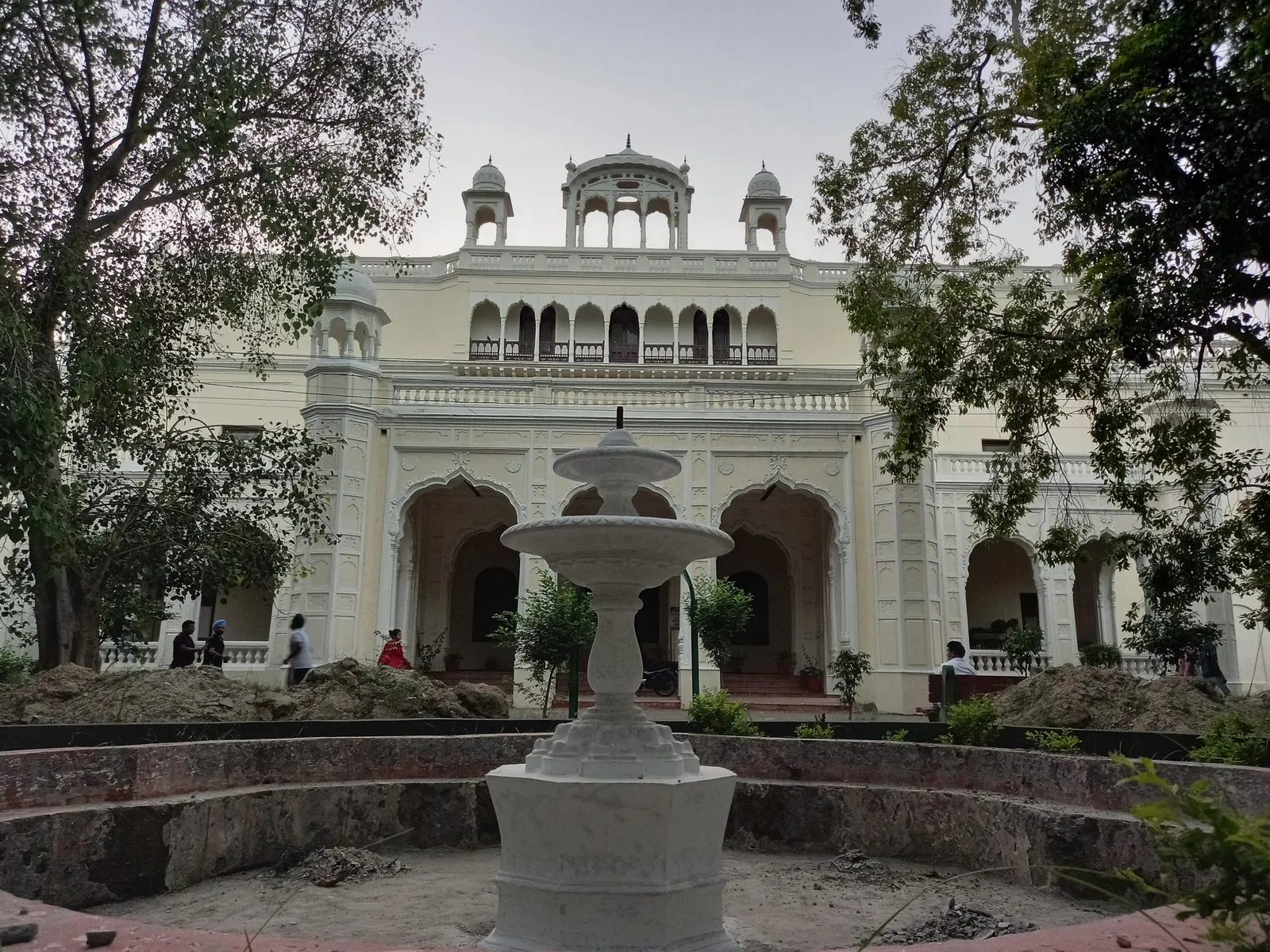
Sangrur is the headquarters of its district in the heart of Malwa, founded about 400 years ago by a Jat named Sanghu. It became the capital of Jind State in the early nineteenth century — the Banasar Bagh's marble baradari was the Jind rulers' summer retreat. The district was carved out in 1948 from Patiala, Nabha, Malerkotla and Jind territories. About 88,000 people lived here in 2011.
- Facts
- Type
- City
- District
- Sangrur
- Region
- Malwa, Punjab (India)
- Founded
- About 400 years ago, by Sanghu (a Jat)
- Population
- 88,043 (2011 census)
- Known for
- Former Jind State capital; Banasar Bagh; Clock Tower
History
Sangrur was founded about four hundred years ago by Sanghu, a Jat — the town's name is his. Its great chapter began in the early nineteenth century, when Raja Sangat Singh of Jind (reigned 1822–34) made Sangrur the capital of Jind State, one of the Phulkian kingdoms. The Jind rulers built their capital's institutions here: the Banasar Bagh with its marble baradari — their summer retreat — the palaces, the administrative offices and the planned streets of the royal core. Gajpat Singh, the founder of Jind State, belongs to the earlier part of the story; Sangat Singh made Sangrur what it was.
In 1948 the princely order ended and Sangrur district was carved out of the territories of Patiala, Nabha, Malerkotla and Jind — with Sangrur town, the old Jind capital, as its headquarters. The town kept its administrative role and added the institutions of a modern district: courts, colleges, hospitals and, in the 2010s, the PGIMER satellite centre and the Homi Bhabha Cancer Hospital — the latter two making Sangrur a medical destination for the whole of southern Malwa.
Geography & people
Sangrur lies in the heart of Malwa, on the roads linking Patiala, Barnala, Bathinda and Malerkotla, with a railway station on the Ludhiana–Jakhal line — the junction town of southern Malwa. The 2011 census counted 88,043 residents in the municipal council. Punjabi is the everyday language; Sikhs form the majority. The economy mixes district-town administration, the grain market, small industry and the growing medical-educational sector around the new hospitals.
Places of interest
The Banasar Bagh — with its marble baradari in the middle of a water tank, the Jind rulers' summer retreat — is Sangrur's showpiece. The Clock Tower in the old city is the civic landmark. The town's gurdwaras and temples serve its population, and the district's villages offer the standard Malwa countryside. The new medical institutions have added a modern layer to the old capital's attractions, and the town's markets — cloth, utensils, everyday goods — carry the bustle of a district headquarters.
Notable people
Sanghu, the Jat founder of four centuries ago, gave the town its name — and the town has carried it through a princely capital, a district headquarters, and a medical hub. Gajpat Singh founded Jind State; Raja Sangat Singh made Sangrur its capital and built the Banasar Bagh. In the modern era Sangrur's name is carried by its administrators, its doctors — the new hospitals are drawing specialists — and its political figures, the district being one of Malwa's key constituencies.
ਇਤਿਹਾਸ
ਸੰਗਰੂਰ ਦੀ ਨੀਂਹ ਲਗਭਗ ਚਾਰ ਸੌ ਸਾਲ ਪਹਿਲਾਂ ਸੰਘੂ ਨਾਂ ਦੇ ਇੱਕ ਜੱਟ ਨੇ ਰੱਖੀ — ਸ਼ਹਿਰ ਦਾ ਨਾਂ ਉਸੇ ਤੋਂ ਹੈ। ਇਸ ਦਾ ਮਹਾਨ ਅਧਿਆਇ ਉਨੀਵੀਂ ਸਦੀ ਦੀ ਸ਼ੁਰੂਆਤ ਵਿੱਚ ਸ਼ੁਰੂ ਹੋਇਆ, ਜਦੋਂ ਜੀਂਦ ਦੇ ਰਾਜਾ ਸੰਗਤ ਸਿੰਘ (1822-34) ਨੇ ਸੰਗਰੂਰ ਨੂੰ ਜੀਂਦ ਰਿਆਸਤ ਦੀ ਰਾਜਧਾਨੀ ਬਣਾਇਆ। ਜੀਂਦ ਦੇ ਰਾਜਿਆਂ ਨੇ ਇੱਥੇ ਰਾਜਧਾਨੀ ਦੀਆਂ ਸੰਸਥਾਵਾਂ ਬਣਾਈਆਂ — ਬਨਾਸਰ ਬਾਗ਼ ਅਤੇ ਸੰਗਮਰਮਰ ਦੀ ਬਾਰਾਦਰੀ (ਉਨ੍ਹਾਂ ਦਾ ਗਰਮੀਆਂ ਦਾ ਨਿਵਾਸ), ਮਹਿਲ ਅਤੇ ਪ੍ਰਸ਼ਾਸਨਿਕ ਦਫ਼ਤਰ।
1948 ਵਿੱਚ ਰਿਆਸਤੀ ਢਾਂਚਾ ਖ਼ਤਮ ਹੋਇਆ ਅਤੇ ਪਟਿਆਲਾ, ਨਾਭਾ, ਮਲੇਰਕੋਟਲਾ ਅਤੇ ਜੀਂਦ ਦੇ ਇਲਾਕਿਆਂ ਵਿੱਚੋਂ ਸੰਗਰੂਰ ਜ਼ਿਲ੍ਹਾ ਬਣਿਆ — ਪੁਰਾਣੀ ਜੀਂਦ ਰਾਜਧਾਨੀ ਇਸ ਦਾ ਹੈੱਡਕੁਆਰਟਰ ਬਣੀ।
ਭੂਗੋਲ ਅਤੇ ਲੋਕ
ਸੰਗਰੂਰ ਮਾਲਵੇ ਦੇ ਦਿਲ ਵਿੱਚ, ਪਟਿਆਲਾ-ਬਰਨਾਲਾ-ਬਠਿੰਡਾ-ਮਲੇਰਕੋਟਲਾ ਸੜਕਾਂ 'ਤੇ ਹੈ; ਲੁਧਿਆਣਾ-ਜਾਖਲ ਰੇਲ ਲਾਈਨ 'ਤੇ ਸਟੇਸ਼ਨ ਹੈ। 2011 ਵਿੱਚ ਨਗਰ ਕੌਂਸਲ ਦੀ ਆਬਾਦੀ 88,043 ਸੀ। ਅਰਥਚਾਰਾ ਜ਼ਿਲ੍ਹਾ ਪ੍ਰਸ਼ਾਸਨ, ਅਨਾਜ ਮੰਡੀ, ਲਘੂ ਉਦਯੋਗ ਅਤੇ ਨਵੇਂ ਹਸਪਤਾਲਾਂ ਦੇ ਆਲੇ-ਦੁਆਲੇ ਦੇ ਮੈਡੀਕਲ-ਸਿੱਖਿਆ ਖੇਤਰ ਦਾ ਮਿਸ਼ਰਣ ਹੈ।
ਵੇਖਣਯੋਗ ਥਾਵਾਂ
ਬਨਾਸਰ ਬਾਗ਼ — ਪਾਣੀ ਦੇ ਤਲਾਬ ਵਿਚਕਾਰ ਸੰਗਮਰਮਰ ਦੀ ਬਾਰਾਦਰੀ, ਜੀਂਦ ਦੇ ਰਾਜਿਆਂ ਦਾ ਗਰਮੀਆਂ ਦਾ ਨਿਵਾਸ — ਸੰਗਰੂਰ ਦੀ ਸ਼ਾਨ ਹੈ। ਪੁਰਾਣੇ ਸ਼ਹਿਰ ਦਾ ਘੰਟਾ ਘਰ ਨਾਗਰਿਕ ਨਿਸ਼ਾਨੀ ਹੈ।
ਪ੍ਰਸਿੱਧ ਹਸਤੀਆਂ
ਚਾਰ ਸਦੀਆਂ ਪਹਿਲਾਂ ਦੇ ਬਾਨੀ ਸੰਘੂ ਨੇ ਸ਼ਹਿਰ ਨੂੰ ਨਾਂ ਦਿੱਤਾ। ਗਜਪਤ ਸਿੰਘ ਨੇ ਜੀਂਦ ਰਿਆਸਤ ਸਥਾਪਿਤ ਕੀਤੀ; ਰਾਜਾ ਸੰਗਤ ਸਿੰਘ ਨੇ ਸੰਗਰੂਰ ਨੂੰ ਰਾਜਧਾਨੀ ਬਣਾਇਆ ਅਤੇ ਬਨਾਸਰ ਬਾਗ਼ ਬਣਵਾਇਆ।
Timeline
- 1600sSanghu, a Jat, founds the settlement that becomes Sangrur.
- 1822Raja Sangat Singh of Jind makes Sangrur the capital of Jind State.
- 1948Sangrur district is carved out of the Patiala, Nabha, Malerkotla and Jind territories.
- 2010sThe PGIMER satellite centre and Homi Bhabha Cancer Hospital come up at Sangrur.
Sangrur in the news
No stories link to this entry yet.