
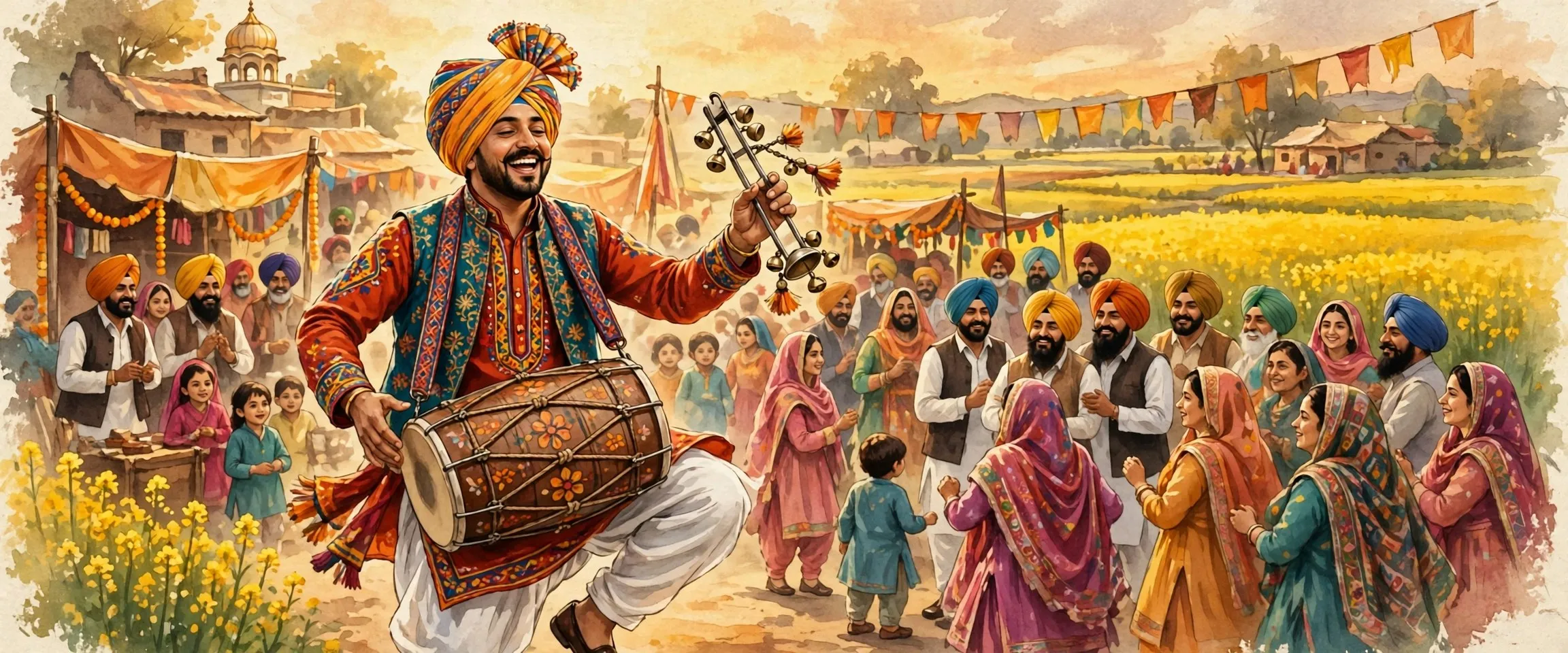
Pammi Bai (born Paramjit Singh Sidhu) is a folk singer, songwriter and bhangra choreographer from Jakhepal village in Sangrur district, based in Patiala. Called Bhangre Da Sher, he has spent over four decades singing with Punjab's traditional folk instruments, and received the Sangeet Natak Akademi Award in 2016 for his contribution to Punjabi folk music.
Life at a glance
- 1982First recording Nachdi Jawani
- 1987Known album Ankhi Sher Punjab De
- 2004Tour Lahore
- 2009Known album Punjaban
- 2011Known album Punjabiyan Di Balle Balle
- 2015Known album Diamond Sohniye
- 2016Honour Sangeet Natak Akademi Award
- Punjabi name
- ਪੰਮੀ ਬਾਈ
- Born
- Jakhepal village, Sangrur district, Punjab
- Birth name
- Paramjit Singh Sidhu
- Home village
- Jakhepal
- District
- Sangrur
- Region
- Malwa
All 14 facts
- Based
- Patiala
- Also known as
- Bhangre Da Sher (Lion of Bhangra)
- First recording
- Nachdi Jawani (1982)
- Breakthrough
- Ashke, which brought national attention from 1987
- Known albums
- Ankhi Sher Punjab De (1987); Punjaban (2009); Punjabiyan Di Balle Balle (2011); Diamond Sohniye (2015); 12 albums and more
- Instruments
- Toomba, algoza, toombi, sarangi, wanjli, bugdu, been, dhadd, dholki, dhol, ghara, chimta and dafli
- Honours
- Sangeet Natak Akademi Award (2016)
- Tours
- Performed in over 20 countries; delegate at the World Punjabi Conference, Lahore (2004)
Pammi Bai (born Paramjit Singh Sidhu) is a Punjabi folk singer, songwriter and bhangra choreographer from Jakhepal village in Sangrur district, based in Patiala, who has spent more than four decades defending the traditional sound of Punjab. Known as Bhangre Da Sher, the Lion of Bhangra, he sings with the old folk instruments, dances the old steps, and in 2016 received the Sangeet Natak Akademi Award, India's highest honour for performing artists, for his contribution to Punjabi folk music.
Jakhepal to the college stage
He was born in Jakhepal, in the Sangrur district of Punjab, the son of Sardar Partap Singh Baghi. Bhangra took hold of him early: as a schoolboy he danced at every function he could join, and at college he competed in inter university festivals and rose to become a dance director of bhangra. While studying for his M.A. he began to sing as an amateur, and theatre filled the rest of his time, including comic roles on Ram Lila stages. In 1982 he recorded his first song, Nachdi Jawani.
The twin calling of singer and dancer set him apart from the start. Where most Punjabi stars of his generation built their act around the microphone alone, Pammi Bai built his around the whole folk stage: the dhol and chimta, the toomba and algoza, the dance forms of Jhoomar, Malwai Giddha and the rest. He has performed in more than twenty countries as a bhangra dancer and folk singer.
Cassettes, Ashke and the long road
His first audio cassette came in 1987, recorded alongside the late folk singer Narinder Biba, and another followed with Surinder Kaur, the celebrated radio and television artist. One of his songs was recorded by Jagjit Singh for a 1991 cassette, and Music Today recorded two more. He worked with music directors including Surinder Bachan, Charanjit Ahuja, Kuljit Singh, Pandit Jawala Parshad and Ved Sethi, and national attention arrived from 1987 with the song Ashke.
The real break, by his own discography's account, came with music director Kuljit Singh and the songs Ji Ne Jan Nu Karda and Rangli Dunia Ton. Albums followed steadily: Ankhi Sher Punjab De (1987), Majje Malwe Duabe (1994), Dance With Pammi Bai (2000), Giddha Malwaian Da (2003), Putt Punjabi: Son of Punjab (2006), the Aman Hayer produced Punjaban (2009), Punjabiyan Di Balle Balle (2011), Jugni (2013), Diamond Sohniye (2015) and The 37th Chapter of Pammi Bai (2017). Twelve albums and more, each one returning to the folk sources that younger singers were leaving behind.
Carrying Punjab abroad
In 1989 he organised his first cultural performance for Indian Independence Day, and tours of Europe followed. In 2004 he was among the few Indian delegates at the World Punjabi Conference in Lahore, Pakistan, a folk artist representing his culture in the other Punjab. A tour of fourteen American cities followed in 2007. He served as chief judge at the World Punjabi Folk Dances Competitions in Toronto in 2009 and was invited back to perform there in 2014. For diaspora audiences, his shows delivered something the pop charts could not: the sound of the village fair, unchanged.
He is also a working teacher of the tradition he performs. As a bhangra dance director from his college days onwards, he has trained troupes, judged folk dance competitions at home and abroad, and insisted in his teaching on the same discipline he brings to the stage: the steps, costumes and instruments of the old Punjab, learned properly. His act draws on the full range of Punjabi folk forms, Jhoomar, Malwai Giddha, Dhandas and the sung boliyan that drive the dance, and he performs them as one connected art rather than as separate items on a programme.
Why is Pammi Bai called a guardian of Punjabi folk culture?
Because he has treated preservation as his life's work. His songs are built on the traditional instruments of Punjab, the toomba, algoza, toombi, sarangi, wanjli, bugdu, been, dhadd, dholki, dhol, ghara, chimta and dafli, played as they were meant to be played. At a time when the Punjabi music industry has leaned hard towards western sounds, he has argued in interview after interview that people should love and respect their mother tongue, and that folk music is not just entertainment but identity. The Sangeet Natak Akademi Award, presented by President Pranab Mukherjee at Rashtrapati Bhavan on 4 October 2016, was the state's recognition of exactly that stand.
He remains, in the words of one Tribune profile, a singer of the soil. For listeners who want to hear what Punjabi folk music sounded like before the remix era, and for young artists looking for a root to grow from, Pammi Bai's catalogue is one of the surest guides there is.
ਪੰਮੀ ਬਾਈ (ਜਨਮ ਪਰਮਜੀਤ ਸਿੰਘ ਸਿੱਧੂ) ਸੰਗਰੂਰ ਜ਼ਿਲ੍ਹੇ ਦੇ ਜਾਖੇਪਾਲ ਪਿੰਡ ਤੋਂ ਪੰਜਾਬੀ ਲੋਕ ਗਾਇਕ, ਗੀਤਕਾਰ ਅਤੇ ਭੰਗੜਾ ਨਿਰਦੇਸ਼ਕ ਹਨ, ਜੋ ਪਟਿਆਲਾ ਵਿੱਚ ਵੱਸਦੇ ਹਨ ਅਤੇ ਚਾਰ ਦਹਾਕਿਆਂ ਤੋਂ ਵੱਧ ਸਮੇਂ ਤੋਂ ਪੰਜਾਬ ਦੀ ਪਰੰਪਰਾਗਤ ਆਵਾਜ਼ ਦੀ ਰਾਖੀ ਕਰ ਰਹੇ ਹਨ। ਭੰਗੜੇ ਦਾ ਸ਼ੇਰ ਕਹਾਉਣ ਵਾਲੇ ਪੰਮੀ ਬਾਈ ਪੁਰਾਣੇ ਲੋਕ ਸਾਜ਼ਾਂ ਨਾਲ ਗਾਉਂਦੇ ਹਨ, ਪੁਰਾਣੇ ਪੈਰ ਮਾਰਦੇ ਹਨ, ਅਤੇ 2016 ਵਿੱਚ ਉਨ੍ਹਾਂ ਨੂੰ ਪੰਜਾਬੀ ਲੋਕ ਸੰਗੀਤ ਵਿੱਚ ਯੋਗਦਾਨ ਲਈ ਸੰਗੀਤ ਨਾਟਕ ਅਕਾਦਮੀ ਪੁਰਸਕਾਰ ਮਿਲਿਆ, ਜੋ ਪ੍ਰਦਰਸ਼ਨ ਕਲਾਕਾਰਾਂ ਲਈ ਭਾਰਤ ਦਾ ਸਭ ਤੋਂ ਵੱਡਾ ਸਨਮਾਨ ਹੈ।
ਜਾਖੇਪਾਲ ਤੋਂ ਕਾਲਜ ਦੇ ਮੰਚ ਤੱਕ
ਉਨ੍ਹਾਂ ਦਾ ਜਨਮ ਪੰਜਾਬ ਦੇ ਸੰਗਰੂਰ ਜ਼ਿਲ੍ਹੇ ਦੇ ਜਾਖੇਪਾਲ ਪਿੰਡ ਵਿੱਚ ਸਰਦਾਰ ਪ੍ਰਤਾਪ ਸਿੰਘ ਬਾਗੀ ਦੇ ਘਰ ਹੋਇਆ। ਭੰਗੜੇ ਨੇ ਉਨ੍ਹਾਂ ਨੂੰ ਛੋਟੀ ਉਮਰ ਵਿੱਚ ਹੀ ਫੜ ਲਿਆ: ਸਕੂਲੀ ਮੁੰਡੇ ਵਜੋਂ ਉਹ ਹਰ ਸਮਾਗਮ ਵਿੱਚ ਨੱਚਦੇ ਸਨ, ਅਤੇ ਕਾਲਜ ਵਿੱਚ ਉਨ੍ਹਾਂ ਨੇ ਅੰਤਰ ਯੂਨੀਵਰਸਿਟੀ ਉਤਸਵਾਂ ਵਿੱਚ ਹਿੱਸਾ ਲਿਆ ਅਤੇ ਭੰਗੜੇ ਦੇ ਡਾਂਸ ਡਾਇਰੈਕਟਰ ਤੱਕ ਬਣੇ। ਐਮ. ਏ. ਕਰਦਿਆਂ ਉਨ੍ਹਾਂ ਨੇ ਸ਼ੌਕੀਆ ਗਾਉਣਾ ਸ਼ੁਰੂ ਕੀਤਾ, ਅਤੇ ਬਾਕੀ ਸਮਾਂ ਰੰਗਮੰਚ ਨੇ ਭਰਿਆ, ਜਿਸ ਵਿੱਚ ਰਾਮ ਲੀਲਾ ਦੇ ਮੰਚਾਂ ਉੱਤੇ ਹਾਸਰਸ ਕਿਰਦਾਰ ਵੀ ਸਨ। 1982 ਵਿੱਚ ਉਨ੍ਹਾਂ ਨੇ ਆਪਣਾ ਪਹਿਲਾ ਗੀਤ ਨੱਚਦੀ ਜਵਾਨੀ ਰਿਕਾਰਡ ਕੀਤਾ।
ਗਾਇਕ ਅਤੇ ਨਚਾਰ ਦੀ ਦੋਹਰੀ ਪਛਾਣ ਨੇ ਉਨ੍ਹਾਂ ਨੂੰ ਸ਼ੁਰੂ ਤੋਂ ਹੀ ਵੱਖਰਾ ਕੀਤਾ। ਜਿੱਥੇ ਉਨ੍ਹਾਂ ਦੀ ਪੀੜ੍ਹੀ ਦੇ ਜ਼ਿਆਦਾਤਰ ਪੰਜਾਬੀ ਸਿਤਾਰਿਆਂ ਨੇ ਆਪਣਾ ਖੇਡ ਸਿਰਫ਼ ਮਾਈਕ ਦੁਆਲੇ ਬਣਾਇਆ, ਪੰਮੀ ਬਾਈ ਨੇ ਆਪਣਾ ਖੇਡ ਪੂਰੇ ਲੋਕ ਮੰਚ ਦੁਆਲੇ ਬਣਾਇਆ: ਢੋਲ ਅਤੇ ਚਿਮਟਾ, ਤੂੰਬਾ ਅਤੇ ਅਲਗੋਜ਼ਾ, ਝੂਮਰ, ਮਲਵਾਈ ਗਿੱਧਾ ਅਤੇ ਹੋਰ ਨਾਚ ਰੂਪ। ਉਨ੍ਹਾਂ ਨੇ ਭੰਗੜਾ ਨਚਾਰ ਅਤੇ ਲੋਕ ਗਾਇਕ ਵਜੋਂ ਵੀਹ ਤੋਂ ਵੱਧ ਦੇਸ਼ਾਂ ਵਿੱਚ ਪ੍ਰਦਰਸ਼ਨ ਕੀਤਾ ਹੈ।
ਕੈਸੇਟਾਂ, ਅਸ਼ਕੇ ਅਤੇ ਲੰਮਾ ਰਾਹ
ਉਨ੍ਹਾਂ ਦੀ ਪਹਿਲੀ ਆਡੀਓ ਕੈਸੇਟ 1987 ਵਿੱਚ ਆਈ, ਜੋ ਮਰਹੂਮ ਲੋਕ ਗਾਇਕਾ ਨਰਿੰਦਰ ਬੀਬਾ ਨਾਲ ਰਿਕਾਰਡ ਕੀਤੀ ਗਈ ਸੀ, ਅਤੇ ਫਿਰ ਇੱਕ ਹੋਰ ਕੈਸੇਟ ਮਸ਼ਹੂਰ ਰੇਡੀਓ ਅਤੇ ਟੈਲੀਵਿਜ਼ਨ ਕਲਾਕਾਰ ਸੁਰਿੰਦਰ ਕੌਰ ਨਾਲ ਆਈ। ਉਨ੍ਹਾਂ ਦਾ ਇੱਕ ਗੀਤ ਜਗਜੀਤ ਸਿੰਘ ਨੇ 1991 ਦੀ ਇੱਕ ਕੈਸੇਟ ਲਈ ਰਿਕਾਰਡ ਕੀਤਾ, ਅਤੇ ਮਿਊਜ਼ਿਕ ਟੂਡੇ ਨੇ ਦੋ ਹੋਰ ਰਿਕਾਰਡ ਕੀਤੇ। ਉਨ੍ਹਾਂ ਨੇ ਸੁਰਿੰਦਰ ਬੱਚਨ, ਚਰਨਜੀਤ ਅਹੂਜਾ, ਕੁਲਜੀਤ ਸਿੰਘ, ਪੰਡਿਤ ਜਵਾਲਾ ਪ੍ਰਸ਼ਾਦ ਅਤੇ ਵੇਦ ਸੇਠੀ ਸਮੇਤ ਸੰਗੀਤ ਨਿਰਦੇਸ਼ਕਾਂ ਨਾਲ ਕੰਮ ਕੀਤਾ, ਅਤੇ 1987 ਤੋਂ ਅਸ਼ਕੇ ਗੀਤ ਨਾਲ ਉਨ੍ਹਾਂ ਵੱਲ ਕੌਮੀ ਧਿਆਨ ਗਿਆ।
ਅਸਲ ਸਫਲਤਾ, ਉਨ੍ਹਾਂ ਦੀ ਆਪਣੀ ਡਿਸਕੋਗ੍ਰਾਫ਼ੀ ਅਨੁਸਾਰ, ਸੰਗੀਤ ਨਿਰਦੇਸ਼ਕ ਕੁਲਜੀਤ ਸਿੰਘ ਅਤੇ ਗੀਤਾਂ ਜੀ ਨੇ ਜਾਨ ਨੂੰ ਕਰਦਾ ਅਤੇ ਰੰਗਲੀ ਦੁਨੀਆ ਤੋਂ ਨਾਲ ਆਈ। ਫਿਰ ਐਲਬਮਾਂ ਲਗਾਤਾਰ ਆਉਂਦੀਆਂ ਰਹੀਆਂ: ਆਂਖੀ ਸ਼ੇਰ ਪੰਜਾਬ ਦੇ (1987), ਮੱਝੇ ਮਾਲਵੇ ਦੁਆਬੇ (1994), ਡਾਂਸ ਵਿਦ ਪੰਮੀ ਬਾਈ (2000), ਗਿੱਧਾ ਮਲਵਾਈਆਂ ਦਾ (2003), ਪੁੱਤ ਪੰਜਾਬੀ: ਸਨ ਆਫ਼ ਪੰਜਾਬ (2006), ਅਮਨ ਹੇਅਰ ਦੀ ਬਣਾਈ ਪੰਜਾਬਣ (2009), ਪੰਜਾਬੀਆਂ ਦੀ ਬੱਲੇ ਬੱਲੇ (2011), ਜੁਗਨੀ (2013), ਡਾਇਮੰਡ ਸੋਹਣੀਏ (2015) ਅਤੇ ਦ 37ਥ ਚੈਪਟਰ ਆਫ਼ ਪੰਮੀ ਬਾਈ (2017)। ਬਾਰਾਂ ਤੋਂ ਵੱਧ ਐਲਬਮਾਂ, ਹਰ ਇੱਕ ਉਨ੍ਹਾਂ ਲੋਕ ਜੜ੍ਹਾਂ ਵੱਲ ਮੁੜਦੀ ਹੋਈ ਜਿਨ੍ਹਾਂ ਨੂੰ ਨੌਜਵਾਨ ਗਾਇਕ ਪਿੱਛੇ ਛੱਡ ਰਹੇ ਸਨ।
ਪੰਜਾਬ ਨੂੰ ਵਿਦੇਸ਼ਾਂ ਤੱਕ ਲਿਜਾਣਾ
1989 ਵਿੱਚ ਉਨ੍ਹਾਂ ਨੇ ਭਾਰਤੀ ਸੁਤੰਤਰਤਾ ਦਿਵਸ ਲਈ ਆਪਣਾ ਪਹਿਲਾ ਸੱਭਿਆਚਾਰਕ ਪ੍ਰਦਰਸ਼ਨ ਕਰਵਾਇਆ, ਅਤੇ ਫਿਰ ਯੂਰਪ ਦੇ ਦੌਰੇ ਹੋਏ। 2004 ਵਿੱਚ ਉਹ ਲਾਹੌਰ, ਪਾਕਿਸਤਾਨ ਵਿੱਚ ਹੋਈ ਵਿਸ਼ਵ ਪੰਜਾਬੀ ਕਾਨਫਰੰਸ ਵਿੱਚ ਗਏ ਕੁਝ ਕੁ ਭਾਰਤੀ ਪ੍ਰਤੀਨਿਧੀਆਂ ਵਿੱਚੋਂ ਇੱਕ ਸਨ, ਇੱਕ ਲੋਕ ਕਲਾਕਾਰ ਜੋ ਦੂਜੇ ਪੰਜਾਬ ਵਿੱਚ ਆਪਣੇ ਸੱਭਿਆਚਾਰ ਦੀ ਨੁਮਾਇੰਦਗੀ ਕਰ ਰਿਹਾ ਸੀ। 2007 ਵਿੱਚ ਅਮਰੀਕਾ ਦੇ ਚੌਦਾਂ ਸ਼ਹਿਰਾਂ ਦਾ ਦੌਰਾ ਹੋਇਆ। 2009 ਵਿੱਚ ਉਹ ਟੋਰਾਂਟੋ ਵਿੱਚ ਹੋਏ ਵਿਸ਼ਵ ਪੰਜਾਬੀ ਲੋਕ ਨਾਚ ਮੁਕਾਬਲਿਆਂ ਦੇ ਮੁੱਖ ਜੱਜ ਰਹੇ ਅਤੇ 2014 ਵਿੱਚ ਉਨ੍ਹਾਂ ਨੂੰ ਉੱਥੇ ਪ੍ਰਦਰਸ਼ਨ ਲਈ ਮੁੜ ਬੁਲਾਇਆ ਗਿਆ। ਪ੍ਰਵਾਸੀ ਸਰੋਤਿਆਂ ਲਈ ਉਨ੍ਹਾਂ ਦੇ ਸ਼ੋਆਂ ਨੇ ਉਹ ਕੁਝ ਦਿੱਤਾ ਜੋ ਪੌਪ ਸੂਚੀਆਂ ਨਹੀਂ ਸਨ ਦੇ ਸਕਦੀਆਂ: ਪਿੰਡ ਦੇ ਮੇਲੇ ਦੀ ਆਵਾਜ਼, ਬਿਨਾਂ ਬਦਲਾਅ।
ਉਹ ਆਪਣੀ ਪਰੰਪਰਾ ਦੇ ਕੰਮ ਕਰਦੇ ਅਧਿਆਪਕ ਵੀ ਹਨ। ਕਾਲਜ ਦੇ ਦਿਨਾਂ ਤੋਂ ਭੰਗੜਾ ਨਾਚ ਨਿਰਦੇਸ਼ਕ ਵਜੋਂ ਉਨ੍ਹਾਂ ਨੇ ਟਰੂਪਾਂ ਨੂੰ ਸਿੱਖਿਆ ਦਿੱਤੀ ਹੈ, ਘਰ ਅਤੇ ਵਿਦੇਸ਼ ਵਿੱਚ ਲੋਕ ਨਾਚ ਮੁਕਾਬਲਿਆਂ ਦੀ ਜੱਜੀ ਕੀਤੀ ਹੈ, ਅਤੇ ਆਪਣੀ ਸਿੱਖਿਆ ਵਿੱਚ ਉਸੇ ਅਨੁਸ਼ਾਸਨ ਉੱਤੇ ਜ਼ੋਰ ਦਿੱਤਾ ਹੈ ਜੋ ਉਹ ਮੰਚ ਉੱਤੇ ਲਿਆਉਂਦੇ ਹਨ: ਪੁਰਾਣੇ ਪੰਜਾਬ ਦੇ ਪੈਰ, ਪੋਸ਼ਾਕਾਂ ਅਤੇ ਸਾਜ਼, ਸਹੀ ਢੰਗ ਨਾਲ ਸਿੱਖੇ ਹੋਏ। ਉਨ੍ਹਾਂ ਦਾ ਪ੍ਰਦਰਸ਼ਨ ਪੰਜਾਬੀ ਲੋਕ ਰੂਪਾਂ ਦੀ ਪੂਰੀ ਲੜੀ ਉੱਤੇ ਟਿਕਿਆ ਹੈ, ਝੂਮਰ, ਮਲਵਾਈ ਗਿੱਧਾ, ਢੰਡਾਸ ਅਤੇ ਨਾਚ ਨੂੰ ਚਲਾਉਣ ਵਾਲੀਆਂ ਬੋਲੀਆਂ, ਅਤੇ ਉਹ ਇਨ੍ਹਾਂ ਨੂੰ ਪ੍ਰੋਗਰਾਮ ਦੀਆਂ ਵੱਖ ਵੱਖ ਵਸਤੂਆਂ ਦੀ ਥਾਂ ਇੱਕ ਜੁੜੀ ਹੋਈ ਕਲਾ ਵਜੋਂ ਪੇਸ਼ ਕਰਦੇ ਹਨ।
ਪੰਮੀ ਬਾਈ ਨੂੰ ਪੰਜਾਬੀ ਲੋਕ ਸੱਭਿਆਚਾਰ ਦਾ ਰਾਖਾ ਕਿਉਂ ਕਿਹਾ ਜਾਂਦਾ ਹੈ?
ਕਿਉਂਕਿ ਉਨ੍ਹਾਂ ਨੇ ਸੰਭਾਲ ਨੂੰ ਆਪਣੇ ਜੀਵਨ ਦਾ ਕੰਮ ਬਣਾਇਆ ਹੈ। ਉਨ੍ਹਾਂ ਦੇ ਗੀਤ ਪੰਜਾਬ ਦੇ ਪਰੰਪਰਾਗਤ ਸਾਜ਼ਾਂ ਉੱਤੇ ਖੜ੍ਹੇ ਹਨ, ਤੂੰਬਾ, ਅਲਗੋਜ਼ਾ, ਤੂੰਬੀ, ਸਾਰੰਗੀ, ਵੰਝਲੀ, ਬੁਗਦੂ, ਬੀਨ, ਢੱਡ, ਢੋਲਕੀ, ਢੋਲ, ਘੜਾ, ਚਿਮਟਾ ਅਤੇ ਡਫਲੀ, ਜਿਵੇਂ ਉਹ ਵੱਜਣੇ ਚਾਹੀਦੇ ਹਨ। ਜਿਸ ਸਮੇਂ ਪੰਜਾਬੀ ਸੰਗੀਤ ਉਦਯੋਗ ਪੱਛਮੀ ਆਵਾਜ਼ਾਂ ਵੱਲ ਬਹੁਤ ਝੁਕਿਆ ਹੈ, ਉਨ੍ਹਾਂ ਨੇ ਇੰਟਰਵਿਊ ਦਰ ਇੰਟਰਵਿਊ ਕਿਹਾ ਹੈ ਕਿ ਲੋਕਾਂ ਨੂੰ ਆਪਣੀ ਮਾਂ ਬੋਲੀ ਨੂੰ ਪਿਆਰ ਅਤੇ ਸਤਕਾਰ ਦੇਣਾ ਚਾਹੀਦਾ ਹੈ, ਅਤੇ ਲੋਕ ਸੰਗੀਤ ਸਿਰਫ਼ ਮਨੋਰੰਜਨ ਨਹੀਂ, ਪਛਾਣ ਹੈ। 4 ਅਕਤੂਬਰ 2016 ਨੂੰ ਰਾਸ਼ਟਰਪਤੀ ਭਵਨ ਵਿੱਚ ਰਾਸ਼ਟਰਪਤੀ ਪ੍ਰਣਬ ਮੁਖਰਜੀ ਵੱਲੋਂ ਦਿੱਤਾ ਗਿਆ ਸੰਗੀਤ ਨਾਟਕ ਅਕਾਦਮੀ ਪੁਰਸਕਾਰ ਸਹੀ ਮਾਇਨਿਆਂ ਵਿੱਚ ਉਸੇ ਸਟੈਂਡ ਦੀ ਸਰਕਾਰੀ ਮਾਨਤਾ ਸੀ।
ਉਹ, ਇੱਕ ਟ੍ਰਿਬਿਊਨ ਪ੍ਰੋਫਾਈਲ ਦੇ ਸ਼ਬਦਾਂ ਵਿੱਚ, ਮਿੱਟੀ ਦੇ ਗਾਇਕ ਹਨ। ਜੋ ਸਰੋਤੇ ਸੁਣਨਾ ਚਾਹੁੰਦੇ ਹਨ ਕਿ ਰੀਮਿਕਸ ਯੁੱਗ ਤੋਂ ਪਹਿਲਾਂ ਪੰਜਾਬੀ ਲੋਕ ਸੰਗੀਤ ਕਿਹੋ ਜਿਹਾ ਸੁਣਦਾ ਸੀ, ਅਤੇ ਜੋ ਨੌਜਵਾਨ ਕਲਾਕਾਰ ਵਧਣ ਲਈ ਜੜ੍ਹ ਲੱਭ ਰਹੇ ਹਨ, ਉਨ੍ਹਾਂ ਲਈ ਪੰਮੀ ਬਾਈ ਦਾ ਸੰਗ੍ਰਹਿ ਸਭ ਤੋਂ ਪੱਕੇ ਰਾਹ ਦਰਸਾਊਆਂ ਵਿੱਚੋਂ ਇੱਕ ਹੈ।
People


Places
More music
See all
Jugti is free and independent. Reader support keeps the Kosh growing.
Support