

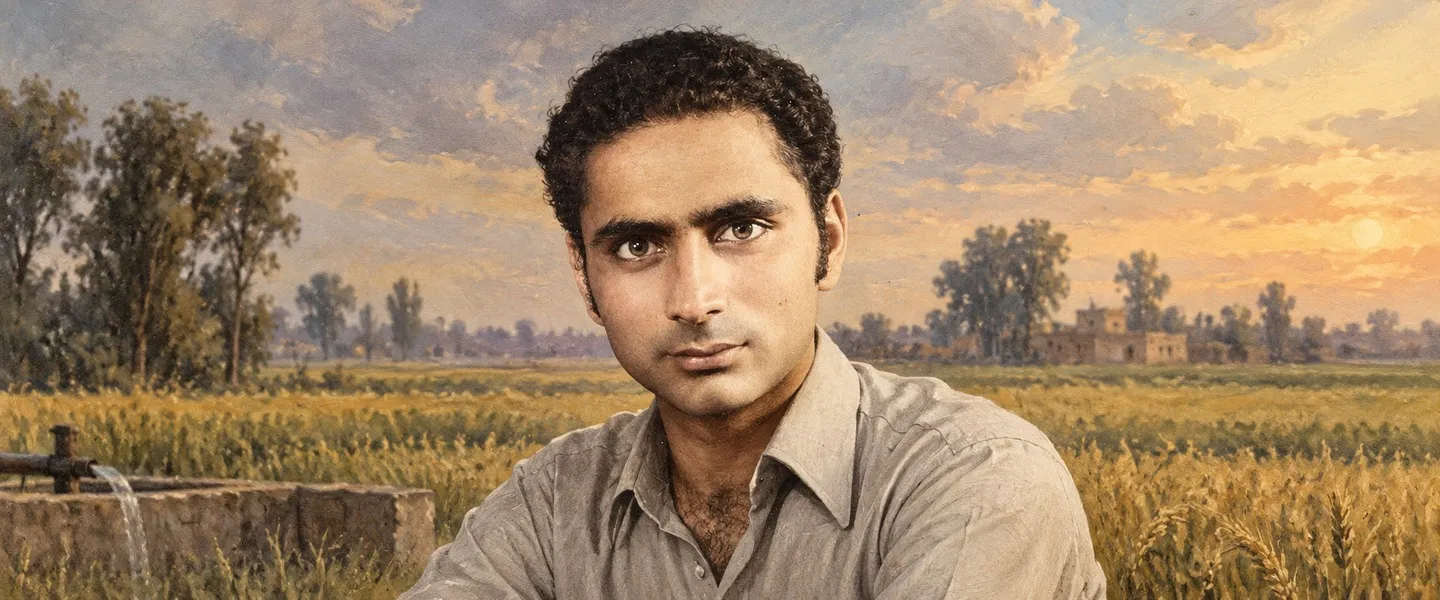
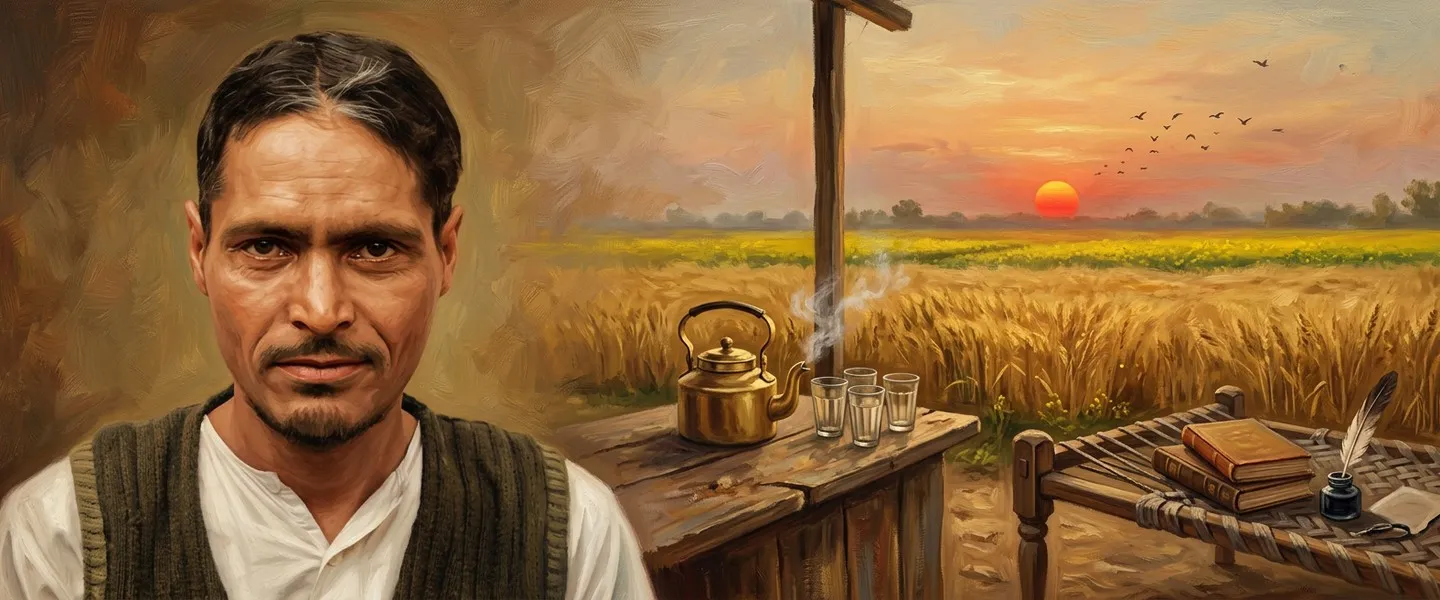
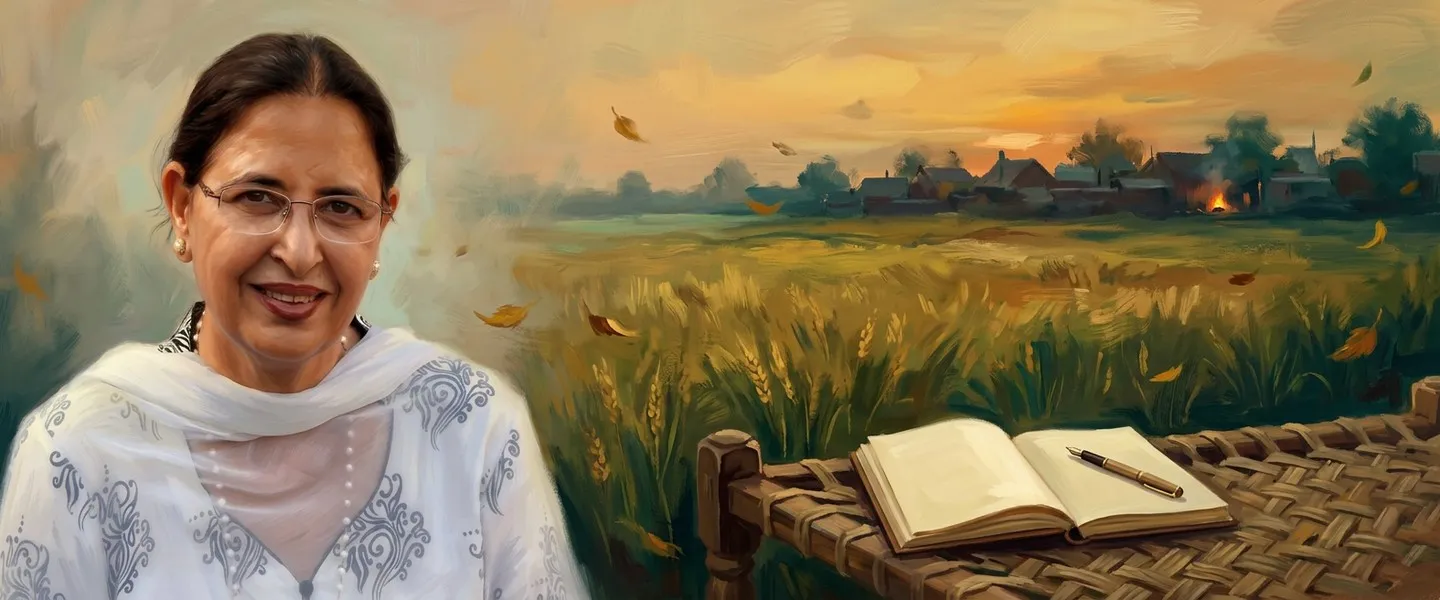
Sant Ram Udasi (1939-1986) was a revolutionary Punjabi poet and government schoolteacher from Raisar village in present day Barnala district, Punjab. Born into a landless Dalit family, he wrote about labourers, caste and exploitation in words people could sing, and his 1971 collection Lahu Bhije Bol made him a leading voice of the Naxalite era. Thirty four years after his death, his songs became anthems of the 2020-21 farmers' protest at Delhi's borders.
- ਪੰਜਾਬੀ ਨਾਂ
- ਸੰਤ ਰਾਮ ਉਦਾਸੀ
- ਜਨਮ
- 20 April 1939, Raisar, Sangrur district (now Barnala), Punjab
- ਦੇਹਾਂਤ
- 6 November 1986 (aged 47)
- ਜ਼ਿਲ੍ਹਾ
- Raisar
- ਜ਼ਿਲ੍ਹਾ
- ਬਰਨਾਲਾ
- ਤਹਿਸੀਲ
- ਬਰਨਾਲਾ
All 11 facts
- ਇਲਾਕਾ
- ਮਾਲਵਾ
- ਕਿੱਤੇ ਅਤੇ ਰੋਜ਼ਾਨਾ ਜ਼ਿੰਦਗੀ
- Poet, schoolteacher
- ਲਿਖਣ ਦੀ ਭਾਸ਼ਾ
- ਪੰਜਾਬੀ
- ਪ੍ਰਸਿੱਧੀ
- Lahu Bhije Bol (1971), Saintan, Chounukrian, Lahu to Lohe Tak
- ਸਨਮਾਨ
- Bawa Balwant Award
Early life in Raisar
Sant Ram Udasi was born on 20 April 1939 in Raisar, a Malwa village that then lay in Sangrur district and today falls in Barnala district, Punjab. He was born into a Dalit Mazhabi Sikh family of landless labourers, and the world of his childhood was the world he would write about for the rest of his life: people who worked land they did not own and were still treated as less than full members of the village. Schooling did not come easily to a poor Dalit boy in rural Punjab, but he stayed with his studies, trained as a teacher and entered the government school service. The classroom gave him a living. The village gave him his subject.
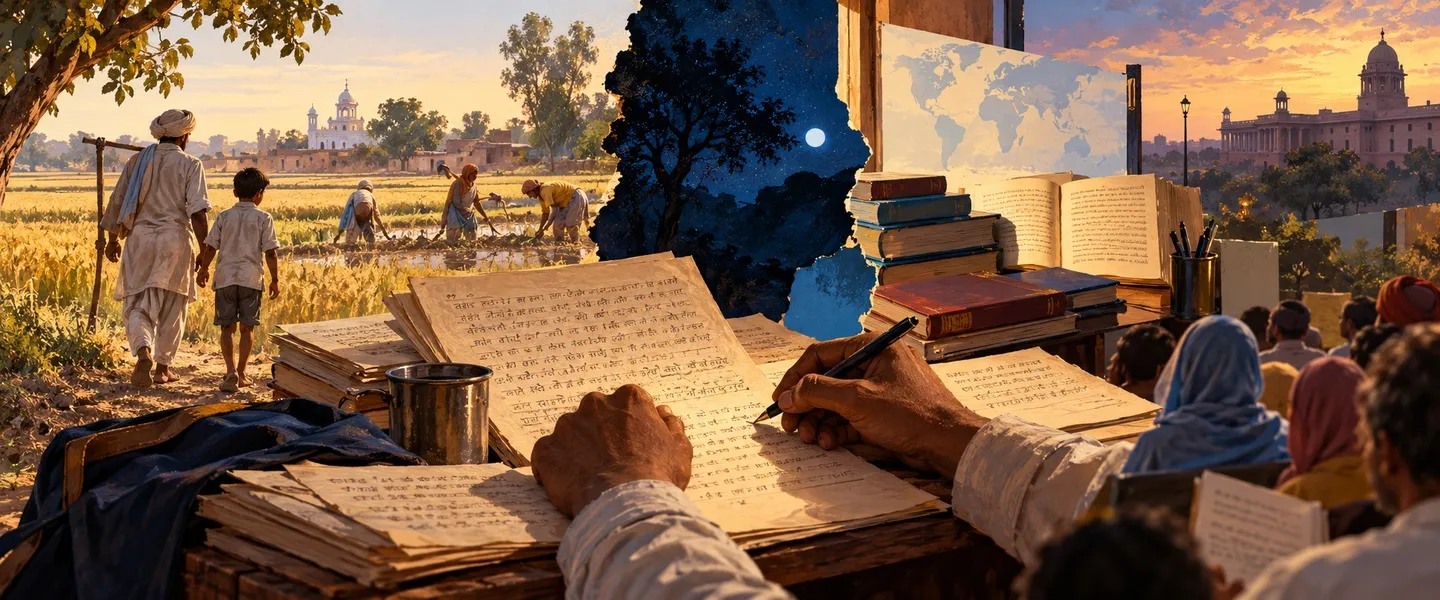
He began writing poetry in 1961. His earliest verses belonged to the faith of his upbringing: devotional poems shaped by the Sikh and Namdhari traditions around him, and, like many young poets of his generation, romantic verse as well. Nothing in those first poems announced the writer he was about to become, but the raw material was already there: a labouring childhood, a teacher's eye for ordinary lives, and a memory full of the songs and sayings of the Malwa countryside.
From devotion to revolution
In the late 1960s the Naxalite movement reached Punjab, and it changed Udasi completely. As a young man he had looked for dignity within his religion of birth, but he found caste discrimination and untouchability rooted deep inside the community itself. His poetry turned away from devotion and towards the people he had grown up among: the landless labourer, the Dalit worker, the poor peasant. Swords, guns and knives began to appear in his verses as signs of revolt, and anger replaced consolation.
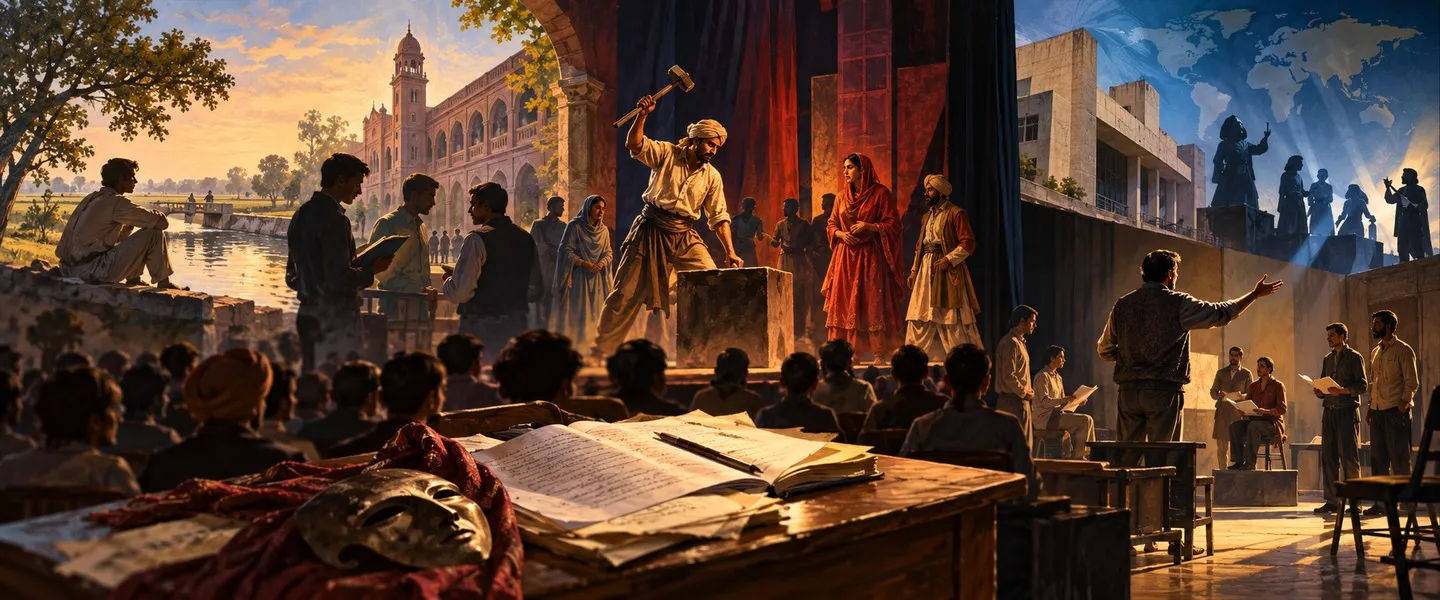
Crucially, he wrote in forms his readers already carried in memory: songs, bolian, ghazals and rubais that could be sung at a village gathering or shouted at a rally. Alongside Pash and Lal Singh Dil, he became one of the defining voices of the revolutionary Punjabi writing of the 1970s. Scholars of Dalit Punjabi literature treat Udasi and Dil as the two Dalit poets the Naxalite upsurge produced, a pairing that put caste, and not only class, at the centre of the movement's poetry.
The books: Lahu Bhije Bol and after
During the 1970s Udasi published three collections of poetry: Lahu Bhije Bol (Blood-Soaked Words, 1971), Saintan (Gestures) and Chounukrian (The Four-Edged). A fourth book, Lahu to Lohe Tak (From Blood to Iron), followed in 1979. Lahu Bhije Bol made his name. Its poems speak in plain, direct language about exploitation, caste and the daily humiliations of farm labour, and they refuse to soften their anger for polite readers.
The poems also travelled in a way printed books rarely do. Because so many of them were built like songs, singers took them up, and lines written in Raisar were soon being heard far beyond Barnala. That double life, on the page and in the voice, is the key to everything that happened to his work after his death.
Arrest, torture and the cost of dissent
His politics cost him dearly. Udasi was arrested for his Naxalite connections and tortured in custody. Studies of Dalit Punjabi literature record that the torture inflicted on Dalit detainees such as Udasi and Dil was more severe than that meted out to their higher caste comrades, a detail that says much about the Punjab he was writing against. He was also suspended from his teaching job, and the years that followed brought mental strain and money worries alongside the harassment.
He kept writing and kept teaching when he could. He was honoured with the Bawa Balwant Award, and the Lok Kavi Sant Ram Udasi Memorial Trust (International) was later established as a research foundation devoted to his life and works, a sign that readers and scholars refused to let the official record be the last word on him.
What is Sant Ram Udasi famous for?
Sant Ram Udasi is famous for Lahu Bhije Bol (1971), his collection of revolutionary Punjabi poems, and for songs such as Maa Dharteye that became anthems of protest in Punjab. He is remembered as a lok kavi, a people's poet: a schoolteacher from a landless Dalit family who wrote about labourers and the poor in language they could sing back. His standing rests on that combination of caste consciousness, revolutionary politics and singable form, which no Punjabi poet before him had fused in quite the same way.
Death and the second life of his songs
Udasi died on 6 November 1986, aged forty seven. For years his books were kept alive by activists, singers and the Punjabi left rather than by the literary mainstream. Then, in the winter of 2020 to 2021, his afterlife became extraordinary. As farmers camped at the Singhu and Tikri borders of Delhi against the farm laws, Hindustan Times reported that Udasi was the most sung poet of the protest. Ravinder Grewal sang his songs at the borders, Bant Singh carried them on the march from Joga near Mansa, and Jasbir Jassi's recording of Maa Dharteye, made a decade earlier, played from protest speakers.
His words were on the tents and posters too. Visitors to the Tikri camp photographed his line Utth Kirtiya, uth ve, utthan da vela (Rise, worker, rise: the time to rise has come) handwritten on Punjabi posters, and researchers studying the music of the agitation found songs built on his poetry among the protest's defining sounds. The Jalandhar writer Des Raj Kali said the farmers' struggle had made the revolutionary dreams of Udasi's poetry come alive. A poet who died at forty seven, largely unhonoured in his lifetime, had become the voice of the largest protest of his readers' generation.
ਰਾਇਸਰ ਵਿੱਚ ਮੁੱਢਲਾ ਜੀਵਨ
ਸੰਤ ਰਾਮ ਉਦਾਸੀ ਦਾ ਜਨਮ 20 ਅਪ੍ਰੈਲ 1939 ਨੂੰ ਰਾਇਸਰ ਪਿੰਡ ਵਿੱਚ ਹੋਇਆ। ਇਹ ਮਾਲਵੇ ਦਾ ਪਿੰਡ ਉਸ ਸਮੇਂ ਸੰਗਰੂਰ ਜ਼ਿਲ੍ਹੇ ਵਿੱਚ ਸੀ ਅਤੇ ਅੱਜ ਬਰਨਾਲਾ ਜ਼ਿਲ੍ਹੇ ਵਿੱਚ ਪੈਂਦਾ ਹੈ। ਉਸ ਦਾ ਜਨਮ ਇੱਕ ਦਲਿਤ ਮਜ਼੍ਹਬੀ ਸਿੱਖ ਪਰਿਵਾਰ ਵਿੱਚ ਹੋਇਆ, ਜਿਸ ਕੋਲ ਆਪਣੀ ਜ਼ਮੀਨ ਨਹੀਂ ਸੀ। ਉਸ ਦੇ ਬਚਪਨ ਦੀ ਦੁਨੀਆ ਹੀ ਬਾਅਦ ਵਿੱਚ ਉਸ ਦੀ ਕਵਿਤਾ ਦੀ ਦੁਨੀਆ ਬਣੀ: ਉਹ ਲੋਕ ਜੋ ਦੂਜਿਆਂ ਦੀ ਜ਼ਮੀਨ ਉੱਤੇ ਮਿਹਨਤ ਕਰਦੇ ਸਨ ਅਤੇ ਫਿਰ ਵੀ ਪਿੰਡ ਵਿੱਚ ਪੂਰੇ ਮਨੁੱਖ ਨਹੀਂ ਸਮਝੇ ਜਾਂਦੇ ਸਨ। ਪੇਂਡੂ ਪੰਜਾਬ ਦੇ ਇੱਕ ਗਰੀਬ ਦਲਿਤ ਮੁੰਡੇ ਲਈ ਪੜ੍ਹਾਈ ਸੌਖੀ ਨਹੀਂ ਸੀ, ਪਰ ਉਹ ਲੱਗਾ ਰਿਹਾ, ਅਧਿਆਪਕ ਦੀ ਸਿਖਲਾਈ ਲਈ ਅਤੇ ਸਰਕਾਰੀ ਸਕੂਲ ਵਿੱਚ ਨੌਕਰੀ ਕਰ ਲਈ। ਕਲਾਸਰੂਮ ਨੇ ਉਸ ਨੂੰ ਰੋਜ਼ੀ ਦਿੱਤੀ ਅਤੇ ਪਿੰਡ ਨੇ ਉਸ ਨੂੰ ਵਿਸ਼ਾ ਦਿੱਤਾ।
ਉਸ ਨੇ 1961 ਵਿੱਚ ਕਵਿਤਾ ਲਿਖਣੀ ਸ਼ੁਰੂ ਕੀਤੀ। ਉਸ ਦੀਆਂ ਪਹਿਲੀਆਂ ਰਚਨਾਵਾਂ ਉਸ ਦੇ ਪਾਲਣ ਪੋਸ਼ਣ ਦੇ ਧਰਮ ਨਾਲ ਜੁੜੀਆਂ ਸਨ: ਸਿੱਖ ਅਤੇ ਨਾਮਧਾਰੀ ਪਰੰਪਰਾਵਾਂ ਵਿੱਚ ਘੜੀਆਂ ਭਗਤੀ ਕਵਿਤਾਵਾਂ, ਅਤੇ ਆਪਣੀ ਪੀੜ੍ਹੀ ਦੇ ਕਈ ਨੌਜਵਾਨ ਕਵੀਆਂ ਵਾਂਗ ਰੋਮਾਂਟਿਕ ਕਵਿਤਾ ਵੀ। ਉਨ੍ਹਾਂ ਪਹਿਲੀਆਂ ਕਵਿਤਾਵਾਂ ਵਿੱਚ ਆਉਣ ਵਾਲੇ ਕਵੀ ਦੀ ਝਲਕ ਨਹੀਂ ਸੀ, ਪਰ ਕੱਚਾ ਮਾਲ ਉੱਥੇ ਹੀ ਸੀ: ਮਿਹਨਤਕਸ਼ ਬਚਪਨ, ਆਮ ਜ਼ਿੰਦਗੀਆਂ ਨੂੰ ਦੇਖਣ ਵਾਲੀ ਅਧਿਆਪਕ ਦੀ ਅੱਖ, ਅਤੇ ਮਾਲਵੇ ਦੇ ਪਿੰਡਾਂ ਦੇ ਗੀਤਾਂ ਤੇ ਕਹਾਵਤਾਂ ਨਾਲ ਭਰੀ ਯਾਦ।
ਭਗਤੀ ਤੋਂ ਇਨਕਲਾਬ ਵੱਲ
1960ਵਿਆਂ ਦੇ ਅਖੀਰ ਵਿੱਚ ਨਕਸਲਬਾੜੀ ਲਹਿਰ ਪੰਜਾਬ ਪਹੁੰਚੀ ਅਤੇ ਉਦਾਸੀ ਪੂਰੀ ਤਰ੍ਹਾਂ ਬਦਲ ਗਿਆ। ਨੌਜਵਾਨੀ ਵਿੱਚ ਉਸ ਨੇ ਆਪਣੇ ਜਨਮ ਧਰਮ ਵਿੱਚ ਇੱਜ਼ਤ ਲੱਭਣ ਦੀ ਕੋਸ਼ਿਸ਼ ਕੀਤੀ ਸੀ, ਪਰ ਉਸ ਨੂੰ ਜਾਤ ਪਾਤ ਅਤੇ ਛੂਤ ਛਾਤ ਸਮਾਜ ਦੇ ਅੰਦਰ ਹੀ ਡੂੰਘੀ ਜੜ੍ਹ ਫੜੀ ਮਿਲੀ। ਉਸ ਦੀ ਕਵਿਤਾ ਭਗਤੀ ਤੋਂ ਮੁੜ ਕੇ ਉਨ੍ਹਾਂ ਲੋਕਾਂ ਵੱਲ ਹੋ ਗਈ ਜਿਨ੍ਹਾਂ ਵਿੱਚ ਉਹ ਵੱਡਾ ਹੋਇਆ ਸੀ: ਬੇਜ਼ਮੀਨੇ ਮਜ਼ਦੂਰ, ਦਲਿਤ ਕਾਮੇ ਅਤੇ ਗਰੀਬ ਕਿਸਾਨ। ਉਸ ਦੀਆਂ ਸਤਰਾਂ ਵਿੱਚ ਤਲਵਾਰ, ਬੰਦੂਕ ਅਤੇ ਛੁਰੀ ਬਗਾਵਤ ਦੇ ਨਿਸ਼ਾਨ ਬਣ ਕੇ ਆਉਣ ਲੱਗੇ ਅਤੇ ਤਸੱਲੀ ਦੀ ਥਾਂ ਗੁੱਸੇ ਨੇ ਲੈ ਲਈ।
ਸਭ ਤੋਂ ਵੱਡੀ ਗੱਲ ਇਹ ਸੀ ਕਿ ਉਸ ਨੇ ਉਨ੍ਹਾਂ ਰੂਪਾਂ ਵਿੱਚ ਲਿਖਿਆ ਜੋ ਉਸ ਦੇ ਪਾਠਕਾਂ ਨੂੰ ਪਹਿਲਾਂ ਹੀ ਯਾਦ ਸਨ: ਗੀਤ, ਬੋਲੀਆਂ, ਗ਼ਜ਼ਲਾਂ ਅਤੇ ਰੁਬਾਈਆਂ, ਜੋ ਪਿੰਡ ਦੀ ਸੱਥ ਵਿੱਚ ਗਾਈਆਂ ਜਾ ਸਕਦੀਆਂ ਸਨ ਜਾਂ ਰੈਲੀ ਵਿੱਚ ਬੋਲੀਆਂ ਜਾ ਸਕਦੀਆਂ ਸਨ। ਪਾਸ਼ ਅਤੇ ਲਾਲ ਸਿੰਘ ਦਿਲ ਦੇ ਨਾਲ ਉਹ 1970ਵਿਆਂ ਦੀ ਇਨਕਲਾਬੀ ਪੰਜਾਬੀ ਲਿਖਤ ਦੀ ਪਛਾਣ ਬਣ ਗਿਆ। ਦਲਿਤ ਪੰਜਾਬੀ ਸਾਹਿਤ ਦੇ ਵਿਦਵਾਨ ਉਦਾਸੀ ਅਤੇ ਦਿਲ ਨੂੰ ਨਕਸਲਬਾੜੀ ਲਹਿਰ ਵਿੱਚੋਂ ਨਿਕਲੇ ਦੋ ਦਲਿਤ ਕਵੀ ਮੰਨਦੇ ਹਨ। ਇਸ ਜੋੜੀ ਨੇ ਲਹਿਰ ਦੀ ਕਵਿਤਾ ਦੇ ਕੇਂਦਰ ਵਿੱਚ ਸਿਰਫ਼ ਜਮਾਤ ਹੀ ਨਹੀਂ, ਜਾਤ ਵੀ ਰੱਖ ਦਿੱਤੀ।
ਕਿਤਾਬਾਂ: ਲਹੂ ਭਿੱਜੇ ਬੋਲ ਅਤੇ ਉਸ ਤੋਂ ਬਾਅਦ
1970ਵਿਆਂ ਵਿੱਚ ਉਦਾਸੀ ਦੀਆਂ ਤਿੰਨ ਕਾਵਿ ਪੁਸਤਕਾਂ ਛਪੀਆਂ: ਲਹੂ ਭਿੱਜੇ ਬੋਲ (1971), ਸੈਣਤਾਂ ਅਤੇ ਚੌਣੁਕਰੀਆਂ। ਚੌਥੀ ਕਿਤਾਬ ਲਹੂ ਤੋਂ ਲੋਹੇ ਤੱਕ 1979 ਵਿੱਚ ਆਈ। ਲਹੂ ਭਿੱਜੇ ਬੋਲ ਨੇ ਉਸ ਦਾ ਨਾਂ ਬਣਾਇਆ। ਇਸ ਦੀਆਂ ਕਵਿਤਾਵਾਂ ਸਿੱਧੀ ਸਾਦੀ ਭਾਸ਼ਾ ਵਿੱਚ ਸ਼ੋਸ਼ਣ, ਜਾਤ ਪਾਤ ਅਤੇ ਖੇਤ ਮਜ਼ਦੂਰਾਂ ਦੀ ਰੋਜ਼ ਦੀ ਬੇਇੱਜ਼ਤੀ ਬਾਰੇ ਬੋਲਦੀਆਂ ਹਨ ਅਤੇ ਨਰਮ ਦਿਲ ਪਾਠਕਾਂ ਲਈ ਆਪਣਾ ਗੁੱਸਾ ਘਟ ਨਹੀਂ ਕਰਦੀਆਂ।
ਇਹ ਕਵਿਤਾਵਾਂ ਇਸ ਤਰ੍ਹਾਂ ਵੀ ਫੈਲੀਆਂ ਜਿਵੇਂ ਛਪੀਆਂ ਕਿਤਾਬਾਂ ਘਟ ਹੀ ਫੈਲਦੀਆਂ ਹਨ। ਕਿਉਂਕਿ ਉਨ੍ਹਾਂ ਵਿੱਚੋਂ ਕਈ ਗੀਤਾਂ ਵਾਂਗ ਬਣੀਆਂ ਸਨ, ਗਾਇਕਾਂ ਨੇ ਉਨ੍ਹਾਂ ਨੂੰ ਚੁੱਕ ਲਿਆ ਅਤੇ ਰਾਇਸਰ ਵਿੱਚ ਲਿਖੀਆਂ ਸਤਰਾਂ ਬਰਨਾਲੇ ਤੋਂ ਬਾਹਰ ਵੀ ਸੁਣੀਆਂ ਜਾਣ ਲੱਗੀਆਂ। ਇਹੀ ਦੋਹਰਾ ਜੀਵਨ, ਸਫ਼ੇ ਉੱਤੇ ਅਤੇ ਆਵਾਜ਼ ਵਿੱਚ, ਉਸ ਦੀ ਮੌਤ ਤੋਂ ਬਾਅਦ ਉਸ ਦੀ ਰਚਨਾ ਨਾਲ ਜੋ ਹੋਇਆ, ਉਸ ਦੀ ਕੁੰਜੀ ਹੈ।
ਗ੍ਰਿਫ਼ਤਾਰੀ, ਤਸੀਹੇ ਅਤੇ ਅਸਹਿਮਤੀ ਦੀ ਕੀਮਤ
ਉਸ ਦੀ ਸਿਆਸਤ ਦੀ ਉਸ ਨੂੰ ਭਾਰੀ ਕੀਮਤ ਚੁਕਾਉਣੀ ਪਈ। ਉਦਾਸੀ ਨੂੰ ਨਕਸਲਬਾੜੀ ਨਾਲ ਸਬੰਧਾਂ ਕਾਰਨ ਗ੍ਰਿਫ਼ਤਾਰ ਕੀਤਾ ਗਿਆ ਅਤੇ ਹਿਰਾਸਤ ਵਿੱਚ ਤਸੀਹੇ ਦਿੱਤੇ ਗਏ। ਦਲਿਤ ਪੰਜਾਬੀ ਸਾਹਿਤ ਦੇ ਅਧਿਐਨ ਦਰਜ ਕਰਦੇ ਹਨ ਕਿ ਉਦਾਸੀ ਅਤੇ ਦਿਲ ਵਰਗੇ ਦਲਿਤ ਬੰਦੀਆਂ ਨੂੰ ਦਿੱਤੇ ਤਸੀਹੇ ਉਨ੍ਹਾਂ ਦੇ ਉੱਚ ਜਾਤੀ ਸਾਥੀਆਂ ਨਾਲੋਂ ਵੱਧ ਸਖ਼ਤ ਸਨ। ਇਹ ਗੱਲ ਉਸ ਪੰਜਾਬ ਬਾਰੇ ਬਹੁਤ ਕੁਝ ਦੱਸਦੀ ਹੈ ਜਿਸ ਖ਼ਿਲਾਫ਼ ਉਹ ਲਿਖ ਰਿਹਾ ਸੀ। ਉਸ ਨੂੰ ਅਧਿਆਪਕ ਦੀ ਨੌਕਰੀ ਤੋਂ ਵੀ ਮੁਅੱਤਲ ਕੀਤਾ ਗਿਆ ਅਤੇ ਉਸ ਤੋਂ ਬਾਅਦ ਦੇ ਸਾਲਾਂ ਵਿੱਚ ਤੰਗੀ ਅਤੇ ਮਾਨਸਿਕ ਦਬਾਅ ਪਰੇਸ਼ਾਨੀ ਦੇ ਨਾਲ ਨਾਲ ਚੱਲਦੇ ਰਹੇ।
ਉਹ ਲਿਖਦਾ ਰਿਹਾ ਅਤੇ ਜਦੋਂ ਮੌਕਾ ਮਿਲਿਆ, ਪੜ੍ਹਾਉਂਦਾ ਵੀ ਰਿਹਾ। ਉਸ ਨੂੰ ਬਾਵਾ ਬਲਵੰਤ ਐਵਾਰਡ ਨਾਲ ਸਨਮਾਨਿਤ ਕੀਤਾ ਗਿਆ। ਬਾਅਦ ਵਿੱਚ ਲੋਕ ਕਵੀ ਸੰਤ ਰਾਮ ਉਦਾਸੀ ਮੈਮੋਰੀਅਲ ਟਰੱਸਟ (ਇੰਟਰਨੈਸ਼ਨਲ) ਉਸ ਦੇ ਜੀਵਨ ਅਤੇ ਰਚਨਾ ਉੱਤੇ ਖੋਜ ਲਈ ਬਣਾਇਆ ਗਿਆ। ਇਹ ਇਸ ਗੱਲ ਦਾ ਸਬੂਤ ਹੈ ਕਿ ਪਾਠਕਾਂ ਅਤੇ ਵਿਦਵਾਨਾਂ ਨੇ ਸਰਕਾਰੀ ਰਿਕਾਰਡ ਨੂੰ ਉਸ ਬਾਰੇ ਆਖਰੀ ਸ਼ਬਦ ਨਹੀਂ ਬਣਨ ਦਿੱਤਾ।
ਸੰਤ ਰਾਮ ਉਦਾਸੀ ਕਿਸ ਲਈ ਮਸ਼ਹੂਰ ਹੈ?
ਸੰਤ ਰਾਮ ਉਦਾਸੀ ਲਹੂ ਭਿੱਜੇ ਬੋਲ (1971) ਲਈ ਮਸ਼ਹੂਰ ਹੈ, ਜੋ ਉਸ ਦੀਆਂ ਇਨਕਲਾਬੀ ਪੰਜਾਬੀ ਕਵਿਤਾਵਾਂ ਦੀ ਪੁਸਤਕ ਹੈ, ਅਤੇ ਮਾਂ ਧਰਤੀਏ ਵਰਗੇ ਗੀਤਾਂ ਲਈ, ਜੋ ਪੰਜਾਬ ਵਿੱਚ ਵਿਰੋਧ ਦੇ ਗੀਤ ਬਣ ਗਏ। ਉਸ ਨੂੰ ਲੋਕ ਕਵੀ ਕਿਹਾ ਜਾਂਦਾ ਹੈ: ਬੇਜ਼ਮੀਨੇ ਦਲਿਤ ਪਰਿਵਾਰ ਵਿੱਚੋਂ ਆਇਆ ਇੱਕ ਸਕੂਲ ਅਧਿਆਪਕ, ਜਿਸ ਨੇ ਮਜ਼ਦੂਰਾਂ ਅਤੇ ਗਰੀਬਾਂ ਬਾਰੇ ਉਨ੍ਹਾਂ ਦੀ ਆਪਣੀ ਭਾਸ਼ਾ ਵਿੱਚ ਲਿਖਿਆ, ਜਿਸ ਨੂੰ ਉਹ ਵਾਪਸ ਗਾ ਸਕਦੇ ਸਨ। ਉਸ ਦਾ ਦਰਜਾ ਜਾਤ ਚੇਤਨਾ, ਇਨਕਲਾਬੀ ਸਿਆਸਤ ਅਤੇ ਗਾਏ ਜਾਣ ਵਾਲੇ ਰੂਪ ਦੇ ਇਸ ਸੰਗਮ ਉੱਤੇ ਟਿਕਿਆ ਹੈ, ਜੋ ਉਸ ਤੋਂ ਪਹਿਲਾਂ ਕਿਸੇ ਪੰਜਾਬੀ ਕਵੀ ਨੇ ਇਸ ਤਰ੍ਹਾਂ ਨਹੀਂ ਜੋੜਿਆ ਸੀ।
ਮੌਤ ਅਤੇ ਉਸ ਦੇ ਗੀਤਾਂ ਦਾ ਦੂਜਾ ਜੀਵਨ
ਉਦਾਸੀ ਦਾ ਦੇਹਾਂਤ 6 ਨਵੰਬਰ 1986 ਨੂੰ 47 ਸਾਲ ਦੀ ਉਮਰ ਵਿੱਚ ਹੋ ਗਿਆ। ਕਈ ਸਾਲ ਉਸ ਦੀਆਂ ਕਿਤਾਬਾਂ ਨੂੰ ਸਾਹਿਤਕ ਮੁੱਖ ਧਾਰਾ ਦੀ ਥਾਂ ਕਾਰਕੁਨਾਂ, ਗਾਇਕਾਂ ਅਤੇ ਪੰਜਾਬੀ ਖੱਬੇ ਪੱਖ ਨੇ ਜਿਉਂਦਾ ਰੱਖਿਆ। ਫਿਰ 2020 ਤੋਂ 2021 ਦੀ ਸਰਦੀ ਵਿੱਚ ਉਸ ਦਾ ਦੂਜਾ ਜੀਵਨ ਅਸਾਧਾਰਨ ਬਣ ਗਿਆ। ਜਦੋਂ ਕਿਸਾਨ ਖੇਤੀ ਕਾਨੂੰਨਾਂ ਖ਼ਿਲਾਫ਼ ਦਿੱਲੀ ਦੇ ਸਿੰਘੂ ਅਤੇ ਟਿਕਰੀ ਬਾਰਡਰਾਂ ਉੱਤੇ ਡਟੇ, ਹਿੰਦੁਸਤਾਨ ਟਾਈਮਜ਼ ਨੇ ਲਿਖਿਆ ਕਿ ਉਦਾਸੀ ਉਸ ਵਿਰੋਧ ਦਾ ਸਭ ਤੋਂ ਵੱਧ ਗਾਇਆ ਜਾਣ ਵਾਲਾ ਕਵੀ ਸੀ। ਰਵਿੰਦਰ ਗਰੇਵਾਲ ਨੇ ਬਾਰਡਰਾਂ ਉੱਤੇ ਉਸ ਦੇ ਗੀਤ ਗਾਏ, ਬੰਤ ਸਿੰਘ ਨੇ ਮਾਨਸਾ ਨੇੜਲੇ ਜੋਗਾ ਤੋਂ ਮਾਰਚ ਵਿੱਚ ਉਨ੍ਹਾਂ ਨੂੰ ਲੈ ਕੇ ਚੱਲਿਆ, ਅਤੇ ਜਸਬੀਰ ਜੱਸੀ ਦੀ ਦਸ ਸਾਲ ਪਹਿਲਾਂ ਦੀ ਮਾਂ ਧਰਤੀਏ ਦੀ ਰਿਕਾਰਡਿੰਗ ਵਿਰੋਧ ਦੇ ਸਪੀਕਰਾਂ ਵਿੱਚ ਵੱਜਦੀ ਰਹੀ।
ਉਸ ਦੇ ਸ਼ਬਦ ਟੈਂਟਾਂ ਅਤੇ ਪੋਸਟਰਾਂ ਉੱਤੇ ਵੀ ਸਨ। ਟਿਕਰੀ ਕੈਂਪ ਵਿੱਚ ਆਏ ਲੋਕਾਂ ਨੇ ਉਸ ਦੀ ਸਤਰ ਉੱਠ ਕਿਰਤੀਆ, ਉੱਠ ਵੇ, ਉੱਠਣ ਦਾ ਵੇਲਾ ਹੱਥ ਨਾਲ ਲਿਖੇ ਪੰਜਾਬੀ ਪੋਸਟਰਾਂ ਉੱਤੇ ਫੋਟੋਆਂ ਵਿੱਚ ਕੈਦ ਕੀਤੀ, ਅਤੇ ਅੰਦੋਲਨ ਦੇ ਸੰਗੀਤ ਦਾ ਅਧਿਐਨ ਕਰਨ ਵਾਲੇ ਖੋਜੀਆਂ ਨੂੰ ਉਸ ਦੀ ਕਵਿਤਾ ਉੱਤੇ ਬਣੇ ਗੀਤ ਵਿਰੋਧ ਦੀ ਪਛਾਣ ਬਣੇ ਮਿਲੇ। ਜਲੰਧਰ ਦੇ ਲੇਖਕ ਦੇਸ ਰਾਜ ਕਾਲੀ ਨੇ ਕਿਹਾ ਕਿ ਕਿਸਾਨ ਸੰਘਰਸ਼ ਨੇ ਉਦਾਸੀ ਦੀ ਕਵਿਤਾ ਦੇ ਇਨਕਲਾਬੀ ਸੁਪਨੇ ਸਾਕਾਰ ਕਰ ਦਿੱਤੇ ਹਨ। 47 ਸਾਲ ਦੀ ਉਮਰ ਵਿੱਚ ਚਲਾ ਗਿਆ ਕਵੀ, ਜਿਸ ਨੂੰ ਜੀਵਨ ਵਿੱਚ ਘਟ ਹੀ ਸਨਮਾਨ ਮਿਲਿਆ, ਆਪਣੇ ਪਾਠਕਾਂ ਦੀ ਪੀੜ੍ਹੀ ਦੇ ਸਭ ਤੋਂ ਵੱਡੇ ਵਿਰੋਧ ਦੀ ਆਵਾਜ਼ ਬਣ ਗਿਆ।
ਲੋਕ

ਥਾਵਾਂ

ਹੋਰ ਲੇਖਕ ਅਤੇ ਕਵੀ
ਸਾਰੇ ਵੇਖੋ

ਸਰੋਤ (5)
- Sant Ram Udasi: Wikipedia
- Raj Kumar Hans: Voices of the Children of the Gurus, Part II: Dalit Punjabi Literature (sikhchic.com)
- In a stir that unifies one and all, Udasi songs turn anthem: Hindustan Times, 10 Dec 2020
- Icons of Defiance: Protest and Solidarity on Delhi's Borders: Trolley Times, 6 Jul 2021
- With poetry as witness, looking at farmers' agitation: IANS via Ummid, 9 Feb 2021
ਜੁਗਤੀ ਮੁਫ਼ਤ ਅਤੇ ਸੁਤੰਤਰ ਹੈ। ਪਾਠਕਾਂ ਦਾ ਸਹਿਯੋਗ ਕੋਸ਼ ਨੂੰ ਵਧਾਉਂਦਾ ਹੈ।
ਸਹਿਯੋਗ