
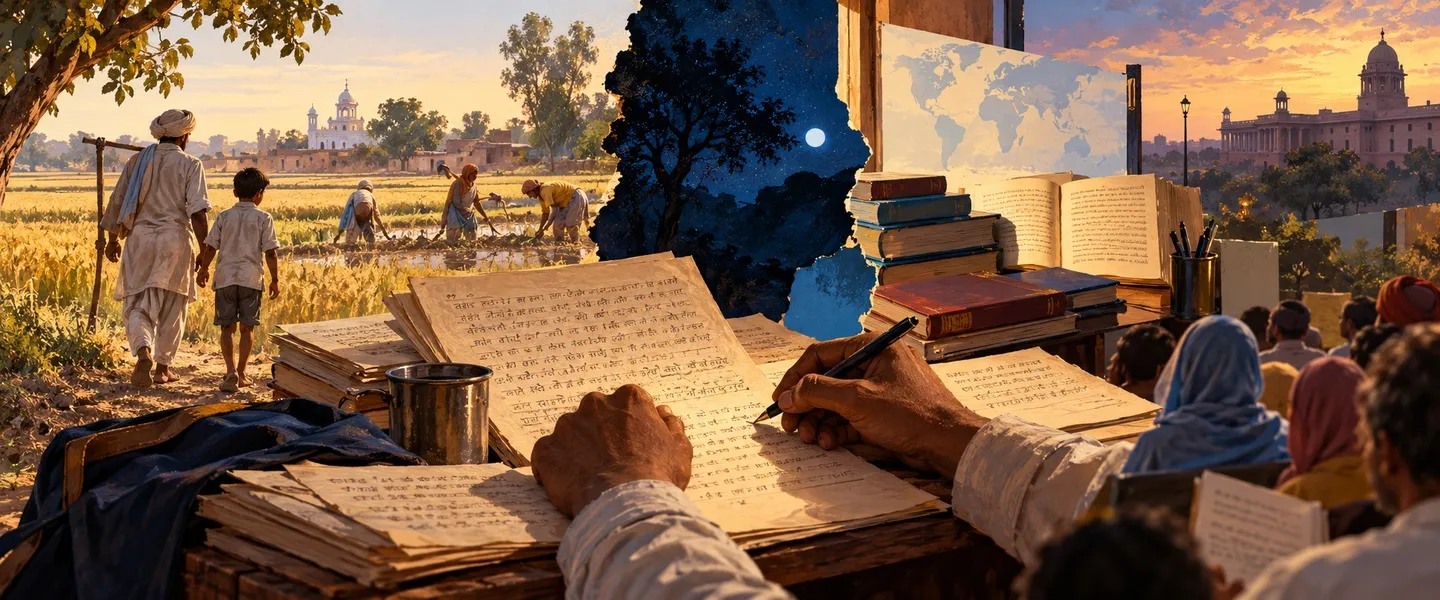
Balbir Madhopuri (born 1955) is a Punjabi Dalit writer, poet and translator from Madhopur village in Jalandhar district. His autobiography Changiya Rukh (2002), published in English as Against the Night, was the first Punjabi Dalit autobiography in English, and his novel Mitti Bol Payi won the Dhahan Prize in 2021.
ਜੀਵਨ ਇੱਕ ਨਜ਼ਰ ਵਿੱਚ
- 1955ਜਨਮ
- 2002ਪਹਿਲੀ ਕਿਤਾਬ ਛੰਗਿਆ ਰੁਖ
- 2013ਸਨਮਾਨ Sahitya Akademi Translation Prize
- 2013ਸਨਮਾਨ Punjabi Academy Delhi
- 2021ਸਨਮਾਨ Dhahan Prize
- ਪੰਜਾਬੀ ਨਾਂ
- ਬਲਬੀਰ ਮਾਧੋਪੁਰੀ
- ਜਨਮ
- 24 ਜੁਲਾਈ 1955
- ਜ਼ਿਲ੍ਹਾ
- ਜਲੰਧਰ
- ਤਹਿਸੀਲ
- ਜਲੰਧਰ ਪੱਛਮੀ
- ਜਨਮ ਸਥਾਨ
- Madhopur, Jalandhar district, Punjab
- ਸਿੱਖਿਆ
- MA Punjabi, Lyallpur Khalsa College, Jalandhar
All 11 facts
- ਲਿਖਣ ਦੀ ਭਾਸ਼ਾ
- ਪੰਜਾਬੀ
- ਕਿਤਾਬਾਂ
- 14 original books; over 30 translations into Punjabi; about 40 edited volumes
- Career
- Deputy Director (News), All India Radio; retired 2015
- ਪ੍ਰਸਿੱਧੀ
- Changiya Rukh (Against the Night)
- ਸਨਮਾਨ
- Sahitya Akademi Translation Prize (2013), Dhahan Prize (2021), Lifetime Achievement Award, Punjabi Academy Delhi (2013)
ਮੁੱਢਲਾ ਜੀਵਨ
Balbir Madhopuri was born on 24 July 1955 in Madhopur, a village in Jalandhar district in Punjab's Doaba region, into an Ad Dharmi Dalit family. His parents worked as agricultural labourers, and as a small boy he worked beside them in other people's fields. Nothing in that childhood pointed toward a literary life except one decision inside the family: his father was determined that this son would study, whatever it cost. That determination carried Madhopuri through school and into Lyallpur Khalsa College, Jalandhar, where he completed a postgraduate degree in Punjabi.
He was born Balbir Chand. During his college years he let go of the surname Chand, which he felt carried the stamp of the caste order, and took his village's name instead. Becoming Madhopuri was more than a pen name: it was a public refusal to carry a name that marked him, and an early sign of the writer he would become, one who turned the facts of his own life into arguments about dignity. The village he took his name from, its segregated Dalit quarter, its wells and its hierarchies, would supply the material for his most famous book.
A career in public broadcasting
After his studies, Madhopuri worked with the Food Corporation of India, then served as an information officer with the Press Information Bureau at Jalandhar from 1983 to 1987. He then moved to Delhi and spent the rest of his career in the Ministry of Information and Broadcasting, editing the Punjabi edition of the journal Yojana and rising to Deputy Director (News) at All India Radio before retiring in 2015. Few Punjabi writers of his generation knew the state's media machinery from the inside as he did.
Delhi also gave him a second literary home. For about a decade he directed the Punjabi Bhawan of the Punjabi Sahit Sabha in New Delhi and edited its quarterly magazine Samkali Sahit, work he continued after retirement. The boy who had been kept at the edge of the village now ran one of the capital's Punjabi literary institutions, a distance his autobiography measures better than any summary can.
Why is Changiya Rukh a landmark book?
Changiya Rukh, published in Punjabi in 2002, is the book on which Madhopuri's reputation rests. It is his autobiography, but it refuses to stay private: the segregated housing, the humiliations at school, the labour in the fields and the long climb through education are told as the story of a whole community. The title names a tree lopped from the top, cut back and dwarfed, his image for the Dalit whose growth the caste order keeps slashing, and who still puts out fresh branches. He took four years to write it, and it was named Best Book of the year 2003 by the Punjab Languages Department.
Its second life came in translation. Against the Night, the English version translated by Tripti Jain and published by Oxford University Press in 2010, made it the first Punjabi Dalit autobiography to appear in English, and it was nominated for the Crossword Award in 2011. Versions followed in Hindi, in Shahmukhi in Pakistan, in Urdu, Russian and Polish, and scholars of caste and of Indian writing in translation now study it as a founding text of Punjabi Dalit literature. A life that began as child labour in Madhopur is read in universities on several continents.
Poetry, fiction and translation
Madhopuri began as a poet, and poetry remains the root of his work. His collections include Maroothal da Birkh (1992), Bhakhda Patal (1998) and Meri Chonvi Kavita (2011); a selection of the poems in English, My Caste My Shadow, carries his two constant subjects, caste and its shadow, to readers beyond Punjabi. His prose includes the travelogue Samunder de Sang Sang (1996), Dilli Ik Virasat (1998) and Sahitak Mulakatan (1995), meetings with literary figures. Ad Dharm de Bani: Ghadri Baba Mangu Ram (2010) recovers the life of the Ghadar movement leader who founded the Ad Dharm movement, linking Dalit assertion in Punjab to its revolutionary past.
His novel Mitti Bol Payi (2020), about the inequality faced by lower castes, women, the landless and those shut out of education, won the Dhahan Prize for Punjabi Literature in 2021 in the novel category. Alongside his own writing, translation has been a life's work in itself: he has translated more than thirty books from Hindi and English into Punjabi, among them Taslima Nasrin's Lajja and, most honoured, Raj Kamal Chaudhary's selected stories, which brought him the Sahitya Akademi Translation Prize in 2013. He has also edited some forty books, and written research papers on the Ghadar movement, the revolutionary poet Pash and Dalit movements in Punjab and India. In total he has written fourteen books of his own in Punjabi.
Honours and later life
The honours map the arc of the career. Early recognition included the Kav Purskar in 1994 and the Sant Ram Udasi Memorial Award in 1993. The Sahitya Akademi Translation Prize followed in 2013, the same year the Punjabi Academy in Delhi gave him its Lifetime Achievement Award. In February 2018, former Prime Minister Dr Manmohan Singh honoured him at the International Punjabi Conference in Delhi. After the Dhahan Prize in 2021 he travelled to Canada as its recipient, giving lecture series in three cities in November 2022, including a session at the University of British Columbia built around My Caste My Shadow. He now chairs the Dhahan Prize, helping to judge the next generation of Punjabi fiction writers.
Legacy
Madhopuri's achievement is to have moved caste from the margins of Punjabi literature to its centre, not as a theme borrowed from elsewhere but as lived Punjab experience, told by a writer who had worked the fields he describes. Changiya Rukh opened a shelf: after it, Dalit life writing in Punjabi had a model, a readership and a route into English and other languages. His translations and editing widened that route for others. For young writers from Punjab's Dalit communities, his career itself is the argument of his books: that the lopped tree grows branches.
ਮੁੱਢਲਾ ਜੀਵਨ
ਬਲਬੀਰ ਮਾਧੋਪੁਰੀ ਦਾ ਜਨਮ 24 ਜੁਲਾਈ 1955 ਨੂੰ ਪੰਜਾਬ ਦੇ ਦੋਆਬਾ ਖੇਤਰ ਵਿੱਚ ਜਲੰਧਰ ਜ਼ਿਲ੍ਹੇ ਦੇ ਪਿੰਡ ਮਾਧੋਪੁਰ ਵਿੱਚ ਇੱਕ ਆਦ ਧਰਮੀ ਦਲਿਤ ਪਰਿਵਾਰ ਵਿੱਚ ਹੋਇਆ। ਉਸ ਦੇ ਮਾਤਾ ਪਿਤਾ ਖੇਤ ਮਜ਼ਦੂਰ ਸਨ, ਅਤੇ ਛੋਟੀ ਉਮਰ ਵਿੱਚ ਉਹ ਵੀ ਉਨ੍ਹਾਂ ਦੇ ਨਾਲ ਦੂਜਿਆਂ ਦੇ ਖੇਤਾਂ ਵਿੱਚ ਕੰਮ ਕਰਦਾ ਸੀ। ਉਸ ਬਚਪਨ ਵਿੱਚ ਸਾਹਿਤਕ ਜੀਵਨ ਦਾ ਕੋਈ ਸੰਕੇਤ ਨਹੀਂ ਸੀ, ਸਿਵਾਏ ਪਰਿਵਾਰ ਦੇ ਇੱਕ ਫ਼ੈਸਲੇ ਦੇ: ਉਸ ਦੇ ਪਿਤਾ ਦਾ ਪੱਕਾ ਇਰਾਦਾ ਸੀ ਕਿ ਇਹ ਪੁੱਤਰ ਪੜ੍ਹੇਗਾ, ਭਾਵੇਂ ਜੋ ਮਰਜ਼ੀ ਹੋ ਜਾਵੇ। ਇਹੀ ਜ਼ਿੱਦ ਮਾਧੋਪੁਰੀ ਨੂੰ ਸਕੂਲ ਤੋਂ ਲਿਆਲਪੁਰ ਖ਼ਾਲਸਾ ਕਾਲਜ, ਜਲੰਧਰ ਤੱਕ ਲੈ ਗਈ, ਜਿੱਥੋਂ ਉਸ ਨੇ ਪੰਜਾਬੀ ਵਿੱਚ ਐਮ.ਏ. ਕੀਤੀ।
ਉਸ ਦਾ ਜਨਮ ਨਾਂ ਬਲਬੀਰ ਚੰਦ ਸੀ। ਕਾਲਜ ਦੇ ਦਿਨਾਂ ਵਿੱਚ ਉਸ ਨੇ ਚੰਦ ਉਪਨਾਮ ਛੱਡ ਦਿੱਤਾ, ਕਿਉਂਕਿ ਉਸ ਨੂੰ ਲੱਗਦਾ ਸੀ ਕਿ ਇਸ ਵਿੱਚ ਜਾਤ ਵਿਵਸਥਾ ਦੀ ਛਾਪ ਹੈ, ਅਤੇ ਇਸ ਦੀ ਥਾਂ ਆਪਣੇ ਪਿੰਡ ਦਾ ਨਾਂ ਲਗਾ ਲਿਆ। ਮਾਧੋਪੁਰੀ ਬਣਨਾ ਸਿਰਫ਼ ਕਲਮੀ ਨਾਂ ਨਹੀਂ ਸੀ: ਇਹ ਉਸ ਨਾਂ ਨੂੰ ਢੋਣ ਤੋਂ ਇਨਕਾਰ ਸੀ ਜੋ ਉਸ ਨੂੰ ਨੀਵਾਂ ਦਿਖਾਉਂਦਾ ਸੀ। ਉਹੀ ਪਿੰਡ, ਉਸ ਦੀ ਵੱਖਰੀ ਦਲਿਤ ਬਸਤੀ, ਉਸ ਦੇ ਖੂਹ ਅਤੇ ਉਸ ਦੀਆਂ ਵੰਡਾਂ, ਮਗਰੋਂ ਉਸ ਦੀ ਸਭ ਤੋਂ ਮਸ਼ਹੂਰ ਕਿਤਾਬ ਦੀ ਸਮੱਗਰੀ ਬਣੇ।
ਸਰਕਾਰੀ ਪ੍ਰਸਾਰਨ ਵਿੱਚ ਕੈਰੀਅਰ
ਪੜ੍ਹਾਈ ਤੋਂ ਬਾਅਦ ਮਾਧੋਪੁਰੀ ਨੇ ਫੂਡ ਕਾਰਪੋਰੇਸ਼ਨ ਆਫ਼ ਇੰਡੀਆ ਵਿੱਚ ਕੰਮ ਕੀਤਾ, ਫਿਰ 1983 ਤੋਂ 1987 ਤੱਕ ਜਲੰਧਰ ਵਿੱਚ ਪ੍ਰੈਸ ਇਨਫਾਰਮੇਸ਼ਨ ਬਿਊਰੋ ਵਿੱਚ ਸੂਚਨਾ ਅਧਿਕਾਰੀ ਰਿਹਾ। ਫਿਰ ਉਹ ਦਿੱਲੀ ਆ ਗਿਆ ਅਤੇ ਬਾਕੀ ਦਾ ਕੈਰੀਅਰ ਸੂਚਨਾ ਅਤੇ ਪ੍ਰਸਾਰਨ ਮੰਤਰਾਲੇ ਵਿੱਚ ਬਿਤਾਇਆ: ਯੋਜਨਾ ਪੱਤ੍ਰਿਕਾ ਦੇ ਪੰਜਾਬੀ ਸੰਸਕਰਣ ਦਾ ਸੰਪਾਦਕ ਰਿਹਾ ਅਤੇ ਆਲ ਇੰਡੀਆ ਰੇਡੀਓ ਵਿੱਚ ਡਿਪਟੀ ਡਾਇਰੈਕਟਰ (ਨਿਊਜ਼) ਬਣ ਕੇ 2015 ਵਿੱਚ ਸੇਵਾ ਮੁਕਤ ਹੋਇਆ। ਉਸ ਦੀ ਪੀੜ੍ਹੀ ਦੇ ਬਹੁਤ ਘੱਟ ਪੰਜਾਬੀ ਲੇਖਕਾਂ ਨੇ ਸਰਕਾਰੀ ਮੀਡੀਆ ਤੰਤਰ ਨੂੰ ਅੰਦਰੋਂ ਇੰਨਾ ਨੇੜਿਓਂ ਦੇਖਿਆ ਹੈ।
ਦਿੱਲੀ ਨੇ ਉਸ ਨੂੰ ਦੂਜਾ ਸਾਹਿਤਕ ਘਰ ਵੀ ਦਿੱਤਾ। ਲਗਭਗ ਇੱਕ ਦਹਾਕਾ ਉਹ ਪੰਜਾਬੀ ਸਾਹਿਤ ਸਭਾ, ਨਵੀਂ ਦਿੱਲੀ ਦੇ ਪੰਜਾਬੀ ਭਵਨ ਦਾ ਨਿਰਦੇਸ਼ਕ ਰਿਹਾ ਅਤੇ ਇਸ ਦੀ ਤਿਮਾਹੀ ਪੱਤ੍ਰਿਕਾ ਸਮਕਾਲੀ ਸਾਹਿਤ ਦਾ ਸੰਪਾਦਨ ਕਰਦਾ ਰਿਹਾ, ਜੋ ਕੰਮ ਸੇਵਾ ਮੁਕਤੀ ਤੋਂ ਬਾਅਦ ਵੀ ਜਾਰੀ ਰਿਹਾ। ਜੋ ਮੁੰਡਾ ਕਦੇ ਪਿੰਡ ਦੇ ਕਿਨਾਰੇ ਰੱਖਿਆ ਗਿਆ ਸੀ, ਉਹ ਰਾਜਧਾਨੀ ਦੀ ਇੱਕ ਪੰਜਾਬੀ ਸਾਹਿਤਕ ਸੰਸਥਾ ਚਲਾਉਣ ਲੱਗਿਆ।
ਚੰਗਿਆ ਰੁੱਖ ਇੰਨੀ ਮਹੱਤਵਪੂਰਨ ਕਿਤਾਬ ਕਿਉਂ ਹੈ?
ਚੰਗਿਆ ਰੁੱਖ, ਜੋ 2002 ਵਿੱਚ ਪੰਜਾਬੀ ਵਿੱਚ ਛਪੀ, ਉਹ ਕਿਤਾਬ ਹੈ ਜਿਸ ਉੱਤੇ ਮਾਧੋਪੁਰੀ ਦੀ ਪਛਾਣ ਟਿਕੀ ਹੈ। ਇਹ ਉਸ ਦੀ ਸਵੈ ਜੀਵਨੀ ਹੈ, ਪਰ ਇਹ ਨਿੱਜੀ ਗੱਲ ਤੱਕ ਸੀਮਤ ਨਹੀਂ ਰਹਿੰਦੀ: ਵੱਖਰੀ ਬਸਤੀ, ਸਕੂਲ ਵਿੱਚ ਅਪਮਾਨ, ਖੇਤਾਂ ਦੀ ਮਜ਼ਦੂਰੀ ਅਤੇ ਪੜ੍ਹਾਈ ਦੀ ਲੰਮੀ ਚੜ੍ਹਾਈ ਪੂਰੀ ਬਿਰਾਦਰੀ ਦੀ ਕਹਾਣੀ ਵਜੋਂ ਦੱਸੀ ਗਈ ਹੈ। ਸਿਰਲੇਖ ਉਸ ਰੁੱਖ ਦਾ ਹੈ ਜਿਸ ਦੀ ਚੋਟੀ ਕੱਟ ਦਿੱਤੀ ਗਈ ਹੋਵੇ, ਉਸ ਦਲਿਤ ਦਾ ਪ੍ਰਤੀਕ, ਜਿਸ ਦੇ ਵਾਧੇ ਨੂੰ ਜਾਤ ਵਿਵਸਥਾ ਵਾਰ ਵਾਰ ਕੱਟਦੀ ਹੈ, ਪਰ ਜੋ ਫਿਰ ਵੀ ਨਵੀਆਂ ਟਾਹਣੀਆਂ ਕੱਢਦਾ ਹੈ। ਇਸ ਨੂੰ ਲਿਖਣ ਵਿੱਚ ਉਸ ਨੂੰ ਚਾਰ ਸਾਲ ਲੱਗੇ, ਅਤੇ ਪੰਜਾਬ ਭਾਸ਼ਾ ਵਿਭਾਗ ਨੇ ਇਸ ਨੂੰ 2003 ਦੀ ਸਰਵੋਤਮ ਕਿਤਾਬ ਘੋਸ਼ਿਤ ਕੀਤਾ।
ਇਸ ਦਾ ਦੂਜਾ ਜੀਵਨ ਅਨੁਵਾਦ ਨਾਲ ਆਇਆ। ਤ੍ਰਿਪਤੀ ਜੈਨ ਦੇ ਅੰਗਰੇਜ਼ੀ ਅਨੁਵਾਦ ਅਗੇਂਸਟ ਦ ਨਾਈਟ (ਆਕਸਫੋਰਡ ਯੂਨੀਵਰਸਿਟੀ ਪ੍ਰੈਸ, 2010) ਨਾਲ ਇਹ ਅੰਗਰੇਜ਼ੀ ਵਿੱਚ ਆਉਣ ਵਾਲੀ ਪਹਿਲੀ ਪੰਜਾਬੀ ਦਲਿਤ ਸਵੈ ਜੀਵਨੀ ਬਣੀ, ਅਤੇ 2011 ਵਿੱਚ ਇਸ ਨੂੰ ਕਰਾਸਵਰਡ ਪੁਰਸਕਾਰ ਲਈ ਨਾਮਜ਼ਦ ਕੀਤਾ ਗਿਆ। ਫਿਰ ਇਸ ਦੇ ਅਨੁਵਾਦ ਹਿੰਦੀ, ਪਾਕਿਸਤਾਨ ਵਿੱਚ ਸ਼ਾਹਮੁਖੀ, ਉਰਦੂ, ਰੂਸੀ ਅਤੇ ਪੋਲਿਸ਼ ਵਿੱਚ ਹੋਏ, ਅਤੇ ਅੱਜ ਵਿਦਵਾਨ ਇਸ ਨੂੰ ਪੰਜਾਬੀ ਦਲਿਤ ਸਾਹਿਤ ਦੀ ਬੁਨਿਆਦੀ ਰਚਨਾ ਵਜੋਂ ਪੜ੍ਹਾਉਂਦੇ ਹਨ।
ਕਵਿਤਾ, ਗਲਪ ਅਤੇ ਅਨੁਵਾਦ
ਮਾਧੋਪੁਰੀ ਨੇ ਕਵੀ ਵਜੋਂ ਸ਼ੁਰੂਆਤ ਕੀਤੀ, ਅਤੇ ਕਵਿਤਾ ਉਸ ਦੇ ਕੰਮ ਦੀ ਜੜ੍ਹ ਹੈ। ਉਸ ਦੇ ਸੰਗ੍ਰਹਿਆਂ ਵਿੱਚ ਮਰੂਥਲ ਦਾ ਬਿਰਖ (1992), ਭੱਖ ਦਾ ਪਤਾਲ (1998) ਅਤੇ ਮੇਰੀ ਚੋਣਵੀ ਕਵਿਤਾ (2011) ਸ਼ਾਮਲ ਹਨ। ਉਸ ਦੇ ਗੱਦ ਵਿੱਚ ਸਫ਼ਰਨਾਮਾ ਸਮੁੰਦਰ ਦੇ ਸੰਗ ਸੰਗ (1996), ਦਿੱਲੀ ਇੱਕ ਵਿਰਾਸਤ (1998) ਅਤੇ ਸਾਹਿਤਕ ਮੁਲਾਕਾਤਾਂ (1995) ਹਨ। ਆਦ ਧਰਮ ਦੇ ਬਾਨੀ: ਗ਼ਦਰੀ ਬਾਬਾ ਮਾਨਗੂ ਰਾਮ (2010) ਗ਼ਦਰ ਲਹਿਰ ਦੇ ਉਸ ਆਗੂ ਦੀ ਜੀਵਨੀ ਹੈ ਜਿਸ ਨੇ ਆਦ ਧਰਮ ਲਹਿਰ ਖੜੀ ਕੀਤੀ।
ਉਸ ਦੇ ਨਾਵਲ ਮਿੱਟੀ ਬੋਲ ਪਈ (2020) ਨੂੰ 2021 ਵਿੱਚ ਨਾਵਲ ਵਰਗ ਵਿੱਚ ਢਾਹਾਂ ਪੁਰਸਕਾਰ ਮਿਲਿਆ। ਆਪਣੀ ਲੇਖਣੀ ਦੇ ਨਾਲ ਅਨੁਵਾਦ ਵੀ ਉਸ ਦਾ ਜੀਵਨ ਭਰ ਦਾ ਕੰਮ ਰਿਹਾ ਹੈ: ਉਸ ਨੇ ਹਿੰਦੀ ਅਤੇ ਅੰਗਰੇਜ਼ੀ ਦੀਆਂ ਤੀਹ ਤੋਂ ਵੱਧ ਕਿਤਾਬਾਂ ਪੰਜਾਬੀ ਵਿੱਚ ਅਨੁਵਾਦ ਕੀਤੀਆਂ, ਜਿਨ੍ਹਾਂ ਵਿੱਚ ਤਸਲੀਮਾ ਨਸਰੀਨ ਦੀ ਲੱਜਾ ਅਤੇ ਰਾਜ ਕਮਲ ਚੌਧਰੀ ਦੀਆਂ ਚੋਣਵੀਆਂ ਕਹਾਣੀਆਂ ਸ਼ਾਮਲ ਹਨ, ਜਿਨ੍ਹਾਂ ਲਈ ਉਸ ਨੂੰ 2013 ਵਿੱਚ ਸਾਹਿਤ ਅਕਾਦਮੀ ਅਨੁਵਾਦ ਪੁਰਸਕਾਰ ਮਿਲਿਆ। ਉਸ ਨੇ ਲਗਭਗ ਚਾਲੀ ਕਿਤਾਬਾਂ ਦਾ ਸੰਪਾਦਨ ਵੀ ਕੀਤਾ ਹੈ, ਅਤੇ ਗ਼ਦਰ ਲਹਿਰ, ਕਵੀ ਪਾਸ਼ ਅਤੇ ਦਲਿਤ ਲਹਿਰਾਂ ਉੱਤੇ ਖੋਜ ਪੱਤਰ ਲਿਖੇ ਹਨ। ਕੁੱਲ ਮਿਲਾ ਕੇ ਉਸ ਨੇ ਪੰਜਾਬੀ ਵਿੱਚ ਆਪਣੀਆਂ ਚੌਦਾਂ ਕਿਤਾਬਾਂ ਲਿਖੀਆਂ ਹਨ।
ਸਨਮਾਨ ਅਤੇ ਮਗਰਲਾ ਜੀਵਨ
ਸਨਮਾਨ ਉਸ ਦੇ ਕੈਰੀਅਰ ਦਾ ਨਕਸ਼ਾ ਪੇਸ਼ ਕਰਦੇ ਹਨ। ਸ਼ੁਰੂਆਤੀ ਮਾਨਤਾਵਾਂ ਵਿੱਚ 1993 ਦਾ ਸੰਤ ਰਾਮ ਉਦਾਸੀ ਯਾਦਗਾਰੀ ਪੁਰਸਕਾਰ ਅਤੇ 1994 ਦਾ ਕਾਵਿ ਪੁਰਸਕਾਰ ਸ਼ਾਮਲ ਹਨ। 2013 ਵਿੱਚ ਸਾਹਿਤ ਅਕਾਦਮੀ ਅਨੁਵਾਦ ਪੁਰਸਕਾਰ ਮਿਲਿਆ, ਅਤੇ ਉਸੇ ਸਾਲ ਪੰਜਾਬੀ ਅਕਾਦਮੀ, ਦਿੱਲੀ ਨੇ ਉਸ ਨੂੰ ਜੀਵਨ ਭਰ ਦੀ ਪ੍ਰਾਪਤੀ ਦਾ ਸਨਮਾਨ ਦਿੱਤਾ। ਫਰਵਰੀ 2018 ਵਿੱਚ ਸਾਬਕਾ ਪ੍ਰਧਾਨ ਮੰਤਰੀ ਡਾ. ਮਨਮੋਹਨ ਸਿੰਘ ਨੇ ਦਿੱਲੀ ਵਿੱਚ ਅੰਤਰਰਾਸ਼ਟਰੀ ਪੰਜਾਬੀ ਕਾਨਫਰੰਸ ਦੌਰਾਨ ਉਸ ਨੂੰ ਸਨਮਾਨਿਤ ਕੀਤਾ। 2021 ਦੇ ਢਾਹਾਂ ਪੁਰਸਕਾਰ ਤੋਂ ਬਾਅਦ ਉਹ ਕੈਨੇਡਾ ਗਿਆ ਅਤੇ ਨਵੰਬਰ 2022 ਵਿੱਚ ਤਿੰਨ ਸ਼ਹਿਰਾਂ ਵਿੱਚ ਭਾਸ਼ਣ ਦਿੱਤੇ, ਜਿਨ੍ਹਾਂ ਵਿੱਚ ਬ੍ਰਿਟਿਸ਼ ਕੋਲੰਬੀਆ ਯੂਨੀਵਰਸਿਟੀ ਦਾ ਸੈਸ਼ਨ ਵੀ ਸ਼ਾਮਲ ਸੀ। ਹੁਣ ਉਹ ਢਾਹਾਂ ਪੁਰਸਕਾਰ ਦਾ ਚੇਅਰ ਹੈ।
ਵਿਰਸਾ
ਮਾਧੋਪੁਰੀ ਦੀ ਪ੍ਰਾਪਤੀ ਇਹ ਹੈ ਕਿ ਉਸ ਨੇ ਜਾਤ ਨੂੰ ਪੰਜਾਬੀ ਸਾਹਿਤ ਦੇ ਹਾਸ਼ੀਏ ਤੋਂ ਕੇਂਦਰ ਵਿੱਚ ਲਿਆਂਦਾ, ਕਿਸੇ ਬਾਹਰੋਂ ਲਏ ਵਿਸ਼ੇ ਵਜੋਂ ਨਹੀਂ, ਸਗੋਂ ਆਪਣੇ ਜੀਏ ਹੋਏ ਪੰਜਾਬ ਦੇ ਤਜਰਬੇ ਵਜੋਂ। ਚੰਗਿਆ ਰੁੱਖ ਨੇ ਰਾਹ ਖੋਲ੍ਹਿਆ: ਇਸ ਤੋਂ ਬਾਅਦ ਪੰਜਾਬੀ ਵਿੱਚ ਦਲਿਤ ਜੀਵਨ ਲੇਖਣ ਕੋਲ ਇੱਕ ਮਾਡਲ, ਪਾਠਕ ਅਤੇ ਅੰਗਰੇਜ਼ੀ ਸਮੇਤ ਹੋਰ ਭਾਸ਼ਾਵਾਂ ਤੱਕ ਪਹੁੰਚਣ ਦਾ ਰਸਤਾ ਆ ਗਿਆ। ਉਸ ਦੇ ਅਨੁਵਾਦਾਂ ਅਤੇ ਸੰਪਾਦਨ ਨੇ ਇਹ ਰਸਤਾ ਹੋਰਾਂ ਲਈ ਹੋਰ ਚੌੜਾ ਕੀਤਾ। ਪੰਜਾਬ ਦੇ ਦਲਿਤ ਭਾਈਚਾਰਿਆਂ ਦੇ ਨੌਜਵਾਨ ਲੇਖਕਾਂ ਲਈ ਉਸ ਦਾ ਕੈਰੀਅਰ ਹੀ ਉਸ ਦੀਆਂ ਕਿਤਾਬਾਂ ਦੀ ਦਲੀਲ ਹੈ: ਕਿ ਕੱਟਿਆ ਹੋਇਆ ਰੁੱਖ ਵੀ ਟਾਹਣੀਆਂ ਕੱਢਦਾ ਹੈ।
ਰਚਨਾਵਾਂ
ਲੋਕ

ਥਾਵਾਂ
ਹੋਰ ਲੇਖਕ ਅਤੇ ਕਵੀ
ਸਾਰੇ ਵੇਖੋ



ਸਰੋਤ (3)
ਜੁਗਤੀ ਮੁਫ਼ਤ ਅਤੇ ਸੁਤੰਤਰ ਹੈ। ਪਾਠਕਾਂ ਦਾ ਸਹਿਯੋਗ ਕੋਸ਼ ਨੂੰ ਵਧਾਉਂਦਾ ਹੈ।
ਸਹਿਯੋਗ