
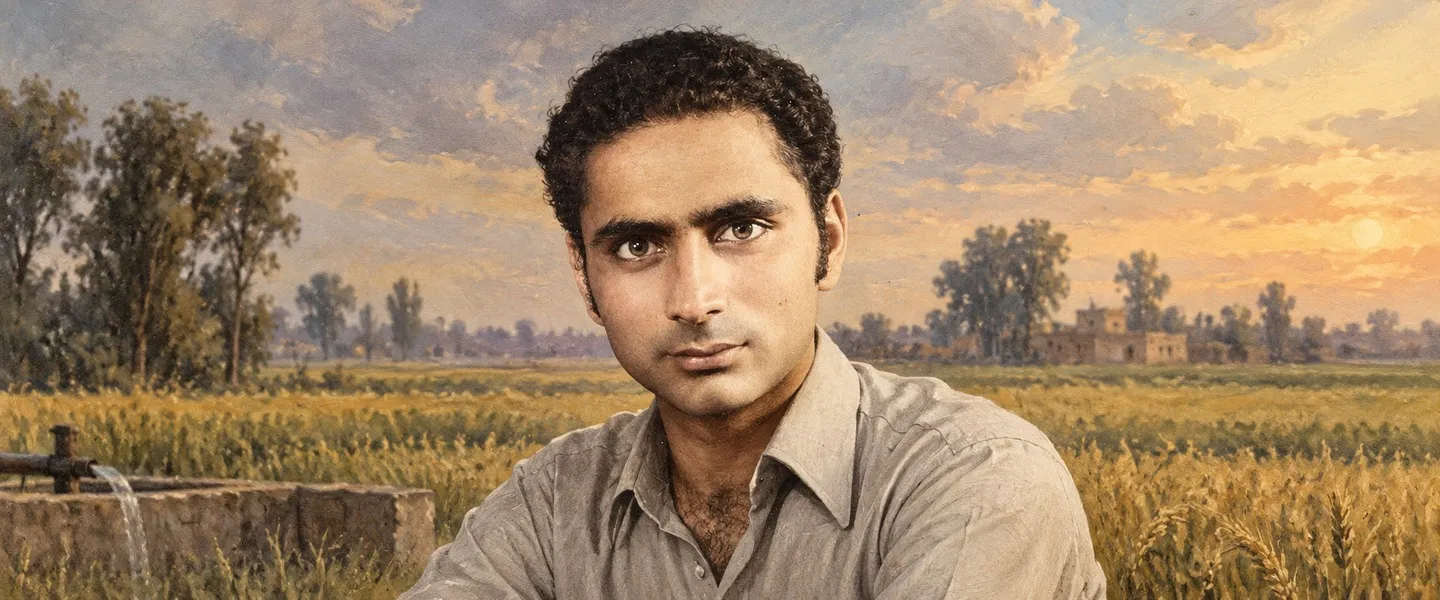
Pash, born Avtar Singh Sandhu (1950 to 1988) in Talwandi Salem, Jalandhar district, was Punjab's revolutionary poet of the Naxalite years, author of Loh-Katha and the poem Sab Ton Khatarnak. Jailed for his verse, he opposed separatist violence in the 1980s and was assassinated by militants in his home village at thirty-seven.
- ਪੰਜਾਬੀ ਨਾਂ
- ਪਾਸ਼
- ਜਨਮ
- 9 September 1950, Talwandi Salem, Jalandhar district
- ਜ਼ਿਲ੍ਹਾ
- ਜਲੰਧਰ
- Tehsil
- ਨਕੋਦਰ
- ਦੇਹਾਂਤ
- 23 March 1988, Talwandi Salem (assassinated), aged 37
- Real name
- Avtar Singh Sandhu
All 11 facts
- Pen name
- Pash, taken from Pasha in Maxim Gorky's novel Mother (per Tejwant Singh Gill)
- Collections
- Loh-Katha (1970); Uddade Bazan Magar (1973); Saade Samiyan Vich (1978); Khilre Hoye Varkey (1989, posthumous)
- Magazines edited
- Siarh (The Plough Line); Rohle Baan
- ਸਨਮਾਨ
- Fellowship, Punjabi Academy of Letters (1985)
- Best known poem
- Sab Ton Khatarnak (The Most Dangerous Thing)
ਜੀਵਨ ਇੱਕ ਨਜ਼ਰ ਵਿੱਚ
Pash (9 September 1950 to 23 March 1988), born Avtar Singh Sandhu in Talwandi Salem, Jalandhar district, was a Punjabi revolutionary poet. His collections Loh-Katha, Uddade Bazan Magar and Saade Samiyan Vich made him the defining poetic voice of Punjab's Naxalite years, until militants assassinated him at thirty-seven.
Early life in Talwandi Salem
Pash was born in ਤਲਵੰਡੀ ਸਲੇਮ, a village in Jalandhar district, into a middle class farming family. His father, Sohan Singh Sandhu, served in the Indian Army and also wrote poetry as a hobby, so verse was part of the household long before the son made it his life's work. The Punjab of his childhood was living through the Green Revolution, which raised harvests but also sharpened the gap between landowners and the poor, and through the first stirrings of the Naxalite movement, which spoke directly to that gap.
His pen name came from literature, not politics. According to Tejwant Singh Gill's Sahitya Akademi study of the poet, Pash took the name from Pasha, the working class character in Maxim Gorky's novel Mother. His reading was wide and international: Bertolt Brecht, Pablo Neruda and Leon Trotsky all shaped his thinking, alongside Faiz Ahmad Faiz and the Punjabi tradition he grew up in. That mix of the local field and the world revolution gave his early poems their distinctive voice: rooted in the village, aimed at the powerful everywhere.
Loh-Katha and the jail years
In 1970, aged about twenty, Pash published his first collection, ਲੋਹ-ਕਥਾ (Iron Tale). Its fierce, direct language, attacking landlords, moneylenders and a complacent state, announced a new kind of Punjabi poetry. The establishment reacted quickly. After a brick kiln owner in nearby Nakodar was killed by self-proclaimed Naxalites, Pash, who knew the men involved, was arrested and charged, and he spent time in jail before being acquitted. Gill records that arrest became a pattern: any strike or agitation seemed to signal his arrest, and he was detained again during student unrest in 1972, during the railway employees' strike of 1974, and during the Emergency.
Jail did not silence him; it educated him. After his release he read the Russian revolutionaries and Trotsky closely, and his poetry grew more reflective without losing its edge. Two further collections followed in the 1970s: Uddade Bazan Magar (Following the Flying Hawks) in 1973 and Saade Samiyan Vich (In Our Times) in 1978. Together the three books made him, while still in his twenties, the best known young poet of the Punjabi left.
Editor and organiser
Pash believed a poet should also build institutions. By the age of twenty-two he was editing the literary magazine Siarh (The Plough Line) and Rohle Baan (Raging Arrows), both left leaning journals that gave space to new revolutionary writing. In 1973 he founded the Punjabi Sahit Te Sabhiachar Manch, a forum for Punjabi literature and culture. In Siarh he repeatedly opposed religious fanaticism and separatist politics, arguing against any attempt to divide Punjab again on religious lines.
Recognition from the literary world followed the controversy. In 1985 he was awarded a fellowship at the Punjabi Academy of Letters. By then his poems were being read far beyond Punjab's left circles, recited at meetings and printed wherever Punjabi protest poetry travelled.
What is Pash's most famous poem about?
His most famous poem is Sab Ton Khatarnak, usually translated as The Most Dangerous Thing. It argues, in plain and mounting language, that exploitation, police violence and even betrayal are not the worst things that can happen to a person: the most dangerous thing is the death of our dreams, the slide into a numb, routine life in which everything is endured and nothing is felt. The poem's power lies in that turn: the enemy it finally names is not a landlord or a policeman but surrender itself.
The poem has had a long public life. In 2005 it was included in the NCERT Hindi textbook for Class 11, taking Pash into school classrooms across India. It is still recited at protests and gatherings, and recitations of his work are held every year around his death anniversary. Later Punjabi artists have kept citing him: Sidhu Moose Wala named Pash in songs on his 2021 album Moosetape and described himself as a modern day Pash in vision.
Why was Pash killed?
In the 1980s, as armed separatism rose in Punjab, Pash opposed it as firmly as he had opposed the state and the landlords. In 1986 he moved to the United States after receiving death threats from pro-Khalistan militants, having also toured the United Kingdom. In America he brought out the journal Anti-1947, named against the idea of another partition, and used it to criticise extremist violence.
At the beginning of 1988 he was back in Punjab to renew his American visa. On 23 March 1988, a day before he was due to leave for Delhi, three gunmen shot him dead at the well in Talwandi Salem, along with his friend Hans Raj. He was thirty-seven. The date was the martyrdom day of ਭਗਤ ਸਿੰਘ, a coincidence his admirers have never stopped noting: the revolutionary poet was killed on the revolutionary's day.
Legacy
A fourth collection, Khilre Hoye Varkey (Scattered Pages), was published after his death in 1989, followed by his journals and letters, and a selection of his poems, Inkar, was published in Lahore in 1997. His work has been translated into many Indian languages, and into Nepali and English. Tejwant Singh Gill's monograph Pash, published by the Sahitya Akademi in 1999, fixed his place in the official record of Indian literature.
Pash is often compared with ਸ਼ਿਵ ਕੁਮਾਰ ਬਟਾਲਵੀ, the other great Punjabi poet of his generation to die young, though the two wrote in opposite registers: Batalvi the lyric poet of longing, Pash the poet of revolt. With the revolutionary poet ਸੰਤ ਰਾਮ ਉਦਾਸੀ, he forms the core of the Punjabi protest poetry that still supplies slogans, songs and courage to movements in Punjab today. More than three decades after his death, Sahapedia could still describe him as arguably the most influential political Punjabi poet of the twentieth century.
ਪਾਸ਼ (9 ਸਤੰਬਰ 1950 ਤੋਂ 23 ਮਾਰਚ 1988), ਜਿਨ੍ਹਾਂ ਦਾ ਅਸਲ ਨਾਂ ਅਵਤਾਰ ਸਿੰਘ ਸੰਧੂ ਸੀ ਅਤੇ ਜਨਮ ਜ਼ਿਲ੍ਹਾ ਜਲੰਧਰ ਦੇ ਪਿੰਡ ਤਲਵੰਡੀ ਸਾਲਮ ਵਿੱਚ ਹੋਇਆ, ਪੰਜਾਬੀ ਦੇ ਇਨਕਲਾਬੀ ਕਵੀ ਸਨ। ਉਨ੍ਹਾਂ ਦੇ ਕਾਵਿ-ਸੰਗ੍ਰਹਿ 'ਲੋਹ-ਕਥਾ', 'ਉੱਡਦੇ ਬਾਜ਼ਾਂ ਮਗਰ' ਅਤੇ 'ਸਾਡੇ ਸਮਿਆਂ ਵਿੱਚ' ਨੇ ਉਨ੍ਹਾਂ ਨੂੰ ਪੰਜਾਬ ਦੇ ਨਕਸਲੀ ਸਾਲਾਂ ਦੀ ਸਭ ਤੋਂ ਪ੍ਰਭਾਵਸ਼ਾਲੀ ਕਾਵਿ-ਆਵਾਜ਼ ਬਣਾਇਆ, ਜਦੋਂ ਤਕ ਕਿ ਖਾੜਕੂਆਂ ਨੇ ਸੈਂਤੀ ਸਾਲ ਦੀ ਉਮਰ ਵਿੱਚ ਉਨ੍ਹਾਂ ਦਾ ਕਤਲ ਨਾ ਕਰ ਦਿੱਤਾ।
ਤਲਵੰਡੀ ਸਾਲਮ ਵਿੱਚ ਮੁੱਢਲਾ ਜੀਵਨ
ਪਾਸ਼ ਦਾ ਜਨਮ ਜਲੰਧਰ ਜ਼ਿਲ੍ਹੇ ਦੇ ਪਿੰਡ ਤਲਵੰਡੀ ਸਾਲਮ ਵਿੱਚ ਇੱਕ ਮੱਧ ਵਰਗੀ ਕਿਸਾਨ ਪਰਿਵਾਰ ਵਿੱਚ ਹੋਇਆ। ਉਨ੍ਹਾਂ ਦੇ ਪਿਤਾ ਸੋਹਣ ਸਿੰਘ ਸੰਧੂ ਭਾਰਤੀ ਫ਼ੌਜ ਵਿੱਚ ਸਨ ਅਤੇ ਸ਼ੌਕ ਵਜੋਂ ਕਵਿਤਾ ਵੀ ਲਿਖਦੇ ਸਨ, ਇਸ ਲਈ ਕਵਿਤਾ ਘਰ ਦਾ ਹਿੱਸਾ ਬਹੁਤ ਪਹਿਲਾਂ ਤੋਂ ਸੀ। ਉਨ੍ਹਾਂ ਦੇ ਬਚਪਨ ਦਾ ਪੰਜਾਬ ਹਰੀ ਕ੍ਰਾਂਤੀ ਵਿੱਚੋਂ ਲੰਘ ਰਿਹਾ ਸੀ, ਜਿਸ ਨੇ ਫ਼ਸਲਾਂ ਤਾਂ ਵਧਾਈਆਂ ਪਰ ਜ਼ਿਮੀਂਦਾਰਾਂ ਅਤੇ ਗ਼ਰੀਬਾਂ ਵਿਚਲਾ ਫ਼ਰਕ ਵੀ ਤਿੱਖਾ ਕੀਤਾ, ਅਤੇ ਨਾਲ ਹੀ ਨਕਸਲੀ ਲਹਿਰ ਦੀਆਂ ਪਹਿਲੀਆਂ ਲਹਿਰਾਂ ਉੱਠ ਰਹੀਆਂ ਸਨ, ਜੋ ਸਿੱਧੀ ਇਸੇ ਫ਼ਰਕ ਦੀ ਗੱਲ ਕਰਦੀ ਸੀ।
ਉਨ੍ਹਾਂ ਦਾ ਕਲਮੀ ਨਾਂ ਸਾਹਿਤ ਤੋਂ ਆਇਆ, ਸਿਆਸਤ ਤੋਂ ਨਹੀਂ। ਤੇਜਵੰਤ ਸਿੰਘ ਗਿੱਲ ਦੀ ਸਾਹਿਤ ਅਕਾਦਮੀ ਲਈ ਲਿਖੀ ਪਾਸ਼ ਬਾਰੇ ਕਿਤਾਬ ਮੁਤਾਬਕ, ਪਾਸ਼ ਨੇ ਇਹ ਨਾਂ ਮੈਕਸਿਮ ਗੋਰਕੀ ਦੇ ਨਾਵਲ 'ਮਾਂ' ਦੇ ਮਜ਼ਦੂਰ ਪਾਤਰ ਪਾਸ਼ਾ ਤੋਂ ਲਿਆ ਸੀ। ਉਨ੍ਹਾਂ ਦੀ ਪੜ੍ਹਾਈ ਵਿਸ਼ਾਲ ਅਤੇ ਕੌਮਾਂਤਰੀ ਸੀ: ਬਰਤੋਲਤ ਬ੍ਰੈਖ਼ਤ, ਪਾਬਲੋ ਨੇਰੂਦਾ ਅਤੇ ਲਿਓਨ ਤ੍ਰੋਤਸਕੀ ਨੇ ਫ਼ੈਜ਼ ਅਹਿਮਦ ਫ਼ੈਜ਼ ਅਤੇ ਆਪਣੀ ਪੰਜਾਬੀ ਪਰੰਪਰਾ ਦੇ ਨਾਲ ਨਾਲ ਉਨ੍ਹਾਂ ਦੀ ਸੋਚ ਘੜੀ। ਸਥਾਨਕ ਖੇਤ ਅਤੇ ਵਿਸ਼ਵ ਇਨਕਲਾਬ ਦੇ ਇਸ ਮੇਲ ਨੇ ਉਨ੍ਹਾਂ ਦੀਆਂ ਮੁੱਢਲੀਆਂ ਕਵਿਤਾਵਾਂ ਨੂੰ ਆਪਣੀ ਵੱਖਰੀ ਆਵਾਜ਼ ਦਿੱਤੀ: ਜੜ੍ਹਾਂ ਪਿੰਡ ਵਿੱਚ, ਨਿਸ਼ਾਨਾ ਹਰ ਥਾਂ ਦੇ ਤਾਕਤਵਰਾਂ ਤੇ।
'ਲੋਹ-ਕਥਾ' ਅਤੇ ਜੇਲ੍ਹ ਦੇ ਸਾਲ
1970 ਵਿੱਚ, ਲਗਭਗ ਵੀਹ ਸਾਲ ਦੀ ਉਮਰ ਵਿੱਚ, ਪਾਸ਼ ਨੇ ਆਪਣਾ ਪਹਿਲਾ ਸੰਗ੍ਰਹਿ 'ਲੋਹ-ਕਥਾ' ਛਾਪਿਆ। ਇਸ ਦੀ ਤਿੱਖੀ, ਸਿੱਧੀ ਭਾਸ਼ਾ, ਜੋ ਜ਼ਿਮੀਂਦਾਰਾਂ, ਸ਼ਾਹੂਕਾਰਾਂ ਅਤੇ ਸੁਸਤ ਸਰਕਾਰ ਤੇ ਹਮਲਾ ਕਰਦੀ ਸੀ, ਨੇ ਪੰਜਾਬੀ ਕਵਿਤਾ ਦੀ ਇੱਕ ਨਵੀਂ ਕਿਸਮ ਦਾ ਐਲਾਨ ਕੀਤਾ। ਸੱਤਾ ਨੇ ਛੇਤੀ ਪ੍ਰਤੀਕਿਰਿਆ ਦਿੱਤੀ। ਨੇੜਲੇ ਨਕੋਦਰ ਵਿੱਚ ਇੱਕ ਇੱਟ-ਭੱਠੇ ਦੇ ਮਾਲਕ ਨੂੰ ਆਪੇ-ਘੋਸ਼ਿਤ ਨਕਸਲੀਆਂ ਵੱਲੋਂ ਮਾਰੇ ਜਾਣ ਤੋਂ ਬਾਅਦ ਪਾਸ਼, ਜੋ ਉਨ੍ਹਾਂ ਨੂੰ ਜਾਣਦੇ ਸਨ, ਗ੍ਰਿਫ਼ਤਾਰ ਕਰ ਲਏ ਗਏ, ਉਨ੍ਹਾਂ ਤੇ ਮੁਕੱਦਮਾ ਚੱਲਿਆ, ਅਤੇ ਬਰੀ ਹੋਣ ਤੋਂ ਪਹਿਲਾਂ ਉਹ ਕੁਝ ਸਮਾਂ ਜੇਲ੍ਹ ਵਿੱਚ ਰਹੇ। ਗਿੱਲ ਲਿਖਦੇ ਹਨ ਕਿ ਗ੍ਰਿਫ਼ਤਾਰੀ ਇੱਕ ਰਵੱਈਆ ਬਣ ਗਈ: ਕੋਈ ਵੀ ਹੜਤਾਲ ਜਾਂ ਅੰਦੋਲਨ ਉਨ੍ਹਾਂ ਦੀ ਗ੍ਰਿਫ਼ਤਾਰੀ ਦਾ ਸੰਕੇਤ ਲੱਗਦਾ, ਅਤੇ 1972 ਵਿੱਚ ਵਿਦਿਆਰਥੀ ਅਸ਼ਾਂਤੀ ਦੌਰਾਨ, 1974 ਦੀ ਰੇਲ ਕਰਮਚਾਰੀਆਂ ਦੀ ਹੜਤਾਲ ਦੌਰਾਨ ਅਤੇ ਐਮਰਜੈਂਸੀ ਦੌਰਾਨ ਉਹ ਫਿਰ ਹਿਰਾਸਤ ਵਿੱਚ ਲਏ ਗਏ।
ਜੇਲ੍ਹ ਨੇ ਉਨ੍ਹਾਂ ਨੂੰ ਚੁੱਪ ਨਹੀਂ ਕਰਾਇਆ; ਉਸ ਨੇ ਉਨ੍ਹਾਂ ਨੂੰ ਸਿਖਾਇਆ। ਰਿਹਾਈ ਤੋਂ ਬਾਅਦ ਉਨ੍ਹਾਂ ਨੇ ਰੂਸੀ ਇਨਕਲਾਬੀਆਂ ਅਤੇ ਤ੍ਰੋਤਸਕੀ ਨੂੰ ਧਿਆਨ ਨਾਲ ਪੜ੍ਹਿਆ, ਅਤੇ ਉਨ੍ਹਾਂ ਦੀ ਕਵਿਤਾ ਆਪਣੀ ਤਿੱਖ ਖੋਏ ਬਿਨਾਂ ਵੱਧ ਵਿਚਾਰਵਾਨ ਹੋਈ। 1970ਵਿਆਂ ਵਿੱਚ ਦੋ ਹੋਰ ਸੰਗ੍ਰਹਿ ਆਏ: 1973 ਵਿੱਚ 'ਉੱਡਦੇ ਬਾਜ਼ਾਂ ਮਗਰ' ਅਤੇ 1978 ਵਿੱਚ 'ਸਾਡੇ ਸਮਿਆਂ ਵਿੱਚ'। ਇਨ੍ਹਾਂ ਤਿੰਨਾਂ ਕਿਤਾਬਾਂ ਨੇ ਉਨ੍ਹਾਂ ਨੂੰ, ਅਜੇ ਵੀਹਵਿਆਂ ਵਿੱਚ ਹੁੰਦਿਆਂ, ਪੰਜਾਬੀ ਖੱਬੇ-ਪੱਖ ਦੇ ਸਭ ਤੋਂ ਜਾਣੇ-ਪਛਾਣੇ ਨੌਜਵਾਨ ਕਵੀ ਬਣਾ ਦਿੱਤਾ।
ਸੰਪਾਦਕ ਅਤੇ ਸੰਗਠਨਕਾਰ
ਪਾਸ਼ ਮੰਨਦੇ ਸਨ ਕਿ ਕਵੀ ਨੂੰ ਸੰਸਥਾਵਾਂ ਵੀ ਬਣਾਉਣੀਆਂ ਚਾਹੀਦੀਆਂ ਹਨ। ਬਾਈ ਸਾਲ ਦੀ ਉਮਰ ਤਕ ਉਹ ਸਾਹਿਤਕ ਰਸਾਲੇ 'ਸਿਆੜ੍ਹ' ਅਤੇ 'ਰੋਹਲੇ ਬਾਣ' ਦੇ ਸੰਪਾਦਕ ਸਨ, ਦੋਵੇਂ ਖੱਬੇ-ਪੱਖੀ ਪਰਚੇ ਜੋ ਨਵੀਂ ਇਨਕਲਾਬੀ ਲਿਖਤ ਨੂੰ ਥਾਂ ਦਿੰਦੇ ਸਨ। 1973 ਵਿੱਚ ਉਨ੍ਹਾਂ ਨੇ ਪੰਜਾਬੀ ਸਾਹਿਤ ਤੇ ਸੱਭਿਆਚਾਰ ਮੰਚ ਦੀ ਸਥਾਪਨਾ ਕੀਤੀ। 'ਸਿਆੜ੍ਹ' ਵਿੱਚ ਉਨ੍ਹਾਂ ਨੇ ਬਾਰ ਬਾਰ ਧਾਰਮਿਕ ਕੱਟੜਤਾ ਅਤੇ ਵੱਖਵਾਦੀ ਸਿਆਸਤ ਦਾ ਵਿਰੋਧ ਕੀਤਾ ਅਤੇ ਧਰਮ ਦੇ ਅਧਾਰ ਤੇ ਪੰਜਾਬ ਨੂੰ ਮੁੜ ਵੰਡਣ ਦੀ ਕਿਸੇ ਵੀ ਕੋਸ਼ਿਸ਼ ਦੇ ਖ਼ਿਲਾਫ਼ ਲਿਖਿਆ।
ਵਿਵਾਦ ਦੇ ਨਾਲ ਨਾਲ ਸਾਹਿਤਕ ਜਗਤ ਤੋਂ ਮਾਨਤਾ ਵੀ ਮਿਲੀ। 1985 ਵਿੱਚ ਉਨ੍ਹਾਂ ਨੂੰ ਪੰਜਾਬੀ ਅਕਾਦਮੀ ਆਫ਼ ਲੈਟਰਜ਼ ਦੀ ਫ਼ੈਲੋਸ਼ਿਪ ਮਿਲੀ। ਉਸ ਸਮੇਂ ਤਕ ਉਨ੍ਹਾਂ ਦੀਆਂ ਕਵਿਤਾਵਾਂ ਪੰਜਾਬ ਦੇ ਖੱਬੇ-ਪੱਖੀ ਘੇਰਿਆਂ ਤੋਂ ਕਿਤੇ ਅੱਗੇ ਪੜ੍ਹੀਆਂ ਜਾ ਰਹੀਆਂ ਸਨ।
ਪਾਸ਼ ਦੀ ਸਭ ਤੋਂ ਮਸ਼ਹੂਰ ਕਵਿਤਾ ਕਿਸ ਬਾਰੇ ਹੈ?
ਉਨ੍ਹਾਂ ਦੀ ਸਭ ਤੋਂ ਮਸ਼ਹੂਰ ਕਵਿਤਾ 'ਸਭ ਤੋਂ ਖ਼ਤਰਨਾਕ' ਹੈ। ਇਹ ਸਾਦੀ ਅਤੇ ਚੜ੍ਹਦੀ ਹੋਈ ਭਾਸ਼ਾ ਵਿੱਚ ਕਹਿੰਦੀ ਹੈ ਕਿ ਲੁੱਟ, ਪੁਲਿਸ ਦੀ ਮਾਰ ਅਤੇ ਧੋਖਾ ਵੀ ਸਭ ਤੋਂ ਮਾੜੀਆਂ ਗੱਲਾਂ ਨਹੀਂ ਹਨ: ਸਭ ਤੋਂ ਖ਼ਤਰਨਾਕ ਗੱਲ ਸਾਡੇ ਸੁਪਨਿਆਂ ਦੀ ਮੌਤ ਹੈ, ਉਹ ਸੁੰਨ, ਰੋਜ਼ਮਰ੍ਹਾ ਦੀ ਜ਼ਿੰਦਗੀ ਜਿਸ ਵਿੱਚ ਸਭ ਕੁਝ ਸਹਿ ਲਿਆ ਜਾਂਦਾ ਹੈ ਅਤੇ ਕੁਝ ਮਹਿਸੂਸ ਨਹੀਂ ਹੁੰਦਾ। ਕਵਿਤਾ ਦੀ ਤਾਕਤ ਇਸੇ ਮੋੜ ਵਿੱਚ ਹੈ: ਆਖ਼ਰ ਵਿੱਚ ਇਹ ਜਿਸ ਦੁਸ਼ਮਣ ਦਾ ਨਾਂ ਲੈਂਦੀ ਹੈ ਉਹ ਕੋਈ ਜ਼ਿਮੀਂਦਾਰ ਜਾਂ ਪੁਲਿਸ ਵਾਲਾ ਨਹੀਂ, ਸਗੋਂ ਹਾਰ ਮੰਨ ਲੈਣਾ ਆਪ ਹੈ।
ਇਸ ਕਵਿਤਾ ਦਾ ਜਨਤਕ ਜੀਵਨ ਲੰਬਾ ਰਿਹਾ ਹੈ। 2005 ਵਿੱਚ ਇਹ ਗਿਆਰ੍ਹਵੀਂ ਜਮਾਤ ਲਈ ਐੱਨ.ਸੀ.ਈ.ਆਰ.ਟੀ. ਦੀ ਹਿੰਦੀ ਪਾਠ-ਪੁਸਤਕ ਵਿੱਚ ਸ਼ਾਮਲ ਹੋਈ, ਜਿਸ ਨਾਲ ਪਾਸ਼ ਪੂਰੇ ਭਾਰਤ ਦੇ ਸਕੂਲੀ ਕਲਾਸਾਂ ਵਿੱਚ ਪਹੁੰਚ ਗਏ। ਇਹ ਅੱਜ ਵੀ ਰੋਸ-ਮੁਜ਼ਾਹਰਿਆਂ ਅਤੇ ਇਕੱਠਾਂ ਵਿੱਚ ਪੜ੍ਹੀ ਜਾਂਦੀ ਹੈ, ਅਤੇ ਹਰ ਸਾਲ ਉਨ੍ਹਾਂ ਦੀ ਬਰਸੀ ਦੇ ਆਸ-ਪਾਸ ਉਨ੍ਹਾਂ ਦੀਆਂ ਰਚਨਾਵਾਂ ਦੇ ਪਾਠ ਹੁੰਦੇ ਹਨ। ਬਾਅਦ ਦੇ ਪੰਜਾਬੀ ਕਲਾਕਾਰ ਵੀ ਉਨ੍ਹਾਂ ਦਾ ਨਾਂ ਲੈਂਦੇ ਰਹੇ ਹਨ: ਸਿੱਧੂ ਮੂਸੇ ਵਾਲਾ ਨੇ ਆਪਣੀ 2021 ਦੀ ਐਲਬਮ 'ਮੂਸਟੇਪ' ਦੇ ਗੀਤਾਂ ਵਿੱਚ ਪਾਸ਼ ਦਾ ਜ਼ਿਕਰ ਕੀਤਾ ਅਤੇ ਆਪਣੇ ਆਪ ਨੂੰ ਨਜ਼ਰੀਏ ਪੱਖੋਂ ਅੱਜ ਦਾ ਪਾਸ਼ ਦੱਸਿਆ।
ਪਾਸ਼ ਨੂੰ ਕਿਉਂ ਮਾਰਿਆ ਗਿਆ?
1980ਵਿਆਂ ਵਿੱਚ, ਜਦੋਂ ਪੰਜਾਬ ਵਿੱਚ ਹਥਿਆਰਬੰਦ ਵੱਖਵਾਦ ਉੱਠਿਆ, ਪਾਸ਼ ਨੇ ਉਸ ਦਾ ਵੀ ਉਸੇ ਦ੍ਰਿੜ੍ਹਤਾ ਨਾਲ ਵਿਰੋਧ ਕੀਤਾ ਜਿਸ ਨਾਲ ਉਨ੍ਹਾਂ ਨੇ ਸਰਕਾਰ ਅਤੇ ਜ਼ਿਮੀਂਦਾਰਾਂ ਦਾ ਕੀਤਾ ਸੀ। 1986 ਵਿੱਚ, ਖਾਲਿਸਤਾਨ-ਪੱਖੀ ਖਾੜਕੂਆਂ ਪਾਸੋਂ ਜਾਨੋਂ ਮਾਰਨ ਦੀਆਂ ਧਮਕੀਆਂ ਮਿਲਣ ਤੋਂ ਬਾਅਦ, ਉਹ ਅਮਰੀਕਾ ਚਲੇ ਗਏ; ਉਹ ਬਰਤਾਨੀਆ ਦਾ ਦੌਰਾ ਵੀ ਕਰ ਚੁੱਕੇ ਸਨ। ਅਮਰੀਕਾ ਵਿੱਚ ਉਨ੍ਹਾਂ ਨੇ 'ਐਂਟੀ-1947' ਨਾਂ ਦਾ ਪਰਚਾ ਕੱਢਿਆ, ਜਿਸ ਦਾ ਨਾਂ ਇੱਕ ਹੋਰ ਵੰਡ ਦੇ ਖ਼ਿਲਾਫ਼ ਸੀ, ਅਤੇ ਉਸ ਵਿੱਚ ਕੱਟੜਵਾਦੀ ਹਿੰਸਾ ਦੀ ਆਲੋਚਨਾ ਕੀਤੀ।
1988 ਦੀ ਸ਼ੁਰੂਆਤ ਵਿੱਚ ਉਹ ਆਪਣਾ ਅਮਰੀਕੀ ਵੀਜ਼ਾ ਨਵਿਆਉਣ ਲਈ ਪੰਜਾਬ ਵਾਪਸ ਆਏ ਸਨ। 23 ਮਾਰਚ 1988 ਨੂੰ, ਦਿੱਲੀ ਜਾਣ ਤੋਂ ਇੱਕ ਦਿਨ ਪਹਿਲਾਂ, ਤਿੰਨ ਬੰਦੂਕਧਾਰੀਆਂ ਨੇ ਤਲਵੰਡੀ ਸਾਲਮ ਦੇ ਖੂਹ ਕੋਲ ਉਨ੍ਹਾਂ ਨੂੰ ਅਤੇ ਉਨ੍ਹਾਂ ਦੇ ਦੋਸਤ ਹੰਸ ਰਾਜ ਨੂੰ ਗੋਲੀਆਂ ਮਾਰ ਕੇ ਮਾਰ ਦਿੱਤਾ। ਉਹ ਸੈਂਤੀ ਸਾਲ ਦੇ ਸਨ। ਇਹ ਤਾਰੀਖ਼ ਭਗਤ ਸਿੰਘ ਦੀ ਸ਼ਹੀਦੀ ਦਾ ਦਿਨ ਸੀ, ਇੱਕ ਸੰਯੋਗ ਜਿਸ ਦਾ ਜ਼ਿਕਰ ਉਨ੍ਹਾਂ ਦੇ ਪ੍ਰਸ਼ੰਸਕ ਅੱਜ ਵੀ ਕਰਦੇ ਹਨ: ਇਨਕਲਾਬੀ ਕਵੀ ਇਨਕਲਾਬੀ ਦੇ ਦਿਨ ਮਾਰਿਆ ਗਿਆ।
ਵਿਰਾਸਤ
ਉਨ੍ਹਾਂ ਦੀ ਮੌਤ ਤੋਂ ਬਾਅਦ 1989 ਵਿੱਚ ਚੌਥਾ ਸੰਗ੍ਰਹਿ 'ਖਿੱਲਰੇ ਹੋਏ ਵਰਕੇ' ਛਪਿਆ, ਇਸ ਤੋਂ ਬਾਅਦ ਉਨ੍ਹਾਂ ਦੇ ਰੋਜ਼ਨਾਮਚੇ ਅਤੇ ਖ਼ਤ ਆਏ, ਅਤੇ 1997 ਵਿੱਚ ਲਾਹੌਰ ਤੋਂ ਉਨ੍ਹਾਂ ਦੀਆਂ ਕਵਿਤਾਵਾਂ ਦੀ ਚੋਣ 'ਇਨਕਾਰ' ਛਪੀ। ਉਨ੍ਹਾਂ ਦੀਆਂ ਰਚਨਾਵਾਂ ਕਈ ਭਾਰਤੀ ਭਾਸ਼ਾਵਾਂ ਵਿੱਚ, ਅਤੇ ਨੇਪਾਲੀ ਤੇ ਅੰਗਰੇਜ਼ੀ ਵਿੱਚ ਵੀ ਅਨੁਵਾਦ ਹੋਈਆਂ ਹਨ। ਤੇਜਵੰਤ ਸਿੰਘ ਗਿੱਲ ਦੀ 1999 ਵਿੱਚ ਸਾਹਿਤ ਅਕਾਦਮੀ ਤੋਂ ਛਪੀ ਕਿਤਾਬ 'ਪਾਸ਼' ਨੇ ਭਾਰਤੀ ਸਾਹਿਤ ਦੇ ਸਰਕਾਰੀ ਰਿਕਾਰਡ ਵਿੱਚ ਉਨ੍ਹਾਂ ਦੀ ਥਾਂ ਪੱਕੀ ਕੀਤੀ।
ਪਾਸ਼ ਦੀ ਤੁਲਨਾ ਅਕਸਰ ਸ਼ਿਵ ਕੁਮਾਰ ਬਟਾਲਵੀ ਨਾਲ ਕੀਤੀ ਜਾਂਦੀ ਹੈ, ਜੋ ਉਨ੍ਹਾਂ ਦੀ ਪੀੜ੍ਹੀ ਦੇ ਦੂਜੇ ਮਹਾਨ ਪੰਜਾਬੀ ਕਵੀ ਸਨ ਅਤੇ ਛੋਟੀ ਉਮਰ ਵਿੱਚ ਚਲੇ ਗਏ, ਪਰ ਦੋਵੇਂ ਉਲਟ ਸੁਰਾਂ ਵਿੱਚ ਲਿਖਦੇ ਸਨ: ਬਟਾਲਵੀ ਵਿਛੋੜੇ ਦੇ ਗੀਤਕਾਰ, ਪਾਸ਼ ਬਗ਼ਾਵਤ ਦੇ ਕਵੀ। ਇਨਕਲਾਬੀ ਕਵੀ ਸੰਤ ਰਾਮ ਉਦਾਸੀ ਦੇ ਨਾਲ, ਪਾਸ਼ ਪੰਜਾਬੀ ਰੋਸ-ਕਵਿਤਾ ਦਾ ਕੇਂਦਰ ਬਣਦੇ ਹਨ, ਜੋ ਅੱਜ ਵੀ ਪੰਜਾਬ ਦੀਆਂ ਲਹਿਰਾਂ ਨੂੰ ਨਾਅਰੇ, ਗੀਤ ਅਤੇ ਹੌਸਲਾ ਦਿੰਦੀ ਹੈ। ਉਨ੍ਹਾਂ ਦੀ ਮੌਤ ਤੋਂ ਤਿੰਨ ਦਹਾਕਿਆਂ ਤੋਂ ਵੱਧ ਸਮੇਂ ਬਾਅਦ ਵੀ ਸਾਹਪੀਡੀਆ ਉਨ੍ਹਾਂ ਨੂੰ ਵੀਹਵੀਂ ਸਦੀ ਦੇ ਸਭ ਤੋਂ ਪ੍ਰਭਾਵਸ਼ਾਲੀ ਸਿਆਸੀ ਪੰਜਾਬੀ ਕਵੀ ਕਹਿ ਸਕਿਆ।
ਰਚਨਾਵਾਂ
ਲੋਕ



ਥਾਵਾਂ
ਹੋਰ ਲੇਖਕ ਅਤੇ ਕਵੀ
ਸਾਰੇ ਵੇਖੋ



ਸਰੋਤ (3)
ਜੁਗਤੀ ਮੁਫ਼ਤ ਅਤੇ ਸੁਤੰਤਰ ਹੈ। ਪਾਠਕਾਂ ਦਾ ਸਹਿਯੋਗ ਕੋਸ਼ ਨੂੰ ਵਧਾਉਂਦਾ ਹੈ।
ਸਹਿਯੋਗ