

ਦਾਸਤਾਨ (1998) ਲਾਲ ਸਿੰਘ ਦਿਲ (1943 ਤੋਂ 2007) ਦੀ ਸਵੈ ਜੀਵਨੀ ਹੈ, ਜੋ ਸਮਰਾਲੇ ਦਾ ਕਵੀ ਸੀ ਅਤੇ ਪੰਜਾਬ ਦੇ ਭੂਮੀਹੀਣ ਦਲਿਤ ਮਜ਼ਦੂਰਾਂ ਦੀ ਆਵਾਜ਼ ਬਣਿਆ। ਪੰਜਾਬੀ ਵਿੱਚ ਲਿਖੀ ਅਤੇ ਚੇਤਨਾ ਪ੍ਰਕਾਸ਼ਨ, ਲੁਧਿਆਣਾ ਵੱਲੋਂ ਛਾਪੀ ਇਹ ਕਿਤਾਬ ਉਸ ਦੇ ਜੀਵਨ ਦੀ ਕਹਾਣੀ ਹੈ, ਜਾਤ ਨਾਲ ਚਿੰਨ੍ਹਿਤ ਬਚਪਨ ਤੋਂ ਨਕਸਲੀ ਸਾਲਾਂ, ਜੇਲ੍ਹ ਅਤੇ ਤਸ਼ੱਦਦ, ਉੱਤਰ ਪ੍ਰਦੇਸ਼ ਵਿੱਚ ਗ਼ੁਰਬਤ ਅਤੇ ਮਿਹਨਤ ਮਜ਼ਦੂਰੀ, ਅਤੇ ਸਮਰਾਲੇ ਵਾਪਸੀ ਤੱਕ। ਨਿਰੂਪਮਾ ਦੱਤ ਨੇ ਇਸ ਦਾ ਅਨੁਵਾਦ ਪੋਇਟ ਆਫ਼ ਦ ਰੈਵੋਲਿਊਸ਼ਨ (2012) ਵਜੋਂ ਕੀਤਾ।
ਪੰਜਾਬੀ, ਗੁਰਮੁਖੀ, ਅੰਗਰੇਜ਼ੀ ਅਨੁਵਾਦ ਸਮੇਤ- ਪੰਜਾਬੀ ਨਾਂ
- ਦਾਸਤਾਨ
- ਲੇਖਕ
- ਲਾਲ ਸਿੰਘ ਦਿਲ
- ਪ੍ਰਕਾਸ਼ਿਤ
- 1998, ਚੇਤਨਾ ਪ੍ਰਕਾਸ਼ਨ, ਲੁਧਿਆਣਾ
- ਭਾਸ਼ਾ
- ਪੰਜਾਬੀ, ਗੁਰਮੁਖੀ
- ਰੂਪ
- ਸਵੈ ਜੀਵਨੀ
- ਪੰਨੇ
- 169 (ਪੰਜਾਬੀ ਮੂਲ)
All 8 facts
- ਅੰਗਰੇਜ਼ੀ ਅਨੁਵਾਦ
- ਪੋਇਟ ਆਫ਼ ਦ ਰੈਵੋਲਿਊਸ਼ਨ, ਅਨੁਵਾਦ ਨਿਰੂਪਮਾ ਦੱਤ, ਪੈਂਗੁਇਨ ਵਾਈਕਿੰਗ, 2012
- ਲੇਖਕ ਦਾ ਘਰ
- ਸਮਰਾਲਾ, ਲੁਧਿਆਣਾ ਜ਼ਿਲ੍ਹਾ
About the book
Dastaan is the autobiography of Lal Singh Dil, published by Chetna Prakashan of Ludhiana in 1998, a year after his third poetry collection Satthar and nine years before his death. The Punjabi original runs to 169 pages. It is the only prose book of a writer known first as a poet, and readers of Punjabi Dalit literature treat it as one of the founding life stories of that tradition: an account, in the scholar Raj Kumar Hans's words, of a life lived as a Dalit, as a revolutionary, and as a person on the margins of every part of life.
The book opens with a sentence its translators kept at the front of the English edition: "I have endured the ordeal by fire time and again in my life, and it is a miracle that I have been able to emerge unscathed." The pages that follow test that sentence against a childhood of caste humiliation, a brief and violent season of armed revolution, prison and torture, years of exile and manual work in Uttar Pradesh, and a return to Samrala that brought no security with it.
What does Dastaan cover?
Dastaan covers the whole arc of Dil's life from his birth on 11 April 1943 in Ghungrali Sikhan, near Samrala in Ludhiana district, to his years back in Samrala. He was born into a landless Ramdasia Chamar family of tanners; his father worked as an agricultural labourer, and Dil was the first in his clan to pass the tenth standard, which he did at Government School, Samrala, in 1960-61 while working as a wage labourer himself. A year at A.S. College, Khanna, and an unfinished junior teachers training course at Bahilolpur followed, paid for by labouring, herding and giving tuitions.
As a small boy he was dragged away and whipped for bathing at an upper caste farmer's well, an early lesson the memoir returns to in spirit throughout: the everyday machinery of caste, applied to a child. Hans notes that Dil's Dalit consciousness, formed in these years, carried no hatred or wish for revenge, and that quality runs through the book's telling of its own worst injuries.
Revolution, prison and flight
In 1968 Comrade Jagjit Singh Baghi of Samrala introduced Dil to Marxist ideas, and the Naxalite movement drew him in. He took part in the Birla Seed Farm agitation at Ropar and in a raid on Chamkaur police station, dated to April 1969 in his biographical account (The Caravan dates the attack to 1970). Arrested soon after, he faced severe torture on a long police remand, was tried, and was sentenced to six months imprisonment with hard labour. Reviewers of the English translation single out this stretch of Dastaan, the raid, the custody and the sentence, as the best written part of the book, carried across almost untouched.
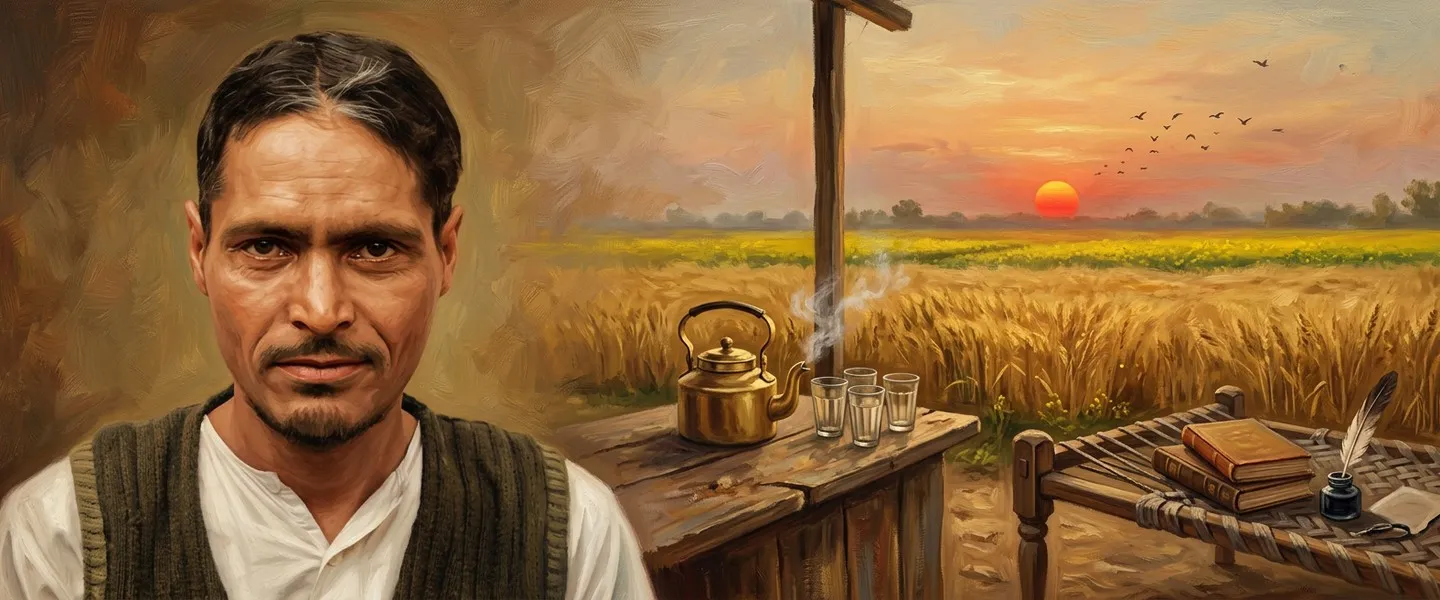
Released in 1971, fearing further persecution and disillusioned with the movement, he fled to Uttar Pradesh. The memoir's Uttar Pradesh years are a catalogue of the work of the landless: caretaker of a mango orchard at Muzaffarnagar, watchman, cook, gardener, farm hand, and a cloth seller going from village to village. In 1972 he converted to Islam, taking the name Mohammad Bushra, though he went on publishing under the name Lal Singh Dil. He returned to Samrala in 1983, and in his last years ran a tea stall near the town, built as a wooden shack with money sent by well wishers in England. He died in 2007.
ਲੇਖਕ
Lal Singh Dil (1943 to 2007) is counted among the major Punjabi poets of the twentieth century, a judgement Surjit Patar made in print during Dil's lifetime and after. His three poetry collections, Satluj Di Hawa (1971), Bahut Saare Suraj (1982) and Satthar (1997), together with Dastaan, hold what Nirupama Dutt called an exalted place in Punjabi letters. In his own years he was hailed as the bard of the Naxalite movement in Punjab, because the poverty and injustice in his writing were lived, not studied.
Dastaan is where that life explains itself. The filmmaker Ajay Bhardwaj opened his 2005 documentary Kitte Mil Ve Mahi in Dil's Samrala room, with the poet reciting, and critics have called Dil the beating heart of that film. The memoir gives the same room, the same poverty and the same voice a history, in prose that Hans describes as almost poetic, the work of a poet writing his own life.
The English translation
Nirupama Dutt translated Dastaan into English as Poet of the Revolution: The Memoirs and Poems of Lal Singh Dil, published by Penguin Viking in 2012 with a selection of his poems alongside the memoir. It was the first time Dil's work appeared in English in book form. The translation is shortened: the reviewer Trilok Ghai calculated that nearly 40 pages of the Punjabi original were cut, the childhood chapters and the Uttar Pradesh section reduced, and the final pages on life after the return to Samrala left out, a loss he regretted even while welcoming the book.
For readers who come to Dil through the English edition, Dastaan in Punjabi remains the fuller record. Either way, the memoir stands in the short line of early Punjabi Dalit autobiographies that Hans sets out, after Pandit Bakshi Ram's Mera Jeevan Sangharash (1983) and before Balbir Madhopuri's Chhangiya Rukh (2003), and it is the document that turned a neglected poet of Samrala into a figure Punjabi literature now teaches.
ਕਿਤਾਬ ਬਾਰੇ
ਦਾਸਤਾਨ ਲਾਲ ਸਿੰਘ ਦਿਲ ਦੀ ਸਵੈ ਜੀਵਨੀ ਹੈ, ਜੋ ਚੇਤਨਾ ਪ੍ਰਕਾਸ਼ਨ, ਲੁਧਿਆਣਾ ਨੇ 1998 ਵਿੱਚ ਛਾਪੀ, ਉਸ ਦੇ ਤੀਜੇ ਕਾਵਿ ਸੰਗ੍ਰਹਿ ਸੱਤਰ ਤੋਂ ਇੱਕ ਸਾਲ ਬਾਅਦ ਅਤੇ ਉਸ ਦੀ ਮੌਤ ਤੋਂ ਨੌਂ ਸਾਲ ਪਹਿਲਾਂ। ਪੰਜਾਬੀ ਮੂਲ ਦੇ 169 ਸਫ਼ੇ ਹਨ। ਇਹ ਮੁੱਖ ਤੌਰ ਉੱਤੇ ਕਵੀ ਵਜੋਂ ਜਾਣੇ ਜਾਂਦੇ ਲੇਖਕ ਦੀ ਇੱਕੋ ਇੱਕ ਵਾਰਤਕ ਕਿਤਾਬ ਹੈ, ਅਤੇ ਪੰਜਾਬੀ ਦਲਿਤ ਸਾਹਿਤ ਦੇ ਪਾਠਕ ਇਸ ਨੂੰ ਉਸ ਪਰੰਪਰਾ ਦੀਆਂ ਬੁਨਿਆਦੀ ਜੀਵਨ ਕਹਾਣੀਆਂ ਵਿੱਚੋਂ ਇੱਕ ਮੰਨਦੇ ਹਨ: ਵਿਦਵਾਨ ਰਾਜ ਕੁਮਾਰ ਹੰਸ ਦੇ ਸ਼ਬਦਾਂ ਵਿੱਚ, ਇੱਕ ਦਲਿਤ ਵਜੋਂ, ਇੱਕ ਇਨਕਲਾਬੀ ਵਜੋਂ, ਅਤੇ ਜੀਵਨ ਦੇ ਹਰ ਪੱਖ ਤੋਂ ਹਾਸ਼ੀਏ ਉੱਤੇ ਧੱਕੇ ਗਏ ਮਨੁੱਖ ਵਜੋਂ ਜੀਏ ਗਏ ਜੀਵਨ ਦਾ ਬਿਰਤਾਂਤ।
ਕਿਤਾਬ ਇੱਕ ਵਾਕ ਨਾਲ ਖੁੱਲ੍ਹਦੀ ਹੈ ਜਿਸ ਨੂੰ ਇਸ ਦੇ ਅਨੁਵਾਦਕਾਂ ਨੇ ਅੰਗਰੇਜ਼ੀ ਸੰਸਕਰਣ ਦੇ ਮੂਹਰੇ ਰੱਖਿਆ: ਮੈਂ ਆਪਣੀ ਜ਼ਿੰਦਗੀ ਵਿੱਚ ਵਾਰ ਵਾਰ ਅਗਨ ਪ੍ਰੀਖਿਆ ਝੱਲੀ ਹੈ, ਅਤੇ ਇਹ ਕਰਿਸ਼ਮਾ ਹੀ ਹੈ ਕਿ ਮੈਂ ਬਚ ਕੇ ਨਿਕਲ ਸਕਿਆ ਹਾਂ। ਇਸ ਤੋਂ ਅੱਗੇ ਦੇ ਸਫ਼ੇ ਇਸ ਵਾਕ ਨੂੰ ਜਾਤੀ ਬੇਇੱਜ਼ਤੀ ਨਾਲ ਭਰੇ ਬਚਪਨ, ਹਥਿਆਰਬੰਦ ਇਨਕਲਾਬ ਦੇ ਇੱਕ ਛੋਟੇ ਅਤੇ ਹਿੰਸਕ ਦੌਰ, ਜੇਲ੍ਹ ਅਤੇ ਤਸ਼ੱਦਦ, ਉੱਤਰ ਪ੍ਰਦੇਸ਼ ਵਿੱਚ ਗ਼ੁਰਬਤ ਅਤੇ ਮਿਹਨਤ ਮਜ਼ਦੂਰੀ ਦੇ ਸਾਲਾਂ, ਅਤੇ ਸਮਰਾਲੇ ਵਾਪਸੀ, ਜੋ ਆਪਣੇ ਨਾਲ ਕੋਈ ਸੁਰੱਖਿਆ ਨਹੀਂ ਲਿਆਈ, ਦੇ ਸਾਹਮਣੇ ਰੱਖ ਕੇ ਪਰਖਦੇ ਹਨ।
ਦਾਸਤਾਨ ਵਿੱਚ ਕੀ ਕੀ ਹੈ?
ਦਾਸਤਾਨ ਦਿਲ ਦੇ ਸਾਰੇ ਜੀਵਨ ਨੂੰ ਸਮੇਟਦੀ ਹੈ, 11 ਅਪ੍ਰੈਲ 1943 ਨੂੰ ਲੁਧਿਆਣਾ ਜ਼ਿਲ੍ਹੇ ਵਿੱਚ ਸਮਰਾਲੇ ਨੇੜੇ ਘੁੰਗਰਾਲੀ ਸਿੱਖਾਂ ਵਿੱਚ ਉਸ ਦੇ ਜਨਮ ਤੋਂ ਲੈ ਕੇ ਸਮਰਾਲੇ ਵਿੱਚ ਉਸ ਦੇ ਆਖ਼ਰੀ ਸਾਲਾਂ ਤੱਕ। ਉਹ ਚੰਮ ਦਾ ਕੰਮ ਕਰਨ ਵਾਲੇ ਇੱਕ ਭੂਮੀਹੀਣ ਰਮਦਾਸੀਆ ਚਮਾਰ ਪਰਿਵਾਰ ਵਿੱਚ ਜਨਮਿਆ। ਉਸ ਦਾ ਪਿਤਾ ਖੇਤ ਮਜ਼ਦੂਰ ਵਜੋਂ ਕੰਮ ਕਰਦਾ ਸੀ, ਅਤੇ ਦਿਲ ਆਪਣੇ ਖ਼ਾਨਦਾਨ ਵਿੱਚ ਦਸਵੀਂ ਪਾਸ ਕਰਨ ਵਾਲਾ ਪਹਿਲਾ ਮਨੁੱਖ ਸੀ, ਜੋ ਉਸ ਨੇ 1960-61 ਵਿੱਚ ਸਰਕਾਰੀ ਸਕੂਲ, ਸਮਰਾਲਾ ਤੋਂ ਕੀਤੀ, ਖ਼ੁਦ ਦਿਹਾੜੀ ਕਰਦੇ ਹੋਏ। ਇਸ ਤੋਂ ਬਾਅਦ ਏ. ਐੱਸ. ਕਾਲਜ, ਖੰਨਾ ਵਿੱਚ ਇੱਕ ਸਾਲ, ਅਤੇ ਬਹਿਲੋਲਪੁਰ ਵਿੱਚ ਅਧੂਰਾ ਰਹਿ ਗਿਆ ਜੂਨੀਅਰ ਅਧਿਆਪਕ ਸਿਖਲਾਈ ਕੋਰਸ ਆਇਆ, ਜਿਸ ਦਾ ਖ਼ਰਚਾ ਮਜ਼ਦੂਰੀ, ਪਸ਼ੂ ਚਾਰਨ ਅਤੇ ਟਿਊਸ਼ਨਾਂ ਨਾਲ ਚੱਲਿਆ।
ਛੋਟੇ ਹੁੰਦਿਆਂ ਉਸ ਨੂੰ ਇੱਕ ਉੱਚ ਜਾਤੀ ਕਿਸਾਨ ਦੇ ਖੂਹ ਉੱਤੇ ਨਹਾਉਣ ਲਈ ਘਸੀਟ ਕੇ ਲਿਜਾਇਆ ਗਿਆ ਅਤੇ ਕੋਰੜੇ ਮਾਰੇ ਗਏ। ਕਿਤਾਬ ਭਾਵਨਾ ਪੱਖੋਂ ਵਾਰ ਵਾਰ ਇਸ ਮੁੱਢਲੀ ਸਿੱਖਿਆ ਵੱਲ ਪਰਤਦੀ ਹੈ: ਜਾਤ ਦੀ ਰੋਜ਼ਾਨਾ ਮਸ਼ੀਨਰੀ, ਇੱਕ ਬੱਚੇ ਉੱਤੇ ਚਲਾਈ ਗਈ। ਹੰਸ ਨੋਟ ਕਰਦਾ ਹੈ ਕਿ ਇਨ੍ਹਾਂ ਸਾਲਾਂ ਵਿੱਚ ਬਣੀ ਦਿਲ ਦੀ ਦਲਿਤ ਚੇਤਨਾ ਵਿੱਚ ਕੋਈ ਨਫ਼ਰਤ ਜਾਂ ਬਦਲੇ ਦੀ ਇੱਛਾ ਨਹੀਂ ਸੀ, ਅਤੇ ਇਹੀ ਗੁਣ ਕਿਤਾਬ ਦੇ ਆਪਣੀਆਂ ਸਭ ਤੋਂ ਭੈੜੀਆਂ ਸੱਟਾਂ ਦੇ ਬਿਰਤਾਂਤ ਵਿੱਚੋਂ ਲੰਘਦਾ ਹੈ।
ਇਨਕਲਾਬ, ਜੇਲ੍ਹ ਅਤੇ ਭੱਜਣਾ
1968 ਵਿੱਚ ਸਮਰਾਲੇ ਦੇ ਕਾਮਰੇਡ ਜਗਜੀਤ ਸਿੰਘ ਬਾਘੀ ਨੇ ਦਿਲ ਨੂੰ ਮਾਰਕਸਵਾਦੀ ਵਿਚਾਰਾਂ ਨਾਲ ਜਾਣੂ ਕਰਵਾਇਆ, ਅਤੇ ਨਕਸਲੀ ਲਹਿਰ ਨੇ ਉਸ ਨੂੰ ਆਪਣੇ ਵਿੱਚ ਖਿੱਚ ਲਿਆ। ਉਸ ਨੇ ਰੋਪੜ ਵਿਖੇ ਬਿਰਲਾ ਸੀਡ ਫਾਰਮ ਅੰਦੋਲਨ ਵਿੱਚ ਅਤੇ ਚਮਕੌਰ ਪੁਲਿਸ ਥਾਣੇ ਉੱਤੇ ਛਾਪੇ ਵਿੱਚ ਹਿੱਸਾ ਲਿਆ, ਜਿਸ ਨੂੰ ਉਸ ਦੇ ਜੀਵਨ ਬਿਰਤਾਂਤ ਵਿੱਚ ਅਪ੍ਰੈਲ 1969 ਦੀ ਤਰੀਕ ਦਿੱਤੀ ਗਈ ਹੈ (ਦ ਕੈਰਾਵਾਨ ਇਸ ਹਮਲੇ ਨੂੰ 1970 ਦਾ ਦੱਸਦਾ ਹੈ)। ਜਲਦੀ ਹੀ ਗ੍ਰਿਫ਼ਤਾਰ ਹੋ ਕੇ, ਉਸ ਨੇ ਲੰਬੇ ਪੁਲਿਸ ਰਿਮਾਂਡ ਵਿੱਚ ਸਖ਼ਤ ਤਸ਼ੱਦਦ ਝੱਲਿਆ, ਮੁਕੱਦਮਾ ਚੱਲਿਆ, ਅਤੇ ਉਸ ਨੂੰ ਛੇ ਮਹੀਨੇ ਦੀ ਸਖ਼ਤ ਕੈਦ ਦੀ ਸਜ਼ਾ ਹੋਈ। ਅੰਗਰੇਜ਼ੀ ਅਨੁਵਾਦ ਦੇ ਸਮੀਖਿਅਕ ਦਾਸਤਾਨ ਦੇ ਇਸ ਹਿੱਸੇ, ਛਾਪਾ, ਹਿਰਾਸਤ ਅਤੇ ਸਜ਼ਾ, ਨੂੰ ਕਿਤਾਬ ਦਾ ਸਭ ਤੋਂ ਵਧੀਆ ਲਿਖਿਆ ਹਿੱਸਾ ਦੱਸਦੇ ਹਨ, ਜੋ ਲਗਭਗ ਉਵੇਂ ਦਾ ਉਵੇਂ ਅੱਗੇ ਆਇਆ।
1971 ਵਿੱਚ ਰਿਹਾ ਹੋ ਕੇ, ਹੋਰ ਸਤਾਏ ਜਾਣ ਦੇ ਡਰੋਂ ਅਤੇ ਲਹਿਰ ਤੋਂ ਨਿਰਾਸ਼ ਹੋ ਕੇ, ਉਹ ਉੱਤਰ ਪ੍ਰਦੇਸ਼ ਭੱਜ ਗਿਆ। ਯਾਦਾਂ ਦੇ ਉੱਤਰ ਪ੍ਰਦੇਸ਼ ਵਾਲੇ ਸਾਲ ਭੂਮੀਹੀਣਾਂ ਦੇ ਕੰਮਾਂ ਦੀ ਇੱਕ ਸੂਚੀ ਹਨ: ਮੁਜ਼ੱਫ਼ਰਨਗਰ ਵਿੱਚ ਅੰਬਾਂ ਦੇ ਬਾਗ਼ ਦਾ ਰਖਵਾਲਾ, ਚੌਕੀਦਾਰ, ਰਸੋਈਆ, ਮਾਲੀ, ਖੇਤ ਮਜ਼ਦੂਰ, ਅਤੇ ਪਿੰਡ ਪਿੰਡ ਘੁੰਮ ਕੇ ਕੱਪੜਾ ਵੇਚਣ ਵਾਲਾ। 1972 ਵਿੱਚ ਉਸ ਨੇ ਇਸਲਾਮ ਕਬੂਲ ਕੀਤਾ ਅਤੇ ਮੁਹੰਮਦ ਬੁਸ਼ਰਾ ਨਾਮ ਰੱਖਿਆ, ਹਾਲਾਂਕਿ ਉਹ ਲਾਲ ਸਿੰਘ ਦਿਲ ਨਾਮ ਨਾਲ ਹੀ ਛਪਦਾ ਰਿਹਾ। ਉਹ 1983 ਵਿੱਚ ਸਮਰਾਲੇ ਪਰਤਿਆ, ਅਤੇ ਆਪਣੇ ਆਖ਼ਰੀ ਸਾਲਾਂ ਵਿੱਚ ਉਸ ਨੇ ਕਸਬੇ ਨੇੜੇ ਚਾਹ ਦਾ ਖੋਖਾ ਚਲਾਇਆ, ਜੋ ਇੰਗਲੈਂਡ ਵਿੱਚ ਸ਼ੁਭਚਿੰਤਕਾਂ ਵੱਲੋਂ ਭੇਜੇ ਪੈਸਿਆਂ ਨਾਲ ਲੱਕੜ ਦੇ ਢਾਂਚੇ ਵਜੋਂ ਬਣਾਇਆ ਗਿਆ ਸੀ। ਉਸ ਦਾ ਦੇਹਾਂਤ 2007 ਵਿੱਚ ਹੋਇਆ।
ਲੇਖਕ
ਲਾਲ ਸਿੰਘ ਦਿਲ (1943 ਤੋਂ 2007) ਵੀਹਵੀਂ ਸਦੀ ਦੇ ਮੁੱਖ ਪੰਜਾਬੀ ਕਵੀਆਂ ਵਿੱਚ ਗਿਣਿਆ ਜਾਂਦਾ ਹੈ, ਇਹ ਨਿਰਣਾ ਸੁਰਜੀਤ ਪਾਤਰ ਨੇ ਦਿਲ ਦੇ ਜੀਵਨ ਵਿੱਚ ਅਤੇ ਉਸ ਤੋਂ ਬਾਅਦ ਛਪਵਾ ਕੇ ਦਿੱਤਾ ਸੀ। ਉਸ ਦੇ ਤਿੰਨ ਕਾਵਿ ਸੰਗ੍ਰਹਿ, ਸਤਲੁਜ ਦੀ ਹਵਾ (1971), ਬਹੁਤ ਸਾਰੇ ਸੂਰਜ (1982) ਅਤੇ ਸੱਤਰ (1997), ਦਾਸਤਾਨ ਸਮੇਤ, ਪੰਜਾਬੀ ਸਾਹਿਤ ਵਿੱਚ ਉਹ ਸਤਿਕਾਰਯੋਗ ਸਥਾਨ ਰੱਖਦੇ ਹਨ ਜਿਸ ਦੀ ਗੱਲ ਨਿਰੂਪਮਾ ਦੱਤ ਨੇ ਕੀਤੀ ਸੀ। ਆਪਣੇ ਸਾਲਾਂ ਵਿੱਚ ਉਸ ਨੂੰ ਪੰਜਾਬ ਵਿੱਚ ਨਕਸਲੀ ਲਹਿਰ ਦਾ ਕਵੀ ਕਿਹਾ ਗਿਆ, ਕਿਉਂਕਿ ਉਸ ਦੀ ਲਿਖਤ ਵਿੱਚ ਗਰੀਬੀ ਅਤੇ ਬੇਇਨਸਾਫ਼ੀ ਪੜ੍ਹੀ ਹੋਈ ਨਹੀਂ, ਜੀਵੀ ਹੋਈ ਸੀ।
ਦਾਸਤਾਨ ਉਹ ਥਾਂ ਹੈ ਜਿੱਥੇ ਉਹ ਜੀਵਨ ਆਪਣੇ ਆਪ ਨੂੰ ਸਮਝਾਉਂਦਾ ਹੈ। ਫ਼ਿਲਮਕਾਰ ਅਜੈ ਭਾਰਦਵਾਜ ਨੇ ਆਪਣੀ 2005 ਦੀ ਦਸਤਾਵੇਜ਼ੀ ਫ਼ਿਲਮ ਕਿੱਥੇ ਮਿਲ ਵੇ ਮਾਹੀ ਸਮਰਾਲੇ ਵਿੱਚ ਦਿਲ ਦੇ ਕਮਰੇ ਤੋਂ ਸ਼ੁਰੂ ਕੀਤੀ, ਕਵੀ ਦੇ ਕਾਵਿ ਪਾਠ ਨਾਲ, ਅਤੇ ਆਲੋਚਕਾਂ ਨੇ ਦਿਲ ਨੂੰ ਉਸ ਫ਼ਿਲਮ ਦਾ ਧੜਕਦਾ ਦਿਲ ਕਿਹਾ ਹੈ। ਇਹ ਯਾਦਾਂ ਉਸੇ ਕਮਰੇ, ਉਸੇ ਗਰੀਬੀ ਅਤੇ ਉਸੇ ਆਵਾਜ਼ ਨੂੰ ਇੱਕ ਇਤਿਹਾਸ ਦਿੰਦੀਆਂ ਹਨ, ਇੱਕ ਅਜਿਹੀ ਵਾਰਤਕ ਵਿੱਚ ਜਿਸ ਨੂੰ ਹੰਸ ਲਗਭਗ ਕਾਵਿਕ ਦੱਸਦਾ ਹੈ, ਇੱਕ ਕਵੀ ਦਾ ਆਪਣਾ ਜੀਵਨ ਲਿਖਣਾ।
ਅੰਗਰੇਜ਼ੀ ਅਨੁਵਾਦ
ਨਿਰੂਪਮਾ ਦੱਤ ਨੇ ਦਾਸਤਾਨ ਦਾ ਅੰਗਰੇਜ਼ੀ ਅਨੁਵਾਦ ਪੋਇਟ ਆਫ਼ ਦ ਰੈਵੋਲਿਊਸ਼ਨ: ਦ ਮੈਮੋਆਰਜ਼ ਐਂਡ ਪੋਇਮਜ਼ ਆਫ਼ ਲਾਲ ਸਿੰਘ ਦਿਲ ਵਜੋਂ ਕੀਤਾ, ਜੋ ਪੈਂਗੁਇਨ ਵਾਈਕਿੰਗ ਨੇ 2012 ਵਿੱਚ ਯਾਦਾਂ ਦੇ ਨਾਲ ਉਸ ਦੀਆਂ ਕਵਿਤਾਵਾਂ ਦੀ ਇੱਕ ਚੋਣ ਸਮੇਤ ਛਾਪਿਆ। ਇਹ ਪਹਿਲੀ ਵਾਰ ਸੀ ਜਦੋਂ ਦਿਲ ਦੀ ਰਚਨਾ ਕਿਤਾਬੀ ਰੂਪ ਵਿੱਚ ਅੰਗਰੇਜ਼ੀ ਵਿੱਚ ਆਈ। ਅਨੁਵਾਦ ਛੋਟਾ ਕੀਤਾ ਗਿਆ ਹੈ: ਸਮੀਖਿਅਕ ਤ੍ਰਿਲੋਕ ਘਈ ਨੇ ਹਿਸਾਬ ਲਾਇਆ ਕਿ ਪੰਜਾਬੀ ਮੂਲ ਦੇ ਲਗਭਗ 40 ਸਫ਼ੇ ਕੱਟੇ ਗਏ, ਬਚਪਨ ਵਾਲੇ ਅਧਿਆਇ ਅਤੇ ਉੱਤਰ ਪ੍ਰਦੇਸ਼ ਵਾਲਾ ਹਿੱਸਾ ਘਟਾਇਆ ਗਿਆ, ਅਤੇ ਸਮਰਾਲੇ ਵਾਪਸੀ ਤੋਂ ਬਾਅਦ ਦੇ ਜੀਵਨ ਵਾਲੇ ਆਖ਼ਰੀ ਸਫ਼ੇ ਛੱਡ ਦਿੱਤੇ ਗਏ, ਇੱਕ ਘਾਟਾ ਜਿਸ ਉੱਤੇ ਉਸ ਨੇ ਕਿਤਾਬ ਦਾ ਸਵਾਗਤ ਕਰਦੇ ਹੋਏ ਵੀ ਅਫ਼ਸੋਸ ਕੀਤਾ।
ਜਿਹੜੇ ਪਾਠਕ ਅੰਗਰੇਜ਼ੀ ਸੰਸਕਰਣ ਰਾਹੀਂ ਦਿਲ ਤੱਕ ਪਹੁੰਚਦੇ ਹਨ, ਉਨ੍ਹਾਂ ਲਈ ਪੰਜਾਬੀ ਦਾਸਤਾਨ ਵਧੇਰੇ ਪੂਰਾ ਰਿਕਾਰਡ ਬਣੀ ਰਹਿੰਦੀ ਹੈ। ਕਿਸੇ ਵੀ ਤਰ੍ਹਾਂ, ਇਹ ਯਾਦਾਂ ਮੁੱਢਲੀਆਂ ਪੰਜਾਬੀ ਦਲਿਤ ਸਵੈ ਜੀਵਨੀਆਂ ਦੀ ਉਸ ਛੋਟੀ ਲੜੀ ਵਿੱਚ ਖੜ੍ਹੀਆਂ ਹਨ ਜੋ ਹੰਸ ਗਿਣਾਉਂਦਾ ਹੈ, ਪੰਡਿਤ ਬਖਸ਼ੀ ਰਾਮ ਦੀ ਮੇਰਾ ਜੀਵਨ ਸੰਗਰਸ਼ (1983) ਤੋਂ ਬਾਅਦ ਅਤੇ ਬਲਬੀਰ ਮਾਧੋਪੁਰੀ ਦੀ ਛਾਂਗਿਆ ਰੁੱਖ (2003) ਤੋਂ ਪਹਿਲਾਂ, ਅਤੇ ਇਹੀ ਉਹ ਦਸਤਾਵੇਜ਼ ਹੈ ਜਿਸ ਨੇ ਸਮਰਾਲੇ ਦੇ ਇੱਕ ਅਣਗੌਲੇ ਕਵੀ ਨੂੰ ਉਸ ਹਸਤੀ ਵਿੱਚ ਬਦਲ ਦਿੱਤਾ ਜਿਸ ਨੂੰ ਪੰਜਾਬੀ ਸਾਹਿਤ ਹੁਣ ਪੜ੍ਹਾਉਂਦਾ ਹੈ।
ਐਡੀਸ਼ਨ ਅਤੇ ਅਨੁਵਾਦ
- ਦਾਸਤਾਨPunjabi, Gurmukhi, original, Chetna Prakashan, Ludhiana, 1998ਮੂਲ
- Poet of the Revolution: The Memoirs and Poems of Lal Singh DilEnglish translation by Nirupama Dutt, Penguin Viking, 2012ਅਨੁਵਾਦ
ਲੇਖਕ
ਜੁੜੇ ਹੋਏ
ਹੋਰ ਪੜ੍ਹੋ
ਸਰੋਤ (5)
- Lal Singh Dil, Wikipedia
- The Caravan: Punjabi poet Lal Singh Dil's revolutionary fervour and poetic zeal
- Trilok Ghai: Life and Poetry of a Wandering Heart, review of Poet of the Revolution, APNA
- Raj Kumar Hans: Dalit Punjabi Literature, sikhchic.com
- The Hindu Centre: The Various Strands of Dalit Assertion in Punjab
ਜੁਗਤੀ ਮੁਫ਼ਤ ਅਤੇ ਸੁਤੰਤਰ ਹੈ। ਪਾਠਕਾਂ ਦਾ ਸਹਿਯੋਗ ਕੋਸ਼ ਨੂੰ ਵਧਾਉਂਦਾ ਹੈ।
ਸਹਿਯੋਗ