
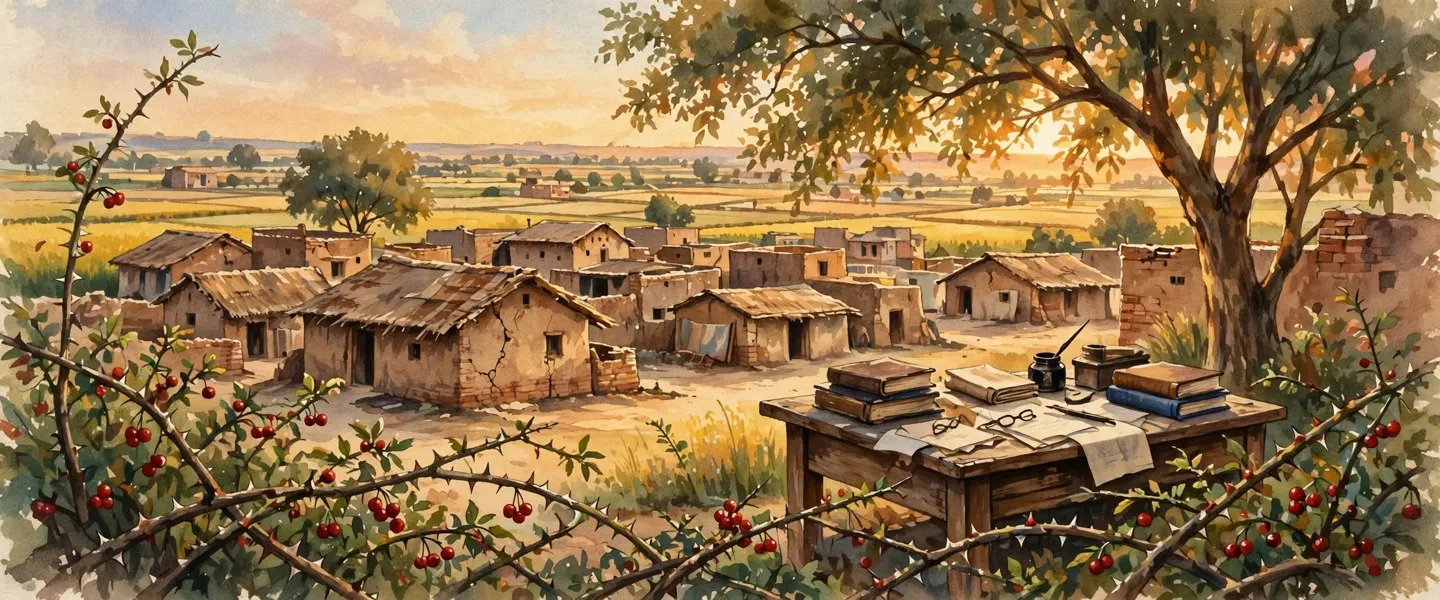
ਮਲ੍ਹੇ ਝਾੜੀਆਂ ਰਾਮ ਸਰੂਪ ਅਣਖੀ ਦੀ ਪੰਜਾਬੀ ਆਤਮਕਥਾ ਹੈ, ਜੋ 1988 ਵਿੱਚ ਦੋ ਭਾਗਾਂ ਵਿੱਚ ਛਪੀ ਅਤੇ ਬਾਅਦ ਵਿੱਚ ਦੋ ਵਾਰ ਅੱਪਡੇਟ ਹੋਈ। ਉਸ ਦੇ ਨਾਵਲ ਕੋਠੇ ਖੜਕ ਸਿੰਘ ਦੇ ਸਾਹਿਤ ਅਕਾਦਮੀ ਪੁਰਸਕਾਰ ਜਿੱਤਣ ਤੋਂ ਅਗਲੇ ਸਾਲ ਲਿਖੀ, ਇਹ ਉਸ ਦੀ ਆਪਣੀ ਜੜ੍ਹਾਂ ਵਾਲੀ ਮਾਲਵਾ ਜ਼ਿੰਦਗੀ ਦੱਸਦੀ ਹੈ: ਧੌਲਾ ਪਿੰਡ, ਖੇਤੀ, ਪੜ੍ਹਾਉਣਾ ਅਤੇ ਲਿਖਣਾ। ਦੂਜੀ ਆਤਮਕਥਾ, ਆਪਣੀ ਮਿੱਟੀ ਦੇ ਰੁੱਖ, 2004 ਵਿੱਚ ਆਈ।
ਪੰਜਾਬੀ, ਗੁਰਮੁਖੀ- ਪੰਜਾਬੀ ਨਾਂ
- ਮਲ੍ਹੇ ਝਾੜੀਆਂ
- ਲੇਖਕ
- ਰਾਮ ਸਰੂਪ ਅਣਖੀ (1932 ਤੋਂ 2010)
- ਪ੍ਰਕਾਸ਼ਿਤ
- 1988, ਦੋ ਭਾਗਾਂ ਵਿੱਚ, ਬਾਅਦ ਵਿੱਚ ਦੋ ਵਾਰ ਅੱਪਡੇਟ
- ਰੂਪ
- ਆਤਮਕਥਾ, ਉਸ ਦੀਆਂ ਦੋਹਾਂ ਵਿੱਚੋਂ ਪਹਿਲੀ
- ਭਾਸ਼ਾ
- ਪੰਜਾਬੀ (ਗੁਰਮੁਖੀ)
- ਸਿਰਲੇਖ ਦਾ ਅਰਥ
- ਕੰਡਿਆਂ ਵਾਲੀਆਂ ਬੇਰ ਝਾੜੀਆਂ
All 9 facts
- ਥਾਂ
- ਧੌਲਾ ਪਿੰਡ ਅਤੇ ਬਰਨਾਲਾ, ਪੰਜਾਬ ਦੇ ਮਾਲਵਾ ਇਲਾਕੇ ਵਿੱਚ
- ਦੂਜੀ ਆਤਮਕਥਾ
- ਆਪਣੀ ਮਿੱਟੀ ਦੇ ਰੁੱਖ (2004)
- ਮੁੜ ਛਪਾਈ
- ਯੂਨੀਸਟਾਰ ਬੁਕਸ, 2007
About the book
Malhe Jharhiyan is the autobiography of Ram Sarup Ankhi, the Punjabi novelist of Malwa, published in 1988. Its title names the thorny ber bushes of the Punjab countryside, bushes that carry small sweet berries on hard, scratching branches, and reference accounts give its meaning in English as Thorny Bushes with Berries. The book appeared in two volumes and was later updated twice, so the life in it was not left frozen in 1988: Ankhi went back to his own story as he went on living and writing it. A second autobiography, Apni Mitti De Rukh (Trees of My Own Soil), followed in 2004, which makes Malhe Jharhiyan the first and larger of the two accounts in which Punjab's great storyteller of village life told that life himself.
The timing matters. Malhe Jharhiyan came the year after Ankhi received the Sahitya Akademi Award, in 1987, for his novel Kothe Kharak Singh (1985), the three generation story of a fictional Malwa village that is also in this Kosh. He was 56, a farmer's son from Dhaula who had farmed himself and then taught English in a government school while writing in Punjabi, and the award had confirmed him as a leading voice of rural Punjab. The autobiography is where that voice turns from the invented village to the real one: the ground, the family and the years out of which the novels were made.
What is Malhe Jharhiyan about?
Malhe Jharhiyan is about Ankhi's own life in the Malwa region of Punjab: his native village Dhaula and its surrounding country, and later the town of Barnala, where he settled. Reviewing the two volumes, the playwright and columnist Atamjit noted that Ankhi was content with his life in Dhaula and Barnala and always sought his themes, settings and characters from within this region, because his wide canvas never required anything from outside it. The autobiography tells that rooted life from inside: a childhood in the village, the passage from poetry to fiction, work on the land and in the classroom, and a landscape changing around him, the same transformation his novels record, here carried by the man who watched it happen to his own fields and neighbours.
Atamjit's review also caught the quality readers meet in the book. It is not only his art of storytelling that mesmerises its reader, he wrote: his simplicity, honesty and bluntness also produce magic. Those are working values in an autobiography. Ankhi does not present a polished public figure; the divergent sides of the man are part of the record, among them that he was a Brahmin by caste who kept a Sikh appearance, as was the custom of his Malwa country, wild in childhood and disciplined in his writing, a poet who became a fiction writer. The thorn and the berry of the title sit over the whole book: a hard rural life, told plainly, with its sweetness kept in view rather than sentimentalised.
Themes: one region, one life
The deepest theme of Malhe Jharhiyan is staying. Ankhi's fiction is set in a cluster of some fifty villages across the Malwa districts of Mansa, Bathinda, Barnala and Sangrur, and it deals with village life and its pressures, among them farmer debt and addiction. The autobiography shows where that knowledge came from: not from research trips but from a life lived in the middle of it, farming, teaching and writing in the same few miles for decades. Its second theme is change over time, the sea change, as Atamjit put it, that passed over the same landscape in one lifetime, from the Punjab of his childhood to the post Green Revolution Malwa of his later novels. Because Ankhi updated the book twice, that theme is built into its very form: the life account itself kept changing as the country it describes changed.
ਲੇਖਕ
Ram Sarup Ankhi (28 August 1932 to 14 February 2010) was born in Dhaula village, in present day Barnala district, studied at Government Mohindra College, Patiala, worked first in his ancestral profession of farming and then as an English teacher in a government school, and wrote in Punjabi. He began as a poet and became a fiction writer, with 15 novels, eight story collections and five collections of poems to his name. Kothe Kharak Singh won the Sahitya Akademi Award in 1987; he also received the Kartar Singh Dhaliwal Award in 1992 and the Sarb Shresht Sahitkaar award in 2009. From 1993 he edited the Punjabi short fiction quarterly Kahani Punjab, assisted by his son Krantipal. He died at Barnala in 2010.
Reception and legacy
Malhe Jharhiyan is the book readers and critics reach for when they want Ankhi whole. Atamjit's contemporary review in two volumes praised exactly the qualities the autobiography needed, storytelling, simplicity, honesty and bluntness, and Amarjit Chandan's obituary of Ankhi returned to the same review when summing up the man and his work. The book was reprinted by Unistar Books in 2007, late in Ankhi's life, alongside reprints of his novels. Read with Apni Mitti De Rukh, its shorter successor of 2004, it forms the personal half of a double record: the novels, above all Kothe Kharak Singh, tell what happened to Malwa's villages, and Malhe Jharhiyan tells what it was like to be the writer who lived inside that story and would not leave it.
ਕਿਤਾਬ ਬਾਰੇ
ਮਲ੍ਹੇ ਝਾੜੀਆਂ ਮਾਲਵੇ ਦੇ ਪੰਜਾਬੀ ਨਾਵਲਕਾਰ ਰਾਮ ਸਰੂਪ ਅਣਖੀ ਦੀ ਆਤਮਕਥਾ ਹੈ, ਜੋ 1988 ਵਿੱਚ ਛਪੀ। ਇਸ ਦਾ ਨਾਂ ਪੰਜਾਬ ਦੇ ਪੇਂਡੂ ਇਲਾਕੇ ਦੀਆਂ ਕੰਡਿਆਂ ਵਾਲੀਆਂ ਬੇਰ ਝਾੜੀਆਂ ਨੂੰ ਦਿੰਦਾ ਹੈ, ਉਹ ਝਾੜੀਆਂ ਜੋ ਸਖ਼ਤ, ਖਰੋਚਣ ਵਾਲੀਆਂ ਟਾਹਣੀਆਂ ਉੱਤੇ ਛੋਟੇ ਮਿੱਠੇ ਬੇਰ ਲੈਂਦੀਆਂ ਹਨ, ਅਤੇ ਹਵਾਲਾ ਵਰਣਨ ਇਸ ਦਾ ਅੰਗਰੇਜ਼ੀ ਅਰਥ ਥਾਰਨੀ ਬੁਸ਼ਿਜ਼ ਵਿਦ ਬੈਰੀਜ਼ ਦਿੰਦੇ ਹਨ। ਕਿਤਾਬ ਦੋ ਭਾਗਾਂ ਵਿੱਚ ਆਈ ਅਤੇ ਬਾਅਦ ਵਿੱਚ ਦੋ ਵਾਰ ਅੱਪਡੇਟ ਹੋਈ, ਇਸ ਲਈ ਇਸ ਵਿੱਚਲੀ ਜ਼ਿੰਦਗੀ 1988 ਵਿੱਚ ਜੰਮੀ ਨਾ ਰਹੀ: ਅਣਖੀ ਆਪਣੀ ਕਹਾਣੀ ਵੱਲ ਮੁੜਦਾ ਰਿਹਾ ਜਿਵੇਂ ਉਹ ਇਸ ਨੂੰ ਜਿਉਂਦਾ ਅਤੇ ਲਿਖਦਾ ਰਿਹਾ। ਦੂਜੀ ਆਤਮਕਥਾ, ਆਪਣੀ ਮਿੱਟੀ ਦੇ ਰੁੱਖ, 2004 ਵਿੱਚ ਆਈ, ਜਿਸ ਨਾਲ ਮਲ੍ਹੇ ਝਾੜੀਆਂ ਉਨ੍ਹਾਂ ਦੋਹਾਂ ਵਰਣਨਾਂ ਵਿੱਚੋਂ ਪਹਿਲੀ ਅਤੇ ਵੱਡੀ ਬਣਦੀ ਹੈ ਜਿਨ੍ਹਾਂ ਵਿੱਚ ਪੰਜਾਬ ਦੇ ਪੇਂਡੂ ਜੀਵਨ ਦੇ ਮਹਾਨ ਕਹਾਣੀਕਾਰ ਨੇ ਉਹ ਜੀਵਨ ਆਪ ਦੱਸਿਆ।
ਸਮਾਂ ਮਹੱਤਵ ਰੱਖਦਾ ਹੈ। ਮਲ੍ਹੇ ਝਾੜੀਆਂ ਉਸ ਸਾਲ ਤੋਂ ਅਗਲੇ ਸਾਲ ਆਈ ਜਦ ਅਣਖੀ ਨੂੰ 1987 ਵਿੱਚ ਆਪਣੇ ਨਾਵਲ ਕੋਠੇ ਖੜਕ ਸਿੰਘ (1985) ਲਈ ਸਾਹਿਤ ਅਕਾਦਮੀ ਪੁਰਸਕਾਰ ਮਿਲਿਆ, ਇੱਕ ਕਲਪਿਤ ਮਾਲਵਾ ਪਿੰਡ ਦੀ ਤਿੰਨ ਪੀੜ੍ਹੀਆਂ ਦੀ ਕਹਾਣੀ, ਜੋ ਇਸ ਕੋਸ਼ ਵਿੱਚ ਵੀ ਹੈ। ਉਹ 56 ਸਾਲ ਦਾ ਸੀ, ਧੌਲਾ ਦਾ ਇੱਕ ਕਿਸਾਨ ਪੁੱਤਰ ਜਿਸ ਨੇ ਆਪ ਖੇਤੀ ਕੀਤੀ ਅਤੇ ਫਿਰ ਪੰਜਾਬੀ ਵਿੱਚ ਲਿਖਦੇ ਹੋਏ ਇੱਕ ਸਰਕਾਰੀ ਸਕੂਲ ਵਿੱਚ ਅੰਗਰੇਜ਼ੀ ਪੜ੍ਹਾਈ, ਅਤੇ ਪੁਰਸਕਾਰ ਨੇ ਉਸ ਨੂੰ ਪੇਂਡੂ ਪੰਜਾਬ ਦੀ ਮੋਹਰੀ ਆਵਾਜ਼ ਵਜੋਂ ਸਥਾਪਤ ਕਰ ਦਿੱਤਾ ਸੀ। ਆਤਮਕਥਾ ਉਹ ਥਾਂ ਹੈ ਜਿੱਥੇ ਉਹ ਆਵਾਜ਼ ਕਲਪਿਤ ਪਿੰਡ ਤੋਂ ਅਸਲੀ ਵੱਲ ਮੁੜਦੀ ਹੈ: ਉਹ ਜ਼ਮੀਨ, ਉਹ ਪਰਿਵਾਰ ਅਤੇ ਉਹ ਸਾਲ ਜਿਨ੍ਹਾਂ ਵਿੱਚੋਂ ਨਾਵਲ ਬਣੇ।
ਮਲ੍ਹੇ ਝਾੜੀਆਂ ਕਿਸ ਬਾਰੇ ਹੈ?
ਮਲ੍ਹੇ ਝਾੜੀਆਂ ਪੰਜਾਬ ਦੇ ਮਾਲਵਾ ਇਲਾਕੇ ਵਿੱਚ ਅਣਖੀ ਦੀ ਆਪਣੀ ਜ਼ਿੰਦਗੀ ਬਾਰੇ ਹੈ: ਉਸ ਦਾ ਜੱਦੀ ਪਿੰਡ ਧੌਲਾ ਅਤੇ ਇਸ ਦਾ ਆਲਾ ਦੁਆਲਾ, ਅਤੇ ਬਾਅਦ ਵਿੱਚ ਬਰਨਾਲਾ ਕਸਬਾ, ਜਿੱਥੇ ਉਹ ਵੱਸ ਗਿਆ। ਦੋਹਾਂ ਭਾਗਾਂ ਦੀ ਸਮੀਖਿਆ ਕਰਦੇ ਹੋਏ ਨਾਟਕਕਾਰ ਅਤੇ ਕਾਲਮਨਵੀਸ ਅਤਮਜੀਤ ਨੇ ਦਰਜ ਕੀਤਾ ਕਿ ਅਣਖੀ ਧੌਲਾ ਅਤੇ ਬਰਨਾਲਾ ਵਿੱਚ ਆਪਣੀ ਜ਼ਿੰਦਗੀ ਨਾਲ ਸੰਤੁਸ਼ਟ ਸੀ ਅਤੇ ਹਮੇਸ਼ਾ ਆਪਣੇ ਵਿਸ਼ੇ, ਪਿਛੋਕੜ ਅਤੇ ਪਾਤਰ ਇਸੇ ਇਲਾਕੇ ਦੇ ਅੰਦਰੋਂ ਲੱਭਦਾ ਸੀ, ਕਿਉਂਕਿ ਉਸ ਦੇ ਵਿਸ਼ਾਲ ਕੈਨਵਸ ਨੂੰ ਇਸ ਤੋਂ ਬਾਹਰ ਕਿਸੇ ਚੀਜ਼ ਦੀ ਲੋੜ ਨਹੀਂ ਸੀ। ਆਤਮਕਥਾ ਉਹ ਜੜ੍ਹਾਂ ਵਾਲੀ ਜ਼ਿੰਦਗੀ ਅੰਦਰੋਂ ਦੱਸਦੀ ਹੈ: ਪਿੰਡ ਵਿੱਚ ਬਚਪਨ, ਕਵਿਤਾ ਤੋਂ ਗਲਪ ਵੱਲ ਸਫ਼ਰ, ਜ਼ਮੀਨ ਉੱਤੇ ਅਤੇ ਜਮਾਤ ਵਿੱਚ ਕੰਮ, ਅਤੇ ਉਸ ਦੇ ਆਲੇ ਦੁਆਲੇ ਬਦਲਦਾ ਇਲਾਕਾ, ਉਹੋ ਤਬਦੀਲੀ ਜੋ ਉਸ ਦੇ ਨਾਵਲ ਦਰਜ ਕਰਦੇ ਹਨ, ਇੱਥੇ ਉਸ ਵਿਅਕਤੀ ਰਾਹੀਂ ਜਿਸ ਨੇ ਇਹ ਆਪਣੇ ਖੇਤਾਂ ਅਤੇ ਗੁਆਂਢੀਆਂ ਨਾਲ ਹੁੰਦੇ ਵੇਖਿਆ।
ਅਤਮਜੀਤ ਦੀ ਸਮੀਖਿਆ ਨੇ ਉਹ ਗੁਣ ਵੀ ਫੜਿਆ ਜੋ ਪਾਠਕ ਕਿਤਾਬ ਵਿੱਚ ਮਿਲਦੇ ਹਨ। ਇਹ ਸਿਰਫ਼ ਉਸ ਦੀ ਕਹਾਣੀ ਕਹਿਣ ਦੀ ਕਲਾ ਨਹੀਂ ਜੋ ਪਾਠਕ ਨੂੰ ਮੋਹ ਲੈਂਦੀ ਹੈ, ਉਸ ਨੇ ਲਿਖਿਆ: ਉਸ ਦੀ ਸਾਦਗੀ, ਇਮਾਨਦਾਰੀ ਅਤੇ ਸਪੱਸ਼ਟਤਾ ਵੀ ਜਾਦੂ ਕਰਦੀ ਹੈ। ਆਤਮਕਥਾ ਵਿੱਚ ਇਹ ਕੰਮ ਵਾਲੇ ਮੁੱਲ ਹਨ। ਅਣਖੀ ਕੋਈ ਸੰਵਾਰਿਆ ਹੋਇਆ ਜਨਤਕ ਚਿਹਰਾ ਪੇਸ਼ ਨਹੀਂ ਕਰਦਾ; ਉਸ ਵਿਅਕਤੀ ਦੇ ਵੱਖ ਵੱਖ ਪਾਸੇ ਰਿਕਾਰਡ ਦਾ ਹਿੱਸਾ ਹਨ, ਉਨ੍ਹਾਂ ਵਿੱਚ ਇਹ ਕਿ ਉਹ ਜਾਤ ਪੱਖੋਂ ਬ੍ਰਾਹਮਣ ਸੀ ਪਰ ਸਿੱਖ ਦਿੱਖ ਰੱਖਦਾ ਸੀ, ਜਿਵੇਂ ਉਸ ਦੇ ਮਾਲਵਾ ਇਲਾਕੇ ਦਾ ਰਿਵਾਜ ਸੀ, ਬਚਪਨ ਵਿੱਚ ਜੰਗਲੀ ਅਤੇ ਲਿਖਤ ਵਿੱਚ ਅਨੁਸ਼ਾਸਤ, ਇੱਕ ਕਵੀ ਜੋ ਗਲਪ ਲੇਖਕ ਬਣਿਆ। ਸਿਰਲੇਖ ਦਾ ਕੰਡਾ ਅਤੇ ਬੇਰ ਸਾਰੀ ਕਿਤਾਬ ਉੱਤੇ ਬੈਠਾ ਹੈ: ਇੱਕ ਸਖ਼ਤ ਪੇਂਡੂ ਜ਼ਿੰਦਗੀ, ਸਾਦੀ ਤਰ੍ਹਾਂ ਦੱਸੀ ਹੋਈ, ਇਸ ਦੀ ਮਿਠਾਸ ਨੂੰ ਭਾਵੁਕ ਬਣਾਏ ਬਿਨਾਂ ਨਜ਼ਰ ਵਿੱਚ ਰੱਖ ਕੇ।
ਵਿਸ਼ੇ: ਇੱਕ ਇਲਾਕਾ, ਇੱਕ ਜ਼ਿੰਦਗੀ
ਮਲ੍ਹੇ ਝਾੜੀਆਂ ਦਾ ਸਭ ਤੋਂ ਡੂੰਘਾ ਵਿਸ਼ਾ ਟਿਕੇ ਰਹਿਣਾ ਹੈ। ਅਣਖੀ ਦੀ ਗਲਪ ਮਾਨਸਾ, ਬਠਿੰਡਾ, ਬਰਨਾਲਾ ਅਤੇ ਸੰਗਰੂਰ ਦੇ ਮਾਲਵਾ ਜ਼ਿਲ੍ਹਿਆਂ ਦੇ ਕੁਝ ਪੰਜਾਹ ਪਿੰਡਾਂ ਦੇ ਸਮੂਹ ਵਿੱਚ ਸੈਟ ਹੈ, ਅਤੇ ਇਹ ਪੇਂਡੂ ਜੀਵਨ ਅਤੇ ਇਸ ਦੇ ਦਬਾਵਾਂ ਨਾਲ ਸਬੰਧਤ ਹੈ, ਉਨ੍ਹਾਂ ਵਿੱਚ ਕਿਸਾਨ ਕਰਜ਼ਾ ਅਤੇ ਨਸ਼ਾ। ਆਤਮਕਥਾ ਦੱਸਦੀ ਹੈ ਕਿ ਉਹ ਗਿਆਨ ਕਿੱਥੋਂ ਆਇਆ: ਖੋਜ ਯਾਤਰਾਵਾਂ ਤੋਂ ਨਹੀਂ, ਸਗੋਂ ਇਸ ਦੇ ਠੀਕ ਵਿਚਾਲੇ ਜਿਉਂਦੀ ਜ਼ਿੰਦਗੀ ਤੋਂ, ਦਹਾਕਿਆਂ ਤੱਕ ਉਨ੍ਹਾਂ ਹੀ ਕੁਝ ਮੀਲਾਂ ਵਿੱਚ ਖੇਤੀ, ਪੜ੍ਹਾਉਣਾ ਅਤੇ ਲਿਖਣਾ। ਇਸ ਦਾ ਦੂਜਾ ਵਿਸ਼ਾ ਸਮੇਂ ਨਾਲ ਤਬਦੀਲੀ ਹੈ, ਉਹ ਅਥਾਹ ਤਬਦੀਲੀ, ਜਿਵੇਂ ਅਤਮਜੀਤ ਨੇ ਕਿਹਾ, ਜੋ ਇੱਕੋ ਜੀਵਨ ਵਿੱਚ ਉਸੇ ਇਲਾਕੇ ਉੱਤੋਂ ਲੰਘੀ, ਉਸ ਦੇ ਬਚਪਨ ਦੇ ਪੰਜਾਬ ਤੋਂ ਉਸ ਦੇ ਬਾਅਦ ਦੇ ਨਾਵਲਾਂ ਦੇ ਹਰੀ ਕ੍ਰਾਂਤੀ ਤੋਂ ਬਾਅਦ ਦੇ ਮਾਲਵੇ ਤੱਕ। ਕਿਉਂਕਿ ਅਣਖੀ ਨੇ ਕਿਤਾਬ ਨੂੰ ਦੋ ਵਾਰ ਅੱਪਡੇਟ ਕੀਤਾ, ਇਹ ਵਿਸ਼ਾ ਇਸ ਦੇ ਰੂਪ ਵਿੱਚ ਹੀ ਬਣਿਆ ਹੋਇਆ ਹੈ: ਜੀਵਨ ਵਰਣਨ ਆਪ ਬਦਲਦਾ ਰਿਹਾ ਜਿਵੇਂ ਉਹ ਇਲਾਕਾ ਬਦਲਦਾ ਰਿਹਾ ਜਿਸ ਦਾ ਇਹ ਵਰਣਨ ਕਰਦਾ ਹੈ।
ਲੇਖਕ
ਰਾਮ ਸਰੂਪ ਅਣਖੀ (28 ਅਗਸਤ 1932 ਤੋਂ 14 ਫਰਵਰੀ 2010) ਧੌਲਾ ਪਿੰਡ ਵਿੱਚ ਜਨਮਿਆ, ਜੋ ਅੱਜ ਦੇ ਬਰਨਾਲਾ ਜ਼ਿਲ੍ਹੇ ਵਿੱਚ ਹੈ, ਪਟਿਆਲਾ ਦੇ ਸਰਕਾਰੀ ਮਹਿੰਦਰਾ ਕਾਲਜ ਵਿੱਚ ਪੜ੍ਹਿਆ, ਪਹਿਲਾਂ ਆਪਣੇ ਪੁਰਖਿਆਂ ਦੇ ਖੇਤੀ ਦੇ ਕਿੱਤੇ ਵਿੱਚ ਕੰਮ ਕੀਤਾ ਅਤੇ ਫਿਰ ਇੱਕ ਸਰਕਾਰੀ ਸਕੂਲ ਵਿੱਚ ਅੰਗਰੇਜ਼ੀ ਅਧਿਆਪਕ ਵਜੋਂ, ਅਤੇ ਪੰਜਾਬੀ ਵਿੱਚ ਲਿਖਿਆ। ਉਸ ਨੇ ਕਵੀ ਵਜੋਂ ਸ਼ੁਰੂਆਤ ਕੀਤੀ ਅਤੇ ਗਲਪ ਲੇਖਕ ਬਣਿਆ, ਉਸ ਦੇ ਨਾਂ 15 ਨਾਵਲ, ਅੱਠ ਕਹਾਣੀ ਸੰਗ੍ਰਹਿ ਅਤੇ ਪੰਜ ਕਵਿਤਾ ਸੰਗ੍ਰਹਿ ਹਨ। ਕੋਠੇ ਖੜਕ ਸਿੰਘ ਨੇ 1987 ਵਿੱਚ ਸਾਹਿਤ ਅਕਾਦਮੀ ਪੁਰਸਕਾਰ ਜਿੱਤਿਆ; ਉਸ ਨੂੰ 1992 ਵਿੱਚ ਕਰਤਾਰ ਸਿੰਘ ਧਾਲੀਵਾਲ ਪੁਰਸਕਾਰ ਅਤੇ 2009 ਵਿੱਚ ਸਰਬ ਸ਼੍ਰੇਸ਼ਟ ਸਾਹਿਤਕਾਰ ਪੁਰਸਕਾਰ ਵੀ ਮਿਲਿਆ। 1993 ਤੋਂ ਉਸ ਨੇ ਪੰਜਾਬੀ ਕਹਾਣੀ ਤਿਮਾਹੀ ਕਹਾਣੀ ਪੰਜਾਬ ਸੰਪਾਦਿਤ ਕੀਤਾ, ਆਪਣੇ ਪੁੱਤਰ ਕ੍ਰਾਂਤੀਪਾਲ ਦੀ ਸਹਾਇਤਾ ਨਾਲ। ਉਸ ਦਾ ਦੇਹਾਂਤ 2010 ਵਿੱਚ ਬਰਨਾਲਾ ਵਿੱਚ ਹੋਇਆ।
ਪ੍ਰਤੀਕਿਰਿਆ ਅਤੇ ਵਿਰਾਸਤ
ਮਲ੍ਹੇ ਝਾੜੀਆਂ ਉਹ ਕਿਤਾਬ ਹੈ ਜਿਸ ਵੱਲ ਪਾਠਕ ਅਤੇ ਆਲੋਚਕ ਮੁੜਦੇ ਹਨ ਜਦ ਉਹ ਅਣਖੀ ਨੂੰ ਪੂਰਾ ਚਾਹੁੰਦੇ ਹਨ। ਦੋ ਭਾਗਾਂ ਵਿੱਚ ਅਤਮਜੀਤ ਦੀ ਸਮਕਾਲੀ ਸਮੀਖਿਆ ਨੇ ਉਨ੍ਹਾਂ ਹੀ ਗੁਣਾਂ ਦੀ ਸਿਫਤ ਕੀਤੀ ਜਿਨ੍ਹਾਂ ਦੀ ਆਤਮਕਥਾ ਨੂੰ ਲੋੜ ਸੀ, ਕਹਾਣੀ ਕਲਾ, ਸਾਦਗੀ, ਇਮਾਨਦਾਰੀ ਅਤੇ ਸਪੱਸ਼ਟਤਾ, ਅਤੇ ਅਮਰਜੀਤ ਚੰਦਨ ਦੀ ਅਣਖੀ ਬਾਰੇ ਮੌਤ ਟਿੱਪਣੀ ਉਸ ਵਿਅਕਤੀ ਅਤੇ ਉਸ ਦੀ ਰਚਨਾ ਨੂੰ ਸਮੇਟਦੇ ਸਮੇਂ ਉਸੇ ਸਮੀਖਿਆ ਵੱਲ ਮੁੜੀ। ਕਿਤਾਬ 2007 ਵਿੱਚ ਯੂਨੀਸਟਾਰ ਬੁਕਸ ਵੱਲੋਂ ਮੁੜ ਛਪੀ, ਅਣਖੀ ਦੀ ਜ਼ਿੰਦਗੀ ਦੇ ਅਖੀਰ ਵਿੱਚ, ਉਸ ਦੇ ਨਾਵਲਾਂ ਦੀਆਂ ਮੁੜ ਛਪਾਈਆਂ ਦੇ ਨਾਲ। ਆਪਣੀ ਮਿੱਟੀ ਦੇ ਰੁੱਖ, 2004 ਦੀ ਇਸ ਦੀ ਛੋਟੀ ਉੱਤਰਾਧਿਕਾਰੀ, ਨਾਲ ਪੜ੍ਹੀ ਗਈ ਇਹ ਦੋਹਰੇ ਰਿਕਾਰਡ ਦਾ ਨਿੱਜੀ ਅੱਧ ਬਣਦੀ ਹੈ: ਨਾਵਲ, ਸਭ ਤੋਂ ਵੱਧ ਕੋਠੇ ਖੜਕ ਸਿੰਘ, ਦੱਸਦੇ ਹਨ ਕਿ ਮਾਲਵੇ ਦੇ ਪਿੰਡਾਂ ਨਾਲ ਕੀ ਹੋਇਆ, ਅਤੇ ਮਲ੍ਹੇ ਝਾੜੀਆਂ ਦੱਸਦੀ ਹੈ ਕਿ ਉਸ ਲੇਖਕ ਵਜੋਂ ਜਿਉਣਾ ਕਿਹੋ ਜਿਹਾ ਸੀ ਜੋ ਉਸ ਕਹਾਣੀ ਦੇ ਅੰਦਰ ਰਿਹਾ ਅਤੇ ਇਸ ਨੂੰ ਛੱਡਿਆ ਨਹੀਂ।
ਐਡੀਸ਼ਨ ਅਤੇ ਅਨੁਵਾਦ
- ਮਲ੍ਹੇ ਝਾੜੀਆਂPunjabi · Gurmukhi · original, 1988, two volumesਮੂਲ
- ਮਲ੍ਹੇ ਝਾੜੀਆਂPunjabi · Gurmukhi · reprint, Unistar Books, 2007Edition
ਲੇਖਕ

ਜੁੜੇ ਹੋਏ
ਹੋਰ ਪੜ੍ਹੋ
ਸਰੋਤ (2)
ਜੁਗਤੀ ਮੁਫ਼ਤ ਅਤੇ ਸੁਤੰਤਰ ਹੈ। ਪਾਠਕਾਂ ਦਾ ਸਹਿਯੋਗ ਕੋਸ਼ ਨੂੰ ਵਧਾਉਂਦਾ ਹੈ।
ਸਹਿਯੋਗ