
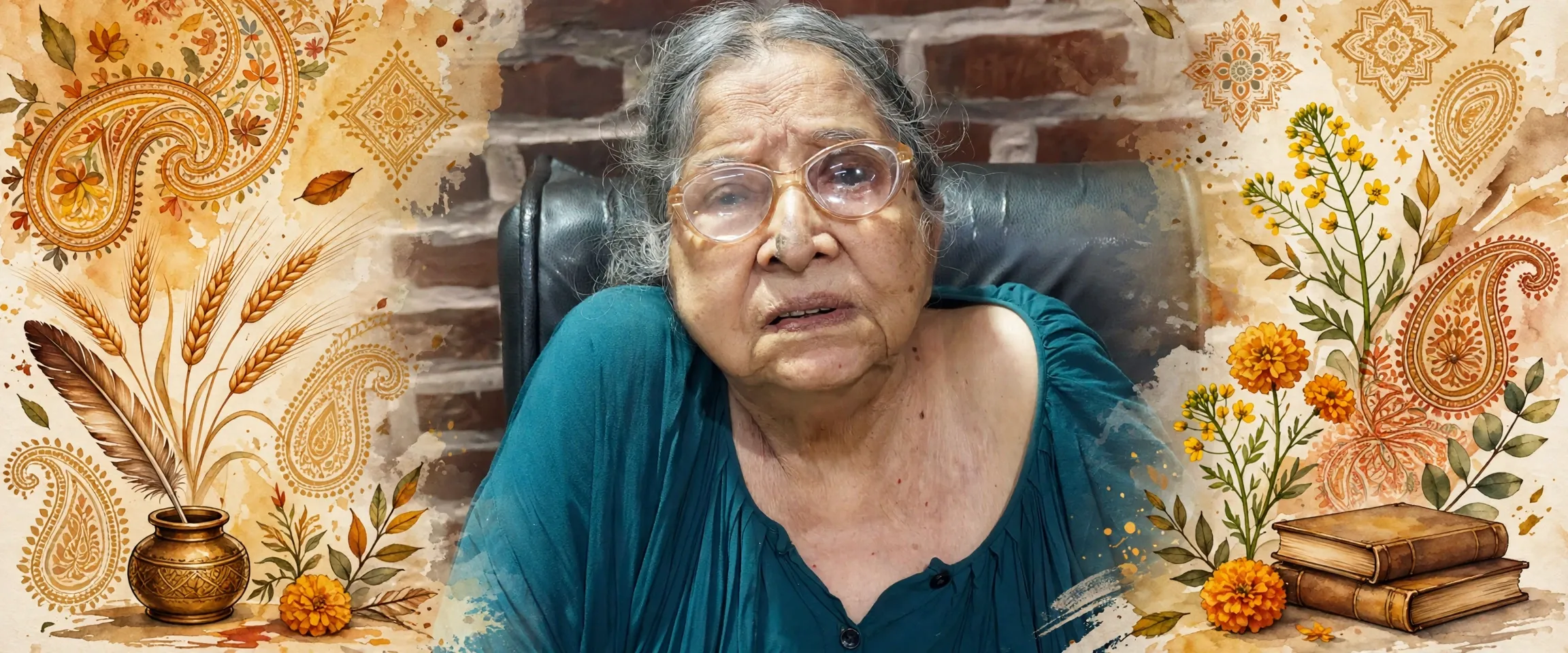
Gulbano is a collection of short stories by Ajeet Cour, one of the best-known Punjabi writers of her generation. The Punjab Government honoured Cour for the collection in 1962, the same year she was named Shiromani Sahitkar, and the book made her name as a short-story writer. Its stories look at women's lives, in relationships and in society, with a direct, social-realist eye.
ਪੰਜਾਬੀ, ਗੁਰਮੁਖੀ- ਪੰਜਾਬੀ ਨਾਂ
- ਗੁਲਬਾਨੋ
- ਲੇਖਕ
- Ajeet Cour (born 1934)
- ਰੂਪ
- ਕਹਾਣੀ ਸੰਗ੍ਰਹਿ
- ਭਾਸ਼ਾ
- ਪੰਜਾਬੀ (ਗੁਰਮੁਖੀ)
- Honoured
- Punjab Government, 1962
- Also in 1962
- Shiromani Sahitkar, Punjabi Sahitya Samikhya Board
- Author's honours
- Sahitya Akademi Award for Khanabadosh; Padma Shri (2006)
About the book
Gulbano is a collection of short stories by Ajeet Cour, one of the best-known Punjabi writers of her generation. The Punjab Government honoured Cour for the collection in 1962, and in the same year the Punjabi Sahitya Samikhya Board chose her as its Shiromani Sahitkar, its writer of the year. The book made her name as a short-story writer, and the Sikh Encyclopedia counts her among the very best in the language.
The stories are written in Punjabi, in the social-realist mode that runs through all of Cour's fiction. They take ordinary Punjabi households, marriages and workplaces as their ground, and they look closely at what those places cost the women who live in them. Cour writes in a racy, fluent style, and her insight into the human situation is penetrating. The collection sits at the start of a long career in the short story: her other well-known collections include But-Shikan, Saviyan and Chirian.
What is Gulbano about?
The stories in Gulbano are about women in relationships and their position in society. That is the subject Cour returned to all her life, in novels, novellas and memoirs as well as in stories: how a woman keeps her dignity when marriage, family and money all pull against her, and what happens when she refuses to accept the place assigned to her.
Cour's women are not symbols. They are wives, mothers, daughters and working women, as angry and rebellious as often as they are patient, and the stories follow their choices rather than judging them. A much-discussed example of her short fiction from the same period, 'Happy New Year', translated from Punjabi by Khushwant Singh, turns on a government clerk's promotion and his wife's fury at the price of keeping up appearances, a small domestic quarrel that opens out into a picture of a whole society running on gifts and favours.
Gulbano remains the collection readers and critics reach for first when they talk about Cour as a story writer.
The stories and their world
The world of the stories is the Punjabi world Cour knew first hand: Lahore before Partition, then Delhi, where her family settled after 1947. The households are middle-class and working, the marriages arranged or barely chosen, the money always short, and the women in them are expected to keep the home running whatever it costs them.
Cour's eye is on the small humiliations and the quiet rebellions: a wife who answers back, a mother who counts the cost of a daughter's marriage, a woman who discovers that respectability is a cage with the door left open. The stories were translated into many Indian languages and broadcast and telecast over the years, which is how a Punjabi collection honoured in 1962 reached readers far beyond Punjab.
Read beside her later books, Gulbano shows where Cour's lifelong subjects began. The same concern with women's lives runs through her novellas Dhup Wala Shehar and Post Mortem, and through her autobiography Khanabadosh, which won the Sahitya Akademi Award. Gulbano is the early proof of it, written before the honours arrived.
ਲੇਖਕ
Ajeet Cour was born in Lahore in 1934, and had her early education there. After Partition her family came to Delhi, where she took an MA in Economics. She worked as a journalist and edited trade directories, and she went on to found the Academy of Fine Arts and Literature in New Delhi and the Foundation of SAARC Writers and Literature (FOSWAL), which brings writers from across South Asia together.
She has written novels, novellas, short stories, memoirs and translations, and her books have been translated into English, Hindi and several other languages. Her autobiography Khanabadosh won the Sahitya Akademi Award, she received the Padma Shri in 2006 and the Kuvempu Rashtriya Puraskar in 2019, and in 2024 she was given the Sahitya Akademi Fellowship, the Akademi's highest honour.
Reception and legacy
Gulbano was honoured by the Punjab Government in 1962, and the same year Cour was named Shiromani Sahitkar. More honours followed: the Punjabi Arts Council in 1979, the Punjabi Academy in Delhi in 1983, and in 1984 both the international IAPX Award and the Baba Balwant Award. The collection's reputation has held ever since, and it is still listed first among her story collections.
The book matters because it fixed Cour's subject and her manner early: plain, fluent Punjabi prose, women at the centre, and no looking away from what marriage and family demand of them. Later Punjabi women writers work in a space Gulbano helped to open, and the collection is still read as an introduction to Cour and to the modern Punjabi short story.
What to read after Gulbano
The natural next step is Cour's other story collection in this Kosh, But-Shikan, another of her best-known books, and her autobiography Khanabadosh, which tells the life behind the fiction in her own voice. Her novella Dhup Wala Shehar is a shorter way into the same world. Together the three books show the range of a writer who began with stories like these and kept returning to women's lives across a writing life of more than seventy years.
ਕਿਤਾਬ ਬਾਰੇ
ਗੁਲਬਾਨੋ ਅਜੀਤ ਕੌਰ ਦਾ ਕਹਾਣੀ ਸੰਗ੍ਰਹਿ ਹੈ, ਜੋ ਆਪਣੀ ਪੀੜ੍ਹੀ ਦੀਆਂ ਸਭ ਤੋਂ ਮਸ਼ਹੂਰ ਪੰਜਾਬੀ ਲੇਖਕਾਂ ਵਿੱਚੋਂ ਇੱਕ ਹੈ। ਪੰਜਾਬ ਸਰਕਾਰ ਨੇ 1962 ਵਿੱਚ ਇਸ ਸੰਗ੍ਰਹਿ ਲਈ ਕੌਰ ਨੂੰ ਸਨਮਾਨਿਆ, ਅਤੇ ਉਸੇ ਸਾਲ ਪੰਜਾਬੀ ਸਾਹਿਤ ਸਮੀਖਿਆ ਬੋਰਡ ਨੇ ਉਸ ਨੂੰ ਆਪਣਾ ਸ਼੍ਰੋਮਣੀ ਸਾਹਿਤਕਾਰ ਚੁਣਿਆ। ਇਸ ਕਿਤਾਬ ਨੇ ਉਸ ਨੂੰ ਕਹਾਣੀਕਾਰ ਵਜੋਂ ਮਸ਼ਹੂਰ ਕੀਤਾ, ਅਤੇ ਸਿੱਖ ਐਨਸਾਈਕਲੋਪੀਡੀਆ ਉਸ ਨੂੰ ਭਾਸ਼ਾ ਦੀਆਂ ਸਭ ਤੋਂ ਵਧੀਆ ਕਹਾਣੀਕਾਰਾਂ ਵਿੱਚੋਂ ਇੱਕ ਮੰਨਦਾ ਹੈ।
ਕਹਾਣੀਆਂ ਪੰਜਾਬੀ ਵਿੱਚ ਹਨ, ਉਸੇ ਸਮਾਜਿਕ-ਯਥਾਰਥਵਾਦੀ ਢੰਗ ਵਿੱਚ ਜੋ ਕੌਰ ਦੀ ਸਾਰੀ ਗਲਪ ਵਿੱਚ ਚੱਲਦਾ ਹੈ। ਇਹ ਆਮ ਪੰਜਾਬੀ ਘਰਾਂ, ਵਿਆਹਾਂ ਅਤੇ ਕੰਮ-ਕਾਜ ਨੂੰ ਆਪਣੀ ਜ਼ਮੀਨ ਬਣਾਉਂਦੀਆਂ ਹਨ, ਅਤੇ ਨੇੜਿਓਂ ਵੇਖਦੀਆਂ ਹਨ ਕਿ ਉਹ ਥਾਵਾਂ ਉੱਥੇ ਰਹਿਣ ਵਾਲੀਆਂ ਔਰਤਾਂ ਤੋਂ ਕੀ ਕੀਮਤ ਮੰਗਦੀਆਂ ਹਨ। ਕੌਰ ਚੁਸਤ ਅਤੇ ਸਰਲ ਸ਼ੈਲੀ ਵਿੱਚ ਲਿਖਦੀ ਹੈ, ਅਤੇ ਮਨੁੱਖੀ ਹਾਲਤ ਬਾਰੇ ਉਸ ਦੀ ਸਮਝ ਡੂੰਘੀ ਹੈ। ਇਹ ਸੰਗ੍ਰਹਿ ਕਹਾਣੀ ਵਿੱਚ ਲੰਮੇ ਸਫ਼ਰ ਦੀ ਸ਼ੁਰੂਆਤ ਹੈ: ਉਸ ਦੇ ਹੋਰ ਮਸ਼ਹੂਰ ਸੰਗ੍ਰਹਿਆਂ ਵਿੱਚ ਬੁੱਤ-ਸ਼ਿਕਨ, ਸਵੀਆਂ ਅਤੇ ਚਿੜੀਆਂ ਸ਼ਾਮਲ ਹਨ।
ਗੁਲਬਾਨੋ ਕਿਸ ਬਾਰੇ ਹੈ?
ਗੁਲਬਾਨੋ ਦੀਆਂ ਕਹਾਣੀਆਂ ਰਿਸ਼ਤਿਆਂ ਵਿੱਚ ਔਰਤਾਂ ਦੀ ਜ਼ਿੰਦਗੀ ਅਤੇ ਸਮਾਜ ਵਿੱਚ ਉਨ੍ਹਾਂ ਦੀ ਥਾਂ ਬਾਰੇ ਹਨ। ਇਹ ਉਹ ਵਿਸ਼ਾ ਹੈ ਜਿਸ ਵੱਲ ਕੌਰ ਆਪਣੀ ਸਾਰੀ ਉਮਰ ਮੁੜਦੀ ਰਹੀ, ਨਾਵਲਾਂ, ਨਾਵਲਿਕਾਵਾਂ ਅਤੇ ਸਵੈ-ਜੀਵਨੀਆਂ ਵਿੱਚ ਵੀ: ਇੱਕ ਔਰਤ ਆਪਣੀ ਇੱਜ਼ਤ ਕਿਵੇਂ ਬਚਾਉਂਦੀ ਹੈ ਜਦੋਂ ਵਿਆਹ, ਪਰਿਵਾਰ ਅਤੇ ਪੈਸਾ ਸਭ ਉਸ ਦੇ ਵਿਰੁੱਧ ਹੋਣ, ਅਤੇ ਕੀ ਹੁੰਦਾ ਹੈ ਜਦੋਂ ਉਹ ਆਪਣੇ ਲਈ ਤੈਅ ਕੀਤੀ ਥਾਂ ਨੂੰ ਮੰਨਣ ਤੋਂ ਇਨਕਾਰ ਕਰ ਦਿੰਦੀ ਹੈ।
ਕੌਰ ਦੀਆਂ ਔਰਤਾਂ ਪ੍ਰਤੀਕ ਨਹੀਂ ਹਨ। ਉਹ ਪਤਨੀਆਂ, ਮਾਵਾਂ, ਧੀਆਂ ਅਤੇ ਕੰਮਕਾਜੀ ਔਰਤਾਂ ਹਨ, ਜਿੰਨੀਆਂ ਸਬਰ ਵਾਲੀਆਂ ਹਨ, ਉਨ੍ਹੀਆਂ ਹੀ ਗੁੱਸੇ ਅਤੇ ਬਗ਼ਾਵਤ ਵਾਲੀਆਂ ਵੀ, ਅਤੇ ਕਹਾਣੀਆਂ ਉਨ੍ਹਾਂ ਦੇ ਫ਼ੈਸਲਿਆਂ ਦਾ ਪਿੱਛਾ ਕਰਦੀਆਂ ਹਨ, ਉਨ੍ਹਾਂ ਦਾ ਨਿਆਂ ਨਹੀਂ ਕਰਦੀਆਂ। ਉਸ ਦੀ ਉਸੇ ਸਮੇਂ ਦੀ ਕਹਾਣੀ 'ਹੈਪੀ ਨਿਊ ਈਅਰ', ਜਿਸ ਦਾ ਪੰਜਾਬੀ ਤੋਂ ਅਨੁਵਾਦ ਖੁਸ਼ਵੰਤ ਸਿੰਘ ਨੇ ਕੀਤਾ, ਇੱਕ ਸਰਕਾਰੀ ਕਲਰਕ ਦੀ ਤਰੱਕੀ ਅਤੇ ਉਸ ਦੀ ਪਤਨੀ ਦੇ ਗੁੱਸੇ ਦੁਆਲੇ ਘੁੰਮਦੀ ਹੈ, ਇੱਕ ਛੋਟਾ ਜਿਹਾ ਘਰੇਲੂ ਝਗੜਾ ਜੋ ਇੱਕ ਪੂਰੇ ਸਮਾਜ ਦੀ ਤਸਵੀਰ ਬਣ ਜਾਂਦਾ ਹੈ।
ਗੁਲਬਾਨੋ ਉਹ ਸੰਗ੍ਰਹਿ ਹੈ ਜਿਸ ਵੱਲ ਪਾਠਕ ਅਤੇ ਆਲੋਚਕ ਸਭ ਤੋਂ ਪਹਿਲਾਂ ਜਾਂਦੇ ਹਨ ਜਦੋਂ ਉਹ ਕੌਰ ਦੀ ਕਹਾਣੀਕਾਰ ਵਜੋਂ ਗੱਲ ਕਰਦੇ ਹਨ।
ਕਹਾਣੀਆਂ ਅਤੇ ਉਨ੍ਹਾਂ ਦੀ ਦੁਨੀਆ
ਕਹਾਣੀਆਂ ਦੀ ਦੁਨੀਆ ਉਹ ਪੰਜਾਬੀ ਦੁਨੀਆ ਹੈ ਜਿਸ ਨੂੰ ਕੌਰ ਨੇ ਖ਼ੁਦ ਜਾਣਿਆ ਸੀ: ਵੰਡ ਤੋਂ ਪਹਿਲਾਂ ਦਾ ਲਾਹੌਰ, ਅਤੇ ਫਿਰ ਦਿੱਲੀ, ਜਿੱਥੇ 1947 ਤੋਂ ਬਾਅਦ ਉਸ ਦਾ ਪਰਿਵਾਰ ਵਸ ਗਿਆ। ਘਰ ਮੱਧ-ਵਰਗੀ ਅਤੇ ਮਜ਼ਦੂਰ ਹਨ, ਵਿਆਹ ਤੈਅ ਕੀਤੇ ਹੋਏ ਜਾਂ ਮੁਸ਼ਕਲ ਨਾਲ ਚੁਣੇ ਹੋਏ ਹਨ, ਪੈਸਾ ਹਮੇਸ਼ਾ ਘੱਟ ਹੈ, ਅਤੇ ਔਰਤਾਂ ਤੋਂ ਆਸ ਕੀਤੀ ਜਾਂਦੀ ਹੈ ਕਿ ਘਰ ਚਲਾਉਣ ਦੀ ਜੋ ਵੀ ਕੀਮਤ ਹੋਵੇ, ਉਹ ਦੇਣ।
ਕੌਰ ਦੀ ਨਜ਼ਰ ਛੋਟੀਆਂ ਬੇਇੱਜ਼ਤੀਆਂ ਅਤੇ ਚੁੱਪ ਬਗ਼ਾਵਤਾਂ ਉੱਤੇ ਹੈ: ਇੱਕ ਪਤਨੀ ਜੋ ਜਵਾਬ ਦਿੰਦੀ ਹੈ, ਇੱਕ ਮਾਂ ਜੋ ਧੀ ਦੇ ਵਿਆਹ ਦੀ ਕੀਮਤ ਗਿਣਦੀ ਹੈ, ਇੱਕ ਔਰਤ ਜੋ ਸਮਝ ਜਾਂਦੀ ਹੈ ਕਿ ਸ਼ਰਾਫ਼ਤ ਇੱਕ ਪਿੰਜਰਾ ਹੈ ਜਿਸ ਦਾ ਦਰਵਾਜ਼ਾ ਖੁੱਲ੍ਹਾ ਹੈ। ਕਹਾਣੀਆਂ ਦਾ ਕਈ ਭਾਰਤੀ ਭਾਸ਼ਾਵਾਂ ਵਿੱਚ ਅਨੁਵਾਦ ਹੋਇਆ ਅਤੇ ਉਹ ਪ੍ਰਸਾਰਿਤ ਵੀ ਹੋਈਆਂ, ਅਤੇ ਇਸੇ ਤਰ੍ਹਾਂ 1962 ਵਿੱਚ ਸਨਮਾਨਿਆ ਗਿਆ ਇਹ ਪੰਜਾਬੀ ਸੰਗ੍ਰਹਿ ਪੰਜਾਬ ਤੋਂ ਬਹੁਤ ਦੂਰ ਪਾਠਕਾਂ ਤੱਕ ਪਹੁੰਚਿਆ।
ਉਸ ਦੀਆਂ ਬਾਅਦ ਦੀਆਂ ਕਿਤਾਬਾਂ ਨਾਲ ਪੜ੍ਹਨ ਉੱਤੇ ਗੁਲਬਾਨੋ ਦਿਖਾਉਂਦੀ ਹੈ ਕਿ ਕੌਰ ਦੇ ਜੀਵਨ-ਭਰ ਦੇ ਵਿਸ਼ੇ ਕਿੱਥੋਂ ਸ਼ੁਰੂ ਹੋਏ। ਔਰਤਾਂ ਦੀ ਜ਼ਿੰਦਗੀ ਦੀ ਉਹੀ ਚਿੰਤਾ ਉਸ ਦੀਆਂ ਨਾਵਲਿਕਾਵਾਂ ਧੁੱਪ ਵਾਲਾ ਸ਼ਹਿਰ ਅਤੇ ਪੋਸਟ ਮਾਰਟਮ ਵਿੱਚ ਵੀ ਹੈ, ਅਤੇ ਉਸ ਦੀ ਸਵੈ-ਜੀਵਨੀ ਖਾਨਾਬਦੋਸ਼ ਵਿੱਚ ਵੀ, ਜਿਸ ਨੂੰ ਸਾਹਿਤ ਅਕਾਦਮੀ ਪੁਰਸਕਾਰ ਮਿਲਿਆ। ਗੁਲਬਾਨੋ ਇਸ ਦਾ ਮੁੱਢਲਾ ਸਬੂਤ ਹੈ, ਜੋ ਸਨਮਾਨਾਂ ਦੇ ਆਉਣ ਤੋਂ ਪਹਿਲਾਂ ਲਿਖਿਆ ਗਿਆ ਸੀ।
ਲੇਖਕਾ
ਅਜੀਤ ਕੌਰ ਦਾ ਜਨਮ 1934 ਵਿੱਚ ਲਾਹੌਰ ਵਿੱਚ ਹੋਇਆ, ਅਤੇ ਉਸ ਦੀ ਮੁੱਢਲੀ ਸਿੱਖਿਆ ਉੱਥੇ ਹੀ ਹੋਈ। ਵੰਡ ਤੋਂ ਬਾਅਦ ਉਸ ਦਾ ਪਰਿਵਾਰ ਦਿੱਲੀ ਆ ਗਿਆ, ਜਿੱਥੇ ਉਸ ਨੇ ਅਰਥ-ਸ਼ਾਸਤਰ ਵਿੱਚ ਐਮ.ਏ. ਕੀਤੀ। ਉਸ ਨੇ ਪੱਤਰਕਾਰ ਵਜੋਂ ਕੰਮ ਕੀਤਾ ਅਤੇ ਵਪਾਰਕ ਨਿਰਦੇਸ਼ਿਕਾਵਾਂ ਦਾ ਸੰਪਾਦਨ ਕੀਤਾ, ਅਤੇ ਫਿਰ ਨਵੀਂ ਦਿੱਲੀ ਵਿੱਚ ਅਕੈਡਮੀ ਆਫ਼ ਫ਼ਾਈਨ ਆਰਟਸ ਐਂਡ ਲਿਟਰੇਚਰ ਅਤੇ ਫਾਊਂਡੇਸ਼ਨ ਆਫ਼ ਸਾਰਕ ਰਾਈਟਰਜ਼ ਐਂਡ ਲਿਟਰੇਚਰ (ਫੋਸਵਾਲ) ਦੀ ਸਥਾਪਨਾ ਕੀਤੀ, ਜੋ ਦੱਖਣੀ ਏਸ਼ੀਆ ਭਰ ਦੇ ਲੇਖਕਾਂ ਨੂੰ ਇਕੱਠਾ ਕਰਦੀ ਹੈ।
ਉਸ ਨੇ ਨਾਵਲ, ਨਾਵਲਿਕਾਵਾਂ, ਕਹਾਣੀਆਂ, ਸਵੈ-ਜੀਵਨੀਆਂ ਅਤੇ ਅਨੁਵਾਦ ਲਿਖੇ ਹਨ, ਅਤੇ ਉਸ ਦੀਆਂ ਕਿਤਾਬਾਂ ਦਾ ਅੰਗਰੇਜ਼ੀ, ਹਿੰਦੀ ਅਤੇ ਹੋਰ ਕਈ ਭਾਸ਼ਾਵਾਂ ਵਿੱਚ ਅਨੁਵਾਦ ਹੋਇਆ ਹੈ। ਉਸ ਦੀ ਸਵੈ-ਜੀਵਨੀ ਖਾਨਾਬਦੋਸ਼ ਨੂੰ ਸਾਹਿਤ ਅਕਾਦਮੀ ਪੁਰਸਕਾਰ ਮਿਲਿਆ, ਉਸ ਨੂੰ 2006 ਵਿੱਚ ਪਦਮ ਸ਼੍ਰੀ ਅਤੇ 2019 ਵਿੱਚ ਕੁਵੇਂਪੁ ਰਾਸ਼ਟਰੀ ਪੁਰਸਕਾਰ ਮਿਲਿਆ, ਅਤੇ 2024 ਵਿੱਚ ਉਸ ਨੂੰ ਸਾਹਿਤ ਅਕਾਦਮੀ ਫੈਲੋਸ਼ਿਪ, ਅਕਾਦਮੀ ਦਾ ਸਭ ਤੋਂ ਵੱਡਾ ਸਨਮਾਨ, ਦਿੱਤਾ ਗਿਆ।
ਸਵਾਗਤ ਅਤੇ ਵਿਰਾਸਤ
ਗੁਲਬਾਨੋ ਨੂੰ 1962 ਵਿੱਚ ਪੰਜਾਬ ਸਰਕਾਰ ਨੇ ਸਨਮਾਨਿਆ, ਅਤੇ ਉਸੇ ਸਾਲ ਕੌਰ ਨੂੰ ਸ਼੍ਰੋਮਣੀ ਸਾਹਿਤਕਾਰ ਚੁਣਿਆ ਗਿਆ। ਹੋਰ ਸਨਮਾਨ ਵੀ ਮਿਲੇ: 1979 ਵਿੱਚ ਪੰਜਾਬੀ ਆਰਟਸ ਕੌਂਸਲ, 1983 ਵਿੱਚ ਦਿੱਲੀ ਦੀ ਪੰਜਾਬੀ ਅਕਾਦਮੀ, ਅਤੇ 1984 ਵਿੱਚ ਅੰਤਰਰਾਸ਼ਟਰੀ ਆਈ.ਏ.ਪੀ.ਐਕਸ. ਪੁਰਸਕਾਰ ਅਤੇ ਬਾਬਾ ਬਲਵੰਤ ਪੁਰਸਕਾਰ। ਸੰਗ੍ਰਹਿ ਦੀ ਸਾਖ ਉਦੋਂ ਤੋਂ ਬਰਕਰਾਰ ਹੈ, ਅਤੇ ਇਹ ਅੱਜ ਵੀ ਉਸ ਦੇ ਕਹਾਣੀ ਸੰਗ੍ਰਹਿਆਂ ਵਿੱਚ ਸਭ ਤੋਂ ਪਹਿਲਾਂ ਗਿਣਿਆ ਜਾਂਦਾ ਹੈ।
ਇਹ ਕਿਤਾਬ ਇਸ ਲਈ ਮਹੱਤਵਪੂਰਨ ਹੈ ਕਿ ਇਸ ਨੇ ਕੌਰ ਦਾ ਵਿਸ਼ਾ ਅਤੇ ਉਸ ਦੀ ਸ਼ੈਲੀ ਛੇਤੀ ਹੀ ਤੈਅ ਕਰ ਦਿੱਤੀ: ਸਾਦੀ ਅਤੇ ਸਰਲ ਪੰਜਾਬੀ ਵਾਰਤਕ, ਔਰਤਾਂ ਕੇਂਦਰ ਵਿੱਚ, ਅਤੇ ਵਿਆਹ ਤੇ ਪਰਿਵਾਰ ਔਰਤਾਂ ਤੋਂ ਜੋ ਮੰਗਦੇ ਹਨ, ਉਸ ਤੋਂ ਨਜ਼ਰ ਨਾ ਚੁਰਾਉਣਾ। ਬਾਅਦ ਦੀਆਂ ਪੰਜਾਬੀ ਔਰਤ ਲੇਖਕਾਂ ਉਸ ਥਾਂ ਵਿੱਚ ਕੰਮ ਕਰਦੀਆਂ ਹਨ ਜਿਸ ਨੂੰ ਖੋਲ੍ਹਣ ਵਿੱਚ ਗੁਲਬਾਨੋ ਨੇ ਮਦਦ ਕੀਤੀ, ਅਤੇ ਇਹ ਸੰਗ੍ਰਹਿ ਅੱਜ ਵੀ ਕੌਰ ਅਤੇ ਆਧੁਨਿਕ ਪੰਜਾਬੀ ਕਹਾਣੀ ਦੀ ਜਾਣ-ਪਛਾਣ ਵਜੋਂ ਪੜ੍ਹਿਆ ਜਾਂਦਾ ਹੈ।
ਗੁਲਬਾਨੋ ਤੋਂ ਬਾਅਦ ਕੀ ਪੜ੍ਹੀਏ?
ਅਗਲਾ ਕਦਮ ਇਸ ਕੋਸ਼ ਵਿੱਚ ਕੌਰ ਦਾ ਹੋਰ ਕਹਾਣੀ ਸੰਗ੍ਰਹਿ ਬੁੱਤ-ਸ਼ਿਕਨ ਹੈ, ਉਸ ਦੀਆਂ ਸਭ ਤੋਂ ਮਸ਼ਹੂਰ ਕਿਤਾਬਾਂ ਵਿੱਚੋਂ ਇੱਕ, ਅਤੇ ਉਸ ਦੀ ਸਵੈ-ਜੀਵਨੀ ਖਾਨਾਬਦੋਸ਼ ਹੈ, ਜੋ ਗਲਪ ਦੇ ਪਿੱਛੇ ਦੀ ਜ਼ਿੰਦਗੀ ਉਸ ਦੀ ਆਪਣੀ ਜ਼ੁਬਾਨੀ ਦੱਸਦੀ ਹੈ। ਉਸ ਦੀ ਨਾਵਲਿਕਾ ਧੁੱਪ ਵਾਲਾ ਸ਼ਹਿਰ ਉਸੇ ਦੁਨੀਆ ਵਿੱਚ ਜਾਣ ਦਾ ਛੋਟਾ ਰਸਤਾ ਹੈ। ਇਹ ਤਿੰਨੋਂ ਕਿਤਾਬਾਂ ਇਕੱਠੀਆਂ ਇੱਕ ਅਜਿਹੀ ਲੇਖਕਾ ਦੀ ਵਿਸ਼ਾਲਤਾ ਦਿਖਾਉਂਦੀਆਂ ਹਨ ਜਿਸ ਨੇ ਇਨ੍ਹਾਂ ਵਰਗੀਆਂ ਕਹਾਣੀਆਂ ਤੋਂ ਸ਼ੁਰੂਆਤ ਕੀਤੀ ਅਤੇ ਸੱਤਰ ਸਾਲਾਂ ਤੋਂ ਵੱਧ ਸਮੇਂ ਤੱਕ ਔਰਤਾਂ ਦੀ ਜ਼ਿੰਦਗੀ ਵੱਲ ਮੁੜਦੀ ਰਹੀ।
ਐਡੀਸ਼ਨ ਅਤੇ ਅਨੁਵਾਦ
- GulbanoPunjabi · Gurmukhi · original · Gurmukhi title: ਗੁਲਬਾਨੋਮੂਲ
ਲੇਖਕ

ਜੁੜੇ ਹੋਏ
ਹੋਰ ਪੜ੍ਹੋ
ਸਰੋਤ (4)
ਜੁਗਤੀ ਮੁਫ਼ਤ ਅਤੇ ਸੁਤੰਤਰ ਹੈ। ਪਾਠਕਾਂ ਦਾ ਸਹਿਯੋਗ ਕੋਸ਼ ਨੂੰ ਵਧਾਉਂਦਾ ਹੈ।
ਸਹਿਯੋਗ