
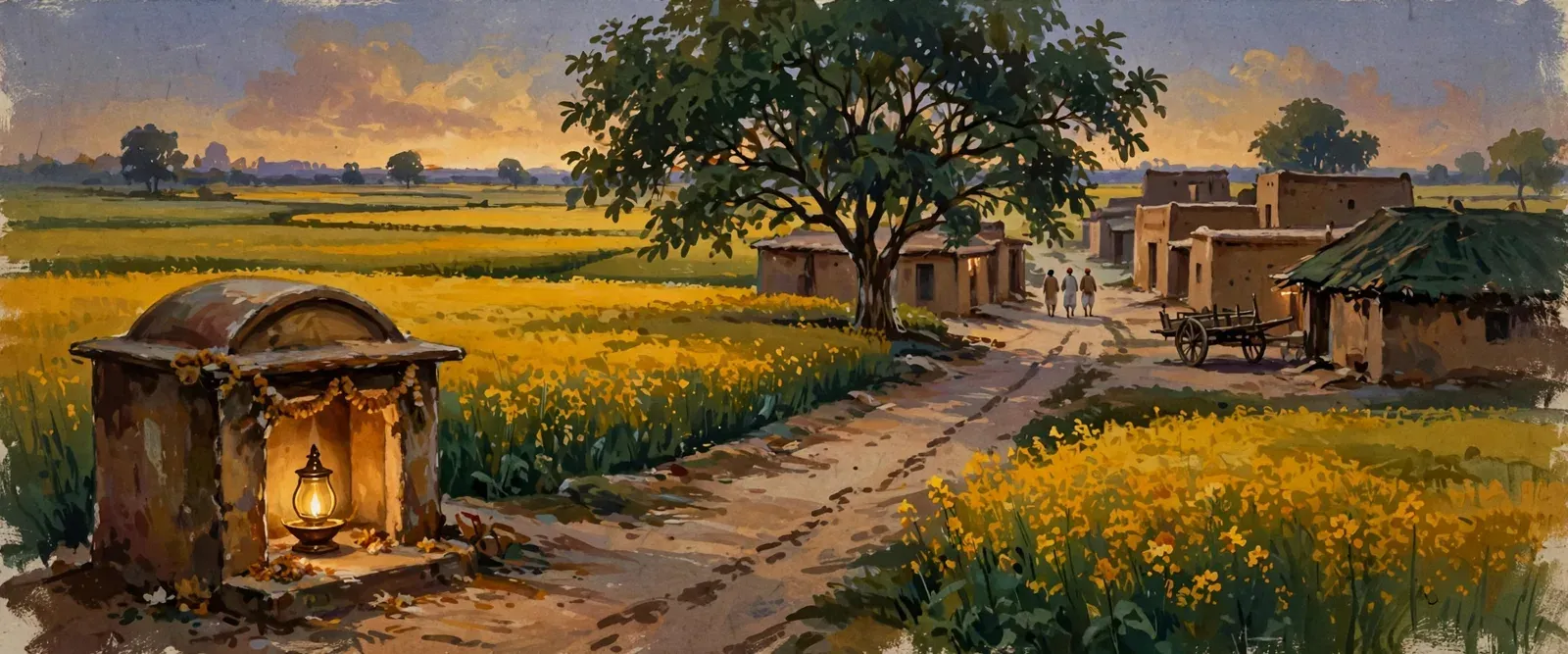
ਹਾਲ ਮੁਰੀਦਾਂ ਦਾ (ਮੁਰੀਦਾਂ ਦਾ ਹਾਲ) ਕਰਤਾਰ ਸਿੰਘ ਦੁੱਗਲ ਦੀ ਮਸ਼ਹੂਰ ਤਿਕੜੀ ਦਾ ਪਹਿਲਾ ਨਾਵਲ ਹੈ, ਜੋ ਉਥਲ-ਪੁਥਲ ਦੇ ਸਮੇਂ ਦੇ ਪੰਜਾਬ ਬਾਰੇ ਹੈ। ਤਿੰਨੇ ਨਾਵਲ ਪੰਜਾਬ ਨੂੰ ਆਜ਼ਾਦੀ ਦੇ ਸੰਘਰਸ਼ ਤੋਂ ਵੰਡ ਅਤੇ ਐਮਰਜੈਂਸੀ ਵਿੱਚੋਂ ਲੈ ਕੇ ਉਸ ਤੋਂ ਬਾਅਦ ਹੋਈਆਂ ਆਮ ਚੋਣਾਂ ਤੱਕ ਲੈ ਜਾਂਦੇ ਹਨ। ਇਹ ਕਿਤਾਬ ਦੁੱਗਲ ਦਾ ਗਲਪ ਵਿੱਚ ਯਤਨ ਹੈ ਕਿ ਆਮ ਮੁਰੀਦ ਅਤੇ ਪਿੰਡ ਵਾਸੀ ਉਨ੍ਹਾਂ ਘਟਨਾਵਾਂ ਵਿੱਚੋਂ ਕਿਵੇਂ ਲੰਘੇ, ਜਿਨ੍ਹਾਂ ਨੇ ਭਾਰਤ ਨੂੰ ਬਦਲ ਦਿੱਤਾ।
- ਪੰਜਾਬੀ ਨਾਂ
- ਹਾਲ ਮੁਰੀਦਾਂ ਦਾ
- ਲੇਖਕ
- ਕਰਤਾਰ ਸਿੰਘ ਦੁੱਗਲ (1917-2012)
- ਰੂਪ
- ਨਾਵਲ
- ਭਾਸ਼ਾ
- ਪੰਜਾਬੀ, ਗੁਰਮੁਖੀ
- ਨਾਂ ਦਾ ਮਤਲਬ
- ਮੁਰੀਦਾਂ ਦਾ ਹਾਲ
- ਤਿਕੜੀ ਵਿੱਚ ਥਾਂ
- ਤਿੰਨ ਵਿੱਚੋਂ ਪਹਿਲਾ
All 8 facts
- ਸਥਾਨ
- ਪੰਜਾਬ, ਆਜ਼ਾਦੀ ਦੇ ਸੰਘਰਸ਼ ਤੋਂ ਐਮਰਜੈਂਸੀ ਤੱਕ
- ਸ਼ਾਹਮੁਖੀ ਐਡੀਸ਼ਨ
- ਐਪਨਾ, 1998, 264 ਸਫ਼ੇ
About the book
Haal Mureedan Da is a Punjabi novel by Kartar Singh Duggal, and the first book of the trilogy for which he is best remembered as a novelist. The title is usually rendered in English as The Plight of the Devotees. The three novels follow Punjab through the most unsettled decades of the twentieth century, from the freedom struggle against British rule to the general elections that followed the Emergency. Duggal, who had lived through those years himself, set out to record them in fiction, with ordinary villagers and devotees at the centre of events that are usually told through politicians and generals.
The novel takes its place in a body of work that made Duggal one of the most widely read Punjabi writers of his generation. He wrote more than five hundred short stories and ten novels, in Punjabi, Urdu, Hindi and English, and his books were translated into Indian and foreign languages. Haal Mureedan Da is where the trilogy begins, and it sets the pattern for the two books that follow: history told at the scale of a village, through people whose faith and loyalties are tested by events far larger than themselves.
What the title means
Mureed is the Punjabi and Urdu word for a disciple, a follower who has given himself to a teacher or a spiritual path. Haal means state or condition, so Haal Mureedan Da asks, in plain words, what has become of the devotees. The title sets the novel's question: what happens to people who live by faith and loyalty when the world around them changes beyond recognition. It is a question Duggal returns to across the trilogy, as the same Punjab passes from colonial rule through Partition and into the politics of independent India.
The English rendering, The Plight of the Devotees, keeps that sense. Duggal's devotees are not figures of high theology. They are villagers, workers and householders, people whose religion is part of daily life rather than a subject for debate. The novel watches what the century does to them.
A trilogy of Punjab in upheaval
The trilogy covers a volatile stretch of Punjab's history. It opens with the freedom struggle and runs through Partition, the building of independent India and the Emergency, ending with the declaration of general elections by Indira Gandhi after the Emergency. The second novel is Ab Na Bason Eh Gaon, No More Will I Live in This Village, and the third is Jal Ki Pyaas Na Jaaye, The Thirst for Water Never Dies.
ਕਿਤਾਬ ਬਾਰੇ
ਹਾਲ ਮੁਰੀਦਾਂ ਦਾ ਕਰਤਾਰ ਸਿੰਘ ਦੁੱਗਲ ਦਾ ਪੰਜਾਬੀ ਨਾਵਲ ਹੈ ਅਤੇ ਉਸ ਤਿਕੜੀ ਦੀ ਪਹਿਲੀ ਕਿਤਾਬ ਹੈ, ਜਿਸ ਕਰਕੇ ਉਹ ਨਾਵਲਕਾਰ ਵਜੋਂ ਸਭ ਤੋਂ ਵੱਧ ਯਾਦ ਕੀਤਾ ਜਾਂਦਾ ਹੈ। ਸਿਰਲੇਖ ਦਾ ਅੰਗਰੇਜ਼ੀ ਅਨੁਵਾਦ ਆਮ ਤੌਰ ਉੱਤੇ The Plight of the Devotees ਕੀਤਾ ਜਾਂਦਾ ਹੈ। ਤਿੰਨੇ ਨਾਵਲ ਪੰਜਾਬ ਨੂੰ ਵੀਹਵੀਂ ਸਦੀ ਦੇ ਸਭ ਤੋਂ ਉਥਲ-ਪੁਥਲ ਵਾਲੇ ਦਹਾਕਿਆਂ ਵਿੱਚੋਂ ਲੈ ਜਾਂਦੇ ਹਨ, ਬ੍ਰਿਟਿਸ਼ ਰਾਜ ਵਿਰੁੱਧ ਆਜ਼ਾਦੀ ਦੇ ਸੰਘਰਸ਼ ਤੋਂ ਲੈ ਕੇ ਐਮਰਜੈਂਸੀ ਤੋਂ ਬਾਅਦ ਹੋਈਆਂ ਆਮ ਚੋਣਾਂ ਤੱਕ। ਦੁੱਗਲ ਨੇ ਖੁਦ ਉਹ ਸਾਲ ਜੀਵੇ ਸਨ, ਇਸ ਲਈ ਉਸਨੇ ਉਨ੍ਹਾਂ ਨੂੰ ਗਲਪ ਵਿੱਚ ਦਰਜ ਕਰਨ ਦਾ ਯਤਨ ਕੀਤਾ, ਆਮ ਪਿੰਡ ਵਾਸੀਆਂ ਅਤੇ ਮੁਰੀਦਾਂ ਨੂੰ ਉਨ੍ਹਾਂ ਘਟਨਾਵਾਂ ਦੇ ਕੇਂਦਰ ਵਿੱਚ ਰੱਖ ਕੇ, ਜੋ ਆਮ ਤੌਰ ਉੱਤੇ ਸਿਆਸਤਦਾਨਾਂ ਅਤੇ ਜਰਨੈਲਾਂ ਰਾਹੀਂ ਦੱਸੀਆਂ ਜਾਂਦੀਆਂ ਹਨ।
ਇਹ ਨਾਵਲ ਉਸ ਸਾਹਿਤਕ ਕਿਰਤ ਦਾ ਹਿੱਸਾ ਹੈ, ਜਿਸ ਨੇ ਦੁੱਗਲ ਨੂੰ ਆਪਣੀ ਪੀੜ੍ਹੀ ਦੇ ਸਭ ਤੋਂ ਵੱਧ ਪੜ੍ਹੇ ਜਾਣ ਵਾਲੇ ਪੰਜਾਬੀ ਲੇਖਕਾਂ ਵਿੱਚੋਂ ਇੱਕ ਬਣਾ ਦਿੱਤਾ। ਉਸਨੇ ਪੰਜ ਸੌ ਤੋਂ ਵੱਧ ਕਹਾਣੀਆਂ ਅਤੇ ਦਸ ਨਾਵਲ ਲਿਖੇ, ਪੰਜਾਬੀ, ਉਰਦੂ, ਹਿੰਦੀ ਅਤੇ ਅੰਗਰੇਜ਼ੀ ਵਿੱਚ, ਅਤੇ ਉਸਦੀਆਂ ਕਿਤਾਬਾਂ ਭਾਰਤੀ ਅਤੇ ਵਿਦੇਸ਼ੀ ਭਾਸ਼ਾਵਾਂ ਵਿੱਚ ਅਨੁਵਾਦ ਹੋਈਆਂ। ਹਾਲ ਮੁਰੀਦਾਂ ਦਾ ਉਹ ਥਾਂ ਹੈ, ਜਿੱਥੋਂ ਤਿਕੜੀ ਸ਼ੁਰੂ ਹੁੰਦੀ ਹੈ, ਅਤੇ ਇਹ ਅਗਲੀਆਂ ਦੋ ਕਿਤਾਬਾਂ ਲਈ ਢੰਗ ਤੈਅ ਕਰਦਾ ਹੈ: ਇਤਿਹਾਸ ਪਿੰਡ ਦੇ ਪੱਧਰ ਉੱਤੇ, ਉਨ੍ਹਾਂ ਲੋਕਾਂ ਰਾਹੀਂ, ਜਿਨ੍ਹਾਂ ਦੇ ਵਿਸ਼ਵਾਸ ਅਤੇ ਵਫ਼ਾਦਾਰੀਆਂ ਦੀ ਪਰਖ ਆਪਣੇ ਤੋਂ ਵੱਡੀਆਂ ਘਟਨਾਵਾਂ ਨਾਲ ਹੁੰਦੀ ਹੈ।
ਸਿਰਲੇਖ ਦਾ ਕੀ ਮਤਲਬ ਹੈ
ਮੁਰੀਦ ਪੰਜਾਬੀ ਅਤੇ ਉਰਦੂ ਸ਼ਬਦ ਹੈ, ਜਿਸਦਾ ਅਰਥ ਹੈ ਚੇਲਾ, ਉਹ ਜਿਹੜਾ ਕਿਸੇ ਗੁਰੂ ਜਾਂ ਰੂਹਾਨੀ ਰਾਹ ਨੂੰ ਆਪਣਾ ਲੈਂਦਾ ਹੈ। ਹਾਲ ਦਾ ਮਤਲਬ ਹੈ ਹਾਲਤ, ਸੋ ਹਾਲ ਮੁਰੀਦਾਂ ਦਾ ਸਾਧਾਰਨ ਸ਼ਬਦਾਂ ਵਿੱਚ ਪੁੱਛਦਾ ਹੈ ਕਿ ਮੁਰੀਦਾਂ ਦਾ ਕੀ ਹਾਲ ਹੋਇਆ। ਸਿਰਲੇਖ ਨਾਵਲ ਦਾ ਸਵਾਲ ਤੈਅ ਕਰਦਾ ਹੈ: ਉਨ੍ਹਾਂ ਲੋਕਾਂ ਦਾ ਕੀ ਬਣਦਾ ਹੈ, ਜੋ ਵਿਸ਼ਵਾਸ ਅਤੇ ਵਫ਼ਾਦਾਰੀ ਨਾਲ ਜੀਉਂਦੇ ਹਨ, ਜਦੋਂ ਉਨ੍ਹਾਂ ਦੇ ਆਲੇ-ਦੁਆਲੇ ਦੀ ਦੁਨੀਆ ਪਛਾਣ ਤੋਂ ਪਰੇ ਬਦਲ ਜਾਂਦੀ ਹੈ। ਦੁੱਗਲ ਤਿਕੜੀ ਭਰ ਵਿੱਚ ਇਸ ਸਵਾਲ ਵੱਲ ਮੁੜਦਾ ਹੈ, ਜਦੋਂ ਉਹੀ ਪੰਜਾਬ ਬਸਤੀਵਾਦੀ ਰਾਜ ਤੋਂ ਵੰਡ ਵਿੱਚੋਂ ਲੰਘ ਕੇ ਅਜ਼ਾਦ ਭਾਰਤ ਦੀ ਸਿਆਸਤ ਵਿੱਚ ਪਹੁੰਚਦਾ ਹੈ।
ਅੰਗਰੇਜ਼ੀ ਅਨੁਵਾਦ The Plight of the Devotees ਇਹੋ ਭਾਵ ਕਾਇਮ ਰੱਖਦਾ ਹੈ। ਦੁੱਗਲ ਦੇ ਮੁਰੀਦ ਉੱਚੇ ਧਰਮ-ਸ਼ਾਸਤਰ ਦੇ ਪਾਤਰ ਨਹੀਂ ਹਨ। ਉਹ ਪਿੰਡ ਵਾਸੀ, ਮਜ਼ਦੂਰ ਅਤੇ ਘਰ-ਪਰਿਵਾਰ ਵਾਲੇ ਲੋਕ ਹਨ, ਜਿਨ੍ਹਾਂ ਲਈ ਧਰਮ ਰੋਜ਼ ਦੀ ਜ਼ਿੰਦਗੀ ਦਾ ਹਿੱਸਾ ਹੈ, ਬਹਿਸ ਦਾ ਵਿਸ਼ਾ ਨਹੀਂ। ਨਾਵਲ ਵੇਖਦਾ ਹੈ ਕਿ ਸਦੀ ਉਨ੍ਹਾਂ ਨਾਲ ਕੀ ਕਰਦੀ ਹੈ।
ਪੰਜਾਬ ਦੀ ਉਥਲ-ਪੁਥਲ ਬਾਰੇ ਤਿਕੜੀ
ਤਿਕੜੀ ਪੰਜਾਬ ਦੇ ਇਤਿਹਾਸ ਦੇ ਇੱਕ ਉਥਲ-ਪੁਥਲ ਵਾਲੇ ਸਮੇਂ ਨੂੰ ਕਵਰ ਕਰਦੀ ਹੈ। ਇਹ ਆਜ਼ਾਦੀ ਦੇ ਸੰਘਰਸ਼ ਤੋਂ ਸ਼ੁਰੂ ਹੋ ਕੇ ਵੰਡ, ਅਜ਼ਾਦ ਭਾਰਤ ਦੇ ਨਿਰਮਾਣ ਅਤੇ ਐਮਰਜੈਂਸੀ ਵਿੱਚੋਂ ਲੰਘਦੀ ਹੈ, ਅਤੇ ਐਮਰਜੈਂਸੀ ਤੋਂ ਬਾਅਦ ਇੰਦਰਾ ਗਾਂਧੀ ਵੱਲੋਂ ਆਮ ਚੋਣਾਂ ਦੇ ਐਲਾਨ ਉੱਤੇ ਖਤਮ ਹੁੰਦੀ ਹੈ। ਦੂਜਾ ਨਾਵਲ ਅਬ ਨਾ ਬਸੋਂ ਏਹ ਗਾਉਂ ਹੈ, ਜਿਸਦਾ ਅਰਥ ਹੈ ਮੈਂ ਇਸ ਪਿੰਡ ਵਿੱਚ ਹੋਰ ਨਹੀਂ ਰਹਾਂਗਾ, ਅਤੇ ਤੀਜਾ ਜਲ ਕੀ ਪਿਆਸ ਨਾ ਜਾਏ ਹੈ, ਜਿਸਦਾ ਅਰਥ ਹੈ ਪਾਣੀ ਦੀ ਪਿਆਸ ਕਦੇ ਨਹੀਂ ਜਾਂਦੀ।
Duggal is often described as the Punjabi writer who fictionalised the landmark events of contemporary Indian history more fully than any of his peers. The trilogy is the clearest example of that habit. Rather than writing a chronicle of governments and armies, he follows families and villages through the same years, so that the freedom struggle, Partition and the Emergency appear as things people lived through, argued about and survived. The three novels can be read separately, but they were conceived as one long story of a Punjab remade three times in a single lifetime.
A Shahmukhi edition of Haal Mureedan Da was published by APNA in 1998, a 264 page hardbound volume, carrying the novel to readers of Punjabi in the Shahmukhi script on both sides of the border. That edition is a reminder of the audience Duggal wrote for: Punjabis wherever they lived, in either script.
Themes: faith, loyalty and change
Faith is the novel's first theme, and Duggal treats it as a practical matter. His devotees pray, keep fasts, visit shrines and trust their teachers, and those habits give their lives a shape that politics cannot easily break. But the trilogy's decades keep asking whether faith alone is enough, when neighbours turn on each other and the certainties of village life fall away. The novel does not preach an answer. It shows people holding on, letting go, and finding new ways to live.
Loyalty is the second thread. The devotee's loyalty to a teacher mirrors the villager's loyalty to a village, a family and a way of life. As the freedom struggle gives way to Partition and then to the Emergency, those loyalties are pulled in different directions, and Duggal is interested in the cost of each choice. His characters are rarely heroes in the grand sense. They are people trying to stay decent while the ground moves under them.
Change itself is the third theme. In a single lifetime, Duggal's Punjab moves from empire to independence, from undivided villages to a border, and from the certainties of the old order to the restlessness of the new. The trilogy's power comes from keeping the same human scale across all of that change, so that the reader feels the history rather than simply learning it.
ਲੇਖਕ
Kartar Singh Duggal was born on 1 March 1917 in Dhamal, in Rawalpindi district, in what is now Pakistan, and he lived through the century his novels describe. He began writing short stories and went on to publish twenty four collections of them, ten novels, seven plays, poetry and literary criticism, writing with equal ease in Punjabi, Urdu, Hindi and English.
His short story collection Ik Chhit Chanan Di won the Sahitya Akademi Award in 1965, and he received the Padma Bhushan in 1988. He served as Director of All India Radio and as Secretary and Director of the National Book Trust from 1966 to 1973, and he was a nominated member of the Rajya Sabha in 1997. He died in New Delhi on 26 January 2012, aged 94. The Library of Congress holds around 118 of his works.
Duggal was born in Dhamal, in what is now Pakistan, and Partition is the wound that runs through his fiction. Haal Mureedan Da belongs to his lifelong project of remembering, in fiction, what Punjab was and what it became.
Where can I read Haal Mureedan Da?
The novel is available in Punjabi in both scripts. The Shahmukhi edition published by APNA in 1998 runs to 264 pages. Readers looking for the trilogy should follow it with Ab Na Bason Eh Gaon and Jal Ki Pyaas Na Jaaye, which carry the story through to the elections after the Emergency. Duggal's short story collection Ik Chhit Chanan Di, which won the Sahitya Akademi Award, is a good place to start for readers new to his work.
ਦੁੱਗਲ ਬਾਰੇ ਅਕਸਰ ਕਿਹਾ ਜਾਂਦਾ ਹੈ ਕਿ ਉਹ ਉਹ ਪੰਜਾਬੀ ਲੇਖਕ ਹੈ, ਜਿਸਨੇ ਸਮਕਾਲੀ ਭਾਰਤੀ ਇਤਿਹਾਸ ਦੀਆਂ ਮਹੱਤਵਪੂਰਨ ਘਟਨਾਵਾਂ ਨੂੰ ਗਲਪ ਵਿੱਚ ਕਿਸੇ ਵੀ ਹੋਰ ਸਾਥੀ ਨਾਲੋਂ ਵੱਧ ਢੰਗ ਨਾਲ ਪੇਸ਼ ਕੀਤਾ। ਤਿਕੜੀ ਇਸ ਆਦਤ ਦੀ ਸਭ ਤੋਂ ਸਾਫ਼ ਮਿਸਾਲ ਹੈ। ਸਰਕਾਰਾਂ ਅਤੇ ਫ਼ੌਜਾਂ ਦਾ ਇਤਿਹਾਸ ਲਿਖਣ ਦੀ ਥਾਂ, ਉਹ ਉਨ੍ਹਾਂ ਹੀ ਸਾਲਾਂ ਵਿੱਚੋਂ ਪਰਿਵਾਰਾਂ ਅਤੇ ਪਿੰਡਾਂ ਦਾ ਪਿੱਛਾ ਕਰਦਾ ਹੈ, ਤਾਂ ਕਿ ਆਜ਼ਾਦੀ ਦਾ ਸੰਘਰਸ਼, ਵੰਡ ਅਤੇ ਐਮਰਜੈਂਸੀ ਉਹ ਚੀਜ਼ਾਂ ਲੱਗਣ, ਜੋ ਲੋਕਾਂ ਨੇ ਜੀਵੀਆਂ, ਜਿਨ੍ਹਾਂ ਬਾਰੇ ਉਨ੍ਹਾਂ ਨੇ ਬਹਿਸ ਕੀਤੀ ਅਤੇ ਜਿਨ੍ਹਾਂ ਵਿੱਚੋਂ ਉਹ ਬਚ ਨਿਕਲੇ। ਤਿੰਨੇ ਨਾਵਲ ਅਲੱਗ-ਅਲੱਗ ਪੜ੍ਹੇ ਜਾ ਸਕਦੇ ਹਨ, ਪਰ ਉਹ ਇੱਕ ਹੀ ਲੰਮੀ ਕਹਾਣੀ ਵਜੋਂ ਸੋਚੇ ਗਏ ਸਨ, ਇੱਕ ਜ਼ਿੰਦਗੀ ਵਿੱਚ ਤਿੰਨ ਵਾਰੀ ਬਦਲੇ ਹੋਏ ਪੰਜਾਬ ਦੀ ਕਹਾਣੀ।
ਹਾਲ ਮੁਰੀਦਾਂ ਦਾ ਦਾ ਸ਼ਾਹਮੁਖੀ ਐਡੀਸ਼ਨ ਐਪਨਾ ਵੱਲੋਂ 1998 ਵਿੱਚ ਛਪਿਆ, 264 ਸਫ਼ਿਆਂ ਦੀ ਜਿਲਦਬੰਦ ਕਿਤਾਬ, ਜਿਸ ਨਾਲ ਨਾਵਲ ਸਰਹੱਦ ਦੇ ਦੋਹਾਂ ਪਾਸਿਆਂ ਦੇ ਸ਼ਾਹਮੁਖੀ ਪੜ੍ਹਨ ਵਾਲੇ ਪੰਜਾਬੀਆਂ ਤੱਕ ਪਹੁੰਚਿਆ। ਇਹ ਐਡੀਸ਼ਨ ਉਨ੍ਹਾਂ ਪਾਠਕਾਂ ਦੀ ਯਾਦ ਦਿਵਾਉਂਦਾ ਹੈ, ਜਿਨ੍ਹਾਂ ਲਈ ਦੁੱਗਲ ਲਿਖਦਾ ਸੀ: ਪੰਜਾਬੀ, ਜਿੱਥੇ ਵੀ ਉਹ ਰਹਿੰਦੇ ਹੋਣ, ਕਿਸੇ ਵੀ ਲਿਪੀ ਵਿੱਚ।
ਵਿਸ਼ੇ: ਵਿਸ਼ਵਾਸ, ਵਫ਼ਾਦਾਰੀ ਅਤੇ ਤਬਦੀਲੀ
ਵਿਸ਼ਵਾਸ ਨਾਵਲ ਦਾ ਪਹਿਲਾ ਵਿਸ਼ਾ ਹੈ, ਅਤੇ ਦੁੱਗਲ ਇਸਨੂੰ ਇੱਕ ਵਿਹਾਰਕ ਮਾਮਲਾ ਮੰਨਦਾ ਹੈ। ਉਸਦੇ ਮੁਰੀਦ ਨਮਾਜ਼ ਪੜ੍ਹਦੇ ਹਨ, ਵਰਤ ਰੱਖਦੇ ਹਨ, ਦਰਗਾਹਾਂ ਉੱਤੇ ਜਾਂਦੇ ਹਨ ਅਤੇ ਆਪਣੇ ਗੁਰੂਆਂ ਉੱਤੇ ਭਰੋਸਾ ਕਰਦੇ ਹਨ, ਅਤੇ ਇਹ ਆਦਤਾਂ ਉਨ੍ਹਾਂ ਦੀ ਜ਼ਿੰਦਗੀ ਨੂੰ ਇੱਕ ਅਜਿਹਾ ਆਕਾਰ ਦਿੰਦੀਆਂ ਹਨ, ਜੋ ਸਿਆਸਤ ਆਸਾਨੀ ਨਾਲ ਨਹੀਂ ਤੋੜ ਸਕਦੀ। ਪਰ ਤਿਕੜੀ ਦੇ ਦਹਾਕੇ ਵਾਰ-ਵਾਰ ਪੁੱਛਦੇ ਹਨ ਕਿ ਕੀ ਸਿਰਫ਼ ਵਿਸ਼ਵਾਸ ਹੀ ਕਾਫ਼ੀ ਹੈ, ਜਦੋਂ ਗੁਆਂਢੀ ਇੱਕ ਦੂਜੇ ਦੇ ਵਿਰੁੱਧ ਹੋ ਜਾਣ ਅਤੇ ਪਿੰਡ ਦੀ ਜ਼ਿੰਦਗੀ ਦੀਆਂ ਨਿਸ਼ਚਿਤਤਾਵਾਂ ਢਹਿ ਜਾਣ। ਨਾਵਲ ਕੋਈ ਉਪਦੇਸ਼ ਨਹੀਂ ਦਿੰਦਾ। ਇਹ ਵੇਖਾਉਂਦਾ ਹੈ ਕਿ ਲੋਕ ਕਿਵੇਂ ਟਿਕੇ ਰਹਿੰਦੇ ਹਨ, ਕਿਵੇਂ ਛੱਡ ਦਿੰਦੇ ਹਨ ਅਤੇ ਜੀਉਣ ਦੇ ਨਵੇਂ ਰਾਹ ਕਿਵੇਂ ਲੱਭਦੇ ਹਨ।
ਵਫ਼ਾਦਾਰੀ ਦੂਜਾ ਧਾਗਾ ਹੈ। ਗੁਰੂ ਪ੍ਰਤੀ ਮੁਰੀਦ ਦੀ ਵਫ਼ਾਦਾਰੀ ਪਿੰਡ, ਪਰਿਵਾਰ ਅਤੇ ਜੀਵਨ-ਢੰਗ ਪ੍ਰਤੀ ਪਿੰਡ ਵਾਸੀ ਦੀ ਵਫ਼ਾਦਾਰੀ ਵਰਗੀ ਹੈ। ਜਦੋਂ ਆਜ਼ਾਦੀ ਦਾ ਸੰਘਰਸ਼ ਵੰਡ ਵਿੱਚ ਬਦਲਦਾ ਹੈ ਅਤੇ ਫਿਰ ਐਮਰਜੈਂਸੀ ਵਿੱਚ, ਇਹ ਵਫ਼ਾਦਾਰੀਆਂ ਵੱਖੋ-ਵੱਖਰੀਆਂ ਦਿਸ਼ਾਵਾਂ ਵਿੱਚ ਖਿੱਚੀਆਂ ਜਾਂਦੀਆਂ ਹਨ, ਅਤੇ ਦੁੱਗਲ ਨੂੰ ਹਰ ਚੋਣ ਦੀ ਕੀਮਤ ਵਿੱਚ ਦਿਲਚਸਪੀ ਹੈ। ਉਸਦੇ ਪਾਤਰ ਵੱਡੇ ਅਰਥਾਂ ਵਿੱਚ ਨਾਇਕ ਘੱਟ ਹੀ ਹੁੰਦੇ ਹਨ। ਉਹ ਲੋਕ ਹਨ, ਜੋ ਜ਼ਮੀਨ ਹੇਠੋਂ ਖਿਸਕਦੀ ਹੋਈ ਵੀ ਸ਼ਰੀਫ਼ ਰਹਿਣ ਦੀ ਕੋਸ਼ਿਸ਼ ਕਰਦੇ ਹਨ।
ਤਬਦੀਲੀ ਖੁਦ ਤੀਜਾ ਵਿਸ਼ਾ ਹੈ। ਇੱਕ ਹੀ ਜ਼ਿੰਦਗੀ ਵਿੱਚ ਦੁੱਗਲ ਦਾ ਪੰਜਾਬ ਸਾਮਰਾਜ ਤੋਂ ਆਜ਼ਾਦੀ ਵੱਲ, ਅਣਵੰਡੇ ਪਿੰਡਾਂ ਤੋਂ ਸਰਹੱਦ ਵੱਲ, ਅਤੇ ਪੁਰਾਣੇ ਢੰਗ ਦੀਆਂ ਨਿਸ਼ਚਿਤਤਾਵਾਂ ਤੋਂ ਨਵੇਂ ਸਮੇਂ ਦੀ ਬੇਚੈਨੀ ਵੱਲ ਜਾਂਦਾ ਹੈ। ਤਿਕੜੀ ਦੀ ਤਾਕਤ ਇਹੋ ਹੈ ਕਿ ਉਹ ਇਸ ਸਾਰੀ ਤਬਦੀਲੀ ਵਿੱਚ ਇੱਕ ਹੀ ਮਨੁੱਖੀ ਪੱਧਰ ਕਾਇਮ ਰੱਖਦੀ ਹੈ, ਤਾਂ ਕਿ ਪਾਠਕ ਇਤਿਹਾਸ ਨੂੰ ਸਿਰਫ਼ ਸਿੱਖੇ ਨਾ, ਮਹਿਸੂਸ ਵੀ ਕਰੇ।
ਲੇਖਕ
ਕਰਤਾਰ ਸਿੰਘ ਦੁੱਗਲ ਦਾ ਜਨਮ 1 ਮਾਰਚ 1917 ਨੂੰ ਧਮਾਲ, ਰਾਵਲਪਿੰਡੀ ਜ਼ਿਲ੍ਹੇ ਵਿੱਚ ਹੋਇਆ, ਜੋ ਅੱਜ ਪਾਕਿਸਤਾਨ ਵਿੱਚ ਹੈ, ਅਤੇ ਉਸਨੇ ਉਹ ਸਦੀ ਜੀਵੀ, ਜਿਸ ਬਾਰੇ ਉਸਦੇ ਨਾਵਲ ਦੱਸਦੇ ਹਨ। ਉਸਨੇ ਕਹਾਣੀਆਂ ਲਿਖਣੀਆਂ ਸ਼ੁਰੂ ਕੀਤੀਆਂ ਅਤੇ ਫਿਰ ਉਨ੍ਹਾਂ ਦੇ ਚੌਵੀ ਸੰਗ੍ਰਹਿ, ਦਸ ਨਾਵਲ, ਸੱਤ ਨਾਟਕ, ਕਵਿਤਾ ਅਤੇ ਸਾਹਿਤਕ ਆਲੋਚਨਾ ਛਾਪੀ, ਪੰਜਾਬੀ, ਉਰਦੂ, ਹਿੰਦੀ ਅਤੇ ਅੰਗਰੇਜ਼ੀ ਵਿੱਚ ਬਰਾਬਰ ਸਹਿਜਤਾ ਨਾਲ।
ਉਸਦੇ ਕਹਾਣੀ ਸੰਗ੍ਰਹਿ ਇਕ ਛਿਟ ਚਾਨਣ ਦੀ ਨੂੰ 1965 ਵਿੱਚ ਸਾਹਿਤ ਅਕਾਦਮੀ ਪੁਰਸਕਾਰ ਮਿਲਿਆ, ਅਤੇ ਉਸਨੂੰ 1988 ਵਿੱਚ ਪਦਮ ਭੂਸ਼ਣ ਮਿਲਿਆ। ਉਹ ਆਲ ਇੰਡੀਆ ਰੇਡੀਓ ਦਾ ਡਾਇਰੈਕਟਰ ਅਤੇ 1966 ਤੋਂ 1973 ਤੱਕ ਨੈਸ਼ਨਲ ਬੁੱਕ ਟਰੱਸਟ ਦਾ ਸਕੱਤਰ ਅਤੇ ਡਾਇਰੈਕਟਰ ਰਿਹਾ, ਅਤੇ 1997 ਵਿੱਚ ਰਾਜ ਸਭਾ ਦਾ ਨਾਮਜ਼ਦ ਮੈਂਬਰ ਬਣਿਆ। ਉਸਦੀ ਮੌਤ 26 ਜਨਵਰੀ 2012 ਨੂੰ ਨਵੀਂ ਦਿੱਲੀ ਵਿੱਚ ਹੋਈ, ਉਹ 94 ਸਾਲ ਦਾ ਸੀ। ਲਾਇਬ੍ਰੇਰੀ ਆਫ਼ ਕਾਂਗਰਸ ਕੋਲ ਉਸਦੀਆਂ ਲਗਭਗ 118 ਰਚਨਾਵਾਂ ਹਨ।
ਦੁੱਗਲ ਦਾ ਜਨਮ ਧਮਾਲ ਵਿੱਚ ਹੋਇਆ, ਜੋ ਅੱਜ ਪਾਕਿਸਤਾਨ ਵਿੱਚ ਹੈ, ਅਤੇ ਵੰਡ ਉਹ ਜ਼ਖ਼ਮ ਹੈ, ਜੋ ਉਸਦੀ ਗਲਪ ਵਿੱਚ ਵਾਰ-ਵਾਰ ਆਉਂਦਾ ਹੈ। ਹਾਲ ਮੁਰੀਦਾਂ ਦਾ ਉਸਦੇ ਉਸ ਜੀਵਨ-ਭਰ ਦੇ ਕੰਮ ਦਾ ਹਿੱਸਾ ਹੈ, ਜਿਸ ਵਿੱਚ ਉਸਨੇ ਗਲਪ ਰਾਹੀਂ ਯਾਦ ਰੱਖਿਆ ਕਿ ਪੰਜਾਬ ਕੀ ਸੀ ਅਤੇ ਕੀ ਬਣ ਗਿਆ।
ਹਾਲ ਮੁਰੀਦਾਂ ਦਾ ਕਿੱਥੋਂ ਪੜ੍ਹੀਏ?
ਨਾਵਲ ਪੰਜਾਬੀ ਵਿੱਚ ਦੋਹਾਂ ਲਿਪੀਆਂ ਵਿੱਚ ਮਿਲਦਾ ਹੈ। ਐਪਨਾ ਵੱਲੋਂ 1998 ਵਿੱਚ ਛਪਿਆ ਸ਼ਾਹਮੁਖੀ ਐਡੀਸ਼ਨ 264 ਸਫ਼ਿਆਂ ਦਾ ਹੈ। ਤਿਕੜੀ ਦੇ ਪਾਠਕ ਇਸ ਤੋਂ ਬਾਅਦ ਅਬ ਨਾ ਬਸੋਂ ਏਹ ਗਾਉਂ ਅਤੇ ਜਲ ਕੀ ਪਿਆਸ ਨਾ ਜਾਏ ਪੜ੍ਹਨ, ਜੋ ਕਹਾਣੀ ਨੂੰ ਐਮਰਜੈਂਸੀ ਤੋਂ ਬਾਅਦ ਦੀਆਂ ਚੋਣਾਂ ਤੱਕ ਲੈ ਜਾਂਦੇ ਹਨ। ਦੁੱਗਲ ਦੇ ਕੰਮ ਤੋਂ ਨਵੇਂ ਪਾਠਕਾਂ ਲਈ ਉਸਦਾ ਸਾਹਿਤ ਅਕਾਦਮੀ ਪੁਰਸਕਾਰ ਜੇਤੂ ਕਹਾਣੀ ਸੰਗ੍ਰਹਿ ਇਕ ਛਿਟ ਚਾਨਣ ਦੀ ਇੱਕ ਚੰਗੀ ਸ਼ੁਰੂਆਤ ਹੈ।
ਐਡੀਸ਼ਨ ਅਤੇ ਅਨੁਵਾਦ
- ਹਾਲ ਮੁਰੀਦਾਂ ਦਾPunjabi · Gurmukhi · originalਮੂਲ
- ਹਾਲ ਮੁਰੀਦਾਂ ਦਾPunjabi · Shahmukhi · APNA, 1998 · 264 pagesEdition
ਲੇਖਕ

ਜੁੜੇ ਹੋਏ
ਹੋਰ ਪੜ੍ਹੋ
ਸਰੋਤ (3)
ਜੁਗਤੀ ਮੁਫ਼ਤ ਅਤੇ ਸੁਤੰਤਰ ਹੈ। ਪਾਠਕਾਂ ਦਾ ਸਹਿਯੋਗ ਕੋਸ਼ ਨੂੰ ਵਧਾਉਂਦਾ ਹੈ।
ਸਹਿਯੋਗ