
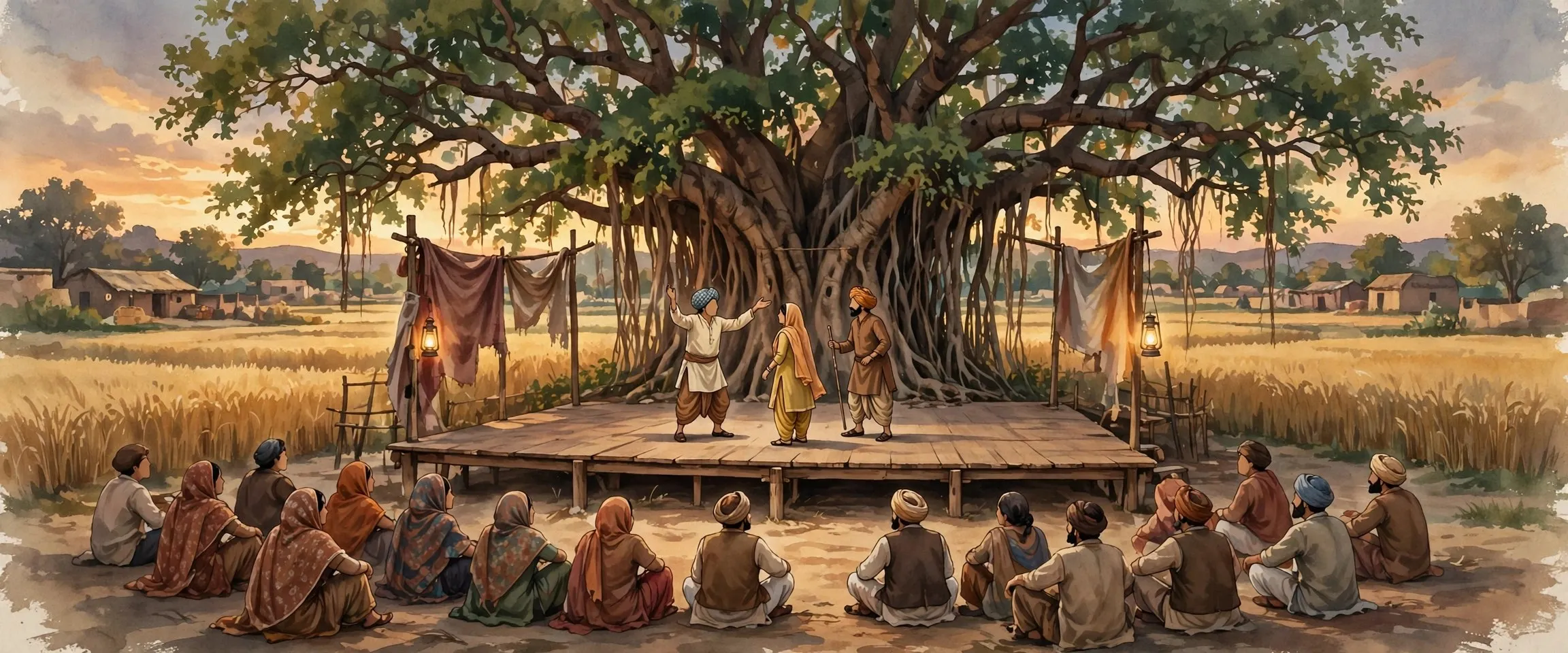
ਇਸ਼ਕ ਬਾਝ ਨਮਾਜ਼ ਦਾ ਹੱਜ ਨਹੀਂ ਅਜਮੇਰ ਸਿੰਘ ਔਲਖ (1942 ਤੋਂ 2017) ਦਾ ਪੰਜਾਬੀ ਨਾਟਕ ਹੈ, ਮਾਨਸਾ ਦਾ ਉਹ ਨਾਟਕਕਾਰ ਜਿਸ ਦੀ ਲੋਕ ਕਲਾ ਮੰਚ ਟੋਲੀ ਪਿੰਡਾਂ ਦੇ ਰੰਗਮੰਚ ਨੂੰ ਸਾਰੇ ਪੰਜਾਬ ਵਿਚ ਲੈ ਗਈ। ਇਸ ਦਾ ਨਾਂ ਸੂਫ਼ੀ ਅਤੇ ਗੁਰਬਾਣੀ ਦੀ ਸਿਆਣਪ ਤੋਂ ਲਿਆ ਗਿਆ ਹੈ ਅਤੇ ਐਲਾਨ ਕਰਦਾ ਹੈ ਕਿ ਪਿਆਰ ਤੋਂ ਬਿਨਾਂ ਨਮਾਜ਼ ਦਾ ਕੋਈ ਹੱਜ ਨਹੀਂ। ਇਸ ਕਿਤਾਬ ਨੂੰ 2006 ਵਿਚ ਪੰਜਾਬੀ ਲਈ ਸਾਹਿਤ ਅਕਾਦਮੀ ਇਨਾਮ ਮਿਲਿਆ, ਔਲਖ ਦੇ ਕੈਰੀਅਰ ਦਾ ਸਭ ਤੋਂ ਵੱਡਾ ਸਾਹਿਤਕ ਸਨਮਾਨ।
ਪੰਜਾਬੀ, ਗੁਰਮੁਖੀ- ਪੰਜਾਬੀ ਨਾਂ
- ਇਸ਼ਕ ਬਾਝ ਨਮਾਜ਼ ਦਾ ਹੱਜ ਨਹੀਂ
- ਲੇਖਕ
- ਅਜਮੇਰ ਸਿੰਘ ਔਲਖ (1942 ਤੋਂ 2017)
- ਭਾਸ਼ਾ
- ਪੰਜਾਬੀ, ਗੁਰਮੁਖੀ
- ਰੂਪ
- ਨਾਟਕ
- ਸਿਰਲੇਖ ਦਾ ਅਰਥ
- ਪਿਆਰ ਤੋਂ ਬਿਨਾਂ ਨਮਾਜ਼ ਦਾ ਕੋਈ ਹੱਜ ਨਹੀਂ
- ਇਨਾਮ
- ਪੰਜਾਬੀ ਲਈ ਸਾਹਿਤ ਅਕਾਦਮੀ ਇਨਾਮ, 2006
All 8 facts
- ਲੇਖਕ ਦੀ ਟੋਲੀ
- ਲੋਕ ਕਲਾ ਮੰਚ, ਮਾਨਸਾ (1976 ਵਿਚ ਬਣੀ)
- ਲੇਖਕ ਦਾ ਅਹੁਦਾ
- ਪੰਜਾਬੀ ਦਾ ਲੈਕਚਰਾਰ, ਨਹਿਰੂ ਮੈਮੋਰੀਅਲ ਸਰਕਾਰੀ ਕਾਲਜ, ਮਾਨਸਾ (1965 ਤੋਂ 2000)
About the book
Ishk Baj Namaz Da Haz Nahi is a Punjabi play by Ajmer Singh Aulakh of Mansa, the playwright who took Punjabi theatre out of the city auditorium and back to the village ground. Aulakh wrote more than 35 plays, many of them part of university syllabi, and staged them with Lok Kala Manch, the troupe he founded at Mansa in 1976, which has more than 1,000 performances to its credit. The play belongs to the main line of his stage work, listed alongside Satt Begane, Kehar Singh Di Maut, Bhajian Bahin and Jhanna De Paani, and it is the book the Sahitya Akademi chose when it gave him its Punjabi award in 2006, cataloguing the winning work as plays.
The play grew out of the theatre Aulakh built at Nehru Memorial College, Mansa, where he taught Punjabi from 1965 to 2000. Put in charge of cultural activities, he began writing small plays for his students, and wherever a team staged one at a youth festival it won first prize. Encouraged by the novelist Gurdial Singh and the critic T. R. Vinod, he formed Lok Kala Manch in 1976. Aulakh always said his plays were a reflection of his experiences, drawn from what he had seen rather than imagined, and this one turns that habit of close observation onto faith itself.
What does the title mean?
The title is a Punjabi saying built from three borrowed words: ishk, love; namaz, the prayer; and hajj, the pilgrimage to Mecca. Bajh means without. Put together: without love, the prayer contains no pilgrimage. A person can perform every ritual correctly, the title argues, and still arrive nowhere, because the journey that matters is the one love makes. Aulakh often took his cue from lines of Gurbani and Sufi wisdom, and the title works like one of those lines: short, singable, and impossible to argue with on its own terms.
The Tribune's profile of the playwright sums up the play in one sentence: it conveys how deeds, and not rituals, take one closer to the intrinsic philosophy of Sikhism. Aulakh himself put the same point as a principle: Sikhism, he said, is first and foremost a proponent of equality, and he resented the feudal retelling that projected it differently. The play tests comfortable believers with that standard.
Themes: deeds over ritual
The first theme is the gap between performed religion and lived religion. In Aulakh's Malwa, prayer is public and reputation is its currency, so the play keeps asking what a prayer is worth when the person praying will not share bread, land or dignity with a neighbour. Love, in the title's sense, is not romance: it is the deed that proves the devotion.
Around that centre sit the concerns that run through all of Aulakh's theatre. His abiding subject is the link between economic compulsions and social and family relationships: what money, debt and small holdings do to love and honour inside a household. He wrote, above all, about small and marginal farmers, farm labourers and rural women, and critics noted how he caught the whole range of the peasantry, including families whose caste standing sat far above their economic condition. The play brings that same unsparing eye to the village's religious life.
ਲੇਖਕ
Ajmer Singh Aulakh was born on 19 August 1942 at Kumbharwal in Sangrur district and grew up in the Malwa belt he would put on stage. As a small boy in Kishangarh Pharwahi he was already writing poems and singing them at public platforms. He taught Punjabi at Nehru Memorial Government College, Mansa, from 1965 to 2000, and his first collection of one act plays, Arbad Narbad Dundakar, appeared in 1978.
He died at Mansa on 15 June 2017, aged 74. His honours included the Sangeet Natak Akademi Award, the Shiromani Natakakar Award of the Punjab Language Department and the Pash Memorial Award, besides the Sahitya Akademi Award this book won. His last wishes, honoured by his family, asked that his daughters light his pyre and that no religious function be held in his memory.
The Sahitya Akademi Award
Did Ishk Baj Namaz Da Haz Nahi win the Sahitya Akademi Award? Yes. The Akademi's Punjabi winners list for 2006 records Ajmer Singh Aulakh and this book, in the plays category. It was the national academy's recognition of a body of stage work that had already made him, in the words of the translators of New Wave Punjabi Drama, arguably the best known Punjabi playwright depicting the life and travails of the rural masses of Malwa.
Nine years later the award came back into the news. In October 2015 Aulakh was one of the Punjabi writers who announced they would return their Sahitya Akademi awards, protesting what they called rising intolerance after the murders of rationalist writers. The gesture matched the play's own teaching: a form kept without conviction behind it is worth little.
Reception and legacy
Aulakh's plays were received, unusually, by both camps of his audience: rural crowds who watched Lok Kala Manch in the open air, and scholars who put the texts on university syllabi. The critic Attar Singh admitted that he had once thought Punjabi drama as a literary form was finished, and that Aulakh's emergence made him ashamed of that judgement. This play, carried by the 2006 award, is the title under which much of India first met that theatre.
Its legacy is the standard it sets for Punjabi drama with a religious theme. The play argues with ritual from inside the tradition, using the vocabulary of namaz, hajj and Gurbani, and it refuses the easy ending in which the believer simply performs harder. For students of Punjabi theatre it remains the natural companion to Aulakh's farming plays: the same Malwa, the same plain Malwai speech, turned this time on the soul's accounts rather than the land's.
ਕਿਤਾਬ ਬਾਰੇ
ਇਸ਼ਕ ਬਾਝ ਨਮਾਜ਼ ਦਾ ਹੱਜ ਨਹੀਂ ਮਾਨਸਾ ਦੇ ਨਾਟਕਕਾਰ ਅਜਮੇਰ ਸਿੰਘ ਔਲਖ ਦਾ ਪੰਜਾਬੀ ਨਾਟਕ ਹੈ, ਉਹ ਨਾਟਕਕਾਰ ਜਿਸ ਨੇ ਪੰਜਾਬੀ ਰੰਗਮੰਚ ਨੂੰ ਸ਼ਹਿਰ ਦੇ ਆਡੀਟੋਰੀਅਮ ਵਿਚੋਂ ਕੱਢ ਕੇ ਵਾਪਸ ਪਿੰਡ ਦੀ ਧਰਤੀ ਉੱਤੇ ਲਿਆਂਦਾ। ਔਲਖ ਨੇ 35 ਤੋਂ ਵੱਧ ਨਾਟਕ ਲਿਖੇ, ਜਿਨ੍ਹਾਂ ਵਿਚੋਂ ਕਈ ਯੂਨੀਵਰਸਿਟੀ ਦੇ ਪਾਠਕ੍ਰਮਾਂ ਦਾ ਹਿੱਸਾ ਹਨ, ਅਤੇ ਉਨ੍ਹਾਂ ਨੂੰ ਲੋਕ ਕਲਾ ਮੰਚ ਨਾਲ ਖੇਡਿਆ, ਉਹ ਟੋਲੀ ਜੋ ਉਸ ਨੇ 1976 ਵਿਚ ਮਾਨਸਾ ਵਿਚ ਬਣਾਈ ਅਤੇ ਜਿਸ ਦੇ ਨਾਂ ਹਜ਼ਾਰ ਤੋਂ ਵੱਧ ਪ੍ਰਦਰਸ਼ਨ ਹਨ। ਇਹ ਨਾਟਕ ਉਸ ਦੇ ਮੁੱਖ ਰੰਗਮੰਚ ਕੰਮ ਵਿਚ ਆਉਂਦਾ ਹੈ, ਸੱਤ ਬੇਗਾਨੇ, ਕੇਹਰ ਸਿੰਘ ਦੀ ਮੌਤ, ਭੱਜੀਆਂ ਬਾਹੀਂ ਅਤੇ ਝਨਾਂ ਦੇ ਪਾਣੀ ਦੇ ਨਾਲ ਸੂਚੀਬੱਧ। ਇਹ ਉਹੀ ਕਿਤਾਬ ਹੈ ਜਿਸ ਨੂੰ ਸਾਹਿਤ ਅਕਾਦਮੀ ਨੇ 2006 ਵਿਚ ਪੰਜਾਬੀ ਇਨਾਮ ਦਿੰਦਿਆਂ ਚੁਣਿਆ, ਜੇਤੂ ਕੰਮ ਨੂੰ ਨਾਟਕਾਂ ਵਜੋਂ ਦਰਜ ਕਰਦਿਆਂ।
ਇਹ ਨਾਟਕ ਉਸ ਰੰਗਮੰਚ ਵਿਚੋਂ ਨਿਕਲਿਆ ਜੋ ਔਲਖ ਨੇ ਨਹਿਰੂ ਮੈਮੋਰੀਅਲ ਕਾਲਜ, ਮਾਨਸਾ ਵਿਚ ਖੜ੍ਹਾ ਕੀਤਾ, ਜਿੱਥੇ ਉਸ ਨੇ 1965 ਤੋਂ 2000 ਤੱਕ ਪੰਜਾਬੀ ਪੜ੍ਹਾਈ। ਸੱਭਿਆਚਾਰਕ ਸਰਗਰਮੀਆਂ ਦੀ ਜ਼ਿੰਮੇਵਾਰੀ ਮਿਲਣ ਉੱਤੇ ਉਸ ਨੇ ਆਪਣੇ ਵਿਦਿਆਰਥੀਆਂ ਲਈ ਛੋਟੇ ਨਾਟਕ ਲਿਖਣੇ ਸ਼ੁਰੂ ਕੀਤੇ, ਅਤੇ ਜਿੱਥੇ ਵੀ ਕਿਸੇ ਟੀਮ ਨੇ ਯੁਵਕ ਮੇਲੇ ਵਿਚ ਉਸ ਦਾ ਨਾਟਕ ਖੇਡਿਆ, ਉਸ ਨੇ ਪਹਿਲਾ ਇਨਾਮ ਜਿੱਤਿਆ। ਨਾਵਲਕਾਰ ਗੁਰਦਿਆਲ ਸਿੰਘ ਅਤੇ ਆਲੋਚਕ ਟੀ. ਆਰ. ਵਿਨੋਦ ਦੇ ਹੌਸਲੇ ਨਾਲ ਉਸ ਨੇ 1976 ਵਿਚ ਲੋਕ ਕਲਾ ਮੰਚ ਬਣਾਇਆ। ਔਲਖ ਹਮੇਸ਼ਾ ਕਹਿੰਦਾ ਸੀ ਕਿ ਉਸ ਦੇ ਨਾਟਕ ਉਸ ਦੇ ਅਨੁਭਵਾਂ ਦਾ ਅਕਸ ਹਨ, ਕਲਪਨਾ ਦੀ ਥਾਂ ਵੇਖੇ ਹੋਏ ਤੋਂ ਲਏ ਗਏ, ਅਤੇ ਇਹ ਨਾਟਕ ਉਹੀ ਗੌਰ ਨਾਲ ਵੇਖਣ ਦੀ ਆਦਤ ਧਰਮ ਵੱਲ ਮੋੜਦਾ ਹੈ।
ਨਾਂ ਦਾ ਮਤਲਬ ਕੀ ਹੈ?
ਇਹ ਨਾਂ ਇਕ ਪੰਜਾਬੀ ਕਹਾਵਤ ਹੈ ਜੋ ਤਿੰਨ ਉਧਾਰੇ ਸ਼ਬਦਾਂ ਤੋਂ ਬਣੀ ਹੈ: ਇਸ਼ਕ, ਪਿਆਰ; ਨਮਾਜ਼, ਅਰਦਾਸ ਵਾਲੀ ਇਬਾਦਤ; ਅਤੇ ਹੱਜ, ਮੱਕੇ ਦੀ ਯਾਤਰਾ। ਬਾਝ ਦਾ ਮਤਲਬ ਹੈ ਬਿਨਾਂ। ਸਾਰਾ ਮਤਲਬ: ਪਿਆਰ ਤੋਂ ਬਿਨਾਂ ਨਮਾਜ਼ ਵਿਚ ਕੋਈ ਹੱਜ ਨਹੀਂ। ਬੰਦਾ ਹਰ ਰਸਮ ਠੀਕ ਠੀਕ ਕਰ ਸਕਦਾ ਹੈ, ਨਾਂ ਕਹਿੰਦਾ ਹੈ, ਅਤੇ ਫਿਰ ਵੀ ਕਿਧਰੇ ਨਹੀਂ ਪਹੁੰਚਦਾ, ਕਿਉਂਕਿ ਜਿਹੜੀ ਯਾਤਰਾ ਮਾਇਨੇ ਰੱਖਦੀ ਹੈ ਉਹ ਪਿਆਰ ਵਾਲੀ ਹੈ। ਔਲਖ ਅਕਸਰ ਗੁਰਬਾਣੀ ਅਤੇ ਸੂਫ਼ੀ ਸਿਆਣਪ ਦੀਆਂ ਸਤਰਾਂ ਤੋਂ ਸੰਕੇਤ ਲੈਂਦਾ ਸੀ, ਅਤੇ ਇਹ ਨਾਂ ਉਹੋ ਜਿਹੀ ਸਤਰ ਵਾਂਗ ਕੰਮ ਕਰਦਾ ਹੈ: ਛੋਟਾ, ਗਾਉਣ ਯੋਗ, ਅਤੇ ਆਪਣੀਆਂ ਸ਼ਰਤਾਂ ਉੱਤੇ ਬਹਿਸ ਤੋਂ ਬਾਹਰ।
ਟ੍ਰਿਬਿਊਨ ਦਾ ਨਾਟਕਕਾਰ ਉੱਤੇ ਲੇਖ ਇਸ ਨਾਟਕ ਨੂੰ ਇਕ ਵਾਕ ਵਿਚ ਸਮੇਟਦਾ ਹੈ: ਇਹ ਦੱਸਦਾ ਹੈ ਕਿ ਕਰਮ, ਨਾ ਕਿ ਰਸਮਾਂ, ਬੰਦੇ ਨੂੰ ਸਿੱਖ ਧਰਮ ਦੇ ਅਸਲੀ ਫਲਸਫੇ ਦੇ ਨੇੜੇ ਲਿਜਾਂਦੇ ਹਨ। ਔਲਖ ਨੇ ਖੁਦ ਇਹੀ ਗੱਲ ਅਸੂਲ ਵਜੋਂ ਕਹੀ: ਸਿੱਖੀ, ਉਸ ਨੇ ਕਿਹਾ, ਸਭ ਤੋਂ ਪਹਿਲਾਂ ਬਰਾਬਰੀ ਦੀ ਹਾਮੀ ਹੈ, ਅਤੇ ਉਸ ਨੂੰ ਉਸ ਜਗੀਰਦਾਰੀ ਬਿਆਨ ਨਾਲ ਨਾਰਾਜ਼ਗੀ ਸੀ ਜੋ ਇਸ ਨੂੰ ਹੋਰ ਤਰ੍ਹਾਂ ਪੇਸ਼ ਕਰਦਾ ਸੀ। ਨਾਟਕ ਸੁਖੀ ਧਰਮੀਆਂ ਨੂੰ ਇਸੇ ਕਸਵੱਟੀ ਉੱਤੇ ਪਰਖਦਾ ਹੈ।
ਵਿਸ਼ੇ: ਰਸਮਾਂ ਨਾਲੋਂ ਕਰਮ
ਪਹਿਲਾ ਵਿਸ਼ਾ ਦਿਖਾਵੇ ਦੇ ਧਰਮ ਅਤੇ ਜੀਏ ਜਾਣ ਵਾਲੇ ਧਰਮ ਵਿਚਲਾ ਫਰਕ ਹੈ। ਔਲਖ ਦੇ ਮਾਲਵੇ ਵਿਚ ਨਮਾਜ਼ ਜਨਤਕ ਹੈ ਅਤੇ ਇੱਜ਼ਤ ਉਸ ਦੀ ਮੁਦਰਾ ਹੈ, ਇਸ ਲਈ ਨਾਟਕ ਵਾਰ ਵਾਰ ਪੁੱਛਦਾ ਹੈ ਕਿ ਉਸ ਬੰਦੇ ਦੀ ਨਮਾਜ਼ ਦੀ ਕੀ ਕੀਮਤ ਹੈ ਜੋ ਗੁਆਂਢੀ ਨਾਲ ਰੋਟੀ, ਜ਼ਮੀਨ ਜਾਂ ਇੱਜ਼ਤ ਸਾਂਝੀ ਨਹੀਂ ਕਰਦਾ। ਨਾਂ ਦੇ ਅਰਥਾਂ ਵਿਚ ਪਿਆਰ ਰੁਮਾਂਸ ਨਹੀਂ ਹੈ: ਇਹ ਉਹ ਕਰਮ ਹੈ ਜੋ ਭਗਤੀ ਨੂੰ ਸਾਬਤ ਕਰਦਾ ਹੈ।
ਇਸ ਕੇਂਦਰ ਦੇ ਆਸ ਪਾਸ ਉਹ ਸਾਰੇ ਫਿਕਰ ਹਨ ਜੋ ਔਲਖ ਦੇ ਸਾਰੇ ਰੰਗਮੰਚ ਵਿਚ ਚਲਦੇ ਹਨ। ਉਸ ਦਾ ਸਥਾਈ ਵਿਸ਼ਾ ਆਰਥਿਕ ਮਜਬੂਰੀਆਂ ਅਤੇ ਸਮਾਜਿਕ ਤੇ ਪਰਿਵਾਰਕ ਰਿਸ਼ਤਿਆਂ ਵਿਚਲਾ ਸਬੰਧ ਹੈ: ਪੈਸਾ, ਕਰਜ਼ਾ ਅਤੇ ਛੋਟੀਆਂ ਜੋਤਾਂ ਘਰ ਦੇ ਅੰਦਰ ਪਿਆਰ ਅਤੇ ਇੱਜ਼ਤ ਨਾਲ ਕੀ ਕਰਦੀਆਂ ਹਨ। ਉਸ ਨੇ ਸਭ ਤੋਂ ਵੱਧ ਛੋਟੇ ਅਤੇ ਸੀਮਾਂਤ ਕਿਸਾਨਾਂ, ਖੇਤ ਮਜ਼ਦੂਰਾਂ ਅਤੇ ਪੇਂਡੂ ਔਰਤਾਂ ਬਾਰੇ ਲਿਖਿਆ, ਅਤੇ ਆਲੋਚਕਾਂ ਨੇ ਨੋਟ ਕੀਤਾ ਕਿ ਉਸ ਨੇ ਕਿਸਾਨੀ ਦਾ ਸਾਰਾ ਵਰਗ ਫੜਿਆ, ਉਨ੍ਹਾਂ ਪਰਿਵਾਰਾਂ ਸਮੇਤ ਜਿਨ੍ਹਾਂ ਦੀ ਜਾਤ ਦੀ ਥਾਂ ਉਨ੍ਹਾਂ ਦੀ ਆਰਥਿਕ ਹਾਲਤ ਨਾਲੋਂ ਕਿਤੇ ਉੱਚੀ ਸੀ। ਇਹ ਨਾਟਕ ਉਹੀ ਬੇਰਹਿਮ ਨਿਗਾਹ ਪਿੰਡ ਦੀ ਧਾਰਮਿਕ ਜ਼ਿੰਦਗੀ ਉੱਤੇ ਲਿਆਉਂਦਾ ਹੈ।
ਲੇਖਕ
ਅਜਮੇਰ ਸਿੰਘ ਔਲਖ ਦਾ ਜਨਮ 19 ਅਗਸਤ 1942 ਨੂੰ ਸੰਗਰੂਰ ਜ਼ਿਲ੍ਹੇ ਦੇ ਕੁੰਭੜਵਾਲ ਵਿਖੇ ਹੋਇਆ ਅਤੇ ਉਹ ਉਸੇ ਮਾਲਵੇ ਵਿਚ ਵੱਡਾ ਹੋਇਆ ਜਿਸ ਨੂੰ ਉਸ ਨੇ ਮੰਚ ਉੱਤੇ ਚੜ੍ਹਾਇਆ। ਕਿਸ਼ਨਗੜ੍ਹ ਫੜਵਾਹੀ ਵਿਚ ਛੋਟਾ ਬੱਚਾ ਹੁੰਦਿਆਂ ਹੀ ਉਹ ਕਵਿਤਾਵਾਂ ਲਿਖਦਾ ਅਤੇ ਜਨਤਕ ਮੰਚਾਂ ਉੱਤੇ ਗਾਉਂਦਾ ਸੀ। ਉਸ ਨੇ 1965 ਤੋਂ 2000 ਤੱਕ ਨਹਿਰੂ ਮੈਮੋਰੀਅਲ ਸਰਕਾਰੀ ਕਾਲਜ, ਮਾਨਸਾ ਵਿਚ ਪੰਜਾਬੀ ਪੜ੍ਹਾਈ, ਅਤੇ ਉਸ ਦਾ ਇਕਾਂਗੀਆਂ ਦਾ ਪਹਿਲਾ ਸੰਗ੍ਰਹਿ ਅਰਬਦ ਨਰਬਦ ਧੁੰਧੂਕਾਰਾ 1978 ਵਿਚ ਆਇਆ।
ਉਸ ਦੀ ਮੌਤ 15 ਜੂਨ 2017 ਨੂੰ ਮਾਨਸਾ ਵਿਖੇ 74 ਸਾਲ ਦੀ ਉਮਰ ਵਿਚ ਹੋਈ। ਉਸ ਦੇ ਸਨਮਾਨਾਂ ਵਿਚ ਸੰਗੀਤ ਨਾਟਕ ਅਕਾਦਮੀ ਇਨਾਮ, ਪੰਜਾਬ ਭਾਸ਼ਾ ਵਿਭਾਗ ਦਾ ਸ਼੍ਰੋਮਣੀ ਨਾਟਕਕਾਰ ਇਨਾਮ ਅਤੇ ਪਾਸ਼ ਯਾਦਗਾਰੀ ਇਨਾਮ ਸ਼ਾਮਲ ਸਨ, ਇਸ ਕਿਤਾਬ ਨੂੰ ਮਿਲੇ ਸਾਹਿਤ ਅਕਾਦਮੀ ਇਨਾਮ ਤੋਂ ਇਲਾਵਾ। ਪਰਿਵਾਰ ਵੱਲੋਂ ਪੂਰੀਆਂ ਕੀਤੀਆਂ ਉਸ ਦੀਆਂ ਆਖਰੀ ਇੱਛਾਵਾਂ ਵਿਚ ਸੀ ਕਿ ਉਸ ਦੀ ਚਿਖਾ ਨੂੰ ਉਸ ਦੀਆਂ ਧੀਆਂ ਅੱਗ ਦੇਣ ਅਤੇ ਉਸ ਦੀ ਯਾਦ ਵਿਚ ਕੋਈ ਧਾਰਮਿਕ ਸਮਾਗਮ ਨਾ ਕੀਤਾ ਜਾਵੇ।
ਸਾਹਿਤ ਅਕਾਦਮੀ ਇਨਾਮ
ਕੀ ਇਸ਼ਕ ਬਾਝ ਨਮਾਜ਼ ਦਾ ਹੱਜ ਨਹੀਂ ਨੂੰ ਸਾਹਿਤ ਅਕਾਦਮੀ ਇਨਾਮ ਮਿਲਿਆ? ਹਾਂ। ਅਕਾਦਮੀ ਦੀ 2006 ਦੀ ਪੰਜਾਬੀ ਜੇਤੂ ਸੂਚੀ ਵਿਚ ਅਜਮੇਰ ਸਿੰਘ ਔਲਖ ਅਤੇ ਇਹ ਕਿਤਾਬ ਨਾਟਕਾਂ ਦੀ ਸ਼੍ਰੇਣੀ ਵਿਚ ਦਰਜ ਹਨ। ਇਹ ਰਾਸ਼ਟਰੀ ਅਕਾਦਮੀ ਦੀ ਉਸ ਰੰਗਮੰਚ ਦੇਹ ਦੀ ਮਾਨਤਾ ਸੀ ਜਿਸ ਨੇ ਉਸ ਨੂੰ ਪਹਿਲਾਂ ਹੀ, ਨਿਊ ਵੇਵ ਪੰਜਾਬੀ ਡਰਾਮੇ ਦੇ ਅਨੁਵਾਦਕਾਂ ਦੇ ਸ਼ਬਦਾਂ ਵਿਚ, ਮਾਲਵੇ ਦੇ ਪੇਂਡੂ ਲੋਕਾਂ ਦੀ ਜ਼ਿੰਦਗੀ ਅਤੇ ਤਕਲੀਫਾਂ ਦਰਸਾਉਣ ਵਾਲਾ ਸ਼ਾਇਦ ਸਭ ਤੋਂ ਵੱਧ ਜਾਣਿਆ ਜਾਂਦਾ ਪੰਜਾਬੀ ਨਾਟਕਕਾਰ ਬਣਾ ਦਿੱਤਾ ਸੀ।
ਨੌਂ ਸਾਲ ਬਾਅਦ ਇਹ ਇਨਾਮ ਫਿਰ ਖ਼ਬਰਾਂ ਵਿਚ ਆਇਆ। ਅਕਤੂਬਰ 2015 ਵਿਚ ਔਲਖ ਉਨ੍ਹਾਂ ਪੰਜਾਬੀ ਲੇਖਕਾਂ ਵਿਚੋਂ ਇਕ ਸੀ ਜਿਨ੍ਹਾਂ ਨੇ ਐਲਾਨ ਕੀਤਾ ਕਿ ਉਹ ਆਪਣੇ ਸਾਹਿਤ ਅਕਾਦਮੀ ਇਨਾਮ ਵਾਪਸ ਕਰਨਗੇ, ਤਰਕਸ਼ੀਲ ਲੇਖਕਾਂ ਦੇ ਕਤਲਾਂ ਤੋਂ ਬਾਅਦ ਵਧਦੀ ਅਸਹਿਣਸ਼ੀਲਤਾ ਕਹਿ ਕੇ ਜਿਸ ਦਾ ਉਹ ਵਿਰੋਧ ਕਰ ਰਹੇ ਸਨ। ਇਹ ਕਦਮ ਨਾਟਕ ਦੀ ਆਪਣੀ ਸਿੱਖਿਆ ਨਾਲ ਮੇਲ ਖਾਂਦਾ ਸੀ: ਜਿਸ ਰੂਪ ਦੇ ਪਿੱਛੇ ਯਕੀਨ ਨਾ ਹੋਵੇ, ਉਸ ਨੂੰ ਸਾਂਭ ਕੇ ਰੱਖਣ ਦੀ ਕੀਮਤ ਘੱਟ ਹੁੰਦੀ ਹੈ।
ਪ੍ਰਤੀਕਿਰਿਆ ਅਤੇ ਵਿਰਾਸਤ
ਔਲਖ ਦੇ ਨਾਟਕਾਂ ਨੂੰ ਅਸਾਧਾਰਨ ਤੌਰ ਉੱਤੇ ਦਰਸ਼ਕਾਂ ਦੇ ਦੋਹਾਂ ਖੇਮਿਆਂ ਨੇ ਕਬੂਲਿਆ: ਪੇਂਡੂ ਭੀੜਾਂ ਨੇ, ਜੋ ਲੋਕ ਕਲਾ ਮੰਚ ਨੂੰ ਖੁੱਲ੍ਹੀ ਹਵਾ ਵਿਚ ਵੇਖਦੀਆਂ ਸਨ, ਅਤੇ ਵਿਦਵਾਨਾਂ ਨੇ, ਜਿਨ੍ਹਾਂ ਨੇ ਪਾਠਾਂ ਨੂੰ ਯੂਨੀਵਰਸਿਟੀ ਪਾਠਕ੍ਰਮਾਂ ਵਿਚ ਰੱਖਿਆ। ਆਲੋਚਕ ਅੱਤਰ ਸਿੰਘ ਨੇ ਮੰਨਿਆ ਕਿ ਉਹ ਕਦੇ ਸੋਚਦਾ ਸੀ ਕਿ ਪੰਜਾਬੀ ਨਾਟਕ ਸਾਹਿਤਕ ਰੂਪ ਵਜੋਂ ਖਤਮ ਹੋ ਗਿਆ ਹੈ, ਅਤੇ ਔਲਖ ਦੇ ਆਉਣ ਨੇ ਉਸ ਨੂੰ ਉਸ ਫੈਸਲੇ ਉੱਤੇ ਸ਼ਰਮਿੰਦਾ ਕੀਤਾ। ਇਹ ਨਾਟਕ, 2006 ਦੇ ਇਨਾਮ ਦੇ ਸਿਰ ਉੱਤੇ, ਉਹ ਨਾਂ ਹੈ ਜਿਸ ਹੇਠ ਭਾਰਤ ਦਾ ਵੱਡਾ ਹਿੱਸਾ ਪਹਿਲੀ ਵਾਰ ਉਸ ਰੰਗਮੰਚ ਨਾਲ ਮਿਲਿਆ।
ਇਸ ਦੀ ਵਿਰਾਸਤ ਉਹ ਮਿਆਰ ਹੈ ਜੋ ਇਹ ਧਾਰਮਿਕ ਵਿਸ਼ੇ ਵਾਲੇ ਪੰਜਾਬੀ ਨਾਟਕ ਲਈ ਰੱਖਦਾ ਹੈ। ਇਹ ਨਾਟਕ ਪਰੰਪਰਾ ਦੇ ਅੰਦਰੋਂ ਰਸਮਾਂ ਨਾਲ ਬਹਿਸ ਕਰਦਾ ਹੈ, ਨਮਾਜ਼, ਹੱਜ ਅਤੇ ਗੁਰਬਾਣੀ ਦੀ ਸ਼ਬਦਾਵਲੀ ਵਰਤ ਕੇ, ਅਤੇ ਉਸ ਸੌਖੇ ਅੰਤ ਤੋਂ ਇਨਕਾਰ ਕਰਦਾ ਹੈ ਜਿਸ ਵਿਚ ਧਰਮੀ ਬਸ ਹੋਰ ਜ਼ੋਰ ਲਾ ਕੇ ਕਰਮਕਾਂਡ ਕਰਦਾ ਹੈ। ਪੰਜਾਬੀ ਰੰਗਮੰਚ ਦੇ ਵਿਦਿਆਰਥੀਆਂ ਲਈ ਇਹ ਔਲਖ ਦੇ ਕਿਸਾਨੀ ਨਾਟਕਾਂ ਦਾ ਕੁਦਰਤੀ ਸਾਥੀ ਰਹਿੰਦਾ ਹੈ: ਉਹੀ ਮਾਲਵਾ, ਉਹੀ ਸਾਦੀ ਮਾਲਵਈ ਬੋਲੀ, ਇਸ ਵਾਰ ਜ਼ਮੀਨ ਦੇ ਖਾਤਿਆਂ ਦੀ ਥਾਂ ਰੂਹ ਦੇ ਖਾਤਿਆਂ ਵੱਲ ਮੁੜੀ ਹੋਈ।
ਐਡੀਸ਼ਨ ਅਤੇ ਅਨੁਵਾਦ
- ਇਸ਼ਕ ਬਾਝ ਨਮਾਜ਼ ਦਾ ਹੱਜ ਨਹੀਂPunjabi · Gurmukhi · original · Gurmukhi title: ਇਸ਼ਕ ਬਾਝ ਨਮਾਜ਼ ਦਾ ਹੱਜ ਨਹੀਂਮੂਲ
ਲੇਖਕ

ਜੁੜੇ ਹੋਏ
ਹੋਰ ਪੜ੍ਹੋ
ਸਰੋਤ (5)
- Ajmer Singh Aulakh, Wikipedia
- A Man of Roots: Ajmer Singh Aulakh, The Tribune profile (APNA)
- Ajmer Aulakh Gave Voice to Marginal Farmers' Woes, Indian Cultural Forum (from The Tribune)
- List of Sahitya Akademi Award winners for Punjabi, Wikipedia
- Writers from Punjab, Gujarat return Sahitya Akademi awards, Hindustan Times
ਜੁਗਤੀ ਮੁਫ਼ਤ ਅਤੇ ਸੁਤੰਤਰ ਹੈ। ਪਾਠਕਾਂ ਦਾ ਸਹਿਯੋਗ ਕੋਸ਼ ਨੂੰ ਵਧਾਉਂਦਾ ਹੈ।
ਸਹਿਯੋਗ