
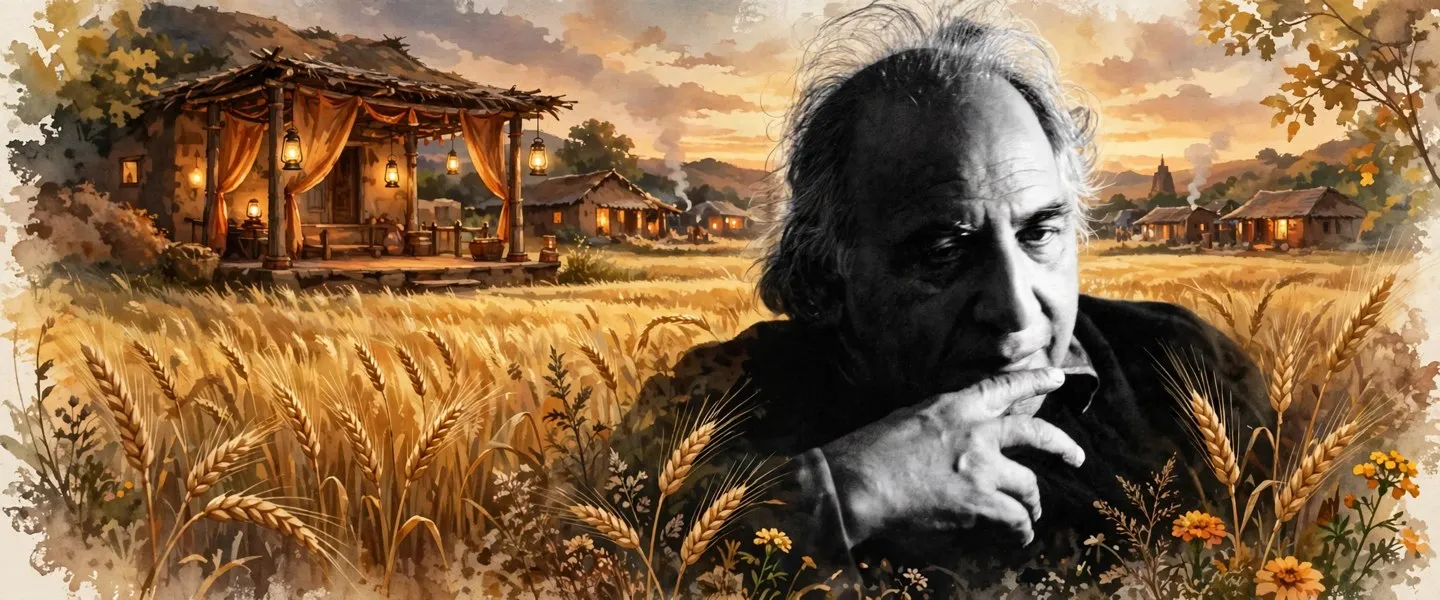
ਕਣਕ ਦੀ ਬੱਲੀ ਬਲਵੰਤ ਗਾਰਗੀ ਦਾ ਪੰਜਾਬੀ ਨਾਟਕ ਹੈ, ਜੋ 1954 ਵਿੱਚ ਲਿਖਿਆ ਗਿਆ ਅਤੇ 1955 ਤੱਕ ਕਿਤਾਬੀ ਰੂਪ ਵਿੱਚ ਆ ਗਿਆ। ਇਹ ਤਾਰੋ ਦੀ ਕਹਾਣੀ ਹੈ, ਇੱਕ ਅਨਾਥ ਪਿੰਡ ਦੀ ਕੁੜੀ ਜਿਸ ਦੇ ਸਰਪ੍ਰਸਤ ਉਸ ਨੂੰ ਉਸ ਤੋਂ ਕਿਤੇ ਵੱਡੇ ਮਘਰ ਨਾਲ ਵੇਚ ਕੇ ਵਿਆਹ ਦਿੰਦੇ ਹਨ, ਅਤੇ ਨੈਸ਼ਨਲ ਸਕੂਲ ਆਫ਼ ਡਰਾਮਾ ਦਾ ਉਤਸਵ ਪ੍ਰੋਗਰਾਮ ਇਸ ਨੂੰ ਪੰਜਾਬੀ ਰੰਗਮੰਚ ਵਿੱਚ ਮੀਲ ਪੱਥਰ ਕਹਿੰਦਾ ਹੈ। ਇਹ ਲਿਖੇ ਜਾਣ ਤੋਂ ਸੱਤ ਦਹਾਕੇ ਬਾਅਦ ਵੀ ਖੇਡਿਆ ਜਾਂਦਾ ਹੈ।
ਪੰਜਾਬੀ, ਗੁਰਮੁਖੀ- ਪੰਜਾਬੀ ਨਾਂ
- ਕਣਕ ਦੀ ਬੱਲੀ
- ਲੇਖਕ
- ਬਲਵੰਤ ਗਾਰਗੀ (1916 ਤੋਂ 2003)
- ਲਿਖਿਆ ਗਿਆ
- 1954 (1955 ਤੱਕ ਕਿਤਾਬੀ ਰੂਪ ਵਿੱਚ)
- ਰੂਪ
- ਨਾਟਕ
- ਭਾਸ਼ਾ
- ਪੰਜਾਬੀ (ਗੁਰਮੁਖੀ)
- ਸਿਰਲੇਖ ਦਾ ਅਰਥ
- ਕਣਕ ਦੀ ਬੱਲੀ; ਨੈਸ਼ਨਲ ਸਕੂਲ ਆਫ਼ ਡਰਾਮਾ ਦਾ ਅਨੁਵਾਦ: ਕਣਕ ਦੀ ਕੁਰਬਾਨੀ
All 9 facts
- ਮੁੱਖ ਪਾਤਰ
- ਤਾਰੋ, ਬਚਨਾ, ਮਘਰ
- ਮੌਜੂਦਾ ਸੰਸਕਰਨ
- 64 ਸਫ਼ਿਆਂ ਦਾ ਪੰਜਾਬੀ ਹਾਰਡਬੈਕ ਛਪਦਾ ਹੈ
- ਥਾਂ
- ਪੰਜਾਬੀ ਰੰਗਮੰਚ ਵਿੱਚ ਮੀਲ ਪੱਥਰ ਕਿਹਾ ਗਿਆ (ਨੈਸ਼ਨਲ ਸਕੂਲ ਆਫ਼ ਡਰਾਮਾ, 2026)
About the book
Kanak Di Bali is a Punjabi play by Balwant Gargi (1916 to 2003), the dramatist who helped found modern Punjabi theatre. The title is usually glossed in English as Stalk of Wheat, and the National School of Drama renders it The Sacrifice of Wheat. Both glosses point at the play's centre: in the Punjab of the play, wheat is not only a crop. It is food, wealth, honour and faith at once, and a young woman's life is weighed against it and found cheaper.
Gargi had been writing for the stage for a decade when this play appeared. His first play, Loha Kutt (1944), also in this Kosh, caused controversy for its stark picture of the Punjab countryside: poverty, illiteracy, ignorance and superstition. Kanak Di Bali came out of the same concerns, but its treatment is more poetic. English language accounts of Gargi note that from Loha Kutt onward he drew on the poetic drama of J. M. Synge and Federico Garcia Lorca, and that Kanak Di Bali leans toward Lorca's Blood Wedding. Punjabi sources date the play to 1954, and director Kewal Dhaliwal dates its book form to 1955. Some English references give 1968 instead: in Gargi's Punjabi bibliography that date belongs to his later play Dhuni Di Agg, and this page follows the Punjabi dating. The play remains in print: a current hardback edition in Punjabi (Gurmukhi) runs to 64 pages.
What is Kanak Di Bali about?
Kanak Di Bali is about Taro, an orphaned girl who is sold into marriage, and about the village order that prices her below a wheat crop. The synopsis published by the National School of Drama for its 2026 production tells the story this way.
Taro, an orphan, lives with her greedy, alcoholic uncle and her aunt Taba. She loves Bachna, a humble bangle seller, and hopes for a life with him. Taba, driven by money, marries her instead to Maghar, a deceitful, alcoholic man of over fifty who has already been married several times. Maghar's wife Thakri, who has been unable to conceive, fears the new marriage, and her fears come true when he forcibly marries Taro. Taro escapes to Bachna's home, but his mother Nihali, carrying her own painful past of betrayal, at first resists the union. When Maghar tracks Taro down, the confrontation turns violent and Bachna is killed. In the end Nihali accepts Taro as her daughter, and the two women together kill Maghar: an ending the festival reads as female solidarity and resistance against patriarchal oppression.
Summaries of the play do not all end it the same way. Describing his 2015 Amritsar production, director Kewal Dhaliwal told The Tribune that the drunkard uncle sells off Taro's field, and that Taro, just like the ripe wheat crop in her field that is sold to the highest bidder, is herself sold off and takes her own life to escape a grim future. Readers should know that the two best known production accounts differ on the ending. What they agree on is the core: a girl treated as a crop to be sold.
Themes: wheat, land and the price of a girl
The director's note for the 2026 National School of Drama production reads the play as an agrarian tragedy. Land, it says, was not merely livelihood but identity, faith and tradition, and farmers who revere wheat as Mother Earth paradoxically shed human blood in its name. The narrative exposes economic exploitation, rigid religious customs, superstition, gender oppression and the inequalities built into the agricultural system.
Around that core sit the failings The Tribune's 2015 report also listed: illiteracy, ignorance and oppression, with greed and addiction overpowering humanity. The play portrays a society hostile to love, in which an orphan with no land and no protectors can be disposed of by the very people meant to shelter her. The wheat metaphor does the quiet work: a ripe crop is sold to the highest bidder without anyone asking the crop, and Taro's guardians treat her exactly so.
ਲੇਖਕ
Balwant Gargi was born on 4 December 1916 at Sehna, in Barnala district, and took master's degrees in English and political science from FC College, Lahore. He studied theatre with Norah Richards in the Kangra Valley, founded and directed the Department of Indian Theatre at Panjab University, Chandigarh, and taught at the University of Washington in 1966 and 1967. His plays were translated into 12 languages and performed in Moscow, London, New Delhi and the United States.
His honours came for his body of work rather than for this play alone: the Sahitya Akademi Award in 1962 for his book Rang Manch, the Padma Shri in 1972, and the Sangeet Natak Akademi Award for Punjabi playwriting in 1998. He is one of the few Indian artists to hold both Akademi awards. Gargi died in Mumbai on 21 April 2003. His first play, Loha Kutt, is also in this Kosh.
Reception and legacy
The National School of Drama's director's note for its 2026 Bharat Rang Mahotsav production opens with a judgement few Punjabi plays receive: Balwant Gargi's play Kanak Di Bali is a landmark in Punjabi theatre. The 2026 staging was by Theatre For Theatre, directed by Gurpreet Singh, and the note stresses how the old play speaks to the present, in a Punjab where farmer suicides, falling land values and an agricultural crisis persist.
A decade earlier the play had opened the 10th Punjabi Rang Manch Utsav at Virsa Vihar, Amritsar, in July 2015, directed by Kewal Dhaliwal and staged as a musical by students of a national theatre workshop, with the stage turned into a village fair. Virsa Vihar dedicated the performance to Gargi as it marked his 100th year. A play written in the 1950s about a girl sold like wheat is still opening festivals in the 2020s: that, more than any single review, is its legacy.
ਨਾਟਕ ਬਾਰੇ
ਕਣਕ ਦੀ ਬੱਲੀ ਬਲਵੰਤ ਗਾਰਗੀ (1916 ਤੋਂ 2003) ਦਾ ਪੰਜਾਬੀ ਨਾਟਕ ਹੈ। ਗਾਰਗੀ ਆਧੁਨਿਕ ਪੰਜਾਬੀ ਰੰਗਮੰਚ ਦੇ ਮੋਢੀਆਂ ਵਿੱਚੋਂ ਸਨ। ਨਾਟਕ ਦੇ ਨਾਂ ਦਾ ਅੰਗਰੇਜ਼ੀ ਅਨੁਵਾਦ ਆਮ ਤੌਰ ਤੇ ਸਟਾਕ ਆਫ਼ ਵੀਟ ਦਿੱਤਾ ਜਾਂਦਾ ਹੈ, ਅਤੇ ਨੈਸ਼ਨਲ ਸਕੂਲ ਆਫ਼ ਡਰਾਮਾ ਇਸ ਨੂੰ ਦ ਸੈਕਰੀਫ਼ਾਈਸ ਆਫ਼ ਵੀਟ, ਕਣਕ ਦੀ ਕੁਰਬਾਨੀ, ਲਿਖਦਾ ਹੈ। ਦੋਵੇਂ ਅਨੁਵਾਦ ਨਾਟਕ ਦੇ ਕੇਂਦਰ ਵੱਲ ਇਸ਼ਾਰਾ ਕਰਦੇ ਹਨ: ਨਾਟਕ ਵਾਲੇ ਪੰਜਾਬ ਵਿੱਚ ਕਣਕ ਸਿਰਫ਼ ਫ਼ਸਲ ਨਹੀਂ। ਇਹ ਰੋਟੀ, ਦੌਲਤ, ਇੱਜ਼ਤ ਅਤੇ ਧਰਮ ਇਕੱਠੇ ਹਨ, ਅਤੇ ਇੱਕ ਜਵਾਨ ਕੁੜੀ ਦੀ ਜ਼ਿੰਦਗੀ ਇਸ ਦੇ ਮੁਕਾਬਲੇ ਤੋਲੀ ਜਾਂਦੀ ਹੈ ਅਤੇ ਸਸਤੀ ਪੈਂਦੀ ਹੈ।
ਗਾਰਗੀ ਇਸ ਨਾਟਕ ਤੋਂ ਪਹਿਲਾਂ ਦਸ ਸਾਲ ਤੋਂ ਮੰਚ ਲਈ ਲਿਖ ਰਹੇ ਸਨ। ਉਨ੍ਹਾਂ ਦਾ ਪਹਿਲਾ ਨਾਟਕ ਲੋਹਾ ਕੁੱਟ (1944), ਜੋ ਇਸ ਕੋਸ਼ ਵਿੱਚ ਵੀ ਹੈ, ਪੰਜਾਬ ਦੇ ਪੇਂਡੂ ਖੇਤਰ ਦੀ ਕਠੋਰ ਤਸਵੀਰ ਕਰਕੇ ਵਿਵਾਦ ਵਿੱਚ ਆਇਆ ਸੀ: ਗਰੀਬੀ, ਅਨਪੜ੍ਹਤਾ, ਅਗਿਆਨਤਾ ਅਤੇ ਅੰਧਵਿਸ਼ਵਾਸ। ਕਣਕ ਦੀ ਬੱਲੀ ਵੀ ਉਨ੍ਹਾਂ ਹੀ ਫ਼ਿਕਰਾਂ ਵਿੱਚੋਂ ਨਿਕਲੀ, ਪਰ ਇਸ ਦਾ ਅੰਦਾਜ਼ ਵੱਧ ਕਾਵਿਕ ਹੈ। ਗਾਰਗੀ ਬਾਰੇ ਅੰਗਰੇਜ਼ੀ ਲੇਖ ਦੱਸਦੇ ਹਨ ਕਿ ਉਨ੍ਹਾਂ ਨੇ ਜੇ. ਐਮ. ਸਿੰਗ ਅਤੇ ਫ਼ੈਡਰਿਕੋ ਗਾਰਸੀਆ ਲੋਰਕਾ ਦੇ ਕਾਵਿ ਨਾਟਕ ਤੋਂ ਪ੍ਰੇਰਨਾ ਲਈ, ਅਤੇ ਕਣਕ ਦੀ ਬੱਲੀ ਲੋਰਕਾ ਦੇ ਬਲੱਡ ਵੈਡਿੰਗ ਵੱਲ ਝੁਕਦੀ ਹੈ। ਪੰਜਾਬੀ ਸਰੋਤ ਨਾਟਕ ਨੂੰ 1954 ਦਾ ਦੱਸਦੇ ਹਨ, ਅਤੇ ਨਿਰਦੇਸ਼ਕ ਕੇਵਲ ਧਾਲੀਵਾਲ ਇਸ ਦੇ ਕਿਤਾਬੀ ਰੂਪ ਨੂੰ 1955 ਦਾ ਦੱਸਦੇ ਹਨ। ਕੁਝ ਅੰਗਰੇਜ਼ੀ ਹਵਾਲੇ 1968 ਦਿੰਦੇ ਹਨ: ਪੰਜਾਬੀ ਸੂਚੀ ਵਿੱਚ ਇਹ ਮਿਤੀ ਗਾਰਗੀ ਦੇ ਬਾਅਦ ਵਾਲੇ ਨਾਟਕ ਧੂਣੀ ਦੀ ਅੱਗ ਦੀ ਹੈ, ਅਤੇ ਇਹ ਸਫ਼ਾ ਪੰਜਾਬੀ ਮਿਤੀ ਨੂੰ ਮੰਨਦਾ ਹੈ। ਨਾਟਕ ਅਜੇ ਵੀ ਛਪਦਾ ਹੈ: ਪੰਜਾਬੀ (ਗੁਰਮੁਖੀ) ਵਿੱਚ ਇਸ ਦਾ ਮੌਜੂਦਾ ਹਾਰਡਬੈਕ ਸੰਸਕਰਨ 64 ਸਫ਼ਿਆਂ ਦਾ ਹੈ।
ਕਣਕ ਦੀ ਬੱਲੀ ਕਿਸ ਬਾਰੇ ਹੈ?
ਕਣਕ ਦੀ ਬੱਲੀ ਤਾਰੋ ਬਾਰੇ ਹੈ, ਇੱਕ ਅਨਾਥ ਕੁੜੀ ਜਿਸ ਨੂੰ ਉਸ ਦੇ ਸਰਪ੍ਰਸਤ ਵੇਚ ਕੇ ਵਿਆਹ ਦਿੰਦੇ ਹਨ, ਅਤੇ ਉਸ ਪਿੰਡ ਬਾਰੇ ਜਿੱਥੇ ਉਸ ਦੀ ਕੀਮਤ ਕਣਕ ਦੀ ਫ਼ਸਲ ਤੋਂ ਵੀ ਘੱਟ ਹੈ। ਨੈਸ਼ਨਲ ਸਕੂਲ ਆਫ਼ ਡਰਾਮਾ ਨੇ ਆਪਣੇ 2026 ਵਾਲੇ ਪ੍ਰੋਗਰਾਮ ਲਈ ਕਹਾਣੀ ਇਸ ਤਰ੍ਹਾਂ ਦੱਸੀ ਹੈ।
ਤਾਰੋ, ਜੋ ਅਨਾਥ ਹੈ, ਆਪਣੇ ਲਾਲਚੀ ਅਤੇ ਸ਼ਰਾਬੀ ਚਾਚੇ ਅਤੇ ਆਪਣੀ ਚਾਚੀ ਟਾਬਾ ਕੋਲ ਰਹਿੰਦੀ ਹੈ। ਉਹ ਬਚਨੇ ਨੂੰ ਪਿਆਰ ਕਰਦੀ ਹੈ, ਜੋ ਇੱਕ ਸਾਧਾਰਨ ਚੂੜੀਆਂ ਵੇਚਣ ਵਾਲਾ ਹੈ। ਪੈਸੇ ਦੇ ਲਾਲਚ ਵਿੱਚ ਟਾਬਾ ਉਸ ਦਾ ਵਿਆਹ ਉਸ ਨਾਲ ਨਹੀਂ, ਸਗੋਂ ਮਘਰ ਨਾਲ ਕਰ ਦਿੰਦੀ ਹੈ, ਜੋ ਪੰਜਾਹ ਤੋਂ ਉੱਪਰ ਦਾ ਧੋਖੇਬਾਜ਼ ਸ਼ਰਾਬੀ ਹੈ ਅਤੇ ਪਹਿਲਾਂ ਕਈ ਵਾਰ ਵਿਆਹਿਆ ਜਾ ਚੁੱਕਾ ਹੈ। ਮਘਰ ਦੀ ਪਤਨੀ ਠਾਕਰੀ, ਜਿਸ ਦੇ ਔਲਾਦ ਨਹੀਂ ਹੁੰਦੀ, ਇਸ ਵਿਆਹ ਤੋਂ ਡਰਦੀ ਹੈ, ਅਤੇ ਉਸ ਦਾ ਡਰ ਸੱਚ ਹੁੰਦਾ ਹੈ ਜਦ ਮਘਰ ਜ਼ਬਰਦਸਤੀ ਤਾਰੋ ਨਾਲ ਵਿਆਹ ਕਰ ਲੈਂਦਾ ਹੈ। ਤਾਰੋ ਭੱਜ ਕੇ ਬਚਨੇ ਦੇ ਘਰ ਜਾਂਦੀ ਹੈ, ਪਰ ਉਸ ਦੀ ਮਾਂ ਨਿਹਾਲੀ, ਆਪਣੇ ਧੋਖੇ ਭਰੇ ਅਤੀਤ ਕਰਕੇ, ਪਹਿਲਾਂ ਇਸ ਰਿਸ਼ਤੇ ਨੂੰ ਨਹੀਂ ਮੰਨਦੀ। ਜਦ ਮਘਰ ਤਾਰੋ ਨੂੰ ਲੱਭ ਲੈਂਦਾ ਹੈ, ਤਾਂ ਟਕਰਾਅ ਹਿੰਸਕ ਹੋ ਜਾਂਦਾ ਹੈ ਅਤੇ ਬਚਨਾ ਮਾਰਿਆ ਜਾਂਦਾ ਹੈ। ਅੰਤ ਵਿੱਚ ਨਿਹਾਲੀ ਤਾਰੋ ਨੂੰ ਆਪਣੀ ਧੀ ਮੰਨ ਲੈਂਦੀ ਹੈ, ਅਤੇ ਦੋਵੇਂ ਔਰਤਾਂ ਮਿਲ ਕੇ ਮਘਰ ਨੂੰ ਮਾਰ ਦਿੰਦੀਆਂ ਹਨ: ਫ਼ੈਸਟੀਵਲ ਇਸ ਅੰਤ ਨੂੰ ਮਰਦ ਪ੍ਰਧਾਨ ਜ਼ੁਲਮ ਵਿਰੁੱਧ ਔਰਤਾਂ ਦੀ ਏਕਤਾ ਅਤੇ ਵਿਰੋਧ ਵਜੋਂ ਪੜ੍ਹਦਾ ਹੈ।
ਨਾਟਕ ਦੇ ਸਾਰ ਸਭ ਥਾਂ ਇੱਕੋ ਜਿਹਾ ਅੰਤ ਨਹੀਂ ਦੱਸਦੇ। ਆਪਣੇ 2015 ਦੇ ਅੰਮ੍ਰਿਤਸਰ ਪ੍ਰੋਗਰਾਮ ਬਾਰੇ ਦ ਟ੍ਰਿਬਿਊਨ ਨੂੰ ਨਿਰਦੇਸ਼ਕ ਕੇਵਲ ਧਾਲੀਵਾਲ ਨੇ ਕਿਹਾ ਸੀ ਕਿ ਸ਼ਰਾਬੀ ਚਾਚਾ ਤਾਰੋ ਦਾ ਖੇਤ ਵੇਚ ਦਿੰਦਾ ਹੈ ਅਤੇ ਤਾਰੋ, ਸਭ ਤੋਂ ਵੱਧ ਬੋਲੀ ਲਾਉਣ ਵਾਲੇ ਨੂੰ ਵੇਚੀ ਗਈ ਪੱਕੀ ਕਣਕ ਵਾਂਗ, ਆਪ ਵੀ ਵੇਚੀ ਜਾਂਦੀ ਹੈ ਅਤੇ ਭਿਆਨਕ ਭਵਿੱਖ ਤੋਂ ਬਚਣ ਲਈ ਖੁਦਕੁਸ਼ੀ ਕਰ ਲੈਂਦੀ ਹੈ। ਪਾਠਕਾਂ ਨੂੰ ਪਤਾ ਹੋਣਾ ਚਾਹੀਦਾ ਹੈ ਕਿ ਦੋ ਸਭ ਤੋਂ ਜਾਣੇ ਪ੍ਰੋਗਰਾਮ ਸਾਰ ਅੰਤ ਬਾਰੇ ਵੱਖਰੇ ਹਨ। ਜਿਸ ਗੱਲ ਤੇ ਦੋਵੇਂ ਸਹਿਮਤ ਹਨ ਉਹ ਕੇਂਦਰ ਹੈ: ਇੱਕ ਕੁੜੀ ਜਿਸ ਨੂੰ ਵੇਚਣ ਵਾਲੀ ਫ਼ਸਲ ਵਾਂਗ ਵਰਤਿਆ ਗਿਆ।
ਵਿਸ਼ੇ: ਕਣਕ, ਜ਼ਮੀਨ ਅਤੇ ਕੁੜੀ ਦੀ ਕੀਮਤ
2026 ਦੇ ਨੈਸ਼ਨਲ ਸਕੂਲ ਆਫ਼ ਡਰਾਮਾ ਪ੍ਰੋਗਰਾਮ ਲਈ ਨਿਰਦੇਸ਼ਕ ਦੀ ਟਿੱਪਣੀ ਨਾਟਕ ਨੂੰ ਖੇਤੀ ਦਾ ਦੁਖਾਂਤ ਪੜ੍ਹਦੀ ਹੈ। ਜ਼ਮੀਨ, ਇਹ ਕਹਿੰਦੀ ਹੈ, ਸਿਰਫ਼ ਰੋਜ਼ੀ ਨਹੀਂ ਸੀ, ਸਗੋਂ ਪਛਾਣ, ਧਰਮ ਅਤੇ ਪਰੰਪਰਾ ਸੀ, ਅਤੇ ਕਿਸਾਨ ਜੋ ਕਣਕ ਨੂੰ ਧਰਤੀ ਮਾਂ ਵਾਂਗ ਪੂਜਦੇ ਹਨ, ਉਹੀ ਇਸ ਦੇ ਨਾਂ ਤੇ ਮਨੁੱਖੀ ਖੂਨ ਵੀ ਵਹਾਉਂਦੇ ਹਨ। ਕਹਾਣੀ ਆਰਥਿਕ ਲੁੱਟ, ਕੱਟੜ ਧਾਰਮਿਕ ਰਿਵਾਜ, ਅੰਧਵਿਸ਼ਵਾਸ, ਲਿੰਗਕ ਜ਼ੁਲਮ ਅਤੇ ਖੇਤੀ ਢਾਂਚੇ ਵਿੱਚ ਬਣੀਆਂ ਬੇਇਨਸਾਫ਼ੀਆਂ ਨੂੰ ਉਜਾਗਰ ਕਰਦੀ ਹੈ।
ਇਸ ਕੇਂਦਰ ਦੇ ਆਲੇ ਦੁਆਲੇ ਉਹ ਕਮਜ਼ੋਰੀਆਂ ਹਨ ਜੋ ਦ ਟ੍ਰਿਬਿਊਨ ਦੀ 2015 ਦੀ ਰਿਪੋਰਟ ਨੇ ਵੀ ਗਿਣੀਆਂ ਸਨ: ਅਨਪੜ੍ਹਤਾ, ਅਗਿਆਨਤਾ ਅਤੇ ਜ਼ੁਲਮ, ਜਿੱਥੇ ਲਾਲਚ ਅਤੇ ਨਸ਼ਾ ਮਨੁੱਖਤਾ ਤੇ ਭਾਰੂ ਪੈਂਦੇ ਹਨ। ਨਾਟਕ ਇੱਕ ਅਜਿਹਾ ਸਮਾਜ ਵਿਖਾਉਂਦਾ ਹੈ ਜੋ ਪਿਆਰ ਦਾ ਦੁਸ਼ਮਣ ਹੈ, ਜਿੱਥੇ ਜ਼ਮੀਨ ਅਤੇ ਸਰਪ੍ਰਸਤਾਂ ਤੋਂ ਵਾਂਝੀ ਅਨਾਥ ਨੂੰ ਉਹੀ ਲੋਕ ਖਤਮ ਕਰ ਸਕਦੇ ਹਨ ਜਿਨ੍ਹਾਂ ਨੇ ਉਸ ਨੂੰ ਸਾਂਭਣਾ ਸੀ। ਕਣਕ ਦਾ ਰੂਪਕ ਚੁੱਪ ਚਾਪ ਆਪਣਾ ਕੰਮ ਕਰਦਾ ਹੈ: ਪੱਕੀ ਫ਼ਸਲ ਸਭ ਤੋਂ ਵੱਧ ਬੋਲੀ ਵਾਲੇ ਨੂੰ ਵੇਚੀ ਜਾਂਦੀ ਹੈ, ਫ਼ਸਲ ਨੂੰ ਕੋਈ ਨਹੀਂ ਪੁੱਛਦਾ, ਅਤੇ ਤਾਰੋ ਦੇ ਸਰਪ੍ਰਸਤ ਉਸ ਨਾਲ ਬਿਲਕੁਲ ਇਵੇਂ ਹੀ ਕਰਦੇ ਹਨ।
ਲੇਖਕ
ਬਲਵੰਤ ਗਾਰਗੀ ਦਾ ਜਨਮ 4 ਦਸੰਬਰ 1916 ਨੂੰ ਬਰਨਾਲਾ ਜ਼ਿਲ੍ਹੇ ਦੇ ਸ਼ਹਿਣਾ ਪਿੰਡ ਵਿੱਚ ਹੋਇਆ, ਅਤੇ ਉਨ੍ਹਾਂ ਨੇ ਐਫ. ਸੀ. ਕਾਲਜ, ਲਾਹੌਰ ਤੋਂ ਅੰਗਰੇਜ਼ੀ ਅਤੇ ਰਾਜਨੀਤੀ ਵਿਗਿਆਨ ਵਿੱਚ ਐਮ. ਏ. ਕੀਤੀ। ਉਨ੍ਹਾਂ ਨੇ ਕਾਂਗੜਾ ਘਾਟੀ ਵਿੱਚ ਨੋਰਾ ਰਿਚਰਡਜ਼ ਕੋਲ ਰੰਗਮੰਚ ਸਿੱਖਿਆ, ਪੰਜਾਬ ਯੂਨੀਵਰਸਿਟੀ, ਚੰਡੀਗੜ੍ਹ ਵਿੱਚ ਭਾਰਤੀ ਰੰਗਮੰਚ ਵਿਭਾਗ ਬਣਾਇਆ ਅਤੇ ਉਸ ਦੇ ਨਿਰਦੇਸ਼ਕ ਰਹੇ, ਅਤੇ 1966 ਅਤੇ 1967 ਵਿੱਚ ਵਾਸ਼ਿੰਗਟਨ ਯੂਨੀਵਰਸਿਟੀ ਵਿੱਚ ਪੜ੍ਹਾਇਆ। ਉਨ੍ਹਾਂ ਦੇ ਨਾਟਕ 12 ਭਾਸ਼ਾਵਾਂ ਵਿੱਚ ਅਨੁਵਾਦ ਹੋਏ ਅਤੇ ਮਾਸਕੋ, ਲੰਡਨ, ਨਵੀਂ ਦਿੱਲੀ ਅਤੇ ਅਮਰੀਕਾ ਵਿੱਚ ਖੇਡੇ ਗਏ।
ਉਨ੍ਹਾਂ ਦੇ ਸਨਮਾਨ ਸਿਰਫ਼ ਇਸ ਨਾਟਕ ਲਈ ਨਹੀਂ, ਸਗੋਂ ਉਨ੍ਹਾਂ ਦੇ ਸਾਰੇ ਕੰਮ ਲਈ ਮਿਲੇ: 1962 ਵਿੱਚ ਉਨ੍ਹਾਂ ਦੀ ਕਿਤਾਬ ਰੰਗ ਮੰਚ ਲਈ ਸਾਹਿਤ ਅਕਾਦਮੀ ਪੁਰਸਕਾਰ, 1972 ਵਿੱਚ ਪਦਮ ਸ਼੍ਰੀ, ਅਤੇ 1998 ਵਿੱਚ ਪੰਜਾਬੀ ਨਾਟਕ ਲਿਖਤ ਲਈ ਸੰਗੀਤ ਨਾਟਕ ਅਕਾਦਮੀ ਪੁਰਸਕਾਰ। ਉਹ ਉਨ੍ਹਾਂ ਥੋੜ੍ਹੇ ਭਾਰਤੀ ਕਲਾਕਾਰਾਂ ਵਿੱਚੋਂ ਹਨ ਜਿਨ੍ਹਾਂ ਕੋਲ ਦੋਵੇਂ ਅਕਾਦਮੀ ਪੁਰਸਕਾਰ ਹਨ। ਗਾਰਗੀ ਦੀ ਮੌਤ 21 ਅਪ੍ਰੈਲ 2003 ਨੂੰ ਮੁੰਬਈ ਵਿੱਚ ਹੋਈ। ਉਨ੍ਹਾਂ ਦਾ ਪਹਿਲਾ ਨਾਟਕ ਲੋਹਾ ਕੁੱਟ ਵੀ ਇਸ ਕੋਸ਼ ਵਿੱਚ ਹੈ।
ਸਵਾਗਤ ਅਤੇ ਵਿਰਾਸਤ
ਨੈਸ਼ਨਲ ਸਕੂਲ ਆਫ਼ ਡਰਾਮਾ ਦੀ 2026 ਦੇ ਭਾਰਤ ਰੰਗ ਮਹੋਤਸਵ ਵਾਲੀ ਪੇਸ਼ਕਾਰੀ ਲਈ ਨਿਰਦੇਸ਼ਕ ਦੀ ਟਿੱਪਣੀ ਇੱਕ ਅਜਿਹੇ ਫ਼ੈਸਲੇ ਨਾਲ ਖੁੱਲ੍ਹਦੀ ਹੈ ਜੋ ਥੋੜ੍ਹੇ ਪੰਜਾਬੀ ਨਾਟਕਾਂ ਨੂੰ ਮਿਲਦਾ ਹੈ: ਬਲਵੰਤ ਗਾਰਗੀ ਦਾ ਨਾਟਕ ਕਣਕ ਦੀ ਬੱਲੀ ਪੰਜਾਬੀ ਰੰਗਮੰਚ ਵਿੱਚ ਇੱਕ ਮੀਲ ਪੱਥਰ ਹੈ। 2026 ਦੀ ਪੇਸ਼ਕਾਰੀ ਥੀਏਟਰ ਫ਼ਾਰ ਥੀਏਟਰ ਨੇ ਕੀਤੀ, ਨਿਰਦੇਸ਼ਨ ਗੁਰਪ੍ਰੀਤ ਸਿੰਘ ਦਾ ਸੀ, ਅਤੇ ਟਿੱਪਣੀ ਇਸ ਗੱਲ ਤੇ ਜ਼ੋਰ ਦਿੰਦੀ ਹੈ ਕਿ ਪੁਰਾਣਾ ਨਾਟਕ ਅੱਜ ਦੇ ਪੰਜਾਬ ਨਾਲ ਕਿਵੇਂ ਬੋਲਦਾ ਹੈ, ਜਿੱਥੇ ਕਿਸਾਨ ਖੁਦਕੁਸ਼ੀਆਂ, ਡਿੱਗਦੀਆਂ ਜ਼ਮੀਨੀ ਕੀਮਤਾਂ ਅਤੇ ਖੇਤੀ ਸੰਕਟ ਅਜੇ ਵੀ ਹਨ।
ਇਸ ਤੋਂ ਦਸ ਸਾਲ ਪਹਿਲਾਂ, ਜੁਲਾਈ 2015 ਵਿੱਚ, ਨਾਟਕ ਨੇ ਅੰਮ੍ਰਿਤਸਰ ਦੇ ਵਿਰਸਾ ਵਿਹਾਰ ਵਿੱਚ 10ਵੇਂ ਪੰਜਾਬੀ ਰੰਗ ਮੰਚ ਉਤਸਵ ਦੀ ਸ਼ੁਰੂਆਤ ਕੀਤੀ ਸੀ। ਨਿਰਦੇਸ਼ਨ ਕੇਵਲ ਧਾਲੀਵਾਲ ਦਾ ਸੀ, ਅਤੇ ਰਾਸ਼ਟਰੀ ਰੰਗਮੰਚ ਵਰਕਸ਼ਾਪ ਦੇ ਵਿਦਿਆਰਥੀਆਂ ਨੇ ਇਸ ਨੂੰ ਸੰਗੀਤਕ ਰੂਪ ਵਿੱਚ ਖੇਡਿਆ, ਮੰਚ ਨੂੰ ਪਿੰਡ ਦੇ ਮੇਲੇ ਵਿੱਚ ਬਦਲ ਕੇ। ਵਿਰਸਾ ਵਿਹਾਰ ਨੇ ਇਹ ਪੇਸ਼ਕਾਰੀ ਗਾਰਗੀ ਨੂੰ ਸਮਰਪਿਤ ਕੀਤੀ, ਜਦ ਉਹ ਉਨ੍ਹਾਂ ਦਾ 100ਵਾਂ ਸਾਲ ਮਨਾ ਰਿਹਾ ਸੀ। 1950ਵਿਆਂ ਵਿੱਚ ਲਿਖਿਆ ਨਾਟਕ, ਇੱਕ ਕੁੜੀ ਬਾਰੇ ਜੋ ਕਣਕ ਵਾਂਗ ਵੇਚੀ ਗਈ, 2020ਵਿਆਂ ਵਿੱਚ ਵੀ ਉਤਸਵਾਂ ਦੀ ਸ਼ੁਰੂਆਤ ਕਰ ਰਿਹਾ ਹੈ: ਕਿਸੇ ਇੱਕ ਸਮੀਖਿਆ ਨਾਲੋਂ ਵੱਧ, ਇਹੀ ਇਸ ਦੀ ਵਿਰਾਸਤ ਹੈ।
ਐਡੀਸ਼ਨ ਅਤੇ ਅਨੁਵਾਦ
- ਕਣਕ ਦੀ ਬੱਲੀPunjabi · Gurmukhi · in book form by 1955Edition
- ਕਣਕ ਦੀ ਬੱਲੀPunjabi · Gurmukhi · hardback edition in print, 64 pagesEdition
ਲੇਖਕ
ਜੁੜੇ ਹੋਏ
ਹੋਰ ਪੜ੍ਹੋ
ਸਰੋਤ (5)
- Kanak Di Balli: 25th Bharat Rang Mahotsav 2026, National School of Drama
- Balwant Gargi: Wikipedia
- ਬਲਵੰਤ ਗਾਰਗੀ: Punjabi Wikipedia
- Punjabi play Kanak Di Balli marks inauguration of 10th theatre festival: The Tribune, 2 July 2015 (text republished on Brainly)
- Kanak Di Bali, 64-page Punjabi hardback listing: OnlineSikhStore
ਜੁਗਤੀ ਮੁਫ਼ਤ ਅਤੇ ਸੁਤੰਤਰ ਹੈ। ਪਾਠਕਾਂ ਦਾ ਸਹਿਯੋਗ ਕੋਸ਼ ਨੂੰ ਵਧਾਉਂਦਾ ਹੈ।
ਸਹਿਯੋਗ