
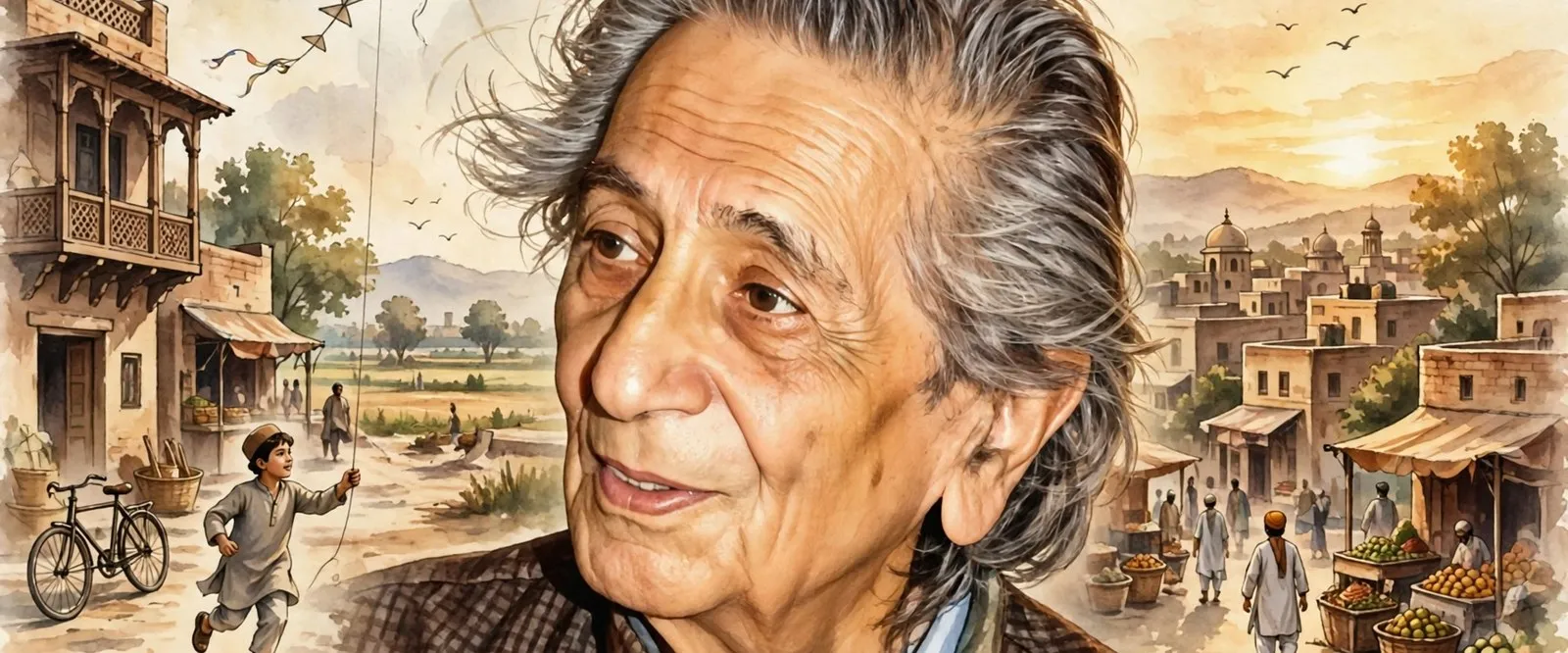
ਝਰੋਖੇ (1967) ਭੀਸ਼ਮ ਸਾਹਨੀ ਦਾ ਪਹਿਲਾ ਨਾਵਲ ਹੈ, ਅਣਵੰਡੇ ਪੰਜਾਬ ਦੇ ਰਾਵਲਪਿੰਡੀ ਵਿੱਚ ਇੱਕ ਮੁੰਡੇ ਦੇ ਬਚਪਨ ਦੀ ਕਹਾਣੀ, ਉਸ ਦੀਆਂ ਪਹਿਲੀਆਂ ਯਾਦਾਂ ਤੋਂ ਲੈ ਕੇ ਜਵਾਨੀ ਤੱਕ ਟੁਕੜਿਆਂ ਵਿੱਚ ਸੁਣਾਈ ਗਈ। ਬਾਲਗ ਕਥਾਵਾਚਕ ਦੀਆਂ ਅੱਖਾਂ ਨਾਲ ਵੇਖੀ ਗਈ, ਇਹ ਉਸ ਦੇ ਪਰਿਵਾਰ ਅਤੇ ਤੁਲਸੀ, ਉਸ ਨੌਕਰ ਦੀ ਕਹਾਣੀ ਹੈ ਜੋ ਲਗਭਗ ਦੂਜਾ ਨਾਇਕ ਬਣ ਜਾਂਦਾ ਹੈ, ਅਤੇ ਅੰਗਰੇਜ਼ੀ ਵਿੱਚ ਇਹ Boyhood ਦੇ ਨਾਂ ਨਾਲ ਮਿਲਦੀ ਹੈ, ਅੰਨਾ ਖੰਨਾ ਦੇ ਪੈਂਗੁਇਨ ਕਲਾਸਿਕਸ ਵਾਲੇ ਅਨੁਵਾਦ ਵਿੱਚ।
Hindi, with an English translation- ਪੰਜਾਬੀ ਨਾਂ
- झरोखे
- ਲੇਖਕ
- ਭੀਸ਼ਮ ਸਾਹਨੀ (1915 ਤੋਂ 2003)
- ਪ੍ਰਕਾਸ਼ਿਤ
- 1967
- ਭਾਸ਼ਾ
- ਹਿੰਦੀ
- ਰੂਪ
- ਨਾਵਲ
- ਸਥਾਨ
- ਅਣਵੰਡੇ ਪੰਜਾਬ ਦਾ ਰਾਵਲਪਿੰਡੀ, ਵੰਡ ਤੋਂ ਪਹਿਲਾਂ
All 8 facts
- ਪਹਿਲਾ ਨਾਵਲ
- ਹਾਂ, ਸਾਹਨੀ ਦਾ ਪਹਿਲਾ ਨਾਵਲ
- ਅੰਗਰੇਜ਼ੀ ਅਨੁਵਾਦ
- Boyhood, ਅੰਨਾ ਖੰਨਾ (ਪੈਂਗੁਇਨ ਕਲਾਸਿਕਸ)
ਪਾਤਰ
About the book
Jharokhe is a Hindi novel by Bhisham Sahni, published in 1967. It was Sahni's first novel, written seven years before Tamas, the Partition novel that made his name. Its title means windows, and the book is built the way its title suggests: not as one continuous story, but as a series of views into a boy's life in Rawalpindi, in undivided Punjab, from his earliest memories to his coming into manhood.
Readers in English know the book as Boyhood, Anna Khanna's translation for Penguin Classics, made in consultation with the author. Sahni was born in Rawalpindi in 1915 and spent his childhood there before going to Lahore for college, so the city in the novel is the city he knew first. The novel is fiction, not autobiography, but it draws on the same streets, the same kind of house and the same world he grew up in.
The book is short, and it asks to be read slowly. Its scenes do not join up into a single plot; they fall like pieces of a kaleidoscope, as one reviewer put it, into patterns the reader traces at leisure. That is the point: a boyhood remembered is not a story with a beginning and an end, but a set of windows opening onto a life.
What happens in Jharokhe?
The narrator is a boy growing up in a prosperous Hindu family in Rawalpindi. We see him through the eyes of his adult self, who watches rather than explains: the adult does not step in to comment on what the boy does or feels, so the childhood arrives without the softening of nostalgia. The family fills the house: a father who spends most of his time in his office at home, a mother, an elder brother and two sisters.
The figure who stays with the reader is Tulsi, the family's servant. He recurs through the fragments almost as a second hero, the narrator's shadow and mirror. Caught between his humble origins and the comfortable household he serves, Tulsi tries to live in both worlds and falls between them, and through him the novel quietly brings class into focus in a house that otherwise seems only warm and busy.
ਕਿਤਾਬ ਬਾਰੇ
ਝਰੋਖੇ ਭੀਸ਼ਮ ਸਾਹਨੀ ਦਾ ਹਿੰਦੀ ਨਾਵਲ ਹੈ, ਜੋ 1967 ਵਿੱਚ ਪ੍ਰਕਾਸ਼ਿਤ ਹੋਇਆ। ਇਹ ਸਾਹਨੀ ਦਾ ਪਹਿਲਾ ਨਾਵਲ ਸੀ, ਜੋ ਤਮਸ ਤੋਂ ਸੱਤ ਸਾਲ ਪਹਿਲਾਂ ਆਇਆ, ਉਸੇ ਤਮਸ ਤੋਂ ਜਿਸ ਨੇ ਉਨ੍ਹਾਂ ਦਾ ਨਾਂ ਬਣਾਇਆ। ਨਾਵਲ ਦਾ ਨਾਂ ਹੀ ਇਸ ਦੀ ਬਣਤਰ ਦੱਸਦਾ ਹੈ: ਇਹ ਇੱਕ ਲਗਾਤਾਰ ਕਹਾਣੀ ਨਹੀਂ, ਸਗੋਂ ਅਣਵੰਡੇ ਪੰਜਾਬ ਦੇ ਰਾਵਲਪਿੰਡੀ ਵਿੱਚ ਇੱਕ ਮੁੰਡੇ ਦੀ ਜ਼ਿੰਦਗੀ ਵੱਲ ਖੁੱਲ੍ਹਦੇ ਝਰੋਖਿਆਂ ਦੀ ਲੜੀ ਹੈ, ਉਸ ਦੀਆਂ ਪਹਿਲੀਆਂ ਯਾਦਾਂ ਤੋਂ ਲੈ ਕੇ ਜਵਾਨੀ ਤੱਕ।
ਅੰਗਰੇਜ਼ੀ ਵਿੱਚ ਇਹ ਕਿਤਾਬ Boyhood ਦੇ ਨਾਂ ਨਾਲ ਮਿਲਦੀ ਹੈ, ਅੰਨਾ ਖੰਨਾ ਦੇ ਅਨੁਵਾਦ ਵਿੱਚ, ਜੋ ਪੈਂਗੁਇਨ ਕਲਾਸਿਕਸ ਵਿੱਚ ਛਪਿਆ ਅਤੇ ਲੇਖਕ ਦੀ ਸਲਾਹ ਨਾਲ ਤਿਆਰ ਹੋਇਆ। ਸਾਹਨੀ ਦਾ ਜਨਮ 1915 ਵਿੱਚ ਰਾਵਲਪਿੰਡੀ ਵਿੱਚ ਹੋਇਆ ਸੀ ਅਤੇ ਉਨ੍ਹਾਂ ਦਾ ਬਚਪਨ ਉੱਥੇ ਹੀ ਬੀਤਿਆ, ਇਸ ਤੋਂ ਪਹਿਲਾਂ ਕਿ ਉਹ ਕਾਲਜ ਲਈ ਲਾਹੌਰ ਗਏ। ਇਸ ਲਈ ਨਾਵਲ ਦਾ ਸ਼ਹਿਰ ਉਹੀ ਸ਼ਹਿਰ ਹੈ ਜਿਸ ਨੂੰ ਉਹ ਸਭ ਤੋਂ ਪਹਿਲਾਂ ਜਾਣਦੇ ਸਨ। ਇਹ ਨਾਵਲ ਗਲਪ ਹੈ, ਸਵੈ-ਜੀਵਨੀ ਨਹੀਂ, ਪਰ ਇਹ ਉਹੀ ਗਲੀਆਂ, ਉਹੋ ਜਿਹਾ ਘਰ ਅਤੇ ਉਹੀ ਸੰਸਾਰ ਲੈਂਦਾ ਹੈ ਜਿਸ ਵਿੱਚ ਉਹ ਵੱਡੇ ਹੋਏ।
ਇਹ ਛੋਟਾ ਨਾਵਲ ਹੈ ਅਤੇ ਇਸ ਨੂੰ ਹੌਲੀ ਪੜ੍ਹਨਾ ਚਾਹੀਦਾ ਹੈ। ਇਸ ਦੇ ਦ੍ਰਿਸ਼ ਇੱਕੋ ਕਹਾਣੀ ਵਿੱਚ ਨਹੀਂ ਜੁੜਦੇ; ਉਹ ਰੰਗ-ਬਿਰੰਗੇ ਟੁਕੜਿਆਂ ਵਾਂਗ ਡਿੱਗਦੇ ਹਨ, ਜਿਨ੍ਹਾਂ ਵਿੱਚੋਂ ਪਾਠਕ ਆਪਣੇ ਹਿਸਾਬ ਨਾਲ ਨਮੂਨੇ ਲੱਭਦਾ ਹੈ। ਇਹੀ ਇਸ ਦੀ ਖ਼ਾਸੀਅਤ ਹੈ: ਯਾਦ ਕੀਤਾ ਹੋਇਆ ਬਚਪਨ ਸ਼ੁਰੂ ਅਤੇ ਅੰਤ ਵਾਲੀ ਕਹਾਣੀ ਨਹੀਂ ਹੁੰਦਾ, ਸਗੋਂ ਜ਼ਿੰਦਗੀ ਵੱਲ ਖੁੱਲ੍ਹਦੇ ਝਰੋਖੇ ਹੁੰਦੇ ਹਨ।
ਝਰੋਖੇ ਵਿੱਚ ਕੀ ਹੁੰਦਾ ਹੈ?
ਨਾਵਲ ਦਾ ਕਥਾਵਾਚਕ ਰਾਵਲਪਿੰਡੀ ਵਿੱਚ ਇੱਕ ਖ਼ੁਸ਼ਹਾਲ ਹਿੰਦੂ ਪਰਿਵਾਰ ਵਿੱਚ ਵੱਡਾ ਹੁੰਦਾ ਮੁੰਡਾ ਹੈ। ਅਸੀਂ ਉਸ ਨੂੰ ਉਸ ਦੇ ਬਾਲਗ ਰੂਪ ਦੀਆਂ ਅੱਖਾਂ ਨਾਲ ਵੇਖਦੇ ਹਾਂ, ਜੋ ਸਿਰਫ਼ ਵੇਖਦਾ ਹੈ, ਸਮਝਾਉਂਦਾ ਨਹੀਂ: ਬਾਲਗ ਕਥਾਵਾਚਕ ਮੁੰਡੇ ਦੇ ਕੰਮਾਂ ਜਾਂ ਭਾਵਨਾਵਾਂ ਉੱਤੇ ਟਿੱਪਣੀ ਕਰਨ ਲਈ ਵਿਚਕਾਰ ਨਹੀਂ ਆਉਂਦਾ, ਇਸ ਲਈ ਬਚਪਨ ਬਿਨਾਂ ਕਿਸੇ ਪੁਰਾਣੀ ਯਾਦ ਦੀ ਮਿੱਠਾਸ ਦੇ ਸਾਹਮਣੇ ਆਉਂਦਾ ਹੈ। ਘਰ ਵਿੱਚ ਪਿਤਾ ਹੈ, ਜੋ ਆਪਣਾ ਜ਼ਿਆਦਾ ਸਮਾਂ ਘਰ ਦੇ ਦਫ਼ਤਰ ਵਿੱਚ ਬਿਤਾਉਂਦਾ ਹੈ, ਮਾਂ ਹੈ, ਵੱਡਾ ਭਰਾ ਹੈ ਅਤੇ ਦੋ ਭੈਣਾਂ ਹਨ।
ਜਿਹੜਾ ਪਾਤਰ ਪਾਠਕ ਦੇ ਨਾਲ ਰਹਿ ਜਾਂਦਾ ਹੈ, ਉਹ ਹੈ ਤੁਲਸੀ, ਪਰਿਵਾਰ ਦਾ ਨੌਕਰ। ਉਹ ਟੁਕੜਿਆਂ ਵਿੱਚ ਵਾਰ-ਵਾਰ ਆਉਂਦਾ ਹੈ, ਲਗਭਗ ਦੂਜੇ ਨਾਇਕ ਵਾਂਗ, ਕਥਾਵਾਚਕ ਦਾ ਪਰਛਾਵਾਂ ਅਤੇ ਸ਼ੀਸ਼ਾ। ਆਪਣੀ ਨਿਮਾਣੀ ਜਾਤ ਅਤੇ ਉਸ ਆਰਾਮਦਾਇਕ ਘਰ ਵਿਚਕਾਰ ਫਸਿਆ ਹੋਇਆ, ਜਿਸ ਦੀ ਉਹ ਸੇਵਾ ਕਰਦਾ ਹੈ, ਤੁਲਸੀ ਦੋਵਾਂ ਸੰਸਾਰਾਂ ਵਿੱਚ ਜਿਉਣ ਦੀ ਕੋਸ਼ਿਸ਼ ਕਰਦਾ ਹੈ ਅਤੇ ਵਿਚਕਾਰ ਡਿੱਗ ਪੈਂਦਾ ਹੈ। ਉਸ ਰਾਹੀਂ ਨਾਵਲ ਚੁੱਪ-ਚਾਪ ਘਰ ਵਿੱਚ ਜਮਾਤ ਦਾ ਸਵਾਲ ਉਠਾਉਂਦਾ ਹੈ, ਜੋ ਵੇਖਣ ਨੂੰ ਸਿਰਫ਼ ਨਿੱਘਾ ਅਤੇ ਰੁੱਝਿਆ ਹੋਇਆ ਲੱਗਦਾ ਹੈ।
The fragments run from the boy's first memories to his young manhood, and the book comes full circle, ending with a scene that repeats the one it began with. The outside world presses in as the years pass: the novel reaches the communal tensions of the 1940s, and one scene readers remember follows a fifteen-year-old boy during a riot, walking beside an old Muslim perfume seller who, not knowing the boy's purpose, promises to see him safely home. It is a measure of the book's honesty that it does not flinch from the cruelty children can carry, or from the kindness that meets it.
Themes: windows onto a boyhood
The first theme is memory itself. Sahni refuses the usual shape of a coming-of-age story, in which a boy grows step by step into a settled adult. His narrator reaches young manhood with no clear vocation and no fixed place in life, unlike his father, who has his office and his routines. The fragments refuse to add up to a single meaning, and that refusal is the book's argument: a life, especially a childhood, does not arrive as a finished story.
The second theme is home. Almost everything in the novel happens inside the family house, yet home is not a safe place in the simple sense. Warmth and harshness live side by side there, and sudden tragedy can enter it, just as the outside world can. Sahni shows children as they are: absorbed in their own world, often unaware of the feelings of others, funny and careless by turns. The tone stays melancholic without becoming bleak, and there is real comedy in it too.
The third theme is class, carried by Tulsi. The servant's wish to rise above his station, and the price he pays for it, gives the novel its sharpest edge. Through him, Sahni shows a household that is kind and unjust at the same time, and a boy learning to see both things at once.
ਲੇਖਕ
Bhisham Sahni (1915 to 2003) was born in Rawalpindi and was the younger brother of the actor Balraj Sahni. Punjabi was his mother tongue, though he wrote in Hindi. He took a master's degree in English literature from Government College, Lahore, joined the Quit India movement in 1942 and spent time in jail, worked with the Indian People's Theatre Association, taught English at Delhi College, and spent seven years in Moscow translating Russian books into Hindi. His full story is in his Kosh entry.
Jharokhe was the first of his seven novels. After it came Kadian (1971), Tamas (1974), Basanti (1979), Mayyadas Ki Madi (1987), Kunto (1993) and Neeloo, Nilima, Nilofar (2000), along with more than a hundred short stories and several plays. Tamas won the Sahitya Akademi Award in 1975, and Sahni received the Padma Bhushan in 1998 and the Sahitya Akademi Fellowship in 2002.
Reception and legacy
Jharokhe has lived a quieter life than Tamas, but it has never gone out of print in the way first novels often do. Anna Khanna's English translation, published by Penguin Classics as Boyhood, brought it to readers who do not read Hindi, and reviewers have praised the way it holds a child's point of view without ever talking down to the child or dressing the past in nostalgia. It is now read alongside Tamas as the other half of Sahni's Punjab: the city before the riot, the home before the border.
For Punjabi readers the book has a particular pull. Rawalpindi, the city of Sahni's childhood, is now in Pakistan, and the novel keeps a record of a Punjab that existed before 1947: its streets, its households, its mixture of communities. Read today, it is both a small, tender book about growing up and a record of a world that Partition took away.
ਟੁਕੜੇ ਮੁੰਡੇ ਦੀਆਂ ਪਹਿਲੀਆਂ ਯਾਦਾਂ ਤੋਂ ਲੈ ਕੇ ਜਵਾਨੀ ਤੱਕ ਜਾਂਦੇ ਹਨ, ਅਤੇ ਕਿਤਾਬ ਉੱਥੇ ਹੀ ਮੁੱਕਦੀ ਹੈ ਜਿੱਥੋਂ ਸ਼ੁਰੂ ਹੋਈ ਸੀ, ਉਸੇ ਦ੍ਰਿਸ਼ ਨੂੰ ਦੁਹਰਾ ਕੇ। ਸਾਲ ਬੀਤਦੇ ਜਾਂਦੇ ਹਨ ਅਤੇ ਬਾਹਰਲਾ ਸੰਸਾਰ ਅੰਦਰ ਆਉਣ ਲੱਗਦਾ ਹੈ: ਨਾਵਲ 1940 ਦੇ ਦਹਾਕੇ ਦੇ ਫ਼ਿਰਕੂ ਤਣਾਅ ਤੱਕ ਪਹੁੰਚਦਾ ਹੈ, ਅਤੇ ਇੱਕ ਦ੍ਰਿਸ਼ ਪਾਠਕਾਂ ਨੂੰ ਯਾਦ ਰਹਿ ਜਾਂਦਾ ਹੈ, ਜਿਸ ਵਿੱਚ ਇੱਕ ਪੰਦਰਾਂ ਸਾਲ ਦਾ ਮੁੰਡਾ ਦੰਗੇ ਦੌਰਾਨ ਇੱਕ ਬਜ਼ੁਰਗ ਮੁਸਲਮਾਨ ਇਤਰ ਵੇਚਣ ਵਾਲੇ ਦੇ ਨਾਲ ਤੁਰਦਾ ਹੈ, ਜੋ ਮੁੰਡੇ ਦਾ ਇਰਾਦਾ ਜਾਣੇ ਬਿਨਾਂ ਉਸ ਨੂੰ ਸੁਰੱਖਿਅਤ ਘਰ ਪਹੁੰਚਾਉਣ ਦਾ ਵਾਅਦਾ ਕਰਦਾ ਹੈ। ਇਹ ਕਿਤਾਬ ਦੀ ਇਮਾਨਦਾਰੀ ਦਾ ਮਾਪ ਹੈ ਕਿ ਇਹ ਬੱਚਿਆਂ ਵਿੱਚਲੀ ਬੇਰਹਿਮੀ ਤੋਂ ਵੀ ਨਹੀਂ ਡਰਦੀ, ਅਤੇ ਉਸ ਮਿਹਰ ਤੋਂ ਵੀ ਨਹੀਂ ਜੋ ਉਸ ਨੂੰ ਮਿਲਦੀ ਹੈ।
ਵਿਸ਼ੇ: ਬਚਪਨ ਵੱਲ ਝਰੋਖੇ
ਪਹਿਲਾ ਵਿਸ਼ਾ ਯਾਦ ਆਪ ਹੈ। ਸਾਹਨੀ ਉਮਰ-ਕਹਾਣੀ ਦੇ ਆਮ ਢਾਂਚੇ ਨੂੰ ਨਹੀਂ ਮੰਨਦੇ, ਜਿਸ ਵਿੱਚ ਮੁੰਡਾ ਕਦਮ-ਦਰ-ਕਦਮ ਵੱਡਾ ਹੋ ਕੇ ਸੁਲਝਿਆ ਹੋਇਆ ਬਾਲਗ ਬਣ ਜਾਂਦਾ ਹੈ। ਉਨ੍ਹਾਂ ਦਾ ਕਥਾਵਾਚਕ ਜਵਾਨੀ ਤੱਕ ਪਹੁੰਚ ਕੇ ਵੀ ਬਿਨਾਂ ਕਿਸੇ ਸਾਫ਼ ਕਿੱਤੇ ਅਤੇ ਬਿਨਾਂ ਕਿਸੇ ਪੱਕੀ ਥਾਂ ਦੇ ਰਹਿੰਦਾ ਹੈ, ਆਪਣੇ ਪਿਤਾ ਤੋਂ ਉਲਟ, ਜਿਸ ਕੋਲ ਆਪਣਾ ਦਫ਼ਤਰ ਅਤੇ ਆਪਣੀਆਂ ਆਦਤਾਂ ਹਨ। ਟੁਕੜੇ ਇੱਕੋ ਅਰਥ ਵਿੱਚ ਨਹੀਂ ਜੁੜਦੇ, ਅਤੇ ਇਹੀ ਨਾਵਲ ਦੀ ਦਲੀਲ ਹੈ: ਜ਼ਿੰਦਗੀ, ਖ਼ਾਸ ਕਰਕੇ ਬਚਪਨ, ਤਿਆਰ-ਬਰ-ਤਿਆਰ ਕਹਾਣੀ ਵਾਂਗ ਨਹੀਂ ਆਉਂਦੀ।
ਦੂਜਾ ਵਿਸ਼ਾ ਘਰ ਹੈ। ਨਾਵਲ ਵਿੱਚ ਲਗਭਗ ਸਭ ਕੁਝ ਪਰਿਵਾਰ ਦੇ ਘਰ ਦੇ ਅੰਦਰ ਹੁੰਦਾ ਹੈ, ਪਰ ਘਰ ਸਾਦੇ ਅਰਥਾਂ ਵਿੱਚ ਸੁਰੱਖਿਅਤ ਥਾਂ ਨਹੀਂ ਹੈ। ਉੱਥੇ ਨਿੱਘ ਅਤੇ ਸਖ਼ਤੀ ਨਾਲ-ਨਾਲ ਰਹਿੰਦੇ ਹਨ, ਅਤੇ ਅਚਾਨਕ ਦੁੱਖ ਵੀ ਅੰਦਰ ਆ ਸਕਦਾ ਹੈ, ਜਿਵੇਂ ਬਾਹਰਲਾ ਸੰਸਾਰ ਆ ਸਕਦਾ ਹੈ। ਸਾਹਨੀ ਬੱਚਿਆਂ ਨੂੰ ਉਸੇ ਤਰ੍ਹਾਂ ਦਿਖਾਉਂਦੇ ਹਨ ਜਿਵੇਂ ਉਹ ਹੁੰਦੇ ਹਨ: ਆਪਣੇ ਹੀ ਸੰਸਾਰ ਵਿੱਚ ਗੁੰਮ, ਦੂਜਿਆਂ ਦੀਆਂ ਭਾਵਨਾਵਾਂ ਤੋਂ ਅਕਸਰ ਬੇਖ਼ਬਰ, ਕਦੇ ਮਜ਼ਾਕੀਆ ਅਤੇ ਕਦੇ ਲਾਪਰਵਾਹ। ਲਹਿਜਾ ਉਦਾਸ ਰਹਿੰਦਾ ਹੈ, ਪਰ ਨਿਰਾਸ਼ਾਜਨਕ ਨਹੀਂ ਹੁੰਦਾ, ਅਤੇ ਇਸ ਵਿੱਚ ਸੱਚਾ ਹਾਸਾ ਵੀ ਹੈ।
ਤੀਜਾ ਵਿਸ਼ਾ ਜਮਾਤ ਹੈ, ਜੋ ਤੁਲਸੀ ਰਾਹੀਂ ਆਉਂਦਾ ਹੈ। ਨੌਕਰ ਦੀ ਆਪਣੀ ਥਾਂ ਤੋਂ ਉੱਪਰ ਉੱਠਣ ਦੀ ਇੱਛਾ, ਅਤੇ ਉਸ ਦੀ ਕੀਮਤ, ਨਾਵਲ ਨੂੰ ਸਭ ਤੋਂ ਤਿੱਖਾ ਕਿਨਾਰਾ ਦਿੰਦੀ ਹੈ। ਉਸ ਰਾਹੀਂ ਸਾਹਨੀ ਦਿਖਾਉਂਦੇ ਹਨ ਕਿ ਘਰ ਇੱਕੋ ਵੇਲੇ ਮਿਹਰਬਾਨ ਅਤੇ ਬੇਇਨਸਾਫ਼ ਹੋ ਸਕਦਾ ਹੈ, ਅਤੇ ਮੁੰਡਾ ਦੋਵੇਂ ਗੱਲਾਂ ਇੱਕੋ ਵੇਲੇ ਵੇਖਣਾ ਸਿੱਖਦਾ ਹੈ।
ਲੇਖਕ
ਭੀਸ਼ਮ ਸਾਹਨੀ (1915 ਤੋਂ 2003) ਦਾ ਜਨਮ ਰਾਵਲਪਿੰਡੀ ਵਿੱਚ ਹੋਇਆ ਸੀ ਅਤੇ ਉਹ ਅਦਾਕਾਰ ਬਲਰਾਜ ਸਾਹਨੀ ਦੇ ਛੋਟੇ ਭਰਾ ਸਨ। ਪੰਜਾਬੀ ਉਨ੍ਹਾਂ ਦੀ ਮਾਂ-ਬੋਲੀ ਸੀ, ਹਾਲਾਂਕਿ ਉਹ ਹਿੰਦੀ ਵਿੱਚ ਲਿਖਦੇ ਸਨ। ਉਨ੍ਹਾਂ ਨੇ ਲਾਹੌਰ ਦੇ ਸਰਕਾਰੀ ਕਾਲਜ ਤੋਂ ਅੰਗਰੇਜ਼ੀ ਸਾਹਿਤ ਵਿੱਚ ਮਾਸਟਰ ਦੀ ਡਿਗਰੀ ਲਈ, 1942 ਦੇ ਭਾਰਤ ਛੱਡੋ ਅੰਦੋਲਨ ਵਿੱਚ ਹਿੱਸਾ ਲਿਆ ਅਤੇ ਜੇਲ੍ਹ ਵਿੱਚ ਸਮਾਂ ਬਿਤਾਇਆ, ਭਾਰਤੀ ਲੋਕ ਨਾਟਕ ਸੰਘ ਨਾਲ ਕੰਮ ਕੀਤਾ, ਦਿੱਲੀ ਕਾਲਜ ਵਿੱਚ ਅੰਗਰੇਜ਼ੀ ਪੜ੍ਹਾਈ ਅਤੇ ਮਾਸਕੋ ਵਿੱਚ ਸੱਤ ਸਾਲ ਰੂਸੀ ਕਿਤਾਬਾਂ ਦਾ ਹਿੰਦੀ ਅਨੁਵਾਦ ਕੀਤਾ। ਉਨ੍ਹਾਂ ਦੀ ਪੂਰੀ ਕਹਾਣੀ ਕੋਸ਼ ਵਿੱਚ ਉਨ੍ਹਾਂ ਦੇ ਆਪਣੇ ਪੰਨੇ ਉੱਤੇ ਹੈ।
ਝਰੋਖੇ ਉਨ੍ਹਾਂ ਦੇ ਸੱਤ ਨਾਵਲਾਂ ਵਿੱਚੋਂ ਪਹਿਲਾ ਸੀ। ਇਸ ਤੋਂ ਬਾਅਦ ਕਾਦੀਆਂ (1971), ਤਮਸ (1974), ਬਸੰਤੀ (1979), ਮਯਾਦਾਸ ਕੀ ਮਾੜੀ (1987), ਕੁੰਤੋ (1993) ਅਤੇ ਨੀਲੂ, ਨੀਲਿਮਾ, ਨੀਲੋਫ਼ਰ (2000) ਆਏ, ਨਾਲ ਹੀ ਸੌ ਤੋਂ ਵੱਧ ਕਹਾਣੀਆਂ ਅਤੇ ਕਈ ਨਾਟਕ। ਤਮਸ ਨੇ 1975 ਵਿੱਚ ਸਾਹਿਤ ਅਕਾਦਮੀ ਪੁਰਸਕਾਰ ਜਿੱਤਿਆ, ਅਤੇ ਸਾਹਨੀ ਨੂੰ 1998 ਵਿੱਚ ਪਦਮ ਭੂਸ਼ਣ ਅਤੇ 2002 ਵਿੱਚ ਸਾਹਿਤ ਅਕਾਦਮੀ ਫੈਲੋਸ਼ਿਪ ਮਿਲੀ।
ਸਵਾਗਤ ਅਤੇ ਵਿਰਸਾ
ਝਰੋਖੇ ਨੇ ਤਮਸ ਵਰਗੀ ਚੁੱਪ-ਚੁਪੀਤੀ ਜ਼ਿੰਦਗੀ ਨਹੀਂ ਜੀਵੀ, ਪਰ ਇਹ ਪਹਿਲੇ ਨਾਵਲਾਂ ਵਾਂਗ ਛਪਾਈ ਤੋਂ ਬਾਹਰ ਵੀ ਨਹੀਂ ਗਿਆ। ਅੰਨਾ ਖੰਨਾ ਦੇ ਅੰਗਰੇਜ਼ੀ ਅਨੁਵਾਦ ਨੇ, ਜੋ ਪੈਂਗੁਇਨ ਕਲਾਸਿਕਸ ਵਿੱਚ Boyhood ਦੇ ਨਾਂ ਨਾਲ ਛਪਿਆ, ਇਸ ਨੂੰ ਉਨ੍ਹਾਂ ਪਾਠਕਾਂ ਤੱਕ ਪਹੁੰਚਾਇਆ ਜੋ ਹਿੰਦੀ ਨਹੀਂ ਪੜ੍ਹਦੇ, ਅਤੇ ਸਮੀਖਿਅਕਾਂ ਨੇ ਇਸ ਦੀ ਸ਼ਲਾਘਾ ਕੀਤੀ ਕਿ ਇਹ ਬੱਚੇ ਦੇ ਨਜ਼ਰੀਏ ਨੂੰ ਫੜੀ ਰੱਖਦਾ ਹੈ, ਬਿਨਾਂ ਬੱਚੇ ਨਾਲ ਛੋਟਾ ਬੋਲੇ ਜਾਂ ਅਤੀਤ ਉੱਤੇ ਪੁਰਾਣੀ ਯਾਦ ਦੀ ਮਿੱਠਾਸ ਚੜ੍ਹਾਏ। ਅੱਜ ਇਹ ਤਮਸ ਦੇ ਨਾਲ ਸਾਹਨੀ ਦੇ ਪੰਜਾਬ ਦਾ ਦੂਜਾ ਅੱਧ ਮੰਨਿਆ ਜਾਂਦਾ ਹੈ: ਦੰਗੇ ਤੋਂ ਪਹਿਲਾਂ ਦਾ ਸ਼ਹਿਰ, ਸਰਹੱਦ ਤੋਂ ਪਹਿਲਾਂ ਦਾ ਘਰ।
ਪੰਜਾਬੀ ਪਾਠਕਾਂ ਲਈ ਇਸ ਕਿਤਾਬ ਦੀ ਖ਼ਾਸ ਖਿੱਚ ਹੈ। ਰਾਵਲਪਿੰਡੀ, ਸਾਹਨੀ ਦੇ ਬਚਪਨ ਦਾ ਸ਼ਹਿਰ, ਅੱਜ ਪਾਕਿਸਤਾਨ ਵਿੱਚ ਹੈ, ਅਤੇ ਇਹ ਨਾਵਲ 1947 ਤੋਂ ਪਹਿਲਾਂ ਦੇ ਪੰਜਾਬ ਦਾ ਰਿਕਾਰਡ ਰੱਖਦਾ ਹੈ: ਉਸ ਦੀਆਂ ਗਲੀਆਂ, ਉਸ ਦੇ ਘਰ, ਉਸ ਦੇ ਭਾਈਚਾਰਿਆਂ ਦਾ ਮਿਸ਼ਰਣ। ਅੱਜ ਪੜ੍ਹਿਆ ਜਾਵੇ ਤਾਂ ਇਹ ਇੱਕੋ ਵੇਲੇ ਵੱਡੇ ਹੋਣ ਬਾਰੇ ਇੱਕ ਛੋਟੀ, ਨਰਮ ਕਿਤਾਬ ਹੈ ਅਤੇ ਉਸ ਸੰਸਾਰ ਦਾ ਰਿਕਾਰਡ ਹੈ ਜਿਸ ਨੂੰ ਵੰਡ ਨੇ ਖੋਹ ਲਿਆ।
ਐਡੀਸ਼ਨ ਅਤੇ ਅਨੁਵਾਦ
- JharokheHindi · original, 1967ਮੂਲ
- BoyhoodEnglish · translation by Anna Khanna, Penguin Classicsਅਨੁਵਾਦ
ਲੇਖਕ
ਜੁੜੇ ਹੋਏ
ਹੋਰ ਪੜ੍ਹੋ
ਸਰੋਤ (4)
ਜੁਗਤੀ ਮੁਫ਼ਤ ਅਤੇ ਸੁਤੰਤਰ ਹੈ। ਪਾਠਕਾਂ ਦਾ ਸਹਿਯੋਗ ਕੋਸ਼ ਨੂੰ ਵਧਾਉਂਦਾ ਹੈ।
ਸਹਿਯੋਗ