
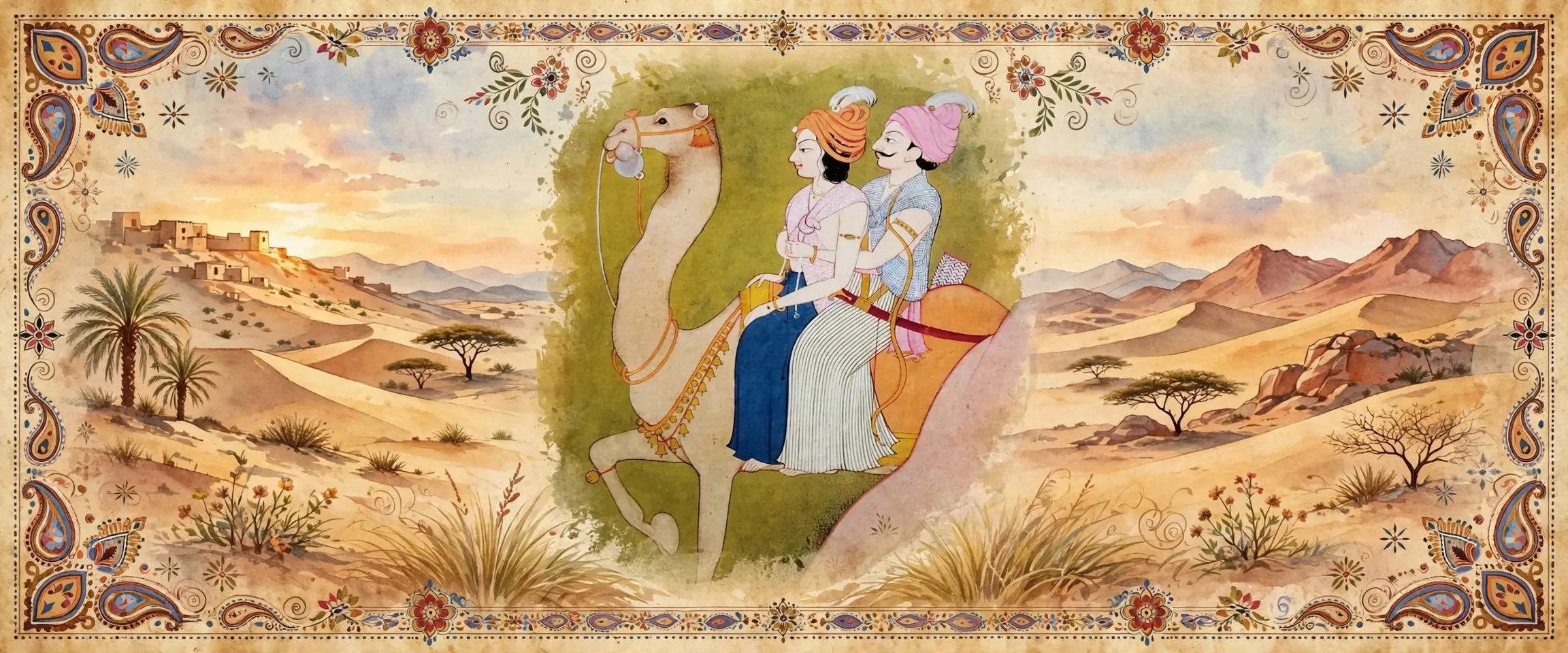
ਸੱਸੀ ਪੁੰਨ੍ਹੂੰ ਹਾਸ਼ਿਮ ਸ਼ਾਹ (1753 ਤੋਂ 1823) ਦਾ ਪੰਜਾਬੀ ਕਿੱਸਾ ਹੈ, ਸੱਸੀ, ਭੰਭੋਰ ਦੇ ਇੱਕ ਧੋਬੀ ਵੱਲੋਂ ਪਾਲੀ ਰਾਜੇ ਦੀ ਧੀ, ਅਤੇ ਪੁੰਨ੍ਹੂੰ, ਕੇਚ ਦੇ ਬਲੋਚ ਸ਼ਹਿਜ਼ਾਦੇ, ਦਾ ਕਾਵਿ ਰੋਮਾਂਸ, ਜਿਸ ਨੂੰ ਉਸ ਦੇ ਭਰਾ ਵਿਆਹ ਵਾਲੀ ਰਾਤ ਹੀ ਚੁੱਕ ਕੇ ਲੈ ਜਾਂਦੇ ਹਨ ਤਾਂ ਕਿ ਸੱਸੀ ਨੰਗੇ ਪੈਰੀਂ ਮਕਰਾਨ ਦੇ ਮਾਰੂਥਲ ਵਿੱਚ ਉਸ ਦੇ ਪਿੱਛੇ ਜਾਵੇ। ਚਾਰ ਮਹਾਨ ਪੰਜਾਬੀ ਰੋਮਾਂਸਾਂ ਅਤੇ ਸਿੰਧ ਦੀਆਂ ਸੱਤ ਰਾਣੀਆਂ ਵਿੱਚ ਗਿਣਿਆ ਜਾਂਦਾ ਇਹ ਕਿੱਸਾ, ਕ੍ਰਿਸਟੋਫ਼ਰ ਸ਼ੈਕਲ ਦੇ ਸ਼ਬਦਾਂ ਵਿੱਚ, ਹਾਸ਼ਿਮ ਦੀ ਸ਼ਾਹਕਾਰ ਰਚਨਾ ਅਤੇ ਪੰਜਾਬੀ ਕਿੱਸਿਆਂ ਵਿੱਚੋਂ ਸਭ ਤੋਂ ਚੰਗਿਆਂ ਵਿੱਚੋਂ ਇੱਕ ਹੈ।
Punjabi, Shahmukhi, with an English translation- ਪੰਜਾਬੀ ਨਾਂ
- ਸੱਸੀ ਪੁੰਨ੍ਹੂੰ
- ਲੇਖਕ
- ਹਾਸ਼ਿਮ ਸ਼ਾਹ (1753 ਤੋਂ 1823)
- ਰਚਨਾ
- 18ਵੀਂ ਸਦੀ, ਪੰਜਾਬ
- ਭਾਸ਼ਾ
- ਪੰਜਾਬੀ (ਸ਼ਾਹਮੁਖੀ ਮੂਲ; ਗੁਰਮੁਖੀ ਐਡੀਸ਼ਨ)
- ਰੂਪ
- ਕਿੱਸਾ (ਕਾਵਿ ਰੋਮਾਂਸ), ਹਰਨਾਮ ਸਿੰਘ ਸ਼ਾਨ ਦੇ ਐਡੀਸ਼ਨ ਵਿੱਚ 124 ਬੰਦ ਅਤੇ 596 ਸਤਰਾਂ
- ਮੰਚ
- ਸਿੰਧ ਵਿੱਚ ਭੰਭੋਰ ਅਤੇ ਮਕਰਾਨ ਵਿੱਚ ਕੇਚ
All 8 facts
- ਥਾਂ
- ਚਾਰ ਮਹਾਨ ਪੰਜਾਬੀ ਰੋਮਾਂਸਾਂ ਵਿੱਚੋਂ ਇੱਕ; ਸਿੰਧ ਦੀਆਂ ਸੱਤ ਰਾਣੀਆਂ ਵਿੱਚੋਂ ਇੱਕ
- ਅੰਗਰੇਜ਼ੀ ਅਨੁਵਾਦ
- ਕ੍ਰਿਸਟੋਫ਼ਰ ਸ਼ੈਕਲ, ਕਾਵਿ ਅਨੁਵਾਦ, ਵੈਨਗਾਰਡ ਬੁਕਸ, ਲਾਹੌਰ, 1985
ਪਾਤਰ
About the book
Sassi Punnun is a Punjabi qissa by Hashim Shah (1753 to 1823), the verse romance of Sassi of Bhambore and Punnun of Kech, and it completes the set of four great Punjabi folk romances, alongside Heer Ranjha, Sohni Mahiwal and Mirza Sahiban. In Sindh, the same story is counted among the Seven Queens, the seven heroines of Shah Abdul Latif Bhittai. Christopher Shackle, who translated Hashim's poem into English verse, calls it undoubtedly his masterwork and one of the finest of the Punjabi qissas, the verse romances that are a most important part of the popular cultural heritage of Punjab.
It is also one of the shortest and simplest of the classic qissas, and that is part of its power. In Professor Harnam Singh Shan's edition, on which the standard translation rests, the poem consists of 124 stanzas of four lines each, 596 lines in all, each stanza unified by a single rhyme running through it. It is written in the common ballad metre known as baint khurd, or davaie, and Hashim places his pen name at the opening of the last line of every stanza, a formal device that draws his audience into the action with him or marks his own reflection on what has just been told.
What is the story of Sassi Punnun?
The story begins before Sassi can speak. She is the daughter of the king of Bhambore in Sindh, cast adrift on the river Indus as a baby after it is foretold that her love will bring disgrace on her family. A washerman of Bhambore finds the child and raises her as his own daughter, and she grows up famed for her beauty. Word of her reaches Punnun, son of the ruler of the Hot tribe of Baloch, whose capital is at Kech in the Makran desert, and he travels to Bhambore to see her. The two fall in love. Her washerman father sets the prince a test of worthiness in the washerman's own trade, which Punnun, who has never washed a cloth in his life, fails, until the gold coins he has hidden in the clothes he returns win the household over and the marriage is agreed.
Punnun's brothers, opposed to a prince marrying a washerman's daughter, come to Bhambore pretending to join the celebrations. They make him drunk, and while he sleeps they carry him away on a camel's back to Kech. Sassi wakes to find him gone, and her suffering from that moment is the heart of the poem: she pursues his tracks barefoot into the burning wastes, crying his name, until the desert takes her. In Hashim's Punjabi retelling, Sassi dies while crossing the desert. The Sindhi telling differs at the end, with both lovers buried in the same mountain valley, where their legendary grave is still shown near Lasbela in Balochistan.
Themes: a love story read as a Sufi path
Like so many of the qissas, Sassi Punnun is a tale of tragically thwarted love, but Punjab and Sindh have never read it as only that. Shah Abdul Latif Bhittai sings the story in his Sufi poetry as an example of eternal love and union with the divine, and Hashim, himself a hakim and a spiritual leader of the Qadiri order, wrote for listeners who heard the same double meaning in it: Sassi's faithfulness, unturned by toil or strain, is the seeker's faithfulness, and the desert she crosses is the world between the lover and the beloved.
Shackle points to the story of the Prophet Joseph, to which Hashim returns again and again, comparing the grief of parents to Jacob's grief for his lost son and recalling Joseph hidden in the well and sold into slavery. These references bind the tightly organised narrative together and lend a perspective of timelessness to the love of Sassi and Punnun. Around them, Hashim keeps the classical clarity he is praised for: his effects are romantic, but his form is economical, quite different from the exuberant prolixity of Waris Shah, the master of the generation before him.
ਲੇਖਕ
Hashim Shah (1753 to 1823, with other dates also reported) was a Sufi poet of Jagdev Kalan in Amritsar district: a hakim practising traditional medicine, a spiritual guide, a carpenter by trade, and, by popular tradition, a poet patronised at the court of Maharaja Ranjit Singh. He wrote three complete qissas. His Shirin Farhad is said to be the first Punjabi telling of that Persian story, and his Sohni Mahiwal is a fine poem that was later overtaken in popularity by Fazal Shah's telling, the version in this Kosh. His full story is in his Kosh entry, and Sassi Punnun stands as the work on which his fame chiefly rests.
Reception and legacy
The tale itself is older than any one poet: its earliest mention is in the texts of Qazi Qadan, and it appears in the Risalo of Shah Abdul Karim of Bulri and in Shah Jo Risalo, before Hashim retold it in Punjabi. English readers first met Hashim's poem in the third volume of R. C. Temple's The Legends of the Punjab (1886), in a short and mangled version taken from a bard in Hoshiarpur district that, as Shackle says, gives no idea of the poem's literary quality. Shackle's full verse translation, published by Vanguard Books, Lahore, in 1985 and based on Shan's vetted edition, is the version through which the wider world now reads it.
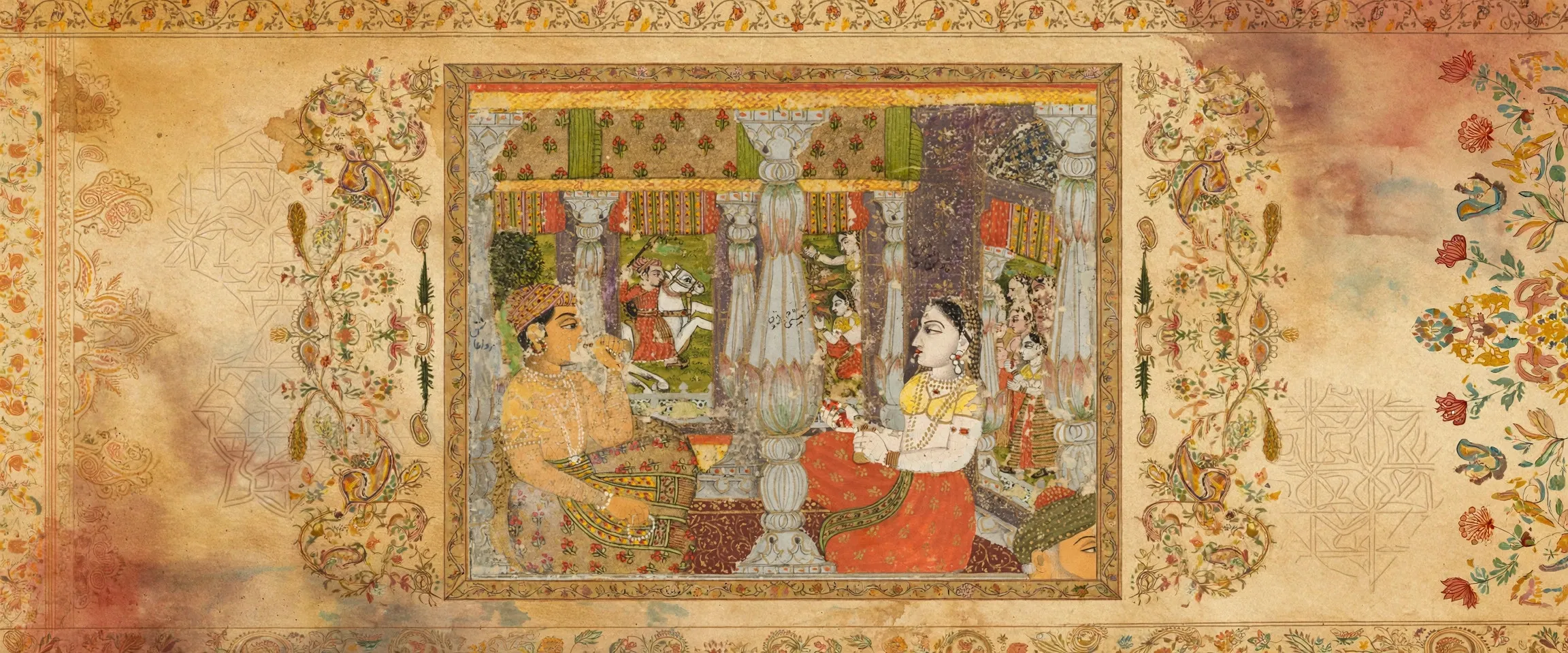
The lovers have never left Punjabi and Sindhi culture. Painters took them up early: the cover of this page is built around a Punjab Hills painting of Sassi and Punnu on a camel by Prabhu, from about 1780, and a still earlier composite painting by Chitarman II, from about 1735, shows the two in conversation. The story has been filmed many times, including Punjabi films in 1965 and 1983, and it lives in song, from a verse of Nusrat Fateh Ali Khan to Panjabi MC's Jogi (2003). With this entry, the Kosh holds all four of Punjab's great romances together for the first time.
ਕਿਤਾਬ ਬਾਰੇ
ਸੱਸੀ ਪੁੰਨ੍ਹੂੰ ਹਾਸ਼ਿਮ ਸ਼ਾਹ (1753 ਤੋਂ 1823) ਦਾ ਪੰਜਾਬੀ ਕਿੱਸਾ ਹੈ, ਭੰਭੋਰ ਦੀ ਸੱਸੀ ਅਤੇ ਕੇਚ ਦੇ ਪੁੰਨ੍ਹੂੰ ਦਾ ਕਾਵਿ ਰੋਮਾਂਸ, ਅਤੇ ਇਹ ਚਾਰ ਮਹਾਨ ਪੰਜਾਬੀ ਲੋਕ ਰੋਮਾਂਸਾਂ ਦੀ ਲੜੀ ਪੂਰੀ ਕਰਦਾ ਹੈ, ਹੀਰ ਰਾਂਝਾ, ਸੋਹਣੀ ਮਹੀਂਵਾਲ ਅਤੇ ਮਿਰਜ਼ਾ ਸਾਹਿਬਾਂ ਦੇ ਨਾਲ। ਸਿੰਧ ਵਿੱਚ ਉਹੀ ਕਹਾਣੀ ਸੱਤ ਰਾਣੀਆਂ ਵਿੱਚ ਗਿਣੀ ਜਾਂਦੀ ਹੈ, ਸ਼ਾਹ ਅਬਦੁਲ ਲਤੀਫ਼ ਭਿੱਟਾਈ ਦੀਆਂ ਸੱਤ ਨਾਇਕਾਵਾਂ ਵਿੱਚ। ਕ੍ਰਿਸਟੋਫ਼ਰ ਸ਼ੈਕਲ, ਜਿਨ੍ਹਾਂ ਨੇ ਹਾਸ਼ਿਮ ਦੀ ਕਵਿਤਾ ਦਾ ਅੰਗਰੇਜ਼ੀ ਕਾਵਿ ਵਿੱਚ ਅਨੁਵਾਦ ਕੀਤਾ, ਇਸ ਨੂੰ ਬਿਨਾਂ ਸ਼ੱਕ ਉਨ੍ਹਾਂ ਦੀ ਸ਼ਾਹਕਾਰ ਰਚਨਾ ਅਤੇ ਪੰਜਾਬੀ ਕਿੱਸਿਆਂ ਵਿੱਚੋਂ ਸਭ ਤੋਂ ਚੰਗਿਆਂ ਵਿੱਚੋਂ ਇੱਕ ਕਹਿੰਦੇ ਹਨ, ਉਹ ਕਾਵਿ ਰੋਮਾਂਸ ਜੋ ਪੰਜਾਬ ਦੀ ਲੋਕ ਸੱਭਿਆਚਾਰਕ ਵਿਰਾਸਤ ਦਾ ਬਹੁਤ ਅਹਿਮ ਹਿੱਸਾ ਹਨ।
ਇਹ ਮਹਾਨ ਕਿੱਸਿਆਂ ਵਿੱਚੋਂ ਸਭ ਤੋਂ ਛੋਟਿਆਂ ਅਤੇ ਸਾਦਿਆਂ ਵਿੱਚੋਂ ਇੱਕ ਵੀ ਹੈ, ਅਤੇ ਇਹੀ ਇਸ ਦੀ ਤਾਕਤ ਦਾ ਹਿੱਸਾ ਹੈ। ਪ੍ਰੋਫ਼ੈਸਰ ਹਰਨਾਮ ਸਿੰਘ ਸ਼ਾਨ ਦੇ ਐਡੀਸ਼ਨ ਵਿੱਚ, ਜਿਸ ਉੱਤੇ ਮਿਆਰੀ ਅਨੁਵਾਦ ਟਿਕਿਆ ਹੈ, ਇਹ ਕਵਿਤਾ ਚਾਰ ਸਤਰਾਂ ਵਾਲੇ 124 ਬੰਦਾਂ, ਕੁੱਲ 596 ਸਤਰਾਂ ਦੀ ਹੈ, ਹਰ ਬੰਦ ਇੱਕੋ ਕਾਫ਼ੀਏ ਨਾਲ ਬੱਝਾ ਹੋਇਆ। ਇਹ ਬੈਂਤ ਖੁਰਦ, ਜਾਂ ਦਵੱਈਆ, ਨਾਂ ਦੇ ਆਮ ਗਾਥਾ ਛੰਦ ਵਿੱਚ ਲਿਖੀ ਗਈ ਹੈ, ਅਤੇ ਹਾਸ਼ਿਮ ਹਰ ਬੰਦ ਦੀ ਆਖ਼ਰੀ ਸਤਰ ਦੇ ਸ਼ੁਰੂ ਵਿੱਚ ਆਪਣਾ ਤਖ਼ੱਲੁਸ ਰੱਖਦੇ ਹਨ, ਇੱਕ ਰਸਮੀ ਜੁਗਤ ਜੋ ਉਨ੍ਹਾਂ ਦੇ ਸਰੋਤਿਆਂ ਨੂੰ ਆਪਣੇ ਨਾਲ ਕਹਾਣੀ ਵਿੱਚ ਖਿੱਚਦੀ ਹੈ ਜਾਂ ਜੋ ਕੁਝ ਹੁਣੇ ਦੱਸਿਆ ਗਿਆ ਹੈ ਉਸ ਉੱਤੇ ਉਨ੍ਹਾਂ ਦਾ ਆਪਣਾ ਵਿਚਾਰ ਦਰਸਾਉਂਦੀ ਹੈ।
ਸੱਸੀ ਪੁੰਨ੍ਹੂੰ ਦੀ ਕਹਾਣੀ ਕੀ ਹੈ?
ਕਹਾਣੀ ਸੱਸੀ ਦੇ ਬੋਲਣ ਤੋਂ ਵੀ ਪਹਿਲਾਂ ਸ਼ੁਰੂ ਹੁੰਦੀ ਹੈ। ਉਹ ਸਿੰਧ ਦੇ ਭੰਭੋਰ ਦੇ ਰਾਜੇ ਦੀ ਧੀ ਹੈ, ਬਚਪਨ ਵਿੱਚ ਹੀ ਦਰਿਆ ਸਿੰਧ ਵਿੱਚ ਵਹਾ ਦਿੱਤੀ ਗਈ, ਇਹ ਭਵਿੱਖਬਾਣੀ ਹੋਣ ਤੋਂ ਬਾਅਦ ਕਿ ਉਸ ਦਾ ਪਿਆਰ ਉਸ ਦੇ ਪਰਿਵਾਰ ਲਈ ਬਦਨਾਮੀ ਲਿਆਵੇਗਾ। ਭੰਭੋਰ ਦਾ ਇੱਕ ਧੋਬੀ ਬੱਚੀ ਨੂੰ ਲੱਭ ਕੇ ਆਪਣੀ ਧੀ ਵਾਂਗ ਪਾਲਦਾ ਹੈ, ਅਤੇ ਉਹ ਆਪਣੀ ਸੁੰਦਰਤਾ ਲਈ ਮਸ਼ਹੂਰ ਹੋ ਕੇ ਵੱਡੀ ਹੁੰਦੀ ਹੈ। ਉਸ ਦੀ ਗੱਲ ਪੁੰਨ੍ਹੂੰ ਤੱਕ ਪਹੁੰਚਦੀ ਹੈ, ਹੋਟ ਬਲੋਚ ਕਬੀਲੇ ਦੇ ਸਰਦਾਰ ਦਾ ਪੁੱਤਰ, ਜਿਸ ਦੀ ਰਾਜਧਾਨੀ ਮਕਰਾਨ ਦੇ ਮਾਰੂਥਲ ਵਿੱਚ ਕੇਚ ਹੈ, ਅਤੇ ਉਹ ਉਸ ਨੂੰ ਵੇਖਣ ਲਈ ਭੰਭੋਰ ਜਾਂਦਾ ਹੈ। ਦੋਵਾਂ ਨੂੰ ਪਿਆਰ ਹੋ ਜਾਂਦਾ ਹੈ। ਉਸ ਦਾ ਧੋਬੀ ਪਿਤਾ ਸ਼ਹਿਜ਼ਾਦੇ ਨੂੰ ਧੋਬੀ ਦੇ ਆਪਣੇ ਹੀ ਕੰਮ ਵਿੱਚ ਪਰਖਦਾ ਹੈ, ਜਿਸ ਵਿੱਚ ਪੁੰਨ੍ਹੂੰ, ਜਿਸ ਨੇ ਜੀਵਨ ਵਿੱਚ ਕਦੇ ਕੱਪੜਾ ਨਹੀਂ ਧੋਤਾ, ਫੇਲ੍ਹ ਹੋ ਜਾਂਦਾ ਹੈ, ਜਦੋਂ ਤੱਕ ਵਾਪਸ ਕੀਤੇ ਕੱਪੜਿਆਂ ਵਿੱਚ ਲੁਕਾਏ ਸੋਨੇ ਦੇ ਸਿੱਕੇ ਘਰ ਵਾਲਿਆਂ ਨੂੰ ਨਹੀਂ ਮਨਾ ਲੈਂਦੇ ਅਤੇ ਵਿਆਹ ਤੈਅ ਨਹੀਂ ਹੋ ਜਾਂਦਾ।
ਪੁੰਨ੍ਹੂੰ ਦੇ ਭਰਾ, ਸ਼ਹਿਜ਼ਾਦੇ ਦੇ ਧੋਬੀ ਦੀ ਧੀ ਨਾਲ ਵਿਆਹ ਦੇ ਖ਼ਿਲਾਫ਼, ਭੰਭੋਰ ਆਉਂਦੇ ਹਨ ਖ਼ੁਸ਼ੀਆਂ ਵਿੱਚ ਸ਼ਾਮਲ ਹੋਣ ਦਾ ਵਿਖਾਵਾ ਕਰਦੇ ਹੋਏ। ਉਹ ਉਸ ਨੂੰ ਸ਼ਰਾਬ ਪਿਲਾ ਕੇ ਸੁਲਾ ਦਿੰਦੇ ਹਨ, ਅਤੇ ਸੌਂਦੇ ਹੋਏ ਉਸ ਨੂੰ ਊਠ ਦੀ ਪਿੱਠ ਉੱਤੇ ਚੁੱਕ ਕੇ ਕੇਚ ਲੈ ਜਾਂਦੇ ਹਨ। ਸੱਸੀ ਜਾਗ ਕੇ ਉਸ ਨੂੰ ਗਾਇਬ ਪਾਉਂਦੀ ਹੈ, ਅਤੇ ਉਸ ਪਲ ਤੋਂ ਉਸ ਦੀ ਤਕਲੀਫ਼ ਕਵਿਤਾ ਦਾ ਦਿਲ ਹੈ: ਉਹ ਨੰਗੇ ਪੈਰੀਂ ਬਲਦੇ ਮਾਰੂਥਲ ਵਿੱਚ ਉਸ ਦੇ ਨਿਸ਼ਾਨਾਂ ਦੇ ਪਿੱਛੇ ਜਾਂਦੀ ਹੈ, ਉਸ ਦਾ ਨਾਂ ਪੁਕਾਰਦੀ ਹੋਈ, ਜਦੋਂ ਤੱਕ ਮਾਰੂਥਲ ਉਸ ਨੂੰ ਨਹੀਂ ਲੈ ਲੈਂਦਾ। ਹਾਸ਼ਿਮ ਦੀ ਪੰਜਾਬੀ ਪੇਸ਼ਕਾਰੀ ਵਿੱਚ, ਸੱਸੀ ਮਾਰੂਥਲ ਪਾਰ ਕਰਦੇ ਹੋਏ ਮਰ ਜਾਂਦੀ ਹੈ। ਸਿੰਧੀ ਪੇਸ਼ਕਾਰੀ ਦਾ ਅੰਤ ਵੱਖਰਾ ਹੈ, ਦੋਵੇਂ ਪ੍ਰੇਮੀ ਇੱਕੋ ਪਹਾੜੀ ਵਾਦੀ ਵਿੱਚ ਦਫ਼ਨ ਹੁੰਦੇ ਹਨ, ਜਿੱਥੇ ਉਨ੍ਹਾਂ ਦੀ ਕਥਿਤ ਕਬਰ ਅੱਜ ਵੀ ਬਲੋਚਿਸਤਾਨ ਦੇ ਲਸਬੇਲਾ ਨੇੜੇ ਵਿਖਾਈ ਜਾਂਦੀ ਹੈ।
ਵਿਸ਼ੇ: ਇੱਕ ਪਿਆਰ ਕਹਾਣੀ ਜੋ ਸੂਫ਼ੀ ਰਾਹ ਵਜੋਂ ਪੜ੍ਹੀ ਜਾਂਦੀ ਹੈ
ਬਹੁਤੇ ਕਿੱਸਿਆਂ ਵਾਂਗ, ਸੱਸੀ ਪੁੰਨ੍ਹੂੰ ਦੁਖਾਂਤਕ ਤੌਰ ਉੱਤੇ ਰੁਕੇ ਪਿਆਰ ਦੀ ਕਹਾਣੀ ਹੈ, ਪਰ ਪੰਜਾਬ ਅਤੇ ਸਿੰਧ ਨੇ ਇਸ ਨੂੰ ਕਦੇ ਸਿਰਫ਼ ਇੰਨਾ ਹੀ ਨਹੀਂ ਪੜ੍ਹਿਆ। ਸ਼ਾਹ ਅਬਦੁਲ ਲਤੀਫ਼ ਭਿੱਟਾਈ ਇਸ ਕਹਾਣੀ ਨੂੰ ਆਪਣੀ ਸੂਫ਼ੀ ਕਵਿਤਾ ਵਿੱਚ ਸਦੀਵੀ ਪਿਆਰ ਅਤੇ ਪ੍ਰਮਾਤਮਾ ਨਾਲ ਮਿਲਾਪ ਦੀ ਮਿਸਾਲ ਵਜੋਂ ਗਾਉਂਦੇ ਹਨ, ਅਤੇ ਹਾਸ਼ਿਮ, ਖ਼ੁਦ ਇੱਕ ਹਕੀਮ ਅਤੇ ਕਾਦਰੀ ਸਿਲਸਿਲੇ ਦੇ ਰੂਹਾਨੀ ਆਗੂ, ਉਨ੍ਹਾਂ ਸਰੋਤਿਆਂ ਲਈ ਲਿਖਦੇ ਸਨ ਜੋ ਇਸ ਵਿੱਚ ਉਹੀ ਦੋਹਰਾ ਅਰਥ ਸੁਣਦੇ ਸਨ: ਸੱਸੀ ਦੀ ਵਫ਼ਾਦਾਰੀ, ਜੋ ਮਿਹਨਤ ਅਤੇ ਥਕਾਵਟ ਨਾਲ ਨਹੀਂ ਮੁੜਦੀ, ਭਾਲ ਕਰਨ ਵਾਲੇ ਦੀ ਵਫ਼ਾਦਾਰੀ ਹੈ, ਅਤੇ ਜਿਸ ਮਾਰੂਥਲ ਨੂੰ ਉਹ ਪਾਰ ਕਰਦੀ ਹੈ ਉਹ ਪ੍ਰੇਮੀ ਅਤੇ ਪ੍ਰੀਤਮ ਵਿਚਕਾਰਲੀ ਦੁਨੀਆ ਹੈ।
ਸ਼ੈਕਲ ਪੈਗ਼ੰਬਰ ਯੂਸੁਫ਼ ਦੀ ਕਹਾਣੀ ਵੱਲ ਇਸ਼ਾਰਾ ਕਰਦੇ ਹਨ, ਜਿਸ ਵੱਲ ਹਾਸ਼ਿਮ ਵਾਰ ਵਾਰ ਮੁੜਦੇ ਹਨ, ਮਾਪਿਆਂ ਦੇ ਦੁੱਖ ਦੀ ਤੁਲਨਾ ਯਾਕੂਬ ਦੇ ਆਪਣੇ ਗੁਆਚੇ ਪੁੱਤਰ ਲਈ ਦੁੱਖ ਨਾਲ ਕਰਦੇ ਹੋਏ ਅਤੇ ਯੂਸੁਫ਼ ਦੇ ਖੂਹ ਵਿੱਚ ਲੁਕਣ ਅਤੇ ਗੁਲਾਮੀ ਵਿੱਚ ਵਿਕਣ ਨੂੰ ਯਾਦ ਕਰਦੇ ਹੋਏ। ਇਹ ਹਵਾਲੇ ਸਖ਼ਤੀ ਨਾਲ ਗੁੰਦੇ ਬਿਰਤਾਂਤ ਨੂੰ ਇਕੱਠਾ ਬੰਨ੍ਹਦੇ ਹਨ ਅਤੇ ਸੱਸੀ ਅਤੇ ਪੁੰਨ੍ਹੂੰ ਦੇ ਪਿਆਰ ਨੂੰ ਸਮੇਂ ਤੋਂ ਪਾਰ ਦਾ ਨਜ਼ਰੀਆ ਦਿੰਦੇ ਹਨ। ਇਨ੍ਹਾਂ ਦੇ ਆਲੇ ਦੁਆਲੇ, ਹਾਸ਼ਿਮ ਉਹ ਮਿਆਰੀ ਸਾਫ਼ਗੋਈ ਕਾਇਮ ਰੱਖਦੇ ਹਨ ਜਿਸ ਲਈ ਉਨ੍ਹਾਂ ਦੀ ਤਾਰੀਫ਼ ਹੁੰਦੀ ਹੈ: ਉਨ੍ਹਾਂ ਦੇ ਪ੍ਰਭਾਵ ਰੋਮਾਂਟਿਕ ਹਨ, ਪਰ ਉਨ੍ਹਾਂ ਦਾ ਰੂਪ ਕਿਫ਼ਾਇਤੀ ਹੈ, ਉਨ੍ਹਾਂ ਤੋਂ ਪਹਿਲੀ ਪੀੜ੍ਹੀ ਦੇ ਉਸਤਾਦ ਵਾਰਿਸ ਸ਼ਾਹ ਦੀ ਭਰਪੂਰ ਵਿਸਤਾਰ ਵਾਲੀ ਸ਼ੈਲੀ ਤੋਂ ਬਿਲਕੁਲ ਵੱਖਰਾ।
ਲੇਖਕ
ਹਾਸ਼ਿਮ ਸ਼ਾਹ (1753 ਤੋਂ 1823, ਹੋਰ ਤਾਰੀਖਾਂ ਵੀ ਦਿੱਤੀਆਂ ਜਾਂਦੀਆਂ ਹਨ) ਅੰਮ੍ਰਿਤਸਰ ਜ਼ਿਲ੍ਹੇ ਦੇ ਜਗਦੇਵ ਕਲਾਂ ਦੇ ਸੂਫ਼ੀ ਕਵੀ ਸਨ: ਰਵਾਇਤੀ ਦਵਾਈ ਦੇ ਹਕੀਮ, ਰੂਹਾਨੀ ਅਗਵਾਈ ਕਰਨ ਵਾਲੇ, ਪੇਸ਼ੇ ਵਜੋਂ ਤਰਖਾਣ, ਅਤੇ, ਲੋਕ ਪਰੰਪਰਾ ਅਨੁਸਾਰ, ਮਹਾਰਾਜਾ ਰਣਜੀਤ ਸਿੰਘ ਦੇ ਦਰਬਾਰ ਵਿੱਚ ਸਰਪ੍ਰਸਤੀ ਪਾਉਣ ਵਾਲੇ ਕਵੀ। ਉਨ੍ਹਾਂ ਨੇ ਤਿੰਨ ਪੂਰੇ ਕਿੱਸੇ ਲਿਖੇ। ਉਨ੍ਹਾਂ ਦੀ ਸ਼ੀਰੀਂ ਫ਼ਰਹਾਦ ਉਸ ਫ਼ਾਰਸੀ ਕਹਾਣੀ ਦੀ ਪਹਿਲੀ ਪੰਜਾਬੀ ਪੇਸ਼ਕਾਰੀ ਕਹੀ ਜਾਂਦੀ ਹੈ, ਅਤੇ ਉਨ੍ਹਾਂ ਦੀ ਸੋਹਣੀ ਮਹੀਂਵਾਲ ਇੱਕ ਵਧੀਆ ਕਵਿਤਾ ਹੈ ਜਿਸ ਨੂੰ ਬਾਅਦ ਵਿੱਚ ਫ਼ਜ਼ਲ ਸ਼ਾਹ ਦੀ ਪੇਸ਼ਕਾਰੀ ਨੇ ਲੋਕਪ੍ਰਿਅਤਾ ਵਿੱਚ ਪਿੱਛੇ ਛੱਡ ਦਿੱਤਾ, ਉਹੀ ਰੂਪ ਜੋ ਇਸ ਕੋਸ਼ ਵਿੱਚ ਹੈ। ਉਨ੍ਹਾਂ ਦੀ ਪੂਰੀ ਕਹਾਣੀ ਉਨ੍ਹਾਂ ਦੀ ਕੋਸ਼ ਐਂਟਰੀ ਵਿੱਚ ਹੈ, ਅਤੇ ਸੱਸੀ ਪੁੰਨ੍ਹੂੰ ਉਹ ਰਚਨਾ ਹੈ ਜਿਸ ਉੱਤੇ ਉਨ੍ਹਾਂ ਦਾ ਨਾਂ ਮੁੱਖ ਤੌਰ ਉੱਤੇ ਟਿਕਿਆ ਹੈ।
ਹੁੰਗਾਰਾ ਅਤੇ ਵਿਰਸਾ
ਇਹ ਕਹਾਣੀ ਖ਼ੁਦ ਕਿਸੇ ਇੱਕ ਕਵੀ ਤੋਂ ਪੁਰਾਣੀ ਹੈ: ਇਸ ਦਾ ਸਭ ਤੋਂ ਪਹਿਲਾ ਜ਼ਿਕਰ ਕਾਜ਼ੀ ਕਦਨ ਦੀਆਂ ਲਿਖਤਾਂ ਵਿੱਚ ਹੈ, ਅਤੇ ਇਹ ਸ਼ਾਹ ਅਬਦੁਲ ਕਰੀਮ ਬੁਲੜੀ ਵਾਲੇ ਦੇ ਰਿਸਾਲੇ ਅਤੇ ਸ਼ਾਹ ਜੋ ਰਿਸਾਲੋ ਵਿੱਚ ਆਉਂਦੀ ਹੈ, ਹਾਸ਼ਿਮ ਨੇ ਇਸ ਨੂੰ ਪੰਜਾਬੀ ਵਿੱਚ ਦੱਸਣ ਤੋਂ ਪਹਿਲਾਂ। ਅੰਗਰੇਜ਼ੀ ਪਾਠਕਾਂ ਨੂੰ ਹਾਸ਼ਿਮ ਦੀ ਕਵਿਤਾ ਪਹਿਲਾਂ ਆਰ. ਸੀ. ਟੈਂਪਲ ਦੀ ਦਾ ਲੈਜੰਡਜ਼ ਆਫ਼ ਦਾ ਪੰਜਾਬ (1886) ਦੀ ਤੀਜੀ ਜਿਲਦ ਵਿੱਚ ਮਿਲੀ, ਹੁਸ਼ਿਆਰਪੁਰ ਜ਼ਿਲ੍ਹੇ ਦੇ ਇੱਕ ਗਾਉਣ ਵਾਲੇ ਤੋਂ ਲਏ ਛੋਟੇ ਅਤੇ ਬਿਗੜੇ ਰੂਪ ਵਿੱਚ ਜੋ, ਜਿਵੇਂ ਸ਼ੈਕਲ ਕਹਿੰਦੇ ਹਨ, ਕਵਿਤਾ ਦੀ ਸਾਹਿਤਕ ਖ਼ੂਬੀ ਦਾ ਕੋਈ ਅੰਦਾਜ਼ਾ ਨਹੀਂ ਦਿੰਦਾ। ਸ਼ੈਕਲ ਦਾ ਪੂਰਾ ਕਾਵਿ ਅਨੁਵਾਦ, ਜੋ ਵੈਨਗਾਰਡ ਬੁਕਸ, ਲਾਹੌਰ ਵੱਲੋਂ 1985 ਵਿੱਚ ਛਪਿਆ ਅਤੇ ਸ਼ਾਨ ਦੇ ਪਰਖੇ ਐਡੀਸ਼ਨ ਉੱਤੇ ਅਧਾਰਿਤ ਹੈ, ਉਹ ਰੂਪ ਹੈ ਜਿਸ ਰਾਹੀਂ ਵੱਡੀ ਦੁਨੀਆ ਹੁਣ ਇਸ ਨੂੰ ਪੜ੍ਹਦੀ ਹੈ।
ਇਹ ਪ੍ਰੇਮੀ ਪੰਜਾਬੀ ਅਤੇ ਸਿੰਧੀ ਸੱਭਿਆਚਾਰ ਨੂੰ ਕਦੇ ਨਹੀਂ ਛੱਡੇ। ਚਿੱਤਰਕਾਰਾਂ ਨੇ ਉਨ੍ਹਾਂ ਨੂੰ ਛੇਤੀ ਹੀ ਅਪਣਾ ਲਿਆ: ਇਸ ਪੰਨੇ ਦਾ ਕਵਰ ਲਗਭਗ 1780 ਦੀ ਪ੍ਰਭੂ ਦੀ ਪੰਜਾਬ ਹਿਲਜ਼ ਪੇਂਟਿੰਗ ਦੇ ਆਲੇ ਦੁਆਲੇ ਬਣਿਆ ਹੈ ਜਿਸ ਵਿੱਚ ਸੱਸੀ ਅਤੇ ਪੁੰਨ੍ਹੂੰ ਊਠ ਉੱਤੇ ਹਨ, ਅਤੇ ਚਿਤਰਮਨ ਦੂਜੇ ਦੀ ਹੋਰ ਪਹਿਲੀ, ਲਗਭਗ 1735 ਦੀ, ਸੰਯੁਕਤ ਪੇਂਟਿੰਗ ਦੋਵਾਂ ਨੂੰ ਗੱਲਬਾਤ ਕਰਦੇ ਵਿਖਾਉਂਦੀ ਹੈ। ਇਸ ਕਹਾਣੀ ਉੱਤੇ ਕਈ ਵਾਰ ਫ਼ਿਲਮਾਂ ਬਣੀਆਂ ਹਨ, 1965 ਅਤੇ 1983 ਦੀਆਂ ਪੰਜਾਬੀ ਫ਼ਿਲਮਾਂ ਸਮੇਤ, ਅਤੇ ਇਹ ਗੀਤਾਂ ਵਿੱਚ ਜਿਉਂਦੀ ਹੈ, ਨੁਸਰਤ ਫ਼ਤਹਿ ਅਲੀ ਖ਼ਾਨ ਦੀ ਇੱਕ ਸਤਰ ਤੋਂ ਲੈ ਕੇ ਪੰਜਾਬੀ ਐਮ. ਸੀ. ਦੇ ਜੋਗੀ (2003) ਤੱਕ। ਇਸ ਐਂਟਰੀ ਨਾਲ, ਕੋਸ਼ ਵਿੱਚ ਪਹਿਲੀ ਵਾਰ ਪੰਜਾਬ ਦੇ ਚਾਰੇ ਮਹਾਨ ਰੋਮਾਂਸ ਇਕੱਠੇ ਹਨ।
ਐਡੀਸ਼ਨ ਅਤੇ ਅਨੁਵਾਦ
- ਸੱਸੀ ਪੁੰਨ੍ਹੂੰPunjabi · Shahmukhi · original qissa, 18th century · Gurmukhi title: ਸੱਸੀ ਪੁੰਨ੍ਹੂੰਮੂਲ
- ਸੱਸੀ ਪੁੰਨ੍ਹੂੰPunjabi · Gurmukhi · transliterated editions of Hashim Shah's qissaEdition
- ਸੱਸੀ ਪੁੰਨ੍ਹੂੰEnglish · verse translation by Christopher Shackle, Vanguard Books, Lahore, 1985ਅਨੁਵਾਦ
ਲੇਖਕ
ਜੁੜੇ ਹੋਏ
ਹੋਰ ਪੜ੍ਹੋ
ਸਰੋਤ (3)
ਜੁਗਤੀ ਮੁਫ਼ਤ ਅਤੇ ਸੁਤੰਤਰ ਹੈ। ਪਾਠਕਾਂ ਦਾ ਸਹਿਯੋਗ ਕੋਸ਼ ਨੂੰ ਵਧਾਉਂਦਾ ਹੈ।
ਸਹਿਯੋਗ