
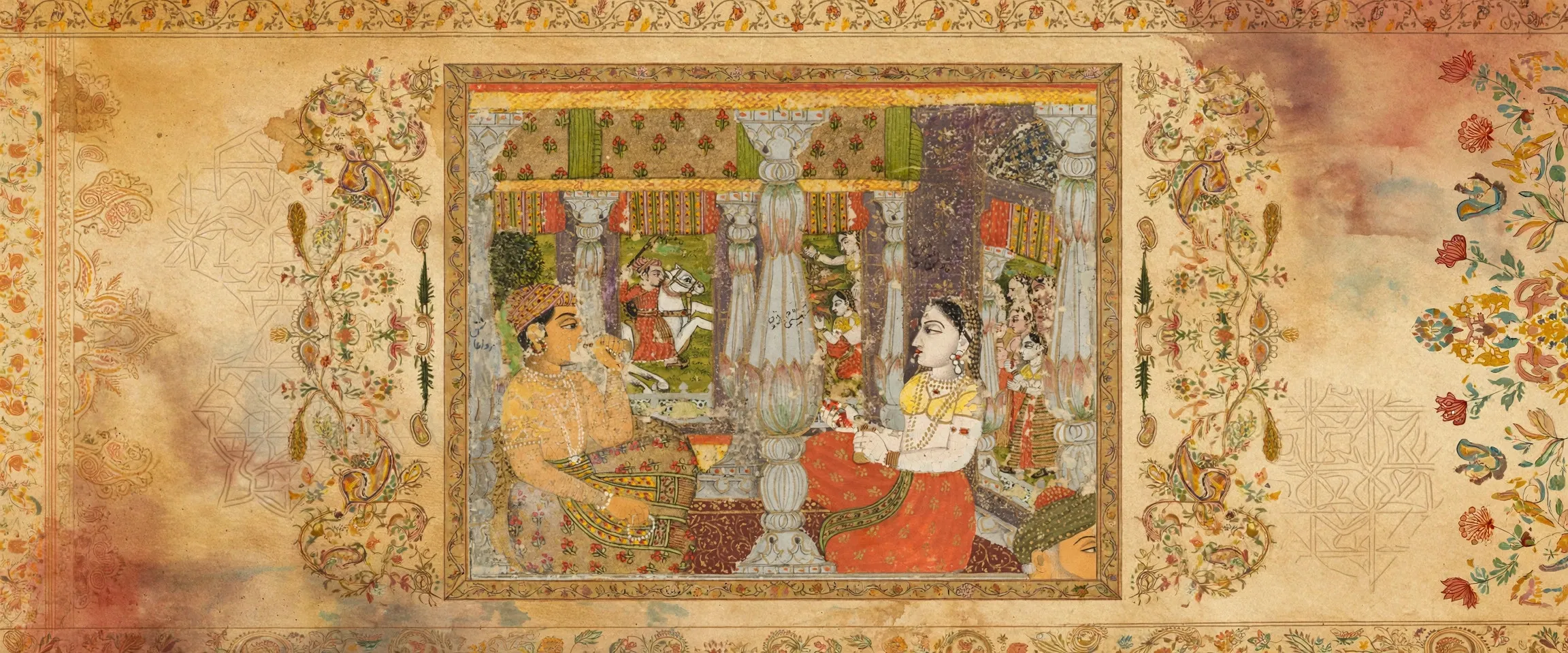
ਹਾਸ਼ਿਮ ਸ਼ਾਹ (1753 ਤੋਂ 1823, ਸਭ ਤੋਂ ਵੱਧ ਮੰਨੀਆਂ ਜਾਂਦੀਆਂ ਤਾਰੀਖਾਂ; ਹਾਸ਼ਮ ਸ਼ਾਹ ਵੀ ਲਿਖਿਆ ਜਾਂਦਾ ਹੈ) ਅੰਮ੍ਰਿਤਸਰ ਜ਼ਿਲ੍ਹੇ ਦੇ ਜਗਦੇਵ ਕਲਾਂ ਦੇ ਪੰਜਾਬੀ ਸੂਫ਼ੀ ਕਵੀ ਸਨ, ਜੋ ਸੱਸੀ ਪੁੰਨ੍ਹੂੰ ਲਈ ਸਭ ਤੋਂ ਵੱਧ ਜਾਣੇ ਜਾਂਦੇ ਹਨ, ਉਹ ਕਾਵਿ ਰੋਮਾਂਸ ਜੋ ਚਾਰ ਮਹਾਨ ਪੰਜਾਬੀ ਰੋਮਾਂਸਾਂ ਦੀ ਲੜੀ ਪੂਰੀ ਕਰਦਾ ਹੈ। ਹਕੀਮ, ਕਾਦਰੀ ਰੂਹਾਨੀ ਆਗੂ ਅਤੇ ਪੇਸ਼ੇ ਵਜੋਂ ਤਰਖਾਣ, ਉਨ੍ਹਾਂ ਨੇ ਤਿੰਨ ਪੂਰੇ ਕਿੱਸੇ ਲਿਖੇ, ਸੱਸੀ ਪੁੰਨ੍ਹੂੰ, ਸੋਹਣੀ ਮਹੀਂਵਾਲ ਅਤੇ ਸ਼ੀਰੀਂ ਫ਼ਰਹਾਦ ਬਾਰੇ, ਉਸ ਸ਼ੈਲੀ ਵਿੱਚ ਜਿਸ ਦੀ ਮਿਆਰੀ ਕਿਫ਼ਾਇਤ ਲਈ ਤਾਰੀਫ਼ ਹੁੰਦੀ ਹੈ।
- ਪੰਜਾਬੀ ਨਾਂ
- ਹਾਸ਼ਿਮ ਸ਼ਾਹ
- ਜਨਮ
- 1753 (1735 ਜਾਂ 1752 ਵੀ ਦਿੱਤਾ ਜਾਂਦਾ ਹੈ), ਜਗਦੇਵ ਕਲਾਂ, ਅੰਮ੍ਰਿਤਸਰ ਜ਼ਿਲ੍ਹਾ, ਪੰਜਾਬ
- ਦੇਹਾਂਤ
- 1823 (1843 ਵੀ ਦਿੱਤਾ ਜਾਂਦਾ ਹੈ), ਥਰਪਾਲ ਪਿੰਡ ਵਿੱਚ ਦਫ਼ਨ
- ਘਰ ਦਾ ਪਿੰਡ
- ਜਗਦੇਵ ਕਲਾਂ
- ਜ਼ਿਲ੍ਹਾ
- ਅੰਮ੍ਰਿਤਸਰ
- ਇਲਾਕਾ
- ਪੱਛਮੀ ਪੰਜਾਬ
All 9 facts
- ਸਭ ਤੋਂ ਜਾਣੀ ਰਚਨਾ
- ਸੱਸੀ ਪੁੰਨ੍ਹੂੰ
- ਹੋਰ ਕਿੱਸੇ
- ਸੋਹਣੀ ਮਹੀਂਵਾਲ; ਸ਼ੀਰੀਂ ਫ਼ਰਹਾਦ
- ਪੇਸ਼ੇ
- ਹਕੀਮ (ਰਵਾਇਤੀ ਵੈਦ), ਕਾਦਰੀ ਸੂਫ਼ੀ ਆਗੂ, ਤਰਖਾਣ
Hashim Shah (1753 to 1823, the dates most widely accepted) was a Punjabi Sufi poet of Jagdev Kalan, a village in Amritsar district, and the author of Sassi Punnun, the verse romance that its English translator Christopher Shackle called his masterwork and one of the finest of the Punjabi qissas. He wrote in the classic age of qissa writing, a generation after Waris Shah, and his three complete qissas, on Sassi Punnun, Sohni Mahiwal and Shirin Farhad, are still read wherever the old Punjabi romances are loved. His name is also written Hasham Shah, the spelling Shackle uses.
His dates are not settled, and this page does not hide it. Shackle gives 1753 to 1823 as the dates most widely accepted, while other accounts give his birth as 1735 or 1752 and his death as 1843. What is firm is the shape of the life: he was born at Jagdev Kalan and lived in that village his whole life, in the Punjab of Maharaja Ranjit Singh's time.
A hakim, a carpenter and a court poet
Hashim followed his family's calling of hikmat, the traditional medicine, along with counselling and piri-muridi, the work of a Sufi spiritual guide, which his father and grandfather had practised before him. Shackle describes him as a hakim and a spiritual leader of the Qadiri order. For his living he also worked as a carpenter, a reminder that the classic qissa poets were working men of their villages, not only ornaments of a court.
Popular tradition connects Hashim directly with the court of Maharaja Ranjit Singh, and the standard account says he left carpentry when the Maharaja and his courtiers extended their patronage to him. Thereafter he devoted his life to spiritual attainment and to composing Sufi poetry. He was a man of considerable education: besides his Punjabi verse he composed in Persian and in Hindi, and his Punjabi prosody carries a vocabulary rich in Hindi, Persian and Arabic words.
Three qissas and the dohre
His Punjabi poetry includes a very fine set of quatrains in the dohra form, besides three complete qissas. The first, on the classical Persian theme of Shirin Farhad, is said to have been the first telling of that story in Punjabi verse. The second, on the local Punjabi theme of Sohni Mahiwal, is a fine poem, though it was later overtaken in popularity by Fazal Shah's more ample handling of the same story, the version told in this Kosh. The third, Sassi Punnun, is the one his fame chiefly rests on. Works lists also name Gyan Prakash and his Dohre among his books.
Shackle sets his style against the master of the preceding generation: where Waris Shah is exuberant and copious, Hashim has a lively classical sense of economy of form and expression. His poetry reverberates with description and sometimes with sadness, and its Sufi mysticism can be read at two levels at once, as a story of human lovers and, allegorically, as an account of love for the divine.
Why is Hashim Shah remembered?
Hashim Shah is remembered above all for Sassi Punnun, which completes the set of four great Punjabi romances: Heer Ranjha, Sohni Mahiwal, Mirza Sahiban and Sassi Punnun, all four now in this Kosh. His telling is one of the shortest and simplest of the classic qissas, and in Professor Harnam Singh Shan's edition the poem runs to 124 stanzas of four lines each, 596 lines in all, held together by a single rhyme in every stanza and by the poet's pen name placed in each stanza's last line, a device that draws his audience into the action with him.
He is also remembered as proof of what the qissa poets were: educated artists, close to the cultural outlook of their popular audience, whose romances became a most important part of the cultural heritage of Punjab. Later writers on him are many, and he is credited as one of the best poets of his era.
Death and legacy
Hashim Shah died in 1823 on the dating followed here, 1843 in other accounts, and was buried at Tharpal village, where an Urs in his memory was held every year on or about 21 Jeth, at the end of May or in early June. His Sassi Punnun reached English readers first in a short version printed by R. C. Temple in The Legends of the Punjab in 1886, and properly in Christopher Shackle's verse translation of 1985, on which much of this page rests. The poem itself, in Punjabi, has never gone out of the tradition it helped to make.
ਹਾਸ਼ਿਮ ਸ਼ਾਹ (1753 ਤੋਂ 1823, ਸਭ ਤੋਂ ਵੱਧ ਮੰਨੀਆਂ ਜਾਂਦੀਆਂ ਤਾਰੀਖਾਂ) ਅੰਮ੍ਰਿਤਸਰ ਜ਼ਿਲ੍ਹੇ ਦੇ ਪਿੰਡ ਜਗਦੇਵ ਕਲਾਂ ਦੇ ਪੰਜਾਬੀ ਸੂਫ਼ੀ ਕਵੀ ਸਨ, ਅਤੇ ਸੱਸੀ ਪੁੰਨ੍ਹੂੰ ਦੇ ਲੇਖਕ, ਉਹ ਕਾਵਿ ਰੋਮਾਂਸ ਜਿਸ ਨੂੰ ਇਸ ਦੇ ਅੰਗਰੇਜ਼ੀ ਅਨੁਵਾਦਕ ਕ੍ਰਿਸਟੋਫ਼ਰ ਸ਼ੈਕਲ ਨੇ ਉਨ੍ਹਾਂ ਦੀ ਸ਼ਾਹਕਾਰ ਰਚਨਾ ਅਤੇ ਪੰਜਾਬੀ ਕਿੱਸਿਆਂ ਵਿੱਚੋਂ ਸਭ ਤੋਂ ਚੰਗਿਆਂ ਵਿੱਚੋਂ ਇੱਕ ਕਿਹਾ। ਉਨ੍ਹਾਂ ਨੇ ਕਿੱਸਾ ਲੇਖਣੀ ਦੇ ਸੁਨਹਿਰੀ ਦੌਰ ਵਿੱਚ ਲਿਖਿਆ, ਵਾਰਿਸ ਸ਼ਾਹ ਤੋਂ ਇੱਕ ਪੀੜ੍ਹੀ ਬਾਅਦ, ਅਤੇ ਉਨ੍ਹਾਂ ਦੇ ਤਿੰਨ ਪੂਰੇ ਕਿੱਸੇ, ਸੱਸੀ ਪੁੰਨ੍ਹੂੰ, ਸੋਹਣੀ ਮਹੀਂਵਾਲ ਅਤੇ ਸ਼ੀਰੀਂ ਫ਼ਰਹਾਦ ਬਾਰੇ, ਅੱਜ ਵੀ ਪੜ੍ਹੇ ਜਾਂਦੇ ਹਨ ਜਿੱਥੇ ਵੀ ਪੁਰਾਣੇ ਪੰਜਾਬੀ ਰੋਮਾਂਸ ਪਿਆਰੇ ਹਨ। ਉਨ੍ਹਾਂ ਦਾ ਨਾਂ ਹਾਸ਼ਮ ਸ਼ਾਹ ਵੀ ਲਿਖਿਆ ਜਾਂਦਾ ਹੈ, ਜੋ ਸ਼ਬਦ ਜੋੜ ਸ਼ੈਕਲ ਵਰਤਦਾ ਹੈ।
ਉਨ੍ਹਾਂ ਦੀਆਂ ਤਾਰੀਖਾਂ ਤੈਅ ਨਹੀਂ ਹਨ, ਅਤੇ ਇਹ ਪੰਨਾ ਇਸ ਨੂੰ ਲੁਕਾਉਂਦਾ ਨਹੀਂ। ਸ਼ੈਕਲ 1753 ਤੋਂ 1823 ਨੂੰ ਸਭ ਤੋਂ ਵੱਧ ਮੰਨੀਆਂ ਜਾਂਦੀਆਂ ਤਾਰੀਖਾਂ ਦਿੰਦਾ ਹੈ, ਜਦਕਿ ਹੋਰ ਹਿਸਾਬ ਉਨ੍ਹਾਂ ਦਾ ਜਨਮ 1735 ਜਾਂ 1752 ਅਤੇ ਮੌਤ 1843 ਦਿੰਦੇ ਹਨ। ਜੋ ਗੱਲ ਪੱਕੀ ਹੈ ਉਹ ਜੀਵਨ ਦੀ ਰੂਪ ਰੇਖਾ ਹੈ: ਉਹ ਜਗਦੇਵ ਕਲਾਂ ਵਿੱਚ ਪੈਦਾ ਹੋਏ ਅਤੇ ਸਾਰੀ ਉਮਰ ਉਸੇ ਪਿੰਡ ਵਿੱਚ ਰਹੇ, ਮਹਾਰਾਜਾ ਰਣਜੀਤ ਸਿੰਘ ਦੇ ਸਮੇਂ ਦੇ ਪੰਜਾਬ ਵਿੱਚ।
ਇੱਕ ਹਕੀਮ, ਇੱਕ ਤਰਖਾਣ ਅਤੇ ਇੱਕ ਦਰਬਾਰੀ ਕਵੀ
ਹਾਸ਼ਿਮ ਨੇ ਆਪਣੇ ਪਰਿਵਾਰ ਦਾ ਪੇਸ਼ਾ ਅਪਣਾਇਆ: ਹਿਕਮਤ, ਰਵਾਇਤੀ ਦਵਾਈ, ਨਾਲ ਸਲਾਹ ਮਸ਼ਵਰਾ ਅਤੇ ਪੀਰੀ ਮੁਰੀਦੀ, ਸੂਫ਼ੀ ਰੂਹਾਨੀ ਅਗਵਾਈ ਦਾ ਕੰਮ, ਜੋ ਉਨ੍ਹਾਂ ਦੇ ਪਿਤਾ ਅਤੇ ਦਾਦਾ ਉਨ੍ਹਾਂ ਤੋਂ ਪਹਿਲਾਂ ਕਰਦੇ ਆਏ ਸਨ। ਸ਼ੈਕਲ ਉਨ੍ਹਾਂ ਨੂੰ ਹਕੀਮ ਅਤੇ ਕਾਦਰੀ ਸਿਲਸਿਲੇ ਦਾ ਰੂਹਾਨੀ ਆਗੂ ਦੱਸਦਾ ਹੈ। ਆਪਣੇ ਗੁਜ਼ਾਰੇ ਲਈ ਉਹ ਤਰਖਾਣ ਦਾ ਕੰਮ ਵੀ ਕਰਦੇ ਸਨ, ਇਹ ਯਾਦ ਦਿਵਾਉਂਦਾ ਹੈ ਕਿ ਮਹਾਨ ਕਿੱਸਾ ਕਵੀ ਆਪਣੇ ਪਿੰਡਾਂ ਦੇ ਕੰਮਕਾਜੀ ਬੰਦੇ ਸਨ, ਸਿਰਫ਼ ਕਿਸੇ ਦਰਬਾਰ ਦੀ ਸ਼ਾਨ ਨਹੀਂ।
ਲੋਕ ਪਰੰਪਰਾ ਹਾਸ਼ਿਮ ਨੂੰ ਸਿੱਧਾ ਮਹਾਰਾਜਾ ਰਣਜੀਤ ਸਿੰਘ ਦੇ ਦਰਬਾਰ ਨਾਲ ਜੋੜਦੀ ਹੈ, ਅਤੇ ਮਿਆਰੀ ਹਿਸਾਬ ਕਹਿੰਦਾ ਹੈ ਕਿ ਜਦੋਂ ਮਹਾਰਾਜੇ ਅਤੇ ਉਨ੍ਹਾਂ ਦੇ ਦਰਬਾਰੀਆਂ ਨੇ ਉਨ੍ਹਾਂ ਨੂੰ ਸਰਪ੍ਰਸਤੀ ਦਿੱਤੀ ਤਾਂ ਉਨ੍ਹਾਂ ਨੇ ਤਰਖਾਣ ਦਾ ਕੰਮ ਛੱਡ ਦਿੱਤਾ। ਉਸ ਤੋਂ ਬਾਅਦ ਉਨ੍ਹਾਂ ਨੇ ਆਪਣਾ ਜੀਵਨ ਰੂਹਾਨੀ ਕਮਾਈ ਅਤੇ ਸੂਫ਼ੀ ਕਵਿਤਾ ਰਚਣ ਲਈ ਸਮਰਪਿਤ ਕਰ ਦਿੱਤਾ। ਉਹ ਚੰਗੀ ਪੜ੍ਹਾਈ ਵਾਲੇ ਬੰਦੇ ਸਨ: ਆਪਣੀ ਪੰਜਾਬੀ ਕਵਿਤਾ ਤੋਂ ਇਲਾਵਾ ਉਨ੍ਹਾਂ ਨੇ ਫ਼ਾਰਸੀ ਅਤੇ ਹਿੰਦੀ ਵਿੱਚ ਵੀ ਰਚਨਾ ਕੀਤੀ, ਅਤੇ ਉਨ੍ਹਾਂ ਦੀ ਪੰਜਾਬੀ ਛੰਦ ਬੰਦੀ ਹਿੰਦੀ, ਫ਼ਾਰਸੀ ਅਤੇ ਅਰਬੀ ਸ਼ਬਦਾਂ ਨਾਲ ਭਰੀ ਭਾਸ਼ਾ ਚੁੱਕਦੀ ਹੈ।
ਤਿੰਨ ਕਿੱਸੇ ਅਤੇ ਦੋਹੜੇ
ਉਨ੍ਹਾਂ ਦੀ ਪੰਜਾਬੀ ਕਵਿਤਾ ਵਿੱਚ ਦੋਹੜਾ ਰੂਪ ਵਿੱਚ ਚੌਪਈਆਂ ਦਾ ਬਹੁਤ ਵਧੀਆ ਸੰਗ੍ਰਹਿ ਹੈ, ਤਿੰਨ ਪੂਰੇ ਕਿੱਸਿਆਂ ਤੋਂ ਇਲਾਵਾ। ਪਹਿਲਾ, ਸ਼ੀਰੀਂ ਫ਼ਰਹਾਦ ਦੇ ਮਸ਼ਹੂਰ ਫ਼ਾਰਸੀ ਵਿਸ਼ੇ ਉੱਤੇ, ਕਿਹਾ ਜਾਂਦਾ ਹੈ ਕਿ ਉਸ ਕਹਾਣੀ ਨੂੰ ਪੰਜਾਬੀ ਕਾਵਿ ਵਿੱਚ ਪਹਿਲੀ ਵਾਰ ਉਨ੍ਹਾਂ ਨੇ ਹੀ ਪੇਸ਼ ਕੀਤਾ। ਦੂਜਾ, ਸੋਹਣੀ ਮਹੀਂਵਾਲ ਦੇ ਸਥਾਨਕ ਪੰਜਾਬੀ ਵਿਸ਼ੇ ਉੱਤੇ, ਇੱਕ ਵਧੀਆ ਕਵਿਤਾ ਹੈ, ਭਾਵੇਂ ਬਾਅਦ ਵਿੱਚ ਉਸੇ ਕਹਾਣੀ ਦੀ ਫ਼ਜ਼ਲ ਸ਼ਾਹ ਦੀ ਵੱਡੀ ਪੇਸ਼ਕਾਰੀ ਨੇ ਇਸ ਨੂੰ ਲੋਕਪ੍ਰਿਅਤਾ ਵਿੱਚ ਪਿੱਛੇ ਛੱਡ ਦਿੱਤਾ, ਉਹੀ ਰੂਪ ਜੋ ਇਸ ਕੋਸ਼ ਵਿੱਚ ਦੱਸਿਆ ਗਿਆ ਹੈ। ਤੀਜਾ, ਸੱਸੀ ਪੁੰਨ੍ਹੂੰ, ਉਹ ਹੈ ਜਿਸ ਉੱਤੇ ਉਨ੍ਹਾਂ ਦਾ ਨਾਂ ਮੁੱਖ ਤੌਰ ਉੱਤੇ ਟਿਕਿਆ ਹੈ। ਰਚਨਾਵਾਂ ਦੀਆਂ ਸੂਚੀਆਂ ਵਿੱਚ ਗਿਆਨ ਪ੍ਰਕਾਸ਼ ਅਤੇ ਉਨ੍ਹਾਂ ਦੇ ਦੋਹੜੇ ਵੀ ਉਨ੍ਹਾਂ ਦੀਆਂ ਕਿਤਾਬਾਂ ਵਿੱਚ ਗਿਣੇ ਜਾਂਦੇ ਹਨ।
ਸ਼ੈਕਲ ਉਨ੍ਹਾਂ ਦੀ ਸ਼ੈਲੀ ਨੂੰ ਪਿਛਲੀ ਪੀੜ੍ਹੀ ਦੇ ਉਸਤਾਦ ਨਾਲ ਰੱਖ ਕੇ ਵੇਖਦਾ ਹੈ: ਜਿੱਥੇ ਵਾਰਿਸ ਸ਼ਾਹ ਭਰਪੂਰ ਅਤੇ ਵਿਸਤਾਰ ਵਾਲੇ ਹਨ, ਹਾਸ਼ਿਮ ਕੋਲ ਰੂਪ ਅਤੇ ਪ੍ਰਗਟਾਵੇ ਦੀ ਕਿਫ਼ਾਇਤ ਦਾ ਜੀਵੰਤ ਮਿਆਰੀ ਅਹਿਸਾਸ ਹੈ। ਉਨ੍ਹਾਂ ਦੀ ਕਵਿਤਾ ਵਿੱਚ ਵਰਣਨ ਅਤੇ ਕਦੇ ਕਦੇ ਉਦਾਸੀ ਗੂੰਜਦੀ ਹੈ, ਅਤੇ ਉਨ੍ਹਾਂ ਦੇ ਸੂਫ਼ੀ ਰਹੱਸ ਨੂੰ ਇੱਕੋ ਵੇਲੇ ਦੋ ਪੱਧਰਾਂ ਉੱਤੇ ਪੜ੍ਹਿਆ ਜਾ ਸਕਦਾ ਹੈ, ਮਨੁੱਖੀ ਪ੍ਰੇਮੀਆਂ ਦੀ ਕਹਾਣੀ ਵਜੋਂ ਅਤੇ, ਇਸ਼ਾਰੇ ਵਜੋਂ, ਪ੍ਰਮਾਤਮਾ ਦੇ ਪਿਆਰ ਦੇ ਹਿਸਾਬ ਵਜੋਂ।
ਹਾਸ਼ਿਮ ਸ਼ਾਹ ਨੂੰ ਕਿਉਂ ਯਾਦ ਕੀਤਾ ਜਾਂਦਾ ਹੈ?
ਹਾਸ਼ਿਮ ਸ਼ਾਹ ਨੂੰ ਸਭ ਤੋਂ ਵੱਧ ਸੱਸੀ ਪੁੰਨ੍ਹੂੰ ਲਈ ਯਾਦ ਕੀਤਾ ਜਾਂਦਾ ਹੈ, ਜੋ ਚਾਰ ਮਹਾਨ ਪੰਜਾਬੀ ਰੋਮਾਂਸਾਂ ਦੀ ਲੜੀ ਪੂਰੀ ਕਰਦਾ ਹੈ: ਹੀਰ ਰਾਂਝਾ, ਸੋਹਣੀ ਮਹੀਂਵਾਲ, ਮਿਰਜ਼ਾ ਸਾਹਿਬਾਂ ਅਤੇ ਸੱਸੀ ਪੁੰਨ੍ਹੂੰ, ਚਾਰੇ ਹੁਣ ਇਸ ਕੋਸ਼ ਵਿੱਚ ਹਨ। ਉਨ੍ਹਾਂ ਦੀ ਪੇਸ਼ਕਾਰੀ ਮਹਾਨ ਕਿੱਸਿਆਂ ਵਿੱਚੋਂ ਸਭ ਤੋਂ ਛੋਟੀਆਂ ਅਤੇ ਸਾਦੀਆਂ ਵਿੱਚੋਂ ਇੱਕ ਹੈ, ਅਤੇ ਪ੍ਰੋਫ਼ੈਸਰ ਹਰਨਾਮ ਸਿੰਘ ਸ਼ਾਨ ਦੇ ਐਡੀਸ਼ਨ ਵਿੱਚ ਇਹ ਕਵਿਤਾ ਚਾਰ ਸਤਰਾਂ ਵਾਲੇ 124 ਬੰਦਾਂ, ਕੁੱਲ 596 ਸਤਰਾਂ ਦੀ ਹੈ, ਹਰ ਬੰਦ ਵਿੱਚ ਇੱਕੋ ਕਾਫ਼ੀਏ ਨਾਲ ਬੱਝੀ ਹੋਈ ਅਤੇ ਹਰ ਬੰਦ ਦੀ ਆਖ਼ਰੀ ਸਤਰ ਵਿੱਚ ਕਵੀ ਦਾ ਤਖ਼ੱਲੁਸ ਰੱਖਿਆ ਹੋਇਆ, ਇੱਕ ਜੁਗਤ ਜੋ ਉਨ੍ਹਾਂ ਦੇ ਸਰੋਤਿਆਂ ਨੂੰ ਆਪਣੇ ਨਾਲ ਕਹਾਣੀ ਵਿੱਚ ਖਿੱਚਦੀ ਹੈ।
ਉਨ੍ਹਾਂ ਨੂੰ ਇਸ ਗੱਲ ਦੇ ਸਬੂਤ ਵਜੋਂ ਵੀ ਯਾਦ ਕੀਤਾ ਜਾਂਦਾ ਹੈ ਕਿ ਕਿੱਸਾ ਕਵੀ ਕੀ ਸਨ: ਪੜ੍ਹੇ ਲਿਖੇ ਕਲਾਕਾਰ, ਆਪਣੇ ਲੋਕ ਸਰੋਤਿਆਂ ਦੇ ਸੱਭਿਆਚਾਰਕ ਨਜ਼ਰੀਏ ਦੇ ਨੇੜੇ, ਜਿਨ੍ਹਾਂ ਦੇ ਰੋਮਾਂਸ ਪੰਜਾਬ ਦੀ ਸੱਭਿਆਚਾਰਕ ਵਿਰਾਸਤ ਦਾ ਬਹੁਤ ਅਹਿਮ ਹਿੱਸਾ ਬਣ ਗਏ। ਉਨ੍ਹਾਂ ਬਾਰੇ ਬਾਅਦ ਵਿੱਚ ਲਿਖਣ ਵਾਲੇ ਬਹੁਤ ਹਨ, ਅਤੇ ਉਨ੍ਹਾਂ ਨੂੰ ਆਪਣੇ ਦੌਰ ਦੇ ਸਭ ਤੋਂ ਚੰਗੇ ਕਵੀਆਂ ਵਿੱਚ ਗਿਣਿਆ ਜਾਂਦਾ ਹੈ।
ਮੌਤ ਅਤੇ ਵਿਰਸਾ
ਹਾਸ਼ਿਮ ਸ਼ਾਹ ਦੀ ਮੌਤ ਇੱਥੇ ਅਪਣਾਈ ਤਾਰੀਖ ਅਨੁਸਾਰ 1823 ਵਿੱਚ ਹੋਈ, ਹੋਰ ਹਿਸਾਬਾਂ ਵਿੱਚ 1843 ਵਿੱਚ, ਅਤੇ ਉਨ੍ਹਾਂ ਨੂੰ ਥਰਪਾਲ ਪਿੰਡ ਵਿੱਚ ਦਫ਼ਨਾਇਆ ਗਿਆ, ਜਿੱਥੇ ਉਨ੍ਹਾਂ ਦੀ ਯਾਦ ਵਿੱਚ ਹਰ ਸਾਲ 21 ਜੇਠ ਦੇ ਆਸ ਪਾਸ, ਮਈ ਦੇ ਅੰਤ ਜਾਂ ਜੂਨ ਦੀ ਸ਼ੁਰੂਆਤ ਵਿੱਚ, ਉਰਸ ਹੁੰਦਾ ਸੀ। ਉਨ੍ਹਾਂ ਦੀ ਸੱਸੀ ਪੁੰਨ੍ਹੂੰ ਅੰਗਰੇਜ਼ੀ ਪਾਠਕਾਂ ਤੱਕ ਪਹਿਲਾਂ 1886 ਵਿੱਚ ਆਰ. ਸੀ. ਟੈਂਪਲ ਦੀ ਦਾ ਲੈਜੰਡਜ਼ ਆਫ਼ ਦਾ ਪੰਜਾਬ ਵਿੱਚ ਛਪੇ ਛੋਟੇ ਰੂਪ ਵਿੱਚ ਪਹੁੰਚੀ, ਅਤੇ ਸਹੀ ਤਰ੍ਹਾਂ 1985 ਵਿੱਚ ਕ੍ਰਿਸਟੋਫ਼ਰ ਸ਼ੈਕਲ ਦੇ ਕਾਵਿ ਅਨੁਵਾਦ ਵਿੱਚ, ਜਿਸ ਉੱਤੇ ਇਸ ਪੰਨੇ ਦਾ ਬਹੁਤਾ ਹਿੱਸਾ ਅਧਾਰਿਤ ਹੈ। ਇਹ ਕਵਿਤਾ ਖ਼ੁਦ, ਪੰਜਾਬੀ ਵਿੱਚ, ਉਸ ਪਰੰਪਰਾ ਤੋਂ ਕਦੇ ਬਾਹਰ ਨਹੀਂ ਹੋਈ ਜਿਸ ਨੂੰ ਬਣਾਉਣ ਵਿੱਚ ਇਸ ਨੇ ਮਦਦ ਕੀਤੀ।
ਰਚਨਾਵਾਂ
ਲੋਕ


ਥਾਵਾਂ
More people




ਸਰੋਤ (3)
ਜੁਗਤੀ ਮੁਫ਼ਤ ਅਤੇ ਸੁਤੰਤਰ ਹੈ। ਪਾਠਕਾਂ ਦਾ ਸਹਿਯੋਗ ਕੋਸ਼ ਨੂੰ ਵਧਾਉਂਦਾ ਹੈ।
ਸਹਿਯੋਗ