

ਅਹਿਮਦ ਰਾਹੀ (1923 ਤੋਂ 2002) ਅੰਮ੍ਰਿਤਸਰ ਵਿੱਚ ਜੰਮੇ ਇੱਕ ਪੰਜਾਬੀ ਕਵੀ ਸਨ, ਜੋ 1947 ਵਿੱਚ ਲਾਹੌਰ ਵੱਸ ਗਏ। ਉਨ੍ਹਾਂ ਦੀ ਪਹਿਲੀ ਕਿਤਾਬ ਤ੍ਰਿੰਝਣ (1952), ਪੰਜਾਬ ਦੀਆਂ ਔਰਤਾਂ ਦੀਆਂ ਆਵਾਜ਼ਾਂ ਵਿੱਚ ਵੰਡ ਦੀਆਂ ਕਵਿਤਾਵਾਂ, ਪੱਛਮੀ ਪੰਜਾਬੀ ਕਵਿਤਾ ਦਾ ਮੀਲ ਪੱਥਰ ਬਣੀ, ਅਤੇ ਉਨ੍ਹਾਂ ਨੇ ਫ਼ਿਲਮ ਹੀਰ ਰਾਂਝਾ (1970) ਅਤੇ ਕਈ ਹੋਰ ਫ਼ਿਲਮਾਂ ਦੇ ਗੀਤ ਲਿਖੇ। ਉਨ੍ਹਾਂ ਨੂੰ ਅਦਮਜੀ ਸਾਹਿਤਕ ਇਨਾਮ ਅਤੇ ਪਰਾਈਡ ਆਫ਼ ਪਰਫਾਰਮੈਂਸ (1997) ਮਿਲਿਆ।
- ਪੰਜਾਬੀ ਨਾਂ
- ਅਹਿਮਦ ਰਾਹੀ
- ਜਨਮ
- 12 ਨਵੰਬਰ 1923, ਅੰਮ੍ਰਿਤਸਰ, ਪੰਜਾਬ, ਬ੍ਰਿਟਿਸ਼ ਭਾਰਤ
- ਜਨਮ ਦਾ ਨਾਂ
- ਗੁਲਾਮ ਅਹਿਮਦ
- ਘਰੇਲੂ ਸ਼ਹਿਰ
- ਲਾਹੌਰ (1947 ਤੋਂ)
- ਜ਼ਿਲ੍ਹਾ
- ਅੰਮ੍ਰਿਤਸਰ
- ਇਲਾਕਾ
- ਮਾਝਾ
All 8 facts
- ਦੇਹਾਂਤ
- 2 ਸਤੰਬਰ 2002, ਲਾਹੌਰ, ਪੰਜਾਬ, ਪਾਕਿਸਤਾਨ
- ਸਨਮਾਨ
- ਤ੍ਰਿੰਝਣ ਲਈ ਅਦਮਜੀ ਸਾਹਿਤਕ ਇਨਾਮ; ਪਰਾਈਡ ਆਫ਼ ਪਰਫਾਰਮੈਂਸ, 1997
Ahmad Rahi (1923 to 2002) was a Punjabi poet and film lyricist born in Amritsar who made his life in Lahore. His first book, Trinjan (1952), gave the Partition of 1947 a Punjabi woman's voice and became a landmark of West Punjabi poetry. In the decades that followed he became one of the most prolific songwriters of the early Pakistani film industry, writing the songs of the Punjabi classic Heer Ranjha (1970), and he was honoured with the Adamjee Literary Award for Trinjan and with the Pride of Performance in 1997.
ਮੁੱਢਲਾ ਜੀਵਨ
He was born Ghulam Ahmad on 12 November 1923 in Amritsar, in British India. The name Ghulam Ahmad had been given to him by his spiritual leader, Khorsheed Ahmad. He finished his basic schooling in Amritsar in 1940 and went on to M.A.O. College in Lahore, but he was expelled for taking part in political movements, and after that he joined his father in the family business of selling embroidered woollen shawls in the local market. His school fellow, the writer A. Hameed, remembered that in Amritsari families of that time at least one young man was expected to become a wrestler, and that Rahi's strong build came from his own early training for the akhara. Both friends chose writing instead.
Lahore, Trinjan and the Progressive circle
In 1947 Rahi migrated to Lahore, where he joined the journal Sawera as an editor, at a salary reported as 25 rupees a month. He had begun as a promising Urdu poet, but the bloodshed of Partition, which he had lived through, turned him to Punjabi and to the subject that made his name. In Lahore he was part of the circle that gathered at the Pak Tea House: Saadat Hasan Manto, Faiz Ahmed Faiz and the producer and poet Saifuddin Saif among them, writers of the Progressive Writers' Movement who were rebuilding Punjabi and Urdu letters in a new country. His first Punjabi book, Trinjan, appeared in 1952, a collection of poems on Partition in the voices of Punjab's women, and a second book on the same wound, Nimi Nimi Hawa, followed. Later collections include Rag-e-Jaan.
ਫ਼ਿਲਮੀ ਗੀਤ
From the 1950s Rahi became a pillar of the Lahore film industry. He wrote songs for 51 films in all, 42 of them in Punjabi and 9 in Urdu, and reports credit him with more than 1,900 songs over his career. His hit films run across three decades: Yakke Wali (1957), Baji (1963) and Mirza Jat (1967), and in 1970 he wrote all the songs of the Punjabi film Heer Ranjha, with music by Khwaja Khurshid Anwar, songs still sung today. The folk heroines of his poems, Heer, Sahiban and Sohni, became the heroines of his cinema too, and he gave the young industry's songs a literary touch that contemporaries compared with the standard Sahir and Qateel set in Urdu.
Honours and later life
Trinjan won him the Adamjee Literary Award, and in 1997 the President of Pakistan gave him the Pride of Performance for his services to art and literature. By 2002, when a profile in The News found him in his late seventies, ill health, family tragedies and money troubles had pushed the once lively poet into seclusion, and the writer asked whether the Academy of Letters could do something for him. He had been paralysed for almost seven months, which had affected his speech and memory, when he died in Lahore on 2 September 2002. He was survived by his wife, a son and a daughter.
ਵਿਰਾਸਤ
Rahi's standing rests on two foundations. The first is Trinjan, the book that showed a sceptical literary world what Punjabi could do: critics of the time said his success sent readers back to dust off Bulleh Shah and Waris Shah, and the book stayed a bestseller for decades. Its title still names a Punjabi bookshop and cultural space in Lahore, and a welfare organisation founded by the poet Tahira Sra. The second foundation is the film song: for two generations of Punjabi filmgoers, the words they hummed were very often his. At a tribute in 2009 the director general of the Punjab Institute of Language, Art and Culture remembered him as a man who never made compromises in his life, and his death anniversary is still marked in Lahore every year.
ਅਹਿਮਦ ਰਾਹੀ (1923 ਤੋਂ 2002) ਅੰਮ੍ਰਿਤਸਰ ਵਿੱਚ ਜੰਮੇ ਇੱਕ ਪੰਜਾਬੀ ਕਵੀ ਅਤੇ ਫ਼ਿਲਮੀ ਗੀਤਕਾਰ ਸਨ, ਜਿਨ੍ਹਾਂ ਨੇ ਆਪਣਾ ਜੀਵਨ ਲਾਹੌਰ ਵਿੱਚ ਬਣਾਇਆ। ਉਨ੍ਹਾਂ ਦੀ ਪਹਿਲੀ ਕਿਤਾਬ, ਤ੍ਰਿੰਝਣ (1952), ਨੇ 1947 ਦੀ ਵੰਡ ਨੂੰ ਪੰਜਾਬੀ ਔਰਤ ਦੀ ਆਵਾਜ਼ ਦਿੱਤੀ ਅਤੇ ਪੱਛਮੀ ਪੰਜਾਬੀ ਕਵਿਤਾ ਦਾ ਮੀਲ ਪੱਥਰ ਬਣੀ। ਉਸ ਤੋਂ ਬਾਅਦ ਦੇ ਦਹਾਕਿਆਂ ਵਿੱਚ ਉਹ ਮੁੱਢਲੀ ਪਾਕਿਸਤਾਨੀ ਫ਼ਿਲਮ ਇੰਡਸਟਰੀ ਦੇ ਸਭ ਤੋਂ ਵੱਧ ਲਿਖਣ ਵਾਲੇ ਗੀਤਕਾਰਾਂ ਵਿੱਚੋਂ ਇੱਕ ਬਣੇ, ਪੰਜਾਬੀ ਕਲਾਸਿਕ ਹੀਰ ਰਾਂਝਾ (1970) ਦੇ ਗੀਤ ਲਿਖੇ, ਅਤੇ ਉਨ੍ਹਾਂ ਨੂੰ ਤ੍ਰਿੰਝਣ ਲਈ ਅਦਮਜੀ ਸਾਹਿਤਕ ਇਨਾਮ ਅਤੇ 1997 ਵਿੱਚ ਪਰਾਈਡ ਆਫ਼ ਪਰਫਾਰਮੈਂਸ ਨਾਲ ਸਨਮਾਨਿਤ ਕੀਤਾ ਗਿਆ।
ਮੁੱਢਲਾ ਜੀਵਨ
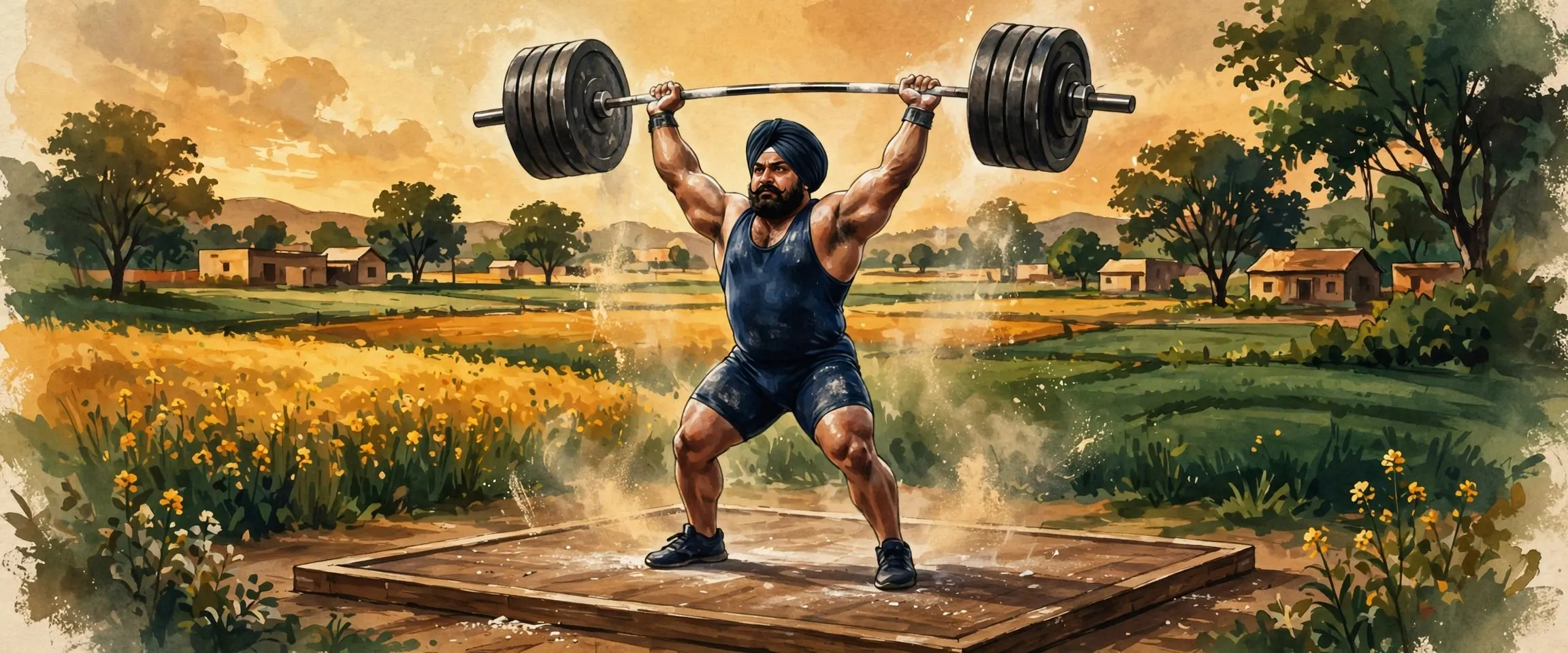
ਉਨ੍ਹਾਂ ਦਾ ਜਨਮ ਗੁਲਾਮ ਅਹਿਮਦ ਵਜੋਂ 12 ਨਵੰਬਰ 1923 ਨੂੰ ਬ੍ਰਿਟਿਸ਼ ਭਾਰਤ ਦੇ ਅੰਮ੍ਰਿਤਸਰ ਵਿੱਚ ਹੋਇਆ। ਗੁਲਾਮ ਅਹਿਮਦ ਨਾਂ ਉਨ੍ਹਾਂ ਨੂੰ ਉਨ੍ਹਾਂ ਦੇ ਰੂਹਾਨੀ ਮੁਰਸ਼ਦ ਖੁਰਸ਼ੀਦ ਅਹਿਮਦ ਨੇ ਦਿੱਤਾ ਸੀ। ਉਨ੍ਹਾਂ ਨੇ ਆਪਣੀ ਮੁੱਢਲੀ ਪੜ੍ਹਾਈ 1940 ਵਿੱਚ ਅੰਮ੍ਰਿਤਸਰ ਵਿੱਚ ਮੁਕੰਮਲ ਕੀਤੀ ਅਤੇ ਅੱਗੇ ਲਾਹੌਰ ਦੇ ਐਮ. ਏ. ਓ. ਕਾਲਜ ਵਿੱਚ ਦਾਖ਼ਲਾ ਲਿਆ, ਪਰ ਸਿਆਸੀ ਲਹਿਰਾਂ ਵਿੱਚ ਹਿੱਸਾ ਲੈਣ ਕਰਕੇ ਉਨ੍ਹਾਂ ਨੂੰ ਕੱਢ ਦਿੱਤਾ ਗਿਆ, ਅਤੇ ਉਸ ਤੋਂ ਬਾਅਦ ਉਹ ਆਪਣੇ ਪਿਤਾ ਨਾਲ ਪਰਿਵਾਰ ਦੇ ਸਥਾਨਕ ਬਾਜ਼ਾਰ ਵਿੱਚ ਕਢਾਈ ਵਾਲੀਆਂ ਉੱਨ ਦੀਆਂ ਸ਼ਾਲਾਂ ਵੇਚਣ ਦੇ ਕਾਰੋਬਾਰ ਵਿੱਚ ਲੱਗ ਗਏ। ਉਨ੍ਹਾਂ ਦੇ ਸਕੂਲ ਦੇ ਸਾਥੀ, ਲੇਖਕ ਏ. ਹਮੀਦ, ਨੂੰ ਯਾਦ ਸੀ ਕਿ ਉਸ ਸਮੇਂ ਦੇ ਅੰਮ੍ਰਿਤਸਰੀ ਪਰਿਵਾਰਾਂ ਵਿੱਚ ਘੱਟੋ ਘੱਟ ਇੱਕ ਨੌਜਵਾਨ ਦੇ ਪਹਿਲਵਾਨ ਬਣਨ ਦੀ ਉਮੀਦ ਰੱਖੀ ਜਾਂਦੀ ਸੀ, ਅਤੇ ਰਾਹੀ ਦੀ ਮਜ਼ਬੂਤ ਕਾਠੀ ਉਸ ਦੀ ਆਪਣੀ ਅਖਾੜੇ ਦੀ ਮੁੱਢਲੀ ਸਿਖਲਾਈ ਤੋਂ ਆਈ ਸੀ। ਦੋਵਾਂ ਦੋਸਤਾਂ ਨੇ ਇਸ ਦੀ ਥਾਂ ਲਿਖਣਾ ਚੁਣਿਆ।
ਲਾਹੌਰ, ਤ੍ਰਿੰਝਣ ਅਤੇ ਪ੍ਰਗਤੀਸ਼ੀਲ ਸਰਕਲ
1947 ਵਿੱਚ ਰਾਹੀ ਲਾਹੌਰ ਪਰਵਾਸ ਕਰ ਗਏ, ਜਿੱਥੇ ਉਹ ਸਵੇਰਾ ਪੱਤਰ ਵਿੱਚ ਸੰਪਾਦਕ ਵਜੋਂ ਲੱਗੇ, ਜਿਸ ਦੀ ਤਨਖ਼ਾਹ 25 ਰੁਪਏ ਮਹੀਨਾ ਦੱਸੀ ਜਾਂਦੀ ਹੈ। ਉਹ ਇੱਕ ਹੋਣਹਾਰ ਉਰਦੂ ਕਵੀ ਵਜੋਂ ਸ਼ੁਰੂ ਹੋਏ ਸਨ, ਪਰ ਵੰਡ ਦਾ ਖੂਨ ਖ਼ਰਾਬਾ, ਜੋ ਉਨ੍ਹਾਂ ਨੇ ਖ਼ੁਦ ਜੀਵਿਆ ਸੀ, ਉਨ੍ਹਾਂ ਨੂੰ ਪੰਜਾਬੀ ਵੱਲ ਅਤੇ ਉਸ ਵਿਸ਼ੇ ਵੱਲ ਲੈ ਗਿਆ ਜਿਸ ਨੇ ਉਨ੍ਹਾਂ ਦਾ ਨਾਂ ਬਣਾਇਆ। ਲਾਹੌਰ ਵਿੱਚ ਉਹ ਉਸ ਸਰਕਲ ਦਾ ਹਿੱਸਾ ਸਨ ਜੋ ਪਾਕ ਟੀ ਹਾਊਸ ਵਿੱਚ ਇਕੱਠਾ ਹੁੰਦਾ ਸੀ: ਉਨ੍ਹਾਂ ਵਿੱਚ ਸਾਅਦਤ ਹਸਨ ਮੰਟੋ, ਫ਼ੈਜ਼ ਅਹਿਮਦ ਫ਼ੈਜ਼ ਅਤੇ ਨਿਰਮਾਤਾ ਅਤੇ ਕਵੀ ਸੈਫ਼ੁਦੀਨ ਸੈਫ਼ ਸਨ, ਪ੍ਰਗਤੀਸ਼ੀਲ ਲੇਖਕ ਲਹਿਰ ਦੇ ਲੇਖਕ ਜੋ ਇੱਕ ਨਵੇਂ ਦੇਸ਼ ਵਿੱਚ ਪੰਜਾਬੀ ਅਤੇ ਉਰਦੂ ਸਾਹਿਤ ਨੂੰ ਮੁੜ ਬਣਾ ਰਹੇ ਸਨ। ਉਨ੍ਹਾਂ ਦੀ ਪਹਿਲੀ ਪੰਜਾਬੀ ਕਿਤਾਬ, ਤ੍ਰਿੰਝਣ, 1952 ਵਿੱਚ ਆਈ, ਪੰਜਾਬ ਦੀਆਂ ਔਰਤਾਂ ਦੀਆਂ ਆਵਾਜ਼ਾਂ ਵਿੱਚ ਵੰਡ ਉੱਤੇ ਕਵਿਤਾਵਾਂ ਦਾ ਸੰਗ੍ਰਹਿ, ਅਤੇ ਉਸੇ ਜ਼ਖ਼ਮ ਉੱਤੇ ਦੂਜੀ ਕਿਤਾਬ, ਨਿੰਮੀ ਨਿੰਮੀ ਹਵਾ, ਉਸ ਤੋਂ ਬਾਅਦ ਆਈ। ਬਾਅਦ ਦੇ ਸੰਗ੍ਰਹਿਆਂ ਵਿੱਚ ਰਗ-ਏ-ਜਾਨ ਸ਼ਾਮਲ ਹੈ।
ਫ਼ਿਲਮੀ ਗੀਤ
1950ਵਿਆਂ ਤੋਂ ਰਾਹੀ ਲਾਹੌਰ ਫ਼ਿਲਮ ਇੰਡਸਟਰੀ ਦਾ ਥੰਮ ਬਣ ਗਏ। ਉਨ੍ਹਾਂ ਨੇ ਕੁੱਲ 51 ਫ਼ਿਲਮਾਂ ਲਈ ਗੀਤ ਲਿਖੇ, ਉਨ੍ਹਾਂ ਵਿੱਚੋਂ 42 ਪੰਜਾਬੀ ਅਤੇ 9 ਉਰਦੂ ਵਿੱਚ, ਅਤੇ ਰਿਪੋਰਟਾਂ ਉਨ੍ਹਾਂ ਦੇ ਸਿਰ ਆਪਣੇ ਕੈਰੀਅਰ ਵਿੱਚ 1,900 ਤੋਂ ਵੱਧ ਗੀਤ ਲਿਖਣ ਦਾ ਸਿਹਰਾ ਬੰਨ੍ਹਦੀਆਂ ਹਨ। ਉਨ੍ਹਾਂ ਦੀਆਂ ਹਿੱਟ ਫ਼ਿਲਮਾਂ ਤਿੰਨ ਦਹਾਕਿਆਂ ਵਿੱਚ ਫੈਲੀਆਂ ਹਨ: ਯੱਕੇ ਵਾਲੀ (1957), ਬਾਜੀ (1963) ਅਤੇ ਮਿਰਜ਼ਾ ਜੱਟ (1967), ਅਤੇ 1970 ਵਿੱਚ ਉਨ੍ਹਾਂ ਨੇ ਪੰਜਾਬੀ ਫ਼ਿਲਮ ਹੀਰ ਰਾਂਝਾ ਦੇ ਸਾਰੇ ਗੀਤ ਲਿਖੇ, ਖ਼ਵਾਜਾ ਖੁਰਸ਼ੀਦ ਅਨਵਰ ਦੇ ਸੰਗੀਤ ਨਾਲ, ਉਹ ਗੀਤ ਜੋ ਅੱਜ ਵੀ ਗਾਏ ਜਾਂਦੇ ਹਨ। ਉਨ੍ਹਾਂ ਦੀਆਂ ਕਵਿਤਾਵਾਂ ਦੀਆਂ ਲੋਕ ਨਾਇਕਾਵਾਂ, ਹੀਰ, ਸਾਹਿਬਾਂ ਅਤੇ ਸੋਹਣੀ, ਉਨ੍ਹਾਂ ਦੇ ਸਿਨਮੇ ਦੀਆਂ ਨਾਇਕਾਵਾਂ ਵੀ ਬਣੀਆਂ, ਅਤੇ ਉਨ੍ਹਾਂ ਨੇ ਨੌਜਵਾਨ ਇੰਡਸਟਰੀ ਦੇ ਗੀਤਾਂ ਨੂੰ ਉਹ ਸਾਹਿਤਕ ਛੋਹ ਦਿੱਤੀ ਜਿਸ ਦੀ ਤੁਲਨਾ ਸਮਕਾਲੀਆਂ ਨੇ ਉਰਦੂ ਵਿੱਚ ਸਾਹਿਰ ਅਤੇ ਕਤੀਲ ਦੇ ਸੈੱਟ ਕੀਤੇ ਮਿਆਰ ਨਾਲ ਕੀਤੀ।
ਸਨਮਾਨ ਅਤੇ ਬਾਅਦ ਦਾ ਜੀਵਨ
ਤ੍ਰਿੰਝਣ ਨੇ ਉਨ੍ਹਾਂ ਨੂੰ ਅਦਮਜੀ ਸਾਹਿਤਕ ਇਨਾਮ ਦਿਵਾਇਆ, ਅਤੇ 1997 ਵਿੱਚ ਪਾਕਿਸਤਾਨ ਦੇ ਰਾਸ਼ਟਰਪਤੀ ਨੇ ਉਨ੍ਹਾਂ ਨੂੰ ਕਲਾ ਅਤੇ ਸਾਹਿਤ ਦੀਆਂ ਸੇਵਾਵਾਂ ਲਈ ਪਰਾਈਡ ਆਫ਼ ਪਰਫਾਰਮੈਂਸ ਦਿੱਤਾ। 2002 ਤੱਕ, ਜਦੋਂ ਦਾ ਨਿਊਜ਼ ਵਿੱਚ ਇੱਕ ਪਰੋਫਾਈਲ ਨੇ ਉਨ੍ਹਾਂ ਨੂੰ ਸੱਤਰਵਿਆਂ ਦੇ ਅੰਤ ਵਿੱਚ ਪਾਇਆ, ਖ਼ਰਾਬ ਸਿਹਤ, ਪਰਿਵਾਰਕ ਦੁਖਾਂਤਾਂ ਅਤੇ ਪੈਸੇ ਦੀਆਂ ਤੰਗੀਆਂ ਨੇ ਕਦੇ ਜੀਵੰਤ ਰਹੇ ਕਵੀ ਨੂੰ ਇਕਾਂਤ ਵਿੱਚ ਧੱਕ ਦਿੱਤਾ ਸੀ, ਅਤੇ ਲੇਖਕ ਨੇ ਪੁੱਛਿਆ ਸੀ ਕਿ ਕੀ ਅਕੈਡਮੀ ਆਫ਼ ਲੈਟਰਜ਼ ਉਨ੍ਹਾਂ ਲਈ ਕੁਝ ਕਰ ਸਕਦੀ ਹੈ। ਉਹ ਲਗਭਗ ਸੱਤ ਮਹੀਨਿਆਂ ਤੋਂ ਲਕਵੇ ਦਾ ਸ਼ਿਕਾਰ ਸਨ, ਜਿਸ ਨੇ ਉਨ੍ਹਾਂ ਦੀ ਬੋਲੀ ਅਤੇ ਯਾਦਦਾਸ਼ਤ ਨੂੰ ਪ੍ਰਭਾਵਿਤ ਕੀਤਾ ਸੀ, ਜਦੋਂ 2 ਸਤੰਬਰ 2002 ਨੂੰ ਲਾਹੌਰ ਵਿੱਚ ਉਨ੍ਹਾਂ ਦੀ ਮੌਤ ਹੋਈ। ਉਨ੍ਹਾਂ ਦੇ ਪਿੱਛੇ ਉਨ੍ਹਾਂ ਦੀ ਪਤਨੀ, ਇੱਕ ਪੁੱਤਰ ਅਤੇ ਇੱਕ ਧੀ ਰਹਿ ਗਏ।
ਵਿਰਾਸਤ
ਰਾਹੀ ਦਾ ਮੁਕਾਮ ਦੋ ਬੁਨਿਆਦਾਂ ਉੱਤੇ ਖੜ੍ਹਾ ਹੈ। ਪਹਿਲੀ ਹੈ ਤ੍ਰਿੰਝਣ, ਉਹ ਕਿਤਾਬ ਜਿਸ ਨੇ ਸ਼ੱਕੀ ਸਾਹਿਤਕ ਸੰਸਾਰ ਨੂੰ ਵਿਖਾਇਆ ਕਿ ਪੰਜਾਬੀ ਕੀ ਕਰ ਸਕਦੀ ਹੈ: ਉਸ ਸਮੇਂ ਦੇ ਆਲੋਚਕਾਂ ਨੇ ਕਿਹਾ ਕਿ ਉਸ ਦੀ ਸਫ਼ਲਤਾ ਨੇ ਪਾਠਕਾਂ ਨੂੰ ਬੁੱਲੇ ਸ਼ਾਹ ਅਤੇ ਵਾਰਿਸ ਸ਼ਾਹ ਦੀਆਂ ਕਿਤਾਬਾਂ ਤੋਂ ਧੂੜ ਝਾੜ ਕੇ ਮੁੜ ਪੜ੍ਹਨ ਵੱਲ ਭੇਜਿਆ, ਅਤੇ ਇਹ ਕਿਤਾਬ ਦਹਾਕਿਆਂ ਤੱਕ ਬੈਸਟਸੈਲਰ ਰਹੀ। ਇਸ ਦਾ ਸਿਰਲੇਖ ਅੱਜ ਵੀ ਲਾਹੌਰ ਵਿੱਚ ਇੱਕ ਪੰਜਾਬੀ ਕਿਤਾਬਾਂ ਦੀ ਦੁਕਾਨ ਅਤੇ ਸੱਭਿਆਚਾਰਕ ਥਾਂ ਦਾ ਨਾਂ ਹੈ, ਅਤੇ ਕਵੀ ਤਾਹਿਰਾ ਸਰਾ ਦੀ ਸਥਾਪਿਤ ਕੀਤੀ ਇੱਕ ਭਲਾਈ ਸੰਸਥਾ ਦਾ ਵੀ। ਦੂਜੀ ਬੁਨਿਆਦ ਹੈ ਫ਼ਿਲਮੀ ਗੀਤ: ਪੰਜਾਬੀ ਫ਼ਿਲਮ ਦਰਸ਼ਕਾਂ ਦੀਆਂ ਦੋ ਪੀੜ੍ਹੀਆਂ ਲਈ, ਜੋ ਸ਼ਬਦ ਉਹ ਗੁਣਗੁਣਾਉਂਦੇ ਸਨ, ਉਹ ਬਹੁਤੀ ਵਾਰ ਉਨ੍ਹਾਂ ਦੇ ਹੀ ਸਨ। 2009 ਵਿੱਚ ਇੱਕ ਸ਼ਰਧਾਂਜਲੀ ਸਮਾਗਮ ਵਿੱਚ ਪੰਜਾਬ ਇੰਸਟੀਚਿਊਟ ਆਫ਼ ਲੈਂਗੂਏਜ, ਆਰਟ ਐਂਡ ਕਲਚਰ ਦੇ ਡਾਇਰੈਕਟਰ ਜਨਰਲ ਨੇ ਉਨ੍ਹਾਂ ਨੂੰ ਉਹ ਮਨੁੱਖ ਕਹਿ ਕੇ ਯਾਦ ਕੀਤਾ ਜਿਸ ਨੇ ਆਪਣੇ ਜੀਵਨ ਵਿੱਚ ਕਦੇ ਸਮਝੌਤਾ ਨਹੀਂ ਕੀਤਾ, ਅਤੇ ਉਨ੍ਹਾਂ ਦੀ ਬਰਸੀ ਅੱਜ ਵੀ ਹਰ ਸਾਲ ਲਾਹੌਰ ਵਿੱਚ ਮਨਾਈ ਜਾਂਦੀ ਹੈ।
ਰਚਨਾਵਾਂ
ਲੋਕ
More people


ਸਰੋਤ (3)
ਜੁਗਤੀ ਮੁਫ਼ਤ ਅਤੇ ਸੁਤੰਤਰ ਹੈ। ਪਾਠਕਾਂ ਦਾ ਸਹਿਯੋਗ ਕੋਸ਼ ਨੂੰ ਵਧਾਉਂਦਾ ਹੈ।
ਸਹਿਯੋਗ