
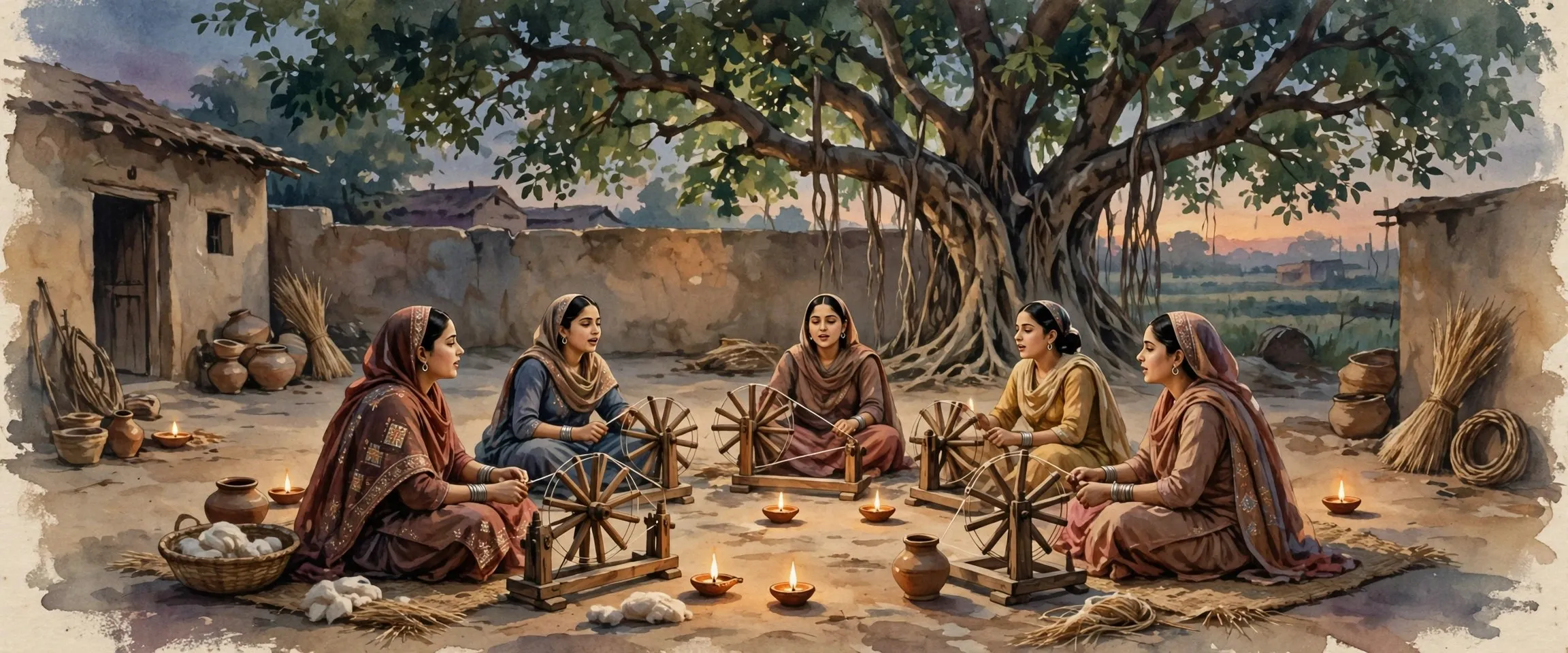
ਤ੍ਰਿੰਝਣ ਅਹਿਮਦ ਰਾਹੀ ਦੀ ਪੰਜਾਬੀ ਕਵਿਤਾ ਦੀ ਪਹਿਲੀ ਕਿਤਾਬ ਹੈ, ਜੋ 1952 ਵਿੱਚ ਲਾਹੌਰ ਤੋਂ ਪ੍ਰਕਾਸ਼ਿਤ ਹੋਈ। ਔਰਤਾਂ ਦੇ ਕੱਤਣ ਇਕੱਠ ਦੇ ਨਾਂ ਦੀ ਇਸ ਕਿਤਾਬ ਦੀਆਂ ਕਵਿਤਾਵਾਂ ਪੰਜਾਬ ਦੀਆਂ ਕੁੜੀਆਂ ਦੀਆਂ ਆਵਾਜ਼ਾਂ ਵਿੱਚ ਬੋਲਦੀਆਂ ਹਨ ਅਤੇ ਵੰਡ ਦੇ ਮ੍ਰਿਤਕਾਂ ਦੇ ਵੈਣਾਂ ਨਾਲ ਬੰਦ ਹੁੰਦੀਆਂ ਹਨ। ਪੱਛਮੀ ਪੰਜਾਬੀ ਸਾਹਿਤ ਦਾ ਮੀਲ ਪੱਥਰ, ਇਸ ਨੇ ਅਦਮਜੀ ਸਾਹਿਤਕ ਇਨਾਮ ਜਿੱਤਿਆ।
ਪੰਜਾਬੀ, ਸ਼ਾਹਮੁਖੀ- ਪੰਜਾਬੀ ਨਾਂ
- ਤ੍ਰਿੰਝਣ
- ਲੇਖਕ
- ਅਹਿਮਦ ਰਾਹੀ (1923 ਤੋਂ 2002)
- ਪ੍ਰਕਾਸ਼ਿਤ
- 1952, ਲਾਹੌਰ
- ਭਾਸ਼ਾ
- ਪੰਜਾਬੀ
- ਰੂਪ
- ਕਵਿਤਾ: ਪਹਿਲਾ ਸੰਗ੍ਰਹਿ
- ਨਾਂ ਦਾ ਮਤਲਬ
- ਪਿੰਡ ਦੀਆਂ ਔਰਤਾਂ ਅਤੇ ਕੁੜੀਆਂ ਦਾ ਕੱਤਣ ਇਕੱਠ
All 8 facts
- ਸਨਮਾਨ
- ਅਦਮਜੀ ਸਾਹਿਤਕ ਇਨਾਮ
- ਹੋਰ ਸਪੈਲਿੰਗ
- ਤਰਿੰਞਣ, ਤਰੰਜਣ
Trinjan is the first book of Punjabi poetry by Ahmad Rahi (1923 to 2002), published in Lahore in 1952. A trinjan is the gathering of village women and girls who sit together at their spinning wheels, singing as they work, and Rahi took that women's gathering as the frame for a book of Partition: its poems speak again and again in the voice of a young Punjabi girl, and the laments of its last section mourn the lives lost in 1947 and the cruelty shown by every community, Muslim, Hindu and Sikh alike. Written in the diction of Punjabi folk song, the book was a pioneering effort in the Lahore of the early 1950s, it became a landmark of West Punjabi literature, and it won the Adamjee Literary Award.
About the book
To understand what Trinjan did, start with its moment. In the new Pakistan of 1952, Urdu stood over Punjabi, and an open question hung over the language of the majority: could Punjabi produce literature to match the other languages at all? Rahi, who had made his name as an Urdu poet and edited the progressive journal Sawera, chose to answer in Punjabi. Dr Afzal Mirza, writing in The News, records that the book left literary circles flabbergasted by its pathos and by diction reminiscent of Punjab's folk tradition, and that it touched the reader directly. Rekhta's profile adds the commercial fact: under its spellings Tarinjan and Trinjan, the collection remained a bestselling title for decades, a first book of poems that readers kept buying long after the film songs had made its author famous for something else.
What is a trinjan?
A trinjan is a spinning gathering: the women and girls of a village sitting in a circle at their charkhas, spinning thread together and singing, the traditional school of Punjabi folk song, where Heer and the other old stories were kept alive by voice. Rahi's title announces both his method and his subject. The method is the folk voice itself, the idiom and imagery of the songs women sang at the wheel. The subject is women: as Mirza puts it, the pathos of Rahi's poetry is derived from the condition of the common Punjabi girl, who in the feudal order of the time was treated no better than an animal, and even the girl of his Partition poems is a poor, common girl. The title poem travelled on its own. Ahmad Nadeem Qasmi wrote that he did not know how it reached the villages, but he saw young girls there singing it to the beat of the dholki, and singing until their voices choked on the lines about a bride's procession that never came and a sister taken away by force.
Themes: Partition, women's voices and the folk heroines
Three things give Trinjan its character. The first is Partition seen from the spinning circle. Where the prose writers of 1947, Manto above all, recorded the horror in stories, Rahi did it in lyric poems, and in a woman's voice: the abducted girl, the girl refused by her own family, the girl whose wedding procession never arrived. The lament poems that close the book, as Rekhta describes them, mourn the loss of life and the barbaric cruelty displayed by all three communities at the division of British India. The second is the folk inheritance. The heroines of the old qissas, Heer, Sahiban and Sohni, walk through the book as living characters, symbols of the typical Punjabi girl. In one poem, Je Tu Mirza Hondion Ranjha, Heer herself complains that if her Ranjha had been a Mirza, bold and ready to act, she would never have had to take poison, and the old love story is turned into a judgement on passive men. In another, the poet calls out advice to Sohni as she steps into the river on her unbaked pitcher. The third is the language: proof, offered in 1952, that the spoken Punjabi of village women could carry the full weight of a nation's grief.
ਲੇਖਕ
Ahmad Rahi was born Ghulam Ahmad on 12 November 1923 in Amritsar and migrated to Lahore in 1947, where he edited Sawera and moved in the Pak Tea House circle of Manto, Faiz Ahmed Faiz and Saifuddin Saif, the heart of the Progressive Writers' Movement in Pakistan. Trinjan was his first book, and a second collection on the Partition wound, Nimi Nimi Hawa, followed it; a later collection is Rag-e-Jaan. Poetry, though, was soon sharing his desk with cinema. He wrote songs for 51 films, 42 in Punjabi and 9 in Urdu, and reports credit him with more than 1,900 songs in all. His film work peaked in 1970 with all the songs of Heer Ranjha, the Punjabi classic, but readers of Punjabi poetry have always pointed back to the slim book of 1952. He received the Pride of Performance in 1997 and died in Lahore on 2 September 2002. His life is told in full in his people entry in this Kosh.
Reception and legacy
The Adamjee Literary Award made Trinjan officially what readers had already decided it was: the founding book of modern West Punjabi poetry. Qasmi's tribute gives the measure of its first impact: after reading and hearing Rahi, people said their Punjabi language was sweet and flexible after all, and they wiped the dust from the books of Bulleh Shah, Waris Shah, Ali Haider and Khwaja Farid and began to read them again. A poem like Amrita Pritam's Ajj Aakhan Waris Shah Nu had shown the same grief from the Indian side of the new border; Trinjan was its West Punjabi counterpart, the same wound sung in the same folk voice. The title has outlived the book's first life: Trinjan is today the name of a well known Punjabi bookshop and cultural space in Lahore, and of a welfare organisation founded by the poet Tahira Sra. In this Kosh the book stands on the shelf with Heer, Sassi Punnun and Qissa Sohni Mahiwal, the old romances whose heroines Rahi brought back to life in a modern girl's voice.
ਤ੍ਰਿੰਝਣ ਅਹਿਮਦ ਰਾਹੀ (1923 ਤੋਂ 2002) ਦੀ ਪੰਜਾਬੀ ਕਵਿਤਾ ਦੀ ਪਹਿਲੀ ਕਿਤਾਬ ਹੈ, ਜੋ 1952 ਵਿੱਚ ਲਾਹੌਰ ਤੋਂ ਪ੍ਰਕਾਸ਼ਿਤ ਹੋਈ। ਤ੍ਰਿੰਝਣ ਪਿੰਡ ਦੀਆਂ ਔਰਤਾਂ ਅਤੇ ਕੁੜੀਆਂ ਦਾ ਉਹ ਇਕੱਠ ਹੈ ਜੋ ਆਪਣੇ ਚਰਖਿਆਂ ਕੋਲ ਇਕੱਠੀਆਂ ਬੈਠਦੀਆਂ ਹਨ, ਕੰਮ ਕਰਦਿਆਂ ਗਾਉਂਦੀਆਂ ਹੋਈਆਂ, ਅਤੇ ਰਾਹੀ ਨੇ ਉਸੇ ਔਰਤਾਂ ਦੇ ਇਕੱਠ ਨੂੰ ਵੰਡ ਦੀ ਇੱਕ ਕਿਤਾਬ ਦਾ ਢਾਂਚਾ ਬਣਾਇਆ: ਇਸ ਦੀਆਂ ਕਵਿਤਾਵਾਂ ਵਾਰ ਵਾਰ ਇੱਕ ਨੌਜਵਾਨ ਪੰਜਾਬੀ ਕੁੜੀ ਦੀ ਆਵਾਜ਼ ਵਿੱਚ ਬੋਲਦੀਆਂ ਹਨ, ਅਤੇ ਇਸ ਦੇ ਆਖ਼ਰੀ ਹਿੱਸੇ ਦੇ ਵੈਣ 1947 ਵਿੱਚ ਗਵਾਚੇ ਜੀਵਨਾਂ ਅਤੇ ਹਰ ਭਾਈਚਾਰੇ, ਮੁਸਲਮਾਨ, ਹਿੰਦੂ ਅਤੇ ਸਿੱਖ, ਦੀ ਵਿਖਾਈ ਕਰੂਰਤਾ ਦਾ ਸੋਗ ਕਰਦੇ ਹਨ। ਪੰਜਾਬੀ ਲੋਕ ਗੀਤ ਦੀ ਭਾਸ਼ਾ ਵਿੱਚ ਲਿਖੀ ਇਹ ਕਿਤਾਬ 1950ਵਿਆਂ ਦੇ ਮੁੱਢਲੇ ਲਾਹੌਰ ਵਿੱਚ ਇੱਕ ਮੁਹਰੈਲੀ ਕੋਸ਼ਿਸ਼ ਸੀ, ਇਹ ਪੱਛਮੀ ਪੰਜਾਬੀ ਸਾਹਿਤ ਦਾ ਮੀਲ ਪੱਥਰ ਬਣੀ, ਅਤੇ ਇਸ ਨੇ ਅਦਮਜੀ ਸਾਹਿਤਕ ਇਨਾਮ ਜਿੱਤਿਆ।
ਕਿਤਾਬ ਬਾਰੇ
ਤ੍ਰਿੰਝਣ ਨੇ ਕੀ ਕੀਤਾ, ਇਹ ਸਮਝਣ ਲਈ ਇਸ ਦੇ ਪਲ ਤੋਂ ਸ਼ੁਰੂ ਕਰੋ। 1952 ਦੇ ਨਵੇਂ ਪਾਕਿਸਤਾਨ ਵਿੱਚ, ਉਰਦੂ ਪੰਜਾਬੀ ਤੋਂ ਉੱਤੇ ਖੜ੍ਹੀ ਸੀ, ਅਤੇ ਬਹੁਗਿਣਤੀ ਦੀ ਭਾਸ਼ਾ ਉੱਤੇ ਇੱਕ ਖੁੱਲ੍ਹਾ ਸਵਾਲ ਲਟਕਿਆ ਸੀ: ਕੀ ਪੰਜਾਬੀ ਬਿਲਕੁਲ ਉਹ ਸਾਹਿਤ ਪੈਦਾ ਕਰ ਸਕਦੀ ਹੈ ਜੋ ਦੂਜੀਆਂ ਭਾਸ਼ਾਵਾਂ ਨਾਲ ਮੇਲ ਖਾਂਦਾ ਹੋਵੇ? ਰਾਹੀ, ਜਿਸ ਨੇ ਉਰਦੂ ਕਵੀ ਵਜੋਂ ਆਪਣਾ ਨਾਂ ਬਣਾਇਆ ਸੀ ਅਤੇ ਪ੍ਰਗਤੀਸ਼ੀਲ ਪੱਤਰ ਸਵੇਰਾ ਦਾ ਸੰਪਾਦਨ ਕੀਤਾ ਸੀ, ਨੇ ਜਵਾਬ ਪੰਜਾਬੀ ਵਿੱਚ ਦੇਣਾ ਚੁਣਿਆ। ਡਾ. ਅਫ਼ਜ਼ਲ ਮਿਰਜ਼ਾ, ਦਾ ਨਿਊਜ਼ ਵਿੱਚ ਲਿਖਦਿਆਂ, ਦੱਸਦਾ ਹੈ ਕਿ ਇਸ ਕਿਤਾਬ ਨੇ ਆਪਣੇ ਦਰਦ ਅਤੇ ਪੰਜਾਬ ਦੀ ਲੋਕ ਪਰੰਪਰਾ ਦੀ ਯਾਦ ਦਿਵਾਉਂਦੀ ਭਾਸ਼ਾ ਨਾਲ ਸਾਹਿਤਕ ਹਲਕਿਆਂ ਨੂੰ ਹੈਰਾਨ ਕਰ ਦਿੱਤਾ, ਅਤੇ ਇਸ ਨੇ ਪਾਠਕ ਨੂੰ ਸਿੱਧਾ ਛੂਹਿਆ। ਰੇਖ਼ਤਾ ਦਾ ਪਰੋਫਾਈਲ ਵਪਾਰਕ ਤੱਥ ਜੋੜਦਾ ਹੈ: ਤਰਿੰਞਣ ਅਤੇ ਤ੍ਰਿੰਝਣ ਅੱਖਰ ਰੂਪਾਂ ਹੇਠ ਇਹ ਸੰਗ੍ਰਹਿ ਦਹਾਕਿਆਂ ਤੱਕ ਬੈਸਟਸੈਲਰ ਸਿਰਲੇਖ ਬਣਿਆ ਰਿਹਾ, ਕਵਿਤਾਵਾਂ ਦੀ ਇੱਕ ਪਹਿਲੀ ਕਿਤਾਬ ਜੋ ਪਾਠਕ ਉਸ ਤੋਂ ਬਾਅਦ ਵੀ ਲੰਮੇ ਸਮੇਂ ਤੱਕ ਖ਼ਰੀਦਦੇ ਰਹੇ ਜਦੋਂ ਫ਼ਿਲਮੀ ਗੀਤਾਂ ਨੇ ਇਸ ਦੇ ਲੇਖਕ ਨੂੰ ਕਿਸੇ ਹੋਰ ਗੱਲ ਲਈ ਮਸ਼ਹੂਰ ਕਰ ਦਿੱਤਾ ਸੀ।
ਤ੍ਰਿੰਝਣ ਕੀ ਹੁੰਦਾ ਹੈ?
ਤ੍ਰਿੰਝਣ ਕੱਤਣ ਦਾ ਇਕੱਠ ਹੁੰਦਾ ਹੈ: ਪਿੰਡ ਦੀਆਂ ਔਰਤਾਂ ਅਤੇ ਕੁੜੀਆਂ ਆਪਣੇ ਚਰਖਿਆਂ ਦੁਆਲੇ ਘੇਰੇ ਵਿੱਚ ਬੈਠੀਆਂ, ਇਕੱਠੀਆਂ ਧਾਗਾ ਕੱਤਦੀਆਂ ਅਤੇ ਗਾਉਂਦੀਆਂ ਹੋਈਆਂ, ਪੰਜਾਬੀ ਲੋਕ ਗੀਤ ਦਾ ਪਰੰਪਰਾਗਤ ਸਕੂਲ, ਜਿੱਥੇ ਹੀਰ ਅਤੇ ਹੋਰ ਪੁਰਾਣੀਆਂ ਕਹਾਣੀਆਂ ਆਵਾਜ਼ ਨਾਲ ਜੀਵੰਤ ਰੱਖੀਆਂ ਜਾਂਦੀਆਂ ਸਨ। ਰਾਹੀ ਦਾ ਸਿਰਲੇਖ ਉਸ ਦਾ ਢੰਗ ਅਤੇ ਉਸ ਦਾ ਵਿਸ਼ਾ ਦੋਵੇਂ ਐਲਾਨ ਕਰਦਾ ਹੈ। ਢੰਗ ਹੈ ਖ਼ੁਦ ਲੋਕ ਆਵਾਜ਼, ਉਨ੍ਹਾਂ ਗੀਤਾਂ ਦੀ ਬੋਲੀ ਅਤੇ ਤਸਵੀਰਾਂ ਜੋ ਔਰਤਾਂ ਚਰਖੇ ਕੋਲ ਬੈਠ ਕੇ ਗਾਉਂਦੀਆਂ ਸਨ। ਵਿਸ਼ਾ ਹੈ ਔਰਤਾਂ: ਜਿਵੇਂ ਮਿਰਜ਼ਾ ਕਹਿੰਦਾ ਹੈ, ਰਾਹੀ ਦੀ ਕਵਿਤਾ ਦਾ ਦਰਦ ਆਮ ਪੰਜਾਬੀ ਕੁੜੀ ਦੀ ਹਾਲਤ ਤੋਂ ਆਇਆ ਹੈ, ਜਿਸ ਨੂੰ ਉਸ ਸਮੇਂ ਦੇ ਜਾਗੀਰਦਾਰੀ ਢਾਂਚੇ ਵਿੱਚ ਜਾਨਵਰਾਂ ਤੋਂ ਬਿਹਤਰ ਨਹੀਂ ਸਮਝਿਆ ਜਾਂਦਾ ਸੀ, ਅਤੇ ਉਸ ਦੀਆਂ ਵੰਡ ਕਵਿਤਾਵਾਂ ਦੀ ਕੁੜੀ ਵੀ ਇੱਕ ਗਰੀਬ, ਆਮ ਕੁੜੀ ਹੈ। ਸਿਰਲੇਖ ਕਵਿਤਾ ਆਪਣੇ ਆਪ ਸਫ਼ਰ ਕਰ ਗਈ। ਅਹਿਮਦ ਨਦੀਮ ਕਾਸਮੀ ਨੇ ਲਿਖਿਆ ਕਿ ਉਸ ਨੂੰ ਨਹੀਂ ਪਤਾ ਇਹ ਪਿੰਡਾਂ ਤੱਕ ਕਿਵੇਂ ਪਹੁੰਚੀ, ਪਰ ਉਸ ਨੇ ਉੱਥੇ ਨੌਜਵਾਨ ਕੁੜੀਆਂ ਨੂੰ ਇਹ ਢੋਲਕੀ ਦੀ ਥਾਪ ਉੱਤੇ ਗਾਉਂਦਿਆਂ ਵੇਖਿਆ, ਅਤੇ ਉਦੋਂ ਤੱਕ ਗਾਉਂਦਿਆਂ ਜਦੋਂ ਤੱਕ ਉਨ੍ਹਾਂ ਦੀਆਂ ਆਵਾਜ਼ਾਂ ਉਨ੍ਹਾਂ ਸਤਰਾਂ ਉੱਤੇ ਰੁਕ ਨਾ ਗਈਆਂ ਜੋ ਕਦੇ ਨਾ ਆਈ ਜੰਨ ਅਤੇ ਜ਼ੋਰ ਨਾਲ ਲੈ ਗਈ ਭੈਣ ਬਾਰੇ ਸਨ।
ਵਿਸ਼ੇ: ਵੰਡ, ਔਰਤਾਂ ਦੀਆਂ ਆਵਾਜ਼ਾਂ ਅਤੇ ਲੋਕ ਨਾਇਕਾਵਾਂ
ਤਿੰਨ ਗੱਲਾਂ ਤ੍ਰਿੰਝਣ ਨੂੰ ਇਸ ਦਾ ਰੂਪ ਦਿੰਦੀਆਂ ਹਨ। ਪਹਿਲੀ ਹੈ ਕੱਤਣ ਦੇ ਘੇਰੇ ਤੋਂ ਵੇਖੀ ਵੰਡ। ਜਿੱਥੇ 1947 ਦੇ ਗੱਦ ਲੇਖਕਾਂ, ਸਭ ਤੋਂ ਉੱਤੇ ਮੰਟੋ, ਨੇ ਭਿਆਨਕਤਾ ਨੂੰ ਕਹਾਣੀਆਂ ਵਿੱਚ ਦਰਜ ਕੀਤਾ, ਰਾਹੀ ਨੇ ਇਹ ਗੀਤ ਕਵਿਤਾਵਾਂ ਵਿੱਚ ਕੀਤਾ, ਅਤੇ ਇੱਕ ਔਰਤ ਦੀ ਆਵਾਜ਼ ਵਿੱਚ: ਅਗਵਾ ਕੀਤੀ ਕੁੜੀ, ਆਪਣੇ ਹੀ ਪਰਿਵਾਰ ਦੀ ਠੁਕਰਾਈ ਕੁੜੀ, ਉਹ ਕੁੜੀ ਜਿਸ ਦੀ ਜੰਨ ਕਦੇ ਨਹੀਂ ਆਈ। ਕਿਤਾਬ ਨੂੰ ਬੰਦ ਕਰਨ ਵਾਲੀਆਂ ਵੈਣ ਕਵਿਤਾਵਾਂ, ਜਿਵੇਂ ਰੇਖ਼ਤਾ ਵਰਣਨ ਕਰਦਾ ਹੈ, ਜਾਨੀ ਨੁਕਸਾਨ ਅਤੇ ਬ੍ਰਿਟਿਸ਼ ਭਾਰਤ ਦੀ ਵੰਡ ਸਮੇਂ ਤਿੰਨਾਂ ਭਾਈਚਾਰਿਆਂ ਦੀ ਵਿਖਾਈ ਬੇਰਹਿਮੀ ਦਾ ਸੋਗ ਕਰਦੀਆਂ ਹਨ। ਦੂਜੀ ਹੈ ਲੋਕ ਵਿਰਸਾ। ਪੁਰਾਣੇ ਕਿੱਸਿਆਂ ਦੀਆਂ ਨਾਇਕਾਵਾਂ, ਹੀਰ, ਸਾਹਿਬਾਂ ਅਤੇ ਸੋਹਣੀ, ਇਸ ਕਿਤਾਬ ਵਿੱਚ ਜੀਵੰਤ ਪਾਤਰਾਂ ਵਜੋਂ ਤੁਰਦੀਆਂ ਹਨ, ਆਮ ਪੰਜਾਬੀ ਕੁੜੀ ਦੇ ਪ੍ਰਤੀਕ। ਇੱਕ ਕਵਿਤਾ, ਜੇ ਤੂੰ ਮਿਰਜ਼ਾ ਹੁੰਦਿਓਂ ਰਾਂਝਿਆ, ਵਿੱਚ ਹੀਰ ਖ਼ੁਦ ਸ਼ਿਕਾਇਤ ਕਰਦੀ ਹੈ ਕਿ ਜੇ ਉਸ ਦਾ ਰਾਂਝਾ ਮਿਰਜ਼ਾ ਵਰਗਾ ਹੁੰਦਾ, ਬਹਾਦਰ ਅਤੇ ਕੰਮ ਕਰਨ ਲਈ ਤਿਆਰ, ਤਾਂ ਉਸ ਨੂੰ ਕਦੇ ਜ਼ਹਿਰ ਨਾ ਖਾਣਾ ਪੈਂਦਾ, ਅਤੇ ਪੁਰਾਣੀ ਪ੍ਰੇਮ ਕਹਾਣੀ ਸੁਸਤ ਮਰਦਾਂ ਉੱਤੇ ਇੱਕ ਨਿਰਣਾ ਬਣ ਜਾਂਦੀ ਹੈ। ਇੱਕ ਹੋਰ ਵਿੱਚ, ਕਵੀ ਸੋਹਣੀ ਨੂੰ ਸਲਾਹ ਦਿੰਦਾ ਹੋਇਆ ਆਵਾਜ਼ ਦਿੰਦਾ ਹੈ ਜਦੋਂ ਉਹ ਕੱਚੇ ਘੜੇ ਉੱਤੇ ਦਰਿਆ ਵਿੱਚ ਕਦਮ ਰੱਖਦੀ ਹੈ। ਤੀਜੀ ਹੈ ਭਾਸ਼ਾ: 1952 ਵਿੱਚ ਪੇਸ਼ ਕੀਤਾ ਸਬੂਤ ਕਿ ਪਿੰਡ ਦੀਆਂ ਔਰਤਾਂ ਦੀ ਬੋਲਚਾਲ ਵਾਲੀ ਪੰਜਾਬੀ ਇੱਕ ਕੌਮ ਦੇ ਦੁੱਖ ਦਾ ਪੂਰਾ ਭਾਰ ਚੁੱਕ ਸਕਦੀ ਹੈ।
ਲੇਖਕ
ਅਹਿਮਦ ਰਾਹੀ ਦਾ ਜਨਮ ਗੁਲਾਮ ਅਹਿਮਦ ਵਜੋਂ 12 ਨਵੰਬਰ 1923 ਨੂੰ ਅੰਮ੍ਰਿਤਸਰ ਵਿੱਚ ਹੋਇਆ ਅਤੇ ਉਹ 1947 ਵਿੱਚ ਲਾਹੌਰ ਪਰਵਾਸ ਕਰ ਗਏ, ਜਿੱਥੇ ਉਨ੍ਹਾਂ ਨੇ ਸਵੇਰਾ ਦਾ ਸੰਪਾਦਨ ਕੀਤਾ ਅਤੇ ਮੰਟੋ, ਫ਼ੈਜ਼ ਅਹਿਮਦ ਫ਼ੈਜ਼ ਅਤੇ ਸੈਫ਼ੁਦੀਨ ਸੈਫ਼ ਦੇ ਪਾਕ ਟੀ ਹਾਊਸ ਸਰਕਲ ਵਿੱਚ ਰਹੇ, ਜੋ ਪਾਕਿਸਤਾਨ ਵਿੱਚ ਪ੍ਰਗਤੀਸ਼ੀਲ ਲੇਖਕ ਲਹਿਰ ਦਾ ਦਿਲ ਸੀ। ਤ੍ਰਿੰਝਣ ਉਨ੍ਹਾਂ ਦੀ ਪਹਿਲੀ ਕਿਤਾਬ ਸੀ, ਅਤੇ ਵੰਡ ਦੇ ਜ਼ਖ਼ਮ ਉੱਤੇ ਦੂਜਾ ਸੰਗ੍ਰਹਿ, ਨਿੰਮੀ ਨਿੰਮੀ ਹਵਾ, ਇਸ ਤੋਂ ਬਾਅਦ ਆਇਆ; ਬਾਅਦ ਦਾ ਸੰਗ੍ਰਹਿ ਰਗ-ਏ-ਜਾਨ ਹੈ। ਪਰ ਕਵਿਤਾ ਜਲਦੀ ਹੀ ਆਪਣੀ ਮੇਜ਼ ਸਿਨਮੇ ਨਾਲ ਸਾਂਝੀ ਕਰਨ ਲੱਗੀ। ਉਨ੍ਹਾਂ ਨੇ 51 ਫ਼ਿਲਮਾਂ ਲਈ ਗੀਤ ਲਿਖੇ, 42 ਪੰਜਾਬੀ ਅਤੇ 9 ਉਰਦੂ ਵਿੱਚ, ਅਤੇ ਰਿਪੋਰਟਾਂ ਉਨ੍ਹਾਂ ਦੇ ਸਿਰ ਕੁੱਲ 1,900 ਤੋਂ ਵੱਧ ਗੀਤਾਂ ਦਾ ਸਿਹਰਾ ਬੰਨ੍ਹਦੀਆਂ ਹਨ। ਉਨ੍ਹਾਂ ਦਾ ਫ਼ਿਲਮੀ ਕੰਮ 1970 ਵਿੱਚ ਪੰਜਾਬੀ ਕਲਾਸਿਕ ਹੀਰ ਰਾਂਝਾ ਦੇ ਸਾਰੇ ਗੀਤਾਂ ਨਾਲ ਸਿਖਰ ਤੇ ਪਹੁੰਚਿਆ, ਪਰ ਪੰਜਾਬੀ ਕਵਿਤਾ ਦੇ ਪਾਠਕ ਹਮੇਸ਼ਾ 1952 ਦੀ ਪਤਲੀ ਕਿਤਾਬ ਵੱਲ ਇਸ਼ਾਰਾ ਕਰਦੇ ਰਹੇ ਹਨ। ਉਨ੍ਹਾਂ ਨੂੰ 1997 ਵਿੱਚ ਪਰਾਈਡ ਆਫ਼ ਪਰਫਾਰਮੈਂਸ ਮਿਲਿਆ ਅਤੇ 2 ਸਤੰਬਰ 2002 ਨੂੰ ਲਾਹੌਰ ਵਿੱਚ ਉਨ੍ਹਾਂ ਦੀ ਮੌਤ ਹੋਈ। ਉਨ੍ਹਾਂ ਦਾ ਜੀਵਨ ਇਸ ਕੋਸ਼ ਵਿੱਚ ਉਨ੍ਹਾਂ ਦੀ ਵਿਅਕਤੀ ਐਂਟਰੀ ਵਿੱਚ ਪੂਰਾ ਦੱਸਿਆ ਗਿਆ ਹੈ।
ਸਵਾਗਤ ਅਤੇ ਵਿਰਾਸਤ
ਅਦਮਜੀ ਸਾਹਿਤਕ ਇਨਾਮ ਨੇ ਤ੍ਰਿੰਝਣ ਨੂੰ ਅਧਿਕਾਰਤ ਤੌਰ ਉਹ ਬਣਾ ਦਿੱਤਾ ਜੋ ਪਾਠਕ ਪਹਿਲਾਂ ਹੀ ਤੈਅ ਕਰ ਚੁੱਕੇ ਸਨ: ਆਧੁਨਿਕ ਪੱਛਮੀ ਪੰਜਾਬੀ ਕਵਿਤਾ ਦੀ ਬਾਨੀ ਕਿਤਾਬ। ਕਾਸਮੀ ਦੀ ਸ਼ਰਧਾਂਜਲੀ ਇਸ ਦੇ ਪਹਿਲੇ ਅਸਰ ਦਾ ਪੈਮਾਨਾ ਦਿੰਦੀ ਹੈ: ਰਾਹੀ ਨੂੰ ਪੜ੍ਹਨ ਅਤੇ ਸੁਣਨ ਤੋਂ ਬਾਅਦ, ਲੋਕਾਂ ਨੇ ਕਿਹਾ ਕਿ ਉਨ੍ਹਾਂ ਦੀ ਪੰਜਾਬੀ ਭਾਸ਼ਾ ਆਖ਼ਰ ਮਿੱਠੀ ਅਤੇ ਲਚਕਦਾਰ ਹੈ, ਅਤੇ ਉਨ੍ਹਾਂ ਨੇ ਬੁੱਲੇ ਸ਼ਾਹ, ਵਾਰਿਸ ਸ਼ਾਹ, ਅਲੀ ਹੈਦਰ ਅਤੇ ਖ਼ਵਾਜਾ ਫ਼ਰੀਦ ਦੀਆਂ ਕਿਤਾਬਾਂ ਤੋਂ ਧੂੜ ਝਾੜੀ ਅਤੇ ਉਨ੍ਹਾਂ ਨੂੰ ਮੁੜ ਪੜ੍ਹਨਾ ਸ਼ੁਰੂ ਕੀਤਾ। ਅੰਮ੍ਰਿਤਾ ਪ੍ਰੀਤਮ ਦੀ ਅੱਜ ਆਖਾਂ ਵਾਰਿਸ ਸ਼ਾਹ ਨੂੰ ਵਰਗੀ ਕਵਿਤਾ ਨੇ ਉਹੀ ਦੁੱਖ ਨਵੀਂ ਸਰਹੱਦ ਦੇ ਭਾਰਤੀ ਪਾਸੇ ਤੋਂ ਵਿਖਾਇਆ ਸੀ; ਤ੍ਰਿੰਝਣ ਇਸ ਦਾ ਪੱਛਮੀ ਪੰਜਾਬੀ ਹਮਰੁਤਬਾ ਸੀ, ਉਹੀ ਜ਼ਖ਼ਮ ਉਸੇ ਲੋਕ ਆਵਾਜ਼ ਵਿੱਚ ਗਾਇਆ ਹੋਇਆ। ਸਿਰਲੇਖ ਕਿਤਾਬ ਦੇ ਪਹਿਲੇ ਜੀਵਨ ਤੋਂ ਅੱਗੇ ਟਿਕਿਆ ਹੈ: ਤ੍ਰਿੰਝਣ ਅੱਜ ਲਾਹੌਰ ਵਿੱਚ ਇੱਕ ਜਾਣੀ ਜਾਂਦੀ ਪੰਜਾਬੀ ਕਿਤਾਬਾਂ ਦੀ ਦੁਕਾਨ ਅਤੇ ਸੱਭਿਆਚਾਰਕ ਥਾਂ ਦਾ ਨਾਂ ਹੈ, ਅਤੇ ਕਵੀ ਤਾਹਿਰਾ ਸਰਾ ਦੀ ਸਥਾਪਿਤ ਕੀਤੀ ਇੱਕ ਭਲਾਈ ਸੰਸਥਾ ਦਾ ਵੀ। ਇਸ ਕੋਸ਼ ਵਿੱਚ ਇਹ ਕਿਤਾਬ ਹੀਰ, ਸੱਸੀ ਪੁੰਨੂੰ ਅਤੇ ਕਿੱਸਾ ਸੋਹਣੀ ਮਹੀਵਾਲ ਨਾਲ ਅਲਮਾਰੀ ਉੱਤੇ ਖੜ੍ਹੀ ਹੈ, ਉਹ ਪੁਰਾਣੇ ਰੋਮਾਂਸ ਜਿਨ੍ਹਾਂ ਦੀਆਂ ਨਾਇਕਾਵਾਂ ਨੂੰ ਰਾਹੀ ਨੇ ਇੱਕ ਆਧੁਨਿਕ ਕੁੜੀ ਦੀ ਆਵਾਜ਼ ਵਿੱਚ ਮੁੜ ਜੀਵੰਤ ਕੀਤਾ।
ਐਡੀਸ਼ਨ ਅਤੇ ਅਨੁਵਾਦ
- ਤ੍ਰਿੰਝਣPunjabi · original, Lahore, 1952 · Gurmukhi title: ਤ੍ਰਿੰਝਣ · also spelled Tarinjan, Taranjan and Trinjhanਮੂਲ
ਲੇਖਕ

ਜੁੜੇ ਹੋਏ
ਹੋਰ ਪੜ੍ਹੋ
ਸਰੋਤ (4)
ਜੁਗਤੀ ਮੁਫ਼ਤ ਅਤੇ ਸੁਤੰਤਰ ਹੈ। ਪਾਠਕਾਂ ਦਾ ਸਹਿਯੋਗ ਕੋਸ਼ ਨੂੰ ਵਧਾਉਂਦਾ ਹੈ।
ਸਹਿਯੋਗ