
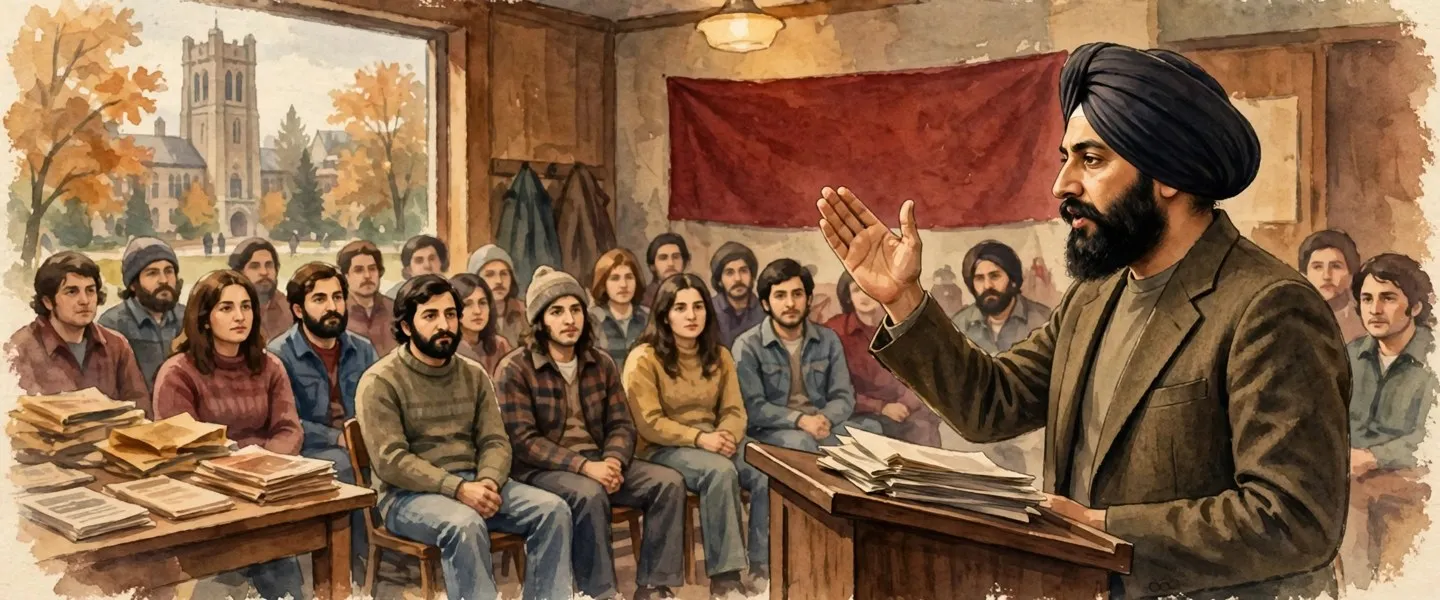
ਹਰਦਿਆਲ ਬੈਂਸ (15 ਅਗਸਤ 1939 ਤੋਂ 24 ਅਗਸਤ 1997) ਪੰਜਾਬ ਵਿੱਚ ਜਨਮੇ ਸੂਖਮ-ਜੀਵ ਵਿਗਿਆਨ ਦੇ ਲੈਕਚਰਰ ਸਨ, ਜਿਨ੍ਹਾਂ ਨੇ 1970 ਵਿੱਚ ਕੈਨੇਡਾ ਦੀ ਕਮਿਊਨਿਸਟ ਪਾਰਟੀ (ਮਾਰਕਸਵਾਦੀ-ਲੈਨਿਨਵਾਦੀ) ਦੀ ਸਥਾਪਨਾ ਕੀਤੀ ਅਤੇ ਆਪਣੀ ਮੌਤ ਤੱਕ ਇਸ ਦੇ ਪਹਿਲੇ ਸਕੱਤਰ ਵਜੋਂ ਅਗਵਾਈ ਕੀਤੀ। ਹੁਸ਼ਿਆਰਪੁਰ ਜ਼ਿਲ੍ਹੇ ਦੇ ਮਾਹਿਲਪੁਰ ਨਾਲ ਜੁੜੇ ਇੱਕ ਕਮਿਊਨਿਸਟ ਪਰਿਵਾਰ ਵਿੱਚ ਪਲੇ, ਉਹ 1959 ਵਿੱਚ ਕੈਨੇਡਾ ਆਏ, ਬ੍ਰਿਟਿਸ਼ ਕੋਲੰਬੀਆ ਯੂਨੀਵਰਸਿਟੀ ਵਿੱਚ ਪੜ੍ਹੇ, ਅਤੇ ਅੱਗੇ ਜਾ ਕੇ ਆਇਰਲੈਂਡ, ਬ੍ਰਿਟੇਨ, ਟ੍ਰਿਨਿਡਾਡ ਅਤੇ ਟੋਬੈਗੋ ਅਤੇ ਭਾਰਤ ਵਿੱਚ ਭੈਣ ਪਾਰਟੀਆਂ ਦੀ ਸਥਾਪਨਾ ਕੀਤੀ ਜਾਂ ਉਨ੍ਹਾਂ ਉੱਤੇ ਪ੍ਰਭਾਵ ਪਾਇਆ।
ਜੀਵਨ ਇੱਕ ਨਜ਼ਰ ਵਿੱਚ
- 1939ਜਨਮ Punjab, British India (sources differ on the village: Chak 6 or Mahilpur)
- 1967ਕਿਤਾਬ Necessity for Change!
- 1985ਕਿਤਾਬ The Call of the Martyrs
- 1991ਕਿਤਾਬ Communism 1989-1991
- 1993ਕਿਤਾਬ A Power to Share
- 1996ਕਿਤਾਬ Modern Communism
- 1997ਦੇਹਾਂਤ Hull, Quebec, Canada (aged 58)
- ਪੰਜਾਬੀ ਨਾਂ
- ਹਰਦਿਆਲ ਬੈਂਸ
- ਜਨਮ
- 15 ਅਗਸਤ 1939, ਪੰਜਾਬ, ਬ੍ਰਿਟਿਸ਼ ਭਾਰਤ (ਸਰੋਤ ਪਿੰਡ ਬਾਰੇ ਵੱਖੋ ਵੱਖ ਕਹਿੰਦੇ ਹਨ: ਚੱਕ 6 ਜਾਂ ਮਾਹਿਲਪੁਰ)
- ਦੇਹਾਂਤ
- 24 ਅਗਸਤ 1997, ਹਲ, ਕਿਊਬੈਕ, ਕੈਨੇਡਾ (ਉਮਰ 58 ਸਾਲ)
- ਪਰਿਵਾਰਕ ਘਰ
- ਮਾਹਿਲਪੁਰ, ਹੁਸ਼ਿਆਰਪੁਰ ਜ਼ਿਲ੍ਹਾ, ਪੰਜਾਬ
- ਜ਼ਿਲ੍ਹਾ
- ਹੁਸ਼ਿਆਰਪੁਰ
- ਤਹਿਸੀਲ
- ਗੜ੍ਹਸ਼ੰਕਰ
All 15 facts
- ਇਲਾਕਾ
- ਦੋਆਬਾ
- ਸਿੱਖਿਆ
- ਬੈਕਟੀਰੀਆ ਵਿਗਿਆਨ ਅਤੇ ਸੂਖਮ-ਜੀਵ ਵਿਗਿਆਨ ਦੀ ਉੱਚ ਪੜ੍ਹਾਈ, ਬ੍ਰਿਟਿਸ਼ ਕੋਲੰਬੀਆ ਯੂਨੀਵਰਸਿਟੀ, 1960 ਤੋਂ 1965; ਸੂਖਮ-ਜੀਵ ਵਿਗਿਆਨ ਵਿੱਚ ਮਾਸਟਰ ਡਿਗਰੀ
- ਸਿੱਖ ਸਿੱਖਿਆ
- ਸੂਖਮ-ਜੀਵ ਵਿਗਿਆਨ ਦੇ ਲੈਕਚਰਰ, ਟ੍ਰਿਨਿਟੀ ਕਾਲਜ, ਡਬਲਿਨ, 1965 ਤੋਂ 1967
- ਪਾਰਟੀ
- ਕੈਨੇਡਾ ਦੀ ਕਮਿਊਨਿਸਟ ਪਾਰਟੀ (ਮਾਰਕਸਵਾਦੀ-ਲੈਨਿਨਵਾਦੀ), ਚੋਣਾਂ ਵਿੱਚ ਮਾਰਕਸਵਾਦੀ-ਲੈਨਿਨਵਾਦੀ ਪਾਰਟੀ ਆਫ਼ ਕੈਨੇਡਾ ਵਜੋਂ ਦਰਜ
- ਪਾਰਟੀ ਆਗੂ
- ਪਹਿਲੇ ਸਕੱਤਰ, 1970 ਤੋਂ 1997
- ਹੋਰ ਸੰਸਥਾਵਾਂ
- ਆਇਰਲੈਂਡ ਦੀ ਕਮਿਊਨਿਸਟ ਪਾਰਟੀ (ਮਾਰਕਸਵਾਦੀ-ਲੈਨਿਨਵਾਦੀ); ਬ੍ਰਿਟੇਨ ਦੀ ਰੈਵੋਲਿਊਸ਼ਨਰੀ ਕਮਿਊਨਿਸਟ ਪਾਰਟੀ (ਮਾਰਕਸਵਾਦੀ-ਲੈਨਿਨਵਾਦੀ); ਟ੍ਰਿਨਿਡਾਡ ਅਤੇ ਟੋਬੈਗੋ ਦੀ ਕਮਿਊਨਿਸਟ ਪਾਰਟੀ; ਭਾਰਤ ਦੀ ਕਮਿਊਨਿਸਟ ਗ਼ਦਰ ਪਾਰਟੀ
- ਕਿਤਾਬਾਂ
- ਨੈਸੈਸਿਟੀ ਫਾਰ ਚੇਂਜ! (1967); ਦ ਕਾਲ ਆਫ਼ ਦ ਮਾਰਟਾਇਰਜ਼ (1985); ਕਮਿਊਨਿਜ਼ਮ 1989-1991 (1991); ਅ ਪਾਵਰ ਟੂ ਸ਼ੇਅਰ (1993); ਮਾਡਰਨ ਕਮਿਊਨਿਜ਼ਮ (1996)
- ਵਾਰਸ
- ਸੈਂਡਰਾ ਐਲ. ਸਮਿਥ, ਉਨ੍ਹਾਂ ਦੀ ਪਤਨੀ
- ਯਾਦਗਾਰ
- ਬੀਚਵੁੱਡ ਕਬਰਿਸਤਾਨ, ਓਟਵਾ
Hardial Bains (15 August 1939 to 24 August 1997) was a Punjab-born microbiology lecturer who became one of the most durable political organisers in modern Canada. In 1970 he founded the Communist Party of Canada (Marxist-Leninist), known at elections as the Marxist-Leninist Party of Canada, and he led it as First Secretary until his death 27 years later. No candidate of his party ever won a seat, yet the organisation outlasted nearly every rival that shared its politics.
Where was Hardial Bains born?
The record does not give one simple answer, and this page does not pretend otherwise. The Canadian Encyclopedia and current reference works place his birth in Chak 6, a village in Punjab, British India, in the part of Punjab that is now in Pakistan. Older accounts, including the ABC BookWorld record of British Columbia authors, say he was born at Mahilpur in Hoshiarpur district. What no source disputes is the family story behind both versions: Bains was born into a communist Sikh family, and after Partition in 1947 the family settled in its ancestral area around Mahilpur, in the Doaba region of Indian Punjab. Mahilpur is the place he came from, whichever village name is correct for the birth itself.
Early life in Punjab and the move to Canada
Politics reached Bains at home before it reached him anywhere else. His family were members or supporters of the Communist Party of India, and ABC BookWorld records that he was active in the communist movement as a boy in the late 1940s and took part in the party's successful 1957 election campaign in Kerala. The turning point of his youth was Nikita Khrushchev's 1956 speech criticising Joseph Stalin. Bains rejected the criticism, broke with the Communist Party of India over its acceptance of it, and held a pro-Stalin position for the rest of his life.
In 1959, at the age of 19, Bains arrived in Canada. He settled in Vancouver and pursued postgraduate studies in bacteriology and microbiology at the University of British Columbia from 1960 to 1965. He was an elected student leader on campus, and in 1964 he was elected president of the British Columbia Student Federation. The campus he arrived on had little visible communist organisation, and the split between China and the Soviet Union was then dividing communist movements worldwide. Bains sided with China, and set out to build a new movement in Canada rather than join an existing one.
The Internationalists and the road to a party
On 13 March 1963, Bains helped found the Internationalists at the University of British Columbia. It began as a student discussion group and grew into an organisation that opposed what its members called revisionism in the Soviet-led communist movement, taking its lead in those years from Mao Zedong's China. His 1967 pamphlet Necessity for Change! set out the thinking behind the group, and an institute of the same name, founded that year, carried its study work forward.
The work was never only Canadian. From 1965 to 1967 Bains lectured in microbiology at Trinity College, Dublin, having completed a master's degree in the subject, and in Ireland he founded the Internationalists in Ireland, the group that became the Communist Party of Ireland (Marxist-Leninist) in 1970. In London in 1967 he chaired the Necessity for Change conference, a small gathering of students from several countries that is widely treated as the starting point of his international network. He returned to Canada in May 1968.
Founding and leading the CPC (ML)
Back in Canada, the Internationalists renamed themselves in stages, first as the Canadian Student Movement and then as the Canadian Communist Movement (Marxist-Leninist). On 31 March 1970 they declared themselves a formal political party, the Communist Party of Canada (Marxist-Leninist), with Bains as founding leader and First Secretary. Because the courts held its name too close to that of the older Communist Party of Canada, Elections Canada registered it for elections as the Marxist-Leninist Party of Canada from 1974. The party never won a seat, but it campaigned on a scale its rivals rarely matched: its largest effort came in the 1980 federal election, when it fielded 177 candidates across 63 percent of the country's electoral districts.
Bains also holds two firsts in Canadian electoral history. Standing in Eglinton in the 1972 federal election, he was the first South Asian Canadian candidate in Canada, and as the founder of a federal party he was the first South Asian Canadian to lead a political party, decades before any other Punjabi Canadian led a national party. Alongside party building, he organised defence work in immigrant communities: a committee for democratic rights in Montreal in 1969, the East Indian Defence Committee in 1973, and work against racist attacks through the late 1970s.
His international line changed with the times, and he changed it openly. The movement he built was Maoist through the 1960s and most of the 1970s. After Mao's death in 1976 and the split between China and Albania, Bains declared China revisionist as well and aligned his party with Enver Hoxha's Albania, which recognised the CPC (ML) as its fraternal party in Canada. When communist rule collapsed in Albania and across Eastern Europe, he reappraised again, speaking positively of Cuba. In his final years his main theme became democratic renewal: he submitted a brief on behalf of his party to the Lortie Commission on electoral reform in 1990, wrote on the constitutional question after the 1992 Charlottetown Accord referendum, and helped set up the Canadian Renewal Party as a non-partisan association for political renewal.
Work beyond Canada
Few Canadian party leaders of his era had a comparable reach abroad. Beyond the Canadian and Irish parties, Bains is regarded as a founder of the Revolutionary Communist Party of Britain (Marxist-Leninist) and the Communist Party of Trinidad and Tobago, and as a major influence on the Communist Ghadar Party of India. In 1970 his movement also helped found the Hindustani Ghadar Party, an organisation of Indian Marxist-Leninists abroad, and through the 1970s he held a leading influence in the Marxist-Leninist Party in the United States, which later split from his party and dissolved in 1993. The Ghadar name in his Indian work was a deliberate link back to the Ghadar movement begun by Punjabi migrants on the Pacific coast in 1913, the tradition of Sohan Singh Bhakna and Kartar Singh Sarabha, whose story began in the same Doaba countryside as his own family.
Death, succession and legacy
Bains died on 24 August 1997 in Hull, Quebec, nine days after his 58th birthday, after what Wikipedia describes as a prolonged battle with cancer. His widow, Sandra L. Smith, succeeded him as leader of the party he had founded. A large granite memorial to Bains and other party members stands at Beechwood Cemetery in Ottawa, Canada's national cemetery, made from stone quarried in Jhansi, India. His books include Necessity for Change! (1967), The Call of the Martyrs, on the crisis in India and the situation in Punjab (1985), Communism 1989-1991 (1991), A Power to Share (1993) and Modern Communism (1996), alongside many pamphlets, speeches and articles. The poet George Elliot Clarke published a poem titled Homage to Hardial Bains in 2000.
The Canadian Encyclopedia's judgement is that Bains's leadership helped the Marxist-Leninist Party of Canada become the most successful Canadian communist organisation of the 1970s and 1980s. The party he founded in 1970 still exists today, still publishes under the Marxist-Leninist name, and still presents Bains as its founder and defining leader. For the Punjabi diaspora, his career carries a second meaning: a young man from a Doaba village family, trained as a scientist in Vancouver and Dublin, built and led a national political party in Canada for 27 years.
ਹਰਦਿਆਲ ਬੈਂਸ (15 ਅਗਸਤ 1939 ਤੋਂ 24 ਅਗਸਤ 1997) ਪੰਜਾਬ ਵਿੱਚ ਜਨਮੇ ਸੂਖਮ-ਜੀਵ ਵਿਗਿਆਨ ਦੇ ਲੈਕਚਰਰ ਸਨ, ਜੋ ਆਧੁਨਿਕ ਕੈਨੇਡਾ ਦੇ ਸਭ ਤੋਂ ਲੰਮੇ ਸਮੇਂ ਤੱਕ ਟਿਕੇ ਰਹਿਣ ਵਾਲੇ ਸਿਆਸੀ ਸੰਗਠਨਕਾਰਾਂ ਵਿੱਚੋਂ ਇੱਕ ਬਣ ਗਏ। ਸਾਲ 1970 ਵਿੱਚ ਉਨ੍ਹਾਂ ਨੇ ਕੈਨੇਡਾ ਦੀ ਕਮਿਊਨਿਸਟ ਪਾਰਟੀ (ਮਾਰਕਸਵਾਦੀ-ਲੈਨਿਨਵਾਦੀ) ਦੀ ਸਥਾਪਨਾ ਕੀਤੀ, ਜੋ ਚੋਣਾਂ ਵਿੱਚ ਮਾਰਕਸਵਾਦੀ-ਲੈਨਿਨਵਾਦੀ ਪਾਰਟੀ ਆਫ਼ ਕੈਨੇਡਾ ਦੇ ਨਾਂ ਨਾਲ ਜਾਣੀ ਜਾਂਦੀ ਹੈ, ਅਤੇ 27 ਸਾਲ ਬਾਅਦ ਆਪਣੀ ਮੌਤ ਤੱਕ ਉਹ ਇਸ ਦੇ ਪਹਿਲੇ ਸਕੱਤਰ ਵਜੋਂ ਇਸ ਦੀ ਅਗਵਾਈ ਕਰਦੇ ਰਹੇ। ਉਨ੍ਹਾਂ ਦੀ ਪਾਰਟੀ ਦਾ ਕੋਈ ਉਮੀਦਵਾਰ ਕਦੇ ਸੀਟ ਨਹੀਂ ਜਿੱਤ ਸਕਿਆ, ਪਰ ਇਹ ਸੰਗਠਨ ਆਪਣੀ ਸਿਆਸਤ ਸਾਂਝੀ ਕਰਨ ਵਾਲੇ ਲਗਭਗ ਹਰ ਵਿਰੋਧੀ ਗੁੱਟ ਤੋਂ ਲੰਮਾ ਸਮਾਂ ਕਾਇਮ ਰਿਹਾ।
ਹਰਦਿਆਲ ਬੈਂਸ ਦਾ ਜਨਮ ਕਿੱਥੇ ਹੋਇਆ ਸੀ?
ਰਿਕਾਰਡ ਇਸ ਦਾ ਇੱਕ ਸਰਲ ਜਵਾਬ ਨਹੀਂ ਦਿੰਦਾ, ਅਤੇ ਇਹ ਪੰਨਾ ਵੀ ਇਸ ਤਰ੍ਹਾਂ ਦਾ ਦਾਅਵਾ ਨਹੀਂ ਕਰਦਾ। ਦਾ ਕੈਨੇਡੀਅਨ ਇਨਸਾਈਕਲੋਪੀਡੀਆ ਅਤੇ ਮੌਜੂਦਾ ਹਵਾਲਾ ਪੁਸਤਕਾਂ ਉਨ੍ਹਾਂ ਦਾ ਜਨਮ ਬ੍ਰਿਟਿਸ਼ ਭਾਰਤ ਦੇ ਪੰਜਾਬ ਦੇ ਪਿੰਡ ਚੱਕ 6 ਵਿੱਚ ਦੱਸਦੀਆਂ ਹਨ, ਜੋ ਪੰਜਾਬ ਦੇ ਉਸ ਹਿੱਸੇ ਵਿੱਚ ਹੈ ਜੋ ਹੁਣ ਪਾਕਿਸਤਾਨ ਵਿੱਚ ਹੈ। ਪੁਰਾਣੇ ਬਿਰਤਾਂਤ, ਜਿਨ੍ਹਾਂ ਵਿੱਚ ਬ੍ਰਿਟਿਸ਼ ਕੋਲੰਬੀਆ ਦੇ ਲੇਖਕਾਂ ਦਾ ਏ.ਬੀ.ਸੀ. ਬੁੱਕਵਰਲਡ ਰਿਕਾਰਡ ਵੀ ਸ਼ਾਮਲ ਹੈ, ਕਹਿੰਦੇ ਹਨ ਕਿ ਉਨ੍ਹਾਂ ਦਾ ਜਨਮ ਹੁਸ਼ਿਆਰਪੁਰ ਜ਼ਿਲ੍ਹੇ ਦੇ ਮਾਹਿਲਪੁਰ ਵਿੱਚ ਹੋਇਆ ਸੀ। ਜਿਸ ਗੱਲ ਉੱਤੇ ਕੋਈ ਸਰੋਤ ਵਿਵਾਦ ਨਹੀਂ ਕਰਦਾ, ਉਹ ਦੋਹਾਂ ਕਥਨਾਂ ਪਿੱਛੇ ਪਿਆ ਪਰਿਵਾਰਕ ਪਿਛੋਕੜ ਹੈ: ਬੈਂਸ ਇੱਕ ਕਮਿਊਨਿਸਟ ਸਿੱਖ ਪਰਿਵਾਰ ਵਿੱਚ ਪੈਦਾ ਹੋਏ, ਅਤੇ 1947 ਦੀ ਵੰਡ ਤੋਂ ਬਾਅਦ ਪਰਿਵਾਰ ਭਾਰਤੀ ਪੰਜਾਬ ਦੇ ਦੋਆਬਾ ਇਲਾਕੇ ਵਿੱਚ ਆਪਣੇ ਪੁਰਖਿਆਂ ਦੇ ਇਲਾਕੇ ਮਾਹਿਲਪੁਰ ਦੇ ਆਲੇ ਦੁਆਲੇ ਆ ਵਸਿਆ। ਜਨਮ ਲਈ ਕਿਹੜਾ ਪਿੰਡ ਨਾਂ ਸਹੀ ਹੈ, ਇਹ ਅਲੱਗ ਗੱਲ ਹੈ, ਪਰ ਉਹ ਜਿਸ ਥਾਂ ਤੋਂ ਆਏ ਸਨ, ਉਹ ਮਾਹਿਲਪੁਰ ਹੀ ਹੈ।
ਪੰਜਾਬ ਵਿੱਚ ਮੁੱਢਲਾ ਜੀਵਨ ਅਤੇ ਕੈਨੇਡਾ ਵੱਲ ਜਾਣਾ
ਸਿਆਸਤ ਬੈਂਸ ਤੱਕ ਕਿਸੇ ਹੋਰ ਥਾਂ ਤੋਂ ਪਹਿਲਾਂ ਘਰ ਤੋਂ ਪਹੁੰਚੀ। ਉਨ੍ਹਾਂ ਦਾ ਪਰਿਵਾਰ ਭਾਰਤ ਦੀ ਕਮਿਊਨਿਸਟ ਪਾਰਟੀ ਦਾ ਮੈਂਬਰ ਜਾਂ ਸਮਰਥਕ ਸੀ, ਅਤੇ ਏ.ਬੀ.ਸੀ. ਬੁੱਕਵਰਲਡ ਦਰਜ ਕਰਦਾ ਹੈ ਕਿ ਉਹ 1940ਵਿਆਂ ਦੇ ਅੰਤ ਵਿੱਚ ਬਾਲ ਉਮਰੇ ਹੀ ਕਮਿਊਨਿਸਟ ਲਹਿਰ ਵਿੱਚ ਸਰਗਰਮ ਸਨ ਅਤੇ 1957 ਵਿੱਚ ਕੇਰਲਾ ਵਿੱਚ ਪਾਰਟੀ ਦੀ ਸਫਲ ਚੋਣ ਮੁਹਿੰਮ ਵਿੱਚ ਹਿੱਸਾ ਲਿਆ ਸੀ। ਉਨ੍ਹਾਂ ਦੀ ਜਵਾਨੀ ਦਾ ਮੋੜ ਨਿਕੀਤਾ ਖਰੁਸ਼ਚੇਵ ਦਾ 1956 ਦਾ ਉਹ ਭਾਸ਼ਣ ਸੀ ਜਿਸ ਵਿੱਚ ਜੋਸਫ਼ ਸਟਾਲਿਨ ਦੀ ਆਲੋਚਨਾ ਕੀਤੀ ਗਈ ਸੀ। ਬੈਂਸ ਨੇ ਇਹ ਆਲੋਚਨਾ ਰੱਦ ਕਰ ਦਿੱਤੀ, ਪਾਰਟੀ ਵੱਲੋਂ ਇਸ ਨੂੰ ਸਵੀਕਾਰ ਕਰਨ ਉੱਤੇ ਉਹ ਭਾਰਤੀ ਕਮਿਊਨਿਸਟ ਪਾਰਟੀ ਨਾਲੋਂ ਵੱਖ ਹੋ ਗਏ, ਅਤੇ ਸਾਰੀ ਉਮਰ ਸਟਾਲਿਨ ਦੇ ਸਮਰਥਕ ਰਹੇ।
ਸਾਲ 1959 ਵਿੱਚ, 19 ਸਾਲ ਦੀ ਉਮਰ ਵਿੱਚ, ਬੈਂਸ ਕੈਨੇਡਾ ਆ ਗਏ। ਉਹ ਵੈਨਕੂਵਰ ਵਿੱਚ ਵਸੇ ਅਤੇ 1960 ਤੋਂ 1965 ਤੱਕ ਬ੍ਰਿਟਿਸ਼ ਕੋਲੰਬੀਆ ਯੂਨੀਵਰਸਿਟੀ ਵਿੱਚ ਬੈਕਟੀਰੀਆ ਵਿਗਿਆਨ ਅਤੇ ਸੂਖਮ-ਜੀਵ ਵਿਗਿਆਨ ਦੀ ਉੱਚ ਪੜ੍ਹਾਈ ਕੀਤੀ। ਉਹ ਕੈਂਪਸ ਵਿੱਚ ਚੁਣੇ ਹੋਏ ਵਿਦਿਆਰਥੀ ਆਗੂ ਸਨ, ਅਤੇ 1964 ਵਿੱਚ ਉਹ ਬ੍ਰਿਟਿਸ਼ ਕੋਲੰਬੀਆ ਵਿਦਿਆਰਥੀ ਫੈਡਰੇਸ਼ਨ ਦੇ ਪ੍ਰਧਾਨ ਚੁਣੇ ਗਏ। ਜਿਸ ਕੈਂਪਸ ਵਿੱਚ ਉਹ ਪਹੁੰਚੇ, ਉੱਥੇ ਕਮਿਊਨਿਸਟ ਸੰਗਠਨ ਲਗਭਗ ਦਿਖਾਈ ਨਹੀਂ ਦਿੰਦਾ ਸੀ, ਅਤੇ ਚੀਨ ਤੇ ਸੋਵੀਅਤ ਯੂਨੀਅਨ ਵਿਚਕਾਰ ਪਈ ਫੁੱਟ ਉਸ ਸਮੇਂ ਸੰਸਾਰ ਭਰ ਦੀਆਂ ਕਮਿਊਨਿਸਟ ਲਹਿਰਾਂ ਨੂੰ ਵੰਡ ਰਹੀ ਸੀ। ਬੈਂਸ ਨੇ ਚੀਨ ਦਾ ਪੱਖ ਲਿਆ, ਅਤੇ ਕਿਸੇ ਮੌਜੂਦਾ ਪਾਰਟੀ ਵਿੱਚ ਸ਼ਾਮਲ ਹੋਣ ਦੀ ਬਜਾਏ ਕੈਨੇਡਾ ਵਿੱਚ ਨਵੀਂ ਲਹਿਰ ਖੜ੍ਹੀ ਕਰਨ ਦਾ ਫੈਸਲਾ ਕੀਤਾ।
ਦ ਇੰਟਰਨੈਸ਼ਨਲਿਸਟਸ ਅਤੇ ਪਾਰਟੀ ਵੱਲ ਦਾ ਰਾਹ
13 ਮਾਰਚ 1963 ਨੂੰ ਬੈਂਸ ਨੇ ਬ੍ਰਿਟਿਸ਼ ਕੋਲੰਬੀਆ ਯੂਨੀਵਰਸਿਟੀ ਵਿੱਚ ਦ ਇੰਟਰਨੈਸ਼ਨਲਿਸਟਸ ਦੀ ਸਥਾਪਨਾ ਵਿੱਚ ਮਦਦ ਕੀਤੀ। ਇਹ ਇੱਕ ਵਿਦਿਆਰਥੀ ਵਿਚਾਰ-ਚਰਚਾ ਗੁੱਟ ਵਜੋਂ ਸ਼ੁਰੂ ਹੋਇਆ ਅਤੇ ਇੱਕ ਅਜਿਹੇ ਸੰਗਠਨ ਵਿੱਚ ਵਧਿਆ ਜੋ ਸੋਵੀਅਤ ਅਗਵਾਈ ਵਾਲੀ ਕਮਿਊਨਿਸਟ ਲਹਿਰ ਵਿੱਚ, ਉਸ ਦੇ ਮੈਂਬਰਾਂ ਦੇ ਕਥਨ ਅਨੁਸਾਰ, ਸੋਧਵਾਦ ਦਾ ਵਿਰੋਧ ਕਰਦਾ ਸੀ ਅਤੇ ਉਨ੍ਹਾਂ ਸਾਲਾਂ ਵਿੱਚ ਮਾਓ ਜ਼ੇਦੋਂਗ ਦੇ ਚੀਨ ਤੋਂ ਰਾਹ ਲੈਂਦਾ ਸੀ। ਸਾਲ 1967 ਦੀ ਉਨ੍ਹਾਂ ਦੀ ਪੁਸਤਿਕਾ ਨੈਸੈਸਿਟੀ ਫਾਰ ਚੇਂਜ! ਨੇ ਗੁੱਟ ਪਿੱਛੇ ਪਈ ਸੋਚ ਨੂੰ ਸਾਹਮਣੇ ਰੱਖਿਆ, ਅਤੇ ਉਸੇ ਨਾਂ ਦੀ ਸੰਸਥਾ, ਜੋ ਉਸੇ ਸਾਲ ਬਣਾਈ ਗਈ, ਇਸ ਦੇ ਅਧਿਐਨ ਕੰਮ ਨੂੰ ਅੱਗੇ ਲੈ ਗਈ।
ਇਹ ਕੰਮ ਕਦੇ ਸਿਰਫ਼ ਕੈਨੇਡੀਅਨ ਨਹੀਂ ਸੀ। ਇਸ ਵਿਸ਼ੇ ਵਿੱਚ ਮਾਸਟਰ ਡਿਗਰੀ ਪੂਰੀ ਕਰਨ ਤੋਂ ਬਾਅਦ, 1965 ਤੋਂ 1967 ਤੱਕ ਬੈਂਸ ਡਬਲਿਨ ਦੇ ਟ੍ਰਿਨਿਟੀ ਕਾਲਜ ਵਿੱਚ ਸੂਖਮ-ਜੀਵ ਵਿਗਿਆਨ ਦੇ ਲੈਕਚਰਰ ਰਹੇ, ਅਤੇ ਆਇਰਲੈਂਡ ਵਿੱਚ ਉਨ੍ਹਾਂ ਨੇ ਦ ਇੰਟਰਨੈਸ਼ਨਲਿਸਟਸ ਇਨ ਆਇਰਲੈਂਡ ਦੀ ਸਥਾਪਨਾ ਕੀਤੀ, ਉਹੀ ਗੁੱਟ ਜੋ 1970 ਵਿੱਚ ਆਇਰਲੈਂਡ ਦੀ ਕਮਿਊਨਿਸਟ ਪਾਰਟੀ (ਮਾਰਕਸਵਾਦੀ-ਲੈਨਿਨਵਾਦੀ) ਬਣਿਆ। ਸਾਲ 1967 ਵਿੱਚ ਲੰਡਨ ਵਿੱਚ ਉਨ੍ਹਾਂ ਨੇ ਨੈਸੈਸਿਟੀ ਫਾਰ ਚੇਂਜ ਕਾਨਫਰੰਸ ਦੀ ਪ੍ਰਧਾਨਗੀ ਕੀਤੀ, ਕਈ ਦੇਸ਼ਾਂ ਦੇ ਵਿਦਿਆਰਥੀਆਂ ਦਾ ਇੱਕ ਛੋਟਾ ਇਕੱਠ, ਜਿਸ ਨੂੰ ਆਮ ਤੌਰ ਉੱਤੇ ਉਨ੍ਹਾਂ ਦੇ ਅੰਤਰਰਾਸ਼ਟਰੀ ਜਾਲ ਦਾ ਮੁੱਢ ਮੰਨਿਆ ਜਾਂਦਾ ਹੈ। ਮਈ 1968 ਵਿੱਚ ਉਹ ਕੈਨੇਡਾ ਵਾਪਸ ਆ ਗਏ।
ਸੀ.ਪੀ.ਸੀ. (ਐਮ-ਐਲ) ਦੀ ਸਥਾਪਨਾ ਅਤੇ ਅਗਵਾਈ
ਕੈਨੇਡਾ ਵਾਪਸ ਆ ਕੇ, ਦ ਇੰਟਰਨੈਸ਼ਨਲਿਸਟਸ ਨੇ ਪੜਾਅ-ਦਰ-ਪੜਾਅ ਆਪਣਾ ਨਾਂ ਬਦਲਿਆ, ਪਹਿਲਾਂ ਕੈਨੇਡੀਅਨ ਸਟੂਡੈਂਟ ਮੂਵਮੈਂਟ ਅਤੇ ਫੇਰ ਕੈਨੇਡੀਅਨ ਕਮਿਊਨਿਸਟ ਮੂਵਮੈਂਟ (ਮਾਰਕਸਵਾਦੀ-ਲੈਨਿਨਵਾਦੀ)। 31 ਮਾਰਚ 1970 ਨੂੰ ਉਨ੍ਹਾਂ ਨੇ ਆਪਣੇ ਆਪ ਨੂੰ ਇੱਕ ਰਸਮੀ ਸਿਆਸੀ ਪਾਰਟੀ, ਕੈਨੇਡਾ ਦੀ ਕਮਿਊਨਿਸਟ ਪਾਰਟੀ (ਮਾਰਕਸਵਾਦੀ-ਲੈਨਿਨਵਾਦੀ), ਐਲਾਨ ਦਿੱਤਾ, ਜਿਸ ਦੇ ਬਾਨੀ ਆਗੂ ਅਤੇ ਪਹਿਲੇ ਸਕੱਤਰ ਬੈਂਸ ਸਨ। ਕਿਉਂਕਿ ਅਦਾਲਤਾਂ ਨੇ ਇਸ ਦਾ ਨਾਂ ਪੁਰਾਣੀ ਕੈਨੇਡਾ ਦੀ ਕਮਿਊਨਿਸਟ ਪਾਰਟੀ ਦੇ ਨਾਂ ਦੇ ਬਹੁਤ ਨੇੜੇ ਮੰਨਿਆ, ਇਸ ਲਈ ਇਲੈਕਸ਼ਨਜ਼ ਕੈਨੇਡਾ ਨੇ 1974 ਤੋਂ ਇਸ ਨੂੰ ਚੋਣਾਂ ਲਈ ਮਾਰਕਸਵਾਦੀ-ਲੈਨਿਨਵਾਦੀ ਪਾਰਟੀ ਆਫ਼ ਕੈਨੇਡਾ ਵਜੋਂ ਦਰਜ ਕੀਤਾ। ਪਾਰਟੀ ਕਦੇ ਕੋਈ ਸੀਟ ਨਹੀਂ ਜਿੱਤ ਸਕੀ, ਪਰ ਉਸ ਨੇ ਅਜਿਹੇ ਪੈਮਾਨੇ ਉੱਤੇ ਮੁਹਿੰਮ ਚਲਾਈ ਜਿਸ ਦਾ ਮੁਕਾਬਲਾ ਉਸ ਦੇ ਵਿਰੋਧੀ ਘੱਟ ਹੀ ਕਰ ਸਕੇ: ਇਸ ਦੀ ਸਭ ਤੋਂ ਵੱਡੀ ਕੋਸ਼ਿਸ਼ 1980 ਦੀਆਂ ਸੰਘੀ ਚੋਣਾਂ ਵਿੱਚ ਆਈ, ਜਦੋਂ ਇਸ ਨੇ ਦੇਸ਼ ਦੇ 63 ਪ੍ਰਤੀਸ਼ਤ ਚੋਣ ਹਲਕਿਆਂ ਵਿੱਚ 177 ਉਮੀਦਵਾਰ ਖੜ੍ਹੇ ਕੀਤੇ।
ਕੈਨੇਡਾ ਦੇ ਚੋਣ ਇਤਿਹਾਸ ਵਿੱਚ ਬੈਂਸ ਦੇ ਨਾਂ ਦੋ ਪਹਿਲਾਂ ਵੀ ਦਰਜ ਹਨ। ਸਾਲ 1972 ਦੀਆਂ ਸੰਘੀ ਚੋਣਾਂ ਵਿੱਚ ਐਗਲਿੰਟਨ ਤੋਂ ਖੜ੍ਹੇ ਹੋ ਕੇ ਉਹ ਕੈਨੇਡਾ ਵਿੱਚ ਪਹਿਲੇ ਦੱਖਣੀ ਏਸ਼ੀਆਈ ਕੈਨੇਡੀਅਨ ਉਮੀਦਵਾਰ ਸਨ, ਅਤੇ ਇੱਕ ਸੰਘੀ ਪਾਰਟੀ ਦੇ ਬਾਨੀ ਵਜੋਂ ਉਹ ਕਿਸੇ ਸਿਆਸੀ ਪਾਰਟੀ ਦੀ ਅਗਵਾਈ ਕਰਨ ਵਾਲੇ ਪਹਿਲੇ ਦੱਖਣੀ ਏਸ਼ੀਆਈ ਕੈਨੇਡੀਅਨ ਸਨ, ਕਿਸੇ ਹੋਰ ਪੰਜਾਬੀ ਕੈਨੇਡੀਅਨ ਵੱਲੋਂ ਕੌਮੀ ਪਾਰਟੀ ਦੀ ਅਗਵਾਈ ਕਰਨ ਤੋਂ ਕਈ ਦਹਾਕੇ ਪਹਿਲਾਂ। ਪਾਰਟੀ ਨਿਰਮਾਣ ਦੇ ਨਾਲ ਨਾਲ ਉਨ੍ਹਾਂ ਨੇ ਪਰਵਾਸੀ ਭਾਈਚਾਰਿਆਂ ਵਿੱਚ ਬਚਾਅ ਕੰਮ ਵੀ ਸੰਗਠਿਤ ਕੀਤਾ: 1969 ਵਿੱਚ ਮੌਂਟਰੀਅਲ ਵਿੱਚ ਲੋਕਤੰਤਰੀ ਹੱਕਾਂ ਲਈ ਇੱਕ ਕਮੇਟੀ, 1973 ਵਿੱਚ ਈਸਟ ਇੰਡੀਅਨ ਡੀਫੈਂਸ ਕਮੇਟੀ, ਅਤੇ 1970ਵਿਆਂ ਦੇ ਅੰਤ ਤੱਕ ਨਸਲੀ ਹਮਲਿਆਂ ਵਿਰੁੱਧ ਕੰਮ।
ਉਨ੍ਹਾਂ ਦੀ ਅੰਤਰਰਾਸ਼ਟਰੀ ਲੀਹ ਸਮੇਂ ਨਾਲ ਬਦਲੀ, ਅਤੇ ਉਨ੍ਹਾਂ ਨੇ ਇਹ ਬਦਲਾਅ ਖੁੱਲ੍ਹ ਕੇ ਕੀਤਾ। ਜੋ ਲਹਿਰ ਉਨ੍ਹਾਂ ਨੇ ਬਣਾਈ, ਉਹ 1960ਵਿਆਂ ਅਤੇ 1970ਵਿਆਂ ਦੇ ਬਹੁਤੇ ਹਿੱਸੇ ਵਿੱਚ ਮਾਓਵਾਦੀ ਰਹੀ। ਸਾਲ 1976 ਵਿੱਚ ਮਾਓ ਦੀ ਮੌਤ ਅਤੇ ਚੀਨ ਤੇ ਅਲਬਾਨੀਆ ਵਿਚਕਾਰ ਪਈ ਫੁੱਟ ਤੋਂ ਬਾਅਦ, ਬੈਂਸ ਨੇ ਚੀਨ ਨੂੰ ਵੀ ਸੋਧਵਾਦੀ ਐਲਾਨ ਦਿੱਤਾ ਅਤੇ ਆਪਣੀ ਪਾਰਟੀ ਨੂੰ ਐਨਵਰ ਹੋਜਾ ਦੇ ਅਲਬਾਨੀਆ ਨਾਲ ਜੋੜ ਦਿੱਤਾ, ਜਿਸ ਨੇ ਸੀ.ਪੀ.ਸੀ. (ਐਮ-ਐਲ) ਨੂੰ ਕੈਨੇਡਾ ਵਿੱਚ ਆਪਣੀ ਭਰਾਤਰੀ ਪਾਰਟੀ ਵਜੋਂ ਮਾਨਤਾ ਦਿੱਤੀ। ਜਦੋਂ ਅਲਬਾਨੀਆ ਅਤੇ ਸਾਰੇ ਪੂਰਬੀ ਯੂਰਪ ਵਿੱਚ ਕਮਿਊਨਿਸਟ ਸ਼ਾਸਨ ਢਹਿ ਗਿਆ, ਤਾਂ ਉਨ੍ਹਾਂ ਨੇ ਫੇਰ ਮੁਲਾਂਕਣ ਕੀਤਾ ਅਤੇ ਕਿਊਬਾ ਬਾਰੇ ਸਕਾਰਾਤਮਕ ਬੋਲਣ ਲੱਗੇ। ਆਪਣੇ ਅੰਤਮ ਸਾਲਾਂ ਵਿੱਚ ਉਨ੍ਹਾਂ ਦਾ ਮੁੱਖ ਵਿਸ਼ਾ ਲੋਕਤੰਤਰੀ ਨਵਿਆਉਣ ਬਣ ਗਿਆ: 1990 ਵਿੱਚ ਉਨ੍ਹਾਂ ਨੇ ਆਪਣੀ ਪਾਰਟੀ ਵੱਲੋਂ ਚੋਣ ਸੁਧਾਰ ਬਾਰੇ ਲੌਰਟੀ ਕਮਿਸ਼ਨ ਨੂੰ ਇੱਕ ਬਰੀਫ ਦਿੱਤਾ, 1992 ਦੇ ਸ਼ਾਰਲਟਟਾਊਨ ਸਮਝੌਤਾ ਜਨਮਤ ਤੋਂ ਬਾਅਦ ਸੰਵਿਧਾਨਕ ਸਵਾਲ ਉੱਤੇ ਲਿਖਿਆ, ਅਤੇ ਸਿਆਸੀ ਨਵਿਆਉਣ ਲਈ ਇੱਕ ਗੈਰ-ਪੱਖਪਾਤੀ ਸੰਸਥਾ ਵਜੋਂ ਕੈਨੇਡੀਅਨ ਰਿਨਿਊਅਲ ਪਾਰਟੀ ਖੜ੍ਹੀ ਕਰਨ ਵਿੱਚ ਮਦਦ ਕੀਤੀ।
ਕੈਨੇਡਾ ਤੋਂ ਬਾਹਰ ਕੰਮ
ਉਸ ਜ਼ਮਾਨੇ ਦੇ ਕੈਨੇਡਾ ਦੇ ਬਹੁਤ ਘੱਟ ਪਾਰਟੀ ਆਗੂਆਂ ਦੀ ਵਿਦੇਸ਼ਾਂ ਵਿੱਚ ਉਨ੍ਹਾਂ ਜਿੰਨੀ ਪਹੁੰਚ ਸੀ। ਕੈਨੇਡੀਅਨ ਅਤੇ ਆਇਰਿਸ਼ ਪਾਰਟੀਆਂ ਤੋਂ ਅੱਗੇ, ਬੈਂਸ ਨੂੰ ਬ੍ਰਿਟੇਨ ਦੀ ਰੈਵੋਲਿਊਸ਼ਨਰੀ ਕਮਿਊਨਿਸਟ ਪਾਰਟੀ (ਮਾਰਕਸਵਾਦੀ-ਲੈਨਿਨਵਾਦੀ) ਅਤੇ ਟ੍ਰਿਨਿਡਾਡ ਅਤੇ ਟੋਬੈਗੋ ਦੀ ਕਮਿਊਨਿਸਟ ਪਾਰਟੀ ਦਾ ਬਾਨੀ, ਅਤੇ ਭਾਰਤ ਦੀ ਕਮਿਊਨਿਸਟ ਗ਼ਦਰ ਪਾਰਟੀ ਉੱਤੇ ਵੱਡਾ ਪ੍ਰਭਾਵ ਮੰਨਿਆ ਜਾਂਦਾ ਹੈ। ਸਾਲ 1970 ਵਿੱਚ ਉਨ੍ਹਾਂ ਦੀ ਲਹਿਰ ਨੇ ਹਿੰਦੁਸਤਾਨੀ ਗ਼ਦਰ ਪਾਰਟੀ, ਵਿਦੇਸ਼ਾਂ ਵਿੱਚ ਭਾਰਤੀ ਮਾਰਕਸਵਾਦੀ-ਲੈਨਿਨਵਾਦੀਆਂ ਦਾ ਸੰਗਠਨ, ਖੜ੍ਹਾ ਕਰਨ ਵਿੱਚ ਵੀ ਮਦਦ ਕੀਤੀ, ਅਤੇ 1970ਵਿਆਂ ਦੌਰਾਨ ਸੰਯੁਕਤ ਰਾਜ ਅਮਰੀਕਾ ਦੀ ਮਾਰਕਸਵਾਦੀ-ਲੈਨਿਨਵਾਦੀ ਪਾਰਟੀ ਵਿੱਚ ਉਨ੍ਹਾਂ ਦਾ ਅਗਵਾਈ ਵਾਲਾ ਪ੍ਰਭਾਵ ਰਿਹਾ, ਜੋ ਬਾਅਦ ਵਿੱਚ ਉਨ੍ਹਾਂ ਦੀ ਪਾਰਟੀ ਨਾਲੋਂ ਵੱਖ ਹੋ ਗਈ ਅਤੇ 1993 ਵਿੱਚ ਭੰਗ ਹੋ ਗਈ। ਉਨ੍ਹਾਂ ਦੇ ਭਾਰਤੀ ਕੰਮ ਵਿੱਚ ਗ਼ਦਰ ਨਾਂ ਉਸ ਗ਼ਦਰ ਲਹਿਰ ਨਾਲ ਜਾਣ ਬੁੱਝ ਕੇ ਜੋੜਿਆ ਗਿਆ ਸੀ ਜੋ 1913 ਵਿੱਚ ਪ੍ਰਸ਼ਾਂਤ ਤੱਟ ਉੱਤੇ ਪੰਜਾਬੀ ਪਰਵਾਸੀਆਂ ਨੇ ਸ਼ੁਰੂ ਕੀਤੀ ਸੀ, ਸੋਹਣ ਸਿੰਘ ਭਾਖਣਾ ਅਤੇ ਕਰਤਾਰ ਸਿੰਘ ਸਰਾਭਾ ਦੀ ਉਹ ਪਰੰਪਰਾ, ਜਿਸ ਦੀ ਕਹਾਣੀ ਉਨ੍ਹਾਂ ਦੇ ਆਪਣੇ ਪਰਿਵਾਰ ਵਾਲੇ ਦੋਆਬੇ ਦੇ ਪਿੰਡਾਂ ਤੋਂ ਹੀ ਸ਼ੁਰੂ ਹੁੰਦੀ ਹੈ।
ਮੌਤ, ਵਾਰਸ ਅਤੇ ਵਿਰਾਸਤ
ਬੈਂਸ ਦੀ ਮੌਤ 24 ਅਗਸਤ 1997 ਨੂੰ ਹਲ, ਕਿਊਬੈਕ ਵਿੱਚ ਹੋਈ, ਉਨ੍ਹਾਂ ਦੇ 58ਵੇਂ ਜਨਮ ਦਿਨ ਤੋਂ ਨੌਂ ਦਿਨ ਬਾਅਦ, ਜਿਸ ਨੂੰ ਵਿਕੀਪੀਡੀਆ ਕੈਂਸਰ ਨਾਲ ਲੰਮੀ ਲੜਾਈ ਤੋਂ ਬਾਅਦ ਦੀ ਮੌਤ ਦੱਸਦਾ ਹੈ। ਉਨ੍ਹਾਂ ਦੀ ਪਤਨੀ ਸੈਂਡਰਾ ਐਲ. ਸਮਿਥ ਉਨ੍ਹਾਂ ਤੋਂ ਬਾਅਦ ਉਸ ਪਾਰਟੀ ਦੀ ਆਗੂ ਬਣੀ ਜਿਸ ਦੀ ਉਨ੍ਹਾਂ ਨੇ ਸਥਾਪਨਾ ਕੀਤੀ ਸੀ। ਬੈਂਸ ਅਤੇ ਪਾਰਟੀ ਦੇ ਹੋਰ ਮੈਂਬਰਾਂ ਦੀ ਇੱਕ ਵੱਡੀ ਗ੍ਰੇਨਾਈਟ ਯਾਦਗਾਰ ਓਟਵਾ ਦੇ ਬੀਚਵੁੱਡ ਕਬਰਿਸਤਾਨ, ਕੈਨੇਡਾ ਦੇ ਕੌਮੀ ਕਬਰਿਸਤਾਨ, ਵਿੱਚ ਖੜ੍ਹੀ ਹੈ, ਜੋ ਭਾਰਤ ਦੇ ਝਾਂਸੀ ਤੋਂ ਲਿਆਂਦੇ ਪੱਥਰ ਨਾਲ ਬਣੀ ਹੈ। ਉਨ੍ਹਾਂ ਦੀਆਂ ਕਿਤਾਬਾਂ ਵਿੱਚ ਨੈਸੈਸਿਟੀ ਫਾਰ ਚੇਂਜ! (1967), ਭਾਰਤ ਦੇ ਸੰਕਟ ਅਤੇ ਪੰਜਾਬ ਦੀ ਸਥਿਤੀ ਉੱਤੇ ਦ ਕਾਲ ਆਫ਼ ਦ ਮਾਰਟਾਇਰਜ਼ (1985), ਕਮਿਊਨਿਜ਼ਮ 1989-1991 (1991), ਅ ਪਾਵਰ ਟੂ ਸ਼ੇਅਰ (1993) ਅਤੇ ਮਾਡਰਨ ਕਮਿਊਨਿਜ਼ਮ (1996) ਸ਼ਾਮਲ ਹਨ, ਨਾਲ ਹੀ ਕਈ ਪੁਸਤਿਕਾਵਾਂ, ਭਾਸ਼ਣ ਅਤੇ ਲੇਖ। ਕਵੀ ਜਾਰਜ ਐਲੀਅਟ ਕਲਾਰਕ ਨੇ ਸਾਲ 2000 ਵਿੱਚ ਹੋਮੇਜ ਟੂ ਹਰਦਿਆਲ ਬੈਂਸ ਨਾਂ ਦੀ ਕਵਿਤਾ ਛਾਪੀ।
ਦਾ ਕੈਨੇਡੀਅਨ ਇਨਸਾਈਕਲੋਪੀਡੀਆ ਦਾ ਮੁਲਾਂਕਣ ਹੈ ਕਿ ਬੈਂਸ ਦੀ ਅਗਵਾਈ ਨੇ ਕੈਨੇਡਾ ਦੀ ਮਾਰਕਸਵਾਦੀ-ਲੈਨਿਨਵਾਦੀ ਪਾਰਟੀ ਨੂੰ 1970 ਅਤੇ 1980 ਦੇ ਦਹਾਕਿਆਂ ਦਾ ਸਭ ਤੋਂ ਸਫਲ ਕੈਨੇਡੀਅਨ ਕਮਿਊਨਿਸਟ ਸੰਗਠਨ ਬਣਨ ਵਿੱਚ ਮਦਦ ਕੀਤੀ। ਜੋ ਪਾਰਟੀ ਉਨ੍ਹਾਂ ਨੇ 1970 ਵਿੱਚ ਬਣਾਈ, ਉਹ ਅੱਜ ਵੀ ਕਾਇਮ ਹੈ, ਅੱਜ ਵੀ ਮਾਰਕਸਵਾਦੀ-ਲੈਨਿਨਵਾਦੀ ਨਾਂ ਹੇਠ ਛਪਦੀ ਹੈ, ਅਤੇ ਅੱਜ ਵੀ ਬੈਂਸ ਨੂੰ ਆਪਣਾ ਬਾਨੀ ਅਤੇ ਪਛਾਣ ਦੇਣ ਵਾਲਾ ਆਗੂ ਦੱਸਦੀ ਹੈ। ਪੰਜਾਬੀ ਪਰਵਾਸੀ ਸਮਾਜ ਲਈ ਉਨ੍ਹਾਂ ਦੇ ਜੀਵਨ ਦਾ ਦੂਜਾ ਅਰਥ ਵੀ ਹੈ: ਦੋਆਬੇ ਦੇ ਇੱਕ ਪਿੰਡ ਦੇ ਪਰਿਵਾਰ ਤੋਂ ਆਇਆ ਨੌਜਵਾਨ, ਜਿਸ ਨੇ ਵੈਨਕੂਵਰ ਅਤੇ ਡਬਲਿਨ ਵਿੱਚ ਵਿਗਿਆਨੀ ਵਜੋਂ ਸਿਖਲਾਈ ਲਈ, 27 ਸਾਲ ਤੱਕ ਕੈਨੇਡਾ ਵਿੱਚ ਇੱਕ ਕੌਮੀ ਸਿਆਸੀ ਪਾਰਟੀ ਬਣਾ ਕੇ ਉਸ ਦੀ ਅਗਵਾਈ ਕਰਦਾ ਰਿਹਾ।
ਲੋਕ


ਥਾਵਾਂ

More people


ਸਰੋਤ (6)
ਜੁਗਤੀ ਮੁਫ਼ਤ ਅਤੇ ਸੁਤੰਤਰ ਹੈ। ਪਾਠਕਾਂ ਦਾ ਸਹਿਯੋਗ ਕੋਸ਼ ਨੂੰ ਵਧਾਉਂਦਾ ਹੈ।
ਸਹਿਯੋਗ