

ਹਰਕਿਸ਼ਨ ਸਿੰਘ ਸੁਰਜੀਤ (1916 ਤੋਂ 2008) ਪੰਜਾਬ ਦੇ ਜਲੰਧਰ ਜ਼ਿਲ੍ਹੇ ਦੇ ਪਿੰਡ ਬੁਂਡਾਲਾ ਤੋਂ ਇੱਕ ਕਮਿਊਨਿਸਟ ਆਗੂ ਸਨ, ਜੋ ਆਜ਼ਾਦੀ ਸੰਗਰਾਮ ਵਿੱਚ ਭਗਤ ਸਿੰਘ ਦੇ ਕਿਸ਼ੋਰ ਪੈਰੋਕਾਰ ਵਜੋਂ ਸ਼ੁਰੂ ਹੋਏ ਅਤੇ ਪੰਜਾਬ ਦਾ ਕਿਸਾਨ ਅੰਦੋਲਨ ਉਸਾਰਿਆ। ਉਹ 1964 ਵਿੱਚ ਸੀਪੀਆਈ(ਐਮ) ਦੇ ਸੰਸਥਾਪਕ ਪੋਲਿਟ ਬਿਊਰੋ ਮੈਂਬਰ ਅਤੇ 1992 ਤੋਂ 2005 ਤੱਕ ਇਸ ਦੇ ਜਨਰਲ ਸਕੱਤਰ ਰਹੇ, ਅਤੇ ਭਾਰਤ ਦੀ ਗੱਠਜੋੜ ਸਿਆਸਤ ਦੇ ਕੇਂਦਰੀ ਚਿਹਰੇ ਸਨ।
- ਪੰਜਾਬੀ ਨਾਂ
- ਹਰਕਿਸ਼ਨ ਸਿੰਘ ਸੁਰਜੀਤ
- ਜਨਮ
- 23 ਮਾਰਚ 1916, ਪਿੰਡ ਬੁਂਡਾਲਾ, ਜਲੰਧਰ ਜ਼ਿਲ੍ਹਾ, ਪੰਜਾਬ, ਬਰਤਾਨਵੀ ਭਾਰਤ
- ਦੇਹਾਂਤ
- 1 ਅਗਸਤ 2008, ਨੋਇਡਾ, ਉੱਤਰ ਪ੍ਰਦੇਸ਼, ਭਾਰਤ (ਉਮਰ 92 ਸਾਲ)
- ਘਰ ਦਾ ਥਾਂ
- ਬੁਂਡਲਾ
- ਜ਼ਿਲ੍ਹਾ
- ਜਲੰਧਰ
- ਤਹਿਸੀਲ
- ਫਿਲੌਰ
All 13 facts
- ਇਲਾਕਾ
- ਦੋਆਬਾ
- ਪਾਰਟੀ
- ਭਾਰਤੀ ਕਮਿਊਨਿਸਟ ਪਾਰਟੀ, ਫਿਰ 1964 ਤੋਂ ਭਾਰਤੀ ਕਮਿਊਨਿਸਟ ਪਾਰਟੀ (ਮਾਰਕਸਵਾਦੀ)
- ਜਨਰਲ ਸਕੱਤਰ, ਸੀਪੀਆਈ(ਐਮ)
- 1992 ਤੋਂ 2005
- ਪੋਲਿਟ ਬਿਊਰੋ ਮੈਂਬਰ
- ਸੀਪੀਆਈ(ਐਮ) ਪੋਲਿਟ ਬਿਊਰੋ, 1964 ਤੋਂ 2008; ਇਸ ਦੇ ਨੌਂ ਸੰਸਥਾਪਕ ਮੈਂਬਰਾਂ ਵਿੱਚੋਂ ਇੱਕ
- ਵਿਧਾਨ ਸਭਾਵਾਂ
- ਪੰਜਾਬ ਵਿਧਾਨ ਸਭਾ, 1954 ਤੋਂ 1959 ਅਤੇ 1967 ਤੋਂ 1972; ਰਾਜ ਸਭਾ, 1978 ਤੋਂ 1984
- ਕਿਸਾਨ ਅੰਦੋਲਨ
- ਪੰਜਾਬ ਵਿੱਚ ਕਿਸਾਨ ਸਭਾ ਦੇ ਸਹਿ ਸੰਸਥਾਪਕ; ਸਕੱਤਰ, ਪੰਜਾਬ ਸੂਬਾ ਕਿਸਾਨ ਸਭਾ, 1938; ਬਾਅਦ ਵਿੱਚ ਜਨਰਲ ਸਕੱਤਰ ਅਤੇ ਪ੍ਰਧਾਨ, ਆਲ ਇੰਡੀਆ ਕਿਸਾਨ ਸਭਾ
- ਕਿਤਾਬਾਂ
- ਲੈਂਡ ਰਿਫ਼ਾਰਮਜ਼ ਇਨ ਇੰਡੀਆ; ਹੈਪਨਿੰਗਜ਼ ਇਨ ਪੰਜਾਬ; ਆਊਟਲਾਈਨ ਹਿਸਟਰੀ ਆਫ਼ ਦਾ ਕਮਿਊਨਿਸਟ ਪਾਰਟੀ
Harkishan Singh Surjeet (23 March 1916 to 1 August 2008) was a communist leader from Bundala village in Jalandhar district, Punjab, who rose from the freedom movement and the Punjab farmers' movement to serve as general secretary of the Communist Party of India (Marxist) from 1992 to 2005.
Early life in Bundala, Jalandhar
Surjeet was born on 23 March 1916 in Bundala, a village in the Phillaur area of Jalandhar district, in a Sikh Jat farming family whose family name was Bassi. Bundala, in the Doaba region between the Beas and the Sutlej, later became known in Punjab's political memory for the number of communist workers it produced, and Surjeet was its best known son. He studied at the village school in his early years before politics took over his life while he was still a schoolboy.
The event that shaped him was the execution of Bhagat Singh in March 1931. Surjeet, then in his early teens, became a follower of Bhagat Singh and in 1930 joined the Naujawan Bharat Sabha, the youth organisation Bhagat Singh had founded. From that point his life followed a single track: first the movement against British rule, then the organisation of Punjab's farmers and agricultural labourers, and finally national politics in Delhi.
A teenager in the freedom movement
In March 1932, at the age of 16, Surjeet hoisted the Indian tricolour at the district court in Hoshiarpur. He was arrested and sent to a reformatory school for young offenders. After his release he came into contact with the early communist organisers in Punjab. The CPI(M)'s own profile dates his joining the Communist Party to 1934, and in 1935 he also became a member of the Congress Socialist Party; some summaries give 1936 for his joining the Communist Party of India, and the difference is noted here rather than hidden.
The party's profile records a hard early life of prison and hiding: in total he spent ten years in jail, eight of them before independence, and eight years underground. Externed from Punjab in 1938, he went to Saharanpur in Uttar Pradesh and started a monthly paper, Chingari, and he also published Dukhi Duniya in the pre-war years. Arrested in 1940 after going underground at the start of the Second World War, he was held for three months in solitary confinement in Lahore Fort and then in the Deoli detention camp until 1944. During the violence of Partition in 1947 he worked for harmony between communities in Punjab, and by then he was secretary of the Communist Party in Punjab.
Building the farmers' movement in Punjab
Surjeet's lasting base in Punjab was the kisan movement, the organised movement of farmers. He was a co-founder of the Kisan Sabha in Punjab and was elected secretary of the Punjab State Kisan Sabha in 1938. His work among farmers later carried him to the top of the All India Kisan Sabha, where he served for long periods as general secretary and then as president, and he also worked with the Agricultural Workers Union.
In 1959 he led the Punjab farmers' campaign against the betterment levy, a charge the state government had placed on land in the Bhakra canal area, and the campaign became one of the best known peasant struggles of the decade in Punjab. Just after independence he had again been forced underground for about four years, when communist leaders were detained under preventive detention laws, so his rise in open politics came only in the 1950s.
From the CPI split to the CPI(M) Polit Bureau
In January 1954 Surjeet was elected to the Central Committee and the Polit Bureau of the Communist Party of India at its third congress. He was elected to the Punjab Legislative Assembly in 1954 and served until 1959. When the Communist Party of India split in 1964, Surjeet sided with the new Communist Party of India (Marxist), and he was one of the nine members of its first Polit Bureau. He was elected to the Punjab Assembly again in 1967, serving until 1972, and he sat in the Rajya Sabha from 10 April 1978 to 9 April 1984.
For three decades he also headed the CPI(M)'s international department, building links with communist and other parties abroad. At home, his books set out his positions and his party's history: Land Reforms in India, Happenings in Punjab and Outline History of the Communist Party, alongside many pamphlets on current questions. Through the difficult years of violence in Punjab in the 1980s and early 1990s, he argued for the unity of India and for politics kept separate from religion, a position his party records with pride and which cost many Punjab communists their lives in those years.
How did a Punjab farmers' leader become a central figure in national coalition politics?
He became a central figure because, as CPI(M) general secretary from 1992, he was willing to build broad political arrangements with parties very different from his own in order to keep governments in place. His party records key roles for him in the political formations of 1989, 1996 and 2004. In 1996 to 1998 the United Front governed India with outside support that he helped to assemble, and after the 2004 election the Left parties supported the United Progressive Alliance government from outside, an arrangement Prime Minister Manmohan Singh later described by calling Surjeet one of the architects of the UPA.
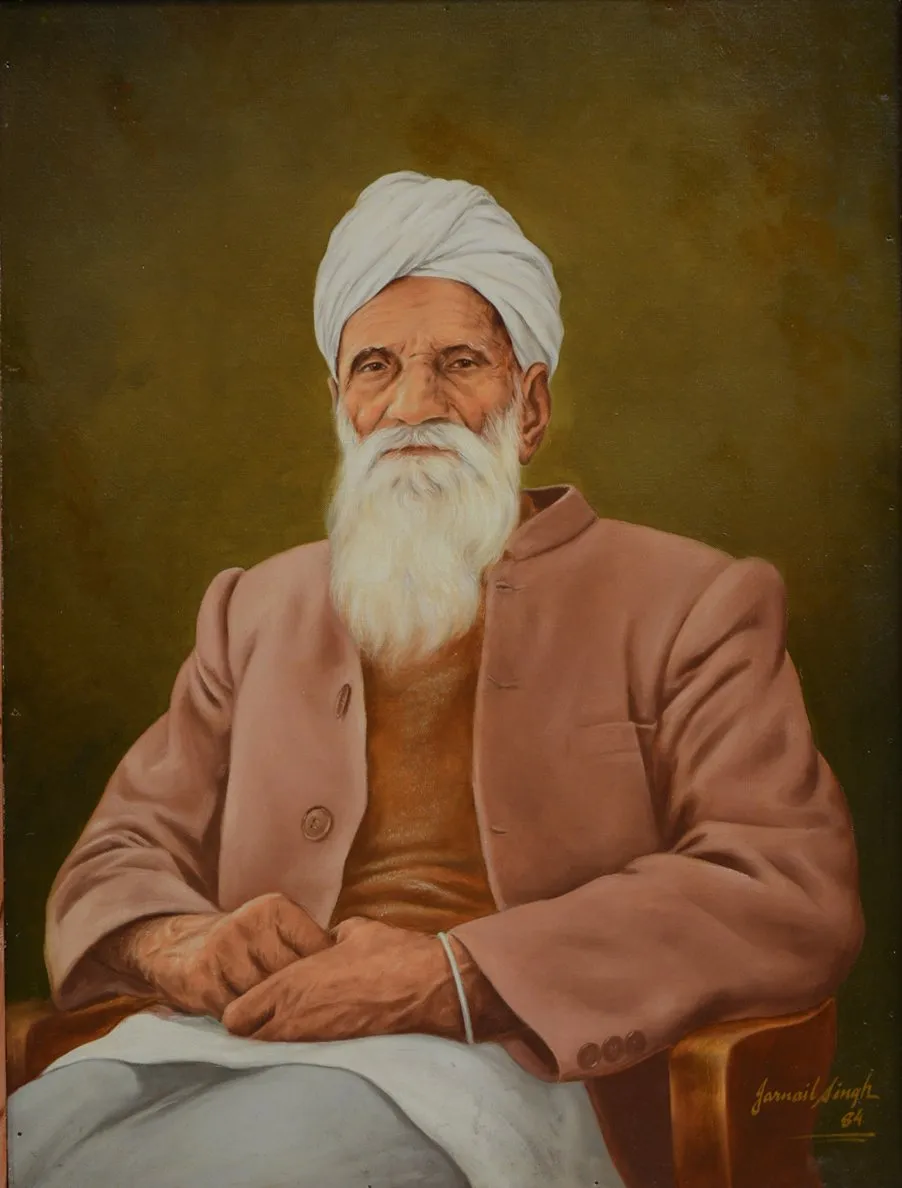
That coalition role rested on long personal familiarity. By the 1990s Surjeet had known most of India's senior politicians for decades, across party lines, and leaders sought his advice even when they disagreed with his party. Obituaries in 2008 returned to the same picture: a leader in a white turban and simple clothes, living plainly, whose influence came less from office, which he never held in the Union government, than from negotiation, patience and memory.
General secretary, final years and legacy
Surjeet was elected general secretary of the CPI(M) in 1992, succeeding E. M. S. Namboodiripad, and he held the post until 2005, retiring at the age of 89 and handing over to Prakash Karat. He remained a member of the Polit Bureau until April 2008, when, with his health failing, he was not included in the new Polit Bureau at the party's nineteenth congress and was instead made a special invitee to the Central Committee, the first time since 1964 that he was outside that body.
He died on 1 August 2008, aged 92, at the Metro Hospital in Noida, where he had been admitted on 25 July; some reports of the day described the place of death simply as New Delhi. He was cremated in Delhi on 3 August 2008 with state honours. Prime Minister Manmohan Singh, in his condolence message, called him a great political leader and a man committed to the welfare of the poorest, and said he had valued his friendship and guidance.
Surjeet's legacy has two parts. In Punjab, he is remembered as the best known product of Bundala and of the kisan movement, a leader who began as a teenage follower of Bhagat Singh and spent eight years in British jails before independence. In national politics, he is remembered as the CPI(M)'s general secretary through the coalition era of the 1990s and 2000s, when a party that never joined the Union government still shaped who governed India. Few Indian politicians of his generation worked at both levels, the village meeting and the Delhi negotiation, for as long as he did.
ਹਰਕਿਸ਼ਨ ਸਿੰਘ ਸੁਰਜੀਤ (23 ਮਾਰਚ 1916 ਤੋਂ 1 ਅਗਸਤ 2008) ਜਲੰਧਰ ਜ਼ਿਲ੍ਹੇ ਦੇ ਪਿੰਡ ਬੁਂਡਾਲਾ ਤੋਂ ਇੱਕ ਕਮਿਊਨਿਸਟ ਆਗੂ ਸਨ, ਜੋ ਆਜ਼ਾਦੀ ਸੰਗਰਾਮ ਅਤੇ ਪੰਜਾਬ ਦੇ ਕਿਸਾਨ ਅੰਦੋਲਨ ਤੋਂ ਉੱਠ ਕੇ 1992 ਤੋਂ 2005 ਤੱਕ ਭਾਰਤੀ ਕਮਿਊਨਿਸਟ ਪਾਰਟੀ (ਮਾਰਕਸਵਾਦੀ) ਦੇ ਜਨਰਲ ਸਕੱਤਰ ਰਹੇ।
ਜਲੰਧਰ ਦੇ ਬੁਂਡਾਲਾ ਵਿੱਚ ਮੁੱਢਲੀ ਜ਼ਿੰਦਗੀ
ਸੁਰਜੀਤ ਦਾ ਜਨਮ 23 ਮਾਰਚ 1916 ਨੂੰ ਜਲੰਧਰ ਜ਼ਿਲ੍ਹੇ ਦੇ ਫਿਲੌਰ ਇਲਾਕੇ ਦੇ ਪਿੰਡ ਬੁਂਡਾਲਾ ਵਿੱਚ ਇੱਕ ਸਿੱਖ ਜੱਟ ਕਿਸਾਨ ਪਰਿਵਾਰ ਵਿੱਚ ਹੋਇਆ, ਜਿਸ ਦਾ ਪਰਿਵਾਰਕ ਨਾਂ ਬਸੀ ਸੀ। ਬਿਆਸ ਅਤੇ ਸਤਲੁਜ ਵਿਚਕਾਰਲੇ ਦੋਆਬਾ ਖੇਤਰ ਦਾ ਇਹ ਪਿੰਡ ਬਾਅਦ ਵਿੱਚ ਪੰਜਾਬ ਦੀ ਸਿਆਸੀ ਯਾਦ ਵਿੱਚ ਕਮਿਊਨਿਸਟ ਕਾਰਕੁਨਾਂ ਦੀ ਵੱਡੀ ਗਿਣਤੀ ਲਈ ਜਾਣਿਆ ਗਿਆ, ਅਤੇ ਸੁਰਜੀਤ ਇਸ ਦਾ ਸਭ ਤੋਂ ਮਸ਼ਹੂਰ ਪੁੱਤ ਸੀ। ਉਨ੍ਹਾਂ ਨੇ ਮੁੱਢਲੇ ਸਾਲਾਂ ਵਿੱਚ ਪਿੰਡ ਦੇ ਸਕੂਲ ਵਿੱਚ ਪੜ੍ਹਾਈ ਕੀਤੀ, ਫਿਰ ਸਿਆਸਤ ਨੇ ਸਕੂਲੀ ਉਮਰ ਵਿੱਚ ਹੀ ਉਨ੍ਹਾਂ ਦੀ ਜ਼ਿੰਦਗੀ ਸੰਭਾਲ ਲਈ।
ਉਨ੍ਹਾਂ ਨੂੰ ਘੜਨ ਵਾਲੀ ਘਟਨਾ ਮਾਰਚ 1931 ਵਿੱਚ ਭਗਤ ਸਿੰਘ ਦੀ ਫਾਂਸੀ ਸੀ। ਸੁਰਜੀਤ, ਜੋ ਉਦੋਂ ਥੋੜ੍ਹੀ ਉਮਰ ਦੇ ਮੁੰਡੇ ਸਨ, ਭਗਤ ਸਿੰਘ ਦੇ ਪੈਰੋਕਾਰ ਬਣ ਗਏ ਅਤੇ 1930 ਵਿੱਚ ਨੌਜਵਾਨ ਭਾਰਤ ਸਭਾ ਵਿੱਚ ਸ਼ਾਮਲ ਹੋ ਗਏ, ਜੋ ਭਗਤ ਸਿੰਘ ਨੇ ਬਣਾਈ ਸੀ। ਉਸ ਮੋੜ ਤੋਂ ਉਨ੍ਹਾਂ ਦੀ ਜ਼ਿੰਦਗੀ ਇੱਕੋ ਰਾਹ ਉੱਤੇ ਚੱਲੀ: ਪਹਿਲਾਂ ਅੰਗਰੇਜ਼ੀ ਰਾਜ ਵਿਰੁੱਧ ਅੰਦੋਲਨ, ਫਿਰ ਪੰਜਾਬ ਦੇ ਕਿਸਾਨਾਂ ਅਤੇ ਖੇਤ ਮਜ਼ਦੂਰਾਂ ਦੀ ਜਥੇਬੰਦੀ, ਅਤੇ ਅੰਤ ਵਿੱਚ ਦਿੱਲੀ ਦੀ ਰਾਸ਼ਟਰੀ ਸਿਆਸਤ।
ਆਜ਼ਾਦੀ ਸੰਗਰਾਮ ਵਿੱਚ ਇੱਕ ਕਿਸ਼ੋਰ
ਮਾਰਚ 1932 ਵਿੱਚ, 16 ਸਾਲ ਦੀ ਉਮਰ ਵਿੱਚ, ਸੁਰਜੀਤ ਨੇ ਹੁਸ਼ਿਆਰਪੁਰ ਦੀ ਜ਼ਿਲ੍ਹਾ ਕਚਹਿਰੀ ਉੱਤੇ ਭਾਰਤੀ ਤਿਰੰਗਾ ਲਹਿਰਾਇਆ। ਉਨ੍ਹਾਂ ਨੂੰ ਗ੍ਰਿਫ਼ਤਾਰ ਕਰਕੇ ਨਾਬਾਲਗ ਅਪਰਾਧੀਆਂ ਦੇ ਸੁਧਾਰ ਸਕੂਲ ਵਿੱਚ ਭੇਜਿਆ ਗਿਆ। ਰਿਹਾਈ ਤੋਂ ਬਾਅਦ ਉਹ ਪੰਜਾਬ ਦੇ ਮੁੱਢਲੇ ਕਮਿਊਨਿਸਟ ਜਥੇਬੰਦਕਾਂ ਦੇ ਸੰਪਰਕ ਵਿੱਚ ਆਏ। ਸੀਪੀਆਈ(ਐਮ) ਦੇ ਆਪਣੇ ਜੀਵਨ ਵੇਰਵੇ ਅਨੁਸਾਰ ਉਹ 1934 ਵਿੱਚ ਕਮਿਊਨਿਸਟ ਪਾਰਟੀ ਵਿੱਚ ਸ਼ਾਮਲ ਹੋਏ, ਅਤੇ 1935 ਵਿੱਚ ਉਹ ਕਾਂਗਰਸ ਸੋਸ਼ਲਿਸਟ ਪਾਰਟੀ ਦੇ ਮੈਂਬਰ ਵੀ ਬਣੇ; ਕੁਝ ਸੰਖੇਪ ਵੇਰਵੇ ਉਨ੍ਹਾਂ ਦੇ ਭਾਰਤੀ ਕਮਿਊਨਿਸਟ ਪਾਰਟੀ ਵਿੱਚ ਸ਼ਾਮਲ ਹੋਣ ਦਾ ਸਾਲ 1936 ਦਿੰਦੇ ਹਨ, ਅਤੇ ਇਹ ਫ਼ਰਕ ਇੱਥੇ ਲੁਕਾਉਣ ਦੀ ਥਾਂ ਸਾਫ਼ ਦੱਸਿਆ ਗਿਆ ਹੈ।
ਪਾਰਟੀ ਦੇ ਵੇਰਵੇ ਅਨੁਸਾਰ ਉਨ੍ਹਾਂ ਦੀ ਮੁੱਢਲੀ ਜ਼ਿੰਦਗੀ ਜੇਲ੍ਹ ਅਤੇ ਰੂਪੋਸ਼ੀ ਨਾਲ ਭਰੀ ਸੀ: ਕੁੱਲ ਦਸ ਸਾਲ ਜੇਲ੍ਹ, ਜਿਨ੍ਹਾਂ ਵਿੱਚੋਂ ਅੱਠ ਆਜ਼ਾਦੀ ਤੋਂ ਪਹਿਲਾਂ ਦੇ ਸਨ, ਅਤੇ ਅੱਠ ਸਾਲ ਰੂਪੋਸ਼ੀ। 1938 ਵਿੱਚ ਪੰਜਾਬ ਤੋਂ ਜਲਾਵਤਨ ਕੀਤੇ ਜਾਣ ਤੋਂ ਬਾਅਦ ਉਹ ਉੱਤਰ ਪ੍ਰਦੇਸ਼ ਦੇ ਸਹਾਰਨਪੁਰ ਗਏ ਅਤੇ ਮਹੀਨਾਵਾਰ ਪਰਚਾ ਚਿੰਗਾਰੀ ਸ਼ੁਰੂ ਕੀਤਾ, ਅਤੇ ਜੰਗ ਤੋਂ ਪਹਿਲਾਂ ਦੇ ਸਾਲਾਂ ਵਿੱਚ ਉਨ੍ਹਾਂ ਨੇ ਦੁਖੀ ਦੁਨੀਆ ਵੀ ਕੱਢਿਆ। ਦੂਜੀ ਸੰਸਾਰ ਜੰਗ ਸ਼ੁਰੂ ਹੋਣ ਉੱਤੇ ਰੂਪੋਸ਼ ਹੋਣ ਤੋਂ ਬਾਅਦ 1940 ਵਿੱਚ ਗ੍ਰਿਫ਼ਤਾਰ ਹੋ ਕੇ ਉਹ ਲਾਹੌਰ ਕਿਲ੍ਹੇ ਵਿੱਚ ਤਿੰਨ ਮਹੀਨੇ ਇਕੱਲੀ ਕੈਦ ਵਿੱਚ ਰਹੇ ਅਤੇ ਫਿਰ 1944 ਤੱਕ ਦਿਓਲੀ ਨਜ਼ਰਬੰਦੀ ਕੈਂਪ ਵਿੱਚ ਰਹੇ। 1947 ਦੀ ਵੰਡ ਦੇ ਹਿੰਸਕ ਦਿਨਾਂ ਵਿੱਚ ਉਨ੍ਹਾਂ ਨੇ ਪੰਜਾਬ ਵਿੱਚ ਭਾਈਚਾਰਕ ਸਾਂਝ ਲਈ ਕੰਮ ਕੀਤਾ, ਅਤੇ ਉਦੋਂ ਤੱਕ ਉਹ ਪੰਜਾਬ ਵਿੱਚ ਕਮਿਊਨਿਸਟ ਪਾਰਟੀ ਦੇ ਸਕੱਤਰ ਸਨ।
ਪੰਜਾਬ ਵਿੱਚ ਕਿਸਾਨ ਅੰਦੋਲਨ ਦੀ ਉਸਾਰੀ
ਪੰਜਾਬ ਵਿੱਚ ਸੁਰਜੀਤ ਦਾ ਸਥਾਈ ਅਧਾਰ ਕਿਸਾਨ ਅੰਦੋਲਨ ਸੀ, ਕਿਸਾਨਾਂ ਦਾ ਜਥੇਬੰਦ ਅੰਦੋਲਨ। ਉਹ ਪੰਜਾਬ ਵਿੱਚ ਕਿਸਾਨ ਸਭਾ ਦੇ ਸਹਿ ਸੰਸਥਾਪਕਾਂ ਵਿੱਚੋਂ ਸਨ ਅਤੇ 1938 ਵਿੱਚ ਪੰਜਾਬ ਸੂਬਾ ਕਿਸਾਨ ਸਭਾ ਦੇ ਸਕੱਤਰ ਚੁਣੇ ਗਏ। ਕਿਸਾਨਾਂ ਵਿਚਕਾਰ ਉਨ੍ਹਾਂ ਦਾ ਕੰਮ ਬਾਅਦ ਵਿੱਚ ਉਨ੍ਹਾਂ ਨੂੰ ਆਲ ਇੰਡੀਆ ਕਿਸਾਨ ਸਭਾ ਦੀ ਚੋਟੀ ਤੱਕ ਲੈ ਗਿਆ, ਜਿੱਥੇ ਉਹ ਲੰਬੇ ਸਮੇਂ ਤੱਕ ਜਨਰਲ ਸਕੱਤਰ ਅਤੇ ਫਿਰ ਪ੍ਰਧਾਨ ਰਹੇ, ਅਤੇ ਉਨ੍ਹਾਂ ਨੇ ਖੇਤ ਮਜ਼ਦੂਰ ਯੂਨੀਅਨ ਨਾਲ ਵੀ ਕੰਮ ਕੀਤਾ।
1959 ਵਿੱਚ ਉਨ੍ਹਾਂ ਨੇ ਬੈਟਰਮੈਂਟ ਲੇਵੀ ਵਿਰੁੱਧ ਪੰਜਾਬ ਦੇ ਕਿਸਾਨਾਂ ਦੀ ਮੁਹਿੰਮ ਦੀ ਅਗਵਾਈ ਕੀਤੀ, ਜੋ ਸੂਬਾ ਸਰਕਾਰ ਨੇ ਭਾਖੜਾ ਨਹਿਰ ਇਲਾਕੇ ਦੀ ਜ਼ਮੀਨ ਉੱਤੇ ਲਾਇਆ ਸੀ, ਅਤੇ ਇਹ ਮੁਹਿੰਮ ਉਸ ਦਹਾਕੇ ਦੇ ਪੰਜਾਬ ਦੇ ਸਭ ਤੋਂ ਮਸ਼ਹੂਰ ਕਿਸਾਨ ਸੰਗਰਾਮਾਂ ਵਿੱਚੋਂ ਇੱਕ ਬਣ ਗਈ। ਆਜ਼ਾਦੀ ਤੋਂ ਝੱਟ ਬਾਅਦ ਉਨ੍ਹਾਂ ਨੂੰ ਫਿਰ ਲਗਭਗ ਚਾਰ ਸਾਲ ਰੂਪੋਸ਼ ਰਹਿਣਾ ਪਿਆ ਸੀ, ਜਦੋਂ ਕਮਿਊਨਿਸਟ ਆਗੂਆਂ ਨੂੰ ਅਗਾਊਂ ਨਜ਼ਰਬੰਦੀ ਕਾਨੂੰਨਾਂ ਹੇਠ ਫੜਿਆ ਗਿਆ ਸੀ, ਇਸ ਲਈ ਖੁੱਲ੍ਹੀ ਸਿਆਸਤ ਵਿੱਚ ਉਨ੍ਹਾਂ ਦਾ ਉਭਾਰ 1950 ਵਿਆਂ ਵਿੱਚ ਹੀ ਆਇਆ।
ਸੀਪੀਆਈ ਦੀ ਵੰਡ ਤੋਂ ਸੀਪੀਆਈ(ਐਮ) ਪੋਲਿਟ ਬਿਊਰੋ ਤੱਕ
ਜਨਵਰੀ 1954 ਵਿੱਚ ਸੁਰਜੀਤ ਭਾਰਤੀ ਕਮਿਊਨਿਸਟ ਪਾਰਟੀ ਦੀ ਤੀਜੀ ਕਾਂਗਰਸ ਵਿੱਚ ਇਸ ਦੀ ਕੇਂਦਰੀ ਕਮੇਟੀ ਅਤੇ ਪੋਲਿਟ ਬਿਊਰੋ ਲਈ ਚੁਣੇ ਗਏ। ਉਹ 1954 ਵਿੱਚ ਪੰਜਾਬ ਵਿਧਾਨ ਸਭਾ ਲਈ ਚੁਣੇ ਗਏ ਅਤੇ 1959 ਤੱਕ ਮੈਂਬਰ ਰਹੇ। ਜਦੋਂ 1964 ਵਿੱਚ ਭਾਰਤੀ ਕਮਿਊਨਿਸਟ ਪਾਰਟੀ ਵੰਡੀ ਗਈ, ਸੁਰਜੀਤ ਨਵੀਂ ਭਾਰਤੀ ਕਮਿਊਨਿਸਟ ਪਾਰਟੀ (ਮਾਰਕਸਵਾਦੀ) ਨਾਲ ਗਏ, ਅਤੇ ਉਹ ਇਸ ਦੇ ਪਹਿਲੇ ਪੋਲਿਟ ਬਿਊਰੋ ਦੇ ਨੌਂ ਮੈਂਬਰਾਂ ਵਿੱਚੋਂ ਇੱਕ ਸਨ। ਉਹ 1967 ਵਿੱਚ ਫਿਰ ਪੰਜਾਬ ਵਿਧਾਨ ਸਭਾ ਲਈ ਚੁਣੇ ਗਏ ਅਤੇ 1972 ਤੱਕ ਰਹੇ, ਅਤੇ 10 ਅਪ੍ਰੈਲ 1978 ਤੋਂ 9 ਅਪ੍ਰੈਲ 1984 ਤੱਕ ਰਾਜ ਸਭਾ ਦੇ ਮੈਂਬਰ ਰਹੇ।
ਤਿੰਨ ਦਹਾਕਿਆਂ ਤੱਕ ਉਹ ਸੀਪੀਆਈ(ਐਮ) ਦੇ ਅੰਤਰਰਾਸ਼ਟਰੀ ਵਿਭਾਗ ਦੇ ਮੁਖੀ ਵੀ ਰਹੇ ਅਤੇ ਵਿਦੇਸ਼ਾਂ ਵਿੱਚ ਕਮਿਊਨਿਸਟ ਅਤੇ ਹੋਰ ਪਾਰਟੀਆਂ ਨਾਲ ਸੰਬੰਧ ਬਣਾਏ। ਘਰ ਵਿੱਚ, ਉਨ੍ਹਾਂ ਦੀਆਂ ਕਿਤਾਬਾਂ ਨੇ ਉਨ੍ਹਾਂ ਦੇ ਵਿਚਾਰ ਅਤੇ ਪਾਰਟੀ ਦਾ ਇਤਿਹਾਸ ਦਰਜ ਕੀਤਾ: ਲੈਂਡ ਰਿਫ਼ਾਰਮਜ਼ ਇਨ ਇੰਡੀਆ, ਹੈਪਨਿੰਗਜ਼ ਇਨ ਪੰਜਾਬ ਅਤੇ ਆਊਟਲਾਈਨ ਹਿਸਟਰੀ ਆਫ਼ ਦਾ ਕਮਿਊਨਿਸਟ ਪਾਰਟੀ, ਨਾਲ ਹੀ ਮੌਜੂਦਾ ਮਸਲਿਆਂ ਉੱਤੇ ਕਈ ਪੈਂਫ਼ਲੈਟ। 1980 ਵਿਆਂ ਅਤੇ 1990 ਵਿਆਂ ਦੇ ਸ਼ੁਰੂ ਵਿੱਚ ਪੰਜਾਬ ਵਿੱਚ ਹਿੰਸਾ ਦੇ ਔਖੇ ਸਾਲਾਂ ਦੌਰਾਨ ਉਨ੍ਹਾਂ ਨੇ ਭਾਰਤ ਦੀ ਏਕਤਾ ਅਤੇ ਸਿਆਸਤ ਨੂੰ ਧਰਮ ਤੋਂ ਵੱਖ ਰੱਖਣ ਦੀ ਦਲੀਲ ਦਿੱਤੀ, ਜਿਸ ਥਾਂ ਉੱਤੇ ਉਨ੍ਹਾਂ ਦੀ ਪਾਰਟੀ ਮਾਣ ਨਾਲ ਖੜ੍ਹੀ ਹੈ ਅਤੇ ਜਿਸ ਲਈ ਉਨ੍ਹਾਂ ਸਾਲਾਂ ਵਿੱਚ ਪੰਜਾਬ ਦੇ ਕਈ ਕਮਿਊਨਿਸਟਾਂ ਨੇ ਜਾਨਾਂ ਦਿੱਤੀਆਂ।
ਪੰਜਾਬ ਦਾ ਕਿਸਾਨ ਆਗੂ ਰਾਸ਼ਟਰੀ ਗੱਠਜੋੜ ਸਿਆਸਤ ਦਾ ਕੇਂਦਰੀ ਚਿਹਰਾ ਕਿਵੇਂ ਬਣਿਆ?
ਉਹ ਕੇਂਦਰੀ ਚਿਹਰਾ ਇਸ ਲਈ ਬਣੇ ਕਿਉਂਕਿ 1992 ਤੋਂ ਸੀਪੀਆਈ(ਐਮ) ਜਨਰਲ ਸਕੱਤਰ ਵਜੋਂ ਉਹ ਸਰਕਾਰਾਂ ਬਣਾਈ ਰੱਖਣ ਲਈ ਆਪਣੀ ਪਾਰਟੀ ਤੋਂ ਬਹੁਤ ਵੱਖਰੀਆਂ ਪਾਰਟੀਆਂ ਨਾਲ ਵੱਡੇ ਸਿਆਸੀ ਪ੍ਰਬੰਧ ਬਣਾਉਣ ਲਈ ਤਿਆਰ ਸਨ। ਉਨ੍ਹਾਂ ਦੀ ਪਾਰਟੀ 1989, 1996 ਅਤੇ 2004 ਦੇ ਸਿਆਸੀ ਪ੍ਰਬੰਧਾਂ ਵਿੱਚ ਉਨ੍ਹਾਂ ਦੀ ਮੁੱਖ ਭੂਮਿਕਾ ਦਰਜ ਕਰਦੀ ਹੈ। 1996 ਤੋਂ 1998 ਤੱਕ ਸੰਯੁਕਤ ਮੋਰਚਾ ਭਾਰਤ ਵਿੱਚ ਰਾਜ ਕਰਦਾ ਰਿਹਾ, ਜਿਸ ਲਈ ਬਾਹਰੀ ਸਮਰਥਨ ਜੋੜਨ ਵਿੱਚ ਉਨ੍ਹਾਂ ਨੇ ਮਦਦ ਕੀਤੀ, ਅਤੇ 2004 ਦੀਆਂ ਚੋਣਾਂ ਤੋਂ ਬਾਅਦ ਖੱਬੀਆਂ ਪਾਰਟੀਆਂ ਨੇ ਸੰਯੁਕਤ ਪ੍ਰਗਤੀਸ਼ੀਲ ਗੱਠਜੋੜ ਸਰਕਾਰ ਨੂੰ ਬਾਹਰੋਂ ਸਮਰਥਨ ਦਿੱਤਾ, ਜਿਸ ਪ੍ਰਬੰਧ ਬਾਰੇ ਪ੍ਰਧਾਨ ਮੰਤਰੀ ਮਨਮੋਹਨ ਸਿੰਘ ਨੇ ਬਾਅਦ ਵਿੱਚ ਸੁਰਜੀਤ ਨੂੰ ਯੂਪੀਏ ਦੇ ਸਿਰਜਕਾਂ ਵਿੱਚੋਂ ਇੱਕ ਕਿਹਾ।
ਇਹ ਗੱਠਜੋੜ ਭੂਮਿਕਾ ਲੰਬੀ ਨਿੱਜੀ ਜਾਣ ਪਛਾਣ ਉੱਤੇ ਟਿਕੀ ਸੀ। 1990 ਵਿਆਂ ਤੱਕ ਸੁਰਜੀਤ ਭਾਰਤ ਦੇ ਬਹੁਤੇ ਸੀਨੀਅਰ ਸਿਆਸਤਦਾਨਾਂ ਨੂੰ ਦਹਾਕਿਆਂ ਤੋਂ, ਪਾਰਟੀ ਲੀਹਾਂ ਤੋਂ ਪਾਰ, ਜਾਣਦੇ ਸਨ, ਅਤੇ ਆਗੂ ਉਨ੍ਹਾਂ ਦੀ ਪਾਰਟੀ ਨਾਲ ਅਸਹਿਮਤ ਹੁੰਦੇ ਹੋਏ ਵੀ ਉਨ੍ਹਾਂ ਦੀ ਸਲਾਹ ਲੈਂਦੇ ਸਨ। 2008 ਦੀਆਂ ਸ਼ਰਧਾਂਜਲੀਆਂ ਵਿੱਚ ਇੱਕੋ ਤਸਵੀਰ ਵਾਰ ਵਾਰ ਆਈ: ਚਿੱਟੇ ਪੱਗ ਅਤੇ ਸਾਦੇ ਕੱਪੜਿਆਂ ਵਾਲਾ ਆਗੂ, ਸਾਦਾ ਜੀਵਨ ਜੀਉਣ ਵਾਲਾ, ਜਿਸ ਦਾ ਅਸਰ ਅਹੁੱਦੇ ਨਾਲੋਂ, ਜੋ ਉਨ੍ਹਾਂ ਨੇ ਕੇਂਦਰ ਸਰਕਾਰ ਵਿੱਚ ਕਦੇ ਨਹੀਂ ਸੰਭਾਲਿਆ, ਗੱਲਬਾਤ, ਧੀਰਜ ਅਤੇ ਯਾਦ ਤੋਂ ਆਉਂਦਾ ਸੀ।
ਜਨਰਲ ਸਕੱਤਰ, ਆਖ਼ਰੀ ਸਾਲ ਅਤੇ ਵਿਰਾਸਤ
ਸੁਰਜੀਤ 1992 ਵਿੱਚ ਸੀਪੀਆਈ(ਐਮ) ਦੇ ਜਨਰਲ ਸਕੱਤਰ ਚੁਣੇ ਗਏ, ਈ. ਐਮ. ਐਸ. ਨੰਬੂਦਰੀਪਾਦ ਤੋਂ ਬਾਅਦ, ਅਤੇ ਉਹ 2005 ਤੱਕ ਇਸ ਅਹੁੱਦੇ ਉੱਤੇ ਰਹੇ, 89 ਸਾਲ ਦੀ ਉਮਰ ਵਿੱਚ ਸੇਵਾ ਮੁਕਤ ਹੋ ਕੇ ਪ੍ਰਕਾਸ਼ ਕਰਾਤ ਨੂੰ ਅਹੁੱਦਾ ਸੌਂਪਿਆ। ਉਹ ਅਪ੍ਰੈਲ 2008 ਤੱਕ ਪੋਲਿਟ ਬਿਊਰੋ ਦੇ ਮੈਂਬਰ ਰਹੇ, ਜਦੋਂ ਸਿਹਤ ਢਿੱਲੀ ਪੈਣ ਕਾਰਨ ਪਾਰਟੀ ਦੀ ਉਨੀਵੀਂ ਕਾਂਗਰਸ ਵਿੱਚ ਉਨ੍ਹਾਂ ਨੂੰ ਨਵੇਂ ਪੋਲਿਟ ਬਿਊਰੋ ਵਿੱਚ ਸ਼ਾਮਲ ਨਹੀਂ ਕੀਤਾ ਗਿਆ ਅਤੇ ਇਸ ਦੀ ਥਾਂ ਕੇਂਦਰੀ ਕਮੇਟੀ ਦੇ ਵਿਸ਼ੇਸ਼ ਸੱਦੇ ਵਾਲੇ ਮੈਂਬਰ ਬਣਾਇਆ ਗਿਆ, 1964 ਤੋਂ ਬਾਅਦ ਪਹਿਲੀ ਵਾਰ ਉਹ ਉਸ ਸਭਾ ਤੋਂ ਬਾਹਰ ਸਨ।
ਉਨ੍ਹਾਂ ਦੀ ਮੌਤ 1 ਅਗਸਤ 2008 ਨੂੰ, 92 ਸਾਲ ਦੀ ਉਮਰ ਵਿੱਚ, ਨੋਇਡਾ ਦੇ ਮੈਟਰੋ ਹਸਪਤਾਲ ਵਿੱਚ ਹੋਈ, ਜਿੱਥੇ ਉਹ 25 ਜੁਲਾਈ ਨੂੰ ਦਾਖ਼ਲ ਹੋਏ ਸਨ; ਉਸ ਦਿਨ ਦੀਆਂ ਕੁਝ ਰਿਪੋਰਟਾਂ ਨੇ ਮੌਤ ਦੀ ਥਾਂ ਸਿਰਫ਼ ਨਵੀਂ ਦਿੱਲੀ ਲਿਖੀ। ਉਨ੍ਹਾਂ ਦਾ ਸਸਕਾਰ 3 ਅਗਸਤ 2008 ਨੂੰ ਦਿੱਲੀ ਵਿੱਚ ਸਰਕਾਰੀ ਸਨਮਾਨਾਂ ਨਾਲ ਕੀਤਾ ਗਿਆ। ਪ੍ਰਧਾਨ ਮੰਤਰੀ ਮਨਮੋਹਨ ਸਿੰਘ ਨੇ ਆਪਣੇ ਸੋਗ ਸੰਦੇਸ਼ ਵਿੱਚ ਉਨ੍ਹਾਂ ਨੂੰ ਇੱਕ ਮਹਾਨ ਸਿਆਸੀ ਆਗੂ ਅਤੇ ਸਭ ਤੋਂ ਗ਼ਰੀਬਾਂ ਦੀ ਭਲਾਈ ਲਈ ਵਚਨਬੱਧ ਵਿਅਕਤੀ ਕਿਹਾ, ਅਤੇ ਕਿਹਾ ਕਿ ਉਨ੍ਹਾਂ ਨੇ ਉਨ੍ਹਾਂ ਦੀ ਦੋਸਤੀ ਅਤੇ ਸਲਾਹ ਦੀ ਕਦਰ ਕੀਤੀ ਸੀ।
ਸੁਰਜੀਤ ਦੀ ਵਿਰਾਸਤ ਦੇ ਦੋ ਹਿੱਸੇ ਹਨ। ਪੰਜਾਬ ਵਿੱਚ ਉਨ੍ਹਾਂ ਨੂੰ ਬੁਂਡਾਲਾ ਅਤੇ ਕਿਸਾਨ ਅੰਦੋਲਨ ਦੀ ਸਭ ਤੋਂ ਮਸ਼ਹੂਰ ਪੈਦਾਵਾਰ ਵਜੋਂ ਯਾਦ ਕੀਤਾ ਜਾਂਦਾ ਹੈ, ਇੱਕ ਅਜਿਹਾ ਆਗੂ ਜੋ ਭਗਤ ਸਿੰਘ ਦੇ ਕਿਸ਼ੋਰ ਪੈਰੋਕਾਰ ਵਜੋਂ ਸ਼ੁਰੂ ਹੋਇਆ ਅਤੇ ਆਜ਼ਾਦੀ ਤੋਂ ਪਹਿਲਾਂ ਅੱਠ ਸਾਲ ਅੰਗਰੇਜ਼ਾਂ ਦੀਆਂ ਜੇਲ੍ਹਾਂ ਵਿੱਚ ਰਿਹਾ। ਰਾਸ਼ਟਰੀ ਸਿਆਸਤ ਵਿੱਚ ਉਨ੍ਹਾਂ ਨੂੰ 1990 ਵਿਆਂ ਅਤੇ 2000 ਵਿਆਂ ਦੇ ਗੱਠਜੋੜ ਦੌਰ ਵਿੱਚ ਸੀਪੀਆਈ(ਐਮ) ਦੇ ਜਨਰਲ ਸਕੱਤਰ ਵਜੋਂ ਯਾਦ ਕੀਤਾ ਜਾਂਦਾ ਹੈ, ਜਦੋਂ ਇੱਕ ਪਾਰਟੀ, ਜੋ ਕਦੇ ਕੇਂਦਰ ਸਰਕਾਰ ਵਿੱਚ ਸ਼ਾਮਲ ਨਹੀਂ ਹੋਈ, ਫਿਰ ਵੀ ਇਹ ਘੜਨ ਵਿੱਚ ਅਸਰ ਰੱਖਦੀ ਸੀ ਕਿ ਭਾਰਤ ਉੱਤੇ ਰਾਜ ਕੌਣ ਕਰੇਗਾ। ਉਨ੍ਹਾਂ ਦੀ ਪੀੜ੍ਹੀ ਦੇ ਬਹੁਤ ਘੱਟ ਭਾਰਤੀ ਸਿਆਸਤਦਾਨਾਂ ਨੇ ਦੋਵੇਂ ਪੱਧਰਾਂ ਉੱਤੇ, ਪਿੰਡ ਦੀ ਸੱਥ ਅਤੇ ਦਿੱਲੀ ਦੀ ਗੱਲਬਾਤ ਵਿੱਚ, ਓਨੇ ਲੰਬੇ ਸਮੇਂ ਤੱਕ ਕੰਮ ਕੀਤਾ, ਜਿੰਨਾ ਉਨ੍ਹਾਂ ਨੇ ਕੀਤਾ।
ਲੋਕ


ਥਾਵਾਂ
More freedom struggle
ਸਾਰੇ ਵੇਖੋ


ਸਰੋਤ (3)
ਜੁਗਤੀ ਮੁਫ਼ਤ ਅਤੇ ਸੁਤੰਤਰ ਹੈ। ਪਾਠਕਾਂ ਦਾ ਸਹਿਯੋਗ ਕੋਸ਼ ਨੂੰ ਵਧਾਉਂਦਾ ਹੈ।
ਸਹਿਯੋਗ