

ਮੇਵਾ ਸਿੰਘ ਲੋਪੋਕੇ (ਮੌਤ 1915) ਅੰਮ੍ਰਿਤਸਰ ਜ਼ਿਲ੍ਹੇ ਦੇ ਲੋਪੋਕੇ ਤੋਂ ਇੱਕ ਪੰਜਾਬੀ ਸਿੱਖ ਮਿੱਲ ਮਜ਼ਦੂਰ ਸਨ, ਜੋ 1906 ਵਿੱਚ ਕੈਨੇਡਾ ਆਏ, ਵੈਨਕੂਵਰ ਦਾ ਪਹਿਲਾ ਗੁਰਦੁਆਰਾ ਬਣਾਉਣ ਵਿੱਚ ਮਦਦ ਕੀਤੀ ਅਤੇ ਉੱਥੇ ਗ਼ਦਰ ਪਾਰਟੀ ਦੇ ਚੱਕਰ ਨਾਲ ਕੰਮ ਕੀਤਾ। 21 ਅਕਤੂਬਰ 1914 ਨੂੰ ਉਨ੍ਹਾਂ ਨੇ ਵੈਨਕੂਵਰ ਦੀ ਅਦਾਲਤ ਵਿੱਚ ਇਮੀਗ੍ਰੇਸ਼ਨ ਇੰਸਪੈਕਟਰ ਵਿਲੀਅਮ ਸੀ। ਹੌਪਕਿਨਸਨ ਨੂੰ ਗੋਲੀ ਮਾਰ ਕੇ ਮਾਰ ਦਿੱਤਾ, ਅਤੇ 11 ਜਨਵਰੀ 1915 ਨੂੰ ਨਿਊ ਵੈਸਟਮਿੰਸਟਰ ਵਿੱਚ ਉਨ੍ਹਾਂ ਨੂੰ ਫਾਂਸੀ ਦਿੱਤੀ ਗਈ।
- ਪੰਜਾਬੀ ਨਾਂ
- ਮੇਵਾ ਸਿੰਘ ਲੋਪੋਕੇ
- ਜਨਮ
- 1880 ਜਾਂ 1881 ਦੱਸਿਆ ਜਾਂਦਾ ਹੈ, ਪਿੰਡ ਲੋਪੋਕੇ, ਅੰਮ੍ਰਿਤਸਰ ਜ਼ਿਲ੍ਹਾ (ਸਾਲ ਬਾਰੇ ਸਰੋਤਾਂ ਵਿੱਚ ਫ਼ਰਕ ਹੈ)
- ਪਿੰਡ
- ਲੋਪੋਕੇ
- ਜ਼ਿਲ੍ਹਾ
- ਅੰਮ੍ਰਿਤਸਰ
- ਤਹਿਸੀਲ
- ਲੋਪੋਕੇ
- ਇਲਾਕਾ
- ਮਾਝਾ
All 12 facts
- ਪਿਤਾ
- ਨੰਦ ਸਿੰਘ ਔਲਖ
- ਕੈਨੇਡਾ ਆਗਮਨ
- 1906
- ਕੰਮ
- ਫ਼ਰੇਜ਼ਰ ਮਿੱਲਜ਼, ਬ੍ਰਿਟਿਸ਼ ਕੋਲੰਬੀਆ ਵਿੱਚ ਗਰੀਨ ਚੇਨ ਮਜ਼ਦੂਰ; ਵੈਨਕੂਵਰ ਗੁਰਦੁਆਰੇ ਵਿੱਚ ਗ੍ਰੰਥੀ
- ਪਾਰਟੀ
- ਗ਼ਦਰ ਪਾਰਟੀ, ਵੈਨਕੂਵਰ ਚੱਕਰ
- ਦੇਹਾਂਤ
- 11 ਜਨਵਰੀ 1915, ਨਿਊ ਵੈਸਟਮਿੰਸਟਰ, ਬ੍ਰਿਟਿਸ਼ ਕੋਲੰਬੀਆ
- ਮੌਤ ਦਾ ਕਾਰਨ
- ਡਬਲਿਊ। ਸੀ। ਹੌਪਕਿਨਸਨ ਦੀ ਹੱਤਿਆ ਲਈ ਦੋਸ਼ੀ ਠਹਿਰਾਏ ਜਾਣ ਤੋਂ ਬਾਅਦ ਫਾਂਸੀ
Mewa Singh Lopoke (died 11 January 1915) was a Punjabi Sikh mill worker from Lopoke village in Amritsar district who came to Canada in 1906, helped build Vancouver's first gurdwara, and on 21 October 1914 shot and killed immigration inspector William C. Hopkinson at the Vancouver courthouse, for which he was hanged in 1915.
Early life in Lopoke and the journey to Canada
Mewa Singh was born in Lopoke, a village north west of Amritsar in Punjab. The sources do not agree on his birth year: some accounts give 1880 and others 1881, so this page does not fix a single year. He was the son of Nand Singh Aulakh and had one brother, Dewa Singh. In his lifetime the village lay in Ajnala tehsil of Amritsar district; Lopoke is today the headquarters village of its own tehsil in the same district, in the Majha region.
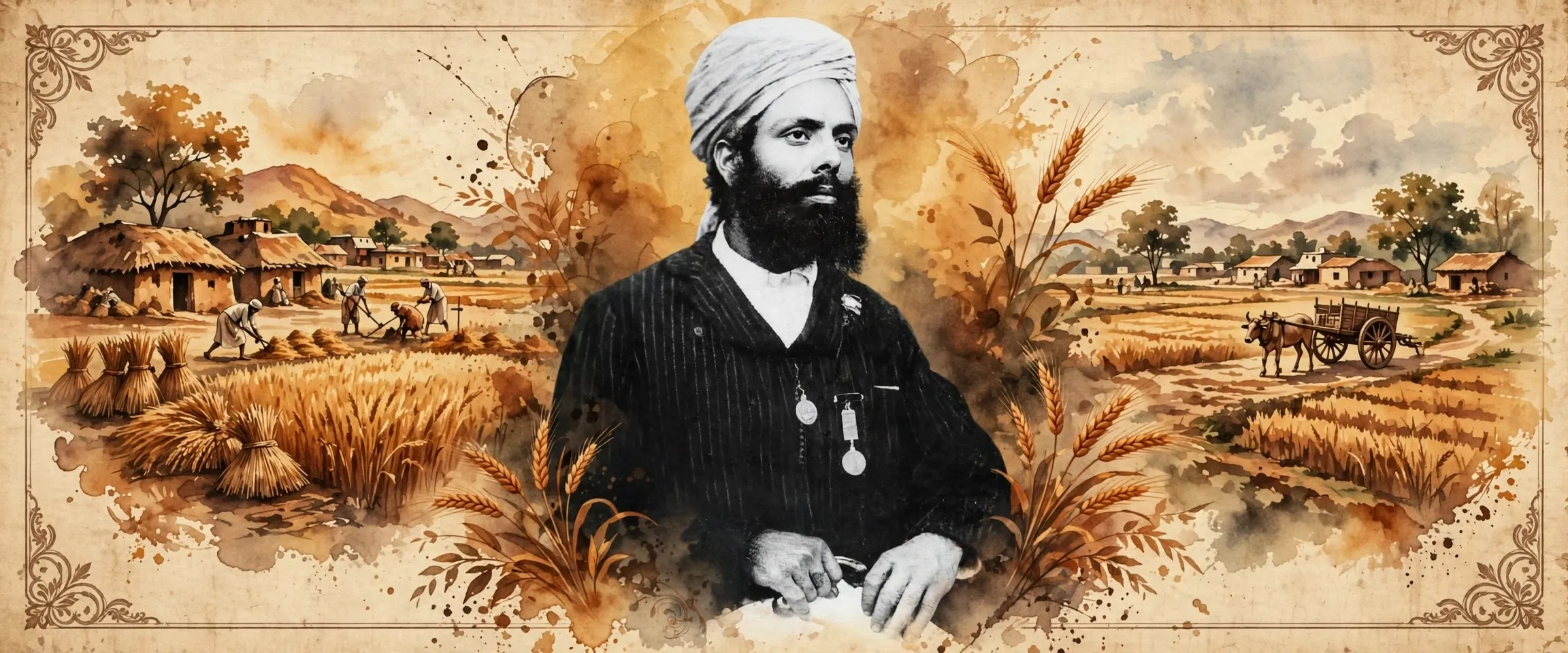
Like thousands of Punjabi men of his generation, he left home looking for better wages. He reached British Columbia in Canada in 1906, part of a wave of more than 5,000 Punjabi arrivals in the few years before 1908, when Canada brought in the Continuous Journey Regulation, a rule that in practice stopped immigration from India by requiring a direct voyage that no shipping line offered. In British Columbia he found work on the green chain at Fraser Mills, sorting lumber as it came off the saws, the kind of heavy mill work that employed many Punjabi newcomers.
Work, faith and the first Vancouver gurdwara
In Vancouver, Mewa Singh came close to two leaders of the small Sikh community, Bhag Singh Bhikhiwind and Balwant Singh Khurdpur of the Khalsa Diwan Society. With them he helped collect funds, visiting Indian homes across the area, for the building of the first gurdwara in Vancouver, which was also the first in North America. The gurdwara opened in January 1908, and accounts of his life say he took Amrit, the Khalsa initiation, there on 28 June 1908. He was not married, and after his mill shifts he spent much of his time at the gurdwara, helping with its upkeep and serving as a granthi, a reader of scripture. People who wrote about him later described a quiet, religious man who was rarely away from the temple.
What was the Komagata Maru, and why did it matter here?
The Ghadar Party had been formed in North America in April 1913 by Indians living in Canada and the United States. Its aim was to end British rule in India, and Mewa Singh began working with its Vancouver circle alongside Bhag Singh and Balwant Singh. Watching the community from the other side was William Charles Hopkinson, a Canadian immigration inspector who also worked as an intelligence agent and Punjabi interpreter. Hopkinson ran a network of informants inside the Punjabi community and reported on its political activity to Canadian and British authorities.
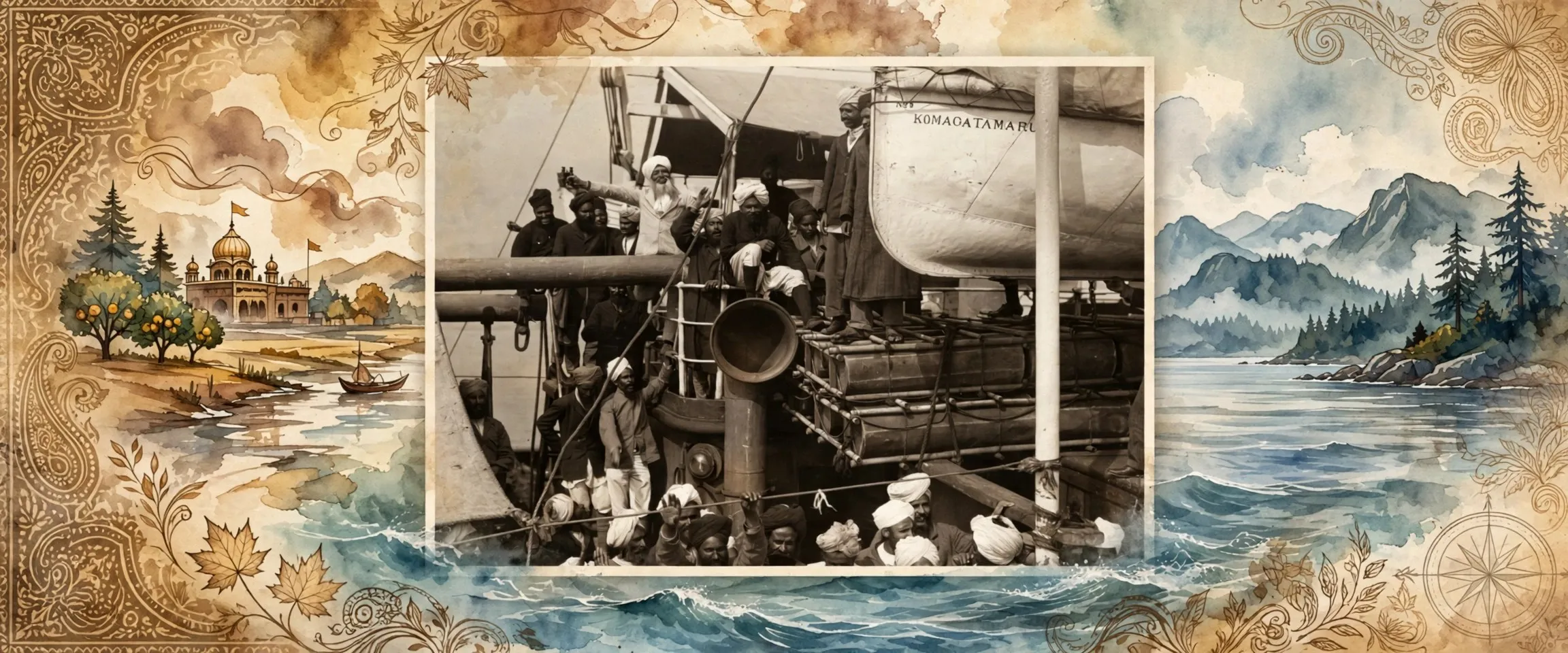
In May 1914 the Japanese steamship Komagata Maru, chartered by the Sikh businessman Gurdit Singh, reached Vancouver with 376 passengers, most of them Punjabi Sikhs and all British subjects. Canada refused them entry under the Continuous Journey Regulation. The ship sat in the harbour for two months while a Shore Committee of local Sikhs raised money and fought the case in court, then was forced to sail away on 23 July 1914 under naval escort. When the ship reached Budge Budge near Calcutta, a clash with police ended with 20 passengers shot dead. In Vancouver, the affair left the local Sikh community angry and divided, and Hopkinson's informants were at the centre of the tension.
The summer of 1914: an arrest, and a shooting inside the gurdwara
On 16 July 1914, while the Komagata Maru was still in the harbour, Mewa Singh crossed the United States border at Sumas with Bhag Singh, Balwant Singh and Harnam Singh to buy firearms meant for the ship's passengers. Coming back through the woods to avoid the checkpoint, he was arrested by a Canadian constable carrying two concealed revolvers and several hundred rounds of ammunition. He was held in New Westminster jail, where Hopkinson and his superior, immigration agent Malcolm Reid, pressed him to give a statement against the other men. He was released on 7 August 1914 after a fine of 50 dollars, paid with the gurdwara's help.
On 5 September 1914, Bela Singh, one of Hopkinson's informants, opened fire inside the Vancouver gurdwara during a funeral gathering and killed two men: Bhag Singh Bhikhiwind, the president of the gurdwara committee, and Badan Singh. Others were wounded. Mewa Singh was in the gurdwara at the time, taking part in kirtan, the singing of hymns, according to Balwant Singh's later testimony. Bela Singh was charged with murder and claimed he had fired in self defence, a case that depended heavily on Hopkinson's evidence about threats against him.
21 October 1914: the courthouse shooting, the trial and the execution
On the morning of 21 October 1914, Hopkinson came to the provincial courthouse in Vancouver to testify in Bela Singh's defence. Just after ten o'clock, in a corridor outside the courtroom, Mewa Singh walked up to him and shot him. Hopkinson died at the scene. Mewa Singh did not run. He gave up his weapons to the courthouse staff, saying, in the words recorded at his trial: I shoot. I go to station. Bela Singh's trial was postponed, and the case against Mewa Singh took its place.
His own trial opened on 30 October 1914, nine days after the shooting. The surviving transcript, Rex v Mewa Singh, shows a packed courtroom and five witnesses heard. At Mewa Singh's instruction, his court appointed lawyer, Edward Montague Woods, called no witnesses for the defence and cross examined none. Instead, a statement by Mewa Singh was read out. In it he said he had shot Hopkinson, in his words, out of honour and principle to my fellow men, and for my religion, and he blamed Hopkinson and Reid for the troubles that had led to the shooting in the gurdwara. He was convicted of murder, for which the death sentence was then mandatory in Canada. Woods later appealed to the Minister of Justice in Ottawa for the sentence to be commuted, without success.
Mewa Singh was hanged at the provincial jail in New Westminster at 7:45 in the morning on 11 January 1915. About 400 Sikhs had gathered outside the jail. His body was handed over to them, carried in procession to Fraser Mills, and cremated there. The jail site is now Simcoe Park in New Westminster, which the Canadian Register of Historic Places lists for its association with him.
Why is Mewa Singh still remembered today?
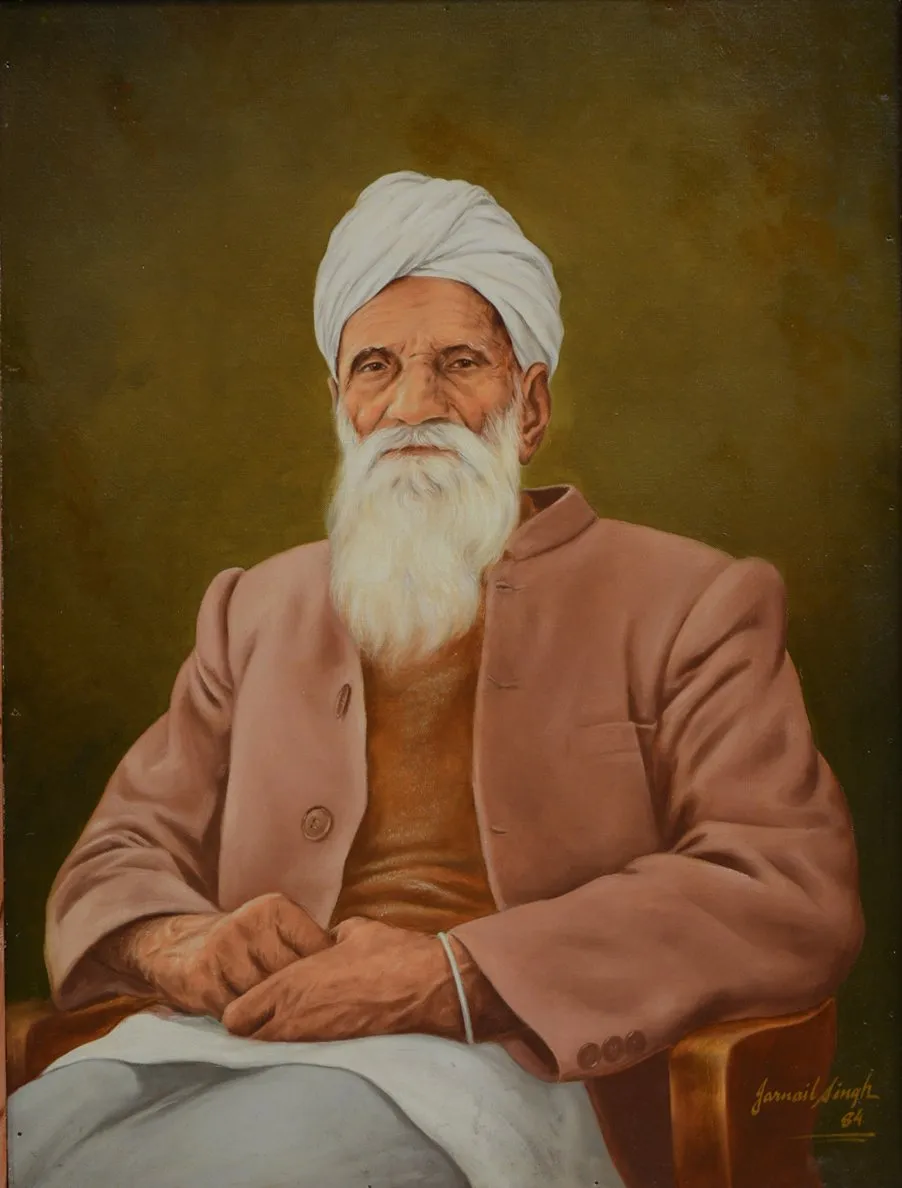
Mewa Singh is remembered very differently by different writers, and the records themselves pull in two directions: the official files of 1914 treat him as a convicted murderer, while many Sikhs in Canada have honoured him since 1915 as a shaheed, one who gave his life for his community. A scholarly study of the case, published by the University of Victoria, shows in detail how the same archive can support both readings, which is why this page states the plain facts and leaves the judgement to the reader. What is not in dispute is the memory work itself: gatherings marked the anniversary of his death in 1916 and 1917, his painted portrait hangs in the langar hall of the Khalsa Diwan Society gurdwara on Ross Street in Vancouver, and his death is still commemorated every year in that gurdwara and in others across Canada and the United States.
In January 2015, a hundred years after his execution, members of the Sikh community gathered at the old jail site in New Westminster at the same early hour to mark the centenary. Some community members, among them the Vancouver journalist Gurpreet Singh, have also campaigned for Canada to clear his name after his death, arguing that the case cannot be separated from the discrimination South Asian immigrants faced in British Columbia at the time. At home in Punjab, his name has come back to Lopoke itself: the village primary school was rebuilt with support from SAF International and the Gurdwara Sahib Sukh Sagar in British Columbia, completed in 2021, renamed Bhai Mewa Singh Primary School, with a plaque telling his story.
ਮੇਵਾ ਸਿੰਘ ਲੋਪੋਕੇ (ਮੌਤ 11 ਜਨਵਰੀ 1915) ਅੰਮ੍ਰਿਤਸਰ ਜ਼ਿਲ੍ਹੇ ਦੇ ਪਿੰਡ ਲੋਪੋਕੇ ਤੋਂ ਇੱਕ ਪੰਜਾਬੀ ਸਿੱਖ ਮਿੱਲ ਮਜ਼ਦੂਰ ਸਨ, ਜੋ 1906 ਵਿੱਚ ਕੈਨੇਡਾ ਆਏ, ਵੈਨਕੂਵਰ ਦਾ ਪਹਿਲਾ ਗੁਰਦੁਆਰਾ ਬਣਾਉਣ ਵਿੱਚ ਮਦਦ ਕੀਤੀ, ਅਤੇ 21 ਅਕਤੂਬਰ 1914 ਨੂੰ ਵੈਨਕੂਵਰ ਦੀ ਅਦਾਲਤ ਵਿੱਚ ਇਮੀਗ੍ਰੇਸ਼ਨ ਇੰਸਪੈਕਟਰ ਵਿਲੀਅਮ ਸੀ। ਹੌਪਕਿਨਸਨ ਨੂੰ ਗੋਲੀ ਮਾਰ ਕੇ ਮਾਰ ਦਿੱਤਾ, ਜਿਸ ਲਈ 1915 ਵਿੱਚ ਉਨ੍ਹਾਂ ਨੂੰ ਫਾਂਸੀ ਦਿੱਤੀ ਗਈ।
ਲੋਪੋਕੇ ਵਿੱਚ ਮੁੱਢਲੀ ਜ਼ਿੰਦਗੀ ਅਤੇ ਕੈਨੇਡਾ ਦਾ ਸਫ਼ਰ
ਮੇਵਾ ਸਿੰਘ ਦਾ ਜਨਮ ਪੰਜਾਬ ਵਿੱਚ ਅੰਮ੍ਰਿਤਸਰ ਦੇ ਉੱਤਰ ਪੱਛਮ ਵਿੱਚ ਪੈਂਦੇ ਪਿੰਡ ਲੋਪੋਕੇ ਵਿੱਚ ਹੋਇਆ। ਉਨ੍ਹਾਂ ਦੇ ਜਨਮ ਸਾਲ ਬਾਰੇ ਸਰੋਤ ਇੱਕਮੱਤ ਨਹੀਂ ਹਨ: ਕੁਝ ਬਿਰਤਾਂਤ 1880 ਅਤੇ ਕੁਝ 1881 ਦੱਸਦੇ ਹਨ, ਇਸ ਲਈ ਇਹ ਸਫ਼ਾ ਇੱਕ ਸਾਲ ਪੱਕਾ ਨਹੀਂ ਕਰਦਾ। ਉਹ ਨੰਦ ਸਿੰਘ ਔਲਖ ਦੇ ਪੁੱਤਰ ਸਨ ਅਤੇ ਉਨ੍ਹਾਂ ਦਾ ਇੱਕ ਭਰਾ ਦੇਵਾ ਸਿੰਘ ਸੀ। ਉਨ੍ਹਾਂ ਦੇ ਸਮੇਂ ਇਹ ਪਿੰਡ ਅੰਮ੍ਰਿਤਸਰ ਜ਼ਿਲ੍ਹੇ ਦੀ ਅਜਨਾਲਾ ਤਹਿਸੀਲ ਵਿੱਚ ਪੈਂਦਾ ਸੀ; ਅੱਜ ਲੋਪੋਕੇ ਉਸੇ ਜ਼ਿਲ੍ਹੇ ਵਿੱਚ ਆਪਣੀ ਤਹਿਸੀਲ ਦਾ ਮੁੱਖ ਪਿੰਡ ਹੈ ਅਤੇ ਮਾਝਾ ਇਲਾਕੇ ਵਿੱਚ ਹੈ।
ਆਪਣੀ ਪੀੜ੍ਹੀ ਦੇ ਹਜ਼ਾਰਾਂ ਪੰਜਾਬੀ ਮਰਦਾਂ ਵਾਂਗ ਉਹ ਚੰਗੀ ਮਜ਼ਦੂਰੀ ਦੀ ਭਾਲ ਵਿੱਚ ਘਰੋਂ ਨਿਕਲੇ। ਉਹ 1906 ਵਿੱਚ ਕੈਨੇਡਾ ਦੇ ਬ੍ਰਿਟਿਸ਼ ਕੋਲੰਬੀਆ ਪਹੁੰਚੇ। ਉਹ ਉਨ੍ਹਾਂ 5,000 ਤੋਂ ਵੱਧ ਪੰਜਾਬੀਆਂ ਵਿੱਚੋਂ ਸਨ ਜੋ 1908 ਤੋਂ ਪਹਿਲਾਂ ਦੇ ਕੁਝ ਸਾਲਾਂ ਵਿੱਚ ਉੱਥੇ ਪਹੁੰਚੇ, ਜਦੋਂ ਕੈਨੇਡਾ ਨੇ ਲਗਾਤਾਰ ਯਾਤਰਾ ਦਾ ਨਿਯਮ ਲਾਗੂ ਕੀਤਾ, ਜੋ ਸਿੱਧੀ ਯਾਤਰਾ ਦੀ ਸ਼ਰਤ ਰੱਖ ਕੇ ਅਸਲ ਵਿੱਚ ਭਾਰਤ ਤੋਂ ਆਉਣਾ ਬੰਦ ਕਰ ਦਿੰਦਾ ਸੀ, ਕਿਉਂਕਿ ਕੋਈ ਜਹਾਜ਼ੀ ਕੰਪਨੀ ਸਿੱਧਾ ਸਫ਼ਰ ਨਹੀਂ ਦਿੰਦੀ ਸੀ। ਬ੍ਰਿਟਿਸ਼ ਕੋਲੰਬੀਆ ਵਿੱਚ ਉਨ੍ਹਾਂ ਨੂੰ ਫ਼ਰੇਜ਼ਰ ਮਿੱਲਜ਼ ਵਿੱਚ ਗਰੀਨ ਚੇਨ ਉੱਤੇ ਕੰਮ ਮਿਲਿਆ, ਜਿੱਥੇ ਆਰਿਆਂ ਤੋਂ ਆਈ ਲੱਕੜ ਛਾਂਟੀ ਜਾਂਦੀ ਸੀ, ਇਹ ਉਹੀ ਭਾਰੀ ਮਿੱਲ ਕੰਮ ਸੀ ਜਿਸ ਵਿੱਚ ਬਹੁਤ ਸਾਰੇ ਨਵੇਂ ਆਏ ਪੰਜਾਬੀ ਲੱਗੇ ਸਨ।
ਕੰਮ, ਧਰਮ ਅਤੇ ਵੈਨਕੂਵਰ ਦਾ ਪਹਿਲਾ ਗੁਰਦੁਆਰਾ
ਵੈਨਕੂਵਰ ਵਿੱਚ ਮੇਵਾ ਸਿੰਘ ਛੋਟੀ ਜਿਹੀ ਸਿੱਖ ਭਾਈਚਾਰੇ ਦੇ ਦੋ ਆਗੂਆਂ, ਖ਼ਾਲਸਾ ਦਿਵਾਨ ਸੋਸਾਇਟੀ ਦੇ ਭਾਈ ਭਾਗ ਸਿੰਘ ਭਿੱਖੀਵਿੰਡ ਅਤੇ ਭਾਈ ਬਲਵੰਤ ਸਿੰਘ ਖੁਰਦਪੁਰ, ਦੇ ਨੇੜੇ ਆਏ। ਉਨ੍ਹਾਂ ਨਾਲ ਮਿਲ ਕੇ ਉਨ੍ਹਾਂ ਨੇ ਇਲਾਕੇ ਦੇ ਭਾਰਤੀ ਘਰਾਂ ਵਿੱਚ ਜਾ ਜਾ ਕੇ ਵੈਨਕੂਵਰ ਦੇ ਪਹਿਲੇ ਗੁਰਦੁਆਰੇ ਲਈ ਫੰਡ ਇਕੱਠਾ ਕਰਨ ਵਿੱਚ ਮਦਦ ਕੀਤੀ, ਜੋ ਉੱਤਰੀ ਅਮਰੀਕਾ ਵਿੱਚ ਵੀ ਪਹਿਲਾ ਸੀ। ਗੁਰਦੁਆਰਾ ਜਨਵਰੀ 1908 ਵਿੱਚ ਖੁੱਲ੍ਹਿਆ, ਅਤੇ ਉਨ੍ਹਾਂ ਦੇ ਜੀਵਨ ਦੇ ਬਿਰਤਾਂਤਾਂ ਅਨੁਸਾਰ ਉਨ੍ਹਾਂ ਨੇ 28 ਜੂਨ 1908 ਨੂੰ ਉੱਥੇ ਅੰਮ੍ਰਿਤ ਛਕਿਆ। ਉਹ ਵਿਆਹੇ ਨਹੀਂ ਸਨ, ਅਤੇ ਮਿੱਲ ਦੀ ਡਿਊਟੀ ਤੋਂ ਬਾਅਦ ਉਹ ਬਹੁਤਾ ਸਮਾਂ ਗੁਰਦੁਆਰੇ ਵਿੱਚ ਬਿਤਾਉਂਦੇ ਸਨ, ਇਸ ਦੀ ਸੰਭਾਲ ਵਿੱਚ ਮਦਦ ਕਰਦੇ ਸਨ ਅਤੇ ਗ੍ਰੰਥੀ ਵਜੋਂ ਸੇਵਾ ਕਰਦੇ ਸਨ। ਬਾਅਦ ਵਿੱਚ ਉਨ੍ਹਾਂ ਬਾਰੇ ਲਿਖਣ ਵਾਲਿਆਂ ਨੇ ਉਨ੍ਹਾਂ ਨੂੰ ਇੱਕ ਸ਼ਾਂਤ, ਧਾਰਮਿਕ ਸੁਭਾਅ ਦੇ ਮਨੁੱਖ ਵਜੋਂ ਦੱਸਿਆ ਹੈ, ਜੋ ਗੁਰਦੁਆਰੇ ਤੋਂ ਬਹੁਤ ਘੱਟ ਦੂਰ ਹੁੰਦੇ ਸਨ।
ਕਾਮਾਗਾਟਾ ਮਾਰੂ ਕੀ ਸੀ, ਅਤੇ ਇੱਥੇ ਇਸ ਦਾ ਮਹੱਤਵ ਕਿਉਂ ਸੀ?
ਗ਼ਦਰ ਪਾਰਟੀ ਅਪ੍ਰੈਲ 1913 ਵਿੱਚ ਉੱਤਰੀ ਅਮਰੀਕਾ ਵਿੱਚ ਕੈਨੇਡਾ ਅਤੇ ਅਮਰੀਕਾ ਵਿੱਚ ਰਹਿੰਦੇ ਭਾਰਤੀਆਂ ਵੱਲੋਂ ਬਣਾਈ ਗਈ ਸੀ। ਇਸ ਦਾ ਟੀਚਾ ਭਾਰਤ ਵਿੱਚ ਅੰਗਰੇਜ਼ੀ ਰਾਜ ਖ਼ਤਮ ਕਰਨਾ ਸੀ, ਅਤੇ ਮੇਵਾ ਸਿੰਘ ਭਾਈ ਭਾਗ ਸਿੰਘ ਅਤੇ ਭਾਈ ਬਲਵੰਤ ਸਿੰਘ ਨਾਲ ਇਸ ਦੇ ਵੈਨਕੂਵਰ ਚੱਕਰ ਨਾਲ ਕੰਮ ਕਰਨ ਲੱਗੇ। ਦੂਜੇ ਪਾਸੇ ਭਾਈਚਾਰੇ ਉੱਤੇ ਨਜ਼ਰ ਰੱਖਣ ਵਾਲਾ ਵਿਲੀਅਮ ਚਾਰਲਸ ਹੌਪਕਿਨਸਨ ਸੀ, ਜੋ ਕੈਨੇਡਾ ਦਾ ਇਮੀਗ੍ਰੇਸ਼ਨ ਇੰਸਪੈਕਟਰ ਸੀ ਅਤੇ ਖ਼ੁਫ਼ੀਆ ਏਜੰਟ ਅਤੇ ਪੰਜਾਬੀ ਦੁਭਾਸ਼ੀਏ ਵਜੋਂ ਵੀ ਕੰਮ ਕਰਦਾ ਸੀ। ਹੌਪਕਿਨਸਨ ਨੇ ਪੰਜਾਬੀ ਭਾਈਚਾਰੇ ਦੇ ਅੰਦਰ ਮੁਖ਼ਬਰਾਂ ਦਾ ਜਾਲ ਚਲਾਇਆ ਅਤੇ ਇਸ ਦੀ ਸਿਆਸੀ ਸਰਗਰਮੀ ਬਾਰੇ ਕੈਨੇਡਾ ਅਤੇ ਬਰਤਾਨੀਆ ਦੇ ਅਧਿਕਾਰੀਆਂ ਨੂੰ ਰਿਪੋਰਟਾਂ ਭੇਜੀਆਂ।
ਮਈ 1914 ਵਿੱਚ ਜਾਪਾਨੀ ਜਹਾਜ਼ ਕਾਮਾਗਾਟਾ ਮਾਰੂ, ਜੋ ਸਿੱਖ ਕਾਰੋਬਾਰੀ ਗੁਰਦਿੱਤ ਸਿੰਘ ਨੇ ਕਿਰਾਏ ਉੱਤੇ ਲਿਆ ਸੀ, 376 ਯਾਤਰੀਆਂ ਨਾਲ ਵੈਨਕੂਵਰ ਪਹੁੰਚਿਆ, ਜਿਨ੍ਹਾਂ ਵਿੱਚੋਂ ਬਹੁਤੇ ਪੰਜਾਬੀ ਸਿੱਖ ਸਨ ਅਤੇ ਸਾਰੇ ਬਰਤਾਨਵੀ ਪ੍ਰਜਾ ਸਨ। ਕੈਨੇਡਾ ਨੇ ਲਗਾਤਾਰ ਯਾਤਰਾ ਦੇ ਨਿਯਮ ਹੇਠ ਉਨ੍ਹਾਂ ਨੂੰ ਉੱਤਰਨ ਨਹੀਂ ਦਿੱਤਾ। ਜਹਾਜ਼ ਦੋ ਮਹੀਨੇ ਬੰਦਰਗਾਹ ਵਿੱਚ ਖੜ੍ਹਾ ਰਿਹਾ, ਜਿਸ ਦੌਰਾਨ ਸਥਾਨਕ ਸਿੱਖਾਂ ਦੀ ਸ਼ੋਰ ਕਮੇਟੀ ਨੇ ਪੈਸੇ ਇਕੱਠੇ ਕੀਤੇ ਅਤੇ ਅਦਾਲਤ ਵਿੱਚ ਕੇਸ ਲੜਿਆ, ਫਿਰ 23 ਜੁਲਾਈ 1914 ਨੂੰ ਇਸ ਨੂੰ ਜਲ ਸੈਨਾ ਦੀ ਨਿਗਰਾਨੀ ਵਿੱਚ ਵਾਪਸ ਜਾਣਾ ਪਿਆ। ਜਦੋਂ ਜਹਾਜ਼ ਕਲਕੱਤੇ ਨੇੜੇ ਬਜਬਜ ਪਹੁੰਚਿਆ, ਤਾਂ ਪੁਲਿਸ ਨਾਲ ਟਕਰਾਅ ਵਿੱਚ 20 ਯਾਤਰੀ ਗੋਲੀਆਂ ਨਾਲ ਮਾਰੇ ਗਏ। ਵੈਨਕੂਵਰ ਵਿੱਚ ਇਸ ਘਟਨਾ ਨੇ ਸਥਾਨਕ ਸਿੱਖ ਭਾਈਚਾਰੇ ਨੂੰ ਗੁੱਸੇ ਅਤੇ ਫੁੱਟ ਵਿੱਚ ਛੱਡ ਦਿੱਤਾ, ਅਤੇ ਹੌਪਕਿਨਸਨ ਦੇ ਮੁਖ਼ਬਰ ਇਸ ਤਣਾਅ ਦੇ ਕੇਂਦਰ ਵਿੱਚ ਸਨ।
1914 ਦੀ ਗਰਮੀਆਂ: ਗ੍ਰਿਫ਼ਤਾਰੀ, ਅਤੇ ਗੁਰਦੁਆਰੇ ਵਿੱਚ ਗੋਲੀਬਾਰੀ
16 ਜੁਲਾਈ 1914 ਨੂੰ, ਜਦੋਂ ਕਾਮਾਗਾਟਾ ਮਾਰੂ ਅਜੇ ਬੰਦਰਗਾਹ ਵਿੱਚ ਸੀ, ਮੇਵਾ ਸਿੰਘ ਭਾਈ ਭਾਗ ਸਿੰਘ, ਭਾਈ ਬਲਵੰਤ ਸਿੰਘ ਅਤੇ ਭਾਈ ਹਰਨਾਮ ਸਿੰਘ ਨਾਲ ਅਮਰੀਕਾ ਦੀ ਸਰਹੱਦ ਪਾਰ ਕਰਕੇ ਸੂਮਸ ਗਏ, ਜਹਾਜ਼ ਦੇ ਯਾਤਰੀਆਂ ਲਈ ਹਥਿਆਰ ਖ਼ਰੀਦਣ ਲਈ। ਚੈਕ ਪੁਆਇੰਟ ਤੋਂ ਬਚ ਕੇ ਜੰਗਲ ਵਿੱਚੋਂ ਵਾਪਸ ਆਉਂਦੇ ਸਮੇਂ ਇੱਕ ਕੈਨੇਡੀਅਨ ਸਿਪਾਹੀ ਨੇ ਉਨ੍ਹਾਂ ਨੂੰ ਫੜ ਲਿਆ, ਉਨ੍ਹਾਂ ਕੋਲੋਂ ਦੋ ਲੁਕਾਏ ਹੋਏ ਰਿਵਾਲਵਰ ਅਤੇ ਕਈ ਸੌ ਗੋਲੀਆਂ ਮਿਲੀਆਂ। ਉਨ੍ਹਾਂ ਨੂੰ ਨਿਊ ਵੈਸਟਮਿੰਸਟਰ ਜੇਲ੍ਹ ਵਿੱਚ ਰੱਖਿਆ ਗਿਆ, ਜਿੱਥੇ ਹੌਪਕਿਨਸਨ ਅਤੇ ਉਸ ਦੇ ਵੱਡੇ ਅਧਿਕਾਰੀ, ਇਮੀਗ੍ਰੇਸ਼ਨ ਏਜੰਟ ਮੈਲਕਮ ਰੀਡ, ਨੇ ਉਨ੍ਹਾਂ ਉੱਤੇ ਬਾਕੀ ਮਰਦਾਂ ਵਿਰੁੱਧ ਬਿਆਨ ਦੇਣ ਲਈ ਦਬਾਅ ਪਾਇਆ। 7 ਅਗਸਤ 1914 ਨੂੰ ਗੁਰਦੁਆਰੇ ਦੀ ਮਦਦ ਨਾਲ 50 ਡਾਲਰ ਜੁਰਮਾਨਾ ਭਰਨ ਤੋਂ ਬਾਅਦ ਉਹ ਰਿਹਾਅ ਹੋ ਗਏ।
5 ਸਤੰਬਰ 1914 ਨੂੰ ਹੌਪਕਿਨਸਨ ਦੇ ਇੱਕ ਮੁਖ਼ਬਰ ਬੇਲਾ ਸਿੰਘ ਨੇ ਇੱਕ ਅੰਤਿਮ ਸੰਸਕਾਰ ਇਕੱਠ ਦੌਰਾਨ ਵੈਨਕੂਵਰ ਦੇ ਗੁਰਦੁਆਰੇ ਦੇ ਅੰਦਰ ਗੋਲੀਆਂ ਚਲਾਈਆਂ ਅਤੇ ਦੋ ਮਰਦਾਂ ਨੂੰ ਮਾਰ ਦਿੱਤਾ: ਗੁਰਦੁਆਰਾ ਕਮੇਟੀ ਦੇ ਪ੍ਰਧਾਨ ਭਾਈ ਭਾਗ ਸਿੰਘ ਭਿੱਖੀਵਿੰਡ ਅਤੇ ਭਾਈ ਬਦਨ ਸਿੰਘ। ਹੋਰ ਕਈ ਜ਼ਖ਼ਮੀ ਹੋਏ। ਭਾਈ ਬਲਵੰਤ ਸਿੰਘ ਦੀ ਬਾਅਦ ਦੀ ਗਵਾਹੀ ਅਨੁਸਾਰ ਮੇਵਾ ਸਿੰਘ ਉਸ ਸਮੇਂ ਗੁਰਦੁਆਰੇ ਵਿੱਚ ਸਨ ਅਤੇ ਕੀਰਤਨ ਵਿੱਚ ਹਿੱਸਾ ਲੈ ਰਹੇ ਸਨ। ਬੇਲਾ ਸਿੰਘ ਉੱਤੇ ਕਤਲ ਦਾ ਮੁਕੱਦਮਾ ਚੱਲਿਆ ਅਤੇ ਉਸ ਨੇ ਦਾਅਵਾ ਕੀਤਾ ਕਿ ਉਸ ਨੇ ਆਪਣੀ ਰੱਖਿਆ ਵਿੱਚ ਗੋਲੀ ਚਲਾਈ ਸੀ, ਅਤੇ ਇਹ ਕੇਸ ਬਹੁਤ ਹੱਦ ਤੱਕ ਹੌਪਕਿਨਸਨ ਦੀ ਉਸ ਵਿਰੁੱਧ ਖ਼ਤਰਿਆਂ ਬਾਰੇ ਗਵਾਹੀ ਉੱਤੇ ਟਿਕਿਆ ਸੀ।
21 ਅਕਤੂਬਰ 1914: ਅਦਾਲਤ ਵਿੱਚ ਗੋਲੀਬਾਰੀ, ਮੁਕੱਦਮਾ ਅਤੇ ਫਾਂਸੀ
21 ਅਕਤੂਬਰ 1914 ਦੀ ਸਵੇਰ ਨੂੰ ਹੌਪਕਿਨਸਨ ਬੇਲਾ ਸਿੰਘ ਦੇ ਹੱਕ ਵਿੱਚ ਗਵਾਹੀ ਦੇਣ ਲਈ ਵੈਨਕੂਵਰ ਦੀ ਸੂਬਾਈ ਅਦਾਲਤ ਵਿੱਚ ਆਇਆ। ਸਵੇਰੇ ਦਸ ਵਜੇ ਤੋਂ ਥੋੜ੍ਹੀ ਦੇਰ ਬਾਅਦ, ਅਦਾਲਤ ਦੇ ਕਮਰੇ ਦੇ ਬਾਹਰ ਬਰਾਂਡੇ ਵਿੱਚ, ਮੇਵਾ ਸਿੰਘ ਉਸ ਦੇ ਕੋਲ ਗਏ ਅਤੇ ਉਸ ਨੂੰ ਗੋਲੀ ਮਾਰ ਦਿੱਤੀ। ਹੌਪਕਿਨਸਨ ਦੀ ਮੌਕੇ ਉੱਤੇ ਮੌਤ ਹੋ ਗਈ। ਮੇਵਾ ਸਿੰਘ ਭੱਜੇ ਨਹੀਂ। ਉਨ੍ਹਾਂ ਨੇ ਆਪਣੇ ਹਥਿਆਰ ਅਦਾਲਤ ਦੇ ਅਮਲੇ ਨੂੰ ਸੌਂਪ ਦਿੱਤੇ ਅਤੇ ਕਿਹਾ, ਜਿਵੇਂ ਉਨ੍ਹਾਂ ਦੇ ਮੁਕੱਦਮੇ ਵਿੱਚ ਦਰਜ ਹੈ: ਮੈਂ ਗੋਲੀ ਮਾਰੀ ਹੈ। ਮੈਂ ਥਾਣੇ ਜਾਂਦਾ ਹਾਂ। ਬੇਲਾ ਸਿੰਘ ਦਾ ਮੁਕੱਦਮਾ ਟਲ ਗਿਆ, ਅਤੇ ਉਸ ਦੀ ਥਾਂ ਮੇਵਾ ਸਿੰਘ ਵਿਰੁੱਧ ਕੇਸ ਚੱਲਿਆ।
ਉਨ੍ਹਾਂ ਦਾ ਆਪਣਾ ਮੁਕੱਦਮਾ 30 ਅਕਤੂਬਰ 1914 ਨੂੰ ਸ਼ੁਰੂ ਹੋਇਆ, ਗੋਲੀਬਾਰੀ ਤੋਂ ਨੌਂ ਦਿਨ ਬਾਅਦ। ਬਚੀ ਹੋਈ ਮੁਕੱਦਮੇ ਦੀ ਕਾਰਵਾਈ, ਰੈਕਸ ਬਨਾਮ ਮੇਵਾ ਸਿੰਘ, ਅਨੁਸਾਰ ਅਦਾਲਤ ਦਾ ਕਮਰਾ ਭਰਿਆ ਹੋਇਆ ਸੀ ਅਤੇ ਪੰਜ ਗਵਾਹ ਸੁਣੇ ਗਏ। ਮੇਵਾ ਸਿੰਘ ਦੇ ਕਹਿਣ ਉੱਤੇ ਉਨ੍ਹਾਂ ਦੇ ਸਰਕਾਰ ਵੱਲੋਂ ਨਿਯੁਕਤ ਵਕੀਲ ਐਡਵਰਡ ਮੌਂਟੈਗ ਵੁਡਜ਼ ਨੇ ਬਚਾਅ ਲਈ ਕੋਈ ਗਵਾਹ ਨਹੀਂ ਬੁਲਾਇਆ ਅਤੇ ਕਿਸੇ ਨਾਲ ਜਿਰ੍ਹਾ ਨਹੀਂ ਕੀਤੀ। ਇਸ ਦੀ ਥਾਂ ਮੇਵਾ ਸਿੰਘ ਦਾ ਬਿਆਨ ਪੜ੍ਹਿਆ ਗਿਆ। ਇਸ ਵਿੱਚ ਉਨ੍ਹਾਂ ਨੇ ਕਿਹਾ ਕਿ ਉਨ੍ਹਾਂ ਨੇ ਹੌਪਕਿਨਸਨ ਨੂੰ, ਉਨ੍ਹਾਂ ਦੇ ਆਪਣੇ ਸ਼ਬਦਾਂ ਵਿੱਚ, ਆਪਣੇ ਸਾਥੀਆਂ ਲਈ ਸਨਮਾਨ ਅਤੇ ਸਿਧਾਂਤ ਲਈ, ਅਤੇ ਆਪਣੇ ਧਰਮ ਲਈ ਗੋਲੀ ਮਾਰੀ ਸੀ, ਅਤੇ ਉਨ੍ਹਾਂ ਨੇ ਗੁਰਦੁਆਰੇ ਵਿੱਚ ਗੋਲੀਬਾਰੀ ਤੱਕ ਲੈ ਜਾਣ ਵਾਲੀਆਂ ਤਕਲੀਫ਼ਾਂ ਲਈ ਹੌਪਕਿਨਸਨ ਅਤੇ ਰੀਡ ਨੂੰ ਜ਼ਿੰਮੇਵਾਰ ਠਹਿਰਾਇਆ। ਉਨ੍ਹਾਂ ਨੂੰ ਕਤਲ ਦਾ ਦੋਸ਼ੀ ਠਹਿਰਾਇਆ ਗਿਆ, ਜਿਸ ਲਈ ਉਸ ਸਮੇਂ ਕੈਨੇਡਾ ਵਿੱਚ ਮੌਤ ਦੀ ਸਜ਼ਾ ਲਾਜ਼ਮੀ ਸੀ। ਵੁਡਜ਼ ਨੇ ਬਾਅਦ ਵਿੱਚ ਓਟਵਾ ਵਿੱਚ ਨਿਆਂ ਮੰਤਰੀ ਨੂੰ ਸਜ਼ਾ ਘਟਾਉਣ ਦੀ ਅਪੀਲ ਕੀਤੀ, ਪਰ ਸਫ਼ਲਤਾ ਨਹੀਂ ਮਿਲੀ।
ਮੇਵਾ ਸਿੰਘ ਨੂੰ 11 ਜਨਵਰੀ 1915 ਨੂੰ ਸਵੇਰੇ 7:45 ਵਜੇ ਨਿਊ ਵੈਸਟਮਿੰਸਟਰ ਦੀ ਸੂਬਾਈ ਜੇਲ੍ਹ ਵਿੱਚ ਫਾਂਸੀ ਦਿੱਤੀ ਗਈ। ਲਗਭਗ 400 ਸਿੱਖ ਜੇਲ੍ਹ ਦੇ ਬਾਹਰ ਇਕੱਠੇ ਹੋਏ ਸਨ। ਉਨ੍ਹਾਂ ਦੀ ਲਾਸ਼ ਉਨ੍ਹਾਂ ਨੂੰ ਸੌਂਪ ਦਿੱਤੀ ਗਈ, ਜਲੂਸ ਵਿੱਚ ਫ਼ਰੇਜ਼ਰ ਮਿੱਲਜ਼ ਲਿਜਾਈ ਗਈ, ਅਤੇ ਉੱਥੇ ਉਨ੍ਹਾਂ ਦਾ ਸਸਕਾਰ ਕੀਤਾ ਗਿਆ। ਜੇਲ੍ਹ ਵਾਲੀ ਥਾਂ ਅੱਜ ਨਿਊ ਵੈਸਟਮਿੰਸਟਰ ਵਿੱਚ ਸਿਮਕੋ ਪਾਰਕ ਹੈ, ਜਿਸ ਨੂੰ ਕੈਨੇਡਾ ਦੇ ਇਤਿਹਾਸਕ ਸਥਾਨਾਂ ਦੇ ਰਜਿਸਟਰ ਵਿੱਚ ਉਨ੍ਹਾਂ ਨਾਲ ਸੰਬੰਧ ਕਰਕੇ ਦਰਜ ਕੀਤਾ ਗਿਆ ਹੈ।
ਅੱਜ ਮੇਵਾ ਸਿੰਘ ਨੂੰ ਕਿਉਂ ਯਾਦ ਕੀਤਾ ਜਾਂਦਾ ਹੈ?
ਮੇਵਾ ਸਿੰਘ ਨੂੰ ਵੱਖ ਵੱਖ ਲੇਖਕ ਬਹੁਤ ਵੱਖਰੇ ਢੰਗ ਨਾਲ ਯਾਦ ਕਰਦੇ ਹਨ, ਅਤੇ ਰਿਕਾਰਡ ਆਪ ਦੋ ਪਾਸੇ ਖਿੱਚਦੇ ਹਨ: 1914 ਦੀਆਂ ਸਰਕਾਰੀ ਫ਼ਾਈਲਾਂ ਉਨ੍ਹਾਂ ਨੂੰ ਇੱਕ ਸਜ਼ਾਯਾਫ਼ਤਾ ਕਾਤਲ ਵਜੋਂ ਪੇਸ਼ ਕਰਦੀਆਂ ਹਨ, ਜਦੋਂ ਕਿ ਕੈਨੇਡਾ ਦੇ ਬਹੁਤ ਸਾਰੇ ਸਿੱਖ 1915 ਤੋਂ ਉਨ੍ਹਾਂ ਨੂੰ ਸ਼ਹੀਦ ਵਜੋਂ ਸਨਮਾਨ ਦਿੰਦੇ ਆਏ ਹਨ, ਜਿਨ੍ਹਾਂ ਨੇ ਆਪਣੇ ਭਾਈਚਾਰੇ ਲਈ ਜਾਨ ਦਿੱਤੀ। ਇਸ ਮਾਮਲੇ ਦੇ ਇੱਕ ਵਿਦਵਤਾਪੂਰਨ ਅਧਿਐਨ, ਜੋ ਵਿਕਟੋਰੀਆ ਯੂਨੀਵਰਸਿਟੀ ਵੱਲੋਂ ਛਪਿਆ ਹੈ, ਵਿਸਥਾਰ ਨਾਲ ਦਿਖਾਉਂਦਾ ਹੈ ਕਿ ਇੱਕੋ ਰਿਕਾਰਡ ਦੋਵੇਂ ਪੜ੍ਹਤਾਂ ਦੀ ਹਮਾਇਤ ਕਰ ਸਕਦਾ ਹੈ, ਇਸ ਲਈ ਇਹ ਸਫ਼ਾ ਸਿੱਧੇ ਤੱਥ ਦਿੰਦਾ ਹੈ ਅਤੇ ਫ਼ੈਸਲਾ ਪਾਠਕ ਉੱਤੇ ਛੱਡਦਾ ਹੈ। ਜਿਸ ਗੱਲ ਵਿੱਚ ਵਿਵਾਦ ਨਹੀਂ ਹੈ ਉਹ ਯਾਦ ਦਾ ਕੰਮ ਆਪ ਹੈ: 1916 ਅਤੇ 1917 ਵਿੱਚ ਉਨ੍ਹਾਂ ਦੀ ਮੌਤ ਦੀ ਵਰ੍ਹੇਗੰਢ ਉੱਤੇ ਇਕੱਠ ਹੋਏ, ਉਨ੍ਹਾਂ ਦੀ ਬਣਾਈ ਹੋਈ ਤਸਵੀਰ ਵੈਨਕੂਵਰ ਵਿੱਚ ਰੌਸ ਸਟਰੀਟ ਉੱਤੇ ਖ਼ਾਲਸਾ ਦਿਵਾਨ ਸੋਸਾਇਟੀ ਗੁਰਦੁਆਰੇ ਦੇ ਲੰਗਰ ਹਾਲ ਵਿੱਚ ਲੱਗੀ ਹੈ, ਅਤੇ ਉਨ੍ਹਾਂ ਦੀ ਮੌਤ ਅੱਜ ਵੀ ਹਰ ਸਾਲ ਉਸ ਗੁਰਦੁਆਰੇ ਵਿੱਚ ਅਤੇ ਕੈਨੇਡਾ ਅਤੇ ਅਮਰੀਕਾ ਦੇ ਹੋਰ ਗੁਰਦੁਆਰਿਆਂ ਵਿੱਚ ਮਨਾਈ ਜਾਂਦੀ ਹੈ।
ਜਨਵਰੀ 2015 ਵਿੱਚ, ਉਨ੍ਹਾਂ ਦੀ ਫਾਂਸੀ ਦੇ ਸੌ ਸਾਲ ਬਾਅਦ, ਸਿੱਖ ਭਾਈਚਾਰੇ ਦੇ ਮੈਂਬਰ ਨਿਊ ਵੈਸਟਮਿੰਸਟਰ ਵਿੱਚ ਪੁਰਾਣੀ ਜੇਲ੍ਹ ਵਾਲੀ ਥਾਂ ਉੱਤੇ ਉਸੇ ਸਵੇਰ ਦੇ ਸਮੇਂ ਇਕੱਠੇ ਹੋਏ ਅਤੇ ਸ਼ਤਾਬਦੀ ਮਨਾਈ। ਭਾਈਚਾਰੇ ਦੇ ਕੁਝ ਮੈਂਬਰਾਂ ਨੇ, ਜਿਨ੍ਹਾਂ ਵਿੱਚ ਵੈਨਕੂਵਰ ਦੇ ਪੱਤਰਕਾਰ ਗੁਰਪ੍ਰੀਤ ਸਿੰਘ ਵੀ ਹਨ, ਕੈਨੇਡਾ ਨੂੰ ਉਨ੍ਹਾਂ ਦੀ ਮੌਤ ਤੋਂ ਬਾਅਦ ਉਨ੍ਹਾਂ ਦਾ ਨਾਂ ਸਾਫ਼ ਕਰਨ ਲਈ ਮੁਹਿੰਮ ਵੀ ਚਲਾਈ ਹੈ, ਇਹ ਦਲੀਲ ਦਿੰਦੇ ਹੋਏ ਕਿ ਇਸ ਕੇਸ ਨੂੰ ਉਸ ਸਮੇਂ ਬ੍ਰਿਟਿਸ਼ ਕੋਲੰਬੀਆ ਵਿੱਚ ਦੱਖਣੀ ਏਸ਼ੀਆਈ ਪਰਵਾਸੀਆਂ ਨਾਲ ਹੋਏ ਵਿਤਕਰੇ ਤੋਂ ਵੱਖ ਨਹੀਂ ਕੀਤਾ ਜਾ ਸਕਦਾ। ਪੰਜਾਬ ਵਿੱਚ ਘਰ ਪਰਤ ਕੇ, ਉਨ੍ਹਾਂ ਦਾ ਨਾਂ ਲੋਪੋਕੇ ਵਿੱਚ ਹੀ ਵਾਪਸ ਆਇਆ ਹੈ: ਪਿੰਡ ਦੇ ਪ੍ਰਾਇਮਰੀ ਸਕੂਲ ਨੂੰ ਸੈਫ਼ ਇੰਟਰਨੈਸ਼ਨਲ ਅਤੇ ਬ੍ਰਿਟਿਸ਼ ਕੋਲੰਬੀਆ ਦੇ ਗੁਰਦੁਆਰਾ ਸਾਹਿਬ ਸੁਖ ਸਾਗਰ ਦੀ ਮਦਦ ਨਾਲ ਮੁੜ ਬਣਾਇਆ ਗਿਆ, ਜੋ 2021 ਵਿੱਚ ਪੂਰਾ ਹੋਇਆ, ਇਸ ਦਾ ਨਾਂ ਭਾਈ ਮੇਵਾ ਸਿੰਘ ਪ੍ਰਾਇਮਰੀ ਸਕੂਲ ਰੱਖਿਆ ਗਿਆ, ਅਤੇ ਉੱਥੇ ਲੱਗੀ ਇੱਕ ਤਖ਼ਤੀ ਉਨ੍ਹਾਂ ਦੀ ਕਹਾਣੀ ਦੱਸਦੀ ਹੈ।
ਲੋਕ


ਥਾਵਾਂ
More freedom struggle
ਸਾਰੇ ਵੇਖੋ


ਸਰੋਤ (7)
- Wikipedia: Mewa Singh Lopoke
- Erin Chewter: Martyr or Murderer, Mewa Singh and the Assassination of William C. Hopkinson, University of Victoria
- Sohan Singh Pooni: Bhai Mewa Singh Lopoke, the Immortal Martyr of Canada, Global Sikh Studies
- Melanie Hardbattle: Canadian Hero, Mewa Singh Shaheed, Simon Fraser University, via sikhchic.com
- Wikipedia: Komagata Maru incident
- Canadian Register of Historic Places: Simcoe Park, New Westminster
- Sikh Heritage BC: Mewa Singh Lopoke and Criminality (lesson plan)
ਜੁਗਤੀ ਮੁਫ਼ਤ ਅਤੇ ਸੁਤੰਤਰ ਹੈ। ਪਾਠਕਾਂ ਦਾ ਸਹਿਯੋਗ ਕੋਸ਼ ਨੂੰ ਵਧਾਉਂਦਾ ਹੈ।
ਸਹਿਯੋਗ